Blog

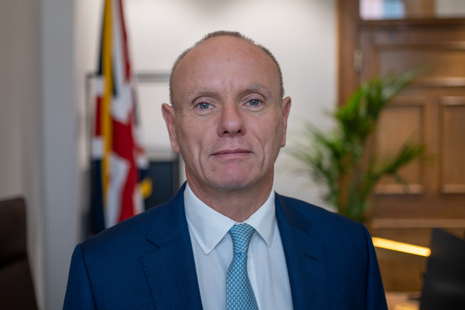
  • Mike Freer – 2022 Speech on Family Law Terminology

    Mike Freer – 2022 Speech on Family Law Terminology

    The speech made by Mike Freer, the Parliamentary Under-Secretary of State for Justice, in the House of Commons on 16 November 2022.

    As ever, it is a joy to serve with you in the Chair, Ms Nokes. I thank my hon. Friend the Member for Stroud (Siobhan Baillie) for securing a debate on this important topic. It is a topic on which I know she has campaigned for quite some time and with vigour. I tried to find the blog she wrote some years ago, but I suspect I may have to dig a bit deeper to find it. If she has a copy to hand, I would be very interested in reading it.

    As parliamentarians, we are all aware of the power of language to influence, to make others reflect and to be a force for good. The focus of the family court must always be on acting in the best interests of the child, as well as on creating stability and reducing conflict for families. The language used by professionals, and in the systems, processes and guidance that make up the family court, can set the tone for how families and individuals interact with it and with each other, both in and out of court. Our choice of language makes it clear what we value the most, and it can act as a reminder that children are at the heart of the family justice system.

    As my hon. Friend the Member for Stroud mentioned, the Family Solutions Group, which is a collection of multidisciplinary experts looking at how to improve the family justice system for children and families, noted in 2022 that the

    “language for separating families has evolved out of an adversarial legal system: it is accusatory and divisive. It is also potentially harmful, increasing conflict through battle metaphors while parents compete for justice and control of their children.”

    The Government have recognised that the language used in the family court needs to move away from pitting parents or couples against each other. Instead, the emphasis should be on clear and simply terminology that recognises children as children, not as cases, and that encourages individuals to reach joint agreements. We should be moving away from arguments about custody and residence, and towards what is the best outcome for the child, instead of perpetuating the idea that there are winners and losers in the family court. We should be encouraging resolutions and agreements.

    Reducing conflict between separating parents is a priority for the Government. I will set out the actions we have taken to support them and their children before turning to some specific measures to improve the language used in the system. We are introducing measures to reduce the number of disputes that come to court in the first place so that we reduce the time that children are left to deal with uncertainty and minimise exposure to the court system for young people.

    My hon. Friend mentioned the family mediation voucher scheme, which was launched in March and is designed to remove the barriers that parents face in accessing mediation. Family mediators are trained to support separating parents to move past their conflicts and resolve issues in a non-adversarial way. Mediation can often be a quicker means of reaching an agreement. We hope that by offering separating parents the opportunity to mediate, we can reduce the period of uncertainty and distress for children by avoiding more lengthy court proceedings.

    More than 11,800 couples have now accessed the mediation voucher scheme and received £500 towards the cost of their mediation. A Family Mediation Council survey of the first 2,800 cases suggests that 65% of separated parents reached whole or partial agreements in their mediation, which means that they no longer needed to attend court. Clearly, an amicable agreement will always be in the best interests of the children.

    Where court is unavoidable, we are working to ensure that disputes are resolved as quickly as possible, and that the processes are as understandable and stress-free as possible, especially for children. For instance, we have adopted a more investigative approach to proceedings. In February, we launched the first integrated domestic abuse courts pilot in Dorset and north Wales, delivering on a 2019 manifesto commitment. This new approach to child arrangement cases seeks to reduce conflict, protect victims and survivors and enhance the voice of the child by gathering more information during the early stages of the process, which allows courts to narrow down issues, and minimises the time spent pitting parties against each other in a courtroom setting. The new pilot also includes the option for children to meet judges or have direct access to a judge in their case who can give them direct feedback in simple, plain language on the recommendation decisions about their lives. Of course, that puts a human face to the process.

    The Government introduced the Divorce, Dissolution and Separation Act 2020 to allow no-fault divorce and end the pointless blame game when a marriage or civil partnership has irretrievably broken down. Instead, it allows couples to focus on resolving more important priorities, such as how best to co-parent any children. The Act also aimed to help couples to reach amicable decisions by introducing joint applications for divorce, which was not previously possible. Joint applications replace the adversarial concept that divorce is something done by one party to the other. We have also made changes to the language of divorce to reduce language that automatically pits individuals against each other. We have removed terms such as “petitioner” from the process. Those are simple changes, but they set the tone for how individuals engage with each other in court.

    My hon. Friend stressed the importance of language and terminology. The Government used the Children and Families Act 2014 to remove the concept of winners and losers from cases involving children. It removed terms such as “residence” and “contact”, and replaced them with more child-focused language such as “child arrangements”.

    Technology also plays a significant role in how people access and understand the family justice system. The Government are creating a more modern and straight- forward justice system that is accessible to all. His Majesty’s Courts and Tribunals Service’s reform programme has been running since 2016, and aims to move court applications across all jurisdictions online. That commitment includes providing online systems and resources that are written in plain English. Although there are times that legal language is required, all HMCTS forms and gov.uk resources go through a plain English review to make sure they are clear and accurate. We are committed to making not only the family courts accessible but the wider justice system. So far, divorce, probate and public law proceedings have moved online, and private law cases also have an option for online applications. We are continuing to work on providing more resources for child arrangements, finance applications, adoption and certain protective orders.

    Finally, I want to champion the work of the Family Justice Young People’s Board, and set out how it contributes to improving how the family justice system is using language and terminology. The young people’s board is a group of over 50 children and young people, aged between seven and 25 years old, with either direct experience of the family justice system or with an interest in children’s rights and the family courts. It works directly with the Ministry of Justice and other partners across the family justice system to share their experiences and unique viewpoints, helping to bring a vital perspective to our work. The board has been working to demystify the family justice system for children and young people, both in private and public law proceedings.

    Working with the Children and Family Court Advisory and Support Service, the Family Justice Young People’s Board have produced several resources and guides for children that aim to break down family court terminology, as well as more complex procedural processes that children will experience in court. I encourage everyone to read their “Mind Your Language!” guide on the words for professionals to avoid using in proceedings, such as terminology that is too complex. I also recommend their first book, “In Our Shoes”, for the moving first-person testimonies it provides from children and young people going through the family justice system.

    To conclude, the Government are committed to improving the experience of the family courts for children, and are taking action to make the family justice system a less adversarial experience for those who go through it. We are doing that by supporting parents to resolve their issues without the need to come to court, by improving the language and terminology used in the systems and that underpin family court, and by ensuring that at all levels the voices of children and young people who experience family justice are heard.

    I reiterate the points that my hon. Friend the Member for Stroud made; family justice system reform remains a top priority for the Government, and I can reconfirm that it remains a priority for the Lord Chancellor. The projects on law reform and reducing court backlogs are a key priority for the whole Department. As my hon. Friend stressed, if we can get people out of the courtroom, it releases court time for more complex cases. The FSG remains a key partner of the Department, and the family division sits as an observer of the family justice board. The Department is entirely aligned with the objectives of my hon. Friend and the points she raised have firmly landed. I look forward to working with her in the future.

  • PRESS RELEASE : Joint Statement from United States and the Great Lakes Special Envoys of Belgium, France and the UK [November 2022]

    PRESS RELEASE : Joint Statement from United States and the Great Lakes Special Envoys of Belgium, France and the UK [November 2022]

    The press release issued by the Foreign Office on 18 November 2022.

    The UK Special Envoy for the African Great Lakes, Alison Thorpe, joins the United States and the Special Envoys of Belgium and France to issue a statement about the security situation in eastern DRC.

    The United States along with the Great Lakes Special Envoys of Belgium, France and the UK  condemn in the strongest terms the continuing advance of the UN-sanctioned March 23 Movement (M23) illegal armed group in the Democratic Republic of the Congo (DRC). The resumption of violence since 20 October, including in and around the towns of Rutshuru, Kiwanja, Rumangabo and Kibumba, undermines peace efforts and has caused further insecurity and significant human suffering. We call on the M23 to immediately withdraw, end any acts violating international law, and to cease hostilities.

    We reiterate our support for regional diplomatic efforts, including the Nairobi and Luanda processes, that promote de-escalation and create the conditions for lasting peace in DRC.  We encourage renewed dialogue through these mechanisms and for Congolese non-state armed groups to participate in the Nairobi process. All support to non-state armed actors must stop, including external support to M23. We call on countries in the region to use all means available to them to urge an immediate cessation of hostilities and immediate resumption of consultations on concrete steps to deescalate current tensions.

    We reaffirm our commitment to the sovereignty and territorial integrity of countries in the Great Lakes region.

  • PRESS RELEASE : Statement by the AUKUS Partners to the IAEA Board of Governors [November 2022]

    PRESS RELEASE : Statement by the AUKUS Partners to the IAEA Board of Governors [November 2022]

    The press release issued by the Foreign Office on 18 November 2022.

    UK Ambassador to the IAEA, Corinne Kitsell, gave a statement on behalf of Australia, the UK and the US on their co-operation on AUKUS nuclear naval propulsion.

    Chair,

    I have the honour of speaking on behalf of Australia, the United Kingdom, and the United States on our effort through the AUKUS partnership to determine the optimal pathway for Australia to acquire conventionally armed, nuclear-powered submarines.

    Chair,

    We are now more than one year into our 18-month initial consultation period, and we are pleased with the progress made so far.

    Since the September Board meeting, senior officials and technical experts have held further trilateral discussions in our capitals. We have also continued to hold productive technical consultations with the IAEA’s AUKUS taskforce and the IAEA

    Secretariat in Vienna as we work to formulate a safeguards approach that will meet the IAEA’s technical objectives. These consultations are regular and ongoing, and they reflect the depth of the AUKUS partners’ commitment to the nuclear non-proliferation regime.

    We remain resolutely committed to setting the highest possible non-proliferation standards in relation to our co-operation on the AUKUS endeavour, and we will continue to keep Member States fully updated on our trilateral consultations with the IAEA.

    Chair,

    Sadly, there have been continued calls by some countries for the Agency to suspend engagement with us until a separate mechanism is established to discuss all aspects of AUKUS cooperation on nuclear-powered submarines.

    All Member States have the right to confidential discussions with the IAEA Secretariat, and it is vital that the Agency remains the impartial and independent technical authority on the implementation of safeguards agreements. At the September Board, the Director General reiterated his satisfaction with AUKUS partners’ level of engagement to date, and reaffirmed the mandate of the IAEA to engage with Member States on safeguards matters. To reconfirm what we have set out at the Board on previous occasions, Australia’s proposed naval nuclear propulsion activities will occur within the framework of Australia’s Comprehensive Safeguards Agreement (CSA) and Additional Protocol, providing the firm legal basis on which the IAEA, through the Director General and the Secretariat, is engaging with Australia and AUKUS partners.

    Chair,

    We would like to briefly address the unfounded criticism that certain members continue to repeat at this Board. As an example, one distinguished delegate yesterday identified nine items on which they claim the Director General is required to – and has purportedly failed to – report with respect to AUKUS. In his September report, the Director General explicitly stated that Australia has “complied with its reporting obligations under its CSA and AP, including those required under Modified Code 3.1 of the Subsidiary Arrangements to its CSA.”

    The Director General also confirmed that further reporting by Australia at this time would be premature because Australia has “informed the Agency that…no activities listed in Annex I of the AP had either been conducted or were planned; no transfers of equipment/material listed in Annex II of the AP had either taken place or were planned; and no decision had been taken to construct or otherwise acquire any nuclear reactor or other nuclear facility in connection with AUKUS.”

    Given we have repeatedly responded to these unfounded allegations in previous meetings, we will not again refute them line by line. However, we would like to make one point clear: Australia and the AUKUS partners are fully compliant with their respective safeguards obligations. Any assertions to the contrary are without any factual or legal foundation.

    Chair,

    We will continue our engagement with the Agency over the coming months, and we anticipate there will be further reports from the Director General in the future upon which we look forward to further discussions. We will continue to update the Board in future, as appropriate.

    Thank you, Chair.

  • PRESS RELEASE : Royal Air Force completes world-first sustainable fuel military transporter flight [November 2022]

    PRESS RELEASE : Royal Air Force completes world-first sustainable fuel military transporter flight [November 2022]

    The press release issued by the Ministry of Defence on 18 November 2022.

    • First time an aircraft has flown in the UK using 100% sustainable aviation fuel on all engines
    • Potential to reduce lifecycle carbon emissions by up to 80% while improving operational effectiveness
    • Another key step by the RAF towards achieving Net Zero by 2040

    An RAF Voyager – the military variant of an Airbus A330 – took to the skies over Oxfordshire powered entirely by 100% sustainable aviation fuel (SAF), paving the way for a range of possibilities for the future of flying military and civilian aircraft.

    The flight, which took place on Wednesday, was a joint endeavour between the RAF, DE&S and industry partners Airbus, AirTanker and Rolls-Royce, with the fuel supplied by Air bp.

    Sustainable aviation fuel – which is made from waste-based sustainable feedstocks, such as used cooking oil – reduces lifecycle carbon emissions on average by up to 80% compared to the conventional jet fuel it replaces, lessens the RAF’s reliance on global supply chains, and improves operational resilience.

    Defence Minister Baroness Goldie said:

    The Royal Air Force has flown the UK’s first military air transport flight using 100% sustainable aviation fuel on one of their operational Voyager aircraft. They should be rightly proud of this achievement; it is a breakthrough moment for the RAF and an exciting development for the MOD.

    Through the RAF’s pioneering spirit, expertise and partnership with UK industry, British science and engineering is leading the way in improving operational resilience and developing future operating capability in a climate-changed world.

    Different approaches will suit different platforms and environments. As such, a range of alternative fuel options are being looked at to ensure the UK is at the forefront of this developing technology.

    This success follows last November’s small aircraft UK flight powered by 15 litres of synthetic gasoline – another world-first led by the RAF. Synthetic fuel is made from water and carbon dioxide, which is then put under pressure and an electric current run through it.

    Wednesday’s 90-minute flight from RAF Brize Norton, flown by a combined RAF, Rolls-Royce and Airbus flight test crew, replicated an air-to-air refuelling sortie and was witnessed by senior RAF and industry representatives. It demonstrated the RAF’s potential for its future operational capability, ensuring the ability to contribute to UK defence wherever and whenever required.

    Chief of the Air Staff, Air Chief Marshal Sir Mike Wigston said:

    Climate change is a transnational challenge that threatens our resilience, our security and our collective prosperity. That is why I have set the RAF the ambitious challenge of becoming the world’s first net-zero Air Force by 2040. The way we power our aircraft will be key to meeting that challenge and the RAF is already thinking about how we will operate beyond fossil fuels.

    This exciting trial flight of a Voyager from RAF Brize Norton powered entirely by Sustainable Aviation Fuel is an important milestone on that journey, and marks another technological first for the RAF alongside our industry partners.

    Engineers from Airbus’ Commercial Aircraft and Defence and Space divisions have been working with the RAF, Rolls-Royce and Airtanker testing the aircraft’s performance and handling on the ground and in the air in preparation for the final flight with both engines powered by 100% SAF.

    Aviation Minister at the Department for Transport, Baroness Vere said:

    Our Jet Zero Strategy made clear that sustainable aviation fuels are key to greener flight for both military and civilian aviation.

    This is a win for the planet and a testament to British ingenuity. We have launched the £165 million Advanced Fuels Fund to kickstart a homegrown SAF industry, as well as challenging the sector to deliver the first net zero transatlantic flight next year.

    This breakthrough test flight is just one of the ways the RAF is actively working to reduce lifecycle carbon emissions produced by flying its aircraft. Other innovations have included a world-first, record breaking microlight flight using synthetic fuel, flying an electric aircraft at RAF Cranwell and creating fuel from genetically modified bacteria.

    While continuing to fulfil the priority focus of protecting the nation, the sustainable aviation fuel could mark a step-change towards the RAF’s goal to be Net Zero by 2040. Working towards the Government’s Net Zero 2050 goal and Jet Zero Strategy, the RAF also plans for their first Net Zero airbase by 2025.

    In addition to supporting the use of Sustainable Aviation Fuel in the Armed Forces, the Royal Air Force Commander in Chief HM King Charles III has also supported an increase in its adoption in the private sector though the Sustainable Markets Initiative. The SMI is a network of global CEOs from across all industries, working together to accelerate a sustainable future in line with its mandate. Part of the SMI’s work is raising awareness of SAF amongst the business community and encourage greater SAF uptake in corporate travel in addition to increased purchase agreements to encourage demand from the public and private sectors.

  • PRESS RELEASE : Scottish Secretary responds to Chancellor’s Autumn Statement [November 2022]

    PRESS RELEASE : Scottish Secretary responds to Chancellor’s Autumn Statement [November 2022]

    The press release issued by the Secretary of State for Scotland on 18 November 2022.

    Scottish Secretary Alister Jack has responded to the Chancellor’s Autumn Statement where the UK Government pledged to restore stability to the economy, protect high-quality public services and build long-term prosperity for the United Kingdom.

    Jeremy Hunt outlined a targeted package of support for the most vulnerable, alongside measures to get debt and government borrowing down.

    The plan he set out is designed to fight against inflation in the face of unprecedented global pressures brought about by the pandemic and the war in Ukraine.

    Scottish Secretary Alister Jack said:

    We are facing complex global challenges, and the Chancellor has had to take some difficult decisions. By reducing our borrowing, tackling the root causes of inflation and putting our public finances on a stable footing, we will create the economic stability we need for our long-term prosperity.

    As we promised, we have put in place extra support for those who need it most, with support on energy bills and increases in pensions, benefits and the National Living Wage.

    The Scottish Government will receive an additional £1.5 billion, to help support public services in Scotland. We are also putting extra money into two key projects in Scotland. Catapult will help grow our offshore energy capability, and a feasibility study to upgrade the A75 will pave the way for much improved connectivity between Scotland, Northern Ireland and England.

    As a result of today’s tax and spending decisions, the Scottish Government will receive around an additional £1.5 billion over 2023-24 and 2024-25.

    Delivering for the people of Scotland, the Chancellor has reconfirmed the UK Government’s commitment to work with the Scottish Government on options to improve the A75, in line with the findings from the Union Connectivity Review.

    He also confirmed that funding for the UK’s 9 Catapult innovation centres will increase by 35% compared to the last funding cycle, this includes the offshore renewable catapult in Glasgow.

    To protect the most vulnerable from the worst of cost-of-living pressures, the Chancellor announced a package of targeted support worth [£26bn], which includes continued support for rising energy bills. More than eight million households on means-tested benefits will receive a one-off payment of £900 in instalments, with £300 to pensioners and £150 for people on disability benefits.

    The Energy Price Guarantee, which is protecting households throughout this winter by capping typical energy bills at £2,500, will continue to provide support from April 2023 with the cap rising to £3,000. With prices forecast to remain elevated throughout next year, this equates to an average of £500 support for households in 2023-24.

    Working age benefits will rise by 10.1%, boosting the finances of millions of the poorest people in the UK, and the Triple Lock will be protected, meaning pensioners will also get an inflation-matching rise in the State Pension and the Pension Credit.

    The National Living Wage will be increased by 9.7% to £10.42 an hour, giving a full-time worker in Scotland a pay rise of over £1,600 a year, benefitting 160,000 of the lowest paid workers.

    The Scottish Government is receiving additional funding at the Autumn Statement for the current Spending Review period to 2024-25, but will be expected to live within these new budgets and support our mission of fiscal discipline. To improve public finances, from 2025-26 onwards day to day spending will increase by 1% with capital spending held flat in cash terms. This means overall departmental and devolved administration budgets will continue to rise in real terms, although more slowly, increasing by 0.5% each year to 2027-28.

    To raise further funds, the Chancellor has introduced tax rises of £25 billion by 2027-28. Based around the principle of fairness, all taxpayers will be asked to contribute but those with the broadest shoulders will be asked to contribute a greater share.

    The threshold at which higher earners start to pay the 45p rate will be reduced from £150,000 to £125,140, while Income Tax, Inheritance Tax and National Insurance thresholds will be frozen for a further two years until April 2028. The Dividend Allowance will be reduced from £2,000 to £1,000 next year, and £500 from April 2024 and the Annual Exempt Amount in capital gains tax will be reduce from £12,300 to £6,000 next year and then to £3,000 from April 2024.

    The most profitable with the broadest shoulders will also be asked to bear more of the burden. The threshold for employer National Insurance contributions will be fixed until April 2028, but the Employment Allowance will continue protect 40% of businesses from paying any NICS at all.

    In addition, the government is implementing the reforms developed by the OECD and agreed internationally to ensure multinational corporations pay their fair share of tax. And as confirmed last month, the main rate of Corporation Tax will increase to 25% from April 2023.

    To ensure businesses making extraordinary profits as a result of high energy prices also pay their fair share, from 1 January 2023 the Energy Profits Levy on oil and gas companies will increase from 25% to 35%, with the levy remaining in place until the end of March 2028, and a new, temporary 45% levy will be introduced for electricity generators. Together these measures will raise over £55 billion from this year until 2027-28.

    To ensure fiscal discipline while providing support for the most vulnerable, the Chancellor has introduced two new fiscal rules, that the UK’s national debt must fall as a share of GDP by the fifth year of a rolling five-year period, and that public sector borrowing in the same year must be below 3% of GDP. Overall, the Autumn Statement improves public finances by [£55 billion] by 2027-28, and the OBR forecasts both of these rules to be met a year early in 2026-27.

  • Siobhan Baillie – 2022 Speech on Family Law Terminology

    Siobhan Baillie – 2022 Speech on Family Law Terminology

    The speech made by Siobhan Baillie, the Conservative MP for Stroud, in Westminster Hall, the House of Common, on 16 November 2022.

    I beg to move,

    That this House has considered the terminology used in family law.

    It is a pleasure to serve under your chairmanship, Ms Nokes, not least as I know you are a huge champion of families, and when you looked after relationship work in the Department for Work and Pensions under previous ministerial briefs, you understood the importance of this field of work.

    Who does not love a good on-screen relationship drama? Lovers falling out, marriages breaking down and dramatic affairs of the heart are the stock-in-trade of film, soaps and the media. But when children are caught in the middle of storylines, we routinely hear, “I’ll see you in court”, “I’m going for custody of little Johnny and little Sarah”, or the possessive—“She’s my daughter”—and divorce is described as a battle to be won. This language is hugely unhelpful to families who are going through the heartache of separation.

    I was a family law solicitor before I came into this place, and I saw the fallout of unnecessarily divisive battles. I am often found shouting at the telly when they get the terminology wrong. My love of “Coronation Street” and “Eastenders” probably needs to be outed here—I am going to write to the producers about the report and the debate today. Language really matters in family law.

    In real life, every year around 280,000 children see their parents separate. It surprises many that the term “custody” should have stopped being used 30-odd years ago when the Children Act 1989 came in, but it surprises nobody that the language of war used for separating families is damaging to all involved, with approximately 40% of all separating parents bringing issues about their children to the family court. For too long we have allowed thousands of children to be caught up in an adversarial court system.

    The language of the legal system is accusatory and divisive. Parents are described as Smith v. Smith; barristers will talk about “my opponent”; we refer to “the applicant” and “the respondent”; and we have “dispute resolution” rather than problem solving. The most important humans in a child’s life are therefore immediately pitched against each other at a time when co-operation is most needed.

    Many years ago while working for the relationship experts OnePlusOne, I wrote an article that explained—there is lots of evidence—that destructive and acrimonious conflict between parents puts children at greater risk of emotional problems such as depression and anxiety. Children may develop behavioural difficulties and become aggressive and difficult. Parents do not want that. For the majority of mums and dads, separation is extremely painful and a decision not taken lightly. The wellbeing of their children is their main concern, and often the first concern when they come in to speak to lawyers.

    Jim Shannon (Strangford) (DUP)

    In the time I have had the privilege of knowing the hon. Lady, she has addressed these issues with a deep interest and knowledge, and I thank her for that. In children and family courts, children often hear big and complicated words without knowing their meaning, but they know the emotional impact—for example, custody in prison, being in pain, separation, being alone and perhaps even violence. Does she agree that the justice system could and must look at the courts’ choice of words, their impact on young children’s development and the fear they instil about the environment those children are growing up in and the changes that they might face?

    Siobhan Baillie

    I thank the hon. Member for Strangford for what was, as usual, a thoughtful intervention. He is absolutely right. The language we all use, whether it is in the media or in the legal system and court documents, can be changed. It will not be easy—we all use terminology that is outdated and that we have been told is wrong, and we get it wrong sometimes—but it can be changed, and we have to work towards that.

    With that in mind, I encourage everyone to look at the “Language Matters” report by the Family Solutions Group. The FSG was set up by the eminent Mr Justice Cobb in 2020. It is an excellent and constructive multidisciplinary group of experts working with separated parents and children. There is a lot of emotion in this area, but it is trying to find solutions and I recommend that everyone look at its work.

    Let us be honest: the courts system that we are working in is stretched to breaking point. Over 66,000 new cases started in the family courts in April to June 2021, which is up 14% on the same quarter the year before. The case numbers are increasing. The pressure on courts in the pandemic was a tipping point because so many hearings were cancelled. Delays in cases involving children are always counter to a child’s best interests, yet despite the best efforts of the Government, the judiciary and lawyers, from 2011 to 2021 the mean duration of disputes and cases involving children increased from over 31 weeks to 41 weeks—up by a third. It is now commonplace for hearings to be cancelled at short notice, and the number of litigants in person are rising exponentially. That gives the judiciary an impossible task in many cases.

    Let us imagine how hard it is for emotionally charged parents to go through a confusing court system on their own. When I was practising, people would save up to have one hour of my time. That is all they could afford—hundreds of pounds. They would get as much as they possibly could from me and head into the court system on their own, often terrified and desperate to do a good job. We come back to language in the courts system. The FSG report sets out the archaic language that is familiar to me, the judiciary and lawyers, but court bundles, pleadings and section 7 statements are alien to most people.

    In essence, the court should be the last resort for parents, but sadly it is often seen as the first port of call. However, our system can be changed so that parents who do not have legal issues to resolve do not go anywhere near a judge, particularly for child arrangements. Many cases are not about law but about communication or relationship issues, responsibilities, schools, hobbies or the scheduling of a child’s time once they are in two homes. If there is no safety, or if there are domestic violence or protection issues, parents would be best served by being supported to reach agreements as early as possible outside the court system.

    I have said for years that I estimate that about a third of private law children cases should not be in court, but I defer to the brilliant judge Sir Andrew MacFarlane, the president of the family division, who I heard on a Radio 4 programme the other day. He estimated that about 20% of families could be helped outside court. If we invested in helping 20% to 30% of families stay out of litigation, we would not only help the children of those families but free up court time for the families that need it most. In the case of Re B, His Honour Judge Wildblood said:

    “Do not bring your private law litigation to family Court here unless it is genuinely necessary for you to do so.”

    Sally-Ann Hart (Hastings and Rye) (Con)

    As a former magistrate in the family proceedings court, I completely agree that when people come for contact arrangements with their children, very often the magistrates are acting in the role of mediator and helping them to come to a decision in the court. Does my hon. Friend agree that that is not the place for parents to go to have other people sort out their child arrangements for them?

    Siobhan Baillie

    I agree. It is not a good use of magistrates’ time, either. This is not easy for parents—nobody should suggest that they rush to court, because often that is not the case. At the moment, parents think that court is the only place to go to get disputes resolved. That change in society and culture would help to free up the court’s time, which is incredibly important to my hon. Friend and other magistrates. His Honour Judge Wildblood went on to say this, directed at parents and lawyers:

    “If you do bring unnecessary cases to this Court, you will be criticised, and sanctions may be imposed on you. There are many other ways to settle disagreements, such as mediation.”

    I am looking to the Minister to help me and other parliamentarians to change the family law system to, in turn, help the Ministry of Justice to achieve its goals to ensure that people can access justice and court time in a timely way when they really need it.

    Alex Cunningham (Stockton North) (Lab)

    I agree with what the hon. Lady is saying. The problem is that there are insufficient resources in mediation services, but if we invested in them, we could make savings further down the road within the court system and the Ministry of Justice. Is that something she would encourage?

    Siobhan Baillie

    It is absolutely fantastic to hear the hon. Gentleman talk about mediation. There has actually been a lot of investment in mediation. The demand went up an awful lot when we had a voucher system, which we may hear about from the Minister. Where demand has gone up, we need to meet that demand, because those parents will end up in court if we cannot get them into mediation services. It is absolutely great to hear the hon. Gentleman champion mediation in that way, and we will look to the Minister to hear more about the options.

    I am asking for a few things today. Will the Minister confirm that the Ministry of Justice’s much-needed focus on family law reform is continuing, now that the Lord Chancellor is back in his post? It went quiet for a bit, and the Lord Chancellor previously did an awful lot on this issue. What has happened to the demand reduction plan? I know the Department was looking at that very carefully, and it was designing the plan to keep families out of court wherever possible. Does the Minister agree that the FSG should receive a formal response from the Government to its “What About Me?” and “Language Matters” reports?

    Can the Minister please confirm that the Ministry of Justice is working across Departments to embed support for separating families in services such as family hubs, and to learn from the Department for Work and Pensions’ successful reducing parental conflict programmes? Will the Government confirm that they will investigate extending family law projects and pilot schemes? We know that they are working really well and teaching us better practice for cases involving children, so we would like to see more of them. Finally, will the Minister get representatives of the FSG to meet officials in the Department in order to discuss their proposals?

    I genuinely believe that changing the options available to parents, re-educating society about the impact of litigation on children and changing the legal language of separation will help millions of parents and, importantly, the life chances of children. I hope we can work together to make that happen.

  • PRESS RELEASE : Plans to level up and build new homes tabled in Parliament [November 2022]

    PRESS RELEASE : Plans to level up and build new homes tabled in Parliament [November 2022]

    The press release issued by the Department for Levelling Up, Housing and Communities on 18 November 2022.

    Delivering much-needed housing, boosting local infrastructure and strengthening environmental protections are at the heart of government levelling up plans tabled in parliament.

    Key amendments to the Levelling Up and Regeneration Bill put forward this week, will put power in the hands of local people to bring forward development they want to see and clamp down on slow build out by developers.

    The new measures will follow the Government’s BIDEN principles:

    • making sure new development is Beautiful
    • supported by the right Infrastructure
    • a more Democratic system where communities have their say
    • enhances the Environment
    • and creating better Neighbourhoods shaped by the people who live in them

    This will help to regenerate communities and deliver on the levelling up missions set out in the White Paper earlier this year.

    Minister of State for Levelling Up, Housing and Communities, Rt Hon Lucy Frazer MP said:

    Levelling Up means creating vibrant and beautiful communities where local people and businesses can thrive. The measures we are setting out today will put protecting the environment at the heart of our plans, while bringing forward much needed new homes across the country.

    We will make sure that new development is surrounded by the right infrastructure and that local people are given an opportunity to shape their neighbourhood.

    Amendments being tabled will:

    • Tackle slow build out by developers to make sure much needed new homes are delivered. Developers will have to report annually to councils on their progress and councils will have new powers to block planning proposals from builders who have failed to deliver on the same land.
    • Improve our environment and enshrine in law an obligation on water companies to clean up our rivers by upgrading wastewater treatment works. Considering all catchments covered by the amendment, our initial estimates indicate that there will be around a 75% reduction in phosphorus loads and around a 55% reduction in nitrogen loads in total from wastewater treatment works, although this will vary between individual catchments. These upgrades will enable housebuilding to be unlocked by reducing the amount of mitigation developers must provide to offset nutrient pollution. This will be accompanied by a Nutrient Mitigation Scheme that will make it easier for developers to discharge their mitigation obligations.
    • Give residents a new tool to propose additional development on their street, like extensions to existing homes, through ‘street votes’. Planning permission will only be granted when an independent examiner is satisfied that certain requirements, such as on design, have been met and the proposal is endorsed at a referendum by the immediate community. Pilot Community Land Auctions – testing a new way of capturing value from land when it is allocated for development in the local plan to provide vital infrastructure, including schools, roads, GP surgeries, and the affordable housing that communities need.
    • Enhancing powers for mayors to support them to managing their key route networks and increase transport connectivity across their area.
    • Help Nationally Significant Infrastructure Projects such as wind farms and new major transport links be delivered more quickly, by enabling a small number of public bodies to charge for their statutory services to help them provide a better, reliable, quality of advice to developers and support faster planning decisions.

    Water Minister Rebecca Pow said:

    These measures will help us to deliver the homes that this country needs, whilst protecting our precious environment.

    It is vital that some of our most important wildlife sites are protected against nutrient pollution and water companies will need to step up and play their part to clean up our rivers. These new environmental requirements will ensure this happens.

    Today’s announcement builds on measures already announced in the Levelling Up and Regeneration Bill, which will see the biggest shift of power from Whitehall in modern times to make sure local leaders have the tools they need to harness the full potential of their area.

    The Bill will deliver the right homes in the right places in keeping with local styles, tackle the scourge of boarded up shops on high streets and make it easier for councils to regenerate disused land to create thriving communities.

  • PRESS RELEASE : Independent review of Integrated Care Systems [November 2022]

    PRESS RELEASE : Independent review of Integrated Care Systems [November 2022]

    The press release issued by the Department for Health and Social Care on the 18 November 2022.

    • New independent review of Integrated Care Systems to improve health outcomes across the country
    • Former Health Secretary the Rt Hon Patricia Hewitt, Chair of NHS Norfolk & Waveney Integrated Care Board has been appointed as Chair

    The government has announced a new independent review into oversight of Integrated Care Systems (ICSs) to reduce disparities and improve health outcomes across the country, following record investment in health and social care.

    The review will be led by former Health Secretary the Rt Hon Patricia Hewitt who is currently Chair of NHS Norfolk & Waveney Integrated Care Board, and will explore how to empower local leaders to focus on improving outcomes for their populations.

    This includes giving them greater control and making them more accountable for performance and spending, reducing the number of national targets, enhancing patient choice and making the healthcare system more transparent.

    The Health and Care Act established 42 Integrated Care Systems across England in law on 1 July. The new systems are a crucial part of the government’s vision to bring together the NHS and local government to jointly deliver for local communities and boost access to care.

    Yesterday’s Autumn Statement also announced up to £8 billion more for the NHS and adult social care in England in 2024-25 on top of record funding, ensuring the NHS can address the most pressing issues facing the health service this winter. This includes continuing to provide care to the most vulnerable, reducing the backlog of those waiting for elective surgeries and improving access to emergency and primary care.

    Health and Social Care Secretary Steve Barclay said:

    I’m focused on supporting the health and care system through what we know will be a challenging winter but also crucially making the changes that will better prepare us for the future.

    Rather than a one-size-fits-all approach dictated from a ministerial office, local leaders are best placed to make decisions about their local populations and I want to empower them to find innovative solutions to tackle problems and improve care for patients.

    Fewer top-down national targets and greater transparency will help us deliver this aim and I am grateful to Patricia Hewitt for agreeing to lead this vital review to help us get this right. I look forward to reviewing her findings.

    Rt Hon Patricia Hewitt, Chair of NHS Norfolk & Waveney Integrated Care Board said:

    I am delighted to have been asked to lead this review of how Integrated Care Systems can best be empowered and supported to succeed.

    By bringing together local government, the NHS and the voluntary, community and social enterprise sector, ICSs provide the biggest opportunity in a generation to improve health outcomes, transform health and care services and reduce health inequalities. Despite the many challenges we face, I am excited by how much has already been achieved in many different systems, including in Norfolk and Waveney, and optimistic about what our partnerships can do in future as we respond to the different needs of our own communities.

    This review will focus on how national policy and regulation can most effectively support and enable local systems to solve problems locally. It will build on the welcome work already done by NHS England to develop a new operating model.

    I look forward to working with colleagues from all 42 ICSs as well as DHSC, NHSE, colleagues in local government and others as we respond to the Health Secretary’s and the Chancellor’s invitation to help create a system of regulation and accountability based on the principle that change should be locally led and nationally enabled.

    Richard Meddings, Chair of NHS England:

    As a health service we are focused on delivering the best possible care for all our patients, as well as value for taxpayers.

    With both the economy and the NHS facing tough challenges ahead, it’s absolutely right that we continue to find more innovative ways to ensure all our systems are working as efficiently as possible. We also need to continue to provide the tools to help local systems solve the problems they face on the ground – building on the operating model we have already set out.

    That’s why we welcome this week’s announcement of a new independent review and will work closely with its chair, the Rt Hon Patricia Hewitt, to help the NHS to continue to deliver for patients, as well as the public purse.

    The review will consider:

    • The scope for a smaller number of national targets to empower local health and care leaders and enable greater autonomy, so they have the time and resource to focus on innovating and tackling local challenges and priorities.
    • How local performance could be better monitored and any local targets set, with a focus on transparency.
    • How to ensure new ICSs are held robustly to account, both locally and nationally.
    • The relationship between ICSs, and central bodies, such as NHS England and the Care Quality Commission (CQC), as well as the CQC’s role in oversight of ICSs.

    An interim report is expected before the end of the year, with a final report in the new year, which will inform the NHS’s objectives and planning.

    The review will draw upon the expertise of ICS leaders, NHS England and other experts including in academia, government and relevant thinktanks, as well as local government, voluntary sector and patient representatives.

    Background

    • Each ICS has an Integrated Care Board (ICB), a statutory organisation bringing the NHS together locally to improve population health and establish shared strategic priorities within the NHS. They include representatives from local authorities, primary care and NHS trusts and are accountable for the performance of the NHS across their area.
    • Each ICS also has an Integrated Care Partnership (ICP), bringing together a wider group of partners to set the strategy for the system as a whole, focusing on the four goals of ICSs: improve outcomes in population health and healthcare; tackle inequalities in outcomes, experience and access; enhance productivity and value for money; and help the NHS support broader social and economic development.
    • The terms of reference will be published in due course.
  • PRESS RELEASE : UK, France, Germany and the US welcome IAEA Board of Governors resolution on Iran [November 2022]

    PRESS RELEASE : UK, France, Germany and the US welcome IAEA Board of Governors resolution on Iran [November 2022]

    The press release issued by the Foreign Office on 18 November 2022.

    The UK, France, Germany (the E3) and the United States welcome the adoption of a resolution at the IAEA Board of Governors on Iran.

    The E3 and US said:

    We, the Governments of France, Germany, the United Kingdom and the United States, welcome the IAEA Board of Governors’ adoption of a resolution on Iran. This resolution was adopted in response to Iran’s insufficient cooperation with the IAEA on serious and outstanding issues relating to Iran’s legal obligations under its Non-Proliferation Treaty (NPT) Safeguards Agreement.

    This is the second resolution adopted by the IAEA Board of Governors on these matters this year. In doing so, the Board has sent a clear message that it is essential and urgent that Iran fulfils its NPT-required safeguards obligations and take the actions specified without delay.

    Iran must provide technically credible explanations for the presence of uranium particles identified at three undeclared locations in Iran and clarify the whereabouts of the related nuclear material and/or contaminated equipment.

    The resolution reaffirms the Board’s unwavering support for the IAEA’s longstanding efforts with Iran to resolve these critical matters.

    As we have made clear, if Iran does this and the Director General is able to report that the unresolved safeguards issues are no longer outstanding, the Board could then close its consideration of this matter.

    We hope Iran takes this opportunity to cooperate with the IAEA in good faith toward closing these outstanding matters so that no further Board action on these issues will be necessary.

  • PRESS RELEASE : BEIS in the Autumn Statement [November 2022]

    PRESS RELEASE : BEIS in the Autumn Statement [November 2022]

    The press release issued by the Department for Business, Energy and Industrial Strategy on 18 November 2022.

    Yesterday (Thursday 17 November), the Chancellor delivered his Autumn Statement to the House of Commons, announcing a raft of measures aimed at ensuring the UK’s economic stability, continuing growth, and providing support to the most vulnerable.

    The Chancellor highlighted how the government’s priority is to tackle inflation and prevent it eating into the paycheques and savings of people across the country, while eliminating disruption to business growth plans.

    Among the key measures that BEIS will be charged with delivering is an uplift in the National Minimum Wage and the largest ever cash increase in the National Living Wage – helping protect over 2.5 million of the lowest-paid workers in the UK against the rising cost of living.

    As well as continuing to support households with their energy bills by extending the Energy Price Guarantee, the Autumn Statement also prioritised boosting the UK’s energy independence and efficiency. This includes an investment in Sizewell C and the creation of a new taskforce for energy efficiency.

    The Chancellor also outlined how innovation would be crucial to unlocking economic growth, announcing that the government will be protecting £20 billion in research and development investment in 2024 to 2025.

    Business Secretary Grant Shapps said:

    We are doing everything we can to support the most vulnerable in these challenging times, and this Autumn Statement builds on the measures already in place to protect businesses and consumers over the coming months.

    From delivering the biggest increase yet to the National Living Wage, to supporting businesses and households from rising costs and investing in innovative new technologies, we are prioritising stability and growth to ensure the UK can prosper.

    Among the BEIS policies announced in the Autumn Statement include:

    Energy support

    Energy Price Guarantee

    The Energy Price Guarantee is a scheme which limits the unit price households pay for electricity and gas across the UK. It brings a typical household energy bill in Great Britain down to the equivalent of around £2,500 per year (for the period of 6 months) from 1 October 2022 to end of March 2023 (with equivalent support in Northern Ireland (NI)); and then to around £3,000 per year for a typical household in Great Britain from April 2023 to April 2024 (again with equivalent support in NI).

    The government will consult on amending the scheme as soon as is feasible after April 2023 so that those who use very large volumes of energy have their state support capped, whilst the vast majority of households can continue to benefit. This proposal is intended to ensure taxpayers do not subsidise all of the energy usage of those households with extremely high usage. This consultation will explore the best ways to ensure that vulnerable high energy users, such as those with medical requirements, are not put at risk.

    New approach from April 2024

    The government will develop a new approach to consumer protection in relation to energy, which will apply from April 2024 onwards. It will work with consumer groups and industry to consider the best approach, including options such as social tariffs, as part of wider retail market reforms. The objectives of this new approach will be to deliver a fair deal for consumers, ensure the energy market is resilient and investable over the long-term, and support an efficient and flexible energy system.

    Alternative fuel payments

    The government will double the level of support for households that use alternative fuels, such as heating oil, liquefied petroleum gas (LPG), coal, or biomass, to heat their homes to £200. This support will be delivered as soon as possible this winter. The government will provide this payment to all Northern Ireland households in recognition of the prevalence of alternative fuel usage in Northern Ireland. The government will also provide a fixed payment of £150 to all UK non-domestic consumers who are off the gas grid and use alternative fuels, with additional ‘top-up’ payments for large users of heating oil based on actual usage.

    Energy Efficiency Taskforce

    The government will form a new Energy Efficiency Taskforce, charged with driving improvements in energy efficiency to bring down bills for households, businesses, and the public sector. The taskforce will support a new ambition to reduce energy demand from buildings and industry by 15% by 2030. New government funding worth £6 billion will be made available from 2025 to 2028, in addition to the £6.6 billion provided in this Parliament.

    Energy security

    Electricity Generator Levy

    To help offset the costs of energy bill support schemes as well as vital public services, the government will be introducing a new temporary tax of 45% on certain electricity generators in the UK, called the Electricity Generator Levy. The levy, replacing the Cost Plus Revenue Limit, will be used to raise revenue from generators receiving extraordinary returns from higher electricity prices and will help fund the unprecedented package of support for energy bills the government is offering.

    From January, the Energy Profits Levy on oil and gas companies will also increase from 25% to 35%, bringing the headline tax rate for the sector to 75% helping raise revenue, recognising their continued high profits. The Energy Profits Levy is applied to total profits rather than a measure of extraordinary returns and will come on top of other additional taxes applied to oil and gas production in the UK.

    Sizewell C

    Plans for the new plant at Sizewell C continue. Subject to final approvals, contracts are expected to be signed with relevant parties, including EDF, in the coming weeks. The project will create 10,000 highly skilled jobs for the area and provide reliable, low-carbon, power to the equivalent of 6 million homes for over 50 years. The government’s £700 million investment is the first state backing for a nuclear project in over 30 years and represents the biggest step in the UK’s journey to energy independence.

    Backing business and workers

    National Living and Minimum Wage increases

    Over 2 million of the lowest-paid workers in the UK will receive a pay rise, as the National Living Wage rate is increased by around 10%, its largest ever cash increase. These generous increases will support workers across the UK with the rising cost of living and provide added certainty for businesses for the year ahead. The National Minimum Wage, which is designed for younger workers, also receives a generous rise that protects their employment prospects. The new rates, recommended by the Low Pay Commission, an independent body with worker and business representatives, will come into force in April 2023.

    Digital Markets Competition & Consumers Bill

    The Digital Markets Competition & Consumers Bill will be brought forward in the third Parliamentary session to reform the UK’s digital markets, competition and consumer laws, strengthening public and business confidence in the power of free markets, and provide new powers to the Digital Markets Unit. In doing this, consumers’ hard-earned cash will be further protected from scams and rip-offs, markets will become more competitive and dynamic, meaning consumers get the very best deals, and a new regime will be introduced to address the far-reaching market power a small number of very powerful tech firms have on the market.

    Unleashing innovation

    Research and development

    Investing in R&D is absolutely vital to help the economy and businesses grow. The government will ensure £20 billion in research and development investment is protected in 2024 to 2025, to help unlock growth across the UK. R&D tax reliefs will also be reformed, to ensure that taxpayers’ money is spent as effectively and efficiently as possible.

    Made Smarter

    The government will extend the Made Smarter Adoption programme to the East Midlands, supporting more small and medium manufacturing firms in boosting their productivity, efficiency, and resilience through adopting advanced industrial digital technologies, including robotics and automation, additive manufacturing, and AI. The extension follows the positive feedback the Made Smarter Adoption programme has already received in the North East, West Midlands, North West, and Yorkshire and the Humber.

    Catapult Network

    Funding for the Catapult Network, which promotes research and development through business-led collaboration, will increase by 30% compared to the last 5-year funding cycle. This £1.6 billion investment will provide SMEs access to world-leading facilities, expertise, skills, and equipment; accelerating innovation clusters and stimulating additional private sector investment in R&D across the UK.

    Background information

    In full, the National Living and Minimum Wage increases are:

    • National Living Wage (23+) to increase 9.7%, from £9.50 to £10.42
    • National Minimum Wage (21-22) to increase 10.9%, from £9.18 to £10.18
    • National Minimum Wage (18-20) to increase 9.7% from £6.83 to £7.49
    • National Minimum Wage (under 18) to increase 9.7% from £4.81 to £5.28
    • Apprenticeship National Minimum Wage to increase 9.7% from £4.81 to £5.28
    • Accommodation offset to increase 4.6% from £8.70 to £9.10. The accommodation offset is the maximum amount of value for provision of a workers’ accommodation that can count towards National Minimum Wage pay

    The Low Pay Commission, an independent body with worker and business representatives recommends the rates to the government every year. The government has accepted the Low Pay Commission’s rate recommendations in full.