
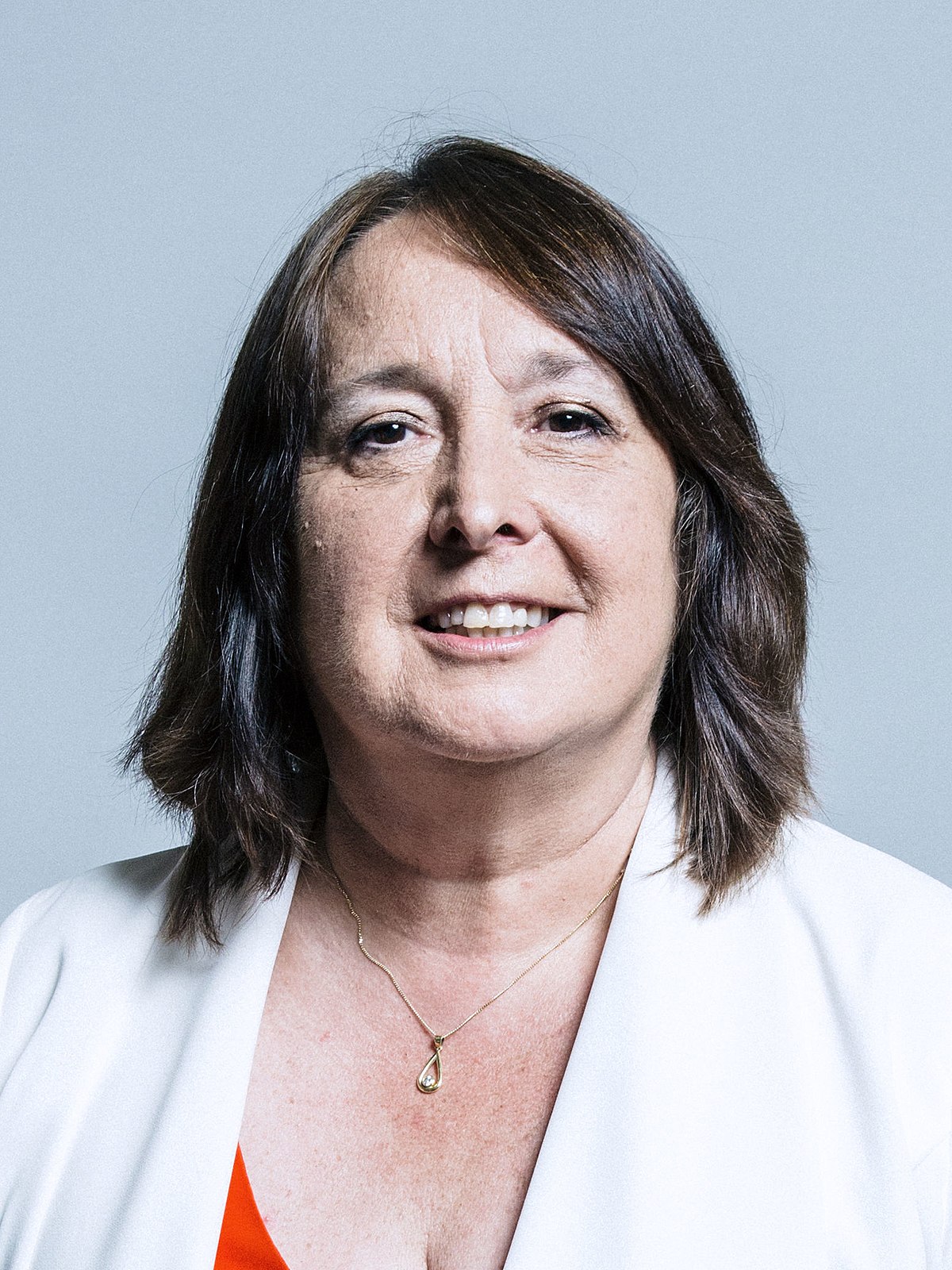
The speech made by Christine Jardine, the Liberal Democrat MP for Edinburgh West, in the House of Commons on 13 May 2026.
It is a pleasure to follow the hon. Member for York Central (Rachael Maskell).
As I listened to His Majesty the King today, there was one part in his speech that reminded me of the Queen’s Speech in 2017, when I was first elected. The then Government promised that their priority would be
“to secure the best possible deal as the country leaves the European Union.”—[Official Report, 21 June 2017; Vol. 626, c. 34.]
That went well. Let us compare our economy then and now. Inflation and unemployment are now both higher. In 2017, we had the fifth-largest economy in the world. We have slipped to sixth since we left the EU. Outside this place, in 2017, people were concerned for the welfare of the refugees risking their lives on boats crossing the Mediterranean. If they landed in a safe European Union country, that was where they had to seek refuge. Not now. Now that we have left the European Union, that rule no longer applies to us. That is something that the Brexiteers omitted—perhaps forgot—to mention then in their campaign, and now in their immigration rants. That is why one part of the speech I welcome is the promise of closer links with the European Union. I am delighted to hear that we will, in the words of the King’s Speech, “strengthen ties”, but what exactly will that mean?
At the weekend, I spent time with some non-political friends. It would be a welcome break, I thought, from the constant election messaging of the past few weeks, but they dragged me back here by asking quite clearly and categorically: “When are we doing something to get back into the European Union?” Leaving has been a disaster for them, for their businesses and for the country. “Closer” probably will not be enough for them. They want to know exactly what we will do, and how we will get back to the centre of Europe, to lead and work with our neighbours and build the trading links that are essential to economic recovery.
What about the customs union and the single market—does being closer include being in them? While I agree that being closer to Europe will help our economic growth, it will not be enough on its own. It will not be enough to improve the lives of the constituents who come to me every week. It will not be enough to cut their energy bills before next winter, to provide housing that they can afford, or to help their children get on the housing ladder.
I welcome the moves on antisemitism, which has rocketed in the past few years. We have seen it go up by 175% in a decade, and it has been all too visible in the recent attacks on our streets. However, while the Government are promising to tackle antisemitism, I hope that they will not forget Islamophobia, which is also rampant, or the misogyny that we see everywhere, influenced by the dangerous views that young men hear expressed on the internet, and that affect how they look at women and girls.
Among the 35 Bills are measures to support women and give them greater “agency over the decisions” that affect their lives. I do not disagree with that, but again, as with the measures on the European Union, it is not exactly clear what that will mean. More action on domestic abuse and helping women entrepreneurs sounds good, but I hope there will be bold action, rather than clever language and warm words.
Over the past two months, on the doorstep of almost every home I visited, the theme of the conversation was exactly the same: change. It was change that people wanted—the change that people voted for two years ago, but did not feel yet. I am not sure that they will see that desire for change reflected in the Government’s plans today. They are all too bitty, unclear and not absolutely transparent.
We know energy security is vital to national security, and that national security is increasingly under threat and needs investment. It is only too clear that Ukraine’s pain is being suffered on behalf of us all, and that without its resistance, the rest of Europe would be even more vulnerable. Again, there is nothing in the King’s Speech on defence that most people would take issue with; what is there sounds good. However, I believe that people will take issue with what is missing from the speech.
Where is the bold new direction for this country? Where is the thing that will give people hope that their Government understand what it is like to lie awake at night, worrying about how to pay the bills, or understand the fear that the job that a person has just lost, because their employer struggled with national insurance increases, will be their last? Where is the hope that the Government understand that same employer’s growing realisation that they may not be able to hold on to the company that they spent their life building? I actually think that many in this Government do understand that, because like me, they come from a background where that was an all-too-clear reality, but the country wants to see action and change—and soon.