Tag: 2020

  • Sammy Wilson – 2020 Speech on Covid-19

    Sammy Wilson – 2020 Speech on Covid-19

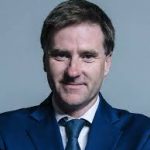
    Below is the text of the speech made by Sammy Wilson, DUP MP for East Antrim, in the House of Commons on 11 May 2020.

    May I, on behalf of my party, express our sympathies to those who have lost loved ones during this health crisis, and to those in the health service who have, manfully and womanfully, worked hard to ensure that lives are saved?

    We welcome the Government’s measures, and the announcements made in the Chamber today and by the Prime Minister last night. It is, of course, very difficult to balance the economic needs of the country with the imperative to safeguard people’s health. With hindsight, many people might criticise some of the things that the Government have done, but I believe that the decisions that were taken have had success in reducing the death toll and helping many businesses to survive, and we welcome many of the measures to be introduced.

    I believe that dealing with the virus and how we get out of lockdown should be approached on a UK-wide basis. Of course there are going to be different nuances and conditions in different regions of the United Kingdom. For example, in Northern Ireland we have a different ​school year from other parts of the United Kingdom, so some of the education measures may well be different. The peak of the virus is also different in different regions, so that may lead to different timings. Nevertheless, a UK-wide approach is important.

    A number of Members have already mentioned the fact that we share a common border with the Irish Republic. Surprisingly, despite the Good Friday agreement and the emphasis that the Irish Government have placed on it, at every step of this crisis they have not consulted the Administration in Stormont. When they had the lockdown, they did not consult. When they relaxed some of their measures, they did not consult. They are even taking a different approach to quarantining people who come in from outside Ireland and would eventually finish up in the United Kingdom. I think it is important that we have a UK-wide approach. We appreciate the co-operation that there has been on a weekly basis with the Administration in Stormont by Westminster.

    Looking forward is the important thing, because many businesses are concerned about what happens when the lockdown stops and this situation finishes. We see a number of issues. First, there has to be no cliff edge, but a tapering of the job retention scheme, which has been so vital to ensuring that workers have some money on which they can live and that employers do not have to lay off vital workers and then have to recruit them again.

    Secondly, various sectors of the economy have been hit far more than others. Tourism in Northern Ireland is an important sector of the economy, and it will take some time for it to ramp up. It is important that we look at sectoral support.

    Thirdly, many companies have already taken on additional debt through the bounce back loans and the coronavirus business interruption loan scheme, but they are debt-heavy, and there needs to be some reconsideration of how that leverage is reduced and debt replaced with equity. The banks have an important role to play in that, and I hope the Government will work with the banks. It is important that we work our way out of this together. I will finish, because I see you are rising to your feet, Madam Deputy Speaker.

  • Stephen Hammond – 2020 Speech on Covid-19

    Stephen Hammond – 2020 Speech on Covid-19

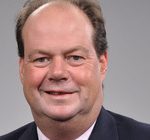
    Below is the text of the speech made by Stephen Hammond, the Conservative MP for Wimbledon, in the House of Commons on 11 May 2020.

    At the outset, we should all acknowledge just how difficult and complex the task of responding to this virus is, and therefore I commend the Prime Minister on his caution and the approach he is taking to easing the restrictions. Last night, he committed yet again to an increase in testing, to reinforce the health messages.

    I welcome, as others have, the appointment of Baroness Harding. It seems to me that she has tasks in three timescales. The first is to ensure that there are more tracers and that we employ those tracers we have committed to employ. Secondly, the test response times, which have been of differing quality and speed, need to be speeded up. Into the medium term, this country will be greatly served by having much more widespread temperature screening, followed by more immediate access to antigen ​tests. As we have seen with the Prime Minister’s ambition to increase testing, as the capacity increases, we must look to a much wider group of people who are eligible for testing—obviously, after key workers, including those in the NHS.

    My hon. Friend the Member for Winchester (Steve Brine) was right; when this is all over, integration of social care and health is going to be key. That ambition was set out in the Government’s long-term plan. When this is over, the Government must go back to that long-term plan, commit to integrating social care and healthcare operationally, and look at new ways of financing social care, for this crisis has shown that there will be increasing and new demands on the social care system.

    The continuation of restrictions on our normal way of life is welcome, as it is keeping the virus under control, but the initiation and continuation of those restrictions are undoubtedly causing anxiety for many about jobs and livelihoods, including for many businesses. The Chancellor’s comprehensive economic package has been necessarily and understandably focused on the key costs of property and wages, but the Government will obviously be looking to wind down that support package. We must do that cautiously, as we are doing with easing the restrictions on health. As my hon. Friend the Member for Winchester has also pointed out, the job retention scheme has done much to prevent widespread unemployment, and as we look to wind it down we need to do so in a tapered and measured way—for example, by moving from 80:20 to 50:50, or by decreasing the number of employees continued in furlough.

    The other big cost is obviously property. Many sectors have had virtually no income during coronavirus, and yet have had no help with their business rates relief. Even at this late stage, I have been contacted by dentists, osteopaths, physios, veterinary surgeons, providers of shared office space, suppliers to hospitality, financial advisers, retail premises and language schools in my constituency, to name just a few. Some of those businesses need help now. If we want a vibrant economy and society after coronavirus, I would urge the Government—even as they think about reviewing the support and winding it down—to remember those businesses and offer an extension of that support.

  • Rupa Huq – 2020 Speech on Covid-19

    Rupa Huq – 2020 Speech on Covid-19

    Below is the text of the speech made by Rupa Huq, the Labour MP for Ealing Central and Acton, in the House of Commons on 11 May 2020.

    If a week is a long time in politics, it is forever in coronavirus, where things change half-hourly. Isolation has brought communities closer together. A hybrid Parliament is better than no Parliament. Given how multi-dimensional covid is, a general debate is welcome, but we need solutions. What began as a health crisis now signals the most serious economic recession on record and touches every aspect of life. We follow the science, but what scientist dreamt up the subliminal “Stay alert” slogan? New terms bring new casework.

    Social distancing is reportedly being broken in workplaces, including on the HS2 construction site at Old Oak. The Government must engage with unions, residents and contractors to resolve a situation where residential streets in NW10 have become a dust bowl, with an airborne killer virus on the loose.

    Catastrophising is never useful, but neither is empty spin, which is why yesterday felt like such an anti-climax. An address so devoid of facts could not even be fact-checked. “Protect the NHS” has been dropped, an element that was necessitated by a decade of underfunding. Carers who change incontinence pads, turn the elderly and keep them company and who have so long been under-appreciated get a clap every Thursday, but a pay rise is needed as well for all key workers.

    At the other end of the age scale, there is a mistaken belief that schools are shut. In Ealing, all of them have remained open—even over Easter—to provide lessons ​and lunches for the kids of key workers and for those at risk, as well as online working for those who are not. As the National Education Union’s five tests set out, schools should only fully reopen when pupils’ families and staff think it is safe to do so.

    Health and safety is not meddlesome when lives are at risk, yet the budgets of the HSE and councils have been slashed. The Government’s Operation Cygnus pandemic planning exercise in 2016 concluded that the UK lacked ICU beds, ventilators and PPE, but action was never taken. Mistakes have been made. We were slow to lock down, and the way the missed test target was expanded to cover those sent out in the post and the death figures have been adjusted to include care home fatalities reminds me of the 1980 “seasonally adjusted” unemployment figures. But many matters can still be rectified.

    Cameron famously said,

    “we’re all in this together”.

    Sadly, ONS data demonstrates that you are four times more likely to die if you are BME. The Opposition have launched an inquiry, led by Baroness Lawrence, while the Government put their fingers in their ears. You are also more likely to die of covid-19 as a London bus driver than as an NHS staffer. Ranjith drove the 92 to Ealing Hospital for years before dying in Ealing Hospital, lacking the PPE needed in a mobile Petri dish that was only deep-cleaned once daily as it left the garage for a long day. Precautions must be put in place, with the coronavirus life insurance scheme extended to transport workers who have paid with their lives to keep our country going in the pandemic.

    The Chancellor’s support schemes and furloughing have been welcomed by all sides, and it is wrong to talk of winding them up when they need extending for many who fall through the cracks of their requirements. The Government must act to stop the coronavirus job retention scheme being used by British Airways as a cover for a company restructure and forced redundancies.

    Since 2015, I have lived through parliamentary drama —Jo Cox’s murder, referendum, terrorist attack, Grenfell, Brexit, illegal Prorogation. Every time our society and the economy suffer shocks of this magnitude, we are told that we cannot return to the broken system of before. It is imperative that this time, it is for real.

  • Andrew Murrison – 2020 Speech on Covid-19

    Andrew Murrison – 2020 Speech on Covid-19

    Below is the text of the speech made by Andrew Murrison, the Conservative MP for South West Wiltshire, in the House of Commons on 11 May 2020.

    May I start by welcoming very much the powerful speech from my right hon. Friend the Minister, the statement from the Prime Minister earlier and the plan published today, which I most certainly support?

    I want to highlight the Nightingale hospitals. The construction and operation of them has been extraordinary —far better and far more impressive than anything we saw in Wuhan—and we need to be extremely proud of what we have achieved in respect of that part of our response. They may not have been used greatly, but as is pointed out in page 46 of the plan, we may very well have to come back here again, because this will not be the last pandemic and we need to be preparing for the next one. While I hope very much that Nightingale will not be used during this particular pandemic, we need to ensure that what we have learnt through the process on this and many, many facets of the response are not forgotten or shelved, but are there ready to be used in the future, because I fear we are going to have to come back to this again, and maybe again. It is all part of resilience and recognising that the No. 1 threat to this country is not Russia or terrorism—it is pandemic. We need to be alive to that and to prepare for it.

    I very much welcome the appointment of Baroness Harding to be our tsar for test, track and trace. I sound a cautionary note, though: many of us who are potential NHS returnees have not been impressed by outsourcing. I know that this has all been done at a rush and that the options open to Ministers are very limited, but we need to be careful about choosing trusted partners with a track record of service in the public sector and make sure that we do not put up with second best.​

    Let me ask the Minister about the scientific basis for quarantine. It is traditional to quarantine people who are coming from high-risk countries, not those coming to high-risk countries, and we need to be selective about who we quarantine. Otherwise, it will simply completely close down our aviation industry—it will kill business stone dead—and I am afraid that it is going to hamper our economic recovery.

    I am also very cautious about the R value. It is interesting, important and always beguiling, of course, to focus on a number that we can dish up on a daily basis, but it can confuse the picture. The Robert Koch Institute in Germany has been clear about this: it is a useful index but it is only one of several. I am more interested in the number of new cases a day. That particular figure has been declining but not as fast as modelling has predicted. We must expend all our energy on driving that down and make sure that we do not expend all our energy on chasing R, because I suspect that R varies greatly among communities and regions of this country, and settings in particular. It is very important to understand, as others have pointed out, that it may vary greatly among the nations of this United Kingdom. We should not let our politics get in the way of making sure that we address the pandemic in different parts of the country in ways that are suited to where we are with the virus in those settings.

    I ask the Minister to focus very heavily on what is going on in care settings right now. That is actually where the action is, in terms of this dreadful virus. That is where the Government need to be focusing all their attention right now, to make sure that we drive down R at a granular level in those settings, and in so doing deal with R across our United Kingdom.

  • Claire Hanna – 2020 Speech on Covid-19

    Claire Hanna – 2020 Speech on Covid-19

    Below is the text of the speech made by Claire Hanna, the SDLP for Belfast South, in the House of Commons on 11 May 2020.

    I want to echo the many important points that have been made about the enormity of the situation that we are dealing with and our gratitude to those fighting it on all our behalves. Certainly, the crisis has underlined what is important, which is our sense of what it is to be human and a neighbour, and not just GDP, profit or many of the things that we discuss more regularly to measure those things.

    I want to focus on some of the particular issues relating to Northern Ireland, which has to manage the challenges and the opportunities of devolution and our constitutional settlement, taking into account the fact that we have two jurisdictions on the island of Ireland. I am not sure that that principle of devolution was reflected in the Prime Minister’s statement last night. I understand that his comments were confusing to many in England, but they were certainly so to those in Northern Ireland, Scotland and Wales, which have each correctly been choosing their own path through this crisis relating to their own circumstances. I am concerned that the devolved institutions were told about that messaging change last night rather than actively consulted on it, and I hope that the Government will look at how they can use existing structures to ensure that there is proper consultation with the devolved regions before making such a dramatic change.

    Members presumably know about the meandering 310-mile border on the island of Ireland and the tens of thousands of people who cross it every day in the course of their life and work. I know that some Members, and certainly the Government, would like to give the impression that the issue of Brexit is done and dusted, but, unfortunately, we are still living with the sword of Damocles hanging over us in the form of either a border in the Irish sea or the spectre of a border on the island of Ireland if the Ireland protocol is not honoured. I am afraid that we see very few signs of good faith in work towards implementation of that, which was scheduled to be in place by next month. I want to remind Members what an enormous breach of good faith it would be if we end up with a border because of a no-deal scenario due to the growing pressures of the pandemic on an already very ambitious negotiating timeframe. I know of no business that wants to choose between its EU market and its market in Britain, but I do know of many who fear that ideological Brexiters in the Cabinet will use the ​cover of the disruption to the economy from covid to mask the damage of Brexit on the economy, and I am afraid that that would be a fatal blow in Northern Ireland.

    I should also say that if we were worried about managing goods and services on the island of Ireland, I am afraid that that will be nothing to the challenge of managing an invisible virus on the island of Ireland, and it will be tragic if we do not put in place data sharing protocols that will allow us to manage that flow of people on that porous border, because we must treat the island as one epidemiological unit, and, certainly, an unresolved frontier between the EU and the UK in eight months will be devastating to that aim.

    Members have spoken about the phenomenal effort of communities and many small businesses in the past eight weeks. I am sure that it is not lost on Members, even those on the Government Benches, that it was not the free market that was the saviour and protector of people during this pandemic. I hope that everyone has learned the lessons of the financial crash and know that austerity cannot be the answer as we recover from this. The past eight weeks have also laid out clearly how many people have been living precariously, how threadbare public services have been allowed to become and many of the systemic failures in our welfare system. I know that other Members will be receiving correspondence about those issues.

  • Andrea Leadsom – 2020 Speech on Covid-19

    Andrea Leadsom – 2020 Speech on Covid-19

    Below is the text of the speech made by Andrea Leadsom, the Conservative MP for South Northamptonshire, in the House of Commons on 11 May 2020.

    Our country is divided between those who are deeply fearful of covid-19 and those who are deeply fearful of the continued lockdown. Of course, the right priority is to save lives, but there is no doubt that my constituents are sending many contrasting messages. Some have lost family to the virus; others are exhausted from working on the frontline. Some are so lonely that they would rather take their chances and break the lockdown. Some entrepreneurs are seeing years of hard work and effort disappearing before their very eyes. So the task is huge, and I congratulate the Prime Minister and the Cabinet on their efforts to respond to the coronavirus. They face a precarious balancing act: safeguarding people’s lives versus protecting their livelihoods.

    In the short time available today, I want to raise our eyes above the current crisis for a moment and to think about what the lockdown experience can teach us about the way forward in rebuilding our lives and our economy. There are two potential big wins. The first is to make flexible work the gold standard for the future. The second is to lead the world in building a green economy. Coronavirus has required us to adapt almost overnight to new ways of working, particularly working from home. For some, it is difficult to juggle young children, poor broadband or just loneliness, but for others it has been truly liberating, and the question is whether employers can make these new freedoms permanent. Likewise, many have been working part time or flexible hours to accommodate social distancing. Has this worked for them, and it is a better way forward for all of us?

    Even before coronavirus hit, the employment rights Bill, which was in the Queen’s Speech, promised to enshrine the UK’s status as the best place in the world to work by encouraging flexible working as standard. In my view, working from home through flexible hours or job-sharing arrangements will not only increase quality of life but boost productivity and increase the diversity of our workforce. The past few weeks have been tough for UK businesses. Many of them will need to adapt or die, but amid the stress of the time we are living in, lockdown also points to a great new opportunity.

    Staying home has cleaned the air, reduced the smog and enabled our planet to breathe. Today, there are 450,000 green collar jobs in the UK, and, if we play our ​cards right, this could be 2 million or more by 2013, with the prospect of new skills and the levelling up of prosperity right across the country. That is what we will need to get Britain back to work and to provide employment for those whose jobs are lost. There is huge potential for British innovators to create a green tech sector to rival the size and capacity of today’s UK financial services. Our challenge will be to ramp up the success that we have already seen in this new industrial revolution, offering new opportunities for growth and jobs, exports and global leadership.

    In conclusion, the challenge right now is to balance the need to save lives with the need to protect livelihoods, but a brighter future can emerge from this time of trouble—one that properly values a good work-life balance and one that leads the world in clean growth and green technology for the benefit of us all.

  • Stephen Doughty – 2020 Speech on Covid-19

    Stephen Doughty – 2020 Speech on Covid-19

    Below is the text of the speech made by Stephen Doughty, the Labour MP for Cardiff South and Penarth, in the House of Commons on 11 May 2020.

    May I first associate myself with the sincerely meant comments from those on both Front Benches about the devastating loss of life and about the incredible work of our NHS and social care workers?​

    I believe that we should take a precautionary approach given the evidence at the moment, and that the “stay at home” message being used by Wales, Northern Ireland and Scotland is the right one. It is a matter of deep regret to me that the Prime Minister has now confused that. If my Facebook Live sessions are anything to go by—I hold them every night with my constituents in Cardiff South and Penarth—the Prime Minister’s statement last night was about as clear as mud. It led to more questions than answers, and I fear it is going to lead to more infections and more anxiety.

    The Prime Minister today tried to brush off the concerns expressed by those in Wales as “hypothetical”. No, they are practical reality, and the concerns of my constituents and many others. Like many constituents across this country, mine are trying to do the right thing, and they need clarity, precision and detail, not bluff and bluster. They are asking questions. What if I live in Wales, but work in England or on both sides of the border? Can home moves go across the border? What about schools? They are hearing the message about 1 June, but that does not apply in Wales; schools are not going to reopen on 1 June. There are differences in the safety rules: in Wales, 2 metres in workplaces is in the regulations; in England, it is not. Many other outstanding questions are not being answered, such as whether furlough will be extended to fields that are shut down for longer, and indeed the question about support for new starters. We need co-operation between the nations, but that means Cobra meeting, and it means conversations between the Prime Minister and the First Ministers of the devolved nations. I understand that Cobra is now meeting just twice a month in its full format. Surely that is not good enough.

    I will now turn to a second major issue, borders and quarantine. I am afraid that yet again we have seen utter confusion from the Prime Minister, for future travellers, for airlines and for other transport providers. There is no clarity on when or how these measures are coming in or on the scientific basis for any of the specifics, such as the French exception, which seems to be easily circumvented. We need a workable practical plan if these measures are needed for public health, which I believe they are, but the big question is: why were they not introduced before? Home Office figures released to me and the Home Affairs Committee show that 18.1 million people entered this country between 1 January and 23 March, and I understand that more than 100,000 have entered the country since the lockdown was instituted on 23 March. Out of all those, just 273 individuals on four flights were subject to formal quarantine measures. Three of the flights were from Wuhan and one was from Tokyo and contained passengers from the Diamond Princess. So if these measures are important—and I believe they are—why are we waiting for them? Why have we not got a date for them to be introduced, and why were they not introduce before?

    We need to understand the scientific basis if we are to understand what has been going on and how these decisions were taken. We have received a letter today that has been published by the chief scientific adviser to the Home Office. It talks about a 0.5% prevalence in the population and about a one in 1,000 prevalence globally, but that simply does not add up. If there is a one in 1,000 prevalence globally, that means that 18,100 of the 18.1 million individuals who entered this country without ​so much as a whiff of hand sanitiser were potentially infected. We have only to look at the R rate, which the Prime Minister said potentially stood at 2.8 in April, to understand how many people they could have infected. This applies even to those transiting places such as Heathrow, where they will have encountered other passengers, border staff and others without PPE and without provisions.

    The chief scientific adviser to the Government, Sir Patrick Vallance, said on 5 May that

    “the UK got many, many different imports of the virus from many different places…So we see a big influx of cases, probably from Italy and Spain…in early March seeded right the way across the country.”

    So was it incompetence? Was it confusion? Was it a conscious decision? Or did we just give up? We need to understand how these decisions were taken, and on what scientific basis.

  • Steve Brine – 2020 Speech on Covid-19

    Steve Brine – 2020 Speech on Covid-19

    Below is the text of the speech made by Steve Brine, the Conservative MP for Winchester, in the House of Commons on 11 May 2020.

    I want to make three brief points. First, I welcome the Prime Minister’s statements last night and here today. For me, this is about making a balanced assessment of risk and learning to live with risk while exercising our judgment and—as the Prime Minister put it very well—good, old-fashioned British common sense about how our actions could impact our society and, yes, the NHS.

    I have to say that I am saddened by the different emphasis from different parts of the UK overnight, but nations will exit lockdown at different speeds, as the infection rate varies. That is fine; it is called devolution. If we could not cope with difference within the United Kingdom, we should not have gone down the road of ​devolution in the first place. Having questions and stress testing a political decision is right. That is our job here on the Back Benches. Constantly picking for political advantage, and having what I suspect is a far worse argument in public than in private, is not.

    Secondly, on the help offered, there has been a herculean effort on behalf of the Government on the furlough scheme and the self-employed help scheme. I welcome the fact that the latter is there as a safety blanket for over 90% of self-employed workers. However, that is not the case for those new to self-employment. I have a constituent who was made redundant less than a year ago and who put all his redundancy money into his new business. He is a wealth creator, but he is not eligible. If people are earning over the £50,000 profit limit—not a huge amount of money in many parts of the country—they are not eligible. Equally, if someone is the director of a limited company, they are not eligible. I understand that it is difficult, and as I have said to the Chancellor in this House before, the answer may be inelegant, but there has to be an answer. Her Majesty’s Revenue and Customs is not averse to taking back what it thinks has been wrongly claimed. We need to get help to people now.

    On the furlough scheme, I have to say that if we are to avoid the cliff edge as it draws to the end of its natural life, in its original form anyway, flexibility has to be the key—flexibility on the percentage paid perhaps, but only if that goes hand in hand with flexibility on the “no work while furloughed” rule; and flexibility on sectors, too, if the Treasury goes down that route. For instance, a food manufacturer in my constituency whose principal customers are classed as hospitality would be stuck between a rock and a hard place if the furlough scheme were withdrawn for manufacturing only. Flexibility must surely see the furlough scheme extended to hospitality businesses and their suppliers in that example. The Prime Minister hinted today about a statement from the Chancellor tomorrow on the furlough scheme, and I will be listening carefully.

    Finally, the Royal Hampshire County Hospital is in my constituency, one of Florence Nightingale’s original hospitals, and I cannot praise it enough. The leadership, under Alex Whitfield, and staff there—many are my constituents—have just gone, as always, above and beyond. We, the local MPs, have a weekly call with the acute sector, primary care, the commissioners and the director of public health for Hampshire, and they keep us beautifully updated on the work that they are doing. The progress on delayed discharge in my hospital has been nothing short of remarkable. My trust is down to single figures on its delayed discharge numbers, and that is unheard of. Why? Because we have flattened the division between the decision making and the money trail within the NHS. We must not, we cannot go back: if it is to be health and social care, we cannot go back. On cancer, we must remember the people who have not presented to the NHS during this pause. We do not want to ditch the 75% ambition on cancer in the long-term plan.

  • Gill Furniss – 2020 Speech on Covid-19

    Gill Furniss – 2020 Speech on Covid-19

    Below is the text of the speech made by Gill Furniss, the Labour MP for Sheffield Brightside and Hillsborough, in the House of Commons on 11 May 2020.

    I start by paying tribute to all our key workers. They are the best of us, and I hope that we will repay their courage and dedication to our country.

    I have heard from parents and schools that they have experienced issues with the free school meal voucher scheme. Many either have not received those vouchers or have been unable to redeem them, despite the scheme having been launched more than six weeks ago. Edenred, the contractor, has processed just 20% of the £234 million budget of the scheme, which has only a few weeks left.​

    At Firth Park Academy, a secondary school in Sheffield, Brightside and Hillsborough, 488 students—almost 40% of all students—are eligible for the scheme. As of last week, none of those children had received or been able to redeem their vouchers. A primary school in my constituency has had similar issues. It waited such a long time for the vouchers to come through and was so concerned about pupil welfare that it spent £3,000 to secure vouchers itself.

    Schools have tried repeatedly to contract Edenred, with one even offering staff to help process applications. Schools Week reported that Edenred was aware of the vast scale of the task at hand when it tendered for the contract, making it more baffling that it was so unprepared. Urgent intervention is needed to address this gross injustice and ensure that none of those eligible for free school meals goes hungry any longer.

    I also want to highlight the challenges faced by women during and after the covid-19 outbreak. Women make up a huge proportion of those in care and nursing roles—those at the frontline of this crisis. We have seen that even as those women battle to provide care under the hardest circumstances, their pay is often among the lowest in society. I have also heard from many women who work in the childcare sector. They have become increasingly concerned about the future of their employment, particularly following the withdrawal of funding that was initially promised to childcare providers by the Government. That not only concerns those employed in that sector but adds to the pressure on key workers, who may now fear they will be left without childcare.

    Many care and childcare providers face bankruptcy as costs rise, leaving these women fearing for their own economic future. Assurances must be given that no woman should lose her job due to the covid-19 pandemic. The true impact of this crisis cannot be fully understood until the Government have undertaken a comprehensive gender impact assessment to ensure that women are not left behind as a result of the economic impact of the covid-19 outbreak.

    My constituent, Lisa Fish, is classed as a vulnerable person. Her family have taken all the steps to shield her from the virus. The Prime Minister’s statement last night offered them no clarity, but it did cause them extreme distress. It is essential that the Government make their intentions crystal clear so that the public fully understand what is expected of them and to ensure that we keep people safe. This virus is not of our making, but it is within our power to respond in a way that protects the most vulnerable in our society.

  • Julian Knight – 2020 Speech on Covid-19

    Julian Knight – 2020 Speech on Covid-19

    Below is the text of the speech made by Julian Knight, the Conservative MP for Solihull, in the House of Commons on 11 May 2020.

    The Government took decisive action to protect the public, but as we consider our phased exit from lockdown, we must also consider the impact on UK businesses and workers. Specifically, I would like to speak to the experiences of the digital, culture, media and sport sectors.

    The Department for Digital, Culture, Media and Sport accounts for less than 1% of Government spending, yet these sectors account for almost a quarter of the UK economy. Ensuring the integrity of the economy therefore means giving businesses in the DCMS sectors the support they need to deal with the challenges of covid-19. Whether in the arts, sports, media or tourism, these sectors punch well above their weight and enrich the lives of people in this country every single day. They are also the sectors that are disproportionately impacted by lockdown and social distancing measures.

    Heavily regulated industries, such as financial services these days, have much more interaction with Government and the Treasury than most businesses in the DCMS sectors. Ordinarily, that is an advantage. These businesses are often small, operating for the most part without Government intervention, and many survive on tight margins, with surprisingly complex and diverse operations. When it comes to knowing how to help them in troubled times, however, that poses a challenge, with what I have to say is a lack of comprehension on the part of the Treasury.​

    The Digital, Culture, Media and Sport Committee, which I chair, is currently conducting an inquiry into the impact of covid-19 on the DCMS space. Already we have seen that the Government support, although welcome, is not reaching some of the freelancers and organisations that are desperate for assistance. Too often they fall between the bureaucratic cracks riven by the Treasury, which is more used to dealing with banks than bands and with accountants rather than actors.

    Charities in particular are suffering. The best of British good will can be seen in our charitable sector and the more than 160,000 diverse charities across the country, which in normal times work to fundraise extensively. That is now largely impossible, and charities report that they are struggling. A shortfall of almost £4 billion over a quarter has been cited as the likely black hole that they face.

    The Government’s £750 million package for charities is helpful to those working on the covid frontline, but most charities, despite doing exceptionally valuable work, without which our communities would face significant struggles, are not working specifically on the covid frontline. They still have bills to pay and are facing the same collapsing revenues. Many still have statutory requirements to keep working. To further complicate matters, charities that have furloughed staff find that those staff are unable to volunteer for them, despite being able to volunteer for other charities. If furloughed staff could volunteer for their own organisations, with regulatory oversight, that would go a significant way towards ensuring the survival of many.

    For that reason, the DCMS Committee has been calling for a separate coronavirus job retention scheme to be established specifically to meet the needs of organisations and individuals in the charity and voluntary sectors, and that substantial notice be given on phasing out furloughing support to avoid a cliff edge, which is an issue for many other parts of the UK economy. The charitable sector has also called for a stabilisation fund to provide certainty to organisations at this unprecedented time, which we also support as a Committee. We ask that consideration be given to the sums that the sector says it needs and that further clarity be given about how the £750 million earmarked so far can actually be claimed.

    Charities help us and our communities when we need support. Without them, public services would be inundated. We must now support them in their hour of need, so that they can continue with their vital work.