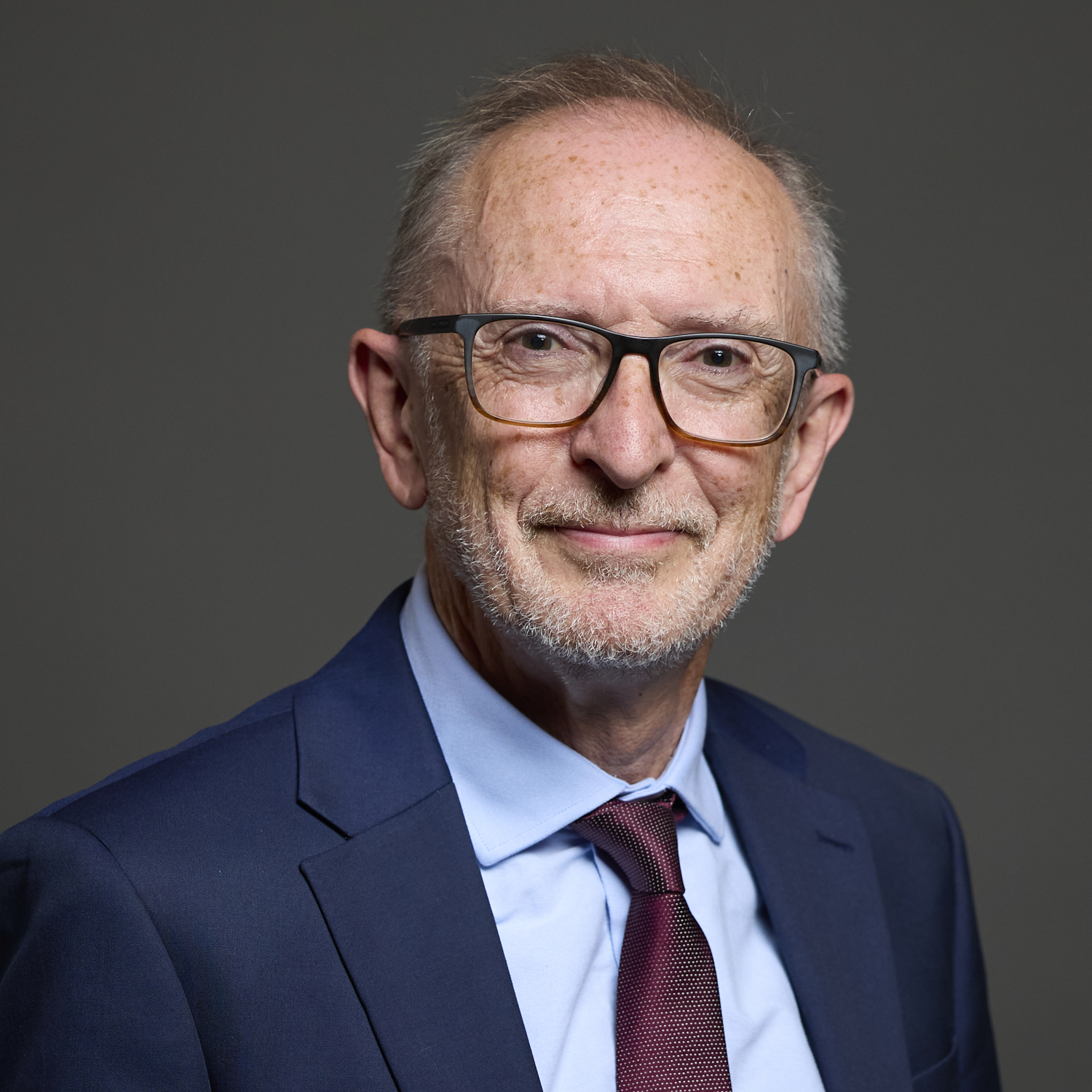
The speech made by Paul Davies, the Labour MP for Colne Valley, in Westminster Hall on 6 January 2026.
Forty-seven per cent of cancers diagnosed in the UK are rare and less common cancers, and 55% of deaths are from rare and less common cancers. That means that, every year, around 180,000 people will be diagnosed with a rare and less common cancer, and more than 92,000 people will die from such cancers. Blood cancer is one such cancer, and I recently met the Blood Cancer Alliance to discuss improving access to lifesaving blood cancer treatments across the UK. Over 280,000 people in the UK are living with blood cancer, and every year 40,000 more receive a diagnosis, including 5,000 children. It is the fifth most common cancer, the most prevalent childhood cancer and the third biggest cancer killer in our country. However, despite amazing advances in tech and treatment, our outcomes are falling behind in the nations.
The reason is clear: systemic barriers within the NHS and National Institute for Health and Care Excellence appraisal processes are preventing patients from accessing innovative therapies. Between 2019 and 2025, over a third of NICE appraisals for new blood cancer treatments were terminated—more than double the rate for other cancers. Those are not ineffective drugs; many are available overseas, and even privately in the UK. That creates a two-tier system in which those who can pay receive better care than those who cannot. It is unacceptable. I have been told that treatments such as chimeric antigen receptor T-cell therapy can transform lives, extending survival and improving quality of life.
The current system, with rigid cost-effectiveness thresholds and inflexible commercial frameworks, is failing patients. That is why I warmly welcome the UK Government’s cancer plan, which represents a vital opportunity to reset our approach to cancer care and to ensure that innovation is embraced, not obstructed. By prioritising timely access to effective treatments and addressing systemic barriers, the cancer plan can help deliver world-class outcomes for patients.
I stand with the Blood Cancer Alliance and Cancer52 in calling for urgent, joined-up action from Government, NICE, the NHS and industry. Together we can ensure that every person with blood cancer has timely access to the best possible care, because survival should never depend on postcode or income.