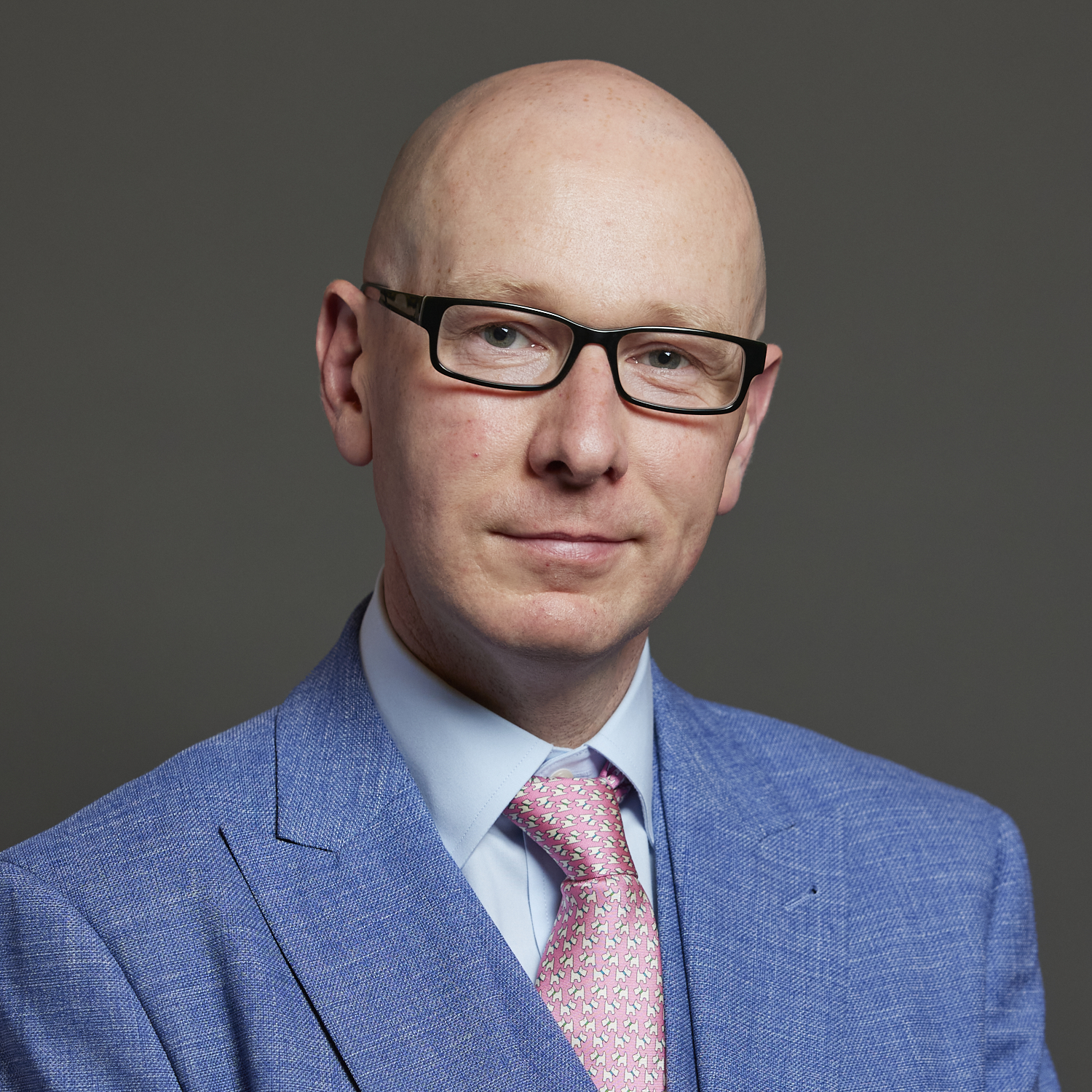
The speech made by Patrick Hurley, the Labour MP for Southport, in Westminster Hall on 6 January 2026.
It is a pleasure to serve under your chairmanship, Mr Efford. Less Survivable Cancers Awareness Week is an important marker in the calendar, but I want to talk about another important marker when it comes to these cancers—one that is important for me and my family anyway—because this year marks 20 years since I was made unavoidably aware of the devastation of oesophageal cancer. In May of that year, my father developed the classic symptoms: difficulty swallowing, feeling like food was getting stuck, heartburn and weight loss. He was diagnosed in August and died on 23 December: from becoming symptomatic to losing his life was just seven months. The rapidity of the decline was overwhelming. Barely had he been diagnosed than he was given a terminal diagnosis. I must admit, though, that I was not giving my father my full attention during that time. In almost any other circumstances I would have been a much more dutiful son, but my own focus was elsewhere that year. On 1 August 2006, my wife Susan also became symptomatic with oesophageal cancer. She was diagnosed on 11 September and died on 14 November.
The speed with which I read that sentence reflects the speed with which Sue died. There was barely any chance to understand what was happening, to seek help or for the family to manage. That is not unusual with these sorts of diseases. It is the sort of story that thousands of us know. Crucially, for my Southport constituency, it is also a story that disproportionately impacts people from the north-west and from north Wales. For my family, there was not any long fight or slow decline—only shock, confusion, urgent decisions and death. That is what a less survivable cancer looks like.
May I make a clear ask of the Minister today? I am asking for a personal commitment, and a commitment across Government, to drive up survival rates for all these less survivable cancers, but most urgently—for my personal history and for the geographical distribution that shows that my part of the country has higher levels than elsewhere in the UK—for oesophageal cancer. That could mean things such as early diagnosis, recognising that one size fits all does not work. It could mean fast-track treatment pathways once suspicion is raised. Above all else, it should include serious investment in experimental and pre-symptomatic techniques, finding ways to detect cancers before symptoms even appear. These are difficult cancers to deal with, and that is why they need targeted action. I am here today because two people I loved did not get the help they needed, so I urge the Government to help other families avoid that same fate.