Blog

  • Chris Stephens – 2023 Parliamentary Question About the Cost of Living in Wales

    Chris Stephens – 2023 Parliamentary Question About the Cost of Living in Wales

    The parliamentary question asked by Chris Stephens, the SNP MP for Glasgow South West, in the House of Commons on 18 January 2023.

    Chris Stephens (Glasgow South West) (SNP)

    What recent assessment he has made of the potential impact of the cost of living crisis on (a) households and (b) businesses in Wales.

    Anna McMorrin (Cardiff North) (Lab)

    What recent discussions he has had with Cabinet colleagues on the impact of the cost of living crisis on households in Wales.

    Ben Lake (Ceredigion) (PC)

    What discussions he has had with Cabinet colleagues on the impact of rising costs on (a) businesses and (b) households in Wales.

    The Secretary of State for Wales (David T. C. Davies)

    I understand that people across the UK are worried about the cost of living, which is why we have taken decisive action to support households and businesses across the UK, while remaining fiscally responsible. That support includes a £26 billion package for the next financial year, which will be targeted at protecting the most vulnerable.

    Chris Stephens

    Almost half of adults UK-wide say the cost of living crisis is harming their mental health, and that rises to 61% of Welsh adults. Devolved initiatives such as the fuel support scheme in Wales help, but inflation and UK Government cuts put such schemes in jeopardy. How does the Secretary of State justify his Government’s repeated refusal to support devolved Governments in tackling the crisis his party has created?

    David T. C. Davies

    First, I fully acknowledge that there is a cost of living crisis at the moment. It has come about because the UK Government rightly had to spend hundreds of millions of pounds dealing with the covid pandemic. We then saw inflation increase through the roof as a result of a land war in Ukraine. I recognise that there is a cost of living crisis being faced by countries across the whole of the western world at the moment. The UK Government have certainly not cut funding. We have increased funding for the devolved Administrations. We have increased money for the national health service. It is a shame that in Wales that funding is not being fully passed on to the national health service. Frankly, on the NHS, the Welsh Labour Government are getting more money and delivering a lower service.

    Anna McMorrin

    My constituent Sarah and her children could not celebrate Christmas this year: they were crippled by the fear of bailiffs and of being made homeless in the minus 2° weather. The toll this has taken on her mental health is unimaginable. She said to me, “My children and I will just break.”

    A YouGov poll, out this week, shows that this Tory-made cost of living crisis has had a huge impact on people’s mental health in Wales—significantly more than elsewhere. Thirteen years of Tory Government have crippled this country. Cardiff Council is already £23 million worse off. Is the Welsh Secretary going to push my constituents to breaking point?

    David T. C. Davies

    There is a cost of living crisis going on all over the world at the moment. This Government have acknowledged that and faced up to it. That is why we have prioritised help for the least well-off. That is why this Government have made sure that the minimum wage has risen in line with inflation, that pensions have risen in line with inflation and that benefits have risen in line with inflation. People on benefits will receive a £900 payment, pensioners are getting a £300 payment and households with a disability are getting a £150 payment. At all times through these crises, which have not been caused by this UK Government, we have targeted our help at the most vulnerable in society.

    Ben Lake

    The Government have announced that support for homes and businesses connected to the mains gas grid will be extended for another year, but it seems that the single round of alternative funding announced for off-grid homes will be expected to last for the full 18 months. Notwithstanding the fact that the first payment to off-grid homes is still to be made, will the Secretary of State push colleagues in the Department for Business, Energy and Industrial Strategy and the Treasury for a second round of alternative funding to provide support for off-grid premises ahead of next winter?

    David T. C. Davies

    The hon. Gentleman is correct to say that the UK Government have recognised that those who are off grid are facing an increase in costs. It has not been as sharp as the increase for those who are on grid, and I think that the figures reflect that, but I note the hon. Gentleman’s comments about the fact that full details of the payment have not yet been made fully clear. I am sure that my colleagues in BEIS will have noted his question and will be coming forward shortly with more information about the payment.

    Mr Speaker

    I call the shadow Secretary of State.

    Jo Stevens (Cardiff Central) (Lab)

    This month has seen dreadful news for steel businesses and steelworkers in Wales. Steel is an energy-intensive industry, and its operating costs during the cost of living crisis have rocketed. Thirteen years of Conservative Governments have seen decline, offshored jobs and damaged communities.

    Steel is integral to a modern economy. Labour will put Welsh and UK steel at the heart of our wider industrial policy, building wind turbines, railways and investing in carbon capture and storage and in hydrogen infrastructure. Other than creating a cost of living crisis, what is the Government’s plan for our steel industry and for steelworkers’ jobs?

    David T. C. Davies

    First of all, the news from Liberty in Newport was very disappointing and is very concerning for many people. That has not come about as a result of actions by the UK Government, as I think the hon. Lady will recognise; there are other issues pertaining there.

    The UK Government are completely committed to the steel industry. We demonstrated that with a £30 million loan to Celsa during the covid crisis, and we have demonstrated it with the various schemes that have been brought forward to support industries with high energy use. We are developing a scheme that will enable those in the industry, such as Tata, to decarbonise. We are also in discussions with Tata about how we can support it further over the coming years.

    Jo Stevens

    Steelworkers need a Government on their side. The industry needs a partner that can provide stability, not sticking plasters. Floating offshore wind in the Celtic sea is a real opportunity for our steel industry and the wider supply chain in Wales. It would also help to mitigate the impact of the cost of living crisis for many Welsh businesses in the supply chain. If the Government do not provide the necessary stability, we will see platforms being built in France and Spain and floated over to the Welsh coast, which would be absolutely unconscionable. What is the Secretary of State doing to ensure that the Crown Estate leases will use local supply chains in Wales?

    David T. C. Davies

    I have met the Crown Estate on a number of occasions to discuss the next bidding round for the sites out in the Celtic sea. Obviously we hope to develop the industry. I agree with the brunt of the hon. Lady’s question, which is about the importance of developing a floating offshore wind industry off the coast of Wales. I have been trying to ensure that the supply chain is as local as possible. That is why we have supported the conversations between developers and the Crown Estate; it is also why I have personally visited Pembrokeshire to ensure that the growth deal there supports the new infrastructure at the dock that can allow those projects to be floated out to sea. We are actually doing a great deal to support the floating offshore wind industry in Wales.

    Liz Saville Roberts (Dwyfor Meirionnydd) (PC)

    For Harlech Foodservice, a key business in my constituency, last week’s news that the UK Government were slashing their energy support for businesses was devastating. The company is already struggling under soaring energy bills and interest rate hikes in coronavirus business interruption loan scheme repayments. Can the Secretary of State clarify the position? Will any support be forthcoming on CBILS repayments, and will any savings made by the Treasury as a result of falling wholesale gas prices be ringfenced for targeted support for small and medium-sized enterprises and vulnerable households?

    David T. C. Davies

    I hope the right hon. Lady will recognise that over the last year the Government have done an enormous amount to support businesses through the energy price guarantee. They have made it clear that that support package cannot continue at the current level after April, when the next financial year begins, but they have said that they will also make clear, fairly shortly, what the new package will look like. Unfortunately, no Government anywhere in the western world will be in a position to completely underwrite and subsidise energy costs for all businesses for an indefinite period, so we have to confront some realities, but I hope the right hon. Lady will be supportive of the efforts that the Government have made to do more to develop energy security in the United Kingdom. Perhaps she should talk to some of her colleagues in the Scottish National party about their opposition to opening up further oil and gas projects in the North sea.

    Liz Saville Roberts

    I would have appreciated an answer about the coronavirus business interruption loan scheme as well.

    We all know that extortionate energy costs are part of this Tory winter of discontent, which bookends 13 years of deliberate austerity. Key workers are striking and real incomes are in freefall. Following the last Budget, funding for Welsh public services will be worth £3 billion less over the next three years. Enough is enough, and cutting key workers’ salaries is not the right answer. Will the Secretary of State urge the Treasury to reverse this decline by establishing a truly fair funding system for Wales that recognises our nation’s needs, taking into account age, disability, and poverty levels?

    David T. C. Davies

    The right hon. Lady will surely be aware that the Welsh Government are receiving £1.20 per head for public services for every pound that is spent in England. That is why it is so difficult to understand why not only are the waiting lists longer in Wales but educational outcomes are lower, after more than 20 years of a Labour Government. Perhaps it is time that Plaid Cymru started to stand up for the people of Wales and hold the Welsh Labour Government to account, rather than propping them up in the Senedd.
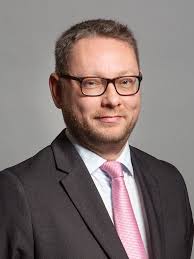
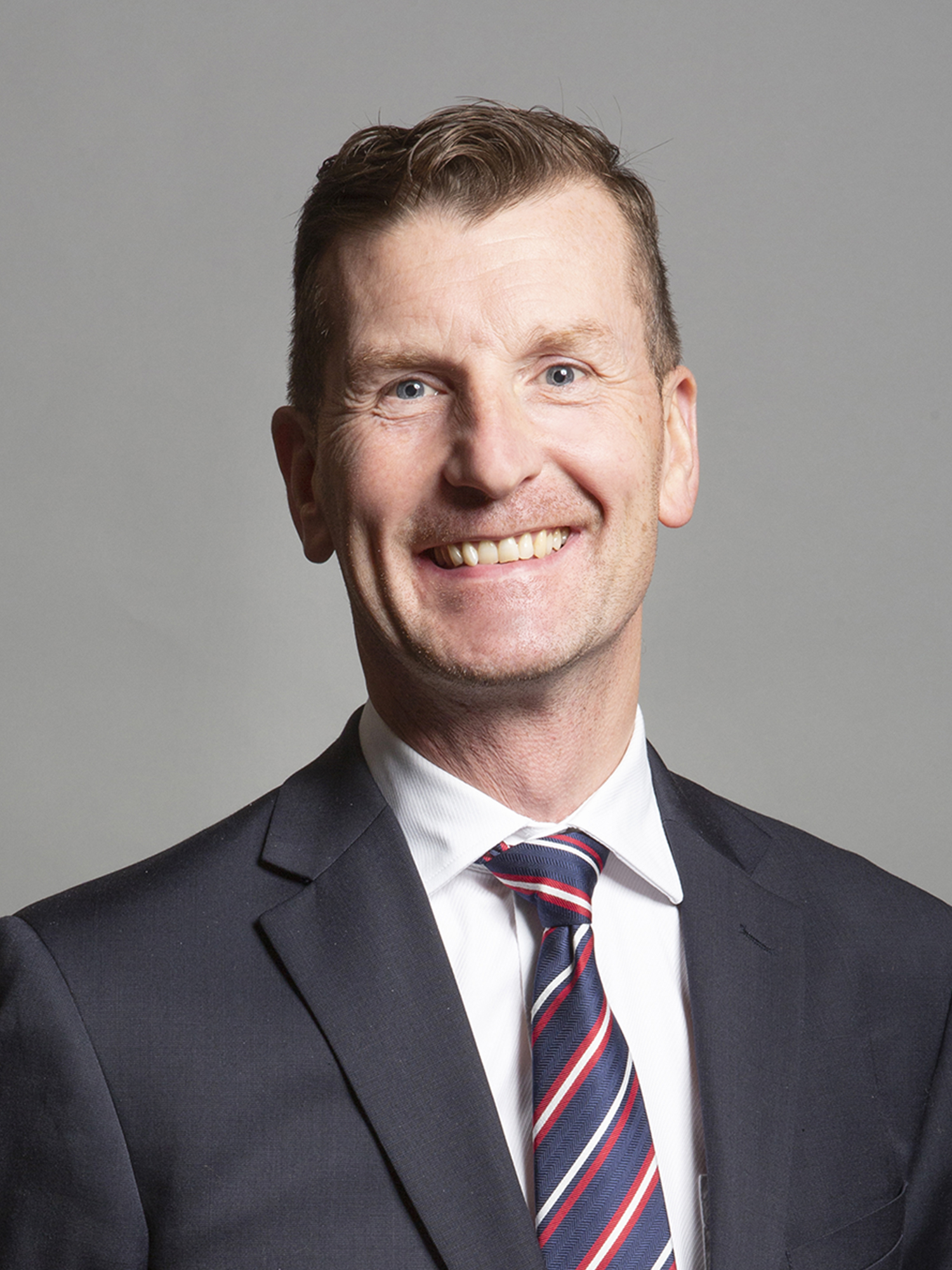
  • Richard Thomson – 2023 Parliamentary Question on Inflation and the Devolved Welsh Budget

    Richard Thomson – 2023 Parliamentary Question on Inflation and the Devolved Welsh Budget

    The parliamentary question asked by Richard Thomson, the SNP MP for Gordon, in the House of Commons on 18 January 2023.

    Richard Thomson (Gordon) (SNP)

    What assessment he has made of the potential impact of inflation on the devolved budget for Wales.

    Owen Thompson (Midlothian) (SNP)

    What assessment he has made of the potential impact of inflation on the devolved budget for Wales.

    The Secretary of State for Wales (David T. C. Davies)

    The Welsh Government are well-funded to deliver public services in Wales. As a result of the autumn statement, Welsh Government funding is increasing by around £1.2 billion over the next two years. That is on top of the additional £2.5 billion a year on average announced at spending review. The Prime Minister has also been clear that we will halve inflation to ease the cost of living.

    Richard Thomson

    The Secretary of State says that the budget is increasing by £1.2 billion over the next two years, but inflation has already eroded the purchasing power of the Welsh Government in the current year by £1 billion. Since the UK Government are responsible for approximately 80% of the resource base of the Welsh Government, what further representations does he plan to make to the Chancellor of the Exchequer to ensure that that purchasing power for essential public services in Wales is made good?

    David T. C. Davies

    The overall funding amounts for the devolved Administrations, including the Welsh Government, have still increased in real terms over the period despite the impact of inflation. If the hon. Gentleman is serious about dealing with inflation, I hope he will support this Government as they propose to halve inflation over the coming year. In doing so, we will need to carefully control public spending in areas such as pay.

    Owen Thompson

    The Institute of Welsh Affairs says that budgetary pressures highlight the impotence of Welsh devolution and that tax scheme changes by the Scottish Government are a model that would help Wales’s financial situation. If the UK Government will not provide vital increases to devolved budgets, will the Secretary of State explore devolving similar tax-bearing powers to Wales, as in Scotland, to help the Welsh Government mitigate the Tory mismanagement from this place?

    David T. C. Davies

    I am not quite sure I follow what the hon. Gentleman is saying, because of course the Welsh Government do actually have tax-bearing powers. They have chosen not to use them, because the Welsh Government recognise that taxes have already increased as far as is sensible, and that means that all of us have to deal with the constraints that have come about as a result of the very difficult economic situation we face due to covid and the impact of a land war in Ukraine.

    Jonathan Gullis (Stoke-on-Trent North) (Con)

    Inflation, of course, causes pressure, but it is also true that Wales gets £1.20 per head for public services for every £1 in England. Yet the Welsh Labour-run Government spend less than that on their public services. Does my right hon. Friend agree with me that ruinous Welsh Labour Governments should stop wasting money on things like the Senedd expansion and instead spend money where it is needed: tackling backlogs in hospitals and stopping the decline of education in Wales?

    David T. C. Davies

    I agree absolutely with my hon. Friend; he is absolutely right. Money is being wasted in the Senedd, for example on spending up to £100 million on increasing the number of Senedd Members at a time of economic difficulty. [Interruption.] I hope Opposition Members who are chuntering are listening carefully to what my hon. Friend has to say.

  • Dave Doogan – 2023 Speech on Ukraine

    Dave Doogan – 2023 Speech on Ukraine

    The speech made by Dave Doogan, the SNP Foreign Affairs spokesperson and the MP for Angus, in the House of Commons on 16 January 2023.

    I welcome the detail and the substance of the Secretary of State’s statement. Moreover, I believe the timing is very welcome as we close in on the first anniversary of the outrageous attack on Ukraine by Putin and his forces last February.

    All of us, regardless of our political allegiances or differences in other areas, must stand up for the international rules-based system, the right of sovereignty and the value of self-determination where they are under attack, not simply at the outset of conflict, when hackles are raised and outrage piqued, but as we endure almost a year of the conflict’s effects on these shores, in our homes and on our industry and wider resources, and as we continue to witness Russia’s hybrid terror heaped upon the people of Ukraine. Now is the time to double down on the west’s support and commitment to Ukraine in defending itself against this aggression. It is time to leave Putin in no doubt that the west’s resolve, politically and in every other respect, is there for Ukraine to see.

    I would like to know three things. The Secretary of State said on 12 December that he would not pursue sending redundant UK Warrior infantry fighting vehicles to Ukraine because they are tracked vehicles weighing 28 tonnes and because of the logistical tail that comes with them. So what has changed in a month to allow him to now send a squadron of 68-tonne Challenger tanks, with the very much more complex logistics and support burden that go along with them? Can he also set out the duration of the period between this announcement and those Challengers 2s having operational effect within the Ukraine battlespace? And given that European NATO nations must doubtless follow this development with similar donations of Leopard 2 tanks, is he prepared to review not just the number of Challenger 3s, but whether the Challenger 3 will be the right solution for the UK going forward at all? When we see the Challengers and Leopard 2s going toe to toe with the same peer adversary, we will see much more clearly which is the better tank.

    Mr Wallace

    I am always happy to keep under review the number of tanks and what we have. One lesson of Ukraine, however, is that, whether it is a modern or not-so-modern tank, unless it is properly protected and supported, by counter-drone capability, electronic warfare or a proper wrap, it can become incredibly vulnerable, going from being the lion on the savannah to being a very vulnerable thing. When we look at the finite amount of money we all have in government, how much do we commit to make a perfectly formed battle group, or how much do we take a risk? The Russians took a risk on the road to Kyiv and that is where we are.

    The Warrior and the Challenger are obviously different vehicles, but as I referenced earlier the 50 Bradleys—the United States vehicles—are probably in better condition than our Warriors and these Challengers are designed to complement those. Hopefully, we will be training together, with the Challenger and the Bradley interoperating. In addition, there are issues with the Warrior fleet. Obviously, I am happy to constantly look at that and I will not rule it out but, for now, on taking 12 tanks as opposed to what would probably have to be 40-odd Warriors to make it a company-sized level, I would prefer to focus on the AS-90s and the Challenger tanks to make that difference.

  • Tobias Ellwood – 2023 Speech on Ukraine

    Tobias Ellwood – 2023 Speech on Ukraine

    The speech made by Tobias Ellwood, the Chair of the Defence Committee and Conservative MP for Bournemouth East, in the House of Commons on 16 January 2023.

    This conflict will not end any time soon. Putin is moving his country to a war footing as he prepares for a spring offensive. Tactically speaking, it is very welcome that we are finally seeing some serious, NATO-standard tracked hardware gifted to Ukraine. It is another example of the UK leading and ever pushing the envelope of international support for Ukraine.

    As other nations follow our lead, maintaining so many NATO variants of vehicles and equipment—tanks, armoured personnel carriers and artillery pieces—will not be practical in the long term. Will the UK consider leading again by establishing a western-funded, Ukrainian-operated weapons factory and assembly line in eastern Poland so that Ukraine can become self-sufficient in procuring and replenishing the military kit and munitions it needs for its long-term security, without fear of the facility being targeted by Russia?

    Mr Wallace

    My right hon. Friend’s suggestion is correct. He is right to say that, unless there is a supply chain or, indeed, a sustainability package behind all this gifting, these vehicles and artillery pieces will become junk on the battlefield when they run out or wear out, so it is important that we think in that way. That is why we will be putting in some recovery vehicles with the Challenger 2 donations. There is a lot of thought going on right now about the sustainability of supply chains, which ties into the international fund, as I am looking for intelligent application of the fund to stimulate just that.

    Ukraine has shown itself to be incredibly successful either at reverse-engineering what it captures from Russia or at designing and developing its own equipment. It recently opened a production line for 155 mm or 152 mm shells, and it is now manufacturing within the country. We will get to where my right hon. Friend wants to be by using the international fund or Kindred to fund supply chains over the border. If Ukraine approaches us with ideas for transferring intellectual property so that we can make equipment for Ukraine, or so that Ukraine can make the equipment here or anywhere else, I would be very open to doing that.

  • John Healey – 2023 Speech on Ukraine

    John Healey – 2023 Speech on Ukraine

    The speech made by John Healey, the Shadow Secretary of State for Defence, in the House of Commons on 16 January 2023.

    I welcome the Defence Secretary’s statement, and thank him for advance sight of it. Mr Speaker, 2023 will indeed be the decisive year in this war in Ukraine, and the most decisive moment is now, when Ukraine has the tactical and morale advantage over Russia; now, when Ukraine needs more combined military firepower to break the battlefield deadlock. As the Secretary-General of NATO said yesterday,

    “it is important that we provide Ukraine with the weapons it needs to win”.

    That is why this first package of military assistance for 2023—with tanks, artillery, infantry vehicles, ammunition and missiles—has Labour’s fullest support.

    Challenger 2 is a world-class tank that can help Ukraine retake lost ground and limit the cost in Ukrainian lives. We are now sending 14. How many tanks does Ukraine need for a successful counter-offensive? Are the 14 Challengers currently in active service or in storage? When will they be delivered into the field in Ukraine? What combat engineering vehicles will be delivered to support those tanks? Will any UK forces personnel be deployed into Ukraine with those vehicles?

    The integrated review cut Challenger tanks from 227 to 148. I welcome the Defence Secretary’s review of Challenger 3 numbers. When will he announce the results of the review? Is he reviewing other Army cuts? The Armed Forces Minister told me in a parliamentary answer last week that Challenger 2 training takes 33 days for gunners, 46 days for drivers and 85 days for crew commanders. The Defence Secretary made no mention of Challenger training. Will the UK provide training alongside the tanks? How long will the training be for Ukrainian troops?

    President Zelensky has confirmed the wider importance of this UK military package. At the weekend he said:

    “that will not only strengthen us on the battlefield, but also send the right signal to other partners.”

    The Defence Secretary today said that hopes that this UK military aid will help to unlock more co-ordinated support from other nations. Like him, I welcome similar moves already announced by other NATO nations in recent days, particularly the US and France. How many of the 14 Leopard-using nations may provide those tanks to Ukraine? What more does he expect from allies at the Ramstein meeting on Friday? It has been five months since he announced the international fund. When will allocations be made?

    The Prime Minster talked at the weekend about a surge in global military support for Ukraine. How will the Defence Secretary ensure a continuing surge in UK military support? What more can Ukraine expect from the UK? You know, Mr Speaker, as does the Defence Secretary, that I have argued for months that Ministers must move beyond ad hoc announcements and set out a full 2023 action plan for military, economic and diplomatic support—a case that the Defence Ministry has fully accepted. That will help to give Ukraine confidence for future supplies. It will help to gear up our own industry. It will encourage allies to do more and it will make clear that things will get worse, not better for Russia.

    One of the clear lessons from the last year in Ukraine is that nations need large reserve stocks of certain weapons and ammunition, or the ability to produce them quickly. The UK has neither. We are still moving too slowly to replace the weapons donated to Ukraine or to find new wartime ways of making weapons more rapidly and cheaply. There was no mention in the Secretary of State’s statement about replenishing UK stockpiles or a new industry plan. Can he update the House on the action he is taking?

    Finally and importantly, he said that today’s military package means that Ukraine can go from resisting to expelling Russian forces from Ukrainian soil. Will he confirm that this is the UK’s strategic aim for Ukraine?

    Mr Wallace

    If you would indulge me, Mr Speaker, there were lots of questions and I will do my best to answer them all. I am grateful to the right hon. Member for Wentworth and Dearne (John Healey) and his party for their support, which, as he said, has been ongoing and enduring throughout this process. That is what allows the UK to be prominent in standing tall for international human rights and defending Ukraine.

    The right hon. Gentleman asked what scale of support Ukraine will need; I cannot be too specific, as I do not want to set out to the Russian Government the exact inadequacies or strengths of the Ukrainian armed forces. However, it is safe to say that the Ukrainians will require an ongoing commitment that grows to the size of divisions in its armed forces. Also, in the last year we have seen Ukraine grow its own army, to hundreds of thousands of men and women under arms, who are now equipped not only with western equipment but with captured or refurbished former Soviet or Russian equipment. The Polish Government have donated more than 200 T-72 tanks, for example.

    The key for all of us in the next phase is to help Ukraine to train and to combine all those weapons systems in a way that can deliver a combined arms effect in a mobile manner to deliver the offensives required to achieve the goal of expelling, which the right hon. Gentleman also asked about. It is the UK Government’s position that Putin’s invasion fails and Ukraine restores its sovereign territory, and we will do all we can to help achieve that. This package is part of that. The Challengers should be viewed alongside the 50 Bradleys from the United States. Those are effectively the ingredients for a battlegroup with divisional level fires of either AS-90s or other 155 howitzers. The 14 tanks represent a squadron, and the 50 Bradleys would roughly form an armoured infantry battlegroup.

    We are trying to take the Ukrainian military, with its history of Soviet methods, and provide it not only with western equipment but with western know-how. In answer to the right hon. Gentleman’s question, the training will be delivered almost immediately, starting with Ukrainians training in the UK and in the field, so to speak, either in neighbouring countries or in countries such as Germany, where we saw the artillery train with the Dutch, I think, at the beginning of this process. The training of these Ukrainian forces will be administered and supported in the UK and elsewhere in Europe, with the US being in the lead for much of that formation training. It is incredibly important and supportive of the United States to do that.

    There will be no UK forces deployed in Ukraine in this process. As I have said, that is because our job is to help Ukraine to defend itself and we can do that from neighbouring or other countries. Yes, I know the training cycle. I was a trooper in the Scots Dragoon Guards in 1988 and I started my time in a Chieftain tank, which you would be lucky to see in a museum these days. The Ukrainians have shown us, in their basic and specialist training, that they are determined to go back and fight for their country, and their work ethos and the hours they put in are quite extraordinary. I am confident that, on one level, they will soon be showing us the way to fight with this equipment.

    The right hon. Gentleman referenced the Army cuts. I have come to this Dispatch Box on numerous occasions and admitted how woeful our Army’s equipment programmes have been in the past and how behind and out of date they have been. That is why we have committed investment of more than £24 billion in Army equipment alone over the next 10 years. As I have said, I am bringing forward Deep Fire and Recce and getting Ajax back on track, as well as our intelligence, surveillance and reconnaissance capability, the Challenger 3 tanks, the Boxer fleet, plus many other investments in the Army. This is incredibly important. I take it seriously and I know that the right hon. Gentleman does too. We have to deliver an Army that can stand shoulder to shoulder with its peers, never mind its enemy, and it is important to say so.

    On the Leopard coalition, as it is calling itself, it is being reported that Poland is keen to donate some Leopard tanks, as is Finland. All of this currently relies on the German Government’s decisions, not only on whether they will supply their own Leopards but whether they will give permissions for others to do so. I would urge my German colleagues to do that. These tanks are not offensive when they are used for defensive methods. There is a debate in Germany about whether a tank is an offensive or defensive weapon. It depends what people are using it for. I would wager that if they are using it to defend their country, it is a defensive weapon.

    Also, we are not on our own. This is a joint international coalition. I know that there have been concerns in the German political body that it does not want to go it alone. Well, it is not alone, and I think that the conference in Ramstein will show that. I pay tribute to the commitment by the French to put in the tanks at Christmas time, and we are obviously joining alongside them. They are the key to unlocking the Leopard, and we will do all we can to help that.

    The answer to the right hon. Gentleman’s question on the international fund is imminently: I will announce it in the next couple of weeks. We had $27 billion-worth of bids to a fund that has reached $500 million. I am very grateful for the recent Swedish donation to the fund, which we intend to keep growing, but I want to make sure that the fund is spent sustainably. It is not a petty cash or slush fund though which people can just go and buy something. I want it to be invested in things such as production and supply chains. Whether it is maintaining tanks or artillery supplies, an active production line is needed.

    That goes to the right hon. Gentleman’s last point about being too slow to place orders. One of the reasons it has taken time to place orders, as he knows, is that there is sometimes no supply chain and we have to wait for a supply chain to be reinvested in, redeveloped or re-founded with new suppliers before we can get a price for the taxpayer or a contract delivered. That is what happened with NLAW. As much as we would have loved to have placed that order on the next day, some of the supply chain was 15 years old and we had to find new suppliers. Then we got a price and some partners. By placing an order with Sweden, we reinvigorated the supply chain and, hopefully, more jobs with it.

  • Ben Wallace – 2023 Statement on Ukraine

    Ben Wallace – 2023 Statement on Ukraine

    The statement made by Ben Wallace, the Secretary of State for Defence, in the House of Commons on 16 January 2023.

    Mr Speaker, may I start by apologising for the way the information contained in the statement has come out in the media? It does not do me any favours and nor does it make my job any easier. I apologise to Mr Speaker and to the House. It is certainly not my doing and it does not help us in furthering the policy.

    It has been a month since I last updated the House on the situation in Ukraine. Over the last four weeks, extremely heavy and attritional fighting has continued, especially around the Donetsk oblast town of Bakhmut and in the less reported on sector of Kreminna in Luhansk. Over Christmas, Russia continued its assault on Ukraine’s civilian infrastructure, but no matter how cruel, or how much loss of life accompanies it, Russia has singularly failed to break the will of the Ukrainian people or change the policy of its leaders.

    We continue to closely monitor how Russia’s long-range strike campaign will evolve as it eats deeper into the strategic reserves of its own modern missiles. It is notable that Russia is now using the forced labour of convicts to manufacture weaponry. Ukraine, however, continues to use its internationally provided long-range artillery to successful effect.

    Throughout the war, Russia has managed to lose significant numbers of generals and commanding officers, but last week’s announcement that its commander in Ukraine, General Sergey Surovikin, had been unceremoniously bypassed, with the chief of the general staff, General Gerasimov, personally taking over field command, is certainly significant. It is the visible tip of an iceberg of factionalism within the Russian command. Putin apparently remains bullish, and with Gerasimov’s deference to the President never in doubt, we would now expect a trend back towards a Russian offensive, no matter how much loss of life accompanies it.

    In 2023, there is no loss of momentum from the international community—quite the opposite. President Putin believed that the west would get tired, get bored and fragment. Ukraine is continuing to fight, and far from fragmenting, the west is accelerating its efforts. The United States has invested approximately $24.2 billion in support for Ukraine since the beginning of Russia’s invasion on 24 February last year. It has delivered thousands of anti-aircraft and anti-armour systems and has recently stepped up that support, delivering Patriot air defence battery and munitions and 45 refurbished T-72 Bravo tanks, as well as donating 50 Bradley infantry fighting vehicles to assist with the counter-offensive. We also welcome the decision of the French Government to provide Ukraine with the AMX-10 light, highly mobile tank, which has been used very recently in reconnaissance missions by the French army and was deployed as recently as the Barkhane mission in west Africa.

    Important as those contributions are in and of themselves, what matters more is that they represent part of an international effort that collectively conveys a force multiplier effect. None of this is happening unilaterally; no one is doing this on their own. I shall soon be announcing the first round of bids to the jointly Danish and UK-chaired international fund for Ukraine. I am grateful to Sweden for adding, over the festive period, to the pot of money donated. Those who have donated to the fund now include Sweden, Denmark, Norway, the Netherlands, Iceland and others.

    Meanwhile, Russia, isolated and without such support, has now lost more than 1,600 main battle tanks in Ukraine since the start of the invasion. However, if we are to continue helping Ukraine to seize the upper hand in the next phase of the conflict, we must accelerate our collective efforts diplomatically, economically and militarily to keep the pressure on Putin.

    In December, I told the House that I was

    “developing options to respond”

    to Russia’s continued aggression

    “in a calibrated and determined manner”.—[Official Report, 20 December 2022; Vol. 725, c. 157.]

    Today, I can announce the most significant package of combat power to date, to accelerate Ukrainian success. It includes a squadron of Challenger 2 tanks, with armoured recovery and repair vehicles. We will donate AS-90 guns to Ukraine; this donation, which comprises a battery of eight guns at high readiness and two further batteries at varying states of readiness, will not impact on our existing AS-90 commitment in Estonia. Hundreds more armoured and protected vehicles will also be sent, including Bulldog. There will be a manoeuvre support package, including minefield breaching and bridging capabilities worth £28 million; dozens more uncrewed aerial systems worth £20 million to support Ukrainian artillery; another 100,000 artillery rounds, on top of the 100,000 rounds already delivered; hundreds more sophisticated missiles, including guided multiple-launch rocket system rockets, Starstreak air defence and medium-range air defence missiles; and an equipment support package of spares to refurbish up to 100 Ukrainian tanks and infantry fighting vehicles. While the tanks and the AS-90s will come from our stocks, along with their associated ammunition, a significant number of the other donations are being purchased on the open market or from supportive third-party countries.

    Today’s package is an important increase to Ukraine’s capabilities. It means that it can go from resisting to expelling Russian forces from Ukrainian soil. President Putin cannot win, but he is equally certain that he can continue inflicting this wanton violence and human suffering until his forces are ejected from their defensive positions and expelled from the country. That requires a new level of support: the combat power only achieved by combinations of main battle tank squadrons, operating alongside divisional artillery groups, and further deep precision fires enabling the targeting of Russian logistics and command nodes at greater distance. We will be the first country to donate western main battle tanks, and we will be bringing a further squadron of our own Challenger tanks to higher readiness in place of the squadron sent. Even as we gift Challenger 2 tanks, I shall at the same time be reviewing the number of Challenger 3 conversions, to consider whether the lessons of Ukraine suggest that we need a larger tank fleet.

    We will also build apace on the Army’s modernisation programme. Specifically on artillery, I am accelerating the mobile fires programme so that, instead of delivering in the 2030s, it will do so during the current decade. I have also directed that, subject to commercial negotiation, an interim artillery capability is to be delivered. After discussion with the United States and our European allies, it is hoped that the example set by the French and us will allow the countries holding Leopard tanks to donate as well, and I know that a number of countries want to do the same. As I have said, no one is going it alone.

    It is worth reiterating why we are doing this. In 2023, the international community will not let Russia wait us out while inflicting terrible suffering on Ukrainian civilians. The international community recognises that equipping Ukraine to push Russia out of its territory is as important as equipping it to defend what it already has. This week dozens of nations will meet in Ramstein, Germany, to progress further donations and international co-ordination. The Kremlin will be in no doubt that we are resolved to stand by Ukraine in her fight.

    Doubling down on the success of our basic training of Ukrainian military personnel in the United Kingdom in 2022, we are increasing the number this year to a further 20,000. Canada, Denmark, Finland, Sweden, Lithuania, New Zealand and the Netherlands have already joined this effort, and I am pleased to say that we are to be joined by a group of Australian military to train in the UK as well—leaving their summer to join our winter, brave souls.

    Our decision today is a calibrated response to Russia’s growing aggression and indiscriminate bombing. The Kremlin must recognise that it is Russia’s behaviour that is solidifying the international resolve, and that despite the propaganda, Ukraine and her partners are focused on the defence of Ukraine. None of the international support is an attack on Russia, or NATO-orchestrated aggression, let alone a proxy war. At its heart, it is about helping Ukraine to defend itself, upholding international law and restoring its own sovereignty. We believe that in 2023, increased supplies, improved training and strengthening diplomatic resolve will enable Ukraine to be successful against Russia’s poorly led and now badly equipped armed forces.

    From the outset, President Putin believed that his forces would be welcomed with open arms, that Ukrainians would not fight, and that western support would crumble. He has been proved wrong on all counts. Today’s package will help to accelerate the conclusion of Putin’s occupation and all its brutality, and ensure that in 2023, and beyond if necessary, Ukraine will maintain its momentum, supported by an international community that is more than ever determined that Putin’s illegal and unprovoked invasion will fail.

  • Drew Hendry – 2023 Speech on the Execution of Alireza Akbari

    Drew Hendry – 2023 Speech on the Execution of Alireza Akbari

    The speech made by Drew Hendry, the SNP spokesperson on Foreign Affairs, in the House of Commons on 16 January 2023.

    May I also thank the Foreign Secretary for advance sight of his statement? The SNP utterly condemns the execution of Alireza Akbari in the strongest possible terms, and we extend our heartfelt condolences to his family. Once again, this execution highlights the serious injustice and failings of the Iranian judicial system. The Foreign Secretary’s decision to sanction Iran’s prosecutor is welcome, but as we have been calling for many times, I urge the Foreign Secretary again to go further and to take forward the formal proscription of the Islamic Revolutionary Guard Corps as a terrorist organisation. I ask him again: will he commit to that?

    We remain deeply concerned about the safety of other arbitrarily detained UK-Iranian nationals. Morad Tahbaz has been held for five years. Mehran Raoof has been held since 2020. Their families just want to see them come home safely. What are the Government doing to make that a reality? Does the Secretary of State know just how many dual UK-Iranian nationals are detained in Iran, and can he tell us that number?

    The Foreign Office cannot make the same mistakes it has made in the past with other dual nationals, such as Nazanin Zaghari-Ratcliffe, Anoosheh Ashoori and other UK-Iranian nationals detained and, as we have heard, sometimes tortured. This shameful execution should serve as an urgent wake-up call. These people and their families deserve better. What lessons have this Government learned, and what are they going to do differently in future to support these people?

    James Cleverly

    I can assure the hon. Gentleman that we work tirelessly to support the release of British dual nationals held in detention in Iran. Our consular team supports their families. The work that we, our ambassador and his team do in Tehran is incredibly important. Their presence is to ensure that British dual nationals, whether they have been in incarceration or not, are supported, and we will continue to work with our international friends and allies to secure the release of those individuals. In regard to proscription, he raises an important point. He will have heard the answers I have given to other colleagues—we do not limit ourselves to the responses we have already announced.

  • PRESS RELEASE : Major broadband rollout for Cornwall with £36 million awarded to Wildanet to connect thousands of rural premises [January 2023]

    PRESS RELEASE : Major broadband rollout for Cornwall with £36 million awarded to Wildanet to connect thousands of rural premises [January 2023]

    The press release issued by the Department for Digital, Culture, Media and Sport on 19 January 2023.

    Thousands of people in rural Cornwall will get access to lightning-fast broadband after local supplier Wildanet was awarded £36 million from the government to roll out new connections.

    • Contracts for local provider Wildanet will deliver lightning-fast broadband in South West and Mid Cornwall
    • Move is part of the government’s £5 billion Project Gigabit and will see up to 19,250 hard-to-reach homes and businesses connected
    • 200 jobs to be created in a further economic boost for the region

    Thousands of people living and working in rural Cornwall will get access to lightning-fast broadband after local supplier Wildanet was awarded £36 million from the government to roll out new connections.

    Two contracts, part of the government’s nationwide £5 billion Project Gigabit to supply hard-to-reach areas with better broadband, have been awarded to the Liskeard-based supplier. It will see up to 19,250 homes and businesses in South West and Mid Cornwall connected.

    Work will start today to survey rural homes and businesses from Newquay to Fowey. Building work to connect those in need to the fastest broadband on the market is set to begin as early as this summer.

    Project Gigabit is the biggest broadband rollout in British history. It will help communities to seize the benefits of gigabit-capable networks – speeds of 10 gigabits per second (Gbps) – and be ready for the future. It will allow users to work, stream and use multiple smart devices online without a battle against bandwidth and the disruption often experienced with ageing networks.

    The investment in the region reflects the government’s commitment to roll out gigabit broadband nationally and will help to create a level playing field for hard-to-reach communities and businesses around the county, bringing with it economic, environmental and social benefits for local people.

    As a result of these new contracts, Wildanet expects to create 200 jobs on top of the 150 the company has created in the area already. This will include a range of skilled roles across the build operation – including network design, surveying and partner management – plus engineering and head office roles. There will also be indirect opportunities for local companies such as civil contractors and through the supply chain.

    Digital Infrastructure Minister, Julia Lopez, said:

    From Tintagel to Tredavoe, we are investing millions of pounds to connect almost 20,000 homes and businesses across Cornwall to lightning-fast broadband. This will generate growth and opportunity for people in the region’s rural communities.

    The move is part of the government’s flagship £5 billion Project Gigabit programme to spread fast, reliable and fit for the future broadband to rural and remote communities in the UK.

    Wildanet is already investing more than £50 million in an ultrafast broadband network across Cornwall and Devon – bringing fast, reliable internet to homes, businesses and communities. The new 10 Gbps network represents a significant technological leap for Cornwall. It is capable of speeds up to 100 times faster than the average internet speeds available in the county.

    Wildanet’s Training Academy, and its well-established apprenticeship programme, will also continue to deliver skills to ensure that the jobs created through these contracts can be taken by people from the county.

    Helen Wylde, Wildanet Chief Executive Officer said:

    This is great news for remote communities in Cornwall as we continue to connect Cornwall’s homes and businesses to full fibre broadband in non-urban areas, with the economic and social transformation that brings.

    The funding from the government will help to breathe new life into Cornwall’s rural communities and give people access to the opportunities that gigabit broadband provides. It will also send out a positive signal to remote communities across the country who, to date, do not have the broadband connectivity to benefit from the digital age that many of us now take for granted in our daily lives.

    Wildanet undertakes to deliver on this project using the public funds provided through these awards as a key player for Cornwall, by Cornwall, and of Cornwall. We passionately believe that the funding provided by DCMS for these two vitally important infrastructure projects will assist Cornwall in growing its economy, connecting more people and businesses, and democratising digital services so that everyone can benefit from the opportunities that they present.

    Cornwall Council portfolio holder for economy, Louis Gardner, said:

    We’ve been working closely with DCMS to progress these procurements and it’s good news that the two contracts have been awarded, bringing the benefits of access to ultrafast, full fibre broadband connections to more of Cornwall’s residents. This builds on the legacy of previous investments since 2011 through the Superfast Cornwall programmes, including existing 49% coverage of gigabit-capable full fibre, one of the highest in England for a rural county.

    • Locations in line for connections include: The Lizard, Hayle, Praze-an-Beeble, Portloe, Fowey, Tintagel, Penwith, Otterham, Tredavoe, Mullion, Gweek, Praze-an-Beeble, Sennen Cove, Lelant, Angarrack, Trethosa, St Mawgan, Constantine, Bodmin, Luxulyan
  • PRESS RELEASE : Landmark Levelling Up Fund to spark transformational change across the UK [January 2023]

    PRESS RELEASE : Landmark Levelling Up Fund to spark transformational change across the UK [January 2023]

    The press release issued by the Department for Levelling Up, Housing and Communities on 18 January 2023.

    More than 100 projects awarded share of £2.1 billion from Round 2 of government’s flagship Levelling Up Fund to create jobs and boost the economy.

    • More than 100 projects awarded share of £2.1 billion from Round 2 of government’s flagship Levelling Up Fund
    • Projects will benefit millions of people across England, Scotland, Wales and Northern Ireland and create jobs and boost economic growth
    • £672 million to develop better transport links, £821 million to kick-start community regeneration and £594 million to restore local heritage sites
    • Successful bids include Eden Project North in Morecambe, a new AI campus in Blackpool, regeneration in Gateshead, and rail improvements in Cornwall

    Landmark levelling up funding will breathe new life into more than 100 communities, with up to £2.1 billion awarded today to transformational projects across the United Kingdom. These include Eden Project North visitor attraction in Morecambe, a new AI campus in Blackpool, a new rail link in Cornwall, and a major regeneration scheme in Gateshead that will create jobs and grow the economy.

    Major government investment will benefit millions of people across England, Scotland, Wales, and Northern Ireland and spread opportunity to historically overlooked areas – with £672 million to develop better transport links, £821 million to kick-start community regeneration, and £594 million to restore local heritage sites.

    A total of 111 areas have been awarded funding from the second of the government’s flagship Levelling Up Fund, providing greater investment in communities that will create new jobs, drive economic growth, help restore people’s pride in the places where they live, and spread opportunity more equally. Secretaries of State will be visiting winning projects across the UK to see how local leaders will deliver for local people.

    This will drive forward the Prime Minister’s priority to grow the economy by levelling up and provide the foundations for building a better future in communities across the UK. By working as one United Kingdom, the country is better able to collectively tackle the individual challenges faced by every region and nation across the country.

    The government has also confirmed there will be a further round of the Levelling Up Fund, providing more opportunity to level up places across the UK.

    Prime Minister Rishi Sunak said:

    Through greater investment in local areas, we can grow the economy, create good jobs and spread opportunity everywhere.

    That’s why we are backing more than 100 projects with new transformational funding to level up local communities across the United Kingdom.

    By reaching even more parts of the country than before, we will build a future of optimism and pride in people’s lives and the places they call home.

    Projects awarded Levelling Up Fund money today include:

    • Eden Project North will receive £50 million to transform a derelict site on Morecambe’s seafront into a world class visitor attraction. It will also kick-start regeneration more widely in Morecambe, creating jobs, supporting tourism and encouraging investment in the seaside town.
    • Cardiff Crossrail has been allocated £50 million from the fund to improve the journey to and from the city and raise the economic performance of the wider region.
    • Blackpool Council and Wyre Council will receive £40 million to deliver a new Multiversity, a carbon-neutral, education campus in Blackpool’s Talbot Gateway Central Business District. This historic funding allows Blackpool and The Fylde College to replace their ageing out-of-town centre facilities with world-class state-of-the-art ones in the heart of the town centre. The Multiversity will promote higher-level skills, including automation and artificial intelligence, helping young people secure jobs of the future.
    • Nearly £27 million has been guaranteed for a new roll-on, roll-off ferry for Fair Isle in the Shetland Islands. The service is a lifeline for the island, supporting its residents, visitors and supply chains, and without its replacement the community will become further isolated.
    • A total of £20 million is going towards the regeneration of Gateshead Quays and the Sage, which will include a new arena, exhibition centre, hotels, and other hospitality. The development will attract nearly 800,000 visitors a year and will create more than 1,150 new jobs.
    • A £50 million grant will help create a new direct train service, linking 4 of Cornwall’s largest urban areas: Newquay, St Austell, Truro, and Falmouth/Penryn. This will level up access to jobs, skills, education, and amenities in one of the most economically disadvantaged areas in the UK.
    • There is £5.1 million to build new female changing rooms in 20 rugby clubs across Northern Ireland.

    The UK government will also today launch an interactive map online so people can see which projects in their area are receiving Levelling Up Fund investment. This will be available at https://levellingup.campaign.gov.uk/.

    Levelling Up Secretary Michael Gove said:

    We are firing the starting gun on more than a hundred transformational projects in every corner of the UK that will revitalise communities that have historically been overlooked but are bursting with potential.

    This new funding will create jobs, drive economic growth, and help to restore local pride. We are delivering on the people’s priorities, levelling up across the UK to ensure that no matter where you are from, you can go as far as your talents will take you.

    Chancellor of the Exchequer Jeremy Hunt said:

    This is a major down payment on local jobs, growth and regeneration, all part of our mission to level up opportunity across the country.

    To unlock more growth right across the country, we are making it easier for locally-elected leaders to make things happen without banging on a Whitehall door by extending devolution deals to all areas of England that want them by 2030.

    The successful bids announced today follows the allocation of £1.7 billion to 105 projects from Round 1 of the Levelling Up Fund in 2021. The government confirmed last year that Round 2 funding would match Round 1 but increased this by more than £400 million after receiving a high number of transformative bids – taking the total allocated so far from the fund to £3.8 billion.

    Today’s allocations also come on top of significant action already taken by the government to level up communities across the country. This includes opening 7 freeports, signing 6 devolution deals, connecting 740,000 homes and business with gigabit broadband, and helping 70 community groups take ownership of their cherished pubs, clubs and local landmarks at risk of closure.

    The Towns Fund has been providing funding of up £25 million, to 101 towns in order to boost local economies outside of big cities and deliver vital infrastructure.

    More than £670 million from the Levelling Fund has been allocated to 26 projects across the United Kingdom to improve transport links.

    This includes £40 million for the West Yorkshire Combined Authority to transform its bus services, especially in areas of deprivation and for communities who do not have access to a car.

    The North East Combined Authority will receive nearly £20 million to buy more than 50 new electric buses. This will provide more than 3,000 seats for passengers, improve air quality, reduce congestion and support businesses in the region.

    Belfast International Airport will receive £2.3 million to purchase an electric bus fleet, which will have significant benefits for travellers and local people with better air quality and reduced noise.

    Nearly £27 million has been guaranteed for a new roll-on, roll-off ferry for the Shetland Fair Isle in Scotland, providing a lifeline for the community, visitors and vital supply chains.

    Revitalising towns and cities

    Over £760 million is being provided to regenerate towns and cities and unlock thousands of new homes.

    This includes £20 million to regenerate Accrington town centre, which will see the renovation of the Grade II listed Accrington Market Hall into a bustling food hall and trading space and the refurbish of the vacant and dilapidated Burtons Chambers and Market Chambers into band-new office spaces.

    There is £18 million for a transformation of Cleethorpes seafront, including the historic market square and regenerating Pier Gardens.

    The construction of Willenhall Garden City in Walsall will be accelerated by a £20 million grant, which will unlock a £210 million regeneration plan, enabling the delivery of new homes, parks, and a railway station.

    More £17 million will level up Leek Town Centre through a refurbishment plan that will upgrade the old market halls for new business use, upgrade the public library and museum, and create a swimming facility as part of wider town centre regeneration.

    Restoring local heritage

    £545 million will restore local landmarks and protect them for generations to come.

    This includes nearly £18 million to transform the Grand Pavilion in Porthcawl, one of the most recognisable buildings in South Wales, which is currently deteriorating after years of piecemeal refurbishments.

    There is £20 million to restore the Grade II listed Haigh Hall in Wigan, which will rejuvenate the area and make the site a popular destination for culture, community, events and hospitality.

    All areas were invited to bid for Round 2 by August 2022.

  • PRESS RELEASE : Switzerland hands over Ukraine Recovery Conference hosting to UK [January 2023]

    PRESS RELEASE : Switzerland hands over Ukraine Recovery Conference hosting to UK [January 2023]

    The press release issued by the Department for Business, Energy and Industrial Strategy on 18 January 2023.

    Business Secretary Grant Shapps marked the handover at Davos of the next Ukraine Recovery Conference which will take place in London in June 2023.

    Business and Energy Secretary Grant Shapps today (Wednesday 18 January) met Swiss and Ukrainian representatives to mark the official host handover of the Ukraine Recovery Conference from Switzerland to the UK.

    The Business Secretary attended the event at the World Economic Forum, Davos. Alongside Ukraine Prime Minister Denys Shmyhal and Swiss Federal Councillor Ignazio Cassis, he held a press conference to mark the handover of the next conference from Switzerland to the UK as co-host, jointly with Ukraine.

    The next Ukraine Recovery Conference will take place in London on 21 to 22 June 2023. The event is a continuation of the series of annual conferences dedicated to Ukraine’s transformation. The first took place in London in 2017 as the Ukraine Reform Conference.

    This year’s conference will focus on the mobilisation of international and private sector support for the economic and social stabilisation of Ukraine.

    Speaking at Switzerland House Grant Shapps said:

    Our steadfast commitment to Ukraine extends to also helping them secure the financial support required to recover from the destruction so cruelly meted out by Moscow.

    It was a privilege to mark the official handover of the Ukraine Recovery Conference and I have no doubt that as hosts this June, Britain will rise to the challenge of mobilising support from across the world.

    Prime Minister Shmyhal noted:

    We expect that the next Recovery Conference in London will make it possible to mobilize international support for Ukraine’s urgent recovery for this year. In addition, we expect that, together with our partners, we will clearly set out the provisions on what resources should be used for long-term recovery.

    Swiss Federal Councillor Cassis commented:

    The decisions taken in Lugano will be followed up in London.

    I believe we need a compass to guide us, even in the dark times we are currently experiencing. The Lugano Declaration serves as that compass.

    The 2023 Ukraine Recovery Conference will be a major, high-profile event attended by senior representatives from the G7 and other international and multilateral partners, International Finance Institutions, the private sector and Civil Society.