Blog

  • Justin Madders – 2020 Speech on Public Health

    Justin Madders – 2020 Speech on Public Health

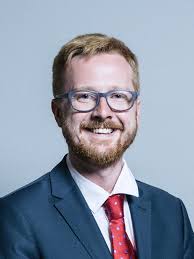
    Below is the text of the speech made by Justin Madders, the Labour MP for Ellesmere Port and Neston, in the House of Commons on 15 June 2015.

    Today marks 12 weeks since the country went into lockdown and we saw the biggest peacetime restrictions ever. Over the past 12 weeks, the public have made huge sacrifices. The vast majority of them supported and adhered to the lockdown, and it is right that we take a moment to acknowledge the sacrifices they have made in the interests of public health—the business that faces an uncertain future, the child who has missed out on crucial social and educational opportunities, and the grandparents who just want to give their grandchildren a hug. We know it has been hard, and we thank them for doing their bit.

    We also thank those in the NHS and other parts of the public sector, in social care and of course the millions of other people who have made their own contributions in the collective fight against the virus. When we have seen over the weekend images that represent the worst of this country, let us not forget that many, many more have in recent months shown us what the very best of this country can look like.

    It is also right to take a moment to remember the more than 41,000 lives that have been lost to the virus, each one a tragic loss. We mourn them all.

    We are here today to consider the third iteration of the regulations, just as further relaxations come into force to allow non-essential shops to open for the first time. Those measures are probably the single largest relaxation since lockdown was introduced—but we are not here to debate those changes. In our view, we ought to be, but instead we are here to debate the changes that came into force two weeks ago, on 1 June, and the interventions on the Minister that we have heard demonstrate why there is some anxiety.

    Changes should be debated and have democratic consent before they are introduced. I thank the Minister for acknowledging Opposition concern in respect of that, and I understand why urgent action is needed, but it should be perfectly possible for us to debate regulations at short notice. We in the Opposition stand ready to co-operate with whatever is necessary to make that happen.

    Peter Kyle (Hove) (Lab)

    Considering that Government have one job, and one job alone right now, which is keeping us safe and preparing for the days ahead, is it not inexcusable that they are not able to keep Parliament up to date at the same speed as they announce things to the media?

    Justin Madders

    I will come on to the discourteous way in which the Prime Minister has been announcing these things to press conferences instead of this Chamber.

    It is important that this Chamber has a role because these are not minor or consequential changes that can be nodded through without debate. They affect millions of people’s lives, and we know that if we get it wrong, the consequences will be devastating. Debating them weeks after the event, and in some cases when they have been superseded by the next set of regulations, demeans ​parliamentary democracy. Changes such as these should always be accompanied by a statement to Parliament, not just showcased at Downing Street press conferences. We are not merely a rubber-stamping exercise to create the veneer of a democratic process. We should not be debating these measures late, and we should not be debating them without seeing the full extent of the information on which the Government based their decisions. We know that the next review of the regulations must take place on or before 25 June. If that review leads to further relaxations, will the Minister commit today that any regulations introduced off the back of that will be debated here before they are implemented and not retrospectively?

    The reviews, which are legally required to happen under the regulations, took place on 16 April, 7 May and 28 May. I ask the Minister: where are they? In a written question, I asked the Secretary of State whether he would publish those reviews. I received a reply last week stating that the Department of Health and Social Care had indicated that it would not be possible to answer the question within the usual time period. Why on earth not? If the Government have conducted these reviews, why are they not in a position to disclose them? I find this absolutely incredible. Here we have the most far-reaching impositions into everyday life in this country, yet we have no idea what the Government’s own reviews of them say. These are reviews that are required under legislation.

    Sir Charles Walker

    They are far-reaching, and it is a pretty poor reflection on this Chamber that it is empty. It is probably only a third full, even with the social distancing rules in place. Where are our colleagues getting upset about the removal of people’s civil liberties? Neither side here has a great story to tell.

    Justin Madders

    If these regulations were actually going to be changed as a result of what we said here, we might see a better attendance, but the Government have shown the contempt in which they hold this place by introducing them way after the event. The question is: where are the reviews? What is it that we cannot see in them? This betrays a cavalier attitude to transparency, and it does absolutely nothing to engender confidence that the decisions that are being taken are the right ones.

    Peter Kyle

    We have to get this on to the record. My right hon. Friends the Members for Barking (Dame Margaret Hodge) and for Derby South (Margaret Beckett) want to be here engaging in the debate, but they are unable to be here because the virtual Parliament has been closed down for debates such as these, and they have to shield. The Government are telling them not to be here. That is the reason they are not here. Is that not correct?

    Justin Madders

    My hon. Friend is absolutely right, and I am sure there are many Members who cannot be here for good reasons but who would like to take part in the debate. They are following the Government’s advice, which is to work from home wherever possible. This just shows how confused the approach is sometimes, and it really is an affront to democracy that those Members cannot take part in important debates such as these.

    ​Mr Harper

    For the benefit of the House, I understand that that particular point about participation in legislative debates is currently being considered by the Procedure Committee. I think the Government have indicated that if the Procedure Committee can come up with a sensible way of including colleagues who need to participate remotely in legislative debate, that is something that the Government will look at favourably. I hope that is helpful to the House.

    Justin Madders

    I thank the former Chief Whip for his intervention. I would certainly welcome that development. I have not heard anything from the current Leader of the House to explain why we can take part remotely in some debates but not in others. I will not take any more interventions, because I know we are up against time.

    Turning to the regulations themselves, they include, as the Minister outlined, some relaxations including the reopening of some outdoor retail as well as various outdoor sporting activities. They also make provision for elite athletes in anticipation of the return of professional sport, including the Premier League later this week. I am sure we are all looking forward to that, although anyone who has witnessed the Arsenal back four this season may consider the definition of an elite athlete to be a triumph of hope over reality.

    It is not all one way, however, and for the first time, the regulations include a list of venues that must now close. I fail to see any logic, coherence or consistency in respect of the Government’s approach to these venues and, critically, there has been no impact assessment on those venues. The first set of regulations, despite their sweeping nature, had no impact assessment at all. We understand, of course, why that was not possible in the first instance, but we have made it clear that we do not want that to become the norm, because we know that the impact of these regulations will be huge. We are now on the third set of regulations, 12 weeks after the lockdown started, and we have still had no impact assessment. How can the Government continue to issue new laws with such sweeping powers when they cannot tell us what their impact is?

    Is there a document the Minister can point us to that sets out the Government’s own assessment of whether they have met the five tests they set themselves for relaxing the lockdown? Certainly, there is concern that the threshold for relaxation has not yet been met. Only yesterday, the World Health Organisation expressed concern that we may be coming out of lockdown too early. According to a recent University of Oxford study on each country’s level of readiness for easing lockdown, we are now fourth from bottom in the entire world.

    The questioning comes not just from outside bodies but the Government’s own joint biosecurity centre, which has not reduced the threat level—still level 4—and says very clearly that only when the threat reduces to level 3 can there be any relaxation of restrictions. I implore the Minister to set out exactly why the Government feel they can depart from the opinion of their own joint biosecurity centre.

    All these concerns matter not only because of the enormous impact of the regulations but, frankly, because the Government appear to be winging it in respect of ​which regulations they choose to apply. Take the new category of venues to be closed in schedule 2—model villages, zoos, safari parks, aquariums and so on. Clearly, that was an oversight in the original regulations, but we have seen a rapid U-turn on parts of the regulations so that, as I understand it, zoos and safari parks are no longer required to close. How have the Government got themselves into such a mess that we are debating on the Floor of the House regulations that they do not fully support? How can it possibly be consistent with the rule of law for the Government to present us with regulations and say, “Actually, we’re going to pretend that bits of this are not there”? It is an absolute shambles. To preserve the rule of law, it is vital that people do not act outside the law, but how can we expect it to be enforced properly if the Government say that bits of the regulations do not need to be followed? The changes come to us late, without any assessment of their impact, and after some of them have been pulled. That does not inspire confidence that the Government are in control of the situation or following any kind of plan.

    As we know, the WHO, the Association of Directors of Public Health and some of the Government’s own scientific advisers have said that the easing of lockdown should not occur until the testing and tracing system is proven to be more robust, but the reality is that the system is in chaos. The Government have not been able to publish the number of people tested each day for more than three weeks now. How can testing and tracing work properly if we do not know how many people are tested each day? A third set of data from the test and trace system shows that it needs a lot more work. Just over 8,000 people were tested, but only two thirds of them were contacted. Missing out a third is not what I would call an effective and robust system.

    And what of the app? It seems that the world-leading, game-changing, virus-busting app is not as important as it once was. That is a fate that probably awaits us all in here, but the app has suffered a downgrade before it has even been launched. Last month, the Secretary of State said it would be crucial and that downloading the app would be a public duty. Now we are told that it is not vital; it is more of a cherry on the cake. Which is it? Will the Minister explain how it is safe to open non-essential retail if people who might come across someone who is infected cannot be traced because there is no working app in place?

    The Government have been too slow on testing, too slow on social care, too slow on personal protective equipment, and too slow on the lockdown, and now it seems they are too slow on tracing. The Prime Minister promised a world-beating system by 1 June, but that date is long gone. Newspaper reports suggest that we may not get a fully operational system until September. When pressed in debate on the last set of regulations, the Minister could not give us a date when it will be ready.

    This matters because the restrictions are being lifted now. The Government must demonstrate that they have got a grip of the testing and tracing strategy in order to restore public confidence in their handling of the pandemic and to ensure that we do not risk another catastrophic spike of infection that will lead to a second lockdown, with all the damage that will bring. The Government have taken the decision to lift the restrictions. It is for ​them to demonstrate that they are listening to the experts and publish the full scientific evidence behind the decisions that have been taken.

    We want the Government to succeed and remain committed to working constructively with them, but that is a two-way street. I have now spoken three times on these regulations. On each occasion I have stressed the importance of the Government operating within the rule of law, following due process and providing us with a full evidence base supporting the decisions they take. On each occasion the Government have failed to listen to those concerns. They have failed to demonstrate that they are following the science, they have failed to show that they are assessing the impact of their decisions, and they have failed to show that they grasp the importance of accountability. This Parliament and this country deserve the full picture, so I hope next time we debate these issues we get just that.

  • Jo Churchill – 2020 Statement on Public Health

    Jo Churchill – 2020 Statement on Public Health

    Below is the text of the statement made by Jo Churchill, the Parliamentary Under-Secretary of State for Health and Social Care, in the House of Commons on 15 June 2020.

    I beg to move,

    That the Health Protection (Coronavirus, Restrictions) (England) (Amendment) (No. 3) Regulations 2020 (S.I, 2020, No. 558), dated 31 May 2020, a copy of which was laid before the House on 1 June, be approved.

    The amending regulations we are discussing today were made by the Secretary of State on 31 May and were laid before the House on 1 June. I must note that the regulations were amended again, on 12 June, with changes coming into effect between 13 June and today. Hon. Members have previously raised concerns about that sequencing, which I would like to address directly.

    Mr William Wragg (Hazel Grove) (Con)

    I thank my hon. Friend for giving way at this early point. I can inform you, Madam Deputy Speaker, that I do not intend to inflict a speech on the House later and will be withdrawing from our proceedings. May I just ask the Minister briefly why the Government have chosen to use the urgent procedure with regard to the regulations?

    Jo Churchill

    I thank my hon. Friend for that. If he will allow me to go through what I wanted to say, I hope it will be clear why we have used that procedure.

    The rapid and frequent amendments to the regulations have been critical to ensuring that the Government can respond to the threat from the pandemic and its impact. The use of the emergency procedure has enabled us to respond quickly, begin a cautious return to normality and reopen the economy as soon as possible. I recognise that there may be frustrations that we have had to run parliamentary process in parallel during these unprecedented times, but I believe that we have demonstrated the advantages of our flexible constitution. I wish to make it clear that these are extraordinary times and measures, and we are definitely not setting a precedent for how the Government engage with Parliament on other matters and in more usual times. I am very grateful to all hon. Members for their patience and continued support during these difficult times.

    Mr Mark Harper (Forest of Dean) (Con)

    May I just pick the Minister up on the point made by my hon. Friend the Member for Hazel Grove (Mr Wragg)? The thrust of the amendment No. 4 regulations—I accept, if you will give me a little latitude, Madam Deputy Speaker, that they are not the ones that we are debating, but I think the Minister referred to them in her remarks—was announced on Tuesday or Wednesday last week. I do not see what would have prevented a draft of those regulations being laid for debate on Thursday, so that the House could have taken a decision on them before they came into force. Would that not have been better, particularly because they are legally quite complicated in how family support structures are translated into law? That would have been better for our legislative process.

    Jo Churchill

    I thank my right hon. Friend for those remarks. I will certainly take that back and feed it in, because I know that he is not alone in feeling that we could improve the time sequencing slightly, in order ​that we get to a place where these matters are debated fully. I reiterate, however, that these are unprecedented times, and being able to debate complex differences between the timings needs to be thought about.

    Mr Wragg rose—

    Jo Churchill

    If my hon. Friend will forgive me, I am going to make a little progress and then I will of course take another intervention.

    All over the world we are seeing the devastating impact of this disease. It has already radically altered our way of life, and it has, very sadly, taken loved ones away. That is why the Government put in place social distancing measures to slow the spread of the virus and protect our NHS, in order to save lives, and they have been successful. Despite the tragic loss of life, the UK has slowed the spread of coronavirus. Our health system was not overwhelmed and it retained sufficient hospital beds, ventilators and NHS capacity. I am extremely grateful to the public for their continued compliance with these measures, which have been instrumental in us reaching this point.

    Now we must begin to recover and slowly rebuild our way of life. The Government’s objective is to return to our way of life as soon as possible, restarting our economy in a safe and measured way that continues to protect lives and support the NHS. On 11 May, the Prime Minister made a statement to the House outlining the Government’s road map for easing restrictions. We have entered phase 2. This involves gradually replacing the current social distancing restrictions with smarter measures that have the largest effect on controlling the epidemic but the lowest health, economic and social cost.

    Mr Wragg

    I am extremely grateful to my hon. Friend the Minister, to whom I pay full tribute for her incredibly hard work, for indulging me with this intervention. Would it not be possible for the Government to at least lay a written statement on their reasoning as to why some measures have been relaxed and others have not?

    Jo Churchill

    If my hon. Friend will indulge me as I go through my opening speech, I will address that in my concluding remarks. There is transparency in relation to the SAGE minutes, which are readily available and give a clear example of why decisions are being made and the scientific basis for them.

    We are very aware of the burdens that these regulations have placed on society and on individuals. The 1 June amendments play a significant role in reducing the restrictions and lifting some of that strain. It is necessary for the Government to respond quickly to the reduced rate of transmission and to protect individual rights. At all times the regulations in place must be proportionate and necessary. Following on from the small change made to the 13 May amendments, which were debated by a Committee of this House on 10 June, these amendments go a step further. We recognise the toll placed on individuals and families unable to meet loved ones, and have amended the regulations to allow for groups of six to meet outdoors. We hope that these amendments will relieve that burden to some extent.​

    I will now outline the changes made on 1 June, which include allowing increased social contact outdoors, in either public or private space, for groups of up to six people from different households; enabling elite athletes to train and compete in previously closed facilities; opening some non-essential retail while expressly providing for businesses that remain closed; ensuring that venues such as community centres can open for education and childcare services; and ensuring that those required to self-isolate on arrival in the UK can stay in hotels. We have also amended the maximum review period to 28 days. This longer review period ensures that we will be able to fully take into account the impact of any previous amendments before making further changes.

    Sir Charles Walker (Broxbourne) (Con)

    I have looked at the regulations. Am I right in thinking that people are still prevented from staying over at a friend’s house or a partner’s house, or has that been amended as well?

    Jo Churchill

    It is my belief that they can stay over if they are within the guidelines of the social bubble—that is, if they are a single person. There are several distinct areas and I am happy to discuss them with my hon. Friend, or to write to him to clarify them. They are clearly laid out in the regulation of what is or is not applicable.

    The Government continue to work on the process of gently easing restrictions as it is safe to do so, in line with the ambition set out in the road map. Working alongside scientists and experts, we must act swiftly to respond to current infection levels and our assessment of the five tests that have been set out previously. I am sure that we all support the aim to protect and restore livelihoods by only keeping in place restrictions that are proportionate and necessary. We of course remain ready to reimpose restrictions if the need emerges in the future, although we all hope that that will not be the case.

    Mr Harper

    I am grateful to my hon. Friend for giving way. In asking her a question, may I respond to my hon. Friend the Member for Broxbourne (Sir Charles Walker)? The reason for the confusion goes back to the point that I just made. My hon. Friend asked about what has been called the “bubbling” of households, the putting of households together, which was announced at one of the press conferences last week. It has been turned into legislation, which was laid before this House on Friday, but we are not yet debating it. So we are debating one set of amendments, but a new set has already come into force and the reason for the confusion is that we are not yet debating it. I think that rather proves my point that we should really have debated that legislation in advance of it coming into force. I hope that my hon. Friend’s confusion, and he is not a man easily confused, demonstrates the point about why that is important.

    Sir Charles Walker

    I thank my hon. Friend.

    Jo Churchill

    I thank my right hon. Friend the Member for Forest of Dean (Mr Harper) for the clarity with which he put that.

    I have already noted that further amendments were made on 12 June and have now come into force. Those will be debated by this House in due course. I am ​grateful to all parliamentarians for their continued engagement in this process, and for their continued scrutiny, which is rightly and importantly exercised for each set of amendments.

  • Theresa Villiers – 2020 Speech on Plastic Waste

    Theresa Villiers – 2020 Speech on Plastic Waste

    Below is the text of the speech made by Theresa Villiers, the Conservative MP for Chipping Barnet, in the House of Commons on 15 June 2020.

    Like others, I support this SI to ban the supply of single-use plastic stirrers, cotton buds and straws. I think the range of exemptions proposed is fair. I also believe that it is reasonable to have postponed implementation, so that businesses and local authorities did not have to deal with this in the midst of the pandemic.

    As a modern economy, we will always need single-use plastic—the covid emergency alone will have seen the use of hundreds of millions of single-use plastic items—but as a society, we need to get much better at treating plastic as a precious resource to be used only where necessary, and reused and recycled wherever possible. It is plastic waste that is the problem, not plastic. Plastic as a packaging material is safe, secure, hygienic and cheap. It is also tough and long-lasting, which has a hugely negative environmental impact when it is not properly disposed of, because it can last centuries in the natural environment.

    Tackling plastics pollution is one of the defining environmental challenges of our generation, which is why I welcome the energetic campaign run on this issue by the Daily Mail and Sky. There is an important place ​for bans such as the one we are considering as part of a wider strategy to address plastics pollution, because these regulations are an important means to push producers to switch to more sustainable materials and to push all of us to dispense with items that are not essential.

    This will only be effective as part of a wider package of measures. I therefore join others who have spoken this evening in urging the Government to maintain progress on extended producer responsibility. We also need to see the long-awaited deposit return scheme delivered in accordance with the timetable set by the Government, and we need to ensure that both those schemes operate in a way that minimises costs for business at a time of turbulence in the economy. I also ask the Minister when we will see the carrier bag charge extended to smaller retailers.

    It is important to emphasise again that domestic action alone is not going to solve this problem; if we are to address the scourge of plastics pollution in our oceans, we need to use our aid budget to support the developing world positively and energetically in dealing with their plastic waste responsibly. Significant steps have been made through initiatives such as the Commonwealth Clean Ocean Alliance, but addressing this kind of issue should be included in the UN convention on biological diversity, and preferably COP26, too.

    Turtles choke on plastics, dolphins can drown if they get tangled up in it, seabirds can inadvertently feed it to their young, and marine life ingests millions of small pieces of it. Plastic is a tremendous asset for our society and our economy, but we must become much more responsible in how we use it, because of the terrible harm it can do when thrown away. We must act to prevent the environmental disaster of plastics in our oceans, and I welcome this statutory instrument as a helpful step forward in achieving that goal which we all share.

  • Alistair Carmichael – 2020 Speech on Plastic Waste

    Alistair Carmichael – 2020 Speech on Plastic Waste

    Below is the text of the speech made by Alistair Carmichael, the Liberal Democrat MP for Orkney and Shetland, in the House of Commons on 15 June 2020.

    I wish to make a few brief remarks in support of the introduction of these measures. I congratulate the Minister on bringing them forward. She and I campaigned on this issue on many occasions when she was on the Back Benches, so it is good to see her have the opportunity to bring them forward in government.​

    The territorial application of the regulations is limited to England and Wales, but as others have observed, much of this plastic waste ends up in the sea, and the sea joins us all, so we are as likely to find this waste on the beaches in Orkney and Shetland as we are in Cornwall. This concerns and affects my constituents substantially, and I am sure that they will be as pleased as I am to see this progress being made.

    The hon. Member for Brighton, Kemptown (Lloyd Russell-Moyle) made the fair point that this is just a statutory instrument, and we need to look at the nature of our consumption as a whole. He is right about that. I would add to that wider view the relationship between developed western countries and developing countries, because so many of these items put into the waste system are not dealt with in this country; they are exported. We find it difficult to control what happens, and it is effectively a case of being out of sight and out of mind. That is why it is infinitely preferable to cut off the use and supply of these items at source, which is the effect of the regulations.

    I add my voice to those who have referred to the need for a deposit return scheme. That is overdue, and I would like to hear from the Minister—in so far as she is able to say, while remaining within the ambit of the debate—when we might expect to see some concrete proposals. I know that she has a personal and political commitment, so it would be good to hear what we can do to help her push that through Government.

    These regulations are timely. I am sure we have all noticed that the great progress we have made on the removal of disposable coffee cups and the rest of it has faced a setback as a consequence of the covid-19 pandemic. In fact, I notice that we have plastic cups back at the Table at the front of the House. That is probably a consequence of the concern that people naturally have about transmission; I make no criticism. But we will have to deal with this, because the pandemic may be with us for months, but the damage done by plastic pollution and microplastics will be with us for decades, if not centuries.

  • Steve Double – 2020 Speech on Plastic Waste

    Steve Double – 2020 Speech on Plastic Waste

    Below is the text of the speech made by Steve Double, the Conservative MP for St Austell and Newquay, in the House of Commons on 15 June 2020.

    It is a pleasure to speak in support of the measures before the House. I speak as the chairman of the all-party group on ocean conservation. The regulations mark another important step forward in our fight against plastic waste.

    I take on board some of the comments made by the shadow Minister, the hon. Member for Brighton, Kemptown (Lloyd Russell-Moyle); we all recognise that there is more to do. No one is pretending for a moment that this marks the end of our fight against plastic waste, but it is an important step. It has been talked about for some time and generally has the support of the public. It is absolutely right that we introduce the regulations at this moment to try to address one source of a great deal of the plastic waste in our society.​

    There is an urgent and pressing need to get to grips with the issue of plastic waste. It is right to acknowledge the progress that the Government have already made: the charge on plastic bags has resulted in billions fewer plastic bags in the system, and the microbead ban is very welcome. I echo the comments made by colleagues about the deposit return scheme, which will be another important step forward in this fight. The Government have taken the issue seriously and have come forward, when appropriate, with measures to address it, and I am sure that will continue and that today will not be the end of that.

    I put on record my acknowledgement of and thanks to a number of organisations in Cornwall in particular that have campaigned for measures to ban plastic straws and other items. I have the great pleasure of working closely with Surfers Against Sewage, which for 30 years has led the campaign in our fight against pollution in our oceans. The Final Straw Cornwall has also campaigned heavily on this issue.

    In Cornwall, we see the impact of plastic waste right on our doorsteps, as do the tens of thousands of people around the country who take part in beach cleans every year. Too much of the plastic waste in our society ends up in our oceans and along our coast. The regulations will certainly help to reduce that and make the job of those of us who regularly participate in beach cleans an awful lot easier.

    The statistic that I continue to cite is the prediction that if we do not take drastic action by the year 2050, there will be more plastic than fish in our oceans. We cannot allow that to happen, and it is steps such as these regulations that will help to make sure that that does not happen. I very much welcome the sensible measures in the regulations, and I also welcome the sensible exceptions to allow plastic items to be used in medical and other appropriate settings when it is deemed appropriate.

    While I have the Minister’s attention, I wish to mention something else. Although I absolutely welcome the measures that we are considering, now is surely the time to take a look at a couple of other things that we need to ban: sky lanterns and balloon releases, about which there is a great deal of concern. These matters were last considered in 2013, and I wish to put on record that now that we have banned plastic straws, cotton buds and stirrers, surely this is the time to ban sky lanterns and balloon releases. They do untold damage to our environment, they can damage property and they do a great deal of damage to wildlife and farm animals. Surely now is the moment, once the issue we are considering is put to bed, to come forward with further measures to take those items out of the system as well and stop them polluting our environment.

    I thank the Minister for her work on the regulations. I very much welcome these measures and am happy to support them wholeheartedly.

  • Lloyd Russell-Moyle – 2020 Speech on Plastic Waste

    Lloyd Russell-Moyle – 2020 Speech on Plastic Waste

    Below is the text of the speech made by Lloyd Russell-Moyle, the Labour MP for Brighton Kemptown, in the House of Commons on 15 June 2020.

    The Opposition will not oppose the regulation today, but we would like to place on record our disappointment at a number of missed opportunities. There are two elements to the statutory instrument—the plastics and the single use. This regulation deals only with removing the plastics and does not attempt to deal with or solve the problem of our single- use economy that we need to tackle. It fails to recognise the waste hierarchy of reduction first, and just aims at legislating, in a piecemeal way, one item after another.

    Of course, we agree that plastics have become unsustainable. In 1950, we produced 1.7 million tonnes, and now we produce 350 million tonnes. The Minister has already talked about the number of items that we produce, including the 1.8 billion plastic-stemmed cotton buds, of which 10% are flushed down toilets, with a devastating impact on marine life when some, inevitably, get out of the system.

    Peter Kyle (Hove) (Lab)

    My hon. Friend and I represent opposite ends of the same city. As a coastal city, we are at the receiving end of some of that rubbish and disposable plastic as it washes up on the beaches. Does he agree that this is a very important step forward, but it is only a step forward and there is a long way to go in order to clean up the beaches that he and I represent?

    Lloyd Russell-Moyle

    I totally agree, and we both will have been on beach clean-ups and seen the awful amount of rubbish that is either left there or has washed up.

    With the work of nature documentaries such as “The Blue Planet”, and environmental organisations such as Friends of the Earth, Keep Britain Tidy, Surfers Against Sewage and others, the public mood has shifted dramatically on plastics. I remember in 2002 at the world summit on sustainable development our talking about not being able to garner public support for action on plastics. How things have changed, and that is to be celebrated. That is why, of course, the Government have been able to pledge, in their 25-year environment plan, to eliminate avoidable plastics by 2040. Will the Minister set interim targets for this plan and will she bring forward further ​plans to demonstrate how she will achieve the overall target? Without milestones, there is a danger that we will not realise that we are off course before it is too late.

    I would like to hear from the Minister what assessment her Department has made on the impact of covid on the use of plastics. Companies such as Just Eat and Deliveroo are reporting huge increases in sales. I have seen restaurants that were no longer using plastics but have returned to plastic items. While of course we recognise that there is a public health emergency, we need to do all we can to lower transmissions while ensuring that businesses have confidence in their knowledge about the risks of items, but let us return to the age-old—centuries-old—idea of a washable spoon, rather than a paper, plastic or wooden stirrer. It does not seem beyond the wit of man to return to something that we have used for a very long time—

    Sir Charles Walker (Broxbourne) (Con)

    We want cutlery!

    Lloyd Russell-Moyle

    Proper cutlery! I hear lots of support.

    To highlight the problem of single use, in 2018, McDonald’s UK faced a huge public backlash after the images of their distinctive striped plastic straws on picturesque beaches around the world, and it made a move to paper straws—laudable, fantastic, we would all say. But today it uses 1.8 million paper straws a day and that is 675 million a year. The tragedy is that these straws cannot be fully recycled, so they end up being incinerated, adding to landfill or even getting into our seas—the very thing that they were meant to prevent.

    Replacing one dangerous product with a slightly less dangerous product or energy-exhausting product defeats the point, when the reality is that most people do not need to use plastic straws. We can move away from the idea of unnecessary consumption. Huge numbers of supermarkets and food outlets have already moved away from plastics to wooden or compostable cutlery, but these too end up in incineration. As we know, incineration in this country has a particularly poor energy generation ratio compared with other European countries.

    DEFRA’s own impact assessment on the regulations has assumed that plastics will be replaced on a like-for-like basis, so while we are pleased to see the Government trying to eliminate plastics, it is very disappointing to see this missed opportunity to tackle the problem of single use. The Government are patting themselves on the back because of a ban on three items of plastics, when we need to shift our throwaway culture. We urgently need the extended producer responsibility scheme that is being considered in the European Union, and we should be taking the lead. Such programmes put an obligation on the producer to create more sustainable products. They incentivise companies that are doing the right thing, as well as disincentivising the wrong thing. When will we see the plastic bottle deposit scheme actually introduced in this place, and when will we see it reflecting the material used, rather than just the one-size-fits-all model that, unfortunately, has been adopted in Scotland?​

    With fast fashion and the inability to repair, we have not just straws and cotton buds being thrown away, but almost everything we can consume being thrown away. We are creating and destroying at alarming rates.

    Jim Shannon

    To take the returnable plastic bottle option a stage further, if we are to make that happen we need to have the co-operation of the giant supermarkets and similar. Does the hon. Gentleman feel that that would be a way forward?

    Lloyd Russell-Moyle

    It is. Actually, I was on a phone call with the hon. Member for Rugby (Mark Pawsey) earlier today, and many of the producers were saying they welcomed and wanted to move towards that sort of scheme, which I was very pleased to hear.

    As I have said, we are creating and destroying at alarming rates, but we must design a more circular economy. Where are the Government on the right to repair? That is another issue now being talked about globally—the right to have items repaired, rather than throw them away, whether they be electrical or composite plastic items. The Government are also a signatory to the sustainable development goals, No. 12 being the implementation of a 10-year framework for programmes for sustainable consumption and production. It says that developed countries must take the lead, so what lead has DEFRA made on changing production patterns, rather than just these particular regulations? I contend that simply banning plastics, although a welcome step, is not enough in creating sustainable production patterns, as agreed under our international obligations.

    I would like to ask the Minister some specific questions about the regulations’ implementation. What guidelines will be given to local authorities on the enforcement of these regulations? What resources will be given to local authorities to ensure that they are enforced? Will there be annual reporting on the compliance visits, on the problems found and on the responses to complaints from the public about unlawful retailing of straws and other plastic products? Finally, when will the Government bring forward their plan for extended producer responsibility, rather than piecemeal SIs?

    As we face a climate and ecological crisis, we must stop making piecemeal changes. We must have some hard conversations about changing corporate and consumer behaviour. Our short-term convenience must not come at the cost of our planet and future generations.

  • Rebecca Pow – 2020 Statement on Plastic Waste

    Rebecca Pow – 2020 Statement on Plastic Waste

    Below is the text of the statement made by Rebecca Pow, the Parliamentary Under-Secretary of State for Environment, Food and Rural Affairs, in the House of Commons on 15 June 2020.

    I beg to move,

    That the draft Environmental Protection (Plastic Straws, Cotton Buds and Stirrers) (England) Regulations 2020, which were laid before this House on 19 May, be approved.

    Before I begin my remarks, I want to address the issue of why the draft regulations are being brought before the House now instead of earlier in the year. Originally, the regulations were laid in March this year and set to come into force in April. However, in light of the unprecedented situation that this country has faced due to covid-19, they were delayed to reduce the burden placed on industry and to avoid adding further to the demands placed on local authorities.

    Many businesses should have been prepared for the ban, given that our plans have been widely publicised, but we received correspondence from many stating that supply chains had faced disruption from the widespread outbreak of covid-19, so sourcing alternatives to single-use plastics had been challenging. We were asked to delay entry into force for a short time while at the peak of this crisis.

    Delaying regulations was only a temporary measure in response to the crisis. Our commitment to turning the tide on the widespread use of single-use plastics is as strong as ever, and we seek to limit our impact on the natural environment.

    Mark Pawsey (Rugby) (Con)

    I spent my working career supplying food service packaging items, and I see today as a pretty sad day. Having sold many straws and plastic stirrers in my working career, I find it of concern that if I supply a plastic drink stirrer I am guilty of an offence and would be liable on summary conviction to a fine. I think that is a pretty disappointing state to be in. I thank the Minister for the delay, because for many of the suppliers of these products, their customers have not been able to use the products as a consequence of the hospitality sector being shut down. The delay that she has introduced is very welcome.

    Rebecca Pow

    I thank my hon. Friend for that intervention. I know how much work he does with the packaging industry, which, it has to be recognised, is indeed an important part of our economy. I welcome the fact that he recognises that this measure is much needed. Indeed, we brought the whole industry on board with us, and we listened to it. That is why we are giving this slight extension in bringing in the regulations: it was specifically at the request of the industry.

    Turning to the purpose of this SI, the Government are committed to eliminating plastic waste and the terrible effects that can result from plastic being in the environment. Single-use plastic items—products that are made wholly or partly from plastic and designed to be used only once—are increasingly common, and their use and inappropriate disposal continue to raise significant environmental issues. Unlike other materials such as paper or wood, plastic can persist in the environment for hundreds of years. Therefore, if released into the environment, items such as plastic straws can endanger wildlife and damage habitats, and small pieces of plastic ​items can often be ingested by animals. Furthermore, plastic that escapes into the environment will eventually break down into microplastics, which are permeating our food chain as well as ending up in our soils and the sea. The full impacts of this are still being uncovered.

    Jim Shannon (Strangford) (DUP)

    I understand exactly the logical reason why the Government are bringing this forward tonight. However, the Minister will realise that many businesses and companies have to find alternatives to plastic. Does she recognise within this SI the need for investment in research and development in emerging technologies that are producing biodegradable, single-use, plastic-type product alternatives?

    Rebecca Pow

    I thank the hon. Member for his intervention, which is perceptive, because the Government are definitely encouraging research and innovation in this field. He specifically mentioned biodegradable products. There is a great deal of discussion about that. Consulting and taking advice on it continue to be very important. We have carried out a consultation, because we need to know what even those products break down into before they come into general use. We have to be just as careful.

    Jacob Young (Redcar) (Con)

    Does my hon. Friend agree that it is not plastic that is the problem, but waste, and we should be doing all we can to tackle that? Will she join me in commending companies like ReNew ELP in my constituency, which is leading the way in chemical recycling?

    Rebecca Pow

    I thank my hon. Friend. This is all part of the whole new world that we are moving into of creating a circular economy where we research what we are making and design it so that we can reuse it, repair it or make it last longer. That is why the Environment Bill is so important, because it will contain many of the measures to reach this stage through the resources and waste strategy. I must also praise the company in his constituency that he mentioned.

    Mark Pawsey

    Does my hon. Friend agree that plastic is a problem and waste is a problem, but people are also a problem? People are not disposing of these products appropriately and they are getting into the wrong place. Would an education process to get people to put the right product in the right box and get it recycled be part of her endeavour?

    Madam Deputy Speaker (Dame Rosie Winterton)

    Order. Just before the Minister replies, I want to make sure that hon. and right hon. Members are paying attention to the remit of the SI, if I can put it that way.

    Rebecca Pow

    I think you can see, Madam Deputy Speaker, that this is a wide subject and people are generally interested in this whole issue of waste and plastics. Of course, my hon. Friend’s point about people is absolutely right. Even with my own children, I still have to teach them what to put in which boxes for the recycling: it drives me absolutely nuts. In the Environment Bill, we are bringing forward measures to align all the collection services, which will, once and for all, I hope, sort out the situation to which he refers.​

    The proposed measures in the resources and waste chapter of our Environment Bill will transition us towards a more circular economy—I have mentioned that already—which will change the way we consume resources. However, there is much we can already do to address the issue of single-use plastics, so let us now look clearly at what this statutory instrument will do. It will restrict the supply of single-use plastic straws, stirrers and cotton buds to end users in England, helping to reduce the amount of plastic that pollutes our environment. These new regulations will support the voluntary actions being taken by industry, led by the UK plastics pact, while ensuring that all businesses move to more sustainable alternatives. Our current data show that we use a remarkable 4.7 billion straws, 1.8 billion plastic-stemmed cotton buds and 316 million plastic stirrers every year in England, which is a huge quantity. This intervention will drastically reduce the use of those single-use plastics by an estimated 95%. When taken in conjunction with our wider policy approach to move towards a more circular economy, this will be another landmark moment, following our carrier bag charge and our microbead ban.

    These regulations will be coming in ahead of the EU’s introduction of such a ban. Taking advantage of our new-found freedom enables us to be more flexible and to have a more tailored approach, which will enable us to bring in our own exemptions—for example, the exemption for those with disabilities. Let us look at those exemptions. There is no doubt that plastic is an incredibly useful and versatile material. Plastic straws can withstand high temperatures, such as for tea and coffee, and can be moulded to bend or fit into a particular shape. That allows people suffering from certain conditions, such as motor neurone disease, who struggle to hold a cup to access hot and cold drinks, and liquid foods. My husband was seriously ill and we had to use straws as he got increasingly ill, so we can see why an exemption such as that is important. That is why we have included exemptions in these regulations for accessibility, forensic reasons, and medical and scientific uses.

    Following the introduction of the regulations, plastic-stemmed cotton buds will still be available for purchase by individuals who need them. Plastic straws will be available through pharmacies, without any requirement for proof of need, which means that relatives, friends and carers could buy them on behalf of those who rely on the items. Similarly, we are allowing for catering establishments, such as restaurants and public houses, that supply food and drink ready for visitors to consume to continue to provide plastic straws on request—again, this is without proof of need, for the reasons to which I have just referred. In these instances, it will be against the regulations to display and advertise the fact that straws are being supplied, in order to limit the impulse for people who do not need them to request them.

    The regulations allow business-to-business sales, for example, between a manufacturer and a catering establishment, to ensure that businesses can supply items to those who need them. We have also exempted other establishments such as schools, care homes and prisons from these regulations on plastic straws, so that they can be made available for anyone in their care who may need them. Finally, there is also an exemption for plastic straws that are classed as packaging. For example, some medicines in pill form are packaged in straws, to ​be dispensed one at a time. These exemptions for medical, scientific and forensic purposes will be reviewed and updated as we move forward.

    We are determined to get this right, and it is vital that businesses and the public are informed about what they can and cannot do. Local authorities are obliged to ensure that guidance is published ahead of the regulations coming into force, and anyone caught still supplying the items against the rules set out in this legislation could face civil sanctions, such as stop notices or a variable monetary penalty.

    Of course, we hope that the enforcement measures will not be necessary. Industry is already making good progress to remove the items from their shelves, and public demand for the items is falling. But the regulations need to have teeth to show that the Government take the issue of plastic pollution seriously. The new regulations send a signal to industry and the general public that we need to think carefully about the products we buy and the materials from which they are made. The regulations will help people to make more sustainable choices, and I commend the draft regulations to the House.

  • Kwasi Kwarteng – 2020 Statement on Electricity

    Kwasi Kwarteng – 2020 Statement on Electricity

    Below is the text of the statement made by Kwasi Kwarteng, the Minister for Business, Energy and Clean Growth, in the House of Commons on 15 June 2020.

    I beg to move,

    That the draft Electricity Capacity (Amendment etc.) (Coronavirus) Regulations, which were laid before this House on 20 May, be approved.

    Before outlining some of the provisions made by this draft instrument, I will briefly provide some context. The capacity market is at the heart of the Government’s strategy for maintaining the security of electricity supplies in Great Britain. It secures the capacity needed to meet future peak electricity demand, in a range of scenarios, through competitive technology-neutral auctions, which are normally held four years and one year ahead of the relevant delivery year. This draft instrument, together with capacity market rules changes to be made, performs two broad functions. First, it will ensure that the capacity market remains compliant with its state aid approval by giving effect to Government commitments recorded in the state aid approval decision. Secondly, it will make temporary modifications to support providers in the light of the effects of coronavirus.

    The context of the capacity market state aid approval is, briefly as follows. The EU Commission state aid approval of the capacity market in 2014 was annulled in November 2018 by a judgment of the general court of the Court of Justice of the European Union. This introduced the standstill of normal operations of the capacity market until October 2019, when the European Commission completed its reinvestigation of the capacity market and granted state aid approval. On the back of this approval, the Commission state aid approval in October 2019 recorded the Government’s commitments to make technical changes to the capacity market design, to reflect recent market and regulatory developments, including reforms that the Department for Business, Energy and Industrial Strategy had already identified through the statutory five-year review of the capacity market in July 2019.

    John Redwood (Wokingham) (Con)

    I am glad that the Minister has started with the very important context, because, of course, an 80-page EU document explaining the history and the requirements should have been appended to our documents. Why, however, do we think it a good idea to comply with the proposition that our interconnector imported energy has to increase from 4% to 9% of our total by 2021, when we should be going for self-reliance and resilience?

    Kwasi Kwarteng

    I know that my right hon. Friend is a noted sceptic about climate change—or he was, certainly, until very recently—but he will know that any country that, like us, wants to reach the net zero commitment will necessarily be reliant on much greater interconnector capacity, from Europe in many instances and sometimes from countries such as Norway that are outside the EU, than is currently the case. That is exactly why we are proceeding on this path.

    John Spellar (Warley) (Lab)

    Should we not be looking at the underlying proposition, given the enormous increase in renewables? Is it not absurd that we have been importing electricity through the interconnector while paying renewable companies, particularly those connected to ​wind farms but also to solar, to switch off because of low levels of demand? Is there not a disconnect in this market at the moment?

    Kwasi Kwarteng

    I think there are issues, which the right hon. Gentleman raises, with regard to pricing and the ability to have a much more flexible grid system. With respect, however, these regulations have nothing to do with that. That is a separate debate.

    John Spellar

    With respect, the Minister seems to be embedding the current dysfunctional system into new regulation. I fully accept that the Government have to do something about this because of EU decisions, but, equally, there does not seem to be, and I do not get the sense of, an understanding that this is a defective mechanism that needs to be reformed, and probably quite quickly.

    Kwasi Kwarteng

    The right hon. Gentleman is absolutely right that the system needs to evolve. We are looking at some of the smart pricing he alludes to and the flexibility of the system, and I am sure he will read our White Paper with interest. However, the issue of the flexibility of the system is not really germane to this statutory instrument on the capacity market, which, as he and my right hon. Friend the Member for Wokingham (John Redwood) know, is a technology-neutral device.

    Jim Shannon (Strangford) (DUP)

    Have the Government taken into consideration the demand on energy that will arise from their policy to build 100,000 houses a year over the next few years? Are the Government’s goals, as set out by the Minister, achievable, given that house building programme and the associated increase in population?

    Kwasi Kwarteng

    I think it is achievable, but what the hon. Gentleman is talking about is way outside the scope of this statutory instrument. As I have said, we are talking about flexible pricing; we are talking about the growth of renewables. This Government have committed to 40 GW of offshore wind power by 2030, which is a marked increase on the 30 GW ambition that we had. We are talking about nuclear as well—we have Hinkley Point. There are all sorts of generating power on the system. As I have said, we have a White Paper coming up, which talks about all these issues. Once again, with respect, I have to say that this is a very specific SI regarding the operation of the capacity market. The House will have plenty of time to debate other forms of electricity and power generation in the weeks ahead.

    Alan Brown (Kilmarnock and Loudoun) (SNP)

    Is it still not the point, as the Minister has said, that there needs to be greater flexibility, that the market needs to evolve and that he could therefore still be more ambitious with these regulations? If he is tying changes to state aid in the regulations to effectively temporary measures regarding coronavirus, it is quite clear that that is about flexibility and how he could approach that. Could he not have been a bit more ambitious with what is in these regulations?

    Kwasi Kwarteng

    All I can do is repeat the answer that I have given. These regulations reflect our past discussions about the operation of the capacity market. He and I and others in this Chamber will have plenty of time to debate a new system. I ask the hon. Gentleman to have a little patience. We have a White Paper coming up and ​it would be precipitous to have an extensive debate about these issues in legislation ahead of the publication of the White Paper. He has asked many questions about that, and I advise him to wait for the debate on the White Paper.

    John Redwood

    I do not know why the Minister referred to climate change in answer to my previous question. I was not talking about that and, as he says, it has nothing to do with the regulations, so may I have another go? Why have we agreed to more than double our importation of energy through interconnectors? Is it a good principle that we should be paying a capacity payment to foreign providers of electricity who want to sell us their surplus power, but who would not necessarily have it available when we wanted it?

    Kwasi Kwarteng

    In regard to climate change, my right hon. Friend will know that one of the big issues, or successes, that we have had in decarbonising electricity power generation has been through taking coal off the grid and having renewables. All the assessments that we have had and looked at show that an increase in interconnector capacity is part of that mix, just as nuclear is part of the mix, just as offshore wind and now onshore wind— the pot one auction—are part of the mix. All these things are part of the decarbonisation story of our power, and this is very important to us, which is why we have increased—or seek to increase—our interconnector capacity.

    Mr Deputy Speaker (Mr Nigel Evans)

    Has the Minister finished?

    Kwasi Kwarteng

    I was just anticipating further interventions. I will try to make some progress if I may. I want to turn in particular to the temporary modifications that the draft instrument seeks to make in recognition of the fact that coronavirus has made a big impact—a negative impact in some cases—on the ability of capacity providers to meet some of their obligations under the capacity market rules. The approach we are taking, in making temporary easements, is similar to that adopted to support capacity providers during the capacity market’s standstill last year, and these measures are fully accounted for in the draft legislation. As the disruptive effects of coronavirus may lead to more capacity providers facing termination of their agreements, this draft instrument will increase the time for capacity providers to appeal against notices to terminate their agreements to the Secretary of State. The legislation will also provide the Secretary of State with discretion to extend the time for capacity providers to comply with requirements in order to avoid a termination.

    In conclusion, this draft instrument will ensure security of electricity supply by ensuring that the capacity market continues to comply with its state aid approval and by reducing burdens on capacity providers during the coronavirus pandemic. Furthermore, we fully believe that these changes will maintain absolute integrity and confidence in the market. On that basis, I commend the draft regulations to the House.

  • Nick Thomas-Symonds – 2020 Speech on Public Order

    Nick Thomas-Symonds – 2020 Speech on Public Order

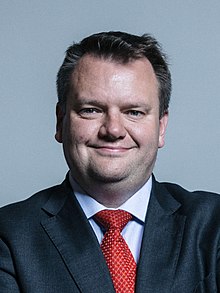
    Below is the text of the speech made by Nick Thomas-Symonds, the Labour MP for Torfaen, in the House of Commons on 15 June 2020.

    I am grateful to the Home Secretary for her statement and for advance sight of it. Like everyone in this House, I was appalled by the scenes in London this weekend. The violence, intimidation and antisocial behaviour were unacceptable, and as I said over the weekend, we condemn these acts absolutely.​

    It was clear that people, including the far right, had come out with the intention of causing violence, coupled with Nazi salutes and missiles hurled at the police. It was despicable to see a man apparently urinating by the memorial dedicated to PC Keith Palmer—a man who defended this very building to keep us Members safe. For such a disgusting act to occur next to a monument to a man who gave the ultimate service to his country shows how vile the events of Saturday became. PC Palmer’s bravery will never be forgotten.

    In these terrible scenes, we were reminded once again of the bravery, dedication and professionalism of our frontline police officers, and we again owe them a debt of gratitude. I understand that 23 officers were injured this weekend, and that is, of course, in addition to officers who were injured in previous incidents. I ask the Home Secretary to update us on their wellbeing. I have been in contact this morning with policing representatives to pass on the thanks of those of us on the Opposition Benches.

    On the issue of the law around war memorials, I recognise the importance of local memorials including cenotaphs, and I will scrutinise carefully the proposal on the issue that the law as it stands puts the financial value of repair above the hurt caused to the community. On sentencing, bearing in mind some of the media coverage at the weekend, I should point out that the maximum sentence for criminal damage is already 10 years, and sentencing guidelines for damaging memorials would need to be developed considering sentences already handed out for other serious offences.

    The Prime Minister should also be clear that we will not allow him to move the focus from the action to address the discrimination that people face now. Let us be clear: there should be no attempt to draw comparisons between those who were intent on violence this weekend and the legitimate cause of the Black Lives Matter campaigners, who have brought attention to the impact that racism and inequality continue to have both here in the UK and across the world. Now is the time for action. To borrow a phrase from another movement for equality and justice, what is required now are deeds not words.

    The Prime Minister’s decision to announce yet another review falls woefully short of what is required, because he could act now. He could implement all the recommendations of the Lammy review that have been sitting there since September 2017. He could bring forward actions on the Wendy Williams lessons learned review now. He could address the fact that just 60 people have been compensated so far in the first year of the Windrush compensation scheme—just 60 out of thousands, which is unacceptable. To use the Prime Minister’s own words, these plans are “oven-ready” and could be done now. The Prime Minister has the information to act now. The Prime Minister has the recommendations in front of him to act now. The Prime Minister has the power to act now. Are we not in the middle of a powerful national moment when more delay is not the answer? Is it not the truth that by failing to act now, the Prime Minister just is not offering the leadership required?

  • Priti Patel – 2020 Statement on Public Order

    Priti Patel – 2020 Statement on Public Order

    Below is the text of the statement made by Priti Patel, the Home Secretary, on 15 June 2020.

    Like all Members of this House, I was saddened and sickened at the far-right thugs who came to London this weekend on a so-called mission to protect the statue of Sir Winston Churchill, claiming to want to protect our country’s heritage, yet failing to understand that our country’s heritage is founded on a set of shared values—tolerance, respect for people and property, and adherence to the rule of law. Those thugs, far from protecting our heritage, did all that they could to destroy and undermine those values. There is no place for their sickening conduct and hate in our society. They were violent, they were aggressive and abusive towards police officers, and they were patently racist. It is right that a good number have been arrested.

    I would now like to give the House the latest operational update from the police. In total, more than 210,000 people have attended demonstrations across the country following the death of George Floyd. At least 160 protests took place this weekend, with the vast majority passing peacefully, but counter-demonstrations sparked ugly scenes.

    On Saturday, 2,000 people attended counter-protests in Westminster, with eruptions of violence throughout the day. Racists and far-right hooligans clashed with the police and fights broke out. Smoke bombs and glass bottles were lobbed at the police in shameful scenes. Thirty-eight officers were hurt across the country this weekend as they were kicked, punched or pelted with missiles. On Saturday alone, there were 137 arrests for offences including assaults on officers, violent disorder, breaches of the peace, possession of offensive weapons and class A drugs, and drunk and disorderly behaviour. In total, at least 100 officers have now been injured, as well as three police horses and one police dog, and at least 280 arrests have been made.

    As that ugly operational picture demonstrates, many of the so-called protesters came with the deliberate intent of causing harm to those around them and to police officers. That hooliganism is utterly indefensible. There can be no excuse for pelting police officers with missiles. Of all the dreadful images to emerge from this weekend, the one of the man desecrating the plaque of PC Keith Palmer was the most abhorrent.

    PC Keith Palmer served our country in so many ways, having first served in our armed forces. He then came to this place and made the ultimate sacrifice during a terror attack at the heart of our democracy. I know the whole House will join me in sending our thoughts to his family, colleagues and friends. He will never be forgotten.

    As I said last week, when I became Home Secretary I vowed to stand with the brave men and women of our police, for law and order and against the terrorists, the thugs and the criminals who threaten people, towns and communities. I am unapologetic for reiterating that pledge today because sadly, backing our world class police has never been more important. The scenes of violence and disorder in recent weeks have only underlined the challenges they face.

    We ask our frontline police officers to do the most difficult of jobs. Those courageous men and women run towards danger so that we do not have to. They put ​their own lives on the line to protect us, to protect the public. They take on the drug dealers, murderers and violent criminals every single day to keep our streets safe. They uphold the rule of law and give us the security and freedom to live our lives as we choose. I remain saddened at the lack of respect shown to our brave officers by a small minority of people.

    The senseless violence is taking a huge toll on our police. On Friday, I spoke to officers from forces in England and Wales who had been attacked in the line of duty to hear at first hand the devastating impact on them and their loved ones. Their accounts have only strengthened my resolve to step up the support for our police. An attack on our brave police is an attack on us all. I refuse to allow our outstanding officers to become society’s punchbag or monuments to heroes who served their country to be vandalised and desecrated.

    The Government are considering all options to stop those who seek to attack emblems of our national sacrifice and pride, including the proposed desecration of war memorials Bill. I can confirm that my right hon. and learned Friend the Justice Secretary will meet my hon. Friends the Members for Stoke-on-Trent North (Jonathan Gullis) and for Bracknell (James Sunderland) this afternoon to take that forward. My message today is simple: actions have consequences. I want vicious individuals held to account for the violence and criminality that they perpetrate. I want to see them arrested and brought to justice.

    Finally, I turn to the unprecedented national health crisis we find ourselves in. Coronavirus has tragically taken the lives of more than 40,000 people in our country. To protect us all and to stop the spread of the deadly disease, any large gatherings remain unlawful. The severe public risk forces me again to urge the public not to attend future gatherings or protests: if you do so, you put your loved ones at risk.

    It is clear that the far-right thugs who descended on London at the weekend, with the intent to cause harm, shamed themselves with some abusive and violent conduct. They were violent. They were abusive and aggressive towards the police. They were racist, and there are no excuses for this behaviour. So to the quiet, law-abiding majority who continue to be appalled by this violence and who have continued to live their lives within the rules throughout this pandemic, I say that I completely hear their anger at the scenes they have seen on our streets; to the police who continue to be subjected to the most dreadful abuse, I say that they have my full backing as they act proportionately, fairly and courageously to maintain law and order; and to the criminals, I simply reiterate my earlier remarks: “Your behaviour is shameful. No matter who you are, if you have broken the law, you will face justice.” I commend this statement to the House.