Blog

  • Ed Miliband – 2020 Comments on Employment in Bridgend

    Ed Miliband – 2020 Comments on Employment in Bridgend

    The comments made by Ed Miliband, the Shadow Business Secretary, on 8 December 2020.

    It’s crushing news the Grenadier car will now be built in France rather than Bridgend, especially following the closure of Ford’s plant leading to scores of highly-skilled jobs lost.

    Boris Johnson’s dithering, delay, and failure to deliver appears to have led to the loss of two major employers in the area – and it’s devastating that communities in Wales will pay the price of his incompetence.

    It’s also a big betrayal of the promises made by the Conservatives during the election to deliver jobs and investment in Bridgend.

  • Bridget Phillipson – 2020 Comments on Brexit and the Taxation Bill

    Bridget Phillipson – 2020 Comments on Brexit and the Taxation Bill

    The comments made by Bridget Phillipson, the Shadow Chief Secretary to the Treasury, on 8 December 2020.

    With 23 days until the end of the transition period the Government has brazenly and recklessly pushed the country to the brink of a no-deal Brexit.

    This irresponsible, last-minute approach explains why the Government is in chaos tonight – but the damage done to Britain’s global reputation by threatening to break international law will last for years to come.

    Labour wants a deal to be done, as this uncertainty is inflicting untold damage on businesses that still have no idea today what conditions they will be trading under next month.

    As Britain counts the cost of this Government’s irresponsible decisions, it’s clear the Conservatives have relinquished any claim to be the party of the economy.

  • Amanda Solloway – 2020 Comments on Space Technology

    Amanda Solloway – 2020 Comments on Space Technology

    The comments made by Amanda Solloway, the Science Minister, on 7 December 2020.

    We want the UK to be a world leader in space technology which is why we are supporting our most ambitious innovators who are developing first-of-a-kind technologies to help solve some of our greatest challenges.

    From slashing carbon emissions to protecting the UK’s critical services from harmful cyber-attacks, today’s funding will unshackle our most entrepreneurial space scientists so that they can transfer their revolutionary ideas into world-class products and services, while helping to boost the UK economy.

  • Graham Stuart – 2020 Comments on the General Export Facility

    Graham Stuart – 2020 Comments on the General Export Facility

    The comments made by Graham Stuart, the Minister for Exports, on 7 December 2020.

    UKEF’s support for smaller businesses is shifting up a gear. The new General Export Facility will make a huge difference for entrepreneurs who need the financial backing to go global and benefit from our free trade agreements. It will help us bring genuine optimism back to exporters.

    We were the only top ten exporting nation to grow exports last year. I’m determined for that success to continue as we recover from Covid-19. By transforming access to the world’s best export credit agency, we can unlock the entrepreneurial energy needed to make that a reality.

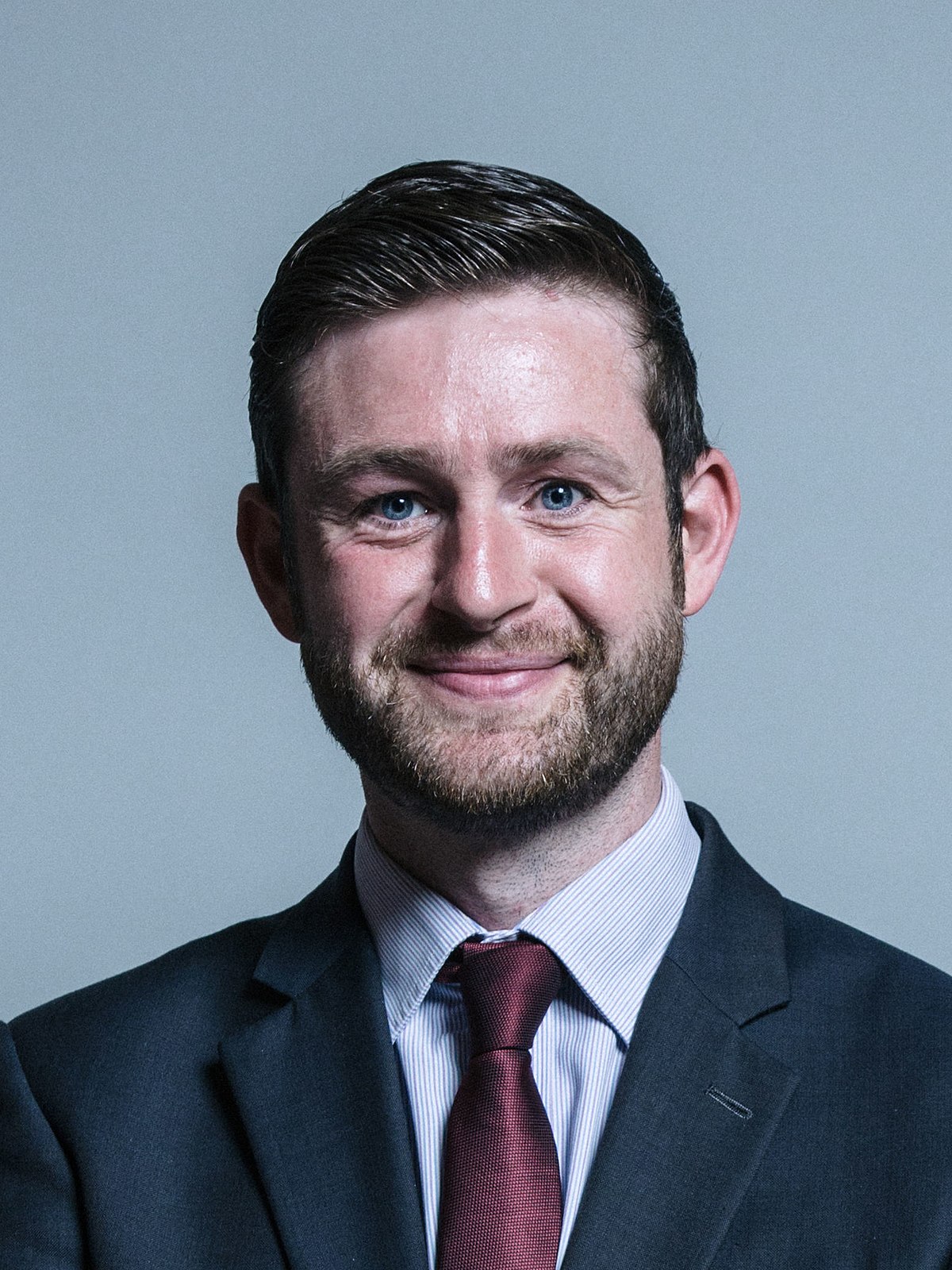
  • Jim McMahon – 2020 Comments on Exempting High Value Travellers

    Jim McMahon – 2020 Comments on Exempting High Value Travellers

    The comments made by Jim McMahon, the Shadow Secretary of State for Transport, on 7 December 2020.

    What message does the Government feel it is sending, at a time when following Covid rules is critical, when there are one set of rules for those it considers ‘high-value’ and another for everyone else?

    If the Government is serious about supporting businesses and saving jobs, it must set out a proper plan to support everyone through this crisis. Labour has been clear we must protect jobs in every part of the country and rebuild business with a support package that reflects the level of need and severity of restrictions in different areas.

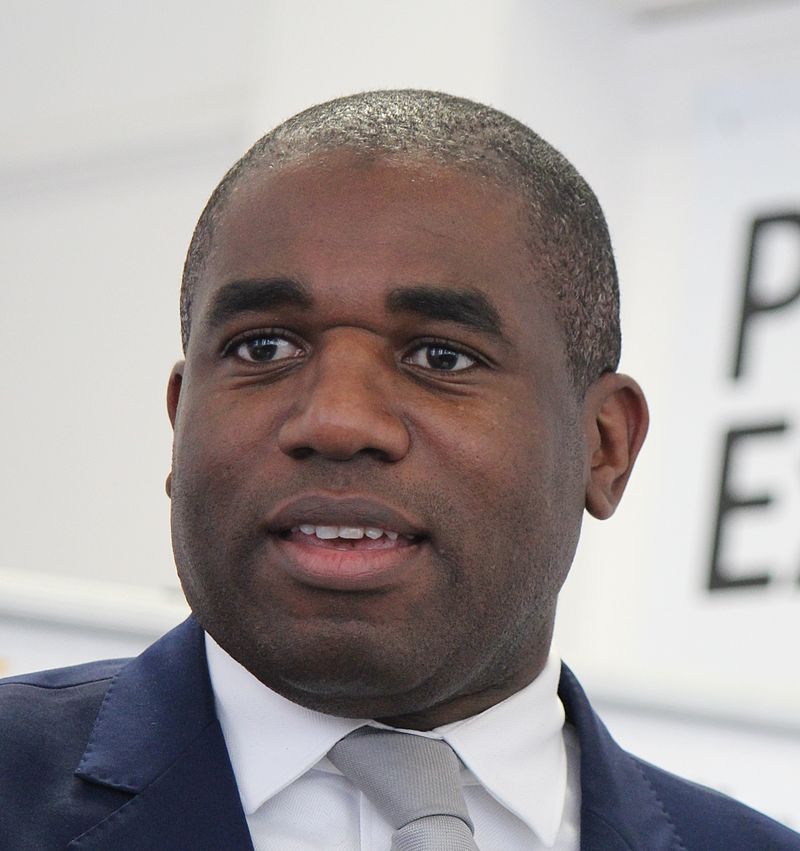
  • David Lammy – 2020 Comments on the Independent Review of the Human Rights Act

    David Lammy – 2020 Comments on the Independent Review of the Human Rights Act

    The comments made by David Lammy, the Shadow Secretary of State for Justice, on 7 December 2020.

    It is bonkers that the Government is prioritising launching an attack on human rights in the middle of the coronavirus pandemic.

    Unlike the Conservatives, Labour is proud of this country’s leading role in developing human rights following the second world war.

    There is no need for a review into the rights and freedoms that underpin our democracy and all of us enjoy.

  • Jo Stevens – 2020 Comments on the Online Harm Bill

    Jo Stevens – 2020 Comments on the Online Harm Bill

    The comments made by Jo Stevens, the Shadow Secretary of State for Digital, on 7 December 2020.

    The long-awaited online harms bill is a once in a generation opportunity to tackle these dangerous elements of the internet which have real-world consequences.

    We need the Government to take this seriously whether it is hate speech, disinformation or self-harm content.

    The internet should be a safe place for everyone and this legislation must be ambitious in its scope.

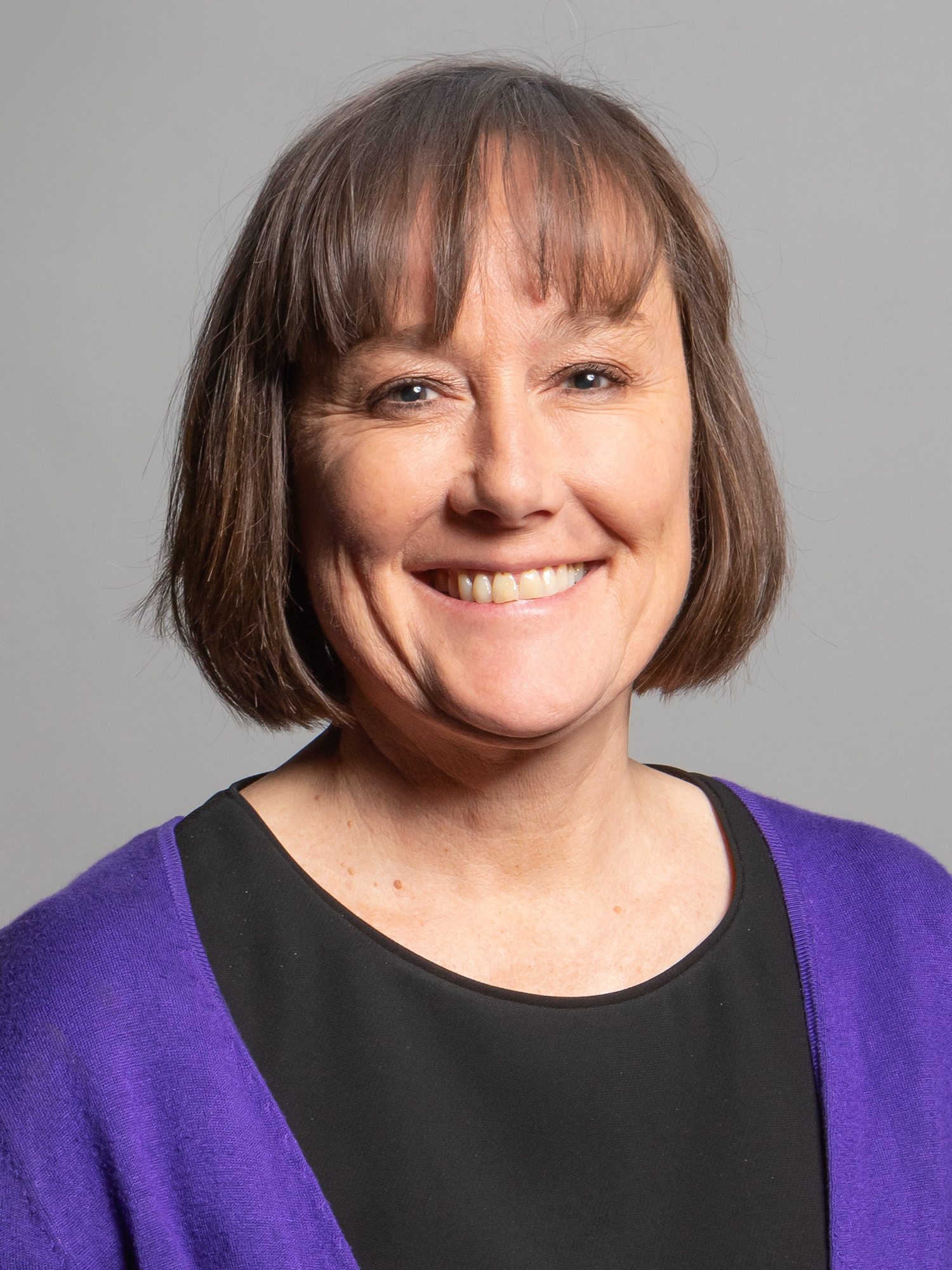
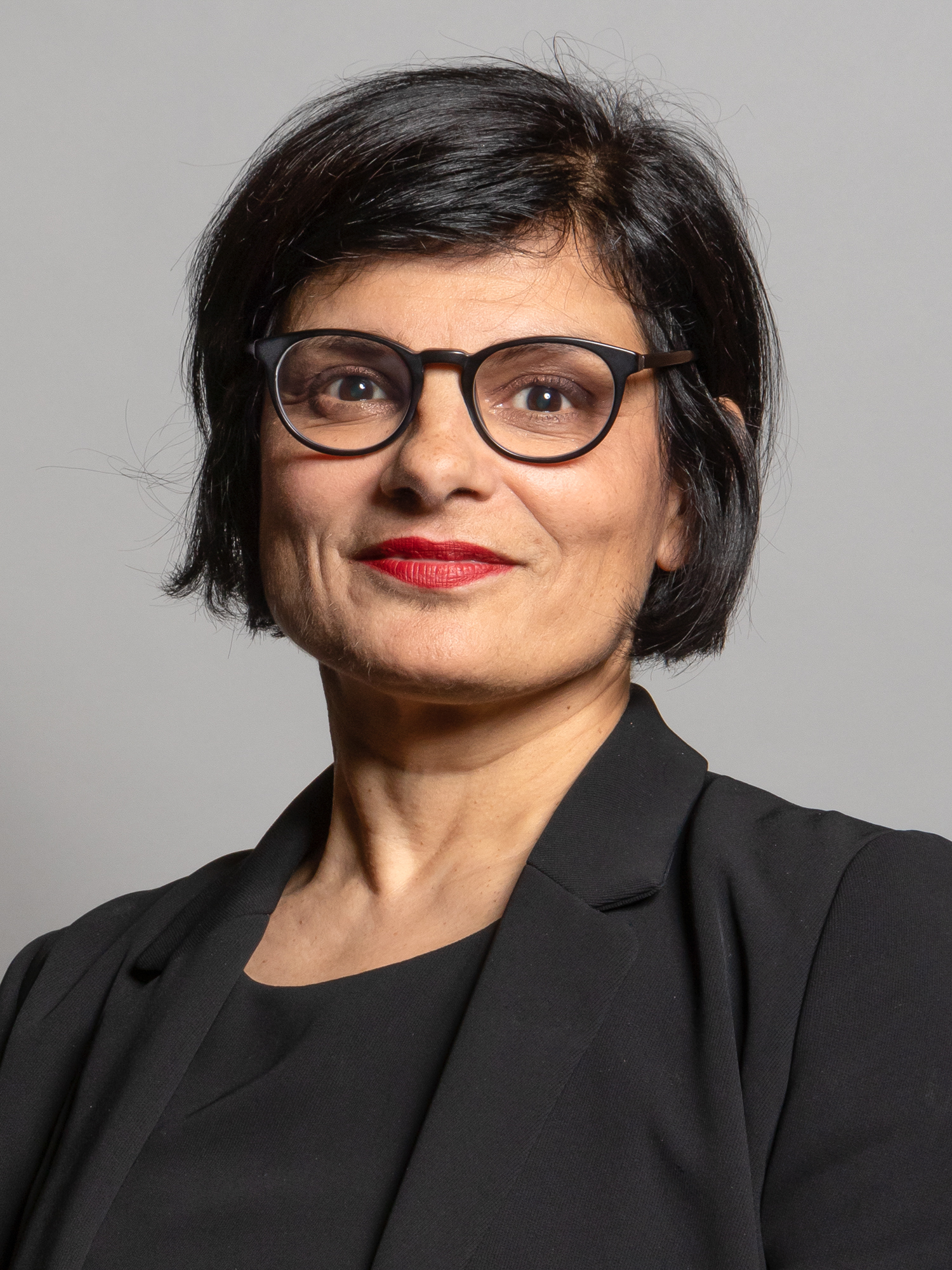
  • Thangam Debbonaire – 2020 Comments on Winter Rough Sleeping

    Thangam Debbonaire – 2020 Comments on Winter Rough Sleeping

    The comments made by Thangam Debbonaire, the Shadow Housing Secretary, on 7 December 2020.

    Even before the crisis, rough sleeping was a shameful sign of government failure.

    This winter, without the last resort of night shelters, rough sleeping is more desperate than ever.

    The Government promised to end rough sleeping for good – it must ensure everyone has a safe, Covid-secure place to stay this winter.

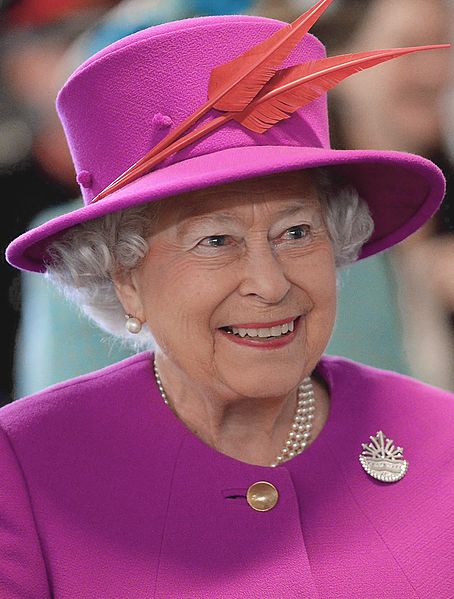
  • Queen Elizabeth II – 1991 Christmas Broadcast

    Queen Elizabeth II – 1991 Christmas Broadcast

    The text of the broadcast made by HM Queen Elizabeth II on 25 December 1991.

    In 1991 Boris Yeltsin won the first public elections to be held in Russia, ushering in a new era of East-West relations. In the same year the United States and the Soviet Union signed an historic agreement reducing their stockpiles of nuclear warheads by about a third. The Queen’s Christmas Broadcast in 1991 reflected on the enormous changes taking place across Eastern Europe and Russia, and the importance of democratic traditions.

    In 1952, when I first broadcast to you at Christmas, the world was a very different place to the one we live in today.

    Only seven years had passed since the end of the most destructive wars in the history of mankind. Even the end of the hostilities did not bring the true peace for which so many had fought and died. What became known as the ‘Cold War’ sustained an atmosphere of suspicion, anxiety and fear for many years.

    Then, quite suddenly, everything began to change, and the changes have happened with bewildering speed. In 1989 the Berlin Wall came down. Since then the rest of the world has watched, fascinated, as oppressive regimes have crumbled under popular pressure.

    One by one, these liberated peoples have taken the first hesitant, and sometimes painful, steps towards open and democratic societies.

    Naturally, we welcome this, and it may be that we can help them achieve their aims. But, in doing that, we need to remind ourselves of the essential elements which form the bedrock of our own free way of life – so highly valued and so easily taken for granted.

    This can be an opportunity to reflect on our good fortune, and on whether we have anything to offer by way of example to those who have recently broken free of dictatorship. We, who claim to be of the free world, should examine what we really mean by freedom, and how we can help to ensure that, once in place, it is there to stay.

    There are all sorts of elements to a free society, but I believe that among the most important is the willingness of ordinary men and women to play a part in the life of their community, rather than confining themselves to their own narrow interests.

    The parts they play may not be major ones – indeed they can frequently turn out to be thankless tasks. The wonder is, though, that there are so many who are prepared to devote much of their lives, for no reward, to the service of their fellow men and women.

    Without their dedication, where would our churches and charities be, for instance? Without such people, many would be unable to enjoy the pleasure which the arts bring to our daily lives.

    Governments can encourage and support, but it is the volunteers who work away for nothing in administration or spend their weekends seeing fair play, who make sport and physical recreation so worthwhile.

    I am constantly amazed by the generosity of donors and subscribers, great and small, who give so willingly and often towards the enjoyment of others. Without them these voluntary organisations simply would not exist.

    The peoples of the former Soviet Union and Eastern Europe have broken the mould of autocracy. I hope that we will be able to help them as they learn that the democracy which has replaced it depends, not on political structures, but on the goodwill and the sense of responsibility of each and every citizen.

    It is not, of course, as simple as that. All the selfless voluntary work in the world can be wasted if it disregards the views and aspirations of others. There are any number of reasons to find fault with each other, with our Governments, and with other countries.

    But let us not take ourselves too seriously. None of us has a monopoly of wisdom and we must always be ready to listen and respect other points of view.

    At the Commonwealth Heads of Government Meeting in Zimbabwe this autumn, we saw an example of mutual tolerance and respect for the views of others on an international scale. Leaders of the fifty nations came together to discuss the future.

    They met in peace, they talked freely, they listened, they found much on which to agree, and they set a new direction for the Commonwealth. I am sure that each derived strength and reassurance in the process.

    That was just one event in a year of massive and historic change. This time last year we were thinking of the servicemen and women in the Gulf, and of the hostages in captivity. Our prayers for their safe homecoming have largely been answered.

    This Christmas we can take heart in seeing how, in the former Soviet Union and Eastern Europe, where it has endured years of persecution and hardship, the Christian faith is once again thriving and able to spread its message of unselfishness, compassion and tolerance.

    Next February will see the fortieth anniversary of my father’s death and of my Accession. Over the years I have tried to follow my father’s example and to serve you as best I can.

    You have given me, in return, your loyalty and your understanding, and for that I give you my heartfelt thanks. I feel the same obligation to you that I felt in 1952. With your prayers, and your help, and with the love and support of my family, I shall try to serve you in the years to come.

    May God bless you and bring you a Happy Christmas.
  • Queen Elizabeth II – 1990 Christmas Broadcast

    Queen Elizabeth II – 1990 Christmas Broadcast

    The text of HM Queen Elizabeth’s Christmas Broadcast from 25 December 1990.

    Over the years, I have dwelt on the happier side of life in my Christmas Broadcasts – we need reminding of it, particularly at Christmas time. This year, there have been, I hope, times of happiness and good cheer for most of us.

    My family, for instance, has been celebrating my mother’s Ninetieth Birthday, and we have shared with you the joy of some of those celebrations.

    My youngest grandchild’s christening, two days ago, has brought the family together once again. I hope that all of us lucky enough to be able to enjoy such gatherings this Christmas will take time to count our blessings.

    For it seems to me that there is one deep and overriding anxiety for us all on which we should reflect today. That is the threat of war in the Middle East.

    The servicemen in the Gulf who are spending Christmas at their posts under this threat are much in our thoughts. And there are many others, at home and abroad, servicemen and civilians, who are away from their own firesides. Wherever they are, may they all, when their duty is done, soon be reunited with their families safe and sound.

    At the same time we must remember those still held hostage. Some of them have spent years in captivity, and Christmas must, for them, be especially hard to bear. My heart goes out to them and to their families.

    We can, at least, rejoice at the safe return of many of their compatriots over the last weeks, and salute the courage which they have shown.

    Wars, threats of wars and civil disturbance inevitably cause thousands of innocent people to become refugees and to have their lives ruined or disrupted. It is difficult for us, safe at home, to contemplate the scale of the suffering for homeless and hungry people caused by the ever-widening consequences of the crisis in the Gulf.

    The invasion of Kuwait was an example on an international scale of an evil which has beset us at different levels in recent years – attempts by ruthless people to impose their will on the peaceable majority.

    In extreme form, as we know only too well, these attempts lead to disaster and death, and their tragic aftermath for families and communities. In the United Kingdom, we have suffered once again during the past year from the scourge of terrorism, its disregard for human life and its efforts to dress its crimes in political clothes.

    But all this is nothing new. The tributes we paid last summer to the heroes of Dunkirk and the Battle of Britain were tributes to their achievement in repelling a determined invader. That was fifty years ago.

    Nowadays there are all too many causes that press their claims with a loud voice and a strong arm rather than with the language of reason. We must not allow ourselves to be too discouraged as we confront them.

    Let us remember that Christ did not promise the earth to the powerful. The resolve of those who endure and resist these activities should not be underestimated.

    I never cease to admire the stoical courage of those in Northern Ireland, for example, who go about their business in defiance of the terrorist. The reaction of those who have lost loved ones at violent hands is often an inspiration to the rest of us.

    Then again, I, like many others, was much heartened by the virtually unanimous opposition of the international community to the unprovoked invasion of Kuwait, and by the speed with which moves were made to try to relieve the plight of the innocent victims.

    I want, therefore, to say thank you today to the men and women who, day in and day out, carry on their daily life in difficult and dangerous circumstances. By just getting on with the job, they are getting the better of those who want to harm our way of life.

    Let us think of them this Christmas, wherever they are in the world, and pray that their resolution remains undiminished. It is they and their kind who, by resisting the bully and the tyrant, ensure that we live in the sort of world in which we can celebrate this season safely with our families.

    I pray also that we may all be blessed with something of their spirit. Then we would find it easier to solve our disputes in peace and justice, wherever they occur, and that inheritance of the earth which Christ promised, not to the strong, but to the meek, would be that much closer.

    A Happy Christmas and God bless you all.