Blog

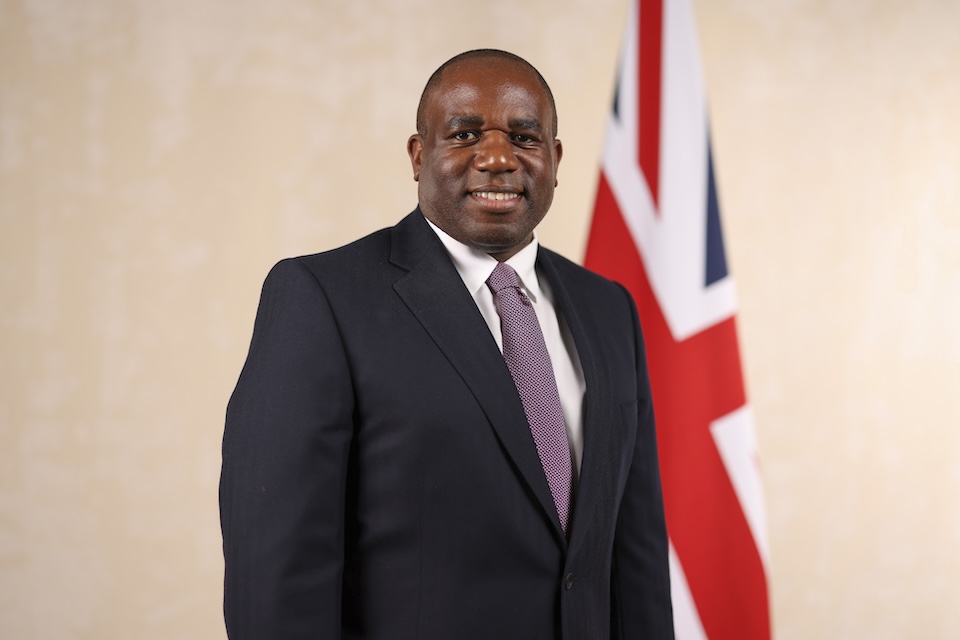
  • Heidi Alexander – 2026 Comments on Travel Costs

    Heidi Alexander – 2026 Comments on Travel Costs

    The comments made by Heidi Alexander, the Secretary of State for Transport, on 27 May 2026.

    We are a government firmly on the side of drivers, and that means acting when hardworking people are being left out of pocket.

    The people who use their own vehicle for work are the backbone of our country – the carers, the tradespeople and the public sector workers who keep services running. For too long, they have been expected to shoulder rising costs with support that simply has not kept up.

    We’re doing all we can to ease everyday pressures on working people – that means real money back in their pockets and delivering for the people who keep Britain moving.

  • PRESS RELEASE : Millions to benefit from lower travel and food costs [May 2026]

    PRESS RELEASE : Millions to benefit from lower travel and food costs [May 2026]

    The press release issued by HM Treasury on 27 May 2026.

    The Government has published a list of 125 everyday essentials – including fruit, oils and core pantry staples – targeted for tariff reductions, alongside uprating mileage rates to support working people with the cost of living.

    • Government launches consultation on suspending tariffs on OVER 100 everyday essentials with the full list now available.
    • This Government is the first in 15 years to uprate mileage rates for 3 million people who use their own vehicle for work, saving over £120 a year for a worker doing 6,000 business miles.
    • The support is an additional saving for motorists following the Chancellor’s third extension to the fuel duty freeze which has put another £120 back into their pocket since last year.

    Working people are set to benefit from further cost of living support, as the Government publishes a list of over 100 everyday essentials set to see targeted cuts to tariffs alongside uprating mileage rates for the first time in 15 years.

    The consultation is seeking views from businesses and other stakeholders on the potential impacts of a second package. It covers a wide range of everyday essentials, from fresh fruit and vegetables, oil and baked goods, to chocolate, sauces, and soft drinks.

    The list of 125 items include garlic, avocados, mangoes, nectarines, vegetable oil, olive oil and baked beans. This builds on the tariff suspension announced in April.

    In parallel, we are also seeking views on whether suspension of tariffs on certain fertilisers could help farmers cope with the impact of rising fertiliser prices as a result of the conflict in the Middle East.

    Chancellor of the Exchequer, Rachel Reeves, said:

    The war in Iran isn’t our war, but one we will need to respond to, and my priority is keeping prices down for households and businesses.

    That’s why we’re freezing fuel duty, increasing the mileage rate for the first time in 15 years and slashed VAT temporarily this Summer to help reduce the cost of days out.

    This comes as carers, plumbers, builders and millions of other workers across the country who use their own vehicle on the job will have cheaper journeys after the Chancellor uprated mileage rates last week.

    In the largest ever uprating of the rates a 10p per mile increase in tax‑free mileage rates for this tax year, backdated to April 2026, has been introduced to ease the cost of living for hardworking Britons.

    Increasing the tax free per mile rates from 45p for the first 10,000 miles to 55p per mile will save around £120 for a worker doing 6,000 business miles. Up to two million employees and one million self-employed people will benefit.

    This is in addition to savings drivers will make from the Chancellor’s further extension to the fuel duty freeze until the end of the year. That’s the third time Rachel Reeves has frozen fuel duty to support motorists, saving them £120 since last year.

    Recognising how farmers and hauliers have been particularly exposed to high fuel prices, and their importance to UK supply chains, more relief has been announced.

    For farmers and others who use red diesel and rebated biodiesel, the rate for those fuels has been cut by over a third – the lowest in over two decades. For hauliers, a road tax holiday has been put in place for a year from 1 July.

    Transport Secretary Heidi Alexander said:

    We are a government firmly on the side of drivers, and that means acting when hardworking people are being left out of pocket.

    The people who use their own vehicle for work are the backbone of our country – the carers, the tradespeople and the public sector workers who keep services running. For too long, they have been expected to shoulder rising costs with support that simply has not kept up.

    We’re doing all we can to ease everyday pressures on working people – that means real money back in their pockets and delivering for the people who keep Britain moving.

    Andrea Egan, General Secretary, Unison said:

    This simple measure will provide immediate help for countless frontline workers in public services. Particularly at a time when living costs are going through the roof once again.

    People who need their own cars for work have been left thousands of pounds out of pocket for far too many years.

    UNISON has campaigned hard for this long overdue change. It’s good to know the chancellor has listened to the concerns of staff penalised by frozen rates.

    There’s still more to do to ensure no one is losing out and the union will continue to campaign for more over the coming months.” 

    This follows a much wider package of support rolled out by the Chancellor last week branded ‘Great British Summer Savings’. It includes free bus travel for 5–15-year-olds in England, VAT slashed on children’s meals in restaurants, and VAT cut for all admissions to theatres, theme parks and other attractions.

    This will help families enjoy the weekend treats, days out and staycations that make life enjoyable during the cost-of-living squeeze caused by the war in the Middle East while supporting the businesses that depend on summer footfall.

    Cutting £150 on average of costs from household energy bills, freezing prescription charges and rail fares, and increasing the national minimum and living wages by hundreds of pounds are some of the actions taken at the Budget that are continuing to support families each month.

  • NEWS STORY : Competition Opens for National Muslim War Memorial

    NEWS STORY : Competition Opens for National Muslim War Memorial

    STORY

    The Government has opened a competition for an organisation, or group of organisations, to design and deliver a national Muslim War Memorial. The project will receive up to £970,000 and is intended to create a permanent tribute to the contribution made by hundreds of thousands of Muslim soldiers who served alongside Britain and its allies in the First and Second World Wars.

    The Ministry of Housing, Communities and Local Government said the memorial would recognise those who travelled from across the Middle East, North Africa and the Indian subcontinent to support the war effort. Although there are an estimated 70,000 war memorials across the UK, the Government said this would be the first prominent national tribute specifically dedicated to Muslim soldiers who fought and died for Britain.

    Nesil Caliskan, the Minister for Faith and Communities, said the contribution of Muslim soldiers had been “in the shadows for too long” and that the memorial would help preserve their role in national memory. The successful applicant will also be expected to use the project to support education, public awareness and interfaith dialogue, with applications opening on 10 June and closing on 21 July 2026.

  • PRESS RELEASE : Competition opens to build a national Muslim War Memorial [May 2026]

    PRESS RELEASE : Competition opens to build a national Muslim War Memorial [May 2026]

    The press release issued by the Ministry of Housing, Communities and Local Government on 27 May 2026.

    The competition will be open to a single organisation, or group of organisations, that are willing to come together to deliver the project.

    • Organisations can now apply for up to £970,000 to help design and build a first-of-its-kind national Muslim War Memorial
    • The memorial will stand as a lasting tribute to the sacrifice of the hundreds of thousands of Muslims who served to help deliver peace across the world
    • The successful applicant will also be tasked with driving interfaith dialogue and education about the remarkable story of Muslim soldiers

    A search for an organisation to design and deliver a national memorial to mark the significant contribution of Muslims to the First and Second World War has been launched today (27th May).

    The memorial will stand as a permanent tribute to the bravery and sacrifice of the hundreds of thousands of Muslim soldiers who served alongside Britain and its allies – travelling from across the Middle East, North Africa, and the Indian subcontinent – to help secure victory and promote lasting peace.

    Despite there being an estimated 70,000 war memorials across the UK, including several prominent memorials to the sacrifice and contribution of other faith groups to the war effort throughout the 20th Century, this memorial will be the first prominent national tribute to the Muslim soldiers who selflessly fought and died for Britain.

    The memorial will pay tribute to many of these remarkable stories. Among them is Khudadad Khan, the first Muslim to be awarded the Victoria Cross. At Hollebeke, Belgium in 1914, Khan continued firing his machine gun alone after all his fellow soldiers had been killed, despite being severely wounded. Left for dead on the battlefield, he crawled back to his regiment under cover of darkness and carried on fighting. He was later presented with the Victoria Cross by King George V at Buckingham Palace.

    Another such story is that of Shahamad Khan, who earned the Victoria Cross for extraordinary bravery in Mesopotamia in April 1916. Manning a machine gun alone just yards from enemy trenches, he beat off three counterattacks after all but two of his men had become casualties. When his gun was knocked out, he held his ground with rifles until ordered to withdraw, and then personally carried back his gun, ammunition, and a severely wounded comrade who could not walk.

    In the Second World War, Mohammed Hussain ran away from his home in Rawalpindi and volunteered for the British Indian Army at just 16. He went on to serve as a machine gunner at Monte Cassino – one of the war’s fiercest battles – before moving to the UK in 1960, where he dedicated himself to community service, supporting ex-servicemen and the families of former comrades until his death in 2025 at the age of 102.

    Minister for Faith and Communities, Nesil Caliskan said: 

    Our country is made up of a strong, diverse tapestry of different faith communities – and we owe that freedom to the bravery and sacrifice made by those who fought alongside us for a better future all those years ago. 

    Muslim soldiers were a fundamental part of securing victory, but their story has been in the shadows for too long. This memorial will make sure their contribution stays in our memory now, and for generations to come.

    The new memorial will also help to shine a light on the continued impact that Muslims make to British society – from politicians to athletes, and doctors to teachers, our Muslim communities continue to play a vital role in all aspects of our national life.

    Beyond serving as a focal point for remembrance, the successful organisation will be expected to use the construction of the memorial as an educational resource to increase public awareness of this chapter of British military history, and encourage people of all backgrounds to reflect on the shared sacrifice that helped bring peace to the world.

    The Muslim War Memorial complements the government’s wider Protecting What Matters strategy, which aims to build confident, strong communities and bring people of different faith backgrounds together.

  • NEWS STORY : Northern Ireland Policing Report Calls For Stronger Support

    NEWS STORY : Northern Ireland Policing Report Calls For Stronger Support

    STORY

    The Northern Ireland Affairs Committee has published a report on policing and security in Northern Ireland, warning that political and civic support for policing has not been consistent across all communities. The report says support for policing should not come at the expense of accountability or scrutiny, but remains central to recruitment, effective policing, peace and prosperity.

    The Committee’s work covers PSNI funding, workforce pressures, the security situation and the relationship between policing and national security. It notes that national security matters remain reserved to the UK Government and Parliament, with formal arrangements for discussions between the Secretary of State for Northern Ireland and the Northern Ireland Justice Minister.

    The report comes in the 25th anniversary year of the PSNI and argues that this should be used to reinvigorate support for policing and recruitment. Its conclusions point to the continuing sensitivity of policing in Northern Ireland, where security, community confidence and political leadership remain closely connected.

  • NEWS STORY : MPs Receive More Than 52,000 Responses On Student Loans

    NEWS STORY : MPs Receive More Than 52,000 Responses On Student Loans

    STORY

    The Treasury Committee has received more than 52,000 responses to its public survey on student loans and the taxation of graduates. MPs said it was one of the highest response rates ever recorded for a select committee inquiry.

    Of the 49,357 respondents who had taken out student loans, 40,373 said the financial impact of repayments combined with taxation was worse than expected. A further 45,843 said they did not think the level of interest and repayment terms were reasonable, while 34,555 said repayments had materially affected their future financial planning.

    The Committee stressed that the responses came from a self-selecting group and should not be treated as a representative sample of the whole population. The evidence will nevertheless inform its inquiry into student loans, interest rates, repayment terms and the wider interaction between graduate repayments and the tax system.

  • NEWS STORY : Jess Phillips Says She Threatened To Resign Over Mandelson Appointment

    NEWS STORY : Jess Phillips Says She Threatened To Resign Over Mandelson Appointment

    STORY

    Jess Phillips has said she threatened to resign several times over the appointment of Lord Mandelson as ambassador to the United States. The former safeguarding minister said she had been “hurt and upset” by the original appointment, before Mandelson was later dismissed over his friendship with Jeffrey Epstein.

    Phillips said she used the situation to press for commitments on violence against women and girls, saying she made demands in order to stay in Government. She resigned earlier this month with a letter criticising Sir Keir Starmer for failing to be bold and for allowing opportunities for progress to stall.

    The intervention adds to pressure on the Prime Minister from within Labour, particularly on questions of judgement and political direction. It also keeps the Mandelson row alive at a sensitive moment for Downing Street, with former ministers and backbenchers increasingly willing to speak publicly about their concerns.

  • NEWS STORY : Reform Civil Service Cuts Plan Faces New Criticism

    NEWS STORY : Reform Civil Service Cuts Plan Faces New Criticism

    STORY

    Reform UK is facing criticism after analysis of its civil service reduction plan suggested that some proposed job cuts exceed the number of people employed in the relevant roles. The party’s Storm and Sunshine policy paper proposes a 13% reduction in civil service headcount and says this would save more than £5 billion a year.

    The plan includes cutting 450 planning roles, although civil service statistics show 445 planners are employed across the civil service in Britain. It also proposes reducing occupational psychology roles by 930, despite many of those staff working in prisons and probation, and cutting 2,500 security posts without specifying which departments would be affected.

    The Conservatives accused Reform of producing unrealistic policies that would risk damaging security, prison welfare and planning capacity. Reform said its figures included planning inspectors and defended the proposals, but the row underlines the growing scrutiny being applied to the party’s programme as it seeks to present itself as a Government-in-waiting.

  • NEWS STORY : Retailers Urge Faster Action On Low-Value Import Loophole

    NEWS STORY : Retailers Urge Faster Action On Low-Value Import Loophole

    STORY

    Major British retailers have urged ministers to move more quickly to close a tax loophole they say gives overseas online platforms an unfair advantage. Companies including Next, Marks & Spencer, Primark, Argos, ASOS, Kingfisher and Currys have called for a £2.60 customs duty on low-value parcels from overseas.

    The retailers argue that ultra-low-cost platforms such as Shein, Temu, AliExpress and Amazon Haul benefit from rules that allow parcels worth less than £135 to avoid customs duties. The Government has said it intends to begin charging duties on such parcels from March 2029 at the latest and has launched a consultation.

    In a letter to the Prime Minister and the Chancellor, the retailers said ministers needed to speed up the process to restore fair competition. The issue is likely to add to wider political debate about the future of high streets, consumer prices, Chinese e-commerce and the balance between cheaper goods and domestic retail jobs.

  • NEWS STORY : GCHQ Chief To Warn Of Russian Cyber Threats

    NEWS STORY : GCHQ Chief To Warn Of Russian Cyber Threats

    STORY

    The head of GCHQ is expected to warn that Russia is carrying out “relentless” cyber activity against the UK and Europe. Anne Keast-Butler will use the agency’s inaugural annual lecture to say that critical infrastructure, democratic processes, supply chains and public trust are being targeted.

    She is expected to argue that businesses, public bodies and households all need to treat cyber security with greater urgency. Her remarks will also point to the role of GCHQ and the National Cyber Security Centre in disrupting Russian activity, countering sabotage and defending against hostile state-backed cyber attacks.

    The warning comes at a time of heightened concern about hybrid threats, including cyber attacks, disinformation and attempts to undermine democratic systems. It also reinforces the Government’s argument that national security now extends well beyond conventional defence and requires cooperation between the state, industry and the public.