Blog

  • Priti Patel – 2022 Statement on Home Office Work Over Summer 2022

    Priti Patel – 2022 Statement on Home Office Work Over Summer 2022

    The statement made by Priti Patel, the then Home Secretary, in the House of Commons on 5 September 2022.

    Today I am updating Parliament on Home Office delivery since my statement of 31 March 2022. The Department is committed to delivering better outcomes for the public and will continue to work to deliver a safer, fairer and more prosperous United Kingdom.

    Reducing crime

    The first job of any Government is to keep its people safe, which is why we have made it our absolute priority to get more police on our streets, cut crime and protect the public. Over the last three years the Home Office has worked hard to achieve these priorities and improve confidence in policing.

    In July 2021, my Department published the “Beating Crime Plan” which sets out our approach to driving down crime, restoring confidence in the criminal justice system and better supporting victims. It balances the prevention we need to keep our citizens safe, with the enforcement required to deliver swift and certain justice for those who choose to break our laws.

    We are delivering the commitments we made in the plan. As of 30 June, police forces in England and Wales have recruited 13,790 additional police officers, 69% of the 20,000 officers targeted by March 2023 under the police uplift programme. Moreover, we are focused on cutting crime in areas with the highest levels of crime.

    As part of our commitment to excellence in the basics, every neighbourhood in England and Wales will have a named and contactable police officer and league tables have been introduced for 999 call answering times.

    I removed restrictions on section 60 searches that have been in place since 2014. These restrictions have limited when officers could use the vital power and decreased their confidence in deploying it. Since 2019, stop and search use has increased by around 85% and has contributed to over 70,000 deadly knives and offensive weapons being taken off our streets.

    In January 2020, we launched the place based safer streets fund, directing £120 million of investment to the worst affected areas to tackling acquisitive crime, neighbourhood crime, antisocial behaviour, and violence against women and girls, and improving public safety for all.

    Since 2019, we have invested £170 million into the multi-agency violence reduction units and a further £170 million into bolstering the police response to serious violence in the areas most affected by serious violence. The Government will invest £130 million in 2022-23 to tackle serious violence, including murder and knife crime. Together, these programmes have prevented 49,000 violent offences in their first two years of activity, providing a saving of £3.16 for every £1 spent.

    We are continuing to invest in the future of young people and intervening early to divert them away from a life of crime, including through the £200 million, 10-year youth endowment fund, which has supported 195 projects and already reached more than 64,097 at-risk young people.

    We know that the drugs trade is at the heart of much of the homicide, serious violence and neighbourhood crime that blights our communities. Our 10-year cross-Government drug strategy provides £300 million of dedicated investment over the next three years, to drive work on tackling drug supply and reduce drug demand.

    Our work is achieving results on the ground. Under our county lines programme, between November 2019 and March 2022, the police closed 2,400 lines, made over 8,000 arrests, and safeguarded more than 9,500 people. Our work on Project ADDER, which focuses on the response to addiction, diversion, enforcement and recovery has supported over 700 organised crime group disruptions, more than 12,500 arrests, 6,000 out of court disposals started by police, more than 14,000 drug treatment interventions by outreach workers, and diverted people away from offending and into recovery support between January 2021 and February 2022.

    Our work at the border has delivered consecutive annual increases in drug seizures in each of the past three years. Last year, thanks to our investment, the police and Border Force made 223,106 drug seizures in England and Wales during 2020-21, a 21% increase on the previous year. We have also launched the new conflict stability and security fund counter supply of illicit commodities programme to enable priority countries to disrupt priority threats’ supply chains more effectively, focused on class A drugs, illicit firearms, and cash trafficking.

    The Home Office has supported important legislation through Parliament, to reduce crime, support victims, and put the law-abiding majority first.

    The Police, Crime, Sentencing and Courts Act 2022 was passed in April. It doubles the sentences for assaults on emergency workers, introduces Harper’s law, and puts the police covenant in statute. It equips the police to combat crime and create safer communities, while overhauling sentencing laws to keep serious sexual and violent offenders behind bars for longer.

    Meanwhile the Public Order Bill will further enhance the police’s ability to deal with disruptive protests that prevent ordinary people going about their daily lives and divert police resources from communities where they are needed most to prevent serious violence and neighbourhood crime.

    Following Russia’s invasion of Ukraine, the Economic Crime (Transparency and Enforcement) Act was passed in March. Hundreds of individuals and entities were designated within hours of it becoming law. The Government has sanctioned over 1,000 individuals and over 100 entities. The Economic Crime and Corporate Transparency Bill will allow us to bear down further on kleptocrats, criminals, and terrorists who abuse our financial system, strengthening the UK’s reputation as a place where legitimate business can thrive while dirty money is driven out.

    Tackling violence against women and girls, including domestic abuse, has been supported by major funding and the landmark Domestic Abuse Act. It means action to prevent and raise awareness of these crimes, including investing £3 million per annum in prevention projects, improved support for victims, directly supporting thousands of victims and children, and tackling perpetrators through an ambitious £25 million package of behaviour change programmes and research to reduce further violence. The Home Office provides funding for a number of helplines and online services to support victims of VAWG, including domestic abuse. This includes specialist domestic abuse helplines for elderly, deaf and disabled, LGBT and male victims, as well as teachers and employers. In 2021-22, over 81,000 people used the national tackling VAWG helplines for support.

    The tackling child sexual abuse strategy, published in January 2021, has driven improvements in education, social care, health, law enforcement, and industry. We are working with international partners, to ensure we are doing all that we can to keep children safe online and in our communities in the UK and around the world.

    Reducing the risk from terrorism to the UK & UK interests overseas, securing a safe and prosperous UK

    The threats we are responding to are becoming more complex and they increasingly overlap. In May, this year, the National Security Bill was introduced to Parliament. It completely overhauls and updates outdated espionage laws and provides updated investigative powers and capabilities so that our law enforcement and intelligence agencies can deter, detect, and disrupt a wide range of modern-day threats from hostile states.

    The US Deputy Attorney General Lisa Monaco and I released a joint statement in July announcing that the UK-US data access agreement will enter into force in October. It allows UK and US law enforcement to directly request data held by telecommunications providers in the other party’s jurisdiction for the exclusive purpose of preventing, detecting, investigating, and prosecuting serious crimes such as terrorism and child sexual abuse and exploitation. It will have a transformative effect.

    The Government are committed to tackling the threat from all forms of terrorism. In the last three years, I have proscribed four extreme right-wing terrorist groups, including Sonnenkrieg Division and Feuerkrieg Division. I also proscribed the Islamist group Hamas in its entirety and we supported the successful US prosecutions of two members of Daesh: Alexanda Kotey and Elshafee Elsheikh.

    We opened the world-leading counter-terrorism operations centre in June 2021, including a cutting-edge counter-terrorism operations suite and state-of-the-art forensics laboratory. For the first time it brings together all the London-based elements of counter-terrorism policing to ensure they can discover and disrupt threats more quickly.

    The Home Office delivered the first UK policing counter-drone capability, which was used effectively at the G7, COP26 and the Commonwealth Games. A combination of deterrence communications, effective use of airspace restrictions, and new police equipment, powers and procedures is reducing the incidence of misused drones and facilitating their tracking and seizure.

    We have passed key pieces of legislation such as the Terrorist Offenders (Restriction of Early Release) Act 2020 ended the automatic early-release of terrorist offenders. In addition, the Counter-Terrorism and Sentencing Act was passed in 2021 and which ensures that sentences reflect the severity of the offence and strengthens the monitoring of suspects.

    To enhance our ability to protect the UK we have also passed the Air Traffic Management and Unmanned Aircraft Act 2021, which provides the police powers to better protect the UK from malicious drone use. We completed a call for information last year on the Computer Misuse Act 1990, to ensure that our legislation and powers continue to meet the challenges posed by the threats in cyberspace.

    Tackling illegal migration, removing those with no right to be here, and protecting the vulnerable

    The Nationality and Borders Act is the cornerstone of the Government’s new plan for immigration. Since receiving Royal Assent on 28 April 2022,1 have wasted no time in implementing the Act, delivering a fair but firm system to ensure that we can better support those in genuine need of asylum, deterring illegal migration, especially dangerous small boat arrivals; breaking the business model of vile criminal gangs; and removing from the UK those with no right to be here.

    We have already achieved significant changes in the system with the first raft of reforms, including: the introduction of fixes to the asylum system; new and tougher criminal offences for illegal entry and people smuggling; and nationality law changes that allow fairer access to British nationality.

    The reforms will build towards a new national age assessment board and scientific age assessment methods to protect children, modern slavery reforms and a new one-stop process and appeals to stop repeated, unmeritorious and last-minute claims seeking to frustrate removal.

    In July 2021,1 signed a new agreement to strengthen UK-France co-operation on tackling illegal immigration across the channel. Through our joint action with France, we prevented more than 23,000 crossings in 2021. So far in 2022, over 17,000 people have been prevented from crossing the channel in small boats, around 70% more than to this point in 2021. In addition, the UK-France joint intelligence cell, established in July 2020, has, with France, dismantled 21 small boat organised criminal groups, securing over 500 arrests. In the few months it has been operational, the NABA has already resulted in a further 82 arrests, 62 charges, 10 convictions with sentences handed down of 5.9 years following the introduction of the NABA legislation. This includes 38 arrests, 32 charges and 1 conviction for facilitation. Also there have been 23 arrests for illegal entry, 17 charges and 7 convictions.

    We successfully transferred primacy for operations in the channel to the Ministry of Defence, as part of the whole of Government effort to counter channel crossings by irregular migrants. This sees border force, immigration enforcement and service personnel working side-by-side to ensure the UK’s borders are protected and to effectively manage pressures in the channel.

    In April 2022, I announced the world-leading migration and economic development partnership with Rwanda. It is part of a suite of measures under the new plan for immigration to tackle the increasing number of small boats arrivals since 2019 by deterring them from making dangerous crossings. The partnership will see those travelling to the UK through illegal, dangerous and unnecessary methods considered for relocation to Rwanda, where they will have their asylum claim processed. While there are ongoing legal proceedings, the partnership arrangement fully complies with all national and international law and we prepare for delivery.

    We deported 11,532 foreign national offenders between 2019 and March 2022. Since April 2020 we have used 151 charter flights and so far this year, we have returned 1,741 FNOs and other immigration offenders. To support this work, we have agreed new international returns agreements with international partners Albania, Serbia, Nigeria, and most recently Pakistan.

    In addition, since 2019, we have helped over 11,000 people return home through our voluntary return service and other initiatives; offering practical support and assistance to those who wish to return to their home countries but have no means to do so.

    The UK continues to welcome refugees and people in need of protection, Our safe and legal routes have resulted in over 320,000 people coming to the U.K. Since the Hong Kong BN(O) route was set up in January 2021, over 140,000 BN(O) status holders and their family members have chosen to take the UK up on this offer and have applied for the BN(O) route as of 30 June 2022.

    In February 2021, the Home Office completed our commitment to resettle those 20,000 people fleeing conflict in Syria. An additional 1,838 refugees were resettled through the vulnerable children’s resettlement scheme.

    Through the UK resettlement scheme (UKRS), we have expanded our geographical focus beyond the middle east and north Africa to continue to offer safe and legal routes to the UK for some of the most vulnerable refugees around the world. 1,685 vulnerable refugees have been resettled through the UKRS since the launch of the scheme in March 2021 and since January 2019, 8,710 refugees have been resettled across all the Government’s resettlement schemes, not including Afghan schemes.

    We helped over 15,000 people to safety from Afghanistan in the biggest and fastest emergency evacuation in recent history. A further 5,000 more people have been helped to enter since the evacuation. This January the Government launched the Afghan citizens resettlement scheme which will see up to 20,000 people from Afghanistan and the region resettled to the UK over the coming years. This is in addition to individuals relocated through the Afghan relocations and assistance policy. In less than a year, almost 7,400 Afghan evacuees have been provided with permanent homes.

    In response to the Russian invasion of Ukraine we set up some of the fastest and biggest visa schemes in UK history. The Ukraine family scheme had received 58,600 visa applications by 23 August 2022, of which 50,100 visas had been issued. We had received 149,900 Ukraine sponsorship scheme visa applications, and issued 128,800 visas, by 23 August 2022.

    In June we also announced that the Homes for Ukraine scheme will also allow eligible children under the age of 18 who are not travelling with or joining a parent or legal guardian, to come to the UK in carefully defined circumstances.

    This record of delivery demonstrates the efforts of the Home Office to get on with the job of protecting the public, keeping our borders secure and the British people safe from harm.

    Enabling the legitimate movement of people and goods to support economic prosperity

    In 2019, we had uncontrolled immigration from the EU. Since then, we have ended free movement and launched a points-based system, creating a single, global immigration system, attracting and retaining the brightest and best global talent, while realising the enormous potential of our domestic workforce.

    We have made significant progress in digitising the immigration system, making further improvements to how applicants apply for, access and prove their immigration status to others.

    In terms of operational processing, between January and July 2022, 96.4% of UK standard passport applications were completed within the published processing time of 10 weeks. The Passport Office is working hard to investigate and conclude the reducing number of cases which fall outside 10 weeks. We plan to recover work in progress (WIP) to base levels across all workstreams in time for year-end WIP target levels, so that we are prepared for the levels of intake next year which we anticipate will be similar to those of 2022.

    We are currently facing extremely high pressure globally across our visa network, caused by a significantly increase in visa demand following the easing of travel restrictions and the prioritising of Ukraine family scheme and Homes for Ukraine applications in response to the humanitarian crisis caused by Putin’s barbaric invasion of Ukraine. We are working hard to reduce the current processing times as quickly as possible by flexing staff resource and utilising agency across our visa routes as well as pursuing a programme of transformation and business improvement initiatives which will speed up decision making, reduce the time people spend in the system and reduce the numbers who are awaiting an interview or decision. We have also recently reintroduced priority and super priority services in a number of our visa routes to improve the customer experience.

    Ahead of our exit from the European Union, Border Force recruited 1,570 new staff and trained a total of 8,000 in new policy and processes. We worked with HMRC to operationalise new inland border facilities, effectively creating 5 new ports; and delivered complex and interrelated change across a total of 125 ports.

    We have further expanded our points-based immigration system to attract the most promising international talent to the UK and maintain our status as a leading international hub for emerging technologies. In May 2021, we expanded our global talent route to allow recipients of international awards, including the Nobel prize for physics, to automatically qualify for the visa. In 2022 we introduced the global business mobility, high potential individual and scale-up visa routes.

    Since 2019, we have continued to increase border efficiency through the increased use of eGates, expanding their use to passengers from Australia, Canada, Japan, New Zealand, Singapore, South Korea & USA, in addition to British, Irish and EU nationals, and with Border Force now operating 288 eGates at 15 ports. National rollout of the eGate upgrade, which has introduced a new operating system, Border Crossing, and upgraded the software, was completed six months early.

    Since I overhauled the Windrush compensation scheme in December 2020, interim payments rose from £250 to £10,000. As at the end of June 2022, £53.8 million had been paid or offered under the Windrush compensation scheme, with £43.9 million paid out across 1,098 claims. Our One Home Office cultural transformation programme features an increased focus on ethical decision-making with new routes for colleagues to escalate concerns and think more about the “face behind the case”.

    By 30 June 2022, we had concluded nearly 6.5 million EU settlement scheme applications, granting status in over 5.9 million applications. Over 450,000 individuals have been supported to apply to the EUSS by our network of grant-funded organisations across the UK. This includes victims of human trafficking and domestic abuse.

    In 2021, we removed the ability for EU, EEA, and Swiss nationals to travel on an ID card, unless the holder is protected by the citizens’ rights withdrawal agreements, given they were one of the most abused documents at the border.

    All these achievements represent a record of delivering on the people’s priorities, a record of which I am very proud.


  • Steve Barclay – 2022 Update on the Department for Health and Social Care

    Steve Barclay – 2022 Update on the Department for Health and Social Care

    The statement made by Steve Barclay, the then Secretary of State for Health and Social Care, in the House of Commons on 5 September 2022.

    Over the summer recess, the Department of Health and Social Care has made significant progress in many areas, both to prepare the NHS and social care systems for the winter and to lay the foundations for further improvements in the coming years.

    In respect of preparations for winter, the Department has worked closely with NHS England and other Departments across Government to:

    Widen and launch the covid autumn booster programme, including through the first approval worldwide of two “bivalent” vaccines, which protect against both the original and omicron strains of covid-19;

    Increase capacity in primary care, including through additional roles in primary care;

    Put in place plans to boost the NHS’s capacity by the equivalent of 7,000 beds, including through the use of innovative “virtual” beds;

    Increase the numbers of call handlers in both the 999 and 111 services respectively, with a target of having 2,500 call handlers in 999 and 4,800 call handlers in 111 by the end of December; and

    Agree a new ambulance auxiliary contract with St John Ambulance, providing at least 5,000 hours of extra support each month.

    The Department, the NHS and local authorities also continue to work together to address ambulance handover delays and delayed discharges, including by identifying the actions for which NHS leaders are responsible, and those for which social care leaders are responsible, thus supporting accountability.

    Over the summer recess, we have also been focusing on increasing the NHS and social care workforce, by drawing on both domestic and international sources, with the aim of increasing the capacity of the NHS and social care systems both in the short term and over time. Our international recruitment taskforce is developing plans for implementing a “support hub” to help care providers recruit from abroad, and the Department is laying regulations to help increase the capacity and capability of the professional regulators to test the standards of overseas recruits. We also launched a consultation on 28 August with the aim of extending “Retire and Return” NHS pension changes through to 31 March 2023, allowing retired and partially-retired NHS staff to continue to receive important pension changes if they re-enter the workforce. Further work is also under way, including the consideration of further options on the pensions of healthcare professionals.

    The Department continues to work closely with NHS England to address the covid-19 waiting times backlog—104-week waits were virtually eliminated, in line with the elective recovery plan, and the NHS is making good progress to address 78-week waits by April 2023. In support of this:

    A further 50 surgical hubs were given the go-ahead over the summer, in addition to the existing 91 surgical hubs;

    A further seven community diagnostic centres were given the go-ahead. The programme has so far delivered an extra 1.7 million tests; and

    Choice of provider at the point of GP referral will be available to all patients from April 2023 at the latest, supported by information to be made available to patients through the NHS app

    A number of reforms looking to the long-term needs of the NHS and care system are also now under way:

    Work led by Professor John Deanfield is considering how we better embrace home testing for a wider range of conditions through a modernised NHS health check;

    The National Institute for Health and Care Excellence is expediting work to consider how to improve the uptake and adoption of well-evidenced MedTech; and

    Standardised, modular hospital design—delivering scale and process efficiencies—will be adopted as the default for cohorts 3 and 4 of the new hospitals programme. Enabling works for the new hospitals at Whipps Cross, Kettering and Hillingdon have been unlocked, and the strategic outline case for Shrewsbury and Telford has been approved.

    Good progress continues to be made on the development of framework 15 and the NHS workforce plan. The future needs of the NHS and social care systems are best met by a workforce which is trained flexibly, which is adaptable, which embeds new roles in clinical practice, and which allows all health and care professionals to practise at the top of their competence.

    Taxpayers expect the Department and the NHS to continue to be effective stewards of public money. We have therefore imposed further controls on the use of consultancy, professional services and contingent labour, with the aim of generating at least £170 million of additional savings over this financial year, with further recurrent savings thereafter. We have also instituted new mechanisms to assist transparency: more than 50,000 people work in national and local NHS organisations which do not provide direct patient care; and to help those who work in the NHS and the wider public understand more about the value delivered, we are today publishing an organogram of the Department—to be made available on a searchable platform over the coming days—followed by searchable organograms for NHS England and the other national arm’s length bodies by the end of September. Integrated care boards are being asked to emulate this approach.

    There has also been progress on a number of other very important issues including:

    The publication of the women’s health strategy;

    The launch of the Government’s dementia mission; and

    Confirmation of interim payments to those who have been infected by contaminated blood and bereaved partners

    In November 2021, the Government announced it would make £50 million funding available for research into motor neurone disease over five years. Following work over the summer with DHSC and the Department for Business, Energy and Industrial Strategy, through the National Institute for Health and Care Research and UK Research and Innovation, to support researchers to access funding in a streamline and co-ordinated way, we are pleased to confirm that this funding has now been ringfenced. DHSC and BEIS welcome the opportunity to support the motor neurone disease scientific community of researchers, as they come together through a network and link through a virtual institute.

    The Department has taken these actions to help the NHS and social care systems be better prepared for the winter challenges ahead and beyond.

  • Maggie Throup – 2022 Statement on the Covid-19 Vaccination Programme (September 2022)

    Maggie Throup – 2022 Statement on the Covid-19 Vaccination Programme (September 2022)

    The statement made by Maggie Throup, the Parliamentary Under-Secretary of State for Health and Social Care, in the House of Commons on 5 September 2022.

    The covid-19 vaccination programme continues to protect the UK against the virus. As of 30 August 2022, over 126 million doses have been provided, including 45.2 million first doses, 42.6 million second doses and 33.5 million third primary and booster doses in the UK. This represents uptake of 93.5% for the first dose, and 88.1 % for the second dose.

    Vaccines remain the best protection against covid-19. Given that winter is expected to present another severe challenge from covid-19, we continue to urge everyone to play their part by taking up the covid-19 vaccine and, where eligible, the autumn booster offer without delay.

    If eligible, the NHS will invite you to come forward for your vaccine via SMS, emails and letters. If you are unvaccinated and eligible for covid-19 vaccinations, you can still come forward and book an appointment.

    The independent Joint Committee on Vaccination and Immunisation has published further advice on the covid-19 vaccination programme. Her Majesty’s Government have accepted this advice and I am informed that all four parts of the UK intend to follow the JCVI’s advice.

    Autumn vaccination programme:

    The JCVI advises that for the 2022 autumn booster programme, the following groups should be offered a covid-19 booster vaccine:

    Residents in a care home for older adults and staff working in care homes for older adults

    Frontline health and social care workers

    All adults aged 50 years and over

    Persons aged five to 49 years in a clinical risk group

    Persons aged five to 49 years who are household contacts of people with immunosuppression

    Persons aged 16 to 49 years who are carers

    For the 2022 autumn booster programme, the primary objective is to augment immunity in those at higher risk from covid-19 and thereby optimise protection against severe covid-19, specifically hospitalisation and death, over winter 2022-23.

    Following appropriate data to demonstrate quality, safety and efficacy, the Medicines and Healthcare products Regulatory Agency authorised Moderna’s BA1/wild-type bivalent vaccine for administration as a covid-19 booster vaccination on 12 August 2022 and Pfizer’s BA1/wild-type bivalent vaccine on 3 September 2022. Covid-19 bivalent vaccines target two different variants of covid-19, which broadens immunity and therefore potentially improves protection against variants of covid-19.

    The UK, following the JCVI’s advice, now intends to deploy authorised bivalent vaccines throughout the autumn programme for those eligible.

    The JCVI published advice stating that the autumn booster vaccine dose should be offered at least three months after the previous dose.

    Eligible persons aged 18 years and over may be offered booster vaccinations: 50mcg Moderna mRNA bivalent Omicron BA.1/wild-type vaccine; 50mcg Moderna mRNA wild-type vaccine (Spikevax); 30mcg Pfizer BioNTech mRNA wild-type vaccine (Comirnaty) or 30mcg Pfizer BioNTech mRNA bivalent vaccine (Comirnaty).

    Eligible persons aged 12 to 17 years may be offered booster vaccinations with: 30 meg Pfizer BioNTech mRNA wild-type vaccine (Comirnaty) or 30mcg Pfizer BioNTech mRNA bivalent vaccine (Comirnaty).

    Eligible persons aged 5-11 years may be offered booster vaccinations 10 meg Pfizer-BioNTech mRNA wild-type vaccine (Comirnaty) paediatric formulation.

    In exceptional circumstances the Novavax Matrix-M adjuvanted wild-type vaccine (Nuvaxovid) is approved for primary course vaccination in adults aged 18 years and above and may be used when no alternative clinically suitable UK-approved covid-19 vaccine is available. Deployment is expected to start at the beginning of September 2022.

    Nuvaxovid

    On 3 February 2022, the Novavax covid-19 vaccine, Nuvaxovid, was authorised by the Medicines and Healthcare products Regulatory Agency, authorising the deployment of the vaccine after it has generated appropriate data to demonstrate quality, safety and efficacy. The JCVI has provided deployment advice on Nuvaxovid and it is expected to be deployed at the end of September 2022. Nuvaxovid may be used “off-label” as a booster dose for persons aged 18 years and above when no alternative clinically suitable UK-approved covid-19 vaccine is available.

    The agreement to provide an indemnity as part of the contract between HMG and Novavax creates a contingent liability on the covid-19 vaccination programme. Putting in place appropriate indemnities to be given to vaccine suppliers has helped to secure access to vaccines much sooner than may have been the case otherwise.

    With the vaccine offer expanded for autumn for the groups as listed above and the deployment of Nuvaxovid in exceptional circumstances, I am now updating the House on the liabilities HMG has taken on in relation to further vaccine supply via this statement and the departmental minutes laid in Parliament containing a description of the liability undertaken. The agreement to provide indemnity with deployment of further doses increases the statutory contingent liability of the covid-19 vaccination programme.

    Deployment of effective vaccines to eligible groups has been and remains a key part of the Government’s strategy to manage covid-19. Willingness to accept the need for appropriate indemnities to be given to vaccine suppliers has helped to secure access to vaccines, with the expected benefits to public health and the economy alike, much sooner than may have been the case otherwise.

    Given the exceptional circumstances we are in, and the terms on which developers have been willing to supply a covid-19 vaccine, we, along with other nations, have taken a broad approach to indemnification proportionate to the situation we are in.

    Even though the covid-19 vaccines have been developed at pace, at no point and at no stage of development has safety been bypassed. These vaccines have satisfied, in full, all the necessary requirements for safety, effectiveness and quality.

    We are providing indemnities in the very unexpected event of any adverse reactions that could not have been foreseen through the robust checks and procedures that have been put in place.

    I will update the House in a similar manner as and when other covid-19 vaccines or additional doses of vaccines already in use in the UK are deployed.

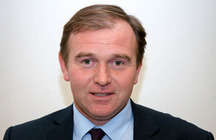
  • George Eustice – 2022 Statement on the Storm Overflows Discharge Reduction Plan

    George Eustice – 2022 Statement on the Storm Overflows Discharge Reduction Plan

    The statement made by George Eustice, the then Secretary of State for Environment, Food and Rural Affairs in the House of Commons on 5 September 2022.

    This Government have consistently been clear that the failure of the water companies to adequately reduce the amount of storm sewage discharges is unacceptable. We are the first Government to set a clear requirement on water companies to reduce sewage discharges and set this in law.

    Today, I have laid in Parliament the storm overflows discharge reduction plan, which sets out strict new targets to crack down on sewage discharges. This will start the largest investment in infrastructure ever undertaken by the water industry, an estimated £56 billion of capital investment over the next 25 years. This will eliminate 80% of discharges by 2050.

    Designated bathing waters will be the first sites to see change. By 2035, water companies must ensure that overflows affecting a designated bathing water are compliant with strict standards to protect public health. We will also see significant reductions in discharges at 75% of high priority nature sites. By 2050, no storm overflow covered in the plan will be permitted to operate where this will cause any adverse ecological harm.

    The first steps in achieving these targets are already being taken. Water companies are investing £3.1 billion already between 2020 and 2025 to deliver 800 improvements to storm overflows, which will deliver an average of a 25% reduction in discharges by 2025.

    Storm overflows are a Victorian sewer system design feature. Achieving the targets will require large and complex infrastructure projects which will take time to deliver. It is right that we carefully balance our ambitions to improve and protect the environment with the need to limit the impact on consumers, particularly when households are facing pressures. If new evidence shows it is possible to go faster, without disproportionately affecting consumers, we will not hesitate to do so and we have set a review of the targets in 2027 for this purpose.

    We will not hesitate to hold companies to account where discharges are happening illegally. This is happening now, with record fines and the largest ever criminal and civil investigation into water company sewage discharges being launched by Ofwat and the Environment Agency.

    We have also made clear that water companies must be transparent about how executive pay and shareholder dividends align with the services they provide their customers. This Government supports Ofwat’s recent proposals to take further enforcement action against companies that do not link dividend payments to their environmental performance, or those failing to be transparent about their dividend pay-outs.

    Water is one of our most precious commodities—water companies must now show their commitment to clean up our environment, protect public health and bring these harmful discharges to an end.

  • Brendan Clarke-Smith – 2022 Statement on Children with No Recourse to Public Funds

    Brendan Clarke-Smith – 2022 Statement on Children with No Recourse to Public Funds

    The statement made by Brendan Clarke-Smith, the Parliamentary Under-Secretary of State for Education, in the House of Commons on 5 September 2022.

    Today I am providing an update following a consultation undertaken by my Department to consider access to the two-year-old early education entitlement for children from families with no recourse to public funds (NRPF). The purpose of the two-year-old early education entitlement is to provide early education and support to the most disadvantaged two-year-olds in England.

    Some families with an irregular immigration status have a NRPF condition designated by the Home Office. This condition restricts these families from drawing on welfare support and other passported Government support, and previously this has meant that their children, regardless of their own circumstances, have been unable to access the early education entitlement for disadvantaged two-year-olds.

    The Department announced on 24 March 2022 that we would extend eligibility for free school meals to children from all families with NRPF subject to income thresholds and that we would consult on whether there are any additional groups of children from NRPF families who should be eligible for the two-year-old entitlement that we have not already identified.

    I am pleased to confirm the publication of our consultation response on gov.uk. This confirms that the additional groups that have been identified are:

    (1) those with a UK ancestry visa

    (2) those with temporary protection status under Section 12 of the Nationality and Borders Act; and

    (3) those with pre-settled status with no qualifying right to reside.

    We have now permanently extended eligibility for the two-year-old early education entitlement to children from all families with NRPF, subject to the income thresholds as follows:

    £26,500 for families outside of London with one child.

    £34,500 for families within London with one child.

    £30,600 for families outside of London with two or more children.

    £38,600 for families within London with two or more children.

    A maximum capital threshold of £16,000 applies in all areas.

    These thresholds were developed to create comparative thresholds with broad equivalence with families with recourse to public funds and who qualify for the early education entitlement due to being in receipt of welfare benefits.

    This permanent extension begun on 1 September 2022. We have published guidance to support local authorities in implementing these changes.

    This will help to ensure that every child gets the best possible start and receives the right support, in the right place, at the right time.

  • Andrea Jenkyns – 2022 Statement on Student Loan Interest Rates

    Andrea Jenkyns – 2022 Statement on Student Loan Interest Rates

    The statement made by Andrea Jenkyns, the Parliamentary Under-Secretary of State for Education, in the House of Commons on 5 September 2022.

    I am announcing today a temporary reduction in student loan interest rates effective as of 1 September 2022.

    The Government announced on 13 June 2022 that the student loan interest rate would be set at 7.3% between 1 September 2022 and 31 August 2023, in line with the forecast prevailing market rates. The Government confirmed that should the actual prevailing market rate turn out to be lower than forecast, a further cap would be implemented to reduce student loan interest rates accordingly.

    I am announcing today a temporary cap to the post-2012 income contingent repayment undergraduate and postgraduate loan interest rates in line with the latest actual prevailing market rate. Subject to parliamentary approval, the cap will come into effect on 1 September 2022 and last for a period of three months.

    The post-2012 undergraduate and postgraduate income contingent repayment student loan interest rates will be 6.3% between 1 September 2022 and 30 November 2022.

    From 1 December 2022, the post-2012 and postgraduate income contingent repayment student loan interest rates will be 7.3%, as announced on 13 June 2022, to align with the forecast prevailing market rate. As before, should the actual prevailing market rate turn out to be lower than forecast, the post-2012 undergraduate and postgraduate income contingent repayment student loan interest rates will be reduced accordingly.

  • Will Quince – 2022 Statement on the Department for Education’s Contingency Fund Application

    Will Quince – 2022 Statement on the Department for Education’s Contingency Fund Application

    The statement made by Will Quince, the Minister for School Standards, in the House of Commons on 5 September 2022.

    I hereby give notice of the Department for Education’s intention to seek an advance from the Contingencies Fund.

    This follows the Department’s announcement on 11 March that a new independent Government body will be created to support teachers in delivering excellent curriculum content as part of world-class lessons. The body will help every child in the country reach the true height of their potential.

    The body is expected to become fully operational from autumn following a transition phase, which will include procurement and development of new resources. The first new resources will be available to teachers by September 2023. The body has been incorporated as Oak National Academy Ltd.

    Parliamentary approval for additional resources of £2,809,000 and capital of £3,869,000 for this new expenditure will be sought in a supplementary estimate for the Department for Education. Pending that approval, urgent expenditure estimated at £6,678,000 will be met by repayable cash advances from the Contingencies Fund.

    We will seek a movement of funding in budgetary requirements at supplementary estimate. Accessing the Contingency Fund allows the Department to manage the expenditure associated with establishing and launching the new body.

    I am therefore seeking parliamentary approval for costs of £6,678,000. The advance will be repaid upon receiving approval of the supplementary estimate.

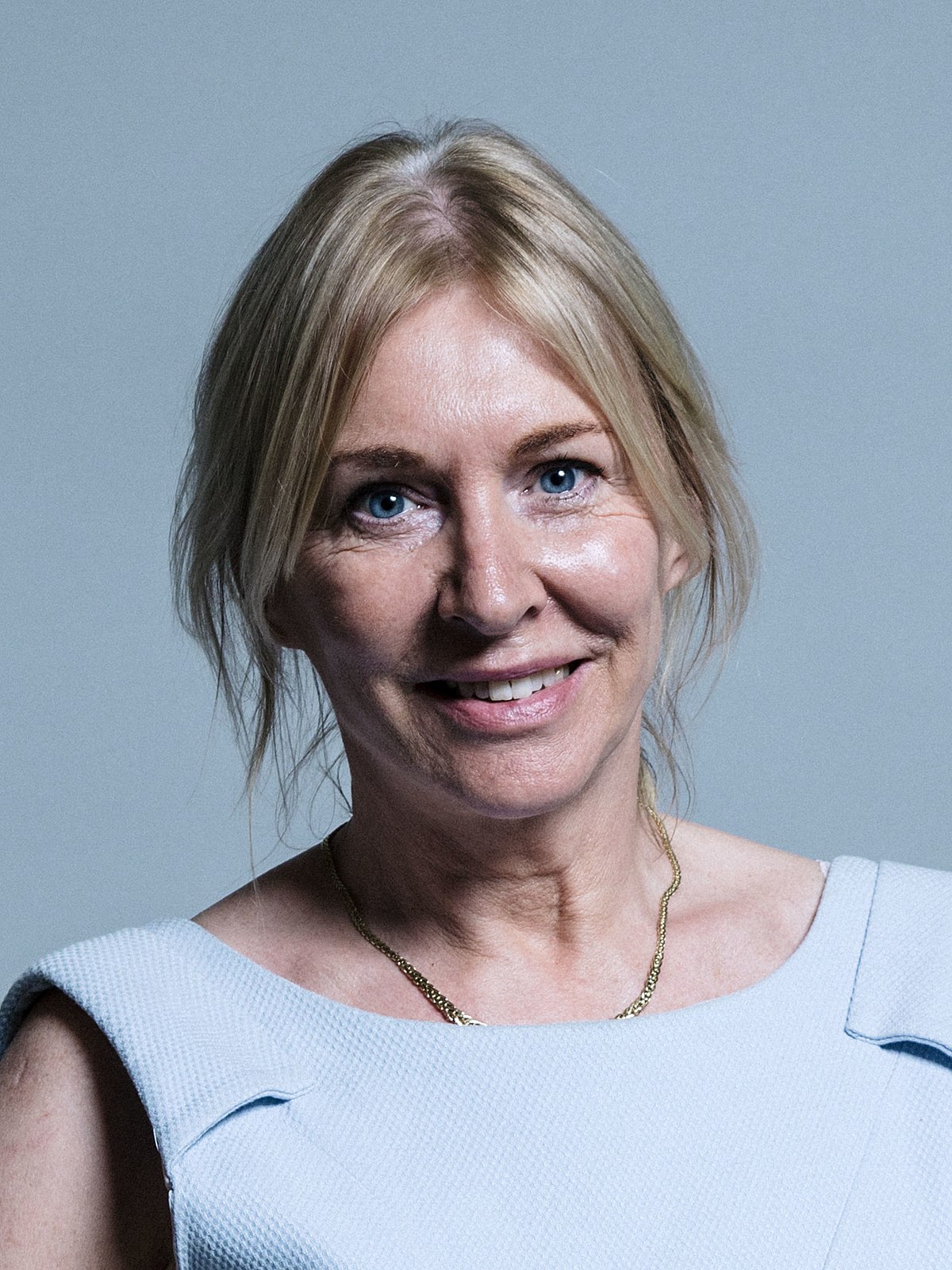
  • Nadine Dorries – 2022 Statement on the Department for Digital, Culture, Media and Sport

    Nadine Dorries – 2022 Statement on the Department for Digital, Culture, Media and Sport

    The statement made by Nadine Dorries, the then Secretary of State for Digital, Culture, Media and Sport in the House of Commons on 5 September 2022.

    I would like to inform the House of a number of DCMS updates.

    Over summer recess we also reached another key milestone in the transformation of the UK’s broadband networks—announcing that over 70% of homes and businesses across the country now have access to lightning-fast, gigabit connections.

    It has also been an incredible summer of sport, with my Department helping to successfully host both the UEFA Women’s Euros and the Birmingham Commonwealth games.

    Building on the spectacular performance of the Lionesses at the Euros final, I wish to inform the House that on 2 September, the Government have officially launched a review of the future of women’s football.

    Launch of the future of women’s football review

    The Lionesses’ Euros victory rightfully put women’s sport at the centre of the agenda. Record numbers of viewers watched their success: 574,875 tickets were sold at the tournament, with sell-out crowds wherever the Lionesses played. The final also broke the attendance record for a Euros final—in either the women’s or men’s game. While it is right that we celebrate and reflect on that success, we must now refocus to ensure that this success translates to the continued growth of the women’s game.

    The fan-led review of football governance, conducted in 2021, recognised the different issues that the women’s game faces in comparison to men’s football. The fan-led review therefore recommended that women’s football should receive its own dedicated review. Government accepted this recommendation. Rather than the issues of financial mismanagement and fit and proper owners that the fan-led review considered, the review of the women’s game will focus on capitalising on popularity and continuing to grow the game.

    The review will be chaired by former England and Great Britain footballer Karen Carney MBE. Karen has extensive knowledge of women’s football and the issues affecting it, having had a very successful playing career and later moved on to become a respected broadcaster and columnist on both women’s and men’s football. Karen’s unique experience will be invaluable in ensuring that the review makes proposals that help to continue the growth and success of the women’s game.

    The review will now commence with stakeholders and fan groups having the opportunity to provide evidence on the issues affecting the women’s game. There will be a particular focus on assessing the potential audience reach and growth of the game, examining the financial health of the game, its financial sustainability for the long term and the structures within women’s football.

    The findings and recommendations arising from this review will be set out in a published report next year.

    We have further updates to make on the gifting of Birmingham 2022 Commonwealth games assets, and the removal of facsimile services from the universal service order.

    Gifting of assets following the conclusion of the Birmingham 2022 Commonwealth games

    During the summer recess my Department has been working with the organising committee of the Birmingham 2022 Commonwealth games to prepare to donate the sports equipment assets to Sport England for onward distribution to community organisations in Birmingham and the west Midlands. This will ensure maximum legacy opportunities for communities and sporting organisations to benefit from the games.

    It is normal practice when a Government Department (in this instance an arm’s length body of the Department) proposes to make a gift of a value exceeding £300,000, for the Department concerned to present to the House of Commons a minute giving particulars of the gift and explaining the circumstances; and to refrain from making the gift until 14 parliamentary sitting days after the issue of the minute, except in cases of special urgency.

    As the games equipment was being passed to Sport England immediately after the conclusion of the games, and with the games having taken place during summer recess, DCMS wrote to Dame Meg Hillier MP as chair of the Committee of Public Accounts, and Julian Knight MP as chair of the Digital, Culture, Media and Sport Select Committee on 29 July 2022, informing them of the proposed course of action.

    Ministers at HM Treasury have approved the proposal in principle. If, during the period of 14 parliamentary sitting days beginning on the date on which this minute was laid before the House of Commons, a Member signifies an objection by giving notice of a parliamentary question or a motion relating to the minute, or by otherwise raising the matter in the House, final approval of the gift will be withheld pending an examination of the objection.

    I inform the House today of the Departmental minute which sets out the detail of the decision, which has been laid in both Houses.

    The distribution of sports equipment from Sport England onwards is expected to commence in October.

    A copy of the departmental minute will be placed in the Libraries of both Houses.

    Removal of the Fax USO

    Tomorrow, the Government will amend the Electronic Communications (Universal Service) Order 2003 to remove facsimile services from the USO. This will come into force on 1 October 2022.

    DCMS previously wrote to Ofcom to consult it ahead of potentially removing fax from the universal service order. This was in light of the industry-led migration from the public switched telephone network to all-internet protocol telephony, which will mean that fax machines will no longer work in the same way. This was in accordance with section 65(4) of the Communications Act 2003 which states that, before making or varying the universal service order, the Secretary of State must consult Ofcom and such other persons as they consider appropriate.

    After a public consultation, Ofcom concluded it would be appropriate to remove fax from the USO. Ofcom noted the low usage of fax, as well as the availability of reliable alternatives, many of which are free of charge. DCMS officials conducted further investigations with the healthcare, tourism, legal, and energy sectors, and found that the use of fax was minimal and alternatives are being sought where its use still continues.

    DCMS is content that it is appropriate to remove fax from the telephony USO. As a result, the designated providers BT and KCOM will no longer be required to provide fax services. We are making this change now given the ongoing changes to the UK’s telephone networks, as well as recognising that the limited existing use of fax services makes their inclusion in the USO unnecessary.

    Fax services will remain available on existing PSTN connections until the service is withdrawn by the industry in 2025. BT has also indicated that fax services may continue to function over its digital voice services, though they are not guaranteed in the same way. Furthermore, the move from fax services to alternatives will have already been a part of many sectors’ preparation for migration to all-IP. DCMS has been working closely with other Government Departments to raise awareness of this change and others expected as part of PSTN migration.

    The Government will also be making a minor clarification to the USO with regard to the term “publicly available telephone service”, as recommended by the Joint Committee on Statutory Instruments in 2011.

  • Liz Truss – 2022 Email to Conservative Party Members on Becoming Prime Minister

    Liz Truss – 2022 Email to Conservative Party Members on Becoming Prime Minister

    The email sent by Liz Truss to Conservative Party members on 6 September 2022.

    Good afternoon.

    I have just accepted Her Majesty The Queen’s kind invitation to form a new government.

    Let me pay tribute to my predecessor.

    Boris Johnson delivered Brexit, the Covid vaccine, and stood up to Russian aggression.

    History will see him as a hugely consequential Prime Minister.

    I am honoured to take on this responsibility at a vital time for our country.

    What makes Britain great is our fundamental belief in freedom, in enterprise, and in fair play.

    Our people have shown grit, courage, and determination time and time again.

    We now face severe global headwinds caused by Russia’s appalling war in Ukraine and the aftermath of Covid.

    Now is the time to tackle the issues that are holding Britain back.

    We need to build roads, homes, and broadband faster.

    We need more investment and great jobs in every town and city across our country.

    We need to reduce the burden on families and help people get on in life.

    I know we have what it takes to tackle those challenges.

    Of course, it won’t be easy. But we can do it.

    We will transform Britain into an aspiration nation with high-paying jobs, safe streets and where everyone everywhere have the opportunities they deserve.

    I will take action this day, and action every day, to make it happen.

    United with our allies, we will stand up for freedom and democracy around the world – recognising we cannot have security at home without security abroad.

    As Prime Minister, I will pursue three early priorities.

    Firstly, I will get Britain working again.

    I have a bold plan to grow the economy through tax cuts and reform.

    I will cut taxes to reward hard work and boost business-led growth and investment.

    I will drive reform in my mission to get Britain working, building, and growing.

    We will get spades in the ground to make sure people are not facing unaffordable energy bills and we will also make sure that we are building hospitals, schools, roads, and broadband.

    Secondly, I will deal hands-on with the energy crisis caused by Putin’s war.

    I will take action this week to deal with energy bills and to secure our future energy supply.

    Thirdly, I will make sure people can get the doctors’ appointments and NHS services they need. We will put our health service on a firm footing.

    By delivering on the economy, energy, and the NHS, we will put our nation on the path to long-term success.

    We should not be daunted by the challenges we face.

    As strong as the storm may be, I know the British people are stronger.

    Our country was built by people who get things done.

    We have huge reserves of talent, of energy, and of determination.

    I am confident that together we can ride out the storm, we can rebuild our economy, and become the modern, brilliant Britain that I know we can be.

    This is our vital mission to ensure opportunity and prosperity for all people and future generations. I am determined to deliver. Thank you.

    Liz Truss
    Prime Minister

    Leader of the Conservative & Unionist Party

  • Jeremy Quin – 2022 Bearskins Clarification Statement

    Jeremy Quin – 2022 Bearskins Clarification Statement

    The statement made by Jeremy Quin, the Minister for Defence Procurement, in the House of Commons on 5 September 2022.

    On 11 July in a debate in Westminster Hall on bearskins, I referred to data on potential faux fur products that had previously been shared with the Department, but I also stated that the Ministry of Defence had not received recent results data. Whilst my statement was in line with advice I had received, further work has revealed that this was not correct, and I wish to correct the record.

    In May 2022 a letter was sent to the Prime Minister by PETA, copying Defence Ministers, enclosing a report against two of the five initial criteria that faux fur would have to meet in order for further work to be done to consider it as a replacement for the guardsmen’s caps. This was passed to officials in the Ministry of Defence, who responded on 15 June 2022 requesting that the report should be sent by the organisation that had conducted the tests direct to our partner, Leidos. We understand an email containing the report was sent but was blocked by Leidos’s spam filters and deleted. Subsequent to the debate, the email was re-sent, copying the MOD. After the MOD forwarded a copy to Leidos it was safely received.

    To date, the Ministry of Defence has not seen a set of verifiable data that demonstrates a single sample of faux fur meets the five criteria. We are aware of testing that was carried out in December 2020 by an accredited testing house against three of the criteria, although the material only passed one of those tests: water penetration. As I have explained, we are also aware of further testing, conducted in April 2022. The MOD does not believe from the information we have seen that the organisation that conducted those tests is accredited by either the UK Accreditation Service or the International Laboratory Accreditation Co-operation. In order to consider taking any proposed product forward, we need test results that have been conducted by an independent and accredited testing house.

    Consequently, we have not to date seen evidence that a suitable faux fur product exists to be considered as an alternative.

    Currently, the foot guards’ ceremonial caps are sourced exclusively from Canada, which is a regulated market and a declared party to the convention on international trade in endangered species of wild fauna and flora. A CITES permit is required for the export of pelts from Canada to the United Kingdom. Canadian and international laws provide strict trade regulations to protect against unlawful trade in black bears, both within Canada and internationally. No bears are hunted to order for the Ministry of Defence; pelts are a product of legal and licensed hunting authorised in Canada by provincial and territorial Governments with the goal of long-term population sustainability.