Blog

  • PRESS RELEASE : Appointment of Suffragan Bishop of Ebbsfleet [December 2022]

    PRESS RELEASE : Appointment of Suffragan Bishop of Ebbsfleet [December 2022]

    The press release issued by 10 Downing Street on 9 December 2022.

    The King has approved the nomination of The Reverend Dr Robert Munro, Rector of the Benefice of St Mary’s Cheadle with St Cuthbert’s, in the Diocese of Chester, and Rural Dean of Cheadle, to the Suffragan See of Ebbsfleet, in the Diocese of Canterbury. This is in succession to The Right Reverend Rod Thomas following his retirement in a national role previously conducted by the Suffragan See of Maidstone.

    Background

    Rob was educated at Bristol University and trained for ordained ministry at Oakhill Theological College. He was ordained Priest in 1994, served his title at St John the Baptist, Hartford, in the Diocese of Chester, and in 1997, was appointed Rector of St Wilfrid, Davenham.

    In 2003, Rob was appointed to his current post as Rector of St Mary’s Cheadle with St Cuthbert’s, and completed his D.Min from Reformed Theological Seminary, USA. He has served three terms as Chair of the House of Clergy, and on the General Synod and the Dioceses’ Commission.

  • PRESS RELEASE : UK kicks off process to negotiate new trade deal with South Korea [December 2022]

    PRESS RELEASE : UK kicks off process to negotiate new trade deal with South Korea [December 2022]

    The press release issued by the Department for International Trade on 9 December 2022.

    • UK launches eight-week public consultation on an enhanced free trade agreement with South Korea
    • Businesses, organisations and individuals asked to shape UK’s negotiating aims before talks are launched with the 10th biggest economy in the world
    • Minister Greg Hands visited semi-conductor innovation centre in Newport, South Wales last week to discuss how an enhanced trade deal could increase UK technology exports to South Korea

    The UK has today kicked off preparations to negotiate an enhanced Free Trade Agreement with South Korea by launching a call for input asking businesses, organisations and individuals to help shape the UK’s negotiating aims ahead of talks.

    The new deal will upgrade our trading agreement with South Korea, ensuring a more modern and fit-for-purpose deal that builds on our existing £14.3 billion trading relationship and meets the specific needs of the UK. This will include important areas such as digital trade, enhanced climate provisions and further support for small and medium sized businesses.

    The news comes following Minister for Trade Policy Greg Hands’ visit to CSA Catapult in Newport last week to discuss how an enhanced Free Trade Agreement could increase UK exports to the growing South Korean market. CSA Catapult is a semiconductor research and technology organisation funded by Innovate UK which specialises in promoting UK next generation technology around the world.

    Minister for Trade Policy Greg Hands said:

    I’m delighted we are on the cusp of launching trade negotiations with another dynamic market in a fast-growing part of the world.

    South Korea is a growing market for top-quality British products and services and forms a key part of the UK’s renewed focus on the Indo-Pacific region, securing stronger ties with economies of the future.

    The opportunities increasing our trade with South Korea presents are significant, not least in digital trade, which is already worth £1.3 billion.

    The new agreement is expected to include dedicated help for smaller businesses, and provisions for investment and digital trade, which will support economic growth and jobs. Further liberalising our services provisions could also boost UK exports of financial and business services to Korea, already worth £1.4 billion in 2021.

    The UK is already a top destination for South Korean green investment and could become an even more attractive country to do business in under a new deal.

    Korean companies such as SeAH Wind Ltd are investing in the UK. SeAH have recently announced an investment of over £400 million in a monopile foundation manufacturing facility creating up to 750 jobs by 2030.

    South Korea is the 10th largest economy in the world and a top-three global producer of vital goods such as semiconductors and ships. In an increasingly unstable world, boosting trade with a like-minded democracy, and trusted ally, will improve our security and resilience.

    The UK and South Korea have already signed an agreement to strengthen supply chain resilience confronting global shortages such as of semiconductors, which impacts products including medical equipment, computers and electric vehicles, as well as other supply chain issues caused by the pandemic.

    The agreement will help to ensure the smooth flow of key supplies between our two countries, which will support businesses and public services like the NHS to avoid supply shortages.

    Gerard Grech, CEO, Tech Nation, said:

    We welcome the news of an enhanced Free Trade Agreement between the UK and South Korea, especially in furthering opportunities for export-ready UK tech scaleups looking to expand there.

    Providing companies with the opportunity to directly input into the deal shows real intent by the UK Government to listen to the tech industry, an approach that is testament to Tech Nation’s contribution to the sector and impactful international work.

    Martin McHugh, Chief Executive Officer, CSA Catapult said:

    The Compound Semiconductor Applications (CSA) Catapult supports the growth of UK industry and has a strong track record in building electronics supply chains for electric vehicles and telecom networks.

    Closer trade ties between the UK and South Korea are likely to offer growth for the UK, so we will encourage our industry partners to contribute to this consultation.

    Francis Chun, President and CEO, Samsung Electronics UK and Ireland said:

    Samsung supports the UK and Korea in continuing to develop their close and positive relationship through comprehensive trade cooperation and the constructive revision of existing trade agreements.

    We believe that increased trade between the two countries, particularly in the area of technology and innovation, is important and beneficial for businesses and consumers in both countries.

  • PRESS RELEASE : Edinburgh Reforms hail next chapter for UK Financial Services [December 2022]

    PRESS RELEASE : Edinburgh Reforms hail next chapter for UK Financial Services [December 2022]

    The press release issued by HM Treasury on 9 December 2022.

    Chancellor of the Exchequer Jeremy Hunt today unveiled the “Edinburgh Reforms” of UK financial services – over 30 regulatory reforms to unlock investment and turbocharge growth in towns and cities across the UK.

    • Chancellor of the Exchequer Jeremy Hunt unveils new “Edinburgh Reforms” of financial services, to help turbocharge growth and deliver a smarter and home-grown regulatory framework for the UK – that is both agile and proportionate.
    • Speaking at an industry roundtable in Edinburgh today, the Chancellor will announce new plans to seize the benefits of Brexit by setting out a detailed timeline establishing the government’s approach to repealing burdensome pieces of retained EU law.
    • Reforms deliver the next chapter of the government’s vision for UK financial services, set out at Mansion House 2021.

    The Chancellor will set out plans to repeal, and replace, hundreds of pages of burdensome EU retained laws governing financial services. This will establish a smarter regulatory framework for the UK that, is agile, less costly and more responsive to emerging trends.

    These plans included a commitment to make substantial legislative progress over the course of 2023 on repealing and replacing EU-era Solvency II – the rules governing insurers balance sheets which is expected to unlock over £100 billion of private investment for productive assets such as UK infrastructure.

    The financial services sector is vital for Britain’s economic strength, contributing £216 billion a year to the UK economy. This includes £76 billion in tax revenue, enough to fund the entire police force and state school system, while employing over 2.3 million people – with 1.4 million outside London.

    As announced in the Autumn Statement, the government will look to announce changes to EU regulations in four other high growth industries by the end of next year, including digital technology, life sciences, green industries and advanced manufacturing.

    Chancellor of the Exchequer, Jeremy Hunt said:

    We are committed to securing the UK’s status as one of the most open, dynamic and competitive financial services hubs in the world.

    The Edinburgh Reforms seize on our Brexit freedoms to deliver an agile and home-grown regulatory regime that works in the interest of British people and our businesses.

    And we will go further – delivering reform of burdensome EU laws that choke off growth in other industries such as digital technology and life sciences.

    Economic Secretary to the Treasury, Andrew Griffith said:

    The UK is a financial services superpower – and we have long benefited from, and are committed to, high quality regulatory standards.

    Scotland’s role in maintaining our status as the global benchmark for regulation is crucial – with Edinburgh and Glasgow the two largest UK hubs outside of London.

    Our reforms deliver smarter regulation of financial services that will unlock growth and opportunity in towns and cities across the UK.

    The work to repeal, and where appropriate replace, retained EU law governing the sector has been guided by industry – and split into two initial tranches. These will focus on delivering reform to areas which provide the most significant boost to UK growth and competitiveness, and we will set out further detail on future tranches over time.

    Today’s announcement delivers the next chapter in the roadmap for UK announced at Mansion House 2021 for a UK financial services sector that is open, sustainable, and technologically advanced – one that is globally competitive and acts in the interests of communities and citizens. This vision will create jobs, support businesses, and power growth across all four parts of the UK.

    A competitive marketplace promoting the effective use of capital

    The Edinburgh Reforms ensure that the UK’s financial markets are among the most open and attractive in the world. They deliver this by overhauling the UK prospectus regime to make it more attractive for firms to list and raise capital here; reforming the rules governing Real Estate Investment Trusts, to reduce friction and allow savers to more easily access higher returns; formally reviewing the provision of investment research in the UK, including the effects of the EU’s MiFID unbundling rules, which aren’t applied in leading markets such as the US; and working with the regulators and companies to trial a new class of wholesale market venue that operates on an intermittent basis – improving companies access to capital before they publicly list.

    The government has also announced that the ring-fencing regime will be reformed in response to the recommendations of the Skeoch Review – including by freeing retail focussed banks from the regime – easing unnecessary regulatory burdens on firms while maintaining protections for depositors.

    The Chancellor has also issued new remit letters to the Financial Conduct Authority and Prudential Regulation Authority emphasising the new secondary competitiveness objectives. Regulators will have a duty to facilitate, subject to aligning with relevant international standards, the international competitiveness of the UK economy and its growth in the medium to long term.

    We are committed to seeing financial service firms deploy more capital in productive assets such as UK infrastructure and low carbon and clean energy. This will be facilitated by Long-Term Asset Funds – a new type of fund structure tailored to the UK market, replacing the EU’s ineffective European Long Term Investment Fund regime, which will be repealed from the UK rulebook. The LTAF regime has recently seen its first application from an issuer of this new type of fund.

    Delivering for consumers

    The government is committed to enabling consumers to access the benefits of new products and technologies, while ensuring they remain protected. To support this, the government is today publishing its first consultation on proposals to modernise the Consumer Credit Act – simplifying the regime to encourage innovation in the credit sector and cutting costs for consumers and businesses.

    A sector at the forefront of innovation and technology

    The reforms build on the UK’s desire to harness the benefits of emerging technologies, including committing to shortly publish a consultation on proposals to establish a UK Central Bank Digital Currency– which could one day see Brits using a digital pound, capturing the benefits of the underlying blockchain technologies. Other measures will see the Investment Management Exemption extended to cryptoassets, ensuring more overseas investment can flow into the sector – and the government has recommitted to establishing the Financial Markets Infrastructure Sandbox in 2023, allowing firms and regulators to safely test, adopt and scale new technologies that could transform financial markets.

    A world leader in sustainable finance

    The UK is working to become the world’s first net-zero aligned financial centre, and today’s measures will further deliver on this ambition, including by committing to publish a new green finance strategy in early 2023, and to consult on bringing Environmental, Social and Governance (ESG) ratings providers into the City Watchdog’s regulatory perimeter, to ensure these products are transparent and use consistent standards. Achieving this ambition will see more investment in sustainable energy supplies such as nuclear, hydrogen and offshore wind – delivering new opportunities and well-paying jobs.

    More broadly, the government’s Financial Services and Markets Bill successfully completed its remaining stages in the Commons on Wednesday and is expected to receive Royal Assent by Spring 2023. This further delivers on the government’s vision for financial services, including by bringing certain types of stablecoins within the payments regulatory perimeter; protecting access to cash for millions of people that reply on it; and enabling the Payments Systems Regulator to force banks to reimburse the victims of Authorised Push Payment (APP) fraud.

  • PRESS RELEASE : UK sanctions target 30 corrupt political figures, human rights violators and perpetrators of conflict-related sexual violence around the world [December 2022]

    PRESS RELEASE : UK sanctions target 30 corrupt political figures, human rights violators and perpetrators of conflict-related sexual violence around the world [December 2022]

    The press release issued by the Foreign Office on 9 December 2022.

    Foreign Secretary has announced sanctions that targets corrupt actors, those violating human rights, and as perpetrators of sexual-violence in conflict.

    • New UK sanctions target 30 individuals and entities oppressing fundamental freedoms around the world in most widespread package to date
    • This includes 18 designations targeting individuals involved in violations and abuses of human rights and 6 perpetrators behind conflict-related sexual violence
    • A further 5 individuals targeted for their involvement in serious corruption and illicit finance

    Foreign Secretary James Cleverly has today (09 December) announced a new wave of sanctions that targets corrupt actors, and those violating and abusing human rights, as well as perpetrators of sexual violence in conflict.

    This wave, co-ordinated with international partners, marks International Anti-Corruption Day and Human Rights Day.

    The package includes individuals and entities involved in a wide range of grievous activities – including the torture of prisoners, the mobilisation of troops to rape civilians, and systematic atrocities.

    These sanctions demonstrate the UK’s commitment to defend free societies and the human rights of everyone, everywhere.

    Foreign Secretary James Cleverly said:

    It is our duty to promote free and open societies around the world. Today our sanctions go further to expose those behind the heinous violations of our most fundamental rights to account. We are committed to using every lever at our disposal to secure a future of freedom over fear.

    Since gaining new powers following our exit from the EU, the Foreign, Commonwealth, and Development Office has used targeted sanctions across multiple regimes to hold those committing these egregious acts, whether in Russia, Iran, Myanmar, or elsewhere, to account.

    Today’s sanctions include targets from 11 countries across 7 sanctions regimes – the most that the UK has ever brought together in one package.

    Sanctions targeting Human Rights violators and abusers

    As part of today’s package, the UK has designated 8 individuals under our Global Human Rights regime, which allows the UK to stop those involved in serious human rights abuses and violations from entering the country, channelling money through UK banks, or profiting from our economy. These sanctions include:

    • Mian Abdul Haq, a Muslim Cleric from Pakistan, responsible for forced conversions and marriages of girls and women from religious minorities
    • General Kale Kayihura, the Inspector General of Police in Uganda from 2005 to 2018. While Kayihura was in charge, he oversaw multiple units responsible for human rights violations including torture and other cruel, inhuman or degrading treatment and punishment
    • Sadrach Zelodon Rocha and Yohaira Hernandez Chirino, the mayor and deputy mayor of Matagalpa in Nicaragua. Both have been involved in promoting and supporting grievous violations of human rights
    • Andrey Tishenin, member of the Russian Federal Security Service in Crimea, and Artur Shambazov, a senior detective in the Autonomous republic of Crimea. The pair tortured Ukrainian Oleksandr Kostenko in 2015
    • Valentin Oparin, Major of Justice for the Russian Federation, and Oleg Tkachenko, Head of Public Prosecutions for the Rostov region. Both individuals have obstructed complaints of torture, with Tkachenko also using torture to extract testimony

    Sanctions in Iran and Russia

    The UK is also using geographical sanctions regimes to ensure that violators of human rights are held to account.

    10 Iranian officials connected to Iran’s judicial and prison systems, have been sanctioned.

    This includes 6 individuals linked to the Revolutionary Courts that have been responsible for prosecuting protestors with egregious sentences including the death penalty.

    In addition, Ali Cheharmahali, and Ghloamreza Ziyayi, former directors of the Evin Prison, in Tehran, a facility notorious for the mistreatment of both Iranian and foreign detainees, have been sanctioned. Allah Karam Azizi, warden of Razee Shahr Prison, has also been sanctioned.

    The UK has also sanctioned the Russian Colonel Ibatullin for his role as the commander of the 90th Tank Division, which has been on the front line since Russia began its illegal full-scale invasion of Ukraine.

    Sexual violence in conflict, which is currently happening in at least 18 active conflicts around the world, is an abhorrent act and and prohibited by international law.

    In many cases it is used as a deliberate method of warfare. Six individuals and entities are being sanctioned today – utilising one of the tools at the UK’s disposal to hold perpetrators of CRSV to account.

    Amongst those sanctioned today are Gordon Koang Biel and Gatluak Nyang Hoth, the County Commissioners for Koch and Mayendit in South Sudan. Both individuals were involved in the conflicts in the Unity State between February and May 2022, and mobilised troops to rape civilians.

    The Katiba Macina group, also known as the Macina Liberation Front, in Mali, has been sanctioned. The group is known for perpetrating sexual violence, including the organisation of forced marriages

    Today’s sanctions also target those involved in the Myanmar military junta. The security forces are known for committing systematic atrocities against the people of Myanmar, including massacre, torture, and rape. Designations include:

    • The Office of the Chief of Military and Security Affairs. It is reported that this office has been the central perpetrator of torture for interrogation since the coup, including rape and sexual violence
    • The 33rd and 99th Light Infantry Division of the Myanmar Armed Forces who were responsible for attacks including sexual violence during ‘the clearance operations” of the Rakhine state in 2017 and continue to commit atrocities across the country.

    Sanctions targeting corrupt actors

    The UK is also today using its Global Anti-Corruption regime to sanction an additional 5 individuals.

    Lining their pockets through corruption and theft, corrupt actors have a corrosive effect on the communities around them – undermining democracy and depriving countries of vital resources for their own gain.

    As a result, over 2% of global GDP is lost to corruption every single year.

    The UK is using sanctions to tackle serious corruption. Today’s designations include:

    • Slobodan Tesic, a significant arms dealer based in Serbia, accused of bribing the Chief State Prosecutor of another country
    • Ilan Shor, the Chairman of the Şor Party in Moldova, and reportedly involved in the 2014 Moldovan Bank Fraud Scandal. Shor was accused of bribery to secure his position as chair of the Banca de Economii in 2014
    • Vladimir Plahotniuc, a businessman and a former politician, fugitive from Moldovan justice, involved in capturing and corrupting Moldova’s state institutions
    • Milan Radojcic, a construction industry businessman and Vice president of Serb List. Radojcic has profited from the misappropriation of state contracts and used his influence to award his own construction companies lucrative contracts
    • Zvonko Veselinovic, a construction industry businessman in Kosovo using public contracts to misappropriate state funds

    The UK will continue to use all levers at our disposal to tackle corrupt actors and morally reprehensible violations and abuses, including sexual violence, of human rights around the world.

  • PRESS RELEASE : Rishi Sunak announces new international coalition to develop the next generation of combat aircraft [December 2022]

    PRESS RELEASE : Rishi Sunak announces new international coalition to develop the next generation of combat aircraft [December 2022]

    The press release issued by 10 Downing Street on 9 December 2022.

    The UK, Italy and Japan will join forces to develop the fighter jets of the future.

    • The UK, Italy and Japan will join forces to develop the fighter jets of the future.
    • By combining the expertise of our defence industries, the new international grouping aims to deliver a step change in our air power and defence capability.
    • The programme is expected to create high-skilled jobs in the UK and in partner countries over the next decade and beyond.

    The UK will work with Italy and Japan to adapt and respond to the security threats of the future, through an unprecedented international aerospace coalition announced by the Prime Minister today (Friday).

    The Global Combat Air Programme (GCAP) is a new partnership and ambitious endeavour between the UK, Japan and Italy to deliver the next generation of combat air fighter jets.

    The Prime Minister will visit a UK RAF base today to launch the first major phase of the programme, which aims to harness the combined expertise and strength of our countries’ defence technology industries to push the boundaries of what has been achieved in aerospace engineering to date.

    Due to take to the skies by 2035, the ambition is for this to be a next-generation jet enhanced by a network of capabilities such as uncrewed aircraft, advanced sensors, cutting-edge weapons and innovative data systems.

    By combining forces with Italy and Japan on the next phase of the programme, the UK will utilise their expertise, share costs and ensure the RAF remains interoperable with our closest partners. The project is expected to create high-skilled jobs in all three countries, strengthening our industrial base and driving innovation with benefits beyond pure military use.

    The Prime Minister said:

    The security of the United Kingdom, both today and for future generations, will always be of paramount importance to this Government.

    That’s why we need to stay at the cutting-edge of advancements in defence technology – outpacing and out-manoeuvring those who seek to do us harm.

    The international partnership we have announced today with Italy and Japan aims to do just that, underlining that the security of the Euro-Atlantic and Indo-Pacific regions are indivisible. The next-generation of combat aircraft we design will protect us and our allies around the world by harnessing the strength of our world-beating defence industry – creating jobs while saving lives.

    It is anticipated that more likeminded countries may buy into GCAP in due course or collaborate on wider capabilities – boosting UK exports. The combat aircraft developed through GCAP is also expected to be compatible with other NATO partners’ fighter jets.

    During a visit to RAF Coningsby today, the Prime Minister will view the Typhoon aircraft which have been at the heart of the UK’s air policing for two decades. The new combat aircraft designed by GCAP is expected to replace the Typhoon when it comes out of service. The Prime Minister will also meet Quick Reaction Alert Station engineers and pilots, who protect the UK’s skies 24 hours a day, 7 days a week.

    The UK, Italy and Japan will now work intensively to establish the core platform concept and set up the structures needed to deliver this massive defence project, ready to launch the development phase in 2025. Ahead of the development phase, partners will also agree the cost-sharing arrangements based on a joint assessment of costs and national budgets.

    Alongside the development of the core future combat aircraft with Italy and Japan, the UK will assess our needs on any additional capabilities, for example weapons and Uncrewed Air Vehicles.

    A report by PricewaterhouseCoopers last year, suggested the UK taking a core role in a combat air system could support an average of 21,000 jobs a year and contribute an estimated £26.2bn to the economy by 2050.

    Defence Secretary Ben Wallace said:

    This international partnership with Italy and Japan to create and design the next-generation of Combat Aircraft, represents the best collaboration of cutting edge defence technology and expertise shared across our nations, providing highly skilled jobs across the sector and long-term security for Britain and our allies.

    GCAP sits alongside our other defence cooperation with international allies, including the AUKUS partnership and NATO – to which the UK remains the leading European contributor.

    The UK defence industry is already leading the world in advanced aerospace engineering. At BAE Systems’ new ‘factory of the future’ in Lancashire, for example, the company is pioneering the use of advanced 3D printing and autonomous robotics in military aircraft.

  • PRESS RELEASE : The UN Convention on the Law of the Sea is a critical part of the rules-based international system [December 2022]

    PRESS RELEASE : The UN Convention on the Law of the Sea is a critical part of the rules-based international system [December 2022]

    The press release issued by the Foreign Office on 8 December 2022.

    Statement delivered by Ambassador Barbara Woodward to the UN General Assembly.

    Mr. President,

    The UN Convention on the Law of the Sea – UNCLOS – is a major achievement of diplomacy and international law. It is a critical part of the rules-based international system.

    It has made a significant contribution to global peace, prosperity and security by providing consistency and certainty about ocean governance. It provides the legal framework for all maritime activities. The United Kingdom is committed to upholding its rules and securing the implementation of its rights and obligations.

    This legal framework applies in the South China Sea as it also applies across the rest of the world’s ocean and seas. In that context, the UK underlines importance of unhampered exercise of the freedoms of the high seas, in particular the freedom of navigation and overflight, and of the right of innocent passage enshrined in UNCLOS.

    The UK recognises, however, that challenges to ocean governance remain. The UK recognises the particular concerns of the member countries of the Pacific Island Forum and Alliance of Small Island States (AOSIS) with respect to the stability of their maritime boundaries in the face of sea level rise.

    Despite duties on States to protect marine environment, the health of the ocean has significantly degraded due to human action, including from industries directly regulated by UNCLOS.

    The UK is a founding member of the Illegal, Unreported and Unregulated Fishing Action Alliance launched and the UN Ocean Conference in Lisbon earlier this year.

    As the leader of the Global Ocean Alliance, and Ocean co-chair of the High Ambition Coalition for Nature & People alongside Costa Rica and France, and a member of the High Ambition Coalition for Biodiversity Beyond National Jurisdiction (BBNJ) , the UK looks forward to the conclusion of an ambitious BBNJ Agreement at the resumed fifth session of the intergovernmental conference in February 2023.

  • PRESS RELEASE : Promoting peace, stability, and security across Central Africa [December 2022]

    PRESS RELEASE : Promoting peace, stability, and security across Central Africa [December 2022]

    The press release issued by the Foreign Office on 8 December 2022.

    Statement by Alice Jacobs, UK Deputy Political Coordinator at the UN, at the Security Council briefing on Central Africa.

    Thank you President. Thank you also to the briefers, President of the Commission of ECCAS, and welcome to Special Representative Abarry. We look forward to working with you again in your new role and commend UNOCA’s ongoing efforts to support and promote peace, stability, and security in Central Africa.

    President, I will make four points today.

    First, as we look towards opportunities, elections in the sub-region are intrinsic to building and sustaining peace, as we have seen in Sao Tome et Principe and Angola. It is critical that political processes remain inclusive, peaceful and credible. UNOCA and its partners have an important role to play in supporting these processes, but it is up to member states to draw on that support and deliver democratic elections and inclusive transitional processes.

    Second, the United Kingdom reiterates our support to Chad’s transition to civilian and constitutional rule. However, we remain concerned that the transition, as currently envisaged, contravenes the conditions set out in the African Union Peace and Security Council communiqué of 14 May 2021 that President Deby agreed to uphold.

    We were saddened to see the eruption of violence in October and welcome the launch of an inquiry as well as your engagement, SRSG, with Heads of Missions in N’Djamena on this important issue. We urge UNOCA, ECCAS, and the Chadian government to ensure that the investigation is credible, transparent and independent. We also call on the Chadian government to ensure due legal process for the remaining individuals currently detained, including minors.

    Third, a continuing challenge for the sub-region is the ongoing crises in Cameroon, and the dire humanitarian situation, which require urgent attention. The United Kingdom calls on all parties to engage in inclusive dialogue, and enable safe access to schools and humanitarian assistance.

    Finally, I want to reiterate our concern for the ongoing violence in the Central African Republic and the distressing toll it is taking on the population. It compounds an already acute humanitarian situation and risks undermining progress on reconciliation. Targeting of civilians not only by armed groups, but by national forces and the Russian mercenary group, Wagner, continue to play a destabilising role in the country. We call on the Government of the CAR to conduct full and timely investigations into allegations of human rights violations and abuses, to ensure that all perpetrators are held to account

    Thank you, President.

  • PRESS RELEASE : UKHSA update on scarlet fever and invasive group A strep [December 2022]

    PRESS RELEASE : UKHSA update on scarlet fever and invasive group A strep [December 2022]

    The press release issued by the UK Health Security Agency on 8 December 2022.

    Latest update

    The latest data from the UK Health Security Agency (UKHSA) continue to indicate that there is an out of season increase in scarlet fever and group A strep infections. Cases usually show steepest rises in the new year, but have increased sharply in recent weeks.

    So far this season (from 12 September to 4 December) there have been 6,601 notifications of scarlet fever. This compares to a total of 2,538 at the same point in the year during the last comparably high season in 2017 to 2018.

    In very rare occasions, the bacteria causing scarlet fever, group A streptococcus (GAS) can get into the bloodstream and cause an illness called invasive group A strep (iGAS), which can be very serious, particularly in older, younger and more vulnerable groups. iGAS cases across all age groups are slightly higher than expected at this time of year. The latest data continues to highlight a higher proportion of iGAS cases in children than we would normally see. However, iGAS remains uncommon.

    So far this season, there have been 85 iGAS cases in children aged 1 to 4 compared to 194 cases in that age group across the whole of the last comparably high season in 2017 to 2018. There have been 60 cases in children aged 5 to 9 compared to 117 across the whole of the last comparably high season in 2017 to 2018. The majority of cases continue to be in those over 45.

    Sadly, so far this season there have been 60 deaths across all age groups in England. This figure includes 13 children under 18. In the 2017 to 2018 season, there were 355 deaths in total across the season, including 27 deaths in children under 18.

    Cases of GAS usually increase during the winter and the last time significant numbers of cases were reported was in the 2017 to 2018 season. Seasons with high cases can occur every 3 to 4 years but social distancing measures implemented during the coronavirus (COVID-19) pandemic may have interrupted this cycle and explain the current increase being observed.

    Currently, there is no evidence that a new strain of GAS is circulating or any increase in antibiotic resistance. Antibiotics are the best treatment and work well against the circulating strains. The increase is likely to reflect increased susceptibility to these infections in children due to low numbers of cases during the pandemic, along with current circulation of respiratory viruses, which may increase the chances of children becoming seriously unwell. However, investigations are under way to understand if there are other factors that could be contributing to the increase this season and to better understand who is currently most affected.

    Dr Colin Brown, Deputy Director, UKHSA, said:

    Scarlet fever and ‘strep throat’ are common childhood illnesses that can be treated easily with antibiotics. Please visit NHS.UK, contact 111 online or your GP surgery if your child has symptoms of this infection so they can be assessed for treatment.

    Very rarely, the bacteria can get into the bloodstream and cause more serious illness called invasive group A strep. We know that this is concerning for parents, but I want to stress that while we are seeing an increase in cases in children, this remains very uncommon. There are lots of winter bugs circulating that can make your child feel unwell, that mostly aren’t cause for alarm. However, make sure you talk to a health professional if your child is getting worse after a bout of scarlet fever, a sore throat or respiratory infection – look out for signs such as a fever that won’t go down, dehydration, extreme tiredness and difficulty breathing.

    Good hand and respiratory hygiene are important for stopping the spread of many bugs. By teaching your child how to wash their hands properly with soap for 20 seconds, using a tissue to catch coughs and sneezes, and keeping away from others when feeling unwell, they will be able to reduce the risk of picking up or spreading infections.

    There are lots of viruses that cause sore throats, colds and coughs circulating. These should resolve without medical intervention. However, children can on occasion develop a bacterial infection on top of a virus and that can make them more unwell. As a parent, if you feel that your child seems seriously unwell, you should trust your own judgement.

    Call 999 or go to A&E if:

    • your child is having difficulty breathing – you may notice grunting noises or their tummy sucking under their ribs
    • there are pauses when your child breathes
    • your child’s skin, tongue or lips are blue
    • your child is floppy and will not wake up or stay awake

    Note: We analyse scarlet fever seasons from week 37 to week 36 the following year. The majority of cases would typically be seen from the beginning of February to April.

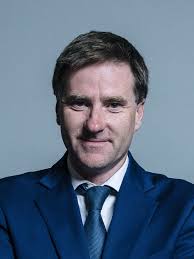
  • Steve Brine – 2022 Speech on the NHS Workforce

    Steve Brine – 2022 Speech on the NHS Workforce

    The speech made by Steve Brine, the Conservative MP for Winchester, in the House of Commons on 6 December 2022.

    It has been interesting to hear the exchanges between the Front Bench speakers, although I am surprised that there are not more Members in the Chamber for what is a very important debate. [Interruption.] Actually, where are they on both sides of the House? Given that this is the No. 1 priority of the Opposition, where are they?

    Richard Burgon (Leeds East) (Lab)

    Is it not the hon. Gentleman’s No. 1 priority?

    Steve Brine

    Without the heckling from the back row of the Labour Benches, I can say that this has always been my No. 1 priority.

    Back in July, the Health and Social Care Committee, which I now chair, published a crucial report entitled, “Workforce: recruitment, training and retention in health and social care”—I urge colleagues across the House to take a look at it, if they have not already done so. We looked at workforce issues right across the NHS, and the findings were stark. The report found that the NHS workforce is facing the biggest challenge in its history. It made the same point about the social care workforce. Although social care is not the focus of today’s debate, it is important to stress, as others have during today’s opening exchanges, that the two sectors are closely intertwined and the workforce problems in the NHS cannot be considered in isolation.

    We had NHS Providers before the Select Committee this morning to discuss the industrial action. I asked them whether they support the independent pay review process. I would have intervened on the shadow Secretary of State with that question, but his speech had already gone on for an hour, so I thought he deserved to sit down. More than 1 million NHS workers under Agenda for Change have had, as the Secretary of State said, a £1,400 pay rise this year. That has come out of the independent pay review process. The question I asked NHS Providers this morning, to which the answer was yes, was: do they still believe in the independent pay review process?

    Either we have that process, we believe in it and we respect it, or we do not. Are we saying that we have that process and it sticks until something else comes along? If Ministers then become directly involved in negotiating pay for NHS workers, that is a very different proposition. That is not the place we want to be, although the Select Committee is very happy to scrutinise that proposal if it is coming from the Treasury Bench. I would be interested to hear in the winding-up speeches what the Labour party’s position is on the independent pay review process, because it is independent for a reason.

    The Committee’s report cited research by the Nuffield Trust suggesting that the NHS in England could be short of 12,000 hospital doctors and more than 50,000 nurses and midwives. The number of people on a waiting list for treatment rose to a record of just over 7 million in September, and the 18-week target for treatment has not been met, as is well known and is on the record, since 2016. Yet, as our report noted, the demand on the sector continues to grow relentlessly. There are estimates that an extra 475,000 jobs will be needed in health by the early part of the next decade.

    One of the Committee’s most urgent recommendations was that the Government should do proper workforce planning. We noted that without workforce plans that are independently verified and publicly available, there would be little confidence among the public, the profession or NHS workers themselves that the Government have a grip on the problem.

    I must say that the Select Committee has not yet had a Government response to our workforce report—it is a little overdue. The Secretary of State is on the Front Bench, and I know he is busy, but hopefully he will take that back to his officials. We look forward to receiving that response, because it is important that Select Committees get responses to reports in as timely a manner as possible, notwithstanding the fact that there has been a change of Administration.

    However, I am encouraged that the Government are paying attention to what the Committee recommended, and I was delighted to hear my predecessor in this role, now Chancellor of the Exchequer, say in his autumn statement that he agreed with himself—his words—and that the Government would now be publishing an independently verified workforce plan for the NHS for the next five, 10 and 15 years, something the Committee has long called for. The Treasury outlined that the plan would

    “include measures to make the best use of training to get doctors, nurses and allied health professionals into the workforce, increase workforce productivity and retention.”

    Excellent—that is progress.

    Questions remain, however—maybe the Minister can touch on this in her winding-up speech—about what the independent workforce planning will look like in practice. We need to know more about who will provide the independent verification once the work has been done. I understand the work has largely been done by the NHS, but we need to know who will be doing the independent verification, when it will be published and how regularly it will be reviewed. When we know that, we will look forward to talking to him or her in the Select Committee.

    Our report contained a number of other important and detailed recommendations about how to tackle the NHS workforce crisis. I do not want to go into all of them today—as I have said, the report is on the record and published in the House—but among them I wanted to highlight the radical review of working conditions that was touched on by both the shadow Secretary of State and the Secretary of State.

    Work conditions are critical. We talked about the need to reduce the intensity of work felt by so many people in the service—which I hear about both as a constituency MP and as Chair of the Select Committee—and the need to boost retention and of course recruitment of people who are looking at where they might work when they have done training. We recommended that the review should start with an overhaul of flexible working, which would mean that NHS workers were not driven to join agencies or become locums to gain control over their working lives. I often hear those words, “We just need control over our working lives.”

    We also said it is a huge problem that senior doctors are being forced to reduce their working contribution to the NHS or to leave it entirely because of the long-standing problem around pension arrangements, which was a problem when I was a Minister in the Department. We accept that the Government have made some progress on pensions, with changes to the taper rate and the annual allowance, and credit to them for that, but we note that the problem persists and have called on the Government in our workforce report to address it.

    In that context, to give credit where it is due, I was very pleased to see on Monday that the Government have announced plans to amend NHS pension rules to retain senior doctors and encourage staff to return from retirement. The Secretary of State was slightly mocked when he said that was subject to a consultation, but that is how government works. If the hon. Member for Ilford North (Wes Streeting) were to become Secretary of State—I like him very much, but I hope he does not—he would also publish consultations, because that is how proper government is done, and he knows that. We look forward to seeing the Government response to that consultation, which I know the Secretary of State is keeping a keen eye on.

    The Secretary of State is right to say that there are a record number of doctors in training, with five new medical schools, two of them focused on training GPs. That is true, but the Select Committee will return to our workforce work next year, and we will be taking evidence from anyone who wishes to contribute about the cap on training places. I have said to Ministers and to No. 10 that I think the Government are going to have to look again at that issue. I hear in my constituency from bright young boys and girls who wish to train as medics, whose parents have maybe worked in the profession and who have that ambition for themselves. The cap is a problem.

    My other point is about demand. We had somebody from the British Medical Association’s GP committee before the Select Committee this morning, as part of our ongoing inquiry into integrated care systems, who was talking about the NHS being underfunded. That depends on which end of the lens we look at, does it not? We spend £150 billion or so of taxpayers’ money on the NHS. We could spend £300 million; that would be a choice. We would have to fund it, of course, because we know what happens when people make unfunded spending pledges from the Dispatch Box—the markets go into meltdown, and rightly so.

    We need to have a serious and honest conversation with ourselves about how much of our national wealth we wish to spend on our health service and whether that would achieve the desired outcomes. We are the fifth-largest spender on health services in the OECD, but we do not get the fifth-best outcomes. I can give the House a bit of an exclusive here, because in the new year the Select Committee will be launching a big inquiry into prevention. Anyone who knew me when I stood at the Dispatch Box as a Minister will know that cancer and prevention are the two things that most get me out of bed in the morning, so we will do a big piece of work on prevention.

    My view and the view of many others is that the NHS will have long-term sustainability challenges if we do not get serious about prevention. I do not just mean returning to the argument around obesity and all the things I wrote about in the child obesity plan when I was a Health Minister, although they are important and I urge the Government not to backtrack on any of those policies but to implement them, because weight is a major problem in our ill health. We need to get upstream of ill health.

    I will say more about this in the debate in the House on Thursday, but when the Committee returns to cancer work, we must look at future cancer and at getting upstream of cancers. At the moment, we want to diagnose quickly, but people have to have symptoms in order to be diagnosed quickly and then we need to treat very quickly as well, within the 28-day standard. The Secretary of State and I have talked several times already about how we need to get far ahead of that.

    We need to bring together predictive medicines, biomarkers and some of the life sciences work that is going on with the NHS’s genomic strategy, and get ahead of some of the illnesses that drive ill health in our country. Without that, in my humble opinion, the NHS has long-term sustainability problems.

    Emma Hardy

    This is a perfect point for me to lobby the hon. Gentleman on also looking into diagnosis times for people with endometriosis, who are waiting on average seven and a half years to receive a diagnosis, and women’s health treatment generally. That would be a wonderful inquiry for his Select Committee to look into and take under observation.

    Steve Brine

    Duly lobbied, thank you. The hon. Lady has mentioned this to me many times before; I take the point on board and other members of the Committee in the Chamber will have heard her too.

    In all the work that we are doing on the Select Committee, whether on ICSs, prevention or cancer, or the work done by my predecessor chairing the Committee, workforce is without question the common theme that runs through all of that. We cannot get away from that. I think there are encouraging signs that the Government are listening to the Committee, and of course we have a great advocate in No. 11 Downing Street and in the Secretary of State, who I was pleased to see reappointed to his position.

    I urge the Government to continue to listen to the Select Committee. We are a cross-party Committee, looking at things in a sober, calm, evidence-based way, and we look forward to the Secretary of State coming to see us soon to talk about these issues. The invitation is always there, as he knows.

    The workforce challenges that the NHS faces are the bottom line. Without tackling them, we are not going to move forward on many of the challenges that I know the system has. I welcome this debate; I hope we can keep it sober, keep the party politics out of it and focus on the NHS, because ultimately that is what our constituents demand of us.

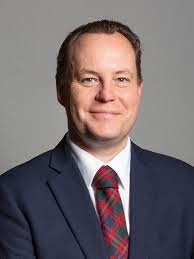
  • Chris Stephens – 2022 Speech on the NHS Workforce

    Chris Stephens – 2022 Speech on the NHS Workforce

    The speech made by Chris Stephens, the SNP MP for Glasgow South West, in the House of Commons on 6 December 2022.

    It was noticeable that the Secretary of State talked very little about the workforce in the speech we have just heard, although he spoke about many other things. I want to confine my remarks to the workforce, staff wellbeing and their pay.

    Let us recognise, first, the impact on the NHS and staff of not just decisions made in this place on the economy, but of Brexit—that cannot be ignored. For example, the director of the CBI has called on the UK to use immigration to solve worker shortages. The Secretary of State did touch on that, but we really need assurances about the work being done between the Department of Health and Social Care and the Home Office to resolve the many visa issues that the Royal College of GPs had outlined, as other Members have said. According to that research, 17% of international graduates are considering leaving the UK altogether as a result of the challenges they are facing within those visa processes.

    Research by the Nuffield Trust has revealed that Brexit has worsened the UK’s acute shortages of doctors in key areas of care and led to more than 4,000 European doctors choosing not to work in the NHS in the UK. Martha McCarey, the lead author of that Nuffield Trust analysis, has said:

    “The NHS has struggled to recruit vital specialists…and Brexit looks to be worsening longstanding workforce shortages in some professional groups.”

    That has been backed up by a number of organisations that have those very concerns, because the challenges in health and social care are felt in many sectors. What we certainly do not need is some of the right-wing rhetoric on immigration that we hear in this place, because in many areas of the UK we need more rather than less migration.

    Clearly, staff pay is a real concern. In Scotland, we have seen discussions between the Scottish Government and the trade unions; a pay offer is on the table to staff and the trade unions have recommended that the staff accept that latest offer. In England, as an excellent Unison briefing is outlining, we are seeing a number of NHS workers considering leaving the service because they do not believe they should be subjected to a pay rise of 70p an hour. That is a very real concern to them and I believe it is simply not enough—it is not enough when food inflation is at 16%, and we have the high energy costs and housing costs that many people across the country are being subjected to.

    Jamie Stone

    The hon. Gentleman is making an interesting contribution, and I am thinking about what he has just said about Scotland. The fact remains, as I illustrated in a question earlier today, that the consultant-led maternity service based in Caithness, which has a close connection to his family, was downgraded to its current deplorable state because it could not hire the people. He has just mentioned housing, and I believe that in order to fill the gaps in the most rural areas of the UK we are going to have to offer a more comprehensive package to encourage them, involving housing, something on the mileage rate people are paid and even transport. If we just go down the ordinary route of recruited people from overseas, they will tend to go to the more central parts of the UK, where there is housing and where transport is much easier. We cannot have the rural, faraway corners of the UK left out.

    Chris Stephens

    The hon. Gentleman knows of my affection for his constituency—many members of my family live there. He raises an important point about rural communities, and in relation not just to the NHS but to the other challenges he outlines. He makes a pertinent point about what all the health services need to consider when applying their services to the areas that he has the privilege of representing, and I thank him for that.

    The Secretary of State talked about the autumn statement, but it will not deal with the increasing cost of food and energy, and all the other pressures facing staff. There must be a serious discussion about the NHS workforce, about retention, about giving staff career opportunities and also about wellbeing. I thank NHS staff for what they have done not just during the pandemic, but when I and family members have had health challenges. The work they do and the miracles they perform on a daily basis should be recognised in this place.

    Dr Evans

    It is worth stressing that point. For all the Daily Mail headlines about the NHS, we must not lose sight of all the good work that goes on unrecognised for the countless thousands of people who go to hospitals, GP surgeries or mental health services and get excellent care. If two patients are on similar pathways but one receives excellent care and the other receives poor care, should not the emphasis be on moving more towards excellent care and less—if not an outright stop—towards poor care?

    Chris Stephens

    The hon. Gentleman is right; everybody should have excellent care.

    As we debate the NHS workforce, we need to recognise what the challenges of the workforce are: whether they are paid adequately and whether there is a real retention strategy. We need to ensure that we have as many staff as we can and that we pay them properly. I did not hear much from the Secretary of State about the state of play of the pay negotiations and what the Government are doing to try to resolve disputes. I see him sighing; he is more than welcome to intervene. [Interruption.] Oh, he was yawning. I am sorry. [Interruption.] Oh, he was not yawning either. He was making a facial expression. I do apologise. We really need a serious debate about pay for public sector workers, and NHS workers in particular.

    Richard Foord (Tiverton and Honiton) (LD)

    When we think about pay for NHS staff, we also need to consider pay for those who work in NHS dentistry. The Government claim to have reformed the NHS dentistry contract earlier this year, but they brought no new money to bear. Does the hon. Gentleman accept that the Government should be measuring not only the number of dentists who are employed to carry out NHS dentistry, but the number of hours that are committed to NHS dentistry? We need to see whether there is a correlation between that and the poor pay that they are receiving for NHS dentistry.

    Chris Stephens

    The hon. Gentleman makes an excellent point; it is all about pay. What he says about hours is pertinent as well. We know that NHS staff go the extra mile. We know that they work long hours, and we should recognise that. His point about the dentistry service is also important.

    As I outlined earlier, the Scottish Government are listening to feedback from the trade unions on pay, and there is a new offer on the table. That means that, in Scotland, porters who are at the top of band 2 will be making £2,502 more a year, nurses or midwives at the top of band 5 will be making £2,431 more, and a paramedic at the top of band 6 will be making £2,698 more. Currently, that is the best deal across the UK, and it is significantly more than the uplift on offer in England—the average value in England is around 4.5%, whereas in Scotland it will be 7.5%.

    The Secretary of State also had his usual kick at Wales, but it should be noted that the Welsh Health Minister and the Scottish Health Secretary have written to the UK Government, calling for additional funding this year to support pay deals for NHS staff. I wonder whether, in his response, the Minister will give us an update on the answer to that letter.

    I will conclude, because I know that this is a heavily subscribed debate. It is important that we deal with the mental wellbeing of our NHS staff. The Scottish Government have published a wellbeing strategy. We need to show more compassionate and collaborative leadership across the health, social care and social work sectors on these islands. I shall leave it there, Mr Deputy Speaker. The SNP will be supporting the motion submitted by the Labour party today.