Blog

  • HISTORIC PRESS RELEASE : Teach the world tax incentives to encourage education and anti-poverty projects in poor countries [December 1997]

    HISTORIC PRESS RELEASE : Teach the world tax incentives to encourage education and anti-poverty projects in poor countries [December 1997]

    The press release issued by HM Treasury on 17 December 1997.

    Tax relief on charitable gifts to educational and anti-poverty projects in the poorest countries of the world to mark the Millennium was one of the options to promote economic growth and tackle poverty in the world’s poorest countries discussed when Chancellor Gordon Brown met leading Church and voluntary sector bodies at No 11 Downing Street today.

    Addressing a seminar to discuss progress with his Mauritius Mandate for early and effective debt relief, Mr Brown said :

    “This Christmas up to 150 million of the world’s young children will go hungry.

    “150 million children under 11 will not be attending school.

    “A debt burden that cripples the poorest countries and prevents them from tackling poverty and offering health and educational opportunity to their children is a debt burden that is unfair, inefficient and immoral.

    “The Inland Revenue are today issuing a consultation paper canvassing options for these changes. I would welcome views on these options so that I can put a millennium fund to help the poor of the world in place by the beginning of the 1998 financial year.”

    Mr Brown pledged to deliver his Mauritius Mandate call to the international community.

    “The Government has already put debt on the agenda of the G7 and G8. I can promise today that under the UK Presidency we will raise the issue of debt wth our European partners.”

    He also welcomed President of the Board of Trade Margaret Beckett’s announcement today that the UK will provide an extra 100 million Pounds in investment insurance to heavily indebted poor (HIPC) countries.

    He also noted thatfor two years the UK export credits available to some HIPC countries will be focussed on productive expenditures that support their economic and social development, while the UK seeks a firm international understanding covering all poor countries.

    The Chancellor made his announcements at a seminar to discuss progress of the Mauritius Mandate announced to Commonwealth Financial Ministers in September this year. Those attending the seminar included Secretary of State for International Development Clare Short, the Archbishop of Canterbury, Dr George Carey, Cardinal Basil Hume, and representatives of Oxfam, Christian Aid and other religious and voluntary sector organisations committed to tackling Third World poverty.

  • HISTORIC PRESS RELEASE : Appointments to the board of the Financial Services Authority (FSA) [December 1997]

    HISTORIC PRESS RELEASE : Appointments to the board of the Financial Services Authority (FSA) [December 1997]

    The press release issued by HM Treasury on 11 December 1997.

    The Chief Secretary today announced that the Treasury and the Governor of the Bank of England are making four appointments to the Board of the Financial Services Authority.  Ms Deidre Hutton, Mr Christopher Rodrigues, Mr Robert Smith, Mr Stephen Thieke are appointed Directors.   All four are appointed for a three year term.

    Mr Brian Williamson, CBE, has been reappointed for a further year from 3 November.

    The Chief Secretary said today:

    “I am very pleased to make the announcement of these appointments to the Board of the FSA.   The Authority has a major task ahead of it to implement our reform of financial services regulation.   I am grateful to the Board for taking on that responsibility.”

    These appointments are made under the Financial Services Act 1986 but reflect the Government’s wish to see a broadly-based Board to provide effective leadership and guidance as the FSA takes on wider responsibilities.   All members serve in a personal capacity but bring particular experience to the Board’s deliberations, in particular consumer  interests, building societies, investment banking and international matters.

  • HISTORIC PRESS RELEASE : Better building for Britain getting the best out of Public Sector construction contracts [December 1997]

    HISTORIC PRESS RELEASE : Better building for Britain getting the best out of Public Sector construction contracts [December 1997]

    The press release issued by HM Treasury on 1 December 1997.

    Making Government Departments better clients will deliver better value for taxpayers’ money in major contracts with the construction industry, Paymaster General Geoffrey Robinson said today.

    Publication of the first of three sets of  guidance provides Departments with best practice guidance which will  improve consistency of approach to all stages of project  development leading up to the agreement of contracts.

    Announcing the new guidance, Mr Robinson said :

    “The construction industry is a vital part of the UK economy, and the Government is its biggest client. We spend 24 billion Pounds with it every year, 40 per cent of its total business.

    “It is vital for the industry and the tax payer that Government Departments play their part in ensuring higher quality and more efficient products when preparing contracts to deliver public sector construction contracts.

    “The Government is committed to encouraging the construction industry to meet the  need for innovation and improvement, working together as far as possible in partnership.  All Departments must be clear about the standards they need to attain as best practice clients, and must have firm plans for achieving them.

    “This guidance, developed for the first time in consultation with the industry and reflecting its views,will do much to achieve those goals.”

    The first set of guidance deals with:

    • core competencies required by clients  to ensure that construction contracts deliver what is needed;
    • achieving best value for money from construction procurement; and
    • the appointment of consultants and contractors where the emphasis is on selection on the basis of a combination of quality and price rather than price alone.

    Further guidance covering more detailed aspects of the client role, including financial aspects of construction projects,  project evaluation and feedback, teamworking and life-cycle costing, will be issued during 1998.

    The guidance documents will provide best practice advice to Departments, building on and extending the Construction Industry Board (CIB) Codes of Practice. The Treasury Procurement Group has worked closely with other Departments and the construction industry to ensure that the  views of practitioners are fully represented.

    The Treasury invitation to the industry to comment on the guidance, and the willingness of the industry to respond positively, is a first in this area and is a clear and significant step forward in developing a practical dialogue with Government. This approach has been strongly commended by the CIB.

  • HISTORIC PRESS RELEASE : Helen Liddell warns that all firms must pull their weight in the review of personal pensions mis-selling [December 1997]

    HISTORIC PRESS RELEASE : Helen Liddell warns that all firms must pull their weight in the review of personal pensions mis-selling [December 1997]

    The press release issued by HM Treasury on 11 December 1997.

    All pensions firms, including the thousands of firms that are not being individually monitored by the Treasury, must get their act together and speed up their processing of cases, Helen Liddell, Economic Secretary, said today.

    Mrs Liddell spoke after she published the latest monthly progress statistics in response to a Parliamentary question.  This revealed the position at the end of November for each of  41 pensions companies which together account for about four out of every five cases for review.   The figures show continuing variation in firms’ performance, with many  firms making headway, but too many still lagging behind.

    Publishing the figures Mrs Liddell said :

    “There is no cut-off point that makes a firm too small to be expected to honour  the personal pensions review.  Each and every firm – from the large household names to the smallest IFA – must get on with the urgent task of processing cases and making redress where it is due.  No-one is off the hook.

    “Although much of the focus in the press has been on larger firms, I have not forgotten about the thousands of smaller firms, and neither have the regulators.”

    Commenting on the figures, Mrs Liddell said :

    “Too many people are still facing long delays in getting the redress that is due to them.  A few firms are now making very promising progress, but there is still  a long way to go for most of the firms listed, and sadly some have still not progressed beyond the initial stages.

    “Regulatory discipline is fast becoming a real prospect for some companies.   It is now up to each firm to make every effort to make rapid progress so that the powers I outlined in the House of Commons last month do not need to be used.”

  • HISTORIC PRESS RELEASE : The Government is Delivering on its Spending Promises [December 1997]

    HISTORIC PRESS RELEASE : The Government is Delivering on its Spending Promises [December 1997]

    The press release issued by HM Treasury on 10 December 1997.

    Up to date figures show that the Government is delivering on  ts spending promises by reallocating money to key priority areas, while sticking to the Control Total figures for this year and next, Chief Secretary Alistair Darling confirmed today.

    He commented:

    ” We promised to stick to the existing spending ceilings for the first two years of this Parliament and that is what we are doing, whilst redirecting resources to key areas such as hospitals and schools as we said we would. This is a Government which is keeping its promises by making a substantial difference to the pattern and direction of public expenditure, while putting the public finances on a sound footing.”

    Detailed figures contained in a written Parliamentary Answer show that the Government has already provided:

    • an extra 1 billion Pounds for schools next year;
    • an extra 1.2 billion Pounds for the NHS next year;
    • an extra 300 million Pounds for patient care in the NHS this winter, paid for by switching savings from the Defence budget and from the nuclear industry, and from efficiency savings; and
    • 190 million Pounds this year and next, to provide all pensioner households with a winter fuel bonus, paid for from savings on our net contributions to the European Union.

    The Government has also fulfilled its commitments to fund key priorities by transferring resources from programmes which benefited only the few to those that benefit the many:

    • it has passes legislation to phase out the Assisted Places Scheme, releasing money to cut class sizes to 30 or less for all five, six and seven-year-olds; and
    • the Nursery Vouchers scheme will be ended from April 1998, releasing money for new local partnerships to deliver a nursery place for all four-year-olds.
    • 100 million Pounds has been saved from NHS red tape for front line patient care, 10 million Pounds of which is going to ensure that all women have speedy access to breast cancer services. There will be more savings next year.

    In addition to this spending within the Control Total, the Windfall Tax on the profits of the privatised utilities will fund the key elements of the Government’s Welfare to Work
    programme over the lifetime of this Parliament:

    • 3.1 billion Pounds for the New Deal for Young People to  give every young person who has been unemployed for six months the opportunity to work or train
    • 400 million Pounds for the New Deal for the Long Term Unemployed to give new opportunities to every person unemployed for two years;
    • 1.3 billion Pounds for the New Deal for Schools, funding a programme of investment in new technology and repairing school buildings;
    • 225 million Pounds for the New Deal for Lone Parents; and
    • 195 million Pounds for the New Deal for the Long Term Sick and Disabled.

    The Chief Secretary gave details of the spending plans for each Department within the Control Total in answer to a Parliamentary Question from Stephen Timms MP. A copy of the Question and Answer are attached.

  • HISTORIC PRESS RELEASE : Treasury Taskforce Seeks Partnership for PFI Training [December 1997]

    HISTORIC PRESS RELEASE : Treasury Taskforce Seeks Partnership for PFI Training [December 1997]

    The press release issued by HM Treasury on 10 December 1997.

    Private sector bidders are being invited to provide in-depth training in Private Finance Initiative (PFI) project management, project finance and negotiating skills for civil servants, Paymaster General Geoffrey Robinson announced today.

    In the the third Public/Private Partnership (PPP) of its own, the Treasury’s Private Finance Taskforce is seeking tenders for a partner to re-focus Civil Service training and help create PFI experts in the public sector.

    Commenting on the announcement, made in response to a recommendation of the Bates Review of PFI, Mr Robinson said :

    “In the past, a good job has been done training civil servants in the basics of PFI. But it is essential that Government Departments build on that to train and create their own specialists to ensure the best performance and value for money from PFI projects.

    “With a growing number of PFI projects signed or close to signature, Departments are keen to benefit from training events delivered by PFI practitioners with real and extensive experience in the field. The Treasury Taskforce has worked together with other Departments to identify specific training requirements, which we are now seeking a partner to help deliver.

    This is a welcome step forward which will help to ensure that high quality PFI projects are delivered efficiently and effectively.”

  • Stuart Andrew – 2022 Speech on Government Support for Leisure Centres

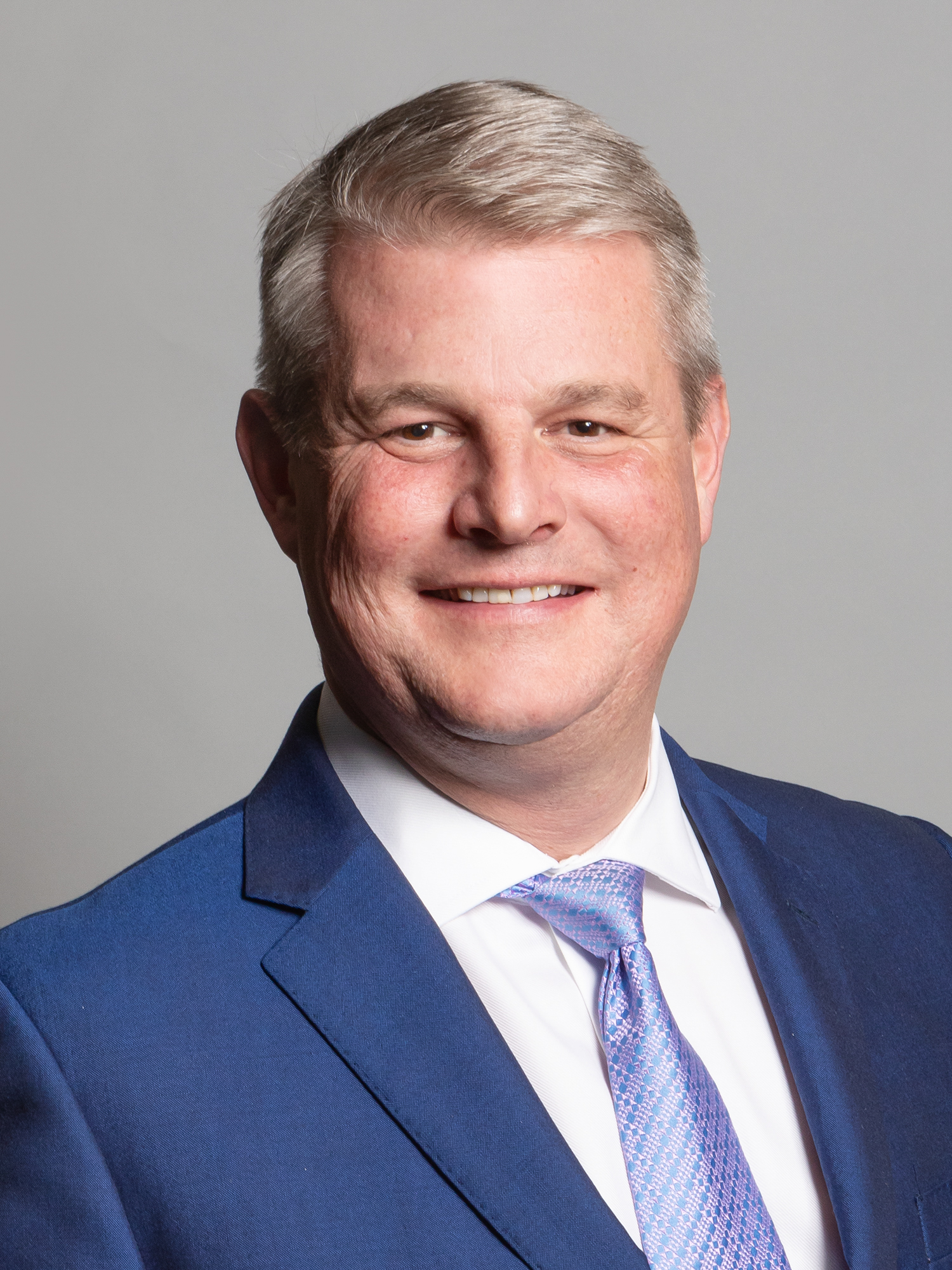
    Stuart Andrew – 2022 Speech on Government Support for Leisure Centres

    The speech made by Stuart Andrew, the Parliamentary Under-Secretary of State for Digital, Culture, Media and Sport, in the House of Commons on 15 December 2022.

    I am pleased to respond to this debate and I am very grateful to the hon. Member for Warrington North (Charlotte Nichols) for securing it. The contributions that we have heard across the Chamber show the importance that this House places on the provision of good-quality public leisure facilities, and I think all hon. Members will agree that those spaces are vital to allowing people, wherever they may be in the country, to participate in sport and to lead an active lifestyle.

    Hon. Members have spoken in this debate of the challenges faced by their own local leisure centres, gyms and swimming pools. The most significant challenge is the rises in energy costs, further to the abhorrent Russian invasion of Ukraine, but there are other challenges with inflation, as the hon. Lady mentioned, the ability to keep qualified and dedicated staff and shortages of pool-cleaning chemicals. While a number of facilities are facing similar problems, no two are exactly the same—just as no two constituencies are the same, I guess.

    The leisure sector as a whole has a wide range of stakeholders and operating models, encompassing providers from across the public, private and civil society sectors such as the community interest company in the hon. Lady’s constituency. Local authorities will choose the model that works best for them as part of their consideration of how they can best deliver their services for local communities.

    In times such as these, I recognise that local authorities are having to make difficult decisions about which services to protect. I remind the House that leisure provision is not a statutory service for local authorities and, as such, may be deprioritised when it comes to setting budgets for the next year. However, I urge my colleagues in local government to consider the essential services that those facilities provide for their communities, because I firmly believe that public leisure facilities provide so much in the way of positive opportunities and benefits to those communities.

    Charlotte Nichols

    In my own area in Warrington, the funding available from central Government has been cut by about 60% over the last 10 years, which means that approximately 70% of the council’s spending is on statutory services, particularly things such as adult social care. Clearly ,those cannot be cut back on, and we expect the proportion of council spending spent on statutory services will only rise, as an ageing population will have more complex health needs. While I appreciate what the Minister says, that leisure facilities cannot be prioritised since they are not a statutory service but that he encourages councils to do all they can to support them, does he not agree that councils are being put in a difficult position, and that without additional public support and finance, they are fundamentally not able to do that?

    Stuart Andrew

    I recognise those challenges. That is why my right hon. Friend the Chancellor announced the additional support for local authorities in the recent autumn statement, and I hope that will help in these challenging circumstances.

    I was referring to the positive opportunities and the benefits that leisure centres provide. I am sure hon. Members are aware that we have very high levels of inactivity in this country, as the hon. Lady mentioned, with almost one third of adults—more than 12 million people—classed as inactive. On top of that, 2.2 million, or 30%, of children are inactive.

    While the figures show some signs of improvement post pandemic, we know that more work needs to be done to target the long-term inactive and make sure everyone can receive the benefits that being active brings. We will be publishing our sporting strategy, which will outline how we intend to do that, in the new year. A key part of that strategy will be making sure that people throughout the country, from Carlisle to Cornwall and west London to Warrington, have access to the right facilities for them to get active and feel part of their community.

    That is why public leisure centres and facilities are so important: they provide a wide range of opportunities to be physically active—badminton, swimming or even Zumba— at low cost, and in doing so they become hubs for the community, places to meet and to make new friends and new social connections. They also offer jobs and volunteering opportunities to the communities they are in, and the hon. Lady gave a good example of the benefits those centres bring.

    Why is this access to sport and physical activity so important? It is proven that regular activity genuinely helps to avoid a range of health issues, whether physical or mental, and that eases the pressure on our NHS. It helps to bring communities closer together, and gives young people essential leadership and teamwork skills. We know that sport works. I know from my own personal experience, when I do get the chance to go to the gym, that it is a great opportunity to reset and refresh, and hopefully that helps me to do my job in a better way.

    Speaking to staff at my local facilities, and through conversations with people across the sector, I know that the sport and fitness sector has endured challenging times over the past few years. During the pandemic, the Government prioritised access to sport. We encouraged people to get out once a day for a walk. We worked with gyms to make sure they could reopen safely. In addition, we provided the £100 million national leisure recovery fund, which was part of more than £1 billion of support to the sport sector to ensure its survival.

    On top of that, we continue to invest heavily in sport and physical activity through our arm’s-length body, Sport England, which receives over £100 million a year in Exchequer funding, along with over £200 million from the players of the National Lottery. We are continuing to support the sector now as we face the challenges of increased energy costs. Our energy bill relief scheme has limited energy costs for swimming pools, leisure centres, gyms and sports clubs throughout the country to half of what they could have been with wholesale prices as they are. That support will continue over the winter until March next year.

    Charlotte Nichols

    On a point of clarification, I asked what support would be available beyond March 2023, because a lot of leisure centres look as if they will not be able to survive after that cliff edge. I know the Minister will not be able to make a financial commitment today, but is he having conversations with the Treasury about the continuance of a scheme of that kind, in the hope that that support might continue beyond March 2023?

    Stuart Andrew

    The hon. Lady rightly predicts that I cannot make a financial statement here—my colleagues in the Treasury would be extremely angry with me if I did—but I will come on in a moment to some of the work we are doing.

    We have also provided business rates relief for those providing these essential services in the private sector, which will remain in place until March 2024. Throughout the implementation of the energy bill relief scheme, officials in my Department and I have been working closely with partners in the sector, such as ukactive, and with colleagues in local government, such as the Local Government Association, to monitor the scheme’s impact and make sure that we are fully aware of the situation facing the leisure sector. Their feedback and the insights they have been providing and sharing with us are so important for ensuring that support can be continued where it is needed most. I take this opportunity to thank them all, as well as the staff at Sport England who have supported us with the review.

    The energy bill relief scheme has been under review over the last months, and officials in my Department have engaged with colleagues in Treasury to make sure we have made the strongest case possible for further support. Outside of that energy review, the Department is continuing to review how best we can support the provisions of leisure centres across the country. That includes ongoing engagement with our partners in the public, private and civil society sectors, and across Government, and we will continue to make sure that we support those essential services every way we can. As I have said throughout my speech, I recognise the huge benefit that those services provide to our communities, to the health of the nation and, ultimately, to many of the services that Government provide. I thank the hon. Lady again for bringing this important matter to the Floor of the House.

  • Charlotte Nichols – 2022 Speech on Government Support for Leisure Centres

    Charlotte Nichols – 2022 Speech on Government Support for Leisure Centres

    The speech made by Charlotte Nichols, the Labour MP for Warrington North, in the House of Commons on 15 December 2022.

    I am grateful to have the opportunity to speak about the important issue of leisure centre provision. As we consider all the sectors struggling with increased bills and financial pressures, we must not forget leisure centres. In many ways, they are something of a Cinderella service even in good times—they are not glamorous and they are taken for granted as spaces where people can meet, socialise, rehabilitate, exercise and, in this bitter weather, keep warm —and, as we all know, we are in anything but good times.

    I will speak about my local leisure centres in Warrington, but I first want to set out the national picture, and I am grateful to the Local Government Association for many of the figures that I will use. Councils in England are currently the biggest funder of sport and leisure services and facilities. If we include parks and green spaces, councils currently spend over £1.1 billion a year and are responsible for 2,727 leisure centres, a majority of the UK’s 27,000 parks, 31% of grass pitches, 33% of all swimming pools—the majority of publicly accessible pools—20% of health and fitness facilities and 13% of sports halls.

    Our councils cannot prioritise leisure centre provision because these centres are not statutory services, and while we all understand the pressures from more acute needs, the swimming pools, sports facilities and community halls that are provided by local authorities are treasured by the public like few other council facilities. Up to and including the past decade of austerity, councils have broadly managed to be self-sustaining for day-to-day leisure spending through fees and other charges, while seeking to subsidise poorer users—in some cases even being able to raise revenues for other council services. They have not, however, had the scope to afford capital expenditure to upgrade buildings, make repairs or improve insulation. As an aside, I say that 68% of sports halls and swimming pools are more than 20 years old, and so are used less by the public than newer facilities.

    And then came covid. Despite the Government’s support through the national leisure recovery fund, this did not match the significant maintenance and staffing costs that leisure facilities incurred even without the footfall and income that they would usually have. Many councils used their own funds to save facilities from closure and provided £159 million of emergency funding in total, while leisure providers contributed £144 million from their reserves. Following this emergency funding, operators were already financially vulnerable going into the current energy crisis. They now face bills up to 200% higher this year compared with 2019—the last normal operating year—with costs set to grow by up to 240% next year.

    Tonia Antoniazzi (Gower) (Lab)

    In my constituency, Freedom Leisure works alongside the local authority to deliver services, and it was able to upgrade as a result. It was really tough during covid. I met Jeremy Rowe, its operations director, and he told me that in Wales alone there is a £3.3 million uplift in energy costs. The figure for Swansea is £1.4 million. Does my hon. Friend agree that the loss of these vital community assets could devastate our local communities?

    Charlotte Nichols

    Absolutely. My hon. Friend makes an important point. As I will come on to, we cannot put a pounds-and-pence figure on the value of leisure centre provision locally and what it means to our communities, and particularly our most vulnerable residents. That is why this debate is so important, and I am grateful that she has come to support it.

    In October, ukactive research found that 40% of council areas are at risk of losing their leisure centres or seeing reduced services at their leisure centres before 31 March 2023. Three quarters—74%—of council areas are classified as “unsecure”, which means there is a risk of leisure centres closing and/or reducing services before 31 March 2024.

    The LGA believes that, without Government intervention, large numbers of public sector leisure facilities are unlikely to make it through to next spring, with service restrictions and facility closures already growing. As the voice of local government, the Local Government Association has called for discussion of a number of measures to address the immediate financial pressures: an in-year grant with an increase to the local government settlement from 2023-24 to ringfence and protect public leisure facilities; an immediate review of sector taxation and regulation that minimises other outgoing costs, with longer-term business tax reform to collectively support the sustainability and growth of the sector; and support for a move to non-carbon-intensive heating methods, including opening up existing capital funding programmes to ensure that new build facilities are eligible for support, improving energy efficiency for the future, while also ensuring that they meet the needs and expectations of future communities, encouraging them to be active. I hope that the Minister will take all those on board, and confirm that he is engaging with the LGA on these specific points to save our leisure centres.

    I want to turn now to our leisure services in Warrington, provided by LiveWire. At this point, I should declare an interest, in that I rent my constituency office from Warrington Leisure and Library Trust at commercial rates—I am not sure whether that is strictly declarable, but I wanted to flag it up. The building my office is in, the Orford Jubilee Neighbourhood Hub, also houses our local gym, pool, library and other services, such as the pharmacy, Macmillan Cancer Support and even a Subway—which I spend far too much of my money in on the days I am in my office, but I digress

    LiveWire is an employer of more than 352 people in Warrington, delivering leisure, library and lifestyles services that attract more than 422,000 visits from local residents per quarter and make a vital contribution to the health and wellbeing of the community. LiveWire operates three neighbourhood hubs, two leisure centres, one community hub and 13 libraries. It is important to note here that it has been managing those services in Warrington since May 2012 as a community interest company. That means that it is designed to re-invest in services and facilities; it is not a private business, it does not have shareholders and it does not own any assets that it can leverage bank loans against. It is therefore specifically vulnerable to the economic storm that we face.

    As LiveWire has noted in a letter to me:

    “Our income-generating activities underpin discounted access to many health programmes—such as rehabilitation, prehabilitation and preventative services—to some of the poorest and most in need of support. Services that would not be operated in a market driven solely on a for-profit basis.”

    Now, due to increased energy costs, higher than budgeted pay awards for staff, a lack of customers returning post covid, customer cancellations because they have less disposable income due to the massively increased cost of living, and increased prices for raw materials and services, LiveWire tells me that its expenditure has increased by £2.3 million compared with 2021, which is not sustainable. It is at serious risk of being unable to operate after March 2023 without financial support, despite increased demand for swimming and aquatics activity, for example.

    I have already written to the Chancellor about this situation, and would like to repeat LiveWire’s plea to this Minister today. First, charitable trusts and community interest companies should be named as a vulnerable sector in January’s energy review, with support offered beyond March 2023. Secondly, any future cap should be more generous than the current cap, which still resulted in significant losses for CICs such as LiveWire.

    I am very aware of the demands on the public purse, but I also note the role that this sector plays in keeping the public healthy. We all know that preventive healthcare is far cheaper than later interventions, and these facilities in the heart of our communities, which subsidise getting fit and keeping healthy for people who need it most, are truly vital. Swim England states that swimming alone saves the NHS more than £357 million every year, and the contribution to the nation’s mental health will be enormous.

    We have a chronic lack of long-course pools across the country, and it is tragic to think that access even to our short-course pools could be even further curtailed. Swimming is a vital life skill, especially in communities such as mine, which have rivers and canals running through them—it saves lives. It is also a vital skill for participation in other sports, especially rowing, which we are trying to make more inclusive and accessible in Warrington, through the incredible work of Warrington Youth Rowing and the Warrington Rowing Club.

    When we consider all the sports and activities that our leisure sector supports, including things such as self-defence classes for women and classes catered specifically towards our more elderly residents, we see how much of a loss it would be to our communities if these became less accessible to, or priced out, those who benefit from them the most. Public participation in public leisure fell by 35% between April 2021 and January 2022. It would be a false economy to let this sector flounder and close. I want to hear from the Minister and the Government what they will be doing to help it through this most difficult time, for all our sakes.

  • Dan Poulter – 2022 Article on Increasing Pay for Nurses

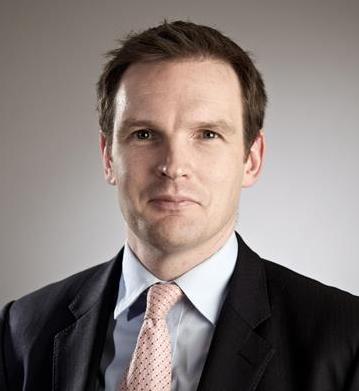
    Dan Poulter – 2022 Article on Increasing Pay for Nurses

    A section of the article written by Dan Poulter, the Conservative MP for Central Suffolk and North Ipswich, with the full article in the Guardian on 16 December 2022.

    The government’s decision to squeeze nursing pay will push more nurses to vote with their feet, to leave the NHS and earn more money by either working for temporary NHS staffing agencies or to work for private healthcare providers. This could even result in the perverse situation where reductions in real-terms pay mean that the same nurse could leave their NHS job and return to work for the NHS, perhaps even in the same hospital department, as an agency nurse. The NHS will foot the bill for the agency costs and the increased salary paid to the nurse.

    This is poor healthcare economics. Pay needs to be set at a level that helps to recruit and retain the NHS workforce and the time has come for some joined-up thinking from government. Investing in better pay for nurses and other NHS staff would help improve staff retention and reduce the ever-growing temporary staff bill.

  • Huw Merriman – 2022 Speech on West Coast Main Line Services

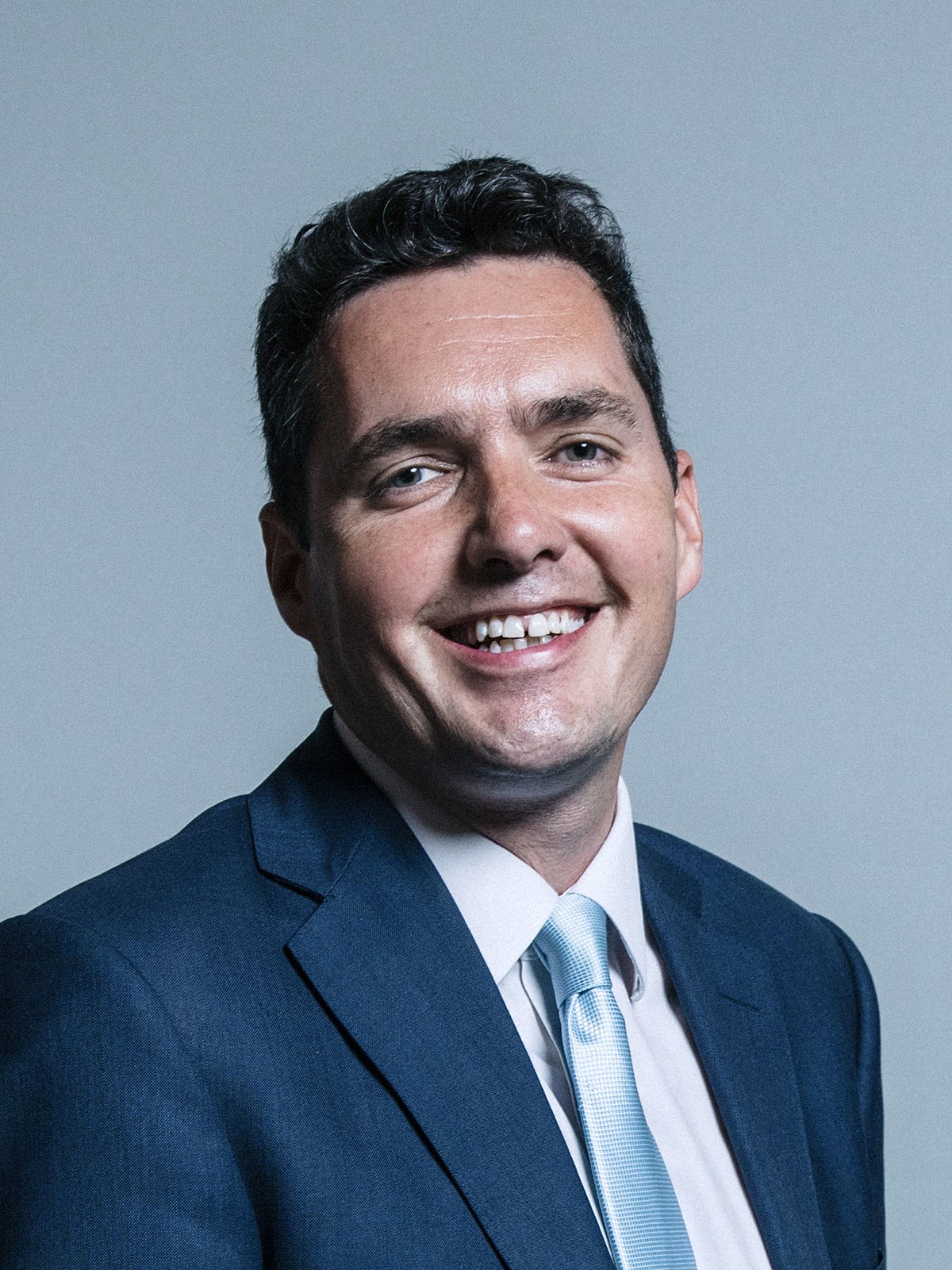
    Huw Merriman – 2022 Speech on West Coast Main Line Services

    The speech made by Huw Merriman, the Minister of State at the Department for Transport, in the House of Commons on 15 December 2022.

    I thank my hon. Friend the Member for Ynys Môn (Virginia Crosbie) for securing this important debate on rail transport services to the communities served by the west coast main line. She is a doughty campaigner and advocate for train services in her area. In my short tenure, we have spoken many times, and I know that we will speak more.

    I also thank all right hon. and hon. Members who contributed to the debate, who were my right hon. Friends the Members for Tatton (Esther McVey) and for Clwyd West (Mr Jones), my hon. Friends the Members for Milton Keynes North (Ben Everitt), for Aberconwy (Robin Millar) and for Delyn (Rob Roberts), and not forgetting the hon. Member for Stockport (Navendu Mishra) and my shadow colleagues the hon. Members for Paisley and Renfrewshire North (Gavin Newlands) and for Slough (Mr Dhesi). I think that I have remembered everybody.

    May I start by empathising with all my colleagues and their constituents for the challenges they have all faced on the west coast main line service? I am very sorry about the situation and am determined to see it turned around. I will explain how we will do that, but I owe it to those who have taken part in the debate to explain why the service levels have deteriorated so sharply.

    Colleagues whom I have spoken to about this matter in recent weeks have told me that, prior to the summer, the service had been holding up relatively well. Indeed, between 9 January and 1 May, 3% of cancellations were attributed to Avanti. After the end of July, the figure rose to 25%, which is clearly unacceptable. The reason for such a dramatic deterioration can be traced back to the decision on 30 July by many drivers not to work beyond their contracted hours. Let me put that into context and perhaps explain why that may have happened.

    A two-year qualified Avanti train driver is paid almost £67,500 and typically works 35 hours over three to four days. To ensure that the railways can operate over a seven-day period, the industry has relied on drivers working additional hours during their rest days. That, in my view—it would also appear to be the view of my right hon. Friend the Member for Clwyd West—has never been a satisfactory means to run our railway, as it relies on good will and means that a train operator cannot put its roster together without drivers volunteering.

    On 30 July, as I said, things changed. Avanti experienced an immediate and near total cessation of drivers volunteering to work passenger trains on rest days. More than 90% of drivers who had previously volunteered to work overtime informed Avanti that they would no longer do so, which would not occur without some level of union organisation. That left Avanti unable to resource its timetable and, in the immediate term, resulted in the significant short-notice cancellations that right hon. and hon. Members have described. Avanti therefore reduced its timetable in response to the withdrawal of rest-day working. Although highly disruptive, it gave passengers a chance to try to make alternative plans. That approach reduced cancellations from about 25% of the service in late-July and August to about 5% this month.

    May I now look more towards the future and be more positive as to what we are seeking to deliver? Indeed, my hon. Friend the Member for Ynys Môn touched on this in her speech. The Department has been working with Avanti to overcome the operational issues. Agreed steps include almost 100 additional drivers entering service, extra trains on its key routes and extended booking options. Avanti is now operating a seven trains per hour timetable amounting to 264 daily train services on weekdays, which is a significant step up from the 180 daily services previously offered during the last six-month period, and more than those offered before the cessation of drivers volunteering to work rest days. Importantly—this is the really important part—the services are not dependent on rest-day working. That is good for Avanti, because it allows the company to put a roster together seven days a week, and it is seemingly good for the 90% of drivers who decided over the summer that they did not wish to work beyond their contracted hours. This timetable change represents an opportunity to put in place a long-term timetable base and to return to the extended booking horizons that passengers rightly expect.

    I will touch on one point from the hon. Member for Stockport about catering services. I do not recognise those exact figures, but I will write to him. I have heard many stories where the catering services and the on-board service have just not been good enough, and within that we look to turn it around. He also touched on route knowledge and transferring between operators—a point with which the SNP spokesperson, the hon. Member for Paisley and Renfrewshire North agreed. We completely concur; it takes months of route knowledge to get a driver to be able to travel a route safely.

    The Office of Rail and Road and Network Rail have reviewed Avanti’s plan and are supportive of the proposition, noting that its full and successful delivery requires agreement with trade unions. The Department is monitoring Avanti’s delivery and holding the company to account as appropriate. The new timetable started on Sunday 11 December—Sunday just gone. Alas, as highlighted by my hon. Friend the Member for Aberconwy, we are now in a further period of national industrial action, so it may take time to assess fully the performance of the new timetable. I put on record that I am grateful to all the staff at Avanti who have allowed us to introduce this new timetable.

    Many hon. and right hon. Members have inquired about Avanti’s contract extension. On 7 October this year, a short-term contract was entered into with the incumbent operator. The contract extends the delivery of the West Coast Partnership and Avanti West Coast business for six months until 1 April 2023. This gives Avanti a clear opportunity to improve its services to the standards that we and the public expect. The Government will then consider Avanti’s performance while finalising a national rail contract for consideration in relation to the route, alongside preparations by the operator of last resort, should it become necessary for the operator to step in at the end of the extension period.

    Mr David Jones

    Can the Minister say in percentage terms what his expectation is for Avanti being able to deliver a full timetable by the end of March?

    Huw Merriman

    I cannot, unfortunately, because as things stand we have industrial action. I would be unable to determine even what the service will be like into the first week of January, because there is an expectation when national industrial action takes place that only 20% of services can run, and the day after—a day like today—only 65% can run. Until that industrial action comes down, which I will touch on, I cannot give my right hon. Friend that assurance at all. I call on all parties in this House to call for industrial action to come down.

    Mr Jones

    I fully understand that we have national rail strikes, but putting that to one side, and focusing on the efforts that Avanti is making and the work that the Minister’s Department is doing, what is his expectation in percentage terms that Avanti will deliver a full timetable?

    Huw Merriman

    My right hon. Friend is experienced in this place, and he will perhaps be aware that I cannot give a percentage. All I can say is that the rail regulator and Network Rail’s project management office have reviewed the recovery plan, and they are content, while recognising the challenges that the operator faces, that matters within Avanti’s control look to be within its control, and therefore it should be able to roll the timetable out. Indeed, with 100 extra staff and not working on rest-day working practices, Avanti should be confident, and I am confident as well, but I cannot give him a percentage figure, I am afraid; I can just give him my optimism.

    Navendu Mishra

    Will the Minister give way?

    Huw Merriman

    I will not, because I want to make some progress, if the hon. Gentleman does not mind.

    My hon. Friends the Members for Milton Keynes North and for Delyn called for the decision to award a short contract to have a “keep options open” status, and they are right to say that. An extension to the contract at this stage will not preclude transferring the contract to the operator of last resort at the end of the extension term.

    I will respond to what the hon. Member for Stockport said in exchanges with the hon. Member for Slough, who then brought up the TransPennine Express franchise. I was asked specifically why the Secretary of State was blocking an offer to resolve issues at TPE. I am happy to tell the hon. Member for Stockport that the Secretary of State signed off an offer for rest-day working to be put back to ASLEF on TPE, because that rest-day working agreement was not extended at ASLEF’s request at the end of last year. That offer was made, so he will be pleased by the Secretary of State’s input, but it was rejected by ASLEF despite being equally the most generous at time and a half. I will work on the basis that he will call for ASLEF to take a refreshed view on that situation.

    That leads me nicely on to workforce reform; my right hon. Friend the Member for Tatton and my hon. Friend the Member for Aberconwy both touched on industrial action. The way that passengers use the railway has changed. With more people working at home, we need to ensure that rail is put on a sustainable footing. The railway is losing up to £175 million of revenue each month as a result of fewer passengers post pandemic. That cannot continue. Passengers rightly expect a regular, reliable service seven days a week, but as we have found with Avanti, current shift patterns and voluntary weekend working for railway staff make that vision almost impossible.

    Getting stuck in endless disputes will not solve any of that, or bring back the passengers that the railway so badly needs. The only solution is for everyone to come together and agree a new way forward. Contrary to what has been said, the Secretary of State and I have met the trade unions and heard their concerns. We helped to facilitate a fair offer that delivers a pay increase more generous than those in the private sector are gaining and that guarantees no compulsory redundancies. More than a third of RMT members voted to accept Network Rail’s proposal, despite being instructed not to. There is clearly an appetite among workers to strike a deal and I welcome today’s decision by the Transport Salaried Staffs Association—the second-largest union—to do just that. We urge the RMT to reconsider and to return to the negotiating table with the employers.

    We have a once-in-a-generation opportunity to rebuild a world-leading network. The result will be a thriving rail industry that continues to support Britain’s economy and society for generations to come. The hon. Member for Stockport urged me, through the hon. Member for Slough, to get involved. I can tell him that after this debate, I will be sitting down with Mick Lynch from the RMT and the employers to try to facilitate some form of agreement.

    Navendu Mishra

    The Minister is being generous in giving way. On his point about the workforce, I encourage him to comment on low pay, zero hours and the treatment of cleaning contractors who work on the railway. Inflation is at almost 11% and they deserve fair pay and a decent pension.

    Huw Merriman

    I will look into that and get back to the hon. Gentleman, because the stories that he shared need investigating. My constituent, who is also on a zero-hours contract, is concerned because every day that the trade unions go on strike on the railways, she loses her wages. She contrasted her wages with some of those taking strike action. I hope that we can work together in that spirit of compromise.

    It is vital that we invest in infrastructure in the long term. The Department is investing £54 million to improve the power supply on the west coast main line at Bushey near Watford, which will create additional reliability and support the introduction of new bi-mode rolling stock for use on partially non-electrified routes, such as those in north Wales. In control period 7 between 2024 and 2029, we will invest more than £44 billion in the existing rail network to support Network Rail’s operations, maintenance and renewal activity. Network Rail’s business planning processes for control period 7 will focus on how the railway can contribute to long-term economic growth; support levelling up and connectivity; meet customers’ needs; and deliver financial sustainability.

    As all right hon. and hon. Members have said, the west coast main line is critical to the national network today, but it is also important to the future of the railways. For example, on completion of High Speed 2 phase 2a, new HS2 trains will join the existing west coast main line to create direct services to places including Liverpool, Manchester, Preston, Carlisle and Glasgow.

    Turning to the name change, my hon. Friend the Member for Aberconwy has made his pitch. All I can say is that, with a name such as mine, I am very much attracted to the idea, although I am sorry to say that my family came from south Wales rather than north Wales. However, that will not hold back the appetite for work.

    Robin Millar

    Will the Minister give way?

    Huw Merriman

    I was about to conclude, but I will.

    Robin Millar

    I thank the Minister; he is being very generous with his time, and I shall be brief. The reason for the name change is not simply to change the name; it is to reflect the strategic importance of north Wales to the integration of the United Kingdom and everything that flows from that. Does he accept that?

    Huw Merriman

    I do, and I accept that we are not talking gimmicks here; we are talking about detailed descriptions of what the line actually does, but also about what it can do to enhance the north Wales economy and community. I absolutely do get that.

    To conclude, I thank my hon. Friend the Member for Ynys Môn and all right hon. and hon. Members for contributing to this important debate. Passengers on the west coast main line have had a torrid time, and we owe it to them to deliver a vastly improved service. The additional drivers, the move away from voluntary working and the new timetable afford the opportunity to turn matters around. I am determined to play my part. I expect Avanti, the unions and everyone connected with this to join me and ensure that this line delivers once again.