Blog

  • Jim Shannon – 2022 Comments on the Annual Fisheries Negotiations with EU and North Atlantic States

    Jim Shannon – 2022 Comments on the Annual Fisheries Negotiations with EU and North Atlantic States

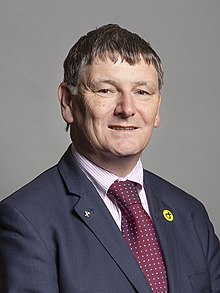
    The comments made by Jim Shannon, the DUP MP for Strangford, in the House of Commons on 20 December 2022.

    Jim Shannon (Strangford) (DUP)

    I thank the Minister for his answers to the questions. He understands the issues for fisheries and, in particular, for fisheries in my constituency of Strangford and also in Portavogie. I spoke to the Anglo North Irish Fish Producers Organisation this morning. Will the Minister provide an assurance that the necessary parliamentary time will be provided to ensure the urgent passage of the statutory instrument to remove spurdog from the list of prohibited species? That will allow British fishermen to take advantage of the fact that there could be a fishery for this species in 2023, which is good news. My understanding is that the EU could fish for spurdog right now, but it has deferred the decision for two months. Time is therefore urgent. I know that the Minister will not want the British fishing sector to be disadvantaged in any way, so the two months must be used for the necessary SI to be introduced in this House.

    Mark Spencer

    As ever, the hon. Gentleman is very well-informed. There is a requirement for a statutory instrument to allow the spurdog quota to be accessed. This is a new quota. He is right in saying that we will have to process that SI as rapidly as possible. However, I cannot stand at the Dispatch Box and make commitments on behalf of the Leader of the House or business managers, but he can rest assured that the Department is working very hard to make sure that that SI is in a place to be deployed, and we will be pressing business managers to get it through the House as rapidly as possible.

  • Peter Grant – 2022 Speech on the Annual Fisheries Negotiations with EU and North Atlantic States

    Peter Grant – 2022 Speech on the Annual Fisheries Negotiations with EU and North Atlantic States

    The speech made by Peter Grant, the SNP MP for Glenrothes, in the House of Commons on 20 December 2022.

    I am surprised to hear the Minister say that he could not make a statement on this before today, because there was a statement on the Government website on 9 December.

    I welcome the fact that we have got an agreement for the North sea that relies heavily on scientific advice. However, although an increase in catch quotas is welcome, certainly for the Scottish fishing industry, we also need seamless access to export markets. So will the Minister listen to calls from the industry for an improved deal for market access to the EU for Scotland’s fishing industry? The all-party group on fisheries recently reported that the fishing industry now takes a “principally negative” view of Brexit. In Scotland, that industry was almost the only voice for Brexit before the referendum. Does the Minister agree with the Scottish White Fish Producers Association Ltd that

    “Brexit failed to deliver any benefits of being a coastal state”?

    Given that Brexit red tape and paperwork alone cost the UK fishing industry £60 million in just the first 12 months, not including the cost of lost trade, when will the Government recognise the damage that Brexit has done to our fishing communities? When will they compensate them adequately for that loss?

    Finally, I note that one big increase in quota is for blue whiting, which has increased by 80%, against the strong wishes of the UK and Scottish Governments, who wanted a more cautious approach on that species. How much of the increased value of this deal for the UK fishing industry relies on that increased quota for blue whiting, which the UK Government fought against?

    Mark Spencer

    Clearly, this deal is better than what we would have negotiated had we been within the EU. I hear the hon. Gentleman’s comments about market access, and we continue to work with our colleagues in Europe to secure better access to those markets. That is all part of a long-term strategy to negotiate with our friends on the other side of the channel. Clearly, the 30,000 tonnes we were able to negotiate is a significant amount of fish, and better than we would have done as an EU member state.

    I also say gently to the hon. Gentleman that this time we have seen increases in cod; in whiting and in saithe in the North sea; in megrims and in anglerfish in the Irish sea; in nephrops in the Irish sea and the Celtic sea; in nephrops in the west of Scotland; and in hake and in spurdog in the western area. I could keep going down the list, but we secured a good deal for the UK. Scotland gets its fair share of that deal, and I would have hoped that he would be more positive, on behalf of his Scottish fishermen, than he has been.

  • Daniel Zeichner – 2022 Speech on the Annual Fisheries Negotiations with EU and North Atlantic States

    Daniel Zeichner – 2022 Speech on the Annual Fisheries Negotiations with EU and North Atlantic States

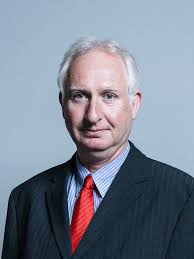
    The speech made by Daniel Zeichner, the Labour MP for Cambridge, in the House of Commons on 20 December 2022.

    I congratulate the hon. Member for Waveney (Peter Aldous) on securing the urgent question. I share the hon. Gentleman’s frustration that it took an urgent question to hear about the negotiations. I hear what the Minister said about the timeframes, but there was a convention under which each year the House had a proper discussion about the outcome of the negotiations. I hope the Minister will promise today to return to that convention so that we can have proper and full discussions.

    I pay tribute to the Royal National Lifeboat Institution and other charities, as well as the fishers, who last week intervened so effectively to save human life in the channel. I remind the Minister of the continuing anguish that is being caused to many in the inland fleet at the hands of the Maritime and Coastguard Agency; the Minister really needs to work with colleagues to get a grip on that.

    On the recent negotiations, it is clear that many industry players have welcomed the outcomes of the various sets of talks, and that is positive, but may I ask the Minister about the status of the Faroe talks? What efforts were made to ensure that the deals made with the EU and other coastal states included a commitment to keep Russia’s fleet out of their waters? Although we welcome the promise to stop the fishing of sand eels in our waters, will the Minister tell us when that will take effect and whether we have secured commitments from others during the negotiations?

    In general, we will, of course, want to see the detail of the outcome and understand the potential environmental impact, but not everyone in the industry is quite as happy as the Minister says. Therein lies a fundamental problem that we have identified in the new architecture, including in the latest version of the joint fisheries statement, something also recently published and not discussed in this House. Although the Minister speaks for the UK Government, the devolved Governments of Scotland, Wales and Northern Ireland also play an important role in fisheries management, so we ask again: who speaks for England?

    Labour has consistently pointed out that no one fights the corner for English fishing in these negotiations. The statement has been welcomed by the Scottish Government and fishing sector, but can the Minister explain how much of the increase in catch will be available to the hard-hit English fishing sector? What will be the overall impact on jobs and economic opportunities in our English North sea fishing ports and surrounding communities?

    The Minister mentioned the distant fleet. Jane Sandell, the chief executive officer of UK Fisheries Ltd, which is based in Humberside and operates in distant Arctic waters, did not react with any positivity about this outcome. She called it

    “yet another body blow for fishers in the North East of England. While the government is gloating over its ‘success’ in the Norway talks, we are having to make skilled people redundant in the Humber region. It’s an absolute travesty of fairness and common sense.”

    She also said:

    “The few extra tonnes of whitefish in the Norwegian zone won’t come close to offsetting the loss in Svalbard due to the reduced TAC. Defra knows this, and yet it simply doesn’t seem to care about the English fleet.”

    That was borne out at the Select Committee on Environment, Food and Rural Affairs a couple of weeks ago, when the Secretary of State appeared to be unaware of the problems facing the English distant fleet. So perhaps the Minister can explain today why the English distant fleet has fared so badly, and what he plans to do about it.

    Mark Spencer

    We have of course tabled a written statement; we did that as soon as we were able, give that we signed the deal this morning. Once again, it is a little disingenuous to say that we were not prepared to make a statement, as the deal was not signed until after the statement deadline.

    I am sure that the hon. Gentleman will be aware that the Faroe Islands has just concluded its general election and is in the process of forming a Government, so it is difficult to negotiate with its Fisheries Minister when that Minister has not been appointed. As soon as that Minister is appointed, we will be back around the table talking to them to try to sort out the challenges we face, particularly on the Russian fleet, which the Faroes has allowed access to its waters.

    I will write to the hon. Gentleman with the details on sand eels. He talked about the devolved Administrations, the north-east fleet and who represents England. We tried very hard on this. We work with our devolved Administration colleagues constantly and we worked very hard to get a fair deal for all parts of the UK. We get the best deal for the UK and we try to divvy that deal up as best as we can among the devolved Administrations and around the coastline. I think we have struck the right balance. It is entirely possible to increase quota for any part of the UK that we want to, but we have to take that off somebody else. If he wants to write to me to tell me from whom he wants to remove quota, we will give due consideration to that representation and consider his thoughts.

  • Peter Aldous – 2022 Speech on the Annual Fisheries Negotiations with EU and North Atlantic States

    Peter Aldous – 2022 Speech on the Annual Fisheries Negotiations with EU and North Atlantic States

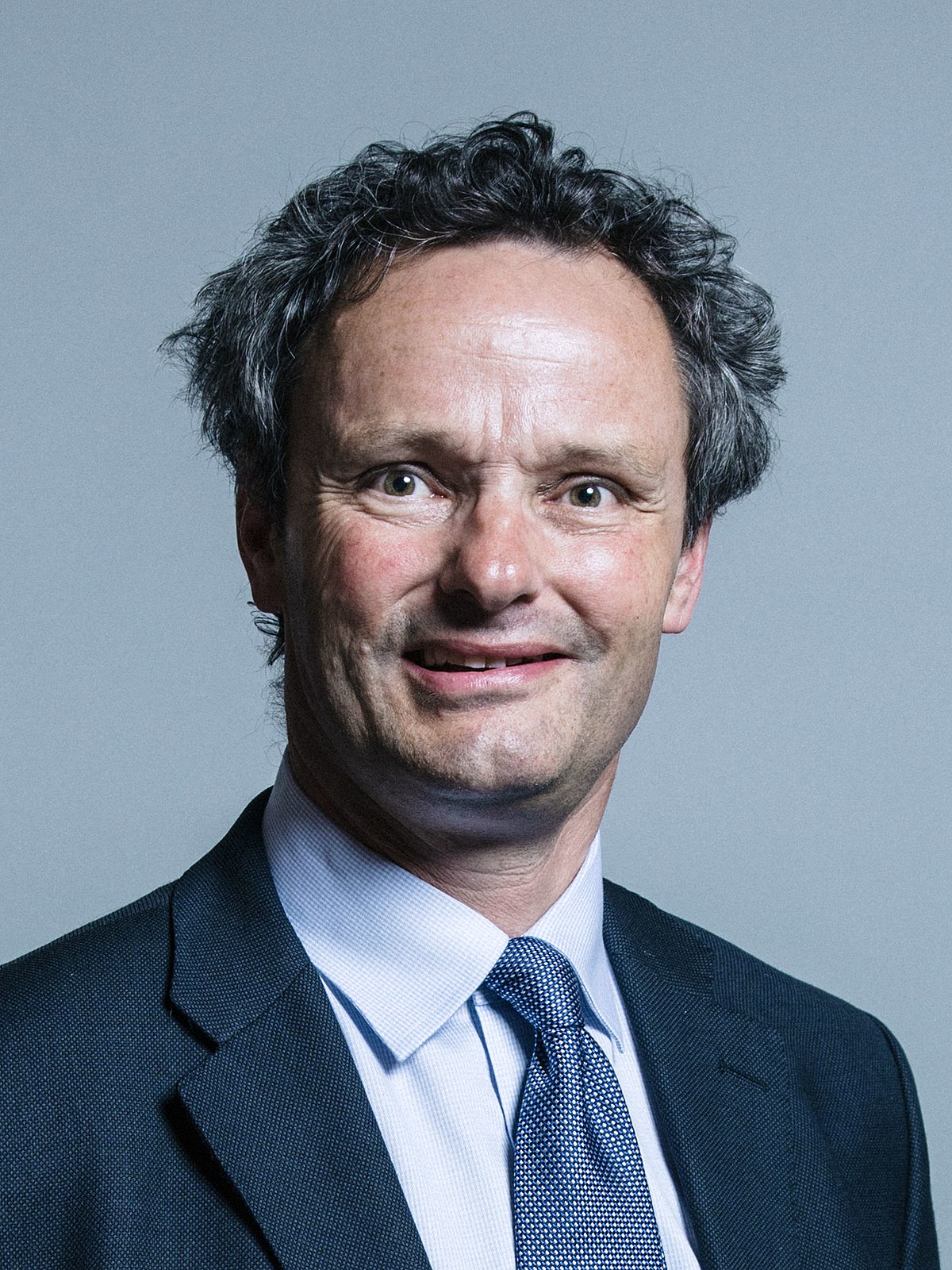
    The speech made by Peter Aldous, the Conservative MP for Waveney, in the House of Commons on 20 December 2022.

    I am most grateful to my right hon. Friend for that answer. I should point out that I chair a community interest company, REAF—Renaissance of the East Anglian Fisheries—which has the objective of regenerating the East Anglian fishing industry. Much of our fleet is inshore in nature, pursuing non-quota species, and thus the outcome of these negotiations is only of some relevance with regard to stocks such as sole. That said, the matter is of vital importance to the whole industry, as it provides the foundation stone on which it can be rebuilt all around the four nations of the UK.

    It used to be an annual tradition that the Minister would come to this Chamber to make a statement at the conclusion of the negotiations, and thus it is to be regretted that it has been necessary to submit this urgent question, particularly taking into account the enormous interest in fishing generated by Brexit and the role that the industry can play in levelling up coastal communities such as Lowestoft, which I represent.

    My right hon. Friend highlighted the fact that the total UK fishing opportunity secured across the three main negotiating forums totals £750 million, an increase of £34 million on the previous year. This 4.7% increase is considerably below the level of inflation, which is currently hitting fishing businesses particularly hard.

    I would be most grateful if my right hon. Friend could add to his statement by answering the following questions. Will he advise the House as to the preparatory work that is carried out to ensure that the UK achieves better outcomes from negotiations now that we participate as an independent coastal state and are not part of the EU? What monitoring work is carried out after each annual negotiation?

    The negotiations were due to complete by 10 December; I would be most grateful if my right hon. Friend could advise the House as to the reason why they did not. Have the issues that caused the delay been concluded satisfactorily from the UK’s perspective?

    To revive the fishing industry post Brexit, it is necessary to enhance trust and for the Government to work in partnership with the devolved nations, industry and conservation organisations. This is best achieved by increased transparency, so will my right hon. Friend publish the positions that the UK took in respect of the total allowable catch levels for each stock? Progress towards sustainable fishing requires accountability, and the Government would contribute to that by making that information available.

    Finally, as mentioned, East Anglian fishermen will accrue limited immediate benefit from the outcome of the negotiations, but from that outcome should flow the improved management of fisheries and increased access to fishing opportunities for local fishermen. With that in mind, will my right hon. Friend provide a progress report on the Government’s plans in that regard?

    Mark Spencer

    I pay tribute to my hon. Friend not only for tabling the urgent question but for the work he does to represent his constituency. It is a little disingenuous of him to say that he dragged me to the Chamber for the urgent question; the ink went on the agreement when it was signed this morning, just after 10.30 am—around quarter to 11—which was after the statement deadline, meaning that it was not possible for me to bring a statement to the House.

    Nevertheless, I am delighted to be here to celebrate what is a great deal. As my hon. Friend has identified, we are 30,000 tonnes better off now that we are outside the EU than we would have been had we remained a member state.

    My hon. Friend made reference to the 10 December deadline, which I think was a false deadline. We were of course always ambitious to try to conclude the negotiations, but as the Minister I was always clear that it is more important to get the right deal than to get a quick deal and that setting false deadlines does not always bring us to the right deal.

    My hon. Friend mentioned our negotiating position and asked whether we would lay it out in public. I am afraid to say to him directly that no is the answer. I am not prepared to share our negotiating position. I do not think that is how we get a good deal for the UK, which is what we have secured. If we set out in public where our red lines are before we enter the room, we tend to move quickly towards those red lines and fall back from that position.

  • Mark Spencer – 2022 Statement on the Annual Fisheries Negotiations with EU and North Atlantic States

    Mark Spencer – 2022 Statement on the Annual Fisheries Negotiations with EU and North Atlantic States

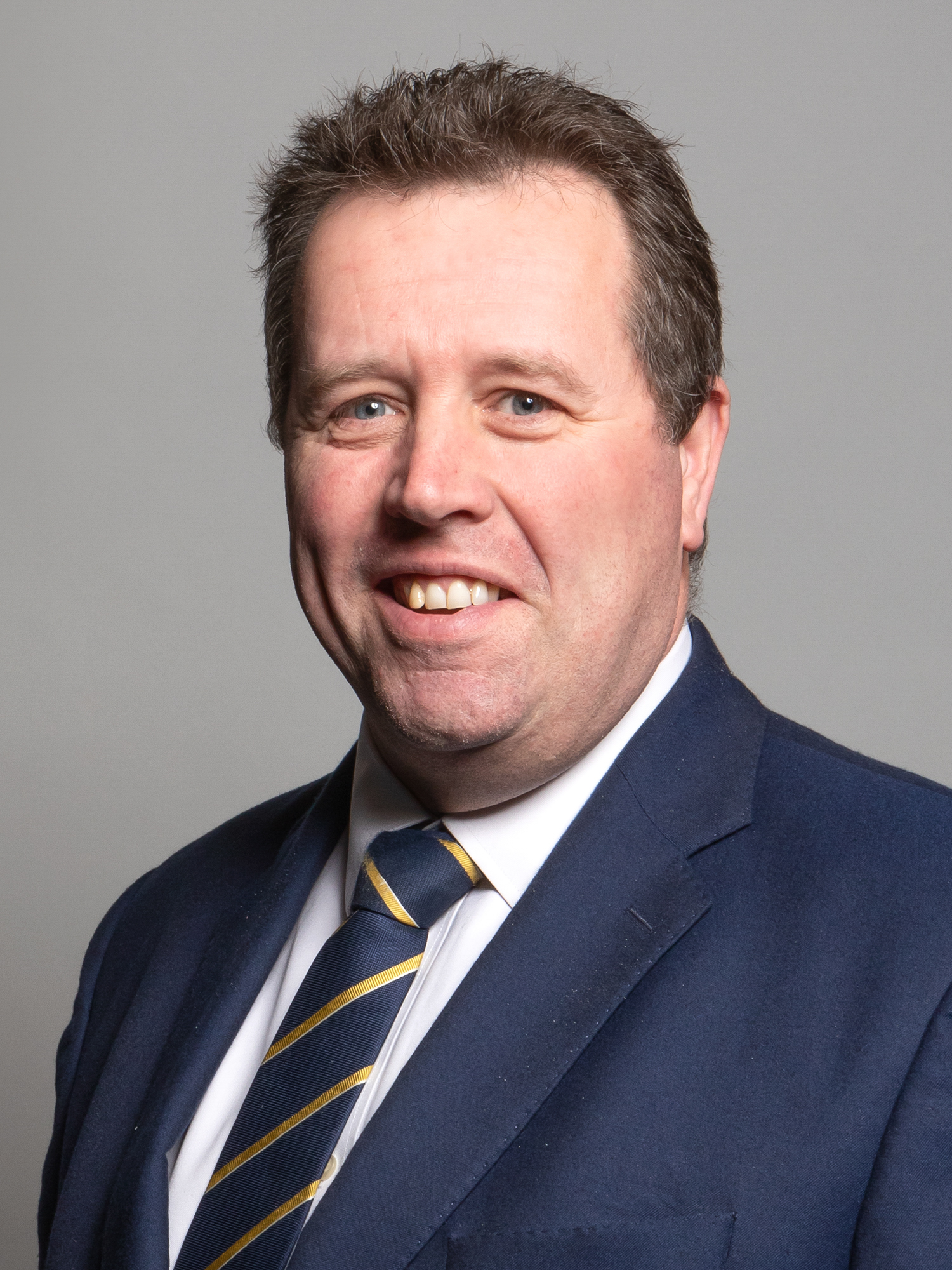
    The statement made by Mark Spencer, the Minister for Food, Farming and Fisheries, in the House of Commons on 20 December 2022.

    As an independent coastal state, we have taken back control of our waters and have the freedom to negotiate on our own terms and push for deals that will deliver for the UK fishing industry, for the marine environment, and for all parts of the United Kingdom. I am delighted to say that this autumn the UK has secured vital deals for 2023 with our coastal state neighbours, including the European Union and Norway. Taken together, these deals have secured more than £750 million-worth of fishing opportunities for the UK fleet in 2023, £34 million more than last year.

    The UK has put sustainability at the heart of these negotiations, and an initial estimate suggests that nine more catch levels align with the scientific advice than did so last year. This is an important step forward and will allow our most important stocks to be fished sustainably. That is essential for a thriving fishing industry for the future. The UK will continue to champion sustainability throughout all negotiation forums and push for other coastal states to do so too.

    Through the trade and co-operation agreement we will also have the specialised committee on fisheries with our EU counterparts. We use this forum to consider a range of issues, including how to increase the sustainability of certain stocks, which we hope will improve the outcomes of the negotiation in the longer term.

    The UK’s fishing opportunities are negotiated in three main forums. First, the UK-EU bilateral. Today the UK reached an agreement with the EU on total allowable catches in 2023 for 69 stocks, as well as arrangements for non-quota stocks. This deal provides fishing opportunities for more than 140,000 tonnes for the UK fleet and is worth around £282 million based on historical landing prices. As part of this deal, we have agreed access arrangements on albacore tuna and spurdog in the North sea for the first time through the UK-EU written record. For non-quota stocks, we have agreed a roll-over of access arrangements for 2023 to ensure continued access to fish non-quota stocks in EU waters, worth around £25 million a year to the UK fleet. The House will also want to note that, as a result of the quota share uplifts agreed in the trade and co-operation agreement, the UK has around 30,000 tonnes more quota from these negotiations than it would have received with its previous shares as a member of the EU.

    The second main forum where we negotiate our fishing quotas is the trilateral arrangement that focuses on stocks that we share with the EU and Norway in the North sea. In that negotiation, there were significant increases for North sea whitefish quotas, all set at levels either in line with or below those recommended by scientists. This deal is worth over £202 million to the UK fishing industry in the North sea and a further £11 million in waters around the UK based on historical landing prices. The UK also reached a deal with Norway that ensures stability for the UK whitefish fishing industry through continued access to each other’s waters for 2023. Our arrangements with Norway also mean that our crucially important long-distance fleet has access to fishing opportunities worth over £12 million in the Arctic region at a time when the main quota in that area fell by 20%.

    Many Members will know that the UK has a significant interest in pelagic stocks, and these form the third main negotiation each year. This autumn we have agreed quotas with the other coastal states in the north-east Atlantic for mackerel, blue whiting and Atlanto-Scandian herring. These quotas were all set at the level advised by scientists and will be worth over £250 million to the UK fleet in 2023.

    These deals are crucial to the long-term health of our vital fishing industry, but it is not just about securing financial value for the year ahead, important though that is. These negotiations are a crucial route for the UK to protect our fish stocks, to safeguard the marine environment and, in turn, to ensure that the fishing industry can profit and thrive for future generations. As we head into 2023, I am excited to carry on working with the industry to maximise fishing opportunities and put sustainability at the forefront, and, in short, to continue to support a fantastic sector to profit, modernise and succeed.

  • Tom Hunt – 2022 Parliamentary Question on Funding for Education

    Tom Hunt – 2022 Parliamentary Question on Funding for Education

    The parliamentary question asked by Tom Hunt, the Conservative MP for Ipswich, in the House of Commons on 20 December 2022.

    Tom Hunt (Ipswich) (Con)

    What steps he is taking to increase funding for the education sector.

    The Chief Secretary to the Treasury (John Glen)

    At spending review 2021, the Department for Education was allocated a total of £87 billion, providing a cash increase to our education system of about £18 billion by 2024-25. Young people and adults benefited from the biggest long-term settlement for post-16 education in England since 2015. Of course, at the recent autumn statement, an additional cash increase of £2 billion was provided for both 2023-24 and 2024-25.

    Tom Hunt

    There have been significant improvements in special educational needs and disabilities provision in Ipswich in the last few years. Just last week, the Under-Secretary of State for Education, my hon. Friend the Member for East Surrey (Claire Coutinho), was at the Sir Bobby Robson School, which has 66 new places. Suffolk has had 1,000 new SEND places since 2019, and all of that is because of the investment that my right hon. Friend just mentioned. However, it is ever so slightly frustrating that Suffolk is still unfairly funded compared with other areas, including not just London but Norfolk, where a SEND pupil will get £99 more per head than those in Suffolk. I want young people with SEND in Norfolk to have every chance, but there is no reason why young and vulnerable people in Suffolk and Ipswich should get any less funding and investment. Will he commit to reviewing the bizarre quirk that means that Suffolk SEND kids get less than kids elsewhere?

    John Glen

    My hon. Friend is somewhat of an expert in the subject. I agree that it is critical that we get it right. Decisions on the distribution of high-needs funding are a matter for the Department for Education, but I reassure him that, as a result of the additional funding announced at the autumn statement, Suffolk’s high-needs funding is increasing by 11% per pupil in 2023-24 compared with this year. The Under-Secretary of State for Education, my hon. Friend the Member for East Surrey (Claire Coutinho), who has responsibility for children, families and wellbeing, will be happy to meet my hon. Friend to describe and discuss the different mechanisms of allocation and, indeed, how the high-needs formula works across different local authorities.

    Dr Lisa Cameron (East Kilbride, Strathaven and Lesmahagow) (SNP)

    A merry Christmas to everybody when it comes. What steps is the Minister taking to review further education funding for people with disabilities? It is very important that people have equal opportunities across the United Kingdom and that our education system has inclusion at its core.

    John Glen

    I completely agree with the hon. Lady, and I am working with colleagues in different Departments looking at the challenges to help people back into the workplace. It is particularly difficult when people need support for such a range of needs and conditions. We must treat everyone as an individual and be ever more creative in the solutions that we bring forward. I look forward to working with her and colleagues in Government to try to assist in improving the situation.

  • Neale Hanvey – 2022 Parliamentary Question on Energy Costs

    Neale Hanvey – 2022 Parliamentary Question on Energy Costs

    The parliamentary question asked by Neale Hanvey, the Alba MP for Kirkcaldy and Cowdenbeath, in the House of Commons on 20 December 2022.

    Neale Hanvey (Kirkcaldy and Cowdenbeath) (Alba)

    Whether his Department plans to take further fiscal steps to support (a) households, (b) local authorities, (c) charities and (d) businesses with energy costs.

    The Chancellor of the Exchequer (Jeremy Hunt)

    Merry Christmas to you and your staff, Mr Speaker; as your fourth Chancellor of the year, I sincerely hope that I am here this time next year to wish you merry Christmas as well.

    The Government are very conscious that these are tough times for businesses as well as families. That is why in the autumn statement I announced, among many other measures, a package of business rates support worth £13.6 billion over the next five years, including a 75% relief for retail, hospitality and leisure properties. That will help thousands of businesses in Scotland.

    Neale Hanvey

    A very merry Christmas to you and yours, Mr Speaker, and a happy new year to boot.

    My constituency of Kirkcaldy and Cowdenbeath plays host to energy giants Shell and ExxonMobil; Seagreen and Berwick Bank wind farms, which supply 2.8 million homes in England with energy, are just off our coastline. In such a land of energy plenty, it is perverse that so many people live in poverty and that businesses struggle to survive. Kirkcaldy ice arena is the oldest rink in the United Kingdom and home to the Fife Flyers ice hockey team. It survived world war two, fire, the financial crash and covid, but in energy-rich Scotland it is struggling to pay its unavoidable energy costs. What targeted support is the Chancellor going to make available for energy-dependent companies such as the rink? Will he meet me to discuss how best to tackle the problem?

    Jeremy Hunt

    We have announced a package of support for businesses this winter worth nearly £20 billion; it will help businesses throughout the United Kingdom, including in Scotland. It includes special measures for energy-intensive industries. We will shortly announce plans that will take effect from next April.

  • PRESS RELEASE : Two Glasgow company directors, Shahzad Arshad and Alexander Stewart Cooper, banned for a total of 21 years for Bounce Back Loan Abuse [December 2022]

    PRESS RELEASE : Two Glasgow company directors, Shahzad Arshad and Alexander Stewart Cooper, banned for a total of 21 years for Bounce Back Loan Abuse [December 2022]

    The press release issued by HM Treasury on 21 December 2022.

    Shahzad Arshad, 43, and Alexander Stewart Cooper, 70, from Glasgow, have been disqualified as company directors following separate investigations which found they had both made false claims in order to receive Bounce Back Loans for their businesses.

    Shahzad Arshad was the director of two companies – Town Discount Ltd and Naz Accessories Ltd – which were both based in Glasgow.

    Town Discount Ltd was incorporated in January 2020 and began trading a month later as a retailer of games, toys, clothes, watches and jewellery, until it went into liquidation in December 2021.

    Naz Accessories was incorporated in December 2017 and traded as a clothes retailer until it went into liquidation in January 2022. Both companies traded from Dougrie Drive in the city.

    Arshad applied for Bounce Back Loans for the two companies during the Covid-19 pandemic in 2020, stating in the loan application that Town Discount’s turnover for 2019 was £250,000, and Naz Accessories’ turnover was £200,000.

    Bounce Back Loans were a government scheme to support businesses through the pandemic. Under the rules of the scheme, companies could apply for loans of between £2,000 and £50,000, up to a maximum of 25% of their 2019 turnover.

    Both companies received the maximum £50,000 loans based on Arshad’s application, but later went into liquidation owing a total of more than £106,000, including around £93,400 that was owed for the Bounce Back Loan, triggering an investigation by the Insolvency Service.

    Investigators discovered that Arshad had made a false claim about Town Discount Ltd’s turnover, as it had only begun trading in February 2020. It was therefore not entitled to any funding through the Bounce Back Loan scheme. And they found that Naz Accessories Ltd’s true turnover had been around £98,300, which meant the maximum loan it could have claimed was £24,500.

    Investigators also found that between June 2020, when Town Discount Ltd received the loan, and August 2020, £16,000 had been withdrawn from the company bank account in cash, and the remainder of the loan money was paid out to expense and trade creditors.

    But Arshad had been unable to prove that the money had been used to provide an economic benefit to the business, as per the rules of the scheme.

    The second Glaswegian boss, Alexander Stewart Cooper, was appointed as a director of Traprain Homes Ltd in August 2016, becoming sole director in October 2019. The company traded as a construction company until it went into liquidation in June 2021.

    Cooper applied for a Bounce Back Loan for Traprain Homes in June 2020, stating that the company’s turnover was £1,014,930. Traprain Homes received the maximum loan of £50,000.

    The company later went into liquidation, owing the full amount of the loan, which triggered an investigation by the Insolvency Service.

    Investigators discovered that Traprain Homes Ltd had been insolvent at the time Cooper applied for the loan. Company accounts to January 2020 had shown a loss of more than £113,000, and the company had not been actively trading since February 2020. The business bank account had shown a balance of just £96 when the loan was received.

    They also discovered that once the loan had been received, Cooper paid more than £9,400 to himself from the firm’s account, and later transferred more than £40,000 of the money between the company’s different bank accounts before paying it out to himself.

    In October 2022 the Secretary of State for Business, Energy and Industrial Strategy accepted disqualification undertakings from both directors.

    Cooper did not dispute he had caused his company to breach the rules of the Bounce Back Loan scheme by claiming the loan when he knew, or ought to have known, that Traprain Homes Ltd was not eligible, and later misused the funds, resulting in Cooper being banned for 10 years from 14 November 2022.

    Arshad did not dispute that he had caused Town Discount Ltd to apply for a loan to which the company was not entitled, and failed to show that it had been used for the economic benefit of the company.

    And he also did not dispute that he had breached the terms of the scheme by overstating Naz Accessories Ltd’s turnover to obtain a loan of £50,000 – more than twice the amount it was entitled to – resulting in Arshad being banned for 11 years from 21 November 2022.

    Cooper has fully repaid the loan for Traprain Homes following recovery action by the company’s liquidator. Arshad had repaid £3,549 and £3,333 respectively towards the Bounce Back Loans for Town Discount Ltd and Naz Accessories Ltd, prior to their liquidation.

    Steven McGinty, Investigation Manager at the Insolvency Service, said:

    Bounce Back Loans were an emergency measure made available to help British businesses trading through the most testing of times.

    Cooper breached the eligibility criteria and then took the money for personal gain, while Arshad should have known his companies weren’t entitled to the loans, yet he took them anyway.

    This abuse of government support has led to lengthy bans and should serve as a warning to others that we will not hesitate to take action against directors who have abused Covid-19 financial support.

  • Virendra Sharma – 2022 Parliamentary Question on Fairness in the Tax System

    Virendra Sharma – 2022 Parliamentary Question on Fairness in the Tax System

    The parliamentary question asked by Virendra Sharma, the Labour MP for Ealing Southall, in the House of Commons on 20 December 2022.

    Mr Virendra Sharma (Ealing, Southall) (Lab)

    What recent steps he has taken to ensure fairness in the application of the tax system.

    The Financial Secretary to the Treasury (Victoria Atkins)

    Merry Christmas to you, Mr Speaker, to all the House staff, to the Members in the Chamber, and to our parliamentary staff, who do such a good job for us all year round—[Interruption.] And to the Doorkeepers—thank you very much.

    It is right that everyone contributes to sustainable public finances in a fair way. The autumn statement tax reforms mean that those with the broadest shoulders contribute the most. We are also implementing the OECD pillar two reforms so that multinational corporations pay their fair share of tax, and we are introducing measures to address tax avoidance and evasion to ensure that people pay the right amount at the right time.

    Mr Sharma

    Does the Minister think it is fair that landlords and those on high incomes earned through trading stocks and shares pay less tax than those paid a salary?

    Victoria Atkins

    I do hope that the hon. Gentleman noted the announcements by my right hon. Friend the Chancellor in the autumn statement in relation to dividends and corporation tax allowances. We want to ensure, where we can, that unearned income is roughly comparable to earned income. That is precisely why the principle running through the autumn statement was that those with the broadest shoulders should bear the greatest burden.

    Alan Mak (Havant) (Con)

    I welcome the Edinburgh reforms, which help to make our financial services sector more competitive. I urge my hon. Friend to adopt the same approach to R&D tax reliefs and capital allowances, so that our world-class entrepreneurs, start-ups and small and medium-sized enterprises can benefit from the same advantages.

    Victoria Atkins

    We all have campaigns to which we devote a great deal of time and for which we build a reputation. My hon. Friend has had a reputation for campaigning on and highlighting the fourth industrial revolution since he was elected in 2015, so I am not surprised that he asked that question. I am delighted to say that we very much support innovation and the critical work of our entrepreneurs, start-ups and SMEs, which is why we are setting the annual investment allowance permanently at £1 million from 1 April, and reviewing the research and development tax reliefs to ensure that, while we are rebalancing the rates of relief out of fairness to the taxpayer, we are also targeting that relief at the knowledge-intensive and innovation-intensive businesses that we all care so much about.

    Andrew Gwynne (Denton and Reddish) (Lab)

    For a bit of Christmas cheer, I agree with the Minister for once as she says that she wants those with the broadest shoulders to pay the most in the tax system. Why, then, did the Chancellor pick the pockets of hard-working people in the autumn statement through stealth taxes, such as freezing tax allowances, rather than tackling non-doms, which could have brought in £3.2 billion to the Exchequer?

    Victoria Atkins

    I feel a little slighted, because the hon. Gentleman and I agree on an awful lot behind the scenes—I wish him a very merry Christmas. On non-doms, we know that they paid £7.9 billion in UK taxes last year, which is a significant sum of money. The Chancellor has been clear that when we look at those rules, we have to bear in mind that they pay a significant sum of money in their UK taxes that obviously contributes towards the public services that we all care so much about.

    Rachel Maclean (Redditch) (Con)

    The success of our fantastic town deal in Redditch, which is thanks to record-breaking investment from the Government, relies on our amazing SMEs, who tell me that they need to compete against the online giants. What more can the Minister do to ensure that our businesses play a full part in our vision for the future, so that we can continue to unlock Redditch?

    Victoria Atkins

    My hon. Friend has done so much for her constituency through her campaigns, including by securing the investment that her local hospital needs. In relation to her high streets and small businesses, she is right that we are the Government of small business. That is why, although we had to make some difficult decisions in the autumn statement, we were determined to protect our precious high streets and small businesses, particularly in the retail, hospitality and leisure sectors, through the business rates support package, which totalled £13.6 billion.

    Mr Speaker

    We come to the shadow Minister.

    James Murray (Ealing North) (Lab/Co-op)

    I echo the consensus about the importance of a merry Christmas. In the last month, I have asked Treasury Ministers three simple questions: whether the Chancellor has considered abolishing non-dom status; whether the Prime Minister was consulted about doing so; and whether, when the current Prime Minister was Chancellor, he recused himself from discussions on the matter. I have asked those questions four separate times, but four times Treasury Ministers have refused to answer or even acknowledge them. Once might be an oversight and twice might be careless, but three times seems deliberate and four times feels like stonewalling. Will the Minister finally show that they have nothing to hide by answering my questions today?

    Victoria Atkins

    I am pleased that the hon. Gentleman is entering into the spirit of pantomime season with his questions. We have been clear that non-doms paid £7.9 billion in UK taxes last year—a number that he does not seem able to accept—which is a significant sum of money. Although we keep the scheme under review, as I have said many times—perhaps he is choosing not to hear it—we must recognise their contribution in UK taxes, because that £7.9 billion helps to pay for the services that we all care so much about.

    James Murray

    Well, that was the fifth time; I wonder what people will make of that.

    We believe that to be trusted and effective, the tax system must be fair, yet while millions of working people and businesses across Britain are paying the highest tax burden in decades, those who use tax havens are playing by different rules. Those who benefit from tax havens are undercutting responsible businesses, undermining our public services and breaking the basic principle that we must all play by the same rules. Will the Minister agree that creating a fair tax system must involve challenging tax havens and those who avoid paying their fair share?

    Victoria Atkins

    I ought to declare an interest at this point: I used to prosecute tax fraudsters for HMRC before I came to this place. I very much agree with the hon. Gentleman and put my money where my mouth is when it comes to tackling those fraudsters.

    On the income tax take, the top 10% by way of income paid 36% of all tax in 2020-21. We are proud of the fact that our distributional analysis for the autumn statement shows that decisions made at that fiscal event are progressive: the lowest income households will receive the largest benefit in cash terms and as a percentage of income, and will on average be net beneficiaries of decisions made on tax, welfare and amendments to the energy price guarantee.

  • Steve McCabe – 2022 Parliamentary Question on Student Maintenance Loan Increases

    Steve McCabe – 2022 Parliamentary Question on Student Maintenance Loan Increases

    The parliamentary question asked by Steve McCabe, the Labour MP for Birmingham Selly Oak, in the House of Commons on 20 December 2022.

    Steve McCabe (Birmingham, Selly Oak) (Lab)

    Whether he has had recent discussions with the Secretary of State for Education on the potential merits of increasing student maintenance loans in line with actual rather than forecast levels of inflation.

    The Chief Secretary to the Treasury (John Glen)

    Treasury Ministers meet regularly with Ministers at the Department for Education to discuss matters of shared interest, including student finance. The Government are considering options for changes to loans and grants for 2023-24, and an announcement will follow in due course.

    Steve McCabe

    The Institute for Fiscal Studies reports that the real value of maintenance loans is the lowest for seven years. Rents, which account for 45% of bills, are rising; food costs are rising; one in 10 students are using a food bank; and 80% say they cannot make ends meet. Why does the Minister not make his Christmas present a proper increase in the level of maintenance loans? Because it is a loan, he would not even have to pay for it.

    John Glen

    I thank the hon. Gentleman for his question. I have a lot of respect for him and I recognise the issue that he refers to. Of course, many higher education providers have hardship funds that students can apply to, and there is £261 million—a quarter of a billion pounds—of student premium funding available this year to support disadvantaged students. On the specific issue of the uprating, of course there needs to be a delay to operationalise those additional sums. That is at the core of the issue. However, as I said, the Department for Education will report on the matter in due course.