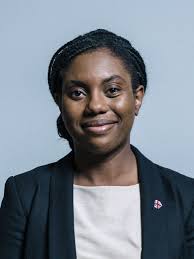
The text of the interview with Kemi Badenoch, the Leader of the Conservative Party, on 29 March 2026.
Laura Kuenssberg: Well, Kemi Badenoch, as promised, Leader of the Opposition is here. Welcome to the studio. Now, we’ve been talking about energy with the Energy Secretary, the Conservatives are saying you should open up North Sea exploration. But how much would that actually save consumers? Because that’s what everyone’s worried about.
Kemi Badenoch: So, what we want to see is the licences for Jackdaw and Rosebank lifted so that they can start drilling…
Laura Kuenssberg: Fields off the North Sea.
Kemi Badenoch: …there’s the pipeline ready there. Overall, the figures that we would have, in terms of what we would get from tax, takes about £25bn over ten years.
Laura Kuenssberg: But what does that mean for consumers?
Kemi Badenoch: £2.5bn could be spent on lowering household bills. There are various figures, up to £80.00. This is just one thing that you could do but also the profits and the taxes which are made from the drilling can be used to subsidise bills. Drilling is part of – drilling the North Sea is something that we need to do for our energy security, financial security as well. That’s how you get national security.
Laura Kuenssberg: But your Shadow Energy Secretary, Claire Coutinho, who was with us a couple of weeks ago, she said on the record it wouldn’t necessarily save very much money. She said that when she was in government.
Kemi Badenoch: Directly, directly but indirectly, yes, it does because you can use the money from there to subsidise. But more importantly jobs are disappearing, we are losing about 1,000 jobs a month in the North Sea oil and gas industry. This is very bad for Scotland in particular. We’re not getting the tax revenue. You know, the government is not sloshing around with money, it’s spending loads on benefits. Let’s use the oil and gas that we have.
Laura Kuenssberg: But I just want to stick on that point because you’re trying to make a big deal of this in political campaigning at the moment. But you’ve just said there that it might not help people directly with their bills but you’re presenting this as a solution to people’s fears about their bills.
Kemi Badenoch: It’s because it requires the governments to make the link. It requires the government. The drilling isn’t going to go directly onto people’s bills, no. But if we can make sure that we stop importing from Norway. 40 per cent of our imports are coming from Norway who are drilling in the same basin. Why are we importing gas that is being drilled in that basin when we won’t drill our own? Why is it – this is a wider thing, it goes beyond bills. We want to bring bills down. We’ve got a cheap power plan for that, mostly by scrapping the silly taxes that Ed Miliband has put on, scrapping the Carbon Tax. We can do that, do something to bring bills down.
But drilling in the North Sea is a bigger issue. This is about our energy security. Yes, let’s have renewables, yes, let’s have nuclear, but just saying no to North Sea oil and gas, something that is already there when we are not ready for a full transition, is a bad decision.
Laura Kuenssberg: But it’s important to be clear to people about what you’re saying because you’re making a big deal of this in a campaigning moment. We’re approaching local elections, you’re implying that this is what would help people with their bills soon.
Kemi Badenoch: It can, yes, it can.
Laura Kuenssberg: But your colleague said it wouldn’t make a big difference but you—
Kemi Badenoch: She said that in government in a totally context. So, let’s not… let’s not mix the two things up. Several years ago.
Laura Kuenssberg: Okay, but you said it would help, you’ve said it might help indirectly. So, let’s just be clear about that because your political opponents say you’re misleading people by…
Kemi Badenoch: No, not, not at all.
Laura Kuenssberg: … if you’re going to say drill baby drill is a solution.
Kemi Badenoch: We need to drill – we need to drill our oil and gas. We can scrap – we can scrap taxes on energy bills today. We don’t need to have them on. Many people don’t know how much of their energy bills are government taxes. We can drill in the North Sea and use the money from that to supplement, to replace. It is all related. Energy policy needs to be linked. No, I’m not saying that once you drill oil and gas in the North Sea it’s going to go straight onto your bills. No-one has said that but it is all related. And pretending that is not related is very dishonest from a government that has a terrible energy policy.
Laura Kuenssberg: And if you take what you called ‘silly taxes’ off bills, and scrapped some of the levies, where do you get the money from to do things that energy experts tell you are absolutely vital like updating the National Grid, supporting renewables businesses? Some of those renewables subsidies have already gone from bills. But where do you get that money from if it doesn’t go on energy bills?
Kemi Badenoch: Well, maybe we can get it from the taxes that we get from the North Sea oil and gas industry that we’re destroying. We need to make sure that we are thinking things through. Right now, what we are seeing is that the Net Zero plans are not working, we’re not getting a good transition to renewables, and we’re stopping the oil and gas drilling. So, we’re getting the worst of both worlds. What I’m saying is let’s make sure we use gas in particular, which is a transition fuel, to actually get to where we need to go.
Laura Kuenssberg: In terms then of what might happen though, in this autumn, because this is what people are worried about. Important to remember bills in the next quarter are going to come down but what many experts are predicting is that they’re going to come up in the autumn.
Kemi Badenoch: Yes.
Laura Kuenssberg: The government said that they would support people who were the least well off, who needed help most. Who would you say should have support with their energy bill?
Kemi Badenoch: So, what I’m very concerned about is that the government is prioritising benefits, benefits, benefits constantly. Right now, what I want to see is them taking the burden off everybody. That’s why I’m very focused on these taxes on bills because they help everyone.
Laura Kuenssberg: No, but who would you support? That’s our question here. Who would you support? So, Liz Truss paid everybody’s energy bill when there was the last energy shock around the war in Ukraine, costing tens of billions to the taxpayer. Who would get support if you were in charge?
Kemi Badenoch: So, I’m rejecting the premise of the question. I want to help everybody but we don’t have to do it with government intervention. This money is not in Keir Starmer’s pocket, it’s taxpayers’ money. So, when we say who would you support? We’re taking money from taxpayers to give to other people. And what I have said—
Laura Kuenssberg: So, would nobody get support then with their energy bills?
Kemi Badenoch: No, that’s not what I’ve said. I’ve said support in a different way.
Laura Kuenssberg: So, what does that mean?
Kemi Badenoch: Take the taxes off the bills. It’s our cheap power plan, take the taxes off the bills, those green taxes. That is a much easier way to do it. Drill in the North Sea and then you get taxes that way. It’s much more coherent.
Laura Kuenssberg: But this is an important question. So, you can reject the premise of the question if you want…
Kemi Badenoch: Yes.
Laura Kuenssberg: … but I can hear people screaming at their TV, saying who would get help if there’s an energy spike and perhaps the answer is no one?
Kemi Badenoch: And I… and I’m saying – no, I literally said we can help everybody, just not in this way.
Laura Kuenssberg: So, are you—
Kemi Badenoch: We need to stop pretending that there’s a big pile of cash that Keir Starmer has, which he’s just going to use to help people. He is taxing other people in order to provide that help. I am talking to businesses day in, day out, who are saying we’re sacking people, we’re closing down, because we cannot afford this. So, let’s stop pretending that Keir Starmer is a huge philanthropist who’s just trying to help people. What he is doing is taxing people to pay benefits.
Laura Kuenssberg: That’s been—
Kemi Badenoch: That has been this government’s strategy from the get-go…
Laura Kuenssberg: But I want to—
Kemi Badenoch: … and I’m saying lower taxes.
Laura Kuenssberg: What I want to be very clear, though, is if there is a big spike in people’s energy bills, are you ruling out a direct—
Kemi Badenoch: So, I’m not ruling out, I’m not ruling out anything. What I’m saying is let’s start off with taking the taxes. We do what we need to in government. I think government needs to do what it needs to. But let’s not pretend that these huge bailouts don’t come with a cost. We had, as a Conservative government, the biggest bailout during Covid. We paid people to stay at home and when it was happening everyone said thank you. But immediately afterwards, when the shock came, interest rates spiked, everyone forgot about that. I’m saying governments need to start by taking taxes down first before looking for bailouts which are going to cost taxpayers.
Laura Kuenssberg: It’s a very clear philosophical divide between you and Keir Starmer but I’m just trying to press you. And maybe the answer is that you don’t know yet, you want to wait and see. But are you saying that you would never consider a direct payment to people to help with their energy bills?
Kemi Badenoch: No, I’m not, I’m not saying that at all. What I don’t want to do is talk about the hypothetical and speculative things and set hares running when actually we don’t know what the situation is. We have, as Conservatives, done bailouts before, as you saw during Covid, the biggest bailout. Many people now see what the effects of that are. What I’m saying is that bailouts have a cost.
Start off by reducing the taxes, drill in the North Sea, it’s good for our energy security, our financial security, our national security. Listening to Bridget sitting there saying we need to do everything, except the North Sea because of their ideological issues with it. This is all to do with Ed Miliband, he started this. He started these policies back when he was first energy secretary. He is the one running the government according to Keir Starmer. I asked him on Wednesday, he said he couldn’t make a decision because of Ed Miliband. I think that’s quite ridiculous.
Laura Kuenssberg: Well, the Conservatives also changed their positions on energy quite a lot in recent years too. And just, we are—
Kemi Badenoch: Well I’ve changed, I’ve changed our policy. We are under new leadership and I’m being very specific. We need to do what is right for the country today.
Laura Kuenssberg: In terms of your leadership, what does a good result look for you like in the local elections in a few weeks’ time, and the national elections in Scotland and Wales?
Kemi Badenoch: So, I’ve been very clear that we’ve got to fight for every seat. The era of two-party politics has turned into an era of multi-party politics. Things are different and we only just left office 18 months ago. It’s going to be very tough, and a challenge, but Conservatives are coming back. People are liking—
Laura Kuenssberg: Are you going to gain seats?
Kemi Badenoch: People are liking the messages. I’m sure that we will. People are liking the messages that they are hearing from us, abolishing stamp duty, getting rid of business rates for most of the high street.
Laura Kuenssberg: Not according to their polls. I mean your personal ratings have improved a bit since – in the last couple of months. But according to the polls, and there they are as if by magic, you were 26 per cent when you took over, now you’re down at 17 per cent. The public doesn’t agree with you.
Kemi Badenoch: Well, actually, as I said the last time you asked me this question on your show, sometimes when you have a long term strategy, in the short term you do face difficulties. But I’m not going to be dissuaded from doing the right thing. There is only one party that is actually making proper plans, not just announcing random things, and that’s the Conservative Party. Serious plans and people are – when the general election comes, people are going to want to know what is actually going to happen. And they’ll be looking to the Conservative Party because we’re the only credible alternative to Labour.
Laura Kuenssberg: Okay, well we will see. Kemi Badenoch, thanks very much indeed for coming in to see us today.