
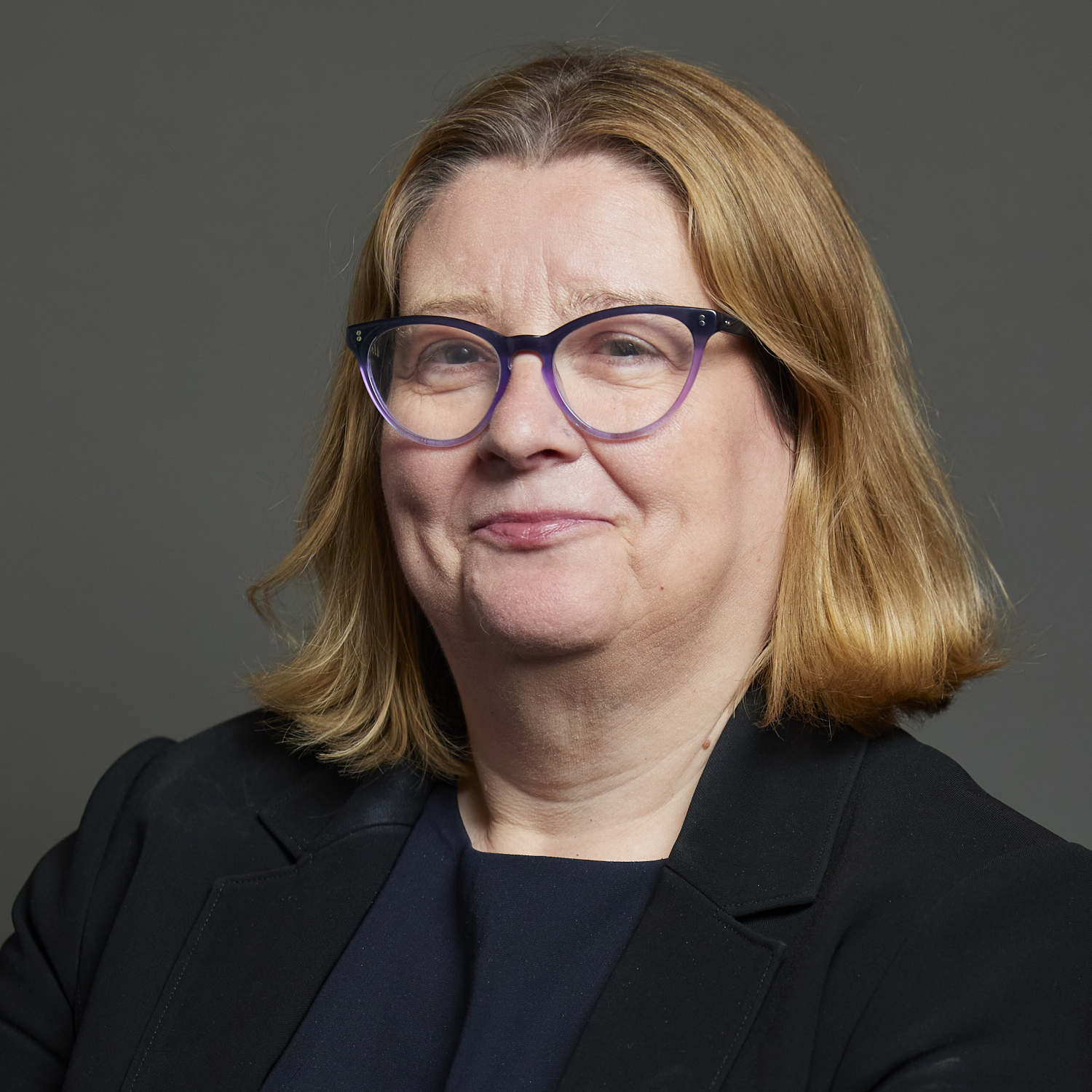
The speech made by Katrina Murray, the Labour MP for Cumbernauld and Kirkintilloch, in Westminster Hall on 16 June 2026.
I commend the hon. Member for South Cotswolds (Dr Savage) for securing this debate and for giving me the opportunity to talk about my experiences of the benefits and challenges of community and cottage hospitals. I do so in the knowledge that healthcare in Scotland is devolved and so is not under the purview of my hon. Friend the Minister.
Prior to my election to this place, I spent nearly 23 years working with volunteers in the health services in Lanarkshire, a job that was highly pressured, but also highly rewarding. An absolute highlight of my day or week was visiting the volunteers in either Kello hospital in Biggar, in the constituency of the right hon. Member for Dumfriesshire, Clydesdale and Tweeddale (David Mundell), or Kilsyth Victoria Memorial cottage hospital, in my constituency. This debate is timely, because it was in the day room at Kilsyth Victoria that I heard the horrific news of the murder of Jo Cox, 10 years ago today. Attempting to stay professional and encourage two new teenaged volunteers to have conversations with patients while trying to digest what I saw on the large screen less than 10 feet away will stay with me forever. I send my love to Jo’s family today.
Like many cottage hospitals, Kilsyth Victoria dates from before the NHS was created. In our case, the hospital was created by the local miners as a miners’ hospital in 1903; the part of the hospital that can be seen from the road dates back to that time. The main patient areas are within a more modern extension—I say “more modern”, but it is still older than me. The hospital now comprises a day room, a dining room where all patient who are able can have meals together, and a range of two-bedded and four-bedded bays, as was standard at a time when patients were not used to the space or the individual and ensuite rooms that are considered the norm and expectation today. The minor injuries unit disappeared in the days before covid, and the physiotherapy and out-patient clinics have been moved to the health centre.
In the brief time that I have, I want to talk about how the benefits of hospital services in the heart of communities, which are often remote from big district general hospitals, are outweighed by the considerable challenges that they face. As times have changed, our expectations of healthcare have changed. When I started working at Kilsyth cottage hospital, the patients were all registered with Kilsyth general practitioners. It was unusual for patients not to be from Kilsyth; if they were not, they were from the neighbouring villages, Croy, Queenzieburn or Banton. The GPs knew the patients, and they provided medical care for the hospital. The staff were all generally local people themselves. Patients were admitted for intermediate, respite and end-of-life care.
My experience is that where hospitals have closed, it is because GP cover has been withdrawn. The GPs in Kilsyth still provide the medical care, but in reality it is nurse-led care, with medical cover on the end of a telephone line or a video call, and which presumes good technological connections in a former mining village.
Do not get me wrong: I am a big fan of nurse-led care. Registered nurses who work in community hospitals are highly skilled in the types of care that these patients need. It is heavy work, as patients need a lot of physical care, but it can also be isolating. On a night shift, there might be only one registered nurse in the hospital, which means no break on a 12-hour shift and, with many of these hospitals are miles away from assistance, they might not be able to get help from a registered nurse on another ward.
Patients are more likely to have a dementia diagnosis than 20 years ago, which means that the type of care provided has changed. It was in these hospitals that I learned how important it is to look at a patient’s feet: if they were wearing slippers, it probably meant that they were not meant to have their hat, coat and handbag and be on their way out of the door. Even having barriers with entrance codes did not manage to stop people, because they were all from the village, so they knew what the codes were—they did not forget those.
It can be difficult to recruit staff, who often have to travel long distances, because there is a lack of understanding of how rewarding it is to work in a cottage hospital in the middle of the community. However, what these hospitals provide is the epitome of care in the community. For those who are unable to look after themselves in their own home and who might be thinking about what it means to go into long-stay care or to move into a care home, community hospitals provide that transitional step. They are much more than buildings; they meet a need at a difficult time in people’s lives, and they are absolutely vital.