
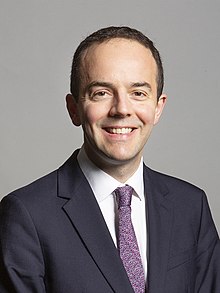
The statement made by James Murray, the Secretary of State for Health and Social Care, in the House of Commons on 24 June 2026.
With permission, Madam Deputy Speaker, I will make a statement on the independent review of maternity services at Nottingham University hospitals NHS trust.
Donna Ockenden’s review is the largest into a maternity service in the history of the NHS. The nature and sheer scale of the failings it exposes are horrific. It uncovers dangerously and tragically deficient care at almost every turn. Its findings and conclusions are chilling.
The report covers 13 years, including accounts from 838 members of staff and, crucially, the experiences of 2,536 affected families. I met a small number of those affected families last week, and I felt numb after hearing the depth of their pain. I felt even more numb when I considered how many families not in the room went through such trauma too, and the forgotten children who survived but live every day with the consequences of maternity care failings.
I felt devastated that so many women and babies, as well as their fathers and other family members, had suffered injury, death and lasting trauma while under the care of the NHS. Now having met the families, and having seen the report, I feel appalled by the neglect, incompetence, racism, discrimination, contempt and harassment that so many suffered. I feel heartbroken to know that, so many times, when they tried to raise the alarm about their care, they were ignored, sneered at, disbelieved, blamed and lied to. How on earth could this have happened? There is no single answer, but Donna Ockenden shines a light on what was going on.
First and foremost, women were not listened to. Donna Ockenden says that the staff shortages and lack of training in Nottingham were among the worst she has ever come across. Bullying by doctors and senior midwives was rife, which meant that staff who tried to speak up were intimidated and ridiculed. There was a culture of cover-up at the highest levels of the trust, and there were ineffective and inadequate responses from regulators.
Perhaps most damning of all, for years the trust ignored evidence of clinical and cultural flaws in both internal and external reviews that it had itself ordered. When I met Donna Ockenden last week, she told me that those inquiries were “diligent” and of “good quality” but that they were effectively swept under the carpet by the board. That refusal to act is unforgivable.
Donna Ockenden and her team deserve huge credit for their forensic and compassionate approach, as does my hon. Friend the Member for Sherwood Forest (Michelle Welsh), herself a harmed mother, as well as Members for neighbouring constituencies who have walked side by side with their constituents through years of anguish and struggle.
However, the driving force behind the review has been the affected families themselves. They have demonstrated more patience, more courage and more tenacity than one might imagine is possible from those dealing with broken hearts that will never mend. Though each of their experiences is unique, one feature is common: at the very moment when they were at their most vulnerable, they placed themselves and the lives of their unborn babies in the hands of the NHS—and the NHS failed them catastrophically.
To all those who have suffered so appallingly, I say today, on behalf of the NHS: I am sorry. I am sorry not just for the failures, or the heartless and undignified treatment, but because your cries of concern went unheard for too long—and so the Government will act. We will act by taking immediate steps, including to expand Martha’s rule to all maternity and neonatal settings so that parents can demand a second opinion if they feel their concerns are being ignored.
I know that some people may want me to accept all the review’s recommendations today, but in the past too many recommendations have been accepted and then have sat on a shelf gathering dust, and we have seen more deaths and more suffering. I do not want to let down the families I met in Nottingham, or bereaved parents anywhere else in the country. I want to use the national maternity and neonatal taskforce, which I chair, to create a comprehensive action plan to be published by the end of this year that will address all the national-level recommendations from this review and others. I am confident that work will be welcomed by all those midwives, obstetricians, paediatricians and other healthcare workers who strive every day to make sure that babies are born safely and that women receive outstanding levels of care.
It is clear that, in case after case, families felt that regulators, including the General Medical Council, the Nursing and Midwifery Council and the Care Quality Commission, were more concerned with protecting clinicians than with providing accountability. That is damning and that is wrong. As one grieving mother told me:
“They put the fox in charge of the hen house.”
Clinicians and trust leaders must know that their behaviour will be properly scrutinised and that their actions will have consequences. We must meet the test of the Nottingham victim who told me last week that “accountability drives action”.
We are making changes to the CQC, one of which is to extend the cut-off period to initiate proceedings from three to five years so there is more time for families to bring cases. I will also call in the chair and chief executive of the GMC to hear directly their account of the failures at NUH. Let me be clear: if their response falls short, things will change at the GMC.
From speaking to families in Nottingham, I know that there is real and understandable anger that some leaders and clinicians at the centre of this review were able to avoid giving evidence. Today, I make a commitment that, when passed, we will use the Hillsborough law’s duty of candour to ensure that witnesses in upcoming reviews of maternity service failures, including those in Leeds and Sussex, can be forced to provide evidence. That change will make sure no one is able to refuse to co-operate in the search for accountability and justice ever again.
There is so much in the stories of the families in Nottingham that is shocking and heartbreaking, but the way the bodies of their loved ones were handled by hospital mortuary services revealed a level of disrespect and a lack of humanity that—I will be honest—left me utterly aghast. The details are disturbing, but they need to be heard to understand the gravity of what families were confronted with: deceased babies referred to as a “specimen” or “sample”; a baby placed into a mortuary space already occupied by an unknown and unrelated adult; a baby disposed of as clinical waste against the express wishes of their parents; and a baby kept in a domestic fridge in a bereavement room. The emotional and psychological effect of those dehumanising failures was to layer the most profound disrespect on the most unbearable distress. There is also evidence that the trust actively decided not to report failings in mortuary care to families.
As hon. Members will know, there is an active police investigation and arrests have been made, which limits what I can say. As a start, however, I have asked NHS England to write to trusts to make sure these appalling experiences are not happening elsewhere in the NHS. I confirm today that the Human Tissue Authority will require all mortuaries to review internal records going back 10 years to ensure all incidents have been logged and reported. I have instructed them to report the findings directly to me by 16 October.
When I met the Nottingham families last week, they also raised with me the issue around what are known as secondary victims. In maternity settings, fathers, partners and others are actively encouraged to be present to support mothers through labour and delivery. However, the law does not allow them to bring their own claims for the psychiatric illness suffered as a direct result of witnessing their partner or baby suffer injury or die. I have therefore asked David Lock KC to work with my officials to consider that important issue as part of his wider work on clinical negligence.
Donna Ockenden acknowledges that NUH has not waited for her findings to be published to start making improvements. I will speak to the chief executive next week to interrogate the trust’s response and make sure there is a proper plan in place for implementing the recommendations speedily and effectively. But there is a long road ahead before NUH fully addresses all the issues and before it can possibly regain the full trust and confidence of the communities it serves.
I close where I began: with the families. Nothing can make up for what they have gone through, but this report is a tribute to their resilience and tenacity. I say to them directly: you had to drive this for so long, but you are no longer driving this alone. We are with you and we will not stop until you have the accountability and the justice you deserve. I commend this statement to the House.