Category: London

  • Trudy Harrison – 2022 Speech on Hammersmith Bridge

    Trudy Harrison – 2022 Speech on Hammersmith Bridge

    The speech made by Trudy Harrison, the Parliamentary Under-Secretary of State for Transport, in the House of Commons on 28 June 2022.

    I congratulate the hon. Member for Putney (Fleur Anderson) on championing Hammersmith bridge once again, and on securing the debate. I also note the contributions by the hon. Members for Hammersmith (Andy Slaughter), and for Richmond Park (Sarah Olney). I have listened carefully to them, and I appreciate that the subject is of keen interest to their constituents. I understand the impact of the bridge’s closure to motor vehicles on many of the people in constituencies around Putney, and throughout south and west London.

    As the hon. Member for Putney is aware, the bridge is owned by the London Borough of Hammersmith and Fulham and, as such, the borough has the responsibility for maintaining the bridge. The decisions on its repair lie with the borough. The bridge is a unique wrought iron structure, and has served generations of Londoners for nearly 200 years. It is deeply concerning that the bridge has had to close, first to motor vehicles in 2019 and then to all users in 2020. Of course the safety of those using the bridge was and remains the greatest priority. That is why my Department has done everything in its power to assist the London Borough of Hammersmith and Fulham and Transport for London with the project, and to facilitate the full reopening of the bridge to all users, including motor vehicles.

    I turn to the progress that has been made and some of ways that we have assisted. In 2019, we established the Hammersmith bridge taskforce, led by Baroness Vere of Norbiton, and it has met several times. The taskforce brings together all the key stakeholders whose input is required to deliver successful outcomes for pedestrians, cyclists, river traffic, and, eventually, motorists. The taskforce has been instrumental in organising stakeholders to work together in developing a clear course of action to enable the bridge to open.

    The hon. Member for Richmond Park (Sarah Olney) asked about the prior information notice that was issued by Hammersmith and Fulham. That PIN was issued on 25 May, with a deadline of 10 June. It was then extended to 15 June. Meetings with interested parties are taking place over the next few weeks to gauge interest and to seek feedback on the proposals. This is a crucial step in the process, and in developing an understanding of the market’s appetite and of the options being considered by the London Borough of Hammersmith and Fulham.

    On the timelines, since the establishment of the Hammersmith bridge taskforce, the project has made significant progress. Thanks to Government funding—some £4 million was provided on 31 October 2020—the bridge was able to reopen on 17 July 2021, albeit on a limited and controlled basis, to pedestrians, cyclists and river traffic. The next stage of the project—reopening the bridge to motor vehicles—is under development by the London Borough of Hammersmith and Fulham. Providing a schedule for full reopening is part of the development process. Whether to impose tolls is a decision for the London Borough of Hammersmith and Fulham. We expect the borough to engage with residents as it deems appropriate, so that it can understand any implications, as the hon. Member for Richmond Park set out.

    Sarah Olney

    Can the Minister bring any influence to bear on her colleague in the other place, Baroness Vere, so that she reconvenes a taskforce that will enable the whole issue of tolls to be properly, widely and publicly discussed with the relevant stakeholders?

    Trudy Harrison

    I will now set out exactly what is happening. Much good progress is being made. Following the complete closure of the bridge in 2020, the Department for Transport provided £4 million of taxpayers’ money, which enabled a comprehensive investigation of the overall structure and condition of the bridge. Through that investment, we had pretty much world-leading engineers working to develop a complete picture of the issues facing the bridge. Those works determined that the bridge was in a better condition, thankfully, than first thought, and that led directly to the bridge reopening, albeit on a temporary and controlled basis to pedestrians, cyclists and river traffic.

    Andy Slaughter

    I am in a state of despair, listening to the Minister. The cost of reopening this bridge could be £160 million. Hopefully, it will be less, but it is of that order. It is about the same as building a whole new Thames bridge, and it is fantasy for the Minister to say, “The Government are providing £4 million,” and “The Government have done this or that.” All the initiative so far has been taken by Hammersmith and Fulham Council—whether that is on the memorandum of understanding, on the proposals for the cheaper Foster COWI bridge, or on the stabilisation work—to get the bridge open permanently again to pedestrians. This is a strategic route through London. The Government must step up to the plate. I know that this is not in the Minister’s brief, but please could she take this issue seriously? It is affecting hundreds of thousands of people all across London and the south-east.

    Trudy Harrison

    I reject the characterisation of my Department as not taking this seriously. The hon. Gentleman will know that when one is potentially spending more than £100 million on a new bridge, much consideration and engineering knowledge will need to go into things such as a review by the Case for Continued Safe Operation Board. The board monitors the condition of the bridge, and has enabled it to stay open to pedestrians, cyclists and river traffic. I am relieved to say that since that reopening, no further closures on safety grounds have been necessary.

    The commitment to this project did not stop at the initial £4 million investment—not at all. In the TfL extraordinary funding and financing settlement of June 2021, we committed to sharing the cost of reopening the bridge. We have committed to that funding with the London Borough of Hammersmith and Fulham and TfL. We reiterated that commitment in a subsequent settlement, agreed in February 2022. That commitment ensures that the Government will fund up to one third of the cost of opening the bridge to pedestrians, cyclists, river traffic and—depending on those costs—buses and motor vehicles as well.

    The first part of that commitment has already been delivered. Earlier this year, the Department approved the full business case from LBHF for the stabilisation works on the bridge. Those works will ensure that the bridge will remain open to pedestrians, cyclists, and river traffic permanently, with no risk of further temporary closures due to unsafe conditions.

    The approval of the business case was a condition of the Government’s releasing their third of the funding for stabilisation. I am pleased to say that in May this year, my Department provided the borough with almost £3 million to allow the works to progress unimpeded by financial concerns. That brings the total investment to date to nearly £7 million.

    It is thanks to the excellent work and diligence of my Department, TfL and the London Borough of Hammersmith and Fulham that the works are already well under way. At long last, the residents of this part of London can see tangible progress being made. The borough is now managing the works, and will be providing my Department with regular updates on progress.

    The next stage is to strengthen the core and renovate other structurally significant parts of the bridge. The strengthening phase of engineering works will build on stabilisation works; on its completion, the bridge can open to all users, including buses and motor vehicles. LBHF is required to submit a further business case to my Department and to TfL; in that business case, we would expect to see that the proposed method of strengthening is viable, offers value for money and minimises disruption to current users of the bridge. That is essential. The business case will also set out the final cost estimate for strengthening the bridge and, once approved, will allow my Department to release its third of the funding.

    Fleur Anderson rose—

    Trudy Harrison

    Sorry; unfortunately, I cannot give way due to time. All three parties will work together over the coming months to ensure that an HM Treasury Green Book-compliant business case is developed and submitted for approval as soon as possible.

    In closing, I re-emphasise that reopening Hammersmith Bridge to all users is and remains a Government priority. Restoring full access to this vital south-west London artery will improve the lives of thousands of residents, commuters and businesses who have, as we have heard this evening, been long deprived of a convenient route across the Thames. I also restate my Department’s commitment to funding up to one third of the cost, on approval of an appropriate business case.

    I thank hon. Members for their contributions, and for their dedication in highlighting the issues that the continued closure of the bridge causes for their constituencies and others in the surrounding area. I reassure them that we are working tirelessly to deliver the full opening of the bridge.

  • Fleur Anderson – 2022 Speech on Hammersmith Bridge

    Fleur Anderson – 2022 Speech on Hammersmith Bridge

    The speech made by Fleur Anderson, the Labour MP for Putney, in the House of Commons on 28 June 2022.

    Thank you for calling me, Mr Deputy Speaker, and I thank the Members who are present for this important Adjournment debate.

    Here I am again, and talking about Hammersmith bridge again. It has been closed to vehicles for three long years, and that closure is still having a huge impact on the everyday lives of residents in Putney, Roehampton and Southfields, and much more widely across south-west London.

    I last held an Adjournment debate on the closure—and, hopefully, the reopening one day—of the bridge in April 2021, and I have raised it in the House several times since then. Since that debate there have been welcome stabilisation works to make the bridge safer, and it has reopened to pedestrians above and river traffic below. However, I am here again because there has still been no agreement on the building of a temporary vehicle bridge, on any date by which the restoration of the bridge will be complete, or on when—and residents are crying out “When?”—the bridge will fully reopen. I hope to hear much better news from the Minister this time than last time, and I know that plenty of people in Putney and across south-west London are listening to the debate and also want those answers.

    The Government have been dragging their feet, and the taskforce has had no task and no force. Responding to my last debate, the then Parliamentary Under-Secretary of State for Transport, the hon. Member for Redditch (Rachel Maclean), simply said:

    “The buck stops with Hammersmith and Fulham.”—[Official Report, 14 April 2021; Vol. 692, c. 442.]

    That was a very disappointing end to the debate. I will be describing all that Hammersmith and Fulham Council is doing now, because it is the council that is responsible for the bridge, and explaining why it is the Government who need to do more.

    It is Hammersmith and Fulham Council that made the assessment of the danger in the first place, has made the business case for the stabilisation works and funded those works up front, and has drawn up the memorandum of understanding between the council, the Government and Transport for London, the three parties that will be responsible for the funding. However, Transport for London does not have the funds to restore the bridge because of reduced fees and other payments as a result of covid, so it comes down to the Government. What have the Government done, what will the Government do, and when will the bridge reopen?

    Let me first say something about the impact of the closure. It has resulted in between 500 and 4,000 vehicles a day coming through Putney High Street. Local residents complain constantly of increased travel times for journeys by bus and car, of increased congestion and pollution and of accidents on the roads, especially involving children near the schools on the most affected roads.

    We want more safe cycle routes in Putney, and in Wandsworth we have one of the highest “propensity to cycle” ratings. However, the increased traffic and traffic jams make cycling more dangerous and put people off cycling. In meetings that I have held with potential cyclists, most people say they feel that Putney Hill, Putney High Street and Putney Bridge are very dangerous roads. That in turn means worse air quality, because if there are fewer cyclists on the road there are more vehicles, which add to the congestion. As you will know, Mr Deputy Speaker, each year more than 4,000 Londoners die prematurely as a result of air pollution, and more than 500,000 people in London boroughs suffer from asthma and are vulnerable to toxic air.

    Recently, for Clean Air Day, I undertook readings using an ultra-fine particle counter—lent to me by Imperial College—along Putney High Street and the Lower and Upper Richmond Roads, the main diversion routes from the bridge. The readings were exceptionally high, even from inside homes along those roads. Residents have shown me the black soot that builds up in their homes, and companies tell me about the impact that the poor air quality is having on their business.

    The Putney Society is concerned about this as well, and it has sent me the following statement about the impact of the bridge closure:

    “Congestion is at an all time high with roads leading towards Putney Bridge clogged up before 7 am in the morning, with traffic jams continuing well into the evening. Prior to the Bridge closure in 2019 Putney already suffered from one of the most polluted High Streets in the country. And despite positive measures such as the introduction of cleaner buses and the ULEZ zone, our pollution levels continue to exceed UK legal limits, in part because of additional traffic resulting from the Bridge closure. Around 60 constituents die prematurely each year because of this pollution, and we now face the prospect of this continuing for several more years until Hammersmith Bridge is fully repaired.”

    The statement continues:

    “The extra traffic has affected thousands of people. Aside from the impact of pollution on residents’ health, children and students have suffered disrupted journeys to their school or college; workers, especially those travelling from Roehampton, have faced significantly lengthened bus journeys and businesses have had delayed deliveries. And the most vulnerable people, who require access to healthcare, whether appointments or vital emergency treatment, face delays in getting an ambulance or reaching nearby hospitals. Why? Because ambulances can no longer take a short hop across the Bridge to Barnes or beyond but now spend much, much longer in traffic”.

    Andy Slaughter (Hammersmith) (Lab)

    My hon. Friend is making an excellent speech, particularly in drawing attention to the fact that the closure of Hammersmith bridge is having a sub-regional and regional effect. It is much wider than just the immediate locality. Does she find it surprising that the Government have dragged their feet all the way along the line on this, first by asking Hammersmith to find all the funding, then £64 million and now a third of the cost, which is more than double what they would propose for similar schemes? Does she agree that until the Government are prepared to take their responsibilities in this matter seriously, we are not going to see progress?

    Fleur Anderson

    I absolutely agree with my hon. Friend. We have just had a debate on Government failure, and this is Government failure 101. Not keeping a major transport route open in our capital city and letting it stay closed for so many years—and who knows how much longer—is a Government failure. They need to step up with the funding, and I will be outlining more information about that.

    Hammersmith bridge is a very unusual bridge, and this is why it requires special attention from the Government. It is a grade II listed structure and part of Great Britain’s engineering heritage. It is also one of the world’s oldest suspension bridges, and only five years younger than the Brooklyn bridge in New York. It is unique, having been built out of cast iron, wrought iron and wood. No Government, surely, would allow the Brooklyn bridge to stay closed, so why let Hammersmith bridge do so? It has suffered from over seven decades of deterioration and corrosion. This corrosion, along with the fact that the bridge was designed for the needs of the 19th century, is what makes Hammersmith bridge one of the most expensive bridges in Britain to repair. When warnings of its possible imminent collapse forced its closure, I perfectly understood that the engineers faced huge challenges.

    Transport for London has estimated that the repair bill could be between £141 million and £161 million. By comparison, the cost of repairing other Thames bridges is far smaller. For example, Chiswick bridge cost £9 million to repair, and Albert bridge cost £9.7 million. In those cases, Transport for London largely funded the works, paying between 85% and 100% of the costs. The responsible council was not left to foot the bill in the way that Hammersmith and Fulham Council is being asked to do. The bridge is a special case, both historically and financially, and it needs a different funding package from the Government.

    Overall, there needs to be a change in bridge policy in London. Lambeth Council has five bridges, but is responsible for none of them. Southwark bridge and London bridge are managed by a trust. Two railway bridges are managed by Network Rail, but Hungerford railway bridge is managed by Westminster. The policy is all over the place. I think it might be time to look at the inequity of bridge responsibilities in London, because it is clear that the system is failing us over Hammersmith bridge. But we are where we are, and there is currently an agreement that the Government, Transport for London and Hammersmith and Fulham Council will fund it.

    The Mayor of London has repeatedly sought to meet the Transport Secretary to discuss this and a range of London transport funding issues, but these requests have all been refused. Twenty meetings with Transport for London have been cancelled by the Department for Transport or the Treasury since the last TfL funding deal was agreed. The last time the Transport Secretary and the Mayor of London spoke and discussed Transport for London funding was on 30 May 2021. That is shocking to hear, as Londoners are being let down by this Government. We need them to work with the Mayor, and I hope to hear more of that from the Minister later. We are talking about a national transport route, and the Government must lead the way in funding and reopening it. If a toll is going to be made necessary because the Government will not fund the bridge, has the impact on Putney residents been factored into that business case?

    What has Hammersmith and Fulham Council done? Can we say that the buck stops with it? Last November, the council submitted a full business case to the Department for Transport for the stabilisation works, at a cost of £8.9 million, which was £21 million less than the TfL stabilisation plan, so this is a major saving to the taxpayer. To speed up the repair programme, the council decided in December to make the cash available up front, rather than wait for the DFT and TfL governance processes to sign off their shares, as that process is simply too cumbersome. That enabled works to begin several months early. The DFT did not sign off on its one-third share until 22 March this year, many months later, showing that the Government are dragging their feet. The phase 1 stabilisation programme was able to get under way on site in February. It will stop the risk of collapse and prevent future closures to pedestrians, cyclists and river traffic, which I, of course, welcome. On 7 March, Hammersmith and Fulham Council signed off a further £3.5 million investment so that it could crack on with all the essential expert studies required to obtain Government and TfL funding through the full business case. That includes essential concept design work, geotechnical studies, crowd loading assessments and traffic modelling. I understand that the council and the DFT officials are working together on completing the business case, but when will that be done? Will funding be ready to go as soon as that is completed and approved, so that we do not have any more delays?

    The latest investment of £3.5 million by the council to deliver those essential studies has again been paid for by the council up front, rather than having to wait for the DFT and TfL governance processes to kick in. This signing off of money, at its own risk for the council, in order to expedite bridge works is a situation that the council says cannot continue. I understand that the impasse is now the memorandum of understanding, which would confirm the one shares payable for the council, the DFT and TfL, but that it has not been signed. The latest draft version was sent by the council to the DFT on 14 September 2021, but it has not yet received a response from Ministers or their officials. So I hope that I will not hear, “The buck stops with Hammersmith and Fulham Council” from the Minister again. The Government need to recognise the huge impact of this closure on people in Putney and beyond, and they need to take far more proactive and urgent action.

    I shall finish with some questions for the Minister. When is the next meeting of the taskforce? When will Secretary of State sign the memorandum of understanding to enable the next phase of the works to continue as fast as possible? What is the hold-up on that? Has an assessment of the impact of a proposed toll, or of any other financial proposals, on routes through Putney been carried out? Would the Government consider underwriting the full works? When will the building of the temporary bridge start? How long will it take? Is there a deadline from Ministers for the completion of this project, as we would certainly like to see that there is and that it is as soon as possible? I ask again, and I will keep asking, what have the Government done, what will they do and when will Hammersmith bridge reopen?

    Mr Deputy Speaker (Mr Nigel Evans)

    Sarah Olney has asked permission from the mover of the motion and the Minister to make a short contribution in this debate. Both have agreed and I have been informed.

    Sarah Olney (Richmond Park) (LD)

    Thank you very much, Mr Deputy Speaker. I thank the hon. Member for Putney (Fleur Anderson) for securing this debate and I thank the Minister and you for allowing me to contribute briefly to it. As I am sure everybody knows, the closure of Hammersmith bridge has had an enormous impact on my constituents. I wish to raise two issues, following on from the excellent speech of the hon. Member for Putney outlining the situation. The first is that on 25 May 2022, the London Borough of Hammersmith and Fulham issued a prior information notice, announcing its intention to seek external funding for its third of the cost of strengthening Hammersmith bridge. As the hon. Lady asked, does that mean tolls? We are desperately seeking further information on that important point from the Department. I am not against tolls. If they are required to get the bridge open, there may be public support for that in Richmond Park, but it needs detailed consideration by all parties, including the London Borough of Richmond upon Thames. Any tolls would weigh heavily on my residents, and we need a full exploration of all the factors. For instance, would tolls mean that people continue to use Putney and Chiswick bridges and avoid Hammersmith bridge and the tolls? Tolls are not unknown on London bridges, but not within the lifetime of anyone here.

    My residents would also want to know who will have to pay the tolls. Might there be exceptions for Richmond residents, or will the exceptions just be for buses and emergency vehicles? We need more information. I urge Baroness Vere, the Minister responsible, to reconvene the taskforce so that the issues can be urgently discussed by local stakeholders, including the London Borough of Richmond upon Thames.

    The hon. Member for Hammersmith (Andy Slaughter) made the point about the strategic issue involved. In Richmond, planning permission for housing developments, school place planning and healthcare planning are being affected. Will my residents have access in the long term to services, including schools and healthcare, on the north side of the Thames? It is really urgent. We know that jointly Transport for London, the Department for Transport and the London Borough of Hammersmith and Fulham are committed to reopening the bridge, but without the funding to do so, their commitment is not worth very much. When it comes to five and 10-year planning for education and healthcare, we do not know whether services on the north side of the Thames will be accessible to people in Barnes. That is a real issue for parents who are thinking about schooling for their children. Will they be able to cross the bridge and access schools in Hammersmith and further afield? I thank the hon. Lady for bringing the debate to the House, and you, Mr Deputy Speaker, for allowing me to contribute.

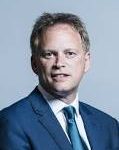
  • Grant Shapps – 2022 Statement on TFL Funding Extension

    Grant Shapps – 2022 Statement on TFL Funding Extension

    The statement made by Grant Shapps, the Secretary of State for Transport, in the House of Commons on 27 June 2022.

    Following my statement to the House on 25 February, I am updating the House on a short extension of the current Transport for London (TfL) funding settlement that was due to expire on 24 June 2022, by 19 days, to 13 July. This has been agreed by the Mayor of London.

    Since the start of the pandemic, we have supported the transport network in London with nearly £5 billion funding through extraordinary funding settlements for Transport for London. We have recognised the reliance of London’s transport network on fare revenue, and Government continue our commitment to mitigating loss of fare revenue because of the pandemic.

    This extension to the current funding settlement is necessary in part due to the unsatisfactory progress made by TfL on its conditions, including pensions. Resolving these issues is an integral part of setting TfL on the path to financial sustainability, and Government stand ready to engage constructively to reach a resolution. This extension ensures that they receive due attention, as well as allowing time for both sides to consider a longer-term capital settlement.

    Government are committed to supporting London’s transport network as we have since the start of the pandemic, and is in discussions with TfL on a longer-term settlement. By rolling over the provisions of the existing agreement, the extension provides continued support to Transport for London and certainty to Londoners while we work with Transport for London on their emergency funding needs.

    Support to Transport for London has always been on the condition that Transport for London reaches financial sustainability as soon as possible and with a target date of April 2023. Government continue to press the Mayor of London and Transport for London to take the decisions needed to put the organisation on a sustainable footing. I will update the House at my earliest opportunity on the details of any longer-term capital settlement.

  • Sadiq Khan – 2022 Comments on Support for Refugees

    Sadiq Khan – 2022 Comments on Support for Refugees

    The comments made by Sadiq Khan, the Mayor of London, on 20 June 2022.

    It is appalling that refugees from Ukraine and Afghanistan are stranded in unsuitable accommodation after coming to London to seek sanctuary. They have been through the most horrendous experiences, but rather than settling into life in the capital they are stuck and worried about the prospect of homelessness.

    I’m doing all I can to build a better and fairer London for everyone by helping councils house refugees through the Right to Buy-back fund, and migrants and refugees navigate the complex immigration system by funding advice services and creating an information hub, but we need the Government to urgently provide funding to local authorities, and to voluntary sector and immigration advice services.

    Instead, the Government’s inhumane attempts to deport asylum seekers to Rwanda has shown their utter contempt for those in need and serves as a distraction from the urgent need to make practical changes. This cruel approach shames London. I’m urging Ministers to step forward to deliver our country’s obligations to some of the world’s most vulnerable people and ensure that support is there to help others in their time of need.

  • Sadiq Khan – 2022 Comments on Everyone in UK Getting Free Healthcare

    Sadiq Khan – 2022 Comments on Everyone in UK Getting Free Healthcare

    The comments made by Sadiq Khan, the Mayor of London, on 22 June 2022.

    This Windrush Day, I want to pay tribute to the way that the Windrush Generation has helped to make our city what it is today. Their incredible contribution to our lives must always be valued and never be forgotten, yet the disgraceful treatment they have faced from the Government and the delay in delivering compensation continues to shame our nation.

    It is unacceptable that today undocumented Londoners can struggle to access free healthcare due to worries about proving their immigration status, and that many migrant workers are effectively required to pay a double tax through the extortionate immigration health surcharge. The Government must end its hostile environment now and ensure that everyone living in the UK can access healthcare for free – before they create another Windrush scandal.

  • Sadiq Khan – 2022 Comments on Getting 75,000 Digitally Excluded Londoners Online

    Sadiq Khan – 2022 Comments on Getting 75,000 Digitally Excluded Londoners Online

    The comments made by Sadiq Khan, the Mayor of London, on 24 June 2022.

    Every Londoner should have digital access, but the sad reality is that too many Londoners lack the skills, technology and infrastructure to get online easily, preventing them from accessing the tools they need to thrive.

    “The new Digital Inclusion Service will build on the amazing work already underway to tackle digital exclusion, and bring vital resources such as devices, connectivity, and learning opportunities to the fingertips of those who need them. I’m calling on large businesses and public bodies to join us in upcycling their old laptops and other tech to the new Device Bank to be reconditioned, to help bridge the digital divide, aid London’s recovery and build a better London for everyone.

  • Gillian Keegan – 2022 Speech on Battersea Funfair Disaster

    Gillian Keegan – 2022 Speech on Battersea Funfair Disaster

    The speech made by Gillian Keegan, the Minister for Care and Mental Health, in the House of Commons on 21 June 2022.

    I congratulate the hon. Member for Battersea (Marsha De Cordova) on securing the debate. I must admit that I was not aware of the tragic events that unfolded 50 years ago, on 30 May 1972, and I am sure that others were not, either, so it is fantastic that she secured the debate to remind us all. However, I discussed it with my husband when I got home last night. At the time, he was a 10-year-old boy growing up in London. He was very much aware of what happened and he vividly remembers it. What should have been a happy day in Battersea Park, on the bank of the River Thames, resulted in five children losing their lives and a further 13 being injured, and it shocked many more.

    I very much hope that the survivors’ campaign for a permanent memorial in Battersea Park is ultimately successful, so that that terrible event is never forgotten—maybe that is the plaque the hon. Lady referred to, or maybe there is something else that they are still campaigning for.

    Undoubtedly, many affected by the Battersea funfair disaster will have suffered from what we now call post-traumatic stress disorder, but let us not forget that PTSD was not even added to the International Classification of Diseases until the ’80s, and guidance from the National Institute for Health and Care Excellence was not published until 2005. Events have taught us that people affected by any traumatic incident must be able to access timely mental health support when and if needed, but I am not sure there was the same understanding all those years ago.

    Luckily, PTSD can be successfully treated even when it develops many years after a traumatic event. The treatment depends on the severity of symptoms and how soon they occur after the traumatic event. The hon. Lady reports that survivors of the tragedy remain concerned that mental health support for children who have suffered trauma has not changed much since 1972. I too would be very concerned if that was the case, but I must respectfully disagree with that assessment.

    If a child has witnessed or experienced a traumatic event, it is quite natural for them to be stressed, upset or frightened. That should not usually last beyond four weeks, but if it does, it may indicate post-traumatic stress disorder and it is then important to seek help via their GP. There are now some really effective treatments, including cognitive behavioural therapy, for children and young people who are experiencing the effects of trauma.

    To respond to the hon. Lady’s specific question, NHS England and NHS Improvement have issued guidance on responding to the needs of people affected by incidents and emergencies, which stresses that plans for incidents and emergencies must provide psychosocial and mental health care for people affected, since early intervention for people at risk of developing mental health problems may reduce their severity and chronicity and, ultimately, related costs.

    In general, psychological support can be accessed four to six weeks after the event for those who are exhibiting signs of needing professional help, as per NICE guidelines. Those who require urgent support may be referred to services sooner than that, and it is important to ensure that messaging about support services is appropriate. Not all people need psychological support, and many recover over the course of time without specific interventions, but it is still important that such people continue to look after their health and wellbeing after a traumatic incident. That includes getting enough rest, eating well, returning to their routine and staying connected with others.

    Marsha De Cordova

    I just want to ask about the support that is available via NHS England and ensuring that it is available, as the Minister says, within a four to six week period. Can she assure me that that is actually happening? Is there any evidence base to ensure that children who experience trauma or post-traumatic stress disorder are getting that support in a timely fashion?

    Gillian Keegan

    Yes, and of course we always try to ensure that, as the targets we put in are worked throughout the system, those targets are met. That is why we measure those things. Maybe it would be helpful to the hon. Lady if I gave some recent examples. In the wake of the Manchester Arena terrorist attack, which sadly affected many children and young people, the Greater Manchester Resilience Hub was set up to provide a central point for mental health advice for those directly affected, including children and emergency responders. The hub worked with other agencies to develop packages of care.

    In response to the tragic fire at Grenfell Tower, more than £10 million has been spent on treating the mental health of those affected. In the year after the fire, 2,674 adults and 463 children were screened for symptoms of post-traumatic stress disorder, and the St Charles Centre for Health and Wellbeing was opened up so that those affected could be treated in dedicated therapy suites. I hope the hon. Lady will recognise that we have seen a dramatic change in both attitudes towards mental health since the days of the Battersea disaster, and the NHS services available to support people with their mental health.

    Jim Shannon

    I am very encouraged by what the Minister has just said. In my intervention on the hon. Member for Battersea (Marsha De Cordova) I suggested some contact with the authorities in Northern Ireland, which unfortunately have a long 30 years’ experience of trauma, especially among children. Has that happened?

    Gillian Keegan

    I have not met my counterpart in Northern Ireland but, having heard the hon. Gentleman’s intervention, I sent a WhatsApp message to request that a meeting be set up, because it is probably long overdue. We can learn a lot from each other, and I am always keen to learn from anyone I can.

    Over the past 50 years, we have seen the transformation of NHS mental health services for children and young people. From the passing of the Mental Health Act 1983 and the establishment of mental health trusts to more recent developments including the Time to Change campaign, which between 2007 and 2021 helped to improve the attitudes and behaviours of some 5.4 million people towards those living with mental health problems, these are all important steps along the way towards destigmatising mental health.

    The publication of the five-year forward view for mental health in 2016 made the case for transforming mental healthcare in England. The implementation of the “Transforming children and young people’s mental health provision” Green Paper from December 2017 has seen the introduction of senior mental health leads and mental health support teams in schools and colleges. We regularly talk about that programme, and I am sure it will make a massive difference to young people, particularly those affected by the pandemic. The 2019 NHS long-term plan commits to expanding and transforming mental health services in England so that an additional 345,000 children and young people will be able to access NHS-funded specialist mental health treatment by 2023-24.

    We are continuing to build up those services and the staff, as in some cases demand outstrips supply. As part of this work, we have all-age 24/7 urgent mental health helplines in all areas of England so that people experiencing a mental health crisis, or those worried about someone experiencing such a crisis, can speak to a trained professional. The helplines were established during the pandemic, so they are a relatively new addition to the landscape, but I am sure they are very welcome because many people have sought these services.

    We are also accelerating the coverage of mental health support teams in schools and colleges from the 287 currently in place to over 500, covering around 35% of pupils by 2023-24. There are currently 16 mental health support teams operating in or planned for south-west London, so they have already started to roll out.

    Our hard-working NHS community mental health services treated over 420,000 children and young people in 2020-21, an increase of around 95,000 on the previous year, so we can see there has been a massive increase in demand for these services, which is why we are working very hard to try to build up the mental health workforce.

    Although none of us wishes to see a repeat of the events in Battersea Park and the many things that have happened since, not only in mental health but in safety, I assure hon. Members that the NHS will always be there to support the survivors of such tragedies. However, it is important that we never forget. I am therefore grateful to the hon. Member for Battersea for securing this debate and for making us all aware of something that happened. This issue is important to her constituents, and this debate will ensure that we all remember the tragedy and learn from the events of that day.

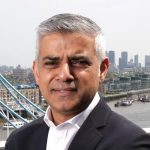
  • Sadiq Khan – 2022 Speech on Trust in Policing

    Sadiq Khan – 2022 Speech on Trust in Policing

    The speech made by Sadiq Khan, the Mayor of London, on 17 June 2022.

    Thank you, Leonita.

    Not only for that introduction and your inspiring words…

    …but for everything you’re doing to ensure the voice, opinions and ideas of young people are heard loud and clear as we develop policies and programmes to reduce violence in our city.

    As Sophie said, what you do is vital.

    So please – let’s have another round of applause for Leonita.

    Next year is the 30th anniversary of the racist murder of Stephen Lawrence.

    It’s as important as ever that we not only remember and celebrate Stephen’s life, but that we acknowledge – and reflect upon – his legacy.

    The Stephen Lawrence Inquiry found that the Metropolitan Police Service was institutionally racist, and that institutional racism existed in other police forces around the country.

    This judgement was a landmark moment in the history of British race relations…

    …triggering far-reaching reforms to policing, public services and criminal law in this country.

    There’s no doubt that the police and criminal justice system have made significant and positive steps forward since then.

    But it’s become painfully clear that further reform – on a far-reaching scale – is now urgently needed.

    And let me be frank, I consider this to be one of the most important speeches I will give as Mayor.

    Because after nearly two hundred years since the creation of the Met, policing in our city has reached a crossroads.

    And ensuring we take the right path is crucial to the future of our city.

    At the outset, I must and want to put on record again that there are tens of thousands of incredible, incredibly brave and decent police officers in the Met…

    …dedicated public servants who go above and beyond every day to keep us safe.

    Just last week a Metropolitan police officer ran into a house-fire to save a family.

    And, every year, the Police Bravery Awards highlight some remarkable stories of courage in London:

    From two police officers saving the life of a seven-year-old girl who was being attacked.

    To officers saving the lives of two teenagers after they used themselves as human shields.

    The job the police do – protecting us and upholding the law of the land – makes everything else possible.

    It’s the bedrock upon which all else can flourish.

    And we owe the men and women who risk their lives – often in the knowledge that they have children and loved ones to get home to after a shift – a huge debt of gratitude.

    So let’s be clear:

    Talking about the need for urgent police reform is not being anti-police.

    Far from it.

    In fact – it’s the exact opposite.

    It’s about believing the police can be excellent.

    And it’s about facing up to some hard truths so that we can ensure we have the best, most effective and most professional police force for Londoners.

    A police force that is second-to-none at bearing down on crime, bringing people to justice and keeping our city safe.

    Throughout my time as Mayor, I’ve defended London’s police when I think they’ve been unfairly criticised.

    And this is something I’ll always do.

    No other Mayor has invested more in the police than I have.

    Good officers are one of the most valuable and precious resources we have in London.

    But given what’s at stake, we have a duty to be honest about the extent of the problems and the systemic and organisational changes that are urgently required within the Met, rather than seeking to downplay or shy away from the challenge we face.

    The reality is that a series of appalling scandals have not only exposed deep cultural problems within the Met, but have contributed to an acute crisis of confidence in London’s police force.

    A crisis that has left trust in the Met police at rock bottom among too many communities – many of whom – if we’re being honest – already had little faith in the police force.

    The latest crisis comes in the wake of:

    The kidnap, rape and murder of Sarah Everard by a serving police officer.

    The heavy-handed policing of the vigil held in Sarah’s memory.

    Two police officers sharing pictures of the murdered sisters, Bibaa Henry and Nicole Smallman.

    The failures during the Stephen Port investigation that probably contributed to the deaths of his final three victims – Gabriel Kovari, Daniel Whitworth and Jack Taylor – after the murder of Anthony Walgate – with accusations that homophobia prevented the police from catching the serial killer sooner.

    And the shameful strip-search of Child Q – a 15-year-old Black girl whose degrading treatment was likely influenced by racism.

    The testimony of Child Q’s mother – about how her daughter has gone from a bubbly, happy-go-lucky girl to someone who’s self-harming, in need of therapy and screaming in her sleep – has been utterly heart-breaking.

    And I’ll never forget the first time I read the shocking Operation Hotton report by the Independent Office for Police Conduct, the police watchdog, just over four months ago.

    That exposed sickening evidence of overt racism, sexism, homophobia, discrimination and misogyny among police officers at Charing Cross station.

    The messages shared between officers threatened rape, glorified sexual violence and were openly racist, Islamophobic and antisemitic.

    One read:

    “My dad kidnapped some African children and used them to make dog food.”

    Another:

    “Some uniform or plain clothes work on Somalian rats… I battered one the other day…”

    And another:

    “You ever slapped your Mrs?… It makes them love you more…”

    I’m not going to read any more, don’t worry.

    But perhaps what was most striking – and revealing – was that these officers felt comfortable sharing deeply offensive messages in Whatsapp groups with other officers – messages that were only made public due to an independent investigation.

    And this points to a much wider problem – a damaging culture.

    And – damningly – the Independent Office for Police Conduct concluded as much.

    Clearly, these issues were not isolated or historic, and cannot simply be explained away as the actions of just a few bad apples.

    I know that what’s been exposed in recent months has profoundly affected countless Londoners, who have every right to be outraged and to be demanding answers.

    These are feelings I share.

    The scandals have left me sick to my stomach – disgusted and extremely angry.

    Partly because they remind me – and I’m sure many other Londoners – of the bad old days of the Met.

    The Met I knew from my childhood.

    Growing up in the 1970s and 80s on a council estate in south London, it was commonplace to hear stories from friends and family members of racist, sexist and abusive behaviour by police officers.

    There was a palpable sense in my community that the presence of the police on our local streets did not offer reassurance or a sense of protection, but rather fear…

    …the fear of being unfairly criminalised or mistreated.

    In my life – and during the course of my career – I’ve seen and felt the damage that this kind of breakdown of trust can cause.

    It makes it harder to tackle crime.

    It prevents victims and witnesses of violence from coming forward.

    It discourages many girls and women from reporting rape, domestic abuse and sexual harassment.

    And it leads to local communities – the eyes and ears of the police on the ground – becoming less likely to work with officers when, for example, they’re worried about young people getting involved in criminal gangs and violence.

    This affects us all, and the safety of everyone in our city.

    This is why the damage to trust and confidence in the police is not a side issue or marginal concern that can be downplayed or dismissed.

    Trust is everything.

    We have a longstanding tradition in this country of policing by consent.

    It’s the very foundation upon which our whole system of policing rests.

    At the heart of this approach is the recognition that for policing to be effective, public approval, respect and confidence in the service is paramount.

    When this trust is eroded, our model of policing – and thereby public safety – is put at risk.

    Trust is absolutely fundamental to preventing crime, to solving crime and to ensuring we have the best possible police service for Londoners.

    This is why you simply cannot divorce the deep cultural issues that clearly exist within the Met from its wider performance as an institution.

    The two are inextricably linked.

    To put it simply:

    The more inclusive the culture, the more trust the police can command…

    The more trust the police can command, the more they can drive down crime.

    And – in turn – the more crime falls, the more trust the police can win.

    It’s this virtuous circle we must create – replacing the depressing downward spiral of recent years.

    During my time as Mayor, violent crime has fallen in the capital.

    We’re managing to buck national trends:

    Since 2016 when I was first elected:

    Gun crime is down by 30 per cent.

    Knife crime with injury is down by 11 per cent.

    Knife crime where the victim is under 25 is down by 24 per cent.

    And the number of teenagers murdered in our city is down by 64 per cent in the first five months of this year.

    Of course, we’re not complacent.

    These are not just numbers – they’re people.

    One murder on our streets is one too many – leaving parents, siblings and friends grieving.

    We cannot rest.

    And if we’re to continue making progress, ensuring communities across London have trust in our police force is going to be critical.

    This is particularly the case when it comes to tackling the senseless knife crime that results in the murder of young Londoners, including a disproportionate number of young Black people, many just teenagers… just children.

    We know that violent crime is not a problem we can solve simply through enforcement alone.

    We’re never going to be able to arrest our way out of this problem.

    Prevention and early intervention are key parts of the puzzle, where trust is integral.

    Because it means working in partnership with families, local communities, schools, charities, the NHS, youth clubs, and the police… to prevent children from being sucked into criminal gangs and violence in the first place. This is a public health approach.

    So how can we turn things around?

    As Mayor, I’ve already taken a series of steps since 2016 – using the limited powers and resources available to me – to boost trust and confidence in our police force.

    This includes:

    A huge push to recruit more officers from London’s Black, Asian and minority ethnic communities, as well as more women.

    Investing to protect visible neighbourhood policing.

    And the world’s biggest rollout of body-worn cameras to London’s frontline officers.

    We’ve also launched a new strategy to tackle violence against women and girls.

    We’ve put trust and confidence at the heart of our new Police and Crime Plan;

    We’ve comprehensively overhauled the gangs Matrix, removing over a thousand young Black men from the database.

    And we’ve published an Action Plan to address the concerns about the disproportionate use of certain police powers on Black Londoners, including stop and search.

    But this must just be the start.

    We now need to see nothing less than a new contract forged between the police and the public.

    This means root and branch reforms to improve policing to ensure the Met can deliver the basics better.

    It means an overhaul of disciplinary processes.

    And it means systemic change to the Met’s culture.

    But before any of this, before any of this, Londoners need to hear the leadership of the Met publicly acknowledge the scale and depth of the problems.

    Something which will be a crucial first step for the next Commissioner to start rebuilding trust and credibility with our communities.

    Look, no one expects the police to be perfect, or to get things right all the time.

    But they do expect the Met to be honest and open about their mistakes – to identify problems and to admit when they’re happening.

    It’s a sign of confidence, not weakness.

    And it’s essential to rebuilding trust.

    I make no apology for demanding this.

    It’s not about being political.

    It’s democracy in action.

    It’s the checks and balances of power, without which we’d still be living with the kind of policing we saw before the Stephen Lawrence Inquiry.

    My job as the elected Mayor of this great city is not only to support the police in bearing down on crime, but to hold the Met to account.

    And I’ll never shirk from these duties.

    That’s why I want to make crystal clear today I won’t support the appointment of a new Commissioner unless:

    They can demonstrate they understand the true extent of the cultural and organisational problems within the Met.

    That they appreciate the moral and operational imperatives to confront them head on.

    And they have a convincing plan to reduce crime further, improve detection rates and bring more criminals to justice.

    London needs a reforming Commissioner.

    Someone in the mould of Sir Robert Mark – who got the job in 1972.

    He became known for his determination to root out corruption and criminality.

    For the way he took steps to improve relations with communities in London.

    For making the Met more transparent.

    And for driving forward efforts to make the police more diverse.

    Although some of the issues the Met faces today are of course different, there’s no doubt that we need someone with a similar drive to reform.

    Not just of the culture and standards, but of some of the fundamentals of the organisation.

    We also need someone who acknowledges that they’re never going to be able to solve all the problems alone.

    This means the type of leadership that:

    Understands and accepts the Met needs to improve.

    And is ready and confident enough to bring in outside expertise and oversight to ensure we get the systemic, organisational change – from top to bottom – that’s required.

    The next Commissioner needs to ensure that every rank and layer of the Met is working towards a shared goal and is properly held to account.

    In short, the next Commissioner must ‘get it’.

    They must be a reformer.

    They must be humble in accepting the limitations of the Met, and open to learning and constant improvement.

    And they must put forward a comprehensive plan to deal with these deep-rooted problems with urgency and conviction.

    I’ll accept nothing less.

    This is my promise to Londoners.

    I’ve dedicated a large part of my working life to trying to make policing better.

    And – as Mayor – I’ll not stop until we’ve delivered the police reforms and step change in policing culture that our city deserves.

    To achieve this – and to forge a new contract between the police and the public – we need to see a whole host of new commitments and reforms:

    More robust vetting of new and serving police officers.

    Better recruitment processes to ensure we only get the right, top quality people in the job.

    Far-reaching changes to the misconduct process, which includes making it much faster.

    Proactive procedures to weed out those who should never have been allowed to become police officers in the first place.

    Strengthened IT monitoring within the Met to help identify corrupt officers and inappropriate behaviour.

    Ensuring officers and staff have confidence to come forward as whistleblowers.

    Better training and supervision – particularly sergeants and inspectors who are so influential in shaping the frontline police culture and delivering the policing Londoners expect.

    Clear steps on how the Met will not just tackle racism, but proactively be an anti-racist institution.

    Greater community oversight and engagement with Londoners from all backgrounds.

    And a first-class emergency response, which protects Londoners, supports victims and brings those who commit crime to justice.

    Ensuring the Met is the best in the world at the bread-and-butter issues of policing will always be a key part of rebuilding trust.

    Because it’s about assuring Londoners that our police force will always be there for them – and for all our communities – in their time of need.

    We must also redouble our efforts to hire more officers from diverse backgrounds.

    The Met is bigger and more diverse today than at any time in its history, but we have a long way to go.

    And so I want to take this opportunity now to appeal to Londoners from all backgrounds to apply to join the Met police.

    Now, more than ever, we need you.

    London needs you.

    Because you can help change the culture of the Met from within.

    You could help serve our great city.

    And you could help us to ensure we have a police force that is truly representative of the communities it exists to serve.

    I was instrumental in the establishment of the independent review of culture and standards at the Met, and I look forward to examining Baroness Louise Casey’s report and considering any recommendations she makes.

    I also supported the Home Secretary’s decision to order a full inquiry into the issues raised by the murder of Sarah Everard by a serving police officer.

    Because I know this tragedy has done so much to damage the faith of women and girls in the police.

    As we move forward, I’m keen to work both with the Home Secretary and the new Commissioner to ensure we act on the findings of these reports and the reforms I’ve outlined today.

    This is especially true with regard to changes to the misconduct process, which can only be made with the Home Secretary and the Government’s approval.

    We need to work together.

    Because this goes much wider than London.

    As the Police Foundation has said, the cultural and systemic problems in London – which has led to in their words “a crisis of public confidence” – are also present across the country, and will also require sweeping reforms at a national level.

    I’m hopeful that together – in partnership with the next Commissioner, the Home Secretary, the Government, members of our police force and London’s communities – that we can:

    Deliver the reforms that are needed to create a modern police service, fit for the future.

    That we can drive out racism, misogyny, discrimination and bullying.

    And that we can restore the trust and confidence of Londoners in their police force.

    In 21st century Britain.

    In an open, diverse city like ours.

    It’s essential that all of London’s communities feel like the police are there not to threaten or criminalise them, but to protect and serve them.

    I’ve heard time and again – directly from the parents of girls and Black teenagers, and young people across our city – that what they want more than anything else is for their children to be safe, to feel safe, and to feel like the police is there to protect them – and is on their side.

    On their side.

    They should expect nothing less.

    It’s what I want when my daughters go out in London.

    It’s what every parent and Londoner wants.

    And we mustn’t relent until this is the case.

    Let me just finish with this important point:

    I fundamentally believe in the Met.

    And I’m proud to be London’s Police and Crime Commissioner.

    I know we have thousands of brilliant police officers who not only share my concerns, but my aspirations for better policing in London.

    I’ve spoken to many who are just as disgusted as I am by what’s come to light in recent times – and feel badly let down by their colleagues and the toxic culture that’s been allowed to take hold.

    They’re desperate to play their part in raising standards, aiding organisational change within the Met, and ensuring the bond with the communities they serve is restored and strengthened.

    People who say that when we come down hard on police officers who behave badly we are somehow reducing confidence in the police are totally wrong.

    It’s the opposite.

    And it sells our good officers short.

    We need to create the right culture in policing to ensure the good officers have the trust of the public, which will make it far easier for them to do their job.

    It’s the decent police officers we have in the Met that continue to give me hope that we can meet the challenges ahead.

    Because I know that with the right leadership at the top of the Met, they are the ones who can do what’s needed to win back public trust.

    Of course, history tells us that none of this is going to be easy.

    Change on this scale at the speed we need is difficult.

    But we owe it to Stephen Lawrence, to Sarah Everard, to Child Q, to all the victims of the recent scandals, to all their friends and families, and to all Londoners –– to continue the struggle with fierce determination and an unflinching sense of purpose.

    Because change is long overdue.

    And delivering it will be crucial to building a better, fairer and safer London for everyone, and for all our communities.

    Londoners deserve the best policing in the world – and I believe we have the potential to get there.

    Thank you.
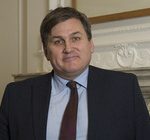
  • Sadiq Khan – 2022 Comments on Cool Spaces in London

    Sadiq Khan – 2022 Comments on Cool Spaces in London

    The comments made by Sadiq Khan, the Mayor of London, on 17 June 2022.

    London in summer can be delightful but as temperatures rise it is vital we look after our own health and that of our friends and neighbours.

    The people most at risk are the most vulnerable Londoners, including the elderly, those living alone, those with chronic or severe illnesses.

    Common sense precautions can save lives so please stay hydrated and take advantage of London’s 4,000 free refill locations, 100 new water fountains, stay out of the sun either at home or in one of our Cool Spaces and avoid travelling at the hottest times of day if at all possible. With more places to keep cool and top up on free water than ever before, we are building a better and greener London for everyone.

  • Sadiq Khan – 2022 Comments on Free School Meals

    Sadiq Khan – 2022 Comments on Free School Meals

    The comments made by Sadiq Khan, the Mayor of London, on 19 June 2022.

    Free school meals were something my family relied upon – and every child in London deserves that safety net.

    With the summer holidays on the horizon it is essential that the Government act now to reinstate the meal voucher system to give families dignity and nutritional choice over the summer. This should then be followed by the introduction of universal free school meals for all primary school children from the start of the new school year in September.

    Multiple London councils are already leading the way on this and showing what can be done if we put the health and wellbeing of our young people first in such perilous economic times. It is time for the Government to step up.