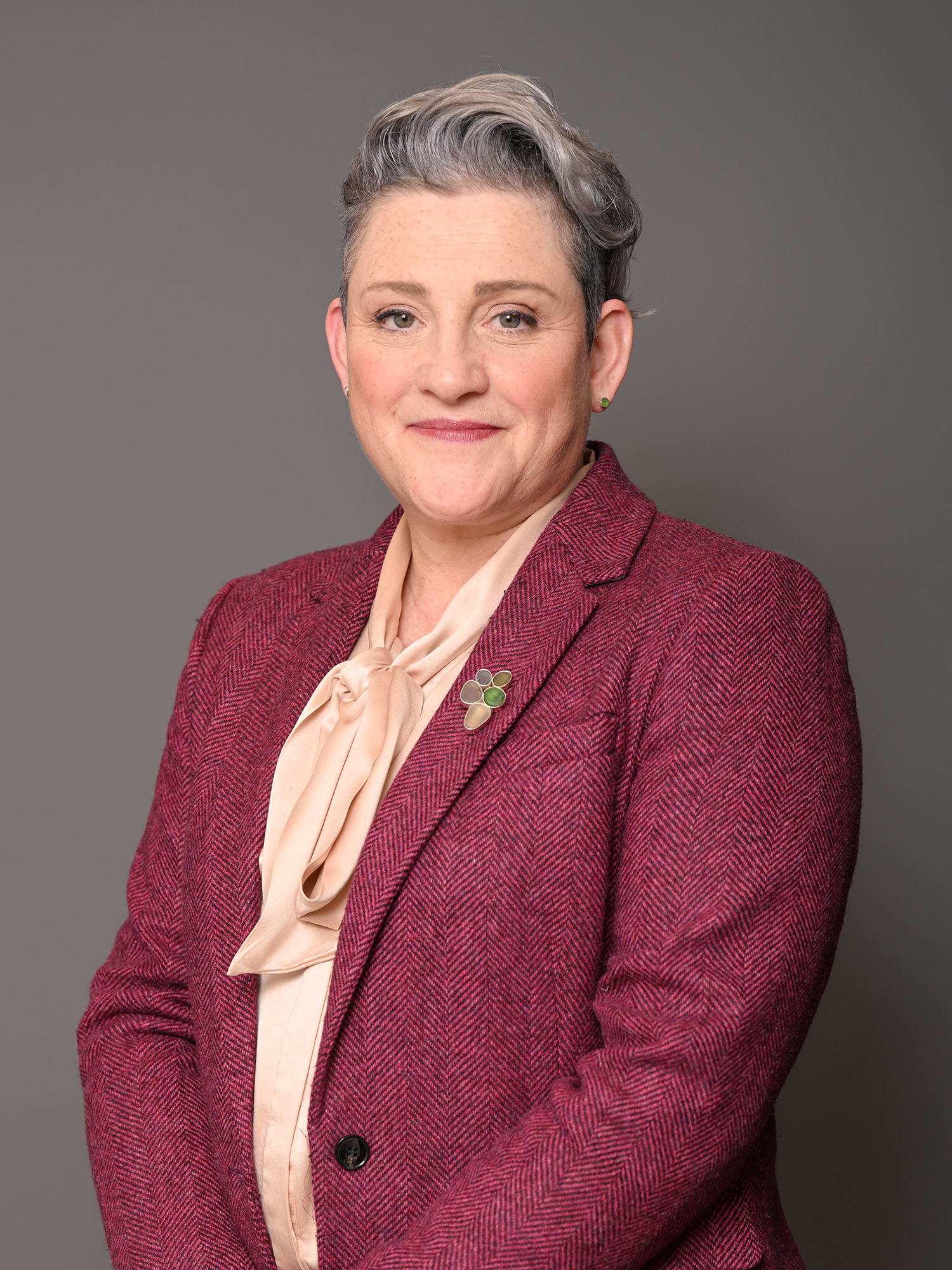
The statement made by Ashley Dalton, the Parliamentary Under-Secretary of State for Health and Social Care, in the House of Commons on 5 February 2026.
With permission, I will make a statement on the Government’s national cancer plan for England.
A cancer diagnosis changes you forever. When I was diagnosed with metastatic breast cancer 18 months ago, I did not know whether I would be alive today, never mind standing at this Dispatch Box announcing a national cancer plan, but one year ago almost to the day, the Prime Minister asked me to do just that. Since the Government took office, over 212,000 more people are getting a cancer diagnosis on time, over 36,000 more are starting treatment on time, and rates of early diagnosis are hitting record highs. Despite those vital signs of recovery, though, the NHS is still failing far too many cancer patients and their families. That is why first and foremost, this plan is a break with the failure of the past 15 years.
In 2011, the coalition Government published “Improving Outcomes: A Strategy for Cancer”. That strategy was followed in 2016 by “Achieving world-class cancer outcomes: a strategy for England”. In 2019, the long-term health plan for England made cancer a priority and included a headline ambition to diagnose 75% of cancers at stages 1 and 2. However well-intentioned they were, not one of those strategies has lived up to its promises. Cancer mortality rates in the UK are much higher than in other, comparable countries, while survival rates are much lower. Cancer incidence is around 15% higher than when the 62 day standard was last met, and working-class communities are being failed most of all. The most deprived areas, including rural and coastal communities, often have fewer cancer consultants, leaving patients waiting longer. This all adds up to the chilling fact that someone living in Blackpool is almost twice as likely to die young from cancer than someone living in Harrow. Wherever in our country a person lives, they deserve the same shot at survival and quality of life as everyone else. Wealth should not dictate their health, and neither should their postcode.
Behind these statistics are real people. I have heard from those whose care lacked empathy and dignity, from those whose cancer was missed or whose test results were lost, from those who were passed from pillar to post and kept in the dark about their condition, and from those whose loved ones died before their turn came for surgery because the wait was too long. Those experiences are unacceptable—they are devastating. From day one, I was determined to put their voices front and centre of our plan. Over the past year, we have listened to and learned from cancer charities, clinicians and, most importantly, patients and their families. Every action is a response to someone’s lived experience. Every commitment is a promise to transform someone else’s life. Their stories have become the blueprint to make the biggest improvement in cancer outcomes in a generation.
Three major themes stood out from the 11,000 responses to our call for evidence, some 9,000 of which came from patients and their carers: core performance standards, improved survival, and quality of life after diagnosis. Those are not radical ideas, but unlike previous strategies, this plan is not limited to incremental improvement. Instead, it is an ambitious, bold plan to save 320,000 more lives by 2035, which will be the fastest rate of improvement this century. We will do that by modernising the NHS, harnessing the power of science and technology, putting our patients at the front of the queue for the latest medicines, and helping them to live well after diagnosis, not least for people diagnosed with stage 4, metastatic and incurable cancers—people like me.
How do we get there? We are placing big bets on genomics, data and artificial intelligence, as set out in our 10-year plan for health. We will hardwire the three shifts of our 10-year plan into cancer pathways. First, on moving from analogue to digital, we heard from patients about the importance of clinical trials, so we will make the UK one of the best places in the world to run a trial with a new cancer trials accelerator. We will start people’s care earlier using liquid biopsy tests, which can return results up to two weeks faster than conventional testing. We will harness AI to read scans, plan radiotherapy and identify the right path for each patient. We will harness genomics so that every eligible patient has access to precision medicines. We will harness data to make sure that all metastatic disease is counted properly—starting with breast cancer—so that people with incurable cancer are properly recognised and supported. When people are not counted, they feel like they do not count, but we will end that.
Innovation will also help us fight inequalities and make the shift from sickness to prevention. We will turn the NHS app into a gateway for cancer care. By 2028, it will host a dashboard for cancer prevention, with access to tests and self-referral. By 2035, it will bring together genomic and lifestyle data with the single patient record to advise every patient according to their risk. That will benefit people in rural and coastal communities who can find it difficult to access specialist care simply due to geography.
Finally, we will use the neighbourhood health service to make the shift from hospital to community. That will mean more care, from prehabilitation to recovery support, delivered closer to home. We will help people live well with cancer through tailored support closer to home. People will be given personal cancer plans, named neighbourhood care leads and clear end-of-treatment summaries so that no one feels abandoned after their treatment.
For too long, those with rarer cancers have seen little to no progress for many of their conditions. They told us we need a special focus on these cancers, and our plan sets out how they will benefit from the deployment of genomics, early detection and the development of new treatments. That was asked for by patients and will be delivered by this Government. I pay tribute to my hon. Friend the Member for Mitcham and Morden (Dame Siobhain McDonagh) for her campaigning in memory of her late sister Margaret. We should also remember that the late Tessa Jowell raised this issue in 2018, and her family have campaigned ever since.
Our plan also gives pride of place for children and young people. We will improve their experience of care at every level, from hospital food to youth worker support and play support. I pay tribute to my hon. Friend the Member for Leyton and Wanstead (Mr Bailey) for his campaigning on that point. Our children and young people cancer taskforce asked for support with travel costs, because when someone’s child has cancer, the last thing they should worry about is how they will pay for their train ticket. Today, I can announce that we will fund those travel costs.
Alongside rare and less common cancers, we will make research for children and young people a national priority. I take this moment to thank the children, young people and families who made up our children and young people cancer taskforce. It was a pleasure and a privilege to meet them earlier this week. I thank the many families and loved ones of people lost too soon who continue to fight to make change for others. I am so grateful to them, and I want people to hear their voices as they read the plan, because it is rooted in the voices of patients, families, clinicians and charities. It will turn cancer from one of this country’s biggest killers into a chronic condition that is treatable and manageable for three in four patients. It delivers the ambition of the 10-year health plan, embodies this Government’s three shifts and sets a clear path towards earlier diagnosis, faster treatment and world-leading survival rates by 2035.
This plan does not belong to the NHS, and it does not belong to the Government; it belongs to us all. We all must play a part in making it work. Over the past year, I have met the patients, families, carers, clinicians, researchers, cancer charities and voluntary groups who all contributed to our plan. This Government is on their side. We wrote this with them, and we cannot deliver it without them. Let us do it together. I commend this statement to the House.