Tag: Steven Bonnar

  • Steven Bonnar – 2022 Speech on the Cost of Food

    Steven Bonnar – 2022 Speech on the Cost of Food

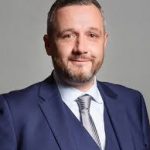
    The speech made by Steven Bonnar, the SNP MP for Coatbridge, Chryston and Bellshill, in Westminster Hall, the House of Commons, on 14 December 2022.

    It is a pleasure to see you in the Chair, Mr Gray. I thank the hon. Member for Liverpool, West Derby (Ian Byrne) for bringing forward this debate and I pay tribute to the tremendous work he has been doing to tackle hunger. Alongside fans of his beloved Liverpool, as well as Everton fans, his Right to Food campaign has helped tackle the food insecurity faced by 11 million people across the United Kingdom.

    The Scottish Government allocated almost £3 billion this financial year to help households facing the Tory-induced cost of living crisis, including £1 billion to providing services and financial support not available anywhere else in the United Kingdom. That included increasing the Scottish child payment by 150% in fewer than eight months, to £25 per child per week for those aged between 6 and 15. However, most of the key policies and fiscal levers are held here by this UK Government, given that over 85% of welfare policy is reserved. We continue to press the UK Government, who have all the levers at their disposal, to tackle this emergency on the scale required, including enabling access to borrowing, providing an uprate in benefits and offering extra support to households.

    Unlike the Tories, the Scottish Government rightly see food as a basic human right. Everyone should be able to afford the food they need to sustain a healthy life. The Tories have not only taken a wrecking ball to our economy but are decimating the chances for working people, who are often working multiple jobs, to put food on the table for themselves and their families.

    The charity Action for Children has unearthed heartbreaking stories of the current cost of living crisis, including the fact that 25% of young people are donating their own pocket money to help their parents through the festive period. Other parents are having to rely on their children’s leftovers, and many families are simply going without. How shameful is that? In my own constituency, I hear personal stories of vulnerable people not leaving their beds because of the price of energy and the current Arctic snap. A constituent contacted me yesterday in a cry for help after spending the last four days in temperatures of minus 8° without any money to heat her home or heat up the homemade soup she had received from a neighbour.

    This is a crisis—a food crisis— and one that has been exacerbated under the Tories. Food bank usage has soared over the last 12 years, and yet they turn up gleefully, scissors in hand, to cut the ribbons and open new food banks—or should I say pantries, as the Leader of the House has been referring to them lately? This is terrible stuff. The Trussell Trust revealed that 1.3 million emergency food parcels were provided to people by food banks between April and September this year, and almost half a million of those went to children. Is this truly the society we now consider acceptable?

  • Steven Bonnar – 2022 Speech on Aortic Dissection

    Steven Bonnar – 2022 Speech on Aortic Dissection

    The speech made by Steven Bonnar, the SNP MP for Coatbridge, Chryston and Bellshill, in Westminster Hall, the House of Commons, on 13 December 2022.

    It is a pleasure to see you in the Chair today, Mr Pritchard.

    I begin by paying tribute to the hon. Member for Mid Derbyshire (Mrs Latham), not only for securing this debate, but for the strength and courage she has shown in leading it. My thoughts and those of all in my party are with her and her family after the tragic loss of her son, Ben. May he rest in eternal peace.

    No parent should witness the loss of their child, and I welcome the positive and heartfelt contributions from across the House today about taking more effective action in preventing this disease. As we have heard, 2,000 people a year in the United Kingdom lose their lives from aortic dissection. It is a treatable condition; indeed, it has a better than 80% survival rate when it is diagnosed and treated in time. Yet today, in the year 2022, 50% of people who are struck by this condition ultimately lose their life.

    The British Heart Foundation has done a tremendous amount of work in this particular area, and I thank it for its dedication. In Scotland, the BHF has worked alongside the Scottish Government, Members of the Scottish Parliament and local NHS boards to champion all those who are working to beat heart and circulatory disease. Through their record-high health funding, the Scottish Government have supported and will continue to support health research and innovation, as a vital part of pandemic recovery and their wider aims to improve the health of our populations.

    In 2020, the Scottish Government announced a one-off £75 million increase in funding for Scottish universities to ensure that they can protect their world-leading research programmes against the financial impact of covid-19 and the other crises that we are having to live through, whether it be the food crisis, the energy crisis or everything else. That significant intervention helped to secure the jobs and training needed to support ongoing and future research work.

    Dr Alex Fletcher is leading a study on behalf of the University of Edinburgh that is monitoring around 60 patients at risk of dissection, which aims to develop a more effective screening tool. That study could not have been conducted without the SNP Scottish Government recognising the important work and impact of medical research charities, and I urge the UK Government to uplift support for medical research to ensure that vital studies can continue and more positive breakthroughs can be made.

    However, research is not enough. The strategic direction of the UK Government must change if they are truly committed to supporting those with aortic dissection. This is particularly the case when the covid-19 pandemic has brought an even greater need for action into sharp focus. The pandemic had a significant impact on people with heart disease and on the services that support them.

    In recognising that material societal change, the Scottish Government have published their heart disease action plan, supported with an investment of £2.2 million. The four priorities of that plan are prevention, timely diagnosis, treatment and care, and workforce.

    The Scottish Government have outlined the importance of providing appropriate support to enable people with heart disease to live well with their condition. That means identifying ways to support people experiencing the emotional and psychological impacts of heart disease, and giving as many of them as possible access to specialist support, including vital rehabilitation services and, wherever necessary, supporting access to palliative care.

    These measures may seem simple, but they are fundamental to helping minimise the presence of heart disease within our communities. I encourage the Minister to follow the Scottish Government’s footsteps, and to learn and share best practice methods to ensure that aortic dissection cannot continue to blight people’s lives, and have a difficult and lasting impact on their families.

  • Steven Bonnar – 2022 Speech on the Government’s Preparations for Industrial Action in the NHS

    Steven Bonnar – 2022 Speech on the Government’s Preparations for Industrial Action in the NHS

    The speech made by Steven Bonnar, the SNP MP for Coatbridge, Chryston and Bellshill, in the House of Commons on 12 December 2022.

    Scotland’s First Minister has managed in one day to do what the Tory Government could not—agree with the nursing unions to call off strikes planned for this month. NHS workers are the backbone of these countries. If they do not work, the country does not work, and if the country is not working, it is broken. Britain is broken, is it not? And Brexit has broken Britain, has it not? The Tories will not negotiate and the Labour Opposition spokesperson has branded the British Medical Association as “hostile”, while in Scotland the strikes are off, and they are off permanently. An offer of 7.5% has been negotiated and agreed, with an 11.24% pay rise for the lowest paid across the board in NHS Scotland. Why are the UK Government refusing to give public servants a decent pay increase when they have all the financial power to do so?

    Will Quince

    I thank the hon. Gentleman for his question. My understanding is that the industrial action in Scotland has been suspended, not cancelled, as the hon. Gentleman suggested. The Scottish Government have made a considerably higher offer, partly because a politician has got involved in pay negotiations, directly in contrast to the independent pay review body, and it will be interesting to see whether the First Minister of Scotland is going to do this every single year and go against the recommendations of their pay review body.

    Would the hon. Gentleman like to confirm—I appreciate he cannot do it now—whether the Scottish Government have also looked at things such as leave and working times? I think it is important to stress that every 1% increase for the “Agenda for Change” workforce equates to about £750 million. That is £750 million that will come out of the NHS budget and that we will not be able to spend on things such as tackling the elective backlog, which is so important to people up and down the country.

  • Steven Bonnar – 2022 Speech on Employment Rights

    Steven Bonnar – 2022 Speech on Employment Rights

    The speech made by Steven Bonnar, the SNP MP for Coatbridge, Chryston and Bellshill, in the House of Commons on 6 December 2022.

    I beg to move,

    That leave be given to bring in a Bill to make provision about employment rights, including the right to request more predictable terms and conditions of work; to amend the definition of worker; and for connected purposes.

    Fairness, compassion and equality are not only the basics that should be afforded to each and every working person across these islands, but how we can measure the effectiveness of Governments for those they serve. The covid-19 pandemic has highlighted the many failings in legislative rulings on the workplace in this disunited kingdom. Working people have found that their workplace rights have not secured their jobs and incomes, their livelihoods or their health. Hundreds of thousands of people actually have few of the rights that Parliament has legislated an employee should have, such as the right to a minimum wage and protection against unfair dismissal. For far too many, persistent, undignified and unfair working practices remain their reality.

    Workers’ rights are not a priority for this, or indeed any, Westminster Government. Despite committing to an employment Bill on at least 20 occasions so far, Ministers have shelved the legislation at each and every turn. Five years on from the Taylor review, we are yet to see action from the UK Government on improving workers’ rights. The omission of the long-anticipated employment Bill from the Queen’s Speech was yet another missed opportunity.

    Last week, during Prime Minister’s questions, in relation to the Retained EU Law (Revocation and Reform) Bill, my right hon. Friend the Member for Ross, Skye and Lochaber (Ian Blackford) said that

    “it is such a sad sight to watch this Prime Minister ram through a Bill that would rip up 4,000 pieces of European law—laws that protect workers’ rights, food standards and environmental protections.”—[Official Report, 30 November 2022; Vol. 723, c. 895.]

    He was right. If the Tories were intent on protecting workers’ rights, they would simply retain and maintain those that were already enshrined in EU law. Of course, we know that they are either too proud or too pig-headed to admit that some EU law was good law and effective law, and that it protected our workforce. Instead, the Tories power it through, ignoring the fact that Brexit is the greatest political act of self-sabotage in the history of this state, and they further allow workers’ rights to degrade and for hard-working individuals to see their personal circumstances diminish.

    If working people are to have a meaningful voice in setting the terms and conditions of their employment, and if callous unilateral decision making is to be stopped, questionable employers must be held to account. Remarkably, we find ourselves in the 21st century fighting 19th-century battles, despite the obscene wealth, progress and sophistication enjoyed by the few at the expense of so many. Under the Tories, the UK already has the highest levels of in-work poverty this century—poverty that disproportionately impacts on people facing high living costs, such as single parents, disabled people and people with caring responsibilities.

    The Tory-made cost of living crisis is only further exacerbating matters. The Fawcett Society has said that women face “double trouble” because of the combined impact of the cost of living crisis and the difference in their pay compared with that of men. Research shows that in 2022 women will take home, on average, £564 less than men each and every month, and they are far more likely to be in low-paid employment. The Resolution Foundation has also found that low-paid work is often of poor quality, stressful and unfulfilling, and job satisfaction among the lowest earners fell from over 70% in the early 1990s to 56% as early as 2019. These are damning statistics.

    Employers often try to persuade workers of the benefits of a lesser contractual status on the basis that it provides flexibility for the worker, but this is a false argument, since legal status has nothing whatsoever to do with whatever flexibility options employers confer on their workers. Flexibility can just as easily be enjoyed by employees if the employer is prepared to concede it.

    This all points to a complete lack of consideration for employee lifestyle within the recommended practices placed on workplaces by this UK Government. Workplaces across the United Kingdom have been systematically plagued for years now by zero-hours contacts or work on demand-only requirements, while flexible contractual terms give wide-ranging powers to companies to dictate when, where and how work is to be done.

    The emergence of fire and rehire as a corporate tactic is particularly galling to any of us from a true working-class tradition on the SNP Benches. My hon. Friend the Member for Paisley and Renfrewshire North (Gavin Newlands) has submitted two Bills to this Parliament seeking to outlaw fire and rehire practices, with the support of over 100 MPs and the backing of all major trade unions. This UK Government sit idle. In the meantime, collective bargaining coverage has plummeted, collective agreements now reach fewer than one in four workers, which is lower than at any time in the last 100 years. Those are damning statistics. This Bill seeks to ban the callous and sinister practice of fire and rehire once and for all.

    The right to strike is constrained by unparalleled restrictions, although workers are now heroically voting in their millions to overcome them. It is no surprise that those working people’s share of the nation’s wealth continues to decline as poverty and inequality continue to increase, threatening the very basis of our threadbare democratic institutions. The differing rates of pay for young people are wholly unjust and discriminatory, and do not take account of people’s personal needs, responsibilities and living circumstances. A day’s work is a day’s work. The age of the person delivering that work should be of no relevance; only the quality of the work itself.

    While the setting of the minimum wage is reserved to this place, the Scottish Government continue to encourage businesses in Scotland to pay the real living wage through their Fair Work principles. The SNP also continues to oppose current rules on statutory sick pay, which fall far short of meeting a dignified standard of living and are not flexible enough to meet the real-life needs of real people. We have repeatedly called on the UK Government to increase SSP in line with a real living wage, and make it available to everyone by removing the requirement to be a qualified worker, removing the earnings requirement, and extending it to 52 weeks. Scotland’s ability to tackle unfair working practices and fully protect workers’ rights remains limited while employment law is reserved to this place.

    Unaccountable power is unacceptable when exercised by the state, and it is no more acceptable when exercised by rogue employers. The measures proposed in a private Member’s Bill that was laid before the House by my hon. Friend the Member for Glasgow South West (Chris Stephens) aim to strengthen protections for workers with unfair contracts, including those with bogus self-employment and zero-hours contracts. I call on the UK Government either to get behind my hon. Friend’s Bill or to bring forward their own legislation to give millions of workers the same protections that are enjoyed by our friends and counterparts across Europe.

    Scotland has everything it takes to be a hugely successful, self-governing, self- sustaining nation, and then we have so much more on top of that—only the staunchest Unionist would disagree. Yet Westminster control has held us back while comparable countries of a similar size go on to prosper. Relative to the UK, comparator nations have fewer people in gainful employment who are at risk of poverty. In the UK, 10.4% of those in work are at risk of facing poverty. In Belgium, Iceland and Finland, the figures sit below 5%. Furthermore, fewer employees are working long hours, with only 0.3% of workers in the Netherlands working more than 50 hours a week, compared with 10.8% of the UK’s population—those are damning statistics. Having the highest percentage of those employed experiencing in-work poverty should prompt this Government to act.

    The UK under Conservative rule has experienced the largest wave of workers’ strikes in decades, and we now know that more is planned well into the new year. Protecting workers’ rights has never been, and will never be, a priority for this UK Government, who attempt to water down workers’ rights and take away any remaining dignity at every opportunity. Those practices, and this callous and uncompassionate culture, must end now. I urge the House to support a new dawn for workers everywhere—one that respects them, and holds their rights to the very highest standard.

    Question put and agreed to.

    Ordered,

    That Steven Bonnar, Stephen Flynn, Mhairi Black, Colum Eastwood, Amy Callaghan, Jim Shannon, Patricia Gibson, Dave Doogan, Pete Wishart, Owen Thompson and Chris Stephens present the Bill.

    Steven Bonnar accordingly presented the Bill.

  • Steven Bonnar – 2022 Speech on World AIDS Day

    Steven Bonnar – 2022 Speech on World AIDS Day

    The speech made by Steven Bonnar, the SNP MP for Coatbridge, Chryston and Bellshill, in the House of Commons on 1 December 2022.

    I join all Members in commending the hon. Member for Brighton, Kemptown (Lloyd Russell-Moyle) for leading this debate and for informing us so well on a subject on which he is such a powerful crusader and advocate. I thank him and commend him for his contribution today.

    Today, 1 December, is the annual World AIDS Day. From the inaugural World AIDS Day in 1988, the first ever global health day, until today, it has given an opportunity for people worldwide to unite in the fight against HIV, to show support for people living with HIV and to commemorate those who have, sadly, lost their lives as a result of AIDS-related illnesses. More than 105,000 people are living with HIV in the UK, and globally an estimated 38 million people have the virus. Despite the fact that the virus was only identified in 1984, more than 35 million people have died of HIV or AIDS-related illnesses, making it one of the most destructive pandemics ever known.

    Each year in the UK more than 4,000 people are diagnosed with HIV. Many people do not know the facts about how to protect themselves and others, and stigma and discrimination remain a reality for so many people who are currently living with this condition. About 6,000 people in Scotland are living with AIDS, according to Health Protection Scotland data, and 98% of those attending HIV specialist treatment and care were receiving antiretroviral therapy—ART. In 95%, the virus cannot be detected in their blood, meaning they have an undetectable viral load and cannot transmit HIV. We know that many within our society are still largely unaware of the disease and the risks of it. A recent survey from the National AIDS Trust found that only 16% of people surveyed knew that if someone with HIV is on effective treatment, they cannot pass on HIV and can expect to live a long, happy, healthy and fulfilling life.

    HIV continues to be a major public health crisis both in the UK and across the world, as we have heard today. Although we know that HIV disproportionately impacts segments of the LGBTQ+ community, the two issues should not be conflated; HIV is by no means confined to LGBTQ+ communities or certain black or ethnic minority communities. The fact is that anyone, regardless of sexual orientation, gender, age or any other factor, can acquire HIV or AIDS.

    We in Scotland are extremely proud to be the first country in the UK to make PrEP available free of charge to those at a high risk of acquiring HIV. We have made huge progress in detecting and treating HIV, and people with the virus are able to live those long, happy and fulfilling lives. PrEP is free of charge from NHS Scotland for anyone who is more at risk of getting HIV. As we have heard from the hon. Member for Brighton, Kemptown, it is simply an oral medicine, in pill form, comprising two HIV antiretroviral drugs. It is prescribed to HIV-negative people at risk of becoming infected as part of a comprehensive approach to HIV prevention. We know that the drug is highly effective at stopping HIV from being passed on. In clinical trials, PrEP has been shown to reduce the risk of sexually transmitted HIV by between 75% and 86%, so it is hugely successful. Research lead by Glasgow Caledonian University’s Professor Claudia Estcourt shows there has been significant reduction in HIV infections since the implementation of the first PrEP programme in Scotland in July 2017, and that new diagnoses in Scotland have fallen by 20%.

    The SNP Scottish Government will continue work to reduce the stigma of HIV, raise awareness of the condition and reduce its transmission. Support is being provided for new research on reducing transmission of the virus, and a separate working group will also look at the clinical utility of PrEP in Scotland.

    The SNP Scottish Government have also provided £337,000 to develop a national online service for sexually transmitted infections and blood-borne viruses, which will allow people to request a test online and conduct that home self-sampling that we have heard about today from across the House. Every tool possible will be required in our fight against HIV/AIDS. These are all excellent tools and the Scottish Government remain committed to being on course to reach their target of eliminating HIV transmission in Scotland, and across the rest of the UK, by 2030.

    As a fierce defender of minorities in this place, I must also mention the plain fact that many of those living across these nations with HIV are vulnerable. Some experience language, faith and cultural barriers associated with long-standing stigma, while others have complexities, such as mental health and societal issues, that impact their access to health and social care services, leading to poorer health outcomes. As we are all too aware, socio-economic inequalities drive health inequalities. Will the Minister outline the steps being taken by his Government to mitigate the impact of austerity and reduce inequality for all our minority communities?

    The Government need to take an intersectional approach to healthcare—an approach that recognises that many people in the United Kingdom will face multiple and often overlapping disadvantages and barriers to accessing good healthcare, and sometimes, as we have heard, a postcode lottery.

    Finally, on the matter of funding, the SNP is once again calling on the UK Government to reverse, in effect, the 83% cut to UNAIDS funding, which is a consequence of their decision to cut the aid budget from 0.7% to 0.5% of our GDP. On 31 Oct 2022, the UK Government missed the deadline to donate to the Global Fund to Fight AIDS, Tuberculosis and Malaria. At the time, Mike Podmore, UK Director at STOPAIDS, said:

    “The UK is acting as an unreliable partner and preventing the Global Fund from communicating clearly to its grantees about what funding is now available for them to work with, creating uncertainty.”

    The consequences of that action could be immeasurable when it comes to the number of lives affected. Although the UK did provide some funding, it was £400 million less than in 2019. Again, we in the SNP call on the UK Government to do the right thing. The aid budget must be restored to its 0.7% level, especially if the UK does not want to be known as an unreliable partner among its counterparts.

  • Steven Bonnar – 2022 Speech on the Avian Influenza Outbreak

    Steven Bonnar – 2022 Speech on the Avian Influenza Outbreak

    The speech made by Steven Bonnar, the SNP MP for Coatbridge, Chryston and Bellshill, in Westminster Hall, the House of Commons on 30 November 2022.

    It is a pleasure to see you in the Chair this morning, Sir George. I thank the right hon. Member for Maldon (Sir John Whittingdale) for securing this important and timely debate, and for informing us all so well about the current avian influenza outbreak in the UK and further afield. I thank all hon. Members for their contributions to the debate.

    The latest outbreak of avian flu, commonly known as bird flu, is the largest and most invasive we have seen in the UK to date. The highly virulent H5N1 strain of the disease has meant that the virus has lingered persistently in wild and farmed birds since October 2021, even during the summer months, with no slowing down or dissipation of the virus due to its high pathogenicity. It is affecting wild bird populations as well as commercial or farmed birds and, of course, backyard flocks as well.

    Each member nation of the United Kingdom has handled the epidemic similarly, with avian influenza prevention zones being declared across the four nations to mitigate the risk of the disease spreading among poultry and other farmed birds. From Monday 17 October, it became a legal requirement for all bird keepers in the United Kingdom to follow strict viral security measures to help protect their flocks from the threat of avian flu. In early November, DEFRA and its Irish counterpart introduced a mandatory requirement to house all farmed birds in England and in the Republic of Ireland. We in the SNP welcome continued cross-border collaboration on both islands of Britain and Ireland to mitigate the risk of bird flu. The outbreak emphasises the need for pan-European and international co-operation on pandemic issues, now and in the future.

    Turning to the Scottish perspective, in July, the Scottish Government agency, NatureScot, announced it was setting up a taskforce to respond to bird flu. That followed outbreaks over the spring and summer months among our wild bird populations around Scotland’s coastlines. The main birds affected at that point were gannets, skuas, geese and gulls. Shetland was one of the worst affected areas, with carcases also found from the Mull of Galloway to St Kilda and East Lothian. The number of contact zones in place in Scotland has risen from six to nine as the risk of exposure increases.

    Scottish Government veterinary advice is that the current risk from avian influenza in Scotland does not justify mandatory housing of commercial birds, as has been announced in England, Wales and Ireland. Scotland’s chief veterinary officer, Sheila Voas, states that the evidence in Scotland does not currently justify a housing order being imposed:

    “Whilst we are keeping the situation under review we don’t believe the evidence, as yet, justifies mandatory housing here. We are keeping an eye on number of cases, we’re keeping an eye on wild bird results coming through and if the position substantially changes here then we may choose to go to a housing order as well.”

    Ms Voas added that keeping birds indoors should not be seen as a silver bullet for tackling avian flu and that other measures, such as keeping feed and bedding away from wild birds, can also be effective. I reiterate that the situation is being monitored and kept under constant review, and all breeders should be concerned and take whatever precautions they can to keep their flocks safe.

    Jim Shannon

    I am not being critical of what the hon. Gentleman is saying, but I do have some concerns. Scotland has decided not to house its birds in the way that has been decided in the rest of the United Kingdom, and indeed in the Republic of Ireland, but it seems to me to be logical that we all work together, as the hon. Member for Lancaster and Fleetwood (Cat Smith) said. The hon. Gentleman knows that I am not being critical, but we need to have a policy that we can all agree on for the betterment of us all.

    Steven Bonnar

    I thank the hon. Member for his intervention and I appreciate the points he has made. I think that DEFRA and the Scottish Government have an excellent working relationship, and work collaboratively across all areas to ensure the safety of our industries at all times. However, I must say that I think it is extremely rich, considering that we are coming off the back of a human pandemic that has seen hundreds of thousands of lives lost across the UK, when the Government were putting people back to work and telling people to eat out to help out, against the wishes of the Scottish Government. There was no such collaborative working then and there was no such good will coming forth from the UK Government.

    David Duguid

    I was about to ask to intervene just before the hon. Member for Strangford (Jim Shannon), so I will not comment on the most recent comments made by the hon. Member for Coatbridge, Chryston and Bellshill (Steven Bonnar), but I welcome his remarks about how the situation is being kept under review. I plan to meet—hopefully very soon—the chief veterinary officer for Scotland, Sheila Voas, who he mentioned. Does he share my concern, particularly as the most recent outbreaks are in my constituency and are very concentrated—although across Scotland it may look like there are not a lot of outbreaks on average, there is such a highly concentrated and focused series of outbreaks in one area—that housing orders, perhaps even in one location, may be required?

    Steven Bonnar

    I have a lot of sympathy with the hon. Gentleman’s point. This is a concern for every Member of Parliament, across all four nations of the UK. Of course there are specific outbreaks in his area. I am glad that he is meeting our chief veterinary officer. I am always quite willing and able to take the advice of the experts on these matters. The current advice from the Scottish Government is that mandatory housing is not yet required in Scotland, and I am quite happy to maintain that position.

    Cat Smith rose—

    Sir George Howarth (in the Chair)

    Order. Before the hon. Lady intervenes, can I just point out that I will call the Opposition spokesman shortly and I think the hon. Gentleman is about to run out of time?

    Cat Smith

    Thank you, Sir George; I will be brief.

    I do see a contradiction between the hon. Gentleman’s party’s approach to the human pandemic of covid and the approach it is taking now, by which it is trying to protect farmers in Scotland. I draw his attention to the fact that his party is in government in Scotland and the hon. Member for Banff and Buchan (David Duguid) has pointed out that many of his constituents have had outbreaks. Frankly, it seems that there needs to be a little bit more compassion from the hon. Member for Coatbridge, Chryston and Bellshill (Steven Bonnar) about the devastation that this disease is having on the livelihoods of Scottish farmers.

    Steven Bonnar

    I take the hon. Lady’s comments on board. I disagree with her comments about compassion; I am very compassionate about animal welfare right across the board, and of course I have compassion for anybody’s constituents in Scotland who are affected by this situation.

    I will move quickly on. Sadly, more than 100,000 birds have had to be culled at three Scottish farms so far. The National Farmers Union of Scotland has revealed that 72,000 birds had to be taken out at two farms in Aberdeenshire, while down in Ayrshire farmer Billy Robb has lost 32,000 hens in the past week. This is devastating for all those concerned with the keeping of animals and it has a profound effect on people in the farming community. As we heard at the EFRA Committee yesterday, livelihoods have indeed been lost due to the outbreak.

    Of course, it can also be concerning for members of the general public when they come across dead birds Just last week, 23 swans were found dead in and around Hogganfield Loch—a well-renowned and much-loved nature reserve, which borders my constituency and is frequently utilised by my constituents in the Stepps area. The severity of the outbreak has limited public access to the surrounding paths and advice has been given to people to avoid bringing dogs to the area, as they can also be at risk of infection.

    The risk of incursion to wild birds of highly pathogenic avian influenza has remained very high. NatureScot launched a surveillance network in October to track migrating geese and wintering waterbirds arriving in Scotland. Alastair MacGugan of NatureScot said:

    “As we head into the winter months, we are still very concerned about the potential impact of avian flu on our wild bird populations and we remain vigilant to ensure we can respond to the evolving situation. We’re monitoring wintering goose populations very closely for avian flu and are working with colleagues in Iceland and Norway to identify cases in migrating populations. Here in Scotland, we’ve set up a network of site managers and volunteers to provide real-time reporting on what is happening out in the field, helping us take swift and targeted decisions.”

    I will turn briefly to consumption. It is important to stress that the risk to the general public’s health from avian influenza is extremely low. Food Standards Scotland advised that bird flu poses only a very low food safety concern for consumers, and does not have an effect on the human consumption of any poultry products, including eggs. The Scottish Government are aware of a number of issues affecting egg supply; some shops, including Asda and Lidl, are starting to ration the number of eggs that customers can buy due to supply issues. Although the impact of avian influenza on all commercial flocks is a consideration, the cost of living increases and a number of other issues, such as labour shortages across all sectors of the industry, feed into that. It was refreshing to hear a Conservative MP identify that Brexit has caused a severe shortage in the workforce, and that a fuller workforce would have helped to combat the outbreak.

    As we head towards the Christmas period, people might be wondering whether any of the 10 million turkeys, 200,000 geese and 100,000 ducks, which are sold to some of the highest standards in the world each year, will be available as normal. The answer to that is yes. Of course there concerns, but about 50% of those tasty festive dinners are sold frozen, and the industry has managed the situation very well by carrying out early plucking, and using industry standard freeze and thaw processes.

    We can all play our part in combating this outbreak of bird flu. I will finish with some advice for my constituents in Coatbridge, Chryston and Bellshill and people across Scotland. If they encounter any dead birds, they should not touch them, but should report the findings of the following: a single dead bird of prey, three dead gulls or winter waterfowl, such as swans, geese or ducks, or five or more dead wild birds of any other species at the same time and in the same place. Any such findings should be reported to DEFRA’s UK-wide telephone number, which is 0345 9335577. In addition, although wild birds of high-risk species cannot be taken directly to Scottish Society for Prevention of Cruelty to Animals animal rescue centres, sick or injured wild birds in Scotland should be reported to the SSPCA via its telephone number, which is 0300 099 9999.
  • Steven Bonnar – 2022 Speech on Pancreatic Cancer Awareness Month

    Steven Bonnar – 2022 Speech on Pancreatic Cancer Awareness Month

    The speech made by Steven Bonnar, the SNP MP for Coatbridge, Chryston and Bellshill, in the House of Commons on 8 November 2022.

    It is a pleasure to see you in the Chair, Mr Hollobone. I congratulate the hon. Member for Strangford (Jim Shannon) on securing this debate on Pancreatic Cancer Awareness Month and setting out matters in such great detail for us. We have heard from hon. Members about a wide range of issues faced by constituents across the nations of the UK in dealing with this type of cancer. The hon. Member for Stroud (Siobhan Baillie) spoke of how well informed her constituents are and the asks they have of the Government in this area. My hon. Friend the Member for East Dunbartonshire (Amy Callaghan) spoke of her constituent Barbara and her experience of NHS services failing to identify and diagnose her cancer in time. We also heard from the hon. Members for East Londonderry (Mr Campbell), for Upper Bann (Carla Lockhart) and for Carshalton and Wallington (Elliot Colburn), and I thank all Members for their contributions.

    November is Pancreatic Cancer Awareness Month and 17 November is World Pancreatic Cancer Day 2022. It is so important to raise awareness through these days and through our debates to improve early diagnosis by ensuring that more people know the early symptoms of pancreatic cancer. It has the lowest survival rate of all common cancers and is the deadliest common cancer in Scotland and across the United Kingdom. There are around 10,500 new cases in the UK each year. That equates to 29 cases every single day. It is the 10th most common cancer in the United Kingdom, accounting for 3% of all new cases, and the fifth biggest cancer killer with 9,000 deaths each year. In Scotland, there are around 900 new cases per year, with an incidence rate of 15.5 per 100,000 people.

    Pancreatic cancer is caused by the abnormal and uncontrolled growth of cells in the pancreas—a large gland that is part of our digestive system. In the early stages, a tumour in the pancreas does not cause any symptoms, which can make it difficult to diagnose, as we have heard. Symptoms can vary from person to person and may include jaundice, indigestion, stomach or gut pain, back pain, diarrhoea, constipation or weight loss. Pancreatic cancer is particularly difficult to diagnose early, as we have heard so many times, and Pancreatic Cancer UK reports that 80% of cancer patients are not diagnosed until the cancer is at an advanced stage. While the causes are not clear, it is most common among those aged 75 years and over, with almost half of all new cases diagnosed falling in that age demographic.

    Early diagnosis is crucial to improving survival outcomes, with one year survival rates for those diagnosed at an early stage being six times higher than those diagnosed at stage 4. However, most people with pancreatic cancer are unfortunately diagnosed at that late stage. At present, surgery is the only treatment with curative intent for pancreatic cancer, while chemotherapy and radiotherapy have been shown to improve survival in those with late- stage pancreatic cancer. If it is diagnosed at a late stage, surgery to remove the cancer is usually not possible.

    The Scottish Government are committed to diagnosing cancer as early as possible, which is why they continue to invest in their detect cancer early programme, or DCE, and are rolling out rapid cancer diagnostic services across Scotland. We know the earlier that cancer is diagnosed, the easier it is to treat. That is why the Scottish Government continue to invest in that programme, which adopts a whole-system approach to diagnose and treat cancer as early as possible. They are developing a new plan for early diagnosis as part of their new cancer strategy to be put in place in spring.

    The new 10-year strategy will take a comprehensive approach to improving patient pathways from prevention and diagnosis through to treatment and post-treatment care. That follows on from the establishment of three rapid diagnostic services centres, developed within the NHS infrastructure. The centres are in Ayrshire and Arran, Dumfries and Galloway, and Fife. They will play a key role in delivering early diagnosis and improved care, with fast-track diagnostic testing at the first appointment wherever possible.

    The First Minister announced as recently as 10 October that the next two rapid cancer diagnostic services centres in NHS Scotland will go live in my own NHS board of NHS Lanarkshire and in NHS Borders. Through the NHS recovery plan, the Government in Holyrood have invested £29 million to provide an increase of 70,000 diagnostic procedures next year and 90,000 by the end of the plan in 2026. A new DCE awareness campaign is also under development to empower people with possible cancer symptoms to act early. That is due to be published in spring 2023.

    In Scotland, it has been recognised that the impact of the covid-19 pandemic may have exacerbated inequalities within cancer screening, and the Scottish Government have committed up to £2.45 million to the screening inequalities fund over the past two years. Public awareness campaigns and messages have run throughout the pandemic to encourage those with possible cancer symptoms to seek help. To support scope-based diagnostics, the Scottish Government have published a £70 million endoscopy and urology diagnostic recovery and renewal plan, focusing on key areas such as balancing demand and capacity, optimising clinical pathways, improving quality and efficiency, workforce training and development, and infrastructure and innovation redesign. A further £9 million has been allocated this financial year to support diagnostic imaging capacity, with six mobile MRI scanners and five CT scanners in place across Scotland’s NHS.

    Despite all that work and all the amazing work of charities and activist organisations, and their dedicated supporters, which has been placed on the record today, there is still so much more for us to do. Investment in facilities, improved treatment options and early detection are all necessary, but it is also vital that research into alternative cancer treatments continues and expands. The Scottish Government provided an average of £2 million each year to cancer research causes in the five years before the pandemic, and that remains our priority.

    According to Pancreatic Cancer UK, research into the disease has been underfunded for decades. The charity estimates that pancreatic cancer receives 1.4% of cancer research funding and yet is the fifth biggest cancer killer. Just recently, to mark World Cancer Day, Cancer Research UK delivered a cash injection of £12 million to the Cancer Research UK Scotland centre, supporting the work of cancer researchers from the University of Edinburgh and the University of Glasgow. Professor Ian Tomlinson, who is co-director of the centre, welcomed the finance but highlighted how challenging the previous year had been and the fact that covid-19 has slowed down research.

    Finally, we in the SNP commend all the charities and activist organisations and their dedicated supporters for their tireless efforts to raise awareness of pancreatic cancer. We have called on the UK Government to support Cancer Research UK and other research charities throughout the pandemic, while their funding activities have been curtailed by restrictions, and now in the face of people being more cautious with their money. With the Tory cost of living crisis continuing to undermine people’s financial security and their ability to support charitable efforts, it is more important than ever for the Government to step in and support charities in their work and to directly fund cancer research.

  • Steven Bonnar – 2022 Speech on Scottish Independence and the Scottish Economy

    Steven Bonnar – 2022 Speech on Scottish Independence and the Scottish Economy

    The speech made by Steven Bonnar, the SNP MP for Coatbridge, Chryston and Bellshill, in the House of Commons on 2 November 2022.

    I take the opportunity to remind the House that no asylum seeker raided or looted pension funds, no asylum seeker used fire and rehire tactics to sack an entire workforce, no asylum seeker tanked the economy, and no asylum seeker is illegal.

    I rise to speak in favour of the motion on the Order Paper. The UK that Scotland voted to remain part of in 2014 has gone—Brexit has seen to that. The security and freedoms of our place in the EU, as promised with that no vote, are gone—Brexit has seen to them. The financial stability of the “broad shoulders” of the UK has gone—Brexit continues to see to that. The previous Prime Minister, the right hon. Member for South West Norfolk (Elizabeth Truss), and her Chancellor, the right hon. Member for Spelthorne (Kwasi Kwarteng), assisted with that in a spectacular fashion for all the world to see.

    The Tory cost of living crisis is spiralling completely out of control. It is putting lives and livelihoods at risk, with the poorest households in our communities being hit hardest. The reality is that we can no longer afford not to be independent in Scotland. As things stand, the poorest people in the UK are the poorest people in the whole of western Europe, while the richest in the UK are the wealthiest in the whole of western Europe. That is right: the poorest people in western Europe are in London, not Lisbon or Larne. The hardest working and poorest paid people with the poorest pensions are in Bellshill, not Berlin or Bern.

    That gap between the richest and poorest tells people all they need to know about this right-wing Tory Government and their priorities after 12 painful years in power, including the coalition of chaos with the Liberal Democrats. The economy is broken, the NHS is decimated, immigration is out of control and our standing in the world is a laughing stock. It is a shameful record.

    If the Government have any desire at all to change that and ease the pressures on Scottish households, it is imperative that they uprate all social security benefits in line with current rates of inflation. All hon. Members, as representatives of the people, must do all we can to support the most vulnerable through this cost of living crisis. The Tories must ensure that the universal credit uplift is reinstated for all and increased to £25 a week, and that it is extended to all those who have been left, as if they are some Tory afterthought not worthy of the Government’s attention, on legacy benefits.

    We must also protect our pensioners. The Government’s triple lock betrayal with regard to the state pension is an undiluted attack on pensioners’ incomes. The Prime Minister refused again today to give them some peace of mind by committing to the triple lock. Those same pensioners, who are the poorest in western Europe with the lowest pensions, are among those most hard hit by this cost of living crisis. Over a decade of Tory policies have pushed people deeper into poverty and further into destitution, and families are out there right now fighting hunger. This is the Union.

    Drew Hendry

    My hon. Friend is making a very powerful speech. He is talking about those people fighting poverty. Does he agree with me that it is a disgrace that, because of the actions of this place and Brexit, we have seen food inflation pushed to such high levels that basic items are now 60% up on a few years ago? It is really hard for people to survive in those circumstances, is it not?

    Steven Bonnar

    I thank my hon. Friend for his intervention. We are being attacked from every possible angle, whether it is food or—in the case of mortgage rates—housing. The Government are sitting on their hands—rearranging the chairs on a sinking ship every now and again—and it is doing no good for the people out there.

    The last few months have made it abundantly clear that Scotland cannot rely on this UK Government as we attempt to get Scotland through this cost of living crisis. It is vital that we have a choice, and the choice is thus: we can choose the insular chaos of this place, and to continue to live amid the ruins of this broken Union and among the self-destructive whims of these two parties; or we can choose a different way, and be free from the perennial damage of Brexit, the worst of which is still to bite. We can also have the choice of the Scottish people’s priorities, the choice of how we plan and deliver on our green future, the choice of how we treat the most vulnerable in our communities—as I have said, no person is illegal—and, of course, the choice of the Scottish people to determine their own futures free of Westminster rule.

    Patricia Gibson

    My hon. Friend is making a powerful and impassioned speech. Does he share my deep disappointment that the Labour party in Scotland would rather work with the Tories to keep Scottish households locked into this destructive Union than help Scotland work towards a better future when it governs its own affairs?

    Steven Bonnar

    I thank my hon. Friend for her intervention, and I agree with every single word she said. I am here from North Lanarkshire, and while Labour talks about having no coalitions, Labour in North Lanarkshire Council is being propped up not only by the Conservatives there, but by a sole British Unionist politician. That is the Labour party, and it plays two sides of the same coin because it has to appeal to Tory voters to squeeze a couple of them in and get them through the doors. Would the hon. Member for Edinburgh South (Ian Murray) like to intervene? No, so I will continue.

    I was talking about choices, and we can choose to be a member of the European Union. We can choose our independence, and with that Scotland could be part of a huge single market that is seven times the size of this shrinking UK market. If we look north to Norway, we see that its national income per head is around 48% higher than that of the UK, while Ireland’s is 45% higher, Denmark’s 30% higher, the Netherlands’s 25% higher and Austria’s 24% higher. Those are all nations comparable with our wee bit of highland glen.

    Mike Kane

    On looking north to Norway, will the hon. Gentleman give way?

    Steven Bonnar

    If the hon. Gentleman wants to get up on his feet, he can intervene, but if he is going to chunter, he can stay sitting down and keep quiet, and we will get on with it.

    Mike Kane

    On looking north to Norway and the Union, I have some statistics. I can tell the hon. Gentleman who looks north to Norway: it is probably Orkney. Orkney voted against devolution in 1997 and it voted against independence. It has never voted for the SNP, and it has a Government it has never voted for, who are in Holyrood. So will Orkney have independence?

    Steven Bonnar

    The hon. Gentleman has made some pretty ridiculous points, which I will not entertain. I am going to move quickly on, because you are really pushed for time, Mr Deputy Speaker, and so am I.

    Through its membership of the European Union, independent Ireland dramatically reduced its trade dependence on the UK. It has diversified into Europe, and in the process its national income per head has, once again, overtaken that of the UK. Scotland simply cannot afford to be part of the UK any longer. The positive case for the Union has evaporated. Now is the time to leave the broken Westminster system behind, and to have full powers of independence so we can begin to set Scotland on the right path.

    Finally—let me make this perfectly clear—the Better Together no campaign, in which the Labour and Conservative parties cosied up to each other, was based on lies and built on fear. Brexit and its ramifications for our freedoms has rendered the 2014 referendum out of date and, quite simply, to the people I represent the result is no longer valid. No Government in this place—not Tory, not Labour—offer Scotland’s people a route back to Europe. They both back Brexit, while we back Scotland, and the only route back to Europe for Scotland is through Scottish independence.

  • Steven Bonnar – 2022 Speech in the No Confidence in the Government Motion

    Steven Bonnar – 2022 Speech in the No Confidence in the Government Motion

    The speech made by Steven Bonnar, the SNP MP for Coatbridge, Chryston and Bellshill, in the House of Commons on 18 July 2022.

    To say that I have no confidence in this Government or Prime Minister must be the greatest understatement ever heard in this Chamber, particularly so when we consider his horrendous tenure. Confidence is not something that should be blindly given; like respect, it is something that must be earned.

    How can we have confidence in or respect for a Government still headed by a Prime Minister who has shamed the office he holds? He has no respect us—Scotland’s representatives in this place—and we have no confidence in him or his Government. How can we have confidence in a Government and Prime Minister who have consistently—allegedly—lied to or misled this House? He has no respect for us, and we have no confidence in him or his Government. Who can have confidence in a Prime Minister who has been charged and fined by the police for breaking the very rules that he implemented during the pandemic? He has no respect for us, and we have no confidence in him. How can we have confidence in a Prime Minister and Government who have not only presided over sleaze and scandal, but decided to cover for it and even promote to Government positions those at the very heart of them? We have no respect for or confidence in this Government.

    Even those in the Prime Minister’s own party now shudder at the thought of being associated with him, as we have seen in the Tory leadership race. Is that any wonder, given that this a Prime Minister who, despite all the scandal, the desecration of office and the criminality, is still clinging on? Even after all the back stabs and head shots by his so-called allies, he still will not go. He is now a zombie Prime Minister. And why? Not for the sake of continuity, stability or Ukraine, but so he can avoid having to find a new venue for a wedding reception. It is laughable, but it is not funny. We are being laughed at by the entire global community. We no longer have any confidence in or respect for this Government.

    The people of Scotland had this Prime Minister’s card marked from the outset, and, regardless of who comes after him, we also know that Scotland’s interest will not be high on their agenda when they take up office in No.10. Albert Einstein was still alive the last time Scotland voted Tory, but we do not need to be a genius to work out where Scotland puts her confidence when she goes to the ballot box. It is not here in Westminster, and it is not in any Tory Government. The people place their confidence and trust in the Scottish Government and in the SNP—the party that has been re-elected consistently by the majority of people in Scotland since 2007, the party that is in administration of the majority of the local authorities across Scotland, and the party that has the greatest number of elected parliamentarians in Westminster and in Holyrood. Regardless of the voting franchise, regardless of the political office, the people of Scotland speak clearly. They place their confidence in Scotland’s national party and in the party of Scottish independence.

    Let us not kid ourselves: the next Prime Minister will not be any different from any of the others. In the eyes of most Scots, a Tory is a Tory. If it looks like a duck, quacks like a duck, it is a duck. The ducklings on the Tory Back Benches all quacked in agreement and, crucially, in defence of everything that the soon-to-be ex-Prime Minister did. When he played fast and loose with the truth, they supported him. When he broke the law, they quacked their support for him. And they will do the same again for the next one. Scotland has no confidence in them and we have no confidence in this Government.

    On behalf of the good people—

    Mr Deputy Speaker (Mr Nigel Evans)

    Order. I call Shaun Bailey.

  • Steven Bonnar – 2022 Speech on the Cost of Living Crisis

    Steven Bonnar – 2022 Speech on the Cost of Living Crisis

    The speech made by Steven Bonnar, the SNP MP for Coatbridge, Chryston and Bellshill, in the House of Commons on 17 May 2022.

    For months on end, we have listened to Conservative Members trot out excuse after excuse as to why the pandemic was solely to blame for the cost of living crisis that people are experiencing. These four nations are in complete freefall. People out there are living through the crisis in desperate situations, while the Government do nothing to mitigate it. This is no ordinary cost of living crisis; it is a Tory cost of living crisis.

    Every country on the planet experienced the pandemic in some way, shape or form, but it is UK citizens who seem to be suffering most now. There are sky-high energy bills, but there is no action from the Government. Key workers such as nurses are reliant on food banks to feed their families, but there is no action from the Government. Some 2.5 million people are using food banks, but there is no action from the Government. There is a political food price crisis, but no action from the Government. A Tory Brexit is costing more than £400 million pounds every single week; it is driving the cost of living crisis.

    What solutions have the Government brought forward? There are 38 new laws in the Queen’s Speech but zero solutions for right now, and zero relief for struggling families and individuals. There is no benefit uplift, no subsided electricity or gas payments, and not even a food voucher for our most vulnerable citizens—nothing from a Prime Minister bereft of ideas and a largely AWOL Chancellor who hides behind IT issues.

    Not a day goes by, however, without a pearl of wisdom from out-of-touch, morally-redundant Tory Back Benchers. They have suggested utterly contemptible methods of dealing with a crisis that has been inflicted by them, made worse by them, and reinforced by them daily in this place. The hon. Member for Ashfield (Lee Anderson) is not in his place, but I gave him notice that I would mention him. He talked about meals for 30p on condition of a cooking lesson. I suppose he will be back next week to tell us how people should cook them when they cannot afford to put a fiver on their electricity meter. It is reprehensible that people who earn the money that we MPs earn are lecturing desolate people on budgeting.

    The reality is that workers’ rights have been decimated and zero-hours contracts are commonplace. Vacancies may well be at an all-time high, but fire and rehire has not been banned. Companies can sack workers over Zoom and manhandle them off their sites, and the Government do nothing about it. Scotland does not accept that, but has to endure it. With every passing day that the UK Government fail to use their reserved powers to tackle the cost of living crisis, they demonstrate to us and the people of Scotland that independence is the only way for Scotland to boost our incomes and build the fair society that we all want.