Tag: Speeches

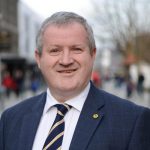
  • Jon Cruddas – 2021 Speech on NHS Allergy Services

    Jon Cruddas – 2021 Speech on NHS Allergy Services

    The speech made by Jon Cruddas, the Labour MP for Dagenham and Rainham, in the House of Commons on 29 October 2021.

    I rise to make a series of points about improving allergy services in the UK and to speak in support of numerous recommendations made this week by the all-party parliamentary group on allergy and the National Allergy Strategy Group in their report, “Meeting the challenges of the National Allergy Crisis”. I will begin on a positive note and say how much the allergy community appreciated the fact that the Minister made time in her busy diary to receive the document at her Department on Wednesday morning. She spent time talking to children living with multiple allergies, as well as health professionals and charities. We hope that that will be the beginning of an ongoing dialogue.

    Allergy is a hypersensitivity reaction or an exaggerated sensitivity to substances—allergens—that are normally tolerated. Examples include peanuts, milk, shellfish, cats, medicines and grass pollens. They can trigger harmful antibodies and the release of inflammatory chemicals, causing symptoms such as sneezing, itches, rashes and falls in blood pressure, yet they may also cause airway narrowing, shortness of breath and wheezing, and swelling which, if in the mouth, throat or airway, causes severe difficulty in breathing and can be life-threatening.

    The simple truth is that there is a modern-day epidemic in allergy—one neglected by the NHS. Recent high-profile tragic cases of fatal anaphylaxis have brought shortcomings in NHS service provision, and a lack of wider public understanding of allergy, into sharp focus. This week’s report therefore calls for a new national strategy to help the millions of people across the UK affected by allergic disease. It also calls for an influential lead for allergy—some have labelled it an allergy tsar—to be appointed who can implement such a strategy.

    By way of background, we have been here before, and quite regularly. Over the past two decades, a series of reports have reviewed the prevalence of allergic diseases, consequent patient need and UK service provision. The list includes earlier reports from the all-party parliamentary group that I am fortunate to chair, plus two Royal College of Physicians reports in 2003 and 2010, the first titled, “Allergy: the unmet need”. The 2003 report was so scathing that in 2006, the Department of Health conducted “A review of services for allergy”. We have also had a 2004 Commons Health Committee report on “The Provision of Allergy Services”, as well as the 2007 House of Lords Science and Technology Committee report, “Allergy”. All have consistently highlighted how allergy remains poorly managed across the NHS due to a lack of training and expertise. All recommended significant improvements in specialist services, as well as improved knowledge and awareness in primary care.

    That is not to say nothing has changed. We have seen National Institute for Health and Care Excellence guidelines on allergy and care pathways for children with allergic disease, but very little has changed. Allergy remains under-resourced across the national health service, so once again this week’s document makes similar arguments and recommendations to earlier reports. We do not apologise for that, because so little has changed over the past 20 years. Actually that is not entirely the case. Something significant has changed over the past two decades: there has been a dramatic upsurge in the numbers of those affected by various allergic conditions across the country.

    The figures speak for themselves. Around one in three people, which is 20 million of our fellow citizens in the UK, have an allergy-related disorder. A significant amount of that is severe or complex, whereby one patient can suffer several disorders, each triggered by different allergens. Five million have conditions severe enough to require specialist care. Fatal and near-fatal reactions occur regularly due to foods, drugs and insect stings and have been increasing over recent years. Hospital admissions due to allergy rose by 52.5% in the six years to 2017-18. Admissions with anaphylaxis—rapid onset and often life-threatening reactions—rose by 29%. It is estimated that one in 1,333 of the population in England has experienced anaphylaxis at some point in their lives.

    Prevalence rates for allergy in the UK are among the highest in the world, especially among the young. Some 40% of children in the UK have been diagnosed with some form of allergy. Each year, new births add 43,000 cases of child allergy to the population in need, yet specialist services delivered by trained paediatric allergists are available to only a minority of those with serious disease. One in four adults and about one in eight children in the UK has allergic rhinitis, which includes hay fever and animal and house dust mite allergy. That is roughly 16 million people. They are four times more likely to suffer from asthma, eczema and food allergy. The percentage of people diagnosed with allergic rhinitis, asthma and eczema has trebled over the past four decades.

    The overall economic case for prevention-oriented allergy services is very strong. The estimated cost of allergy-related illness in 2004 was £1 billion. Since then, there has been a 200% to 300% increase in anaphylaxis-related admissions. The starkest figure is that primary care visits for allergy have increased to account for 8% of total GP consultations. Put simply, the complexity and severity of allergies have increased, as well as the number of patients affected, placing huge strains on the system. Those are the basic facts. Change is long overdue.

    Beyond the statistics, for the growing number of people in the UK living with allergic disease, their condition can have a significant negative impact on their lives and their families’ lives. It is frightening and restrictive to live with a condition that could cause a severe or life-threatening reaction at any time. Despite the shocking statistics, each of the reports that I have mentioned concludes that allergy has largely been ignored and is poorly managed across the NHS owing to a lack of training and a lack of expertise.

    The core problem is that there are a very small number of consultants in adult and paediatric allergy, while most GPs receive no training in allergy at all. The basic mismatch between rising demand and poor service supply needs correction. There are only 11 specialist allergy trainee posts for doctors in England, despite the 2004 report’s recommendation of a minimum of 40. Only two qualify each year—fewer than in Lithuania, which has a population of 3 million.

    The tiny number of allergy trainees is a bottleneck, stifling growth of the specialty. Shockingly, despite repeat submissions over 20 years to the workforce bodies responsible for trainee numbers, there has been very little increase. There are also too few consultants, only 40 adult allergists and a similar number of paediatric allergists working in a small number of allergy centres across the country.

    Most general practitioners receive no training in clinical allergy, either as medical students or in their specialist GP training. The consequences for NHS patients are that they face an extraordinary postcode lottery across the country; that they are hampered by wrong referrals and re-referrals, or get no referral; that they are denied choice and the benefits of improvements in allergy care; and that there is significant and enduring unmet need.

    The new training programme in allergy from August 2021 combines allergy with a different specialism in clinical immunology, but the danger is that that will further dilute and downgrade the quality of allergy specialist training. Meanwhile, on the ground, there is growing evidence of a reduction in some allergy services, with closures or restrictions, mainly among secondary care providers, because they are so overburdened.

    Paradoxically, the UK is world-leading in allergy research and UK allergy guidelines are highly regarded internationally, yet failure to invest in clinical services nationally means that NHS provision is inconsistent, is often poor and in many areas falls far below that in other developed countries. More generally, the covid-19 pandemic has highlighted a new need for allergists to support the vaccine roll-out. The major new workload that arose—investigating anaphylaxis and suspected allergic reactions to the covid-19 vaccines and providing advice on safe vaccinations—has been delivered by a small cadre of allergists, building on their drug allergy expertise.

    All these issues, and the resulting lack of effective allergy care, need to be recognised and corrected by NHS England and Health Education England. Basically, the report makes four recommendations for action. The first is a national plan for allergy, making allergy a priority, investing in a national plan led by a designated Department of Health and Social Care civil servant or NHS lead with sufficient authority to implement change—a national clinical director of allergy—and bringing together medical professionals and patient support organisations to develop the strategy and improve allergy services. The report details a list of organisations that might be involved in the delivery of training programmes to meet allergy need and provide the education across primary care that is needed for health visitors, dieticians and other healthcare professionals.

    The second recommendation is on specialist care: to expand the specialist workforce as a priority, and to ensure that training programmes prioritise allergy, so that specialists of the future are appropriately trained and can safely deliver care. It proposes a minimum of 40 additional training posts for allergy, and a minimum of four consultant allergists for adults and two paediatric allergists in every major teaching hospital and large conurbation.

    The third recommendation is on primary care: to ensure that all GPs and healthcare professionals in primary care have knowledge of allergic disease; to ensure allergy is included in the GP curriculum and exit examination; to improve allergy education for already qualified GPs in ongoing professional appraisal; and to appoint a health visitor and/or a practice nurse in each practice with sufficient training to be responsible for allergy. Again on a positive note, some of this is beginning to happen. The Royal College of General Practitioners has recently added allergy to new GP exams.

    The fourth recommendation is on commissioning: to ensure that local commissioners understand the allergy needs of their population. It says that it is not adequate to assume that other specialties can deliver specialist allergy care; that commissioners should ensure access to adult and paediatric allergy consultants, and allergy pathways; and that national commissioners should ensure national agreements on commissioning, including for immunotherapy, drug allergy investigation and so on.

    In conclusion, I hope that the Department will seriously consider the report and its recommendations. Supporting the growth of the allergy speciality would give more patients access to accurate diagnosis, which should surely be expected in a modern national health service. We can all agree that patient safety, the prevention of severe life-threatening reactions and the control of chronic disease are paramount. More specialist allergists are essential to support primary and secondary care, and to improve integrated care, keeping more patients out of hospitals. This would in turn tackle the geographical inequalities and lack of access to specialist allergy services. A relatively small investment would be an effective multiplier and deliver wider dividends.

    Such a model would result in better care for patients in line with the NHS long-term plan. The Government and the NHS should give allergy the priority it deserves and recognise the true burden that it can place on those affected, their families and wider communities. They should not have to wait any longer. This report offers the solutions to the problems and makes sensible, achievable recommendations for change. We look forward to them being implemented.

  • Liz Truss – 2021 Statement on Conversion Therapy

    Liz Truss – 2021 Statement on Conversion Therapy

    The statement made by Liz Truss, the Foreign Secretary, in the House of Commons on 29 October 2021.

    This Government are committed to building a society in which the abhorrent practice of so called “conversion therapy” no longer takes place. It is clear that, at present, gaps remain in the law that allow damaging practices to continue.

    Today we take another step towards ending that, as we launch a public consultation on how we plan to ban these practices. The consultation will be open for six weeks, closing on Friday 10 December, and we encourage as many people as possible to contribute their views.

    The consultation can be found at: https://www.gov.uk/government/consultations/banning-conversion-therapy

    Conversion therapy does not work and can cause long lasting damage. The Government are determined to protect LGBT people from this harm.

    I also want to reassure those who may have concerns about the impact of this ban on clinicians’ independence, as well as on freedom of speech. Core freedoms, such as freedom of choice, speech and belief, are central to these proposals. It is vitally important that no person is forced or coerced into conversion therapy, and that young people are supported in exploring their identity without being encouraged towards one particular path. We will continue to protect under-18s from being channelled into irreversible decisions. These proposals do not alter the existing clinical regulatory framework or the independence of regulated clinicians working within their professional obligations.

    Equality Ministers and our officials have already heard views from a wide range of stakeholders, including victims of conversion therapy, LGBT organisations, faith groups, psychiatric and counselling bodies. Their experiences and advice have helped shape our proposals, and we now welcome the views of stakeholders and the wider public on our next steps.

    The consultation seeks views on a comprehensive package of proposed measures. These include a new criminal offence as well as sentence uplifts for existing criminal offences. We will also introduce conversion therapy protection orders, remove revenue streams from organisations which offer these practices and restrict the promotion of conversion therapies online.

    It is also vital that those who have been subject to or are at risk of these abhorrent practices receive the support they need. This Administration are the first UK Government to commit to providing such support. We will therefore be launching a competitive tendering process in November for a new Government-funded support service for victims and those at risk of conversion therapy.

    After the consultation has closed, results will be analysed, for publication in due course, and will inform the Government’s next steps in preparing legislation for spring 2022.

    I am laying the consultation document as a Command Paper today and it will be available on gov.uk for people to respond to.

  • Julia Lopez – 2021 Statement on Project Gigabit

    Julia Lopez – 2021 Statement on Project Gigabit

    The statement made by Julia Lopez, the Minister for Media, Data and Digital Infrastructure, in the House of Commons on 29 October 2021.

    Today we have published the third Project Gigabit quarterly update and, thanks to the work of industry and our record £5 billion investment, we are making phenomenal progress delivering the biggest broadband roll-out in UK history.

    We are on track for 85% gigabit coverage by 2025 and we have now passed the connectivity milestone of more than 57% of UK homes and businesses that can now access the fastest broadband speeds available.

    In this Project Gigabit autumn update, we report on a significant further expansion in commercial plans, including more telecom providers focused on building in under-served rural areas. Greater commercial investment is positive for the UK and shows strong market confidence in customer demand for gigabit infrastructure.

    This delivery plan update also reports on:

    progress with, and changes to, phase 1 roll-outs and phase 2 procurements;

    sequencing and dates of English phase 3 rural projects, covering around 500,000 premises in Essex, Lincolnshire, Devon and Somerset, Herefordshire and Gloucestershire, Dorset, Cheshire, and North Yorkshire;

    an update on how we are utilising gigabit voucher subsidy as part of our roll-out plans;

    information on the evaluation of the benefits of our superfast broadband programme; and

    details of an additional £8 million to deliver full-fibre to 3,600 premises in Scotland, as part of the Scottish Government’s R100 project, and c.£22.6 million to connect rural and remote parts of Northern Ireland, and information on the Welsh Government’s open market review and scheduled next steps.

    Gigabit broadband will bring much faster and more reliable connectivity to rural and hard-to-reach communities. This will make them more attractive places for people to settle, raise families and start and grow businesses, improve education and healthcare services and increase accessibility.

    This is how we level up and strengthen our Union—ensuring rural communities in every part of the UK have the same chances and opportunities as our urban towns and cities. That is why this is at the top of the Government’s agenda, and as Secretary of State, I am fully committed to doing everything I can to make Project Gigabit a UK success story.

    I will place a copy of the “Project Gigabit Delivery Plan Autumn Update” in the Libraries of both Houses.

  • Greg Hands – 2021 Statement on the Energy Default Tariff Cap

    Greg Hands – 2021 Statement on the Energy Default Tariff Cap

    The statement made by Greg Hands, the Minister of State at the Department for Business, Energy and Industrial Strategy, in the House of Commons on 29 October 2021.

    The Domestic Gas and Electricity (Tariff Cap) Act 2018 enables the default tariff (price cap) on standard variable and default energy tariffs to be extended on an annual basis up to end of 2023 at the latest. These annual extensions are dependent on an assessment and statement that I make every year, by 31 October, on whether the conditions for effective competition are in place for domestic supply contracts.

    I am confirming today that the price cap mechanism will remain in place for 2022 as the conditions for effective competition are not yet in place for domestic supply contracts.

    As required by legislation, the independent energy regulator, Ofgem, has carried out an assessment into whether the conditions are in place for effective competition in domestic supply contracts this year. Ofgem has been transparent in how it made its assessment, and its report is clear and thorough. Ofgem assesses that these conditions have not been met and recommends that the price cap mechanism should be extended.

    The level of the price cap is a separate matter for Ofgem to determine.

  • Sadiq Khan – 2021 Comments on London Climate Summit

    Sadiq Khan – 2021 Comments on London Climate Summit

    The comments made by Sadiq Khan, the Mayor of London, on 28 October 2021.

    Climate action is about building a greener, healthier, fairer and more resilient city and ensuring future generations can thrive. Making positive changes to our homes and streets will benefit everyone, particularly those Londoners who experience the worst effects of toxic air and climate change. We’ve already made great progress – from cleaning the air with the recently extended Ultra Low Emission Zone, to ensuring all new developments are net-zero carbon through the London Plan.

    Future Neighbourhoods is about communities and local government working together to accelerate ambitious climate action and to lower emissions, clean up their air and transform their homes, showing what a net zero carbon London will look and feel like now.

  • Sadiq Khan – 2021 Comments on Londoners Getting Covid Vaccine

    Sadiq Khan – 2021 Comments on Londoners Getting Covid Vaccine

    The comments made by Sadiq Khan, the Mayor of London, on 29 October 2021.

    I want to be very clear to all Londoners. This deadly virus has not gone away and this winter we’re facing both flu and Covid. The worst thing we can do is to lower our guard, be complacent and underestimate the risk these viruses pose to all of us.

    The situation with COVID-19 in the capital is so finely balanced that it needs all of us to act together to protect ourselves, our loved ones, the things we enjoy and our NHS this winter.

    That’s why I’m urging all eligible Londoners to have the booster vaccine and flu jab as soon as you are offered it, continue to wear a mask where you can and am calling on the government to put simple and effective steps, such as mandatory face coverings on public transport, in place to halt the spread of the virus now.

  • Rachel Reeves – 2021 Reply to Budget Statement

    Rachel Reeves – 2021 Reply to Budget Statement

    The speech made by Rachel Reeves, the Shadow Chancellor of the Exchequer, in the House of Commons on 27 October 2021.

    Thank you, Madam Deputy Speaker.

    Families struggling with the cost of living crisis, businesses hit by a supply chain crisis, those who rely on our schools and our hospitals and our police – they won’t recognise the world that the Chancellor is describing. They will think that he is living in a parallel universe.

    The Chancellor in this budget, has decided to cut taxes for banks. So, Madame Deputy Speaker, at least the bankers on short haul flights sipping champagne will be cheering this budget today.

    And the arrogance, after taking £6 billion out of the pockets of some of the poorest people in this country, expecting them to cheer today for £2 billion given to compensate.

    In the long story of this Parliament, never has a Chancellor asked the British people to pay so much for so little.

    Time and again today, the Chancellor compared the investments that he is making to the last decade. But who was in charge in this lost decade? They were.

    So, let’s just reflect on the choices the Chancellor has made today – the highest sustained tax burden in peacetime.

    And who is going to pay for it?

    It’s not international giants like Amazon – the Chancellor has found a tax deduction for them. It’s not property speculators – they’ve already pocketed a stamp duty cut. And it’s clearly not the banks – even though bankers’ bonuses are set to hit a record high this year.

    Instead, the Chancellor is loading the burden on working people. A National Insurance Tax rise – on working people. A Council Tax hike – on working people. And no support today for working people with VAT on their gas and electricity bills.

    And what are working people getting in return? A record NHS waiting list, with no plan to clear it, no way to see a GP and still having to sell their home to pay for social care.

    Community policing nowhere to be seen, a court backlog leaving victims without justice and almost every rape going unprosecuted.

    A growing gap in results and opportunities between children at private and state schools. Soaring number of pupils in supersize classes and no serious plan to catch up on learning stolen by the virus. £2 million announced today – a pale imitation of the £15 billion catch up fund that the Prime Minister’s own education tsar said was needed. No wonder, Madame Deputy Speaker, that he resigned.

    Now the Chancellor talks about world class public services. Tell that to a pensioner waiting for a hip operation. Tell that to a young woman waiting to go to court to get justice. Tell that to a mum and dad, waiting for their child the mental health support they need.

    And the Chancellor says today that he has realised what a difference early years spending makes. I would just say to the Chancellor, has he ever heard of the Sure Start programme that this Tory government has cut?

    And why are we in this position? Why are British businesses being stifled by debt while Amazon gets tax deductions?

    Why are working people being asked to pay more tax and put up with worse services?

    Why are billions of pounds in taxpayer money being funnelled to friends and donors of the Conservative party while millions of families are having £20 a week taken off them?

    Madam Deputy Speaker, why can’t Britain do better than this?

    The Government will always blame others. It’s business’ fault, it’s the EU’s fault, it’s the public’s fault.

    The global problems, the same old excuses. But the blunt reality is this – working people are being asked to pay more for less for three simple reasons:

    Economic mismanagement,

    An unfair tax system,

    And wasteful spending.

    Each of these problems is down to 11 years of Conservative failure and they shake their heads but the cuts to our public services have cut them to the bone. And while the Chancellor and the Prime Minister like to pretend they are different, the Budget they’ve delivered today will only make things worse.

    The solution starts with growth. The Government is caught in a bind of its own making. Low growth inexorably leads to less money for public services, unless taxes rise.

    Under the Conservatives, Britain has become a low growth economy. Let’s look at the last decade – the Tories have grown the economy at just 1.8 percent a year.

    If we had grown at the same rate as other advanced economies, we could have spent over £30bn to invest in public services without needing to raise taxes.

    Let’s compare this to the last Labour Government. Even taking into account the global financial crisis, Labour grew the economy much faster – 2.3 percent a year.

    If the Tories matched our record, we would have spent £30bn more on public services without needing to raise taxes.

    It could not be clearer. The Conservatives are now the party of high taxation, because the Conservatives are the party of low growth.

    The Office for Budget Responsibility confirmed this today – that we will be back to anaemic growth. The OBR said that by the end of this Parliament, the UK economy will be growing by just 1.3%. Which is hardly the plan for growth that the Chancellor boasted about today, hardly a ringing endorsement of his announcements.

    Under the Tory decade we have had ow growth and there’s not much growth to look forward to.

    The economy has been weakened by the pandemic but also by the Government’s mishandling of it.

    Responding to the virus has been a huge challenge. Governments around the world have taken on debt, but our situation is worse than other countries.

    Worse, because our economy was already fragile going into the crisis. Too much inequality, too much insecure work, too little resilience in our public services.

    And worse, because the Prime Minister dithered and delayed, against scientific advice – egged on by the Chancellor – we ended up facing harsher and longer restrictions than other countries.

    So, as well as having the highest death toll in Europe, Britain suffered the worst economic hit of any major economy.

    The Chancellor now boasts that we are growing faster than others, but that’s because we fell the furthest.

    And whilst the US and others have already bounced back to pre-pandemic levels, the UK hasn’t. Our economy is set to be permanently weaker.

    On top of all of that, the Government is now lurching from crisis to crisis. People avoiding journeys because they can’t fill up their petrol tank is not good for the economy. People spending less because the cost of the weekly shop has exploded is not good for the economy. And British exporters facing more barriers than their European competitors because of the deal that this government did is not good for the economy.

    If this were a plan, it would be economic sabotage. When the Prime Minister isn’t blagging that this chaos is part of his cunning plan, he says he’s “not worried about inflation.”

    Tell that to families struggling with rising gas and electricity bills, with rising prices of petrol at the pump and with rising food prices. He’s out of touch, he’s out of ideas and he’s left working people out of pocket.

    Madam Deputy Speaker, Conservative mismanagement has made the fiscal situation tight. And when times are tight it’s even more important to ensure that taxes are fair, that taxpayers get value for money. But the Government fails on both fronts.

    We have a grossly unfair tax system with the burden heaped on working people.

    Successive budgets have raised council tax, income tax and now National Insurance. But taxes on those with the broadest shoulders, those who earn their income from stocks, shares, and property portfolios have been left largely untouched.

    Businesses based on the high street are the lifeblood of our communities and often the first venture for entrepreneurs.

    But despite what the Chancellor has said today, businesses will still be held back by punitive and unfair business rates. The Government has failed to tax online giants and watered-down global efforts to create a level playing field.

    And just when we need every penny of public money to make a difference, we have a government that is the by-word for waste, cronyism and vanity projects.

    We’ve had £37 billion for a test and trace system that the spending watchdog says, ‘treats taxpayers like an ATM cash machine’. A yacht for ministers, a fancy paint job for the Prime Minister’s plane and a TV studio for Conservative Party broadcasts, which seems to have morphed into the world’s most expensive home cinema.

    £3.5bn of Government contracts awarded to friends and donors of the Conservative Party, a £190 million loan to a company employing the PMs former Chief of Staff, £30 million to the former Health Secretary’s pub landlord. And every single one of those cheques signed by the Chancellor.

    And now he comes to ordinary working people and asks them to pay more. More than they have ever been asked to pay before and at the same time, to put up with worse public services. All because of his economic mismanagement, his unfair tax system and his wasteful spending.

    There are of course some welcome measures in this budget today, as there are in any budget.

    Labour welcomes the increase in the National Minimum Wage, though the Government needs to go further and faster. If they had backed Labour’s position of an immediate rise to at least £10 an hour then a full-time worker on the minimum wage would be in line for an extra £1,000 a year.

    Ending the punitive public sector pay freeze is welcome, but we know how much this Chancellor likes his smoke and mirrors. So, we’ll be checking the books to make sure the money is there for a real terms pay rise.

    Labour also welcomes the Government’s decision to reduce the Universal Credit taper rate, as we have consistently called for. But the system has got so far out of whack that even after this reduction, working people on universal credit still face a higher marginal tax rate than the Prime Minister. And those unable to work – through no fault of their own – still face losing over £1000 a year. And for families who go out to work everyday but don’t get government benefits, on an average wage, who have to fill up their car with petrol to get to work, who do that weekly shop and who see their gas and electricity prices go up – this budget today does absolutely nothing for them.

    We have a cost-of-living crisis.

    The Government has no coherent plan to help families to cope with rising energy prices. Whilst we welcome the action taken today on Universal Credit, millions will struggle to pay the bills this winter.

    The Government has done nothing to help people with their gas and electricity bills with that cut in VAT receipts as Labour has called for. A cut that is possible because we are outside the European Union and can be funded by the extra VAT receipts that have been experienced in the last few months.

    Working people are left out in the cold while the Government hammers them with tax rises.

    National Insurance is a regressive tax on working people, it is a tax on jobs.

    Under the Chancellor’s plans, a landlord renting out dozens of properties won’t pay a penny more. But their tenants, in work, will face tax rises of hundreds of pounds a year. And he is failing to tackle another huge issue of the day. Adapting to climate change.

    Adapting to climate change presents opportunities – more Jobs, lower bills and cleaner air. But only if we act now and at scale. According to the OBR, failure to act will mean public sector debt explodes later, to nearly 300% of GDP.

    The only way to be a prudent and responsible Chancellor is to be a Green Chancellor. To invest in the transition to a zero-carbon economy and give British businesses a head-start in the industries of the future.

    But with no mention of climate in his conference speech and the most passing of references today, we are burdened with a Chancellor unwilling to meet the challenges we face.

    Homeowners are left to face the costs of insulation on their own, industries like steel and hydrogen are in a global race without the support they need and the Chancellor is promoting domestic flights over high speed rail int he week before COP26.

    It is because of this Chancellor that in the very week we try and persuade other countries to reduce emissions, this Government can’t even confirm it will meet its 2035 climate reduction target.

    Madam Deputy Speaker, everywhere working people look at the moment they see prices going up and shortages on the shelves. But this Budget did nothing to address their fears.

    Household budgets are being stretched thinner than ever but this Budget did nothing to deal with the spiralling cost of living. It is a shocking missed opportunity by a government that is completely out of touch.

    There is an alternative. Labour would scrap the business rates and replace it with something much better by ensuring online giants pay their fair share. That’s what being pro-business looks like.

    We wouldn’t put up National Insurance for working people, we would ensure those with the broadest shoulders pay their share. That’s what being on the side of working people looks like.

    We’d end the £1.7 billion subsidy the Government gives private schools and put it straight into local state schools. That’s what being on the side of working families looks like.

    We’d deliver a climate investment pledge – £28bn every year for the rest of the decade. That’s Giga-factories to build batteries for electric vehicles, a thriving hydrogen industry and retrofitting, so we keep homes warm and get energy bills down. That’s what real action on climate change looks like.

    This country deserves better but they’ll never get it under this Chancellor who gives with one hand but takes so much more with the other.

    The truth is this – what you get with these two is a classic con game. It’s like one of those pickpocketing operations you see in crowded places. The Prime Minister is the front man – distracting people with his wild promises. All the while, his Chancellor dips his hand in their pocket. It all seems like fun and games until you walk away and realise your purse has been lifted.

    But people are getting wise to them. Every month they feel the pinch. They are tired of the smoke and mirrors, of the bluster, of the false dawns, of the promises of jam tomorrow.

    Labour would put working people first. We’d use the power of government and the skill of business to ensure that the next generation of quality jobs are created right here, in Britain.

    We’d tax fairly, spend wisely and after a decade of faltering growth, we’d get Britain’s economy firing on all cylinders.

    That is what a Labour budget would have done today.

  • Greg Hands – 2021 Statement on Fees for Military Drivers During Fuel Crisis

    Greg Hands – 2021 Statement on Fees for Military Drivers During Fuel Crisis

    The statement made by Greg Hands, the Minister of State at the Department for Business, Energy and Industrial Strategy, in the House of Commons on 27 October 2021.

    The Secretary of State will be using powers under the Energy Act 2013 to increase the hourly rate for use of military drivers paid by hauliers in an ESCALIN deployment.

    In response to the disruption to the availability of fuel in late September, the Government deployed Operation ESCALIN, on the 27 September. ESCALIN is a long-standing fuel supply contingency measure jointly managed by my Department and the Ministry of Defence to make trained military drivers available to support fuel deliveries. A total of 222 drivers were deployed to civilian haulage companies that participate in the scheme.

    It has always been the intention that the hauliers who make use of Operation ESCALIN should be required to make a contribution to the costs that is in line with the costs of employing civilian drivers, although this is below the full cost to the taxpayer of the deployment. The current charge to hauliers for the use of a military driver in an ESCALIN deployment is set at £25 per hour, per driver. This price was set in 2013 and has remained unchanged since. During this nine-year period the cost of labour has increased and I would like the price to reflect this change.

    A direction under section 148(3)(b) of the Energy Act 2013 was made to increase the hourly price from £25 to £28.51. This will take effect on 28 October. I believe this direction is fair and proportionate as it will now take account of inflationary price increases from 2013 calculated using the consumer price inflation index. However, the Secretary of State reserves the right to make further changes to the charging regime if that becomes necessary.

    My Department will work with hauliers to ensure that use of military personnel is continued for only as long as absolutely necessary. The Secretary of State reserves the right to withdraw military support once we are confident that the fuel supply system as a whole is adequate to meet normal demand, irrespective of the position of individual companies.

  • Simon Hart – 2021 Comments on Budget Impact on Wales

    Simon Hart – 2021 Comments on Budget Impact on Wales

    The comments made by Simon Hart, the Secretary of State for Wales, on 29 October 2021.

    This is a fantastic budget for Wales, delivering significant investment directly to people, businesses and communities across the country.

    The devolved administration in Wales will receive its largest-ever settlement so it can deliver its vital services like health, education and flood protection, while Wales will benefit fully from many of our UK-wide measures including freezes to fuel and alcohol duty, the increase in the minimum wage for thousands of workers and investment in parks and sports facilities.

    Levelling up communities across the UK is top of our agenda. Investing more than £120m in 10 projects including the regeneration of Aberystwyth seafront and improving transport links in Rhondda shows how we will achieve this ambition across Wales.

    Alongside the funding of a Welsh Veterans’ Commissioner, these measures and others in the Spending Review add up to an excellent package for Wales and its economy.

  • Rishi Sunak – 2021 Comments on Budget Impact on Wales

    Rishi Sunak – 2021 Comments on Budget Impact on Wales

    The comments made by Rishi Sunak, the Chancellor of the Exchequer, on 29 October 2021.

    This is a budget for the whole of the UK. We’re focused on what matters most to the British people – the health of their loved ones, access to world-class public services, jobs for the future and tackling climate change.

    An additional £2.5 billion per year in Barnett funding means the Welsh Government is well-funded to deliver all their devolved responsibilities while the people in Wales will also benefit from this Government’s commitment to levelling up opportunity and delivering for all parts of the UK.

    We are continuing to boost industry and jobs and improve infrastructure and public services throughout Wales.