Tag: Speeches

  • Hugo Swire – 2016 Speech on the Pacific Partnership

    hugoswire

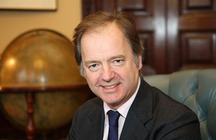
    Below is the text of the speech made by Hugo Swire, the Minister of State at the Foreign & Commonwealth Office, on 18 April 2016 in Washington DC, United States.

    It’s great to be back here in the US. I’ve just come from four days in Texas, where as you would expect there was much talk of the Presidential election, which we are all following closely in the UK, and I suspect some of you are following developments in the UK as well. Last time I spoke in Washington on this theme, was two years ago, I set out what the Asian Century means to the UK. This time I want to make a more specific proposition.

    That proposition is as follows. In the 20th Century, the UK and US co-operated alongside others to establish the modern, rules-based, international system; one based on a primarily Trans-Atlantic set of issues. In the 21st Century, we need to cooperate more in a different geography – an Asia Pacific one; and this time, instead of creating an international system, we need to work to ensure that the current system evolves to remain effective and relevant and that new powers are bound in to the rules.

    To achieve this, we, like the US, will need to work even more closely with allies and partners, both in and beyond the region. Of course, in the US you have had a substantial presence in Asia Pacific for decades, which you have strengthened in recent years through the Rebalance. Defence Secretary Carter’s visit last week reaffirmed once more that the region commands senior US attention. We in the UK have also recognised and acted on the need to shift more of our diplomatic focus and tools to Asia Pacific.

    Last week the Foreign Secretary, Philip Hammond, visited Hong Kong, China, Japan and Vietnam – his fourth visit to East Asia in the space of sixteen months. The regularity of his visits to the region reflects our commitment. The spread of countries he has visited demonstrates the span of our interest, across the whole region, not just any one country. In my four years as Minister for Asia, I have sought to ensure that we have dedicated the necessary resource to support our All of Asia commitment, and to encourage my Ministerial colleagues to make regular visits to the region.

    Trade is an important part of that equation. We have been a leading European voice in championing free trade with Asia Pacific and worldwide. Today, the UK also benefits from our EU membership to secure our trade interests and increase our influence. The direct benefits that flow through trade deals are essential to our prosperity. UK exports under the EU-Korea Free trade agreement, for example, more than doubled between 2011 and 2014, to over $6 billion. We are selling ten times more jet engines to South Korea than we were in 2011, and car exports are up 87%. The US and EU objectives on trade are complementary: we are seeking better market access, fewer restrictions on our investments and better and more predictable environments for business. As the US pursues TPP to push up standards in these areas, so the UK leads the EU to seek similar outcomes with the economies of the region. But trade is only part of the equation.

    We are all familiar with joint UK and US diplomatic efforts in many parts of the world, such as stopping Iran from developing nuclear weapons, or standing up to a revanchist Russia. But we are less accustomed to discussing our partnership in the Pacific. I want that to become as normal and frequent as our discussions of Trans-Atlantic challenges.

    Let me pause for a moment to reflect on a truly symbolic event which took place one week ago in Hiroshima. Your Secretary of State, John Kerry, stood beside our Foreign Secretary, Philip Hammond, at the Peace Park. With the benefit of many decades of hindsight, we can see what a national catastrophe the Second World War was for Japan. We can also see how difficult it remains, even 70 years on, to achieve full reconciliation in Asia.

    So this year, with Japan chairing the G7 group of like-minded partners, and Allied Ministers visiting Hiroshima, shows us how far we have come to re-establish trust and partnership.

    This trust and partnership is not just an intellectual exercise. Last year Japan passed significant new security legislation which removes the final legal barrier to a more proactive Japanese posture overseas, and allows for a greater Japanese contribution to international security. We welcome that move, and encourage Japanese involvement in global security challenges. In this vein, we support Japan’s bid for a permanent Security Council seat. We are deepening our security co-operation, with the first UK-Japan air force exercise due in the autumn, involving an RAF Typhoon squadron. That exercise was announced by Foreign and Defence Ministers after the second round of UK-Japan security and defence talks in Tokyo. Incidentally, whilst in Tokyo the Ministers visited the US naval aircraft carrier ‘USS Ronald Reagan’ in Tokyo harbour.

    And also this year, the G20 group of major economies is hosted by China. This group, which was forged during the most serious global economic crisis since the great depression, seemed radical eight years ago. Would such a disparate grouping have the coherence and common purpose to contribute to global goods and stability? Today, we look at China, the world’s second largest economy, accounting for around one third of all global growth, and take for granted its important role in shaping global economic policy.

    In recent years we have reformed voting in the Bretton Woods institutions to give China a louder voice, in line with its increased contributions. The launch of the Asia Infrastructure Investment Bank in January this year has demonstrated that China could successfully initiate a new international institution that will adhere to international standards of best practice, as is clear from its recently published environmental and social framework. The fact it will be a genuinely multinational and democratic body is due in large part to the role that the UK, working with others, played in shaping its formation. The AIIB will be complementary to existing multilateral banks, most notably the Asian Development Bank, with which it will co-finance its initial projects. We are well represented within the Bank, with former Chief Secretary to the Treasury Sir Danny Alexander appointed Vice President, and the UK leading a constituency of non-Eurozone European countries. China wants to play an increased role in the international system, and it has the will and wherewithal to do so. Our engagement, constructive criticism and sharing of expertise are crucial to ensure that this enhances the existing system, rather than undermining it.

    The dynamic shift under way in Asia Pacific is not simply a question of great power politics: it reflects important trends within nations. Another recent development with implications for the wider region and beyond is the democratic election of a new National League for Democracy Government in Burma, marking a return to democracy after decades of military rule. The release of political prisoners over the last week is a welcome sign of that return to democracy and an important step forward for the new government. We will be encouraging the new government to build on this early demonstration of commitment to human rights and rule of law, and providing practical support.

    Beginning to tackle the issue of Rakhine and the appalling treatment of the Rohingya community will be a particular test of the NLD-led administration. Alongside the US, the UK has played a leading role in keeping Rakhine in the international spotlight. While the solution to Rakhine must come from within Burma itself, there is a supporting role for the UK and likeminded states. We have been clear that the new government must use its substantial mandate to begin making progress.

    The other pressing issue facing Burma’s new government will be reinvigorating the process seeking to bring an end to more than fifty years of conflict. We have played a lead role in supporting the peace process, and we are offering continued support to the new NLD-led administration. Burma’s transition is a good sign for the wider region, where democratic institutions are not always succeeding. The UK has pursued agile diplomacy and development support, together with the US, and it has paid off.

    Of course Burma’s is not the only reconciliation process going on in the region. In Cambodia we support the Khmer Rouge Tribunal to ensure there can be no impunity for the worst of crimes. This is a vital mechanism for the Cambodian people to establish the truth and bring about reconciliation between communities, as well as an important ingredient to build a peaceful and inclusive society, and we believe it sends a strong message on accountability and fundamental Human Rights in the region.

    I do not want to give the impression that we think everything across Asia Pacific is inexorably moving in the right direction. The regime in North Korea has shown in recent days that it remains dangerously willing to provoke its neighbours and a very real threat to regional and global security. The failed launch of its intermediate ballistic missile on Friday is just another example of this increasingly provocative behaviour. North Korea’s pursuit of nuclear weapons remains a gravely concerning international issue: proactive UK diplomacy and engagement with the regime is used to deliver frank and robust messages, in support of the international concern that this programme is halted.

    We must exert pressure through sanctions on the North Korean regime to deter it from this dangerous pursuit of nuclear weapons, and be united in condemning the continued violation of UN Security Council Resolutions by the regime. The UK worked closely with the US in securing the latest UN Security Council Resolution 2270, which contained some of the toughest measures yet – designed to restrict technology transfers and impede efforts to secure a deployable nuclear weapon. We are working alongside the US to ensure that others implement it fully and effectively.

    Through our Embassy in North Korea we pursue a policy of critical engagement, taking every opportunity to send tough messages to the regime about its nuclear programme and appalling human rights record. It is unconscionable that amid reports of widespread hardship amongst the North Korean people and human rights abuses committed by the state, the regime continues to prioritise the development of its nuclear and ballistic missile programmes over the well-being of its own people. We cannot rule out dialogue or even a return to talks, but North Korea should be very clear that this can only happen if de-nuclearisation is firmly on the agenda.

    Elsewhere in the region, the growing tensions in the South China Sea are driven by an assertive Chinese approach, demonstrated by an increase in land reclamation and militarisation. This is worrying for regional stability, for the principle of freedom of navigation, and for the rules-based international system on which we all rely. The visit last week of a high-level delegation of Chinese military officers led by General Fan Changlong, Vice Chairman of the Central Military Commission, to the Spratly Islands, will do little to calm those rising tensions. The G7 Foreign Ministers’ Statement on Maritime Security last week was an important signal to all claimants, setting out the expectation of the international community for a rules-based approach to the disputes.

    Like the US, the UK does not take a position on the underlying sovereignty claims, but we do take a firm view on how those claims should be pursued. Disputes should be settled peacefully and in line with international law, and any actions liable to raise tensions, including militarisation, should be avoided. The maintenance of freedom of navigation and overflight is non-negotiable. We recognise and support the US role in defending those principles in Asia Pacific, a role we saw reinforced just last week when Defense Secretary Carter visited the region.

    We are following closely the arbitration case in The Hague brought by the Philippines. We consider any ruling to be binding on all parties, as provided for by the UN Convention on the Law of the Sea. We also see the ruling as an opportunity for the governments in China and the Philippines, be it under the current or next administration, to engage constructively in renewed dialogue. In our response to this ruling, the UK will stand alongside the US and the wider international community.

    I have focused so far on security challenges because these are the issues where the costs of miscalculation are highest. To ensure a consistent approach, we are strengthening security relationships with our Asia Pacific partners, including those who are our traditional allies, such as Australia and New Zealand, who bring an increasing range of assets and influence to bear in Asia Pacific. We are deepening our security relationship with the Republic of Korea too, working together on maritime and cyber issues. We recently made our largest ever deployment there for the recent military exercise, ‘Operation Key Resolve’, working closely with the US.

    We will continue to speak up loudly in support of rules, and against coercion. We will ensure that the EU remains robust in the same vein. And we will continue to co-ordinate closely with the US as we do so.

    Projecting our values

    I would also like to touch on the way we project our values in Asia Pacific. The British brand is strong in Asia Pacific in many areas, particularly innovation, creativity and education. This is at the core of our commercial success and we seek to develop that as the emerging middle class grows. But a brand like ours cannot exist in a vacuum. It needs to be based on associations with the protection of rights, freedoms and rule of law. That is why we put effort into promoting values, even in environments where this is difficult.

    Our commitment to Hong Kong remains as strong as ever. We have a strong legal interest in the implementation of the Sino-British Joint Declaration to protect Hong Kong’s high degree of autonomy. We have a moral and political responsibility to report to the British Parliament on Hong Kong. We have a commercial interest in an independent judiciary to protect the 126 UK companies headquartered in Hong Kong. And finally we have enduring personal connections, which mean we need the rule of law to ensure the rights and freedoms of Hong Kongers. Most recently, the Foreign Secretary reiterated our concerns in Hong Kong and Beijing over the disappearance from Hong Kong of a British citizen, making clear that it constitutes a breach of the Joint Declaration and calling on China to reinforce its commitment to Hong Kong’s current status under ‘One Country, Two Systems’.

    More broadly with China, we continue to take a proactive approach to influencing on human rights and rule of law. We set out our concerns regularly – China will feature in the latest version of our global Human Rights report which will be published this week. We also raised our concerns at the Human Rights Council in Geneva last month. As well as our own national statement, we fully endorsed the statement signed by the US and a broad coalition of states, which made very clear our assessment of China’s deteriorating human rights record.

    So Asia Pacific today presents us with cause for celebration and concern. We celebrate its economic rise, its dynamism and the opportunities this presents us, and applaud the work done by so many to embed diplomacy and the rule of law in transitioning nations. Asia Pacific is at the heart of the global system, yet arguable has the potential to fracture the hard-won international system of rules and law, should we not stand up for it.

    The UK has already firmly signaled its renewed focus on the region: this focus will continue. We will continue to use agile and smart diplomacy in an Asia-Pacific century to confirm our relationships and build new ones. We will continue to work in partnership to ensure that the order which has served the global community so well for 70 years remains fit for purpose. And we stand side by side with the US in this aim. Thank you.

  • Rob Wilson – 2016 Speech on Fundraising Week

    robwilson

    Below is the text of the speech made by Rob Wilson, the Minister for Civil Society, at the British Film Institute in London on 19 April 2016.

    t’s a real pleasure to open the event today. I hope Fundraising Week 2016 is a huge success and will support people to take positive steps towards responsible and sustainable fundraising.

    Let me first of all express my sincere thanks to Stephen Cook for his great work as editor of Third Sector over the years. Like many in this room, I have been grilled by him in the past. I’m sure his colleagues will give him a great send off and will gladly opt-in to being asked for money for the leaving gift.

    On a more serious note – it’s great to see so many charities represented here today, positively engaging with fundraising and making it a central focus of their activities.

    And you are right to do so. According to the Charities Aid Foundation, the UK is the most generous nation in Europe, and one of the most generous in the world – it’s in our DNA as a country.

    Three quarters of people have donated to charity in the previous year, one of the highest rates anywhere in the world and voluntary income has remained strong. Now all of this is really heartening news.

    So let me start by saying this: I absolutely understand that you need to “ask” in order to fundraise.

    Fundraising enables you to do the vital work which is at the heart of all your organisations. And that is why it is so important to get it right.

    You’ll all be aware that this is an issue I care very deeply about.

    I am determined to see charities move on from poor practice, and come out stronger.

    But that’s only possible if all of you here today meet the high expectations of the generous British public.

    This means putting supporters back at the heart of fundraising activities and ensuring that charitable aims are only ever achieved by charitable means.

    Fundraising is the principal – and sometimes only – way in which the public interacts with a charity. It is in effect the “shop window” for your organisations. So it needs to be done in a way that reflects your core values and those of the sector as a whole.

    This means respect and care – not only for beneficiaries and donors – but also crucially for those who choose not to support your charities.

    Impact of poor practice

    We have all seen the devastating impact that poor fundraising practices – of even a few – can have on the entire sector.

    – Recent YouGov figures show that 62% of the public think that poor fundraising behaviour has damaged the sector as a whole

    – Hundreds of letters from members of the public have been written to me echoing their concerns about the way in which they have been contacted by charities

    – Public trust and confidence in charities overall has plummeted – on one measure, more people now trust supermarkets over charities

    Though you are still faring better than politicians and I’m afraid even journalists Andy. But seriously: these numbers show that, for many, the word charity no longer invokes warmth and pride. Instead it arouses suspicion.

    This state of affairs is incredibly damaging to the long term sustainability of the sector. Charities need to do everything in their power to meet this challenge absolutely head on.

    This means actively reassuring the general public that each one of you:

    – operates to the highest standards

    – will always treat people with respect

    – will spend as much as possible on frontline services.

    What worried me most about the recent YouGov reputation research was there was a significant number of people who thought larger charities were not taking the problem seriously enough.

    Moving on from poor practice

    Now back in December I said fundraising was at a crossroads. I am heartened to see that the vast majority of charities have chosen to go down what I regard as the right path.

    The one that:

    – supports a stronger self-regulator

    – allows the public a genuine say about whether they wish to be contacted for fundraising

    – and will help the sector restore the public trust and confidence on which the sectors future depends

    This is evident in the way that almost all of the charities asked to fund the setup of the Fundraising Regulator have responded positively. It’s a visible sign to the public and Government that they see the value in having effective, sector-wide regulation in place.

    I am sure you will be aware that Michael Grade and Stephen Dunmore have made great progress in this area.

    At this point, I would also like to commend the senior leadership of the Fundraising Standards Board (FRSB) for constructively engaging in the handover process and ensuring that the new regulator will have the best possible start.

    Thanks to their hard work, and the work of Stephen’s team, the new Fundraising Regulator will open its doors this summer.

    All of you here today should have firm plans to register your organisations. This will show your commitment to support responsible, sustainable fundraising for the future.

    Now, regaining trust doesn’t need to be lengthy process. If we collectively act to champion best practice then we will be able to rebuild relations with the public and win back their support.

    There are many who think that by giving self-regulation a second chance we’ve not gone far enough. As I took the Charities Bill through Parliament it was clear to me that all parties across the chamber wanted swift and firm action.

    I want self regulation to work. And my commitment to you is that I will continue to support the new Fundraising Regulator by defending self regulation.

    However as I have said before, I will intervene should it become necessary. That is not a threat, it’s simply a promise.

    Sector leadership

    I know that many of you have improved your approach to fundraising over the past six months. And, I am a firm believer that the most important changes in the sector need to come from you.

    We have already seen positive changes to the Fundraising Code of Practice that address some of the most pervasive issues around data protection that were uncovered last summer.

    Overall, the Code – and the Institute of Fundraising’s stewardship of it – has served fundraisers, charities and the public over the past 30 years.

    But we need to make sure that it will improve and prosper over the next 30 years too. Which is why the Code should become clearly independent from the interests of the profession and move to the new regulator.

    In talking of positive progress I want to single out Charities Aid Foundation for praise in the wide range of support it is providing for the new fundraising regulator.

    Some individual charities have also shown particular leadership in respecting and empowering their donors.

    I want to acknowledge the commitments by RNLI, Cancer Research UK and the British Red Cross to move to an opt-in only system for their fundraising communications. This will not only give the public a greater say over their data and preferences but also stop charities wasting resources on those who do not wish to hear from them.

    On that same note I am encouraged to see progress on the Fundraising Preference Service (FPS).

    Evidence shows the FPS is key to restoring trust in charities.

    According to YouGov, 72% of the general public surveyed feel this way. Other research has put general support for the service at over 60%.

    Now I understand that the uncertainty over the short term impact of this may be uncomfortable for you sitting in the audience today. But whatever you think might happen to your income as a consequence of the FPS will be nothing compared to losing the long-term trust and goodwill of the public.

    It is important to remember that the FPS is a service at the end of the day. Those who may feel overwhelmed by the sheer volume of fundraising communications and want to say ‘no more’ absolutely have a right to do so.

    Sir Stuart and the cross-party panel of peers were right to recognise this in their review of fundraising regulation last summer and I congratulate them on their determination to uphold charities’ long-term reputation with the public.

    Thanks to their continued leadership, a working group of charity leaders and service experts will design an FPS that works for everybody.

    The proposals I have seen so far are promising and – once finalised – I hope the Fundraising Regulator will ensure their swift implementation.

    The future of fundraising

    All of the changes I see – driven by the regulators, the government and you – are part of a wider reform process to become more sustainable.

    I am supporting this – for example – through the Small Charities Fundraising Training Programme that I recently launched. This is designed to help small charities to fundraise more effectively through a significant number of training opportunities, such as face-to-face workshops, webinars and advice sessions.

    Innovative approaches to fundraising will become key because the generous post-war generation that was receptive to mail and telephone fundraising cannot be relied upon forever.

    Instead charities need to find new ways to engage younger people who will not be persuaded by persistent asks but instead want to be inspired on a personal level.

    We have seen the success of innovative fundraising approaches everywhere. Whether it’s getting people to participate in engaging events such as Save the Children’s ‘Christmas Jumper Day’ or using new technologies such as the WWF has done for its ‘endangered emoji’ campaign. Innovation is out there and we all need to continue to find new ways to connect with the public.

    What’s more – the latest NCVO Almanac data shows that we are seeing unprecedented levels of youth engagement with charities.

    Initiatives such as NCS and the #iwill campaign encourage young people to get involved with charities and their community from an early age.

    I am a firm believer that embedding community participation early on in life builds the perfect basis for lifelong engagement with the voluntary sector.

    2015’s Youth Social Action Survey showed that over half of those participating in social action had donated money or goods in the past year.

    Now, a brilliant example of this is 10 year old #iwill Ambassador Ryan Bickle, from Barrow-in-Furness, Cumbria, who fundraises in his local community showing that you can’t be too young to get involved!

    He first got involved in social action after his Grandfather died, raising money for his hospice and it’s not stopped since. For example last Christmas, he fundraised £800 for the Cumbrian flood relief fund by carol singing!

    Another 10 year old #iwill Ambassador is Lucy Bowie from Renfrewshire, Scotland who fundraised for Marie Curie Cancer Care by doing a sponsored walk, after getting involved with social action as part of Girlguiding Scotland. Overall she has helped to raise well over £2,000 for her chosen charities.

    It’s examples like these that show the potential that is just waiting to be unlocked all across the country.

    Securing income for the future

    As you take the lead in meeting the challenges of fundraising for the future, I will continue to challenge, innovate and help you build a strong and sustainable sector. One that the UK can be proud of.

    In doing so we have to listen to Lucy and Ryan’s generation.

    Alongside getting active in their local communities, research shows that 75% of Millennials also care about companies giving back and prioritising more than just profits.

    This is why I want to create a social economy where everyone has a genuine choice over how their money is managed in line with their values.

    This could involve creating dedicated pension products and ISAs. I am already looking at ways to enable ‘everyday social investors’ to back causes they care about.

    This is on top of establishing the world’s first social investment bank, with contributions from the big four high street banks, to bringing in Social Investment Tax Relief.

    But there are even more ways to unlock the social economy.

    We have launched a Dormant Assets Commission, similar to the successful Dormant Bank Accounts scheme.

    Former Big Society Capital chief executive Nick O’Donohoe is identifying pools of unclaimed assets including stocks and shares that have laid untouched for 15 years.

    We are hoping that an estimated one billion pounds will be unlocked for good causes through the Commission.

    But there is also more we can do to ensure that opportunities are available to all organisations across the voluntary sector.

    In particular I want to look at what we can do to help small and medium sized charities. They are the ones who often achieve the best impact in their local areas and who sometimes struggle in the shadow of their larger cousins.

    So I’ve asked my team to look at ways to enable small and medium charities to use their ideas and talent to improve outcomes for public services across the country.

    We know that charities make a huge difference and reach some of the most difficult to reach communities.

    I want to find existing best practice and share these fantastic initiatives to explore whether they can be scaled up to benefit even more people.

    The combined effect of these reforms will ease the pressure on income and enable you to concentrate on building more sustainable, mutually beneficial relationships with your donors.

    Conclusion

    A new and improved self-regulator is just one part of the change that we need to see in fundraising. The other, more significant, change is in culture and practices.

    That is entirely in your hands. I hope you take away from what I have said, some very positive messages for the future.

    My strong advice for what it is worth is to listen to the tide of public opinion and do what is right to ensure higher standards in fundraising.

    A solid foundation is needed to restore public trust and ensure that you not only do right by your current beneficiaries, but also future ones.

    Thank you.

  • Queen Elizabeth II – 1970 Queen’s Speech

    queenelizabethii

    Below is the text of the speech made by HM Queen Elizabeth II in the House of Lords on 2 July 1970.

    My Lords and Members of the House of Commons:

    My husband and I look forward to our visit to Canada on the occasion of the centenaries of the Northwest Territories and of the Province of Manitoba.

    The major international interests of Britain are the maintenance of peace, the promotion of prosperity, the settlement of disputes by conciliation and agreement, and the encouragement of trade and peaceful exchanges between nations.

    My Government have welcomed the opening on the 30th of June of negotiations for membership of the European Communities. In these negotiations they will seek to reach agreement on terms fair to all concerned and will remain in close consultation with our Commonwealth and EFTA partners and with the Irish Republic.

    My Government will work for the maintenance of the defensive strength of the North Atlantic Alliance and for a genuine reduction of tension in relations between East and West in Europe.

    My Ministers will take a full part in the meeting of Commonwealth Heads of Government in Singapore in January 1971. They will co-operate with our Commonwealth friends in measures aimed at maintaining peace and stability in Commonwealth countries in South-East Asia.

    My Government will work for a fair and lasting peace in the Middle East and for a settlement of the conflict in Indo-China. They will consult with leaders in the Gulf on how our common interests in that area may best be served.

    My Government will make a further effort to find a sensible and just solution of the Rhodesian problem in accordance with the five principles.

    In this 25th Anniversary year of the United Nations, which opens the Second Development Decade, My Government will lend their full support to international efforts to strengthen peace, to promote disarmament and to further world economic development. They will pursue an expanding aid programme and will seek agreement on tariff preferences for developing countries.

    My Government will work for the development and progress of Britain’s dependent territories.

    A Bill will be placed before you to provide for the independence of Fiji.

    My Government will review the role and size of the Territorial and Army Volunteer Reserve.

    My Ministers will support the Northern Ireland Government in their efforts to promote peace and harmony among all communities on the basis of equality and freedom from discrimination, and to further the prosperity of the Province. I have noted with pride the patience, skill and fortitude with which My Armed Forces are carrying out their difficult task.

    Members of the House of Commons:

    Estimates for the public services will be laid before you.

    My Lords and Members of the House of Commons:

    At home My Government’s first concern will be to strengthen the economy and curb the inflation. Rising production and a steadily growing national income must provide the resources for improving the social services and the environment in which we live. The energy and enterprise needed to achieve this will be encouraged by reforming and reducing the burden of taxation, providing new incentives to saving and liberating industry from unnecessary intervention by Government.

    My Ministers attach the greatest importance to promoting full employment and an effective regional development policy. They will stimulate long-term growth in the less prosperous areas by increasing their economic attractions and improving their amenities.

    My Ministers will start discussions with a view to encouraging agricultural expansion by changes in the present system of financial support. They will promote the efficient development of the fishing industry.

    The work of the Industrial Training Boards will be reviewed and the facilities for re-training and for management training improved and extended.

    A Bill will be introduced to establish a framework of law within which improved industrial relations can develop and a code of practice will be prepared laying down standards for good management and trade union practice.

    My Government believe that vigorous competition is the best safeguard for the consumer. They will carry out a review of company law.

    My Ministers will pursue a vigorous housing policy with the principal aim of improving the position of the homeless and the badly housed. After consultations with local authorities, housing subsidies will be refashioned so as to give more help to those in greatest need. Home ownership will be encouraged.

    My Government will expand educational opportunities as growing resources make this possible, with priority for the improvement of primary schools. An inquiry will be instituted into teacher training. Local authorities in Scotland, as in England and Wales, will be set free to take effective decisions on the organisation of their schools.

    Responsibility for primary and secondary education in Wales will be assumed by the Secretary of State for Wales.

    Legislation will be brought forward to provide pensions for persons now over 80 who were too old to enter the present insurance scheme and for certain younger widows and to provide a constant attendance allowance for the very seriously disabled.

    Legislation will be introduced on Commonwealth immigration. More assistance will be provided for areas of special social need, especially those in which large numbers of immigrants have settled.

    Effect will be given to the recommendations of the Boundary Commissions for the redistribution of Parliamentary seats.

    Proposals will be worked out in full consultation with all concerned, for local government reform in England, Scotland and Wales, associated with a general devolution of power from the central Government. At a later stage plans will be laid before you for giving the Scottish people a greater say in their own affairs.

    Proposals will be put forward for permitting commercial local radio stations under the general supervision of an independent broadcasting authority.

    A Bill will be brought before you to abolish the Land Commission.

    My Ministers will intensify the drive to remedy past damage to the environment and will seek to safeguard the beauty of the British countryside and seashore for the future.

    Bills will be laid before you to improve the arrangements for the administration of justice in England and Wales in accordance with the recommendations of the Royal Commission on Assizes and Quarter Sessions and to improve the organisation of the Sheriff Courts in Scotland.

    My Government will make it their special duty to protect the freedom of the individual under the law and will examine ways in which this may be more effectively safeguarded.

    Other measures will be laid before you.

    My Lords and Members of the House of Commons:

    I pray that the blessing of Almighty God may rest upon your counsels.

  • Queen Elizabeth II – 1969 Queen’s Speech

    queenelizabethii

    Below is the text of the speech made by Queen Elizabeth II in the House of Lords on 28 October 1969.

    My Lords and Members of the House of Commons:

    My Husband and I look forward to our visits to New Zealand and Australia, and to attending the Cook Bicentenary Celebrations in both countries.

    With the coming 25th Anniversary year of the United Nations, My Government reaffirm their support for the efforts to ensure peace and to assist the advancement of less developed countries. They will pursue their work through the United Nations for a just and lasting peace in the Middle East, and towards an international agreement on tariff preferences for the developing countries.

    My Ministers will continue to play an active part in the North Atlantic Alliance as the foundation of our security and thereon to build better understanding between East and West.

    My Government will maintain their application to become full Members of the European Communities and desire an early commencement of negotiations. They will take a full part in promoting other measures contributing to European unity.

    My Government will strive for further progress on nuclear and nonnuclear arms control and disarmament. They will be particularly concerned with chemical and biological weapons, and will follow up with vigour the proposals they have put forward for a complete ban on biological methods of warfare.

    My Ministers will remain ready to assist in any way they can to bring peace to Nigeria and Vietnam.

    My Government will continue working for an eventual return to constitutional rule in Rhodesia, in accordance with the principles approved by Parliament. They will steadfastly pursue their policy of economic sanctions and of maintaining isolation of the illegal régime until the conditions for an honourable settlement exist.

    My Ministers will continue their efforts to ensure justice and to promote peace and harmony between all communities in Northern Ireland. They will bring forward proposals to facilitate the reorganisation of the Royal Ulster Constabulary and to establish a local defence force for security duties in Northern Ireland.

    Members of the House of Commons:

    Estimates for the public services will be laid before you.

    My Lords and Members of the House of Commons:

    My Government will press forward their policies for attaining a substantial and continuing balance of payments surplus in order to meet our international obligations and rebuild our reserves, achieve a more rapid rate of economic growth, and safeguard employment. To this end they will continue to develop policies for promoting the efficiency and competitiveness of industry.

    My Government will continue to work with other Governments to improve the international monetary system.

    A statement will be presented to you of My Government’s future plans for public expenditure.

    My Government will continue to foster the fullest use of resources in all regions and will lay before you measures to provide for assistance to industry in intermediate areas.

    Legislation will be introduced to secure the safety, health and welfare of persons on offshore drilling installations.

    Bills will be brought before you to promote improved industrial relations and to provide for equal pay for men and women. Provision will also be made for certain reforms relating to industrial safety and health.

    Legislation will be introduced to rationalise the work of the Monopolies Commission and the National Board for Prices and Incomes, and to combine them in a new body.

    Proposals will be submitted to you for controlling the development of labour-only sub-contracting in the construction industry.

    Bills will be introduced to amend the Merchant Shipping Acts and to make provision for the safety of fishermen.

    Proposals will be brought before you to give effect to certain recommendations of the Committee of Inquiry into Civil Air Transport.

    A Bill will be introduced to assist the film industry.

    Legislation for the reorganisation of the ports will be presented to you.

    Bills will be introduced to reorganise the electricity supply and gas industries and to enable the Gas Council to search for, refine and market petroleum.

    Proposals will be brought before you to establish the nuclear fuel business of the United Kingdom Atomic Energy Authority as a separate Government-controlled company.

    A Bill will be introduced to continue the Government’s powers under the Coal Industry Act 1967 to help the coal industry.

    My Government will continue to encourage the selective expansion of home agriculture. Legislation will be introduced to implement the Government’s proposals on the marketing of eggs; to rationalise the grants payable to assist fixed capital investment in agriculture; to reorganise smallholdings; and to modernise the law relating to sales of fertilisers and feedingstuffs.

    A Bill will be introduced requiring local education authorities to prepare plans for reorganising secondary education on comprehensive lines.

    A Bill will be brought before you for establishing a more effective system of control over dangerous drugs.

    A Bill will be brought before you to introduce new schemes of national superannuation and social insurance and to protect occupational pension rights on change of employment.

    Legislation will be introduced arising out of the recommendations of the Seebohm Committee on Local Authority and Allied Personal Social Services; and fresh proposals will be made about the future administration of the National Health Service.

    Proposals will be put forward for the reorganisation of local government in England, Scotland and Wales.

    Legislation will be introduced to continue in modified form powers to limit increases in house rents.

    A Bill will be introduced to modernise the law relating to the construction of highways in Scotland.

    Legislation will be brought in to reform certain features of the feudal system of land tenure in Scotland and the Scottish law of heritable conveyancing, and to improve the organisation of the Sheriff Courts in Scotland.

    My Government will carry forward their comprehensive programmes of law reform.

    A Bill will be laid before you to make better arrangements for the recovery of civil debts and to enable the Courts to avoid causing hardship when making orders for possession of mortgaged property.

    Legislation will be introduced to enlarge the powers of the Courts with regard to financial provision for parties to marriages which have broken down.

    Other measures will be laid before you.

    My Lords and Members of the House of Commons:

    I pray that the blessing of Almighty God may rest upon your counsels.

  • Queen Elizabeth II – 1965 Queen’s Speech

    queenelizabethii

    Below is the text of the speech made by HM Queen Elizabeth II in the House of Lords on 9 November 1965.

    My Lords and Members of the House of Commons:

    My Husband and I look forward to our forthcoming Caribbean tour and to our visit to Belgium.

    My Government will seek to promote peace and security throughout the world, to increase international confidence and Co-operation and to strengthen the United Nations. They will promote disarmament, and in particular will seek the conclusion of a treaty to prevent the further spread of nuclear weapons. They will persevere in efforts to secure peace in Vietnam and to promote the stability of South-East Asia.

    They will continue to support Britain’s alliances for collective defence and will work for a generally satisfactory organisation of the nuclear resources of the allies.

    My Government will continue to work for the greater unity of Europe. They will seek to strengthen the European Free Trade Association and to promote co-operation between the Association and the European Economic Community, and the establishment of a wider European market.

    They will play a full part in promoting the success of the negotiations for tariff reductions under the General Agreement on Tariffs and Trade. They will seek a successful conclusion to their discussions with the Government of the Republic of Ireland on the establishment of a Free Trade Area between the two countries. They will continue to encourage Commonwealth trade.

    My Ministers will continue to assist, in concert with other industrialised nations and the international institutions, the social and economic advance of the developing countries.

    My Government will maintain their unremitting efforts to bring about through negotiation a peaceful and honourable solution in Rhodesia on a basis acceptable to the people of the country as a whole.

    A measure will be laid before you to reorganise the Army Reserve and Auxiliary Forces.

    Members of the House of Commons:

    Estimates for the public services will be laid before you.

    My Lords and Members of the House of Commons:

    My Government’s aim is to develop a soundly based economy. They will give priority to ensuring that balance in external payments is restored next year and that the strength of sterling is maintained. They will continue their efforts to increase exports. They will also further the international discussions of means of strengthening the world payments system.

    In implementing the National Plan My Government will extend the range of the Economic Development Committees and encourage British industry to achieve greater competitive efficiency by reorganisation, the more general use of advanced technology, and better use of manpower. They will give special attention to ensuring balanced economic growth in all regions.

    Steps will be taken to improve the arrangements for providing incentives for industrial investment with due regard to the development of the economy and the special needs of particular areas.

    My Government will strengthen and develop the policy for productivity, prices and incomes which they have agreed with management and unions. They will introduce a Bill for this purpose, and will continue to develop the policy in co-operation with all concerned.

    My Government consider the more efficient working of the ports, including a radical improvement in industrial relations and more efficient use of labour in the docks, to be of the highest importance and will introduce legislation and take other necessary action to further this objective.

    My Ministers will pursue their policy for the selective expansion of agriculture, based on increasing productivity. They will introduce legislation for the longer term development of agriculture through better farm structure, cooperation, and improved hill farming and to establish a Meat and Livestock Commission. They will promote the economic development of the fishing industry.

    For the protection of consumers, a Bill will be introduced to strengthen the law on misleading trade descriptions.

    Legislation will be introduced to remove statutory limitations impeding the proper use of the manufacturing resources of the nationalised industries.

    A Bill will be introduced to assist the financing of the coal industry and the redeployment of its manpower.

    A Bill will be introduced to establish a Land Commission with power to acquire land for the community and to recover a part of the development value realised in land transactions. My Ministers will introduce legislation to reform the leasehold system for residential property in England and Wales, including provision for leasehold enfranchisement.

    Legislation will be introduced to establish a new system of Exchequer subsidies for local authority housing.

    A Bill will be introduced to regulate priorities in privately sponsored construction.

    Legislation will be introduced to lessen the injustices of the rating system and to limit the burden of rates.

    My Ministers will continue to develop higher education. A Bill will be introduced to facilitate revision of the constitution of the older Scottish universities and to provide for separate universities at St. Andrews and Dundee.

    My Government will take steps to provide more teachers and promote further advances in secondary education on comprehensive lines. A Public Schools Commission will be set up to advise on the best way of integrating the public schools with the State system.

    Measures will be laid before you to provide supplementary national insurance benefits, related to earnings, in the early stages of sickness, unemployment and widowhood; to extend the supplementation of workmen’s compensation; and to empower agricultural wages boards to fix minimum rates of sick pay for agricultural workers.

    Other measures will increase the pensions of retired members of the public services and their dependants and provide a pensions scheme for teachers’ widows in England and Wales.

    My Government are studying with the medical profession ways of improving the family doctor service and will introduce the necessary legislation.

    Measures will be introduced to improve the administration of justice and to reform and modernise the law.

    My Government will promote the provision of improved services for the family, the development of new means of dealing with young persons who now come before the courts and the advancement of penal reform.

    Further steps will be directed to the effective integration of immigrants into the community and to strengthening the control of Commonwealth immigration.

    A measure will be introduced to provide for fuller disclosure of information by companies, including the disclosure of political contributions.

    A Bill will be introduced for the appointment of a Parliamentary Commissioner for Administration with powers to investigate individual grievances.

    My Ministers will bring forward proposals for the more effective coordination of inland transport. You will be invited to approve a measure designed to promote greater safety on the roads.

    Provision for meeting the special needs of Scotland will be made in the various measures proposed by My Government.

    Other measures will be laid before you.

    My Lords and Members of the House of Commons:

    I pray that the blessing of Almighty God may rest upon your counsels.

  • Rob Wilson – 2016 Speech on Buy Social Corporate Challenge

    robwilson

    Below is the text of the speech made by Rob Wilson, the Minister for Civil Society, at 11 Downing Street in London on 19 April 2016.

    Good afternoon everyone and welcome to 11 Downing Street.

    It’s my great pleasure to host you to launch the Buy Social Corporate Challenge. The Challenge is a world-first and I am delighted to see representatives from the UK’s leading businesses, financial services and social enterprises in the room.

    We are all here today because we see the potential for business to be a powerful force for good. It is one of my key ambitions to see the growth of the UK’s dynamic social enterprise sector. Crucial to success will be opening up access to corporate markets, individual consumers and the public sector.

    Many businesses recognise that their long-term survival is linked to the positive difference they make in the world. And more large companies are interested in how their spending power can be used to buy from social enterprises.

    Customers are demanding it too: 1 in 3 British consumers will pay more for products and services that have a positive social and environmental impact.

    Social enterprise can no longer be seen as a niche activity – 1 in 5 businesses in the UK now have a social mission at their core and the sector employs more than 2 million people.

    The Buy Social Corporate Challenge is about connecting larger businesses to the ingenuity and innovation in the UK’s vibrant social enterprise sector. It isn’t asking businesses to spend more. But to spend in smarter ways that can improve their core business.

    As you’ll hear today, the companies already signed up are taking a leading role by setting big targets for their own spending with social enterprises. Andy from Wates Group will speak about their commitment in a moment, and Johnson & Johnson have a target spend of £15m by 2020.

    The Cabinet Office has worked with Social Enterprise UK to create this campaign and we will support SEUK to bring on board many more businesses to join the founding partners – to whom we are immensely grateful for their leadership.

    The ambition is high and the Buy Social Corporate Challenge aims to see businesses spend £1 billion with social enterprises by 2020.

    I encourage those of you representing large companies to find out how you can do more business with social enterprises by joining this Challenge; our support is there for you to make it happen.

    And those of you from social enterprises, to show how you can deliver comparable or better services at fair costs to corporate clients – while making a difference to communities across the UK.

    This campaign is a win-win for businesses and I am delighted that we are launching it here today.

    Thank you and good luck.

  • Queen Elizabeth II – 1968 Queen’s Speech

    queenelizabethii

    Below is the text of the speech made by HM Queen Elizabeth II in the House of Lords on 30 October 1968.

    My Lords and Members of the House of Commons My Husband and I look forward with pleasure to the State Visit of the President of the Republic of Italy and to our own visit to Brazil and Chile.

    My Government will continue to play an active part in the efforts of the United Nations to ensure peace and to assist the advancement of the developing world.

    My Government will continue to work through the United Nations for a just and lasting peace in the Middle East. They will take every opportunity open to them to help the two sides achieve a negotiated settlement of the Vietnam conflict.

    I look forward to welcoming to London in January the Heads of Government of other member countries of the Commonwealth.

    My Government intend to ratify the Treaty on the Non-Proliferation of Nuclear Weapons. They will continue to work actively for further progress on measures of arms control and disarmament in both the nuclear and non-nuclear fields. To this end they will vigorously pursue the proposals they have put forward to advance the negotiations.

    My Government will maintain their application for membership of the European Communities and will promote other measures of co-operation in Europe in keeping with this.

    My Government will continue to support Britain’s alliances for collective defence and will play an active part in the North Atlantic Alliance as an essential factor for European security. The development of My Government’s relations with the countries of Eastern Europe which took part in the invasion of Czechoslovakia has necessarily been set back, but it remains their aim to work for genuine East-West understanding.

    My Government will continue to take the necessary steps to withdraw British forces from Malaysia, Singapore and the Persian Gulf by the end of 1971. Furthermore, in consultation with the Governments concerned, My Ministers will maintain their efforts to promote conditions favourable to peace and security in the areas concerned.

    My Government will continue to seek to bring about a return to constitutional rule in Rhodesia in accordance with the multi-racial principles approved by Parliament.

    Members of the House of Commons Estimates for the public services will be laid before you.

    My Lords and Members of the House of Commons My Government will press forward their policies for strengthening the economy so as to achieve a continuing and substantial balance of payments surplus. This will enable us to meet our international obligations, rebuild the reserves, develop industry and safeguard employment.

    My Government will work closely with other Governments to maintain the smooth working of the international monetary system. They look forward to the early entry into force of the Special Drawing Rights Scheme.

    My Government will develop policies to encourage a better distribution of resources in industry and employment and to make fuller use of resources in the Regions.

    Legislation will be brought before you to convert the Post Office from a Department of State to a public corporation.

    Legislation will be introduced to integrate transport in London under local government control; and to establish a central system of vehicle registration and licensing.

    Legislation will be introduced to help the development of tourism in Great Britain.

    A Bill will be introduced to effect the change to a decimal currency.

    My Government will continue to promote the development of agriculture’s important contribution to the national economy.

    Legislation will be introduced for assistance to the deep sea fishing industry and for the policing and conservation of fisheries.

    My Government will lay before you proposals for action on the Report of the Royal Commission on Trade Unions and Employers’ Associations. They will also bring forward proposals for amending the Merchant Shipping Acts in accordance with the recommendations of the Court of Inquiry on the Shipping Industry.

    My Ministers will submit for consideration a proposal to enable the United Kingdom to give effect to the United Nations Convention on Genocide.

    Legislation will be introduced on the composition and powers of the House of Lords.

    My Government will begin consultations on the appointment of a Commission on the constitution. The Commission would consider what changes; may be needed in the central institutions of Government in relation to the several countries, nations and regions of the United Kingdom. It would also examine relationships with the Channel Islands and the Isle of Man.

    A Bill will be brought before you to reduce to eighteen the age for voting and to make other reforms in electoral law.

    Legislation will be laid before you to reduce the age of majority to eighteen.

    A Bill will be introduced to reform the law for England and Wales relating to children and young persons.

    Our social security schemes will be kept under close review. My Government will publish for public discussion proposals for a new scheme of national insurance founded on earnings-related benefits and contributions.

    Legislation will be brought before you to increase the pensions of retired members of the public services and their dependants.

    My Government will give special attention to the form of administration of the health and welfare services.

    Measures will be introduced to modernise the town and country planning system in Scotland; and to bring the law relating to education in Scotland into line with current developments.

    Legislation will be introduced to give rights of appeal against decisions taken in the administration of immigration control.

    A measure will be laid before you to provide for a specific grant towards a programme of additional local authority expenditure in urban areas of special social need. This will include additional provision for children below school age.

    Proposals will be brought forward for implementing the recommendations of the Tribunal appointed to inquire into the tragic disaster at Aberfan.

    Legislation will be introduced to give greater encouragement to the repair and improvement of older houses and their environment.

    My Ministers will submit for consideration a proposal to raise the existing legislative limit on Government expenditure on the construction of the National Theatre.

    Legislation will be introduced to make reforms in the administration of justice. My Government will carry forward their comprehensive programme for the reform of the law. In particular, Bills will be laid before you to extend in England and Wales the rights of succession to property by persons who are illegitimate and to amend the law of heritable securities in Scotland.

    Other measures will be laid before you.

    My Lords and Members of the House of Commons I pray that the blessing of Almighty God may rest upon your counsels.

  • Queen Elizabeth II – 1967 Queen’s Speech

    queenelizabethii

    Below is the text of the speech made by Queen Elizabeth II in the House of Lords on 31 October 1967.

    My Lords and Members of the House of Commons:

    My Husband and I look forward with pleasure to the State Visit of the President of the Republic of Turkey to this country and to our own approaching visit to Malta.

    My Government will continue to play an active part in the constructive efforts of the United Nations to assure a peaceful and stable world.

    My Ministers will continue their efforts to achieve progress on arms control and disarmament, and especially on an agreement for the non-proliferation of nuclear weapons.

    My Ministers will seek to use all available means to achieve a negotiated settlement of the conflict in Vietnam.

    My Government will continue to work through the United Nations for a just and lasting settlement in the Middle East.

    My Government look forward to the early opening of negotiations to provide for Britain’s entry into the European Communities. The closest consultation will be maintained with Commonwealth Governments, the Governments of the European Free Trade Association and the Republic of Ireland.

    My Government will continue to participate actively in the North Atlantic Alliance as an essential factor for European security. At the same time they will work for improved East-West relations. They will also continue to support Britain’s other alliances for collective defence.

    During the coming Session, My Government intend to bring the peoples of South Arabia to independence.

    My peoples in the remaining dependent territories will continue to be helped to achieve further constitutional advance.

    The people of Hong Kong will continue to receive the full support of My Government.

    My Government will continue to seek by all practicable means to bring about a return to constitutional rule in Rhodesia in accordance with the multiracial principles approved by Parliament.

    Members of the House of Commons:

    Estimates for the public service will be laid before you.

    My Lords and Members of the House of Commons:

    The principal aim of My Government’s policy is the achievement of a strong economy. This should combine a continuing surplus on the balance of payments sufficient to meet our international obligations and to maintain the strength of sterling with a satisfactory growth of output and with full employment.

    Further measures will be taken to stimulate economic advance in the development areas and to promote a more even distribution of employment in all regions, as a means to national expansion.

    Legislation will be introduced to extend My Government’s powers to assist financially in the modernisation and technological advance of industry and in the expansion of its capacity.

    My Government will continue to work with management and unions to promote an effective policy for productivity, prices and incomes.

    As soon as they receive the report of the Royal Commission on Trade Unions and Employers’ Associations, My Government will give consideration to the system of industrial relations and will then put their conclusions before Parliament.

    A Bill will be introduced to establish a National Loans Fund and to amend the law relating to Government borrowing and lending and to Exchequer Accounts.

    Legislation will be introduced to implement recommendations of the Tribunal appointed to enquire into the tragic disaster at Aberfan.

    Legislation will be brought before you to provide for the better integration of rail and road transport within a reorganised framework of public control, to promote safety and high standards in the road transport industry, to strengthen the powers of local authorities to manage traffic, and to reorganise the nationalised inland waterways with special emphasis on their use for recreation and amenity.

    A Bill will be introduced to establish a central system of vehicle registration and licensing.

    Legislation will be brought before you to convert the Post Office from a Department of State to a public corporation.

    My Government will continue to develop policies to secure a rising programme of housebuilding and better housing conditions for the people. For England and Wales a Bill will be introduced to modernise the town and country planning system and another to establish a Countryside Commission, and to provide for greater opportunities for leisure and recreation in the countryside.

    My Government will introduce legislation to enable increased compensation to be paid to tenant farmers whose land is needed for development, to safeguard the welfare of farm animals, especially those reared by intensive methods, and on other agricultural matters.

    My Government will seek powers to take provisional action against dumping in accordance with the code which was agreed in the Kennedy Round of trade negotiations at Geneva.

    Legislation will be introduced to strengthen and amend the law on misleading trade descriptions.

    A Bill will be introduced to provide comprehensive new arrangements in Great Britain for ensuring the safety and quality of medicines, whether for human or animal use; and another to enable improvements to be made in the country’s public health and welfare services.

    A Bill will be put before you to increase the level of family allowances.

    Legislation will be introduced to reorganise the social work services in Scotland.

    Steps will be taken through the Council for Scientific Policy to expand and improve arrangements for scientific research and to encourage the international exchange of scientists in Europe.

    Further progress will be made in the development of comprehensive secondary education, in the expansion of higher education, including the establishment of polytechnics, and in developing further education to meet the needs arising from the Industrial Training Act.

    Measures will be taken to accelerate the improvement of schools in socially deprived areas.

    My Ministers will continue to accord a high priority to the supply of teachers.

    Legislation will be introduced to reduce the powers of the House of Lords and to eliminate its present hereditary basis, thereby enabling it to develop within the framework of a modern Parliamentary system. My Government are prepared to enter into consultations appropriate to a constitutional change of such importance.

    Legislation will be introduced to extend the scope of the Race Relations Act.

    Legislation will be introduced to reform the law on gaming.

    My Government will carry forward their comprehensive programme of reforming the law particularly in the fields of family law, and the position of Justices of the Peace. They will also submit for consideration proposals on the law of property, of evidence and of theft.

    Other measures will be laid before you.

    My Lords and Members of the House of Commons:

    I pray that the blessing of Almighty God may rest upon your counsels.

  • Queen Elizabeth II – 1966 Queen’s Speech

    queenelizabethii

    Below is the text of the speech made by HM Queen Elizabeth II in the House of Lords on 21 April 1966.

    My Lords and Members of the House of Commons:

    My husband and I look forward with pleasure to our visit to Belgium, and to the State Visits which the Federal President of the Republic of Austria and His Majesty King Hussein of the Hashemite Kingdom of Jordan will pay to this country.

    My Government, in co-operation with the other members of the Commonwealth and with our allies, will continue to work for peace and security in all parts of the world through support for the United Nations. They will sustain efforts to achieve disarmament, and, especially, agreements on the non-proliferation of nuclear weapons and on the extension of the Nuclear Test Ban Treaty.

    A particular concern of My Ministers will be to use all available means to achieve a negotiated settlement of the conflict in Vietnam. They will continue to assist Malaysia and Singapore in their defence against Indonesia, and will not relax their efforts to bring peace to this whole area.

    My Government will continue to give full support to the maintenance of the North Atlantic Treaty and its Organisation, which they regard as a necessary basis from which to promote greater stability in East-West relations. They will continue to work for nuclear interdependence in the West.

    They will also support Britain’s other alliances for collective defence, and press forward with policies designed to enable Britain to play her full part in the promotion of peace throughout the world, without overstraining her military or economic resources. A Bill will be introduced to reorganise the Army Reserve and Auxiliary Forces.

    My Government will continue to promote the economic unity of Europe and to strengthen the links between the European Free Trade Association and the European Economic Community. They would be ready to enter the European Economic Community provided essential British and Commonwealth interests were safeguarded. They will work for tariff reductions under the General Agreement on Tariffs and Trade and for an expansion of Commonwealth trade.

    Further steps will be taken to assist My peoples in the remaining Colonial territories to reach independence or some other status which they have freely chosen.

    My Government will pursue the policy of bringing the illegal régime in Rhodesia to an end, so that a peaceful and lasting constitutional settlement, based on the rule of law and acceptable to the Rhodesian people as a whole, can be achieved.

    Members of the House of Commons:

    Estimates for the public services will be laid before you.

    My Lords and Members of the House of Commons:

    A prime aim of My Government’s policy will be to restore equilibrium in the external balance of payments. They are determined to maintain the strength of sterling. They will continue to work for increased liquidity for financing world trade.

    In consultation with industry, the National Economic Development Council and the regional Economic Planning Councils, My Government will take action to stimulate progress in implementing the National Plan and in securing balanced growth in all parts of Great Britain. They will renew their efforts, in co-operation with trade unions and employers’ organisations, to increase the productivity and competitive power of British industry.

    To this same end, My Government will promote a more positive system of investment incentives to improve the efficiency of those parts of the economy which contribute most directly to the balance of payments and to encourage development where it is most needed. Legislation will be introduced to create an Industrial Reorganisation Corporation to promote greater efficiency in British industry and to develop projects of special importance.

    My Government will continue to develop, in consultation with management and unions, the agreed policy for productivity, prices and incomes. Proposals for legislation to reinforce this policy, while preserving the voluntary principle on which it is based, will be laid before you.

    My Government will continue to promote modernisation and increased productivity in farming, horticulture and fishing, and will introduce measures for the longer-term development of agriculture and the establishment of a Meat and Livestock Commission.

    A Bill will be introduced to restore public ownership and control of the main part of the steel industry.

    Legislation will be introduced and other measures taken to improve efficiency and industrial relations in the docks.

    Bills will be introduced to relieve the domestic ratepayer and reorganise Exchequer grants to local authorities; to establish a new system of Exchequer subsidies for local authority housing, and to assist those of modest means in buying their homes.

    Legislation will be brought before you to provide for the establishment of a Land Commission to acquire land for the community and recover part of the development value realised by land transactions. My Ministers will present a Bill on leasehold reform.

    A Bill will be introduced to regulate privately-sponsored construction.

    My Government will bring forward Bills to reorganise the arrangements for water supply in Scotland, and for the conservation of the Scottish countryside and the development of facilities for its enjoyment.

    Legislation will be introduced to implement the agreed arrangements for increased grants to voluntary schools in England and Wales.

    My Government will promote further progress in the development of comprehensive secondary education.

    Further steps will be taken to increase the supply of teachers. New machinery will be proposed for settling the remuneration of teachers in Scotland.

    Higher and further education will be expanded to meet increasing demand. The development of science will be continued. In the arts, My Ministers will pursue their aim of making our cultural heritage available to all.

    My Ministers will complete further stages of their major review of social security. While continuing to ensure to pensioners and other beneficiaries a fair share of the country’s rising living standards, they will seek further means of dealing with the poverty that still exists. Legislation will be introduced to create a Ministry of Social Security and to replace National Assistance by a new system of non-contributory benefits.

    My Government will continue to develop the health and welfare services and will pay special attention to the development of the family doctor service.

    You will be invited to approve a measure designed to promote greater safety on the roads.

    My Government will carry forward, where necessary by introducing legislation, the process of reforming the criminal and civil law and modernising the administration of justice. They will introduce legislation to make further reforms in the penal system; and to amend the law relating to the return of fugitive offenders to other Commonwealth countries.

    Other measures will be laid before you.

    My Lords and Members of the House of Commons:

    I pray that the blessing of Almighty God may rest upon your counsels.

  • Queen Elizabeth II – 1964 Queen’s Speech (II)

    queenelizabethii

    Below is the text of the speech made by HM Queen Elizabeth II in the House of Lords on 3 November 1964.

    My Lords and Members of the House of Commons

    “My Husband and I look forward with pleasure to cur forthcoming visits to Ethiopia and the Sudan and to the Federal Republic of Germany. We were glad to be in Canada last month to attend the centennial celebrations commemorating the conferences held at Charlottetown and Quebec City in 1864 and to pay a further visit to Ottawa.

    “In international affairs it will be the principal purpose of My Ministers to seek to reduce East-West tension. To this end they will give renewed and more vigorous support to the United Nations in its vital rôle of freeing the world from the threat of war; and they will consider how this country can make a more effective contribution to the Organisation’s peace-keeping capability. They will seek to encourage further progress towards disarmament and to contribute to other steps which will permit the East-West conflict to be replaced by international co-operation in promoting peace and security throughout the world.

    “My Government reaffirm their support for the defence of the free world—the basic concept of the Atlantic Alliance; and they will continue to play their full part in the North Atlantic Treaty Organisation and in other organisations for collective defence. They will review defence policy to ensure, by relating our commitments and our resources, that My Armed Forces are able to discharge their many tasks overseas with the greatest effectiveness and economy. In particular, they will make constructive proposals for renewing the interdependence of the Atlantic Alliance in relation to nuclear weapons, in an endeavour to prevent duplication of effort and the dissemination of weapons of mass destruction.

    “New arrangements have been made to aid and encourage the economic and social advance of the developing nations, including the remaining dependent territories. My Ministers will also endeavour to promote the expansion of trade to this end, and they will seek, in co-operation with other countries and the United Nations and its agencies, to stimulate fresh action to reduce the growing disparities of wealth and opportunity between the peoples of the world.

    “My Ministers will have a special regard to the unique rôle of the Commonwealth, which itself reflects so many of the challenges and opportunities of the world. They will foster the Commonwealth connection on a basis of racial equality and close consultation between Member Governments and will promote Commonwealth collaboration in trade, economic development, educational, scientific and cultural contacts and in other ways.

    “My Government will continue to play a full part in the European organisations of which this country is a member and will seek to promote closer European co-operation.

    “A Bill will be introduced to provide for the independence of the Gambia.

    “Members of the House of Commons

    “Estimates for the public services will be laid before you.

    “My Lords and Members of the House of Commons

    “At home My Government’s first concern will be to maintain the strength of sterling by dealing with the short-term balance of payments difficulties and by initiating the longer-term structural changes in our economy which will ensure purposeful expansion, rising exports and a healthy balance of payments.

    Our industries will be helped to gain the full benefits of advances in scientific research and applied technology.

    Central and regional plans to promote economic development, with special reference to the needs of the under-employed areas of the country, are being prepared. New arrangements will ensure proper attention to the needs of Wales. Legislation will be introduced to provide for the appointment of a Highland Development Board.

    “My Government will initiate early action to re-establish the necessary public ownership and control of the iron and steel industry.

    “To foster the health and prosperity of agriculture, they will continue the system of guarantees under the existing Acts and will promote measures to secure better marketing arrangements for farm produce. They will encourage the development of the fishing industry and the steady expansion of forestry.

    “My Government will call on trade unions and employers’ organisations to co-operate in eliminating those restrictive practices, on both sides of industry, which impair our competitive power and the development of the full potential of the economy. They will take steps to improve industrial efficiency by dealing more effectively with monopolies and with problems arising from mergers. They will also take action to improve the arrangements for industrial training and for the retraining of workers changing their employment. A Bill will be introduced to give workers and their representatives the protection necessary for freedom of industrial negotiation.

    To the end that all may share the benefits of rising productivity, My Ministers will work for more stable prices and a closer relationship between the increase in productivity and the growth of incomes in all their forms and they will promote reforms in taxation and better arrangements for local government finance. They will pay special attention to protecting the interests of consumers.

    “Action will be taken to require companies to disclose political contributions in their accounts.

    “My Government will have particular regard for those on whom age, sickness and personal misfortune impose special disabilities. They believe that radical changes in the national schemes of social security are essential to bring them into line with modern needs. They will therefore embark at once upon a major review of these schemes. Meanwhile, they will immediately introduce legislation to increase existing rates of National Insurance and associated benefits.

    “Action will be proposed to modernise and develop the health and welfare services. Steps will be taken to increase the number of doctors and other trained staff in the National Health Service. Prescription charges for medicines will be abolished.

    “My Ministers will enlarge educational opportunities and give particular priority to increasing the supply of teachers. Bills will be introduced to establish new machinery for determining teachers’ pay in England and Wales and for the governance of the teaching profession in Scotland.

    “My Government will pursue a vigorous housing policy directed to producing more houses of better quality, and will promote the modernisation of the construction industry. They will restore control of rents, they will establish as rapidly as possible a Crown Lands Commission with wide powers to acquire land for the community and they will provide for leasehold enfranchisement. In conjunction with a progressive transport policy and a system of comprehensive regional planning, these measures will be directed to providing a fresh social environment in keeping with the needs and aspirations of the time.

    “My Government will be actively concerned to build up the strength and efficiency of the police, to improve the penal system and the after-care of offenders, and to make more effective the means of sustaining the family and of preventing and treating delinquency. Facilities will be provided for a free decision by Parliament on the issue of capital punishment.

    “My Government are studying the report, which they have recently received, of the Committee appointed last year on the Remuneration of Ministers and Members of Parliament.

    “Other measures will be laid before you.

    “In all their policies My Government will be concerned to safeguard the liberties of My subjects. They will take action against racial discrimination and promote full integration into the community of immigrants who have come here from the Commonwealth. They will propose the appointment of Law Commissioners to advance reform of the law, and will propose new measures for the impartial investigation of individual grievances. In so doing they will be acting in the spirit which has always animated Parliament, whose seven hundredth anniversary will be recorded in this Session. In that same spirit I pray that the blessing of Almighty God may rest upon your counsels.”