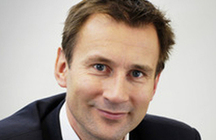
Tag: Jeremy Hunt

  • Jeremy Hunt – 2014 Speech on Good Care

    jeremyhunt

    Below is the text of the speech made by Jeremy Hunt, the Secretary of State for Health, at Birmingham Children’s Hospital on 16 October 2014.

    Let me start by saying what an enormous pleasure it is to be here today at Birmingham Children’s Hospital. This hospital is rightly proud of its record on quality and safety and has led the way in bringing the safety agenda to paediatric care, not least with its work on improving patient handover and on developing a safety thermometer for children and young people.

    Indeed this hospital is powerful proof of the case I want to make today: that world class care is not just better for patients, it reduces costs for the NHS as well. And in doing so creates a virtuous circle where ever more resources can be invested in improving patient care rather than wasted on picking up the pieces when things go wrong.

    A turning point

    With huge financial constraints and the pressures of an ageing population, we are at a critical moment in the history of the NHS. So today I want to challenge head on those who say that the future will be about cost and not quality; who suggest that it is time to ‘move on’ from Francis and the lessons of Mid Staffs and want to focus on the ‘next thing’ – which they usually say is about money and nothing else.

    “The path to safer care is the same one as the path to lower cost”. Those words were spoken to me earlier this year by Dr Gary Kaplan of Virginia Mason Hospital in Seattle, recognised as one of the safest hospitals in the world.

    As a result of his hospital’s journey to safer care, which started with the tragic death of a patient in 2004, his costs for acute diagnoses are between 20 and 60% lower than his major competitors. Shorter hospital stays, more motivated and productive staff and lower litigation claims have led him to believe that hospitals could double their output on the same resources simply by eliminating the waste of resources associated with harming patients.

    Not just in the US, but here in the UK too where Salford Royal is recognised as a leader in patient safety and quality improvement. Chief Executive Sir David Dalton says the focus they have had on quality improvements has yielded productivity improvements of around £5m each year, which they continue to reinvest in frontline care.

    Across the hospital sector, the enormous progress made in recent years to prevent hospital acquired infections is showing how quality improvements save money. We have reduced C. diff infections by 45% and MRSA infections by 56% in the last four years, saving patients untold trauma but also an estimated £22.5 million in costs for the NHS.

    The extraordinary ‘Sign up to Safety’ campaign that David Dalton leads has so far signed up over 100 trusts, including this one, to help spread good practice – making it one of the biggest hospital safety initiatives in the world. Indeed the enthusiasm for ‘Sign up to Safety’ is a remarkable testament to the commitment of the NHS to learn the lessons of Mid Staffs.

    But my message today is that learning those lessons is not a one-off: it’s a permanent process of constant questioning and continual improvement in which the elimination of waste and the elimination of harm walk side by side as part of the same process.

    Variation and lost value

    Today the CQC are publishing their annual ‘State of Care’ report. Inevitably there will be media focus on examples where care is sub-standard. Indeed, shining a light on poor care is essential if we are to have the highest standards.

    But the biggest lesson from today’s report is not actually the existence of poor care – it is the unacceptable variation in care outcomes across the system. And it is my job as Health Secretary to ask why it is that similar levels of resourcing, similar values and similar numbers of committed staff can produce such differences in quality.

    My conclusion is that too many people still think that providing the best care is something you do only when you can afford it – and fail to appreciate that improving care is one of the best ways to control costs in financially challenged circumstances.

    Which is why the report published today by Frontier Economics is so revealing in its analysis of the cost of poor care.

    They estimate that it could be costing the NHS up to £2.5 billion every year.

    And they highlight some of the shocking costs of poor care – from the £1.3 billion spent every year on litigation costs, to the cost of not ‘getting it right first time’ in orthopaedic care – which Professor Tim Briggs’s excellent work shows could save between £200-300 million every year.

    These are large sums of money which the NHS is potentially wasting. But we should be careful not to anonymise their impact by sticking to large numbers. So today we publish further work to look at the cost of individual episodes of avoidable harm.

    A single fall in a hospital is a tragedy – potentially life threatening – for the patient affected. It also costs the NHS on average £1,200 because of the extra care needed and longer hospital stay.

    Likewise a hospital-acquired bedsore is very dangerous for a patient. But it is also dangerous for the NHS, costing on average £2,500. And we had 19,000 of them across the NHS in 2013 to 2014.

    Catheter-acquired urinary infections are unbelievably painful. They also cost the NHS £67 million in 2013 to 2014 – which could pay the salaries of 1,300 nurses.

    So I want every director of every hospital trust to understand the impact this harm is having not just on their patients, but also on their finances.

    And I want every nurse in the country to understand that if we work together to make the NHS the safest healthcare organisation in the world, we could potentially release resources for additional nurses, additional training, and additional time to care.

    So today a poster and leaflet will go out to all NHS hospitals to display this vital message to their staff.

    If you’re short of money, poor care is about the most wasteful and expensive thing you can do.

    Good care costs less.

    The right model of change

    But it is one thing to identify lost value, quite another to develop practical strategies to release it. So how do we reduce variation and improve safety?

    In the best of NHS traditions it would be very tempting to set up a new target. Or issue a new ministerial decree.

    But that would be a mistake.

    Because the culture change we need to achieve has to come from inside, not because hospitals are being forced from the outside. What Gary Kaplan called ‘institutional culture change’ is based on listening to and valuing doctors and nurses on the frontline – the people who know more than anyone else what is needed to improve care.

    So let’s take a moment to look at some of the traits shared by organisations that have excelled in improving patient care and eliminating waste.

    The aggregation of marginal gains

    The first trait is attention to detail.

    When I was Secretary of State responsible for the Olympics I had the privilege of meeting Sir Dave Brailsford when he was training the Team GB cyclists. One of those cyclists was actually called Jeremy Hunt so I was just a tiny bit disappointed that despite their extraordinary medal haul – the best in British cycling history – Jeremy Hunt didn’t pick up a gold.

    Sir Dave famously argues that the success he brought to Team GB cyclists was not about a new big bang approach, but what he called the ‘aggregation of marginal gains’. Paying close attention to the detail, to things which, on their own, seemed insignificant – but when added up mean the difference between winning and losing. At the Manchester Velodrome Chris Hoy told me about his first ever gold medal at the Copenhagen World Championships. He won by 0.001 of a second. His aggregated marginal gain set him on the path to being our greatest ever Olympian.

    This is really important because we should not think we can unlock £2.5 billion in one go with a new policy. But we will unlock it in hospitals with a new culture. And it’s a culture that really cares about the details, the little things, all of which add up to better care and less waste.

    Some of these gains will be in the form of money – in management jargon, ‘cash releasing’. But some will be in the form of increased value for patients and staff – freeing up resources in ways that lead to better patient care, greater staff motivation and long-term productivity gains. In high-performing organisations, these two things will go hand-in-hand.

    The right relationships

    Another trait in hospitals with world-class safety standards is proper collaboration between management and frontline staff. We have recently seen powerful evidence to support this from the joint work by the Academy of Medical Royal Colleges and the NHS Confederation. They explore what they call ‘Decisions of Value’ and conclude that good relationships between clinicians and managers is critical in securing value for patients.

    Their report shows that over half of clinicians do not believe they are involved in the financial decisions that affect their service or team. But how can you break the dangerous nexus between poor care and higher cost if the clinicians responsible for patient care have no input into the financial decisions that affect their work?

    Likewise we need to build better partnerships between commissioners and providers, not least in developing integrated care pathways that we know both improve care and eliminate waste.

    Openness and transparency

    What else characterises leading organisations? Along with a focus on detail and relationships, they have an obsession with openness and transparency based on high-quality data.

    Not far from here, patients at Queen Elizabeth Hospital can log onto ‘My Stay@QEHB’ which allows them to see how their specialty performs compared to hospital expectations.

    Transparency can also be about reaching out to patients and the public: it is fantastic that one of the first things you see on the Birmingham Children’s Hospital website is a section called ‘What’s it like here?’ that makes the strange world of hospital care more familiar for children.

    The best organisations crave data as a vital tool to drive improvement. We are blazing a trail with the new MyNHS website, which makes the NHS by far the most open and transparent healthcare system in the world. Now with detailed and easily accessible information on hospital, local authority and mental health performance, I am confident that this project will demonstrate that in the modern NHS the best way to improve performance is transparency not targets.

    The best example of the power of transparency has been the way the NHS has responded to the tragedy at Mid Staffs. I could have said as part of the government response that I intended to hire another 10,000 nurses – and it would have been a disaster. Not only would we have ended up with the wrong nurses in the wrong places, but the measure of success would have been meeting an input target, not improving care for patients.

    Instead we did something far more powerful.

    Firstly we asked every hospital in the country to collect and publish information from their patients on whether they would recommend the care they received to a friend or member of their family. Based on the net promoter principle, this was the first time anywhere in the world patient views had been sought comprehensively across an entire health economy.

    Then working with Chief Nursing Officer Jane Cummings we asked every hospital to publish the number of planned and actual nursing staff for every single ward. Finally, we made patient experience a central part of the new independent CQC inspection regime.

    And the result? Yes the NHS did hire 5,000 more hospital nurses to fill in critical gaps after Mid Staffs, often in elderly care wards. But more importantly a change in attitudes to the importance of quality of care – as opposed to simply quality of treatment – saw an 8% jump in just one year of the people who believed they were treated with compassionate care by the NHS. No target, no extra money, just transparency about performance.

    And in some cases improving on this has not required more staff at all. For example, there are some Trusts – including Portsmouth, Coventry and Royal Surrey – that are using an electronic physiological surveillance system to improve the monitoring of vital signs, with impressive early impact on patient mortality that has not required large increases in staffing.

    And consider the example of Guys and St Thomas’s where they have been looking at how redesigning basic processes and using technology can give nurses more time with their patients. With only a small increase in staffing of one extra nurse working on discharge and another at night, they were able to increase contact time with patients from 48% to 75% while also reducing length of stay. Hugely beneficial to patients, and better for staff too.

    Cost and quality: challenging assumptions

    These therefore are some of the traits of high-performing organisations.

    And underlying all of them is the shared assumption that cost and quality are not alternatives to be traded off, but different aspects of the same ambition to provide safe, effective care on a sustainable basis. This directly challenges the conventional wisdom that ‘you get what you pay for’ – as does the CQC’s ‘State of Care’ report which shows massive variation despite similar input costs.

    It also challenges the received wisdom that there is little value left to get out of the system now that the so-called ‘low hanging fruit’ has been plucked.

    And it challenges the other commonly held view that only large-scale change will release significant value. Of course we will need to continue to make important changes to care pathways – but as we do that we need to support trusts in making the small improvements that, when aggregated, will make a big difference.

    Conclusion

    I hope therefore that from today in hospital board meetings up and down the country one simple change happens: patient experience and patient safety are not discussed separately to finances – but as two sides of the same coin. Wouldn’t it be fantastic if a hospital board was as focused on its ‘safety improvement plan’ as its ‘cost improvement plan’, and saw them both as part of the same objective of doing a better job for patients.

    I am proud of the additional investment this government has provided and will continue to provide to the NHS. Nobody would pretend that the financial sustainability of the NHS will be ensured by improving safety alone. But it has a critical contribution to make.

    The path to lower cost is the same as the path to safer care.

    Hospitals that embrace one embrace the other too.

    Hospital safety and hospital finances both improving and patients as the winner.

  • Jeremy Hunt – 2014 Speech on the Better Care Fund

    jeremyhunt

    Below is the text of the speech made by Jeremy Hunt, the Secretary of State for Health, at the National Children and Adult Services Conference on 30 October 2014.

    Let me start with a thank you.

    All of you have been talking about delivering integrated, joined-up care for a very long time and I know sometimes it has felt like banging your head against a brick wall. And now it is happening, for real. Instead of people just talking about it, you are actually delivering it. And without your vision, your determination, and your passion to do better for some of our most vulnerable citizens it wouldn’t be happening.

    I am also pleased to be saying these words in Manchester which has been at the forefront of joining up health and social care and proved beyond doubt that integrated care, driven not from Whitehall but by local enterprise and initiative, can support the transfer of hospital services to out-of-hospital settings by truly focussing on the needs of patients and service-users.

    And the fact that this kind of project is not peripheral but now central to the change we want to see in our NHS and social care system was demonstrated last week with NHS England’s visionary Five Year Forward View. It talked about inspiring new models of out-of-hospital care, exactly the change that people here have been arguing for. That plan and your ambition is completely consistent with the government’s own view about the future of health and social care.

    We all agree that change needs to happen. But to work it has to be locally led, tailored to local needs and designed by those who know those needs best. So the role for government is clear: no grand blueprints, no structural shake-ups, no one-size-fits all. But our role will be to enable, champion – and yes fund – your endeavor.

    So I want today, as my first response to the NHS England Five Year Forward View, to outline the four pillars of our plan to prepare the NHS and social care system for the challenges of an ageing population. And as social service directors your role will be absolutely central to every element of that plan.

    Funding backed by a strong economy

    The first pillar of our plan concerns funding. A strong NHS and social care system needs a strong economy to support it. The last four years have been the most challenging ever for both the NHS and social care system – and they started because of an economic crisis. It is in all of our interests to make sure the economy continues to grow, create jobs and generate the tax revenues that allow sustained ongoing financial support for health and social care. In Portugal, Spain and Greece we have seen services cut as the price of economic failure – and we don’t want that to happen here.

    And when we did have to tackle the deficit, we prioritised the NHS by protecting its budget – which meant tougher settlements for other departments including local government. But the interconnected relationship between the services we both offer to vulnerable people means that we in the NHS have a responsibility – as we move to fully integrated services – to help you deal with a tough financial settlement. If we operate in financial silos the costs will be higher for both of us – hence there is no sustainable NHS without the tremendous strategic importance of the Better Care Fund which we are celebrating today.

    Transformed out-of-hospital care

    But it isn’t just about money: it’s also about the way we deliver care.

    The NHS was set up in 1948 in a very different world. The model was essentially if you were a little bit ill you went to your GP; if you were very ill you went to hospital. You were then patched up and sent home.

    With an ageing population our challenges are profoundly different. By the time of the election we will have nearly one million more over 65s than at the start of the last parliament. Within the next two years, we will have three million people with three or more long term conditions. A few years after that we’ll have one million people with dementia. And a few years after that – by 2030 – the number of over 80s will double to 5 million people, 10% of the entire population.

    Older people with complex conditions need a different type of care, one that is usually best delivered out of hospital settings. They’ll be frequent users of the health and social care system so they need one person taking responsibility for their healthcare. And they need to know that wherever they go they will be dealing with someone who knows about them and their family, knows their medication history, and knows about their other interactions in the system.

    So if getting a strong economy is the first pillar of our plans for the NHS and social care system, getting this new model of care right for an ageing population is the second.

    Better Care Fund

    And on that front I am pleased to report today some remarkable progress with the Better Care Fund, which for the first time anywhere in the world is integrating health and social care across an entire health economy.

    Building on the excellent work by Norman Lamb on the Integration Pioneers that many of you were involved in, local authorities and local NHS commissioners have joined together and painstakingly planned commissioning for adult health and social care with pooled budgets. Budgets from the local authority side are for the first time helping to reduce emergency hospital admissions and budgets from the NHS side are for the first time helping to reduce permanent admissions to care homes.

    I want to thank my colleague Eric Pickles for making this happen, and thank the Better Care Fund Team and Andrew Ridley.

    Sceptics said this wouldn’t happen. Critics said there wasn’t the appetite among local councils or the NHS. The papers criticised it and opposition politicians called for it to be halted and when they were proved wrong said it didn’t do enough.

    Well they were all wrong. Because today I am delighted to announce the total amount of pooled budget for next year is even higher than the government’s original £3.8 billion. It has risen to a staggering £5.3 bn.

    I can announce that 97% of the 151 plans have been approved.

    And that as a result of these plans NHS England estimate that the Better Care Fund will be supporting at least 18,000 individuals in new roles delivering care in the community. This will be a range of social workers, occupational therapists, care navigators, doctors and nurses, deployed based on local needs and delivering outside hospitals care to some of our most vulnerable citizens.

    Taken together, these plans will mean savings [to the NHS] of £500m in the first year alone. More importantly in terms of patient care, they will mean 163,000 fewer hospital stays or 447 fewer hospital admissions every single day; and 100,000 fewer unnecessary days spent in hospital in total through organising better delayed discharges

    This is a great start and everyone here should feel very proud. But based on the same principles that we’ve learnt in the last year I want to ask why should we not go further?

    Accountable care organisations

    For me GPs, whose services are commissioned by NHS England, sit at the heart of NHS community care. We need them to be part of this change too. So this year, for the first time, CCGs have been offered for the chance not just to commission social care jointly with local authority colleagues, but also co-commission primary care with NHS England. I hope the result will be in many areas a single integrated approach to commissioning all out of hospital care, whether through community care, GP practices or social care, often using personal budgets to integrate care even better around the person.

    I think we can go even further than that.

    Should we not adopt the same partnership approach we have so successfully pioneered with the Better Care Fund for public health responsibilities as well? You have made a great start with your new public health responsibilities – alcohol recovery rates up, smoking down, teenage pregnancy down and health checks at an all time high. It would surely make more sense for local authorities to plan their smoking, alcohol, drugs and obesity strategies alongside NHS colleagues who have a direct financial interest in making them successful. In doing this we can turn CCGs, working alongside local government colleagues in accountable care organisations, responsible for commissioning end-to-end integrated care for their entire populations – including both care closer to home and proactive prevention programmes.

    And in the same vein, should we not also consider joint commissioning of children’s services, building on our review of Children and Adolescent Mental Health services? That review highlighted the importance of different organisations working together – so as we move to integrated care we should consider what the benefits could be for this very important patient group.

    Innovation

    A strong economy and integrated community care are the first two pillars of our plan. The third pillar involves being much better at embracing innovation and efficiency.

    The technology revolution means that now half of us bank online, nearly two thirds of us have a smart phone and three quarters of us access the internet every day. Yet still in the NHS we employ people whose main job is to input the contents of faxes from hospitals onto electronic health records in GP surgeries.

    IT investment has had a chequered history in the NHS but in the last two years we have made some good progress. By the end of this year a third of A & E departments will be able to access summary care records, as will one third of 111 call centres and one third of ambulance services. This will then be rolled out to everyone.

    I know electronic record sharing is a key part of the Better Care programme you have been working on – so let me give you one example of where I think it could make a huge difference. Shouldn’t residential care homes be able, with a patient’s consent, to update someone’s condition onto their GP record on a daily basis? We’ve introduced named GPs for all over 75s this year, rolling out to everyone next year. But we could make this much more meaningful if the responsible GP was able to check on someone’s condition on a daily basis just by looking at their record on a computer.

    Cost tracking

    But innovation is not just about electronic medical records.

    One of the most common criticisms of the NHS is that it is a slow adopter of technology, even when adopting such technology earlier would save overall costs. This tends to be because we look at costs in financial silos so people are reluctant to invest in costs upstream that benefit another part of the system downstream.

    We therefore need CCGs and local authorities to collect full real time total NHS and social care cost information by patient and service-user. Only when we can see that will commissioners invest properly in the preventative innovations that both improve health and contain cost.

    Culture change

    Innovation and efficiency is the third pillar of our plan. And then final pillar is the most difficult of all, because it is not financial, it’s not operational it’s cultural.

    We need to change the culture of a system that has too often failed to put patients at the heart of its priorities.

    Almost two years ago, after less than two months as Health Secretary, I made one of my most difficult speeches I’ve ever made when – in the wake of Mid Staffs – I talked about the normalisation of cruelty in the NHS. And we have sadly also seen at Winterbourne View the criminal abuse of vulnerable adults.

    Since that time, thanks to the huge efforts of people across the health and care system, we have made great strides in improving quality and safety in hospitals. We have 5,000 more nurses in our hospitals, every patient being asked whether they would recommend the care they receive to friends or a member of their family and with the new Chief Inspectors of Hospitals, General Practice and Adult Social Care we probably have the most robust independent inspection regime of anywhere in the world. And we are doing more as well to help adults and older people live independently, with the appropriate support, rather than in residential care.

    And these things are all important – but unless the culture changes as well they will be for nothing.

    And the heart of the problem is that for too long in the NHS, perhaps less true in the social care system, but in the NHS we have relied on top-down targets as the main way to raise standards. Whilst there will always be a role for some targets in any large organisation, the danger with too many targets people focus their energy away from the vulnerable person sitting right in front of them – as we saw at Mid Staffs with tragic consequences.

    We need to recognise that transparency of outcomes and peer review is a far more powerful way to improve care than yet more targets.

    Transparency of outcomes was pioneered by Bruce Keogh and our heart surgeons a decade ago: since they had the courage to assemble and publish, surgeon by surgeon, mortality rates we have moved from having some of the highest heart surgery mortality rates in Europe to some of the lowest.

    The MyNHS website now displays comparative performance by hospitals and local authorities on a wide range of indicators, from food to efficiency to safety and public health. I want this to be the engine that turns our NHS and social care systems into truly learning organisations.

    And as part of that cultural change we need to see, which is to make sure the primary accountability of doctors and nurses is not to system goals but to the patient standing in front of them.

    From next year every NHS patient will have a GP who is personally responsible for their care, with the GP’s name at the top of their electronic health record. Named, accountable doctors so that both patient and NHS know where the buck stops. And GPs supported to discharge that responsibility with more capacity in primary care, whether through additional GPs, practice nurses, district nurses or administrative support.

    Conclusion

    So I wanted to spend some time explaining the four pillars of our plan to transform our health and social care systems over the next parliament: increased funding backed by a strong economy; integrated, joined up out of hospital care; innovation and efficiency; and a culture where patients and service users always come first.

    If it sounds ambitious, I think it is.

    But we have a few trump cards to play.

    A social care system that has succeeded in weathering perhaps the toughest financial challenge in its history.

    We have an NHS that was rated this year by the independent Commonwealth Fund as the top-performing healthcare system in the world – ahead of America, ahead of France, ahead of Germany, ahead of France, ahead of Spain.

    The commitment and values of not just NHS staff, but also colleagues in the social care system who have given their lives to the most noble cause of all, giving dignity and respect for our most vulnerable and disadvantaged citizens.

    And we have a growing economy. But the litmus test for us as society is what we do with the fruits of economic success.

    Today shows that with hard work, imagination and commitment we can pass that litmus test and rise to the challenge of an ageing population by making Britain the best country in the world to grow old in.

    There’s a long way to go, but today the journey has started.

  • Jeremy Hunt – 2014 Speech to King’s Fund

    jeremyhunt

    Below is the text of the speech made by Jeremy Hunt, the Secretary of State for Health, to the King’s Fund in London on 13 November 2014.

    Introduction

    Here at the King’s Fund, in November 2012, I made the most important and difficult speech I’ve made as Health Secretary.

    It was in the run up to the publication of the Francis report.When I described the problems at Mid Staffs and across the NHS I used words never used by a Health Secretary before – I spoke of the ‘normalisation of cruelty.’

    But rising to the challenge of Francis has not been the only thing the NHS has had to cope with.

    We’ve also had the deepest recession since the second world war with unprecedented austerity. At the same time an ageing population has given us nearly one million more over 65s than at the time of the last election.

    This triple whammy has created perhaps the toughest financial climate for the health and social care system in its history.

    Four pillars

    Big challenges. Which call for big solutions.

    Solutions that involve us all, owned not just by politicians and NHS leaders, but by doctors and nurses on the frontline.

    Solutions that improve care and reduce cost at the same time – better care for patients and better value for the taxpayer.

    And solutions that are sustainable because they go with and not against the grain of core NHS values.

    So today I want to outline the four pillars of the government’s plan for the NHS – and how we intend to make a reality of the NHS England

    Five Year Forward View

    And I will be brave: by saying I am increasingly optimistic that working together we can build a historic new compact across the NHS which not only achieves the Forward View’s £22 billion of efficiency savings but also delivers higher quality and safer care to an ageing and increasingly demanding population.

    So what are the four pillars of our plan?

    Firstly to recognise that a strong NHS needs a strong economy.   This is not a political point but economic reality. Much of the current pressure was caused by an economic crisis. The way to relieve that pressure is both to end the crisis and to make sure it is never repeated. As the Forward View makes clear, the only way to grow the £113 billion NHS annual budget is to make sure we have an economy generating the tax revenue to finance it.

    The second pillar is something you have championed for many years at the King’s Fund: the need for integrated care closer to home as the heart of our response to an ageing population.

    Within the next 2 decades the number of over 80s will double to over 5 million. The care they need is different: proactive, out of hospital care focused on prevention and management of illness – rather than a narrow focus on emergency care when it is too late.   So in the last year we have been taking important steps: a proactive care programme which commits GPs to additional care for their most vulnerable patients; named GPs personally responsible for the care of individual patients, starting with over 75s this year and rolling out to everyone next year; and two weeks ago the £5 billion integration of health and social care through the Better Care Fund. 151 local plans to improve out of hospital care including sharing medical records, jointly commissioning social care and jointly working to reduce emergency hospital admissions.

    The third pillar of our plan, is something I want to spend some time on today. How do harness innovation and value for money to improve care and make the Forward View’s £22 billion of savings?

    Innovation

    Innovation is not alien to the NHS.

    It has had more “world firsts” since its creation in 1948 than any other publicly funded health system, including the first baby born by IVF in 1978 at Oldham General; the first ever heart, lung and liver transplant at Papworth in 1987; and the link between lung cancer and smoking, discovered at NHS hospitals by Sir Richard Doll in the 1950s.

    But scientific innovation has not been matched by process innovation. We have not built a system that is good at adopting and rapidly diffusing new ways of doing things. Given that much innovation saves money as well as lives, we need to change the NHS from a lumberingly slow adopter of new technology to a world class showcase of what innovation can achieve.

    Today I am taking an important step towards making that change.

    Alongside colleagues across the health and care system on the National Information Board, I am setting out a plan to achieve personalised, 21st century healthcare for the whole NHS. We will not do this through bureaucratic top down initiatives but by encouraging and diffusing local clinical innovation. And harnessing the most powerful driving force for innovation we have: the power of individual citizens who care about their own health.

    From next spring you will have online access to a summary of your own GP record, and access to the full coded medical records by 2018. By 2018, as well as access, you will be able to record your own comments. This means everyone will be able to create and manage their own personal care record.   From next April you will be able to book GP appointments online and order repeat prescriptions without having to go into your local surgery.

    By 2018 a paperless NHS will ensure you only have to tell your story once: if you consent, your electronic care record will be available securely across most of the health system, and by 2020 across the whole of the health and care system, so that, when you need care, different health professionals have instant access to the information they need. This has already started with one third of A & E departments now able to access GP records and one third of ambulance services able to do so by the end of this year.

    From next 2016 NHS England have said you will also have access to trusted NHS health ‘apps’ and social networks – so that you can monitor your own health, or join a virtual community of friends, family or other patients who can support you.

    Personalisation and prevention

    We know in other sectors technology has made personalised service economic to deliver – whether it is home banking, on-demand TV or personalised Christmas cards.

    But in healthcare that is only the tip of the iceberg.

    More personalised, responsive and joined-up care becomes possible with shared electronic health records.

    But in healthcare, technology also unlocks personalised cures for illnesses. We know that diseases like cancer and dementia are not single diseases, but infinitely complex variations on a theme. We also know that it is often not economic – under current models – to develop cures for rarer diseases like pancreatic cancer or infantile epilepsy.   And that is why this government has committed to make the UK the first country to sequence and make research-ready 100,000 whole genomes. We want the NHS to spearhead a global revolution in personalised medicine based on individual genetic characteristics.

    But in healthcare it is not just personalised care and personalised cures that technology unlocks. It is also a revolution in prevention.

    If you are a vulnerable older person being cared for by Airedale Hospital in Yorkshire, you may well be given a big red button. This sits on your armchair and to use it, there is only one thing you need to do: and that is to make sure your TV is switched on. Then if you press the button – anytime, day or night, a nurse will appear on your TV screen to ask how you are.

    Incredibly simple – but incredibly effective at reducing emergency admissions by making good care accessible from inside your own home. Airedale estimates a 14% reduction in such admissions for these patients – while NHS Gloucestershire, where I was yesterday, estimate they have reduced the cost of emergency admissions by 35% for patients with long-term conditions using a similar remote monitoring system.

    And this is not just about the frail elderly. Google and Novartis are collaborating on a new contact lens to help people with diabetes monitor their blood sugar levels through analysing tears.

    7 million people now wear devices or use apps to monitor their own health. My own FitBit One says that today I have done 8553 of my 10,000 daily steps. In the US Kaiser Permanente are looking to integrate pedometer data into electronic health records to give physicians a better understanding of people’s prevention regimes.

    Too often, though, the NHS has lagged behind other countries in offering access to these kinds of products even though the NHS itself is the winner if costs are contained by preventing illness. This will not change until healthcare is commissioned holistically, so that the budget holder who pays for innovative prevention sees the financial benefits that accrue as a result.

    So today I can announce that as part of a step towards becoming accountable care organisations, all CCGs will be asked by NHS England – with support from HSCIC – to collect and analyse expenditure on a per-patient basis.

    CCGs will then, as co-commissioners of primary and specialist care with NHS England, and co-commissioners of social care and potentially public health with local authorities, be able to pinpoint more clearly where there is the greatest potential to improve patient outcomes by reducing avoidable costs through more innovative use of preventative measures.

    Protection

    But alongside personalisation and prevention, there is a third “p” that is vital if we are to embrace innovation – and that is the protection, protection of personal medical data. If we lose the confidence of the public that their data is safe none of this will be possible.

    So we need to be as robust in protecting personal data as we are ambitious to reap the benefits of sharing it.

    This year’s Care Act put in place a number of measures, controls and independent oversight of the use of personal data. New data security requirements will be published by October 2015 and mandatory for all providers of NHS care.

    But today I am going further.

    Just as we now have a Chief Inspector of Hospitals to speak without fear or favour about standards of care, I am today announcing the establishing of a new National Data Guardian to be the patient’s champion when it comes to the security of personal medical information.

    I am delighted that Dame Fiona Caldicott, who has done so much outstanding work in this area, has agreed to be the first National Data Guardian for health and care. She has agreed that it will be her responsibility to raise concerns publicly about improper data use. And organisations that fail to act on her recommendations will face sanctions, either through the ICO or the CQC, including potentially both fines and the removal of the right to use shared personal data.

    I have already asked Dame Fiona to provide independent advice to me on care.data. No data will be extracted from GP practice systems – including during the ‘pathfinder’ pilot phase of the programme – until she has advised me that she is satisfied with the programme’s proposals and safeguards.

    I intend to put the National Data Guardian on a legal footing at the earliest opportunity, but even before that the CQC and the ICO have committed to pay special attention to her recommendations, including sanctioning organisations where they find breaches, that do not comply with Dame Fiona’s recommendations, even before any new legislation is passed, so patients will benefit immediately from a much tougher and more transparent regime.

    Reaching the £22 billion

    A more personalised service that helps people stay healthier is not just what people want: it also reduces cost.

    The banks have persuaded more than half of us to bank online. And in doing so cut their own costs by an impressive 20%. By embracing the lower costs of virtual shopping, websites such as Amazon deliver products more conveniently but also more cheaply too. Skype is not just handy – it means international calls are free. Higher quality and reduced cost at the same time.

    And likewise this has happened in healthcare, where the Veterans Association estimates that a fully integrated, digital system including accessible electronic health records, remote monitoring, and online consultations has saved $3 billion over 6 years.   It is, now difficult, of course, to predict exactly what the savings might be for the NHS – but to give you one example, if better care at home reduced the cost of emergency admissions by 30%, we could save £5 billion by 2020. A one year delay in the onset of dementia would save £1.5 billion. Money that can be reinvested in more frontline staff and more preventative care, creating a win-win for patients and staff alike.

    The Forward View £22 billion savings challenge

    But there is also a lose-lose which we are grappling with now.

    Because every pound wracked up in deficits is a pound taken away from patient care, which is why maintaining financial balance is vital. But true financial sustainability means rethinking how we spend money not just day-to-day but more fundamentally. Just as in 2009 Sir David Nicholson set up the Nicholson Challenge to save £20 bn this parliament – something that has largely been delivered – so the Forward View sets up a £22 billion challenge for the next parliament.

    The challenge may be similar but the way we deliver it will change. As the Forward View makes clear, long-term pay freezes are unlikely to be viable if the NHS is to retain the staff it needs. But as before we will need a combination of national and local initiatives, so today I want to outline 10 savings challenges we can help NHS organisations deliver, challenges which between them could save between £7 billion and £10 billion by 2020.

    The first challenge is safer care. Last month, at Birmingham Children’s Hospital, I spoke about the huge cost that is placed onto the NHS by poor quality and unsafe care. A single avoidable fall costs the NHS £1200 because of the longer hospital stay it causes; but we also know avoidable bedsores cost the NHS £50m and orthopaedic surgery infections cost between £2-3m every year. A report by Frontier Economics, bringing together the available evidence, suggested that the total cost of preventable harm in the NHS may be between £1 and £2.5 billion.

    One of the areas identified by the Frontier report forms the second challenge: ensuring the safe, effective and optimal use of medicines. Last week, the Academy of Royal Medical Colleges estimated that adverse drug reactions resulted in costs of £466 million through additional bed days. This may be the result of prescribing errors. Or clinicians may not know that a patient has an allergy. And some patients, particularly those taking multiple medicines, may find it difficult to take the right doses at the right times. The report argued a further £85 million of savings could be found by prescribing lower cost statins, without impacting on patient care.

    So poor use of medicines is connected to the third challenge: the £300 million of waste each year in primary care from unused drugs, half of which could be avoided according to a study by the University of York and the School of Pharmacy. We have already started to help systems tackle these issues through the roll out of e-prescribing systems using the Safer Hospitals, Safer Wards fund, and through more one-to-one pharmacist consultations as part of the New Medicines Service. But there is much more to do to support patients and clinicians to get the best outcomes from medicines.

    The fourth challenge is procurement. The NHS spends almost £15 billion each year on medical equipment, devices, office supplies and facilities. Prices for surgical gloves vary from £2.43 to £5.44 across the NHS, and the NAO found variation of up to 183% in the prices paid by Trusts for the 100 most commonly ordered products. So we have established the Procurement Efficiency Programme, led by Lord Carter, which aims to deliver savings of at least £1.5 billion from the NHS procurement budget from next year. Mid Cheshire Foundation Trust made savings of 9% on their orthopaedic wards and reduced clinical time spent on stock management by 74% by embracing modern procurement and stock control principles, and I am confident we can make similar changes across the NHS by collecting and sharing data, getting a grip on stocks and supplies, and helping providers with central frameworks and core lists to purchase common products.

    My fifth challenge is agency staffing. Agency staff can be an essential way to fill difficult gaps quickly and to ensure that services continue to be delivered. But we know that a Band 5 agency nurse can cost three times more than a permanent member of staff. And data from University Hospitals Birmingham suggests that high use of temporary staffing can be a sign of poorer quality care, something that Professor Sir Mike Richards has also noted during his inspections. The amount being spent by trusts on agency fees has gone beyond a sensible response to new staffing levels required by Francis and become an unacceptable waste of money.

    So we are supporting Trusts by publishing a new toolkit to help reduce spend on agency staff. And we will bring down these costs further by working with providers to improve their processes and challenge agencies that are ripping off the NHS and the taxpayer. We know it is possible – Taunton and Somerset Foundation Trust, for example, saved £2.5 million by introducing clear rules for hiring agency staff and using electronic rostering.

    The sixth challenge is on surplus land and estates. In many areas of the country the NHS owns buildings and land that it no longer requires, as care is increasingly delivered in the community or in people’s homes. There is huge potential for that land to be used for better NHS primary care facilities or indeed housing and schools – whilst at the same time, reducing NHS overheads and generating cash for reinvestment in NHS services. The London Health Commission estimated that the total value of surplus estate in the capital alone was worth £1.5 billion.

    The seventh challenge is to ensure that visitors and migrants pay a fair contribution to our NHS. Government and the NHS need to ensure that, where people need to pay for their care, every effort is made to recover the charges. Independent research from Prederi suggests that up to £500 million can be recovered from visitors and temporary migrants accessing NHS services. That would be enough to pay the salaries of almost 10,000 nurses. To do this we are providing financial incentives to trusts to promote the identification of people who should be paying for their healthcare. Identification will also be made simpler through details listed in healthcare records of visitors and migrants.

    The eighth challenge is back office costs. The health system is on track to reduce its administration costs by one third over the course of this Parliament, which will save £1.5 billion – and we are committed to save a further £300 million in next year including through shared services and bearing down on estates costs in the department and its agencies. All of these savings go back to supporting frontline care. But it is vital that the NHS continues to look at how it can reduce back office costs in order to support better patient care and these could produce an around £0.5 billion of savings.

    The ninth challenge is to come up with more solutions ourselves by reducing the £500 million plus we spend a year on management consultants. We have the ideas and people inside our NHS to deliver the change we need. It is our doctors, nurses, healthcare assistants and managers who will create a sustainable NHS but we won’t grip this if we try to subcontract the challenge of working out the solution. The final challenge is a personal priority of mine: making better use of IT to free up time for frontline staff. A study by the Health and Social Care Information Centre found that 66% of a junior clinician’s time is spent finding, accessing and updating patient notes – compared to just 24% on patient contact. Electronic records systems could make a real difference in freeing up time to care for patients. And that is why I want all clinicians in primary, urgent and emergency care to be operating without the use of paper records by 2018.

    Taken together these changes could save a significant part of the Forward View’s £22 billion – and combined with local innovation we can surely find the rest. But some of them are not new – so why am I optimistic we can deliver them this time round?   Because I think the Department of Health has learned that simply coming up with an initiative and hoping to “roll it out” from the centre is rarely successful. These challenges will only be achieved if we construct and implement them with the full support of NHS organisations and their frontline staff.

    So I want to do something different this time.

    I want to build on the consensus around the Forward View to develop a compact around both the amount and the way we embrace innovation and efficiency to deliver the savings needed. A compact between the bodies leading the NHS and NHS organisations themselves. And a compact that goes on to be translated at a local level to agreements between Trusts and their own staff as to how we are going to improve both care and efficiency at the same time.

    Fourth pillar

    So that’s the third pillar is a compact to deliver real change in the way the NHS embraces innovation and efficiency.

    But there is a fourth pillar, perhaps the most difficult and important of all. And that is to make sure we get the culture inside the NHS absolutely right. We can make the investments, find the efficiencies, we can even invent new cures – but if those changes are delivered without the right culture of safe, compassionate care they count for little.

    I will return to this on another occasion, but let me leave you with a thought about the two biggest areas of culture we still need to improve. First of all safety: why in healthcare is it somehow acceptable that one in twenty deaths are avoidable? In the NHS in England that is 1000 avoidable deaths every single month. I want us to be the first country in the world that aims to eliminate avoidable deaths in healthcare with the same standards of safety they have in the airline, nuclear or oil industries.

    And we will do that by nurturing a new culture in which the main driver of performance improvement is not endless new targets, but a culture of openness, transparency and continual improvement through peer-review.

    And the second area we need to think about is accountability. Still too often in the NHS it is hard for patients to see where the buck stops. Whether it is frail elderly with complex conditions, adolescents with severe mental health trauma, inside hospital or outside we still have a system where corporate goals trump responsibility for individual patients. Patients will never be at the heart of our system until we have professionals truly accountable for making that happen patient by patient, person by person.

    Conclusion

    So ladies and gentleman it has been a longer speech than normal, even for a politician.

    But I wanted, in the wake of the Forward View, to put some flesh on the bone with respect to the government’s response and the plan we want to work with you on for delivering for the NHS.

    I’d like to finish then on a note of optimism: we are not alone as a country in facing these challenges. But if we implement the plan I have outlined this afternoon, we will be the first country in the world to do so across an entire health economy.

    A properly funded healthcare system backed by a strong economy.

    New models of care appropriate for an ageing population with the safe sharing of data.

    Innovation and efficiency that both saves money and puts patients in the driving seat for their own healthcare.

    And a culture of safe, compassionate care where patients always come first.

    And an NHS that turns heads across the world as it blazes a trail for 21st century healthcare.

    Thank you very much.

  • Jeremy Hunt – 2015 Speech on GPs

    jeremyhunt

    Below is the text of the speech made by Jeremy Hunt, the Secretary of State for Health, at the Nelson Medical Practice in London on 19 June 2015.

    When the NHS was set up nearly 70 years ago Bevan recognised that General Practice was special. Despite much opposition he put your independent contractor status at the heart of the NHS, as leaders of the NHS.

    And with good reason. Internationally, our primary care system has long been respected and envied. Much of the primary care delivered all over the world today is made in Britain: blood pressure measurement, lung function measurements for asthma, the identification of hay fever or the role of vitamins in nutrition. Today we rank in the top third of countries for primary care doctors per patient.

    Even more importantly we get top scores for quality as well. The Commonwealth Fund ranks all major countries on their health systems and it’s well known that the UK came top overall last year. Less well-known is that when you dig deeper the areas where the UK amassed many of its marks were on the quality of general practice.

    We rank:

    • best in the world for having a regular doctor who co-ordinates care
    • best in the world for patients knowing who to contact with questions about their condition or treatment
    • best in the world for the management of chronic care

    In other words a respected, independent US thinktank has made it official: general practice is the jewel in the crown of our NHS.

    A jewel we are proud of.

    But more importantly a jewel we need to shine brightly because, as I will argue today, the strategic importance of general practice to the NHS cannot be overstated.

    Within 5 years we will be looking after a million more over 70s. The number of people with 3 or more long term conditions is set to increase by 50% to nearly 3 million by 2018. By 2020 nearly 100,000 more people will need to be cared for at home.

    Put simply, if we do not find better, smarter ways to help our growing elderly population remain healthy and independent our hospitals will be overwhelmed – which is why we need effective, strong and expanding general practice more than ever before in the history of the NHS.

    The jewel in the crown?

    But the jewel in the crown of the NHS is feeling decidedly unresplendent right now.

    The uncomfortable truth is that even though 90% of all NHS contact takes place via GP consultations, successive governments have undervalued, underinvested and undermined the vital role it has to play. Reforms, always well-intentioned at the time, have often had perverse and unintended consequences.

    The 1990 contract imposition introduced more accountability but also started a process that felt to many like de-professionalisation. The 2004 GP contract was meant to increase the focus on prevention, but undermined the personal relationship with patients by scrapping named GPs. The Quality Outcomes Framework (QOF) was meant to provide a better focus on outcomes, but has too often ended up as a tick-box process. All of which suggests Ronald Reagan had a point when he said, “Governments tend not to solve problems, only to re-arrange them.”

    The result has been a profession where many GPs feel overwhelmed by demand and undervalued by the system, unable to give the comprehensive care they want to, and trapped on a daily hamster wheel of 10 minute appointments that lead inexorably to burnout, early retirement and unfilled vacancies.

    That is why a month after the general election I am keeping my pledge to announce the first steps in a new deal for general practice.

    Now deals have 2 parties, so I want to be upfront: this is not about change I can deliver on my own. If we are to have a new deal I will need your co-operation and support – both in improving the quality and continuity of care for vulnerable patients and delivering better access, 7 days a week, for everyone.

    A new deal on workforce

    How we achieve this is complex, and I do not pretend to have all the answers today. But I want to waste no time in making a start with some important elements.

    Firstly and most urgently we need to deal with concerns about the primary care workforce.

    Since 2010 the GP workforce has increased by 5% with an additional 1,700 GPs working or in training. But at the same time, because of an ageing population and changing consumer expectations, we have seen a massive increase in demand for GP appointments.

    As a result, we are delivering an estimated 45 million more appointments every year compared to 5 years ago, but even this has not kept pace with demand. The number of people unable to get an appointment has been rising and public satisfaction with access to GPs is falling. People are simply finding it too hard to see their GP and GPs are finding it harder to give the kind of personal care that is the hallmark of their profession.

    So at the election we committed to the challenging objective of increasing the primary and community care workforce by at least 10,000, including an estimated 5,000 more doctors working in general practice, as well as more practice nurses, district nurses, physicians’ associates and pharmacists. This will be informed by the important work Professor Martin Roland is doing on workforce mix for Health Education England.

    The national picture is not uniform, with wide variations from surgery to surgery in the number of GPs available per thousand of population. Even in my own parliamentary constituency, the availability varies between 0.32 and 1.32 GPs per thousand patients of population even with surgeries only a few miles apart.

    We therefore need to focus our recruitment on the most under-doctored areas where the problems are most acute.

    So today NHS England is publishing data about clinical staffing levels for every practice in the country. This is not a table of staffing needs, which will vary according to demographic and socio-economic profile. But it does indicate that even in areas with similar profiles the variation is unacceptably large.

    Tackling this problem will be challenging, but I intend to leave no stone unturned. Quite simply, at every stage of a doctor’s career we must do more to promote the attractiveness of general practice.

    First we need to transform the experience which medical students have of general practice. We are changing the focus of medical training so that time spent in primary care is not only compulsory but also a better experience. As part of this, a new pre-GP scheme has been launched by Health Education England which, in its first year, had a success rate of 82%.

    Secondly, we need to increase and fill our GP training places. They are going up from 2,600 to 3,250 annually and we are working with the Royal College of General Practitioners (RCGP) on a national marketing campaign to encourage medical students to choose general practice. This points out that general practice is likely to be the biggest growth area of the NHS in coming years with some of the most exciting transformations in care. This campaign started this year with an encouraging 300 more applicants attracted into recruitment as a result.

    Next, by working with the profession we will improve routes back to general practice for experienced doctors. An induction and ‘returner’ scheme for those returning to the profession from overseas or from a career break has been refreshed and now includes support with the cost of returning to general practice. Over 50 GPs have already taken up this offer.

    We will also explore with the BMA and RCGP new flexibilities to retain those precious GPs who are nearing retirement but may want to work part-time as they too have a critical role to play.

    Innovation in the workforce skill mix will be vital too in order to make sure GPs are supported in their work by other practitioners. I have already announced pilots for new physicians’ associates, but today I can announce those pilots are planned to ensure 1,000 physicians’ associates will be available to work in general practice by September 2020.

    Finally, as well as getting more new GPs, we need to make sure they go to parts of the country where they are most needed. Building on the success of a Health Education England pilot in the West Midlands, we will incentivise a number of newly qualified GPs with an extra year of training and support to develop specific skills needed in areas such as paediatrics, mental health and emergency medicine.

    A new deal on infrastructure

    Getting the workforce right is critical. But so too is dealing with the challenge of the buildings they work in.

    Many of our primary care facilities are simply not fit for purpose. If we are to respond to ever changing and ever increasing demand, we need significant improvements in the quality of our physical infrastructure.

    So last year we announced the £1 billion Primary Care Infrastructure Fund, spread over 4 years. Over 1,000 GP practices have now had bids provisionally approved for £190 million of investment in premises this year, backing exciting plans to expand services, house integrated services with community and pharmacy providers, and invest in digital innovation.

    These include plans – for example – to allow 2 practices in Waltham Forest to co-locate into a new purpose-built surgery, offering a more comprehensive range of services to patients, including an elderly care facility and a falls clinic. Six practices in Solihull are building additional consulting rooms to increased access to primary care services for patients. While in Crawley, the Pavilions building is being redeveloped so the practice can provide a wider range of services and increased capacity for GP training.

    Over the next 3 years we will allocate the rest of this fund to invest in further schemes so that over the course of the parliament cities and towns across the country will see visible signs of improvement in primary care facilities.

    This investment will also support digital innovation, where GPs have led the way. Online patient access to summary medical records through primary care rose from 3% to a remarkable 98% over the last year. But we need digital, real time, interoperable electronic health records for the whole NHS, so we will help practices link their patient records to NHS secondary and community care providers and the social care sector.

    A new deal on access with a 7 day NHS

    While we need to improve workforce supply and infrastructure, we will not solve the problems we face by simply doing more of the same.

    In particular, we need to address the issue of 7 day care.

    The role and purpose of 7 day primary care is about much more than convenience – it is about making sure precious hospital capacity is kept clear for those who really need it. We have clear evidence from Imperial College London that a lack of access to GPs at weekends results in increases in urgent hospital admissions. As Professor Sir Bruce Keogh develops his new model for urgent and emergency care, we need to make sure general practice plays its part in improving access to routine appointments.

    But new models of care should never be one size fits all, and while we must always respect the integrity and accountability through registered lists, different approaches will be appropriate in different parts of the country. Sam Everington says that 20 years ago his stethoscope was his most important device, now it’s his iPad. With local flexibility, local knowledge and local clinical ownership comes the prospect of change that is as exciting for the profession as it is for patients – and we want GP partners to continue to be the leaders and innovators in this process.

    We can learn from other countries that have made progress in this area, such as the 7 day networks that operate in New Zealand or Alberta, Canada. But important progress is being made here too through the Prime Minister’s Challenge Fund. Through it, 18 million people will benefit from improved access, including at evenings and weekends, by March 2016.

    This is about a flexible and balanced approach – not that every single surgery will be open in the evenings or at weekends. But at the Watford Care Alliance network of practices patients are offered evening or weekend appointments at their own or a nearby surgery, and for those who can’t make it into a surgery an appointment by phone or online, where they see a GP who has full access to their medical record. Dr Mark Semler says, “The Challenge Fund initiatives have demonstrated that – properly implemented – technology has the power and potential to transform the way we do things in primary care. Telemedicine consultations are a powerful tool to assess patients at distance and save GPs large amounts of time.”

    Other practices are helping to deliver 7 day care by better use of pharmacies. In Brighton 16 GP practices are working with local pharmacies to create 4 ‘primary care clusters’, offering evening and weekend appointments with a GP or pharmacist and giving the pharmacist equal access to GP records. Dr Jonathan Serjeant from Brighton said the pilot has been a “fantastic opportunity for practices to learn to work together…reaching out into their community to work with pharmacists to design, and provide care for people” and “help us understand how to offer more for people in more locations with a different skill mix.”

    So as we roll out the Prime Minister’s Challenge Fund to the whole country, I can today announce that £7.5 million of the primary care infrastructure fund for this year will be used to support community pharmacists with training and appropriate tools.

    These new ways of working offer great potential. But what won’t work is a return to top-down direction from the Department of Health. Innovation cannot be imposed, it can only be embraced. So please play your part by getting into the driving seat as we move towards more multi-disciplinary working, imaginative use of technology, better coordination with other parts of the NHS and re-imagining roles through federations or responsibility for new integrated community services.

    A new deal on assessing the quality of care provided

    Additional workforce, £1 billion for infrastructure, support for new models of care – but there is another area where we need a new deal, and that’s how we assess quality of care for patients provided in general practice.

    Each of us here today, as professionals and as patients, want to see continuous improvement in the quality of care across the NHS. A cornerstone of that improvement must be having the right information to assess quality, conduct meaningful peer-review and support a true learning culture.

    One of the founders of quality improvement techniques in health care, W Edwards Deming, said, “In God we trust, but all others must bring data.” There has already been a lot of good work by different groups on developing better data and metrics to assess quality in general practice.

    But I have asked the Health Foundation to work with NHS England to do a stocktake of all current metrics, involving a range of stakeholders including NHS England, the CQC, the RCGP, BMA and representatives of patients and the public. This stocktake will review where we are now, and how we can collect and publish better outcomes-driven assessments of the quality of care for different patient groups. This will support the important progress made by Professor Steve Field in establishing the new CQC inspection regime but also address the concerns expressed by many about the shortcomings of some of the data being published.

    The Health Foundation will provide an initial assessment for me in the autumn with the first new datasets based around key patient groups published next spring.

    Intelligent transparency, though, must have intelligent consequences. One of those is a change in culture – from name and shame to learning and peer review, as championed by Professor Don Berwick in his work on improving safety in the NHS.

    Another consequence needs to be much better support for practices identified as in difficulty. So I have today also asked NHS England to work with NHS Clinical Commissioners to develop a £10 million programme of support for struggling practices. This will include advice and turnaround support for the practice itself and help for the practice to work with others to change its business model.

    Bureaucracy and burnout

    The final area where we need a new deal is not about money or premises or workforce or assessments… but about you. I cannot change the growing numbers of older people who need your help. Nor can I change consumer expectations of healthcare provision that are much higher than 50 years ago. But I can do something about the bureaucracy, paperwork and inappropriate workload that takes up too much of your time and takes you away from patients.

    I have already cut the Quality and Outcomes Framework by more than a third and have reduced the reporting requirements linked to enhanced services. But there is more to be done.

    So I have asked NHS England to examine how we can reduce bureaucratic burdens on general practice to release more clinical time for patients. NHS England has already surveyed over 200 practice managers and GPs and will be running workshops to determine how to reduce the reporting burden, and will develop practical tools to help GPs better manage the mountain of bureaucracy and paperwork that leads to so much frustration and burnout. I have asked to see the results of that work this autumn.

    Your side of the bargain

    So plenty of commitments from me. But now perhaps the more tricky part: your side of the bargain.

    I am prepared to commit money to this plan – more GPs, more community nurses, more money for infrastructure, help to reduce burnout. The vision for out of hospital care set out in the ‘Five Year Forward View’ requires more investment in primary care so this is the biggest opportunity for new investment in General Practice in a generation.

    But in return I will need your help to deliver a profound change the quality of care we offer patients.

    Around a fifth of GPs’ time is spent dealing with patients’ social problems including debt, social isolation, housing, work, relationships and unemployment – yet 50% of GPs have no contact whatsoever with local social care providers.

    So we need to empower general practice by breaking down the barriers with other sectors, whether social care, community care or mental health providers, so that social prescribing becomes as normal a part of your job as medical prescribing is today.

    We need to empower general practice to deliver an even bigger role in public health. The NHS England ‘Five Year Forward View’ talks about prevention not cure – and if we are going to change lifestyle choices to improve health outcomes family doctors have a critical role to play.

    And we need to empower general practice to take real clinical responsibility for your patients. The guidance being produced by the Academy of Medical Royal Colleges this year will help us understand what this really entails – but for patients it is really very simple: knowing where the buck stops for their NHS care.

    Everybody needs to know where the buck stops for their care – and most people would like that to be their family doctor. I want to empower you so that aspiration – treasured by doctors as much as by patients – finally becomes a reality.

  • Jeremy Hunt – 2005 Maiden Speech to the House of Commons

    jeremyhunt

    Below is the text of the maiden speech made by Jeremy Hunt in the House of Commons on 24 May 2005.

    I congratulate the many new Members who have made their maiden contributions this evening. The hon. Members for Hackney, South and Shoreditch (Meg Hillier) and for Brent, South (Ms Butler) expressed great pride at being the first women to represent their constituencies, and I am particularly proud to be the first man to represent mine in more than 20 years. I am also proud to be standing next to my hon. Friend the Member for Guildford (Anne Milton). She worked extremely hard to win her seat, and no one is prouder than I am to be with her this evening. [Hon. Members: “Love on the Benches!”] I believe that my hon. Friend is married.

    Let me now undertake the enormously pleasurable task of paying tribute to my predecessor, Virginia Bottomley. This House will know that she played a distinguished role on the national stage as Secretary of State for Health and as Secretary of State for the then Department of National Heritage. The House may be less aware that she was also a hugely conscientious constituency MP, a determined champion of local causes and a passionate advocate of the many charities and voluntary organisations in my constituency. She is also immensely photogenic and cuts a wonderful dash in the hills of Haslemere, the gardens of Godalming and the fetes of Farnham. That, I fear, is an area in which I will be unable to follow in her distinguished footsteps.

    [Jacqui Smith: You’re not so bad yourself.]

    I am grateful for that compliment from the Labour Benches; I fear that that may be the end of them.

    My constituency consists of three historic towns and a number of villages that lie between them. Farnham is the largest of the towns, Haslemere is a town of great charm and character, and Godalming has a special place in my heart as I went to school there and my family are originally from there. My late grandmother was still alive when I was selected as a prospective parliamentary candidate, and no one could be happier than she would have been to see me standing here today.

    In many ways, both the problems and the opportunities in my constituency reside in the same fact: we are only an hour from London. That creates not only huge economic opportunities—more than half the working population in my constituency commute to London—but huge development pressures that threaten the special character of my constituency’s towns and villages. I do not wish to depart from the tradition of not being controversial in a maiden speech, but I want to let the House know that I will be campaigning vigorously against the housing targets set for my constituency by the Deputy Prime Minister, who used as his vehicle the unelected, unwanted and unnecessary South East England regional assembly.
    I will also be campaigning strongly for a tunnel for the A3 at Hindhead. There is a huge traffic bottleneck there and enormous problems for traffic coming from London to Portsmouth. The tunnel is a project of national importance, and I urge the Government to reconsider their decision last December effectively to withdraw funding for it.

    The final issue currently of great concern to my constituents is the future of Milford hospital, which is a specialist rehabilitation hospital. More than a quarter of my constituents are retired, and the demand for the services offered by Milford is only likely to increase. However, I am told by my primary care trust that a short-term cash crisis leaves its potential future funding in doubt. I will be campaigning very strongly, locally and nationally, to ensure that Milford hospital does not become a victim of that cash crisis.

    My own background is in education. With a business partner—he is in the Gallery—I set up an educational publishing business that produces guides and websites to help people choose the right university, college or course. I will mention it in the Register of Members’ Interests, and I declare it today because I want to say something about education. I am most grateful to the Secretary of State for Education for sparing time from her schedule, and for making the effort to come and listen to what I have to say.

    We live in a highly competitive world, and most Members in all parts of the House would accept that some inequality is the inevitable consequence of maintaining the link between effort and reward in our society. But given that that is so, there is surely not just an economic necessity but a moral duty to ensure that we give every child in this country the best possible start in life.

    As a prospective parliamentary candidate, I followed in the footsteps of the right hon. Member for Birmingham, Ladywood (Clare Short) and did a week as a teacher in a local secondary school; I also did a week as a classroom assistant in a primary school. I welcome some of the changes in education that we have seen in the past eight years, particularly the literacy and numeracy hours, which have been important contributions. However, if we are to address the shortfalls in our education system, we have to recognise that it is not just a question of funding; we also need a disciplined learning environment and academic rigor. Respect for teachers is vital, but we also need to pay due attention to academic standards. If everyone gets a prize, in the end the prize itself becomes worthless, and the people who suffer most are those with the least. For them, a credible exam result is the very passport that they need to help them to break out of the cycle of low expectations with which they may well have grown up.

    I come briefly to education in the third world, given that the developing world will be discussed at the forthcoming G8 summit. I was recently involved in setting up a charity to fund education for AIDS orphans in Kenya. I did so after sponsoring an HIV-positive child for a couple of years, and I make no apology to the House for coming to the problems of Africa through the prism of a small child’s experience, because in the end this is about individuals and individual suffering.

    I was greatly helped in setting up that charity by Estelle Morris, who was willing to work across party lines to help me get it off the ground. She once said to me, “Jeremy, you care a lot about education and you care about the developing world. Just why are you a Conservative?”, to which I say this: no party has a monopoly on compassion—the challenge is how to apply that compassion in a modern context. For my part, compassion alone is not enough; it needs to benefit the people to whom it is directed. Compassion should lead to independence for those who lack it, to freedom for those who need it and to opportunity for those who crave it. Creating opportunities for those who really need them—whether in this country or in the developing world—will be a major preoccupation of mine for as long as the people of South-West Surrey give me the privilege of representing them in this House.

  • Jeremy Hunt – 2015 Speech to Local Government Association Conference

    jeremyhunt

    Below is the text of the speech made by Jeremy Hunt, the Health Secretary, to the Local Government Association Conference held in Harrogate on 1 July 2015.

    Let me start with a thank you.

    Right now the health and care sectors face a triple whammy: an ageing population, a budget squeeze and rising consumer expectations. And you are operating at the coalface of those pressures, and I want to thank you for the superhuman efforts you are making to make sure we do not let down our most vulnerable citizens.

    Elections focus on the differences between parties. But 2 months on from this last one, we should reflect that there was actually consensus on a critical aspect of health and social care policy: all parties were committed to going further and faster on integration. It also appeared prominently in the Queen’s Speech – and as we have been talking about it you have been getting on and delivering it through the Better Care Fund, where remarkable progress has been made. This includes:

    • 84,000 fewer hospital bed days; around 13,000 more older people remaining at home after discharge; and 3,000 more people being supported to live independently according to current plans
    • every part of the country now on track to start sharing records with the NHS, the most vital bit of integration ‘plumbing’
    • 72 areas – around half the total – actually putting additional money of their own into the pooling arrangements because they’re so enthused about its potential to improve care

    And they are right to be enthused, because some of the plans we’re seeing are truly transformational. 75% of the pooled budgets are being ploughed not into NHS acute care, but into social and community care – exactly the shift we need to keep people healthy and happy in their own communities, to prevent rather than cure, and to avoid unnecessary hospital admissions.

    One piece of the jigsaw, though, is missing as we embark on this journey, and that is effective metrics. Integrating health and social care is a first – perhaps a global first – so it would be fatal if the dead hand of Whitehall tried to tell you how to do it. But we do need to know how well it is going, area by area, so we can identify best practice, learn from each other and provide support where things are going wrong.

    And to help that I am developing a set of unified metrics, bringing together the work on the Better Care Fund with the broader objective of health and social care integration. These will use a methodology agreed by the Department of Health, the Department for Communities and Local Government, the NHS and local government through the Local Local Government Association (LGA), they’ll be independently verified and published quarterly with the first set coming out in December. This way we will help ensure that the process of integration carries on at the pace we need over the coming years.

    Money

    Now integrated care is safe to talk about – because we all agree on it. Trickier is the other issue on your mind right now, which is the spending review. I know that you know I am not in a position to gainsay the Chancellor on this. But I can set out some of the principles guiding our approach.

    The first is that proper funding for all public services in the end depends on a strong economy. So we do need to stick to our challenging deficit-reduction plans as outlined before the election – which we recognise will be particularly challenging for local government.

    Indeed even with a protected budget it will be challenging for the NHS too. On a do-nothing scenario, demand for our services will rise by £30 billion by 2020, with only £8 billion of additional funding – so we are having to find £22 billion of savings, the most difficult efficiency ask of the NHS in its history.

    I am of course only too well aware of the financial challenges that local government has faced over the last 5 years, and we all know there is still more to do.

    But – and this is our second principle – we will fail in our responsibilities to the most vulnerable if we approach those efficiency challenges separately, allowing the pressure of budgets to entrench a silo mentality between the NHS and local government.

    What happens in social care is inextricably linked to what happens in the NHS. A strong NHS needs a strong social care system and a strong social care system needs a strong NHS. It would be easy – but quite wrong – to balance the books by reducing access to care or the quality of care delivered. But if local authorities do that NHS A&E departments will be overwhelmed – and if the NHS does that the demand for permanent residential care that you will have to pay for will mushroom. So we must follow the harder path: finding smart efficiencies that improve patient care – something we can only do by joining forces and facing those efficiency challenges together.

    Personal responsibility

    But there is a third partner we need in this endeavour – and that is the people who actually use our health and care system.

    When Beveridge first called for a National Health Service he attacked the five great evils of ‘want, disease, ignorance, squalor and idleness.’ His guiding principle was that the security of a national health service should be dependent on co-operation between the state and the individual. In other words, ‘the state should offer security for service and contribution.’

    Sometimes the state has not delivered as well as it should – whether Shipman, Bristol Heart, Mid Staffs or Winterbourne View. So my biggest priority as Health Secretary has been a move towards intelligent transparency so we find out quickly where any problems might be happening.

    As a result, for the first time we now know how good our local hospital is; we have independent ratings for GP surgeries and care homes; we publish consultant surgery outcomes and are looking to do the same for medical specialties. From next March Clinical Commissioning Groups (CCGs), too, will be held accountable for the overall quality of healthcare delivered in their area. The NHS is moving from a closed organisation to an open one, with real accountability to taxpayers and patients for the quality of service delivered.

    But to deliver the highest standards of health and care the people who use those services need to play their part too: personal responsibility needs to sit squarely alongside system accountability.

    And that is the national conversation I want to start today.

    Personal responsibility for our health

    We need to start by taking more personal responsibility for our own health.

    The independent, American-based Commonwealth Fund recently ranked the UK first of all major health systems in the developed world. On access to health services the UK is unparalleled. On the safety of care we’re amongst the best. Yet on one key measure we fell far behind. When it comes to preventing illness or leading ‘healthy lives’, we are bottom of the pack, ranked 10th out of 11. That is deeply undesirable in a taxpayer-funded system that relies on a sustainable level of demand for services.

    This country pioneered through local government clean drinking water and clean air in cities – we effectively invented what is now called public health.

    But looking at some of the indicators you wouldn’t know it.

    Despite falling smoking rates, nearly 8 million people in England still smoke, and treating smoking-related illnesses costs the NHS an estimated £2.7 billion a year. Half the difference in life expectancy between our richer and poorer areas is caused by smoking-related illness, with two-thirds of smokers starting as children.

    We also have higher obesity rates than nearly anywhere else in Europe. This is closely linked to soaring type 2 diabetes rates – up 61% in a decade, now affecting 1 in 16 of the adult population and costing the NHS £8 billion a year. While childhood obesity has plateaued, are we really content with 1 in 5 children leaving primary school clinically obese, with three-quarters of their parents not even aware that they have a problem?

    Thankfully people are starting to take more responsibility. Doctors report dramatic increases in the number of expert patients who Google their conditions and this can be challenging for doctors not used to being second-guessed. But it is to be warmly welcomed: the best person to manage a long-term condition is the person who has that long term condition. The best person to prevent a long term condition developing is not the doctor – it’s you. Which is why last year, following changes to the GP contract, the number of GPs offering their patients online access to a summary of their medical record has risen from 3% to 97%. This needs to be the start of a much bigger change where everyone feels firmly in the driving seat for their own health outcomes and an area where the NHS and local government can work together.

    Responsible use of NHS resources

    Part of this change in mentality needs to be more personal responsibility for use of precious public resources.

    On the back of Lord Carter’s report on inefficiencies in procurement and rostering in the NHS, we have recently begun a big piece of work to bear down on waste in hospitals. We are insisting on a laser-like focus from the hospital sector to make sure every penny counts.

    But there is a role for patients here too. There is no such thing as a free health service: everything we are proud of in the NHS is funded by taxpayers and every penny we waste costs patients more through higher taxes or reduced services.

    Yet estimates suggest that missed GP appointments cost the NHS £162 million each year and missed hospital appointments as much as £750 million a year. That is nearly £1 billion that could be used for more treatments or the latest drugs. On top of which we spend £300 million a year on wasted medicines.

    People who use our services need to know that in the end they pay the price for this waste.

    So today I can announce that we intend to publish the indicative medicine costs to the NHS on the packs of all medicines costing more than £20, which will also be marked ‘funded by the UK taxpayer’. This will not just reduce waste by reminding people of the cost of medicine, but also improve patient care by boosting adherence to drug regimes. I will start the processes to make this happen this year, with an aim to implement it next year.

    Responsibility for our families

    The third and perhaps most important area where we need to take more personal responsibility is around care for the elderly. Here yet again health and local government must surely work together.

    You don’t need me to describe the burning platform. By the end of this parliament we will have a million more over 70s, one third of them living alone. Yes the health and social care system must do a much better job at looking after them. But so too must all of us as citizens as well.

    Shockingly, in Edinburgh last week police had to break down the door of a top floor flat because it had been so long since the door had been opened, they had to pick their way through mounds of unopened mail, to reach the body of a man who may have been left undiscovered in his flat for up to 3 years.

    Statistics from the LGA indicate that in 2011 in England there were 2,900 council funded funerals. That is around 8 ‘lonely funerals’ every single day, half of which were for over 65s.

    Are we really saying these people had no living relatives or friends? Or is it something sadder, namely that the busy, atomised lives we increasingly lead mean that too often we have become so distant from blood relatives that we don’t even know when they are dying?

    In Japan nearly 30,000 people die alone every year, and they have even coined a word for it, kodokushi, which means ‘lonely death.’ How many lonely deaths do we have in Britain – where according to Age UK a million older people have not spoken to anyone in the last month?

    It is not all bad news: we have 6 million carers in the UK who do a magnificent job, even if they do not always get the thanks or support they deserve. We have some of the most active charities and social support systems of anywhere in the world. But the uncomfortable truth is that praising that heroic army of carers and volunteers – as all politicians do – is not enough. If we are to rise to the challenges we face, taking care of older relatives and friends will need to become part of everyone’s life.

    International comparisons

    Other countries are starting to wake up to this challenge.

    A Chinese proverb states that ‘an elderly person at home is like a living golden treasure’. At the moment, around 40% of Chinese older people live with their children, but in Beijing they have a policy to increase that to 90% by 2020. China even passed a new ‘elderly rights law’ against ‘neglecting or snubbing elderly people’, which mandated that people should visit their elderly parents often, no matter how far away they live, with fines or prison sentences as penalties.

    Western traditions would rightly resist state interference on this scale. But France too passed an elderly care law in 2004 requiring its citizens to keep in touch with their elderly parents. They did this after a heatwave left 15,000 elderly dead, many of whom were left for weeks before they were found.

    In Italy, they have a well-established system of ‘badanti’ – a system of au pairs or ‘nannies for grannies’. They provide the majority of elderly care in Italy and take care of older relatives while busy parents go out to work.

    In the Netherlands, they’ve introduced a different type of au pair system for elderly people, where students are offered rent-free accommodation in nursing homes in return for spending at least 30 hours a month with some of the elderly residents.

    Another model is championed by the remarkable organisation L’Arche’, which has adopted a revolutionary approach to the care of people with learning disabilities. As a young man in the aftermath of World War II, Vanier L’Arche visited a grim institution in Paris for people with learning disabilities. He was accosted by a young resident who asked him simply: “Will you be my friend?” He was so struck by this cry of loneliness that he invited 2 men from the institution to live with him in his home. This became an international movement where people offer a year of their time to live alongside their charges. As Vanier said: “When you share the same bathroom, and your toothbrush shares the same mug, it’s different”, and there are now 147 thriving L‘Arche communities in 35 countries including our own.

    And we have some remarkable home-grown schemes, too, such as the HomeShare scheme in Dorset to Forth Valley, Scotland; and the Shared Lives programme in 150 locations from Bradford to Brighton. Or the extraordinary efforts of individual citizens like Maria Boot-Handford, a speech therapist from Greenwich, who was so moved by the plight of her elderly neighbours that she negotiated with her NHS employer to work 4 days a week so that she could use her Fridays to spend quality time with 3 different elderly neighbours and visit local nursing home residents.

    But individual examples of inspiration should not mask our national shame: 1 in 10 older people have contact with their family less than once a month and 4 million people say TV is their main source of company. Despite many local examples of innate British kindness and decency, the national picture is far from kind and far from decent.

    New carers’ strategy

    We should also note the hard-headed economic arguments that impact on this debate.

    All families have different needs and situations, and for some residential care will be right. But carry on as we are and we will need 38,000 more care home beds in the next 5 years – the equivalent of around 20 new care homes a month for the next 5 years.   The impact of this on you, the local authorities who fund 40% of all residential care beds, would be disastrous. Care home residents are some of the most frequent users of NHS services, so the financial impact on the NHS would be equally severe.

    Recent evidence suggests change is starting to happen – the latest ONS figures showed a welcome increase in multi-generational households. But with only 16% of older people living with their children in this country compared to 39% in Italy, 40% in China and 65% in Japan, we are starting from a low base and need to ask whether the pace of change is sufficient.

    We are proud of the new rights for carers enshrined in last year’s Care Act and made a manifesto commitment to increase support for fulltime unpaid carers. Passing new laws requiring people to care for relatives is not the British way, but I do want to make sure we are learning from the best of what happens around the world. So I can also announce that my new Minister for Community and Social Care Alistair Burt will develop a new carers’ strategy that looks at the best of international practice and examines what more we can do to support existing carers and the new carers we will need.

    The new strategy will ensure we deliver that – but it will do more. By looking at best practice from around the country and the world, it will seek to answer the big question: what do we need to do as a society to support people who are caring now, and crucially, for the millions who will have a caring role in the future? We can’t put our heads in the sand on this critical issue.

    Conclusion: a new social contract

    I have said before I want Britain to be the best country in the world to grow old in.

    But the government – nationally or locally – can’t do this alone. Attitudes need to change too, so that it becomes as normal to talk about elderly care with your boss as about childcare. Family planning must be as much about care for older generations as planning for younger ones. A wholesale repairing of the social contract so that children see their parents giving wonderful care to grandparents – and recognise that in time that will be their responsibility too.

    Responsibility for our health, responsibility for our families, responsible use of public resources. A revolution in personal responsibility to match the revolution in health and care provision that we are all determined to offer.

    Thank you very much.

  • Jeremy Hunt – 2015 Speech on Patient Power

    jeremyhunt

    Below is the text of the speech made by Jeremy Hunt, the Secretary of State for Health, at the Health Service Journal, Barber-Surgeons‘ Hall, London, on 29 October 2015.

    I want to talk about the most interesting issue in global healthcare. This is something that I believe we will all be talking about long after new models of care, accountable care organisations or any of the current ‘hot topics’ have long become too normal to be interesting.

    I am talking about the inescapable, irreversible shift to patient power that is about to change the face of modern medicine beyond recognition. And I want to talk about how this can ease pressure on frontline doctors and nurses, already working incredibly hard, by creating a stronger partnership between doctor and patient that leads to better outcomes.

    Emma Hill, editor of the Lancet, said that every patient is an expert in their own chosen field, namely themselves and their own life. Doctors now regularly find patients who know more than they do about their rare disease in a way that fundamentally changes the dynamic between doctor and patient to a partnership, or even one where the patient is boss. Perhaps the most eloquent exponent of this change is Professor Eric Topol in his latest book ‘The patient will see you now’. He describes it as the death of medical paternalism and the democratisation of healthcare.

    These changes are being driven by technology and by our ability to use data differently. And although healthcare has lagged behind the travel, retail and banking sectors in embracing what is possible, we are now on the cusp of changes in modern healthcare that will be as profound for humanity as the invention of the internet. Changes that will be as welcomed by doctors as by patients, given the evidence-based improvements in care that follow when patients take more responsibility for their health outcomes.

    It won’t surprise you to know I want our NHS to get there first. It may surprise you, however, to know that with the British people and the government’s strong commitment to NHS values, and the extra £10 billion being invested this Parliament, I believe we are well placed to do so. And it may surprise you even more that I believe that by running faster towards that destination we are more likely – not less – to be able to cope with the huge pressures doctors and nurses face on the frontline now.

    Patient power: the future

    Last month I met Michael Milken, the Wall Street junk bond trader who went to prison, became a philanthropist and is now a major funder of cancer research. I asked him what advice he would give his grandchildren about how to lead their lives. He said ‘think of the world as it will be, not as it is now’.

    So how will the world of medicine look in a decade’s time?

    Take people with complex, long-term conditions. Many of them are prescribed a confusing cocktail of medications, each with a different set of instructions which make it easy to forget or mistake doses. So a British entrepreneur living in California has invented a microchip the size of a grain of sand to make these patients’ lives much easier. This chip is attached to every pill you swallow, and is activated by the liquids in your stomach so your phone records exactly which medicines you have actually taken. Early evidence suggests that this could result in significant behaviour change by patients, notably much better adherence to drug regimes. In one study nearly 40% more patients reached their target blood pressure when using the digital pill.

    Or think about those suffering from mental illness. An app called Ginger has now been developed which advocates say can detect depression or suicidal tendencies with greater accuracy than a psychiatrist. Without even being opened, this app monitors whether you got out of bed, if you skip a meal and if you are texting or calling friends in line with normal social activity. By tracking what an average day looks like for that patient, the app detects deviations from the norm and alerts clinicians or relatives when they should check in to see how you’re doing.

    Or take a child with earache. At the moment his or her parent has to book an appointment with a GP, travel down to the surgery, and get their child’s ear checked for infection with an otoscope. But now entrepreneurs have developed a simple attachment for an iPhone which can take an incredibly powerful and accurate picture inside someone’s ear. This means with 2 clicks the parent can send an image to their doctor and with e-prescriptions and home delivery, the problem can be rectified without stepping outside your home. Time and money are saved, and that family’s consumer experience is revolutionised.

    In some ways this is just the onward march of modern technology finally taking place in healthcare. But these changes are doing something more: all of them are giving patients much greater control of their own healthcare and responsibility for their health outcomes.

    Opportunity for doctors

    Is this good or bad for doctors?

    US health-tech entrepreneur Vinod Khosla says that soon we will never ask a doctor for a diagnosis. Somewhat provocatively he asks why would you trust a human brain to make a judgement when a single drop of blood contains 300,000 biomarkers that can be analysed by a computer before you even have any symptoms. More likely than his prediction is a partnership between a doctor’s judgement and the information provided by data analysis: while the best computer chess programme can now beat the best human player, it has not yet defeated a human working in partnership with a computer.

    That partnership will seem blindingly obvious when it happens.

    Like the transition in tennis from depending on linesmen at Wimbledon to using Hawkeye, the move to the ‘quantified self’ in medicine presents a huge opportunity to improve the quality and accuracy of a diagnosis. Perhaps the most high profile example of this is Angelina Jolie choosing to have a double mastectomy after genetic sequencing. But it is also clear that in an era of chronic conditions, when patients take responsibility for managing their condition, the outcomes are better. The Expert Patient Programme showed that, after training patients to self-manage conditions, 40% felt reduced pain, tiredness or breathlessness within months; and some reported a reduced use in NHS services such as GP consultations and hospitals visits. Likewise when it comes to lifestyle decisions like obesity or relating to smoking, doctors cannot be held responsible. But working with patients who are prepared to take responsibility, they can transform life chances.

    No one disagrees with this – so now it is time to move away from the ivory towers of theory to the gritty job of implementation. Today I will therefore talk about this government’s plan to make this happen and the 4 elephant traps we need to avoid in the process. But first let’s look at our progress to date.

    NHS progress to date

    Over the last few years we have been pursuing an ambitious digital strategy in the NHS. Three years ago I – perhaps foolishly – said I wanted the NHS to go paperless by 2018. I am sure someone somewhere will be able to find a lone sheet of paper in use in 3 years’ time, but the spirit of that ambition remains alive and well, not least thanks to the inspirational leadership of Tim Kelsey and his team and NHS England.

    For example last year the number of GP practices offering access to summary GP records rose from 3% to 97%. And in the last 2 years the number of practices offering e-booking and e-prescribing rose from 45% to 99%. Take-up by the public is still lower than we want, but from April next year all patients will be able to access their full GP electronic record and not just a summary. By 2018 this record will include information from all their health interactions across the system and by 2020 it will include interactions with the social care system as well. By then patients will not just be able to read their medical record but add their own comments. They will also be able to link it to wearable devices like Fitbits or Jawbones.

    As important as the improvements in clinical care that come from electronic health records is the cultural change that comes from transparency. In January, the World Wide Web Foundation ranked the UK first in the world for open data, which includes a health category. Similarly, Professor Don Berwick of the world renowned Institute for Healthcare Improvement, has commended our ‘serious commitment to evolving the NHS as a learning organisation committed to the never-ending pursuit of safer care’. [describes slide]

    From a standing start a year ago, the new MyNHS website has drawn together outcomes and performance data across the whole health and care spectrum, from individual consultants, GP surgeries and dentistry practices, to care homes, hospitals and mental health facilities. The site now holds 700,000 individual pieces of performance data and has been visited over 300,000 times – with many of those via the BBC! We now have a new-look MyNHS with much more user-friendly functions, and we will continue improving it to help drive this consumer revolution in our NHS.

    But we didn’t stop with a new website. There’s now monthly publication of ‘never events’; some 10.5 million responses to the Friends and Family Test; the new duty of candour; the new ‘no-blame’ patient safety investigatory service, IPSIS; CQC ratings by hospital department; GPs soon telling patients about local hospitals’ CQC ratings to inform referral choices; Sir Bruce Keogh’s review of the professional codes to ensure people are able to report openly and learn from mistakes; and from next March the publishing of estimated avoidable deaths by hospital.

    I said in July this kind of intelligent transparency would not just empower patients, but could also help make the NHS the world’s largest learning organisation.

    But while we can be proud of our progress in building a patient-focused culture, for anyone who believes in the NHS as passionately as this government does there is still much work to do. We still put too many obstacles in the way of doctors and nurses wanting to do the right thing; bureaucracy, blurred accountability and a blame culture are still too common.

    So here are 4 ‘elephant traps’ that we need to avoid followed by some areas where we need to go further and faster to harness the opportunities offered by empowering patients.

    1 The bureaucracy trap

    Surely people say technology will help to reduce bureaucracy by eliminating repetitive form filling? Not in parts of the US. While thanks to President Obama’s Health Information Technology for Economic and Clinical Health Act, the US has gone further and faster than most countries in digitising hospital records, this change has met huge resistance from doctors because of the extra burden that can reduce contact time with patients. Put simply for many doctors it feels like screen contact has replaced eye contact.

    One recent US study videoed 100 patient visits and found doctors were spending around one third of the time looking at their screens. Another found that emergency room doctors spend 40% of their time filling out online forms and just 28% with patients. An emergency department in Arizona tried to attract applicants by stating on the advertisement that they had no electronic medical records. This was a selling point for the hospital. In the UK, some think the new IT system at Addenbrooke’s helped tip it into special measures.

    The lesson here must be to ensure that new IT systems improve rather than reduce clinician productivity – so that it helps rather than hinders them in their jobs. Professor Robert Wachter of the University of California San Francisco says this means understanding that the digitisation of healthcare is about ‘adaptive’ change rather than just ‘technical’ change – a change in behaviour rather than just a new process. And I will discuss later the need to get this right in general practice as well as hospitals.

    2 The accountability trap

    One of the best reasons for investing in digital records is to allow communication between multi-disciplinary teams in different organisations for patients with complex needs. But by making cross-team and cross-agency working easier, there is also a risk that accountability to the patient is blurred.

    Let me read you a line from a recent report about a tragedy in our NHS: ‘Assurance had become circular. The CQC was taking reassurance from the fact that the PHSO was not investigating; the PHSO was taking assurance that the CQC would investigate, the SHA was continuing to give assurances based in part on the CQC position. Monitor asked for assurance and received the perceived wisdom.’

    Now let me read you a line from a completely different report about a different tragedy: ‘There was a systemic culture where organisations took inappropriate comfort from assurances given by other organisations. As a result, organisations often failed to carry out sufficient scrutiny of information, instead treating these assurances as fulfilling their own, independent obligations’.

    That was Morecambe Bay and Mid Staffs respectively, perhaps our 2 greatest healthcare scandals in recent history, with more in common than we’ve cared to admit. One of the biggest lessons that I have learnt in my time as health secretary is that if the buck stops with 6 people, it stops with no one. Technology should allow easy communication with the person responsible for your care. But what if no such person exists? We must never let shared records become an excuse for diluted accountability or the lack of a personal touch, which is why the work done by the Academy of Medical Royal Colleges about clinical accountability outside hospitals is so important. I am delighted that guidance has been published today.

    3 The cost trap

    Computer systems are expensive. They can also be a total waste of money. Just look at the Connecting for Health catastrophe. £9 billion over 10 years came to virtually nothing in our biggest ever IT disaster. While all such investments have the right intentions, many in practice divert resources away from frontline care. And often the investment was targeted at improving organisational convenience rather than patient experience. The lesson here is surely that incremental improvements closely tied to clinician productivity and patient experience are as valuable as big bang changes which carry much greater risk.

    4 The data security trap

    We need to be honest. None of this – none at all – will be possible if the public do not trust us to look after their personal data securely. Remember Vinod Khosla’s 300,000 biomarkers in a drop of blood? But who will send their sample to a laboratory if they are worried about the security of highly personal information? The plain truth is that the NHS has not yet won the public’s trust that it is competent in protecting basic personal information. Hospitals, GP surgeries and social care organisations do not yet all have proper data security protocols in place. So the new data guidelines being developed by Dame Fiona Caldicott, our National Data Guardian, as well as the CQC’s review will be vital.

    Let’s be ambitious when it comes to technology – but let’s be humble as well. We haven’t always got this right, especially when it has interfered with rather than enhanced the relationship between doctor and patient.

    So I am delighted to announce today that Professor Robert Wachter, not only UCSF Professor but also author of The Digital Doctor and a world expert on the promise and pitfalls of new IT systems, will conduct a review for the NHS on the critical lessons we need to get right as we move to a digital future. He will guide and inspire us as Professor Don Berwick did on safety and we look forward to receiving his report next summer.

    Five point patient power plan

    Four elephant traps to avoid – and 5 suggestions where we need to go further to make a reality of patient power. Because we have already started this journey these 5 points are more about plugging some gaps in the architecture and making sure we square the opportunities ahead with the significant financial and operational pressures we face. But if we plug those gaps and stick to the plan I am confident as promised in July – we really can make NHS patients some of the most powerful in the world.

    First we need to plug the transparency gap. We publish more information than anywhere else, but we need to go further, and ensure that we have truly intelligent transparency. That’s why the King’s Fund report on CCG accountability is so important. I can announce today that we are pressing ahead with these changes in accordance with their advice. Chris Ham advised us that aggregated ratings were only possible if human judgement was used to interpret the data we have, so NHS England will provide ratings of all CCGs, similar to the ratings that Ofsted and the CQC provide in the following categories: outstanding, good, requires improvement, inadequate. This will have that element of human judgement that the King’s Fund advised was important and will help people have a good sense of the quality of healthcare provision in their area and how it compares to other localities.

    By June next year we will publish these – both as an overall rating, and for cancer, dementia, diabetes, mental health, maternity and learning difficulties. In line with the Kings Fund recommendations, the ultimate judgements for these ratings will be made not by algorithm but by expert committees. I am delighted to announce the names of the people chairing two of these expert committees today: Harpal Kumar of Cancer research UK for cancer and Paul Farmer of MIND for mental health. The overall CCG rating published next June will use 2015-16 data and be informed by the current NHS England CCG scoring methodology.

    However under Ian Dodge’s leadership NHS England will be developing a new methodology based on the wider responsibilities CCGs now have for their local health economies. Ian will consult with CCGs on this so that the new methodology is in place from the start of the next financial year, to inform the next set of ratings published in June 2017. We will also to do more to ensure the public get clear information about the quality of their local GP surgery, informed by the Health Foundation’s work. We should not underestimate the boldness of publishing these ratings. This has never been done anywhere else in the world.

    Secondly, we need to tackle the accountability gap that I touched on earlier. How can patients be truly in control if they don’t know where the buck stops for their care? We’ve made good progress on this front with the introduction of named GPs, names above the bed in hospitals, and the Academy report into named responsible hospital consultants. We’re now going further, and hard-wiring the principle of named, responsible clinicians into planning guidance next year. Today’s report from the Academy of Medical Royal Colleges will be another big step forward as I mentioned.

    Thirdly we need to tackle the time gap. Patients will never be powerful if we do not give their doctors enough time to listen to them. Managers will never make the right decisions if they do not have time to listen to their own frontline staff. We need to think about this across the system, but today I am announcing a 4 point NHS England plan to help one group in particular: GPs.

    Firstly, by cutting down on the ludicrous amounts of time they have to spend chasing different organisations for payment by allowing everyone access to GPs’ own payments system. Secondly, to stop the pointless referrals from hospitals back to GPs when they miss an appointment – a total waste of professional time that accounts for around 3% of all GP appointments. Thirdly, we must make general practice truly paperless by 2018. Embarrassingly someone told me that we believe the NHS is currently the world’s largest purchaser of fax machines.

    Finally, we need to support GPs to innovate locally across organisational boundaries. Today an independent review on the PM Challenge Fund has shown a statistically significant 15% reduction in minor self-presenting A&E attendances by patients at those practices. This is family doctoring at its best: keeping people happy and healthy outside hospital.

    Next, a patient-centred system needs to ask whether it really is really giving patients choice and control over their care at every available opportunity. So we will continue to explore ways to increase choice in maternity, end of life care and the roll out of personal budgets, where NHS England has promised plans before the end of the year.

    Finally, and most difficult of all, we must continue to tackle the culture gap which still acts as a barrier to putting patients first. Professor Sir Mike Richards frequently expresses astonishment at the variations in care he has found in NHS hospitals – much greater than he anticipated, with world class hospitals like Frimley and Salford Royal alongside 22 hospitals which sadly have had to be put into special measures. The CQC say this variation is not principally about money, challenging though the current financial situation is, but about leadership and culture. People become doctors and nurses because they want to do the right thing for patients. But too often a defensive culture makes them pay too high a price for speaking out if they think they have made a mistake or seen others making a mistake. We must accept that there will always be mistakes, sometimes with tragic consequences. But the overwhelming patient interest is in an open and transparent culture that learns from those mistakes and stops them being repeated.

    And that patient interest is served not just by eliminating variation between hospitals – but within them as well. A patient-centred system cannot justify mortality rates 15% higher for those admitted on a Sunday compared to those admitted on a Wednesday. Hospitals must be allowed to roster according to patient need – and to those who point to low morale as a reason not to change this, I simply say the highest morale is almost always found at the hospitals that are best at looking after patients. There is no conflict between a motivated workforce and a patient-centred culture – on the contrary the overwhelming evidence is that they go together. So we must challenge those who resist improvements that put the patient interest first with the utmost vigour.

    Conclusion

    Technology in healthcare should never be an end in itself. It must be about improving the safety of your baby’s delivery, accurately identifying if you’re having a heart attack, or diagnosing your cancer more quickly. But most of all it must be about control – about moving away from a culture when you ‘get what you’re given’ to a democratic culture where for the first time in centuries of medical history the patient really is the boss. Both the tech optimists and the tech sceptics have plenty of evidence to use. But I am unashamedly one of the optimists. When it comes to the coming changes in healthcare, it’s not man versus machine, it’s what man and machine can accomplish together. And to that there really are no limits.

  • Jeremy Hunt – 2014 Speech in Seattle

    jeremyhunt

    Below is the text of the speech made by Jeremy Hunt, the Secretary of State for Health, at the Virginia Mason Hospital in Seattle on 26th March 2014.

    Introduction

    Let me start by saying what a huge pleasure it is to be here in Seattle, and how grateful I am to Gary Kaplan and Virginia Mason for hosting us today.

    This hospital is one of those remarkable and special places that faced deep tragedy and yet somehow turned things round to achieve something extraordinary. Under Gary’s inspired leadership you are now rightly regarded as one of the safest hospitals in the world.

    Which is why I wanted to come here to see it for myself.

    The same transformation happened on much larger scale in a number of safety critical industries. Those names now familiar to us all – Bhopal, Chernobyl, Three Mile Island, Piper Alpha, Exxon Valdez – have become bywords in their industries as turning points which heralded a profound change in culture.

    Yet strangely the healthcare sector itself has not collectively embraced that change.

    Too often it has been a byword for an endeavour where avoidable safety failings end up being accepted as unavoidable. “These things happen” and “we did everything we could” seem to be acceptable responses, even though they would be intolerable in other contexts.

    This makes your achievements here at Virginia Mason even more impressive.

    Here the tragic death of Mrs Mary McClinton ten years ago – and its impact on her family, her doctors, the hospital and the wider community – became a turning point. Your resolve in choosing to learn and change as a response is an inspiration for healthcare professionals the world over. Just as in aviation or automobile manufacturing, when something goes wrong, you “stop the line”. And as a result much harm has been avoided and many lives saved.

    We too, in the UK National Health Service, face our own turning point.

    The appalling cruelty and neglect that happened between 2005 and 2009 at Mid Staffordshire hospital – and failings in care subsequently uncovered at other hospitals – have profoundly shocked our nation.

    Just as Mrs McClinton’s death was a turning point for this one hospital, I want to make Mid Staffs a turning point for an entire health economy.

    Not for one second do I underestimate the challenge of delivering change in 260 hospital Trusts employing 1.3 million staff across the system. But I believe we can do it.

    As Professor Don Berwick – who wrote an outstanding report on improving safety in the NHS last year – said, in a unified system you have the ability to make systematic change on a national scale.

    We also have something else: the extraordinary dedication of the NHS staff I meet every week, who have shown in the last year a profound commitment to learning the lessons of Mid Staffs and making our care world-class in its safety, effectiveness and compassion.

    And we have good foundations to build on too, with impressive improvements already made in areas like cardiac surgery, hospital infections and the safe use of medicines.

    What Price Safety?

    “Fine words” say the sceptics, “but where’s the money? With all the pressures we face, it is simply not affordable to raise safety standards in way you ask”.

    Nothing could be more wrong.

    Wrong ethically, because it can never be right to condone a system in which patients suffer harm unnecessarily.

    But wrong economically too.

    Because our starting point must be to recognise that unsafe care ends up being more – not less – expensive, particularly if you look at the costs to the healthcare system as a whole.

    Every year the NHS spends around £1.3 bn on litigation claims, money that could and should be spent on frontline staff. At a hospital level the figures are even more startling: in recent years North Cumbria paid £3.6m to just one individual. Bromley paid £7m to another. Tameside paid a staggering £44m in compensation over just four years.

    System-wide, the financial impact is much greater than simply litigation awards. Whether in England, the US, Canada, France or Germany we know about one in ten patients experience harm when they are in hospital. For England one study found that this added three million bed days a year at a cost of £1 billion, with consequential costs adding a further billion pounds – and according to that same study around half of that harm is preventable.

    The best hospitals deliver safe care on tight budgets not because the two contradict each other – but because gripping safety is an essential part of gripping budgets.

    At Salford Royal, they estimate they have saved £5m per annum and 25,000 hospital bed days by the introduction of safer care. Here in Virginia Mason, I understand that you have saved as much as $15m through your improvements to patient safety.

    More than a financial cost

    Money matters, of course, but look at the impact on staff – and above all patients and their families.

    There can be no greater breach of the trust between clinician and patient than when a patient is harmed unnecessarily. There may be a profit motive in no-fault manufacturing but there is a moral motive for zero-harm healthcare. And we should welcome that – because that is what healthcare is: the privilege of helping human beings at their most vulnerable, the noble purpose that motivates doctors and nurses the world over.

    And the effect on frontline healthcare workers is profound if unsafe care is not checked.

    Not only does it take up huge amounts of clinical time when mistakes have to be corrected and hospital stays prolonged. It has – as I have seen for myself – a devastating effect on staff morale and self-confidence. Avoidable harm does more than damage institutional reputations – it is a violation of the values and ideals that unite everyone in the provision of health.

    Financially, reputationally and morally unsafe care carries a price – a price we cannot and should not pay.

    Sign up to Safety Movement

    So today, I sign up to safety.

    I want today to mark the start of a new movement within the NHS in which each and every part of our remarkable healthcare system signs up to safety, heart and soul, board to ward.

    Professor Berwick said the heart of safe care is a culture of learning.

    So the engine room of this new movement will be a new national network housed in NHS England, a collaboration of all NHS organisations and local patients, who share, learn and improve ideas for reducing harm and saving lives.

    The first 12 vanguard hospitals signed up to the movement this week. Within the next few months I will write to every NHS organisation in England, inviting them to join and sign up to safety. I hope over time that every hospital in England will rise to the challenge and join the campaign.

    Every hospital Trust that chooses to join will commit to a new ambition: to reduce avoidable harm by a half, reduce the costs of harm by one half, and in doing so contribute to saving up to 6,000 lives nationally over the next three years.

    I have asked NHS England, Monitor and the Trust Development Authority to work together to put in place support for hospitals to develop their plans to do this. They will provide advice to ensure that each plan takes full account of the international evidence as to what measures have the most impact. For those hospitals that sign up, The Chief Inspector of Hospitals will include progress against these plans as important evidence to inform the inspection and ratings regime. They will also be reviewed by the NHS Litigation Authority, which indemnifies trusts against law suits, and, when approved, they will reduce the premiums paid by all hospitals successfully implementing them.

    Starting this year, the campaign will recruit 5,000 safety champions as local change agents and experts – safety ambassadors, safety agitators, safety evangelists – a grassroots safety insurgency across England which will seek out harm, confront it and help to fix it.

    We will go beyond institutions to seek to sign as many staff in the NHS as we can to the safety campaign. Just as more than 500,000 people this month made individual pledges to improve care for patients on NHS Change Day, the movement will seek to harness that great well of values and expertise in the NHS to a common endeavour on safety.

    Members of the campaign, which will be formally launched in June, will be supported by a new team, Safety Action For England, consisting of senior clinicians, managers and patients with a proven track record in tackling unsafe care – people frontline staff will respect, listen to and work with. They will ensure fast, flexible and intensive support when the line needs to be stopped and a lesson needs to be learned in England.

    A whole system will be wired together so that where unsafe practice is detected at one end of the country, the lesson is learned at the other end as well.

    An Open Culture

    Critical to the success of this movement will be a culture of openness and transparency.

    Again, though, “easy to say”.

    Because being open when something is going wrong demands change. It challenges established practices to which people are attached. It shakes up the consensus that develops in some places that poor care is normal – the “normalisation of cruelty” as I have called it.

    Openness acknowledges problems, studies them and fixes them. It doesn’t shrug. It “stops the line”.

    So we must start by acknowledging that the NHS has not always done the right thing by people who speak out about poor care. Relatives like Julie Bailey and James Titcombe, campaigning after the loss of a loved one. Whistle-blowers like Helene Donnelly and Kay Sheldon. And politicians like Ann Clywd and Andrew Davies who have spoken out about poor care in Wales. Never should speaking out be confused with a lack of commitment to NHS values or “running down the NHS”. The highest form of commitment to our NHS is surely the courage to speak out against the system when the system gets it wrong.

    So we have already taken a number of important steps to nurture an open and transparent culture.

    First, I have implemented a series of measures to help staff speak up when they have concerns about poor care. I have banned “gagging clauses” in severance agreements when staff leave their employers, which prevent them from talking about harm to patients. There will be a new duty of candour in professional codes, making clear the need for all doctors and nurses to come clean quickly when things go wrong – and to encourage a blame-free culture, agreement that early candour should act as a clear mitigating factor in any investigation of misconduct.

    I am also introducing a new statutory duty of candour on organisations, giving them a clear legal duty to tell patients when they have been harmed. Today I can announce the start of a consultation to include all significant harm – death, serious and moderate harm – in the new duty, as recommended by Professor Norman Williams, President of the Royal College of Surgeons and Sir David Dalton, Chief Executive of Salford Royal NHS Foundation Trust. This will help to make English NHS hospitals amongst the most open and transparent in the world and mark the start of a transformation in our safety culture.

    Legislation, however, is not enough. We also need to equip staff with the skills and confidence to speak up. So today I am announcing two important additional measures. First, I have asked Health Education England to work with brave whistleblower Helene Donnelly to ensure that raising concerns about patient care and safety becomes part of mandatory training requirements for all NHS staff – her current role at Staffordshire and Stoke on Trent Partnership Trust, incidentally, is a model for what the new cohort of safety ambassadors should aspire to. And secondly, we will also ensure that the new Care Certificate we are introducing for healthcare assistants includes training on how to raise concerns about poor patient care.

    Safety in Numbers

    To support that drive for openness, we have overhauled our national regulator, the Care Quality Commission, to underline its independence and reinstate thorough and expert inspection of hospitals to ensure the quality of their care. The safety and culture of a hospital will be critical subjects of the scrutiny, as will complaints handling, incident reporting, falls, pressure sores, staffing levels and so forth.

    The inspectors are also listening to staff and patients and the board to get a proper feel for a place – and make an expert judgment about whether its leaders really are alert to safety and keen to learn when things go wrong.

    I suspect Virginia Mason would be assessed by our regulators as “outstanding”.

    Whilst I suspect it, I think you know it – because you have the numbers to prove it. Once we have our culture in the right place, the next thing we reach for is the data. It allows us to manage improvement. It allows us to ring alarm bells. And it provides evidence to patients that they can place their trust in us when they are at their most vulnerable.

    So for many organisations, the first step will be to collect safety data more reliably. And as that happens, the level of reported harm will increase. Not because avoidable harm is actually increasing – but because it is being properly reported for the first time. Indeed, halving avoidable harm may mean doubling reported harm.

    I am pleased that Professor Sir Bruce Keogh is currently working with senior clinicians across the system to develop an indicator so that we can properly understand whether particular reporting levels indicate the right reporting culture in an organisation.

    And from June a dedicated section of the NHS Choices website – “How Safe is my Hospital” – will allow the public to compare hospitals in England on a range of safety indicators. For safe staffing, from this June it will be at ward level, every month, allowing the public to check the wards used by their own loved-ones.

    They will also be able to check incident reporting levels, MRSA and C difficile rates, pressure ulcers, falls, and compliance with patient safety alerts. Here, the power of peer pressure should spur hospitals to ever higher standards of safety and patient care.

    But I intend to go further still. We need to ensure that unsafe care has nowhere to hide.

    We need a much more reliable measure of actual harm that allows proper comparisons. So NHS England are developing a new system based on external reviews of the case notes of where people have died or experienced harm. Together with new independent Medical Examiners, this will give us, for the first time, a more reliable national average of avoidable hospital deaths and a more effective “smoke alarm”, triggering closer scrutiny of the outliers.

    Conclusion

    Let me finish on an optimistic note. Because progress on safety has not gone unnoticed.

    In our latest annual survey of public opinion on the NHS, public confidence dipped a little: unsurprising in the wake of the Mid Staffs scandal. But 77% of the public agreed with the statement: “if I was ill I would feel safe in an NHS hospital”, the highest level ever recorded. And 73% agreed that people are treated with dignity and respect in the NHS, again the highest ever.

    We still have further to go, but this is real progress and a sign of what can be achieved if we really focus our efforts.

    Today, 12 hospitals in England have ‘Signed up to Safety’. They are the pioneers. Throughout this year, the movement will be signing up more champions, more hospitals and more staff.

    So let us make today the moment we stopped the line on wasteful and unsafe care in the NHS and reaffirmed our conviction in everything it stands for. Let today mark the moment when we resolved the NHS should not only be the fairest healthcare system in the world, but also the safest.

    Thank you.

  • Jeremy Hunt – 2013 Christmas Message to NHS Staff

    jeremyhunt

    Below is the Christmas Message made by Jeremy Hunt, the Secretary of State for Health, to NHS Staff on 23rd December 2013.

    As we go into the Christmas period, I want to start by thanking the many of you who will be working over the next two weeks. You are giving up precious time with your families so that everyone else can enjoy Christmas secure in the knowledge that a superb NHS is there for them if anything goes wrong. I know the public are incredibly grateful – and I also know how much you will be doing to cheer up people in your care who would rather be home with their families even if they can’t this year. A & E departments in particular can be busy in the festive period and I am urging people who use the NHS to take the trouble to thank staff for the sacrifices they are making.

    This month we held the world’s first ever G8 Summit on dementia. I remember meeting an NHS care home manager in north London, who told me the efforts she went to for her patients: “If I can put a smile on their face, they won’t remember it tomorrow but I will – and I go home with an even bigger smile on mine.” There is so much amazing care – but also a lot of misunderstanding of dementia.

    That’s why it is so significant that the leading countries of the world have agreed not just to work together to find a cure or a disease modifying therapy for dementia by 2025, but also to collaborate on ways of improving care. France in particular has a care model that I want to study carefully, to see what we can learn. In the meantime, I hope as many of you as possible will speak to your family and friends about dementia and spread the word about becoming a Dementia Friend. The training only takes a couple of hours, but will help raise everyone’s understanding of this very challenging condition.

    Finally, I would like to say a particular thank you to district nurses who will be spending the festive period visiting vulnerable and often lonely older people. You do an inspiring job not just over Christmas but throughout the year and we need more of you!

    We need to be better as a society at looking after lonely older people, particularly the 5 million people who say their main company is TV. I would encourage everyone to sign up to NHS England’s fantastic Winter Friend scheme, and take time this winter to look in on an elderly friend or neighbour to check they are warm, well and safe.

  • Jeremy Hunt – 2013 Speech on Dementia

    jeremyhunt

    Below is the text of the speech made by Jeremy Hunt, the Secretary of State for Health, on 11th December 2013.

    Ladies and gentlemen,

    It is fantastic to see you all here today for the world’s first G8 Dementia Summit.

    And it is right we should be here. As life expectancy goes up, our generation has a unique challenge: will those extra years at the end of our lives be ones we can look forward to with anticipation – or will they be ones we end up dreading?

    One in three of us will get dementia. And if we don’t do better, for one in three those later years could be years of agony, heartbreak and despair – not just for those of us with the condition, but for our families, friends and loved ones too.

    9 years ago Britain hosted the G8 in Gleneagles in Scotland. And we faced up to a different health challenge – HIV/AIDS. We did a brave and wonderful thing, declaring that anti-retroviral drugs should become available to all who needed them. Thanks to that, we have turned the global tide in the battle against AIDS.

    Now we need to do it again.

    We will bankrupt our healthcare systems if we don’t. Here in the UK the cost of dementia is £23 billion and globally it is approaching $600 billion. One in four people in UK hospitals have dementia, but the costs extend well beyond hospital care into social care, community care and the opportunity costs for carers.

    But the real reason to do something about dementia is not financial.

    The real reason is human. Everyone deserves to live their final years with dignity, respect and the support of loved-ones. That was the dream of universal healthcare coverage when we founded the NHS in the UK 65 years ago. Now with an ageing population we need to reinvent the model.

    So let us focus on three areas of action for this summit.

    Firstly to redouble our efforts to find a drug that can halt or reverse the brain decay caused by dementia. We thought we could never combat HIV. But just 9 years after the Gleneagles summit and with the involvement of some of Britain’s best universities, we are talking about a potential vaccine. We need that spirit of scientific endeavour for dementia and Alzheimer’s as well – and there is some fantastic work going on in our universities and research laboratories.

    Secondly we need to improve diagnosis rates. In this country, despite our brilliant NHS, less than half of dementia patients get a diagnosis. Too many people – even some doctors – think there is no point. But with a diagnosis we can give out medicines that help some people; we can put in place support for families; we can encourage lifestyle change – all of which can mean people live at home happily and healthily for many years longer.

    Thirdly let’s fight the stigma around dementia in society. When I was born in the 1960s, people didn’t like talking about cancer. The first step to improving treatment was to make it normal – we need to do that for dementia. So following the inspiring programme in Japan, we are trying to recruit one million dementia friends in England – people who know the basics and can be ambassadors for fighting stigma.

    Right here we have the A team. Health ministers, science ministers, pharmaceutical companies, researchers, voluntary organisations, the OECD and the WHO. And we have some even more special guests: people who themselves have dementia and have had the courage to come today. Let us recognise them.

    Let us today match their courage by daring to aim big. By showing future generations we were up to this challenge, ready to do what it takes to harness science, research and humanity to turn one of humanity’s greatest threats into one of its greatest achievements.

    Thank you.