Tag: Fiona Bruce

  • Fiona Bruce – 2014 Parliamentary Question to the Foreign and Commonwealth Office

    Fiona Bruce – 2014 Parliamentary Question to the Foreign and Commonwealth Office

    The below Parliamentary question was asked by Fiona Bruce on 2014-06-09.

    To ask the Secretary of State for Foreign and Commonwealth Affairs, what discussions his Department has had with the UN on the report of the UN Commission of Inquiry on Human Rights in the Democratic People’s Republic of Korea.

    Mr Hugo Swire

    In October 2013, I met members of the Commission of Inquiry team on a visit we organised for them to the UK. I travelled to the Human Rights Council in Geneva in March to urge action following their report, and I was pleased with the strong resolution which passed later that month.

    In April the UK raised the Democratic People’s Republic of Korea (DPRK) human rights concerns during closed consultations between the High Commissioner for Human Rights and the UN Security Council. The same month the UK’s Deputy Permanent Representative to the UN in New York met with members of the Commission of Inquiry and expressed our strong support for the work of the Commission. The UK also took part in a public ‘Arria’ briefing with other Security Council members to consider DPRK human rights. In May, we raised the need for continued focus on the situation during a UN Security Council Sanctions Committee meeting. I will travel to the UN in Geneva this week in order to meet the DPRK Special Rapporteur, Marzuki Darusman, and to set out the UK’s concerns to the Council. The meeting of the UN General Assembly in September presents a further opportunity to hold discussions.

  • Fiona Bruce – 2014 Parliamentary Question to the Foreign and Commonwealth Office

    Fiona Bruce – 2014 Parliamentary Question to the Foreign and Commonwealth Office

    The below Parliamentary question was asked by Fiona Bruce on 2014-06-09.

    To ask the Secretary of State for Foreign and Commonwealth Affairs, what steps he has taken to increase the flow of impartial information into the Democratic People’s Republic of Korea following the report of the UN Commission of Inquiry on Human Rights in that country.

    Mr Hugo Swire

    The British Embassy in Pyongyang has arranged for the Democratic People’s Republic of Korea (DPRK) officials to attend education programmes in the UK with a human rights element, and also to attend economics workshops in Pyongyang aiming to deepen their understanding of international standards and norms. The British Council English language teaching programme in Pyongyang provides another area of extensive engagement. The Embassy also delivers strong messages directly to DPRK interlocutors about the UK’s human rights concerns, including concerns arising from the UN Commission of Inquiry.

  • Fiona Bruce – 2014 Parliamentary Question to the Department for Work and Pensions

    Fiona Bruce – 2014 Parliamentary Question to the Department for Work and Pensions

    The below Parliamentary question was asked by Fiona Bruce on 2014-06-17.

    To ask the Secretary of State for Work and Pensions, what progress his Department has made on improving the employment and support allowance appeals process.

    Mike Penning

    Appeals against Employment and Support Allowance decisions decreased by just under 90% in the first quarter of this year compared with the same period in 2013.

    Our reforms to the appeals process mean claimants are now contacted much earlier, with the decision explained to them, and – through Mandatory Reconsideration – they are given the opportunity to provide further evidence. This is helping to resolve disputes as early as possible, and avoids the need for costly and protracted appeals.

    We are using feedback from the First tier Tribunal to improve our approach to decision-making as part of the Department’s continuous improvement work, and where we identify improvements, we will make them.

  • Fiona Bruce – 2014 Parliamentary Question to the Department of Health

    Fiona Bruce – 2014 Parliamentary Question to the Department of Health

    The below Parliamentary question was asked by Fiona Bruce on 2014-06-17.

    To ask the Secretary of State for Health, whether his Department categorises the ellaOne pill as a contraceptive or abortifacient for the purposes of its record keeping.

    Jane Ellison

    It is classed as a contraceptive.

  • Fiona Bruce – 2022 Speech on Blasphemy Laws and Allegations in Commonwealth Countries

    Fiona Bruce – 2022 Speech on Blasphemy Laws and Allegations in Commonwealth Countries

    The speech made by Fiona Bruce, the Conservative MP for Congleton, in Westminster Hall on 11 October 2022.

    First, I congratulate the Minister on her appointment. I know that her interest in such subjects is profound, and I am pleased to see her in her place, as I am pleased to see the shadow Minister, the hon. Member for Leeds North East (Fabian Hamilton)—my hon. Friend, as we call each other. I thank the hon. Member for Strangford (Jim Shannon) for continually shining a spotlight on freedom of religion or belief, for securing the debate and for his excellent and detailed speech.

    It is deeply concerning that in the 21st century the rights to freedom of religion, belief and expression are still severely limited in many Commonwealth countries, and that all too often blasphemy laws are used to silence people who hold minority views. I intend to focus on the use of death penalty policy in the Commonwealth. In doing so, I will be assisted by research and work undertaken recently by the International Religious Freedom or Belief Alliance, which I have the privilege of chairing. The alliance has grown to 42 countries, members and friends, and we will shortly issue a statement on blasphemy and related offences. Later this month, we will call for action across the world.

    Research in Australia by Monash University examined 12 countries identified as having retained the death penalty as a lawful possibility for offences against religion. Apart from Nigeria and Pakistan, which are the two most concerning Commonwealth examples and on which I want to focus my remarks, those countries include Afghanistan, Brunei, Iran, the Maldives, Mauritania, Qatar, Saudi Arabia, Somalia, the United Arab Emirates and Yemen. It is worth mentioning that of those 12 countries, 11 have established Islam as a state religion. The 12th country, Nigeria, has no state religion, but the 12 Nigerian states in which blasphemy is punishable by death operate a sharia law system in parallel with secular courts. In all 12 countries, sharia is cited as the basis on which the death penalty is prescribed for offences against religion, regardless of whether that penalty has been subsequently codified. We therefore have an issue, but it is one of policy and legislation as well as one of religion. That requires advocacy at different levels, including within Islam.

    I will give a few short examples from Nigeria. Yahaya Sharif-Aminu was a Sufi Islamic gospel musician from Kano state who was accused of blasphemy for sending audio messages on WhatsApp in 2020. His house was burned down, and he was arrested and sentenced to death by hanging. His conviction was overturned, but he is still in danger of being convicted. As recently as August 2022, a court of appeal upheld the constitutionality of the blasphemy law in his case. His lawyer will soon appeal to the Supreme Court to call for the blasphemy law to be ruled unconstitutional.

    There is a particularly disturbing case for me as a mother, although so many are. In 2020, 13-year-old Omar Farouq was sentenced to 10 years in prison for blasphemy after comments were made to a friend. Thankfully, his conviction was eventually overturned, although only on procedural irregularities.

    As we have heard, the impact of blasphemy laws goes beyond the courtroom and into the community—dreadfully and fatally so in the case of Deborah Samuel Yakubu, a young teenage girl who was burned to death in Sokoto after an allegation of blasphemy in 2021. She had been accused of insulting the Prophet Mohammed in a WhatsApp classroom discussion group, although apparently she had merely thanked Jesus for helping her in an exam. All of this is happening under the watch of the constitution of Nigeria, which prohibits the adoption of any religion as a state religion. The reality, though, is that the state endorses numerous anti-secular and theocratic policies. Islam is often regarded as the de facto state religion in nine of the northern states, where the majority of the population is Muslim. Blasphemy laws in those sharia states allow the death penalty, which has affected Christians, atheists, Shi’a Muslims, artists, converts and those expressing beliefs that local leaders find offensive.

    I turn now to Pakistan, which actually ratified the international covenant on freedom of religion or belief—the international covenant on civil and political rights—in 2010. However, it is ranked No. 8 in the Open Doors 2022 world watch list, and a main source of persecution comes from the strict blasphemy laws. Even though freedom of speech is guaranteed under the Pakistani constitution, it is limited by law and considerations of national security, and also by

    “the interest of the glory of Islam”.

    Pakistan’s strict blasphemy laws have been in place in their present form since 1986, punishing blasphemy with death or life imprisonment for

    “deliberately or maliciously outraging the religious feelings of any class or the citizens of Pakistan—either spoken or written.”

    Over the past 30 years, nearly 2,000 people have been accused under the blasphemy laws, yet Amnesty estimates that most examples are based on false premises and lack evidence. Although the most severe punishment of execution has not been used in Pakistan to the knowledge of the international community, it is acknowledged that the laws have been used to sentence people to death and to incite harassment and violence against those accused under the law. In a judgment released by the Pakistani Supreme Court recently, the judges noted that

    “many a time false allegations are levelled to settle personal scores and cases are also registered for mischievous purposes or on account of ulterior motives.”

    I will not go into too much detail about some of the more high-profile cases; suffice to say that I was deeply saddened last year to hear of the case of Shagufta and Shafqat, a couple who were on death row for seven years for sending allegedly blasphemous text messages. Eventually their sentence was overturned in June last year, when it was found that neither of them could read or write. Stephen Masih spent three years in jail after being accused of blasphemy by his neighbour during an argument over a pigeon.

    Jim Shannon

    Surely the cases that the hon. Lady has outlined show a failing in the police investigations. For the two people who were accused of blasphemy but could neither read nor write, why did it take so long for that to be sorted out? Surely the police investigation would have sorted it out right away.

    Fiona Bruce

    One of the problems is that many countries sign up to international covenants and rights, including of freedom of religion or belief, in their constitutions, and yet the court systems and the police investigation systems often do not apply the principles in practice. That does need to be looked at.

    The social implications of Pakistan maintaining blasphemy laws cannot be underestimated in terms of mob violence, the burning of villages and the public parading of blasphemers, which are all too common. Two politicians who have advocated against blasphemy laws have been assassinated within the last 10 years. One defendant died from a gun wound after he was shot in court, when on trial in 2020.

    What can be done to better respect and protect freedom of religion or belief? One of the outcomes of our London ministerial conference on FORB in July this year—I am delighted to report that no less than 88 Governments sent delegates—is to provide funding for lawyers via an organisation called Role UK, Rule of Law Expertise, to work in countries such as Nigeria to support law reform. That is exactly the kind of issue that the hon. Member for Strangford referred to.

    We need to use the respect and expertise of UK lawyers in the Commonwealth to modify or repeal blasphemy, defamation of religion and other speech laws that allow for the persecution of individuals. Frequent concerns that have been expressed, such as the vague wording of such laws, lack of due process and arbitrary enforcement, need to be addressed. I am pleased to confirm that one of the “next steps” set of actions, which is being led by the International Religious Freedom or Belief Alliance with the aid of our experts, is to look at how legal systems can be strengthened to better reflect FORB in practice. UK Ministers should use every opportunity, including on in-country visits, to raise FORB concerns with their counterparts, including those raised in the debate today. What assurance can the Minister give me on that?

    We should appeal to countries such as Nigeria and Pakistan to enact strong safeguards to ensure that individuals who take sharia blasphemy laws into their own hands are punished under law. This is a human rights issue. Sunni schools agree that only the ruler of a state should sentence people to death and that vigilantism on the basis of alleged apostasy should be punished, meaning no individual Muslim without state authority could execute an apostate. That is of relevance to Pakistan, where there is widespread violence at community level. There is a need for careful advocacy, supporting the position of many contemporary Islamic scholars, as articulated by the retired chief justice of Pakistan, S.A. Rahman:

    “The position that emerges, after a survey of the relevant verses of the Qur’an, may be summed up by saying that not only is there no punishment for apostasy provided in the Book, but that the Word of God clearly envisages the natural death of the apostate…He will be punished only in the Hereafter.”

    We need to urge Commonwealth countries to uphold and fiercely protect the rights of individuals to a fair trial and to ensure due process. Often the emotion of a crowd of accusers has expedited trials to the detriment of a court firmly establishing the facts. Again, careful advocacy locally led with the support of international non-governmental organisations can make an impact. We should thank organisations such as ADF, Christian Solidarity Worldwide, Open Doors, CAN and Amnesty for their tireless advocacy. We should join with these NGOs in calling for the release of individuals facing the death penalty, and with the report of the UN Secretary-General on the 13 August 2020 in calling for a moratorium on the application of the death penalty for non-violent conduct such as apostasy and blasphemy, in line with the agreement of the international covenant on civil and political rights, which so many countries have signed up to, including Nigeria and Pakistan. I look forward to the Minister’s response.

  • Fiona Bruce – 2022 Tribute to HM Queen Elizabeth II

    Fiona Bruce – 2022 Tribute to HM Queen Elizabeth II

    The tribute made by Fiona Bruce, the Conservative MP for Congleton, in the House of Commons on 10 September 2022.

    It is a privilege to pay tribute on behalf of my Congleton constituents to Queen Elizabeth II’s life of dutiful service. How did the holder of such high office, with the rightful adulation of millions across the world, sustain for more than seven decades a life of such dedicated and selfless service to others? I suggest that it was because she recognised, in a very real and personal way, that there is a higher authority even than her own—an authority by whom she was called to her role and to whom ultimately she was accountable. She said:

    “To many of us our beliefs are of fundamental importance. For me the teachings of Christ and my own personal accountability before God provide a framework in which I try to lead my life.”

    The Queen’s example of servant leadership is unparalleled in our time. In many of her Christmas broadcasts, she spoke publicly, clearly and baldly of her Christian faith, and she was loved and respected for it by many. Christmas broadcasts are the one occasion for which a monarch can write their own speech and convey their innermost thoughts; she spoke of the importance of family and small acts of kindness. In 2011, she said:

    “God sent into the world a unique person—neither a philosopher nor a general (important though they are)—but a Saviour, with the power to forgive.

    Forgiveness lies at the heart of the Christian faith. It can heal broken families, it can restore friendships and it can reconcile divided communities.”

    Although the Queen had a deep and enduring Christian faith, she was mindful of the importance of freedom of religion or belief for all. Indeed, she was ahead of many. Speaking in 2020 about the good Samaritan, she said:

    “The man who is robbed and left at the roadside is saved by someone who did not share his religion or culture. This wonderful story of kindness is still as relevant today. Good Samaritans have emerged across society showing care and respect for all, regardless of gender, race or background, reminding us that each one of us is special and equal in the eyes of God.”

    At Lambeth Palace in 2012, she said that the Church of England

    “has a duty to protect the free practice of all faiths in this country…an environment for other faith communities and indeed people of no faith to live freely.”

    In 2014, she spoke about how we need to respect freedom of religion or belief for all faiths, a view shared by her son and successor King Charles III. May she rest in peace. God save the King.

  • Fiona Bruce – 2022 Speech on Digital Persecution

    Fiona Bruce – 2022 Speech on Digital Persecution

    The speech made by Fiona Bruce, the Conservative MP for Congleton, in the House of Commons on 21 April 2022.

    On 5 and 6 July in London, the largest international gathering hosted by the UK Government this year will take place—the 2022 international ministerial conference on freedom of religion or belief. Government representatives from over 50 countries have been invited, together with faith and civil society representatives, to discuss the concerning global trend of increasing restrictions on freedom of religion or belief, and also, it is hoped, to commit to practical steps to tackle that. A session including digital persecution should be at the cutting edge of that conference. My purpose in calling this debate is to highlight why.

    Each year, millions of people around the world are increasingly having their freedom of religion or belief restricted, and to devastating impact. A key reason is the increase in persecution by authoritarian regimes, including through the misuse of technology. Right across the world today, people are losing their jobs, education, homes, livelihoods, families, freedom, access to justice, and even life itself, simply on account of what they believe. People are being discriminated against, marginalised, beaten, threatened, tortured and killed, and too often by their own Governments—the very Governments with a duty to protect their freedom of religion or belief. The gross scale of this as a global issue is both under-recognised and under-addressed. One of the aims of this July’s conference in London is to change that.

    The Pew Research Centre indicates that 83% of the world’s population live in countries with high or very high restrictions on religion. The campaigning charity Open Doors, in its 2022 world watch list, states that the persecution of Christians has now reached the highest levels since the world watch list began nearly 30 years ago—that across 76 countries, more than 360 million Christians suffer high or very high levels of persecution and discrimination for their faith.

    Of course, persecution affects not only Christians but those of all faiths and none. In Nigeria last month, the humanist Mubarak Bala was sentenced to 24 years in prison, now on appeal. Recently, the plight of Jehovah’s Witnesses, Ahmadiyya Muslims and Baha’is across the world has been highlighted by the International Religious Freedom or Belief Alliance of 35 countries, which I have the privilege of chairing in 2022. Details can be found on the US State Department website.

    Why is freedom of religion or belief so important? We need to ask this question, and try to answer it, to set in context this debate on digital persecution and why addressing it is so critical. FORB is important for several reasons. It is important in itself, for us as individuals, because what we believe gives us a sense of worth, f purpose and meaning, and of dignity and identity. It goes to the heart of what makes us human.

    Respecting freedom of religion or belief is important because it is so closely connected to other human rights, such as free speech, the right to assemble, the right to work and even the right to life itself. When freedom of religion or belief is not respected by those in authority, all too often, other rights crumble, too. FORB is also important for communities, which are stronger, including economically, when they include everyone. Societies cannot fully develop when they oppress members of minorities.

    Freedom of religion or belief is one of the foundations of a stable and secure democratic society. Countries that respect FORB are less prone to violent extremism. Not to put too grand a point on it, promoting and defending freedom of religion or belief is an important element of promoting peace globally. Indeed, when President Franklin D. Roosevelt, one of the driving forces behind the establishment of the UN, envisioned a world of peaceful co-existence between nations, he stressed the importance of four freedoms: freedom of expression, freedom from want, freedom from fear and freedom of belief. How tragic it is that we reflect on this today as the very opposite is occurring less than a three-hour plane flight from here. Let us be under no illusions: freedom of religion or belief is very much a live issue in the plight of the Ukrainian people.

    Permit me to take a moment to refer to that. In Luhansk, a Russian rebel-held area of Ukraine taken by pro-Russian separatists in 2014, freedom of religion or belief is now severely restricted. Religious communities need to register to have permission to gather, following a restrictive law that makes it illegal for any religious community to congregate without such permission. As a result, all Baptists, Seventh Day Adventists, Pentecostals and other Protestant communities have been denied that permission. Such unregistered groups therefore meet to worship in a climate of fear. They are subject to surveillance and at risk of repeated raids, with their social welfare activities in their local communities banned and an increasing list of allegedly extremist books banned, including an edition of the gospel of John from the Bible.

    Jim Shannon (Strangford) (DUP)

    I congratulate the hon. Lady on all that she does in her role as the special envoy for freedom of religion or belief, and I express an interest as chair of the all-party parliamentary group for freedom of religion or belief. She is right to highlight the issues in Ukraine, which I am sorry to say also unfortunately include incidents of Baptist pastors who have disappeared and never been located—their whereabouts are unknown. Churches have been destroyed. People from my constituency are actively involved in Faith in Action Missions in eastern Ukraine. What they have expressed to me goes along with what she has said.

    We have to highlight these things in this House. It is not just the murder of innocents, but the persecution of Christians and those of other religious beliefs. Russia has to be held accountable in the highest court of the land for the genocidal campaign that it is carrying out against Ukrainians in Ukraine.

    Fiona Bruce

    The hon. Member, who is chair of the all-party parliamentary group for freedom of religion or belief, makes excellent points and I thank him for doing so. It is so important that we highlight that the Ukrainians’ right to freely practise their religions or beliefs, whatever they may be, is a key aspect of what the leadership of Ukraine and its people are fighting for today. We applaud and stand with them.

    Returning specifically to the subject of this debate, digital persecution, I want to put on record my appreciation and thanks to Open Doors for the recent conference it organised, partnered with the Universities of Birmingham and Roehampton, which invited papers on three core themes: surveillance, censorship and disinformation. I also want to thank many of those who contributed to that conference and to my speech today, and those who supplied papers. My speech is all too short to do justice to this issue, so I urge parliamentary colleagues and others listening to this debate to access the conference online—it was recorded by Open Doors—and to access the open source of papers by the contributors, including Professor Francis Davis of Birmingham University, Dr Ewelina Ochab, author Jeremy Peckham, Dr Pasquale Annicchino of the University of Foggia, Chung Ching Kwong of the University of Hamburg, Dr Daniel Aguirre of the University of Roehampton, Rahima Mahmut, UK director of the World Uyghur Congress, and others.

    Technology and its extensive communication capabilities can of course be used for good, as we all saw during the pandemic, but, as Open Doors states,

    “digital technology enhances state capacity for surveillance of religious minorities and censorship of their speech. It also greatly assists the spread of disinformation against religious minorities by state and non-state actors, which can have lethal consequences for those minorities.”

    Misuse of technology has played a crucial role in some of the most egregious atrocities perpetrated in recent years, including the persecution of the Uyghurs in Xinjiang, China, of the Rohingyas in Myanmar, and of the Yazidis in Iraq.

    Religious minorities are often subject to state surveillance, often because of their very status as minorities. This can be either targeted surveillance of specific individuals or groups, or mass surveillance of large groups of people. This may include CCTV, including facial and emotional recognition; device listening; spyware; state monitoring of social networks; tracking, proximity and location apps; and large-scale data harvesting. I shall explain some of that in a little more detail later.

    Examples of digital censorship include publication banning; disabling websites and applications; blocking websites, communications and social media posts, including state moderation and firewalls; punishing users who visit particular websites; hacking; cancelling of activities, platforms and public personae, often without reason or redress; and financial freezing.

    Disinformation is the communication of deliberately misleading or biased information, the manipulation of narrative or facts, and propaganda, which we are becoming increasingly aware of in Russia’s information war against Ukraine. Examples of disinformation include propaganda, including advertising; targeted fake news; discord bots strategically magnifying discord, including trolling algorithms; and network incitement of mob violence.

    During the last few minutes, I have given many examples of the misuse of technology and have used technical terms. Perhaps I have given too many examples for anyone to absorb unless they are already engaged in this subject, so I shall give just one example of how such misuse of technology works in practice—namely, the misuse of technology to oppress the Uyghurs in China, of whom an estimated 2 million, possibly even up to 3 million, are incarcerated in detention camps.

    At the conference, Rahima Mahmut’s evidence about the plight of the Uyghurs set a sombre and moving tone. She told us that the Chinese Government have invested huge sums of money in advanced surveillance technology, including facial recognition software, voice recognition software, DNA and data collection, constructing a huge network of cameras and physical checkpoints. All the information gathered on people is stored in what is called an integrated joint operations platform. The data is then used to classify Uyghurs by colour—blue, yellow or red—and therefore to classify their threat level. This has not only resulted in the mass criminalisation of the Uyghur population, but led them to question their own sense of self-worth and self-belief.

    How does this work? The integrated joint operations platform is used by police and officials. It is a mobile phone app used to collect data on individual Uyghurs for an assessment to be made about whether someone should be arrested. The extent and penetration of the personal data collected is deeply concerning. Data is collected on individuals as they move about in public places, including from CCTV, by voice recognition and even through their relationship with others who may have political or religious affiliations or convictions. The voice recognition software can not only monitor conversations from a mobile phone, but record a voice from 300 metres away while simultaneously blocking out the surrounding noise.

    The technology is now even used in schools to record what Uyghur children say in the classroom—even those as young as kindergarten children—so that, in effect, children are unwitting spies on their own parents. Key words are recorded and then detected by the app to flag concerns to the authorities and indicate dangerous or threatening tendencies. These include words such as “prayers” or “mosque”, or even “get together” or “gather”. As soon as a key word is picked up by the app, this will be fed into the integrated joint operations platform app as suspicious activity, together with all the other data being collected about an individual.

    Someone can also receive a colour for many reasons, such as simply eating in a restaurant where someone else with a red mark against their name is also eating. Once the information is gathered and reaches a certain level, an individual is flagged with a colour—red, yellow or blue—which indicates their threat level and how they will be treated, in particular as they move through the many checkpoints manned by police. Someone who is blue can pass through, though of course their colour can and may well change. If an individual is passing through a checkpoint with a yellow mark, an alarm goes off. If it is red, the police will automatically arrest the person immediately. In other words, the app—a computer—is triggering an arrest.

    Once arrested, individuals can then be interrogated by computer, too. Police can place an individual not in a normal chair for questioning, but in a tiger chair, in which the body is completely locked and highly stressed, resulting in inevitable physical responses. During questioning, a computer will then monitor heightened changes in heartbeat and muscle movement, and on that basis a computer can indicate that the person must be guilty. Imprisonment can then be meted out.

    An individual can be surveyed, detected, arrested, interrogated and imprisoned by technology, simply because the computer says so, and surveillance technology of this nature is being sold around the world. According to an Open Technology Fund report of 2019,

    “over 100 countries have purchased, imitated, or received training on information controls from China and Russia.”

    Andrew Lewer (Northampton South) (Con)

    I really want to thank my hon. Friend for bringing home the true horrific nature of this technology and the way it is being employed against the Uyghurs in China. Does she agree with me that it is important that the work she and the hon. Member for Strangford (Jim Shannon) do is constantly put at the forefront of the Government’s attention when we are discussing these issues, particularly when it comes to overseas development aid for countries that may be seeking to implement such measures themselves?

    Fiona Bruce

    I thank my hon. Friend for that point and for his active engagement with the all-party group for international freedom of religion or belief. It is heart-warming to note, particularly following the publication of the Truro review slightly more than two and a half years ago, how increasingly Government are engaging on this issue, and not just expressing concern, but taking practical steps.

    Let us look at a country other than China for a moment. Dr Daniel Aguirre of the University of Roehampton has explored the role of technologies in conflict and spoken about how in Myanmar, formerly Burma, the junta’s primary aim in the recent coup was to close or control digital communication, especially Facebook as the primary mode of internet communication for coup resistance. He has also detailed how the junta used misinformation to fuel ethnic tensions and violence.

    We hear from other sources that the military in Myanmar has used Facebook to spread propaganda against Muslims and the Rohingya ethnic minority and to justify attacks against their communities, and that disinformation has been used to discredit or malign Christians, rouse people’s anger against them, or force people to practise rituals against their beliefs. During the covid-19 pandemic, stories of religious minorities being the harbinger of the coronavirus were spread. In Myanmar, news of Christians directly receiving foreign aid was falsely perpetuated, encouraging the view that they should not receive Government aid.

    I referred previously to non-state actors—organisations other than Governments— misusing technology. An example is Daesh, the Islamic State terrorist organisation. It has used technology to recruit members and spread propaganda among minorities—in Iraq, for example, against the Yazidis, and in Africa to inflame and justify violence against communities there. It is deeply concerning that young people in particular can be attracted into terrorist groups in that way.

    A statement on “Use of Technology and Religious Freedom” made at the July 2019 Ministerial to Advance Religious Freedom—a precursor to the 2022 conference, which the UK is hosting this July—said that we need to

    “take seriously the need to counter the ability of terrorists to recruit and radicalise or inspire others to violence online while fully respecting freedom of expression.”

    Three years on, as the UK hosts this year’s Ministerial on Freedom of Religion or Belief, responding to this challenge remains at a concerning initial stage.

    Why is this? One reason is that the very complexity of the technicalities that I have endeavoured to describe has often inhibited human rights activists, including those who campaign on freedom of religion or belief—and I include myself in this—from tackling this subject. But we must do so because the implications of failing to do that are and, indeed, already have been, catastrophic.

    As Professor Francis Davis says,

    “digital persecution is a challenge to the FORB community specifically and the wider human rights community because it requires them to speak together and find a common language to engage with the new institutions of persecution…this…needs new analysis and new strategies of response.”

    Professor Davis adds that we need to develop new leaders who are both digitally native and freedom of religion or belief and human rights-savvy, representing a generational shift and meriting strategic investment by Government, foundations and tech companies’ corporate citizenship funds.

    I hope that the 2022 international ministerial conference on freedom of religion or belief in July will explore more deeply the concerns that I have only been able to touch on today and that we will commit to work together to address them. I hope that Governments, civil society activists, academics, members of the FORB community internationally and, even more importantly, technology experts and providers, including global social media companies, will work with us to address digital persecution.

    A comprehensive plan to address digital persecution must be developed in a systematic and structured way. Concerns about surveillance, censorship and disinformation must become a standard element of our response to persecution of freedom of religion or belief, rather than, as at present, an afterthought. As Ambassador Sam Brownback, my predecessor as chair of the International Religious Freedom or Belief Alliance, said:

    “We are entering a very serious time of digital authoritarianism. How we react to it will be key.”

    The Minister for Asia and the Middle East (Amanda Milling)

    I congratulate my hon. Friend the Member for Congleton (Fiona Bruce) on securing the debate, which, as she set out in her excellent speech, is an important one. I thank her for everything that she does as the Prime Minister’s special envoy for freedom of religion or belief.

    I make it absolutely clear that human rights must be protected both offline and online. New technologies and online communities provide a platform to strengthen democracies and human rights, but they also provide new tools for repression, persecution and censorship, which are putting open societies and democratic freedoms under pressure.

    The UK Government condemn all actions that violate human rights, whether offline or online. We share the concern of my hon. Friend and others about the growing use of digital technology to target human rights defenders and civil society. We are troubled to see the increasing levels of gender-based harassment and abuse online, and we are strongly opposed to Governments unlawfully shutting down or restricting access to the internet and social media.

    Everyone should be able to make the most of the positive opportunities that the online world offers. That is why the Government are pursuing a three-pronged approach to promote internet access and protect human rights online. First, we are pressing states to uphold their human rights obligations and working with them to spread digital access to excluded groups. Secondly, we are campaigning for media freedom and leading international efforts to promote digital democracy. Thirdly, we are working with international partners, including through the UN, to protect those whose rights are abused or violated online.

    On the first, we regularly raise issues of concern with other Governments, in public and in private. We have led international efforts to hold China to account for the human rights violations that we have heard about today.

    Mike Kane (Wythenshawe and Sale East) (Lab)

    I am very grateful to the Minister for giving way and I join her in congratulating the hon. Member for Congleton (Fiona Bruce) on securing the debate. Just before the pandemic, as part of the International Catholic Legislators Network, I had the great honour to meet Cardinal Zen, who has campaigned for religious freedom in China his whole life. We had to meet in secret, in a secret room, at a time we could not announce because we had to run the gauntlet of Chinese demonstrations and surveillance from a hotel across the road. This was in Portugal. That is the type of behaviour going on for people who want to practise their religion. It is not good enough and the Minister is right to set out the points she is making.

    Amanda Milling

    I am grateful for that intervention. As I will set out, we are leading efforts to hold China to account for human rights violations and I will set out some of the conversations that have been had.

    We were the first country to lead a joint statement on China’s human rights record at the UN. Last month, the Foreign Secretary expressed her deep concern, in an address to the UN Human Rights Council, about the violations occurring in Xinjiang and Tibet. We made clear our concerns about mass surveillance in Xinjiang, which my hon. Friend the Member for Congleton discussed, including in a joint statement alongside 42 other countries at the UN in October. We also raise our concerns directly with the Chinese authorities at the highest levels, and I personally raised these issues with the Chinese ambassador to London in December. Meanwhile, we continue to work with our international partners to address the human rights violations taking place across the People’s Republic of China. We have imposed sanctions on senior Chinese officials and introduced enhanced controls to block exports of technology that might facilitate human rights violations.

    The UK co-founded the Media Freedom Coalition in defence of journalists. The coalition has issued statements about the deteriorating media environments in Egypt, Belarus, Hong Kong, Myanmar and Russia, among others. We have committed £3 million over five years to the UNESCO global media defence fund, which has supported more than 1,700 journalists, including many of those who have received threats online. We also support media freedom through our development aid budget and have spent more than £400 million on that over the past five years. Last December, we joined the Freedom Online Coalition taskforce, which is committed to tackling the growing problem of internet exclusion and shutdowns. We also fund the #KeepltOn campaign, run by the digital advocacy non-governmental organisation Access Now. The campaign brings together a coalition of more than 240 organisations from 105 countries in a global effort to end internet restrictions and shutdowns.

    We also support projects that use the online world to foster open societies. Through our digital access programme, we are closing the gap for excluded groups, strengthening cyber security and spreading economic opportunities. Our most recent figures show that, in just one year, the programme benefited 2.3 million people in almost 300 communities in Indonesia, Brazil, Nigeria, Kenya and South Africa. Within the United Nations, we are working to build a coalition of states committed to promoting digital access, protecting human rights online and countering disinformation. We have co-sponsored UN resolutions to urge member states and social media companies to combat misinformation, antisemitism and all forms of hatred. We are also looking forward to hosting the freedom of religion or belief conference in July, which my hon. Friend mentioned. I thank her again for everything that she is doing to support the conference in her role as the special envoy. The impact of digital technologies on freedom of religion or belief and human rights more broadly will be on the agenda.

    In order to have influence abroad, we must set an example at home. We are committed to turning our Online Safety Bill into law to require tech companies to tackle illegal activity and content on their platforms, including hate crime, harassment and cyber-stalking.

    I am incredibly grateful to my hon. Friend for securing the debate. The online space and new digital technologies represent not only opportunities, but challenges for the protection of human rights. We have heard about some of the terrible abuses and violations perpetrated through digital means.

    Fiona Bruce

    The Minister speaks of terrible abuses and violations of human rights, including of freedom of religion or belief, and refers to a number of individuals who are being sanctioned. Will she be good enough to take back to the Foreign Office my concerns about the fact that Chen Quanguo in China—a man reportedly responsible for some of the most egregious infringements and violations of human rights against the Uyghurs there—has not yet been sanctioned by the UK?

  • Fiona Bruce – 2016 Speech on Human Rights in Burundi

    fionabruce

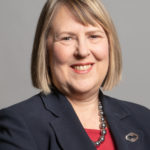
    Below is the text of the speech made by Fiona Bruce, the Conservative MP for Congleton, in the House of Commons on 5 May 2016.

    I am pleased to see the Minister in his place to respond. I thank the Speaker for granting this debate; it is a privilege to raise in the House the human rights situation in Burundi, which I had the privilege of visiting in 2013 and 2014 and where I received a welcome from the Burundian people that could not have been warmer.

    My hon. Friend the Member for Stafford (Jeremy Lefroy) and I jointly called for this debate, so we are dividing the allotted speaking time between us. I acknowledge with great respect the work that he has already undertaken, including the debate that he secured last December, to which the Minister also responded. It is unfortunate that the matter must be revisited so soon, but the human rights situation in Burundi has deteriorated further since. Indeed, the day after last December’s debate, more than 100 individuals were murdered by Government security forces on the worst day of violence in Burundi since the crisis began.

    The crisis started a year ago after President Nkurunziza contentiously announced that he would seek a third term, triggering an unsuccessful coup followed by presidential elections in July 2015 that were declared by the UN as neither free nor fair. As I mentioned, there were major disturbances in December, including fighting on the streets by armed opponents of the President, both Hutu and Tutsi. They mounted an attack on a barracks, after which Government troops moved through the neighbourhoods of the capital that were thought to have supported rebels, reportedly killing as many as 700 people and subsequently transporting them to mass graves in state vehicles.

    Since then, while there has fortunately been no repeat of fighting on that scale, killings continue on a regular basis. Weekly reports are coming in of new violence and killings and of the Government adopting a strategy of eliminating their opponents. Grounds for suspicion have been described as razor thin. A scared 15-year-old was killed while simply running away from the police. A cameraman and his family were killed, seemingly in the wrong place at the wrong time. Another victim was a teenage boy selling eggs. Other killings seem not so random, with reports of young men who had opposed the Government being hunted down in a refugee camp some distance from Bujumbura to which they had fled. Of most concern are the reports that people are now being targeted for their ethnicity as well as for their political affiliation, with a disproportionate number of the minority Tutsis being sidelined from Government institutions and with the army, which has recently considerably increased in size, being divided into Hutus and Tutsis. Such reports have increased concern in the international community, and it is right that the House discuss this issue now so that we can add our voices to those calling for help to achieve stability and justice for the Burundian people.

    Burundi was already one of the poorest countries in the world before the crisis began. It has the second-lowest income and is highly dependent on external aid, with almost half of the state budget externally financed. However, the suspension of aid flows over the past year mean that the share of the budget accounted for by aid is projected to fall by a third this year. Further economic decline and the redirection of funds by the Government from social programmes to the army have combined to produce a humanitarian emergency that has resulted in severe malnutrition. There are reports that people are beginning to starve. The price of rice has trebled in some areas. Farmers who used to sell vegetables to people on the road can no longer do so, saying that their customers have disappeared, fearful of being out and about. Medical supplies dwindle. Children, who make up half of Burundians, suffer disproportionately as a result of violence, exploitation, and family separation. More than 230,000 people have fled in the past year alone, and that number is increasing. Most have gone as refugees to Rwanda and Tanzania, but some have gone to the Democratic Republic of the Congo and Uganda.

    In Burundi, people cannot freely move around, given a proliferation of police roadblocks and the chance of being arrested if caught in the wrong place. Alarmingly, there have been reports of hundreds of Burundians, perhaps more—they are often young Burundians; those between their mid-teens and mid-20s—having disappeared or been tortured, reportedly with gun butts, electric cables, bricks or metal rods, with some having even been required to sit in acid. There are reports of girls being raped in front of their parents and of mutilations, such as the removal of genitals and even of hearts. UN human rights records show 600 cases in 2015 and more than 340 during the first four months of this year. Private media outlets have been shut down, and civil society organisations have been closed or banned. Perhaps worst of all, Burundi has become a place of fear. In cities, people fear abductions, torture and murder; in the countryside, they fear hunger, as the economy collapses. Even among the Government’s higher ranks there is a constant fear of assassination, a reality in evidence all too clearly only a couple of weeks ago when a major general in the Burundi army, who had returned to Burundi just three weeks earlier, after a two year-peacekeeping mission in the Central African Republic, was shot in his car while going to work with his wife and four children, whom he was going to take to school.

    Perhaps the biggest fear of all is that this conflict, which has so far been fought on political lines, could divide Burundi on ethnic ones, between Hutus and Tutsis, and lead to new massacres. History has shown that such events can happen swiftly, as in Rwanda in 1994, with the outside world barely noticing until it was too late. To prevent that, above all, is surely why we in this place must sound an alarm and call on our Government to call on the UN and others in the international community to do all they can to step in to secure peace and stability for the people of Burundi.

    I know that this Minister and other Foreign Office Ministers understand the severity of the crisis in Burundi, as he has been good enough to speak with me and my hon. Friend the Member for Stafford on a number of occasions. But in the light of the continuing deterioration of the human rights situation in Burundi, may I urge that Ministers press the United Nations to consider the deployment of a substantial UN force to Burundi, as outlined in a letter of 15 April from the UN Secretary-General to the UN Security Council? That would help to monitor the security situation, improve respect for human rights and advance the rule of law. We hope that it would stem any further human rights deterioration and facilitate dialogue toward a political settlement with the Burundian Government, to be conducted free of a climate of violence or reprisal. We hope that this would, in turn, help stem the increasing humanitarian crisis and perhaps facilitate the reinstatement of aid, suspended by some members of the international community following the commencement of these disturbances, as soon as possible. I would appreciate the Minister’s specific response on those points.

    I also welcome last week’s statement by the prosecutor of the International Criminal Court on opening a preliminary examination into the situation in Burundi over the past year. That shows how grave the human rights situation is there. What further support or contribution can the UK offer to help promote peace, stability and a restoration of human rights for the beleaguered people of Burundi?

    Finally, on UK aid, the Government have already provided substantial support for refugees from Burundi, and that is appreciated and acknowledged. In view of the numbers involved, which continue to increase, will the Minister use his influence to ask the Department for International Development to encourage other donors to add their support, and to ascertain what further UK support can be provided? Will the Government confirm that they will also look, on the basis that if the UN deployment that I have referred to achieves its objectives, at the reinstatement of bilateral UK aid to Burundi, which was suspended some years ago? Those of us on the Select Committee on International Development have been calling for that for some years.

    I look forward to responses on these points from the Minister, if need be after the debate, given that some of them refer to areas where DFID has authority. I do not wish to sound more alarmist than current circumstances indicate, but they are grave. For those of us who have spent time in the past few years in both Burundi and Rwanda, and know how close these countries are, geographically and in other ways, there is deep concern to ensure that our Government and the international community do all they can to ensure that there is no chance of a repeat of the haunting occurrences in Rwanda in the 1990s.


  • Fiona Bruce – 2016 Speech on Faith Organisations in the Voluntary Sector

    fionabruce

    Below is the text of the speech made by Fiona Bruce, the Conservative MP for Congleton, in the House of Commons on 5 May 2016.

    I beg to move,

    That this House has considered the contribution of faith organisations to the voluntary sector in local communities.

    Christians possess a rich heritage of social reform and charitable care which is alive today. In the 19th century, William Wilberforce and Lord Shaftesbury led campaigns for the abolition of slavery and child labour. Others, such as Barnardo and William and Catherine Booth, were involved in founding charitable organisations, covering every conceivable form of human need, as an expression of Christian love. The Christian principles that drove Wilberforce and Shaftesbury are still very much alive in Britain today and are as relevant as ever.

    The Evangelical Alliance, the largest and oldest body representing evangelical Christians in the UK, estimates that there are more than 2 million evangelicals in the UK. This is an increasingly diverse constituency, including 500,000 Christians from black majority churches and, more widely, over 1 million UK Christians from black, Asian and other minority ethnic communities.

    To clarify, I shall speak mainly about the contribution of Christian communities, as those are the ones I know best. I am sure that other hon. Members will speak about the contribution of other faiths to our local communities.

    The 2014 national church and social action survey listed the top 10 activities of churches sampled as involving: food distribution; parent and toddler groups; school assemblies and religious education work; festivals and fun days; children’s clubs for those aged up to 11; caring for the elderly; debt counselling; youth work for those aged 12 to 18; cafés that are open to the public; and marriage counselling courses. Every one of these activities takes place in my constituency, most multiple times. The tremendous work done by church members in my constituency is, I am sure, representative of that taking place across the country, often in the toughest and most challenging situations and areas. I am talking about street pastors helping the homeless at night; addiction support; job clubs, which are particularly successful in New Life church in my constituency; helping victims of human trafficking; supporting children with special needs; prison visiting; literacy projects; fostering and adoption support; and getting alongside those with mental health problems.

    Philip Davies (Shipley) (Con)

    I absolutely agree with my hon. Friend. To add to her list, over Christmas when we had terrible floods in Yorkshire, some of the people who helped the most in our communities were from faith-based organisations. I should particularly mention the Salvation Army and the mosques in Bradford; people from them came over to my constituency to help with the clear-up operation. They play a vital role when there is an emergency such as flooding.

    Fiona Bruce

    My hon. Friend is quite right, and indeed the Brethren also play a vital role in disaster relief support. The value of these activities to society is vast. They represent a glue that holds together the fabric of our communities, particularly in many needy places. Indeed, I have heard it said that youth work in this country would collapse without the churches’ involvement. Toddlers might miss out on the developmental benefits of playing with others at a vital age, and their mothers—particularly young mums—would miss out on relationship building and support. Cafés provide not only nutritious, wholesome and economical meals in pleasant surroundings, but a place with a listening ear for the vulnerable, the lonely and the low.

    Marriage counselling services invest in families and stable homes, which we know bring massive benefits to society, in terms of children’s mental health and educational attainment. When things go wrong, there is a great emotional cost to families and society. In fact, the Marriage Foundation has estimated that the cost of family breakdown is greater than the entire defence budget. That shows the invaluable contribution that strengthening family life can make to our society.

    On caring for the elderly, we know what a strain our social services are under, caring for an ageing population and providing them with dignity, when families are often at a distance. It is so often the church that fills the gap when things do not work out as intended. Faith-based organisations and charities often go the extra mile in ensuring that someone is seen, remembered and reassured. They often provide bereavement support, too.

    Faith groups and churches are doing vital work on debt counselling, helping individuals to best manage their finances. We know the cost of spiralling debt: it can lead to family breakdown, emotional heartache and misery for many. I commend the work of Christians Against Poverty, which works with the whole person to provide a range of services for those in debt, without any public funding. It was recently named debt advice provider of the year at an industry awards ceremony.

    I can confidently say that most of these services are provided without public funding. Where public funding is obtained, the value for money is outstanding. To speak for a moment in monetary terms, a recent report by the Cinnamon Network, the “Cinnamon Faith Action Audit”, estimates that collectively, the Church provides over £3 billion of social support to UK society. It also found that faith groups deliver 220,000 social action projects, serve 48 million beneficiaries, and mobilise 2 million volunteers. The Church may not be perfect, but without her, society would certainly notice a difference.

    Research by the Evangelical Alliance found that 81% of evangelical Christians do some form of voluntary work, serving in the wider community with their church at least once a year, and 37% do so at least once a week. At the recent mayoral hustings for churches in London, the Church of England was quoted as having three times as many outlets in the capital as Starbucks. My hon. Friend the Member for Richmond Park (Zac Goldsmith) said in his remarks at the end of the debate:

    “The Evangelical Alliance is part of the Big Society, on the front line tackling crime, on the front line tackling homelessness, and so many other of the challenges London is facing.”

    That is so true.

    I shall now refer to other quotes from both individuals and organisations, including one from the Prime Minister who said:

    “I’m an unapologetic supporter of the role of faith in this country…Across the country, we have tens of thousands of fantastic faith-based charities. Every day they’re performing minor miracles in local communities. As Prime Minister, I’ve worked hard to stand up for these charities and give them more power and support. If my party continues in government, it’s our ambition to do even more.”

    I was very pleased indeed to hear that. Similarly, several local authorities have spoken positively of the contribution that church groups make to our local communities, many of them speaking of the fact that they are closely embedded and close to the grassroots of their communities. They speak of their continuing involvement in local communities, which is so important.

    Today is an election day. Political parties will come and go when it comes to their authorities in our communities, but the Churches will be there enduring—this century, as they did last century and for centuries before. That is why it is so important that we support them in the way that we need to.

    Sir Simon Burns (Chelmsford) (Con)

    Does my hon. Friend accept that these faith groups are the unsung heroes of society, who—day in, day out—selflessly look after others and provide help within our communities without looking for any thanks whatever, doing so purely for the satisfaction of being able to help people less fortunate than ourselves?

    Fiona Bruce

    I absolutely agree and thank my right hon. Friend for his intervention.

    Churches across the country are not just buildings that bring people together; they are made up of people of all ages, of all political persuasions, the well-off and the not so well-off who, compelled by compassion, work—day in, day out—alongside some of the most vulnerable on our streets and estates to support our local communities.

    Local authorities, however, would do well to improve their understanding of what faith groups do and the way that they work. I believe this has improved over recent years, but I still think more could be done. During the last Parliament, the all-party Christian group produced a report that dealt with this issue. Some of its recommendations still stand today. Local authorities have been concerned about, for want of a better word, the “motivation” of faith groups, while faith groups themselves often have a limited understand of how local government works and the language required to engage with it.

    Guidance from central Government on how to improve these relations and how to improve religious literacy on the part of all of us working in our local communities would be helpful. Steps should be taken to help us all understand the diversity of beliefs in today’s United Kingdom—a key factor in strengthening civil society and promoting community cohesion, stability and resilience. Also helpful would be an approach by local authorities to provide what has been termed “reasonable accommodation” of religion and belief, wherever possible.

    Faith groups do not expect funding for what is often called “proselytisation”, but they do ask to be free to be open about their beliefs and values. If, for example, a conversation starts naturally during voluntary work, it is not unreasonable to be allowed to continue it, particularly if it was initiated by those who are being helped. It is, after all, their faith that motivates religious people to work in their local communities in the first place. An approach should be adopted that allows faith groups to be open about their beliefs and values and the practices they encourage rather than promoting a privatisation of belief. This would provide for authentic religious expression.

    Many Christians, in particular, are deeply concerned about their religious liberty and freedom of expression. Not so long ago, the Evangelical Alliance conducted a poll, and 97% of those who responded said that

    “policies which ensure religious liberty and freedom of expression were important to them”,

    and 71%—1.3 million people—said that it would affect their votes. That is almost an election-shifting number. Of all the concerns that were highlighted in the poll, that was the one that mattered most to Christians, even more than issues such as euthanasia and policies to reduce the availability of pornography. The Government would do well to note that.

    Many of the recommendations contained in the Christians in Parliament report “Faith in the Community”, produced in 2013, remain relevant today. Only last week, the Oasis Foundation published a report entitled “Faith in Public Service—The Role of the Church in Public Service Delivery”. Time prohibits me from quoting from it in as much detail as I should like, but I do want to quote from one or two sections. For instance, the report stated:

    “Local authorities…have yet to grasp the opportunities for engagement with the voluntary sector”.

    That, I think, is very relevant to the work of the churches, which is what the report was highlighting. It also stated that

    “the Church possesses…An unparalleled reach and volunteer membership…A sense of ‘place’ both in terms of physical presence and as a bridge into local communities…A traditional and largely accepted…role in community cohesion and regeneration…The ability to deliver locally-specific integrated services, tailored to individual needs, with both personality and precision. These strengths have enabled individual churches around the country to engage confidently in the delivery of…important projects that have benefited their local communities. Research commissioned for this report finds that churches feel confident in that delivery and the public feels confident in the competency and abilities of church groups to deliver those services.”

    I pay tribute to organisations such as the Cinnamon Network, the Street Pastors, the Trussell Trust and Christians Against Poverty, all of which have done important work in encouraging that level of confidence. They have rolled out programmes that churches have been able to adopt, knowing that they will be successful and effective. However, according to the 2013 report,

    “There remains a perception on the part of local authorities and the public that faith organisations will be conditional in who they deliver services to and that they will seek to proselytise…that fear is more one of perception than reality”.

    I ask Ministers to think about how we can get the balance right, ensuring that there is the freedom of religion that is so yearned for by people of faith while also ensuring that local church groups are confident that they can engage with local authorities, that the expression of their faith will be accepted and understood, and that they are able to exhibit it freely. We can all do more in that regard.

    Let me make one more point before I end my speech. A great many organisations and volunteers are concerned about a proposal, on which consultation took place a few months ago, for Ofsted inspectors to regulate and inspect out-of-school activities among young people that take up more than six hours a week. Earlier this year, the Schools Minister told us that there had been more than 10,000 responses to that proposal, although the consultation had taken place over the Christmas period. It is proposed that if members of a Christian youth group engage in sport or games on one day a week, or meet on one evening a week and, perhaps, on Sundays to discuss their faith, Ofsted inspectors can visit them to establish whether their activities are compatible with a list of British values drawn up by the Government to find out whether they are extremist. Could any of the types of work that I have described today be described as extremist? Actually, perhaps they could, because of their love, care and concern for the most vulnerable and needy in our society. However, I submit that there is nothing less British than the Government restricting the expression of religious faith based on an arbitrary set of values drawn up in Whitehall. That is the very opposite of what I understand conservatism to be.

    Ofsted inspectors are unlikely to be looking for illegal activities. They will be looking for activities that fit into a vaguely defined list of sentiments such as non-violent extremism. This was criticised only yesterday at the Joint Committee on Human Rights—a Committee of both Houses on which I sit—as being an impossibly vague definition. It is not clear what the list of British values actually involves. There have been countless statements on the matter from Government Ministers, including the Prime Minister, and a number of uses of it in regulations. If the Government do not have a clear idea of what these values are, how can anyone else do so? As we in this House should be well aware, vague laws and vague policies are a breeding ground for abuse and misapplication.

    There is grave concern on the part of many Christians across the country about these proposals, and rightly so. A witness who appeared before the Joint Committee yesterday told us that the proposals could deter volunteerism. That is by no means the first time we have heard that opinion being expressed, including by many faith organisations. Many small immensely valuable initiatives fear that if they use the wrong word or if their words or phrases are misinterpreted, they will come under unfair scrutiny from inspectors, whose job is to inspect schools.

    Steve Double (St Austell and Newquay) (Con)

    Does my hon. Friend agree that concerns have also been expressed by teachers? Many of the volunteers who work in Sunday schools and other youth organisations are teachers, and they are afraid about possible damage to their professional reputation following an Ofsted inspection. This could well result in their withdrawing from such work, which would be hugely damaging to those organisations.

    Fiona Bruce

    I entirely agree with my hon. Friend that teachers are concerned about their professional reputations and even about their jobs.

    Ofsted’s job is to inspect educational standards in schools, not to make ideological judgments about church youth groups or any other voluntary initiatives. Professor Julian Rivers told us in his evidence to the Joint Committee on Human Rights that the proposal could well be in breach of the European convention on human rights because even the registration—let alone the inspection—would restrict the free exercise of religion.

    A joint statement made last month by several national organisations representing millions of Christians said of the proposals that

    “the scope for vexatious complaints is considerable, especially in the current climate of aggressive secularism and religious illiteracy.”

    That is something that I mentioned earlier. The statement went on:

    “Whilst Christians wholeheartedly support reasonable measures to prevent terrorism and violent extremism, these proposals will lead to a loss of civil liberties and create a large bureaucracy that will divert resources away from restraining extremists who reject UK law. Such individuals will simply ignore or effortlessly circumvent the registration requirements. We urge the government to drop these proposals and develop a targeted, intelligence-led approach that will genuinely inhibit the activities of violent extremists.”

    I ask the Minister to consider this and supply a response to these concerns, perhaps not in this debate but later.

    I should like to give the House an example of an organisation that is concerned about the proposals. Christian Camping International UK provides in excess of 30,000 children and young people with more than 500 events across more than 250 venues. They are experts in this sector. My own boys have benefited from camping holidays run by faith groups. The organisation has listed a number of potential unintended consequences from the proposals. It says:

    “Much of the activity referred to above is dependent on a large number of volunteers. Finding volunteers is a constant issue and the Government should be aware that increasing the level of bureaucracy involved in providing such events will only exacerbate the difficulty.”

    The organisation points out that it is already regulated in a number of ways, including under charity laws and regulations and safeguarding regulations, and through the Disclosure and Barring Service. It says that

    “there are no examples of such Christian ministries in the UK teaching extremism, nor encouraging young people to celebrate terrorism or become terrorists…The proposals have the potential both to overload the sector with more costs and red tape…which the Government seems to have radically underestimated”.

    I ask the Minister to respond to that.

    The Government have begun to roll back on some of the proposals put out in the consultation document. Earlier this year, the Minister for Schools said that one-off residential activities would not be included, and we have had an indication that Sunday schools would also not be included. While I welcome those intentions, I point out again to the Government that the proposals have severe issues that run far deeper than those few qualifications can address.

  • Fiona Bruce – 2016 Speech on Daesh

    fionabruce

    Below is the text of the speech made by Fiona Bruce in the House of Commons on 20 April 2016.

    I beg to move,

    That this House believes that Christians, Yazidis, and other ethnic and religious minorities in Iraq and Syria are suffering genocide at the hands of Daesh; and calls on the Government to make an immediate referral to the UN Security Council with a view to conferring jurisdiction upon the International Criminal Court so that perpetrators can be brought to justice.

    I thank the Backbench Business Committee for allocating time for this debate.

    Genocide is a word of such gravity that it should never be used readily. It is rightly known as the “crime above all crimes”. For that reason, it is incumbent on us to prevent the term from being devalued or overused. However, such caution must not stop us naming a genocide when one is taking place. The supporters of the motion are here to insist that there is overwhelming evidence that the atrocities of Daesh in Syria and Iraq should be recognised for the genocide they are and considered as such by the UN Security Council and the International Criminal Court. It will support similar resolutions of other leading international and legislative bodies.

    There are only two possibilities for Members here. If the House is not satisfied that genocidal atrocities are being perpetrated, we must not pass the motion, on which I am minded to test the will of the House, but if colleagues believe that the depravities of Daesh are being undertaken with genocidal intent, we have already waited far too long to recognise it.

    Yesterday evening, here in the UK Parliament, we heard the truly harrowing personal testimony of a brave 16-year-old Yazidi girl called Ekhlas. She was seized by Daesh from her home, along with others from her community in Sinjar in northern Iraq. At the age of 15, she saw her father and brother killed in front of her. She told of how every girl in her community over eight, including herself, was imprisoned and raped. She spoke of witnessing her friends being raped and hearing their screams, and of seeing a girl aged nine being raped by so many men that she died. Many young girls had their fragile bodies rendered incapable of pregnancy, and others who were far too young to be so were made pregnant. Horrifically, she spoke of seeing a two-year-old boy being killed and of his body parts being ground down and fed to his own mother. She told of children being brainwashed and forced to kill their own parents. Fortunately, she managed to escape the prison during a bombardment of the area around it. Others are not so fortunate.

    We heard from another women, Yvette, who had come directly from Syria for last night’s meeting. She spoke of Christians being killed and tortured, and of children being beheaded in front of their parents. She showed us recent film footage of herself talking with mothers—more than one—who had seen their own children crucified. Another woman had seen 250 children put through a dough kneader and burnt in an oven. The oldest was four years old. She told us of a mother with a two-month-old baby. When Daesh knocked at the front door of her house and ordered the entire family out, she pleaded with them to let her collect her child from another room. They told her, “No. Go. It is ours now.”

    Catherine McKinnell (Newcastle upon Tyne North) (Lab) I thank the hon. Lady for bringing forward this very important debate. She is making a powerful speech. Every year, Members of this House sign the holocaust book of commitment, making the pledge that that terrible genocide will never be forgotten. I have personally signed a pledge that I will never walk on by. Does she agree that today we have the opportunity to make sure that none of us walks on by as we see this terrible genocide unfold?

    Fiona Bruce I absolutely do. After the horrors of the holocaust, the words, “Never again” resounded through civilisation. We must not let them resound again.

    Speaking to MPs at yesterday’s meeting, the young girl Ekhlas implored us:

    “Listen to me, help the girls, help those in captivity; I am pleading with you, let us come together and call this what it is: a genocide. This is about human dignity. You have a responsibility. ISIS are committing a genocide, because they are trying to wipe us out.”

    Genocide is an internationally recognised term, defined in the 1948 convention on genocide, to which we are a signatory as a country, as

    “any of the following acts committed with intent to destroy, in whole or in part, a national, ethnical, racial or religious group…Killing…Causing serious bodily or mental harm… Deliberately inflicting on the group conditions…calculated to bring about its physical destruction in whole or in part…Imposing measures intended to prevent births…Forcibly transferring children”.

    I put it to the House that not just one but every single one of those criteria was satisfied by the two testimonies yesterday.

    Rehman Chishti (Gillingham and Rainham) (Con) Will my hon. Friend give way?

    Fiona Bruce I will, but after that I will not take any further interventions because of the limitation placed on my speaking time.

    Rehman Chishti I applaud my hon. Friend for bringing this motion to the Floor of the House. She talks about using the term genocide; our international partners, such as the United States, its Secretary of State and House of Representatives, and the European Parliament have already said that the acts committed by Daesh amount to genocide. We should interpret international law in line with our key partners, who we are working with to defeat Daesh.

    Fiona Bruce I absolutely agree. We do not want to be behind but in the lead. Our country has a proud history of leading on human rights and ensuring that aggressors are brought to justice. We must do so in this case, too.

    Yazidis and Christians have been targeted explicitly because of their religion and ethnicity. It is not just them, but Alawites, Shi’as, Shabaks and Mandaeans. The suffering of the two women I mentioned has been replicated countless times by other families, as we know from the statistics that we have all heard in this House. I have seen many reports documenting evidence of genocidal atrocities, as I am sure other Members have, from the office of the United Nations High Commissioner for Human Rights, the UN assistance mission for Iraq and others—thousands of pages recording executions, mass graves, assassinations of church leaders, crucifixions, systematic rapes, torture of men, women and children, beheadings, and many other acts of violence so unspeakable that their evil seems almost fictional. But it is not.

    Daesh is targeting specific groups precisely because of those groups’ characteristics, and it has declared that, and that its acts have genocidal intent. For example, issue 4 of its online magazine “Dabiq” tells its followers that they will be held accountable if the Yazidi people continue to exist. As Lord Alton of Liverpool—I pay tribute to him for his work on this issue—has said, if we do not recognise this as genocide:

    “we might as well rip up the genocide convention as a worthless piece of paper.”

    As a consequence of the evidence meticulously collected by non-governmental organisations, activists and the UN, resolutions condemning the actions of Daesh’s genocide have been passed around the world—as has been mentioned—by the Council of Europe in January 2016, the European Parliament in February and the US House of Representatives in March. Following that, the US Secretary of State, John Kerry, made an announcement confirming the position of the US Government, stating that,

    “Daesh is responsible for genocide against groups in areas under its control including Yazidis, Christians and Shia Muslims. Daesh is genocidal by self-proclamation, by ideology and by actions”.

    If that is the position of the US Government, why is it not the position of our own?

    In answer to that question, which has been raised many times, UK Government Ministers have repeatedly said that,

    “it is a long-standing Government policy that any judgements on whether genocide has occurred should be a matter for the international judicial system rather than legislatures, governments or other non-judicial bodies.”

    In other words, whether this is genocide is a matter for the courts to decide; in this case, more specifically, it is a matter for the International Criminal Court. But—this is the crucial point of the motion—under the procedures relating to the ICC, it cannot make that judgment until it is requested to do so, and the only way that can now happen is if such a referral is made by the UN Security Council, of which the UK Government are a permanent member. That is why supporting the motion is so important. There is a circular argument here—a stalemate—which this Parliament needs to break. The motion before the House calls on us, as Members of the UK Parliament, to make a declaration of genocide, and then asks that the UK Government refer that to the UN Security Council so that the chief prosecutor of the International Criminal Court can take action.

    That prosecutor, Fatou Bensouda, has already said, as long as a year ago, that she stands ready to take action, given a referral, saying:

    “I remain profoundly concerned by this situation and I want to emphasise our collective duty as a global community to respond to the plight of victims whose rights and dignity have been violated. ISIS continues to spread terror on a massive scale in the territories it occupies. The international community pledged that appalling crimes that deeply shock the conscience of humanity must not go unpunished. As Prosecutor of the ICC, I stand ready to play my part, in an independent and impartial manner.”

    When so much suffering continues daily, can we wait any longer before doing all that we can to act against it?

    I am aware that the UK Government are already involved in assertively tackling the aggression of Daesh and its poisonous ideology in many ways, not least through air strikes, cutting off finance and providing counter-terrorism expertise, as well as through humanitarian aid and information gathering. I commend the Government for that, but there can surely be no good reason for delaying the additional step of referring this to the UN Security Council with a view to conferring jurisdiction on the ICC to start its own unique procedures to bring the perpetrators to justice.

    Some may ask what difference that would really make. It will make a real difference. Recognition of genocide brings with it obligations on the part of the international community to prevent, punish and protect. It initiates the process leading to the prosecution of perpetrators and makes it more likely that guilty individuals will be punished. It is often followed by a stronger international response both against the atrocities and in the provision of greater help for survivors with their urgent needs—something that is much needed in this case. It can facilitate reparations for survivors.

    Recognising the actions of Daesh as genocide should therefore help inject further momentum into the international efforts to stop the killings. It would, I hope, lead to more active safeguarding of those members of religious minorities on the ground whose lives and very communities currently hang in the balance. It may also make potential new recruits—including those from the UK—think twice about joining Daesh, given the ramifications of being caught.

    Recognition of genocide is not the only or the final action of the international community, but it is a crucial step, and one that we should make today. I recognise that conferring jurisdiction on the ICC requires the support of other members of the Security Council, but that should not stop our country from initiating the process. I add that there is precedent for the Security Council to establish a fact-finding committee of experts, so that all current evidence can be assessed and new evidence can be collected. If the motion is passed, I appeal to the Government to consider that recommendation at the Security Council.

    I repeat: some may ask, “What difference will this really make?” I leave the final word to the young girl Ekhlas. To her, it would make all the difference in the world. When I asked her yesterday what her hopes were for the future, she replied,

    “to see justice done for my people.”

    I ask Members to support the motion. In the final analysis, it is about doing justice and seeing it done.