Blog

  • NEWS STORY : Government launches consultation on wedding law reform

    NEWS STORY : Government launches consultation on wedding law reform

    STORY

    The Government has launched a major consultation on reforms to wedding law in England and Wales, with proposals intended to make ceremonies simpler, more affordable and more flexible. Ministers said existing rules are based on outdated restrictions which do not reflect the range of places and ceremonies couples now want.

    The proposals could allow weddings to take place in a wider variety of locations, including outdoors, in private gardens, on cruise ships, at coastal locations and in historic buildings. The Government said around 470,000 people marry in England and Wales each year.

    Ministers said the reforms would protect the dignity and legal certainty of marriage while giving couples more choice. Religious bodies, local authorities, registrars and venues are expected to respond to the consultation before any legislation is introduced.

  • NEWS STORY : UK economy grows by 0.1 per cent in May

    NEWS STORY : UK economy grows by 0.1 per cent in May

    STORY

    The UK economy grew by 0.1 per cent in May, according to the latest official figures, giving the outgoing Government a small improvement after a fragile period for growth. Services provided the main support to the economy, while construction and production remained weaker.

    The figures underline the limited room for manoeuvre facing the incoming Prime Minister and Chancellor. Rising energy costs, global uncertainty and weak productivity continue to restrict the pace of economic recovery.

    Ministers are likely to present the figures as evidence that the economy is still expanding, but opposition parties and business groups are expected to focus on the underlying weakness. Burnham will take office under pressure to deliver growth without breaching Labour’s fiscal and tax commitments.

  • NEWS STORY : Mahmood expected to become Chancellor under Burnham

    NEWS STORY : Mahmood expected to become Chancellor under Burnham

    STORY

    Shabana Mahmood is expected to be appointed Chancellor when Andy Burnham becomes Prime Minister, a decision intended to reassure markets and signal continuity in fiscal policy. The expected appointment has prompted criticism from the Greens and others who argue that it shows Labour will remain cautious on economic reform.

    Mahmood has held senior Government roles but has limited direct Treasury experience, meaning her appointment would place significant weight on her ability to manage spending pressures, public sector reform and relations with the City. Supporters have argued that she is an effective administrator and politically disciplined minister.

    The choice will shape the early tone of Burnham’s premiership. He has signalled a desire to ease cost-of-living pressures and focus on housing and regeneration, but he will have to balance those priorities against weak growth, high debt and continuing pressure on public services.

  • NEWS STORY : Appeal for calm after tribunal allows Gaza family of 18 to come to Britain

    NEWS STORY : Appeal for calm after tribunal allows Gaza family of 18 to come to Britain

    STORY

    Politicians and campaigners have been urged to respond calmly after a family of 18 from Gaza won the right to come to Britain following a human rights appeal. The case has prompted renewed debate over immigration, judicial independence and the protection available to people with relatives in the UK during the continuing conflict in Gaza.

    The case was brought after a Gaza-born mother of three, who came to the UK as a refugee and later became a British citizen, sought to bring members of her extended family to safety. The family had been refused entry by the Home Office before appealing through the immigration tribunal system.

    The tribunal allowed the appeal on human rights grounds, finding that the particular circumstances of the case justified entry to the UK. The ruling does not create a general resettlement route for people in Gaza, but it has already become politically contentious because of the number of relatives involved and the wider sensitivity of immigration policy.

    Supporters of the decision said the case should be treated as a human story involving a family escaping extreme danger, rather than as a reason for inflammatory rhetoric. They said the tribunal had considered the facts before it and applied the law, as judges are required to do.

    Critics have argued that the ruling raises serious questions about the scope of human rights law and the ability of tribunals to grant entry outside ordinary immigration rules. Similar controversy followed an earlier case in which a Palestinian family of six was allowed to come to Britain after applying through a route originally designed for Ukrainians.

    That earlier case led to a rare intervention by the Lady Chief Justice, who said she was troubled by comments made by senior politicians and stressed that disagreements with court decisions should be pursued through the appeal process. Her warning is likely to be cited again as politicians respond to the latest tribunal decision.

    Immigration lawyers said the latest ruling should not be presented as evidence that large numbers of people will automatically be admitted to Britain. Human rights appeals are decided on individual facts, including family ties, risk, dependency and the best interests of children.

    The Home Office has not yet said whether it will seek to challenge the decision. Ministers are likely to face pressure from opponents to appeal the ruling or tighten the law, while refugee and human rights groups are expected to argue that the case highlights the absence of a dedicated UK scheme for Palestinians with close family links in Britain.

    The issue is particularly sensitive because previous comments about Gaza immigration cases have drawn criticism from senior figures in the judiciary. Legal bodies have repeatedly warned that attacks on judges risk undermining confidence in the rule of law and may expose individual judges to unacceptable pressure.

  • NEWS STORY : Starmer visits Ukraine in final week as Prime Minister

    NEWS STORY : Starmer visits Ukraine in final week as Prime Minister

    STORY

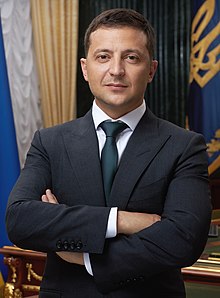
    Keir Starmer has travelled to Kyiv in his final week as Prime Minister for talks with President Volodymyr Zelenskyy and to reaffirm the United Kingdom’s support for Ukraine. The visit comes days before Andy Burnham is expected to enter Downing Street as Labour completes its leadership transition.

    The Prime Minister said the foundations established during his Government, including the Coalition of the Willing, would help support a lasting peace. He also announced UK-Swedish backing worth €300 million for 16 advanced aircraft intended to strengthen Ukraine’s air defences.

    Zelenskyy thanked Starmer for what he called the UK’s continued support during the war. The visit was designed to demonstrate continuity in British foreign policy before the change of Prime Minister, particularly on defence, sanctions and long-term security guarantees.

  • NEWS STORY : Government brings British Steel into public ownership

    NEWS STORY : Government brings British Steel into public ownership

    STORY

    The Government has brought British Steel into public ownership with immediate effect, ending the company’s period under emergency state intervention and securing continued steelmaking at Scunthorpe. Ministers said the regulations transferring the company were signed on 15 July and came into force on 16 July once the Steel Industry (Nationalisation) Act was in force.

    British Steel had been operating under Government control since April 2025 after ministers intervened to prevent the closure of the blast furnaces. The Government said public ownership would protect domestic steelmaking capacity and provide stability for workers and supply chains.

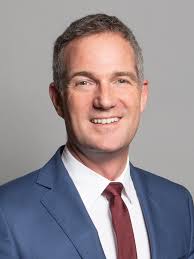
    Business Secretary Peter Kyle said the decision would protect jobs and strengthen an industry regarded as critical to national infrastructure. The move will also raise questions over the future cost of supporting steel production and whether former owner Jingye will receive compensation.

  • Darren Jones – 2026 Statement on the National Resilience Annual Statement

    Darren Jones – 2026 Statement on the National Resilience Annual Statement

    The statement made by Darren Jones, the Chancellor of the Duchy of Lancaster, in the House of Commons on 14 July 2026.

    On 8 July 2025, the Government published our resilience action plan, committing to update Parliament with an annual overview of the UK’s resilience. Today I will fulfil that commitment alongside publishing an annual update on the implementation of both the resilience action plan and biological security strategy.

    This resilience work is informed by the national security risk assessment, the Government’s assessment of the most serious risks facing the UK. Today we published a version of this document, the national risk register, which includes a summary of all but the most sensitive, classified risks. Ninety-five risks are listed in total.

    For example, conflict in the middle east and Russia’s war in Ukraine have exposed the vulnerabilities in global energy supply chains and driven up energy prices, and the increasing sophistication and proliferation of artificial intelligence not only brings huge opportunities, but threats too if it is weaponised by criminals against us. This could include novel ways of developing or carrying out hostile cyber-attacks against businesses and our critical infrastructure.

    As we saw with temperatures across the UK breaking records in May, only to be exceeded again in June, the risks we face from climate change cannot be underestimated, from our infrastructure, food and water systems or people’s immediate health. Climate change is also exacerbating the spread of high-consequence infectious diseases, alongside the changing boundaries of the human-animal interface. The incidence of highly pathogenic avian influenza, Ebola, and Andes hantavirus are examples from the last few months alone.

    As we set out in the resilience action plan implementation report, also published today, having resilient public services and infrastructure is how we safeguard our national security. Under this Government, defence spending will rise to almost £80 billion a year by 2029—the biggest sustained boost to defence spending since the Cold War. We have also accelerated our home defence planning, including updating the Government war book and increasing the emphasis on aligning military and civilian efforts if international hostilities affect the UK. We will rigorously test these plans through the largest UK home defence exercise in several decades in 2027, to ensure that should the worst ever happen, we will always be ready.

    Later this year, we will publish an energy resilience strategy to strengthen the resilience of our energy system in the UK and a transport resilience strategy, setting out how we will work across these sectors to deliver secure and resilient systems for the UK public.

    While Government will do all it can, we can all play our part to keep ourselves and our loved ones safe. As the storms earlier this year showed, extreme weather events can cause significant and prolonged disruption to the essential services on which we all rely.

    Today, I can announce that the Government will launch a national resilience public awareness campaign later this year, in order to inform the public of the small but important steps they can take to be prepared in case of emergencies and disruption—be that severe weather or a cyber-attack which can impact access to power, water, phone signal or local shops to get food.

    The public sector resilience system is key and must continually evolve to the changing risk landscape. For over two decades, the Civil Contingencies Act 2004 has supported a consistent, co-operative approach to emergency preparedness and response across the UK, but it must keep pace to meet future challenges. To ensure this legislative framework remains strong and as relevant as possible today, we are launching a call for views on the Act’s implementation review of the Civil Contingencies Act 2004 to gather evidence from across the resilience community on where it may need updating to reflect the modem world we live in.

    Turning to the UK Government’s biological security strategy, the biological security landscape has continued to evolve and the threats we face are more likely, diverse and interconnected. A future pandemic or the risk that hostile actors use biological weapons could permanently scar the UK’s social and economic resilience. Over the last year, we have made strong progress against our commitments on biological security, including:

    delivering Exercise Pegasus: the largest tier 1 pandemic scenario simulation in UK history;

    establishing a network of national biosecurity centres, backed by £1.83 billion of investment to ensure a rapid, holistic “One Health” response to future crises;

    securing critical infrastructure with Moderna’s new mRNA vaccine manufacturing centre;

    publishing a new pandemic preparedness strategy, supported by an additional £1 billion in health protection measures, and a new UK strategic approach to bio surveillance, to ensure that we are better positioned to detect biological threats; and

    operationalising a biothreats radar to provide real-time data on biological incidents, while pioneering new approaches to monitoring the near-term convergence of AI and biology.

    Today, I have published the biological security strategy implementation report, setting out further commitments to ensure that, by 2030, the UK is resilient against a spectrum of biological threats and a world leader in responsible innovation.

    Copies of the following documents have been made available on www.gov.uk

    today:

    The UK Government Resilience Action Plan: 2026 Implementation Report

    The UK Government Biological Security Strategy: 2026 Implementation Report

    The National Risk Register and supplementary guidance

    A Call for Views for Civil Contingencies Act 2004 Post Implementation Review

  • Chris Bryant – 2026 Statement on Deepening the UK’s Trade Relationships

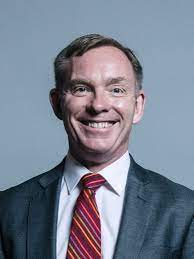
    Chris Bryant – 2026 Statement on Deepening the UK’s Trade Relationships

    The statement made by Chris Bryant, the Minister for Trade, in the House of Commons on 14 July 2026.

    Trade remains central to this Government’s mission to drive sustainable economic growth and to ensure that UK firms can access the opportunities presented by a rapidly evolving global economy.

    This Government’s trade strategy places international partnerships at the heart of that ambition. We are focused on strengthening the UK’s position as a base for businesses to connect with global markets, while supporting high-value jobs, boosting investment and reinforcing our economic resilience. A key aspect of this pattern of international trading relationships is our membership of the comprehensive and progressive agreement for trans-Pacific partnership.

    Today, I am announcing the launch of a public consultation to inform the next phase of the United Kingdom’s trade relationships with four global partners—Indonesia, the Philippines, the United Arab Emirates and Uruguay—as we explore how the UK should respond to accession talks with certain CPTPP candidate countries.

    Parties to the CPTPP, including the UK, established an accession working group with Uruguay in 2025, and on 26 June 2026, CPTPP parties announced the start of preparatory discussions on accession with Indonesia, the Philippines and the UAE: https://questions-statements.parliament.uk/written-statements/detail/2026-06-29/hcws154 Uruguay’s accession working group is now well under way, with meetings scheduled

    The Government therefore want to hear views on the opportunities, priorities and considerations associated with deepening the UK’s trading relationships with these economies. CPTPP accession represents the most likely route to deepening trading relationships with the majority of them, but the call for input does not assume a single route and also invites views on other appropriate trade policy mechanisms, including bilateral free trade agreements where applicable and relevant.

    This consultation marks an early but important stage in the process of assessing future trade opportunities. The call for input published today provides businesses, civil society, consumers and individuals across the UK with the chance to share their insights and priorities, ensuring that any future negotiations are informed by a strong evidence base and reflect the needs of the UK economy.

    The Government will carefully consider all responses alongside further economic and policy analysis. This will inform decisions on the UK’s overall approach to engagement with these partners. The call for input closes on 14 September 2026 and can be accessed here: https://www.gov.uk/government/consultations/deepening-uk-trade-relationships-with-indonesia-the-philippines-the-united-arab-emirates-and-uruguay

    I will keep Parliament closely informed as this work progresses. Further updates will be provided in due course, including ahead of any decision to progress to an accession working group or other negotiations.

  • Michael Shanks – 2026 Statement on Blackout Risk

    Michael Shanks – 2026 Statement on Blackout Risk

    The statement made by Michael Shanks, the Minister for Energy, in the House of Commons on 15 July 2026.

    On 7 July, the shadow Secretary of State, the right hon. Member for East Surrey (Claire Coutinho), wrote to the Government alleging practices of poor information handling in NESO and interference in operational decision-making in the control room. The Government take this issue incredibly seriously. Since the allegations came to light, we have been engaging with NESO and Ofgem to establish the facts. Both my right hon. Friend the Secretary of State and I have spoken to the chief executive of NESO.

    NESO has now appointed an external legal firm to conduct a full investigation into the claims, and a report is to be delivered to the board’s head of risk and controls and to Ofgem in the coming weeks. The legal firm will interview members of the control room, without any other NESO employees present. NESO has already responded publicly that all operational decisions are taken solely by authorised operational control room personnel, and that NESO does not instruct employees to avoid retaining records. We will work closely with Ofgem to monitor both the progress and the outcome of the investigation. However, it would be wrong to pre-empt that outcome, and the investigation must be allowed to run its course.

    I want to make it clear that during this period of unprecedented extreme heat, the Great British grid remains stable. No customers were impacted by tight electricity margins, and NESO had a number of tools available to ensure our energy security. Great Britain has one of the most resilient energy systems in the world, and the Government work closely with NESO and the wider sector to ensure that this resilience is constantly maintained. Market notices, such as those issued by NESO during the heatwaves, are standard operational tools that can be used to support energy security, and these were used successfully to maintain grid stability. However, it is important to acknowledge that extreme heat events, such as those experienced this summer, are likely to occur more frequently as our climate continues to change.

    My Department will continue to work with NESO and Ofgem to identify any lessons from these events, and to work to ensure that our electricity system remains resilient. Ofgem, as the independent regulator, is also working with NESO to initiate a formal review of events during the June heatwave. I welcome this important transparency, and look forward to working with NESO and Ofgem on taking forward the lessons learned.

  • Keir Starmer – 2026 Final Answer at PMQs

    Keir Starmer – 2026 Final Answer at PMQs

    The final answer given by Keir Starmer, the Prime Minister, at PMQs in the House of Commons on 15 July 2026.

    I thank my hon. Friend for her question, her support and her friendship for me, Vic and the kids. Whatever the challenge, she has always been there for us, particularly Vic and the kids, and I really thank her for that.

    This will be my last answer from this Dispatch Box. Every Prime Minister knows when they take up the torch that the day will come when they have to pass it on. That day has come for me. This is the end of my political journey. In six years, we went from historic defeat in 2019 to historic victory in 2024, and after two years in government, I leave the country in better shape than I found it in. I am proud of everything that we have achieved.

    Can I just take time to say to you, Mr Speaker, and to all those who work for the House and in our constituency offices, thank you for all your hard work? To our civil service, thank you, also, for all your hard work. To my political team—many of them here today—who came on this journey with me, thank you so much for everything you have done, and for being prepared to walk through fire for me. To my colleagues on the Labour Benches, I am proud of all we have achieved together, and proud of each and every one of you. To my successor and each of you, I will give my full support. To all colleagues across the House, I wish you good health and happiness. To all those in the Gallery whose lives have been changed or improved by this Labour Government, and all those across the country who struggle to be seen or heard, you are the reason I came into politics. To my wife and children, I love you. Goodbye. [Applause.]