Blog

  • Dan Jarvis – 2026 Comments on Defence Spending

    Dan Jarvis – 2026 Comments on Defence Spending

    The comments made by Dan Jarvis, the Secretary of State for Defence, on 30 June 2026.

    I know first-hand the importance of our Armed Forces having the kit and technology they need to do the difficult job we ask of them.

    I have secured more money and made different choices for defence. We will invest £298 billion over the next four years. That includes an additional £15 billion, of which most is extra day-to-day spending for training and improving availability of ships and aircraft to increase our war-fighting readiness. 

    By choosing to embrace new technology, I am equipping our forces with the autonomous systems which will give them the edge. 

    This extra money and these choices send a clear signal to our allies and our adversaries alike: Britain is stepping up on security.

  • Keir Starmer – 2026 Comments on Defence Spending

    Keir Starmer – 2026 Comments on Defence Spending

    The comments made by Keir Starmer, the Prime Minister, on 30 June 2026.

    This record investment puts the security of the British public first, transforming our Armed Forces and giving them the funding and equipment they need to fight and defend our nation.

    The world is a more dangerous and volatile place, so it is only right we are boosting the number of troops on the ground, rebuilding ammunition stockpiles and investing in cutting edge technology to ensure we outpace our adversaries for generations to come.

    Every pound in this plan will work twice, delivering economic growth and opportunity for the British people, and supporting more than half a million jobs by the end of the decade, as well as reinforcing our national security.

  • PRESS RELEASE : £15 billion new funding boost to transform Armed Forces and keep the UK safe [June 2026]

    PRESS RELEASE : £15 billion new funding boost to transform Armed Forces and keep the UK safe [June 2026]

    The press release issued by 10 Downing Street on 30 June 2026.

    Britain’s Armed Forces will be ready and equipped to fight the wars of today and the future following a landmark £15 billion investment to fund key equipment and technology, announced today.

    • Additional funding to strengthen military readiness and accelerate the drone transformation, boost future fighter jets and strengthen the UK’s nuclear deterrent.
    • Defence Investment Plan will also create nearly 60,000 extra direct and indirect UK industry jobs by the end of the decade, taking forecasted defence spending related jobs supported in the UK to more than half a million.
    • Nearly £300 billion in funding over next four years to transform the UK military with cutting edge equipment.

    Britain’s Armed Forces will be ready and equipped to fight the wars of today and the future following a landmark £15 billion investment to fund key equipment and technology, announced today.  

    The Prime Minister announced during a major speech at Malloy Aeronautics this morning that the Defence Investment Plan will be backed by £298 billion of investment across the next four years, including £15bn of additional spending on top of last year’s Spending Review.

    It will see an increase in defence funding from £54 billion a year under the previous government to almost £80 billion a year by 2029, and will see the UK’s defence spending increase to 2.7% of GDP.

    This means the proportion of GDP spent on defence will now be higher than at any time during the last thirty years by the end of this decade, and puts the UK on track to meet NATO’s defence spending targets by 2035.

    The major spending uplift will also create nearly 60,000 extra direct and indirect UK industry jobs by the end of the decade, taking forecasted defence spending-related jobs supported in the UK to more than half a million. 

    The Defence Investment Plan set to be published later today will implement the vision set in the Strategic Defence Review, seeing the Armed Forces adapt for the wars of today and tomorrow by investing in new equipment and embracing new technology, such as drones, autonomy and AI.  

    Key funding includes:

    • More than £8 billion in the Global Combat Air Programme (GCAP) over the next four years, progressing the programme which will build a next-generation stealth fighter jet for the Royal Air Force, alongside our close allies Japan and Italy.    
    • More than £63 billion over the next four years to strengthen the UK’s nuclear deterrent and to fund Dreadnought and SSN-AUKUS submarines, a new warhead, and other crucial nuclear work. Additionally, we will also purchase 12 F35As and join NATO’s nuclear mission.  
    • Including elements of the above nuclear investment in the first four years, £26 billion over the next decade in Project Royal Oak – the biggest naval base upgrade for over 45 years, including multi-billion-pound upgrades at Faslane, Portsmouth and Devonport.  
    • Over £5 billion for the next four years to fund a drone transformation for our Armed Forces. As part of this, £650 million will deliver inexpensive expendable autonomous systems including drones and uncrewed ground vehicles to rapidly enhance the lethality of the Army, Commando Force and Special Forces.   
    • Nearly £2 billion to integrate our Armed Forces through a new Digital Targeting Web. This will enable faster decision-making and speed in destroying identified targets and will be underpinned by world leading AI and software.
    • £790 million over the next four years to enhance protection of the UK homeland and overseas bases from air, drone and missile threats. This will revolutionise command and control and buy new radars and sensors. We will also invest in Directed Energy Weapons, upgrade Sea Viper for our Type 45 destroyers, expand counter drone systems, and build a new Integrated Air, Space and Missile Defence Operations Centre.   
    • £11 billion on munitions and weapons to increase UK stockpiles and ensure our Armed Forces have the right mix of capabilities to defeat targets, including long-range strike weapons, low-cost cruise missiles and one-way effectors. By 2030, we will have built at least six new energetics factories and increased our national munitions production capacity. 
    • £900 million investment to drive efficiency and reform procurement, including a £500 million Transformation Fund to deliver productivity improving investments in AI and workforce transformation, as well as an initial £400m contribution to setting up the Multilateral Defence Mechanism.     
    • £100 million for the Prime Minister’s Rapid AI Delivery Taskforce (RAID) to accelerate the deployment of AI-enabled capabilities into the hands of our Armed Forces.

    On top of this, the government is investing £115 million to raise the UK’s defences against the threats from AI, including using AI to improve our biosecurity and mitigate risks posed by autonomous AI agents.

    Prime Minister Keir Starmer said:   

    This record investment puts the security of the British public first, transforming our Armed Forces and giving them the funding and equipment they need to fight and defend our nation.

    The world is a more dangerous and volatile place, so it is only right we are boosting the number of troops on the ground, rebuilding ammunition stockpiles and investing in cutting edge technology to ensure we outpace our adversaries for generations to come.

    Every pound in this plan will work twice, delivering economic growth and opportunity for the British people, and supporting more than half a million jobs by the end of the decade, as well as reinforcing our national security.

    Chancellor of the Exchequer Rachel Reeves said:

    I have boosted defence spending to the highest level since the Cold War – and today’s Defence Investment Plan goes further still, committing almost £300 billion over this Parliament to transform our Armed Forces. That’s more money, spent more effectively, to keep the country safe and back British industry, jobs and growth.

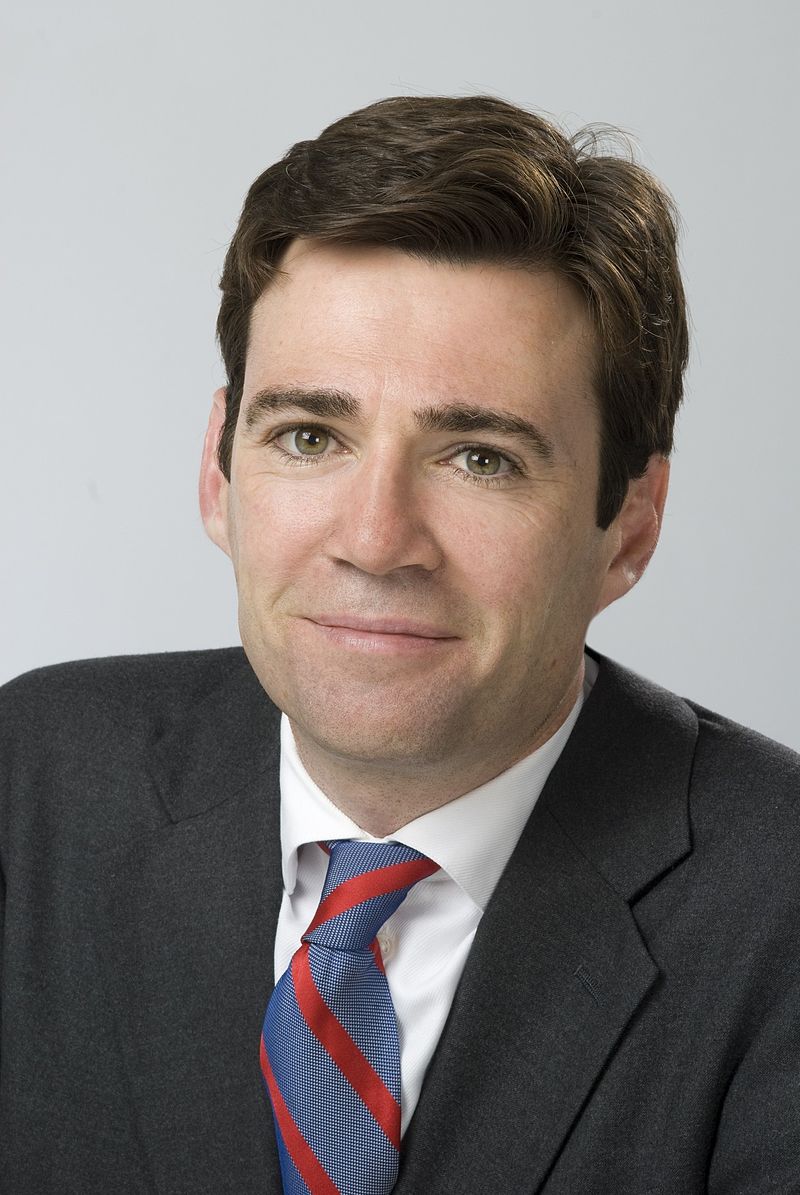
    Defence Secretary Dan Jarvis MBE MP said:

    I know first-hand the importance of our Armed Forces having the kit and technology they need to do the difficult job we ask of them.

    I have secured more money and made different choices for defence. We will invest £298 billion over the next four years. That includes an additional £15 billion, of which most is extra day-to-day spending for training and improving availability of ships and aircraft to increase our war-fighting readiness. 

    By choosing to embrace new technology, I am equipping our forces with the autonomous systems which will give them the edge. 

    This extra money and these choices send a clear signal to our allies and our adversaries alike: Britain is stepping up on security.

    Chief of the Defence Staff Air Chief Marshal Sir Rich Knighton said:

    This plan sets out how and where we will invest in defence over the coming years to deliver the Strategic Defence Review and build the integrated force the nation needs.

    It also reflects both the importance of national defence and the vital contribution our Armed Forces make every day to keeping the country safe.

    Reinforcing today’s additional investment, the Prime Minister also announced this morning a new £50 billion defence export facility established by UK Export Finance to support British defence firms to win contracts across the globe. This will support British defence companies of all sizes and strengthen the UK’s competitiveness in a rapidly growing market. 

    The Defence Investment Plan continues this Government’s delivery of the Strategic Defence Review’s vision for UK defence.  

    GCAP is a groundbreaking collaboration between the UK, Japan and Italy to develop a sixth-generation stealth fighter aircraft, which already supports 4,500 jobs across the UK. The work is deepening our defence, industrial, and technology collaboration with our partners in both the Indo-Pacific and Euro-Atlantic regions.  

    The Defence Investment Plan will include significant funding to renew and maintain the UK’s nuclear deterrent, the ultimate guarantor of our security, also declared to the defence of NATO.

    Over the next four years, £20 billion more will be invested into the Defence Nuclear Enterprise, compared to the previous four years. It demonstrates the government’s commitment to fund the nuclear “triple lock” building four Dreadnought submarines in Barrow, sustaining the nuclear deterrent, and delivering future upgrades, including the replacement warhead.    

    This investment will be underpinned by a commitment to drive out waste and inefficiency, including tackling £250 million fraud and error, and accelerating investment in AI and procurement reform.

    The Government has set out details of how the Defence Investment Plan will be funded through reprioritising public spending, acting within our fiscal rules and without taking resources away from day-to-day spending on frontline services.

    This approach will allow the country to continue renewing and rebuilding and ensure that the Armed Forces have the resources they need to meet this new era of threat.

  • PRESS RELEASE : CPTPP Parties begin preparatory discussions on accession [June 2026]

    PRESS RELEASE : CPTPP Parties begin preparatory discussions on accession [June 2026]

    The press release issued by the Department for Business and Trade on 30 June 2026.

    UK welcomes CPTPP decision to begin preparatory talks on accession with the Philippines, potentially leading to stronger trade ties.

    The United Kingdom welcomes a significant milestone for the Philippines, as Parties to the Comprehensive and Progressive Agreement for Trans-Pacific Partnership (CPTPP) agreed to begin preparatory discussions on accession with the Philippines. 

    The announcement was made at the 10th CPTPP Commission Meeting held virtually on 26 June 2026, where ministers confirmed that preparatory discussions will begin with the Philippines, Indonesia, and the United Arab Emirates (UAE). 

    CPTPP is one of the world’s most significant free trade agreements, which the UK joined in 2024. Its membership currently includes 12 economies spanning four continents across Asia-Pacific and beyond, including Japan, Canada, Australia, and the UK. CPTPP currently covers roughly 15% of global GDP. 

    The UK has been a consistent supporter of the Philippines’ application to join CPTPP. 

    UK Deputy Trade Commissioner for Asia Pacific (Southeast Asia), Rhiannon Harries said the announcement builds on the CPTPP Joint Ministerial Statement from November 2025, which outlined CPTPP interest in the Philippines, Indonesia, and the UAE. 

    We’ve strongly supported the Philippines’ application. If the Philippines completes the process and joins the agreement, businesses in our countries would benefit from lower tariffs, simpler trading rules, and stronger supply chains.

    She further added:

    These preparatory discussions could help lay the groundwork for the launch of a potential future accession process for the Philippines, which could open new opportunities for business, investment, and growth.

    For the Philippines, joining CPTPP would mean access to one of the world’s most comprehensive trade networks, potentially lowering tariffs and streamlining trading regulations across diverse markets. The UK sees CPTPP as an important strategic forum for advancing and expanding the reach of high standard, rules-based trade.  

    While preparatory discussions do not guarantee accession or the launch of formal negotiations, they are designed to advance engagement and understanding between the Philippines and CPTPP Parties on the agreement’s standards.  

    British Ambassador to the Philippines, Sarah Hulton OBE, said: 

    We warmly welcome this important milestone. The UK looks forward to working together with CPTPP Parties and the Philippines through this process.

    The UK’s enthusiasm for this milestone reflects the strength of its partnership with the Philippines, which is especially meaningful as the two countries celebrate 80 years of diplomatic relations this year. 

    The UK and the Philippines have been building deeper economic ties through the inaugural Joint Economic and Trade Committee (JETCO) in 2025, which sets out closer cooperation across infrastructure, renewable energy, agriculture and technology. Philippine exporters also benefit from the UK’s Developing Countries Trading Scheme (DCTS), offering tariff-free access on 92% of products. 

    The UK looks forward to continuing to work alongside the Philippines to strengthen trading relationship.  

    This announcement comes one year after the UK published its Trade Strategy, which included a focus on deepening and widening CPTPP.

  • PRESS RELEASE : UN Human Rights Council 62 – UK Statement for the Interactive Dialogue on Belarus [June 2026]

    PRESS RELEASE : UN Human Rights Council 62 – UK Statement for the Interactive Dialogue on Belarus [June 2026]

    The press release issued by the Foreign Office on 30 June 2026.

    UK Statement for the Interactive Dialogue on Belarus. Delivered by the UK’s Human Rights Ambassador, Eleanor Sanders.

    Mr Vice President,

    The UK thanks the Special Rapporteur for his report and remains deeply concerned by the continued deterioration of the human rights situation in Belarus.

    We are particularly troubled by the sustained use of arbitrary detention, the targeting of journalists and civil society, and the ongoing repression of those exercising their fundamental freedoms. Reports from organisations such as Viasna, alongside other trusted sources, continue to highlight ill treatment in detention and the systemic absence of due process. The Belarusian authorities’ persistent refusal to engage with UN mechanisms, including the mandate of this Special Rapporteur, further demonstrates their disregard for international obligations.

    The UK continues to support accountability efforts, including through multilateral initiatives, and to stand with Belarusian civil society, both inside the country and in exile. We will continue to work with partners to ensure that violations are documented and that those responsible are held to account.

    We remain concerned by the broader climate of fear and the increasing pressure on independent voices, including through legislative measures designed to restrict dissent.

    Special Rapporteur,

    How has the Belarussians’ approach to cultural repression changed since the 2020 protests?

    Thank you.

  • NEWS STORY : Jennifer Anderson Appointed UK Ambassador to Turkey

    NEWS STORY : Jennifer Anderson Appointed UK Ambassador to Turkey

    STORY

    Jennifer Anderson has been appointed as His Majesty’s Ambassador to the Republic of Turkey. The Foreign, Commonwealth and Development Office said Anderson will succeed Jill Morris in the role and will take up the appointment in August 2026.

    Anderson is an experienced diplomat who has previously served in Turkey. She was Deputy Head of Mission in Ankara from 2017 to 2020, after completing pre-post training which included Turkish language training.

    Her appointment comes after a career including senior work on consular affairs, crisis response, counter-terrorism, security policy and European political and military issues. From 2020 to 2024, she served as Director for Consular and Crisis at the FCDO.

    Anderson also served as the UK’s High Commissioner in Gaborone and as UK Representative to the Southern African Development Community between 2010 and 2013. Her earlier overseas postings included Jakarta and Brussels, where she worked at the UK Permanent Representation to the European Union.

    The ambassadorial role in Ankara is one of the UK’s significant diplomatic postings, covering relations with a NATO ally and a country central to regional security, migration, trade and wider foreign policy issues.

    The FCDO said Anderson’s appointment had been made in succession to Morris, who has served as ambassador to Turkey since 2023.

  • PRESS RELEASE : Change of Ambassador to Turkey – Jennifer Anderson [June 2026]

    PRESS RELEASE : Change of Ambassador to Turkey – Jennifer Anderson [June 2026]

    The press release issued by the Foreign Office on 30 June 2026.

    Ms Jennifer Elizabeth Anderson CMG has been appointed His Majesty’s Ambassador to the Republic of Turkey in succession to Ms Jill Morris CMG. Ms Anderson will take up her appointment during August 2026.

    Curriculum Vitae

    Full name: Jennifer Elizabeth Anderson

    YearRole
    2020 to 2024FCDO, Director, Consular and Crisis
    2017 to 2020Ankara, Deputy Head of Mission
    2016Pre-post training, including Turkish language training
    2013 to 2015FCO, Head of Counter Terrorism Department
    2013Jakarta, Deputy Head of Mission
    2010 to 2013Gaborone, High Commissioner and UK Representative to the South African Development Community (SADC)
    2006 to 2009FCO, Head of Business Engagement Group
    2003 to 2005FCO, Deputy Head of Security Policy Department
    2001 to 2003Brussels, First Secretary (Political/Military) UK Permanent Representation to the European Union
    1999 to 2001FCO, Head of Bosnia and Croatia Section
    1997 to 1999FCO, Head of Visegrad Section
    1997Joined FCO
  • PRESS RELEASE : UK’s first maternity and neonatal commissioner to be appointed [June 2026]

    PRESS RELEASE : UK’s first maternity and neonatal commissioner to be appointed [June 2026]

    The press release issued by the Department of Health and Social Care on 30 June 2026.

    New commissioner and extra funding announced to make maternity and neonatal care safer, fairer and more consistent across England.

    • First ever commissioner to speak up for women, babies and families
    • National action plan will be published in December to overhaul services and drive long-term change
    • Additional £41 million investment to improve safety at maternity and neonatal facilities
    • New standards for maternity triage across the country will end the postcode lottery in care 

    Families across the country will see their maternity and neonatal care overhauled, as the government today (Tuesday 30 June) takes urgent steps in response to Baroness Amos’s landmark independent investigation – including the creation of the UK’s first ever maternity and neonatal commissioner. 

    The new commissioner will provide independent leadership to hold the system to account, drive change and rebuild trust, co-chairing the National Maternity and Neonatal Taskforce with the Secretary of State. Crucially, the commissioner will ensure the voices of women are always heard by those at the heart of the system.

    Baroness Amos examined the experiences of thousands of women, their families and staff, alongside local investigations of 12 trusts, and her report paints a stark picture.

    It found a system that is fragmented, overly complex and too slow to learn, that women and families are not being listened to, that there is a lack of accountability and answers when things go wrong, and that racism and discrimination are driving inequalities in care. Staff also reported feeling unheard.

    The measures announced today will begin the process of turning that around.

    A comprehensive national action plan will be published in December 2026, setting out priority actions and long-term reform to deliver safer, fairer care. This will be driven by the taskforce, bringing together families, clinicians and other experts with a clear focus on safety, equity and accountability.

    Alongside structural reform, the government is investing a further £41 million to tackle urgent safety risks in maternity and neonatal facilities, building on £145 million already committed since April 2025. This funding will address issues such as fire safety, ventilation issues and outdated infrastructure – creating safer environments for mothers and newborns.

    Secretary of State for Health and Social Care James Murray said: 

    For too long, women, babies and families have been failed by a system that didn’t listen. Their stories are heartbreaking and demand action. 

    I am grateful to Baroness Amos for her work on this landmark review, which is a turning point. Appointing the UK’s first ever maternity and neonatal commissioner will drive lasting change and make sure women and families are never ignored again.

    For patients, the changes will mean more consistent, responsive care. New national standards for maternity triage will ensure women are assessed quickly, listened to properly and given safe, timely care from the moment they arrive. The aim is clear: to end the postcode lottery and ensure every family receives the same high standard of care.

    Further urgent changes include the national rollout of the Perinatal Equity and Anti-Discrimination Programme. This will tackle unacceptable inequalities in care and outcomes, particularly for Black and Asian women, those from deprived backgrounds and other marginalised groups. 

    A total of 1,000 temporary roles will be created to help newly qualified midwives join the NHS, backed by more than £10 million in government funding. The jobs will be for graduates and will help prevent a third of student midwives from leaving the profession.

    The taskforce will also be looking at all parts of the health system when things go wrong – including regulators – to ensure that accountability is established.

    Kate Brintworth, Chief Midwifery Officer for England, said: 

    Too many women, babies and families have been harmed, bereaved or badly let down by maternity care, and too often women and families who raised concerns were not listened to.

    This has to change. Women and families must be taken seriously when they say something is wrong, and staff must feel able to speak up when they are worried about safety.

    The NHS is determined to address this quickly and we will work with the new maternity and neonatal commissioner to achieve this. NHS leaders are also coming together today to set out how immediate actions can be taken across all maternity and neonatal services in England to improve safety and the support and care offered to women and families.

    I know recent reports will be deeply worrying for women and families, but please continue to speak to your midwife or maternity team if you have any concerns. They understand and want to make sure you have the care and support you need.

    Michelle Welsh MP, Maternity Adviser, said:

    I am pleased that a maternity and neonatal commissioner role will be established, and I look forward to seeing a robust appointment process take place.

    I want to thank Baroness Amos for her hard and thorough work on this report, as well as those who have contributed to this effort – most importantly the families who have shared their experiences, alongside the organisations that have supported this work.

    It is now vital that we work together to deliver meaningful and lasting improvements in maternity care centred around safety and compassion.

    Baroness Lawrence of Clarendon OBE, Chair of the Race Equality Engagement Group, said:

    The findings highlighted by Baroness Amos’s important report reveal the deeply entrenched racial inequalities that exist in maternity and neonatal services in England. 

    Racism and discrimination have no place in our health service. The fact that women have received worse care due to their race or background is totally unacceptable and cannot continue. I look forward to the government’s urgent work to now deliver the manifesto commitment to set a target for tackling the maternal mortality gap.

    I would also like to place on record my thanks to Baroness Amos for leading this vital and timely report.

    These announcements build on significant action the government has already taken to improve maternity and neonatal services. This includes:

    • implementing a new programme to reduce the 2 leading causes of avoidable brain injury during labour 
    • delivering a package of initiatives and interventions to reduce stillbirths, neonatal brain injury, neonatal death and preterm birth 
    • completing the full rollout of a Perinatal Culture and Leadership Programme to develop a culture of safety, learning and support for leads from all maternity and neonatal units 
    • expanding maternal mental health services to support women who experience moderate to severe or complex mental health issues following birth trauma or perinatal loss
    • extending the baby loss certificate scheme to include all historic losses
    • rolling out guidance across the NHS to tackle the leading causes of maternal death including thrombosis, mental health, epilepsy and haemorrhage
    • publishing a maternity and neonatal equalities dashboard to support NHS trusts and integrated care boards to identify and address health inequalities while promoting transparency by publishing information on outcomes
    • extending Martha’s Rule to maternity and neonatal wards in England to ensure every parent can request a rapid review from an independent medical team if a baby or mother’s condition is deteriorating and they are concerned this is not being responded to
    • ensuring past and present NHS staff can be compelled to provide evidence in the upcoming maternity reviews in Leeds and Sussex, once the Public Office (Accountability) Bill completes its passage through Parliament
    • driving improvements in the regulation of mortuaries – including an audit of over a decade of records to strengthen accountability

    Many families have positive experiences of maternity and neonatal care, but tragically there have been too many cases of avoidable harm and tragic loss. Baroness Amos’s investigation explored the reasons why this has continued and what must now change.

    It is vital that women who are currently accessing maternity or neonatal care raise any concerns they may have about themselves or their baby with their midwife – they are there to support you.

  • PRESS RELEASE : UK drone transformation to strengthen Armed Forces backed by more than £5 billion [June 2026]

    PRESS RELEASE : UK drone transformation to strengthen Armed Forces backed by more than £5 billion [June 2026]

    The press release issued by the Ministry of Defence on 29 June 2026.

    Britain’s Armed Forces will be strengthened and thousands of British jobs created through a drone transformation, announced by the Prime Minister and backed by more than £5 billion in the Government’s Defence Investment Plan.

    • Largest ever drone investment in UK Armed Forces – more than £5 billion over the next four years – to be included in the Defence Investment Plan.
    • Investment will drive a drone transformation for the UK Armed Forces, with new technology and infrastructure to keep the nation at the leading edge of innovation, and back British jobs.
    • Prime Minister to launch Defence Investment Plan today (Tuesday 30 June), setting out how the Government will go further and faster on defence spending to protect the nation.

    Britain’s Armed Forces will be strengthened and thousands of British jobs created through a drone transformation, announced by the Prime Minister today and backed by more than £5 billion in the Government’s Defence Investment Plan.    

    In a major speech at a British defence firm today (Tuesday 30 June), the Prime Minister will set out how new investment in defence will accelerate the use of drones and autonomous systems across the Armed Forces and keep the country safe for years to come, as he launches the Defence Investment Plan.   

    As the conflicts in Iran and Ukraine show, drones are rapidly reshaping warfare, with cheap systems destroying high value targets and innovation cycles measured in weeks, not years. 

    Ukraine uses roughly 200,000 drones a month to defend itself from Russia’s barbaric invasion, while at the height of the Iran conflict, 700 offensive drones were being launched per day.  

    The £5 billion investment will see Britain build a flexible, integrated force with attack drones flying alongside Army helicopters, RAF jets made invisible from enemy detection with new drones, and a hybrid Royal Navy made up of crewed and uncrewed vessels.   

    It will also fund Europe’s biggest drone testing centre, the Uncrewed Systems Centre, opened earlier this month in Swindon, and a new Uncrewed Systems Taskforce to rapidly develop and field new autonomous capabilities with industry. This will ensure the UK can continuously scale production and get the very latest drones into the hands of our Armed Forces to protect the UK and our Allies.  

    The Prime Minister will today lay out other key areas of the Defence Investment Plan and how the Government will go further and faster on defence spending to protect national security, drive growth across the country and deliver opportunity.  

    The Defence Secretary has spent the last two weeks refocusing the DIP so that it prioritises getting the latest kit into the hands of military personnel, including for the UK’s elite Commandos. They will be equipped with new high-speed boats and the latest drone and autonomous technology. At least six new warships will also be built for the Royal Navy, delivering the UK’s most advanced maritime air defence capability and keeping British shipyards working for decades to come.   

    Prime Minister Keir Starmer said:   

    This game-changing investment will strengthen our Armed Forces on land, at sea and in the air, ensuring our servicemen and women have the cutting-edge capabilities they need to deter evolving threats and keep the British people safe.

    At the same time, we are backing British innovation, British industry and British jobs and delivering opportunity to every corner of the country.

    Today’s Defence Investment Plan will help drive growth across the UK, giving our industrial base the confidence, certainty and support it needs to develop and scale the technologies that will keep our country safe and secure long into the future.

    Defence Secretary Dan Jarvis MBE MP said:

    Our Armed Forces are serving at an increasingly dangerous and unpredictable time. We are determined to give them what they need as they serve with courage and exceptional skill to keep us safe.

    The character of warfare is rapidly changing. In Ukraine and the Middle East, uncrewed systems are defining conflicts. This largest ever UK investment into these evolving technologies will help our Armed Forces stay ahead of our adversaries, backed by the best of our defence industry. We are giving our extraordinary people the equipment they need to fight and win.

    This major investment will see capabilities ranging from highly complex autonomous mine-hunting drones to small ‘quadcopter’ tactical drones, and low-cost ‘kamikaze’ one-way attack drones. The drone transformation will be accelerated across all the services:  

    Royal Navy  

    The Royal Navy is transforming into a Hybrid Navy, combining autonomous vessels and AI with warships and aircraft, including:    

    • Type 91: Uncrewed missile platforms to increase the firepower of the Hybrid Fleet.  
    • Type 92: Uncrewed sense platforms designed to hunt enemy submarines across the North Atlantic, supporting our new frigates.
    • Type 93: Extra-large uncrewed underwater vessels which will work alongside crewed hunter-killer submarines to seek and destroy enemy submarines.  
    • Type 94: Uncrewed sense platforms designed to scan the skies for threats to the hybrid navy or the homeland.  
    • In the 2030s, we will expand the numbers of the above platforms and bring at least six Common Combat Vessels into service as the brain of a networked Maritime Air Defence system.    
    • Project PANTHEON: Development of a Hybrid Carrier Air Wing, including trialling jet-powered drones to work alongside our F-35B force.  
    • Our Royal Marine Commandos will benefit from further investment in their transformation, equipped with new high-speed boats and the latest drone and autonomous technology. 

    British Army   

    The British Army is increasing its lethality, including through:  

    • A major investment into inexpensive expendable autonomous systems and loitering munitions to enhance the lethality of the Army, including a £50 million boost over the next 12 months for the Army’s RAPSTONE programme, funding additional first person view and interceptor drones. 
    • Uncrewed Ground Vehicles: A new programme to rapidly develop and produce uncrewed vehicles and their associated mission systems for the Army through UK industry.  
    • Project NYX: Up to 24 autonomous armed drones will be operational by 2030, flying alongside the Army’s recently upgraded Apache helicopters. They will carry out reconnaissance, precision strikes, and electronic warfare.  
    • Project Corvus: Up to 24 surveillance drones to replace the Watchkeeper system, carrying out intelligence, surveillance, target acquisition and reconnaissance.   

    Royal Air Force   

    The Royal Air Force is transforming, investing in:  

    • A new, national Collaborative Combat Air programme:  The development of new autonomous fighter jets which will fly alongside crewed jets, to defend the UK’s skies with a demonstrator flying by at least 2030. 
    • Storm Shroud system: Bring our new uncrewed electronic warfare drone into service this year.   

    This Defence Investment Plan is delivering the vision set out in the Strategic Defence Review and placing defence on a stronger, more sustainable footing. 

    The Defence Investment Plan will prioritise growing sovereign British AI and autonomous technology, drawing on the UK’s world-leading research base – collaborating with key allies and positioning Britain to export cutting-edge defence capabilities internationally.

  • David Lammy – 2026 Comments on Domestic Killers Having Longer in Prison

    David Lammy – 2026 Comments on Domestic Killers Having Longer in Prison

    The comments made by David Lammy, the Deputy Prime Minister, on 29 June 2026.

    For centuries, the law failed to protect women from violence at the hands of their partner – whether from marital rape or from abuse behind closed doors. Whilst we’ve made significant progress, we need to continue righting these wrongs.

    This change closes a long overdue gap and will ensure those who murder their partner face sentences that better reflect the devastating harm they cause.

    I pay tribute to Carole Gould, Julie Devey and Elaine Newborough whose courageous campaign will help future mothers, daughters and wives get the justice they deserve.