Blog

  • PRESS RELEASE : Change of His Majesty’s Ambassador to the United Arab Emirates [March 2023]

    PRESS RELEASE : Change of His Majesty’s Ambassador to the United Arab Emirates [March 2023]

    The press release issued by the Foreign Office on 14 March 2023.

    Mr Edward Hobart CMG has been appointed His Majesty’s Ambassador to the United Arab Emirates in succession to Mr Patrick Moody who will be transferring to another Diplomatic Service appointment. Mr Hobart will take up his appointment during May 2023.

    Curriculum vitae

    Full name: Edward Andrew Beauchamp Hobart

    Date Role
    2017 to 2023 FCDO, Director, Estates, Security and Network Directorate
    2015 to 2017 FCO, Migration Envoy
    2012 to 2015 Dubai, HM Consul General
    2011 to 2012 Abu Dhabi, Deputy Head of Mission
    2011 FCO, Head, Libya Unit, MENAD
    2010 FCO, Acting Chief Information Officer
    2007 to 2010 FCO, IT Programme Director, Information and Technology Directorate
    2003 to 2007 Kuala Lumpur, Head, Political, Economic and Public Diplomacy Team
    2000 to 2003 FCO, Head, Multimedia Unit, Public Services Directorate
    1998 to 2000 FCO, Public Diplomacy Officer, Information Department
    1995 to 1998 Havana, Third, later Second Secretary, Chancery
    1993 to 1994 FCO, Assistant Desk Officer, Malawi, Zambia and Zimbabwe, Africa Department (Southern)
    1993 Joined FCO
  • NEWS STORY : Hate speech councillor Alexis McEvoy suspended from Conservative Party

    NEWS STORY : Hate speech councillor Alexis McEvoy suspended from Conservative Party

    STORY

    Alexis McEvoy, a councillor on Hampshire County Council and on New Forest District Council, referred to Ian Wright as “a typical black hypocrite” on Twitter. After a negative response the councillor deleted the post and apologised, stating:

    “I am aware that a tweet I sent, and then deleted, has caused offence. I did not mean it to do so and I am deeply sorry. I find racism in any form abhorrent, I have therefore reported myself to the monitoring officer at both Hampshire County Council and New Forest District Council. I have suspended myself from both the Conservative Groups… pending investigations”.

    The Conservative Party said that an investigation would take place into the social media post. Separate investigations have also been confirmed by Hampshire County Council and New Forest District Council.

    RESOURCES

    Alexis McEvoy


  • PRESS RELEASE : £83 million investment at RAF Lossiemouth creates more than 100 UK jobs [March 2023]

    PRESS RELEASE : £83 million investment at RAF Lossiemouth creates more than 100 UK jobs [March 2023]

    The press release issued by the Ministry of Defence on 14 March 2023.

    Scottish business McLaughlin & Harvey Construction Limited have been awarded a contract to build a new facility ready for the arrival of the UK E-7 Wedgetail fleet at RAF Lossiemouth.

    The new cutting-edge surveillance fleet will be housed in infrastructure at the Scottish base sitting alongside the recently completed Atlantic Building, from which the UK’s fleet of nine Poseidon MRA Mk1 aircraft already operate.

    Creating 125 jobs in the local area, including seven new trainee positions in engineering and construction, the investment will boost the local economy and supporting supply chain, reaffirming the UK Government’s commitment to investing in Scotland. The move helps deliver on the Prime Minister’s priority to grow the economy, creating better-paid jobs and opportunity right across the country.

    Subcontracted under a £83 million contract awarded to Boeing Defence UK (BDUK) by UK Ministry of Defence, the investment will enable the build of a new training facility and a second unit the size of an Olympic swimming pool where combined Poseidon and Wedgetail engineering will be delivered by serving RAF personnel.

    Minister for Defence Procurement, Alex Chalk KC, said:

    This is another significant investment for Defence in Scotland, creating hundreds of jobs and bolstering the local economy.

    Scotland has a proud history as home to some our most critical defence assets, and this investment will enable the new fleet of cutting-edge E-7 aircraft to support that vital capability.

    As the world’s most advanced, capable and reliable Airborne Early Warning and Control (AEW&C) platform, the E-7 will provide intelligence, surveillance, target acquisition and reconnaissance for the RAF.

    Air Commodore Alex Hicks, the Wedgetail programme lead for the RAF, said:

    The contract signing for the construction of the UK Wedgetail operating facility is a significant achievement, and I would like to thank everyone involved in making it happen. The facility is a critical enabler for the Wedgetail capability allowing the full potential of the aircraft to be realised. It will also play a significant role in providing industrial resilience to the local community and wider Scotland.

    Capable of simultaneously tracking multiple airborne and maritime targets, the E-7 aircraft uses the information it gathers to improve situational awareness and direct assets such as fighter jets and warships. The aircraft has previously been used by the Royal Australian Air Force on operations against Daesh in Iraq and Syria.

    The arrival of Wedgetail further bolsters the reputation of Lossiemouth which enjoys a strategic location and state-of-the-art facilities.

    Lyndon Jones, E-7 Wedgetail Infrastructure lead at DE&S, said:

    We are proud to have facilitated this major milestone that will allow the co-location of the Wedgetail aircraft with the Poseidon fleet, drawing together the various supporting functions to drive efficiencies across the enterprise.

    The facilities will be ready for the arrival of the first aircraft Wedgetail aircraft, marking a return to RAF Lossiemouth for 8 Squadron, who will operate the aircraft, after an absence of 30 years.

    Steve Burnell, Managing Director of Boeing Defence UK said:

    Boeing is no stranger to delivering projects of this magnitude and complexity in Scotland, and we’re especially proud to be once again collaborating with our local supply chain to help create and sustain new jobs in the region.

  • PRESS RELEASE : South African clean energy innovators to pitch to City of London investors [March 2023]

    PRESS RELEASE : South African clean energy innovators to pitch to City of London investors [March 2023]

    The press release issued by the Foreign Office on 14 March 2023.

    Four of South Africa’s most promising clean energy start-ups have been selected to pitch their products to investors from the City of London.

    BSF Breeding, Everlectric, Hohm Energy and Wetility will showcase their innovative low-carbon energy solutions in London alongside other projects from Colombia, Mexico, Pakistan and Turkey.

    The 4 projects from South Africa are contributing to building growth and reducing carbon emissions in a range of sectors including:

    • farming
    • transport
    • sustainable housing

    while helping South African consumers and businesses to find an alternative, reliable low-carbon energy supply in a cost-effective way.

    Each of these 4 firms has received support through the UK government’s Climate Finance Accelerator programme, which works to develop a sustainable pipeline of investment-ready, low-carbon projects. The programme is part of the UK’s efforts to support climate action on a global scale, facilitating access to finance and helping governments achieve climate targets under the Paris Agreement.

    The high-profile investor event, taking place from 13 to 16 March, will involve leading financiers and investors, project developers, climate finance experts, the private sector and UK government discussing the opportunities and challenges faced in securing and mobilising capital for low carbon initiatives at scale in emerging markets.

    Each of the businesses attending will receive 2 days of technical advice and support from City of London investors before making a pitch on the last day. The event offers an opportunity to present their projects to global markets and access funding from investors to further grow their businesses.

    British High Commissioner to South Africa Antony Phillipson said:

    “BSF Breeding, Everlectric, Hohm Energy and Wetility showcase the best of South African innovation and expertise and I am delighted that they have been selected to attend such a high-profile event hosted by the Climate Finance Accelerator and the City of London. I wish them all the very best of luck as they present to potential investors, and I hope that the connections made at this event lead to direct investment into the projects and a tangible contribution to building green growth and climate security in South Africa.”

    Over the last 2 years the CFA programme has supported nearly 100 innovative low-carbon projects around the world that have a total value of over US$ 2 billion, helping them to build proposals for investment.

    In South Africa the programme has supported a total of 28 projects. A new round will be initiated in late spring, with the ambition that the programme is permanently embedded into the South African climate finance landscape. The CFA is implemented in South Africa by The National Business Initiative and GreenCape.

    Business profiles

    BSF Breeding

    BSF Breeding provides black soldier fly larvae that can be grown by anybody and used to produce process organic waste (including human waste) and turn it into products such as protein additives in animal feed, offering an inexpensive, clean and sustainable food source for livestock. Black soldier fly can also be used to produce insect oil, biodiesel, and soil enhancer. Established in 2015, the BSF Breeding’s larvae are now shipped around the world from their HQ in Cape Town.

    “We believe BSF protein is the most environmentally-friendly produced animal protein in the world, making use of organic by-products (waste) to feed the larvae with minimal CO2 emissions in our operations.’’ – Gerhard Gous, Commercial Director

    Everlectric

    Based in Pretoria, Everlectric offers electric vehicle packages for businesses made up of leading international electric vehicles, charging infrastructure and innovative finance solutions. Their all-inclusive service incorporates fuel and maintenance costs and makes it easier for businesses to transition from a petrol or diesel fleet of vehicles to an electric vehicle fleet.

    “We are honoured to be selected by the UK Government’s prestigious CFA programme. We are excited to meet like-minded growth partners who can act as catalysts in our journey to lead the South African logistics industry’s transition to environmentally-responsible, operationally-efficient and commercially-attractive electric vehicles”- Ndia Magadagela, Co-founder and CEO

    Hohm Energy

    Johannesburg-based Hohm Energy is a solar rooftop marketplace that manages and streamlines solar installers, product suppliers and financiers to make going solar simple for homeowners and businesses.

    “Hohm Energy is thrilled to be a part of the CFA programme and the support of the UK Government. Hohm Energy’s mission is to accelerate the uptake of solar rooftop PV through our innovative fin-tech lending solution. Our climate tech platform is paving the way towards a greener future, and I am excited to see the positive impact it will have on our country, especially during this period of our energy crisis.’’ – Tim Ohlsen, CEO

    Wetility

    Based in Johannesburg, Wetility is a smart energy provider that offers a battery-based system that stores solar energy, paired with a digital platform to allow customers to monitor their energy use. Wetility offers customers affordable monthly payments and a flexible financing model, making the move to solar more affordable.

    “We at Wetility are excited to have been selected to attend the CFA event in London and continue our longstanding partnership with the CFA. By harnessing the power of the sun, Wetility is committed to providing energy independence to everyone, affordably, while reducing household CO2 emissions. We look forward to meeting the other teams and investors in London and building fruitful partnerships.’’ – Vincent Maposa, CEO

  • PRESS RELEASE : UN HRC52 – Statement on Freedom of Religion and Belief [March 2023]

    PRESS RELEASE : UN HRC52 – Statement on Freedom of Religion and Belief [March 2023]

    The press release issued by the Foreign Office on 14 March 2023.

    During the 52nd session of the UN Human Rights Council in Geneva, the UK delivered a statement on Freedom of Religion and Belief on 13 March 2023.

    Thank you, Mr President.

    We congratulate the Special Rapporteur on her appointment and welcome her initial report.

    We welcome the collaboration between the Special Rapporteur and member states through her ex-officio membership of the Council of Experts of the growing International Religious Freedom or Belief Alliance. We also value her discussions with the International Contact Group on FoRB.

    The UK’s resolve to promote and protect the right to freedom of religion or belief has been strengthened by the injustices we see around the world including systemic discrimination directed against individuals on the basis of their religion or belief.

    The UK government remains committed to championing freedom of religion or belief for all. Last July we hosted the International Ministerial Conference on Freedom of Religion or Belief in London which was an important milestone. We are working hard to build on its momentum and turn words into action.

    Special Rapporteur,

    How best can international efforts of governments, civil society and faith and belief leaders be focussed and coordinated to effect concrete changes, including for those imprisoned on account of their faith or belief?

    Thank you.

  • PRESS RELEASE : Chris Heaton-Harris MP has announced the temporary appointment of Sarah Ling as the Chief Electoral Officer for Northern Ireland [March 2023]

    PRESS RELEASE : Chris Heaton-Harris MP has announced the temporary appointment of Sarah Ling as the Chief Electoral Officer for Northern Ireland [March 2023]

    The press release issued by the Northern Ireland Office on 14 March 2023.

    The Secretary of State for Northern Ireland, the Right Honourable Chris Heaton-Harris MP, has announced the temporary appointment of Sarah Ling as the Chief Electoral Officer for Northern Ireland in accordance with section 14(5) of the Electoral Law Act (Northern Ireland) 1962.

    The appointment will commence on 3 April 2023 and run for a maximum period of three months until a new Chief Electoral Officer is able to take up the role.

    Biography

    Sarah Ling currently performs duties as deputy to the Chief Electoral Officer for Northern Ireland and was deputy returning officer for Belfast constituencies at the last Assembly elections. She is a former Electoral Service Manager for the London Borough of Croydon and consultant for the Association of Electoral Administrators working on the delivery of elections (combined Parliamentary, Local and Parish 2015, Police and Crime Commission 2016, EU Referendum 2016, Parliamentary 2017, European Parliamentary 2019, Parliamentary 2019 and various by elections). She is also a former head of Registration Reform and Canvass Reform in the Cabinet Office.

    Regulation

    This appointment is regulated by the Commissioner for Public Appointments.

    Political Activity

    All appointments are made on merit and with regards to the statutory requirements.  Political activity plays no part in the selection process. However, in accordance with the original Nolan recommendations, there is a requirement for appointees’ political activity in defined categories to be made public.

    Sarah Ling has declared no political activity in the past ten years.

  • PRESS RELEASE : Statement to the 102nd Session of the Executive Council of the OPCW [March 2023]

    PRESS RELEASE : Statement to the 102nd Session of the Executive Council of the OPCW [March 2023]

    The press release issued by the Foreign Office on 14 March 2023.

    Statement to the 102nd Session of the Executive Council of the Organisation for the Prohibition of Chemical Weapons by Her Excellency Joanna Roper, Permanent Representative of the United Kingdom of Great Britain and Northern Ireland.

    Mr Chair, Director-General, Colleagues,

    The United Kingdom welcomes the publication of the OPCW’s latest report into chemical weapons use in Syria. The chlorine attack in Douma in April 2018 was a horrific attack, in which 43 men, women and children were killed and dozens more injured. The evidence assembled, considered and presented by the investigation team provides undeniable evidence of Syrian state responsibility. We pay tribute to the work of the OPCW’s investigation team.

    International investigations have now definitively established Syrian regime responsibility for nine separate chemical weapons attacks. The decision to use chemical weapons against Syrian civilians in Douma came more than four years after Syria acceded to the Chemical Weapons Convention. The Syrian regime’s deliberate decision to use chemical weapons represents an egregious violation of international law. Syria’s non-compliance with the Convention has been laid bare, yet again. Whilst Syria continues to deny the facts and attack the OPCW for doing its job, States Parties must continue to stand firm. We must demand the same standards from Syria as from every other member of this Organisation.

    The Syrian regime has been enabled in its chemical weapons use by Russia, another State Party openly flouting its international obligations. On 4 March 2018, Russian state agents used a novichok nerve agent on the streets of Salisbury. One person died and others were injured as a result of that heinous attack. Two years later, another Novichok nerve agent was used in Russia to target Alexey Navalny. Russia’s desperate attempts to blame others have served only to compound their culpability.

    The Russian state’s industrial levels of disinformation to try and distract from their violations of international law continue to this day. We remain very concerned that Russia’s baseless allegations of chemical weapons attacks in Ukraine could be used as a pretext for an escalation of their illegal and abhorrent violation of Ukraine’s sovereign territory. The Chemical Weapons Convention bans the use of riot control agents as a method of warfare and there would be serious consequences for any use of chemical weapons in Ukraine.

    Mr Chair,

    Russia’s illegal invasion of Ukraine has wrought economic shocks and undermined food security in many of the most vulnerable regions of the world. The inflationary pressures facing us all are one facet of that. As the OPCW Secretariat prepares the next biennial budget proposal, difficult decisions will be needed on reprioritising and restructuring. The Organisation must continue to seek efficiencies and grasp new opportunities, such as the exciting launch of the Centre for Chemistry and Technology in May.

    The preparatory process for the Review Conference in May is now well underway. The thematic discussions and many high-quality national papers have enriched the discussions and identified many areas of common agreement. As we resume deliberations after the Executive Council, we remain focused on forging agreement with all of those states determined to uphold the provisions of the Convention and ensure that chemical weapons use never goes unchallenged.

    Thank you Mr Chair.

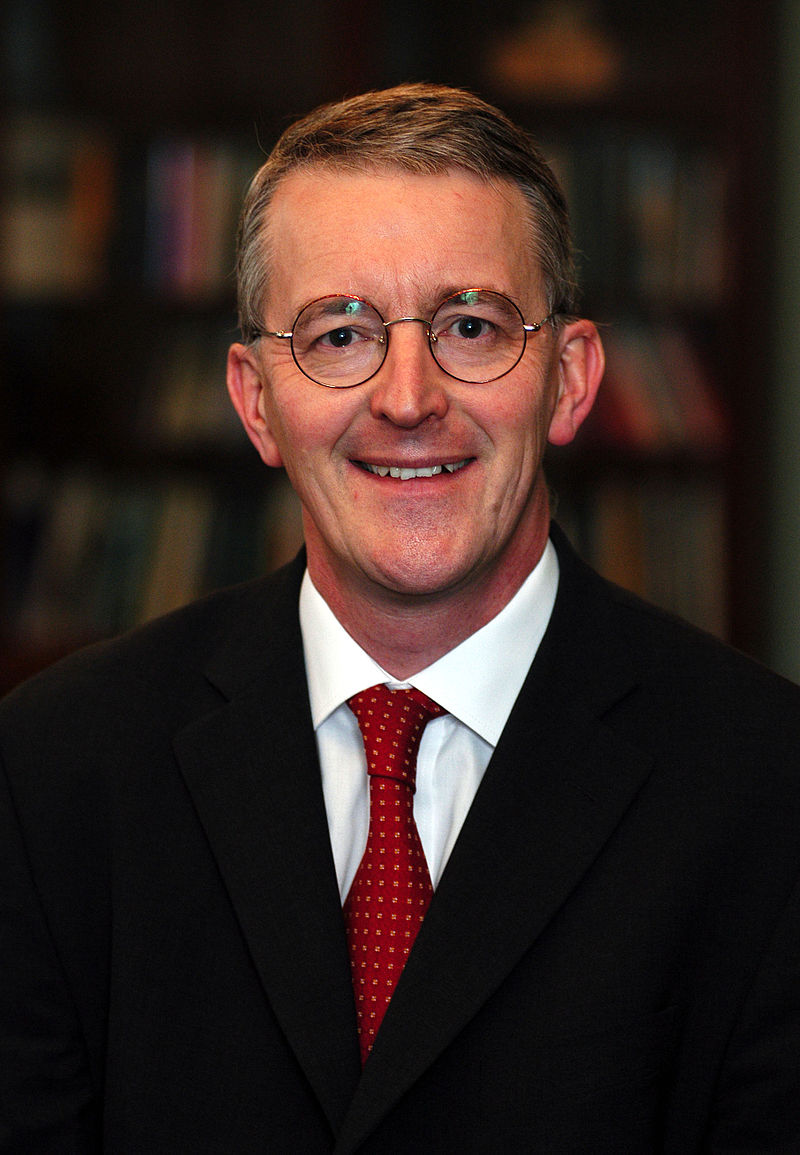
  • Hilary Benn – 2023 Speech on Brain Tumour Research Funding

    Hilary Benn – 2023 Speech on Brain Tumour Research Funding

    The speech made by Hilary Benn, the Labour MP for Leeds Central, in the House of Commons on 9 March 2023.

    The reason that I rise to participate in this debate is that just under two years ago a constituent wrote to me. He revealed that he had a brain tumour and asked me to go along to an APPG meeting to discuss ways in which we could try to find a cure. I went along and I must confess that little did I know then that I would end up taking part in the inquiry. We had, I think, six evidence sessions and we heard from a lot of people. The report, which the hon. Member for St Ives (Derek Thomas) referred to, distils into its recommendations what we heard from those who contributed and who were very patient in answering the many questions that we put to them.

    I pay tribute to the hon. Member, who chairs the APPG and who chaired the inquiry. He has done so brilliantly, cheerfully and in a way that has brought out the best from all of the people who appeared before us, who came along to let us draw on their expertise, to share their frustrations and to offer their ideas and suggestions. It has been an honour and a privilege to work with him and all the other hon. Members here who took part. I also thank the wonderful secretariat from Brain Tumour Research for supporting us in our work and for pulling the report together so skilfully.

    A cancer diagnosis is a terrible thing, although statistics tell us that one in two of us will receive such a diagnosis during our lifetime. I think most of us, if we are honest, would say that we wince when we hear the word “cancer”, because all too often it conjures the idea of a downward path to the end of our lives. Any of us who has been through that experience, either ourselves or, in my case, with those we love, knows exactly how that feels, but death is not always the outcome. Our lives are not preordained, and we have seen real advances in the treatment of certain types of cancer in recent years—breast cancer is a good example—and, overall, I am advised that cancer survival rates in the UK have doubled in the last 40 years.

    But when it comes to brain tumours, the blunt truth is that there has been almost no progress at all. The five-year survival rate for glioblastoma, the most aggressive form, is 6.8%, and the average length of survival is between 12 and 18 months.

    Siobhain McDonagh (Mitcham and Morden) (Lab)

    My right hon. Friend refers to the average length of survival as being 18 months. Actually, it is nine months. His figure suggests that everybody completes treatment. Nine months is the life expectancy of somebody diagnosed with glioblastoma.

    Hilary Benn

    I absolutely take my hon. Friend’s point, which reinforces, in all of us, our awareness of just how awful this diagnosis is, and it is the answer to the question that every person who receives such a diagnosis asks their doctor: “How long have I got?” Eight or nine months is no time at all.

    Dr Matt Williams, a clinical oncologist, is quoted in the report:

    “Every week I have to tell patients that there is nothing more we can offer. I have now been a consultant for 10 years and these conversations are the same now as when I started.”

    That is why a brain tumour is a devastating diagnosis. A patient quoted in the report says:

    “It’s devastating and living with a time bomb in your head.”

    That is a very good description of what it must feel like. In those circumstances, what do patients and loved ones want? What we would all want is to make sure that we are doing everything we possibly can to try to change that.

    Mr Carmichael

    I speak about this publicly from time to time, and I am always struck by the number of people who say to me, “Thank you for doing that, because this took my father”—or their brother, their neighbour, their friend or whoever—“and I had no idea that this had been their life experience.” When I was growing up, 40 or 50 years ago, a cancer diagnosis really was not talked about—it was almost taboo—and I think we are in the same place with brain cancers. If we are to make the progress we need, we all have to start talking about this much more. The experience has to be shared.

    Hilary Benn

    I agree completely with what the right hon. Gentleman has said. To borrow a phrase, it’s good to talk about brain cancer. That is why we are here in this Chamber today. We are here to raise awareness, because loved ones dying remains, among some people, a great taboo, about which we are fearful of saying anything. When my late first wife died of cancer at the age of 26, I was struck by the fact that my colleagues at work, though wonderful people, found it almost impossible to mention what had happened when I went back to work. I understand why, because before it happened to me I would have been like them. I would have thought I would say the wrong thing or cause someone to break down in tears. When it happens to you, you come to realise that there is nothing special to say; you just have to go up to the person and say, “How are you?” and listen. Yes, they will cry and you will cry, but that is so much better than people hiding it inside, with the suffering that it brings.

    That is what this report is trying to do—it is trying to make sure that we are doing everything we can. There are good reasons why brain cancer is proving so difficult to treat. I learnt about that, as did the other members of the inquiry panel. The brain is a complex organ. I had never heard of the blood-brain barrier before. I am not sure I still understand it, but I heard a lot about it in the evidence we received. We learnt about treatments that had been tried and had failed, and about the desperation of those with brain tumours to get on to trials that might just offer some hope, not of a cure, but of a few more months. For someone who has received a diagnosis of a brain tumour, every second—let alone every minute, week or month—is extremely precious. We heard of the despair of people who are unable to get this for themselves or their loved ones, and it is so particularly poignant when it is children who have a brain tumour.

    So we are calling for a renewed and determined focus on doing every single thing we can to change the situation, not because we are naive about the difficulties, which are many, but because it is the very least we can do for the people who find themselves in this position. So, of course, we have called for greater investment. I thought the hon. Member for St Ives explained well why the funds that have been made available and set aside for brain tumour research—I welcome them enormously—have not all been allocated and spent. It is not for want of willingness; it relates to the point he made about the lack of suitable research proposals coming forward and the frustration, which came across so clearly in that one evidence session in particular, of those who have put their research proposals to the research bodies, have been knocked back and feel, “They did not really understand what we are trying to do.” That is because those who sit on those panels may not have expertise in the field of brain tumour research, which is why we strongly encourage the research councils to look more widely at, and more favourably upon, proposals for brain tumour research.

    We have a funding system that has been built in silos. It needs to be better joined up, from basic science through to clinical trials. At this point, I wish to pay tribute, as we all would, to the clinicians, scientists, doctors and others who work their socks off to try to crack this problem and find a treatment. That is why we have made some very specific recommendations. The example of biobanking and tissue samples seemed so simple when people talked about it. When we are dealing with any disease, but particularly this one, does it not make sense to pool all of the information that we have available about what we have learnt, what we still do not know, what may work and what may not? Clearly, that is not happening, even though it is a simple thing to do so that anyone undertaking research can draw upon all the available material as they apply their mind, scientific skill and determination to finding a cure.

    We are also calling for patients with brain tumours to have equity of access to trials of new anti-cancer drugs that currently may be available only to patients with other types of malignant cancers. There can be a fear that if other people are brought into the trial, it will somehow skew the result. However, if a person is dying, that is not their concern. Their concern is: “Might this possibly work to save my life or the life of the person I love?”

    I hope that this report and the views of all those people who so generously gave their time—we thank all of them—will have an impact as, collectively, we roll up our sleeves, redouble our efforts, and express an even greater determination to find treatments and cures for this cruel disease that shortens the lives of so many people whom we have come to know or know already and love. What keeps us going in difficult times is hope, and I think these recommendations offer exactly that. As one patient said, “If you have hope, you have life.”

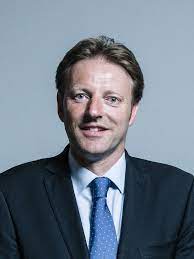
  • Derek Thomas – 2023 Speech on Brain Tumour Research Funding

    Derek Thomas – 2023 Speech on Brain Tumour Research Funding

    The speech made by Derek Thomas, the Conservative MP for St Ives, in the House of Commons on 9 March 2023.

    I beg to move,

    That this House has considered brain tumour research funding.

    I am hopeful that we will have nodding heads on both sides of the House for this debate this afternoon. I thank you for the opportunity to speak, Mr Deputy Speaker, and thank the Backbench Business Committee for making time for this debate.

    I pay particular tribute to those families around the UK who are living with a brain tumour diagnosis. When I meet some of these families, I see an enduring hope, when so often their outlook seems hopeless. It is for that reason that the purpose of this debate is to demand a greater emphasis from Government and to accelerate the effort to find more effective methods to treat patients with brain tumours and ensure that they have the best care and rehabilitation possible.

    Many hon. Members will remember that back in 2015, the Realf family presented a petition with 120,129 signatories calling for an increase in national funding for the research into brain tumours. The Petitions Committee picked it up and the following Westminster Hall debate led to the Government Minister at the time establishing a task and finish group to look at the issue. That group published its report in 2018 and the Government subsequently announced a £20 million fund for research into brain tumours, boosted by a pledge of a further £25 million by Cancer Research UK.

    Mr Alistair Carmichael (Orkney and Shetland) (LD)

    As the hon. Gentleman knows, I have been on this journey with him since that quite remarkable Westminster Hall debate in 2016. We said then that we needed the money; we got the money, but now we find that there are structural problems still standing in the way of the progress we need. To me, that says that there is probably nobody in charge of the strategy within the Department. Does the hon. Gentleman agree that if we can achieve anything in this debate, it will be to hear a commitment from the Treasury Bench that somebody will take charge of this strategy and make it happen?

    Derek Thomas

    Of course, I agree with the right hon. Gentleman. Actually, I want the Government to go further and make brain tumour research the priority of all cancer research, because we have not seen the progress that we should have in that time.

    Margaret Ferrier (Rutherglen and Hamilton West) (Ind)

    A constituent got in touch with me yesterday to tell the devastating story of her young niece, who struggled to obtain a diagnosis despite several GP trips and horrendous symptoms that left her unable to eat properly or attend school. Does the hon. Member agree that ringfenced funding, specifically for research into childhood brain tumours, must be agreed urgently?

    Derek Thomas

    I will come on to that point later. I am grateful for the contributions that we have already heard.

    I pay tribute to the late Dame Tessa Jowell, who sadly received her own diagnosis of a brain tumour soon after that debate, when Government funding was being announced. At that time, about five years ago, she said in the other place:

    “For what would every cancer patient want? First, to know that the best, the latest science was being used…wherever in the world it was developed, whoever began it.”—[Official Report, House of Lords, 25 January 2018; Vol. 788, c. 1170.]

    Sadly, she passed away in May 2018.

    Soon after, an additional £20 million of Government money was made available and the Tessa Jowell Brain Cancer Mission was established. I pay tribute to Dame Tessa Jowell’s daughter and the mission for the way that they have transformed the pathway and the care that brain tumour patients get, and for the work that they continue to do. I appreciate the way that they have engaged with me and others on the all-party parliamentary group on brain tumours in their work.

    The provision of £65 million heralded a significant shift in focus towards brain tumours. Given the high-profile commitment to brain cancer research, we should not be here calling for a commitment and a focus on brain tumour research five years later. Sadly, however, despite the £40 million of Government funds that were committed to research, there has been a lack of grant deployment to researchers.

    It is important to note that Cancer Research UK, since announcing its commitment to spend £25 million on strategic initiatives in brain tumour research in 2018, has committed almost £28 million to that cause. That is not the case for Government funding. To date, the figures of the National Institute for Health and Care Research—the body responsible for distributing that research funding—state that of the £40 million, between £10 million and £15 million has been deployed, and that depends on how we interpret brain tumour research.

    The all-party parliamentary group on brain tumours, which I am privileged to chair—perhaps I should have declared my interest at the start—decided to conduct the “Pathway to a Cure—breaking down the barriers” inquiry, which aimed to identify barriers preventing that important funding flowing to its intended recipients. We felt the need to launch that inquiry only because a series of meetings, including with the National Institute for Health and Care Research, the Medical Research Council, the Department of Health and Social Care and a Government Minister, failed to reassure us that dedicated research funding would or could be used to ramp up the research needed if we want to discover the breakthrough that every brain tumour sufferer and their family longs for.

    Those of us who serve on the all-party group were able to understand the severity of the issue and the lived experience for patients, families, clinicians and researchers only because of the sterling work of the charity Brain Tumour Research. It provides the secretariat for the all-party group and brings together thousands of people across the UK to share their experience, knowledge and understanding, and to make up what I affectionately know as the brain tumour family.

    In February last year, we launched our inquiry and took evidence from clinicians, researchers and patients. We released our report last Tuesday. Today, part of the way into Brain Tumour Awareness Month, we will set out what we have unearthed during the inquiry and press the Government to review and reform their method of deploying research funds to those who can make best use of them.

    From our work, we know that researchers find it challenging to access Government funding, because the system is built in silos. We know that cell line isolation and biobanking are happening, but at only a minority of sites across the research community; that the pool of talented researchers is finite; and that NIHR processes act as a disincentive to researchers who can apply their expertise and intellect more easily elsewhere in the medical research field.

    We also found that there are a limited number of clinical trials available for brain tumour patients, and that the national trials database is not reliable. We found that pharmaceutical companies are choosing not to pursue the development of brain cancer drugs in the UK, and that funding is not ringfenced—specifically for research into childhood brain tumours, as has been mentioned, where survival rates for the most aggressive tumours have remained unchanged for decades.

    Kirsten Oswald (East Renfrewshire) (SNP)

    The hon. Member is touching on a point that I am sure will have been heard by every MP in this place. Constituents who, sadly, have children who have been or are affected by brain tumours know only too well that things have not changed for decades. That is why what he has come here today to talk about is so important. We need to shift the dial. It is not good enough, it is terribly unfair and the consequences of us not shifting it are obviously profound.

    Derek Thomas

    Sadly, I have met far too many parents who have lost loved ones. It is heartbreaking to speak to them, and to see how a juggernaut has charged through and destroyed much of their lives. They give me so much hope that we can do this work because of the commitment they have to this subject.

    Before I address the specific recommendations of the report, may I thank colleagues—many of them are here today—who have given up the last year to interrogate witnesses and to take evidence? I want particularly to mention my hon. Friend the Member for Scunthorpe (Holly Mumby-Croft), the right hon. Member for Leeds Central (Hilary Benn), my hon. Friend the Member for Buckingham (Greg Smith), the hon. Member for Ceredigion (Ben Lake) and Lord Polak CBE from the other place, but also Sue Farrington Smith MBE of Brain Tumour Research, Dr David Jenkinson of the Brain Tumour Charity, Professor Garth Cruickshank, Dr Antony Michalski and Professor Tony Marson, who took part in the inquiry, and most importantly, Peter Realf, whose son was lost and who triggered the petition back in 2015.

    To turn to the findings, the Government must recognise brain tumour research as a critical priority. Five years ago, a remarkable effort was made by Government to respond to the shocking statistics that surround brain tumours. Brain cancer remains the biggest cancer killer of children and adults under 40. In order for survival rates to increase, the Government must go further and treat brain tumours as a key priority. This has been achieved in other countries through legislation, and I urge the Minister to see what can be achieved here. A brain tumour champion, which has already been hinted at, is needed to co-ordinate the funding and implementation of a strategy between the Department of Health and Social Care and the Department for Science, Innovation and Technology.

    In order for brain tumour research to lead to tangible changes in survival rates for patients, it needs to receive funds across the research pathway, including discovery, translation and clinical research. I recognise the recent advances and improvements in molecular testing and prognostic information, but there is a requirement for further discovery research. That will improve the understanding of disease biology, and how best to frame and support pre-clinical trial research. For instance, a particular issue for tackling brain tumours is the complexity of drug absorption through the blood-brain barrier.

    It is crucial that the Government enable the building of critical mass in these elements of the research pipeline. With no ringfenced funding to support poorly funded disease areas such as brain tumours, investment in the disease is not always prioritised. Focused calls for multidisciplinary research into brain tumours through organisations such as the MRC would support this. Additionally, making the blood-brain barrier a strategic priority and encouraging investment in cutting-edge research could yield game-changing results in the treatment of brain tumours and other neurological diseases.

    On translational research, on average, it takes 15 years for an idea to move from the pre-clinical stage to helping a patient. Patients have not got that long to wait. Researchers have said they found it challenging to access Government funding for translational research, relying on charities to fund risky elements of the pipeline. More must be done to support this valley of death element of the research pipeline. That seeks to move basic science discoveries more quickly and efficiently into practice, and that shift would increase interest among the research community, ensuring a greater concentration of research expertise in this area.

    The inquiry also found that there is a perception that review panels have a lack of understanding about the unique nature of brain tumour research, due to a deficit of specialists on panels. That was reported to account to some degree for low application success rates. During oral evidence sessions, it was also highlighted that a lack of feedback disincentivised unsuccessful applicants from reapplying, bearing in mind that they would potentially have spent a year on such work before their original application was ready for submission.

    Positive and proactive engagement with the research community should be nurtured through a continued programme of workshops and funding toolkits for researchers, supporting navigation of the funding system and increasing success rates. Currently, due to many of those issues, and a lack of funding and support, early stage researchers, especially post-doctoral researchers, are moving away from the field of brain tumour research. They are attracted by more readily available and secure funding in other disease areas. A solution for that would be the MRC and the NIHR ringfencing opportunities, such as specific brain tumour awards, across the research pipeline.

    Funding could also be prioritised for a fellowship programme, supporting early stage researchers to develop their skills in the field. There is an example within the Cancer Mission, where two teaching fellowships, match-funded by the NIHR, are taking place. That number needs to increase. Learning about brain tumours early in careers results in researchers going on to choose the discipline.

    Currently, only 5% of brain tumour patients are entering the limited number of trials available. Clinicians stated that many trials that patients with brain tumours are eligible to enter are not accessible to patients, who often have physical disabilities, as participants are expected to travel long distances across the UK. Poor health and the cost implications were key barriers to patients entering studies that were available to them.

    A survey carried out by Brain Tumour Research highlighted that 72% of patients who responded would consider participating in research or a clinical trial if offered the opportunity. Only 21% believed that healthcare professionals gave sufficient information about opportunities to participate in clinical research, including trials.

    That approach does not take account of the benefits that new and repurposed therapeutics could provide for brain tumour patients. If brain tumour patients are excluded at an early stage, possible benefits for such patients are not identified and carried forward in later trials. Access to trials should be assessed not by the location of the tumour, but by other individual criteria such as genomic profile and medical history.

    It was also demonstrated that clinicians are risk-averse to children accessing early phase trials, despite parents’ wishes. As a result of those limitations, patients are encouraged to travel overseas in pursuit of treatment not available in the UK. Some small improvements to both systems would allow many more clinicians to successfully support patients to access trials across the country.

    We have touched on this briefly, but paediatric brain cancer is viewed by researchers as different from adult brain tumours because brain tumours in children are linked to physical development, rather than ageing. Current treatments for children have significant long-term side effects and much more research is needed into kinder treatments and novel drug delivery for children. Additionally, more must be done to tackle brain injury issues and the consequences of brain tumour treatments.

    In this place, we often talk about the need to support people to meet their potential and to live life to the full to address issues that curtail life chances. That is no less important for children and young people who have experienced a brain tumour or brain cancer. Using the method adopted by the NHS to measure survival rates, children’s survival following a tumour is positive. However, they are often left with a brain acquired injury caused by the surgery and treatment of the brain tumour itself.

    Once the child is discharged from the hospital, there is no guaranteed pathway of rehabilitation or access to suitable education, therapies, services or physio. That causes tremendous additional strain on the family as they seek to access and fight for the appropriate step-down care. In many cases, the lack of those therapies means that the recovery and life chances of the child or young person are nowhere near as good as they could or should be.

    In this place, we want life to be a success. I pay particular tribute to Success Charity and Dr Helen Spoudeas, who has worked tirelessly to ensure that these brain acquired injuries are taken more seriously and that a concerted effort is made to ensure the best possible recovery. Success Charity exists to advocate for survivors and provide them with the care and support that they need and deserve. It has its annual conference at the Royal College of Physicians this Saturday, which will give families an opportunity to share experiences and make friends with other survivors, siblings and parents, and to listen to inspirational speakers.

    Having given some thought to this issue, and having discussed it with others, I think that an appropriate approach would be to introduce a commitment that every child and their family would be entitled to a carefully crafted package that ensures that all the needs of a growing and developing child are met, including access to education services, and that the best person to ensure the implementation of this package would be an occupational therapist.

    This Government want the UK to be considered a science and technology superpower. The UK must start setting the pace for recovery rather than fall further behind. Business as usual threatens the UK’s ability to lead clinical trials for brain tumours. Brain tumour research must be seen as a critical priority, with Government developing a strategic plan for adequately resourcing and funding discovery and translational and clinical research. Robust tissue collection and storage facilities must be put in place across the country. As a Government Minister said in this place only last week, every willing patient must automatically be part of a clinical trial, and that includes collecting and storing tissue for research. There must be equity of access to clinical trials and a robust and up-to-date clinical trial database. The regulatory process must be simplified, with the introduction of tax relief and incentives for investors to encourage investment for the longer-term periods necessary to develop and deliver new brain tumour drugs.

    There is so much more that could be said, and I am sure that much more will be covered this afternoon. I hope that the Minister will take the report and our recommendations seriously, and that he will have an opportunity to come back to us at a later date—when he may have more time than that afforded to him at the close of this debate—to set out how the Government intend to respond to our recommendations. Will he also agree to meet me and members of the all-party group to discuss the recommendations of our Brain Tumour Research report? Thank you, Mr Deputy Speaker.

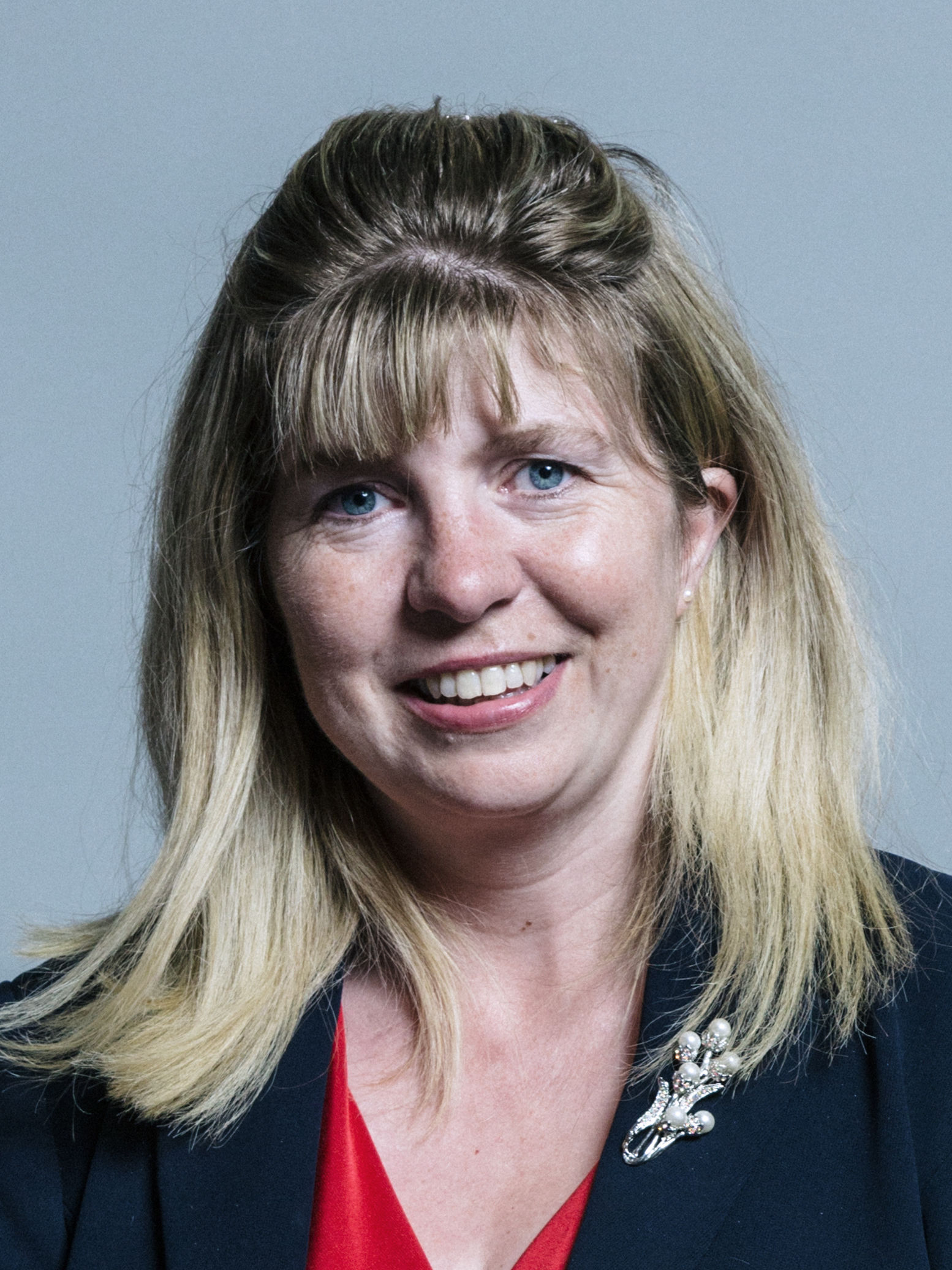
  • Maria Caulfield – 2023 Speech on International Women’s Day

    Maria Caulfield – 2023 Speech on International Women’s Day

    The speech made by Maria Caulfield, the Minister for Women, in the House of Commons on 9 March 2023.

    May I thank right hon. and hon. Members for their contributions this afternoon? I particularly thank my right hon. Friend the Member for Basingstoke (Dame Maria Miller) for securing this debate and for her work every day of the year on championing women’s rights. I thank all hon. Members who have spoken so passionately today about the issues on which they are campaigning on behalf of women up and down the country.

    As my right hon. Friend pointed out, many women who have gone before us have led the way to our being here today. The hon. Member for Erith and Thamesmead (Abena Oppong-Asare) mentioned Baroness Boothroyd, but there have also been women such as Margaret Thatcher, the first female Prime Minister, who broke that glass ceiling. Unlike the shadow Minister, the hon. Member for Oxford East (Anneliese Dodds), I am not afraid to compliment and pay tribute to female Members on the other side of the House. A personal heroine for me was Mo Mowlam. The hon. Member for Bristol South (Karin Smyth) spoke about how women have been erased from photos and others have often taken the credit for their hard work; Mo Mowlam was instrumental in delivering peace for Northern Ireland, but she is very often forgotten when we talk about issues around the Northern Ireland protocol. However, she is very much remembered for the work that she did.

    My right hon. Friend the Member for Chelmsford (Vicky Ford) said that there is a special place in heaven for men who stand up for women. Today I want to remember Sir David Amess, who usually spoke in these debates; I think particularly of his work on endometriosis. I am sure that he would be very pleased to see his successor, my hon. Friend the Member for Southend West (Anna Firth), taking part in this debate. It has also been great to see my hon. Friend the Member for Worthing West (Sir Peter Bottomley) spending most of the afternoon in this Chamber to listen to women speak about the issues that we face. We are very lucky to have such a Father of the House who respects female Members.

    On International Women’s Day yesterday, I was particularly pleased that so many Departments were able to showcase the work that has been done and make announcements on tackling the issues that women face, many of which have been raised today. The Foreign, Commonwealth and Development Office launched its first international women and girls strategy yesterday, which highlights the work being done globally to tackle threats to gender equality across the world. From climate change and crisis to conflicts and coronavirus, those threats disproportionately affect many women in certain countries; hon. Members have spoken particularly about Iran and Afghanistan today. Significant work is going on to support women across the world.

    I want to touch in particular on the issues facing the women of Ukraine. I had the great pleasure and honour of meeting the First Lady, Mrs Zelenska, this year. While of course planes, weapons and resources are important, her plea to us in this place was to make people aware of how rape is being used as a weapon of war against women in Ukraine—there are young girls, women, older women and elderly women who are being raped as part of the war against Ukraine.

    I am pleased that the UK has cemented its position as a leading global actor standing up for women who are under attack. We know the scale and severity of gender-based violence at times of conflict and insecurity. I am proud that the UK is recognised internationally for the preventing sexual violence in conflict initiative, committing £60 million to preventing and responding to conflict-related sexual violence since 2012. Last November the UK hosted the PSVI international conference in London, with more than 1,000 delegates, and secured new political declarations with 53 countries and 40 national communities. That is incredible work.

    However, this debate has mainly focused on the domestic issue of the gender-based violence that women and girls are experiencing up and down the country. We heard a very moving speech from the hon. Member for Birmingham, Yardley (Jess Phillips), who highlighted the sheer scale of the women who have been murdered in the past year. The right hon. Member for Kingston upon Hull North (Dame Diana Johnson) described the terrible, tragic case of Libby Squire, and the hon. Member for Livingston (Hannah Bardell) told us Wendy’s story about her daughter Aimee. Members cannot have failed to be moved by that.

    Of course we are doing great work in improving the experience of women. We have announced the awarding of grants to rape crisis centres in England and Wales to set up a national telephone support line, open 24/7, which was launched on 7 December, and we are providing £27 million to recruit more independent sexual and domestic violence advisers. Despite all that, however, there is clearly a significant problem. Violence against women and girls was included in the women’s health strategy because it is not just a criminal issue or a justice issue. I was pleased to see both my right hon. Friend the Member for Charnwood (Edward Argar), the Minister for Victims and Sentencing, and the Under-Secretary of State for the Home Department, my hon. Friend the Member for Derbyshire Dales (Miss Dines), in the Chamber earlier to hear about this staggering problem.

    Sarah Owen (Luton North) (Lab)

    I have listened intently to the debate, and it is an honour to be able serve alongside such fantastic female representatives on both sides of the House. The Minister is talking about eradicating sexual and domestic violence from society. Does she agree that we should not be rewarding, in any way, any perpetrators of that sort of abuse and violence?

    Maria Caulfield

    I absolutely agree. As I have said, that is why we included violence against women and girls in the women’s health strategy, and as we approach the first anniversary of the strategy, I am keen for us to move towards making that our priority for the second year, working across Government. I am happy to work across parties as well, because this is such an important issue. Despite all the strategies, plans and—let us be fair—significant funding, we are still not making progress in the areas in which we want to make it. We have been presented with many images, but I was particularly struck by what was said by the hon. Member for Brent Central (Dawn Butler) about the way in which language is used to describe both female victims and their perpetrators, which suggests that an offence of that kind can be justified—that it simply happened, that it was a mistake, and that it was not all that significant. That has to change, which means changing the culture as well as creating the infrastructure to support it. I am keen for us to make progress on that in the next 12 months.

    Jackie Doyle-Price (Thurrock) (Con)

    I am very interested by what my hon. Friend has just said. She referred earlier to putting violence against women and girls at the heart of the health strategy. If we are serious about increasing the rate of convictions for rape and sexual violence, and indeed domestic violence, we should bear in mind that women report being treated like pieces of evidence. What we need is wraparound therapeutic support for victims, so they are not re-traumatised every time they try to obtain justice. Will that be a large part of what my hon. Friend is doing?

    Maria Caulfield

    Absolutely. We do need to look at how we support women, and that includes female MPs. I am thinking of Rosie Cooper, who simply left the House of Commons because of what she had experienced. She has gone on record as saying that she did not feel safe continuing.

    Wera Hobhouse

    Will the Minister give way?

    Maria Caulfield

    I do not have a huge amount of time, but I will give way a couple more times.

    Wera Hobhouse

    I will be very quick. The police are saying that they need to move away from viewing the victim as a credible witness, and move on to the perpetrator. Too often, the perpetrator gets away while the police are investigating the victim.

    Maria Caulfield

    I entirely agree. This is about changing culture as much as about changing the structure of services: we have seen plenty of evidence of that. Let me also pay tribute to the hon. Lady for her private Member’s Bill, which will tackle sexual harassment in the workplace. She has done tremendous work on the Bill, and we hope that it will make swift progress in the other place.

    Vicky Ford

    The issue of spiking has, unfortunately, been coming up in my constituency. If the perpetrators are to be caught, it is important for victims to come forward quickly and provide physical evidence, such as a urine sample, within 24 hours. I wonder whether there is more that my hon. Friend could do, using her own voice, to get that message out to victims.

    Maria Caulfield

    Yes, absolutely. That is why we need a cross-Government approach. We need to work with the Home Office and the Ministry of Justice team so that we have a united voice.

    Abena Oppong-Asare

    Will the Minister give way?

    Maria Caulfield

    I will give way one more time.

    Abena Oppong-Asare

    I appreciate the Minister’s generosity. I just want to put on record the work that Sistah Space has done—particularly in relation to Valerie’s law—for victims of abuse, especially black victims. The Minister’s predecessor started to do some work with me and with Sistah Space before the change of Government. Will she please continue that work?

    Maria Caulfield

    I shall be happy to do that, and we can certainly arrange to meet following this debate.

    The shadow Minister was slightly dismissive of the groundbreaking Online Safety Bill. However, my right hon. Friend the Member for Chelmsford has reported that the UN special rapporteur on violence against women and girls has described it as world- leading. Many other countries are following our progress, and, indeed, may adopt similar legislation. The Bill will tackle criminal activity online. It will protect children from harmful and inappropriate content, and it aims to stop the rise of online misogyny. Several Members have mentioned the importance of that.

    Let me say something about business. The UK is now successfully including gender provision in all the free trade agreements that we have made since leaving the EU. Our trade agreements with Australia and New Zealand, for instance, contain dedicated trade and gender equality chapters. That too is groundbreaking work. As for our domestic business focus, our taskforce on women-led high- growth enterprise was established last summer. I want to pay tribute to my hon. Friend the Member for Meon Valley (Mrs Drummond) for her work in the all-party parliamentary group on women and work, not just her work in pushing science, technology, engineering and maths for women, but the high-growth sector work she is doing. If we deliver more women with ambition, we will improve growth in our economy and also improve the outcome for those women as they thrive in the workplace.

    We know that childcare is an issue. That is why we have spent more than £3.5 billion over the last three years on early education entitlement, and have increased the funding for local authorities to £160 million this year, £180 million next year and £170 million thereafter, to allow them to increase their payments to local childcare providers. I recognise the challenges and the cost that childcare imposes on families, but I also know how difficult it is for the providers to sustain their business model.

    Turning briefly to women’s health, I am proud that in the past year we have published the first women’s health strategy for England. The hon. Member for Vauxhall (Florence Eshalomi) mentioned that in particular, and I am very keen that we make progress in that space, especially on maternity disparities. We have appointed Dame Lesley Regan as the first women’s health ambassador to lead that work. We announced yesterday that we are investing £25 million to roll out women’s health hubs across the country, providing a one-stop shop for women’s healthcare needs.

    We will also level up IVF access to same-sex couples and across the board, ensuring consistent provision across the country, which does not currently exist. The HRT prepayment certificate will be launched from 1 April, cutting the cost of HRT by hundreds of pounds. We also aim to announce our pregnancy loss certificate later this summer, so that babies born before 24 weeks can be registered—an important issue for those parents who have lost babies. The major conditions strategy will look at long-term conditions such as heart disease, musculoskeletal conditions and dementia, the leading cause of death in women, which for too long have been ignored.

    Finally, I want to touch on girls’ education, which it is a top priority for us in both our international commitment—we want 12 years of quality education for every girl, which is the best way to get girls and women out of poverty—and our domestic commitments. The Prime Minister in his first speech set out his ambition to ensure that all school pupils in England study some form of maths to the age of 18. My hon. Friend the Member for Thurrock (Jackie Doyle-Price) raised the issue of teaching materials in schools; the Prime Minister yesterday committed to a review of those and we will look forward to what that shows.

    We need to get more women and girls into science, because, as my right hon. Friend the Member for Basingstoke said, despite getting more girls into STEM A-levels and on to undergraduate courses, we only see women making up 29.4% of the STEM workforce. That is why we are running our STEM Returners pilot; there are 75,000 people, mainly women, with experience and qualifications in STEM who are not working in the sector and who we want to see return to practice.

    I hope that that showcases some of the work we are doing across the board. There are many challenges—we do not deny or shirk that fact—but we are making significant progress. In particular, domestically, on violence against women and girls, I hope that this time next year we will have a better story to tell.

    Dame Maria Miller

    I say an enormous thank you to everybody who has taken part in the debate. This debate always demonstrates how much agreement there is across the House; I always see more heads nodding on the Opposition side and the Government side in this debate than in any other. My final comment, therefore, is, “Let us not allow party politics to get too involved in some of these issues.” They are not about party politics; they are about changing the culture of our country, to make sure that women have the same opportunities and the same barriers as men—not different ones, but not bigger ones. The more we can keep the politics out of this, the more progress we make in that culture change. I think the vast majority of this debate has demonstrated how much agreement there is. I applaud that, and thank colleagues for taking that approach.