Blog

  • NEWS FROM 100 YEARS AGO : 18 March 1923

    NEWS FROM 100 YEARS AGO : 18 March 1923

    18 MARCH 1923

    The French Government confirmed that around 40 soldiers were killed in a railway crash in the occupied Ruhr Valley.

    Boilermakers were instructed by their union executive not to take part in a ballot of shipyard workers and the union planned to withdraw from the Engineering and Shipbuilding Trades Federation pending a vote of their membership.

    James Donovan, a member of the Irregulars who was known as the “director of chemicals”, was arrested by Irish police.

  • Iain Stewart – 2023 Speech on the Budget

    Iain Stewart – 2023 Speech on the Budget

    The speech made by Iain Stewart, the Conservative MP for Milton Keynes South, in the House of Commons on 16 March 2023.

    May I start by warmly congratulating the hon. Member for West Lancashire (Ashley Dalton) on a fine maiden speech? Many issues divide us in this House, but one that unites us is the utter apprehension that we feel before making our maiden speech, and the enormous relief we feel afterwards. She did her family and her constituency proud. I echo her comments about her predecessor Rosie Cooper, who I enjoyed working with on many issues. I hope, similarly, to have a collegiate working relationship with her successor. Let me give the hon. Lady a little friendly advice: after a Budget, she should take time to read through the detail of the Red Book, because sometimes we find unpleasant surprises but sometimes we find very welcome announcements. That is what happened to me yesterday afternoon.

    As Chair of the Transport Committee, it will probably not surprise colleagues that I will start by talking about transport matters. A very welcome announcement in the Red Book was the Government recommitment to the next stage of East West Rail, which goes through my constituency. When fully opened, it will create a really important rail transport link connecting Oxford, Milton Keynes, Bedford and Cambridge. It is not just a transport link; it will help unlock enormous economic developments in the area and create the jobs of the future in many of the high-value clusters that we have along there. As well as the announcement that details will be coming out soon, there is the additional investment for local authorities to plan for developments around the new stations. That is an important part of putting in new transport infrastructure. It is not just about the line itself, important though that is in aiding modal shift, but how it helps much wider economic growth.

    On a local basis, I welcome the excess of £1 million to fix potholes in Milton Keynes—I can tell those on the Front Bench that we sorely need it. Also on the transport front, but looking more widely across the country, it is a positive step that additional powers and funding are going to the mayoral combined authorities to develop integrated transport solutions for those cities and towns across the country. In particular, I welcome the ability to develop cross-modal ticketing options. Access to good transport underpins the economy and people being able to attain new jobs, and I very much welcome those announcements.

    Looking longer term at transport, the Budget included some significant measures to help underpin future investment, looking not just at what the Government are spending, but how that can work in tandem with the private sector and institutional investors to help give us the assets we need in the longer term. In particular, there were the measures to extend the remit of the UK Infrastructure Bank.

    Many Members have commented on the changes to pension funds. I add this point: the ability of institutional investment funds to help support the development of our infrastructure is an enormous opportunity. On the insurance side, the Association of British Insurers has identified that the post-Solvency II changes could unlock an additional £100 billion of investment for our infra- structure over the next 10 years. Similarly, there is great opportunity with pension funds. Encouraging people to save more into their pension funds does not just help retain people in the workforce; it helps create those institutional funds that can be invested to all our advantage.

    The other welcome development that I will touch on is the creation of the new investment zones, which is another step in the right direction along with measures such as freeports, innovation accelerators and the various levelling-up funds. It will help stimulate partnership working between the public sector, the private sector and academic research and development. The principal of Strathclyde University, Sir Jim McDonald, has a great phrase—“the triple helix”—about combining those three and unlocking their potential to develop new technologies and how that then spreads out into the wider economy.

    The one bit of advice I give to my hon. and right hon. Friends is that these schemes are great in themselves, but more can be done. When I was a Minister in the Scotland Office, my portfolio of responsibilities included growth deals in Scotland, which have proved to create effective partnership working among the public, private and academic sectors. Some of those deals are coming to their planned end and some of the levelling-up funds will conclude in the next year or two, so there is an opportunity to look at what comes next and to combine these different types of Government investments, institutional investments and working with the private sector to let local areas develop their economies to thrive in the future. I should declare a little interest: I am writing a paper on this for the think-tank Onward. It is still in production, and I doubt it will ever hit the bestseller shelf at Waterstones, but I hope it will contain some useful ideas, and I think it will probably command cross-party support because there is a growing consensus that the right way forward is to unlock and help realise locally generated ambitions. Central Government do not always have the answers; I am not breaching any confidences in saying that, and it applies to Governments of all political stripes.

    The steps the Government have taken thus far with the investment zones, accelerators and so forth are good in themselves, but there is an opportunity to blend them so that the whole is greater than the sum of the parts. I look forward to contributing to the debate on that, but this is a Budget to be welcomed for the measures I have outlined and many others as well.

  • Ashley Dalton – 2023 Speech on the Budget and Maiden Speech in the House of Commons

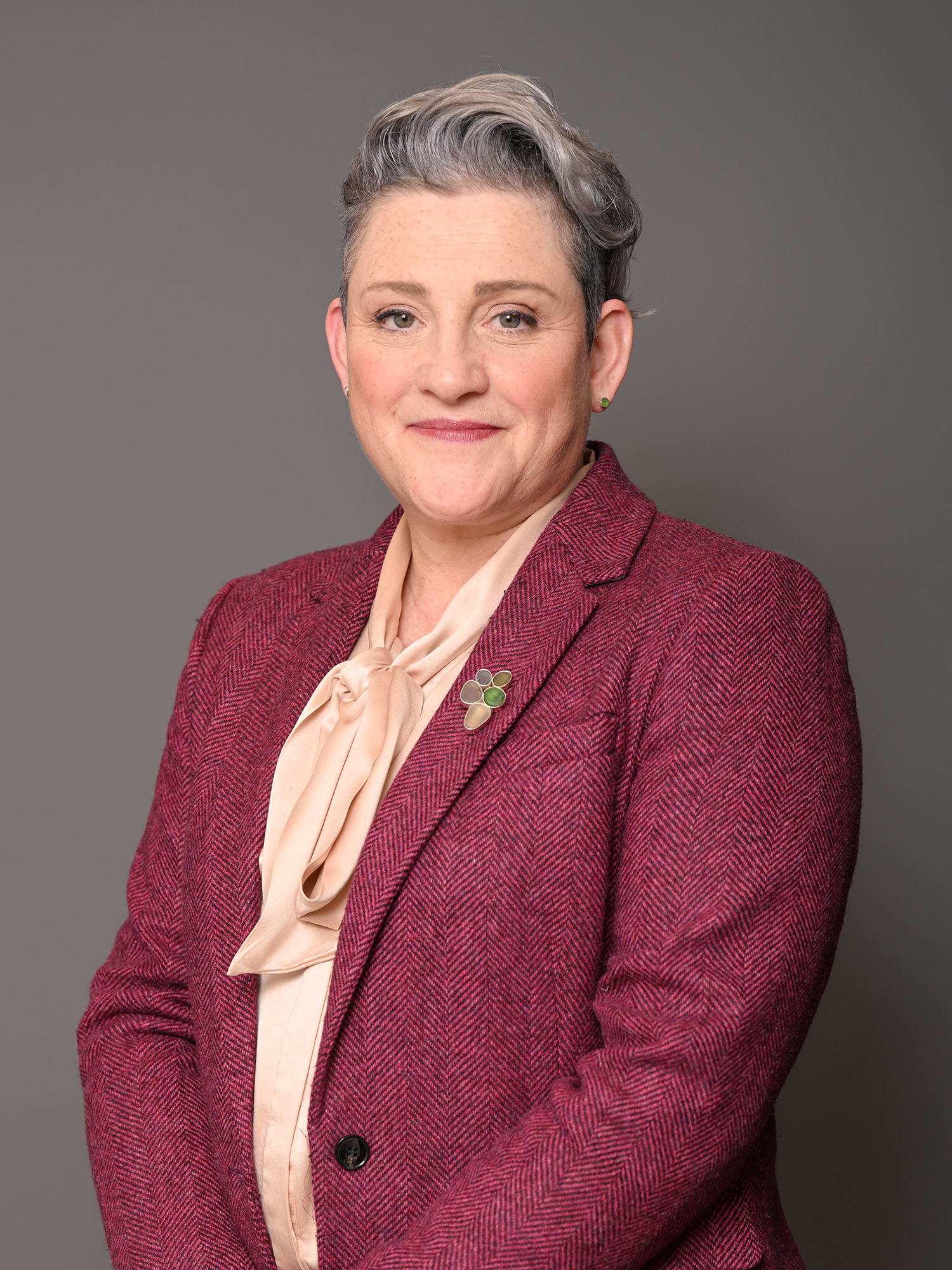
    Ashley Dalton – 2023 Speech on the Budget and Maiden Speech in the House of Commons

    The maiden speech made by Ashley Dalton, the Labour MP for West Lancashire, in the House of Commons on 16 March 2023.

    Thank you, Mr Speaker, for the opportunity to make my maiden speech in this debate. It is a particular honour to be called to do so by a fellow Lancastrian and my constituency neighbour.

    I take my place as my predecessor, Rosie Cooper, leaves frontline politics. A servant to West Lancashire for over 17 years, Rosie conducted herself with the utmost dignity and respect throughout her tenure as a Member of Parliament. Despite facing some of the most heinous and challenging circumstances anyone in this place could face, Rosie displayed great resilience and continued to serve West Lancashire with grace and diligence.

    Everyone in this place entered politics to make a difference. As Rosie leaves to take up a new role in the NHS, which I know is so important to her and her politics, she can genuinely say she made a difference. Through the British Sign Language Act 2022, which was brought about by her private Member’s Bill, Rosie secured equitable recognition for people who use BSL as their primary language—a group of people that in the most recent census was 22,000-strong. I know that they and many others are truly thankful for her hard work and unwavering commitment.

    You will know, Mr Speaker, that on the way into my constituency you pass a road sign that reads simply “In West Lancashire we’ve got it all”, and it is no exaggeration. With a Roman market town, villages recorded in the Domesday book, the growers and farming communities of the Lancashire plain, and a 1960s new town, West Lancashire truly does have it all.

    Look back at the gingerbread women of Ormskirk—women in the 1700s who knew their own worth, and with a recipe so successful it is still used today, took their place in Ormskirk’s economy; and look forward to the innovators and community builders of the future being moulded by the thriving Edge Hill University. West Lancashire’s story is one of making your mark.

    For me, West Lancashire’s best asset is its people. The people of West Lancashire represent what it means to be British. They are hard-working, innovative and, most of all, ambitious. But all too often, their ambition is frustrated by a lack of opportunity. I hear stories from my constituents in Skelmersdale—Skem—that they feel trapped and confined by their circumstances. It is a great sadness that for many people in Skelmersdale, their ambition for their children is that they leave Skem—that they get out to get on. Opportunities that exist in Manchester or Liverpool are opportunities that should be accessible to folk in West Lancashire, but they simply are not. West Lancashire is brimming with potential but is literally being left behind.

    During the by-election, while I was out campaigning, Sandra stopped me in the street to talk about what is important to her. She probably recognised me from the hundreds of leaflets that she had had through her door. Sandra was really proud of her grown-up children working hard to provide for their own families, but she told me that they were each working two or three jobs and were barely able to just get by. As proud as she is of her children, Sandra told me that getting by should not be this hard. When the best that hard work can deliver is just getting by, something has gone wrong.

    Yet, like the gingerbread women of the 1700s, West Lancashire still dares to succeed. There are people like Paula and Maureen, who started the Sewing Rooms in Skelmersdale, a social enterprise to tackle social exclusion and train and employ women in the textiles industry. In the face of a global pandemic, they made masks. When faced with a cost of living crisis, they developed, made, and sold thermal cooking bags that use little to no energy to cook hot food. On the back of that success, they have won the contract to design and make the kit for the Great Britain gymnastics team at the Special Olympics world games in Berlin this year. There are people like 19-year-old Rossi Forrest, who sold me my Christmas tree last year from the new nursery and garden centre in Bickerstaffe that he started from scratch. And people like Jo, who sells pyjamas and underwear on historic Ormskirk market, and whose thermal vests and long johns kept me warm during a long—very long—winter by-election.

    Across West Lancashire, people are working hard and daring to succeed. But in the face of a cost of living crisis and a stagnating economy, it is too often an uphill struggle. It should not be this hard. This Budget was an opportunity for the Government to show that they believe in West Lancashire as much as I do. Instead, it is another sticking plaster on 13 years of economic failure, with small businesses and sole traders once again expected to fend for themselves. The people of West Lancashire are ambitious, but their ambition is not being matched by government. While wages are down, mortgage repayments are up. Whilst living standards are down, the tax burden is up. When my constituents need an economy that is moving, we are at a standstill. This is not a Budget for Sandra. It is not a Budget for Paula and Maureen. It is not a Budget for Rossi, and it is not a Budget for Jo, either.

    Politics is often spoken about in abstract terms, as though it is something that happens to someone else, somewhere else, separate from our communities. When I stand to speak, 100 years since the first women were elected to this place and nearly 300 years since the gingerbread women of Ormskirk made their mark, I speak with the voices of Sandra, Rossi and Jo, and all the other people of West Lancashire, because the politics in here must meet the ambition of the communities out there. What we choose to do shows where our priorities lie. Our priorities are born out of what we stand for. On the Labour Benches we stand for meeting the ambition of the people of West Lancashire and beyond, not for getting by but for getting on.

  • Richard Drax – 2023 Speech on the Budget

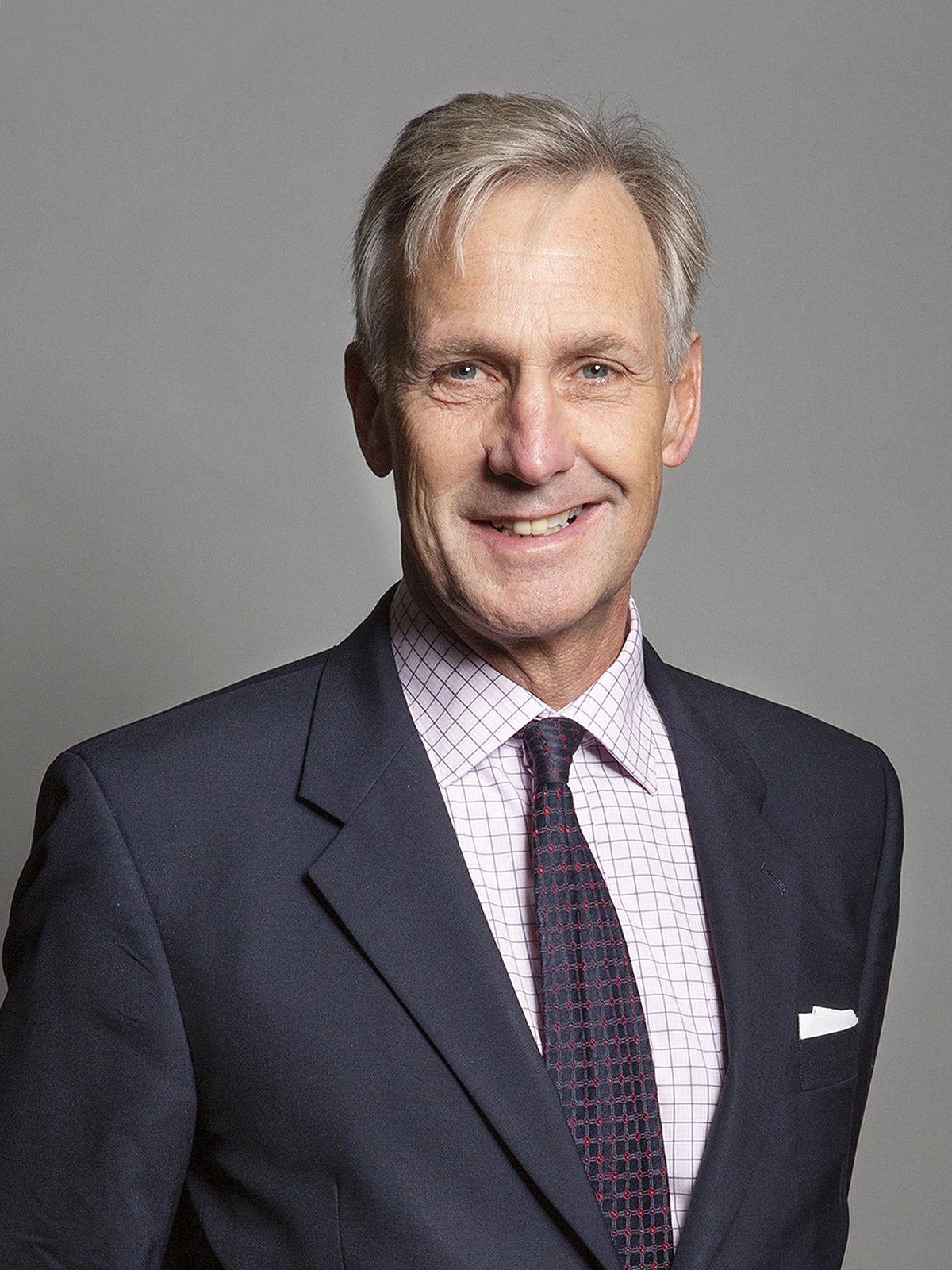
    Richard Drax – 2023 Speech on the Budget

    The speech made by Richard Drax, the Conservative MP for South Dorset, in the House of Commons on 16 March 2023.

    I welcome the hon. Member for West Lancashire (Ashley Dalton) to the House, and I refer the House to my entry in the Register of Members’ Financial Interests.

    We are the party of low taxes, or we are nothing. It is a core Conservative value that we believe people should keep more of their money. In that regard, I commend the Chancellor for scrapping the pensions allowance. It is rather strange that the Opposition are wailing about it when they themselves wanted to remove it, albeit just for doctors. This reform will not just help doctors, but help to retain headteachers, police chiefs, senior officers in the armed forces, air traffic controllers, prison governors and many others.

    However, what concerns me is the tax pressure on those who receive less. We are still facing the highest burden of taxation since the end of the second world war. I fear we are falling into the socialist trap of raising expectations that the Government will provide all the answers; they cannot, and should not try to. The consequence is higher and higher taxes to pay for services such as extra childcare. I entirely endorse the excellent speech by my right hon. Friend the Member for Camborne and Redruth (George Eustice) on the problems that this policy could raise. While welcomed by many, it fails to recognise that if families paid less tax, they would have more disposable income to pay for services such as childcare, rather than relying on the Government. Raising the tax threshold, especially at the higher rate, would help in that regard. The insistence that the Government can spend people’s money better than them is not our philosophy.

    I accept in full that we are paying a heavy price for locking the country down during the pandemic, and now dealing with a major war in Europe, but this is not the time for faint hearts and overcaution, especially with a general election looming. For we know—we have just heard—where Labour will take us: myriad new taxes, a rise in existing ones, and a party driven sadly by the few, not the many, and by envy, punishing those who work hard and want to provide for their families. Let us stop reinforcing Labour’s values and start reminding the country of ours.

    On that note, despite the many calls for corporation tax not to be raised from 19% to 25%, the increase will go ahead. Despite being mitigated by some capital allowances, it is a regressive and regrettable move. This after the Chancellor pledged to reduce corporation tax to 15% last year when he stood for the leadership of our party—how right he was then. Yesterday’s Budget rightly placed great emphasis on growth, and while I am all for getting people back to work, I am not in support of a tax hike on those who create the jobs in the first place. Beyond that, the increase will be a major and negative factor for companies deciding where and how much to invest. Let us not forget that the corporation tax of our nearest competitor, the Republic of Ireland, is a meagre 12.5%. As my right hon. Friend the Member for Wokingham (John Redwood) said of an earlier Chancellor:

    “Lawson brought intellectual self confidence and energy to the task of being Chancellor. He fearlessly slashed income tax and corporation tax rates. Extra revenue poured in as growth improved.”

    Surely that is what business needs: a visionary Conservative Government committed to creating an environment that gives wealth creators the incentives to take risk and create the prosperity and jobs that all of us in this House want. Unfortunately, that is not evidenced when we look at the oil and gas industries.

    Angus Brendan MacNeil (Na h-Eileanan an Iar) (SNP)

    Will the hon. Gentleman give way?

    Richard Drax

    I will not, because we do not have time and others wish to speak.

    Because of pandering to the green lobby and unachievable targets, oil and gas companies face punitive tax rates such as the 50% corporation tax rate and a 35% windfall levy. As the war in Europe has reminded us, energy security is paramount. Over-reliance on supply from overseas has left many countries—not just us—vulnerable to fluctuation in prices and supply. Regrettably, we are a long way from ending our reliance on fossil fuels, so surely it is common sense to encourage investment here at home, not to increase our carbon footprint by importing from abroad.

    Before I conclude, I must mention defence. While the extra £11 billion over five years is to be welcomed, it is not nearly enough, with little—if any—of that money going to our conventional forces. This at a time when the world is increasingly unstable. Arbitrary figures for defence spending plucked out of thin air by both sides demean our armed forces and us in the House. In the face of some very real threats, a thorough appreciation needs to be undertaken and the defence budget set accordingly. To be an effective NATO partner, we need the mass to sustain a prolonged and major confrontation. Right now, we do not have it.

    I conclude on a point of caution. As I hinted strongly at the start of my speech, this over-reliance on Government to provide the solution to everything must stop. It is simply unsustainable. Our Conservative Government would do well to recall the words of JFK in his inaugural address:

    “Ask not what your country can do for you—ask what you can do for your country.”

  • Clive Efford – 2023 Speech on the Budget

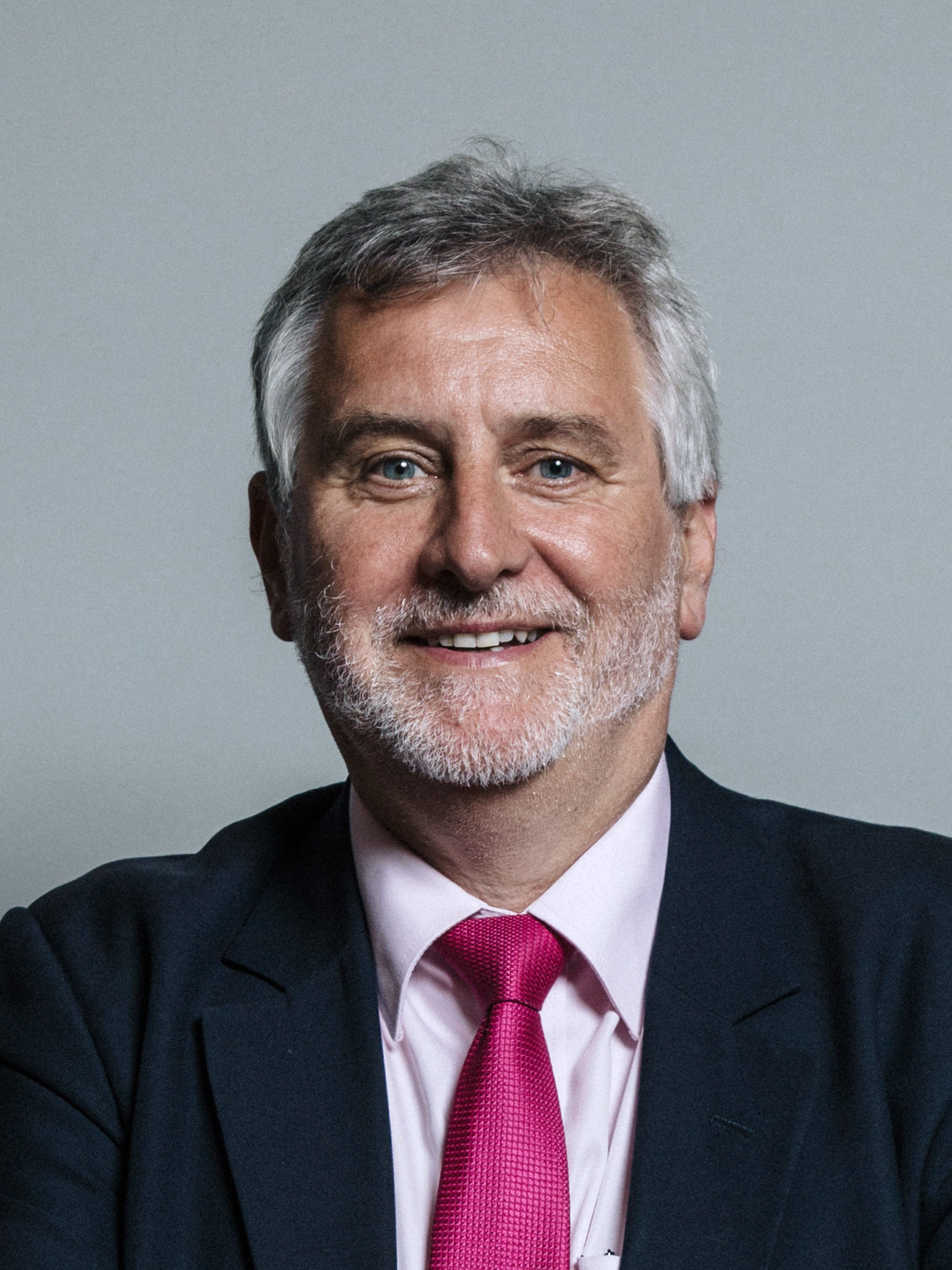
    Clive Efford – 2023 Speech on the Budget

    The speech made by Clive Efford, the Labour MP for Eltham, in the House of Commons on 16 March 2023.

    When I looked at the clock as the Chancellor finished speaking yesterday, I was shocked that his speech had been only an hour. The speech was well padded out. I thought at one stage that he was going to tell us how much the Government planned to spend on paper clips in the next year. He started by announcing that we were not going into a recession, expecting praise for not taking us into a recession that the Conservatives had brought us to the brink of in the first place. It was a bit like an arsonist asking to be thanked, having set light to your house, for then ringing the police. Average energy bills have doubled in the past 18 months, the average mortgage is up by £2,000, and household incomes are lower in real terms than 13 years ago. Those are the worst figures since records began.

    We have had 13 years of cuts to our public services, leaving them in a parlous state, and we went into covid with record numbers on NHS waiting lists—2.5 million people. We now have an estimated 7 million people waiting for hospital appointments. According to a Nuffield Trust report published last year, our NHS is short of 12,000 doctors and 50,000 nurses and midwives, and we will need over 500,000 more NHS and care workers by 2030. Where was anything in the Budget to deal with that crisis? Oh, we did have one thing; we had a tax cut for the wealthiest 1% to keep doctors in the NHS. Only the Tories could turn a crisis in the NHS into an excuse to cut taxes for the wealthiest 1% in this country.

    Someone with a £2 million pension pot will get a tax saving of £275,000. How is that justifiable? Yet next month the tax thresholds will be frozen. For a basic rate taxpayer, that is £500 a year, for a higher rate taxpayer, that is £1,000, but in this Budget it is somehow justifiable to make that tax cut to the richest 1%. It is just not fair. In the past decade, we have seen the Conservatives stand by while a disproportionate share of national income has gone to the wealthiest. The OBR has confirmed that the cost of living crisis means that living standards will fall by 5.7% over the next two years. Average real-terms household incomes are at a 50-year low due to a decade of consistent low growth. The Resolution Foundation’s “Stagnation nation” report, published late last year, shows that in each decade since the 1970s, average household incomes rose by 33% until 2007, but since the Tories took power, weak productivity growth has fed directly into flatlining wages and sluggish income growth, with real wage growth falling below zero in the 2010s.

    The Government’s own figures show that incomes have grown by an average of 9% since 2008—0.7% a year—having grown by an average of 2.2% in each of the previous 20 years. Their excuse is to blame everyone else, but everyone else internationally has been through the same shocks as us. How do the Tories explain the fact that average household incomes in the UK are 16% lower than in Germany and 9% lower than in France, having been higher than both in 2007?

    Wealth inequality in this country has grown under the Conservatives, and a failure to tax the assets of the super-rich is leading to widening inequality. The more wealth someone accumulates, the less tax they pay. The Government should be looking at how we tax wealth and tackle that growing inequality. Since the banking crash in 2007-08, it has become easier to borrow money, which has meant that the wealthiest people have been able to buy assets, and we do not tax those assets. I would like to see a discussion about a tax on wealth above £10 million. A 1% tax on that wealth would raise £11 billion. I have spoken to many people who are in that tax bracket, and they say that a 1% tax on their wealth at that level would not cause them to take flight and go abroad—they would not notice it. No one is going to up their family and their children’s future because they would pay 1% tax on their wealth above £10 million.

    We could equalise capital gains with income tax rates. There is cross-party support for this measure, which could raise £15.2 billion. It is not a radical suggestion, because it is what Nigel Lawson did back in the 1970s. I welcome the fact that the Government are offering tax relief for investment in R&D, because that could reward people who pay their tax in that way.

    It is not fair that people who pay rent to somebody who has bought properties pay national insurance contributions on their wages, but the person they pay rent to does not pay national insurance contributions on the income from that rent. We should look at expanding the range of national insurance to make the system fair. The Labour party supports reform of non-dom status, which would raise £3.2 billion.

    There is money in the system that we can use to resolve many of the problems we face with the crisis in our public services. It is a travesty that, given the strikes we are facing and the crisis in the national health service, there was nothing about that in the Chancellor’s statement yesterday. It is time for a new form of government. It is time for a Government who will tackle inequality and create a fairer taxation system that will benefit the whole country, not leave people to sink or swim. We need an active Government who will be on people’s side, intervene when necessary and do what is necessary to create a fairer and more equitable society.

  • Theresa Villiers – 2023 Speech on the Budget

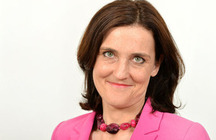
    Theresa Villiers – 2023 Speech on the Budget

    The speech made by Theresa Villiers, the Conservative MP for Chipping Barnet, in the House of Commons on 16 March 2023.

    The worst health emergency for 100 years and the worst energy price shock for 50 years have done severe damage to our economy in the last few years, but the Budget has demonstrated the positive impact of the difficult decisions taken in the autumn statement to repair the public finances and restore stability after the damage done by global economic turmoil. As we have heard, unemployment is near a 50-year low, productivity is higher now than it was before the pandemic, and the OBR predicts that we will not go into recession, that inflation will fall and that growth is returning. That means we are on track to meet the first three of the Prime Minister’s five priorities, which are to halve inflation, grow the economy, reduce debt, cut NHS waiting times and stop the boats.

    At the heart of the Budget and the Government’s wider economic policy is helping people with cost of living pressures. Taken together, the measures in the Budget and those previously announced are worth £94 billion over this year and next—one of the largest support packages in Europe—which is an average of more than £3,300 for every household in the country. In advance of his statement, I asked the Chancellor for the continuation of Government support for energy bills. I also made the case for families struggling with childcare costs, raising the issue alongside others in Parliament just a week or two ago, so I am really pleased with the plan to extend the 30 hours of free childcare for working parents to cover children from the age of nine months to four years. It is also very welcome that the childcare component of universal credit can now be paid up front.

    This package is a truly radical set of changes, and investing in early years education and childcare is a sound economic move. Not only will it bring more parents back into the workplace to help address labour shortages; high-quality early years provision can also be an engine of social mobility, helping children to get the best start in life in order to enable them to realise their potential and succeed in their aspirations. The increase in the rates to be paid to childcare settings for delivering the free entitlement is a crucial part of this endeavour. It has been a key ask of the sector, but what is now proposed is still a very big change and implementation will not be easy, so I will be scrutinising progress carefully as a member of both the all-party parliamentary group for nursery schools, nursery and reception classes, and the APPG on childcare and early education.

    I welcome the changes to the pension tax rules, which have been pushing experienced GPs and hospital doctors to cut their hours and retire early, just when we need them most. I have raised that problem with successive Health Secretaries and Chancellors of the Exchequer. The lifetime allowance is, I am afraid, a classic example of where taxes get so high that they deter work and depress economic activity. It is not just about the very high taxes paid if a person hits the lifetime allowance limit; it is also about the uncertainty, which means that doctors have cut their hours even if they have not hit the limit, because they fear reaching it. Both are causing problems with the retention of our hard-working doctors, so I believe that the changes announced by the Chancellor yesterday will play an important part in reducing those NHS waiting times in the way that we all want. I hope that it will also mean that my constituents have faster and better access to GP appointments.

    Finally, I want to highlight some areas where further action is needed in relation to Budget matters. Implementation of reforms relating to the regulatory climate for artificial intelligence and the approval of medicines, as announced yesterday, are welcome, but I would like to see a more concerted push to improve regulation to make it more targeted and more agile and to ensure that it keeps up with technological change. This area can play a crucial role in raising productivity, boosting growth and making this country the science super-power that the Prime Minister wants it to be. It is also crucial to raising living standards in the long term.

    The taskforce on innovation, growth and regulatory reform set out a blueprint for starting this reform process, and I would ask the Minister to report back on progress in implementation of the taskforce’s recommendations. I welcome the indication by the Chancellor that he will come back with a plan for one of TIGRR’s key proposals —to unlock productive investment from pension funds—but we do need to get on with this. The freedom to make our own choices on regulation and design these rules according to our own national interest is a key benefit from Brexit, and we need to grab the opportunity that it presents.

    Lastly, I fully back, of course, the caution shown in this Budget on the public finances. Bearing down on inflation and getting debt under control must be our top priority. But as the economic situation, I hope, continues to improve, I would ask my right hon. Friend the Chancellor to strive to find the room for further pay increases for the public sector and, of course, for wider tax reductions in the longer term.

  • Stephen Timms – 2023 Speech on the Budget

    Stephen Timms – 2023 Speech on the Budget

    The speech made by Sir Stephen Timms, the Labour MP for East Ham, in the House of Commons on 16 March 2023.

    Thank you, Mr Deputy Speaker, and I apologise for my late arrival in the debate.

    It is striking how hard it is for Conservative Chancellors to resist the temptation to hand out big tax cuts to the wealthiest while raising tax for ordinary people. We can sympathise with the Chancellor in that he meets many such people—many people among the 1% wealthiest pension savers in the country—who are very courteous and very nice to him over convivial dinners, and they explain to him their frustrations with the Government’s pensions tax policy. These are good eggs, and who could possibly begrudge them a £1.2 billion tax cut? But the reality is that pension tax relief is already massively skewed in favour of the best-off, and the Chancellor, when times are hard, has decided to give another billion to the wealthiest in pension tax relief.

    I do welcome the adoption of the Select Committee recommendations on support in universal credit for the costs of childcare, which was announced yesterday. As the Secretary of State explained, allowing the costs to be paid up front from universal credit and lifting the cap—absurdly, it had not been raised since 2005—will remove very important barriers to work, including a barrier to those who are working part-time from working full-time.

    There is much to welcome in the health and disability White Paper, which says that the system will be changed so that it focuses on

    “what people can do, rather than what they can’t”.

    That is laudable, but precisely the same form of words was used by Alistair Darling to introduce changes to the incapacity benefit system 25 years ago. Whether the detail turns out to be a good thing will depend on the detail, which is largely absent. The Secretary of State spoke about consultation. The Government’s ill-fated disability strategy came to grief in the courts because had not adequately consulted disabled people. We must hope that that lesson has been learned.

    Nobody will mourn the work capability assessment, which the White Paper says will be replaced by

    “a new personalised health conditionality approach”.

    Can Ministers tell us what that means? The White Paper goes on to explain that it

    “will provide more personalised levels of conditionality and employment support”,

    but I am afraid that leaves us none the wiser. The problem is that, despite being years late, much of the vital detailed work does not seem to have been done yet.

    I welcome some of the specific proposals to reform PIP—for example, I am pleased that the call to match people’s primary health condition with a specialist assessor will at least be tested. Many PIP assessments come up with the wrong answer, as we know, because when people appeal against the determination, the great majority win their appeal—in fact, the proportion who do so has been going up. The White Paper proposes to place more weight on the PIP assessment in future, so it is even more important that we get it right. The only way to do that is to record all the assessments, so that if the decision is subsequently found to be wrong, it is possible to go back, work out why and consider how to avoid the same mistake being made again in future.

    The White Paper says that there will be an increase in recording, which is a good thing, but the Select Committee proposed five years ago that all assessments should be recorded, with an opt-out for the claimant if they did not want their assessment to be recorded. In the new contract for assessments to be agreed this year, the Department should instruct providers to record assessments by default with a clear opt-out option. That proposition is supported by all three assessment providers. It will ensure that there is an objective record of the assessment, which will reassure claimants and allow assessment quality to be audited. When recordings are available and the findings of assessments are overturned, the recordings should be checked at least on a sample basis to see whether an erroneous outcome could have been avoided.

    I welcome the White Paper’s commitment to test the feasibility of sending a copy of the assessor’s report to claimants automatically before the decision is made, which was also recommended by the Select Committee five years ago. I hope that the feasibility testing will be brief so that that can be introduced across the system soon.

    It is disappointing that there is still not yet a target for disability employment in the White Paper. The Government congratulate themselves on achieving the previous very undemanding target early, but I am pleased that the White Paper says:

    “Our goal to reduce the disability employment gap remains.”

    In the 2015 election campaign, David Cameron announced a target to halve the disability employment gap. Unfortunately, that target was quickly scrapped as soon the general election was out of the way. I hope that a clear target on the disability employment gap will now be adopted.

    Much will depend on the support that disabled people receive from work coaches. Polling by the charity Scope found that half of jobseekers with complex disabilities do not feel supported by work coaches. The initial training for work coaches does not seem to cover the barriers to work faced by disabled people, and jobcentres lack the specialist assistive technology that many disabled people need to look for and apply for work.

    The White Paper refers to the potential of the UK shared prosperity fund to provide employment support. It is disappointing that there will be, I think, a two-year gap between the European social fund ending and the UK shared prosperity fund being allowed to support employment projects. A witness to the Select Committee yesterday suggested that the flexible support fund might be expanded, at least temporarily, to try to bridge that gap.

    That could lead to a large amount of important employment support capacity not being lost, which it will be if the gap is allowed to take effect.

    Lastly, I appeal to the Secretary of State to spare us the embarrassment of the Department’s appealing against the ruling this week by the Information Commissioner that the Department’s research on the impact of benefit sanctions must be published. The Department promised to publish it. As was her wont, his predecessor but one, the right hon. Member for Norwich North (Chloe Smith), decided to hide as much as possible if it contained any hint of a question mark about the Department’s policies. I welcome his review of that approach, and I hope he will show with this particular case that things have now changed.

  • PRESS RELEASE : Royal Gibraltar Regiment trains partners in West Africa [March 2023]

    PRESS RELEASE : Royal Gibraltar Regiment trains partners in West Africa [March 2023]

    The press release issued by the Ministry of Defence on 18 March 2023.

    Members of the Royal Gibraltar Regiment (RG) have spent five weeks in The Gambia training officers and soldiers from the Gambian Armed Forces (GAF).

    The Regiment’s Short-Term Training Team, accompanied by a Royal Marine Medic, delivered a “Train the Trainer” package aimed at developing the GAF’s ability to train their own personnel.

    This visit is the latest in a series of training deployments to Africa and is part of wider UK Defence efforts to build capability with key partners across the continent.

    From fieldcraft to first aid training, the Gambian soldiers were offered refresher work and supported in developing and delivering their own lessons to enhance the GAF’s ability to support future UN missions.

    The course culminated in a realistic battle exercise, with Brigadier General Torro Jawneh of the GAF overseeing a closing ceremony and presenting awards to the top performing students.

  • PRESS RELEASE : Civilian Gallantry List [March 2023]

    PRESS RELEASE : Civilian Gallantry List [March 2023]

    The press release issued by the Cabinet Office on 18 March 2023.

    This lists the names of people who have received The Queen’s Gallantry Medal and The Queen’s Commendation for Bravery.

    Queen’s Gallantry Medal

    Lisa Way, Ayette Bounouri and John Rees (posthumous), for intervening in an armed attack on 5th May 2020.

    On 5 May 2020 at around 1:50pm, the assailant made their way to the Co-op store in Penygraig High Street. Inside the store were Lisa Way, Ayette Bounouri and John Rees.

    On her way to the store, the assailant attacked a man by stabbing him in the neck; causing him to fall to the ground. He was able to get up and managed to escape. The assailant followed him for a short distance before entering the Co-op, with the knife visible in her hand. Here she approached customers shouting and then attempted to stab a customer in the neck.

    John Rees was at the counter and noticed the attack taking place. Without hesitation, he made the decision to go forward and intervene. Ayette Bounouri, who also witnessed the assault, picked up a shopping basket as a means of defence, whilst Mr Rees approached the assailant in an attempt to defuse the situation. Mr Rees took hold of the assailant’s right arm, with which she was holding the knife. Mr Rees then placed himself between the female customer and the assailant, kicking out at the assailant as she approached him with the knife extended in her hand.

    The attacker lunged forward, causing Mr Rees to lose his balance and fall backwards. At this point, Lisa Way took hold of the assailant’s hand in an attempt to stop her attack. Mrs Bounouri also tried to help Mr Rees by using the shopping basket to disarm the attacker. Mrs Way and Mrs Bounouri continued to put themselves in harm’s way by trying to distract the assailant. The assailant then turned her actions to Mrs Way in a ferocious and determined attack and tried to stab her several times to the upper part of her body. Mrs Bounouri at this time desperately tried to drag Mr Rees to safety at the rear of the shop. Mr Rees was unable to regain standing.

    Mrs Bounouri in a final act of bravery to protect Mr Rees, tried to grab the knife from the assailant but was threatened and forced to back away. At this point Mrs Bounouri would have been fully aware of the ferocity with which the assailant was intent on assaulting people. By their selfless actions, it is without doubt that both Mrs Bounouri and Mrs Way put themselves in harm’s way, in an effort to save Mr Rees’ life.

    Steven Gallant, John Crilly, Darryn Frost and Lukasz Koczocik, for their actions during the terrorist attack at the Learning Together event in Fishmongers’ Hall, London on 29th November 2019.

    On Friday 29 November 2019, a prison education and rehabilitation programme known as Learning Together, part of Cambridge University, held an event in London to celebrate their fifth anniversary. Former offenders and academics engaged in joint interactive workshops and learning aiming to advance the knowledge and understanding of offender rehabilitation. The event took place at Fishmongers’ Hall, situated on London Bridge, on the north bank of the River Thames. There were around 100 attendees, including convicted offenders, academic professionals and members of Her Majesty’s Prison and Probation Service (HMPPS).

    One such attendee attended the event in the morning. During a break in proceedings, he carried out a terrorist attack at the venue resulting in the death of two people.

    Just before 2pm, the attacker entered the gentlemen’s toilets on the ground floor of the venue and prepared himself to carry out the attack. He attached a realistic-looking hoax IED or ‘suicide belt’ around his waist, and taped knives to both hands. He then attacked two members of the Learning Together team who later died as a result of their injuries. The attacker carried on with his attack, injuring a further three people.

    The attacker was then confronted by four members of the public who were attendees and a member of staff at the venue. John Crilly and Steven Gallant were attendees at the event, Darryn Frost worked for HMPPS and Lukasz Koczocik was employed as a porter at the venue.

    Steven Gallant had been upstairs when he heard screams, and immediately ran to the aid of the victims. Gallant confronted the attacker at the bottom of the stairs inside Fishmongers’ Hall. Despite the attacker holding two knives, and displaying a very realistic-looking suicide belt, Gallant stood his ground forcing him to turn around and move towards the reception. Gallant then collected a narwhal tusk from Mr Frost which he used to force the attacker away from the stairs and into the reception area. Had Gallant not stood his ground, the attacker was likely to have gone up to the main conference room, and could have taken more lives. From the reception area, the attacker was then forced by the actions of Gallant, Crilly and Koczocik to make his way out of the building, and onto the street. Mr Gallant followed the attacker along the bridge, pulled him to the floor by his coat and was helped by others to hold him down until Police arrived.

    John Crilly also heard screams and ran down the stairs to where the attacker was standing. Firstly he threw a lectern at the attacker, then proceeded to hit him with a chair when he continued an attack on an already injured female. He then picked up a fire extinguisher, and used this to force the attacker away from the stairs, and deter him from attacking people in the main conference room. He then used the extinguisher to force the attacker out of the building and along London Bridge. He pursued the attacker, spraying him with the extinguisher when he turned to attack Steven Gallant. Crilly then helped Gallant once he had pulled the attacker to the floor, using the extinguisher to force the knives from the attacker’s hands, disarming him. This was all with the knowledge he was wearing a very realistic looking suicide belt.

    Darryn Frost responded at the sound of screams. He took a narwhal tusk from the wall, ran downstairs and used it to halt the attacker. The attacker then threatened him with the bomb, and said he was waiting for the police. Mr Frost passed the narwhal tusk to Steven Gallant, who was unarmed, and ran back upstairs to get the second tusk. By the time he returned, the attacker had left the venue. Mr Frost joined other attendees pursuing the attacker along London Bridge and helped force the attacker to the ground. He then laid on top of the attacker, restraining him by the wrists until the police arrived. When the armed police repeatedly shouted at Mr Frost to move, he refused as he was preventing the attacker from moving his hands towards the device.

    Lucasz Koczocik was downstairs working, and also ran towards the threat posed by the attacker. Using an ornamental spear to defend himself during the struggle, Koczocik was stabbed three times to the hand, arm and shoulder, sustaining serious injuries. He also contributed to forcing the attacker to leave the reception to the venue, at which point he was unable to continue due to the severity of his injuries.

    Queen’s Commendation for Bravery

    Adam Roberts, for his actions during the terrorist attack at the Learning Together event in Fishmongers’ Hall, London on 29th November 2019.

    Adam Roberts was a Prison Officer escorting a prisoner on day release from prison to the Learning Together event at Fishmongers’ Hall on 29th November 2019. He responded to the sounds of screaming and found one of the severely injured victims at the foot of the main stairs. Despite the attacker attacking people around him, he protected the victim and immediately provided emergency first aid, stemming the bleeding, and subsequently provided CPR. Sadly the victim lost their life as a result of their injuries.

    Ed Durante and Craig Jones, for rescuing the occupants of a vehicle that crashed and caught fire on the A38 on 21st June 2021.

    Whilst off duty driving along the A38, Devon and Somerset FRS Watch Manager and paramedic Ed Durante witnessed a car ahead lose control and collide with the barrier. He stopped to assist, identifying five unconscious passengers and a fire developing within the engine compartment.

    Upon opening the driver’s door, flames and smoke had begun to breach the passenger compartment. WM Durante pulled the driver clear of the vehicle onto the road and attempted to rescue the passenger from the front passenger seat; however it was not possible to open the door. Thinking quickly and while the fire was continuing to develop, WM Durante pulled the passenger across the centre console and driver’s seat until she was clear of the vehicle.

    During this time FF Craig Jones, also off duty and travelling on the A38, joined the rescue and accessed the rear centre seat to the vehicle pulling a six year old child clear through the off side rear door. Once clear of the burning vehicle FF Jones stayed with the child and rendered urgent first aid.

    Having rescued those from the front of the car, WM Durante quickly turned his attention to the rear of the car and with the help of another person, rescued a passenger who was sitting behind the driver’s seat.

    With the fire now taking hold of most of the car, WM Durante once again entered the rear seat area and with considerable effort rescued a young man from the far side of the vehicle by releasing the seat belt and pulling him through the vehicle and out of the off side door as this was the only rear door that was able to be opened.

    With the assistance of others at the scene, realising the risk posed by the fire and potential of running fuel, WM Durante and FF Jones swiftly moved the casualties away from the vehicle. The car was fully engulfed with flames in a very short space of time and was not extinguished until the first fire appliance arrived, by which time the vehicle was completely destroyed.

    Along with off duty medical personnel, WM Durante and FF Jones provided first aid care until the Ambulance Service arrived. A range of injuries were sustained by the casualties, some of which were life changing. Had WM Durante and FF Jones not made such brave and timely interventions, it is highly likely that there would have been fatalities.

    Bardha Kola, for rescuing her neighbour from a house fire on 28th January 2020.

    On 28 January 2020, Mrs Bardha Kola was alerted to a fire in her neighbour’s house by her husband returning from work. She had a spare key to the house as her neighbour was elderly and physically incapacitated. On approaching the property, she was faced with a large fire in the roof space which had broken through the tiles with parts of the roof collapsing.

    Mrs Kola entered the property and searched the smoke-filled property looking for her neighbour, finally locating her in her first-floor bedroom. Mrs Kola woke her neighbour, who had slept through her smoke alarm, lifted her from her bed and carried her to the landing. During this time the fire had intensified further with parts of the ceiling and roof structure collapsing directly above them.

    Knowing they were both in immediate danger from the effects of the fire Mrs Kola calmly managed to place her neighbour into the fitted stairlift and descended to the ground floor hallway. Mrs Kola then carried her neighbour through the narrow hallway to her wheelchair and exited the property. Once clear of the property Mrs Kola got her neighbour to a place of safety and remained with her until Emergency Services arrived.

    The nature of the fire was so serious that it took a further three hours to bring it under control and fully extinguish it, in this time the roof and first floor including the occupier’s bedroom were mostly destroyed.

    PC Mohammed Nadeem, for rescuing a distressed man from the River Irwell on 17th February 2018.

    On Saturday 17th February 2018, police received a call of a distressed male on a bridge over the River Irwell. The situation was particularly sensitive as the man, wanting to take his own life, was a veteran in a poor mental state. Several officers were deployed and on arrival the man had jumped into the water and was clearly in difficulty.

    PC Nadeem, on seeing the man had gone beneath the water, jumped into the River Irwell to save him. He jumped from an 8-foot drop, wearing body armour and personal safety equipment as there wasn’t time to remove these items in case the man drowned. The water was fast moving, deep and very cold. The man was swimming away from the officer in the direction of an incredibly dangerous weir, as he was intent on drowning.

    PC Nadeem caught up with him, grabbed him and dragged him to the side. Both the man and PC Nadeem were suffering the effects of the freezing cold, but nevertheless, due to the difficult egress, PC Nadeem remained in the water with the man until a ladder was lowered down to assist them in getting out.

    Kenneth Wood and Rafal Majchrzak, for rescuing a woman from a fatal house fire on 1st January 2019.

    On 1st January 2019 at around 2.56 hours a witness dialled 999 to request police assistance in relation to a domestic incident involving other residents at an address in Lincolnshire. The witness then informed the emergency services that the house, which had five occupants at the time, was on fire.

    It subsequently became apparent that three people had died as a result of the fire within the premises. Two residents escaped. Investigations confirmed that the fire was caused by a deliberate ignition of petrol which then caused an explosion in an upstairs bedroom.

    Kenneth Wood and Rafal Majchrzak approached the house and on seeing a woman inside, tried to kick down the door to try to rescue her. They managed to smash a glass panel adjacent to the door and were able to pull her from the house.

    Andrew Lax, for rescuing a motorist from their vehicle following a head on collision on 11th May 2019.

    On 11 May 2019, Andrew Lax was driving along in North Yorkshire. An oncoming vehicle was heading towards Mr Lax, on the wrong side of the road. The road had a slight bend which resulted in a head-on collision.

    On impact, Mr Lax was left dazed and shocked but managed to exit his vehicle. Without hesitation, he approached the other vehicle which was already alight. He pulled the motorist out of the vehicle through the side window, as the impact of the crash had damaged the door which stopped it from opening. Mr Lax then dragged the motorist to a safe distance shortly before both cars went up in flames. Both cars were destroyed.

    If it were not for Mr Lax’s swift actions, the other motorist – who could not attempt to get out of his own burning vehicle due to his injuries – would have lost his life.

  • PRESS RELEASE : UK Foreign Secretary visits Kazakhstan [March 2023]

    PRESS RELEASE : UK Foreign Secretary visits Kazakhstan [March 2023]

    The press release issued by the Foreign Office on 18 March 2023.

    UK Foreign Secretary James Cleverly will visit Astana on 18 March 2023, where he will meet President Tokayev, the Prime Minister and Vice Minister of Foreign Affairs.

    On Saturday 18 March 2023, UK Foreign Secretary, The Rt Hon James Cleverly MP, will visit Astana, the capital of Kazakhstan.

    During his first bilateral visit to Kazakhstan, the Foreign Secretary will meet with His Excellency President Tokayev, the Prime Minister and other ministers. He will discuss ways to strengthen the UK-Kazakhstan strategic partnership, built over the last 31 years across many sectors including trade and investment, education, security and peacekeeping, finance and law.

    The Foreign Secretary will also meet with representatives of business, civil society and higher education as well as Bolashak and Chevening alumni.