Blog

  • Kemi Badenoch – 2023 Statement on Conclusion of CPTPP Negotiations

    Kemi Badenoch – 2023 Statement on Conclusion of CPTPP Negotiations

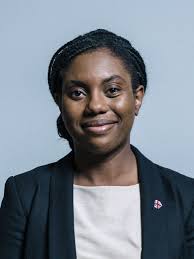
    The statement made by Kemi Badenoch, the Secretary of State for Business and Trade, in the House of Commons on 17 April 2023.

    With your permission, Madam Deputy Speaker, I will make a statement on the progress of negotiations for us to join the comprehensive and progressive agreement for trans-Pacific partnership.

    I am delighted to announce that since we first launched consultations in 2018, and after nearly two years of talks, the UK has substantially concluded negotiations to accede to the CPTPP. We will become the first country to join since the original partnership was founded. I am also pleased to tell the House that we are delivering on our post-Brexit agenda for a modern, free-trading global Britain, and that this agreement represents the future of global trade. Our negotiators have spent 21 months working painstakingly, and often through the night, to secure the best deal for the UK, and that is what they have done. This is an outstanding deal for our country, giving access to a fast-growing economic bloc that will allow us to sell our goods and services without giving up control of our laws.

    Before I continue my statement, let me thank former Secretaries of State for International Trade. I thank my right hon. Friend the Member for North Somerset (Dr Fox), who developed this strategy and without whom today would not have been possible. I thank my right hon. Friend the Member for South West Norfolk (Elizabeth Truss), who first appointed me as Trade Secretary, and who launched the negotiations and ensured throughout her tenure that this was a deal that would be delivered. I thank the present Minister of State, Foreign, Commonwealth and Development Office, my right hon. Friend the Member for Berwick-upon-Tweed (Anne-Marie Trevelyan), for her support and invaluable advice. I also thank my current and former Trade Ministers.

    I am told that Their Excellencies the Japanese and Vietnamese ambassadors are with us today. It should not go without saying that both countries were extremely supportive of our accession. I thank the ambassadors and their countries, and the various negotiators and working groups, for everything that they did to help the UK to accede today.

    The CPTPP will act as a gateway to the Indo-Pacific, one of the most dynamic and fastest-growing regions on Earth. The Indo-Pacific is expected to account for the majority of global growth by 2050. The CPTPP will grow nearly 40% faster than the EU over the next three decades, and membership of the bloc will enhance access to a market of more than 500 million consumers for the UK’s goods and services. That is why I described the CPTPP as representing the future of global trade. The brilliant terms that we have secured mean that British businesses will be able to target these dynamic economies, which will account for 15% of global GDP once the UK has joined. As the partnership grows, so will its role in shaping the rules of global trade. This alliance will help us to confront growing protectionism and unfair trading practices, putting us in a stronger position to withstand global shocks.

    British businesses will enjoy new opportunities as part of the CPTPP. For instance, 99% of current UK goods exports to its members will be eligible for tariff-free trade, new tariff reductions with countries such as Mexico and Canada will boost export opportunities, and a new free-trade deal with Malaysia will open up a £330 billion economy to the UK.

    We will benefit from reduced red tape and simplified customs procedures across the bloc, and from modern rules of origin that offer British businesses new export opportunities and could help support UK efforts to diversify critical supply chains. We have all seen what can happen to supply chains when economic shocks happen. This global flexibility with like-minded partners will help British firms to become more resilient and protect economic security. For supply chains, this partnership is the future of global trade.

    As a Minister who represents a rural constituency, I understand the concerns farmers may have about trade agreements because they have told me about them many times, so I know that Members representing agricultural communities will be delighted with the opportunities the CPTPP presents. I would like to put on record my thanks to the President of the National Farmers Union, Minette Batters, for recognising the opportunity to, as she puts it,

    “get more fantastic British food on plates overseas”.

    As the world’s demand for meat and dairy changes, having better access to growing and dynamic economies in other parts of the globe will protect British farmers and food producers into the future.

    Our farmers will benefit from increased market access on these products, including through tariff free exports to Mexico for beef, pork and poultry and new zero-tariff access to Canada’s butter and cream market, which we did not have under our existing EU roll-over agreement. Our cheesemakers will have new market access to additional shared quotas, equating to about 7.5 times the amount we currently export to Canada, and our distillers will benefit from the elimination of tariffs of around 80% on UK whisky to Malaysia within 10 years. So for food and drinks exports, the partnership represents the future of global trade.

    The UK is already a services superpower. Our digital, financial and legal services, among many others, are the envy of the world. This world-leading agreement will help them to grow further still. In future, a British firm will be able to operate on a par with a Vietnamese one without setting up a Hanoi branch. British firms will face less red tape in doing trade and business travel will become smoother and easier. For the modern services and tech economy, the partnership represents the future of global trade.

    As you will know, Madam Deputy Speaker, no trade agreement comes without a quid pro quo, but we have taken our time to get this deal right for the UK and we never compromise on food quality or animal welfare standards. Joining CPTPP is no different. We will not have to change our standards to join, including on chlorine-washed chicken and hormone-fed beef, as many detractors would like to have the British public believe. We have also made sure that our high environment and labour standards are protected, so the CPTPP agreement includes comprehensive chapters for environmental protections, anti-corruption and improving workers’ rights. We have secured appropriate protections for the UK producers, reducing import tariffs in a manner proportionate to the market access we have received, and maintaining protections where needed.

    Membership will enable us to shape the future of the agreement, including its future membership, and it will increase our influence and that of the wider bloc in setting the rules of the global economy. CPTPP shows how sovereign countries can uphold high standards without being subject to foreign court rulings or membership fees.

    Parliament will rightly want ample opportunity to scrutinise this deal before ratification. My Department will follow the process set out in the Constitutional Reform and Governance Act 2010. Parliament will also have the opportunity to scrutinise any implementing legislation, as was the case with the recent Trade (Australia and New Zealand) Act 2023. The people of this country have voted for the future of global trade, not the past. On goods, on services, on supply chains, on growth and on rules-based trade without ceding sovereignty or losing control of our borders, this agreement lives up to that instruction. We are securing a place for the UK in the future of global trade, and I commend this statement to the House.
  • Andrew Mitchell – 2023 Statement on Vladimir Kara-Murza

    Andrew Mitchell – 2023 Statement on Vladimir Kara-Murza

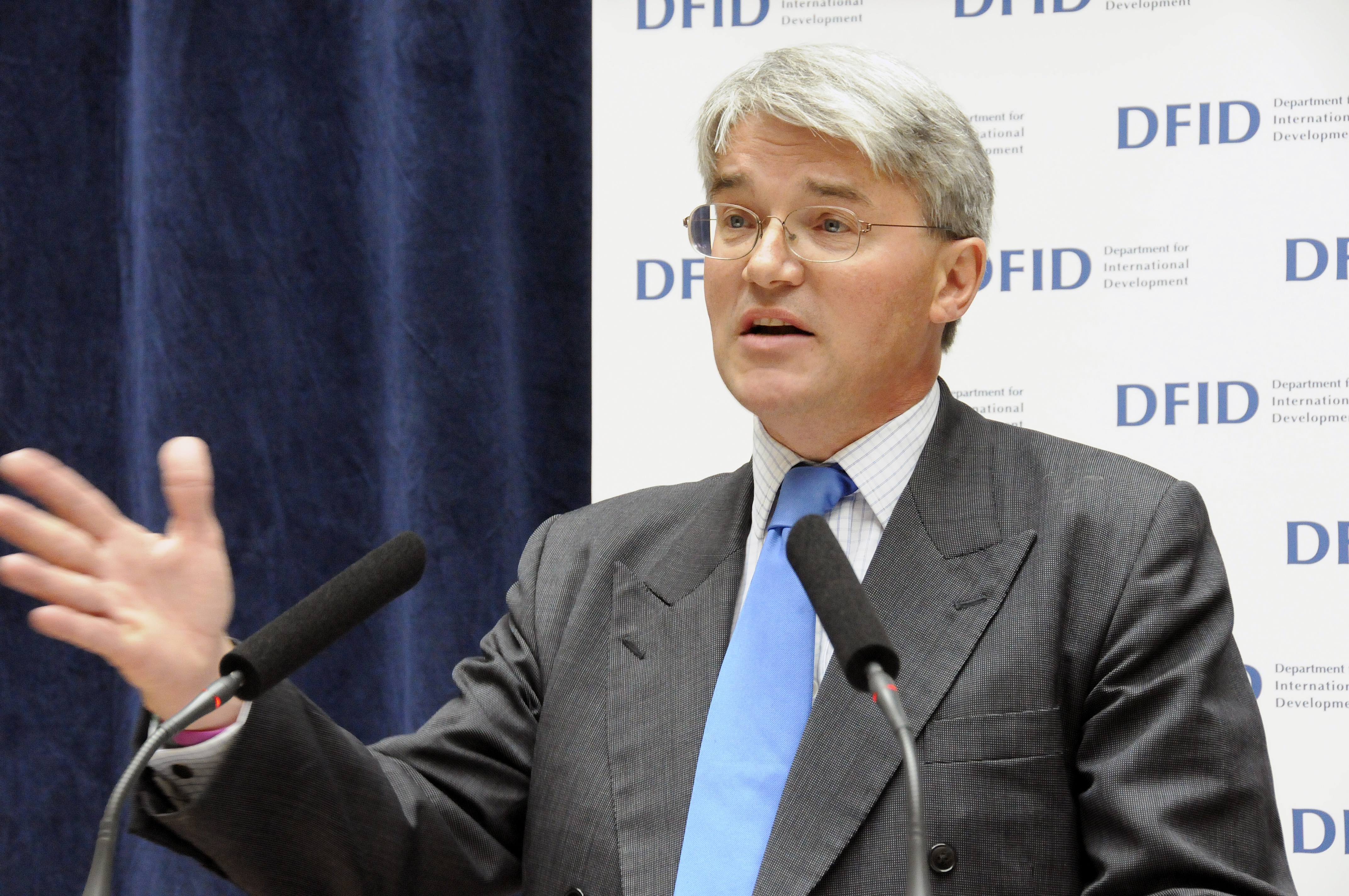
    The statement made by Andrew Mitchell, the Minister of State at the Foreign, Commonwealth and Development Office, in the House of Commons on 17 April 2023.

    I am most grateful to my hon. Friend for raising this urgent question. I share her concerns about the case of Vladimir Kara-Murza, a Russian opposition politician, journalist and activist, and a British national, who has today been sentenced on clearly politically motivated charges and faces 25 years in prison. His detention is yet another example of Russia’s efforts to shut down dissent over the war in Ukraine and to silence opposition voices.

    I pay tribute to Mr Kara-Murza, a champion for human rights who has shown immense courage in speaking out against the aggression of the Russian state. I also want to recognise his wife Evgenia and commend her for her tireless efforts to promote her husband’s cause.

    Mr Kara-Murza has on numerous occasions, both in Russia and abroad, set out the facts of Russia’s military actions in Ukraine, an invasion witnessed by the whole world. He has now been convicted of spreading false information about the Russian armed forces and of participating in the activities of an undesirable organisation. On top of this, he is further convicted of high treason. The charges brought against him are symptomatic of the Russian state’s repression and blatant censorship of anyone who dares criticise it.

    Mr Kara-Murza is one of over 500 individuals arrested by the Russian authorities for criticising the war in Ukraine. The repression of opposition voices and of those condemning Russia’s illegal invasion of Ukraine is a glaring attempt to control discourse on the matter. His Majesty’s Government condemn the politically motivated sentencing of Mr Kara-Murza and of all those who speak out against Russia’s invasion of Ukraine. I echo the Foreign Secretary and the Minister for Europe in continuing to call for his release.

    Politically, the UK has been at the forefront of efforts to pressure Russia to release Mr Kara-Murza. Since his initial arrest in April last year, we have continued to condemn publicly his politically motivated detention and to call for his release. We have raised Mr Kara-Murza’s case repeatedly both with the Russians directly and in international fora, including the Organisation for Security and Co-operation in Europe and the United Nations. Today, Foreign Office senior officials have summoned the Russian ambassador. They will make it clear that the UK considers Mr Kara-Murza’s detention to be contrary to Russia’s international obligations on human rights.

    Mr Kara-Murza’s welfare remains a priority for the Foreign Office and we continue to push for consular access. Diplomatic officials at the British embassy in Moscow have repeatedly attended the court building and, where permitted, the courtroom. His Majesty’s ambassador was present at the court today when the verdict was given and delivered a statement to Russian media and spectators.

    Consular officials remain in contact with Mr Kara-Murza’s family and their lawyer to ensure that our actions remain aligned with his wishes. I can assure my hon. Friend the Member for Rutland and Melton (Alicia Kearns) that we will continue to raise Mr Kara-Murza’s case at every appropriate moment and to call for his release.

  • Steve Barclay – 2023 Statement on NHS Strikes

    Steve Barclay – 2023 Statement on NHS Strikes

    The statement made by Steve Barclay, the Secretary of State for Health and Social Care, in the House of Commons on 17 April 2023.

    I am grateful to the hon. Gentleman for his question. On its first part, we will not have firm figures on the number of patient appointments postponed until later today, because the NHS guidance has been to allow trusts a full working day to collate the data on those impacts. We do know from the previous three-day strike that 175,000 hospital appointments were disrupted and 28,000 staff were off. There is an initial estimate that 285,000 appointments and procedures would be rescheduled, but it is premature to set out the full impact of the junior doctors’ strike before we have that data. I am happy to commit to providing an update for the House in a written statement tomorrow. In the coming days, I will also update the House on the very significant progress that has been made on the successful action taken over recent months to clear significant numbers of 78-week waits, which resulted from the covid pandemic.

    It is regrettable that the British Medical Association junior doctors committee chose the period immediately after Easter in order to cause maximum disruption, extending its strike to 96 hours and asking its members not to inform hospitals as to whether they intended to strike, thus making contingency planning much more difficult. Let me put on record my huge thanks to all those NHS staff, including nurses and consultants, who stepped up to provide cover for patients last week.

    I recognise that there are significant pressures on junior doctors, both from the period of the pandemic and from dealing with the backlogs that that has caused. I do want to see a deal that increases junior doctors’ pay and fixes many of the non-pay frustrations that they articulate. But the junior doctors committee co-chairs have still not indicated that they will move substantially from their 35% pay demand, which is not affordable and indeed is not supported by those on the Opposition Front Bench.

    Let me turn to the second part of the hon. Gentleman’s question and the steps we are taking to prevent further strike action in the NHS. We have negotiated a deal with the NHS Staff Council; it is an offer we arrived at together, through constructive and meaningful negotiations. It is one on which people are still voting, with a decision of the NHS Staff Council due on 2 May. The largest union, Unison, has voted in favour of it, by a margin of 74% in favour. So we have agreed a process with the trade unions, which I am keen to respect, and we should now allow the other trade unions to complete their ballot, ahead of that NHS Staff Council meeting on 2 May.

    Wes Streeting

    Thank you, Mr Speaker, for granting this urgent question.

    Finally, the invisible man appears; the Secretary of State was largely absent last week during the most disruptive strikes in NHS history. He was almost as invisible as the Prime Minister, who previously said he does not want to “get in the middle” of these disputes—what an abdication of leadership during a national crisis. An estimated 350,000 patients had appointments and operations cancelled last week—that is in addition to the hundreds of thousands already affected by previous rounds of action. Having failed to prevent nurses and ambulance workers from striking, the Government are repeating the same mistakes all over again by refusing talks with junior doctors. Patients cannot afford to lose more days to strikes. The NHS cannot afford more days lost to strike. Staff cannot afford more days lost to strikes. Is it not time for the Secretary of State to swallow his pride, admit that he has failed and bring in ACAS to mediate an end to the junior doctors’ strike?

    Last week also saw the Royal College of Nursing announce new strike dates with no derogations and a new ballot. What does the Secretary of State plan to do to avert the evident risks to patient safety? Government sources briefed yesterday that they are prepared to “tough it out”. That is easy for them to say. Will the Secretary of State look cancer patients in the eye, while they wait for life-saving treatment, and tell them to tough it out, as they are the ones who will pay the price for his failed approach?

    Finally, writing in The Sun on Sunday, the Secretary of State said that he is worried about patient safety, but he offered no plan to get this matter resolved. He is not a commentator; he is nominally the Secretary of State for Health and Social Care with the power and responsibility to put an end to these strikes. When will he put his toys back in the pram, stop blaming NHS staff, sit down with junior doctors and negotiate a fair resolution to this terrible, damaging and unprecedented dispute?

    Steve Barclay

    The shadow Secretary of State seems to ignore the fact that we have negotiated a deal with the NHS Staff Council, and it is a deal that it has recommended to its members. Indeed, the largest health union has voted in favour of the deal—indeed it is his own health union that has voted in favour of it—and yet he seems to suggest that we should tear it up even though other trade unions are voting on the offer, and their leadership had recommended it.

    Secondly, the shadow Secretary of State says that we should sit down and negotiate. We have made an offer of 10.75% for last year, compared with the Labour Government in Wales, who have offered just 7.75%, which means that, in cash terms, the offer in England is higher than that put on the table by the Welsh Government, whom, I presume, he supports. He says that he does not support the junior doctors in their ask of 35%, and neither does the leadership there. We need to see meaningful movement from the junior doctors, but I recognise that they have been under significant pay and workforce pressures, which is why we want to sit down with them.

    The bottom line is that the deal on the table is reasonable and fair. It means that just over £5,000 across last year and this year will be paid for a nurse at the top of band 5. The RCN recommended the deal to its members, but the deal was rejected by just under a third of its overall membership. It is hugely disappointing that the RCN has chosen not to wait for the other trade unions to complete their ballot and not to wait for the NHS Staff Council, of which it is a member, to meet to give its view on the deal. It has chosen to pre-empt all that not only with the strikes that come before that decision of the NHS Staff Council, but by removing the derogations—the exemptions—that apply to key care, including emergency care, which is a risk to patient safety.

    Trade unions are continuing to vote on the deal. The deal on the table is both fair and reasonable, including just over £5,000 across last year and this year for nurses at the top of band 5. The deal has been accepted by the largest union in the NHS, including, as I have said, the shadow Health Secretary’s own trade union. It pays more in cash to Agenda for Change members than the deal on the table from the Labour Government in Wales. It is a deal that the majority of the NHS Staff Council, including the RCN’s own leadership, recommended to its members. We have always worked in good faith to end the disruption that these strikes have caused and we will continue to do so. None the less, it is right to respect the agreement that we have reached with the NHS Staff Council and to await its decision, which is due in the coming weeks.

  • PRESS RELEASE : Tough action taken against company directors for COVID-19 financial abuse [April 2023]

    PRESS RELEASE : Tough action taken against company directors for COVID-19 financial abuse [April 2023]

    The press release issued by HM Treasury on 18 April 2023.

    459 directors were disqualified in 2022-23 for abuse of the pandemic financial support schemes, with average disqualification length of seven years four months, up from five years ten months last year.

    Over 450 directors have been disqualified by the Insolvency Service in 2022-23 for abusing the COVID-19 financial support scheme, as the agency continues to clamp down on pandemic fraudsters.

    Figures published today by the Insolvency Service also show that directors guilty of COVID-19 related misconduct are being hit with longer disqualification periods. The average length of bans handed out to directors in the last year was seven years four months, up from five years ten months in 2021-22.

    Of the total 932 director disqualifications obtained by the Insolvency Service in 2022-23 – 459 were cases involving COVID-19 financial support scheme abuse.

    In addition to its civil enforcement action, the Insolvency Service also brought criminal prosecutions against six directors in 2022-23 for COVID-19 related misconduct. All of the prosecutions resulted in a conviction and resulted in immediate imprisonment in one case.

    Dave Magrath, Director of Investigation and Enforcement at the Insolvency Service, said:

    These fraudsters are just the latest to find out that we will not hesitate to take firm action where we uncover such abuse, and this can ultimately result in a jail sentence.

    The purpose of the Bounce Back Loan scheme was to support businesses during the pandemic, but it is clear a minority of company directors chose to maliciously abuse the scheme and defraud the taxpayer. Our team of experts continue to work round-the-clock to bring these criminals to justice.

    In three of the most recent cases, Bahar Dag was sentenced at St Albans Crown Court to two years six months in prison, with her husband Baris Dagistan sentenced to two years, having both pleaded guilty to offences involving a fraudulent application for a Bounce Back Loan.

    Bahar Dag had claimed the full £50,000 Bounce Back Loan by stating the company’s turnover was £200,000. However, it was closer to £40,000. When Insolvency Service investigators made contact, and the couple realised they had been caught, they repaid the Bounce Back Loan in full.

    Separately, Jubelur Rohman, sole director of Better Day Ltd which gave its business address the Indian Ocean restaurant in Wrexham until 2019, has been disqualified as a director for 11 years following an investigation into his company’s £50,000 Bounce Back Loan obtained in October 2020.

    After his company went into liquidation in 2022 with debts over £150,000, Insolvency Service investigators found it had in fact ceased trading in October 2019, with the restaurant currently at the address being owned by a different company. But the rules of the Bounce Back Loan scheme were clear that businesses had to have been trading on 1 March 2020 to be eligible for any funding.

    Rohman took out over £40,000 in cash from the company’s bank account between October 2020, when the loan money was received, and March 2021. Yet there was no evidence to show the funds had been spent for the economic benefit of the company.

    In another case, Craig McCourt, the sole director of Craig McCourt Electrical Services Ltd, an electrical installation company in Ross-shire, has been disqualified as a director after he applied for Bounce Back Loan funding on two separate occasions, despite his company having already ceased trading and therefore not eligible for any financial assistance.

    Although he later dissolved his company, he was caught thanks to new powers granted to the Insolvency Service which enable it to investigate directors of dissolved companies, particularly where bosses are suspected of using this as a tactic to avoid repaying taxpayer-backed Covid-19 support money.

    At the point he dissolved the company in October 2020, nearly all its £20,000 Bounce Back Loan remained outstanding. The company was identified on government counter-fraud systems and under the new powers – which came into effect in December 2021 – the Insolvency Service launched an investigation.

    Investigators discovered that not only had Craig McCourt Electrical Services Ltd not been trading since September 2019 – meaning he had breached the terms of the scheme when he applied for the loan – but he had immediately transferred the £15,000 loan to another bank account. Investigators then discovered that he had applied for the extra £5,000 top-up loan for the company in November 2020 – a month after the business had finally been dissolved. He had also transferred this money to a separate bank account.

    As a result, Craig McCourt has been disqualified for 11 years.

    Rohman and McCourt’s bans prevent each of them from directly or indirectly becoming involved in the promotion, formation, or management of a company, without the permission of the court.

  • PRESS RELEASE : Chancellor announces three new Economic Advisory Council members [April 2023]

    PRESS RELEASE : Chancellor announces three new Economic Advisory Council members [April 2023]

    The press release issued by HM Treasury on 18 April 2023.

    The Council provides independent, expert advice on economic policy to help grow the economy.

    • Andy Haldane, Dr Anna Valero and Sir Jonathan Symonds CBE will join the Chancellor’s Economic Advisory Council (EAC).
    • The council meets regularly to discuss the UK economy and advises the Chancellor – with a focus on growing the economy.

    The Chancellor of the Exchequer, Jeremy Hunt has today (Tuesday 18 April) announced three new members of the Economic Advisory Council.

    The Council provides independent, expert advice on economic policy to help grow the economy.

    All members attend in an independent capacity and have been chosen for their personal knowledge and expertise.

    The Chancellor of the Exchequer, Jeremy Hunt said:

    “I am delighted to announce three new members of the Economic Advisory Council who collectively have decades of economic experience across the private and public sector.

    “Economic growth is essential to our long-term prospects and in the face of global headwinds, this council plays a critical role in helping our economy meet these challenges.”

    The appointments bring membership of the Council to seven advisors – and the next meeting will be convened later in the Spring.

    About the members:

    Andy Haldane FAcSS, FRS, FRSA

    Andy Haldane has served as the Chief Executive of the Royal Society for Arts (RSA) since 2021. He worked at the Bank of England between 1989 and 2021 where he became the Chief Economist and a member of the Bank’s Monetary Policy Committee. Haldane was appointed Chair of the Levelling up Advisory Council in June 2022.

    Dr Anna Valero

    Anna Valero is a Senior Policy Fellow at the London School of Economics (LSE) Centre for Economic Performance, Deputy Director of the Programme on Innovation and Diffusion, and an Associate of the Grantham Research Institute on Climate Change. Her research is focused on the drivers of productivity and innovation in firms and regions. She also works on UK growth policy more broadly, with a particular focus on sustainable growth and green jobs.

    Sir Jonathan (Jon) Symonds, CBE

    Jon Symonds was appointed Chair of the board at Glaxo Smith Kline (GSK) in September 2019. He also serves as, Non-Executive director at Genomics England Limited, a member of the European Round Table for Industry, and as a Senior Advisor to Chatham House. Symonds has extensive international financial, life sciences and governance experience.

    Further information

    • Care will be taken to ensure Council members are not privy to any material non- public information, or market sensitive information.
    • Read the terms of reference for the government’s Economic Advisory Council.
    • The new members will join the below Council members announced in October:
      • Rupert Harrison, BlackRock
      • Sushil Wadhwani, PGIM Wadhwani
      • Karen Ward, J. P. Morgan Asset Management
      • Gertjan Vlieghe, Element Capital
  • PRESS RELEASE : Suspected Hizballah financier sanctioned under counter-terrorism regulations [April 2023]

    PRESS RELEASE : Suspected Hizballah financier sanctioned under counter-terrorism regulations [April 2023]

    The press release issued by HM Treasury on 18 April 2023.

    All assets and economic resources belonging to Nazem Ahmad in the UK have been frozen.

    • Suspected Hizballah financier Nazem Ahmad has been sanctioned using domestic counter-terrorism powers.
    • Powers used for the first time in order to curtail a suspected international terrorism financing network.

    The UK Government has announced a full asset freeze against an individual suspected of financing the terrorist group Hizballah.

    Nazem Ahmad has been sanctioned as part of continued efforts to prevent terrorism in the interests of national security. The move will also protect the integrity of the UK economy from terrorist financing threats.

    All assets and economic resources belonging to Ahmad in the UK have been frozen and no UK person may do business with him or any of the companies he owns or controls.

    This is the first use of the Treasury-led domestic counter terrorism regime, which is used to target those who HM Treasury has reasonable grounds to suspect are involved in terrorist activity.

    Treasury Lords Minister Baroness Penn said:

    “We will always proactively defend our economy against those who seek to abuse it.

    “The firm action we have taken today will clamp down on those who are funding international terrorism, strengthening the UK’s economic and national security.”

    The action is part of a coordinated effort with partners to disrupt an international terrorist-financing operation.

    Ahmad has an extensive art collection in the UK and he conducts business with multiple UK-based artists, art galleries and auction houses. Following his designation he will be prevented from trading in the UK art market, and other dealers in high-value items will no longer be able to conduct business with him and his associated companies including White Starr DMCC, Bexley Way General Trading LLC, Best Diamond House DMCC, Sierra Gem Diamonds Company NV, Park Ventures SAL and the Artual Gallery.

    Further information

    • This is first time use of powers to designate an individual under the Counter Terrorism (Sanctions) (EU Exit) Regulations 2019.
    • An asset freeze means that it is generally prohibited to deal with the funds or economic resources which are owned, held or controlled by a designated person. The freeze prohibits the making available of further funds or economic resources directly or indirectly to a designated person, and engagement in actions that directly or indirectly circumvent the prohibitions.
    • When an asset freeze is applied, the funds or economic resources are frozen immediately by the person in possession or control of them.
    • Imposing an asset freeze does not change the ownership of the frozen funds or economic resource and nor are they transferred to the Office of Financial Sanctions Implementation or HM Treasury for safekeeping.

    Sanctioned individual

    Nazem Ahmad, suspected Hizballah financier who has control over White Starr DMCC, Bexley Way General Trading LLC, Best Diamond House DMCC, Sierra Gem Diamonds Company NV, Park Ventures SAL and the Artual Gallery.

  • NEWS FROM 100 YEARS AGO : 20 April 1923

    NEWS FROM 100 YEARS AGO : 20 April 1923

    20 APRIL 1923

    A provision settlement was reached in the dispute of agricultural workers in Norfolk.

    The Carriage of Goods by Sea Bill was read a Second Time in the House of Lords.

    Sugar prices continued to rise with injunction proceedings undertaken by the US Government with regards to trading in futures.

    The value of the German mark collapsed with the cost of living increasing and the number of exports falling. The German Government had ordered the printing of notes to fund the wages of those living in the French occupied Ruhr Valley, a project which the media reported to be unsustainable.

  • PRESS RELEASE : Trade Minister in US to sign fourth trade pact with a US state [April 2023]

    PRESS RELEASE : Trade Minister in US to sign fourth trade pact with a US state [April 2023]

    The press release issued by the Department for Business and Trade on 18 April 2023.

    Nigel Huddleston is in Washington to deepen UK-US trade ties and secure two wins that will boost jobs, investment and exports across the Atlantic.

    • Trade Minister Nigel Huddleston visits US to sign the UK’s fourth state-level MoU to boost trade and investment with Oklahoma
    • UK-Oklahoma pact will focus on boosting green trade, particularly in carbon capture, utilisation and storage (CCUS)
    • Stateside visit will also secure pioneering agreement which resolves a major trade barrier, making it easier for UK architects to operate in the US

    Trade Minister Nigel Huddleston is in Washington to deepen UK-US trade ties and secure two wins that will boost jobs, investment and exports across the Atlantic.

    He will open his visit by signing a state-level trade Memorandum of Understanding with Oklahoma, the fourth such agreement between the UK and a US state, before welcoming a Mutual Recognition Agreement (MRA) between UK and US architect regulators.

    The MoU with Oklahoma will unlock opportunities for UK businesses to export more and encourage inward investment, which will in turn drive economic growth and create jobs in the UK, contributing to the government’s priority to grow the economy.

    It aims to boost the £174.4m worth of goods UK companies exported to the UK in 2022 and generate more jobs for exporters in the UK. Nearly 3,000 jobs in Oklahoma are supported by exports to the UK and nearly 10,000 people in the state are employed by British companies.

    Top goods exports from UK to Oklahoma in 2022 included nuclear equipment, precious stones and metals and photographic equipment, including medical and navigational.

    The Minister will attend an event on 19 April with industry bodies to welcome the ground-breaking architect MRA. This is the first of its kind signed by the UK’s Architects Registration Board (ARB) and will ensure UK architects can take advantage of new opportunities in several states across the United States.

    Practising architecture in the US requires licensing, typically at state level, which makes it harder for UK architects to work in the country. Under the agreement, eligible UK architects and businesses will face significantly less testing and a shorter process to get a licence in participating jurisdictions.

    British architects have made significant contributions to the US landscape, having designed several well-known buildings including the African-American Museum in Washington DC and JFK Airport in New York by Sir David Adjaye and Andrew Whalley respectively. Architecture and engineering services in the UK is worth £22bn, with architectural services employing around 70,000 people across the country.

    The MRA could increase UK services exports to the US by around £40 million per annum.

    Business and Trade Minister Nigel Huddleston said:

    I’m thrilled to be in America building on our strong trading relationship with the US through our innovative programme of state-level MoUs and a trailblazing agreement between US and UK architect regulators.

    Both these agreements will benefit British businesses, unlock huge opportunities in clean energy and technology through our MoU with Oklahoma and make it easier for our world-leading British architects to export their services across the Atlantic.

    The US is our largest trading partner, and these wins reflect our successful twin-track approach to trade with the US, strengthening links with individual states in parallel with work with the federal government.

    The Oklahoma MoU will focus on decarbonisation, particularly through boosting collaboration and investment in areas such as carbon capture, utilisation and storage (CCUS). The Government has identified CCUS as an area of economic opportunity for the UK – expected to create up to 50,000 British jobs by the end of this decade.

    The UK already has MoUs in place with Indiana, North Carolina and South Carolina, which are helping UK businesses meet new buyers and secure new contracts. We are currently discussing future agreements with states including Utah, Texas and California.

    BritishAmerican Business CEO Duncan Edwards said:

    The UK government’s state-level engagement makes good business sense. We welcome today’s signing and look forward to helping transatlantic companies develop new business ties in the state of Oklahoma.

    While these MoUs foster further trade and investment opportunities at a local level, our hope is that their success can help put trade talks at a federal level back on the agenda.

    The architect MRA is the most accepted agreement ever signed by NCARB and covers three of the five largest US states by GDP; California, Illinois and Texas.

    Minister for Building Safety Lee Rowley said:

    This agreement will help increase the presence of UK architects and architectural sector in the United States and on the global stage.

    The Department for Levelling Up, Housing and Communities developed the legislation to enable the Architects Registration Board to sign these types of agreements and has supported them throughout their negotiations with NCARB.

    This agreement, and others like it with partners across the world, create more international opportunities for architectural firms based all around the UK and increase the talent and breadth of architects here.

    ARB Chief Executive and Registrar Hugh Simpson said:

    This landmark agreement that ARB has signed with our US counterparts means that from 25 April, UK architects and their firms can take advantage of a much simpler licensing process for UK qualified architects in the United States, with fewer tests and a streamlined application process. US qualified and licenced architects will also benefit from a quicker and simpler process to join the UK register in a way which maintains standards and upholds confidence.

    Foster + Partners is a British studio for architecture, urbanism and design founded in 1967. It is the largest architectural firm in the UK with offices established across the world.

    Foster + Partners Senior Partner and Global Head of HR Charlotte Sword said:

    We welcome the recent ARB-NCARB mutual recognition agreement, which will make it easier for our UK qualified architects to gain licensure in the participating US states and for our US architects to work here in the UK.

  • NEWS FROM 100 YEARS AGO : 19 April 1923

    NEWS FROM 100 YEARS AGO : 19 April 1923

    19 APRIL 1923

    A debate took place in the House of Lords on the controversial plans to demolish the historic Whitgift Hospital in Croydon to allow for traffic improvements to be made.

    The parliamentary Labour party went to visit the French occupied Ruhr Valley in Germany, saying that it was essential that France and Germany submit their requests and demands to an International Tribunal.

    Details of the wedding arrangements of Prince Albert and Lady Elizabeth Bowes-Lyon were announced, with the event taking place at Westminster Abbey on 26 April 1923.

  • NEWS FROM 100 YEARS AGO : 18 April 1923

    NEWS FROM 100 YEARS AGO : 18 April 1923

    18 APRIL 1923

    The Minister of Agriculture said that the assessment on agricultural land would be reduced, saying it was “the biggest concession to agriculture for a generation”.

    Dan Breen, a leading member of the Irregulars, was captured by Irish Free State troops.

    Lady Astor’s Intoxicating Liquor Bill to prevent the sale of alcohol to those under 18 passed the Committee stage in the House of Commons.