The letter sent by Rishi Sunak, the Prime Minister, to Dominic Raab, the Deputy Prime Minister and Justice Secretary, accepting his resignation on 21 April 2023.
Text of letter (in .pdf format)

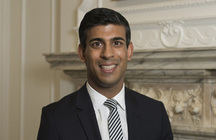
The letter sent by Rishi Sunak, the Prime Minister, to Dominic Raab, the Deputy Prime Minister and Justice Secretary, accepting his resignation on 21 April 2023.
Text of letter (in .pdf format)

The report written by Adam Tolley for Rishi Sunak, the Prime Minister, which was published on 21 April 2023.
Text of report (in .pdf format)
The comments made on Twitter by Paul Nowak, the General Secretary of the TUC, on 21 April 2023.
‘Sorry, not sorry’. As classy a resignation statement as we might have expected. Beyond the non-apology, spare a thought for the civil servants who’ve had to put up with Dominic Raab’s unique brand of ‘direct oversight’ for so long.
The resignation letter sent by Dominic Raab, the Deputy Prime Minister, to Rishi Sunak, the Prime Minister, on 21 April 2023.
Dear Prime Minister,
I am writing to resign from your government, following receipt of the report arising from the inquiry conducted by Adam Tolley KC. I called for the inquiry and undertook to resign, if it made any finding of bullying whatsoever. I believe it is important to keep my word.
It has been a privilege to serve you as deputy prime minister, justice secretary and lord chancellor. I am grateful to have had the opportunity to work as a minister in a range of roles and departments since 2015, and pay tribute to the many outstanding civil servants with whom I have worked.
Whilst I feel duty bound to accept the outcome of the inquiry, it dismissed all but two of the claims levelled against me. I also believe that its two adverse findings are flawed and set a dangerous precedent for the conduct of good government. First, ministers must be able to exercise direct oversight with respect to senior officials over critical negotiations conducted on behalf of the British people, otherwise the democratic and constitutional principle of ministerial responsibility will be lost. This was particularly true during my time as foreign secretary, in the context of the Brexit negotiations over Gibraltar, when a senior diplomat breached the mandate agreed by cabinet.
Second, ministers must be able to give direct critical feedback on briefings and submissions to senior officials, in order to set the standards and drive the reform the public expect of us. Of course, this must be done within reasonable bounds. Mr Tolley concluded that I had not once, in four and a half years, sworn or shouted at anyone, let alone thrown anything or otherwise physically intimidated anyone, nor intentionally sought to belittle anyone. I am genuinely sorry for any unintended stress or offence that any officials felt, as a result of the pace, standards and challenge that I brought to the Ministry of Justice. That is, however, what the public expect of ministers working on their behalf.
In setting the threshold for bullying so low, this inquiry has set a dangerous precedent. It will encourage spurious complaints against ministers, and have a chilling effect on those driving change on behalf of your government – and ultimately the British people.
Finally, I raised with you a number of improprieties that came to light during the course of this inquiry. They include the systematic leaking of skewed and fabricated claims to the media in breach of the rules of the inquiry and the Civil Service Code of Conduct, and the coercive removal by a senior official of dedicated private secretaries from my Ministry of Justice private office, in October of last year. I hope these will be independently reviewed.
I remain as supportive of you and this government, as when I first introduced you at your campaign leadership launch last July. You have proved a great prime minister in very challenging times, and you can count on my support from the backbenches.
Yours sincerely,
Dominic Raab
STORY
Dominic Raab, the Deputy Prime Minister and Justice Minister, has resigned following the publication of a report written by Adam Tolley which shows that he was involved in bullying. Raab had said that he would resign of evidence was found of bullying, but noted in his resignation letter:
“Whilst I feel duty bound to accept the outcome of the inquiry, it dismissed all but two of the claims levelled against me. I also believe that its two adverse findings are flawed and set a dangerous precedent for the conduct of good government.”
Raab criticised the report in his letter, stating:
“In setting the threshold for bullying so low, this inquiry has set a dangerous precedent. It will encourage spurious complaints against ministers, and have a chilling effect on those driving change on behalf of your government – and ultimately the British people.”
Paul Nowak, the General Secretary of the TUC, posted on Twitter:
“‘Sorry, not sorry’. As classy a resignation statement as we might have expected. Beyond the non-apology, spare a thought for the civil servants who’ve had to put up with Dominic Raab’s unique brand of ‘direct oversight’ for so long.”
RESOURCES
The list of MPs not contesting the next General Election.
| Name | Constituency | Party | Date announced |
|————————-|—————————-|—————|—————-|
| Alex Cunningham | Stockton North | Labour | 25-Nov-21 |
| Dame Margaret Hodge | Barking | Labour | 2-Dec-21 |
| Barry Sheerman | Huddersfield | Labour | 5-Dec-21 |
| Harriet Harman | Camberwell and Peckham | Labour | 7-Dec-21 |
| Dr Alan Whitehead | Southampton Test | Labour | 14-Jan-22 |
| Douglas Ross | Moray | Conservative | 14-Oct-21 |
| Sir Charles Walker | Broxbourne | Conservative | 1-Feb-22 |
| Ben Bradshaw | Exeter | Labour | 3-Feb-22 |
| Wayne David | Caerphilly | Labour | 11-Feb-22 |
| Paul Blomfield | Sheffield Central | Labour | 21-Feb-22 |
| Dame Rosie Winterton | Doncaster Central | Labour | 27-Feb-22 |
| Margaret Beckett | Derby South | Labour | 25-Mar-22 |
| Nigel Adams | Selby and Ainsty | Conservative | 9-Apr-22 |
| Crispin Blunt | Reigate | Conservative | 2-May-22 |
| Mike Penning | Hemel Hempstead | Conservative | 17-May-22 |
| Adam Afriyie | Windsor | Conservative | 22-Jul-22 |
| Hywel Williams | Arfon | Plaid Cymru | 11-Nov-22 |
| Chloe Smith | Norwich North | Conservative | 22-Nov-22 |
| William Wragg | Hazel Grove | Conservative | 23-Nov-22 |
| Dehenna Davison | Bishop Auckland | Conservative | 25-Nov-22 |
| Sajid Javid | Bromsgrove | Conservative | 2-Dec-22 |
| Chris Skidmore | Kingswood | Conservative | 28-Nov-22 |
| Sir Gary Streeter | South West Devon | Conservative | 25-Nov-22 |
| Andrew Percy | Brigg and Goole | Conservative | 8-Nov-22 |
| John Cruddas | Dagenham and Rainham | Labour | 1-Aug-22 |
| Colleen Fletcher | Coventry North East | Labour | 5-Sep-22 |
| Mark Pawsey | Rugby | Conservative | 5-Dec-22 |
| Matt Hancock | West Suffolk | Independent | 7-Dec-22 |
| George Eustice | Camborne and Redruth | Conservative | 26-Jan-23 |
| Edward Timpson | Eddisbury | Conservative | 1-Feb-23 |
| Nadine Dorries | Mid Bedfordshire | Conservative | 9-Feb-23 |
| Jo Gideon | Stoke-on-Trent Central | Conservative | 9-Feb-23 |
| Stephen McPartland | Stevenage | Conservative | 13-Feb-23 |
| Sir Paul Beresford | Mole Valley | Conservative | 14-Feb-23 |
| Robin Walker | Worcester | Conservative | 3-Mar-23 |
| Sir Graham Brady | Altrincham and Sale West | Conservative | 7-Mar-23 |
| Pauline Latham | Mid Derbyshire | Conservative | 9-Mar-23 |
| Gordon Henderson | Sittingbourne and Sheppey | Conservative | 19-Mar-23 |
| Craig Whittaker | Calder Valley | Conservative | 21-Mar-23 |
| Stuart Anderson | Wolverhampton South West | Conservative | 28-Mar-23 |
| Nicola Richards | West Bromwich East | Conservative | 28-Mar-23 |
| Henry Smith | Crawley | Conservative | 1-Apr-23 |
| John Howell | Henley | Conservative | 11-Apr-23 |
| Sir Robert Goodwill | Scarborough and Whitby | Conservative | 14-Apr-23 |
| Julian Knight | Solihull | Independent | 21-Apr-23 |
| Jonathan Djanogly | Huntingdon | Conservative | 22-Apr-23 |
| Christopher Pincher | Tamworth | Independent | 26-Apr-23 |
| Dr Matthew Offord | Hendon | Conservative | 3-May-23 |
| Conor McGinn | St Helens North | Independent | 5-May-23 |
| Alister Jack | Dumfries and Galloway | Conservative | 17-May-23 |
| Richard Bacon | South Norfolk | Conservative | 19-May-23 |
| Dominic Raab | Esher and Walton | Conservative | 23-May-23 |
| Margaret Greenwood | Wirral West | Labour | 23-May-23 |
| Philip Dunne | Ludlow | Conservative | 23-May-23 |
| Andy Carter | Warrington South | Conservative | 31-May-23 |
| George Howarth | Knosley | Labour | 5-Jun-23 |
| Ian Blackford | Ross, Skye and Lochaber | SNP | 6-Jun-23 |
| Caroline Lucas | Brighton Pavilion | Green | 8-Jun-23 |
| Will Quince | Colchester | Conservative | 9-Jun-23 |
| Royston Smith | Southampton, Itchen | Conservative | 9-Jun-23 |
| Sir William Cash | Stone | Conservative | 10-Jun-23 |
| Lucy Allan | Telford | Conservative | 15-Jun-23 |
| Peter Grant | Glenrothes and Central Fife| SNP | 22-Jun-23 |
| Steve Brine | Winchester | Conservative | 23-Jun-23 |
| Angela Crawley | Lanark and Hamilton East | SNP | 23-Jun-23 |
| Douglas Chapman | Dunfermline and West Fife | SNP | 26-Jun-23 |
| Sir Greg Knight | East Yorkshire | Conservative | 27-Jun-23 |
| Chris Clarkson | Heywood and Middleton | Conservative | 28-Jun-23 |
| Stewart Hosie | Dundee East | SNP | 28-Jun-23 |
| Mhairi Black | Paisley and Renfrew | SNP | 4-Jul-23 |
| John McNally | Falkirk | SNP | 10-Jul-23 |
| Ben Wallace | Wyre and Preston North | Conservative | 16-Jul-23 |
| Philippa Whitford | Central Ayrshire | SNP | 18-Jul-23 |
| Trudy Harrison | Copeland | Conservative | 24-Jul-23
| Stuart Andrew | Pudsey | Conservative | 10-Aug-23
| Stephen Hammond | Wimbledon | Conservative | 14-Sep-23
| David Jones | Clwyd West | Conservative | 20-Sep-23
| Sir Alok Sharma | Reading West | Conservative | 26-Sep-23
| Chris Grayling | Epsom and Ewell | Conservative | 6-Oct-23
| Jamie Wallis | Bridgend | Conservative | 22-Oct-23
| John Baron | Basildon and Billericay | Conservative | 25-Oct-23
| Patrick Grady | Glasgow North | SNP | 7-Nov-23
| Nick Gibb | Bognor Regis and Littlehampton | Conservative | 13-Nov-23
| Bob Stewart | Beckenham | Independent | 19-Nov-23
| Sir James Duddridge | Rochford and Southend East | Conservative | 20-Nov-23
| Nick Brown | Newcastle upon Tyne East | Independent | 12-Dec-23
| Oliver Heald | North East Hertfordshire | Conservative | 22-Jan-24
| Karen Buck | Westminster North | Labour | 26-Jan-24
| Mike Freer | Finchley and Golders Green | Conservative | 1-Feb-24
| Christina Rees | Neath | Labour | 1-Feb-24
| Sir Robert Neill | Bromley and Chislehurst | Conservative | 3-Feb-24
| Kwasi Kwarteng | Spelthorne | Conservative | 6-Feb-24
| Nickie Aiken | Cities of London and Westminster | Conservative | 7-Feb-24
| Lisa Cameron | East Kilbride, Strathaven and Lesmahagow | Conservative | 13-Feb-24
| Francie Molloy | Mid Ulster | Sinn Féin | 13-Feb-24
| Tracey Crouch | Chatham and Aylesford | Conservative | 13-Feb-24
| Dr Kieran Mullan | Crewe and Nantwich | Conservative | 13-Feb-24
| Ian Mearns | Gateshead | Labour | 13-Feb-24
| Mickey Brady | Newry and Armagh | Sinn Féin | 19-Feb-24
| Paul Scully | Sutton and Cheam | Conservative | 4-Mar-24
| Theresa May | Maidenhead | Conservative | 8-Mar-24
| Brandon Lewis | Great Yarmouth | Conservative | 14-Mar-24
| James Heappey | Wells | Conservative | 15-Mar-24
| Robert Halfon | Harlow | Conservative | 26-Mar-24
| Tim Loughton | East Worthing and Shoreham | Conservative | 13-Apr-24
| Mark Menzies | Fylde | Independent | 21-Apr-24
| Dr Dan Poulter | Central Suffolk and North Ipswich | Labour | 27-Apr-24
| Natalie Elphicke | Dover | Labour | 8-May-24
| Nadhim Zahawi | Stratford-on-Avon | Conservative | 9-May-24
| Chris Heaton-Harris | Daventry | Conservative | 18-May-24
| Sir Jeffrey Donaldson | Lagan Valley | DUP | 22-May-24
| Yvonne Fovargue | Makerfield | Labour | 22-May-24
| Holly Lynch | Halifax | Labour | 23-May-24
| James Grundy | Leigh | Conservative | 23-May-24
| Jo Churchill | Bury St Edmunds | Conservative | 23-May-24
| Dame Eleanor Laing | Epping Forest | Conservative | 23-May-24
| Huw Merriman | Bexhill and Battle | Conservative | 23-May-24
| Sir Michael Ellis | Northampton North | Conservative | 23-May-24
| Michelle Gildernew | Fermanagh and South Tyrone | Sinn Féin | 23-May-24
| Sir John Redwood | Wokingham | Conservative | 24-May-24
| Greg Clark | Tunbridge Wells | Conservative | 24-May-24
| Craig Mackinlay | South Thanet | Conservative | 24-May-24
| Kevan Jones | North Durham | Labour | 24-May-24
| Sir David Evenett | Bexleyheath and Crayford | Conservative | 24-May-24
| Dame Andrea Leadsom | South Northamptonshire | Conservative | 24-May-24
| Michael Gove | Surrey Heath | Conservative | 24-May-24
| Kevin Brennan | Cardiff West | Labour | 27-May-24
| John Spellar | Warley | Labour | 27-May-24
| Barbara Keeley | Worsley and Eccles South | Labour | 27-May-24
| Virendra Sharma | Ealing, Southall | Labour | 27-May-24
| John Cryer | Leyton and Wanstead | Labour | 27-May-24
| Julie Elliott | Sunderland Central | Labour | 28-May-24
| Lyn Brown | West Ham | Labour | 28-May-24
| Geraint Davies | Swansea West | Independent | 28-May-24
| Jonathan Edwards | Carmarthen East and Dinefwr | Independent | 28-May-24
| Steve McCabe | Birmingham, Selly Oak | Labour | 29-May-24

The statement made by Dehenna Davison, the Parliamentary Under-Secretary of State at the Department for Levelling Up, Housing and Communities, in the House of Commons on 17 April 2023.
On 31 March, my Department announced the outcome of the UK Shared Prosperity Fund to Tackle Economic Inactivity in Northern Ireland, which ran from December 2022 to January 2023.
This competition is a cornerstone of the £127 million UK Shared Prosperity Fund Northern Ireland Investment Plan, launched in December 2022, in which my Department outlined the ambition of the fund to invest in Northern Ireland’s priorities, target funding where it is needed most: building pride in place; supporting pay, employment and productivity growth; supporting high quality skills training; and increasing life chances.
I am pleased to confirm that we have committed over £57 million to projects over the next two years from the Northern Ireland allocation, in excess of the £42 million set out in December, reflecting this Government’s commitment to support many more people to move from economic inactivity into sustainable employment.
My Department has recognised the high prevalence of economic inactivity in Northern Ireland compared with other parts of the UK. It is a significant barrier to a well-functioning labour market; it dampens growth, aggravates the shortage of workers in key sectors, and negatively impacts the quality of life of those who are economically inactive. That is why we made the Tackling Economic Inactivity competition our leading priority.
This funding from the UK Government will support 18 projects to provide specialist support to over 25,000 people right across Northern Ireland to help them address their barriers and move closer to securing sustainable and life-enhancing employment.
This will include bespoke support for people with disabilities, young people who are not in education, employment, or training, and others from all walks of life, who want to return to the labour market but have barriers preventing them from doing so.
By providing holistic support for the hardest to reach in the Northern Ireland labour market, the successful projects announced today will help tackle some of the most intractable barriers to finding a job and sustaining employment, and encourage growth in local economies right across Northern Ireland.
Full details of the successful projects can be found here:
https://www.gov.uk/government/collections/uk-shared-prosperity-fund-northern-ireland.
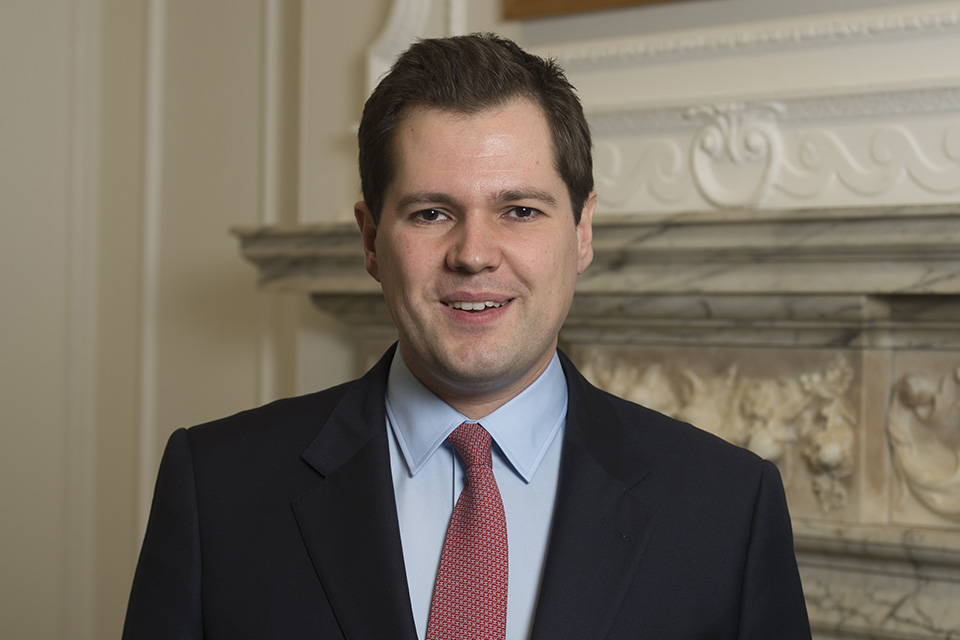
The statement made by Robert Jenrick, the Minister for Immigration, in the House of Commons on 17 April 2023.
On 13 December 2022, my right hon. Friend the Prime Minister made a statement on tackling illegal migration and a clear plan to bring the system back into balance.
Under our immigration system, where we refuse an asylum or human rights claim which is so clearly without substance that it is bound to fail, we can certify it as clearly unfounded under section 94 of the Nationality, Immigration and Asylum Act 2002. Where the claimant is from a designated safe country the claim must be certified as clearly unfounded unless the decision maker is satisfied it is not clearly unfounded. Following the Nationality and Borders Act 2022, cases certified as clearly unfounded do not have a right of appeal.
When the power under section 94 was introduced in 2002, the then Labour Government gave an undertaking to Parliament that every case certified as clearly unfounded would be looked at by two specially trained officials, with additional quality checks on top of that.
This Government believe it is important to have procedures in place to ensure that those who make clearly unfounded human rights and asylum claims are quickly removed from the UK. That is why only specially trained caseworkers can decide that a claim should be certified. However, the current requirement for a second check to be conducted by a different Home Office official on every certified decision is delaying the conclusion of claims which are bound to fail. We must maximise our capacity to progress clearly unfounded cases in a more efficient way.
For these reasons, protection and human rights claims which are certified under section 94 as clearly unfounded will no longer have to be checked by a second specially trained official. This change will help ensure that the Home Office can certify unfounded cases more efficiently under section 94, so that those who have no basis to be in the UK can be swiftly removed.
The Home Office already operates a robust quality assurance framework for non-certified decisions which helps to maintain the quality of casework decisions and expertise. The specific quality check undertaken for section 94 decisions is no longer necessary, therefore we are improving the assurance process and aligning it with checks adopted on other decisions. Claims certified under section 94 will be regularly reviewed which will ensure that the certification process continues to be applied with careful scrutiny.
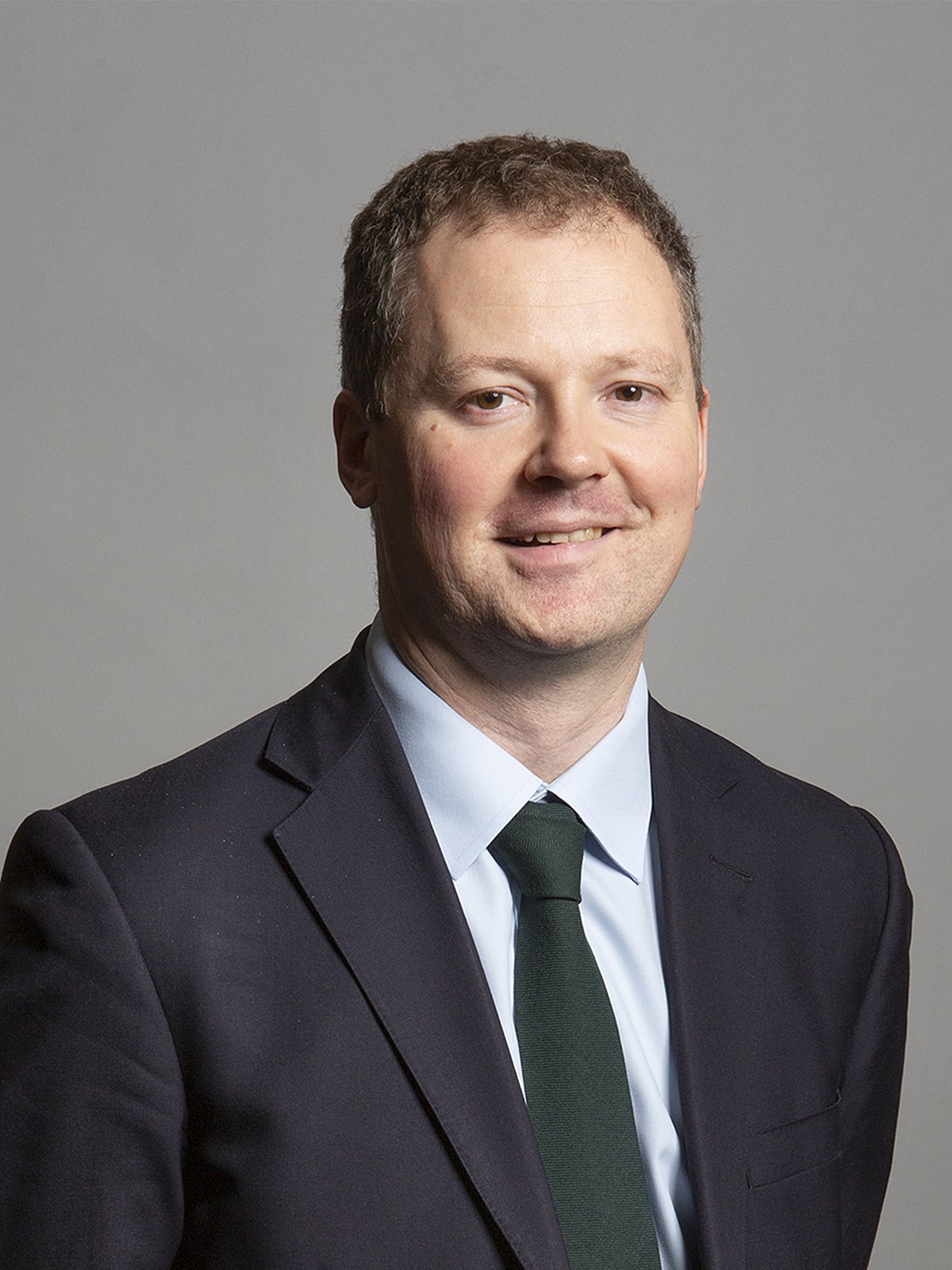
The statement made by Neil O’Brien, the Parliamentary Under-Secretary of State for Health and Social Care, in the House of Commons on 17 April 2023.
In 2019, this Government set the bold ambition for England to be smokefree by 2030—reducing smoking rates to 5% or less. To support this, the Government commissioned Dr Javed Khan OBE to undertake an independent review which was published in June 2022.
As I set out in a letter to colleagues on 11 April, I am pleased to be able to update the House on new action we have announced to help more people in England to quit smoking in order to meet our Smokefree 2030 ambition. We also announced further measures to protect children from the use of vaping products, in recognition of the sharp increase in vaping among children in recent years.
One in seven adults—5.4 million people—still smoke in England, and tobacco remains the single biggest cause of preventable illness and death. Up to two out of three lifelong smokers will die from smoking, and smoking substantially increases the risk of heart disease, heart attack and stroke. Smoking also causes seven out of 10 cases of lung cancer. Tackling smoking is one of the most evidence-based and effective interventions that we can take to prevent ill health. It will improve public health, reduce the burden on the NHS, and provides substantial benefits to our workforce and the economy.
Across the country, people are concerned by the increases in youth vaping among children. It is illegal to sell vapes to under 18s and this Government want to clamp down on those businesses that rely on children buying vapes and getting them hooked on nicotine. To help combat rising levels of youth vaping, the Government have now published a youth vaping call for evidence. The call for evidence aims to identify opportunities to reduce the number of children accessing and using vapes, exploring issues such as regulatory compliance, the marketing and promotion of vape products and the environmental impact of disposable vapes. We will explore where the Government can go further, beyond what the EU’s tobacco products directive allowed us to. I encourage colleagues from across the House to contribute and help inform our next steps. The call for evidence is available here:
https://www.gov.uk/government/consultations/youth-vaping-call-for-evidence/youth-vaping-call-for-evidence.
While we want to ensure children do not take up vaping, we would also like to exploit the potential of vaping as a powerful tool to stop adults smoking. Vaping is substantially less harmful than smoking and our most effective quit aid—particularly when provided alongside behavioural support. That is why last week I announced that we will be supporting a million smokers to “swap to stop”, with free vaping kit—the first national scheme of its kind in the world. The scheme will run over two years initially and be targeted at the most at-risk communities first—focusing on settings such as jobcentres, homeless centres and social housing providers.
I was also pleased to announce new action to tackle illicit tobacco and vaping, as well as underage sales. Later this year, His Majesty’s Revenue and Customs and Border Force will publish an updated strategy to tackle illicit tobacco. It will set out how we will continue to target, catch and punish those involved in the illicit market. This Government have also committed £3 million of new funding to create a specialised “illicit vapes enforcement squad” to enforce the rules on the sale of vapes, tackling illicit vapes and underage sales. This national programme will gather intelligence, co-ordinate efforts across the country, undertake test purchasing and develop guidance to build regulatory compliance.
Across England, nearly 9% of women still smoke in pregnancy. To tackle this, by next year we will offer a financial incentive to all pregnant women who smoke to support them to quit. In pilot projects these evidence-based schemes have already proven their value with a return on investment of £4 for every £1 invested. Most importantly, they unlock a lifetime of benefits for the child and their mother.
I also announced that the Government will consult this year on introducing mandatory cigarette pack inserts, to refresh the health messaging on cigarette packets with positive messages and information to help people to quit smoking. We are exploring how best we can use modern approaches within this, such as the use of QR codes, to make it as easy as possible to get help to quit.
On 24 January, my right hon. Friend the Secretary of State for Health and Social Care (Steve Barclay) announced our intention to develop a major conditions strategy plan to tackle preventable ill health and mortality in England. It will focus on tackling the most prevalent conditions that contribute to morbidity and mortality in our population—cancers, cardiovascular disease, stroke and diabetes, chronic respiratory diseases, dementia, mental ill health, and musculoskeletal conditions. Tackling smoking will be central to this strategy.
Through these actions, we have set out the Government plan to meeting our bold ambition to be smokefree by 2030 and respond to the Khan review. We are committed to doing all we can to give people the support they need to quit smoking, tackling the damage from the illicit market and minimising the growing threat of vaping by children.
However, we cannot do this alone. A close collaboration is needed right across the health system—including the NHS, local authorities and a range of public health stakeholders. We hope that together our efforts will act as a powerful catalyst to reduce health disparities and prevent smoking-related death, disease and despair.

The statement made by Gillian Keegan, the Secretary of State for Education, in the House of Commons on 17 April 2023.
The Prime Minister has set out a campaign to transform our national approach to maths. We are one of the few countries in the OECD where young people do not routinely study some form of maths up to the age of 18. Without a solid foundation in this subject, our young people risk being left behind and shut out of the careers to which they aspire and the lives they want to lead. We plan to change the way our system works so that everyone will study some form of maths to 18.
So, today I am announcing an expert advisory group to advise the Prime Minister and me on the essential maths knowledge and skills that young people need to study. To support the group, the Government will commission research on post-16 maths provision around the world, ensuring the curriculum in this country rivals that of the highest performing countries. Alongside this, the Institute for Apprenticeships and Technical Education will work with employers to review the maths content in apprenticeships.
Since 2010, the Government have transformed the way maths is taught in schools, based on the best available international evidence, including approaches from the highest performing countries in the world. Supported by 40 maths hubs—exemplary schools in the teaching of maths—and the National Centre for Excellence in the Teaching of Mathematics, mastery-based pedagogy from south-east Asia has been adopted by more than half of England’s primary schools. In the 2019 TIMSS international survey, year 5 pupils in England achieved their highest ever maths score.
To complement evidence-based approaches to maths teaching and content, the Government introduced more challenging assessments at both primary and secondary schools, including the times tables check in year 4, new key stage 2 maths tests, and reformed GCSEs and A-levels. These assessments ensure that children are taught and master the basics of mathematics, before tackling more demanding content. The success of these approaches was reflected in England’s highest mathematics PISA results for 15-year-olds in 2019.
To continue this progress, the Government are today also announcing:
An increase in the number of schools supported by the maths hubs Teaching for Mastery programme to reach 75% of primary schools and 65% of secondary schools by 2025. We will introduce intensive maths hubs support for the schools that need it most. We will also provide further support for teachers of 16 to 19-year-olds who are resitting their maths GCSE or functional skills qualifications.
An expansion of the Mastering Number programme, which helps children in the first years of primary school master the basics of arithmetic, including number bonds and times tables. This programme will be delivered by maths hubs, reaching over 8,000 schools by 2024. We will also expand the programme into years 4 and 5 to bolster fluency in times tables.
An expansion of the Taking Teaching Further programme, delivering funding for further education (FE) colleges to recruit and offer early career support to those with the relevant knowledge and industry experience to retrain as FE teachers. We will launch a financial incentive pilot this year for up to 355 teachers, targeted at some of the hardest-to-fill subjects, including maths.
A new fully funded maths National Professional Qualification for those leading maths in primary schools, teaching participants how to train other teachers to embed mastery pedagogy. We expect to make this available to all primary schools from February 2024. We will offer an updated targeted support fund for the 2023-24 academic year, providing additional funding to incentivise primary school teachers and leaders, including in the smallest schools.
Today’s announcement sets out how we will deliver the Prime Minister’s ambition to see all young people study maths to the age of 18 and ensure they are equipped with the knowledge and skills needed to succeed in the modern economy.