Blog

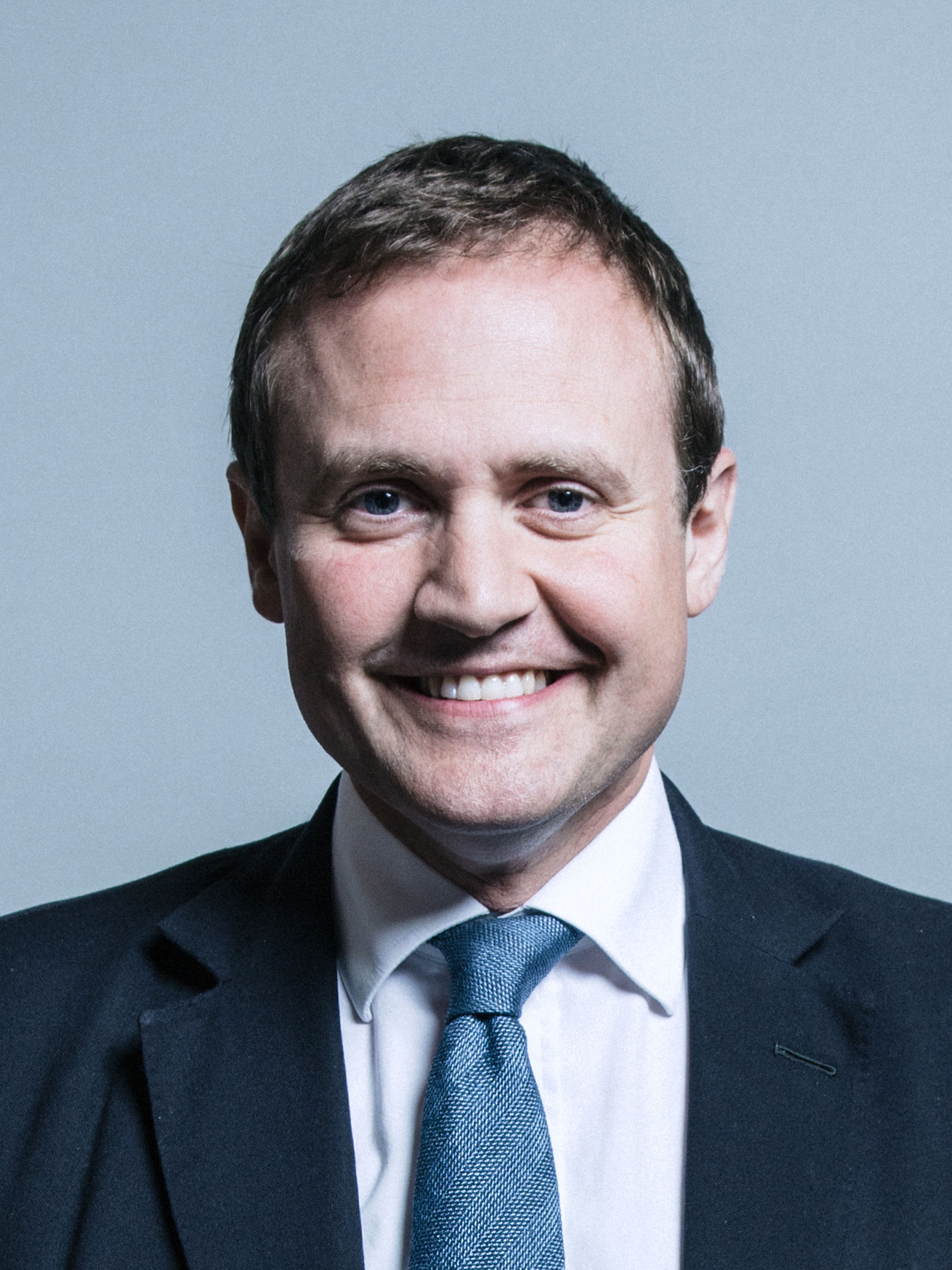
  • Tom Tugendhat – 2023 Speech at the International Security Expo

    Tom Tugendhat – 2023 Speech at the International Security Expo

    The speech made by Tom Tugendhat, the Security Minister, on 26 September 2023.

    Thank you very much indeed for the invitation and opportunity to address you  again. This is my second time speaking here. It was a year ago that I was able to immerse myself among some of the most fantastic and innovative companies that the UK and indeed countries around the world are bringing together here.

    It’s fantastic as well to see such innovation even in the last twelve months. While many of us have been focused on other security challenges, and in my case of course the death of her late majesty, the Queen, and the coronation of our new King, have dominated many of the security issues I have been particularly focused on.

    We’ve also been sadly witnessing Russia’s brutal, illegal, vile and unprovoked attack on Ukraine.

    It saddens me that a year on, that war has not only continued  but it has cost many many more lives The UK remains absolutely steadfast in our commitment to the defence of a free and democratic people in Ukraine and their ability to determine their own future, free from Russian aggression.

    Russia’s actions have provided us all with a very clear and stark reminder of the delicate nature of global peace and stability. And once again we are being challenged to stand up for those values.

    That challenge is one we must meet head on because, although the world is changing some core elements are not. We still have a very fundamental choice between us, the decision to defend our freedom and our democracy, and we are very clear on what side we stand.

    But that also means standing with friends and partners. Because our security, the bedrock on which all our freedoms is built doesn’t stand alone and is not set apart from those of NATO, Europe, Five Eyes and indeed many partners around the world.

    The defence of our nation, the defence of our national security and of our citizens has been the guiding light of my working life. As many people know I have been a public servant in uniform and out of it for many years focusing entirely on the security of our people and our friends.

    So I pay tribute to everyone across government, but particularly those in law enforcement, security and the intelligence community and of course in defence for everything they do in support of our nation.

    As you know better than anyone, that mission goes beyond the state. It goes into industry, the private sectors, into academia and into individual ideas and innovations that are happening across the world and across the United Kingdom. So I pay huge tribute to all those in private sector who contribute to our security as well.

    The relentless focus on the security of our people, our institutions, our economy and our values does not change.

    That is not to say, however, that we can simply continue doing what we have always done.

    In fact, that would be a mistake. The threats we face now, not only to life, but to our way of life, are as varied as they have ever been and are continuing to get more so.

    The reality is that our adversaries are no longer as easily identifiable as the days when I was training at Sandhurst..

    They don’t wear uniforms, they don’t carry flags, they don’t walk around in the open..

    The reality is that today’s enemies, sadly are lurking on the internet and in the shadows.

    They are using non-state actors, criminal groups and indeed private companies to undermine our security.

    That danger comes from entire states and also from lone actors alike.

    Now I don’t say this to sound alarmist indeed, what I have seen over the last year has filled me with enormous confidence that the response that many companies here have made against these target, against these threats, and to protect ourselves.

    But it is also important we underline a new era of warfare and security we live in.

    So, what have we done about it? What have the last 12 months looked like? Well we’ve taken some very significant steps.

    I’ve mentioned Russia and Ukraine, and all of the activity to support Ukraine and how we’ve manage security implications for the UK over that time. How we’ve learnt from what we’ve seen there, and made sure that those lessons are embedded.

    Closer at home, well, I’ve been working to make sure our apparatus for fighting terrorism is as strong, precise and agile as it needs to be to keep the public safe.

    Our counter-terrorism strategy, which many people know, CONTEST, has been in place now for over 20 years.

    Over that time, it has been established as, let’s face it, the best approach that we’ve seen around the world. It’s based on the four pillars which many of you will be able to recite by heart: prevent, pursue, protect and prepare. I normally forget one of them.

    There is no change to that core framework, but as the public would expect, we are constantly asking ourselves what we need to do to modernise it.

    That culminated in the publication this summer of a refreshed version of CONTEST which many of you will have seen, to make sure the UK remains ahead of the enduring and evolving threat we face from terrorism, both here in the UK and to our interests abroad.

    This updated strategy describes a need to respond to a domestic terrorist threat which is less predictable and harder to detect and investigate, a persistent and evolving threat from Islamist groups overseas, and an operating environment in which technological advances present both opportunities and risks.

    CONTEST sets out how the UK’s counter-terrorism response will remain agile in the face of an evolving threat, integrated so that we can bring the right interventions to bear at the right time to reduce risk, and aligned with our international allies to ensure that we can continue to deliver together.

    And I will add that our partnerships with academia, the private sector and industry are critical in this endeavour, not only in supporting our counter-terrorism efforts with technological achievements, but also by injecting a drive for continuous improvement throughout our approach.

    Now I mentioned earlier that we have to contend with threats not only to life but to our way of life, and that has perhaps been the most significant element of my work as Security Minister

    Over the last 10 or 20 years, terrorism was quite rightly been the focus of my predecessors, the emergence of what we call state actors has now opened up a whole new dimension.

    State threats are growing and diversifying as systematic competition intensifies. This can manifest itself in many forms, including espionage; interference; sabotage; physical threats to individuals; and attempts to undermine the rules based international system. Essentially, we are talking about is activity that seeks to undermine our security, our prosperity and our democracy.

    So, I’ve placed a huge amount of emphasis on the need to bolster our response to state threats. One of the most important questions we have to ask ourselves when confronting emerging dangers like this is ‘do we have the powers we need’ ‘are our laws up to date’, ‘do we have the tools for the task?’

    The truth is we didn’t. And that’s why we brought forward the National Security Act which was made law and the King signed only a few months ago. The Act brings together vital new measures to protect our national security. It overhauls and updates our outdated espionage laws, and creates a whole suite of measures designed to enable our law enforcement and intelligence agencies to deter, detect and disrupt the full range of modern-day state threats.

    This is a genuine operational change in our ability to protect ourselves, the state and you as companies from the threat you may be facing to your intellectual property and your ability to provide essential defence.

    Fraud is another area where we have sharpened up our response. These crimes pose a significant threat not just to individuals, but also to our collective prosperity and security. Earlier this year, we unveiled a new Fraud Strategy to stop scams at source, to boost protections for the public and strengthen the enforcement.

    So that’s a small flavour of the progress we’ve made over the last year. But, as I made clear at the beginning, we cannot afford to be complacent.

    That need to be indefatigable in our thirst to learn, to improve our response and to bolster our capabilities was brought home in the starkest possible fashion by the heinous attack at the Manchester Arena only a few years ago.

    That atrocity that occurred that night was an act of – call it what it is – an act of absolute, pure evil. While we cannot bring back those whose lives were so brutally cut short, we can do everything possible to prevent more families suffering in the way that the victims and their  loved ones suffered that night.

    A huge amount of work has already been undertaken since the attack, not least the Manchester Arena Inquiry itself, which ended in August.

    But we must never stop To ensure we learn the lessons, the Home Office has established the Manchester Arena Inquiry Assurance Programme. The assurance programme will work closely with our emergency service partners to oversee the continued delivery of the Manchester Arena Inquiry recommendations now that the Inquiry has closed.

    As with all Home Office work, it will be accountable to the Home Affairs Select Committee for its progress, and, crucially, it will also provide a range of engagement events for victims of the Manchester Arena attack. In so doing, the assurance programme will provide updates on recommendation delivery to those most affected by their work.

    In May, we published the Terrorism  (Protection of Premises) Draft Bill.

    This bill is truly known, correctly, as ‘Martyn’s Law’ because we named it after Martyn Hett, who was killed in the Manchester Arena attack. I’m very pleased to see Figen, Martyn’s mother, here today.

    As many of you will know, Figen Murray has campaigned tirelessly for this change in the law. I pay enormous tribute to the work that she has done to make people aware of the changes, some of them incredibly small that we can make to make our communities safer and better prepared. It is no exaggeration to say that without her I would not be discussing this draft legislation today.  She has been a tireless campaigner.

    Martyn’s Law will ensure that  there is better preparedness for terrorist attacks in public venues.

    Our expert security partners assess that individuals are more likely to take action that can mitigate harm and save lives if they have considered what they would do, and how, before an attack occurring.

    Throughout the development of the legislation, I have been extremely conscious of the need for proportionality, balancing the requirements with other pressures facing venues and owners.

    That’s why for larger venues and events, we are asking more than in those smaller venues because not only are they more likely to be targets and sadly they are more likely to have more people in. That means that larger venues will need to implement security measures, develop a security plan and provide terrorism protection training to workers.

    The duty is not entirely dissimilar to consideration venues will already be giving to health and safety and fire safety.  A suite of guidance, good practice examples and templates will be available to support owners and operators. High quality advice is already available through the online platform ProtectUK, which I know many of you already use and I would advise those who aren’t, please do.

    We are also making progress in our mission to tackle state threats. Let me tell you a little bit about some of the other work we’re doing. We passed the National Security Act but that is only just the beginning.

    Always a major area of interest to me is the Defending Democracy Taskforce, which I have been asked to lead on behalf of the government.

    Through the Taskforce, we are embedding a whole-system approach to protect the UK’s democratic processes, institutions and society and deliver a secure and resilient UK, free from threats of foreign interference.

    Looking ahead, we must also continue working to understand the risks and opportunities flowing from technological advancements.

    The pace of change has been so rapid and rampant that it can be difficult to keep track. But we must.

    I believe the UK should lead the world in shaping the future. Many of you already do that with technology and the ways your companies prepare security.

    That’s why I’m also delighted that we will be hosting the AI Safety Summit at Bletchley Park in November.

    The Summit will focus on promoting our wider vision for AI and on safety risks in ‘frontier AI’ to drive coordinated international action.

    The United Kingdom government’s overall objective is to ensure the safe and reliable development and use of frontier AI globally.

    We recognise that AI presents both a generational challenge and  generational opportunities, and will have lasting impact on humankind in terms of how we live and work, and our security, domestically and internationally.

    To keep the UK safe, secure, and prosperous, we must ensure that as the technology evolves, it does so in a safe, responsible, and fair way.

    Many organisations outside of national governments, in particular private companies, have been pivotal to the most recent advances in AI. It will therefore be absolutely critical to work with private companies around the world to make sure the safety measures we need are embedded not just government-to-government basis.

    It has been my absolute pleasure to join you again today.

    Security in 2023, as you all know very well, is about so much more than government, the police and security services.

    It’s about all of you, it’s about making sure the entire mission   and buy-in from right across society and that people understand what we’re trying to do to keep our whole community safe. I am really grateful to all of you who, who day in day out, continue to prepare the United Kingdom and our friends and allies to respond.

    Thank you very much indeed for your time today. I am very confident that the work you are doing, that we are doing together, is going to keep us safe for many years into the future. The work that you do will also build into our economy a level of resilience and that level of control that means you are able to succeed.

    Thank you very much indeed for being here today, it is very nice to see some old friends and indeed many new ones. Thank you very much for inviting me.
  • PRESS RELEASE : The UK is unwavering in our commitment to provide aid to the people of Afghanistan: UK statement at the UN Security Council [September 2023]

    PRESS RELEASE : The UK is unwavering in our commitment to provide aid to the people of Afghanistan: UK statement at the UN Security Council [September 2023]

    The press release issued by the Foreign Office on 26 September 2023.

    Statement by Ambassador Barbara Woodward at the Security Council meeting on Afghanistan.

    Thank you President.

    I join others in thanking SRSG Otunbayeva, Executive Director Sima Bahous and Karima Bennoune for your briefings.

    Twenty-two years on since Kofi Annan’s Nobel speech, which the SRSG referenced, and over two years since the Taliban’s seizure of power, our dominant concern remains the Taliban’s systematic assault on the rights of women and girls continues.

    There have been over 50 decrees curtailing women’s ability to participate in public, political, economic and social life and barring girls from secondary schools and higher education.

    These decrees have also impacted the UN’s ability to get aid to those who need it most. This at a time of dire need – two thirds of the population of Afghanistan require humanitarian assistance.

    Forty per cent are facing acute food insecurity – a number that would be far higher without families and communities in Afghanistan supporting each other in whatever ways they can.

    Afghanistan remains one of the poorest and climate vulnerable countries in the world. Its prospects further dimmed by a significant ‘brain drain’ as a result of migration, persecution and uncertainty.

    We note the progress the Taliban has taken in tackling ISKP and we underscore the importance of continued action against terrorist groups within Afghanistan and their affiliates.

    The people of Afghanistan remain our priority – so what can we do?

    First and foremost we need to take urgent action to avert a humanitarian catastrophe as winter approaches. The UK has contributed over half a billion dollars to address the humanitarian crisis since April 2021 and we call on fellow Member States to step up support where they can. But as we heard from SRSG Otunbayeva, the UN’s revised Humanitarian Appeal for Afghanistan for 2023 is only 28% funded.

    The UK is unwavering in our commitment to provide aid to the people of Afghanistan and to support UN efforts. We are clear, however, that male only delivery chains do not and cannot achieve that and we support calls for closer monitoring of aid delivery.

    Second, the international community should remain united in our message to the Taliban. We have set out our expectations in consecutive Council resolutions on humanitarian access, cutting ties with terrorists, respect for human rights and inclusive governance.

    The Taliban should be clear on the costs of their policies: international recognition should not be on the table; sanctions relief should not come. And Afghanistan cannot be self-reliant when fifty per cent of its people are excluded from society. Without inclusive governance and society, peace and stability will remain elusive.

    Finally, we look forward to Ambassador Feridun Sinirlioglu’s independent assessment, which will provide a valuable basis for a more coherent, strategic international approach as we look to build on the Secretary-General’s conference with special envoys in Doha and other regional initiatives, in which the UK will continue to play its part.


  • PRESS RELEASE : UN HRC54 – UK Statement on Myanmar [September 2023]

    PRESS RELEASE : UN HRC54 – UK Statement on Myanmar [September 2023]

    The press release issued by the Foreign Office on 26 September 2023.

    Interactive Dialogue on the High Commissioner’s report on the human rights situation in Myanmar. Statement delivered by the UK.

    Thank you, Mr Vice President

    And thank you, High Commissioner for your report and sobering update.

    We share your concern at the harrowing situation in Myanmar and condemn the military’s increasingly brutal tactics, including the targeting of civilians through airstrikes and the burning of homes.

    The evidence of the scale of the military’s actions continues to mount, including the latest findings from the Independent Investigative Mechanism for Myanmar. We continue to support the work of the Mechanism, which remains crucial to ensure accountability for these crimes.

    The UK also remains committed to targeting the regime’s access to finance and arms, which facilitate the most egregious crimes. Since the coup, we have announced targeted sanctions on the military leadership and its access to revenue and equipment.

    And collectively, we must focus on restoring humanitarian access, working through local organisations to deliver life-saving assistance.

    High Commissioner,

    As your report highlights, the Rohingya who remain in Rakhine State have been confined to IDP camps for over a decade. They continue to face systematic discrimination including the denial of citizenship and access to basic services. Any return of the Rohingya must be voluntary, safe, dignified, and sustainable.

    What more can the international community do to ensure evidence of human rights abuses are being gathered and used for future accountability?

    Thank you.

  • PRESS RELEASE : Joint Statement of the GCC-UK ministerial meeting [September 2023]

    PRESS RELEASE : Joint Statement of the GCC-UK ministerial meeting [September 2023]

    The press release issued by the Foreign Office on 26 September 2023.

    The Foreign Secretary met representatives of the Gulf Co-operation Council (GCC) member states and the GCC Secretary General in New York on 18 September.

    The Foreign Ministers or their representatives of the Gulf Cooperation Council member states and Minister James Cleverly, Secretary of State for Foreign, Commonwealth and Development Affairs the United Kingdom, together with GCC Secretary General Jasem Albudaiwi, met in New York on September 18, 2023, to discuss regional and global issues, review progress of the GCC-UK Strategic Partnership and strengthen their consultation, coordination and cooperation in all fields.

    Iran

    Ministers welcomed diplomatic engagement by Saudi Arabia and other GCC member states to pursue regional de-escalation and emphasised the importance of adherence to international law, including the UN Charter, by states of the region.  They reaffirmed their commitment to ensuring freedom of navigation and maritime security in the region and their determination to deter illegal actions at sea or elsewhere that might threaten shipping lanes, international trade, and oil installations in the GCC states.  The Ministers underscored their support for the Treaty on the Non-Proliferation of Nuclear Weapons and renewed their call for Iran to cooperate fully with the International Atomic Energy Agency.  They once again called on Iran to cease its proliferation of unmanned aerial vehicles, missiles and other advanced conventional weapons that pose a grave security threat to the region and beyond. The GCC and the United Kingdom reiterated their commitment to work together to deter and address threats to sovereignty and territorial integrity and other destabilising activities that impact international security.

    The Ministers reiterated their support for the United Arab Emirates’ call to reach a peaceful solution to the dispute over the three islands, Greater Tunb, Lesser Tunb, and Abu Musa, through bilateral negotiations or the International Court of Justice, in accordance with the rules of international law including the UN Charter.

    Kuwait and Iraq

    The Ministers stressed the importance of Iraq’s commitment to Kuwait’s sovereignty and territorial integrity and respect for international conventions and UN resolutions, especially UNSC Resolution 833 regarding the demarcation of the Kuwait-Iraq boundary. They urged the complete demarcation of the Kuwait-Iraq maritime boundary beyond boundary point 162 and called on the Government of Iraq to resolve the domestic legal status of the 2012 Kuwait-Iraq Agreement to regulate maritime navigation in Khor Abdullah and ensure that the agreement remains in force. The Ministers renewed their support for UNSC Resolution 2107 (2013) regarding the transfer of the file related to repatriation of all Kuwaitis, including missing Kuwaitis, and return of Kuwaiti property, including the national archives, to the UN Mission to Iraq (UNAMI), and expressed their hope that Iraq will continue to cooperate to ensure progress in this file. They called on Iraq and the UN to exert maximum efforts to reach a resolution of all the issues involved.

    Yemen

    The Ministers underscored the importance of continued and unified support for UN-led peace efforts in Yemen following the April 2022 truce and ensuing period of de-escalation.  They expressed their high appreciation for the efforts of Saudi Arabia, Oman, and the UN and U.S. envoys to this end.  The Ministers also emphasised their support for an inclusive, Yemeni-Yemeni political process under UN auspices that durably resolves the conflict.  They welcomed the efforts that the Presidential Leadership Council has taken to promote peace and ease the suffering of Yemenis, stressing the need for the Houthis to seize this opportunity and engage positively with international efforts and peace initiatives aimed at bringing durable peace to Yemen and putting the country on the path to recovery.  The Ministers affirmed the importance of continuing to address Yemen’s humanitarian, economic, and development needs. They called for the cessation of all restrictions and interference by the Houthis affecting the operations of humanitarian agencies on the ground. They expressed their commitment to help mobilise additional funds in support of the UN humanitarian response plan for Yemen. They also welcomed the UN’s completion in August of a complex operation to offload oil from the derelict Safer tanker off the coast of Yemen, averting an environmental, economic, and humanitarian threat to the region and the Red Sea. The Ministers commended Saudi Arabia’s sustained efforts to encourage Yemeni-Yemeni dialogue and provide economic and humanitarian assistance to Yemen, including its announcement in August to provide $1.2 billion for government budget support and food security.

    Israel and the Occupied Palestinian Territories

    The Ministers underscored their commitment to reaching a just, lasting and comprehensive peace in the Middle East in accordance with the two-state solution, as described in the Arab Peace Initiative, along the 1967 borders with mutually agreed land swaps, in accordance with internationally recognized parameters and international law.  They stressed the importance of avoiding unilateral actions that undermine the two-state solution and increase tensions, as well as preserving the historic Status Quo of Jerusalem and its holy sites, recognizing the special role of the Hashemite Kingdom of Jordan in this regard.  The Ministers reiterated their support for the Palestinian Authority and improving Palestinians’ daily lives, including through humanitarian assistance and efforts to accelerate Palestinian economic growth. The Ministers also reaffirmed their support for the United Nations Relief and Works Agency, which provides protection and core services to Palestinian refugees across the Middle East.

    Syria

    On Syria, the Ministers reaffirmed their commitment to reaching an inclusive political solution to the Syrian crisis in a manner that preserves Syria’s unity and sovereignty, meets the aspirations of its people, is consistent with international humanitarian law, and is in line with UN Security Council Resolution (UNSCR) 2254 (2015). In that regard, the Ministers discussed Arab efforts to resolve the crisis in a step-for-step manner, consistent with UNSCR 2254, as decided during the meeting of the Arab Ministerial Contact Group on Syria on May 1, 2023 in Amman and affirmed on August 15, 2023 in Cairo. The Ministers reaffirmed support for Coalition forces, who are working to achieve the enduring defeat of Da’esh in Syria and Iraq.  The Ministers further condemned all actions that threaten the safety and security of these forces. They stressed the need to create secure conditions for the safe, dignified, and voluntary return of refugees and internally displaced persons consistent with UN standards, and the importance of providing the necessary support to Syrian refugees and to the countries hosting them.  The Ministers reiterated their call for a nationwide ceasefire.  They emphasized that full, safe, and unhindered humanitarian access to all Syrians in need – through all modalities including cross-border and crossline– must be ensured.  They also reiterated the need to support humanitarian early recovery projects. Furthermore, they discussed enhancing cooperation to address the issue of missing persons – as outlined in the Amman Communique and UNSCR 2254 – in coordination with all concerned parties.

    GCC-UK Strategic Partnership

    The Ministers affirmed their shared determination to contribute to regional security, stability, and prosperity under the framework of the GCC-UK Strategic Partnership.  They underscored their mutual resolve to build closer relations in all fields, including political, security and economic cooperation. The Ministers emphasised the importance of the principles of tolerance and peaceful coexistence for relations between nations. The Ministers noted the recognition by the Security Council in Resolution 2686 that hate speech, racism, racial discrimination, xenophobia, related forms of intolerance, gender discrimination and acts of extremism can contribute to driving the outbreak, escalation and recurrence of conflict, and reaffirmed states must respect and ensure the human rights of all individuals within their territory and subject to their jurisdiction as provided for by relevant international law.

    The Ministers reviewed the pace of negotiations on the GCC-UK Free Trade Agreement as well as the implementation and ongoing update of the GCC-UK Joint Action Plan and affirmed the importance of accelerating the pace of those negotiations and maintaining periodic meetings between senior officials, technical teams and other working groups to achieve common goals of the GCC-UK Strategic Partnership.

  • PRESS RELEASE : Kinross wins £300,000 for new aerospace centre [September 2023]

    PRESS RELEASE : Kinross wins £300,000 for new aerospace centre [September 2023]

    The press release issued by the Secretary of State for Scotland on 26 September 2023.

    Project is one of four major bids in Scotland receiving total of £1m from UK Government’s Community Ownership Fund.

    A new aerospace discovery centre is one of four Scottish projects set to receive thousands in government funding following a successful bidding round.

    Almost £1m will be granted to the four projects – including £300,000 for the aerospace centre – to help level up local opportunities for generations to come.

    Through interactive learning and exhibitions, the new centre will inspire young people to pursue aerospace-related jobs in science, tech, engineering and maths. It will be based at the Aero Space Scientific Education Trust’s Station House in Kinross, which was officially opened by Princess Anne in 1985.

    Other new projects awarded in Scotland include:

    • £256,793 to create a Community Net-Zero hub in Glasgow, boosting low-carbon learning and training in the city and urban nature-based wellbeing activities for residents.
    • £253,032 to bring an existing shop building in Stirling into community ownership, creating a commercially sustainable village shop which supports the diversity of its community and visitors.
    • £183,000 for Aberdeenshire to redevelop Laurencekirk Community Centre into a larger community hub. This will help host more local events and advisory services, lunch and chat clubs for elderly and lonely people and clubs for school holidays, youths, mums and toddlers.

    UK Government Minister for Scotland Malcolm Offord said:

    It’s great news that a further four Scottish projects are sharing almost £1 million (£992,825) from the UK Government Community Ownership Fund.

    Through the fund we are now supporting 28 community groups across Scotland to breathe new life into the places where they live, work and play to the tune of almost £6.2 million (£6,161,420).

    In total we are directly investing more than £2.4 billion in hundreds of projects across Scotland as we help grow our economy and level up the country.

    The Community Ownership Fund helps towns and cities across the UK to create and restore treasured institutions like museums, pubs and sports clubs, so that they can be run by the community, for the community.

    The fund has now given £6.2 million for 28 projects in Scotland – part of 195 projects now being supported across the UK.

    UK Government minister for Levelling Up Jacob Young said:

    Our priority is to support communities and deliver opportunities right across the country, which is why we’re investing £12.3m to secure the future of cherished c community institutions.

    These places – from pubs to historic railway lines – are the golden thread which run through our social fabric, and keeping them going is vital for supporting communities.

    Changes which came into effect for this round of bids also meant that all projects could bid for up to £1 million in funding, not just sports clubs, and the amount organisations needed to match fund decreased to 20%.

    This also marks the first time that applicants applying to support projects such as the Community Net-Zero hub, have been able to benefit from support with the development of their application and business case through the Community Ownership Fund development support provider, led by Locality.

    The Community Ownership Fund is currently open again for bids and will close on 11 October 2023 and groups are being urged to apply for up to £2m in funding for the very first time.

  • James Cleverly – 2023 Statement at the OSCE Reinforced Permanent Council

    James Cleverly – 2023 Statement at the OSCE Reinforced Permanent Council

    The statement made by James Cleverly, the Foreign Secretary, on 26 September 2023.

    Thank you for convening this reinforced Permanent Council and for the strength of your leadership in these difficult circumstances. I welcome this discussion. The Euro-Atlantic region faces its greatest security challenge since 1945. The importance of the OSCE therefore cannot be overstated – not least as a forum to hold Russia to account and help Ukraine prevail. But it currently faces its greatest ever threat.

    Like any organisation, the OSCE needs strong leadership and adequate resources to function. You and your team along with Secretary General Helga Schmid and the institution heads have provided leadership. And our flexible approach has so far provided the resources. But Russia’s insistence on blocking progress on institutional matters puts all of those things at risk. If Russia feels isolated, it is because it has isolated itself through its illegal war and through its blatant disregard for civilized norms of behaviour.

    There is of course a way to fix this – Russia can change its approach, and we call on Russia to do so. Not to do so will imperil the existence of an organisation that has helped ensure peace and security for five decades. The organisation needs a budget, it needs effective leadership, and it needs a Chair.

    The UK is grateful for Estonia’s offer to Chair in 2024. Estonia should know that it has our full support, as well as the support of most other members. We are also grateful to the Chair and the staff for providing options for managing the budget. But our ultimate aim is a properly functioning OSCE, no matter by which means. If Estonia’s candidacy does not secure consensus, we will support another state willing to Chair in line with the Helsinki principles. These are not normal times so we are willing to consider unorthodox options. If no alternative exists, the UK will support North Macedonia’s serving again or continuing as Chair. We applaud the exemplary leadership shown by the current four leaders in the OSCE under extremely difficult circumstances. The chances of us finding a consensus on replacements at this moment frankly are minimal. Let them then continue their work into 2024.

    We should be here preparing for a Ministerial Council and discussing the important work the OSCE does for all our citizens. Instead, sadly, we are forced to focus on these procedural matters. So I ask those who would block progress, if you oppose Estonia’s candidacy, if you would block colleagues from remaining in post, if you would prevent agreement of an adequate budget – what then do you propose in its place? History will not judge those kindly those who undermine the important work of this organisation and its just causes.

    Thank you.

  • PRESS RELEASE : UK and Germany partner to further advance hydrogen developments [September 2023]

    PRESS RELEASE : UK and Germany partner to further advance hydrogen developments [September 2023]

    The press release issued by the Department for Energy Security and Net Zero on 26 September 2023.

    UK and Germany sign agreement to help accelerate the development of an international hydrogen industry.

    • Technology, trade and economies will be boosted by a new partnership
    • Two key hydrogen powers collaborate to advance the energy source’s future
    • Lord Callanan and State Secretary Nimmermann sign declaration in Berlin

    A new important agreement between the UK and Germany could help to accelerate the development of an international hydrogen industry – with the 2 countries at the cutting edge of its development.

    Signed today at the UK Embassy in Berlin, by Minister for Energy Efficiency and Green Finance Lord Callanan and Federal Republic of Germany’s State Secretary for Energy Philip Nimmermann – a Joint Declaration of Intent will see the UK and Germany work together to underpin the international trade in hydrogen.

    The 2 governments will also accelerate the role of low-carbon hydrogen in their nations’ energy mix, showing the world how to expand new, net zero-friendly markets. They committed to work together to further advance ground-breaking and renewable hydrogen technologies, supporting jobs and low-carbon investment.

    The partnership follows significant investment by both countries in the development of hydrogen as an alternative fuel. In the UK, the government is supporting new low-carbon hydrogen production with capital from the £240 million Net Zero Hydrogen Fund and revenue support from the Hydrogen Production Business Model. In Germany, the government is also supporting the implementation of the National Hydrogen Strategy with funding from the Climate and Transformation Fund, providing a push for the ramp-up of a hydrogen market.

    It will also further boost the move towards net zero emissions by 2050, and the energy security of both countries, moving away from fossil fuels and towards cleaner and more secure, diversified alternatives.

    UK’s Minister for Energy Efficiency and Green Finance Lord Callanan said:

    The UK and Germany are natural partners in making low-carbon hydrogen a cleaner and more sustainable way to power up our societies.

    This agreement will underpin the development of this new fuel not just for our respective countries but also for an international trade that could be transformative in our work towards achieving net zero emissions by 2050.

    It is through these partnerships that we can move away from expensive fossil fuels – and in doing so boost our energy security.

    Federal Republic of Germany’s State Secretary for Energy, Philip Nimmermann said:

    With this declaration we are on our way to jointly help developing the European and international markets for hydrogen. Our cooperation will not just involve trading of hydrogen and its derivatives, but also cooperation on technologies and innovation in this field, which will be of mutual benefit for both Germany and the UK.

    Hydrogen is of the highest importance for us to meet our goals regarding emission reduction. Also, it is a great opportunity for business. I am looking forward to a successful partnership.

    Five pillars of collaboration were agreed by the leaders:

    • Accelerating the deployment of hydrogen projects for industry and consumers
    • Establishing international leadership on hydrogen markets, setting safety and regulations to aid trade
    • Research and innovation on hydrogen, from production to end use
    • Promoting trade for hydrogen, plus related goods, technologies and services
    • Joint market analysis, to support planning and investment by government and industry

    This work is set to make hydrogen technologies cheaper and more accessible, aiming to lower energy costs for consumers in the future.

    As industry feels the benefit of trade opportunities between the 2 countries, private investment in hydrogen technology and projects is set to follow the agreement.

    Providing supportive environments, the countries will discuss safety standards that can be used internationally with the aim to establish reliable, stable markets for sustainable low carbon hydrogen, in particular from renewables.

    The agreement will further help the UK and Germany reach their respective goals of net zero emissions by 2050 and to secure a reliable energy supply for economic and energy security purposes, recognising the shifting geopolitical landscape.

    Steve Scrimshaw, VP of Siemens Energy UK&I and a member of the UK government’s Hydrogen Advisory Council and the Green Jobs Delivery Group, said:

    The UK and Germany have a proud track record when it comes to green energy and today’s Hydrogen Partnership reinforces that commitment. Ramping up the hydrogen economy will take time. Closer cooperation between countries such as the UK and Germany will help accelerate the scale and pace that is needed.

    The sustainable decarbonisation of industry is unthinkable without renewable hydrogen that is why partnerships like this are so important. At Siemens Energy we cover the energy value chain – from power generation and transmission to storage, including hydrogen electrolysis technology – and are committed to playing a key role across Europe and the rest of the globe.

    Dennis Schulz, CEO of ITM Power, said:

    As the UK’s only commercial electrolyser manufacturer, we are welcoming this cross-border collaboration agreement. An effective hydrogen economy can only take shape if countries form alliances like this one. Germany is a very significant market for hydrogen and for ITM Power. We are currently building several hundreds of megawatts of electrolyser capacity for projects in Germany, some of which are among the biggest projects in the world. In October, we will open our new office and EU after sales hub near Frankfurt that will further strengthen our links with our customers and partners in Germany and the wider EU.

    Michael Lewis, CEO of Uniper, said:

    Today is an important milestone for the German-British energy cooperation. Uniper is proud to be actively shaping the energy transition in the UK. Indeed, hydrogen projects in the UK are an essential part of Uniper’s new strategy and its implementation. Our commitment to driving large-scale hydrogen production is already underpinned with projects: The Humber H2ub® is a 720 MW CCS-enabled hydrogen production project. At its Ratcliffe power station site Uniper plans to develop large-scale, low carbon hydrogen production.

    Sopna Sury, COO at Hydrogen RWE Generation, said:

    RWE is committed to ramping up green hydrogen in the UK and Germany as part of its clean energy growth plans. By the end of the decade, RWE aims to build a net 2 GW of dedicated electrolyser capacity in our core markets, including the UK. Evidence of this is our flagship GetH2 project in Lingen, Germany and our project development work in England, Scotland and Wales. As a leading international energy company with a strong footprint in the UK, RWE is well-placed to support this partnership and help put the UK and Germany at the forefront of the European hydrogen economy.

  • PRESS RELEASE : UK & Commonwealth Services of Remembrance in Poland [September 2023]

    PRESS RELEASE : UK & Commonwealth Services of Remembrance in Poland [September 2023]

    The press release issued by the Foreign Office on 26 September 2023.

    We invite you to join us at the UK and Commonwealth Services of Remembrance across Poland.

    In these Commonwealth Services we remember all those of the Commonwealth of Nations who gave their lives at sea, on land and in the air in two world wars. We also remember the brave people of the Polish Armed Forces who fought and died here on their soil and abroad alongside their comrades from the Commonwealth.

    Dates of the services:

    *Malbork – Commonwealth War Cemetery; Tuesday, 7 November 2023, 10:40am

    *Lidzbark Warmiński – Commonwealth War Cemetery; Wednesday, 8 November 2023, 10:40am

    *Kraków – Commonwealth War Cemetery (Rakowicki Cemetery); Friday, 10 November 2023, 10:40am

    *Warsaw – RAF Liberator Memorial Stone in Skaryszewski Park; Sunday, 12 November 2023, 12:15am

    *Poznań – Old Garrison Cemetery; Saturday, 23 March 2024, – details to be confirmed

  • PRESS RELEASE : Cheaper bills and a more reliable heating supply for thousands of homes and businesses on heat networks [September 2023]

    PRESS RELEASE : Cheaper bills and a more reliable heating supply for thousands of homes and businesses on heat networks [September 2023]

    The press release issued by the Department for Energy Security and Net Zero on 26 September 2023.

    Old and inefficient heat networks to be upgraded, to offer a more reliable service for thousands of homes and businesses.

    • 55 heat network projects to receive £13.9 million of government funding
    • Thousands of consumers will benefit from upgrades to old, inefficient heat networks
    • Funding will help to reduce bills, improve reliability and prevent breakdowns

    Thousands of homes and businesses on old and inefficient heat networks will benefit from lower bills and a more reliable heating supply thanks to government funding, announced today (Tuesday 26 September).

    Customers in more than 4,000 homes will see poorly performing heat networks improved, meaning fewer breakdowns where people can be left without heating and hot water.

    Twenty-four projects across England will receive a share of more than £13.2 million, while a further £667,000 will go to 31 projects to fund investigations into the improvements needed to ensure customers receive a reliable service, with heat network operators taking the required action.

    The funding announced today is the first round of awards to be made under the £32 million Heat Network Efficiency Scheme.

    Lord Callanan, Minister for Energy Efficiency and Green Finance, said:

    Families and businesses shouldn’t have to worry about whether they will receive a reliable heating and hot water supply.

    This funding means improvements will be made to old and inefficient heat networks, preventing further breakdowns and ensuring they use less energy.

    We’re investing millions to build new heat networks, reducing emissions and providing low-cost heating to communities across the country. But it’s equally important we upgrade and maintain existing systems so everyone benefits.

    Heat networks offer carbon emissions savings by supplying heat to buildings from a central source, avoiding the need for households and workplaces to rely on individual, energy-intensive heating solutions – such as gas boilers. As such, heat networks provide a significant contribution to the UK’s carbon reduction commitment.

    But some heat networks haven’t been upgraded since they were installed more than 40 years ago, meaning many are inefficient due to not being installed properly, poorly maintained or the equipment wearing out.

    The Heat Network Efficiency Scheme (HNES), which opened in February this year, forms an important part of the government’s support for heat networks. This also includes the £288 million Green Heat Network Fund, which supports the creation of heat network projects that use a low carbon heating source, such as a heat pump, solar or geothermal energy, to provide heat and hot water to connected homes and businesses.

    Projects to receive funding today include:

    • Leeds City Council, which will receive more than £2.2 million to improve the efficiency of heat networks serving 837 residents through improving insulation levels, reducing heat losses and leakages
    • Great Places Housing Association, which has been awarded more than £1.6 million to improve the efficiency of the Richmond Park heat network in Sheffield, serving 299 residents. The funding will seek to correct high heat loss issues, bad insulation and old equipment
    • The Guinness Partnership, which has been awarded £2 million for the improvement of four heat networks serving almost 700 residents across sites in Aylesbury, Stockport, Gloucester, and Brixton. The funding will go towards reducing heat network costs and heat losses, improving insulation, and replacing outdated infrastructure

    Last month, government launched a consultation to shape and improve the future of heat networks.

    Under the proposals, homes and businesses supplied by heat networks would receive greater consumer protections currently only afforded to those on traditional gas and electricity contracts.

    This would ensure fairer prices through their inclusion in a potential future price cap on energy bills, consistent standards for quality of service and supply of heat, backed up with regular and clear bills.

    Notes to editors

    See a full list of successful projects.

    The regional breakdown of funding awards is:

    • East Midlands – £96,000
    • East of England – £59,976
    • London – £5,419,244
    • North East – £16,000
    • North West – £3,483,412
    • South East – £159,543
    • South West – £740,743
    • West Midlands – £62,443
    • Yorkshire and the Humber – £3,898,464

    The Heat Networks Consumer Protection consultation can be found on GOV.UK and will be live until 27 October 2023.

  • PRESS RELEASE : Dr Jo Saxton to stand down as Chief Regulator of Ofqual [September 2023]

    PRESS RELEASE : Dr Jo Saxton to stand down as Chief Regulator of Ofqual [September 2023]

    The press release issued by Ofqual on 26 September 2023.

    Statement on the resignation of Dr Jo Saxton as Chief Regulator.

    The Board of Ofqual is today announcing that Dr Jo Saxton will be stepping down as Chief Regulator. Dr Saxton will be leaving Ofqual at the end of December but will continue to play a central role in the education system, as she takes up post as Chief Executive of UCAS in January 2024.

    Dr Saxton has served as Chief Regulator since September 2021, and in that time has overseen the return of exams for GCSEs and A levels and reinstated pre-pandemic grading, giving grades currency and value indefinitely. She also introduced a new Level 3 results deadline and awarding process, which meant that vocational qualifications were delivered on time in summer 2023, following the significant delays experienced by too many students in the previous year. This will continue as a permanent feature of the qualifications system from here on.

    Dr Saxton, Chief Regulator, said:

    It is a significant honour to hold public office and I take my duties and commitments to students of all ages extremely seriously. Throughout my time at Ofqual I promised that students would be my compass and that promise remains intact.

    I am very proud of what we have achieved over the past 2 years. I fundamentally believe that a return to exams and pre-pandemic grading was the right and fair thing to do for students of all ages. I am also an ardent champion of parity – it was wrong that there were delays in students receiving their vocational qualifications in summer 2022, and I’m pleased we have been able to change the system so that can never happen again.

    I will be sad to leave so many brilliant colleagues and friends at Ofqual, but I know that the organisation has strong foundations and is extremely well positioned to continue to ensure public confidence in our qualifications system. For me, I am delighted that I am able to continue to serve students albeit in a different role, when I join UCAS early in 2024, returning to the sector where I started my career.

    Secretary of State for Education, Gillian Keegan said:

    I am hugely grateful to Jo for guiding Ofqual through the challenges that followed the pandemic, ultimately overseeing a smooth return to exams and normal grading.

    Jo’s knowledge and experience have been invaluable as we’ve navigated the past 2 years and returned to the exam arrangements that best serve young people.

    I look forward to continuing to work with Jo in her new role at UCAS, supporting students to progress onto university, degree apprenticeships and the world of work.

    Sir Ian Bauckham CBE, Chair of Ofqual said:

    While it is with sadness that we bid farewell to Jo Saxton as Chief Regulator, we are enormously grateful to her for her determined and principled leadership over the past 2 years. In that time Ofqual has led the re-introduction of examinations after the challenges of the Covid period, and re-established normal grading. Fairness to students has been Jo’s abiding priority, and there is no better legacy than fair examinations, graded equitably and delivered on time. We wish Jo well in her next role.

    A public appointments process will soon be underway for the new Chief Regulator. The existing senior leadership team and governance of Ofqual will provide continuity of leadership to the organisation and an interim Chief Regulator will be confirmed in due course.