Blog

  • Lucy Powell – 2020 Comments on Debenhams

    Lucy Powell – 2020 Comments on Debenhams

    The comments made by Lucy Powell, the Shadow Minister for Business and Consumers, on 1 December 2020.

    This is devastating news for the 12,000 employees at Debenhams who are facing a very worrying Christmas, and comes on top of the news that Arcadia has gone into administration.

    The Government must urgently set out how it plans to support the people affected by the collapse of these companies, including pressing Philip Green to do the right thing and plug the Arcadia pension deficit.

  • Keir Starmer – 2020 Statement in the House of Commons on Winter Plan

    Keir Starmer – 2020 Statement in the House of Commons on Winter Plan

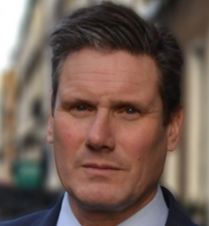
    The statement made by Keir Starmer, the Leader of the Opposition, on 1 December 2020.

    Thank you Mr Speaker.

    Can I start by welcoming the fall in infection numbers, the number of people being admitted to hospital, and crucially that the R rate is now below 1.

    Before this lockdown, the infection rate was doubling every two weeks, the R-number was above 1 in every part of England, and the number of people in hospital was going up sharply across the country. In other words, the virus had been allowed to get out of control.

    And if anyone doubts a lockdown was necessary – I would point out: Since 2nd November – when this lockdown started, 10,711 people have tragically died in England within 28 days of testing positive for Covid-19. In the last week there were an average of 460 deaths per day. Those are appalling numbers. Every one a tragedy.

    So we can argue about why this lockdown didn’t happen sooner. When the infection rate was lower. As we argued for several weeks ago. But it’s clear that the lockdown was necessary and has helped to reduce infections.

    I also want to welcome further progress on vaccines. I have nothing but admiration for our scientists. And for the amazing progress that’s been made. This will go down as one of the great moments for science in this country. I saw this for myself a couple of weeks ago at Oxford University.

    A vaccine may now be in sight, and we must do everything we can to encourage take-up and make sure that it’s rolled out quickly, fairly and safely.

    But Mr Speaker, the questions before the House today are these: How can we save as many lives and livelihoods as possible until we reach the light at the end of the tunnel? And are the measures the PM announced today going to: Control the virus; And provide the right support for the communities worst affected by these restrictions?

    Labour has supported the Government in two national lockdowns. And I recognise the need for continuing restrictions. I also recognise that the tiers have been toughened – as it was obvious to everyone that the previous tiers were a one-way street. But I’m far from convinced by what the PM said today.

    In particular, the economic package is nowhere near sufficient to support the communities worst affected. And who have been suffering now for many months.

    I also fear that without the right health measures in place, in particular a working trace and isolate system, there are real risks that this plan is incapable of controlling the virus this winter.

    I want to set out this out in more detail. The first point I want to make is this: We’ve been here before. On 10th June the PM first told of us his “whack a mole” strategy to control local infections. We were told these would be so effective they would only last a few days or weeks. Far from reality. Leicester, for example, has had 154 days of restrictions. By the time these regulations run out on 2nd Feb – it will be 217 days. So that didn’t work.

    Then on 22 September – with infections rising in 19 of the 20 areas then under restrictions, the PM announced new restrictions including the rule of 6, which the PM told the House would: “curb the number of daily infections and reduce the reproduction rate to 1”. That didn’t work.

    Two weeks later, 12 October, with the precise opposite happening the PM introduced a three-tier system. Again, we were assured this would work.

    The PM told the House that: “would deliver the reduction in the R rate, locally and regionally, that we need”. That didn’t work.

    Fourth attempt: 19 days later: in a hurried press conference, the PM announced that the tiered system had failed, the virus was out of control and a national lockdown was now “unavoidable”.

    The reason this all matters is that there is a pattern here: the PM has a record of over-promising, and under-delivering. Short-term decisions are taken, that then bump into the harsh reality of this virus. So a new plan is conjured up a few weeks later, and with even bigger promises that never materialise.

    After eight months of this, the PM should not be surprised that we – and many of the British people – are less than convinced this time around.

    The second point I want to make is this: The public health risk of the PM’s approach is significant. The prevalence of the virus remains high. The R-rate is only just below one. We know the virus is at its most deadly during the cold winter months. And that the NHS of course at that point will be under its greatest strain.

    So if we are to keep R below 1 during the winter – and not waste the progress made in the last four weeks, we have to proceed with precision and caution.

    But instead of levelling with the British public, the PM has spent the weekend telling his backbenchers that the plan is all about: “loosening restrictions across the country” and fuelling a promise that within days, local areas have the prospect of dropping from one Tier to another. In my view, that’s highly unlikely.

    It’s obvious that the new Tier One may slow but won’t prevent a rise in infections. And it’s far from certain that the new Tier Two can hold the rate of infection. I hope it does – but it depends on other factors all falling into place at the same time.

    And – although like everyone else we want the chance to see our loved ones at Christmas – I’m not convinced that the Government has a plan in place to prevent a spike in infections over the New Year.

    I recognise this is difficult, and that any system would have risk. But that brings me to my third point: The risk we face today is so much higher, because the PM has failed to fix the major problems with the now £22bn Track and Trace system.

    Before the PM simply brushes this point aside – again – let me remind the House that one of the major reasons that SAGE advised a circuit break back in September was because Track and Trace was only having “a marginal impact on transmission”. So if we’re to control the virus, this really matters. And the PM having his head in the sand isn’t helping.

    I know the PM has made much of the advances in testing. I recognise that and I hope it helps tackle this virus. But as the Chief Scientific Officer said: “testing is important, but of course it only matters if people isolate as well”.

    PM knows only a fraction of people are able to self-isolate when asked to do so. But he still hasn’t addressed the reasons for this. Including the huge gaps in support: I know PM has announced a change for those notified by the app – a ridiculous omission in the first place. But it doesn’t affect basic eligibility.

    Only one in eight workers qualify for the one-off £500 self-isolation support. Anyone not receiving that has to rely on Statutory Sick Pay which is the equivalent of £13 a day. That’s a huge problem. People want to do the right thing. But for many, there’s a real fear that self-isolation means a huge loss of income that they simply can’t afford.

    And that’s not the end of the problems with track and trace. On tracing, the latest figures show: 137,000 close contacts missed by the system in one week. That is the highest weekly figure yet. And it means that over 500,000 close contacts have been missed by the system in the last month.

    That’s not just a statistic, it means that last month alone, there were half a million people who should have been self-isolating but instead were moving around with their friends, their families and their communities. That’s a huge gap in our defences. I raise this every week. Every week the PM pretends it’s getting better, but it never does. And the PM now seems almost to have given up on it – and to be hoping instead that mass testing can solve this on its own. Again, blind optimism – not a plan.

    My fourth point is about the level of economic support provided. Have to say to the PM: It’s hard to overstate the level of anger about this – particularly in communities that have been in restrictions for months on end.

    Yesterday I was on a virtual visit to the North West talking to local businesses. Their emotions ranged from deep disappointment at the Government, to raw anger that the PM and Chancellor just aren’t listening. And don’t get the impact that months of endless restrictions have had on local communities and on people’s lives.

    In March, the Chancellor vowed to do “whatever it takes” to support households and businesses. But there’s now been 6 economic plans in 9 months. And the level of support around this latest package is still insufficient.

    First, it doesn’t fairly reflect the difficulties faced by businesses across the country. Three aspects to this: Let me start with the Additional Restrictions Grant. That gives a flat figure to a local area regardless of how long it’s been in restrictions. So, Greater Manchester, which will be on its 40th day of severe restrictions when it enters Tier 3 tomorrow, has received the same one-off support as the Isle of Wight, which went into restrictions far later and will emerge tomorrow into Tier 1.

    That can’t be fair.

    The second aspect is that this grant doesn’t take account of the number of business that need support in each area. So our great cities are being asked to spread the same sum far more thinly. That’s also that’s clearly unfair.

    The third aspect: even allowing for today’s announcement on pubs – which I think is the definition of ‘small beer. Many businesses are now receiving less support than they did during the first wave. That’s a huge strain for many businesses – particularly after so long under restrictions, and it makes no economic sense for the Government to allow them to go to the wall.

    The second major point on economic support is that millions of self-employed people remain unfairly excluded from Government support schemes. Again, there’s nothing in this latest package to address this.

    I’ve raised this many times with the PM – every time he chooses to talk about those he is helping and ignore the millions he isn’t. Reality: the government have had 8 months to fix this and they’ve failed.

    The third point about the economic package is that the Government must remove the uncertainty around furlough and rule out changing the scheme again in January. The Chancellor’s made this this mistake before. That uncertainty caused real economic damage. He can’t make the same mistake again.

    So taken together the business and economic support just doesn’t stack up.

    But I also want to make a wider point on the economic damage this pandemic – and this Government – have done to our economy. Last week’s Autumn Statement laid bare the huge and worsening economic cost of this crisis.

    I know there are those who say that is a reason to end restrictions. But the reality is – you can’t protect the economy if you lose control of the virus. That just leads to more uncertainty. More restrictions. And more long-term damage to the economy. And it’s this failure to get control of the virus, or to take a long-term approach to shielding our economy that’s left the UK with the worst recession in the G7 and the highest death total in Europe.

    Fifth and final reason for scepticism about the Government’s approach is this: messaging and priorities. The last 48 hours have been a summary of the mistakes the Government has made in this crisis. The PM is fatally split between appeasing his backbenchers and following the science. It’s why he ends up pleasing nobody.

    I think the PM knows that tough restrictions are now needed, but he pretends that the restrictions might not be in place for long. And that it’s quite possible that everyone can be in a lower tier in two weeks’ time. But the reality is that tough restrictions will be needed until a vaccine is rolled out. And that may be months away.

    So the PM will doubtless be back in a couple of weeks with another “plan”. But the PM doesn’t feel able to make that case today, or to provide the certainty and consistency we need. So instead we’ve had 48 hours of concessions, letters and promises to his MPs – not clear and reliable messaging to the public. It’s sadly symptomatic of the last eight months.

    Mr Speaker, coronavirus remains a serious threat to the public’s health, to our economy and to our way of life. We recognise the need for continued restrictions. It would not be in the national interest to vote against these restrictions today. So we will allow the regulations to pass. But this is another wasted opportunity.

    The PM could have spent the last four weeks fixing track and trace, putting in place the support people need to isolate, building the economic package our great towns and cities need to protect jobs and people’s income, and restoring public confidence.

    Instead, we see more short-termism. A PM stuck between his backbenchers and the national interest. And I fear that just won’t work.

  • Kate Green – 2020 Comments on National School Attendance Data

    Kate Green – 2020 Comments on National School Attendance Data

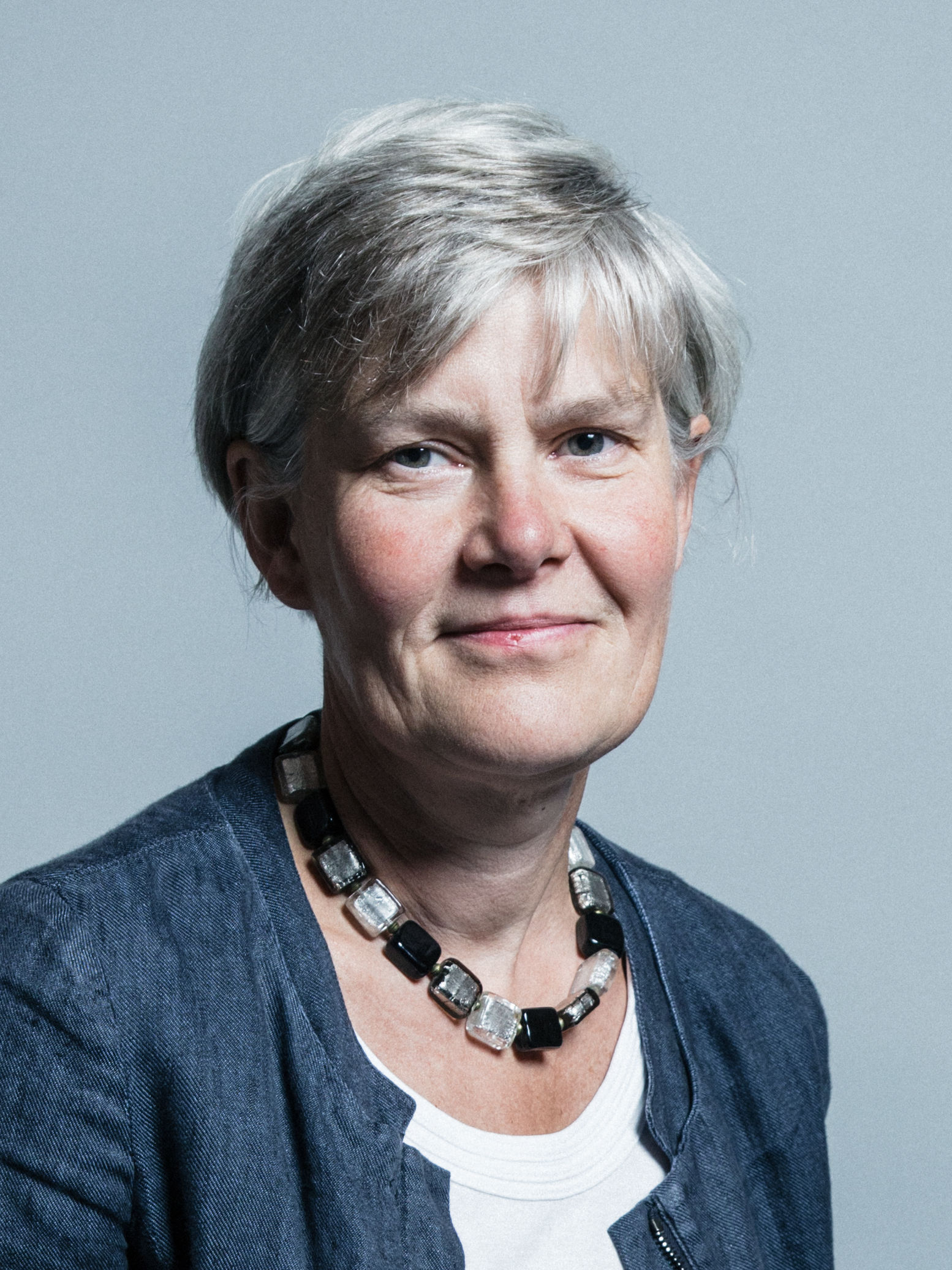
    The comments made by Kate Green, the Shadow Secretary of State for Education, on 1 December 2020.

    The government’s failure to get the pandemic under control months ago means that one in six children have been out of school for the second week in a row.

    The government must respond to Labour’s calls to publish how many children have now missed school multiple times, urgently set out support to keep schools open, ensure children self-isolating have access remote learning and set out a plan for exams which delivers certainty for pupils, teachers and parents.

  • Ed Davey – 2010 Speech at the Trading Standards Institute Annual Conference

    Ed Davey – 2010 Speech at the Trading Standards Institute Annual Conference

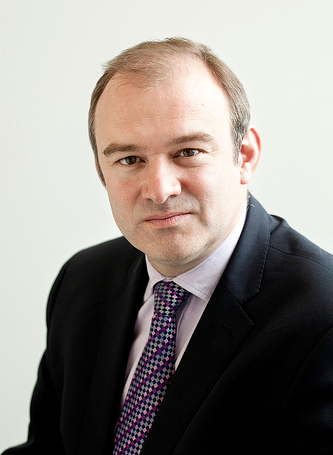
    The speech made by Ed Davey, the then Minister for Consumer Affairs, on 15 June 2010.

    Thank you Ron, for that introduction – and for inviting me to this conference – not least, as it gives me the chance to make my very first speech as your Minister. I’m grateful to so many of you for making the early slot – though I guess your professional curiosity may have got the better of you.

    A coalition Government? A Liberal Democrat Minister? Surely there must be some infringement of the Sale of Goods Act? Seriously, I’m actually very proud to be here, as Minister for Consumer Affairs.

    Because I believe what you do – what Trading Standards’ wider family does, whether it’s Citizen Advice or the OFT, Scambusters or Consumer Focus, or your many other partner organisations – what you do isn’t just important. It’s vital.

    Vital for consumers. Vital for business. Indeed, vital for the whole economy- for the recovery and beyond.

    I want to be straight with you today about the public spending challenges we must all face – and I want to provide you with a sense of what the Coalition holds in store for you.

    Yet I want to place on the record, right from the start, not just some warm words of thanks for your work, but a clear and unambiguous recognition that I believe you are part of the frontline of our economy.

    The problem in public life so often, is that when things work well, they go unnoticed. Unvalued. The fact that we are fortunate to live in a country where the essential plumbing of our market economy normally works okay just doesn’t make good newspaper copy.

    Whether it’s competition policy or consumer policy. Company law or insolvency law. Britain’s economic plumbing is actually amongst the best in the world.

    There may be exceptions. I’m told that recently there have been some problems – with the banks. Yet I’m leaving all that to Vince.

    But when it comes to consumer policy and the overall consumer framework, the UK scores highly when compared to the rest of the EU and the Anglo-Saxon world – and we should celebrate that.

    But before you all get too comfortable, my message today is certainly not that everything’s hunky dory, so we won’t be changing much. Far from it.

    Even without the financial pressures, there would have been an agenda of change.

    Let me give just three well-known illustrations of some drivers of change.

    Technology. Great work has already been done-and by many here- to grapple with the new challenges in the digital world but I’m sure no-one believes that e-Crime, for example, is sorted.

    Climate change. I believe that we’ve only just begun to scratch the surface of how the climate change challenge will affect our daily lives, particularly when buying and selling goods and services.

    Globalisation. It’s not just that business is more global- it’s that crime- and serious organised crime – is more global. Counterfeit or dangerous goods. Fraud and money laundering. Drugs and human trafficking. All on a truly international scale.

    So age old questions face by generations of Trading Standards Officers and their colleagues have to be posed again in this new environment.

    How do we protect the most vulnerable – when the con man isn’t just knocking at the door, but phoning them up, using international direct email and emailing them too?

    How do we keep the local face and the local knowledge, yet share information and co-operate across agencies, across local authority boundaries and indeed national boundaries, so we can keep one step ahead of the villains?

    How do we minimise the regulation on businesses, striving hard to grow when we need their help to stop global warming?

    Talking to Ron Gainsford, your excellent CEO, here at TSI. Talking to Ted Forsyth, the excellent Chief Trading Standards Officer in the community I represent. I know your profession is addressing these issues. But I want you to be clear that these are our priorities too.

    Now over the next few weeks and months we will be more concrete in how such priorities will actually translate into policy over the next weeks and months to come. But I have no intention of rushing to re-invent the wheel.

    I am, for example, currently studying the results of the recent consumer landscape survey that officials have been undertaking. And thanks, by the way, to those of you who’ve played a role.

    And I’ve been reading something called a “Manifesto for Trading Standards”.

    It’s already clear that some significant consultation will need to take place this year or next, before we can finalise any serious reforms.

    So I hope today’s question and answer session can mark the start of a vital early dialogue between myself and you as a profession, to gather your ideas before any major changes are made.

    Of course there is one driver of change that threatens to derail considered policymaking, whether we like it or not. And that’s deficit reduction. So let me take that head on, as promised.

    Even under the last Government, I think it’s fair to say, Trading Standards was not a spending priority. I don’t have the sense that Trading Standards are a gold-plated service, even if they can still often be a golden standard.

    And yet, I don’t imagine anyone here seriously think that Trading Standards will be spared from shouldering its share of the pain of deficit reduction.

    The question is, for all of us – can we do more with less? Or, in some cases I guess, do the same with less.

    I don’t honestly believe that in services like yours a salami slicing approach is going to work anymore.

    So how can central Government, working with local authorities across the country, help to realise major efficiency savings – cuts – without jeopardising the core objectives of the vital service we are here to deliver?

    Well, I’m hoping that this conference can begin to answer such questions.

    I notice for example that you have one session on today’s programme entitled “How to halve the cost of a prosecution and double its chance of success”. I hope I can be sent the speaker’s notes.

    But I hope you as an Institute can develop your own thinking and best practice about how Trading Standards might deepen still further existing co-operation with other local regulatory services – both within and across local authority boundaries.

    The consumer landscape review has taken evidence already from examples of Trading Standards Departments experimenting with just that sort of rationalisation. As Minister, I need to hear your views, learn about what works and what doesn’t and understand how my Department can help you manage such challenging change.

    Now, if I were a cynic summing up my speech so far Conference, I’d say that the Minister began by telling us how important we are, didn’t tell us what he was going to do with us, and then asked us to come up with some major savings.

    But thankfully I’m not a cynic. Because I’m genuinely interested in working with you to find practical solutions to your issues.

    So let me list a few issues I’ve already asked my officials to look into as evidence of my intent to be your champion in Whitehall.

    First, could we grant the public, access to existing information, existing databases, held on prosecutions of rogue traders and other breaches of fair trading laws?

    This may not be straightforward.

    For example, I’m advised there are some key legal issues to consider before we can decide to make all or part of the Central Register for Convictions publicly accessible. But consider those issues we will.

    Better sharing of information both with the public and between enforcement agencies is something I want to focus on.

    Second, could we ensure that Trading Standards basic testing to combat under age sale does not require RIPA authorisation? While this is a Home Office lead, the advice I’ve received suggests the Home Office’s existing Code of Practice gives Trading Standards some reassurances. But perhaps the guidance could be clearer and more practical. Once again, I undertake, today, to work with TSI if your members continue to see a problem here.

    And third, can we do more to help you combat scamming, whether by letter, telephone or email, by taking measures at critical choke points of a scam like the transfer of funds to the scammer? I’ve asked officials to look at the main ways money is wired abroad in response to international scams, to see if we can work with the main payment companies involved so consumers can be identified and warned of dangers, before it is too late.

    These are just 3 small but practical examples – I’m sure in your questions you will come up with many more ideas.

    You see, in coalition politics, in the new politics, we’re already learning some important lessons.

    Look for where you can agree.

    Be honest where you disagree.

    And then work, in good faith, to come to solutions that take the best from all sides.

    Ron. Conference, I hope that’s exactly what we can do, together, for each other, And above all, for the public. For whom Trading Standards is such a force for good.

    So we don’t just preserve the excellence in Trading Standards in a difficult climate, but take that forward to new even higher levels.

    I’m looking forward to our joint task. Thank you.

  • Brandon Lewis – 2020 Statement on Pat Finucane Case

    Brandon Lewis – 2020 Statement on Pat Finucane Case

    The statement made by Brandon Lewis, the Secretary of State for Northern Ireland, in the House of Commons on 30 November 2020.

    With permission, Mr Speaker, I would like to make a statement.

    INTRODUCTION

    The murder of Patrick Finucane on 12 February 1989 in front of his family was an appalling crime that has caused tremendous suffering. It occurred during a difficult and dark period of this nation’s history which brought untold pain to many families across the United Kingdom and Ireland.

    Northern Ireland has made massive strides since the Belfast (Good Friday) Agreement to create a vibrant, inclusive and forward-looking future. However, the legacy of the Troubles still hangs like a shadow over society. This Government is determined to work hand in hand with the people of Northern Ireland, from all communities, with victims and survivors, and with our Irish partners. We want to find a way to bring truth and reconciliation where there is currently hurt, and where too many people continue to suffer due to the absence of information into the circumstances of the deaths of their loved ones.

    Mr Speaker, it is plain that the levels of collusion in the Finucane case, made clear by previous investigations, are totally unacceptable. Former Prime Minister, David Cameron, rightly apologised publicly in 2012. I unreservedly reiterate that apology today. I also acknowledge an apology can not undo history, nor can it alleviate the years of pain that the Finucane family have felt. But it is nonetheless right that this Government acknowledges that, at the height of the Troubles, actions were taken that fell far short of what can and should be expected.

    Mr Speaker, the murder of Patrick Finucane has been the subject of a considerable number of investigations and reviews, including the ‘Stevens 3’ investigation and the de Silva review. These investigations led to the conviction of Ken Barrett, a loyalist terrorist who pleaded guilty to the murder.

    In February 2019, the Supreme Court made a declaration that the State had not discharged its obligation to conduct an Article 2 compliant investigation into the death of Mr Finucane. That judgment specifically set out that – ‘It is for the state to decide….what form of investigation, if indeed any is now feasible, is required in order to meet that requirement”.

    It did not order a public inquiry. But in considering all the options open to me to meet the State’s obligations under Article 2, I have considered whether a public inquiry is the most appropriate step to address the specific findings of the Court at this time.

    DECISION

    Mr Speaker, I have today spoken to the Finucane family. I advised them of my decision not to establish a public inquiry at this time. Our public statement, published this afternoon, sets out the considered rationale for this decision, which I will now explain directly to the House.

    Mr Speaker, in reaching its conclusion, the Supreme Court identified a number of issues with previous investigations in this case:

    Firstly – there was no identification of the officers within the Royal Ulster Constabulary, Security Service and Secret Intelligence Service who failed to warn Patrick Finucane of known threats to his life in 1981 and 1985, together with the circumstances in which these failures occurred;

    Secondly – there was no identification of the RUC officers who, as Desmond De Silva said, “probably did propose” Mr Finucane as a target for loyalist terrorists in December 1988; and

    Thirdly – there was no identification of the police source who provided intelligence about Patrick Finucane to Ken Barrett.

    The Supreme Court identified these shortcomings and other failures of process. But it did not render the previous reviews and investigations – which resulted in significant findings and information being released into the public domain – as null and void.

    The work conducted by, and the findings of, those previous independent investigations and reviews remain valid. The State’s Article 2 obligations can be met through a series of processes – taken by independent authorities on the initiative of the State – which cumulatively can establish the facts, identify the perpetrators and hold them to account where sufficient evidence exists.

    In June 2019, an independent review of previous investigations was commissioned by my Rt Hon Friend, the member for Staffordshire Moorlands. The first purpose of this review was to gain a clear understanding of what investigative steps had already been taken to identify all individuals of concern. Its second purpose was to understand the actions taken as part of previous investigations in respect of these individuals.

    INFORMATION IN PUBLIC DOMAIN

    The review was conducted by independent counsel from Northern Ireland. It highlighted that steps had in fact been taken during previous investigations which had not been considered by the Supreme Court – but which were relevant to the issues it identified. For example, it found that a number of officers from the Royal Ulster Constabulary and the Army’s Force Research Unit had been interviewed as part of the Stevens’ investigation and that Stevens accepted that there was no direct breach of policy by any individual officer at the time.

    As my Rt Hon friend for North Shropshire stated in 2011, accepting that collusion occurred is not sufficient in itself. The UK Government recognises the need to ensure sufficient levels of public scrutiny of criminal investigations and their results.

    I am today publishing further information that was considered by the independent counsel in their review since the Supreme Court judgment, some of which has not previously been released into the public domain. This includes information pertaining to a Police Service of Northern Ireland review conducted in 2015.

    PSNI REVIEW PROCESS AND OPONI INVESTIGATION

    Mr Speaker, as set out in the 2015 police review, a number of issues were referred to the Police Ombudsman for Northern Ireland in 2016 and remain subject to investigation.

    In addition, the Legacy Investigation Branch of the PSNI informed my Department on 2 November 2020 that Patrick Finucane’s case is shortly due to undergo a process of review, in accordance with the priorities set out in their Case Sequencing Model. The Chief Constable confirmed that this is expected to begin early in the New Year.

    To be clear – this is a purely operational police matter. The UK Government rightly has no role whatsoever in determining how or when the police deal with its outstanding legacy caseload. However, the fact that a decision on a police review is due shortly is an important development and was a factor in determining the next steps in this case. Critically, a review would consider whether further investigative steps could be taken in this case and whether the PSNI should do so. These were key elements of the Supreme Court judgment.

    It is, quite properly, for the Chief Constable of the PSNI to determine the precise scope and format of any review in accordance with their own priorities and review procedures. And the police have indicated that they expect that any review would need to be conducted independently of the PSNI.

    Such a process, in addition to the ongoing investigations being conducted by the Police Ombudsman, could play an important role in addressing the issues identified by the Supreme Court.

    FUTURE INQUIRY

    Mr Speaker – I want to be clear. I am not taking the possibility of a public inquiry off the table at this stage. It is important that we allow the PSNI and Police Ombudsman processes to move forward, and that we avoid the risk of prejudicing any emerging conclusions from that work.

    I will consider all options available to me to meet the Government’s obligations.

    CONCLUSION

    Mr Speaker, I assure the House that this decision has been taken following careful consideration of the facts, the findings of the Supreme Court judgment, the outcome of the independent counsel review, and the United Kingdom’s obligations under Article 2 of the European Convention on Human Rights.

    Mr Speaker, this Government has demonstrated that, when the public interest requires it, we will establish public inquiries to look at potential failings by Government or state bodies. As we have done in the case of the Manchester bombing.

    In this instance, I believe it is in the public interest to allow the police and Ombudsman processes to proceed, before taking a decision on whether the State’s Article 2 obligations have been discharged, or whether further steps are required.

    Mr Speaker, this case is sadly just one example of the violence and tragedy experienced by so many individuals and families across Northern Ireland, the rest of the United Kingdom, and Ireland during the Troubles. That is why this Government remains committed to dealing with the legacy of the past in its entirety.

    We are determined to get this right, working closely with communities. This is vital so that society in Northern Ireland can look beyond its divisive past and towards a shared future.

    I commend this statement to the House.

  • Chris Philp – 2020 Speech on the Scheduled Mass Deporation to Jamaica

    Chris Philp – 2020 Speech on the Scheduled Mass Deporation to Jamaica

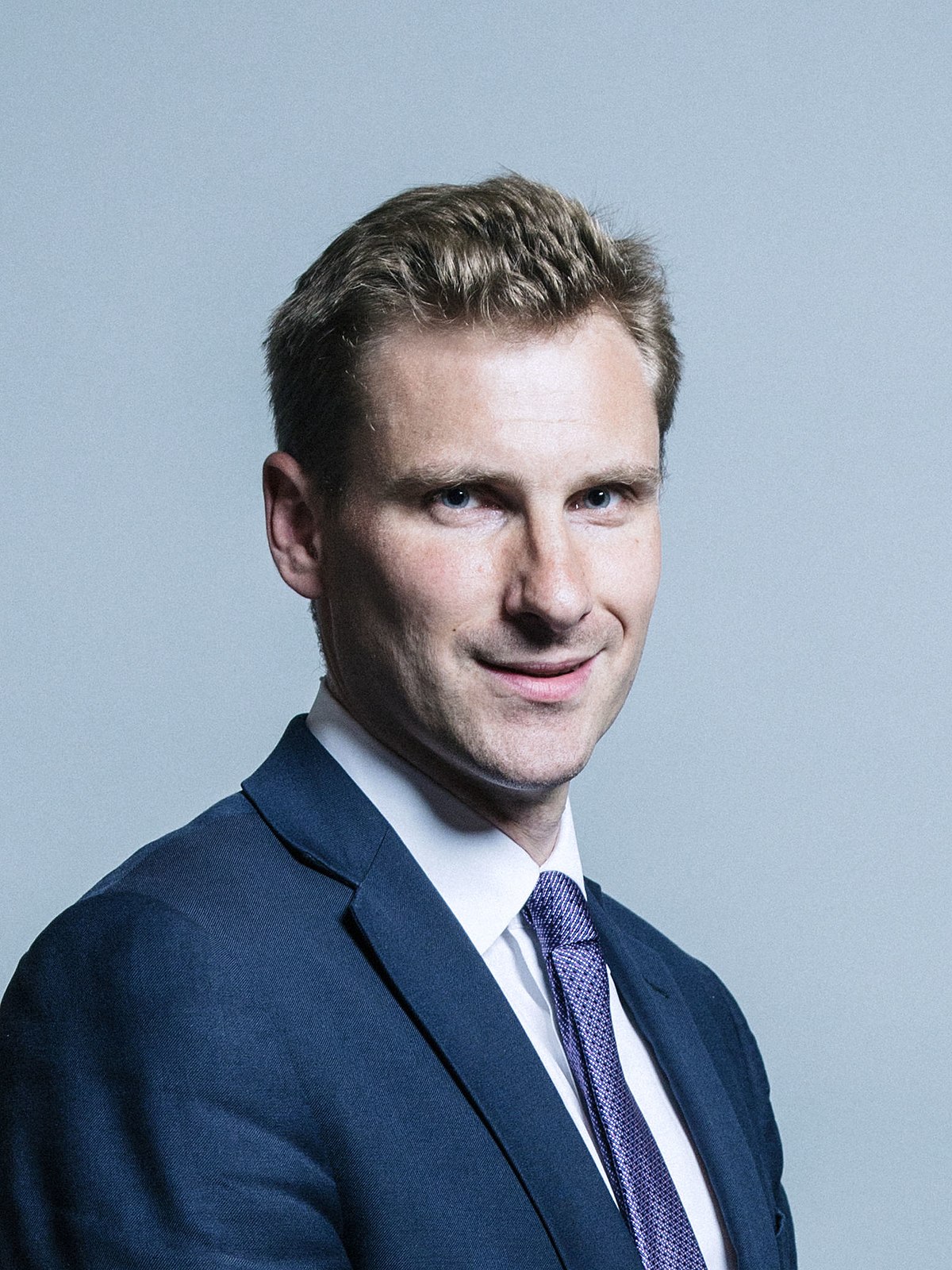
    The speech made by Chris Philp, the Parliamentary Under-Secretary of State for the Home Department, in the House of Commons on 30 November 2020.

    This charter flight to Jamaica is specifically to remove foreign criminals. The offences committed by the individuals on this flight include sexual assault against children, murder, rape, drug dealing and violent crime. Those are serious offences, which have a real and lasting impact on the victims and on our communities. This flight is about criminality, not nationality. Let me emphasise: it has nothing to do with the terrible wrongs faced by the Windrush generation. Despite the extensive lobbying by some, who claim that the flight is about the Windrush generation, it is not. Not a single individual on the flight is eligible for the Windrush scheme. They are all Jamaican citizens and no one on the flight was born in the United Kingdom. They are all foreign national offenders who between them have served 228 years plus a life sentence in prison.

    It is a long-standing Government policy that any foreign national offender will be considered for deportation. Under the UK Borders Act 2007, which was introduced and passed by a Labour Government with the votes of a number of hon. Members who are present today, a deportation order must be made where a foreign national offender has been convicted of an offence and received a custodial sentence of 12 months or more. Under the Immigration Act 1971, FNOs who have caused serious harm or are persistent offenders are also eligible for consideration.

    Let me put this flight in context. In the year ending June 2020, there were 5,208 enforced returns, of which 2,630, or over half, were to European Union countries, and only 33 out of over 5,000 were to Jamaica—less than 1%. During the pandemic, we have continued with returns and deportations on scheduled flights and on over 30 charter flights to countries including Albania, France, Germany, Ghana, Lithuania, Nigeria, Poland and Spain, none of which, I notice, provoked an urgent question. The clear majority of the charter flights this year have been to European countries.

    Those being deported have ample opportunity to raise reasons why they should not be. We are, however, already seeing a number of last-minute legal claims, including, in the last few days, by a convicted murderer, who has now been removed from the flight.

    This Government’s priority is keeping the people of this country safe, and we make no apology—no apology—for seeking to remove dangerous foreign criminals. Any Member of this House with the safety of their constituents at heart would do exactly the same.

    Bell Ribeiro-Addy

    First, no one opposing this flight condones any of the crimes that these individuals have been found guilty of. It is the process of mass deportation that is fundamentally wrong, and it is notorious for bundling people out of the country without due process. Does the Minister recognise that this decision effectively amounts to double jeopardy when those involved in some lesser offences have already served their custodial sentence? Does he recognise the message that that sends about the consequences of being a white offender or a black offender, given the racial disparities in sentencing?

    I hope the Minister agrees that no one is above the law, not even the Government, and that no one is beneath adequate defence and proper legal representation, not even those born in other countries. Will he therefore outline whether the deportees have been granted access to adequate legal advice and representation, and whether any have been allowed to appeal this decision, particularly given the lockdown restrictions and the likelihood that they would have no access to legal aid?

    On being above the law, the Equality and Human Rights Commission recently found that the Home Office unlawfully ignored warnings that the hostile environment was discriminatory. Can the Minister explain why the Government are so comfortable continuing with a key part of the hostile environment policy when it has been so damningly called into question? Has he considered the 31 children who will be impacted by having a parent removed from this country?

    The Home Office has got it wrong again and again on immigration. Will it therefore think again, halt this deportation flight and finally end the illegal hostile environment?

    Chris Philp

    The hon. Lady speaks of what she calls mass deportations. I have already pointed out that, over the last year, of the 5,800 people who have been removed, only 33 have been of Jamaican nationality.

    The hon. Lady mentioned black versus white. She was insinuating in her question that there was some element of underlying racism in this, but I have pointed out already that the vast majority of people who have been removed this year have been removed to European countries. This policy applies to people from Spain, France and Italy as much as it does to people from Jamaica. There is no element of discrimination in this policy whatever, and the hon. Lady was completely wrong to insinuate that, in some way, there was.

    The hon. Lady asked about double jeopardy. She said that these people have been punished by a prison sentence already, but I say this: if somebody comes to this country, commits a serious criminal offence and puts our constituents at risk, it is right that, once they have served their sentence, or a great part of it, they should be removed. It is not just me who thinks that; it is the Labour Members who voted for this law in 2007 who think that, some of whom are sitting in this Chamber today.

    The hon. Lady mentioned the EHRC and the compliant environment. This case is nothing to do with the compliant environment; it is about implementing the Borders Act 2007, as we are obliged to do. In terms of due process, there are ample opportunities to complain and appeal, as many people do, and I have mentioned already the case of a murderer who was taken off the flight just a few days ago following legal appeals.

    We are protecting our fellow citizens, and I suggest that the hon. Lady takes a similar approach.

    Bob Blackman (Harrow East) (Con) [V]

    Will my hon. Friend make it clear that people who come to the United Kingdom to contribute to our economy and our society are most welcome, but that those who come from foreign countries and then commit the most heinous of crimes, be it murder, sexual violence, violence against children or violence against the person, can expect to experience the full force of law and then be required to leave the country at the end of their sentence? Does he agree that, far from the public disagreeing with that, they are wholly in support of it and expect the Government to take this action to keep society safe?

    Chris Philp

    My hon. Friend, as always, puts it very well. Of course, when people come to this country as immigrants and make a contribution—to academia, to the work environment, and in myriad other ways—we welcome them with open arms. Our new points-based system, which will become active in just a few days’ time, does precisely that. However, as he says, if somebody comes to this country and enjoys our hospitality, but abuses that hospitality by committing a serious criminal offence, they can, should, and will be removed in the interests of public protection.

    Holly Lynch  (Halifax) (Lab)

    I first pay tribute to my hon. Friend the Member for Streatham (Bell Ribeiro-Addy) for having secured such an important and time-critical urgent question. I also pay tribute to my right hon. Friend the Member for Tottenham (Mr Lammy) for his previous work and advocacy in this important area.

    The news of this flight comes just days after the Equality and Human Rights Commission found that the Government, as we have heard, acted unlawfully in their treatment of the Windrush generation through the hostile environment. As Caroline Waters, the chair of the EHRC, said,

    “The treatment of the Windrush generation as a result of hostile environment policies was a shameful stain on British history.”

    There is no clear timetable for implementing the recommendations of the Wendy Williams report, and with just 12% of applicants having received a payment and at least nine people having died waiting, the Windrush compensation scheme is failing badly. In his written response to me over the weekend, the Minister said that it is wrong and offensive to conflate this returns flight with the Windrush scandal, but I am afraid that given this Government’s track record, their failings on Windrush and the delays in the compensation scheme, we simply have no faith that this Government have done their due diligence in relation to those on this scheduled flight, and we would not be doing ours if we did not ask the questions.

    Of course, we recognise that those who engage in violent and criminal acts must face justice. However, we also hear that at least one person on that flight has a Windrush generation grandfather; there is another whose great-aunt was on the HMT Windrush, and another whose grandfather fought in the second world war for Britain. It is clear that we have not yet established just how far the consequences of the Windrush injustice extend. With that in mind, what assessment has been made to ensure that none of those scheduled to be on the flight are eligible under the Windrush scheme, or have been affected by the wider immigration injustices that impacted the victims of the Windrush scandal? What assurances can the Minister provide the House that the mandatory duty to safeguard and promote the welfare of the children left behind, who are innocent in this, has been considered?

    It has also been reported that the Home Office has reached an agreement with the Jamaican Government that people who left Jamaica as children will no longer be repatriated. Can the Minister confirm whether this is the case, and can he also confirm what age someone would need to be to have been determined to be a child?

    Chris Philp

    The hon. Lady, the shadow Minister, asks about the Windrush scheme. As she will be aware, over 6,300 people have now been given citizenship, quite rightly, and 13,300 documents have been issued to those people who suffered terrible wrongs in the past. In terms of compensation, 226 people have now received claims totalling in excess of £2.1 million, with a great deal more to pay out. I can also confirm that all of these cases on the plane have been individually assessed, and none of them is eligible for the Windrush compensation scheme.

    The hon. Lady spent a great deal of time talking about Windrush during her question, but I say again—as I said in my letter to her—that it is completely wrong to conflate the people who were the victims of terrible injustice in the Windrush cases with these cases, who are nothing to do with Windrush, have no Windrush entitlement at all, and have committed terrible criminal offences. She also asks about the age eligibility. The Government are fully committed to discharging their obligation under the 2007 Act, which is to seek to remove anyone of any age who has been sentenced to a custodial term of over 12 months. That has been, is, and will remain our policy.

  • Keir Starmer – 2020 Letter to Every Gurdwara in the Country

    Keir Starmer – 2020 Letter to Every Gurdwara in the Country

    The letter sent by Keir Starmer, the Leader of the Opposition, on 30 November 2020.

    Waheguru Ji Ka Khalsa, Waheguru Ji Ki Fateh.

    I would like to send my heartfelt best wishes to all Sikhs throughout the UK and across the world, as you celebrate the 551st birth anniversary of Guru Nanak Dev Ji, the founder of the Sikh faith.

    I want to use this opportunity to extend my gratitude for the huge contribution the Sikh community has made during the pandemic. Gurdwaras and Sikh organisations have looked after their local communities and those most vulnerable in our society. Even when Gurdwaras were closed for worship, volunteers went in to prepare langar and thereafter delivered free warm meals for people in the community. Sikhs have also been on the frontline as key workers, who have been the backbone of our nation.

    We owe a huge debt of gratitude to the Sikh community in exemplifying the core teachings of Guru Nanak. The seva (selfless service) of Sikhs during the pandemic is a shining example of their community spirit. Guru Nanak championed oneness of humanity and I have seen these founding values embodied by British Sikhs.

    I appreciate that due to Covid-19 restrictions, Gurpurab celebrations will not be the same. I know how incredibly difficult and upsetting this will be for families and communities, who won’t be able to come together as they normally would. However, Guru Nanak’s teachings of selfless service and perseverance will continue to be an inspiration to us all.

    On behalf of everyone at the Labour Party, I would like to wish you and your families a very happy Gurpurab.

    Waheguru Ji Ka Khalsa,

    Waheguru Ji Ki Fateh.

  • Daniel Zeichner – 2020 Comments on Agricultural Payments After Brexit

    Daniel Zeichner – 2020 Comments on Agricultural Payments After Brexit

    The comments made by Daniel Zeichner, the Shadow Farming Minister, on 30 November 2020.

    If the government mishandles the transition away from existing payment schemes, it risks pushing family farms over the edge.

    And risk is even greater if the Tories push ahead with a series of race-to-the-bottom trade deals that allow cheap food produced to lower standards to be imported into our shops and high street takeaways.

    Where public money is supporting farmers it should rightly promote good environmental practice. But if the government can’t put the new systems in place in time, farmers’ livelihoods won’t survive.

  • Wes Streeting – 2020 Comments on National Tutoring Programme

    Wes Streeting – 2020 Comments on National Tutoring Programme

    The comments made by Wes Streeting, the Shadow Schools Minister, on 30 November 2020.

    Yet again this government is failing to deliver on its promises which will exacerbate an attainment gap that was widening even before the pandemic. Urgent investment is needed in catch-up learning, alongside support to keep schools open and ensure children self-isolating have access to laptops to enable them learn remotely.

    The Conservatives’ approach is holding children’s education back and without urgent action children’s learning will be permanently damaged by this pandemic.

  • George Eustice – 2020 Comments Giving Clarification on Definition of a Substantial Meal

    George Eustice – 2020 Comments Giving Clarification on Definition of a Substantial Meal

    The comments made by George Eustice (GE), the Secretary of State for the Environment, Food and Rural Affairs, with Nick Ferrari (NF) on LBC Radio on 30 November 2020.

    NF – If you’re in Tier 2, you can only serve alcohol with a substantial meal. What constitutes as a substantial meal, a Scotch Egg?

    GE – I think this is a term that is understood very much by the restaurant trade.

    NF – I’ve had a number of restaurateurs who have genuinely asked for guidance. Would a Scotch Egg count as a substantial meal?

    GE – I think that a Scotch Egg would probably count as a substantial meal if there was table service, often that might be as a starter. This is a term that is understood within licensing since you can have the concept of a table licence for alcohol which also requires you to serve a substantial meal.