Blog

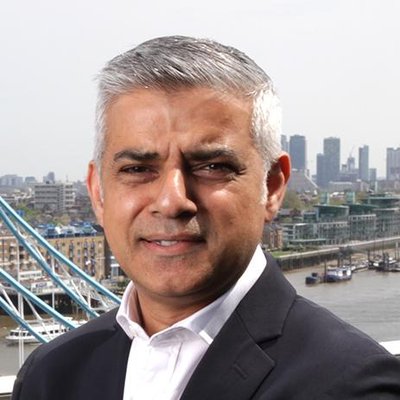
  • Sadiq Khan – 2022 Comments on Tourism in London

    Sadiq Khan – 2022 Comments on Tourism in London

    The comments made by Sadiq Khan, the Mayor of London, on 20 January 2022.

    The data I am releasing today really underlines just how devastating the drop in tourism in the capital has been – and will continue to be – for years to come.

    It is obvious that many of London’s hospitality, retail, cultural and leisure businesses that rely heavily on tourists will be fighting for their survival for months to come, meaning many thousands of jobs are still at risk.

    I have committed to doing everything I can to support London’s economic recovery now, and in the years to come. But the stark reality is that these sectors won’t be able to sustain pre-pandemic levels of employment until tourists return in significant numbers.

    That’s why I am urging Government to take meaningful action to prevent widespread job losses and the financial hardship this will bring for Londoners, many of whom are already struggling to make ends meet.

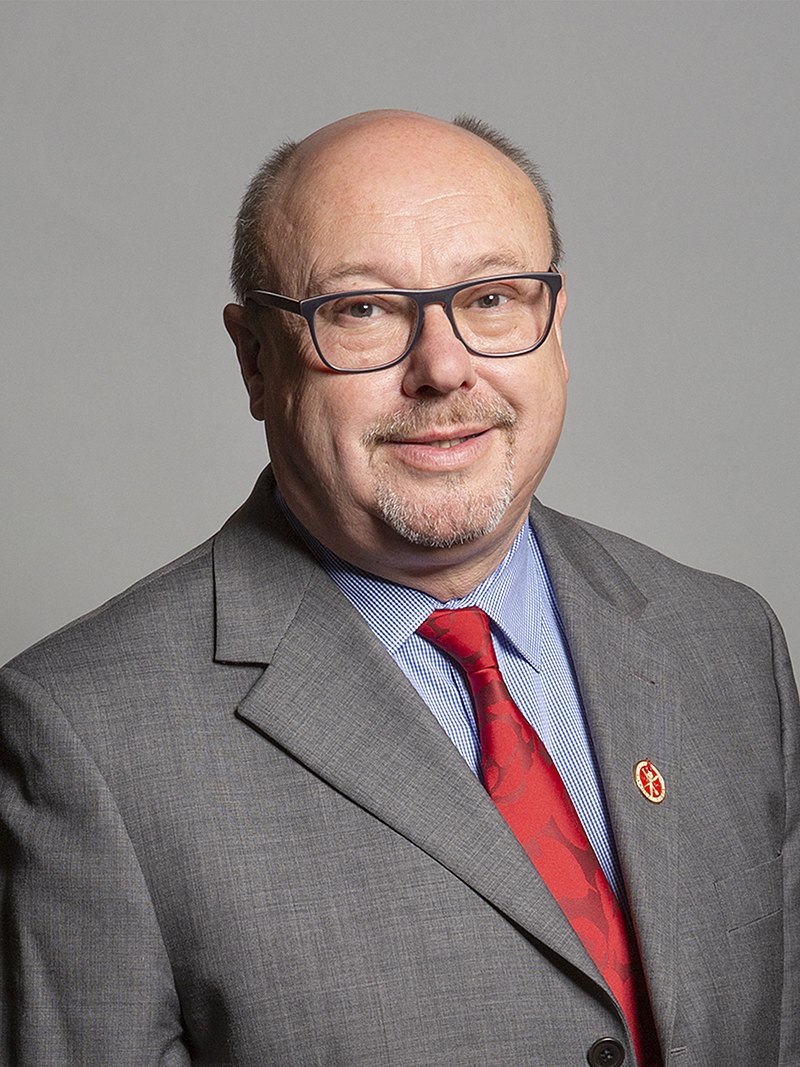
  • Grahame Morris – 2022 Speech on Violence in Prisons

    Grahame Morris – 2022 Speech on Violence in Prisons

    The speech made by Grahame Morris, the Labour MP for Easington, in the House of Commons on 19 January 2022.

    I beg to move,

    That leave be given to bring in a Bill to establish a duty on Her Majesty’s Prison and Probation Service and private prison operators to minimise violence in prisons; and for connected purposes.

    I will endeavour to follow your advice, Madam Deputy Speaker, about good temper and moderation.

    I would first like to express my gratitude to all staff working in prisons. It is an incredibly challenging job, and even more so with covid and the many challenges they face with the latest omicron wave. Over 90% of prisons are currently outbreak sites, and I am told by the Prison Officers Association trade union that this is up from just three establishments a month ago. That has caused critical staffing shortages, as well as all the dangers to public health that follow.

    On top of this recent threat to the health of staff and prisoners, there is the ever-present threat to their safety from prison violence. The sky-high level of violence plaguing our prisons makes rehabilitation inside practically impossible, meaning that offenders often leave prison more damaged and dangerous than when they arrived. That leads to more reoffending, costing tens of billions of pounds a year and causing misery for millions of victims and their loved ones who have to live with the consequences of even more crime. The prison lockdowns throughout the pandemic have thankfully reduced assaults from the all-time highs that we saw in 2019, but Ministers must now learn the right lessons and not rely on long lock-ups in future or revert back to a business-as-usual approach.

    The new “Prisons Strategy” White Paper is a golden opportunity for urgently needed change if Ministers will only commit to doing whatever it takes to tackle both prison violence and, indeed, the causes of prison violence. My Bill aligns with the White Paper’s stated aim of reducing prison violence and uses the paper’s framework of key performance indicators—“management targets” in common parlance—to achieve this. KPIs are already used in private prisons to reward or penalise their operators, but the Government’s new strategy extends these targets and adds new ones to public sector prisons too. It is obvious that the new KPIs need to include safety for both prisoners and staff but, curiously, this commitment is entirely missing from the White Paper. My Bill seeks to correct that omission. It would enshrine a statutory duty on prison management—whether in the public or private sector—to minimise violence. If KPIs are the Minister’s preferred method of choice, that is the method we will use here too.

    Currently, the only prison safety targets involve serious assaults, and such assaults must involve hospital treatment. This needs to be extended to all kinds of violence, if Ministers are serious about a zero-tolerance approach to bad behaviour. Penalties could include fines for both public and private sector operators, with the money raised going towards making injury compensation schemes fit for purpose by widening the scope for claims, removing the unfair barriers throughout the process, and lifting awards to reflect the bravery and commitment shown by prison officers and other staff working in our prisons system.

    Even Ministers accept that staff cuts of more than 25%—in the name of austerity— have triggered the crisis. This is evidenced by the recent rush to recruit more prison officers, but resignation rates have gone through the roof, with more officers now leaving the service each week than joining. The White Paper actually calls for an extra 5,000 prison officers to run the new generation of private prisons, but how will the Minister do that in the light of the last failed recruitment drive?

    The second part of my Bill would enshrine in law a range of initiatives designed to protect staff and prisoners from violence and to encourage staff, especially prison officers, to stay in the job. The most wide-ranging of these is the “Safe inside prisons” charter. This set of reasonable and straightforward principles for safe systems of work is endorsed by the Joint Unions in Prisons Alliance, a coalition of nine prison unions: the Prison Officers Association; the University and College Union, which represents prison educators; the Royal College of Nursing; the British Medical Association; the National Association of Prison Officers; the Public and Commercial Services Union; Unison; the GMB; and Unite the Union. I am more than happy to declare that I am chair of the Unite the Union parliamentary group. [Hon. Members: “Hear, hear.”] Thank you. Those unions have long called for the Ministry of Justice to adopt the charter and mandate other prison employers to do the same. Unfortunately, it seems that Ministers will not consider this until every recognised union signs up. That seems to me to be a rather flimsy excuse for inaction. Instead, let us make it the law—we might call it the “safer inside” law.

    Some other vital steps that we could take in order to hold on to staff may be beyond the scope of my Bill, but I will outline them anyway. First, the Government could accept all the pay review body recommendations, including the £3,000 pay rise for entry-level prison officers, and make sure that future advice is legally binding on Ministers. Secondly, we could cancel all plans for new private prisons until we get to grips with why they are up to 50% more violent than publicly run prisons. Thirdly, we could bring the prison officer pension age back down to 60, because 68 is simply too late. There are many other ways to make prison staff feel rewarded and not exploited, but I am afraid I do not have the time to go into that today.

    Above all, my aim with this Bill is to focus minds on the terrible conditions that face both staff and prisoners in our prisons, and to start a national conversation about how we may solve this crisis. It is time to replace warm words with action. If Minister will not act, we must work together across party lines—I am grateful to all right hon. and hon. Members from across the House who have indicated their support for my Bill—to pass the “safe inside” law ourselves. I therefore humbly request that my Bill be given due consideration and passed into law.

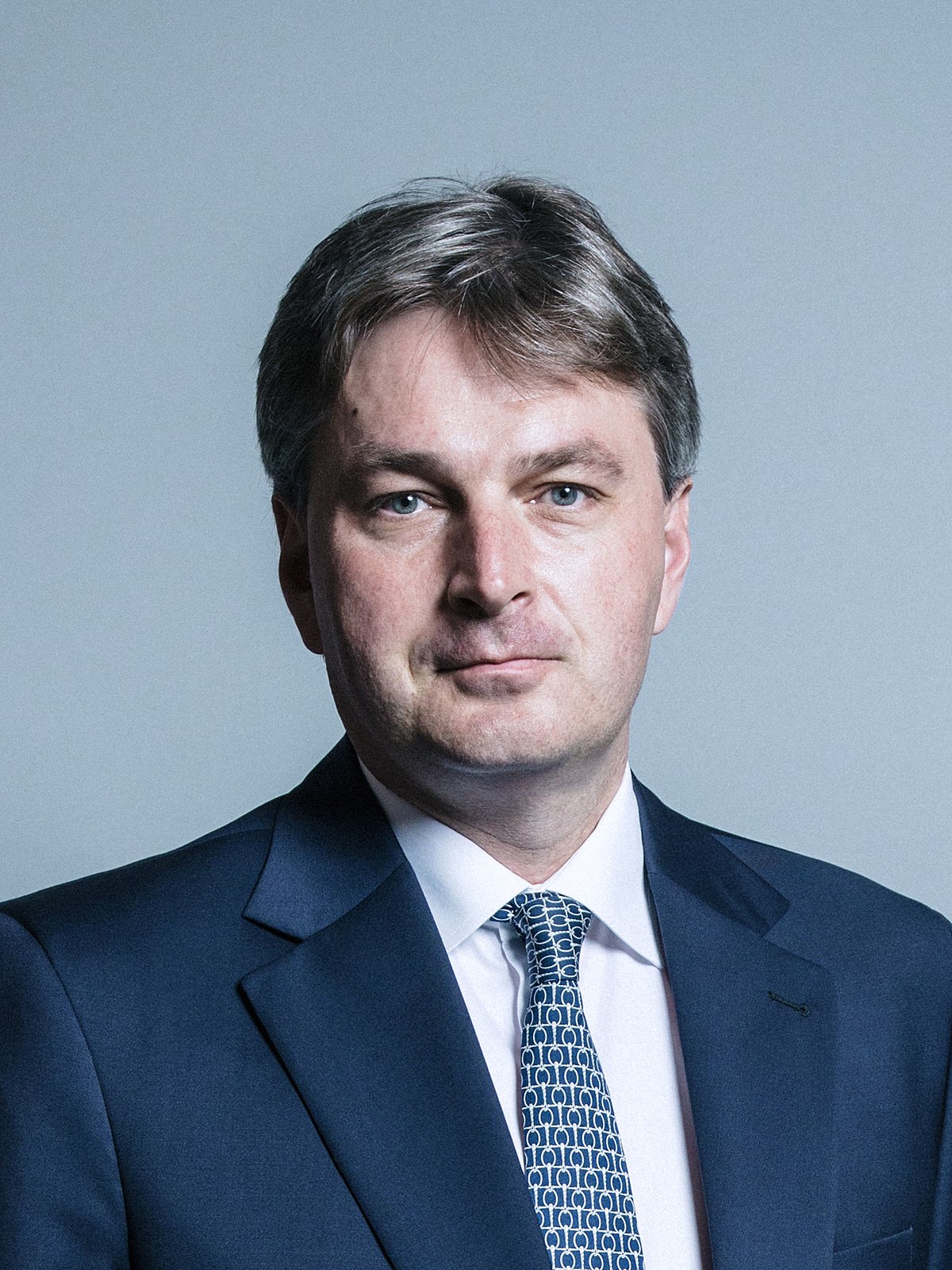
  • Daniel Kawczynski – 2022 Personal Statement Apologising for his Conduct

    Daniel Kawczynski – 2022 Personal Statement Apologising for his Conduct

    The statement made by Daniel Kawczynski, the Conservative MP for Shrewsbury and Atcham, in the House of Commons on 19 January 2022.

    With permission, Madam Deputy Speaker, I will make a personal statement to the House.

    Last week, the Committee on Standards published a report on my conduct following a complaint from Sir Stephen Irwin, the chair of the independent expert panel, that I had not abided by a determination of the IEP that I apologise unequivocally to the House for my behaviour in bullying members of House of Commons staff. I sincerely apologise for my conduct, which led to this investigation. I acknowledge that in speaking to journalists and the radio, I undermined the sincerity of the apology that I gave the House on 14 June 2021. I am sorry that my conduct will have had a further harmful effect on the complainants, and that it may have diminished public confidence in the process. I will be sending a written apology to the Parliamentary Commissioner for Standards, the chair of the independent expert panel, and the original complainants.

    I am conscious that my conduct may have merited suspension from the service of the House for a longer period, and appreciate the Committee’s consideration of the difficulties that I was experiencing in my personal life at the time and the mental health issues that I explained to it. I accept that speaking out in the way I did to the media had a detrimental effect on the House’s conduct policy by undermining the integrity of the complaints process, and I deeply regret my actions. I am committed to learning from the mistakes I have made, and to working on my personal development, especially in my communication with others in every interaction that I have. I hope that others will learn from my experience, and I should be happy to share what I have learnt with others.

    The House has rightly worked hard to change its culture so that everyone who comes on to the estate, or has any dealings with Parliament, feels safe from bullying or harassment. I want to do everything I can to assist in that, and I regret that my actions fell short.

  • Sarah Owen – 2022 Speech on the Misuse of Fireworks Bill

    Sarah Owen – 2022 Speech on the Misuse of Fireworks Bill

    The speech made by Sarah Owen, the Labour MP for Luton North, in the House of Commons on 21 January 2022.

    I beg to move, That the Bill be now read a Second time.

    I am grateful to present my Bill for Second Reading. I appreciate fireworks’ beauty, as we all do—how they can light up the sky and add magic and awe to our special occasions. I am here not to spoil the fun of fireworks, but to bring forward some common sense solutions that I hope the Government will take on board.

    There is a harmful side to fireworks that must be addressed and challenged. We have spoken before in the House about the fire safety hazards, their use as weapons, and the extreme nuisance that the noise can create, but the Government are yet to bring in any meaningful regulations. We have a debate almost every year about the nuisance of fireworks, yet regulations have not followed.

    In the Bill, I call on the Government to show compassion to the communities affected by the relentless use of noisy fireworks by committing to limit the volume of fireworks, increase the minimum fine for the misuse of fireworks, review the laws around the licensing of sellers, and consult with relevant charities to ensure that their reforms are informed and effective. Last year, more than 300,000 of our constituents signed a petition calling for Government restrictions on the sale and use of fireworks. One of my residents in Luton North started a petition to make fireworks silent, while more than 13,000 people signed a similar petition on the Government website to call for quieter fireworks. That is where I will start.

    The current decibel limit for fireworks is 120 dB. I am not sure that many people could say exactly how loud that is, so to put it into perspective, the legal sound limit for a rock concert is 107 dB. I am painfully aware how old it makes me sound to say “rock concert”, but that is how it is described. A Formula 1 race typically reaches 140 dB. One of the loudest ever recorded sounds is a volcanic explosion that reached 172 dB. The pain threshold for humans is breached by anything above 130 dB, yet our limit for legal firework noise sits between that and a rock concert. That simply does not make sense.

    Jessica Morden (Newport East) (Lab)

    I thank my hon. Friend and fellow Whips Office colleague for bringing forward a brilliant private Member’s Bill, which will be hugely appreciated by many residents of Newport East and by my local Royal Society for the Prevention of Cruelty to Animals. On the issue of noise, does she agree that we need to do something about illegally imported fireworks, which are so much noisier and more powerful, that are sold online?

    Sarah Owen

    My hon. Friend makes a very important point, one that I hope to come on to later in my speech, specifically in relation to licensing and tightening up licensing laws.

    The Royal National Institute for Deaf People states that even a short exposure to sounds of 110 decibels to 120 decibels can cause harm to hearing. Noise-induced hearing loss damages the delicate inner ear. The effects may appear immediately or emerge over time, but either way the damage is not reversible.

    Dr Neil Hudson (Penrith and The Border) (Con)

    I congratulate the hon. Member on bringing forward the Bill and on highlighting the importance of improving the regulation of fireworks. As a veterinary surgeon, I have had the sad misfortune to have had to prescribe on numerous occasions sedation for dogs around the time of bonfire night, because of the dreadful effects fireworks have on them. I have also, sadly, witnessed the fear, flight and fright response of large animals: farm animal livestock and horses that stampede, panic, run through fences, damage themselves and run on to roads because of fireworks. I am grateful to the hon. Member for speaking about the effects on human health, but does she agree that firework regulation should take into consideration the effects on animals, too?

    Sarah Owen

    Absolutely. I am very grateful to the hon. Gentleman for his intervention, and for the experience and expertise he brings to this place in raising that point.

    As a bare minimum, we must change the maximum limit to 90 decibels. I am aware that that measure alone does not tackle all the issues, such as the one the hon. Gentleman has just raised, but it will make a strong start in addressing the impact of fireworks.

    For my constituents, fireworks are not just a disturbance on bonfire night or new year, they are a constant year-round and sometimes weekly nightmare. When I have posted on social media about the frequency and intensity of fireworks in Luton, I have been flooded with streams of distressing stories from constituents. One Luton resident wrote that she had become so accustomed to the intrusive noise of fireworks that, shockingly, when someone was shot outside her home, she did not call the police or an ambulance because she did not register the sound as unusual. The person, thankfully, survived, but my constituent was no less shaken.

    Paul Howell (Sedgefield) (Con)

    Does the hon. Lady agree that one of the big problems with fireworks is the way they have evolved? I am probably a little bit older than she is, but my first experience with fireworks was a rocket in a bottle in the backyard and the rocket struggling to get above the house. The fireworks that can now be bought are such powerful beasts. The issue is not just about animals or people: as the son of a fireman, I know there are other implications as well.

    Sarah Owen

    From the son of a fireman to the daughter of a firefighter: I wholeheartedly agree. Legislation has not been able to catch up with the speed of development of fireworks.

    When I spoke in a debate on this issue in November, a local Luton parent wrote to me about her experience, which sums up the distress that fireworks cause. She wrote:

    “We can hear fireworks every single night. Without exaggeration, I counted, they can go off every 10 minutes between 6 pm and midnight. Sometimes at 1 am. The stress caused by them is enormous and growing. My child is terrified. To a point where she screams and begs me to stop them. We have to put on a white noise sound on a tablet in her room in order to reduce the sound of the bangs. If she wakes up, she cries, shivers and goes back to sleep with earmuffs on. Before bedtime she begs me for no fireworks. Mental health in our family is in pieces. I am genuinely worried about the wellbeing of my daughter. We can’t live like this.”—[Official Report, 8 November 2021; Vol. 703, c. 10-11WH.]

    Mike Wood (Dudley South) (Con)

    I thank the hon. Lady for giving way; she is being very generous. Her constituent relates a very sad story. Does she agree that fireworks being set off for days or in some cases weeks either side of festivals and outside of the normal regulated permitted time makes it even more difficult for people to shield, whether young people or pets, from the distress caused by noisy fireworks?

    Sarah Owen

    I wholeheartedly agree. This is not just about the noise of the fireworks, but also the unplanned and unexpected nature of them, which really impacts communities.

    The testimony I read out has stuck with me. As a mum of a toddler, I know that disturbing a child’s sleep—or, for that matter, a parent’s—is no joke. The fireworks around us in Luton are sometimes so loud that my daughter’s baby monitor lights up red. That is with double glazing and all windows and doors shut. Many of us will know that the next day with a young child who has not had a full night’s sleep is absolutely no fun at all—it is not a fate I would wish on even my strongest opponents here.

    Many colleagues will also be pet owners. Luckily, my dog Herman is a fairly chilled out chap when it comes to fireworks, but I have had reports from pet owners in Luton where the impact of the fireworks on their pets has turned their household upside down. Their beloved animals are scared, fearful and shaken, even after the noises have stopped.

    A 2021 report by Cats Protection found that 63% of cats in the UK are negatively affected by fireworks. Cats can presume themselves to be in danger from sudden bursts of light and loud noise. In response to a threat to their safety, cats often bolt out of the house and put themselves in danger of traffic or get lost beyond their owner’s reach. That is of course devastating for the owner, but if a cat thinks its life is in danger, nothing can get in its way.

    For dogs too, continuous fireworks can cause long-term stress, as we have heard, which can lead to behavioural problems and heartbreaking health consequences. As I said earlier, constituents have reported their pets shaking, crying and even having seizures long after the bangs have stopped.

    Lowering the legal decibel level for fireworks does not solve that problem alone. What I am proposing today is a positive start for legislative change. Our domestic and wild animals need tighter laws around when fireworks can be licensed to be displayed and sold. If restricted to only be sold around permitted celebrations, such as fireworks night, new year’s eve, Diwali, Eid and the lunar new year, people with mental health issues, parents and pet owners can at least make preparations to minimise the impact of fireworks.

    There must also be a review into who is permitted a licence to sell fireworks. Currently, retailers do not need a licence to sell around the celebration days I have mentioned. A review must also look into who is permitted to set off fireworks. Some stakeholders such as the Dogs Trust urge the Government to limit fireworks licensing to organised public displays only, with local authority approval. Currently, there is no legal requirement to have a licence for setting off consumer fireworks in the UK. Literally anyone can set off some rockets and a Catherine wheel in their garden with no training and no safety requirements. Surely that cannot be right.

    Unfortunately, there are also people who deliberately misuse fireworks to cause harm and distress to others, which is completely unacceptable. That is why I have called for tougher minimum fines in my Bill. We know that the toughest sentences for misusing fireworks are very rarely used. A fixed penalty charge notice just does not cut it as a deterrent or a punishment when fireworks can often cost many hundreds of pounds, and it does not reflect the negative impact on our communities.

    There is another group who have spoken to us who are severely impacted by noisy and reckless fireworks: veterans. I have no idea what traumas they have lived through, although some Members of this House will know. Their service to our country in volatile war zones can leave them with post-traumatic stress disorder, anxiety, depression or a combination of mental health problems. Servicemen and women can experience heightened stress at times of the year when fireworks intensify, such as on bonfire night. The sudden flashes and bangs of fireworks can bring back memories of the horrors of war. After all they have enduring in their courageous work, that is simply not another terror they should or need to experience.

    My hon. Friend the Member for Luton South (Rachel Hopkins) found discarded boxes of fireworks during a campaign session. They had names such as “Rain of Terror”, “Big Bomb” and “All Out War”, which shows that many fireworks are not marketed as something beautiful, but as something loud, and something to be scared of.

    At key times of celebration, veterans can make plans to avoid fireworks displays to protect their mental or physical health. However, in places where fireworks are a regular occurrence all year round, they can find themselves in a constant state of anxiety. Combat Stress told me:

    “We see a higher rate of distress in veterans accessing our services in November.

    Not only is it challenging because of the grief surrounding Armistice, but the sound and sudden unexpected bangs of fireworks can be reminders of frontline combat where they were exposed to the horrors of war in service to this country.

    Firework displays bring people together and create a lot of joy for spectators. We don’t want to ruin anyone’s fun but we urge the public to understand how distressing noisy fireworks can be for military veterans.”

    Nia Griffith (Llanelli) (Lab)

    I really applaud my hon. Friend for choosing misuse of fireworks as the subject of her Bill. The measures that she wishes to bring in would be absolutely fantastic, so I hope that she will have Government support. Does she agree with me that, together with those measures, an education campaign is needed to put the word out about how dreadfully people can be affected?

    Sarah Owen

    I wholeheartedly agree. I think that people do not fully understand the impact of fireworks, the changes that have been made to them and how loud they have become. If many people understood what a particular decibel level was and the impact that it would have on the wider radius of their neighbourhood or community, they would perhaps think twice about using them.

    I hope that none of us will make a judgment that the veterans charity Combat Stress—or any other organisation that has expressed concerns about fireworks in support of our brave and struggling members of the forces—is trying to ruin anyone’s fun. As I have said, the measures that I suggest in this Bill are common-sense reforms that also show compassion to veterans who have already been through unimaginable trauma.

    Of course, it is not only ex-servicemen and women who suffer from post-traumatic stress disorder. Mental health problems are experienced by people from all backgrounds; as a society, we are gradually beginning to recognise how we can adapt to their needs and show sensitivity. I just want to share one example. During the recent lockdowns, in Northwell in Luton North we had some community clear-up days. Neighbours went door to door to involve people in those clear-up days, and there was one house with a garden that was terribly overgrown. They had never seen the person living there come out of the house. Deniece Dobson, who was running that community clear-up and has been an absolute stalwart and leading light of it, knocked on the door—it was somebody who lives four or five doors away from her—and it was the home of a veteran who was suffering from PTSD. She could not go out; she said how distressing the fireworks had been. I am so grateful to Deniece and all the people around her and in that community who took the time and made the effort to clear up and to get to know their neighbour. But to hear that fireworks were having such an impact on someone who served our country was truly worrying.

    Jonathan Reynolds (Stalybridge and Hyde) (Lab/Co-op)

    I thank my hon. Friend for bringing this Bill forward today. I think the whole House can agree that this is an area where the law has not kept pace with developments, and that what my hon. Friend has put forward is well researched and well argued. Although the timescale of the day means that the Bill is unlikely to proceed, I just wanted to place on the record my thanks and support for the Bill from the Dispatch Box.

    Sarah Owen

    I thank my hon. Friend. I am grateful for everyone’s interventions and support. I think we can all agree that it is crucial that, in taking this legislation or any other relevant changes forward, the Government—I urge them to do this—consult veterans charities and mental health organisations to learn from the people affected about the very real impact that fireworks have on their lives, hear their wisdom and show a willingness to learn. It is clear that there are simple steps, laid out in my Bill, that could go a long way in ensuring that our children, pets, animals, veterans and all our neighbours have a much more peaceful life.

    Firework displays can be a really beautiful and joyful spectacle without being so loud that they become medically and mentally harmful. Limiting the noise to 90 dB and reviewing who can sell and use fireworks will go a long way to solving the issues faced by residents in Luton North and thousands of other people across the country. The noise from fireworks is currently unreasonable and unregulated. Thankfully, today we can go one step further towards changing that. I hope that Ministers will work with me and support the measures laid out in this Bill.

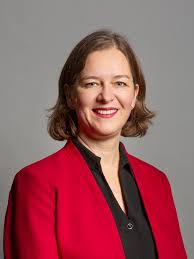
  • Fleur Anderson – 2022 Speech on Cladding in Putney

    Fleur Anderson – 2022 Speech on Cladding in Putney

    The speech made by Fleur Anderson, the Labour MP for Putney, in the House of Commons on 21 January 2022.

    Thank you, Madam Deputy Speaker, for granting this debate on the impact of unsafe cladding in Putney. I thank the Minister for taking the time to respond today. I also thank all those who are watching, who may increase the audience for this debate considerably, as it is on an issue of huge importance to my constituents in Putney, Roehampton and Southfields. I have been campaigning on it for over two years now, since I was elected. It is one of my biggest campaigns, so I am very grateful to be given this time—an unusual amount of time to be able to explain the impact of cladding in Putney, which echoes the stories and experiences of people affected by cladding all over the country.

    First, I thank the UK Cladding Action Group, the Leasehold Knowledge Partnership and the End Our Cladding Scandal campaign, and all the cladding campaigners locally, for campaigning relentlessly on the issue. I am with you in the fight.

    I will talk today about some of the failures of the Government to respond to the cladding crisis. Developers have checked out of many developments that they built shoddily and have moved on. So will the Government really be able to bring them to the table? The building safety fund is failing. It is too slow and has too many exemptions, and there is nothing in the Building Safety Bill to actually protect leaseholders. Will it all be hot air? These are the questions that I will be asking.

    Madam Deputy Speaker, imagine that you had worked really hard and saved for your entire life to buy your first property. You find your dream flat—there are many dream flats in Putney; it is a wonderful place to live—and you have your offer accepted. You invest your life savings to complete the purchase. You buy the flat in good faith, no doubt having been serenaded by an estate agent and after the council searches have come back clean as a whistle. You are good to go ahead. Everything has fallen into place. You have planned your new life and you move into your new home.

    Then you are told, after you have signed on the dotted line, that because of the wanton recklessness and corner cutting of a cowboy developer, your new home is actually riddled with fire safety issues. It is a deathtrap. And you are asked to stump up £50,000 or more to get it fixed. You either do not pay, or you will be forced to pay, or bankrupted. Even if you could pay, it will not get fixed straightaway; it might get fixed in two, three or four years. You do not know what the schedule will be; you are at the mercy of the managing agents and the developers. Until then, you are stuck and, as in many cases, bankrupt.

    It sounds like an absurd situation and something straight out of “Rogue Traders”, but it is actually the exact experience of thousands of leaseholders in Putney, Roehampton and Southfields, and it has happened on the Government’s watch.

    As I will explain, the Government’s announcement last week was welcome. It is a step change and new words. However, it will do little yet to change the reality. It is important to realise that behind the numbers, the surveys and the technical language, there are people who are having their lives ruined. I will say something about the impact that is having on them.

    One constituent said to me:

    “I am living this nightmare every day as this mess continues to drag on. I ask you; you tell me, ‘What’s the point of living a life like this?’ I am starting to get sick again and I’m finding it super hard to carry on.”

    Another constituent has said:

    “I’ve been diagnosed with stress-induced epilepsy and I’m now on medication for the next 5 years as a minimum. I’m at risk of being declared bankrupt, and this may mean I am jobless, as my profession depends on this. Critically vulnerable leasees are facing ever-mounting financial pressures and are unsure they can keep going.”

    Another constituent, who is father to a young family, said:

    “We are like prisoners for the mistake we have not made.”

    He finished by saying something that was painful to read:

    “Do we need to commit suicide to be heard by others on this issue?”

    I have heard similar comments by others who feel desperate.

    Another constituent, who has terminal cancer, wrote:

    “At the moment, I am facing a bleak death. I had hoped I could use the capital from my flat (I own 25%, Notting Hill Genesis own 75%) to either fund future hospice care or transfer to sheltered housing… However, I am unable to sell this flat, and am pretty much trapped here.”

    I could go on. The mental and physical health impact on leaseholders across the country is phenomenal.

    I am afraid that the optimism and good words contained in the Secretary of State’s announcement last week belie a real grasp of what is happening. The urgency of the situation has not been seen by the Government so far, because we are years after Grenfell and we are still in this situation. I have had residents from 30 blocks in my constituency reach out to me in the past two years. I have had numerous meetings with them, with developers and with managing agents, and this is the ninth time that I have spoken about this in the House. I will outline some of the cases because they are good examples not only of what is happening to those people—these are specific cases that need to be addressed by the Government—but of what is being experienced by so many people around the country.

    I will start with the Riverside Quarter, a huge development that was developed and owned by Frasers Property Ltd. Shortly after the Grenfell fire, eight of the buildings failed fire safety tests and Frasers told leasees in the four older blocks that, since it had no remaining financial interest in the buildings, under leasehold law those leasees would have to pay. So it fixed the cladding in four blocks but would not fix it in the other four blocks.

    Although Frasers has been able to secure funding through the building safety fund for three of the four remaining blocks, the fourth block was denied funding due to a slightly different final coat of render being used. The internal fire risks are identical in all four blocks, but this seemingly arbitrary technicality resulted in the Ministry of Housing, Communities and Local Government turning it down.

    On 15 December last year, Frasers sent a notice that under its lease terms it will be charging the 204 leaseholders over £4.2 million for unfunded fire repair costs. Charges per flat will be as high as £72,000, on top of those 204 leaseholders having to pay £170,000 a year between them for waking watch, which they call sleeping watch. This is a prime example of developers who are also freeholders ignoring the Secretary of State’s stated intentions.

    The second development is the Swish building, in east Putney. Over two years ago, unsafe, non-ACM cladding was discovered on the Swish. It has been at stage 2 of the building safety fund application for over a year. The timber part of the application has been rejected and the freeholder, Tapestart Ltd, is nowhere to be seen. Work to fix the cladding should have started in September 2021, yet residents are nowhere even close to receiving approval for funding. There has been delay after delay, with no clear transparency from the managing agent, Trinity Estates.

    Next is 2, 6 and 8 Hardwicks Square. Unsafe cladding was discovered, following an EWS1 assessment in 2018, in which it scored a B2 rating. Residents applied to the building safety fund over a year ago. They were left in the dark about the application for nine months, but then told that there were more defects than had been thought, so the application needed to go back to the drawing board. It is still pending and they are still waiting. They are paying for waking watch to the tune of £45,000 a month and have had an eye-watering 500% insurance hike. The ultimate freeholder is Blackstone, a private equity company. Will Blackstone be speaking to the Secretary of State as part of the roundtable discussions?

    Next door to Hardwicks Square is the Filaments development, where the developer has agreed to pay for remediation. That shows that some developers do pay up, and I commend them, but there are several major fire safety defects. Everyone in the development has been waiting for two years. They have experienced delay after delay, and residents are incredibly anxious. Will the Government set a final deadline for works to be done everywhere, no matter who is paying for them?

    The Radial development has not received funding for the remediation of unsafe, non-ACM cladding found on the block, despite the application having been made in July 2020. What is the delay? It is getting ridiculous. I wrote to the freeholder, the ominously named Godfather Investments, 18 months ago, urging them to take responsibility and I received the following chilling response:

    “We have taken legal advice on the whole issue of liability for unsuitable cladding and it is well documented that in circumstances such as described…the Freeholder has no liability. With respect, we find the suggestions contained in your letter to be wholly disingenuous and counterproductive.”

    I hope that the Secretary of State is also speaking to Godfather Investments, that they have changed their tune and that they will be supporting the remediation of cladding.

    One of the smaller affected blocks is Mill Court development, which is interesting because it is under 11 metres high, so it does not come within the remit of the building safety fund. Yet residents have been told they face costs of around £1 million for remediation works. The Building Safety Minister, Lord Greenhalgh, recently said he was “appalled” when he heard about the case and Optivo’s extensive remediation plans for such a small building. However, Optivo is still intending to move ahead with remediation works, subject to the announcement of further Government guidance. Does the Minister agree with Lord Greenhalgh’s assessment? If buildings under 11 metres are declared unsafe, will they be added to the remit of the Fire Safety Bill?

    Finally, I want to highlight Percy Laurie House, which is over 18 metres and was assessed as having a form of cladding requiring remediation. The residents made an application to the building safety fund, but again it has now been a year since they made it and, despite following up frequently, the application has remained pending for 12 months. It is a familiar story, and it is causing enormous anguish.

    Let me be clear: I welcome many aspects of the recent announcement from the Secretary of State, which echo much of what the Labour party and I have been calling for for the past two years. However, the situation on the ground in Putney exposes several realities that the Secretary of State has not yet grasped. First, what assurances are there that developers are coming to the table? I understand that developers had a meeting with the Secretary of State yesterday: I would like to know who came to that meeting, and for leaseholders to be assured that developers are taking action and things are moving ahead. Can they have hope? Will they be able to sleep at night again? Too many developers I am in contact with seem to have just checked out of the process.

    Secondly, the building safety fund is clearly riddled with serious flaws. It is arbitrarily denying funding for certain types of cladding, and it is painfully slow. Application success seems to rest on the competency of the property manager, rather than the safety of the building. As the constituency MP, I should not need to chase application updates for residents: the whole safety fund needs an overhaul. To give perspective, in two years that fund has only funded 18 out of the 1,000 buildings that need work—that is 1.8%.

    Thirdly, what about buildings under 11 metres? There is a gaping hole there, and as the case of Mill Court shows, withdrawing the consolidated advice note has not stopped fire safety works proceeding and the costs being passed on to leaseholders.

    Fourthly, what about non-cladding defects? Why the omission? We cannot just make a building half safe. I have many constituents facing ruinous costs for non-cladding fire safety defects, who seem to have been abandoned by the Government.

    There is only one way to end this nightmare for leaseholders, which is the one thing that the Government have so far refused to do: put cast-iron legal protections for leaseholders from the costs of remediating any historic cladding and non-cladding defects on the statute book. That could have been done this week through the Building Safety Bill, but was not. The Government still have a few more opportunities to do so, but they are fast running out of time. I seek assurances from the Minister that it will be done. Ministers have promised 18 times to protect leaseholders from ruinous fire safety costs, yet leaseholders in my constituency, at least, still cannot sleep at night for worries about their building and the costs they may have to pay for. I stand with my affected residents and leaseholders in Putney, Roehampton and Southfields, and we say to the Government, “No more hot air. Time to put your money where your mouth is and end this misery.”

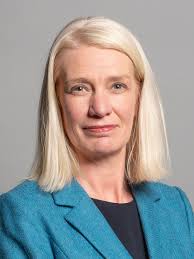
  • Amanda Milling – 2022 Statement on British Council Staff in Afghanistan

    Amanda Milling – 2022 Statement on British Council Staff in Afghanistan

    The statement made by Amanda Milling, the Minister for Asia, in the House of Commons on 20 January 2022.

    During August 2021, through a shared effort right across Government and our armed forces, we delivered the largest, most complex evacuation in living memory. Between 15 and 19 August, the UK evacuated over 15,000 people from Afghanistan. That included over 8,000 British nationals, and close to 5,000 Afghans who loyally served the UK—including British Council employees—along with their dependants. The UK also evacuated around 500 special cases of particularly vulnerable Afghans, including some British Council contractors, journalists, human rights defenders, campaigners for women’s rights, judges and many others. All former British Council employees have arrived in the UK with their family members. In August, the Government agreed to resettle more than 50 of the most vulnerable British Council contractors, many of whom have already arrived in the UK with their families.

    Travel in and out of Afghanistan remains difficult. The Foreign, Commonwealth and Development Office is providing assistance and supporting families who are eligible for resettlement in the UK. The Government have also agreed to consider British Council contractors for resettlement based on risk. On 6 January, the Minister for Afghan Resettlement announced the opening of the Afghan citizens resettlement scheme. In its first year, the Government will honour our commitment to offer ACRS places to the most at-risk British Council contractors, as well as GardaWorld contractors and Chevening alumni. The Foreign, Commonwealth and Development Office will be in touch with those eligible to support them through the next steps of the process.

    The British Council performed an important role in Afghanistan; it worked to support the UK mission in Afghanistan and to promote our values. The Government will do the right thing by British Council employees and contractors, including by resettling those contractors who are most at risk.

  • Brandon Lewis – 2022 Statement on the Petition of Concern Mechanism for the Northern Ireland Assembly

    Brandon Lewis – 2022 Statement on the Petition of Concern Mechanism for the Northern Ireland Assembly

    The statement made by Brandon Lewis, the Secretary of State for Northern Ireland, in the House of Commons on 20 January 2022.

    I am today laying before both Houses of Parliament the fourth report by the UK Government on the use of the petition of concern mechanism in the Northern Ireland Assembly.

    As part of the New Decade, New Approach deal upon which devolved Government was restored in Northern Ireland on 11 January 2020, the UK Government committed to undertaking such a report every six months.

    This report covers the period from 12 July 2021 to 11 January 2022 during which no petition of concern has been lodged against any motion in the Assembly.

    The fact that there have been no uses of petitions of concern since the restoration of the political institutions is a positive reflection of the conduct of business within the Assembly. However, I want to take this opportunity to reinforce the importance of a stable, mature, functioning Executive and Assembly that is focused on addressing the issues that really matter to daily lives.

    The UK Government are standing by their commitment to bring forward legislation that provides the necessary reforms to the petition of concern mechanism. The Northern Ireland (Ministers, Elections and Petitions Of Concern) Bill has completed report stage in the House of Lords. Once this legislation has completed its passage through Parliament and received Royal Assent, it is crucial that the Assembly reflects the detail of these reforms in its Standing Orders to ensure the full implementation of these aspects of the New Decade, New Approach deal.

    This is the final report of this Assembly mandate under the UK Government’s commitment to report on the use of the petition of concern. As there have been no uses of the petition of concern mechanism since the restoration of the Northern Ireland Assembly, we conclude that no further reform is necessary at this time.

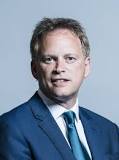
  • Grant Shapps – 2022 Comments on Rail Announcements

    Grant Shapps – 2022 Comments on Rail Announcements

    The comments made by Grant Shapps, the Secretary of State for Transport, on 21 January 2022.

    Train passengers are all too often plagued by an endless torrent of repeated and unnecessary announcements.

    In line with the passenger improvements, we are rolling out with our Plan for Rail we want to see improvements to the railways for those who use them day in day out.

    That’s why I’m calling for a bonfire of the banalities to bring down the number of announcements passengers are forced to sit through and make their journey that little bit more peaceful.

  • Vicky Ford – 2022 Comments on Situation in East Africa

    Vicky Ford – 2022 Comments on Situation in East Africa

    The comments made by Vicky Ford, the Minister for Africa, on 21 January 2022.

    The UK is deepening our ties with our partners across East Africa.

    As the region grapples with one of the worst droughts on record, the UK is providing vital food assistance to vulnerable communities in Kenya, Ethiopia, and Somalia and leading the global effort to support countries on the frontline of climate change.

    “The work of British International Investment across east Africa will provide honest and reliable finance, boost growth and create jobs both in the UK and in the region.

    I am pleased that there are efforts to make peace in northern Ethiopia, where the conflict has caused great suffering to many millions of people. The UK stands ready to support the peace efforts.

    And we are working with our partners in East Africa to tackle some of the key challenges in the region today: security and stability; severe humanitarian crises; getting more girls into school; and increasing access to COVID-19 vaccines.

  • Liz Truss – 2022 Speech at the Lowy Institute

    Liz Truss – 2022 Speech at the Lowy Institute

    The speech made by Liz Truss, the Foreign Secretary, on 21 January 2022.

    I’d like to begin by acknowledging the Traditional Owners of this land – the Gadigal people – and by paying my respects to Elders past and present.

    It’s great to be back in Sydney and at the Lowy Institute with my friend Marise Payne. As the UK sets out on its future as global Britain, we now have full use of our trade, our defence, our diplomacy, and our development policies, to be able to work with friends and partners across the world. And I see Australia as a real inspiration in that, in it with the work you do to promote free trade, freedom of speech, human rights, and rights for women and girls as a leading nation.

    And our close bonds now are more important than they’ve ever been. And we are doing more and more together. And it’s vital because of the growing threats we face.

    The Kremlin hasn’t learned the lessons of history. They dream of recreating the Soviet Union, or a kind of “Greater Russia” carving up territory based on ethnicity, and language.

    They claim they want stability, while they work to threaten and destabilise others.

    We know what lies down that path, and the terrible toll in lives lost and human suffering it brings.

    That’s why we urge President Putin to desist and step back from Ukraine before he makes a massive strategic mistake.

    Ukraine is a proud country with a long history. They have known invading forces before – from the Mongols to the Tatars. They suffered through the state-sponsored famine. Their resilience runs deep. If they have to, Ukrainians will fight to defend their country.

    Invasion will only lead to a quagmire, as we know from the Soviet-Afghan war or the conflict in Chechnya.

    Last week, at the NATO-Russia Council we sent a clear message to Moscow that any further incursion into Ukraine would bring massive consequences, including through coordinated sanctions hitting the financial sector, and individuals.

    This week, the United Kingdom announced a new package of training, support and defensive weapons for Ukraine to boost their defensive capabilities. And we’re working with our partners on high impact measures targeting the Russian financial sector, and individuals.

    We’re also strengthening our bilateral partnership following high-level talks in London in December – and we’re fostering new trilateral ties with Poland and Ukraine.

    We’re also pushing for alternatives in energy supply, so that nations are less reliant on Russia for their gas.

    We need everyone to step up. Together with our allies, we will continue to stand with Ukraine and urge Russia to de-escalate.

    What happens in Eastern Europe matters for the world.

    Threats to freedom, democracy and the rule of law are not just regional – they’re global. And that’s why we have to respond together.

    Iran’s nuclear programme has never been more advanced. China has been conducting military flights near Taiwan. And it is using its economic muscle to attempt to coerce democracies like Australia and Lithuania.

    Russia and China are working together more and more, as they strive to set the standards in technologies like artificial intelligence, assert their dominance over the Western Pacific through joint military exercises and in space through closer ties.

    The International Institute for Strategic Studies argues we are now seeing the “strongest, closest and best relationship” the two countries have had for 70 years.

    And we are seeing an alignment of authoritarian regimes across the world. It is no surprise that regimes like Belarus, North Korea or Myanmar find their closest allies in Moscow and Beijing.

    They don’t look to these nations as partners but as puppets. Moscow wants them to promote their propaganda and destabilise free democracies on their doorstep.

    At the same time, Beijing has forged a so-called “iron brotherhood” with Belarus. China is the biggest buyer of Iranian oil and Pyongyang’s largest trading partner.

    China and Russia have spotted an ideological vacuum and they’re rushing to fill it. They are emboldened in a way we haven’t seen since the Cold War.

    As freedom-loving democracies we must rise up to face down these threats. As well as NATO we are working with partners like Australia, India, Japan, Indonesia and Israel to build a global network of liberty.

    Aggressors are reneging on their commitments and obligations. They’re destabilising the rules-based international order and they’re chipping away at the values that underpin it. But they have nothing to offer in its place.

    The free world is different. We’re not defined by what we’re against but by what we’re for.

    We believe in freedom and democracy. We believe in individual liberty as the greatest transformative force on earth.

    When people have agency over their own lives, when they have freedom and opportunity, they achieve incredible things.

    As Prime Minister Scott Morrison said, “we know from the evidence of human history that democracies are the engine room of change.”

    We see this in the ideas and innovations that fuelled our fightback against COVID – from the University of Sydney’s Edward Holmes publishing the COVID genome… to Oxford’s Sarah Gilbert and her life-saving vaccine… to our shared efforts to distribute vaccines to those in need around the world.

    We want to work together to tackle the big problems we face. That does include working with countries like China and Russia where it’s necessary – on trade, tackling climate change, or bringing Iran to the negotiating table. But in doing so, we will stand up for what we believe in.

    In December, I welcomed G7 Foreign Ministers to Liverpool, together with Marise Payne and some of our other closest friends and allies.

    We expressed our concern about China’s economic coercive policies and we united to condemn Russia’s aggression. Together, we showed our determination to stand shoulder to shoulder for freedom and democracy around the world.

    We are continuing that vital work this week with our AUKMIN, our Australia-UK Foreign and Defence Ministerial Meeting, the first that we’ve had since 2018.

    And we’re determined to act together in three key areas.

    First, we will stand up for our economic security.

    That means calling out China when it blocks products from Lithuania or imposes punitive tariffs on Australian barley and wine.

    It means cutting strategic dependence on authoritarian regimes, starting with Europe’s dependence on Russian gas.

    I means helping countries avoiding having their balance sheets loaded with debt. It is estimated that 44 low to middle income countries have debts to Beijing in excess of 10% of their GDP.

    We’re responding on all of these fronts. And we’re strengthening our supply chains by taking our economic ties with like-minded nations to new heights.

    We took a huge step forward by signing our Free Trade Agreement with Australia in December.

    This is a world-class deal that will remove all of the tariffs on goods, both ways.

    It will be easier for our people to live and work in each other’s countries, particularly those under 35.

    We are building on this by working with Australia to join the Trans-Pacific Partnership – reinforcing the reliability of supply through one of the largest free trade areas on earth.

    We’re also working together to provide low and middle income countries with honest and reliable alternative sources of investment.

    In November, I launched British International Investment, helping to mobilise up to £8 billion a year of public and private financing to these countries by 2025, leveraging the firepower of the City of London.

    Yesterday, Marise Payne and I agreed on closer UK-Australia cooperation to boost opportunities for investment across the Indo-Pacific – particularly in areas like energy, climate change, adaptation and technology.

    And we are working together to impose sanctions on human rights abuses and to keep those using forced labour out of our supply chains.

    Second, freedom must be defended and that’s why we are deepening our security ties.

    Last year in our Integrated Review, the UK we set out a new deterrence posture – including the biggest increase in defence spending since the end of the Cold War.

    We need to see everyone stepping up in this way. Too few of our NATO allies are meeting the 2% spending target. So it’s great to see that Australia is also increasing its commitments to our collective security.

    The power of our partnership has been demonstrated time and time again.

    We will forever remember those from Australia and New Zealand who gave their lives for freedom on the historic battlefields of Europe, the Mediterranean, North Africa and the Pacific.

    The depth of our commitment remains plain to see today… from the 5 Eyes intelligence partnership… to the Five Power Defence Arrangements with our friends Singapore, Malaysia and New Zealand… to the Carrier Strike Group which visited the region last year, led by HMS Queen Elizabeth.

    Our forces exercised in the South China Sea with ships and aircraft from Australia and other partners – standing up for our mutual interests, and supporting regional stability.

    And of course last year we finalised our landmark AUKUS partnership.

    With this deal, we’ve opened a bold new era in our long history together.

    By joining forces with the US we are showing our determination to protect security and stability across the region. We are helping Australia acquire a nuclear powered submarine, and also means deeper cooperation between our three nations on advanced capabilities like cyber, AI and quantum. We want to use this deeper expertise to help support stability with partners right across the Indo Pacific.

    I’m looking forward tomorrow to visiting the shipyard in Adelaide, where the UK and Australia are building new Type 26 Frigates. And Adelaide will of course play an important role in developing the new AUKUS submarines.

    This is a truly formidable and cutting edge partnership – and we are determined to continue strengthening it for the benefit of us all.

    Finally, we are boosting our cooperation on technology.

    Technology has empowered people by enabling incredible freedom, but we know it can be seized upon by others to promote fear.

    We cannot allow the technologies of the future to be hijacked for malign ends – whether it’s cyber attacks, or building high-tech surveillance states through facial recognition software and AI.

    Global technology standards must be shaped by the free world.

    That’s why we want to go further and faster by deepening our science and tech collaboration.

    Just as Australia has banned Huawei from its 5G network, we are stripping high-risk vendors out of our infrastructure. And we are embracing Australian expertise – for example to bring the state-of-the-art 5G to the London Underground.

    Delivering our strategic advantage in science and technology is an absolutely vital objective of the integrated review.

    And so I am pleased that this week we’re launching our new Cyber and Critical Technology Partnership with Australia – aimed at tackling malign actors, strengthening supply chains and harnessing tech to support freedom and democracy.

    Building these partnerships and drawing other countries closer to the orbit of free-market democracies, will ultimately make us all safer and freer in the years to come.

    That is why it is time for the free world to stand its ground.

    We need to face down global aggressors.

    We should be proud of our ideas and our ideals – clear about what they have brought to mankind, and even more ambitious for what we can do together in the future.

    Forty years ago Margaret Thatcher gave the Sir Robert Menzies lecture in Melbourne. She said: “Where freedom…exists, I seek to expand it; where it is under attack, I shall defend it; where it does not exist, I shall try to create it.”

    I cannot think of a better friend than Australia to work with on this vital endeavour. We can make great things happen.

    Thank you.