Blog

  • Sadiq Khan – 2022 Comments on Russian Oligarchs

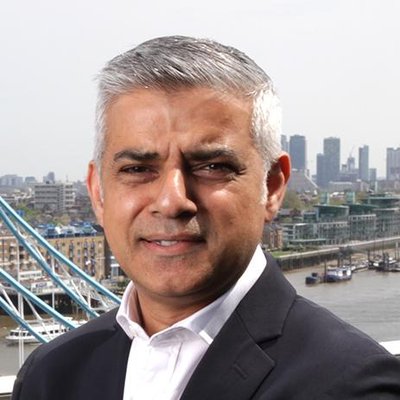
    Sadiq Khan – 2022 Comments on Russian Oligarchs

    The comments made by Sadiq Khan, the Mayor of London, on 6 March 2022.

    Nobody expected sanctioning President Putin’s allies in the UK to be straight forward, these are some of the richest and most powerful people in the world. But it is completely unacceptable that ministers are offering them such easy loopholes to disguise or liquidate their assets before the state can act.

    London can no longer be a laundromat for oligarchs’ finances. We know there is at least £1.1bn of property in London linked to the Kremlin, along with millions of pounds worth of art, cars, boats and other goods. Meanwhile, Ukraine calls for aid as the Russian army advances on Kyiv.

    We need the powers and political will to turn the ill-gotten gains of Putin-allies into Ukrainian aid. Ministers must not delay whilst Ukraine burns.

  • Mick Whitley – 2022 Speech on UK Shipbuilding

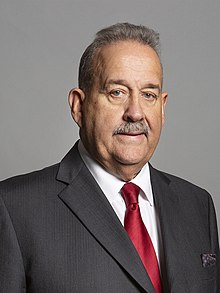
    Mick Whitley – 2022 Speech on UK Shipbuilding

    The speech made by Mick Whitley, the Labour MP for Birkenhead, in the House of Commons on 3 March 2022.

    It is great to speak to a packed House.

    It is a great honour to be able to open this important debate about the future of UK shipbuilding. I am very glad to see the Minister in his place. I know from our previous encounters the depth of expertise and passion that he brings to this debate, and I look forward to hearing his contribution later. I also declare an interest. I am a long-standing member and former north-west regional secretary of Unite the union, which organises workers in the shipbuilding sector, including in my own constituency.

    With the national shipbuilding strategy refresh expected shortly, the timing of this debate could not be more appropriate. It is a document that is keenly anticipated across the entirety of the sector and has the potential to define the landscape of British shipbuilding for decades to come. I am sure the Minister knows just how important it is that the Government’s plans live up to the lofty rhetoric of the Defence Secretary and the Prime Minister.

    Only yesterday, I had the pleasure of taking my hon. Friend the Member for Islwyn (Chris Evans), the shadow Minister for defence procurement, on a tour of the historic Cammell Laird shipyards in my constituency. It was clear to see the immense pride which every member of the team took in their work, from the stagers to the shipwrights and the senior management. They have much to be proud of. After a challenging few decades for the whole of the industry, Cammell Laird enters the 2020s with a reputation for being at the forefront of innovation in British shipbuilding and for having delivered some of the most technologically advanced vessels afloat. From its slipways sailed the RRS Sir David Attenborough —commonly known as Boaty McBoat or whatever—one of the most sophisticated research vessels ever built. As we speak, that ship is battling perilous Antarctic waters, following in the wake of the Erebus and Endurance, and gathering vital data about the impact of climate breakdown on the polar regions. Capable of operating in temperatures as low as minus 40° and equipped with state-of-the-art equipment to study the deepest depths of the ocean, the SDA is a marvel of British engineering in which all of Birkenhead can take pride.

    Cammell Laird also continues to play an enormously important role in the local economy. It is easily the largest employer in our town, employing 650 well-paid and unionised workers, with a further 1,500 subcontractors active on the site. Its Marine Engineering College continues to offer high-quality apprenticeships to around 50 people each year across every discipline, with a commitment to doubling that number in years to come. These apprenticeships are so highly valued that last year 880 applications were made for just 25 positions. The shipyard’s success is being felt far beyond the shipyard walls, with £400 million spent in the wider supply chain in the last five years alone, including £130 million in the immediate locality, supporting over 300 local businesses. But for all the passion, enthusiasm, and commitment that I witnessed yesterday, there is still a sense that the glory days are, at least for now, behind us.

    Once the shipyards towered over the skyline of our town, as iconic and powerful a symbol of Birkenhead as the Three Graces are still for neighbouring Liverpool. No more. The time when a young person could reasonably expect to walk out of the school gates and into secure, lifelong work at Cammell Laird is long gone. My mother, father and three of my brothers all learned their trades in the yards. Like so many others of my generation, my future and that of my family’s was entwined with the future of British industry. There is probably not a single young person living in our country today who can say the same.

    The story of Cammell Laird has been replicated time and again not only in shipbuilders up and down our country but in our foundries, forges and factories. Government Members have told us that the destruction of British industry was inevitable and that we had no choice but to bow to the inexorable tides of history, but, as the UK was cutting its shipyards adrift, Governments in Spain, South Korea and Italy were investing in their shipbuilders, and today they are unrivalled anywhere else in the world.

    After many years of decline and industrial neglect, the Government’s recognition that change is needed was warmly welcome. So, too was the decision to expand the scope of the national shipbuilding strategy with the upcoming refresh, but if the Defence Secretary is to earn his title of shipbuilding tsar, it is time for him to prove his commitment to revitalising UK shipyards and building a brighter future for this critical industry. I fear that the cracks in his resolve are already beginning to show.

    In December 2020, I held a Westminster Hall debate on defence procurement and was glad to hear the Minister agree that the historic increases in defence spending announced in that year’s spending review should be used to support domestic manufacturers and British jobs and skills. On that day, I also sought a commitment from him that the Royal Fleet Auxiliary’s new fleet solid support ships would be designed and built in their entirety in Britain. That is a fundamental test of the Government’s commitment to British shipbuilding, and the signs so far are not promising.

    Leading figures in the defence sector, including Sir John Parker, have repeatedly called for the need to recognise social value when commissioning new defence projects such as the fleet solid support ships, but despite classifying these new vessels as warships, the Secretary of State has failed to provide a cast-iron guarantee that they will be built in their entirety in Britain.

    Mr Alistair Carmichael (Orkney and Shetland) (LD)

    The hon. Gentleman is making a compelling case. Indeed, we have never constructed sovereign warships outside the United Kingdom and it would be a retrograde step for so many different reasons if we were to do so. We must, however, have a shipbuilding industry that goes beyond the construction of warships, where different procurement rules apply. Does he share my frustration at the way in which the Scottish Government’s mismanagement of Ferguson shipyard in Greenock has so fundamentally undermined confidence in the prospect of a non-warship shipbuilding industry in this country?

    Mick Whitley

    The right hon. Member makes a good point. As well as building for defence procurement, we should be building commercial vessels.

    The terms of the competition dictate that the FSS need only be “integrated” in the UK, which means that the lion’s share of the work could be offshored, with British shipbuilders losing out on vital work at a critical time. That would be a tragic betrayal of British shipyards and the thousands of workers that they support.

    The Minister will no doubt be aware of my enthusiasm for the bid put forward by Team UK, a consortium of British firms including Cammell Laird, Rolls-Royce, Babcock and BAE Systems. In fact, in the last two years I have inundated his Department with correspondence demanding that the contract be awarded to the consortium, which would truly represent the very best of British engineering, and I repeat my call today. If the Government are serious about supporting shipbuilding, Team UK must be awarded the bid. The benefits are obvious. Instead of allowing non-domestic firms to benefit from billions of pounds of taxpayers’ money, we could create or secure at least 6,700 jobs in British industry, including 2,000 in the shipyards, while seeing £285 million of the total spend returned to Treasury coffers through income tax, national insurance contributions and lower welfare payments.

    It is also imperative that the revised shipbuilding strategy looks at the wider issue of procurement. For years, Ministers have waxed lyrical about the extraordinary economic benefits that Brexit would bring, but, instead of the Government taking advantage of our departure from the European Union to throw their full weight behind British shipbuilders, they continue needlessly to follow procurement rules that force businesses such as Cammell Laird to compete with state-owned giants including Spain’s Navantia. It is a David-versus-Goliath struggle. Even when British shipbuilders are in the running for lucrative defence projects, Ministers too often expect them to shoulder enormous financial risks, including 100% refund guarantees that many British shipyards can ill afford.

    Let me be clear. UK shipbuilders are not looking for handouts, nor are they asking for taxpayers’ money to be wasted. They know all too well the importance of delivering value for money; they just want a level playing field. They are absolutely right to say that a more benign contracting environment is badly needed if we are to achieve the shipbuilding renaissance that Ministers have repeatedly promised. I hope that when the NSS refresh is published, it will include a recognition that the Ministry of Defence must begin to accept more responsibility for the financial risks inherent in commissioning the top-end vessels that the Select Committee on Defence has identified as so vital to guaranteeing our national security in the deeply uncertain years ahead.

    As I said, the shipbuilding strategy has the potential to define the future of British shipbuilding for decades to come, but if shipyards across the country are to make the investment in recruitment and training that they so desperately want to make, they will need guarantees of work in the short term as well. It is not good enough to tell firms that things will get better in 10 years’ time, when so many yards are confronting enormous challenges here and now. We need action now to stem the exodus of jobs and skills from the sector and lay the solid foundations that will be essential if the shipbuilding strategy is to be delivered in full. I hope that the Minister will speak about that issue today.
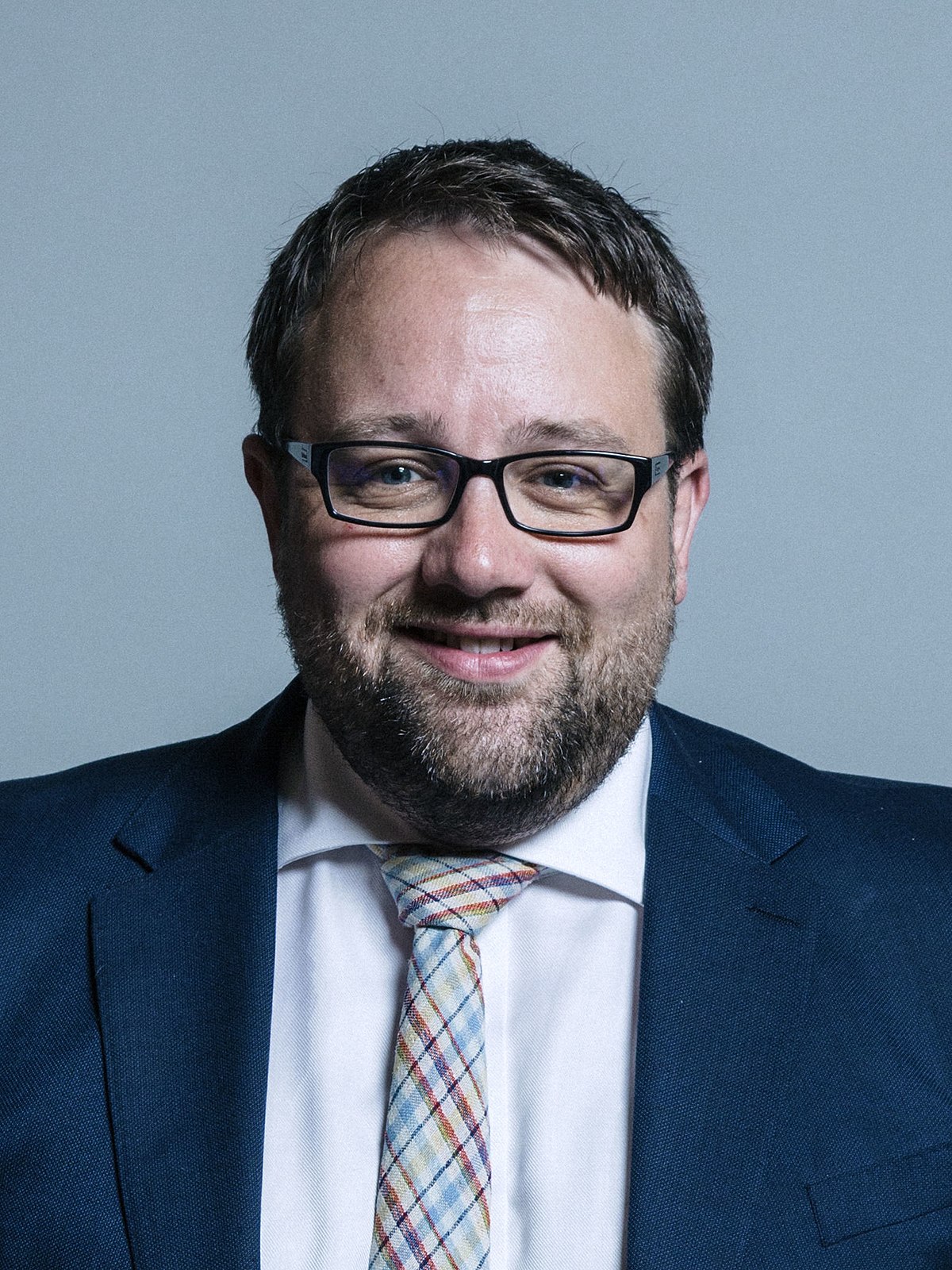
  • Chris Elmore – 2022 Speech on Russia’s Attack on Ukraine

    Chris Elmore – 2022 Speech on Russia’s Attack on Ukraine

    The speech made by Chris Elmore, the Shadow Minister for Digital, Culture, Media and Sport, in the House of Commons on 3 March 2022.

    I thank the Secretary of State for advance sight of her statement. I associate myself and the official Opposition with the comments that the Secretary of State has made about the courage of the Ukrainian people and those who are returning to fight for their country. I add my support to all the journalists who have travelled from the UK and around the world to report—free reporting, challenging Putin’s agenda and countering his disinformation. Those journalists are heroes and we owe them a great debt.

    We are in agreement. Indeed, my hon. Friend the Member for Manchester Central (Lucy Powell), who cannot be here today, has long been calling on the Government and sporting and cultural bodies to take tough action against Russian aggression and Belarusian complicity.

    Our thoughts today are with the Ukrainian people and armed forces. We see acts of heroism day after day and courage beyond words in the face of Putin’s illegal invasion. Only a few hours ago, Russian troops took control of the city of Kherson, a stepping stone to the port of Odesa, where Ukraine’s main naval port and navy reside. With each passing day, the situation continues to escalate. This situation requires the fullest and strongest possible international response.

    Across this House, we all recognise the importance that Putin and Russia place on participating and succeeding in sporting and cultural events, from chess to ballet, to football. Indeed, in 2010, when Russia won its bid to host the 2018 World cup, Putin spoke enthusiastically about the impact that football had had on his native Leningrad during the second world war and how

    “it helped people to stand tall and survive.”

    Success in sport buoys a nation, boosts national pride, and offers an unrivalled feel-good factor, bringing people together. Indeed, sport can offer a cloak of legitimacy and deflection. Despots such as Putin crave this international attention and spotlight. We know the value that Putin places on hosting international tournaments and on Russia competing in international competitions. That is why we have been calling for full and immediate sporting and cultural sanctions against Russia and Belarus from the start, and for those countries to be banned from international competitions.

    UEFA and Formula 1 moved quickly to cancel events in Russia. Others have now followed suit. Regrettably, though, some have dragged their feet, or are hedging their bets. International sporting and cultural bodies must hit Putin where it hurts and send a clear, immediate and unequivocal message to the Russian people that Putin has turned their country into a pariah state. We welcome this morning’s decision by the Paralympic committee to ban Russia from competing in the winter Paralympics. We should see no fudges, no ifs, no buts—outright bans must be the norm.

    We fully support what the Secretary of State has announced today, but we have some questions. What further discussions is she having with sporting bodies on the complete and total boycott of Russia and Belarus? I understand that some, such as FINA, have said that Russian athletes and officials can take part, but with neutral status. She rightly raises tennis, but Russian and Belarusian players will still be able to play at upcoming grand slams, including Wimbledon, under a neutral flag—

    Ms Dorries indicated dissent.

    Chris Elmore

    I can see the Secretary of State shaking her head, so does she agree with me and the Opposition that we must do more to ensure a total ban from tennis tournaments, ensuring that no Russian or Belarusian will play at Wimbledon?

    On culture, we have seen British institutions, many of them recovering from covid, left with no clear guidance regarding the cancellation of the Russian touring ballet, for example. It should not be for individual organisations, teams or nations to boycott Russia alone. What guidance will the Secretary of State provide to UK organisations and institutions to ensure that they speak with one voice, and what pressure will she place on international bodies that do not ban Russia and Belarus outright?

    What is the Secretary of State doing about those who have bought their way into the fabric of British life, such as Abramovich and others, buying football clubs and gifting to arts and other valued institutions? What is the advice for arts and cultural institutions that have received and do receive gifts from oligarchs and those who prop up Putin’s regime? What about football and sport more widely? Will she act quickly on Abramovich and other oligarchs to ensure that they cannot profit from Putin’s war? Why are the Government allowing oligarchs such as Abramovich time and notice to sort out their affairs and divest any assets that would otherwise be subject to sanctions?

    We stand ready to support the Government’s actions, but we want to see them go further and faster on international bans. We also want to see the Government take Russian money out of our world-renowned institutions such as the Premier League and our arts and cultural scene. We have seen sportwashing, culturewashing and artwashing of dirty Kremlin-linked Russian money. We need action to tackle that now.

    Finally, on disinformation, we welcome Ofcom’s investigation into RT. Online disinformation and fake news is rife. Russian bot factories are spouting lies and trying to distort the truth of Putin’s atrocities in Ukraine. We welcome the Secretary of State’s announcements this morning, but I ask her to go further. The online safety Bill should include additional measures on tackling that disinformation before it is put to the House for Second Reading. Can she give that commitment today?

    It is right that the international response to Putin’s aggression should be exclusion from sporting and cultural events. Words must become deeds, and Putin should feel the consequences of his actions.

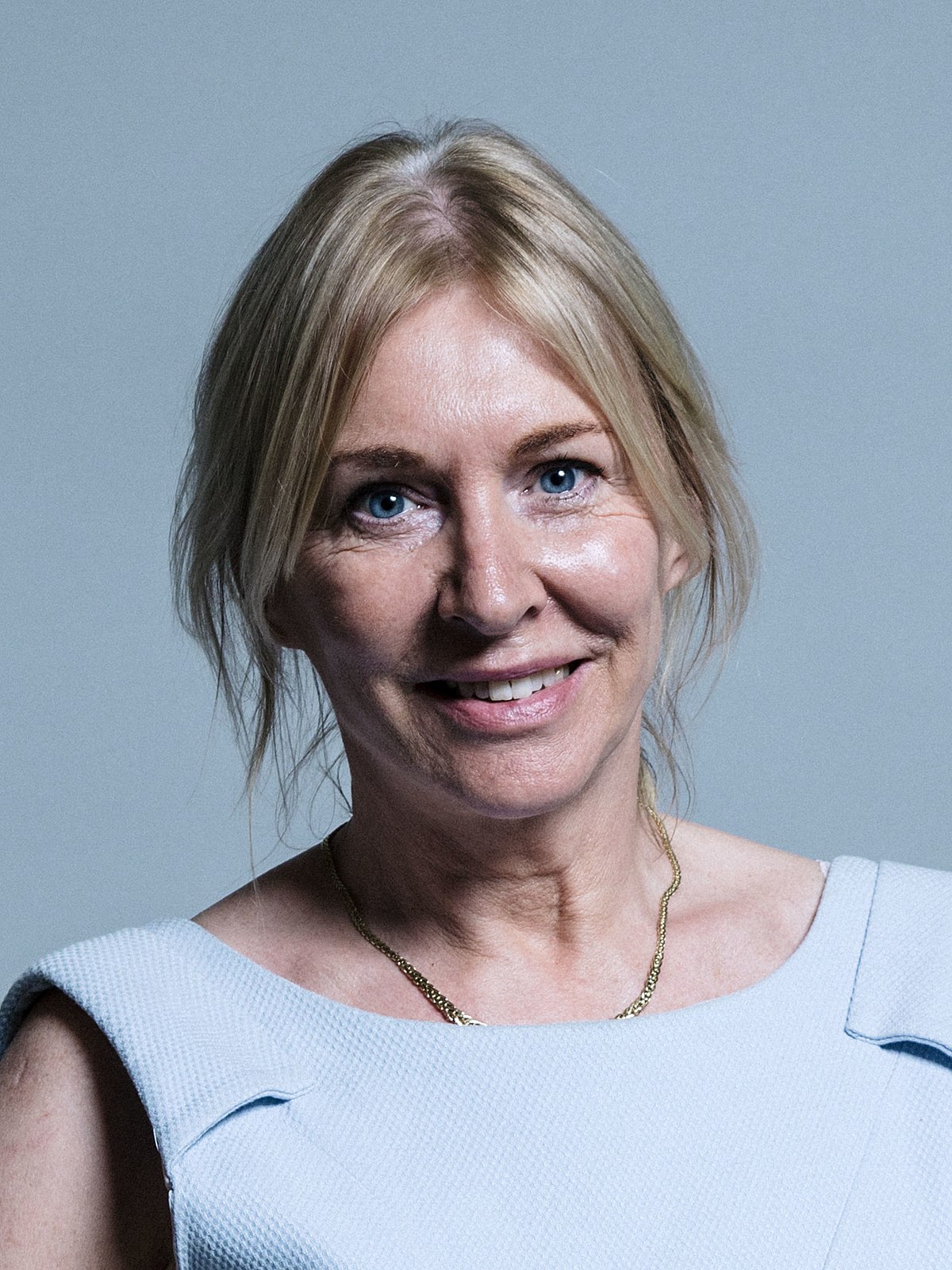
  • Nadine Dorries – 2022 Statement on Russia’s Attack on Ukraine

    Nadine Dorries – 2022 Statement on Russia’s Attack on Ukraine

    The statement made by Nadine Dorries, the Secretary of State for Digital, Culture, Media and Sport, in the House of Commons on 3 March 2022.

    We have entered the eighth day of Ukraine’s fight for survival. In the week since Vladimir Putin launched his unprovoked, premeditated and barbaric attack on a free and peaceful neighbour, the UK has led a united Western response to his brutality. We are working with allies around the world on multiple fronts to ensure that the Russian dictator feels the full cost of his invasion. On the military front, we have provided Ukraine with the weaponry to inflict significant losses on the invading Russian forces. On the economic front, we have worked with international partners to cripple the Russian economy, but as history has shown us, there are other powerful ways of isolating rogue regimes.

    Culture and sport can be as effective as economic sanctions if used in the right way, and so in the last week I have been working to mobilise the full might of the UK’s soft power against the Russian state, and applying pressure both publicly and privately across the sectors to use every lever at their disposal to entrench Putin’s position as an international pariah. Culture is the third front in the Ukrainian war. Earlier this week, I brought together governing bodies from across sport and I made the UK’s position clear: Russia should be stripped of hosting international sporting events, and Russian teams should not be allowed to compete abroad.

    Across sport, the arts and entertainment, we are ostracising Putin on the global stage. The upcoming Champions League final and Formula 1 Grand Prix will no longer be held in Russia. Likewise, Russia has been banned by UEFA, FIFA, World Rugby, the International Tennis Federation and the International Olympic Committee. Venues across the country have cancelled upcoming performances by the Bolshoi and Siberian ballets. Disney and Warner Bros. have pulled their films from Russia. Netflix has stopped its projects. BBC Studios and ITV Studios have stopped trading with Russia too, and Russia has been banned from taking part in the Eurovision Song Contest.

    Putin is now suffering a sporting and cultural Siberia of his own making, and it will be causing the Russian leader real pain. Ask Ukrainian tennis player Sergiy Stakhovsky, who gave a very moving interview on the radio earlier this week. A few weeks ago, he was playing at the Australian Open. Now he is back in Ukraine, preparing to fight for his country’s survival. He said that Putin loves nothing better than watching Russia’s sports teams’ glory on the world stage, his athletes draped in the Russian flag.

    Putin needs the kudos of these global events to cover up his illegitimacy and the hideous acts he is perpetrating in Ukraine. The Russian despot is desperately trying to hide the grim extent of his invasion from his own people. That is why I strongly support, and continue to encourage, the kinds of emotional displays of solidarity we have seen across sporting events in the last week, including the Carabao cup final and the Six Nations. Lights and symbols cannot stop bullets and bombs, but when Russians see their favourite footballers wearing shirts emblazoned with the bright blue and yellow of the Ukrainian flag, it helps to open their eyes to the cold reality of Putin’s actions. Likewise, every time an international organisation or figure publicly stands up against what Putin is doing in Ukraine, they chip away at his wall of lies. I thank and applaud all those who have done so, in this country and internationally, and I continue to push for organisations to exile Putin’s Russia from their ranks.

    That is why I have called on UNESCO to bar Russia from hosting its annual world heritage conference in June. It is absolutely inconceivable that that event could go ahead in Putin’s country as he fires missiles at innocent civilians in neighbouring Ukraine. If it does go ahead, the UK will not be attending. That is also why I urged the International Paralympic Committee urgently to rethink its decision to allow athletes from Russia and Belarus to compete. Such pressure works; the IPC’s decision was the wrong call, and I welcome the fact that overnight it has listened and this morning it has reversed that decision. I wish our athletes the best of luck in Beijing over the coming days. Later today, I will be hosting a summit with countries from all over the globe to discuss how we can continue to use the power of sport to isolate Putin at home and abroad. We have to keep ratcheting up the pressure. Putin must fail.

    In my Department, we have been working tirelessly to use the power of tech and the media against the Russian dictator and to shut down and counter his propaganda and lies, because they are key weapons in his arsenal. The Department’s counter-disinformation unit has been working to identify and remove Russian disinformation online. Alongside the US and others, we have been working closely with platforms to take pre-emptive action against Putin, and to demonstrate the consequences of his brutality in real time to the Russian people. Apple has paused all sales in Russia, Google has added new safeguarding features to Google Maps and Search, and WhatsApp is hosting a helpline for Ukraine’s state emergency service that sends people information and critical news about the local situation.

    While big tech has stepped up in a really positive way, we are also encouraging and supporting platforms to go even further to tackle certain challenges, including disinformation, service disruptions and the humanitarian crisis triggered by the conflict.

    In this digital age, the Ukrainian war is being fought on the ground and online, so we need to use tech wherever we can as a force for good to counter Putin’s aggression, to expose his weaknesses and to bolster the people fighting for their survival in Ukraine.

    From the very moment that Putin began his invasion, I was very clear that he must not be allowed to exploit our open and free media to spread poisonous propaganda into British homes. RT’s own editor-in-chief has called the network an “information weapon” of the Russian state. That is why I wrote to Ofcom last week, urging it to examine any potential breaches of the broadcasting code. Ofcom has since opened 27 investigations into RT and is now reviewing whether to revoke RT’s licence entirely.

    In the meantime, those investigations have been overtaken by events. I was very glad to see yesterday that the channel is now officially off the air on British televisions, after it was shut down on Sky, Freeview and Freesat. I have also written to Meta and TikTok asking them to do everything that they can to prevent access to RT in the UK, as they have done in Europe. I am glad that YouTube has already answered this call and done so.

    We are on the side of free media. That is why it was brilliant to see that the audience for the BBC’s Russian language news website has gone up from 3.1 million to 10.7 million in the past week. Despite his best efforts to censor reporting in Russia, Putin’s own citizens are turning to factual, independent information in their millions.

    At this point, I would like to offer my heartfelt thanks and admiration to all those journalists, working for the BBC, ITV and other news outlets, who are risking their lives to bring us unbiased and accurate news from a live war zone. We will keep ratcheting up the pressure on Putin, and I will use all the levers in my Department to ensure that he is fully ostracised from the international community.

  • James Cartlidge – 2022 Statement on Nightingale Courts

    James Cartlidge – 2022 Statement on Nightingale Courts

    The statement made by James Cartlidge, the Parliamentary Under-Secretary of State for Justice, in the House of Commons on 3 March 2022.

    I am today setting out an update on the use of Nightingale court venues.

    Since the start of the pandemic, the priority of the Government, working closely with the judiciary and others, has been to ensure the justice system continues to perform its vital role while keeping court and tribunal users safe, in line with public health guidelines.

    Hotels, former courts and conference centres were rapidly transformed into courtrooms, known as Nightingale courts, during the pandemic to provide more space when social distancing was in place. These venues have provided our court estate with vital additional capacity as part of our continued efforts to recover from the impact of covid-19.

    Combined with other measures—such as removing the cap on court sitting days, the use of remote hearings, and increasing magistrates’ sentencing powers—we are beginning to see the levels of outstanding cases in our courts falling. The latest figures show that in December 2021 the Crown court backlog was under 59,000. This is a fall of over 2,000 cases since its peak in June 2021. Meanwhile, in the magistrates courts, the outstanding criminal caseload has dropped by almost 70,000 cases since its peak in July 2021.

    The relaxation of covid-19 restrictions means that courtroom capacity has returned to pre-pandemic levels. But continuing to use some of our Nightingale courts will now help drive court recovery further, tackling the backlog and ultimately helping to secure speedier justice for victims.

    So today this Government have confirmed arrangements to extend 13 Nightingale courts from March 2022. This equates to 30 extra courtrooms, mainly dealing with criminal work, but also some civil and family cases.

    The following Nightingale courts have been extended:

    Prospero House, London

    Barbican, London

    Croydon Jurys Inn, London

    Mercure Hotel, Maidstone

    Former court, Chichester

    Former county court, Telford

    Park Hall Hotel, Wolverhampton

    Maple House, Birmingham

    Former Magistrates court, Fleetwood

    Cloth Hall court, Leeds

    Civic Centre, Swansea

    Former Magistrates court, Cirencester.

    The decision to extend these Nightingale courts was based on operational need and venue availability, ensuring that these extra facilities are in the right place to meet demand and make best use of taxpayers’ money.

    Nightingale courts at Middlesbrough, Manchester, Liverpool, Bolton, Chester, Peterborough, Warwick, Winchester, Nottingham and 102 Petty France in London will end as planned at the end of March 2022. Use of the venue at Monument will end in early April, with HM Courts and Tribunals Service seeking a replacement venue.

    The sites which are closing as planned are not needed because HMCTS has reopened existing hearing rooms as social distancing measures have eased. We now have sufficient rooms in these areas for all the available Crown court judges. We are continuing to deliver a high volume of judicial recruitment, with a recruitment programme of a further 1,100 judges in 2022-23 planned in addition to around 1,000 recruited during this financial year.

    The extensions to Nightingale courts are part of our wider approach to increase capacity in line with local demand, building on measures taken over the last two years in response to the challenges of the pandemic, including:

    Legislating to double the sentencing powers available to magistrates from six months to a year to free up an estimated 2,000 extra days of Crown court sitting time each year;

    Investing a quarter of a billion pounds to support recovery in the courts in the last financial year, plus over £50 million for victims and support services;

    Ensuring there is no limit on the number of sitting days in the Crown court this year;

    Opening three rooms at Hendon Magistrates court that are currently being used for Crown court work, with a fourth due to open by the end of March 2022, providing custodial facilities for defendants on remand;

    Opening two “super courtrooms” in Manchester and Loughborough, which can accommodate multi-handed trials, and added portacabins at 14 locations to facilitate jury trials; and

    Arranging a temporary venue to hear a large trial in Walsall over the next 13 months, avoiding major disruption in the nearby Crown court.

    These plans, alongside the decisive action already taken by this Government to date, makes it clear that we remain totally committed to reducing delays in our courts, and pulling every lever available to us to deliver justice for all those who need it.

  • John Glen – 2022 Statement on MiFID and Prospectus Regime Reform

    John Glen – 2022 Statement on MiFID and Prospectus Regime Reform

    The statement made by John Glen, the Economic Secretary to the Treasury, in the House of Commons on 3 March 2022.

    In 2021, the Government published two consultations on reforms to our capital markets regime: the wholesale markets review—which reviews the markets in financial instrument directive (MiFID) regime—and the prospectus regime review. These consultations form part of the Chancellor’s broader vision to improve the competitiveness of the UK’s financial services sector and take advantage of our new freedoms in financial services following our withdrawal from the EU. On 1 March, I announced the next steps we intend to take to reform UK capital markets.

    Wholesale markets review/MiFID reform

    Deep and liquid wholesale capital markets are at the heart of the UK’s prosperity as an international financial centre. With the development of the EU’s single market, much of our regulatory approach was set in Brussels. Now that we have left the EU, we can use our newfound freedoms to reform these rules to ensure they work for UK markets. I do not intend to make changes for the sake of it, but in many areas of our capital markets regime, it is clear we can improve standards and make regulation more proportionate, cutting costs for firms while improving market integrity. In 2021, we consulted on a number of changes to the MiFID framework, which underpins our regulatory regime for wholesale markets.

    The consultation closed in September 2021 and HM Treasury received 78 responses. Respondents from across the financial services sector strongly welcomed the objectives of the review and proposals for reform. In the light of this, I have announced the Government’s intention to bring forward legislative changes when parliamentary time allows, to take forward the most important measures that received the strongest support. These include amendments to five key areas of the regulatory framework:

    Trading venues and systematic internalisers (Sis): we will remove unnecessary restrictions on where and how trading can happen, to allow firms to get the best price for investors.

    Equity markets: we will legislate to simplify how and when firms need to make trading information public before they trade, to reduce costs and burdens for firms.

    Fixed income and derivatives markets: we will reform the transparency regime to reduce costs and increase effectiveness, and the derivatives trading obligation to ease burdens for firms when managing risk and prevent market fragmentation.

    Commodity derivatives: we will streamline the position limits regime to make it more effective, proportionate and less burdensome to comply with.

    Market data: we will bring forward legislation to enable a consolidated tape which would collate and disseminate real time trading data, to reduce data costs and improve quality.

    Where changes can be made to the parts of the regime that are already set out in regulatory rules and guidance, the FCA has committed to progress these in line with its normal processes. Where legislative changes are needed but in future would better sit in regulator rules and are not urgent, the Government will wait until the outcomes of the future regulatory framework (FRF) review have been implemented to bring them forward. The Government believe that this step-by-step approach will ensure that the most burdensome and unnecessary regulatory requirements are removed as soon as possible.

    The consultation response document is available at www.gov.uk/government/consultations/uk-wholesale-markets-review-a-consultation.

    Prospectus regime review

    In November 2020, the Chancellor asked Lord Hill of Oareford CBE to lead an independent review of the UK listing regime. Lord Hill made a series of recommendations to help attract the most innovative and successful companies to UK markets and help them access the finance they need to grow. Of particular importance was his recommendation to undertake a fundamental review of the UK’s prospectus regime, which is based on the EU prospectus regulation, now part of retained EU law. This is the regulation which underpins the documents firms must publish when they seek admission to a stock market or raise fresh capital.

    Having received widespread support for our proposals from across the sector, I have announced that we will take full advantage of our new regulatory freedoms by repealing the prospectus regulation and replacing it with a regime better tailored to the UK’s position as a global financial centre, when parliamentary time allows.

    Our reforms will achieve the following objectives:

    The changes will facilitate wider participation in the ownership of public companies, and remove the disincentives that currently exist for the issuance of securities to wide groups of investors—including retail investors.

    The changes will simplify the regulation of prospectuses and remove unnecessary duplications, without lowering regulatory standards.

    The changes will improve the quality of information investors receive under the prospectus regime, giving them more confidence to make their investment decisions.

    The changes will ensure that the regulation of prospectuses is more agile and dynamic, meaning that, in future, the regulation of prospectuses will be better able to respond to innovation and change.

    Both of these reforms are core parts of the Government’s commitment to make the most of our new freedoms in financial services. By doing so, we will enhance the functioning and competitiveness of the UK’s capital markets, and ensure they are continuing to help create jobs, support businesses, and power growth across all regions and nations of the UK.

    The consultation response document is available at www.gov.uk/government/consultations/uk-prospectus-regime-a-consultation.

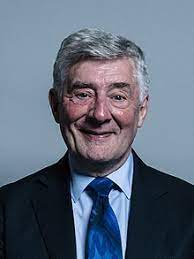
  • Tony Lloyd – 2022 Speech on Support for Ukraine

    Tony Lloyd – 2022 Speech on Support for Ukraine

    The speech made by Tony Lloyd, the Labour MP for Rochdale, in the House of Commons on 2 March 2022.

    Can I begin, as others have done, by expressing my admiration for the role that the Ukrainian armed forces—sometimes irregular, sometimes regular—have played? Most of us have been astonished by the resistance they have been able to put up, and I think that that astonishment applies in Moscow as well. Along with that, I want to add my genuine appreciation for the Defence Secretary and the Defence team, who have been exemplary in the way in which they have operated to ensure that we are supporting the capacity of the Ukrainians to defend their own country. That has been absolutely fundamental, and it is a leading example of how we as a nation ought to behave, so well done there. I wish I could be quite as complimentary about the role of our sanctions regime, because we are playing catch-up there. It is a matter of fact that the EU has sanctioned far more individuals than we have, including two who have major UK interests, Alisher Usmanov and Mikhail Fridman. We have not sanctioned those individuals, and it is astonishing that we are seeing the EU sanctioning those with assets here when we do not.

    Something else that we now have to look at seriously is the way in which our legal system has been acting to defend the interests of those around Putin and the oligarchs who base their moneys here. An example is the ability to prevent journalists from examining the truth. Inquisitive journalism is fundamental to outing the role of dirty money in the City of London, as we must do. That is a matter of national shame, but we are playing catch-up on that as well. I hope that Ministers will take that message on board, because it is now time now to do this. I think there is consensus that we can do it, but it is not just about the dirty money; it is also about those who protect that dirty money in our society. I think there is consensus around that.

    I am also bound to reflect on the potential, even now, for the flow of refugees. We do not know how this situation is going to end. We do not know what will make Mr Putin and those around him pull back from this level of adventurism, and because we do not know that, we have to assume that things will get massively worse and that the flow of refugees will get worse. If the flow of refugees does get worse, and if we are talking about the potential for many millions of refugees, the UK clearly has to be prepared to respond.

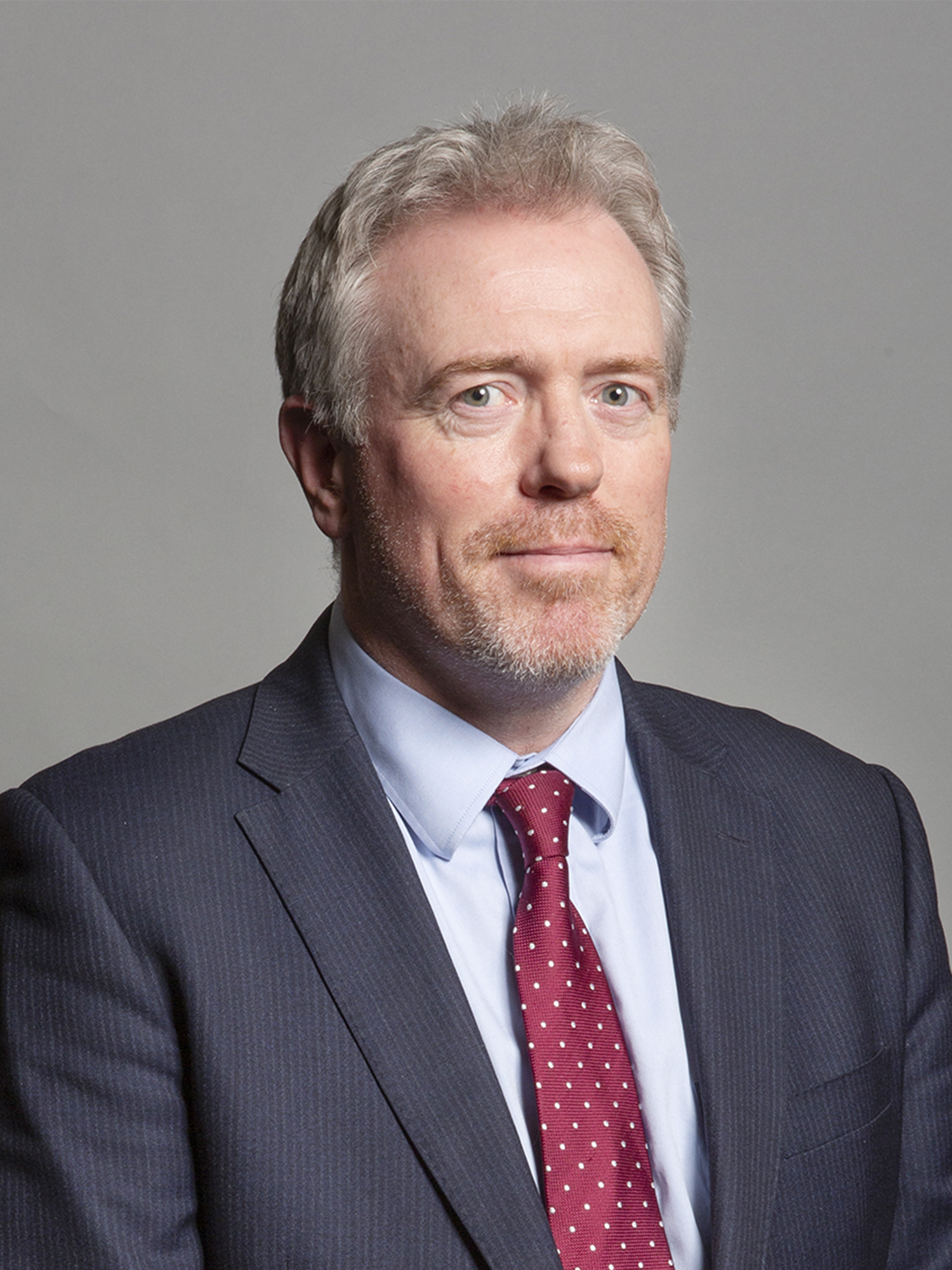
  • James Sunderland – 2022 Speech on Support for Ukraine

    James Sunderland – 2022 Speech on Support for Ukraine

    The speech made by James Sunderland, the Conservative MP for Bracknell, in the House of Commons on 2 March 2022.

    Over the past decade or so, we have seen increasing evidence of Russian ambition. In 2007, Russia planted a flag on the seabed at the north pole. In 2008, it invaded Georgia. In 2014, it invaded Crimea. In the same year, we saw Malaysia Airlines flight 17 shot down. In 2018, the events in Salisbury happened. Between 2009 and 2018, there was a 440% increase in cyber-attacks across the world, of which 75% were allegedly from Russia. We have had instability in the Balkans, interference in elections, destabilisation in Bosnia with active intentions to undermine the Dayton agreement—the list goes on.

    This is known as sub-threshold activity, and we have got used to it. We have never really been quite sure, but it has been happening. However, there is nothing sub-threshold about the wilful and destructive invasion of a sovereign neighbour. What has happened over the last week is nothing other than abhorrent. For the Ukrainians, this is about hearts; it is about their homes and their lives. It is about survival; it is about repelling an invasion.

    We have seen the indiscriminate use of weapons, including cluster bombs and thermobaric weapons—death and destruction. No one knows what Putin’s wider intent is. Perhaps it is to restore the Soviet Union; perhaps it is to expand his country; perhaps it is imperialism. We do not quite know, but the response to this incomprehensible action has been comprehensive and clear. Our reaction in the west is not just disbelief; it is beyond that—this is beyond belief.

    The Prime Minister should be praised for his actions to lead the coalition of willing nations. The sanctions have been excellent, and I support 100% the support for refugees. More broadly, I am very comfortable with what NATO is doing, particularly on the supply of aid and equipment. Yes, we have left the European Union, but Members should be under no illusion: we are still supporting Europe. Our engagement with Europe is as strong as ever. I also commend the Opposition Front Benchers, who have been outstanding during the whole crisis. Parliament is at its best when we work together, and there has been an awful lot of sense spoken on both sides of the House over the last week.

    Before I finish, I want to make some points to those on the Front Benches. I have three main observations. First, as politicians, we need to be careful and precise with our language. We must not inflame and we must not be careless, because people are watching—both our allies and those in Russia. This is about global leadership. We need, therefore, to be firm but not inflammatory with our language. By the same token, we need to work with the media, and the media must report this conflict accurately and fairly. Operational security is critical, and we must not get ourselves into a situation where carelessness in the media puts people’s lives at risk.

    Alicia Kearns (Rutland and Melton) (Con)

    My hon. Friend mentions the media. What is his view on whether Russia Today should be allowed to continue to stream in our country?

    James Sunderland

    My humble answer is that it should not. RT is currently spreading Russian propaganda, which nobody wants to see and nobody believes.

    My second point is very important: we must make sure that we are not inadvertently sucked into direct conflict with Russia. The principles of article 5 are sacrosanct. NATO is a defensive alliance. NATO works. We must therefore adhere to our treaty obligations by not intervening directly, until the point that we must. We must resist that, so I say to Ministers: please be wary of come-ons and proxies; please be wary of any attempt by Putin to suck us into a conflict with him and his forces. To be worthy of its pre-eminence, NATO must fulfil the obligations placed upon it as the most successful military alliance ever.

    My third point is very serious: whatever happens in Ukraine—our hearts go out to everyone involved in this ghastly conflict—we need to be ready. If Russia attacks or invades a NATO country, in line with our article 5 obligations, we must be ready for what comes next; we will be at war. As much as nobody wants an escalating conflict, Putin must be clear that if he crosses that line, we will have a big problem. NATO is a defensive alliance, but it is also poised and ready to do what it must.

    This is about planning and positioning. It is about ISTAR—intelligence, surveillance, target acquisition and reconnaissance. It is about our understanding what the Russians are doing. And in the unthinkable event that we do go to war, we cannot afford to watch evil unfold.

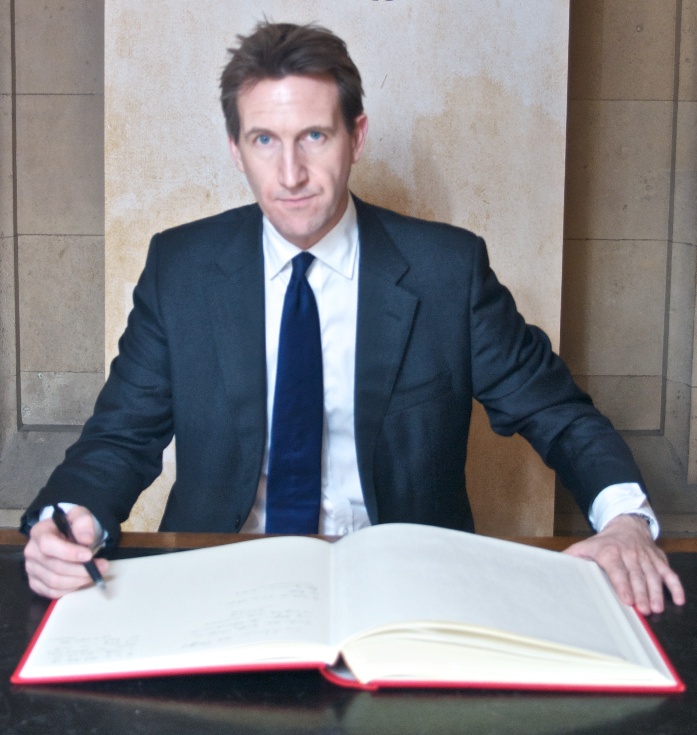
  • Dan Jarvis – 2022 Speech on Support for Ukraine

    Dan Jarvis – 2022 Speech on Support for Ukraine

    The speech made by Dan Jarvis, the Labour MP for Barnsley Central, in the House of Commons on 2 March 2022.

    During his abhorrent dictum on the illegal invasion of Ukraine, President Putin used false claims of genocide to justify his callous actions. That is a cruel irony, not least given his appalling track record of international law breaches and human rights abuses. We witnessed his brutality in Georgia and did nothing. We witnessed his brutality in Syria and did nothing. True to form, we are witnessing his brutality once again in Ukraine. This must the last of the suffering that he is allowed to cause.

    We are all inspired by the resolve, determination and spirit shown by the Ukrainian people, but there will be inevitable tragic consequences to their heroism. The more they resist, the worse Putin will react, and those unable to defend themselves will pay the price for his petulance. Standing with Ukraine means delivering economic, military and humanitarian support today, but it also means delivering justice tomorrow; it means ensuring that the man responsible for Ukrainians’ suffering is held to account and made to answer for his crimes. The Prime Minister says, “Putin must fail.” He must, but that alone is not enough. Putin must pay.

    On Monday, the International Criminal Court announced that it would open an investigation into alleged war crimes and crimes against humanity that have been committed in Ukraine since 2013, and any new alleged crimes. That is a very important announcement. Innocent men, women and children are being murdered in schools and hospitals and in their homes. Amnesty International has now verified four attacks on Ukrainian schools, including the cluster bombing of a nursery, which killed a child and civilians. Human Rights Watch reported an attack on a hospital, again with a cluster bomb, which killed and injured civilians, including healthcare workers. The vicious bombardment of Kharkiv on Tuesday, in which homes were targeted, left dozens of civilians dead. According to Ukraine’s ambassador to the US, a thermobaric weapon was used against Ukrainian forces.

    Although Russia is not a signatory to the convention on cluster munitions or to the safe schools declaration, international humanitarian law prohibits the use of indiscriminate attacks with indiscriminate weapons, but it is clear that Putin is already becoming increasingly desperate. As the Ukrainian resistance evolves towards insurgency, civilian deaths will almost certainly surge.

    The UK is a proud state party to the Rome statute, so we must now support the ICC with money and people to aid its investigation; I would be very grateful if the Minister gave an assurance that we will, and if he provided an update on where we have got to on the question of a state party referring the case, as per the prosecutor’s request. We must work with the Ukrainian Government, allies and non-governmental organisations to collect and preserve evidence of war crimes and crimes against humanity; again, I would be very grateful if the Minister gave an assurance that we will. Most importantly, we must do everything within our power to prevent further civilian suffering, including making the necessary preparations to get aid in and people out safely and effectively.

    Putin is safe, a long way away from the frontline, but the blood of the innocent is on his hands. This is his war and it may not end soon, but it is imperative that he pays for what he has done. If he does not, Ukraine will not be the last to suffer.

    When the Ukrainian ambassador to the UN learned of the invasion, he said:

    “There is no purgatory for war criminals. They go straight to hell.”

    It will be difficult—some say impossible—but wherever Putin ends up, the UK must do everything we can to ensure that it is via a court.

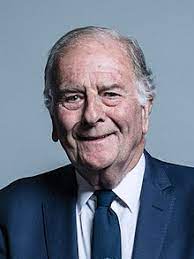
  • Roger Gale – 2022 Speech on Support for Ukraine

    Roger Gale – 2022 Speech on Support for Ukraine

    The speech made by Roger Gale, the Conservative MP for North Thanet, in the House of Commons on 2 March 2022.

    I thank my friend the right hon. Member for Wentworth and Dearne (John Healey) for both his collegiate tone and the content of his speech. I wish I had the time to touch on a lot of it. However, in the time available to me let me say that I share entirely his view of the stunning bravery of the Ukrainian people under incredible duress. Equally, I share his desire to see Putin and all his commanders in court in The Hague as soon as possible.

    This is a European city, a European country, a member state of the Council of Europe that is under siege and under attack. While men are staying to fight, women and children are fleeing across the border. I want to pick up on two points made by the right hon. Gentleman. The first is that the receiving countries, particularly Poland at the moment, need our help with humanitarian aid and all the strength we can afford in support of them. I had a call today from a little town called Zamość, with 15,000 people, 100 km from the border with Ukraine. That town is receiving trainloads of refugees at 800 per train. It is becoming overwhelmed. The people there simply cannot handle the volume of refugees flowing through their villages. We have to get help to them fast.

    Secondly, we have to get the refugees we are prepared to take into the United Kingdom. Again, the sooner and more efficiently we can do that, the better. In 1956, we took refugees from Hungary in this country. In 1968, we took refugees from Czechoslovakia. In 1972, West Malling airfield in Kent played host to 28,000 Ugandan Asians fleeing Idi Amin. We have done it before and we can do it again. I have spoken with the Under-Secretary of State for the Home Department, my hon. Friend the Member for Torbay (Kevin Foster), and with my right hon. Friend the Secretary of State for Levelling Up, Housing and Communities, both of whom are now on a fast footing to co-ordinate this relief effort. The British people want to help, and we can.

    Manston airport in my constituency is mothballed, but the owners have told me that they are prepared to make it available. The runway can be swept and cleared within half a day. The military hardware that my hon. Friend the Minister for the Armed Forces wishes to see sent to Ukraine can be flown from Manston almost immediately. We have the warehouse capacity and the runway capacity to fly it out. With the back-up of Kent fire brigade, Manston can then be used to fly in refugees from Ukraine and from Poland.

    Next door to Manston is a Home Office facility that is capable of processing 1,000 people a day. It also has food facilities and accommodation. I urge those on the Front Bench to take on board the fact that those facilities are available. We do not have the time to wait; the people we are trying to assist do not have the time to wait. We can do this now. We can cut the red tape, and we must do it.