Blog

  • Liz Truss – 2022 Statement on Luke Symons and Yemen

    Liz Truss – 2022 Statement on Luke Symons and Yemen

    The statement made by Liz Truss, the Foreign Secretary, on 24 April 2022.

    I am pleased that Luke Symons, who was unlawfully detained, without charge or trial since 2017 in Yemen, has been released. Luke was 25 when he was unlawfully detained by the Houthis. His son was only a few months old at the time. He was allegedly mistreated, in solitary confinement, and refused visits by his family. He has been flown to Muscat and soon he will be reunited with his family in the UK.

    We thank our Omani and Saudi partners for their support in securing his release. I pay tribute to our excellent staff for their hard work in returning Luke home.

  • Dave Doogan – 2022 Speech on Referring Boris Johnson to the Committee of Privileges

    Dave Doogan – 2022 Speech on Referring Boris Johnson to the Committee of Privileges

    The speech made by Dave Doogan, the SNP MP for Angus, in the House of Commons on 21 April 2022.

    I say at the outset that apologies are one thing, but apologies that are made in the wholesale absence of any evidence of repentance are not worth a button. I am pleased to stand and speak for the many Angus constituents—almost 100 now—who have written to articulate their outrage at this debacle of accountability at the feet of this Prime Minister. He was always a questionable choice to lead the Conservative party because he would inevitably have become—indeed, he immediately became—Prime Minister under the politics of that time. He was the indiscreet, verbose showman that the Conservatives seemingly required to unlock the Brexit impasse in this place. It was always going to be a high-risk strategy, and the chickens have now come home to roost. If the Tories claim to have got Brexit done—which in itself is a questionable assertion that rests uncomfortably with the truth—why are they so reluctant to dispose of their one-trick-pony leader?

    I say this in all candour: with this train crash of a Prime Minister, it was always going to be a question of when, not if. If the reputational capital and parliamentary respect that the Prime Minister is furiously feeding off to keep himself on political life support is a function of a zero-sum game, that which he is gorging upon is coming at a direct and equal cost to all Conservative Members, because they have the ability to stand up for what is right and remove him. More seriously, it is also coming at a cost to the public’s faith in political leadership, such as it is, except, I am pleased to say, in Scotland, where Scottish Tory voters—including in my Angus constituency—needed to take only one look at this Prime Minister for Tory seats in Scotland to fall by 55% at the 2019 election. Only two Scottish Tory MPs were present for this debate today. They are not in their place now, and the Scottish Tory leader never showed up at all.

    The Prime Minister’s vacuous claim that he must stay in office to help with the cost of living crisis and the crisis in Ukraine is a grotesque contortion of reality and history. In reality, the UK Government under this Prime Minister are adding to the cost of living crisis with tax increases heaped upon soaring fuel and food prices. In France they are in the final throes of a presidential election while supporting Ukraine. Politics is not displaced by conflict; quite the opposite, in fact. In historical terms, the UK and other nations wasted no time in changing leaders ahead of or during two world wars, so this charade is little more than a disgraced Prime Minister desperately seeking to attach himself to a convenient cause to distract from his now trademark injudicious character.

    I know that Conservative Members get this. We heard earlier from the hon. Member for Hazel Grove (Mr Wragg), who is no longer in his place. His excellent speech highlighted the risks to the parliamentary and democratic reputation if the Prime Minister does not take responsibility. Similarly, the right hon. Member for Forest of Dean (Mr Harper) made his position on the Prime Minister clear earlier this week. The public have not forgotten the nature and letter of the rules or the immeasurable constraints on their lives and freedoms during lockdown. As other hon. and right hon. Members have said, it is inconceivable that there was any grey area over these parties and bring-your-own-booze-ups.

    The Prime Minister’s refusal to go is beyond acceptable. These views are shared by constituents up and down these isles, not just in Angus. My constituent Nicola Livingstone has pointed out:

    “The Prime Minister’s refusal to go and the Conservative party’s acquiescence undermine the rule of law and any trust in political institutions. The Conservative party’s tawdry self-preservation is an insult to the nation and to the behaviours we expect from our leaders. It will be profoundly damaging to our faith in Government at a time when it is already dangerously low.”

    I deeply regret that the Government have weakly withdrawn their amendment. I look forward to ensuring that we can put on record our position on this matter in the voting Lobby today.

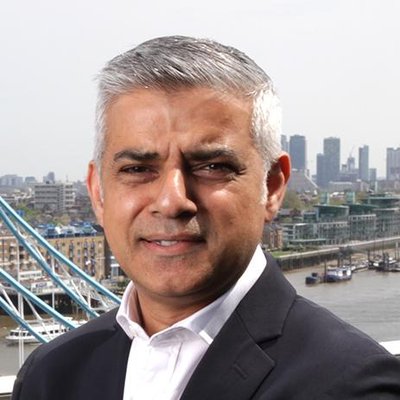
  • Sadiq Khan – 2022 Comments on a Diverse Metropolitan Police

    Sadiq Khan – 2022 Comments on a Diverse Metropolitan Police

    The comments made by Sadiq Khan, the Mayor of London, on 22 April 2022.

    Keeping Londoners safe is my top priority, and I am working closely with the police to encourage Londoners from all backgrounds to join a bigger and better Met Police service.

    I am determined to increase the trust and confidence that all our communities have in the police, which is why it is so important that we have a service that reflects the diversity of the city it serves. I want the Met to represent us all and urge Londoners of all backgrounds to apply to become a police officer and help be the change you want to see. I’m really proud that we now have more police officers than at any other time in London’s history and by joining the police you can help to impact so many lives for the better.

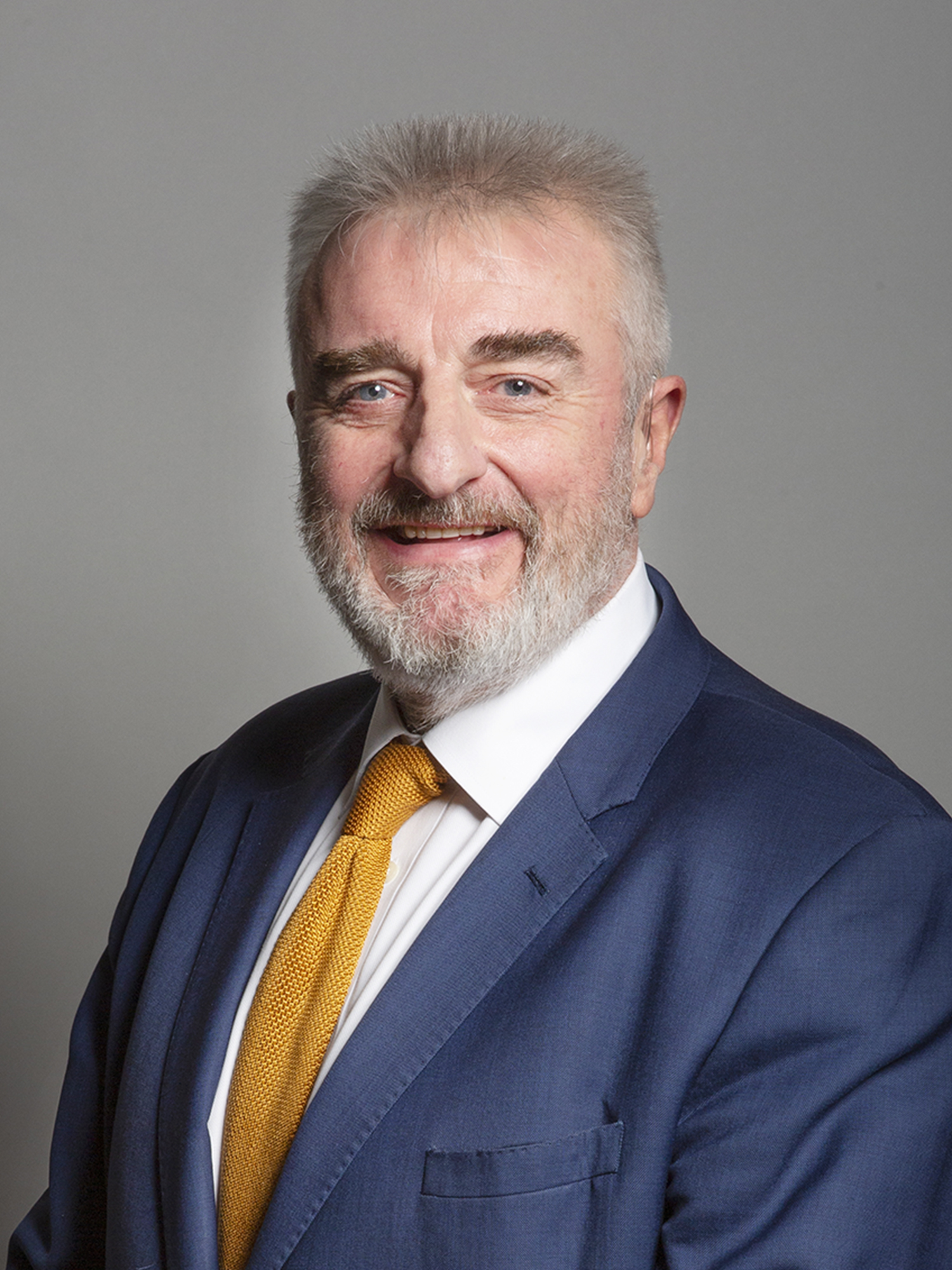
  • Tommy Sheppard – 2022 Speech on Referring Boris Johnson to the Committee of Privileges

    Tommy Sheppard – 2022 Speech on Referring Boris Johnson to the Committee of Privileges

    The speech made by Tommy Sheppard, the SNP MP for Edinburgh East, in the House of Commons on 21 April 2022.

    We are all human. We are all fallible. We all make mistakes, but how we deal with those mistakes is a measure of our integrity and character. The British people have overwhelmingly judged the Prime Minister to have dealt with his mistakes disastrously. They overwhelmingly believe him to be a liar, and they have lost trust and confidence in him. That is a problem not just for this Government but for the British political system, and I caution some Conservative colleagues to be less cavalier in trying to dismiss those public concerns.

    The narrative coming from the Government seems to be that these breaches were just a consequence of living with the regulations. They were bound to happen, part of normal life, and they were happening in all sorts of places. “They have paid the fine; let’s move on—nothing to see here.” That will not wash. First, the overwhelming majority of people in this country did not breach the rules. They accepted the mandation put on their behaviour, often at great cost and personal consequence. I have hundreds of emails from constituents; I wanted to read some out, but there is not time. People were unable to be present when their children were born or when their parents were buried. They know, and are angry about, what was happening in No. 10 Downing Street while that was being done to them.

    The other reason why that will not wash is that many people have paid for their actions with much greater consequences than this Prime Minister. Many people have written to me asking why he has only been given a 50 quid fine while others are being fined up to £10,000 for breaches of the rules. Many in public office have already lost their jobs because of their transgressions, and they are right to sit back and wonder why the holder of this one office should be immune from that consequence.

    These people are suggesting that they did not really know that the rules were being broken at the time. That really does beggar belief. We heard from the hon. Member for Wycombe (Mr Baker) earlier. We know that he and his colleagues within the parliamentary Conservative party were waging a fierce and vicious argument about the consequences of these restrictions. The idea that people sitting in Government offices drinking and socialising after hours did not think that they were in breach of the rules that they themselves were making is risible and we should dismiss it.

    I think there is a simpler explanation for all of this. I genuinely believe that we have a Prime Minister whose conceit of himself is so great, and whose sense of entitlement so profound, that he genuinely did not think that the rules applied to him. That is why, when exposed—when found out at the end of last year—he did not come to the House and offer contrition; he did not come and say sorry. He came and he dissembled, and he misled, and he tried to do everything to cover up the breaches that had happened. That, to my mind, more than the attendance at a party, is what he stands charged with today. It is not the fact; it is what he tried to do to conceal his actions. That, in my view, is unforgivable.

    Janet Daby (Lewisham East) (Lab)

    The hon. Member is making an excellent speech, and I agree with everything he is saying. More than 170,000 people have died from covid in the United Kingdom. That means that it has affected so many friends and so many families, and there has been a devastating sense of remorse for people’s loss. If the Prime Minister were really showing his own great remorse for breaking rules that he had set, surely his actions would speak louder than his words and he would resign. Does the hon. Member agree?

    Tommy Sheppard

    I could not agree more. I think that the Prime Minister would have resigned if he had any integrity. I consider it remarkable that rather than his giving an apology and any demonstration of contrition when these events came to light, it was not until he was dragged kicking and screaming into the light of truth by the criminal justice system and the forces of law enforcement that we actually received the apology that we heard this week, and that is not enough.

    I want to spend one minute talking about the situation in Scotland. The hon. Member for Moray (Douglas Ross) leads the Scottish Conservatives. At the start of this year in the Scottish Parliament, he and his colleagues took, I believe, the right decision—they called on the Prime Minister to go—but somehow, miraculously, they have now been whipped into line by Central Office and changed their minds on that question. In commenting on that, I can do no better than quote Professor Adam Tomkins, a very senior Conservative and, until recently, a Conservative Member of the Scottish Parliament. He says that the hon. Member and his colleagues

    “have now reduced themselves—and made their former position of principle look not only empty but risible—by insisting that the prime minister is now somehow fit for office and that being fined by the police makes no difference… The Scottish Conservatives are in terminal decline, again. And, this time, it is their own fault.”

    That comes from within the Conservative party in Scotland itself.

    I know that many people throughout Britain will look with horror at the way in which this Government have traduced public service and denigrated many of the democratic institutions in their country, but people in Scotland look at it too and see it as further evidence of a British state that is in decline and does not represent their interests. They are increasingly attracted by the opportunity to create a new country, an independent country with a different constitution.

    Let me end by saying that I will vote for the motion, and I caution Conservative Members to do so as well. They are right—there is no room for personal attacks in this place or in politics—but let them understand this: actions do have consequences, and what goes around will come around. If the parliamentary Conservative party tries to sweep this under the carpet and tries to acquiesce in the actions of this Prime Minister any further, it will pay a very heavy political price.

  • Rushanari Ali – 2022 Speech on Referring Boris Johnson to the Committee of Privileges

    Rushanari Ali – 2022 Speech on Referring Boris Johnson to the Committee of Privileges

    The speech made by Rushanari Ali, the Labour MP for Bethnal Green and Bow, in the House of Commons on 21 April 2022.

    When we entered the pandemic, the Government, led by the Prime Minister, rightly called on the British people to do the right thing and protect each other by following the law and the rules. That is why this affair has been so devastating for so many of us, including my constituents. We all, in different ways, have had to make sacrifices. Some of us lost loved ones and have not been able to mourn them properly because of the restrictions. That applies to many of our constituents up and down the country. I know that from first-hand experience. In my family, we lost friends and relatives and were not able to see their family members or to attend services and support the bereaved.

    I want to highlight a few of the many cases raised by those who wrote to me about this affair. Craig wrote to me about his grandmother. He said:

    “My grandmother was my best friend. She was admitted to hospital on the day the first cases of Covid were identified in the UK. She died in hospital in early June 2020.

    She spent the vast majority of her time in hospital alone, confused, with no visitors. It was terrible for us all and the first Covid lockdown will be forever remembered as one of the worst times of my life.

    I and the rest of my family closely adhered to all lockdown advice and the new laws put in place. My nan’s funeral took place the week of the Prime Minister’s birthday party. We were only allowed a handful of people in the service, most of our family and friends forced to line the street outside the crematorium…I cried while writing this email to you, reliving these memories. I cannot allow the Prime Minister and this government to re-write the history of the pandemic and dismiss our collective trauma as ‘just a slice of cake’ or ‘no worse than a speeding ticket’. The nation should not be gaslit into thinking that the pandemic was not so bad.”

    Another constituent said:

    “My mother was taken to…hospital…for a blood test in April 2020, a week after lockdown began. The test showed that she needed treatment before she could come home, but…we were given the totally unexpected news that she only had days to live.

    This devastating news was made worse because my father (who was then almost 90 years of age) and my three sisters and I knew that the lockdown rules meant that we would not be able to see my mother again and that she would die (as she did, two days later) with no-one from her family with her.

    So, how do you think my father, my sisters and I felt when the news broke of the partying in No 10, whilst we were adhering to the rules so strictly? I now feel even more angry when I hear government ministers, who I would hope would have some standards of integrity, coming forward on an almost daily basis to say that it’s not an important matter, that the Prime Minister is not to blame, that he has apologised so that makes it all right…I hadn’t intended to write to you. What has led me to do so is Ministers comparing ‘Partygate’ to parking and speeding fines, and the fact that the Prime Minister is going to issue another full apology as though that will make it all right. For me, it doesn’t!”

    Another constituent said:

    “I just wanted to add my voice to those asking for the Prime Minister’s resignation. I buried my mum about a week before he attended that party that broke the law. We couldn’t even hug at the funeral, which was only allowed ten attendees. No political story has ever made me this furious. I feel like I’ve been scammed by my own government, taken for an absolute fool for obeying the very laws they set…If the Prime Minister can’t even uphold a standard so basic as the rule of law, what are we as a country?”

    The final story I want to share is of a health and social care worker. She said:

    “I know first-hand the impact Covid has had on vulnerable people and the front line…We should not be living in a country where there is one rule for the PM and government ministers and another one for everyone else.”

    Those are voices of pain amid so many messages, emails, cards and letters I received. They are voices of agony and sacrifice—so many cries of pain from the British people, who deserve better. The public rose magnificently to the task of tackling the pandemic. We need to ensure that the motion is supported today. I will support it, and I am glad that some Government Members will. I hope that others will hear the voices of people up and down the country, and will support it, too.

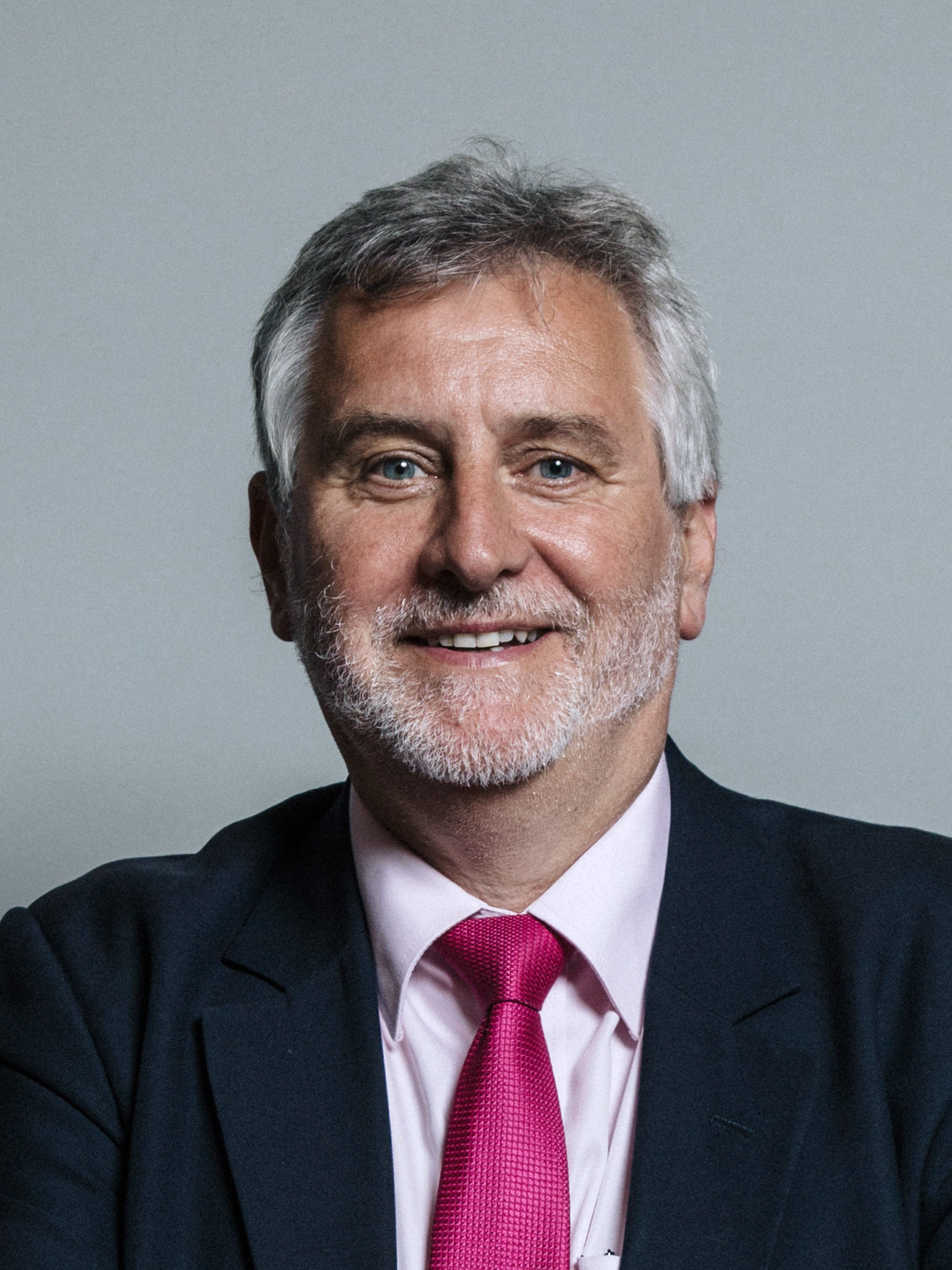
  • Clive Efford – 2022 Speech on Referring Boris Johnson to the Committee of Privileges

    Clive Efford – 2022 Speech on Referring Boris Johnson to the Committee of Privileges

    The speech made by Clive Efford, the Labour MP for Eltham, in the House of Commons on 21 April 2022.

    Several hon. Members have referred to the collateral damage that the Prime Minister leaves in his wake, as he has done throughout his career. For example, the Paymaster General, who is on the Front Bench today, said on 9 December during a statement on the Christmas party at No. 10 Downing Street:

    “The Prime Minister has been repeatedly assured since these allegations emerged that there was no party and that no covid rules were broken.”—[Official Report, 9 December 2021; Vol. 705, c. 561.]

    We now know that there were several parties, not just one, and that the rules were broken, because fines have been issued, one of which the Prime Minister has received. Part of the collateral damage, therefore, is that the Paymaster General came here to make a statement, based on the same information that allegedly was given to the Prime Minister, and misled the House. I accept that the Paymaster General did so inadvertently, but what has he done about that? The record needs correcting. Surely he should be investigating how he came to be misinformed and to misinform the House.

    This has happened on too many occasions for ignorance to be the defence. There is this idea that, throughout lockdown and all the occasions on which these parties took place and the rules were broken, none of the bright young things who had been invited ever thought that any one of those events might break covid rules. Is it conceivable that no one raised a single question about whether they might be breaking the rules? Some of those events were drinks events for people who were leaving. In our constituencies, people missed funerals and cancelled weddings and birthday parties. However, the people in No. 10 thought that it was okay to have leaving drinks. Where are they? What were they thinking? How out of touch with our constituents can they be to think that they can have a leaving drinks party and are more important than our constituents?

    Barbara Keeley (Worsley and Eccles South) (Lab)

    My hon. Friend is making a good speech, and that is a good point. I want to make a point about the impact of breaking the law, and how it hurt people and continues to do so. My constituent told me:

    “Boris Johnson broke the law partying with his colleagues while I watched my father die through a care home window. My father gave up on life because he could not have any proper connection with much-needed family during recovery from a stroke. I think he could still be alive today if I was able to break the law by having a close connection with him”,

    but, they say, they were not in the privileged position of the Prime Minister.

    Clive Efford

    What my hon. Friend read out speaks for itself. She has demonstrated, as have many others, through the cases they mentioned, that the problem starts at the top. The workers who organised the parties would not have done so if they thought that their bosses would be upset, would come down on them and say, “You are breaking the rules. Stop it.” We now know that on at least six occasions, the Prime Minister was present at these parties, so this problem comes right from the top.

    The Prime Minister’s defence has been different on many occasions. He started by saying that no rules were broken. He then said that there was a party, but that he was not present—but then he was. Then he said, “I wasn’t warned that it wasn’t a work do.” I did not see anything about a work do in the rules, but perhaps I missed that. The person who writes the rules cannot misunderstand them so fundamentally.

    Setting that aside, if the Prime Minister’s defence is, “I didn’t understand the rules; I needed them explained to me” and “I was misled at the outset about there having been a party, because people told me that there wasn’t one,” who misled him? What has happened to them? Are they still in their posts? Have they moved on? Have they signed non-disclosure agreements? Where are those people who misled the Prime Minister, which led him to him inadvertently misleading the House? We cannot have this both ways: either the Prime Minister knowingly came to this House and lied, or other people lied to him, which led to him misleading the House. Either way, we need to identify those people.

    The worst crime of all, however, is failing to feel the pain that our constituents felt throughout lockdown. No one who felt the agony and understood the pain that people were going through, as in the example that my hon. Friend read out, could have attended the events that happened in No. 10 Downing Street and other places. The question for Tory MPs today is this: do you stand by the people who felt that pain and vote today for—

    Madam Deputy Speaker (Dame Rosie Winterton)

    The hon. Gentleman knows that he must not use the word “you”.

    Clive Efford

    This applies to you too, Madam Deputy Speaker. Will Tory MPs stand by the people who felt that pain throughout the past two years? They deserve answers. As others have pointed out, this is about fundamental trust in our politics. When Tory MPs vote today, they should think about the damage that they are doing to the trust in our political process, because the public deserve better. They should think about that before they vote. This matter should go before the Privileges Committee. They know that, so they should vote for that.

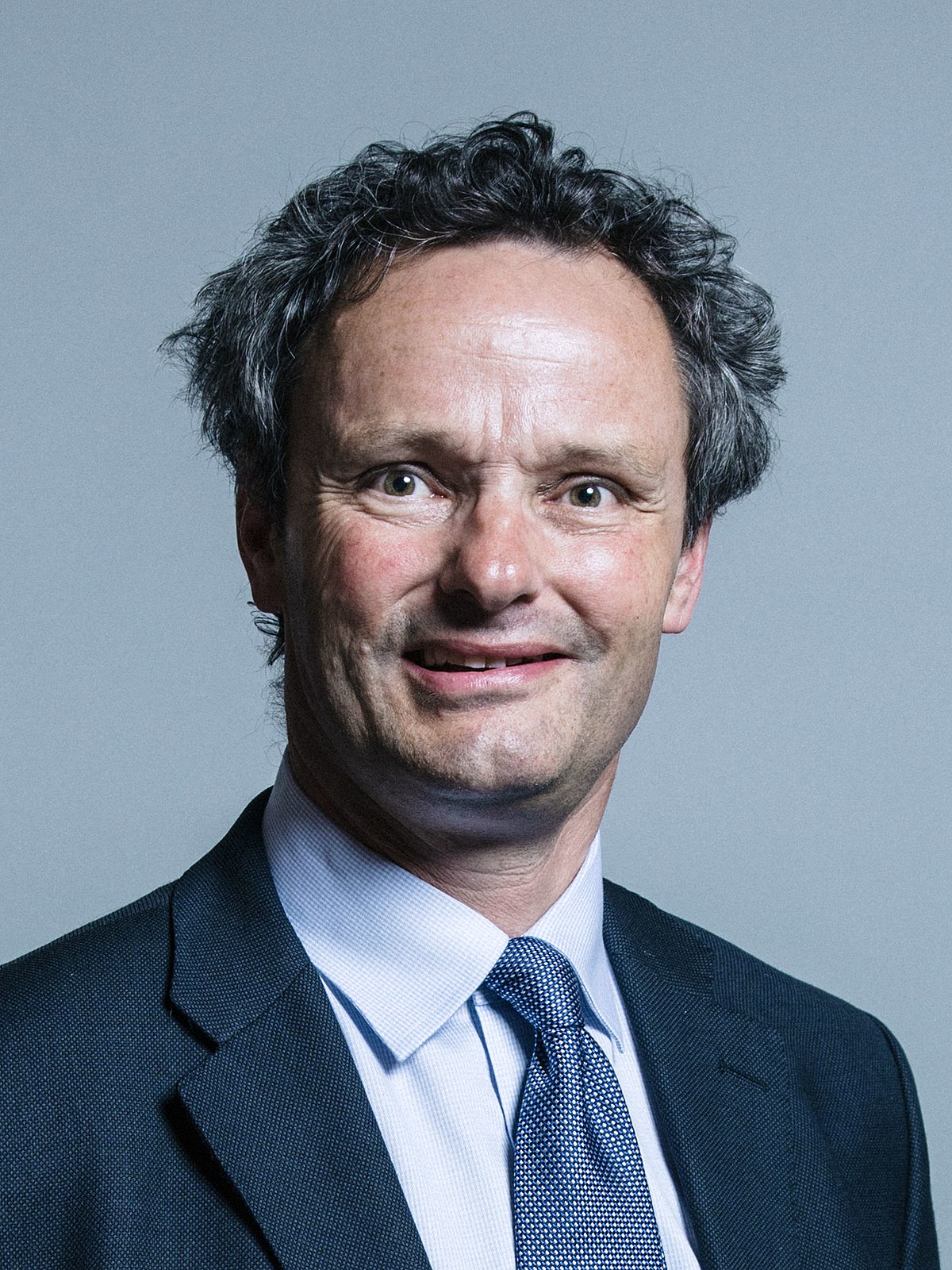
  • Peter Aldous – 2022 Speech on Referring Boris Johnson to the Committee of Privileges

    Peter Aldous – 2022 Speech on Referring Boris Johnson to the Committee of Privileges

    The speech made by Peter Aldous, the Conservative MP for Waveney, in the House of Commons on 21 April 2022.

    I would like to make three brief observations.

    First, Mr Speaker was quite right to decide that there was an arguable case to be examined by the Committee of Privileges. That is the issue in front of us today, not whether the Prime Minister intentionally misled the House. That is for the Committee to decide. While in many respects this situation is completely unprecedented, there have been similar cases which confirm that such a referral is the right course to pursue: the 1947 case of Mr Garry Allighan; the 1977 case involving Reginald Maudling, John Cordle and Albert Roberts; and the 2005 case of Stephen Byers, which I shall comment on further shortly.

    The second point to decide is the timing of the consideration by the Committee of Privileges. The motion states that that should not begin in a substantive way until the inquiries conducted by the Metropolitan Police have been concluded. The amendment, which will not be moved, states that any vote should wait until the police investigations have been completed and Sue Gray’s report has been concluded. In many respects, we could go round and round in circles as to which of those courses is the right one to pursue. Thus, it is welcome that the amendment is not being moved.

    Finally, I return to the case of Mr Stephen Byers and the manner in which that equivalent debate, on 19 October 2005, took place. The then Leader of the House, Geoff Hoon, concluded the debate by stating:

    “The Government support the motion because it is necessary for the House to refer possible breaches of the rules to the Standards and Privileges Committee for investigation. The Government respect the privileges of the House and we will uphold them. They are crucial to the independence of Parliament and the strength of our democracy.”

    He concluded by saying:

    “I urge Members to refrain from treating the matter as a party political question.”—[Official Report, 19 October 2005; Vol. 437, c. 849.]

    The motion was passed without Division.

    I acknowledge that in this instance the stakes are much, much higher and that hon. Members from right across the Chamber quite rightly, as we have heard this morning, hold passionate views on this matter. But that approach, I would suggest, is the right one for us to pursue

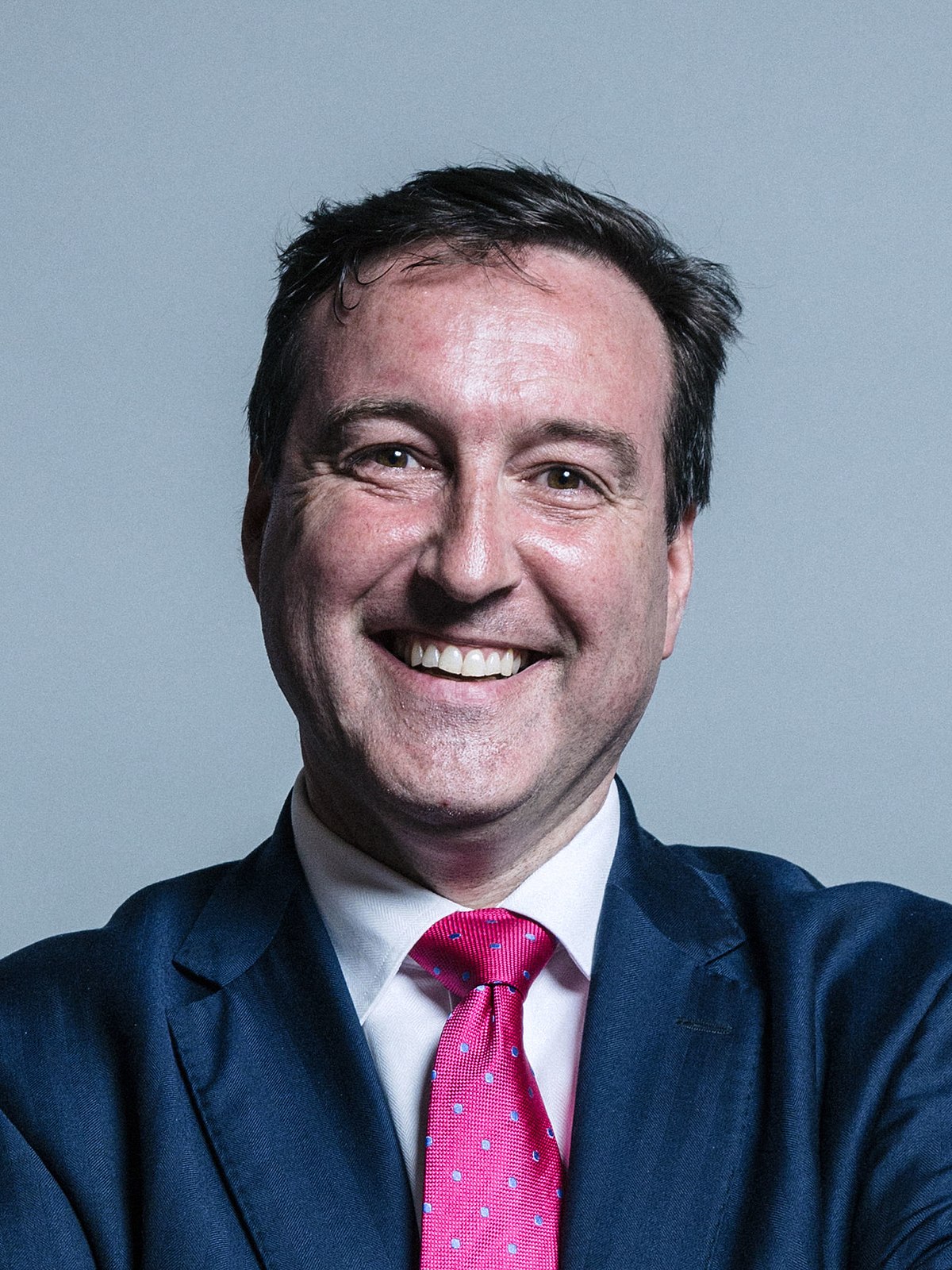
  • Christian Matheson – 2022 Speech on Referring Boris Johnson to the Committee of Privileges

    Christian Matheson – 2022 Speech on Referring Boris Johnson to the Committee of Privileges

    The speech made by Christian Matheson, the Labour MP for the City of Chester, in the House of Commons on 21 April 2022.

    There has been a lot of talk about apologies. I remind the House that the motion is not about whether the Prime Minister has apologised but whether he knowingly lied to the House. He has not apologised for that—he has not even admitted it. In fact, he has persistently and consistently said that “there was no party”, that there was no cake and that there was a party but there was no cake—I could go on. I welcome those apologies, but let us be clear about what the motion says.

    Earlier, the leader of the SNP, the right hon. Member for Ross, Skye and Lochaber (Ian Blackford), reflected the words of my right hon. and learned Friend the Member for Holborn and St Pancras (Keir Starmer) about the Prime Minister’s modus operandi: he leaves a trail of chaos in his wake and lets other people pick up and take responsibility for the problems that he has caused. The latest victim of that—I told him that I would mention this—is Mr Speaker and the office of the chair. Recently, when he had to chuck out the leader of the SNP for calling the Prime Minister a liar, he got huge amounts of public opprobrium, saying, “What on earth is Speaker Hoyle doing? Why is he chucking out the leader of the SNP when we know what the Prime Minister is up to?” The Prime Minister does not mind because somebody else takes the criticism for that. He is undermining not simply Mr Speaker but this House and, as hon. Members have said, our democratic system. The public cannot understand what on earth is going on when one person gets thrown out and the person who is the root of the problem is happy to stay there smirking on the Front Bench. That is his modus operandi, and it is dragging our democratic system down.

    We all make mistakes. I make mistakes, and I have had to correct the record. We have heard about apologies and about the Prime Minister being contrite, but I do not recall one occasion on which he has come back to the House and corrected the record. Not one. I think that there is an outstanding letter to him from the UK Statistics Authority about a misleading claim that he has yet to come back to correct. The bottom line is that the Prime Minister will say whatever is necessary at one point to get out of whatever situation he is in, with no sense of obligation to the truth or to whatever promise he has just made. I have scribbled down a list of five or 10 promises he has made and broken, but, as I do not want you to call me up, Madam Deputy Speaker, as we are talking specifically about the occasions when he denied there was a party, that list will have to wait for another occasion—but there will be another occasion.

    As I have said, the Prime Minister is damaging the UK’s reputation abroad. Outside this Chamber, our partners abroad—as well as our adversaries and enemies—can see that he is losing credibility and they cannot necessarily work with him because his word cannot be trusted. That damages the UK, and that is serious at a time of international crisis.

    I finish by quoting an article from The Guardian by Simon Kuper about the Oxford Union and a younger version of the Prime Minister who wrote an essay on Oxford politics for his sister’s book, “The Oxford Myth”:

    “His essay tackles the great question: how to set about becoming the next prime minister? Johnson advises student politicians to assemble ‘a disciplined and deluded collection of stooges’ to get out the vote.”

    Remember that this was just after he left university. The quote from the Prime Minister in his earlier days continues:

    “The tragedy of the stooge is that…he wants so much to believe that his relationship with the candidate is special that he shuts out the truth. The terrible art of the candidate is to coddle the self-deception of the stooge.”

    Those were the Prime Minister’s views then. They are apparently still the Prime Minister’s views today. The British people have made up their mind and for them the penny has dropped. I say to hon. Members on the Conservative Benches that it is time for the penny to drop for them as well. They need to search their feelings. They know it to be true. This is the manner of the Prime Minister and today is the time finally to put a line underneath that.

  • Alexander Stafford – 2022 Speech on Referring Boris Johnson to the Committee of Privileges

    Alexander Stafford – 2022 Speech on Referring Boris Johnson to the Committee of Privileges

    The speech made by Alexander Stafford, the Conservative MP for Rother Valley, in the House of Commons on 21 April 2022.

    Much has already been said about the police’s investigation, as a result of which the Prime Minister was issued with a civil penalty. He paid it immediately and came to this House at the earliest opportunity to give a heartfelt apology. Not only that: it is clear that he and the Government do not oppose moving the matter to the Privileges Committee, which shows that his contrition is right and true.

    Let me be clear that the Prime Minister’s apology was the right thing to do. Each and every single Briton across the length and breadth of our beautiful country has made sacrifices during the pandemic. When my first daughter was born, my wife was seriously ill and, because of that, I could not see my daughter for five days. I made sacrifices. All my residents made sacrifices. Even the Prime Minister made sacrifices when he almost died from covid and, as we know, when his family members died, he could not attend their funerals.

    All politicians should be held to the highest standards, be that the Prime Minister, the Leader of the Opposition, the right hon. Member for Islington North (Jeremy Corbyn) or the Scottish First Minister, and all of them have been caught and photographed in covid-compromising positions. They should all be referred to the Privileges Committee to be investigated.

    The Prime Minister paid the fine, and rightly so. He has been unequivocal that he respects the outcome of the police’s investigation and that he will always take the appropriate steps. The central issue is whether he intentionally or knowingly—those are the vital words—misled the House. I point to an article published in The Times on Saturday 20 June 2020, the day after the event in question in Downing Street. It reads:

    “Boris Johnson celebrated his 56th birthday yesterday with a small gathering in the cabinet room. Rishi Sunak, the chancellor, and a group of aides sang him Happy Birthday before they tucked into a Union Jack cake. The celebrations provided a brief respite after another gruelling week”.

    The Prime Minister has said that it did not occur to him then or subsequently that a gathering in the Cabinet room just before a vital meeting on covid strategy—to save lives—could amount to a breach of the rules. That event in No. 10 was reported the next day in a national newspaper and did not then prove controversial. It is unfathomable that the Prime Minister’s team would have alerted journalists to the event and incriminated him if he believed that it was against the rules. That does not make sense. Nevertheless, the Prime Minister apologised and has been punished. Further, for transparency, he has welcomed the matter being moved to the Privileges Committee.

    I also want to briefly address an article yesterday in The Times, which reported that

    “Sir Keir Starmer had warned Tory backbenchers that they would pay a price for blocking an investigation”

    including personal attacks for supporting the Prime Minister. It is outrageous that the Leader of the Opposition came here on a day on which we talked about tolerance in politics to lay out such a threat of bullying against Members of this House. We all have our own minds. We may all disagree, but I and many colleagues have had death threats and to threaten people and to try to stoke that is incredibly dangerous.

    Jess Phillips (Birmingham, Yardley) (Lab)

    There were no threats of bullying made. What we are talking about is an electoral threat. I have had to take two death threats to the police that directly quoted words said in this place by the Prime Minister of our country. People have attacked my office on the basis of the words of our Prime Minister and, when that was raised with him, he said, “humbug”.

    Alexander Stafford

    We must be honest that we face death threats on both sides of the House—[Interruption.]. No, this is an important point. No one should get abuse in their job. My point is that only yesterday—a day when we were talking about debates—the article said:

    “Tory backbenchers…would pay a price”

    through personalised attacks. I am sorry that the hon. Member received death threats; she should not have done.

    Sara Britcliffe (Hyndburn) (Con)

    Is not the point that we all face abuse from being in this place—as one of the youngest Members in the Chamber, I fear every day for the bullying and harassment that I will receive—and that all targeted attacks do is stoke the flames so that we receive more abuse?

    Alexander Stafford

    Indeed, they do. We should all rise above that and treat each other with the courtesy that everyone needs in a place of work. Sadly, we have witnessed the violence that colleagues have been exposed to and, ultimately, the deaths of two colleagues.

    Going forward, the Prime Minister has clearly taken significant measures to improve how things are working in No. 10, and there are more changes to come. We have talked about Christian forgiveness. I am a Christian—a Catholic—and this is a Christian country. Forgiveness is at the core of what we believe. The Prime Minister has offered a heartfelt apology and his contrition. He has come to the House, and he is happy for the matter to go to the Privileges Committee; he does not oppose that. He has apologised. We need to look at that.

    It is now time to crack on with the priorities for our country. We have an obligation to deliver on our election promises, and I look forward to the Government focusing on important issues for my constituents in Rother Valley, including getting the Rwanda illegal immigration scheme up and running as soon as possible and winning the war against the fascist Putin. The Rwanda scheme will save lives, defeating Putin will save lives and, through covid, the Government have saved many lives in this country.

  • Liz Saville Roberts – 2022 Speech on Referring Boris Johnson to the Committee of Privileges

    Liz Saville Roberts – 2022 Speech on Referring Boris Johnson to the Committee of Privileges

    The speech made by Liz Saville Roberts, the Plaid Cymru MP for Dwyfor Meirionnydd, in the House of Commons on 21 April 2022.

    Before I start my main points, I want to mention a couple of things that I have been listening to. First, many of us on this side were aware that the Government were trying to kick the issue down the road with their abandoned amendment. We are two weeks away from the local elections, and their action begs the question of whether desperation to ensure that the way their MPs voted was not on the record was their motivator.

    Secondly, the Government’s approach is that they live in hope that the public’s memory is ruled by the news cycle and that the public interest will move on. I believe that they are fundamentally wrong in that assumption. Everybody who made a personal sacrifice during covid will remember their loss, pain and grief for the rest of their lives. It is engraved on our hearts. We are not going to forget. The Government may kick this down the road, but they are wrong if they assume that their safety is tied up with the news cycle. The Prime Minister’s behaviour will not be forgotten.

    Today we have a chance to correct the record, to reinstate credibility in our system and hold Conservative Members—and, indeed, all of us—to account, not only for their or our misdeeds but for our preparedness on occasion to defend the indefensible. Today is a chance for all Members, of all parties, to do the right thing, and our names should be on record when we want to do the right thing.

    Public trust in our democratic system is plummeting as we careen from one scandal to another, and the very reputation of our democracy, ourselves and the function that we are honoured with here is seemingly at stake.

    Some 73% of the British public are in favour of a Bill that would criminalise politicians who willingly lie to the British public. Plaid Cymru has been calling for stronger measures to ban politicians from lying in their public role, not just in the past few months, but for 15 years.

    We all know that we live in an age of public disenchantment. From that same poll, conducted by Compassion in Politics, we learnt that 47% of people have lost trust in UK politicians during the past 12 months. If we look back at the momentous events over the period, from the fall of Kabul to the pandemic to the Russian invasion of Ukraine and the cost of living crisis, what other conclusion can we draw than that we have failed in our duty to uphold the public’s trust?

    That sense of failure is not just a rhetorical gambit, a professional nicety or an optional extra for us here. From anti-vaxxers to the Putin regime, when we fail to confront mistruths, we create a truth vacuum in which division takes hold. When any “truth” is as good as any other, division along political lines comes to matter more than agreement on the common ground of facts. That matters.

    We work in an institution where we cannot call out the lies of another Member, regardless of their position of responsibility—lies that are broadcast around the country, recorded for posterity and therefore impressed on the memories of millions of people. We have no way of addressing that effectively.

    Although I defer to the Speaker’s judgment in this matter, partygate has demonstrated conclusively that our self-regulating system is no longer fit for purpose. The ministerial code has been proven not worth the paper it was written on. Gentlemen’s honourable agreements depend on the existence of honour. We must do better. If we cannot do better, because we make a mockery of the public’s concerns by shrugging our shoulders and accepting that it is merely part and parcel of modern politics, we must be compelled to do better.

    We as legislators must legislate to uphold our good names, and, by extension, the good name and efficacy of democracy itself. A first step would be a Bill; a second would be rebuilding our political model, much as Wales and our Co-operation Agreement has done, so that politics is built around what we share, rather than that which divides us. Honesty is the most important currency in politics. We have to restore it before we here are responsible in part for bankrupting our society.