Category: Speeches

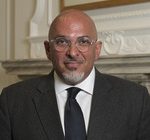
  • Priti Patel – 2022 Speech on Preventing Crime and Delivering Justice

    Priti Patel – 2022 Speech on Preventing Crime and Delivering Justice

    The speech made by Priti Patel, the Home Secretary, in the House of Commons on 11 May 2022.

    It is an honour to open today’s Queen’s Speech debate on behalf of Her Majesty’s Government.

    Keeping citizens safe is the first duty of any Government and, although it is not the only duty, meeting every other duty depends on it. Whenever fear and crime flourish, people cannot, and nor can our economy or our democracy. The Conservative party is the party of law and order. Unlike some, we understand that freedom includes the freedom of the law-abiding majority to go about their business free from harm. Those on the Opposition Benches are eager to defend the murderers, paedophiles, rapists, thugs and people with no right to be here. They cheer on selfish protesters who cause chaos and endanger lives. They back people who thwart the removal of foreign national offenders from our country.

    In the last Session, opposition parties voted against the Police, Crime, Sentencing and Courts Bill and the measures to stop the likes of Insulate Britain ruining the lives of ordinary working people going about their daily business.

    Yvette Cooper (Normanton, Pontefract and Castleford) (Lab) rose—

    Priti Patel

    I will not give way. The right hon. Lady will have the chance to speak shortly.

    Opposition parties voted against tougher sentences for killer drivers, greater powers to monitor terrorists, and an end to the automatic release of dangerous criminals. They are much less curious about the rights of everyone else to go about their everyday business free from molestation. It amazes me that the Labour party dares to hold a debate on crime just after having voted against the PCSC Bill. If Labour Members really cared, they would have backed the Bill.

    This Government and this party back the police, our intelligence and security services and the law-abiding majority. We have reformed the criminal justice system so that it better supports victims and ensures that criminals are not only caught, but punished.

    Yvette Cooper

    Will the right hon. Lady give way?

    Priti Patel

    While the right hon. Member for Normanton, Pontefract and Castleford (Yvette Cooper) voted repeatedly against boosting police funding, we have given the police the investment they need. An increase of £1.1 billion has taken the spending to nearly £17 billion a year.

    Dame Margaret Hodge (Barking) (Lab)

    I am very grateful to the Home Secretary for giving way. I want to engage not in the to and fro on which she started her contribution, but on a subject where I think there is unity across the House, which is in the fight against economic crime. Does she agree that if we are to be effective in fighting economic crime, we must have measures that introduce better transparency, that properly fund our enforcement agencies, because, at the moment, they are not fit for purpose, and that also hold to account the enablers of economic crime for the actions that they take?

    Priti Patel

    The right hon. Lady is absolutely right. I will come onto the forthcoming economic crime Bill, which speaks very specifically not just about how we do better and more, but how we target our resources to stamp out fraud and go after the permissive environment and the individuals who occupy that space and commit the most appalling economic crimes.

    Since I became Home Secretary, an additional 13,500 police officers have been recruited. We are well on the way to our target of 20,000 more police officers by next March. Following the incredible response to our public consultation—

    Mr Andrew Mitchell (Sutton Coldfield) (Con)

    I am extremely grateful to the Home Secretary for giving way. May I reinforce the cross-party nature of what the right hon. Member for Barking (Dame Margaret Hodge) has just said? She will know that the right hon. Lady and I have done quite a lot in the House to support the points that she has just made. I very much hope that, when the right moment comes in the economic crime Bill, she will listen carefully to the work that has already been done to try to reinforce the very point that she has just made.

    Priti Patel

    My right hon. Friend is correct on this. I know that, for many years, he has been a champion of many of the reforms, some of which have been put in place. We have had part 1—the Economic Crime (Transparency and Enforcement) Act 2022 and sanctions—but the next Bill will also tackle Companies House and many of the wider issues that have been raised.

    Andy Carter (Warrington South) (Con)

    The Home Secretary has talked about the extra 13,000 officers recruited across the UK. It perhaps helps to break the figures down. Cheshire has had 189 new officers, and we are seeing results from those additional recruits. There has been a striking improvement in the number of arrests in relation to child abuse cases. Those officers increased from 10 to 46, and last month, we saw 28 extra arrests in Cheshire. Does she agree that that sort of increase makes a significant difference? It is not just about having fluorescent jackets on the streets; it is about the work of investigators tackling terrible crimes such as child abuse.

    Priti Patel

    My hon. Friend is right. There are a number of points to make on that. I know that the Minister for Crime and Policing recently visited that team. First and foremost, when it comes to the most appalling crimes of child abuse and sexual exploitation, a number of significant measures were passed through Parliament in the Police, Crime, Sentencing and Courts Bill, including tougher sentences, which, as I have already said, the Labour party voted against.

    Karl Turner (Kingston upon Hull East) (Lab)

    Will the right hon. Lady give way?

    Priti Patel

    Let me make a bit more progress.

    Following the incredible response to our public consultation, we published the violence against women and girls strategy. The Government have passed the Domestic Abuse Act 2021 and launched the multi-year “Enough” campaign to challenge and change misogynistic attitudes. These are terrible crimes that disproportionately affect women and girls, such as domestic abuse, sexual violence, stalking and female genital mutilation. Addressing them is our priority and responsibility. The Government’s rape review found a steep decline in the number of cases reaching court since 2016. One of the key reasons for this was the number of victims withdrawing from the criminal justice process, and in too many instances the criminal justice system has simply not been good enough and has failed victims. Across Government, my colleagues and I intend to transform support for victims by ensuring that cases are investigated fully and pursued vigorously through the courts.

    Karl Turner

    The Home Secretary talks about victims; why is crime up 18% but prosecutions are down 18%?

    Priti Patel

    I will come on to that as well, but first I want to speak about the rape action plan. We will increase the number of cases reaching court back to 2016 levels, which means reducing the number of victims who withdraw from the process and putting more rapists behind bars.

    Crucial in how the Government will do this is not just money but investment in capabilities and the court system. The Government are investing over £80 million in the Crown Prosecution Service to tackle backlogs and recruit more prosecutors across the entire the country, because we need to start tackling this inequality. There is a significant inequality; that is in part a result of factors such as the way charges have been made and prosecutions brought, but there are other challenges as well.

    Yvette Cooper

    Will the right hon. Lady give way?

    Priti Patel

    No, I will not give way; the right hon. Lady will have a chance to speak. [Interruption.] The right hon. Lady will have an opportunity to speak shortly. [Interruption.] If I may finish my point, I may come to her.

    The other factor in terms of policing is the increase in the volume of digital evidence, and a vast amount of work is taking place across policing and the CPS now looking at how we can have an end-to-end approach across the criminal justice system to assess digital evidence. Also, for the first time the criminal justice system is now going to be held to account through performance scorecards through the crime and justice taskforce and also through the MOJ as well as the Home Office.

    Layla Moran (Oxford West and Abingdon) (LD)

    I thank the right hon. Lady for giving way. Is she aware, among student victims of sexual assault, of the use of gagging clauses and non-disclosure agreements in university non-contact agreements? I am in touch with various victims, particularly from Oxford university. One college, Lady Margaret Hall, has now signed a pledge to no longer use these but none of the other colleges has. Will the right hon. Lady join me and the universities Minister, the right hon. Member for Chippenham (Michelle Donelan), in asking other colleges to do the same, and will she consider meeting me so that I can relay to her the thoughts of victims in these cases?

    Priti Patel

    The hon. Lady is absolutely right. [Interruption.] I hear calls for more legislation from Labour Members, but, frankly, they also vote against all Government legislation. The hon. Lady raises a serious point. Through the crime and justice taskforce particularly, which is a cross-Government endeavour, the Education Secretary and other parts of Government are working with the MOJ to address and tackle these issues. The CPS has an important role to play here as well. I would be delighted to meet the hon. Lady and to speak to the universities Minister about this, because it is simply not right. Frankly, some of the practices being used are immoral, because they are effectively denying victims their right to have a voice.

    Yvette Cooper

    Will the right hon. Lady give way?

    Priti Patel

    No, I will not give way. The right hon. Lady will have the chance to speak shortly and there are, I think, 32 Members wishing to speak in this debate.

    Dame Diana Johnson (Kingston upon Hull North) (Lab)

    Will the right hon. Lady give way?

    Priti Patel

    Yes, I will give way to the Chair of the Select Committee.

    Dame Diana Johnson

    I am very grateful to the Home Secretary. On the issue of convictions for rape and serious sexual assault, one of the recommendations from the Home Affairs Committee was to have RASSO—rape and serious sexual offences—units in all police forces. Will the Home Secretary ensure that all police forces now have those specialist units, because we know if that is the case, it is more likely that investigations will be more thorough, victims will be treated better and convictions will follow?

    Priti Patel

    The right hon. Lady is absolutely right, and she will be aware of Operation Soteria, which does that. I will come on to wider support through the courts system and independent gender violence advocates, but the system is working now in a much more joined-up way, which I am sure the right hon. Member for Normanton, Pontefract and Castleford will also welcome. These measures have to be integrated not only with policing, but with the CPS, so that we have an end-to-end approach on prosecution.

    Nick Smith (Blaenau Gwent) (Lab)

    The Home Secretary talked about passports. Constituents are telling me that the long delays at the Passport Office could both badly affect the travel industry and ruin family holidays. We need action now. Will she ensure the backlog is dealt with in the coming weeks?

    Priti Patel

    If the hon. Gentleman has a particular case, I have been speaking to other hon. Members—[Interruption.] No, please send it to me. There has been a problem with Teleperformance, the company that runs the helpline on this, but I would be happy to address his points. There is a great deal of work taking place operationally with Her Majesty’s Passport Office in dealing with passports and applications, and we are about to have yet another record month of passport delivery.

    The fourth round of the proven safer streets fund is worth £50 million and will help to reclaim spaces so that people across our communities and streets are safe. Alongside that initiative, the Government have worked assiduously to combat issues such as drugs and county lines. While we know that Opposition Members are weak on combating drugs, this Government have overseen the arrest of 7,400 people as part of the county lines drug programme, and 1,500 lines have been closed. Drug seizures by police officers and Border Force in England and Wales in 2020-21 increased by 21% on the previous year. The 10-year drugs strategy is underpinned by £30 million of new investment to tackle that scourge.

    The Police, Crime, Sentencing and Courts Act 2022 backs the police with improved powers and more support for officers and their families in recognition of the unique and enormous sacrifices they make. It means tougher sentences for the worst offenders and modernises the criminal justice system with an overhaul of court and tribunal processes.

    Jonathan Gullis (Stoke-on-Trent North) (Con)

    I thank my right hon. Friend the Home Secretary for the Police, Crime, Sentencing and Courts Act. When I brought to this House the Desecration of War Memorials Bill, she immediately picked it up and ran with it and included it in the policing Bill, despite the mocking from the Labour party, including the Leader of the Opposition, saying that we were trying to protect statues rather than war graves and the war memorials to our glorious dead. Thank you, Home Secretary.

    Priti Patel

    I thank my hon. Friend for his support in making the Police, Crime, Sentencing and Courts Bill an Act of Parliament. It is through that work that we are now able not only to protect and stand with our officers and back the police, but to have tougher sentences for the worst offenders and to modernise the criminal justice system. The most serious sexual and violent offenders will spend longer in prison. The maximum sentence for assaulting an emergency worker has doubled, and whole-life orders for those who commit premeditated murder of a child will be extended. Those are all key features of the Act.

    This Government are also investing £4 billion to create 20,000 additional prison places by the mid-2020s, and the GPS tagging of 10,000 burglars, robbers and thieves over the next three years will deter further offending and support the police in pinning down criminals at the scene of their crime. That is why this Government will not stop. The beating crime plan is exactly the plan to cut rates of serious violence, homicide and neighbourhood crime.

    Mr Barry Sheerman (Huddersfield) (Lab/Co-op)

    If the Home Secretary will allow me to intervene, I co-chair with the hon. Member for Bromley and Chislehurst (Sir Robert Neill) the all-party parliamentary group on miscarriages of justice. We are looking at the real problems with forensic science since its privatisation. If we are going to catch more criminals and have a more effective criminal justice system, will the Home Secretary make it a priority to ensure that forensic science in every part of the country is as good as it can be?

    Priti Patel

    I pay tribute to the hon. Gentleman and the work of that group. Forensic science and the investment that goes into it is absolutely crucial to making sure that justice is served, and that victims receive the justice that they deserve. I would be happy, perhaps with Ministers, to organise a meeting on this, because there is a great deal of investment and work in forensic science. That is primarily because crime types evolve, and, in terms of the way in which sexual violence cases such as rape take place, digital evidence needs to be treated in a very different way, with the time that digital downloads take and the implications for forensic use. We would be happy to meet and have further discussion, and perhaps share any information and any good practice that we are experiencing in this evolving area.

    The beating crime plan includes £130 million to tackle serious violence and knife crime. This complements the improved stop-and-search powers that we have given the police so that they can do what is necessary to keep people safe. This law and order Conservative Government are introducing several Bills in this parliamentary Session that will further help to prevent crime and deliver justice. The Police, Crime, Sentencing and Courts Act was a major step forward, but elements were frustrated by the unelected other place, urged on by Opposition Members. We will not be deterred from our duty to protect the law-abiding majority from the mob rule and the thuggery that we have seen. The public order Bill will combat the guerrilla tactics that bring such misery to the hard-working public, disrupt businesses, interfere with emergency services, cost taxpayers millions, and put life at risk.

    Lee Anderson (Ashfield) (Con)

    The public order Bill, as the Home Secretary knows, will be music to the ears of many residents in Ashfield. We have seen these eco whatever-they-ares with their little hammers smashing up petrol stations. Does she think it is a good idea to give them bigger hammers and other tools and put them to work seven days a week like the rest of us?

    Priti Patel

    My hon. Friend, like me, believes in work, and that is effectively what we are doing in this Government—we are cracking on with the job, basically, in delivering on the British people’s priorities.

    It is important to reflect on this point: the dangerous nature of these protests should not be lost on anyone in this House. We saw in particular the recent Just Stop Oil protest, and there are other sites and oil refineries where these protesters impose themselves. It really is a miracle that somebody has not been killed or injured through the tactics that are being used. To give one example, in the county of Essex, £3.5 million was spent just on policing overtime to deal with those protesters, draining the resources of Essex police so that it could not protect citizens across the county, and at the same time it had to call for mutual aid from Scotland, Wales, and Devon and Cornwall.

    Despite Labour and the Lib Dems ganging up to prevent those measures from being included in the PCSC Act, we will act to support ordinary working people because we are on their side. The public order Bill will prevent our major transport projects and infrastructure from being targeted by protesters and introduce a new criminal offence of locking on and going equipped to lock on, criminalising the act of attaching oneself to other people, objects or buildings to cause serious disruption and harm. The Bill also extends stop-and-search powers for the police to search for and seize articles related to protest-related offences and introduces serious disruption prevention orders—a new preventive court order targeting protesters who are determined to repeatedly inflict disruption on the public. The breach of those orders will be a criminal offence.

    Modern slavery is something that rightly exercises this House. It is a damning indictment of humanity that this ancient evil has not gone away. This Government will follow previous Conservative Governments in doing everything that we can to identify it and stamp it out. The new modern slavery Bill will strengthen the protection and support for victims of human trafficking and modern slavery. It will place greater demands on companies and other organisations to keep modern slavery out of their supply chains. The Bill will enshrine in domestic law the Government’s international obligations to victims of modern slavery, especially regarding their rights to assistance and support, and it will provide greater legal certainty for victims accessing needs-based support. Law enforcement agencies will have stronger tools to prevent modern slavery, protect victims, and bring those engaged in this obscene trade to justice.

    In response to Putin’s appalling and barbaric war on Ukraine, this House passed an economic crime Bill within a day so that we could sanction those with ties to Putin. The UK is an outstanding country to do business in, in no small part because dirty money is not welcome here. An additional economic crime and corporate transparency Bill will mean that we can crack down even harder on the kleptocrats, criminals and terrorists who abuse our open economy. There will be greater protections for customers, consumers and businesses from economic crime such as fraud and money laundering. Companies House will be supported in delivering a better service for over 4 million UK companies, with improved collection of data to inform business transactions and lending decisions throughout our economy.

    The Online Safety Bill will tackle fraud and scams by requiring large social media platforms and search engines to prevent the publication of fraudulent paid-for advertising. It will address the most serious illegal content, including child sexual exploitation and abuse, much of which beggars belief and is utterly sickening. Public trust will be restored by making companies responsible for their users’ safety online. Communication offences will reflect the modern world, with updated laws on threatening communication online, as well as criminalising cyber-flashing.

    Chi Onwurah (Newcastle upon Tyne Central) (Lab)

    The Home Secretary has expressed her outrage and disgust at the crime and abuse that is to be found online. Why has her party done nothing about it for the past 12 years?

    Priti Patel

    First, the hon. Lady and her party spend a great deal of time voting against the measures that we do bring forward on this. Secondly, the passage of the Online Safety Bill will give her and her party every opportunity to support us in keeping the public safe through some of the new offences that will be brought in.

    This Government were elected with a manifesto commitment to update the Human Rights Act 1998 so that we enjoy the right balance between the rights of individuals, national security, and effective government. The UK is a global leader with ancient and proud traditions of freedom and human rights. Our Bill of Rights will reinforce freedom of speech and recognise trial by jury. It will strengthen our common-law traditions and reduce our reliance on Strasbourg case law. Crucially, the Bill of Rights will restore public confidence and curb the abuse of the human rights framework by criminals. This is a welcome and much-needed update, 20 years after the Human Rights Act came into force, and it will apply to the whole of the United Kingdom. Human rights are not something that should only be extended to criminals. In what has to be the most twisted logic I have seen as Home Secretary, I have lost count of the number of representations I have received from immigration lawyers and Labour Members begging me not to deport dangerous foreign criminals. The Conservative party stands firmly with the law-abiding majority.

    The most vulnerable among us are not murderers, sex offenders and violent thugs, but their victims. Our victims Bill will mean that victims are at the heart of the criminal justice system, that they will get the right support at the right time, and that when they report a crime, the system will deliver a fair and speedy outcome. The victims code will be placed into law, giving a clear signal of what they have a right to expect. There will be more transparent and better oversight of how criminal justice agencies support victims so that we can identify problems, drive up standards, and give the public confidence. We are increasing the funding for victim support services to £185 million by 2024-25. That will mean more independent sexual and domestic violence advisers and new key services such as a crisis helpline.

    Edward Timpson (Eddisbury) (Con)

    I very much welcome the measures to put the victims code on a statutory footing, because these are very basic rights that need to be upheld for anyone who is a victim of crime. One of the other consequences of being a victim of crime is often the mental health fall-out from being involved in that crime and what follows afterwards—the trial or other matters. During what is Mental Health Awareness Week, I ask: what can be done to add to the victims code to ensure that those who find themselves in that unenviable position get the support they need so that they can get their mental health back as well as the rest of their life?

    Priti Patel

    My hon. Friend makes probably one of the most important points about support for victims, and also about how we can help victims to rebuild their lives and live their lives with confidence going forward.

    Within this work and the framework is the question of how we integrate many of our mental health service supports and the NHS more widely. The funding for victims, particularly in the areas of independent sexual violence and domestic violence advisers, is just one part of that. Legislation is only part of the solution. It is about how we deliver integrated services within our communities and also how much of the triaging takes place, whether that is through police and crime commissioners, the Victims’ Commissioner or even local policing, as well as mental health services in the community.

    Jim Shannon (Strangford) (DUP) rose—

    Priti Patel

    I will give way one last time.

    Jim Shannon

    I thank the Home Secretary for giving way. She mentioned £187 million, I think, for victim support. Will some of that money come to Northern Ireland? Will it be new money? Will it be part of the Barnett consequentials? How will it filter through?

    Priti Patel

    Many of these issues are devolved matters, but this is such important work—a lot of good work is taking place through the integrated end-to-end approach, and also through the scorecards that we are now setting up—that I would be very happy for the hon. Gentleman to speak to our Ministers about best practice, learnings and how the work can come to Northern Ireland. There is, it is fair to say, a great deal more that we do need to do in Northern Ireland, and I know we have had these conversations many times.

    The data reform Bill will modernise the Information Commissioner’s Office so that it can take stronger action against organisations that breach data rules. We now have more than 490 Crown court places available for use, which is comparable to pre-pandemic levels, and more than 700 courtrooms that can safely hold face-to-face hearings are open across the civil and family justice system. An additional 250 rooms are available for virtual hearings. In March, we announced the extension of 30 Nightingale courtrooms, and we have opened two new super-courtrooms in Manchester and Loughborough. Furthermore, we are ensuring sufficient judicial capacity by expanding our plans for judicial recruitment.

    The Nationality and Borders Act 2022 will mean that we can focus our support on those who need it most, not on those who can afford to pay the evil people-smuggling gangs to come into our country. The Act increases the sentences for those coming here illegally and means that people-smugglers face life behind bars. It also makes it easier for us to remove dangerous foreign criminals, as demanded by the British public but not by those on the Opposition Benches or those lawyers working to undermine the will of the public. The British public’s priorities are those of this Government. We are on their side, and we will continue to do everything we can by making this Act viable and workable and delivering for the British people.

    We are hospitable and charitable as a country, but our capacity to support the more than 80 million people worldwide who are on the move is not limitless. Many Labour Members and others on the Opposition Benches do not seem to understand that, but we do. It is why we have developed our world-leading migration and economic development partnership with Rwanda to deter illegal entry. We are providing solutions to the global migration challenges that countries across the world are facing. As ever, we hear very little from the Opposition, who seem to support the same old broken system and uncontrolled migration to our country.

    Two terrorist incidents highlight how we can never be complacent. The attack outside Liverpool Women’s Hospital last year would have been a disaster, had it not been for the incredible quick thinking and courage of the taxi driver involved on the scene. The terrible murder of our dear friend Sir David Amess was shocking, but not without precedent. We have worked closely together, Mr Speaker, to tighten security for Members, and we will continue to do so, and this Government will continue to work with our Five Eyes partners to keep the United Kingdom and our allies safe.

    The “National Cyber Strategy 2022” outlines my approach to tackling cyber-crime. We have terrorist activity committed online and information circulated by terrorist individuals and organisations. Going further, the G7 forum on ransomware launched new programmes, such as our work on economic crime, to counter illicit finance and commodities. Improving our international partners’ ability to disrupt organised crime and terrorist activity is a priority to which this Government are committed.

    In the past 12 months, we have completed a review of police firearms licensing procedures in response to the terrible and tragic shootings in Plymouth last August. New statutory guidance came into force in November. It improves firearms licensing safety standards and will ensure greater consistency in decision-making. The measures in the national security Bill will further protect our national security, the British public and our vital interests from those who seek to harm the UK. It delivers on our manifesto commitment to ensure that the security services have the powers they need.

    The Bill represents the biggest overhaul of state threats legislation for a generation. We have world-class law enforcement and intelligence agencies, but they face an ever-present and increasingly sophisticated threat. The Bill gives them an enhanced range of tools, powers and protections to tackle the full range of state threats that have evolved since we last legislated in this area. It will also prevent the exploitation of civil legal aid and civil damage payments by convicted terrorists. The Bill enhances our ability to deter, detect and disrupt state actors who target the UK, preventing spies from harming our strategic interests and stealing our innovations and inventions.

    The Bill also repeals and replaces existing espionage laws, many of which were primarily designed to counter the threat from German spies around the time of the first world war. It will introduce new offences to address state-backed sabotage, foreign interference, the theft of trade secrets and the assisting of a foreign intelligence service. The Bill will for the first time make it an offence to be a covert foreign spy on our soil. A foreign influence registration scheme will require individuals to register certain arrangements with foreign Governments, to help prevent damaging or hostile influence being exerted by them here.

    Holly Lynch (Halifax) (Lab)

    Can the Home Secretary confirm whether the national security Bill will clarify whether it would have been inappropriate or unlawful for a Foreign Secretary to have met a former KGB officer, as we understand the Prime Minister did back in April 2018?

    Priti Patel

    If I may, I will not comment on that specific example that has been given. Actually, I think the focus should be on the legislation that is coming forward in this House, where there are plenty of debates to be had, rather than making a point like that. I think it speaks to how the Opposition treat matters of national security, and the disdain that they show to the significance of the threats posed.

    Vicky Foxcroft (Lewisham, Deptford) (Lab)

    Will the Home Secretary give way?

    Priti Patel

    I will not, because I need to make progress so that others can come in.

    The national security Bill provides us with powers to tackle state threats at an earlier stage by criminalising conduct in preparation for state threats activity. It will also mean that other offences committed by those acting for a foreign state can be labelled as state threats and those responsible sentenced accordingly. When sentencing for offences outside of the Bill, judges will be required to consider any connection to state threat activity and reflect the seriousness of that when handing down a sentence. There is also a new range of measures to manage those who pose a threat but it has not been possible to prosecute them. The use of these measures will be subject to rigorous checks and balances, including from the courts, but we cannot be passive, sitting around until someone does something awful.

    The Manchester bombing tore into the fabric of our freedom. It was a truly evil act that targeted people, many of them young or children, who were doing something that should have been a simple pleasure—attending a concert. The protect Bill will keep people safe by introducing new security requirements for certain public locations and venues to ensure preparedness for and protection from terrorist attacks. It will provide clarity on protective security and preparedness responsibilities for organisations as part of the protect duty, and it will bring an inspection and enforcement regime that will seek to educate, advise and ensure compliance with the duty. We have worked closely across Government with partners and victims’ groups, and I pay particular tribute to Figen Murray and the Martyn’s law campaign team for developing the proposals and working with us.

    These Bills further establish the Conservative party as the party of law and order, as do all the actions I have taken since I became Home Secretary. The people’s priorities are our priorities. Those on the Opposition Benches have only two responses, which they alternate between. Whether we hear splenetic outrage or total silence, their warped worldview means they have plenty to say about the rights of lawbreakers, but nothing to offer the law-abiding majority. We await their plan for a fair and firm immigration system that rewards those in need, not evil people-smugglers.

    Clive Efford (Eltham) (Lab)

    Will the Home Secretary give way?

    Priti Patel

    I will not; I am wrapping up. We await the Opposition’s plan to beat crime. We await their plan for a criminal justice system that protects victims and punishes the guilty. We will wait in vain, while the Government get on and do the job of delivering on the people’s priorities.
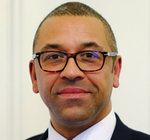

  • James Cleverly – 2022 Statement on Jim Fitton and Detention in Iraq

    James Cleverly – 2022 Statement on Jim Fitton and Detention in Iraq

    The statement made by James Cleverly, the Minister for Europe and North America, in the House of Commons on 11 May 2022.

    I thank the hon. Lady for raising this important case. I recognise that this is a very distressing time for Mr Fitton and his family. I would also like to reassure hon. Members that consular officials continue to maintain contact with Mr Fitton and his family—indeed, they met his family this morning—and we liaise with his lawyers to provide consular assistance. Since his arrest in March, consular officials have visited Mr Fitton on four occasions.

    We understand the urgency and the concerns that Mr Fitton and his family have. We cannot, of course, interfere or seek to interfere with the judicial process of another country, just as we would not expect interference in our own judicial process. That said, the British ambassador in Baghdad has raised and will continue to raise Mr Fitton’s case with the Iraqi Government. That includes raising with the authorities the UK’s strong opposition to the death penalty, in the context of both its potential application to Mr Fitton and our in-principle opposition to it in all instances.

    Wera Hobhouse

    Thank you for granting the urgent question, Mr Speaker.

    I am deeply concerned by the nature of the Foreign Office’s engagement with my constituent’s case. Jim is a 66-year-old geologist. He is sitting in a cell in Iraq, he has missed his daughter’s wedding and he potentially faces the death penalty. His family are worried sick. Nearly a quarter of a million people have signed a petition urging the Government to help Jim, whose lawyer believes that representations from the British Government could make a huge difference to his case, but I am afraid the Government give the impression that they are not particularly interested or worried. Ministerial engagement has been slow: it took 10 days for the Minister’s private office to inform me that a meeting with Jim’s family was not on the cards.

    Jim is days now away from a trial. We are told that the Government will not be making crucial representations to the Iraqi Government. I understand that the German Government are making representations on behalf of one of their nationals who has been detained with Jim; why will the Foreign Office not do the same?

    I hope that the Minister will be able to answer these key questions. Jim’s trial is fast approaching. Will the Minister meet me and Jim’s family before the trial, and before it is too late? Will he commit himself to making representations to his Iraqi counterpart, as the German authorities are doing? This matter has implications far beyond Jim’s case; it fits into a concerning pattern of the UK Government’s failing to do enough for its citizens abroad. Can the Minister clarify his view of the role of the Foreign Office in supporting British citizens who run foul of legal injustice and draconian laws abroad, as has happened in Jim’s case? Will he commit himself to a root-and-branch review of the way in which the Foreign Office responds to situations such as this?

    British citizens deserve the help of the British Government. Jim Fitton is potentially facing the death penalty. I urge Ministers to do everything they can to stop this nightmare before it turns into a tragedy.

    James Cleverly

    I completely reject the hon. Lady’s assertions about the role of the British Government in this case, and in other consular cases. Let me remind the House of the facts, with your indulgence, Mr Speaker: I do think it is worth going into this in detail.

    On 23 March, shortly after Mr Fitton’s arrest, consular officials visited him in detention. On 4 April, consular officials visited him again. On 10 April, the British ambassador to Iraq raised his case with the Iraqi authorities. On 25 April, consular officials visited Mr Fitton in detention again. On 1 May, the British embassy sent a note verbale to the Iraqi Government on Mr Fitton’s case. On the same date, and on 8 May, the British ambassador again raised the issue of Mr Fitton’s case with the Iraqi Government. Also on 8 May, consular officials visited Mr Fitton in detention. On 10 May, the British ambassador again raised Mr Fitton’s case with the Iraqi officials. On 11 May—just today, as I said—the family met our expert consular officials.

    We do these things not because cases are raised in the House, but because they are the right things to do. I am proud of the work done both by our officials in Iraq and by the consular team in the UK to support individuals who have been arrested and their families. We will of course continue to raise this case with the Iraqi officials, we will of course continue to liaise with Mr Fitton and his family, and we will continue to support British nationals in incarceration around the globe.

    James Gray (North Wiltshire) (Con)

    Mr Fitton is not my constituent, but a large number of his family and friends live in the village of Box, just outside Bath.

    I have two caveats. First, I entirely accept the Minister’s injunction that this is not a matter for the British Government and must come under the Iraqi judicial system; that is perfectly correct. Secondly, ancient relics are extremely important to the Iraqi Government, particularly post Saddam Hussein. I also, incidentally, reject much of what the hon. Member for Bath (Wera Hobhouse) had to say about the consular service in general. In my experience it is outstandingly good, and it is quite wrong to attack it in general because of this particular case.

    That said, we have here an elderly—he is a little younger than me, but none the less elderly—scientist who inadvertently picked up a couple of shards in Iraq: a very minor offence in our terms, albeit an important one with regard to Iraq. He is facing a very long prison sentence or possibly a death sentence, so I want to hear from the Minister that he will absolutely commit himself to doing whatever we can through the consular service, particularly by providing English-speaking lawyers and English-speaking support of one kind or another to try to either get him off or at least mitigate the sentence that he will have to face.

    James Cleverly

    I thank my hon. Friend for his kind remarks about the professionalism of the Foreign Office’s consular team. They deal with incredibly difficult and sensitive issues regularly. I can assure him that we will continue to work tirelessly to bring this case to the attention of our opposite numbers in the Iraqi Government. As I have said, it would be wrong for us to attempt to distort their legal process but we will of course help Mr Fitton’s family to secure legal representation, including English-speaking legal representation, to give him the proper ability to defend himself in this instance.

    Mr Speaker

    We now come to the shadow Minister, Bambos Charalambous.

    Bambos Charalambous (Enfield, Southgate) (Lab)

    I would like to congratulate the hon. Member for Bath (Wera Hobhouse) on securing this urgent question today and on her tireless advocacy on behalf of her constituent, Jim Fitton. My thoughts are with Mr Fitton and his family, and I would like to echo the concerns raised by colleagues across the House. In March, Mr Fitton, a British citizen and retired geologist, was arrested in Iraq on a charge that carries the death penalty. He remains detained. As we have heard, he was part of a tour group visiting Iraq on an organised geology and archaeology trip. During the tour, the group picked up some broken fragments of stone and pottery from the ground. The fragments were out in the open, unprotected, and without nearby signage warning against their removal. Members of the tour were told that they could take the fragments as a souvenir as they held no economic or historical value. Mr Fitton’s family have made it clear that, as a retired geologist, he would never in any way intend to disrespect or appropriate the rich and fascinating culture of the region; rather, he would celebrate it.

    However, Mr Fitton awaits a trial date for sentencing, which is expected imminently. The window for intervention from the Foreign Office is therefore narrowing. Urgent Government action is needed, and the lack of engagement from Ministers is creating frustration for everyone who wishes to see the situation resolved. The Foreign Office needs to do everything it can to protect British citizens who are wrongfully detained abroad. I hear what the Minister has said about the consular support that has already been provided, but I would like to ask him what efforts the FCDO is urgently taking on behalf of Mr Fitton not only to secure a high-level meeting with judicial officials in Iraq regarding legal representation in order to resolve the case, but to engage with Mr Fitton’s family. Does he share my concern that dragging his feet in cases such as these is resulting in public trust in the Government’s commitment to protecting British citizens wrongfully detained abroad being profoundly impacted? As each day passes, this case becomes more serious and I urge the Government to take the necessary steps to allow Jim to be reunited with his family before it is too late.

    James Cleverly

    The FCDO visited Mr Fitton in detention on 23 March. He was arrested on 21 March. The hon. Gentleman, who knows I have a huge amount of respect for him, is frankly talking nonsense when he talks about dragging our feet. We visited Mr Fitton in detention within days of his arrest, and we have visited him three times since then. As I have said, we have interacted with the ambassador to the Iraqi Government on more than weekly occasions on this issue. I completely reject the hon. Gentleman’s assertion about the British Government’s engagement on this issue. We are deeply engaged with this issue, and we will remain deeply engaged with this issue. As I have said, it would be completely inappropriate for us to seek to distort the Iraqi legal process, but we will continue to support Mr Fitton in his legal defence of the case against him, and we will continue to support his family through what we completely understand is a deeply distressing time.

    Dr Andrew Murrison (South West Wiltshire) (Con)

    I congratulate the hon. Member for Bath (Wera Hobhouse), my near neighbour, on raising the case of her constituent. I accept that the Government cannot interfere directly in matters of this sort, but will the Minister understand that the mechanics of the criminal justice systems of other jurisdictions are not necessarily the same as we would expect in the United Kingdom? Will he contrast the approach to this problem by the UK Government with that of Germany, which appears to be far more involved at ministerial level?

    James Cleverly

    I previously held the brief for the middle east and north Africa, as did my right hon. Friend, and he will know that the UK enjoys a very close and strong relationship with the Iraqi Government at both ministerial and official levels. I completely understand his point about Iraq’s judicial system being dissimilar to our own, but we must respect the judicial systems operated by other countries. We completely understand the concern of Mr Fitton and his family, and we will continue to engage as intensively as we already have to ensure that he receives a fair trial and has good legal representation. We do these things not because of questions in the House but because we believe they are the right thing for the UK Government to do to support British nationals overseas.

    Mr Speaker

    I call the SNP spokesperson, Chris Law.

    Chris Law (Dundee West) (SNP)

    I welcome this urgent question from the hon. Member for Bath (Wera Hobhouse) precisely because action is not happening on the ground, notwithstanding the Minister’s reassurances.

    This is an unimaginably anxious and distressing time for Jim Fitton and his family, and I would like to send a message of support to them all on behalf of the SNP. Sadly, we know the FCDO does not have the strongest track record on ensuring the safe and swift release of UK nationals from foreign detention. The FCDO must intervene now, using every diplomatic avenue, to prevent the Iraqi authorities from sentencing Mr Fitton to death.

    It is wholly disproportionate that Mr Fitton faces a potential death penalty for the removal of protected fragments of artefacts. His family have stated that FCDO Ministers are yet to lobby their Iraqi counterparts against issuing a death sentence. Is this true? If so, why is urgent action not being taken to safeguard a UK national? Finally, what is the FCDO doing to secure Mr Fitton’s urgent release?

    James Cleverly

    I will not simply refer the hon. Gentleman to my previous answers, but when I have listed the British embassy’s intensive engagement at the most senior levels with the Iraqi Government, including through a note verbale, it is a complete perversion of the situation for hon. Members to say that the UK Government have not engaged. We completely understand the concerns of both Mr Fitton and his family. We will continue to support him and them through this incredibly difficult time, and we will continue to engage with the Iraqi Government to ensure the right outcome for Mr Fitton, but we cannot, should not and would not seek to distort Iraq’s legal system, as we would not accept that happening to us.

    Neale Hanvey (Kirkcaldy and Cowdenbeath) (Alba)

    I pay tribute to and thank the hon. Member for Bath (Wera Hobhouse) for her work on this case. I express my support and solidarity with Jim Fitton’s family.

    Nothing is more important than consular services to support those facing injustice abroad. Jim Fitton’s sister, Ruth, is my constituent, and she approached me over the May bank holiday to set out the situation that Jim and the family are currently experiencing. I wrote to the Foreign Secretary twice that afternoon, and I have yet to receive a response. I gently suggest to the Minister that his claims of urgency are certainly not reflected in the response, or lack thereof, I have experienced. I wrote to the Foreign Secretary to implore her to take action, and I have had no response, even though I made it very clear that we are in a perilous situation and that the trial date could be set for this week—I understand it will now be 15 May.

    I support all the questions that have been asked by hon. Members on both sides of the House. Surely advocacy for a British citizen is not interference in another country’s legal system. The family’s lawyers are responsible for the legal case, and all the family are asking the FCDO to do is to endorse that case. Will the FCDO please give us a single point of contact—somebody that we and the family can liaise with—so that we are kept up to date on what is happening?

    James Cleverly

    The family have a point of contact within the consular system. The hon. Gentleman says that he wrote to the Foreign Secretary in May. Prior to his correspondence, we had already visited Mr Fitton in detention three times, we had raised his case with the Iraqi authorities and we had issued a note verbale.

    Jim Shannon (Strangford) (DUP)

    I thank the Minister for his response. What steps have been taken to assess the adequacy of the food, exercise and light to which Mr Fitton has access? What steps are the UK Government taking, if possible with the Iraqi Government, to secure his release back to the UK under some system where he can then have access to his family?

    James Cleverly

    The hon. Gentleman raises a valid point. As part of our regular visits to Mr Fitton, we ensure that his circumstances remain humane and appropriate. We give advice on the remand system, on what privileges he might expect, and on social and welfare services. We also, of course, seek to ensure that he gets proper English language representation. Those are the things we will continue to do to support him through a case that, as a number of right hon. and hon. Members have mentioned, has not yet gone to trial.

    Margaret Ferrier (Rutherglen and Hamilton West) (Ind)

    I thank the Minister for coming to the Chamber today to respond to this UQ. What constructive action can the Government take to put pressure on Iraq to secure Jim’s safe release or, at the very least, to have the abhorrent threat of the death penalty taken off the table immediately?

    James Cleverly

    As I say, in all our interactions with not just Iraq, but all countries that have the death penalty, we ensure that when we speak on this issue we highlight that we have an in-principle opposition to the death penalty. We will continue to make it clear to the Iraqis that we oppose the imposition of the death penalty, both in Mr Fitton’s case and more generally. On support to his legal team, ultimately it would not be appropriate for the UK Government to take on a “quasi” role as legal representatives, but we will of course ensure that Mr Fitton does have appropriate and professional legal representation, in a language that he can understand.

    Layla Moran (Oxford West and Abingdon) (LD)

    I congratulate my hon. Friend the Member for Bath (Wera Hobhouse) on raising this matter. There is a difference between consular support and ministerial support. My question to the Minister is: what is the point in all these visits if then when there are opportunities to actually do something useful, it does not get done? For example, Jim’s lawyer sought to refer the case to the court of secession, as doing so would have, in effect, thrown the case out. At that moment, a supportive letter from the Minister would have made all the difference, yet it did not happen. Why?

    James Cleverly

    The hon. Lady is fundamentally wrong in her assertion. Our consular staff are the experts in this field. It is right that, whether it be the ambassadorial team in Baghdad or the consular team here in the UK, we apply the technical experts to problems such as this. That is exactly what we have done.

    Jonathan Edwards (Carmarthen East and Dinefwr) (Ind)

    The Minister mentioned in an earlier answer that there was a direct line for the family to contact officials. Will he confirm that that is an open line for the family to contact whenever they seek reassurance, as opposed to a line of reporting back on the Government’s actions?

    James Cleverly

    As I have highlighted, our consular team are in regular contact with the family and had a meeting with them just today. I have no doubt that our team will continue to work with them. We recognise just how concerning this situation is and how fearful they will be because of these circumstances. Our consular team are experts in dealing with families in circumstances such as these, and I have no doubt that they will continue to liaise closely with Mr Fitton’s family.

    Dave Doogan (Angus) (SNP)

    Mr Fitton is clearly not my constituent, but his former colleague Mark Smith is, and Mr Smith is bereft at his plight. Will the Minister impress on the Iraqi authorities the fact that Mr Fitton is far from some profiteering treasure hunter but is instead a deeply respectful accredited academic who would never disrespect Iraq or its artefacts? Will the Minister confirm that the Government will use all channels to try to impress on the Iraqi authorities the need for the most expedient and increased leniency in this case?

    James Cleverly

    I assure the hon. Gentleman that the UK Government, at every level, always seek to take the actions that we believe will best benefit British nationals overseas. I assure him that the level of engagement I have outlined in my answers will set the pattern for our continued engagement. We will of course seek to ensure that the legal process is conducted absolutely properly and that we support Mr Fitton and his family through our consular services throughout this incredibly concerning process.

  • John O’Dowd – 2022 Comments on the Restoration of the Northern Ireland Executive

    John O’Dowd – 2022 Comments on the Restoration of the Northern Ireland Executive

    The comments made by John O’Dowd, the Sinn Fein MLA for Upper Bann, on 12 May 2022.

    Businesses and workers need clarity and certainty at this time, not more political stunts and game-playing by the DUP and the Tory government.

    The responsibility for finding solutions to the Protocol lies with Boris Johnson and the EU, that dialogue must continue, but we cannot allow society and businesses to be held to ransom.

    Sinn Féin is committed to forming an Executive immediately; to support workers and families with the cost-of-living crisis; to invest an extra £1bn in health and to support businesses in taking advantage of the opportunities presented by the protocol.

    The DUP’s refusal to form an Executive is punishing businesses and workers and getting in the way of progress.

    They should join the rest of us, to get help out the door, and form the Executive.

  • Caoimhe Archibald – 2022 Comments on Struggling Workers in Northern Ireland

    Caoimhe Archibald – 2022 Comments on Struggling Workers in Northern Ireland

    The comments made by Caoimhe Archibald, the Sinn Fein Economy spokesperson, on 11 May 2022.

    The DUP must immediately drop its boycott of the institutions and get back into the Executive so we are in a position to take decisions to support struggling workers and families.

    The National Institute of Economic and Social Research has stated that 43,000 households in the north face food and energy costs which are higher than their income.

    Sinn Féin has a plan to give every household in the north £230, that money can go straight into people’s pockets if we can form an Executive.

    Right now people across the north are worrying about how they will feed their families or heat their homes, addressing this must be the priority for an incoming Executive and attempts to delay or block the formation of an Executive are unforgivable.

    Sinn Féin and other parties were given a mandate to tackle the cost of living crisis and to put money into people’s pockets, this must be done without delay.

  • Boris Johnson – 2022 Comments on Cabinet Visit to Staffordshire

    Boris Johnson – 2022 Comments on Cabinet Visit to Staffordshire

    The comments made by Boris Johnson, the Prime Minister, on 12 May 2022.

    I’m delighted to bring Cabinet to Stoke-on-Trent today – a city which is the beating heart of the ceramics industry and an example of the high skilled jobs that investment can bring to communities.

    This government is getting on with delivering the people’s priorities and tackling the issues that matter most to the public.

    This week we’ve set out how we’ll use new landmark legislation to grow our economy to address the cost of living, and level up opportunities for communities across the country.

  • Nadhim Zahawi – 2022 Comments on the New Schools Bill

    Nadhim Zahawi – 2022 Comments on the New Schools Bill

    The comments made by Nadhim Zahawi, the Secretary of State for Education, on 12 May 2022.

    My mission is clear; I want to make sure every single child across our country has access to an excellent education, supporting them to reach the full height of their potential.

    Between the strengthened safeguarding measures and greater accountability in our new Schools Bill, and our Schools White Paper ambitions to embed evidence, tutoring and excellent teacher training in the school system, I am confident we will achieve these ambitions for every child.

  • Gillian Keegan – 2022 Comments on Increased Mental Health Support for Children

    Gillian Keegan – 2022 Comments on Increased Mental Health Support for Children

    The comments made by Gillian Keegan, the Minister for Mental Health, on 12 May 2022.

    The last two years have been particularly challenging and although children are incredibly resilient, it’s crucial they can access mental health support as early as possible.

    We’re making great progress on better supporting young people’s mental health and this additional funding to train senior mental health leads will complement our work on the accelerated rollout of Mental Health Support Teams in schools and expansion of community services which is well underway.

    We have recently opened a call for evidence and I encourage people of all ages to share their views to inform a new 10-year mental health plan to keep the nation in positive mental wellbeing.

  • Alok Sharma – 2022 Speech at the Future of News Conference

    Alok Sharma – 2022 Speech at the Future of News Conference

    The speech made by Alok Sharma, the COP26 President, at the Future of News Conference in London on 11 May 2022.

    Ladies and gentlemen, thank you so much for having me here today.

    They say that only two things in life are certain, death and taxes.

    But to that list, I would add the tenacity and the rigour of the British press.

    Whether it is war, or corruption, or injustice, or hypocrisy, or indeed a desire for greater transparency, you are unrelenting, uncompromising, and fearless in your pursuit of the truth, and in your determination to hold those in power to account.

    I can tell you, from personal experience, being under the magnifying glass of the British press can be mildly uncomfortable.

    Anyone remember “Air Miles Alok”?

    Anyone from the Daily Mail here? Ok let’s move on.

    But however much it makes those under scrutiny squirm, I hope that you will never change.

    Over the past year, I have been in 35 countries to persuade governments to up their climate commitments.

    Because as you all know, better I think than anyone, you rarely land a story, or in my case a commitment, on the phone.

    It needs to be face-to-face.

    And on those visits I have been in very many newsrooms, I have been interviewed by your peers from Berlin to Brasilia, from Nairobi to New Delhi.

    But rarely does anything evoke greater trepidation in politicians than walking into Milbank or indeed taking a call from a Fleet Street journalist.

    And I have to say I think that is a credit to your industry, and the press freedom this country holds so dearly.

    The question I really want to address today is what a future shaped by a changing climate means for reporting, and holding to account, by the British press.

    Because that unfortunately is the future that we face.

    Now you will be aware of this, but I think it’s worth saying that scientific report after scientific report demonstrates that unless we get to grips with climate change, the effects will be catastrophic for people and nature.

    Last year, we had a seminal report by the UN climate science body, the IPCC, the Intergovernmental Panel on Climate Change, noted that average global temperatures have risen by 1.1 degrees above preindustrial levels.

    The report also concluded that human activity is unequivocally responsible for global warming.

    This report was agreed by 195 countries, and its findings were based on the distillation of 14,000 scientific papers.

    I can tell you from my own personal experience, getting almost 200 countries to agree on something this substantive is far from easy.

    Now, there will be those who will say that 1.1 degrees does not sound like very much, but we see the impacts around the world.

    Last year saw devastating floods across Europe and Asia.

    Wildfires raged in North America and Australia.

    And already this year India and Pakistan have been experiencing extreme heat waves, with some of the hottest months since records began.

    Floods have killed hundreds in South Africa.

    And the IPCC’s latest reports published this year, tell us that due to climate change, ecosystems are being irreversibly destroyed, people are being forced from their homes, human health is being damaged, and water and food insecurity have increased.

    I have seen this first hand.

    I’ve met mountain communities in Nepal that have been forced to flee from their homes because of a combination of floods and droughts caused by the changing climate.

    I’ve witnessed the effects of Hurricane Irma four years on in Barbuda.

    Buildings lying derelict, roofs still blown off, walls crumbling, and people forced from their island homes due to climate change.

    And talking to those affected is heartbreaking.

    Because you get to not just see but you get to hear the human cost of a changing climate.

    The reality is that climate change does not respect borders.

    It impacts us all.

    Here in the UK each of our top ten warmest years since 1884, have occurred since 2002.

    Climate change is not a stand alone issue to be mitigated.

    Unfortunately it exacerbates other existing risks.

    These are what respected think tanks, like Chatham House, call the “systemic cascading risks” of global warming; the knock-on-effects resulting from climate change, such as food and water insecurity, pests, diseases, the loss of lives, livelihoods and infrastructure.

    Indeed in one of its recent reports, Chatham House makes the case that such factors could, ultimately, displace people, disrupt markets, undermine political stability, and exacerbate conflict.

    And, frankly, where people’s ability to feed their families becomes precarious and extreme weather and disease wipe out livelihoods, people may be forced from their homes, and civil unrest may foment,

    events that can undermine fragile governments, and then ultimately reverberate around the globe.

    It is because climate is central to geopolitics, that the UK’s Integrated Review established tackling climate change and biodiversity loss as the UK’s top international priority.

    These impacts are happening today, and we know that in the future, they will become more severe.

    Because unfortunately further temperature rises are now inevitable.

    Even if we limit the rise in global temperature to 1.5 degrees celsius, the effects will be significant.

    Yet there is still everything to play for, because the higher temperatures rise, the more extreme the effects become.

    And every fraction of a degree makes a difference.

    At 1.5 degrees warming, 700million people will be exposed to extreme heat around the world.

    At 2 degrees it’s 2 billion people.

    At 1.5 degrees, 70 percent of all coral reefs around the world would be destroyed.

    At 2 degrees they are just about all gone.

    But to keep that 1.5 degree limit alive we are going to have to halve global emissions by 2030.

    And I think it’s worth saying that the cost of inaction is far, far greater than the cost of taking action now.

    The Office for Budget Responsibility projects that unchecked climate change could lead to UK public debt reaching a staggering 289 percent of GDP by the end of the century.

    But just as the science has become starker, the environmental and economic opportunities presented by tackling climate change have become clearer.

    When the UK took on the role of hosting COP26, less than 30 percent of the global economy was covered by a net zero target.

    By the time we got to COP26, with like minded partners around the world, we had persuaded 90 percent of the global economy to sign up to net zero.

    So I would say that where the UK has led, others have followed.

    Net zero is one of the clearest economic trends.

    It encompasses just about every country and every sector.

    As journalists, you are used to following the money.

    So there is a reason why more than 7000 international companies have signed up to rigorous net zero targets.

    There is a reason why, at COP26, financial institutions with over $130 trillion dollars of assets on their balance sheets were signed up to net zero.

    There is a reason why earlier this year Larry Fink, who as you know runs Black Rock, one of the biggest fund managers in the world, wrote to the CEOs of Black Rock’s investee companies, and he noted:

    that climate risk is investment risk, that there is a tectonic shift of capital underway, that sustainable investments have now reached $4trillion, and that every company and every industry will be transformed by the transition to a net zero world.

    Mr Fink went on to ask these investee companies whether they would lead this transition or whether they would be led.

    And the reason for all of this is because businesses around the world can see the economic dividend from the pursuit of net zero.

    It is clear to governments and businesses that the future of the global economy is clean.

    And we must embrace the opportunities that presents.

    But whether we do so fast enough or not, one thing is clear.

    Climate change will define the future.

    So it is rightly commanding increasing media attention.

    Years ago, climate was a side issue for journalists specialising in international development or the environment.

    Now it runs through many areas, from business, to culture, to sport, to economics, to fashion, and of course politics.

    Analysis by Carbon Brief, which focuses on climate, shows that the number of editorials in UK newspapers calling for more action to tackle climate change has quadrupled in three years.

    And yes, scepticism has diminished.

    That same analysis found that in 2011, right-leaning newspapers ran one editorial in favour of climate action for every five against.

    By 2021, those same newspapers were publishing nine positive editorials for every one against.

    Now, from my perspective, this focus is extremely welcome, but of course this year, climate is no longer in the spotlight.

    COP26 is over, although of course our presidency year continues until November.

    The headlines are understandably dominated by the other immense and immediate challenges facing the world.

    Vladimir Putin’s illegal and brutal invasion of Ukraine will define 2022.

    And that is rightly the focus of the media and the international community.

    And I understand that you’ve just had a discussion panel on Ukraine and reflected on the journalists who have very sadly lost their lives, and of course I pay tribute to all of them.

    And of course, governments must also address the global crisis in energy markets and increasing inflation and its attendant impacts.

    And again, the media is naturally focusing on this.

    And actually it is quite interesting that, the current crisis has also made clear to governments that homegrown renewables and clean energy,

    the price of which cannot be manipulated from afar, are the best option for domestic energy security.

    Climate security has become synonymous with energy security.

    And the chronic threat of climate change is unfortunately not going away.

    And so journalists are vital to ensure it continues to receive the column inches and the air time that it deserves, and that leaders are held to account.

    Because world leaders have committed to tackle climate change.

    Almost seven years ago, countries forged the Paris Agreement.

    And in this they committed to limit the average rise in global temperature to well below two degrees, pursuing efforts towards 1.5.

    Last year at COP26, nations agreed the historic Glasgow Climate Pact that showed how we will deliver this.

    And countries agreed to revisit and strengthen their 2030 emissions reduction targets this year, to align them with the Paris temperature goals.

    They agreed to phasedown coal power and phase out fossil fuel subsidies.

    And they agreed that the developed countries would provide more finance to support developing nations to deal with climate change.

    Alongside the Glasgow Climate Pact, companies and countries made commitments at COP26 to clean up critical sectors, to halt deforestation, and to work together to accelerate green technologies.

    In short, the world has agreed what it needs to do. Our task now is to deliver.

    And to achieve that, we need you to do what you do best, and hold governments and businesses to account.

    The British media has significant international clout.

    Editorials written here are read with keen interest in capitals around the globe.

    You help focus the eyes of the world on those in positions of responsibility,

    to scrutinise whether or not they deliver on their commitments.

    And if they do not, you have the tools to hold them to account.

    We also need you to help people understand the reality of climate impacts.

    And help them make informed choices.

    And of course, we need you to interrogate objectively the benefits of the move to clean economies.

    Ladies and gentleman, I believe that the chronic threat of climate change, and its expansive impact, will increasingly be the biggest story of the twenty-first century.

    I will go further.

    I would argue it will ultimately be the biggest story in many of our lifetimes.

    And we need you to tell it.

    And we need you to shape it.

    By continuing to do what you do best.

    Speak truth to power.

    Report on the reality of the world around us.

    These are the finest qualities of the British press.

    So whatever the future of news, they must endure.

    Thank you.

  • Priti Patel – 2022 Comments on the National Security Bill

    Priti Patel – 2022 Comments on the National Security Bill

    The comments made by Priti Patel, the Home Secretary, on 11 May 2022.

    The British public should be in no doubt of my determination to keep them and our country safe from those who would seek to do us harm.

    The threat of hostile activity from states targeting our democracy, economy and the values we hold dear is real and ever-evolving – which is why the modernising measures included in the National Security Bill are so essential.

    These tougher laws and more powerful tools for our world class police and intelligence agencies, will be critical to help those on the front line deal with the threats we are constantly facing.

  • Boris Johnson – 2022 Comments on Supporting Sweden and Finland

    Boris Johnson – 2022 Comments on Supporting Sweden and Finland

    The comments made by Boris Johnson, the Prime Minister, on 11 May 2022.

    We are steadfast and unequivocal in our support to both Sweden and Finland and the signing of these security declarations is a symbol of the everlasting assurance between our nations.

    These are not a short term stop gap, but a long term commitment to bolster military ties and global stability, and fortify Europe’s defences for generations to come.