Category: Culture

  • Lucy Frazer – 2024 Speech at The Big Creative UK Summit

    Lucy Frazer – 2024 Speech at The Big Creative UK Summit

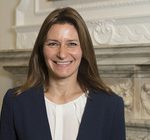
    The speech made by Lucy Frazer, the Culture Secretary, on 3 March 2024.

    Good evening, it is an absolute pleasure to be with you today. I’m delighted to be invited by Caroline who is a real tour de force, who is powering the Creative Industries.

    Creative UK plays a critical advocacy role in convening organisations across the cultural and creative industries. I know hundreds of you are members, and I value the programmes Creative UK runs right across the UK. Creative UK believes creativity can change the world. I believe that too.

    This evening I want to talk about some of the fruits of the joint collaboration between the government and the industry. Fruits which are helping to set a strong framework for the industry to thrive and helped pave the way for the sorts of measures we introduced today.

    I wanted to begin by recognising some of the great creativity I’ve seen over the course of the past year as your Culture Secretary.

    Because there are so many amazing productions that are bringing joy and meaning to people across the country: the first class production of original work in The Motive and the Cue at The National; the modern interpretation of Othello at The Globe; the traditional and beautiful production of Cinderella at Royal Opera House; real British dramas like Happy Valley and Inside Man; outstanding films like Saltburn, and Oppenheimer; the See, Hear, Feel interactive Ukraine exhibition in Liverpool during Eurovision; the incredible Aviva Studios in Manchester, home of the new flagship destination Factory International; our iconic world leading fashion displayed in the NEWGEN Rebel exhibition at the Design Museum.

    Each show, each production, festival or exhibition is incredible in and of itself but it’s also part of a much bigger picture of creative success. And each creative endeavour fundamentally relies on incredible innovation, technical expertise and the craft of so many. Like set specialists 4Wood TV & Film based in Wales and growing into the West Midlands, who build for Doctor Who and much more.

    And while we’ve seen exceptional British talent recognised in recent weeks at the BRITS, at the BAFTAs, London Fashion Week the creativity coming through at the grassroots level is just as inspiring.

    Our start-ups, our schools, our colleges, our grassroots venues are all incubators for ideas and home to the creative geniuses of tomorrow. And our cultural institutions are doing ground-breaking work like the Royal Shakespeare Company transforming literacy rates across England. The National Theatre bringing the best of theatre to schools, libraries and museums. Meanwhile, places like Roundhouse Works in London or The Junction in Cambridge are giving chances to the next generation of musicians and creatives.

    And one of the most inspiring visits I’ve done was to the London Screen Academy. Seeing how Charlie Kennard and the team are building a pipeline of talent of creative confident kids who are learning skills so fundamental to all jobs communication, team work, and presentation skills.

    What is very clear to me is that your ingenuity, your skills, your creative excellence not only brings happiness and meaning to the lives of millions of people it also provides jobs right across the country and cements our status as a cultural superpower on the world stage.

    And I wanted this evening to share with you – just in case it’s you’ve got any doubt about it – just how much this government backs you and the creative industries.

    And I wanted to do this by way of a story. At the end of last year the Prime Minister and Trade Secretary organised the Global Investment Summit. That Summit invited over 200 top international investors to pitch the UK as a destination of foreign investment. There were only 4 plenary sessions and 2 were dedicated to the creative industries – that is half of the presentations reserved for the creative industries.

    It was an overwhelming recognition by this government that today – in 2024 our companies, our innovators, our creators, our artists are putting a British stamp on every creative industry on the world stage. You are our shop window for the globe and we in government recognise that.

    This British success across the globe is, of course, primarily the result of our ingenuity, your talent, your hard work and entrepreneurial spirit. But you have also worked with us in government in partnership. Throughout the last decade you’ve made clear how we can support your industries to thrive and we have listened.

    Extensive tax reliefs.

    £1.57 billion worth of support through the Covid cultural recovery fund.

    A range of funds to help creative entrepreneurs go from start-up to scale-up.

    Consecutive Conservative Governments have identified the potential that exists across our creative economy; they’ve understood the enormous dedication and determination of the businesses and people in these sectors; and they’ve recognised the importance of Creative Industries to our way of life.

    Over the last decade, every year the government has introduced tax reliefs in one form or another.

    From film to animation to video games to orchestras to theatres, these tax reliefs have helped to attract huge global investment into the UK.

    Global investment that translates into local jobs and livelihoods, into new businesses into our towns and cities – big and small – into a culture that encourages creativity at every turn and at every level.

    We in government cannot guarantee success, but all we can do is create the right conditions and the right framework to foster it.

    And I wanted to share with you this evening the impact of all this and what the statistics show. The statistics show: nearly a million new jobs in the Creative Industries since 2011; and the GVA of the sector has increased by 50 percent to £125 billion in 2022.

    Exports of creative industries services are up 210% since 2010.

    And recently published figures confirmed the sector has grown by more than 10% between 2019 and 2022.

    These are not just statistics. Behind these numbers are hundreds, if not thousands of success stories up and down the country.Ideas brought to life by creative industries. Jobs that did not exist over a decade ago. And creativity we have all enjoyed, which could have gone elsewhere, but didn’t.

    None of this would have been possible without the energy, leadership, creativity, passion and investment of the people in this room, and beyond. So I wanted to take this evening to simply say thank you for everything you have done.

    But we cannot afford to rest on our laurels. Last year when I spoke to you at this very same event, I committed to bring forward an ambitious vision for your industries.

    These were not just words, and I wanted to update you on what I have done over the course of the last year together with you.

    In June we launched our Creative Sector Vision, developed in partnership with the Creative Industries Council, and the fantastic Sir Peter Bazalgette, which sets out our plan for the future.

    We have a joint plan to deliver £50 billion of growth, a million more jobs and a pipeline of talent so that the industry can continue to thrive. And we say we will do that by 2030.

    And our plan included £310 million of funding, of which £77 million was recently announced in June, to drive growth in creative businesses across the country, through projects such as financially supporting creative clusters in the regions because we recognise creativity is everywhere.

    It includes a focus on skills from the first day of school to the last day of work, including for example creativity during primary school, specialist schools, more apprenticeships, boot camps in the Creative Industries.

    At the same time as we announced the Creative Industries Sector Vision in June, we announced programmes like: the UK Games Fund to bring through early stage games developers; funding to support grassroots music venues; and a trebling of the Music Exports Growth Scheme that has helped so many emerging artists.

    And today at the Budget we’ve built on all our existing support and the Creative Industries Vision, going further than ever before with a package of £1 billion in measures

    It was a Budget that recognised that within the creative industries there are a whole range of subsectors, each with their own specific needs, each with their own nuances and each with their own huge potential for growth.

    Today what we did was set out bespoke support for so many of these different, constituent parts of the wider sector.

    So for our film studios – which are an essential reason that last year half of the top ten blockbuster UK movies were made on British soil – we are providing support through a 40% business rates relief until 2034, enabling our studios to attract the investment needed from around the world to bring more creativity and more creative jobs to Britain.

    For British independent film we are backing those companies with a new UK Independent Film Tax Credit providing an increased benefit of 53%, enabling this part of the sector to continue to launch the careers of actors, producers and directors and to tell the cultural stories of the whole of the UK.

    For our visual effect sector, there will be a 5% increase in tax relief and we are going to remove the 80% cap on UK visual effects qualifying expenditure. These new visual effects reliefs will come into force in 2025 and our aim is to make the UK a number one global destination for visual effects.

    For our orchestras, museums, galleries and theatres, the CX confirmed today that the Government will set permanent higher rates of tax reliefs to continue the Government’s support for new innovative productions.

    From 1 April 2025 these rates will be permanently set at 45% for all orchestral and touring productions and at 40% for non-touring productions.

    And that’s not all!  As part of our plan to create the pipeline of talent that our creative sectors need to flourish, today’s budget included funding for the National Film and Television School to enable them to extend their site – growing course provision, building a state-of-the-art training centre and continuing to train the next generation of world leading creative talent.

    And, lastly but by no means least, the Chancellor has also announced bespoke support for the National Theatre, one of our great cultural institutions, which is so important to fostering, inspiring and providing opportunities for our creative talent in the UK, by providing £26.4 million for urgent infrastructure improvements. This investment will future-proof the theatre’s facilities and support its long term success.

    These measures have come about because of our joint partnership. Many people in this room have helped to make those announcements happen. You have shown through your excellence and creativity what we can achieve. You and the industry as a whole have provided evidence and case studies and analysis which has helped me to make the case to the Treasury for this investment.

    Taken together these measures mark another big step in the support this government is providing to enable our creative industries to grow; building on our strong track record which goes back for over a decade.

    But let me also say that I appreciate that while the Creative Industries has achieved remarkable growth in recent years, I know it’s not been without its challenges.

    I take seriously my responsibility to listen to, understand and respond to feedback from those on the frontline of our creative industries.

    I know that there are myriad challenges right across your industries.

    Strikes have had an impact on the TV and film sector.

    I know the nature of freelance work creates uncertainty for so many people.

    There is too much bureaucracy, too much red tape and too many restrictions around touring.

    Grassroots venues are struggling to survive.

    Getting investment can sometimes be difficult.

    And that is all without mentioning some of the concerns that exist when it comes to the potential misuse of generative AI to steal the original work of people in this room.

    And I want you to know that I am working across government and beyond on all these issues. I absolutely understand these challenges and do not underestimate them.

    So whilst today is a really, really, really good day for our creative industries…that absolutely doesn’t mean that there isn’t more to do. More to do to ensure that this sector can continue to thrive.

    And that’s why I am committed to working every day to deliver on our Creative Industries Sector Vision. And I look forward to working in partnership with all of you to support the sector to reach its absolute full potential.

    Thank you very much.

  • Stuart Andrew – 2024 Speech at the Beacon Philanthropy and Impact Forum

    Stuart Andrew – 2024 Speech at the Beacon Philanthropy and Impact Forum

    The speech made by Stuart Andrew, the Gambling Minister, at Guildhall Yard in London on 29 February 2024.

    Thank you for the introduction, Cath, and good morning everyone.

    It’s a pleasure to be speaking with you, on this extra day of the year.

    It seems apt to mention that today is also the final day of Payroll Giving Month

    And I would encourage us all to consider this fantastic, tax-efficient way of donating to charity directly from your pay or pension.

    Giving is in the DNA of this country

    And the UK is rightly acknowledged as a world leader in philanthropy.

    We know we are one of the most generous countries in the world – the record £12.7 billion given by the public in 2022 is a phenomenal amount.

    We know we have a proud tradition of philanthropy, but there is nonetheless plenty of room for growth.

    As the Minister for Civil Society, I am acutely aware of how central giving is to our communities and charities across the country.

    It’s something I also saw first-hand from my early career in the charitable sector.

    It’s not just across civil society that I have seen the transformative role that philanthropy plays.

    Philanthropy is integral to everything we do in DCMS.

    In sport, fundraising has been fundamental in delivering programmes which seek to deliver social outcomes through participation in sport and physical activity.

    In arts and heritage, philanthropy sustains our most beloved institutions – our museums, heritage sites, and performing arts venues.

    Our partnership with the Wolfson Foundation has played a major role here.

    As has our work with Arts Council England to support arts and cultural organisations to develop their fundraising skills and capacity to attract more private investment.

    The Cultural Gifts and Acceptance In Lieu scheme, meanwhile, has meant treasures such as Tolkien’s manuscripts in Oxford.

    Or the archives of children’s author Judith Kerr in Newcastle.

    Have permanent homes and are made accessible to the public.

    I know philanthropy is not just of critical interest to DCMS.

    Multiple departments are recognising the value of private capital for the public sector.

    The Office for Investment, a joint unit between No.10 and the Department for Business and Trade, has created a new concierge service for high value transformational philanthropic capital.

    Its objective is to increase giving from international donors, in the same manner that it does with inward investment.

    The lead official, Heather Davenport, is here today so please do speak with her to discuss this important topic.

    Spearheaded by the Secretary of State, DCMS is taking the lead role in coordinating efforts across Whitehall to foster a better operating environment for philanthropy in the UK.

    The Secretary of State spoke on this recently at an event I know many of you were able to attend, for the launch of the Onward report.

    She spoke about how we are committed to helping more people give and helping people give more.

    I want to reiterate the three core areas that she mentioned that we can accelerate across Government.

    Firstly, we want to better enable philanthropy and ensure the UK continues to be a good place to give.

    This includes helping people understand how they can give.

    We are working with the Financial Conduct Authority, wealth management firms and the Treasury to explore the possibility of providing greater philanthropy training for financial advisors.

    There is already some innovation in this space, with CFA Society UK recently launching their Certificate in Impact Investing.

    This provides investment professionals with the information they need to advise their clients on how their capital can have greater social and environmental impact.

    Alongside this, my officials are collaborating with HMRC to consider how the tax environment affects philanthropy, and are engaging with them on their potential work to digitalise Gift Aid.

    Complementing this work, we are continuing to support the growth and development of the social impact investing market, which delivers benefits to society alongside financial returns.

    We’re working with large scale investors, such as pension funds, to achieve the change we are looking for.

    We are also focused on unlocking the huge potential of Community Development Finance Institutions (CDFIs).

    These regional lenders provide affordable loans in the UK’s most disadvantaged places.

    Steps like these can make a huge difference for setting in place the right infrastructure across the country for both philanthropy and impact investing.

    Secondly, we want to encourage more philanthropy, particularly at a regional level.

    One example is West London Zone, a social outcomes partnership where philanthropic money is blended with national and local spend that only pays when measurable outcomes are achieved.

    Partly funded by DCMS, it has made a significant difference to children and young people’s life chances.

    Yet we know that philanthropy is still primarily concentrated in London and the south.

    So we want to explore how similar models could potentially be developed around the country that can maximise social impact.

    Can better reach marginalised communities, and can involve people of all backgrounds.

    The sharing of expertise is central to encouraging people to donate.

    Peer influence also makes a huge difference – one-third of wealthy donors report donating after being encouraged by friends or family.

    So we want to help bring together established philanthropists, and high net worth individuals, with the next wave of budding donors

    Who are socially conscious and want to make an impact.

    People like Sir Lewis Hamilton, who has given £20 million to create his charity Mission 44

    And empower young people from underserved communities and diverse backgrounds.

    This leads me onto our third area of focus, of fully recognising how philanthropy transforms lives and communities.

    We’re seeing how alive and kicking philanthropy is in Stoke-on-Trent, for example

    Where philanthropists of all levels of giving are making a difference.

    From Denise Coates, who has donated millions towards projects in the city, including £10 million to University Hospitals of North Midlands during the pandemic

    To 23-year-old Matthew Bridger, who created his own foundation to provide grants for Stoke charities helping vulnerable people.

    Matthew was recognised earlier this year through the Prime Minister’s daily Points of Light award

    Which recognises the exceptional service people give to their communities.

    We want to celebrate more people who give through awards like these, especially through the Honours system

    And I encourage you all to nominate worthy candidates.

    We also want to champion campaigns and events that highlight the impact of giving.

    So we want to help lead this conversation.

    But the Government cannot, and should not, drive this alone.

    To enable philanthropy, there are key evidence gaps we still need to understand.

    We need high net worth individuals and impact investors to play an active role.

    We need to be hearing from those making a difference with their giving, for us to amplify their voices.

    And so we also want to learn from you and listen.

    Today’s forum provides a perfect opportunity for this.

    As the name suggests, Beacon has been shining a light for many years now on the potential for philanthropists to unlock many of the challenges we face today

    bringing together those with a shared social purpose, and the means to drive investment towards the places that need this most.

    I know there will be many rich conversations over the course of today

    Because there is a real buzz around philanthropy right now

    And, as you have said, Cath, a real sense of hope, in what we can achieve together

    There is an opportunity to capitalise on the kindness of the British public and help make their gifts go further

    To help our charities and communities stay resilient and sustainable

    To allow our world-leading sport, creative and cultural sectors to continue to flourish

    So with that in mind, thank you again for inviting me to speak to you.

    I wish you a very successful day ahead and I look forward to continuing to work closely with the philanthropy sector to help it grow to its full potential.

  • Stuart Andrew – 2024 Speech at the Betting and Gaming Council Annual General Meeting

    Stuart Andrew – 2024 Speech at the Betting and Gaming Council Annual General Meeting

    The speech made by Stuart Andrew, the Gambling Minister, on 29 February 2024.

    Good morning everyone, and thank you for the invitation to speak today.

    Before I begin, I would like to say thank you to Brigid for all your work during your time as Chair of the BGC. We appreciate the constructive and considered input you and the BGC have provided to my department’s work, not just during my time as Minister but throughout your tenure.

    Last year my predecessor spoke of the important contributions BGC members make to our national economy. I would like to again recognise this contribution, not just in revenue terms, but also the social and entertainment benefits your businesses bring to millions of customers who enjoy gambling and suffer no harm at all. Throughout my time as minister, and as an MP, I have seen how this industry boosts both local and national economies through jobs and tourism.

    A lot has happened since your last AGM, I think that is a bit of an understatement. In April last year we published the White Paper, setting out 62 proposals that will ensure our gambling laws are fit for the modern age and I am absolutely aware of just how much hard work this has required from the BGC and its members, as well as my department and the Gambling Commission. I would therefore like to put on record my thanks to you all for your cooperation, your engagement and help in developing the proposals, as well as your hard work to begin their implementation over the last 10 months.

    I know that Michael is sick of the sight of me given that we meet almost every week but I have found that engagement really valuable.

    I would now like to provide you with an update on our programme of work and ensure you have clarity on the direction of travel.

    As you will all be aware, our White Paper strikes a balance between consumer freedom – preserving the rights of those who enjoy gambling and suffer no ill-effects – with the necessary action to tackle harmful gambling and the devastating consequences it can have for some individuals and communities.

    It includes a comprehensive range of measures that covers every aspect of the industry, reflecting the huge changes in the gambling landscape since 2005. Around half of the proposals in the White Paper have now been consulted on or have been completed.

    During Monday’s debate I made reference to the white paper consultations. I make no apologies for emphasising the importance of the consultations undertaken by the Government and the Gambling Commission. They have given us invaluable evidence to inform policy making. They ensure that the measures are robust, proportionate, and in line with the White Paper’s objectives. And they show that the Government is listening to your views and evidence.

    I would like to focus the rest of my time today on the announcements made last week by DCMS and the Gambling Commission on our work on online gambling measures.

    You will have seen that last Friday we confirmed the introduction of stake limits for online slot games. Bringing in limits for the first time is a key step in ensuring the regulatory framework is fit for the digital age. Our aim is not to prohibit play, but to embed best practice that many of you already do.

    We are confident that the limits of £5 for over 25s and £2 for 18 to 24 year olds represents a proportional response. It will see online slots aligned with casino limits and will ensure customers are further protected from unaffordable and life-changing losses.

    As set out in the consultation response, these limits will come into force in September this year and have the support of industry.

    We are confident that this is an important step forward in ensuring that the vast majority of people who gamble safely can continue to do so, but that enhanced protections are in place for those who may suffer harm.

    Turning to financial risk checks, the Gambling Commission confirmed last week that they will be proceeding with these proposals. I am sure you hear more on this from Andrew Rhodes later today, but their plans include both the light-touch financial vulnerability checks and the enhanced financial risk assessments.

    The financial vulnerability checks are intended to be introduced in two stages over the course of this summer. Responding to feedback received through the consultation, the Commission has reassured everyone that they will never require gambling businesses to consider an individual’s personal details, such as their postcode or job title, as part of the checks.

    To ease the introduction of these checks, they will initially come into force at a higher threshold for a short period of time, before reverting to a lower threshold later in the year. We expect this lower threshold to be closely aligned with that proposed in the white paper.

    I know that some of your members have concerns with the proposed system of checks. I would like to reiterate that both the Government and the Gambling Commission are listening, because we genuinely we want to get this right.

    We are clear that financial risk checks should not overregulate the gambling sector, should not unduly disrupt the millions of people who gamble without suffering harm, and should not cause unnecessary damage to the industry.

    The proposed system will be a significant improvement to the current system of inconsistent so-called ‘affordability’ checks, which are often onerous for customers to complete. It will provide clear and proportionate rules which all operators are held to, and allow for financial data to be shared seamlessly with operators, instead of burdening customers with information requests.

    I have been clear that these checks should be genuinely frictionless – one of my first discussions with officials on taking on the gambling brief was around how we would deliver this – and the White Paper was clear that they will not be implemented until we can guarantee that they are.

    To ensure these checks are implemented in an effective but proportionate manner the Gambling Commission has announced it will conduct a pilot over the coming months. I am pleased that the pilot will involve collaboration between the Commission, credit reference agencies and a selection of gambling businesses to ensure that the process of an assessment is effective. The sector’s involvement gives me confidence that we will be able to find a solution that everyone can support.

    We are therefore grateful for the input of BGC members into this pilot to ensure it is a meaningful test of the policy. The Commission will consider all issues that arise during the pilot stage – and are clear that this will help refine the final requirements and the models for data-sharing. I, and the Government, are supportive of the evidence-led and consumer-centred approach being proposed during this pilot.

    But until these checks are fully in place, it is essential that the industry is more transparent with its customers.

    An industry-led code is an important stepping stone while frictionless checks are piloted. It will mitigate the impact of customers having to provide documentation, while we develop this new, frictionless system of checks.

    I know that discussions are ongoing between the Commission and industry, and I really would urge all parties to come to an agreement on this code as soon as possible for the benefit of customers.

    I would now like to turn briefly to horse racing and the concerns about the impact of financial risk checks on the sport. I want to reassure you again that we have heard these concerns and take them very seriously.

    I have met with the British Horseracing Authority and the Betting and Gaming Council several times as we conduct our review of the Horserace Betting Levy, which is due by April this year.

    As there is currently no legislative opportunity to amend the levy, I have encouraged the betting and racing industries to work together on a voluntary deal. I am very grateful for the constructive manner in which those negotiations have taken place. We said in the White Paper that we will ensure that racing is appropriately funded going forward, and I am confident that agreement can be reached which is mutually beneficial and is in the best interests of the sport.

    I am grateful for the work which operators have undertaken with the Gambling Commission to explore the practical aspects of implementing these checks. We want to protect those at risk of harm – something that I make no apologies for – but with minimal disruption to the majority, who I recognise bet on horse racing with no ill effect.

    We know that British racing is a substantial asset to the country. We remain committed to supporting the industry to prosper, and I am confident that the way in which these checks will be implemented will not prevent that from happening.

    I know you will be keen to understand what is coming next in the pipeline.

    We will publish our consultation responses on land-based gambling measures and the statutory levy in the coming months, and will lay secondary legislation to bring measures into force across all relevant areas as soon as parliamentary time allows. Nonetheless, I am absolutely determined to ensure that we deliver on our commitment to bring key measures into force by the summer of this year.

    Thank you again for inviting me to speak today, and giving me this opportunity to update you on our programme of reform. As we look to conclude work on our key proposals I hope I have demonstrated to you that we will continue to listen, we will test, and we will adapt our approach as this fast-moving industry develops and I thank you for that continued engagement.

  • Stuart Andrew – 2024 Speech at the Women & Girls in Sport Conference

    Stuart Andrew – 2024 Speech at the Women & Girls in Sport Conference

    The speech made by Stuart Andrew, the Minister for Sport on 20 February 2024.

    Thank you for inviting me here today, it is fantastic to see so many people here today who have a passion for women’s sport.

    I want to take this opportunity to tell you about the work the Government has been doing to ensure that women’s sport continues to thrive and to reiterate our commitment to supporting women’s sport at every opportunity – pushing for greater participation, employment, commercial opportunities, and visibility in the media.

    The Lionesses’ success at the EUROs helped make 2022 a landmark year for women’s sport, with the country winning its first major football trophy since 1966.

    Their journey to the final of the UEFA World Cup in 2023 continued to ignite unprecedented interest in the women’s game.

    This has clearly inspired many women and girls to take up the sport. The proof is in the stats – recent BBC analysis shows that there are now twice as many registered female football teams in England as there were just seven years ago.

    In September 2022, we commissioned Karen Carney to lead the Independent Review of Women’s Football.

    The Review, published in July 2023, was brave and unapologetic in its demand for change.

    It identified ten strategic recommendations that should be implemented to help create a sustainable future for women’s football.

    Our response, published at the end of 2023, sets out the Government’s continued support for the delivery of these recommendations.

    We see this as an opportunity to transform women’s football into a world-leading sport that not only creates significant economic and social benefits, but also raises the minimum standards for women’s sports on an international scale.

    To ensure momentum and delivery remains a priority, the Government will be convening an implementation group with all stakeholders responsible for delivering recommendations within the Review.

    The first meeting is scheduled for March 2024 and will ensure mutual accountability amongst stakeholders.

    The ambition has always been for the Review’s recommendations to go beyond women’s football and to apply to women’s sport more broadly.

    With this in mind, and following the recommendation in the Review, the Government will be convening a Board of Women’s Sports with industry leaders, academics and National Governing Bodies.

    This group will connect leaders from across women’s sports – building a shared vision to support women and girls in sport and looking at existing and future opportunities to help women’s sport continue to grow.

    Women’s sport will be a highlight at the Olympic and Paralympic events in Paris this year.

    Paris 2024 will be the first Olympics in history to achieve numerical gender parity on the field of play, with the same number of female and male athletes participating in the largest sporting event in the world.

    To help increase the visibility of women’s sport we will continue to support and champion the UK’s hosting of major women’s sporting events.

    The UK has an excellent international reputation in hosting major sporting events – with these events delivering benefits for the whole country.

    Future events include both the 2025 Rugby World Cup and the 2026 T20 World Cup, which I am pleased to say will both be held in England.

    This is all good news but we recognise that a number of challenges remain.

    Building a strong evidence base through data is a top priority for DCMS – helping to ensure the impact of sport and physical activity is articulated clearly so that we can see what interventions are needed to get specific groups active.

    The recent Active Lives Children and Young People Survey tells us that boys are more likely to be active than girls.

    Women in Sport’s latest impact report shows that girls as young as five years old don’t feel they belong in sport and that 1.3 million girls who used to love sport disengage as teenagers.

    Statistics like these are precisely why tackling disparities in participation levels is such a key part of our sport strategy, to ensure there is an inclusive offer for all.

    Published in August last year, our sport strategy – Get Active, sets out the long-term strategic policy direction for the sector. Our aim is to see 1.25 million more active women in England by 2030.

    Our focus is on establishing a lifetime of engagement with sport, supporting the sector to be welcoming to all, and ensuring the sector is prepared for future challenges and opportunities.

    This includes our ambition to provide the infrastructure and conditions needed to get as many women and girls involved in sport.

    As part of the sport strategy, we also launched the National Physical Activity Taskforce. The Taskforce connects government departments with the sector and independent experts, to focus on measurable actions that will get an additional 3.5 million people active.

    The Taskforce will ensure that we continue to tackle disparities in participation levels by promoting women’s and disability sport; by championing diversity; and by focussing on helping those who have the most to gain from getting active.

    And there are a number of initiatives which are encouraging more women and girls to be active, such as Sport England’s This Girl Can campaign.

    The campaign aims to eliminate fear of judgement. Sport England’s latest data shows that just over 3 million women said they increased their sport and physical activity levels as a result of the campaign. In addition, almost 1.5 million women say they started or restarted physical activity.

    Sport England have also developed the Studio You PE teaching resource which aims to get young girls engaged in PE lessons. The platform offers video-based lessons covering a range of non-traditional activities, like boxing, dance, pilates and yoga.

    In order to allow more women and girls to access more opportunities to be active, we are also investing over £600 million in school sport across the next two academic years.

    This investment will help deliver girls’ equal access to opportunities to play sport and do physical activity.

    We are also investing over £320 million into grassroots football and multi-sport facilities across the UK by 2025.  This will further support women and girls to get active. And all projects in England need to have a clear women and girls plan to receive funding.

    And we’ve committed to go further still. In November last year, the Government announced it is investing £25 million alongside £5 million from the English Football Association, to create a new Lionesses Futures Fund.

    This fund is expected to deliver up to 30 state-of-the-art 3G artificial grass pitches across England, providing gold-standard provision for women and girls, with reserved peak-time slots, women and girls only evenings and priority bookings for female teams.

    It is vital that everyone participating in sport feels safe and secure and that where allegations of inappropriate or harmful behaviour are made, these are taken seriously.

    UK Sport, Sport England and the Government have already taken significant steps to improve safeguarding in sport, including the revision of standards and protections for children in sport, the piloting of an independent complaints and disclosure system for elite sport, and the strengthening of positions of trust legislation.

    We welcome the recent announcement by UK Sport and Sport England to improve safeguarding in sport, following on from the recommendations of the Whyte Review into gymnastics.

    We will continue working alongside the sport and physical activity sector to identify the most pressing integrity challenges and potential improvements, including how processes around complaint handling and dispute resolution can be strengthened.

    We ran a call for evidence last autumn as a vital first step in this process. We wanted to hear how the current systems for handling concerns in sport work, and how these could be strengthened.

    We hope to publish the results of this exercise soon.

    We also know that one area that is attracting a lot of debate at the moment is the issue of transgender participation in sport.

    We want to ensure that everybody in this country has the opportunity to play and enjoy sport.

    Where sex does have an impact on the fairness of competitive women’s sport, domestic governing bodies and international federations must provide clear direction to protect the integrity of women’s sport.

    A way forward is needed that protects and shows compassion to all athletes, whilst being clear that the integrity of competition must be maintained.

    I will continue to engage with sports on this issue to understand what work national governing bodies are doing to protect women’s sport.

    In terms of media coverage, it is fantastic to see elite women’s sport getting better coverage. Recent data published by the Women’s Sport Trust shows that major international women’s sporting events, such as the Football World Cup and the Solheim Cup, as well as women’s cricket and rugby are continuing to drive record-breaking audience figures.

    In terms of investment, I am delighted to see that we are continuing to see record deals struck.

    The Department for Business and Trade has launched a Women’s Sport Investment Accelerator scheme. The scheme is providing a series of sessions offering market insights, connections and networking events alongside comprehensive mentoring for rights holders who are looking for investment.

    However, we know there is more to do to drive up audience figures and to build the case for further investment in women’s sport.

    Turning to governance, I am pleased that the strengthened Code for Sports Governance requires National Governing Bodies in receipt of significant public funding to agree a detailed and ambitious diversity and inclusion action plan with Sport England and UK Sport.

    Perhaps most importantly though, as Minister for Sport and Equalities, I am committed to creating an environment where women and girls feel safe and encouraged to be involved in sport in any capacity.

    I am hugely concerned about the effect that targeted online abuse can have on women and girls in sport.

    No-one should work in an environment where this behaviour is accepted, everyone should be treated with the respect they deserve.

    I want to take this opportunity to reassure you that we, as Government, take this behaviour very seriously. And I am personally committed to doing all I can to stamp out discrimination of any kind in sport.

    In conclusion, it is our ambition to increase participation, visibility and investment in women’s sport as highlighted in our strategy.

    These three interconnected areas together will help to create system-wide change.

    As I mentioned at my recent Select Committee appearance, I also want to take this opportunity to pay thanks to the heroes up and down the UK – the women and girls who volunteer day in, day out to help their communities engage in sport and physical activity.

    Not only do they contribute massively to sport, but they also help target important wider issues such as loneliness. Thank you to you all.

    I look forward to continuing to work with you all to ensure that all aspects of women’s sport continue to flourish.

  • Lucy Frazer – 2024 Speech at the Ad Association LEAD Conference

    Lucy Frazer – 2024 Speech at the Ad Association LEAD Conference

    The speech made by Lucy Frazer, the Secretary of State for Culture, Media and Sport on 8 February 2024.

    Good morning everyone. I want to start by recognising the significant role that you, and your sector, play in our economy and there couldn’t be a better forum for that message.

    The Advertising Association, IPA and ISBA – are among the strongest voices for the ad industry in the UK and each body is recognised for being an effective champion for all of our brilliant media agencies, brands and creatives.

    And it’s a pertinent week for this Conference. Because on the other side of the Atlantic, they are gearing up for one of – if not the – most important days in the advertising calendar. The Super Bowl.

    Despite all that has changed with the revolution in what we watch…when we watch…and where we watch TV – this sporting moment has retained its place at the pinnacle of advertising.

    With a TV audience over 100 million, the pressure to deliver compelling material is overwhelming.

    Last year alone, the cost for a 30 second slot was $7 million.

    But what stands out is not the cost, it’s the quality. And the adverts have become part of the event and part of the spectacle.

    Ahead of today’s event I was reflecting on what makes advertising so important.

    The first thing that comes to mind is the creativity that you see every day expressed through advertising – and how that creativity is the basis for one of the most successful industries in the country.

    But more than that, the success of these industries actually provides: cheaper newspapers and magazines for readers to enjoy; your favourite hits on commercial radio; the ability to watch Coronation Street for free; and seeing the entire industry of podcasts setting up from nothing a few years ago and entertaining, informing and challenging us today.

    None of these would be free or available at affordable prices without the work you do with adverts.

    Advertising is an essential cog in the free market.

    And on top of that, you arm people with the information they need to make decisions about what to buy.

    I recognise – and this Government recognises – what your industry does for our economy.

    Our Creative Industries are growing at twice the rate of the rest of our economy and last year accounted for £126 billion.

    And advertising is a massive part of that success story. It already accounts for around 15% of Creative Industries output and all indicators suggest it will continue to grow in size.

    Last year alone, Ad Association figures show the UK ad market is estimated to have grown by 6% to reach £37 billion.

    This growth and value is a credit to the way our companies have become magnets for the best ingenuity, the best creativity and the best talent.

    Today, in 2024, there are very few places in the world that can rival our status as a global hub for the industry.

    I’m proud to be the Secretary of State responsible for the advertising industry. It’s undeniably a world-class sector.

    But I believe we’re just scratching the surface of what’s possible.

    When I became Culture Secretary, I made it one of my first priorities to maximise the potential of our Creative Industries.

    And I want advertising to help lead that charge.

    Last year I set out a Creative Industries Vision to deliver £50bn of extra economic growth, 1 million extra jobs and a pipeline of talent for 2030.

    This will only be possible with Government and industry working together and with a shared purpose.

    It’s a blueprint that is packed with measures, from investment in R&D to support for businesses scaling up across the country.

    And a major part of it is a focus on skills.

    If we want our advertising industry to thrive in the future, we need the right skills for the right jobs.

    Advertising has long been an incubator for creative skills and where some of our great artists got their break.

    …before Salman Rushdie wrote Midnight’s Children, he worked at Ogilvy and came up with slogans like ‘Irresistibubble’ for Aero.

    …Jonathan Glazer – the English director of the haunting new portrayal of Auschwitz, The Zone of Interest – started off as a filmmaker for brands like Stella Artois and Volkswagen.

    All incredible talents. All artists who originally found expression in advertising.

    So through our Creative Industries Vision we’re working closely with the Department for Education on a Cultural Education Plan.

    The aim of which will be to give our children greater access to culture and art at school age.

    This week is also National Apprenticeships Week.

    Like you, I’m determined to increase take-up of apprenticeships in advertising and marketing sectors.

    And that’s why in July I co-chaired, with the Education Secretary, a roundtable exploring solutions to apprenticeship challenges and how we can make sure they are flexible and work in the interests of companies in sectors like advertising.

    We’re also working closely with the Advertising Association and The Institute of Practitioners in Advertising on the Creative Careers Programme.

    That programme will help encourage 11 to 18 year olds to pursue creative careers through events, panel talks and filmed content with industry leaders, and I know that the Ad Unlocked section of the programme reached around 2,500 students from 100 schools during Discover Week 2023

    The programme will help highlight the range of skills that are relevant to professions like advertising in the future.

    Because as we see skills in data and Artificial Intelligence are becoming more and more relevant.

    And of course we must all recognise the impact of AI.

    I know that, in the same way that advertising was one of the first industries to use machine learning and algorithms for more effective analytics and customer targeting advertising is already leading the way in applying AI to different parts of its day-to-day work.

    From more conventional uses like making ads easier to generate and track…

    Or writing marketing emails with subject lines and delivery times tailored to specific subscribers.

    To less conventional uses like Heinz giving fans of its Ketchup bottle a chance to see it redesigned in an infinite range of styles, from impressionism to a stained glass Ketchup window. Or a recent campaign from Virgin Voyages that allowed users to prompt a digital avatar of Jennifer Lopez to issue customised video invitations to a cruise.

    We are seeing companies across this sector beginning to innovate, experiment and embrace AI. To use AI in a positive way, and one that customises the experience for audiences.

    WPP’s chief executive, Mark Read, said recently that AI will be as transformative as the internet was 30 years ago. He’s right.

    And as the world’s largest advertising group, WPP has been at the forefront of investments in AI and is a company that clearly recognises that this technology should be a creativity-enhancing tool.

    As a government, we want to harness the benefits of AI – right across society – to spur productivity and growth.

    And I see no reason why it cannot be a force for good for UK advertising.

    Advertising agencies have an enviable record of growing in response to technological shifts, not shrinking.

    But we are also clear that AI – which relies purely on data – cannot replicate the creativity that can only come from a human being.

    We are looking closely at how to ensure creators have the control and transparency they need over their content when it is used by AI models.

    And we are committed to ensuring that AI is used responsibly.

    To that end, the Advertising Standards Authority recently published their 5 year strategy for AI-Assisted collective ad regulation.

    This strategy sets out how they will use their new AI-based Active Ad Monitoring system to identify and swiftly act against irresponsible online ads.

    But there is work to do, across all sectors, to understand the risks associated with AI – as well as the benefits.

    I want to finish by touching on our online advertising programme.

    As many of you will know, tackling online harm has been a key focus for this government and this includes harms associated with advertising.

    When we published the response to our consultation on the Online Advertising Programme in July, we set out a plan to build a regulatory framework that would be agile and fit for purpose.

    And this included a targeted focus on tackling illegal advertising, and increasing protections for under-18s against adverts for products and services that are illegal to be sold to them.

    We’re committed to doing this and there will be legislation when Parliamentary time allows.

    Ahead of that though, we’ll be publishing a further consultation on the details.

    And we will look carefully at the interaction with the Online Safety Act, and its fraudulent advertising duty which captures the largest online platforms and search services.

    At the same time, under the leadership of people like the co-Chair, Mark Lund, the Online Advertising Taskforce is driving forward actions to raise standards.

    And we continue to encourage industry to work closely with the Advertising Standards Authority, including on its principles for intermediaries and platforms.

    I know this is something many of you have been involved in and that there’s collaboration across the Advertising Association, IAB UK, IPA & ISBA to address illegal advertising and improve the overall advertising landscape.

    I’d like to finish by thanking you all again for the generous invitation to this important event and for your engagement with my department.

    You’ve got a packed agenda and one that reflects the fact that advertising has arguably never been more influential than it is today.

    I want to continue working with you in a way that is strategic and forward thinking.

    And in a way that maximises the true potential of your businesses, your agencies and your brands.

    So thank you again, and I look forward to continuing our work with all of you in the future.

  • Stuart Andrew – 2024 Speech at the Active Uprising Conference

    Stuart Andrew – 2024 Speech at the Active Uprising Conference

    The speech made by Stuart Andrew, the Sports Minister, in London on 1 February 2024.

    Hello everyone,

    Thank you for the introduction, and for inviting me to speak today. I am delighted to be here with you all.

    Firstly I want to thank you all for the important work you do to help build a healthier and more productive nation. Being active promotes individual wellbeing, reduces loneliness and strengthens communities.

    A fit and active workforce also has a positive effect on employment skills and job readiness and contributes significantly to our economy.

    As you know, we recently published our new Sport Strategy, ‘Get Active’, where we set out our unapologetic ambition to build a more active nation and ensure the sector can thrive in the years ahead.

    As part of the strategy, we committed to the target of 2.5 million more adults and 1 million more children being classed as ‘active’ by 2030.

    Whilst the Government has a vital role to play in meeting this ambition, securing the sport and physical activity sector’s active involvement is central to making this ambition a reality. Each and every one of you can help us to make a difference.

    That is why, as part of Get Active, we launched the National Physical Activity Taskforce. It aims to connect government departments with the sector and independent experts, to focus on measurable actions that will get an additional 3.5 million people active.

    I am delighted that ukactive – as part of the National Sector Partnerships Group – is a standing member of the taskforce. This helps to ensure that your voice is heard and your views represented at the table.

    Lioness legend Jill Scott is also a permanent member of the taskforce, helping to provide a fresh perspective on how we get the nation moving. It is great to see that she will be joining you later today.

    Get Active also sets out our desire to ensure that our country has a sport and physical activity sector which is efficient and resilient – one which is financially robust and environmentally sustainable. The Government is committed to working in collaboration with all of you to achieve these ambitions.

    It is great to see that data will be a key theme throughout today’s conference. It is something that is a top priority for DCMS – helping to ensure the role and impact of sport and physical activity is articulated clearly.

    We have already come a long way as a sector in achieving this. We now need to ensure that the evidence base is indisputable, so that those ‘outside the tent’ can be convinced. We need all of you to do your part in helping push this forward, by sharing data and helping us react to its findings.

    A great example of where data is being used to empower the sector and drive forward participation is within public leisure. Alongside the private sector, public leisure provides a vital contribution to the wellbeing ecosystem.

    Sport England’s Moving Communities service helps us understand the social value of public leisure centres to those who use them most. They recorded over 211 million visits to over 1000 public leisure facilities in the last 12 months alone.  A third of those visits were to the gym and a fifth were for using the pool. These visits were made by just over 10 million people, with more than half women and just over a quarter under the age of 16.

    This data helps build a picture of what interventions are needed to get specific groups active and ensure there is an inclusive offer for all.

    This insight also helps open the door to understanding other opportunities where sport and physical activity could make a difference.

    As we set out in the Get Active strategy, facilities provide important community hubs, connect individuals with the areas in which they live and help to deliver on important social and mental health outcomes.

    The Government is playing its part – the Swimming Pool Support Fund is helping to keep the nation’s public swimming pools afloat. I am delighted that we have been able to support hundreds of swimming pools across England.

    In particular, through the Fund we are improving the energy efficiency and sustainability of facilities to safeguard them for future generations.

    This investment is part of our wider efforts to improve facilities across the country – with over £400 million from 2021 to 2025 which includes multi-sport pitches, tennis courts and swimming pools, to make sure every community has access to the facilities they need.

    Likewise, the Department for Health’s new WorkWell service will support Integrated Care Services in developing localised plans for work and health strategies. It is clear that both the private and public leisure sector have a role to play in this work in helping to empower individuals to get back on track.

    Nonetheless, there is clearly more work that needs to be done. Too many people are still not getting the benefits that being physically active brings.

    As a Government we continue to consider ways in which we can ensure that the sector has the conditions to enable it to prosper. Because we know the more active we are, the stronger and healthier our communities and economy, and the more prosperous our society.

    I thank you for all you do and I urge you all to continue to make sport and physical activity an essential part of everyone’s daily life.

    No matter how big or small your business, together, we can make a difference.

    I hope you enjoy the rest of the conference today –  and make the most of the opportunity to build connections across the sector and to share successes with each other.

  • Lucy Frazer – 2023 Speech to the WeCreate Conference

    Lucy Frazer – 2023 Speech to the WeCreate Conference

    The speech made by Lucy Frazer, the Secretary of State for Culture, Media and Sport on 14 November 2023.

    Good afternoon everyone.

    I wanted to start with a huge thank you to all of you for making the time to be here today.

    Today isn’t just about celebrating all the things that make our Creative Industries special, but it is also about looking ahead to the future to see how we, together, can chart a course that keeps these crown jewels of our economy shining for years to come.

    And there’s no better place to look to that future than right here in Manchester.

    As somebody who grew up not too far away in Leeds, I remember Emmerdale, visits to the IMAX in Bradford, and the arrival of the Armouries.

    I soon learned at school that across the M62 Manchester was one of the cradles of the Industrial Revolution – a city dubbed ‘Cottonopolis’ in honour of its place at the epicentre of our thriving cotton industry in the 19th century.

    But Manchester – as you all will know – is also a thriving place for our culture.

    Oasis, Danny Boyle, Lowry.

    Creativity is part of the fabric of this city today.

    Just look at this venue we’re gathered here today in.

    The largest cultural investment in this country since the Tate Modern two decades ago.
    Built on a site already rich in creative history

    This is the former site of Granada Studios – which had hosted the Beatles’ first TV appearance and was home to Coronation Street.

    And now we have this incredible multi-purpose cultural hub that will welcome millions of guests a year, support thousands of jobs across the local creative economy and host hundreds of gigs, exhibitions and events every year.

    I was absolutely delighted to be here when it opened officially a month ago.

    It was clear then – and it’s still clear now – that this venue will be one of the focal points of a vibrant cultural scene in Manchester and the country for decades to come.

    When I was made Culture Secretary at the start of this year, I made growing those creative industries one of my main priorities.

    In the past decade or so, these industries have become one of our most powerful economic engines of growth.

    And if we can help more people across the country to discover and nurture their creative potential, then we will see our economy and wider society grow and grow and grow.

    Earlier this year we set out a long term plan for the future of the creative industries.

    The Sector Vision was developed across government and I’m delighted to be joined here today with Minister John Whittingdale and Viscount Camrose from DSIT, as well as  colleagues from the Departments for Education, and Business and Trade.

    The sector vision was developed jointly, as well as through government, with industry too through the work of the Creative Industries Council, who I met with this morning.

    And I want to work with each and every one of you to deliver on our Creative Industries Sector Vision.

    It’s a blueprint with three very simple aims:

    • to grow our Creative Industries by an extra £50 billion by 2030
    • to create a million extra jobs – all over the country – by 2030
    • and to deliver a Creative Careers Promise that harnesses the potential of young people and constructs a pipeline of talent into our creative industries.

    We’re already making progress towards those ambitious goals set out in our sector vision, unveiling millions in new funding to drive growth in our grassroots and scale ups and banging the drum for our creative careers.

    We are doubling the number of areas in the Create Growth Programme, with almost £11 million additional funding which means we are able to provide targeted support to around 1,800 creative businesses so that they can access private investment and scale up.

    Thanks to this new funding, businesses in the East and West Midlands, West Yorkshire, Hull and East Yorkshire, the South West and the East of England will benefit from tailored workshops, mentoring and training to maximise creative potential.

    Greater Manchester has been delivering this programme and an earlier pilot, and it’s because of the success we’ve seen here in transforming local creative businesses that we are expanding it to other areas today.

    From today, we’re also launching applications to the £5 million Supporting Grassroots Music Fund to ensure support for the lifeblood of our world-leading music sector and cornerstones of our community.

    I am also pleased that today marks the beginning of Creative Careers Week – an initiative supported by my department to inspire the next generation to go into the creative industries so we can build that pipeline of talent and I welcome the many events happening across the country to encourage more young people to consider a job in these inspiring sectors.

    But most importantly today I am here to talk and to listen to you.

    Because we can only achieve our ambitions – this growth can only happen, these jobs can only be created, this pipeline of talent will only be sustained – if you are supported to maximise your potential.

    And that is what today is about.

    Some of you have been working with us already, whether that’s through our UK Global Screen Fund, The Create Growth Programme, the UK Games Fund or the UKRI Creative Clusters programme or our work with the Arts Council.

    It’s great to be joined by organisations such as Production Park, HOME, the Yorkshire Sculpture Park, but it’s also exciting to meet new organisations as well

    Today I want to be a call to arms to all of you to share your ideas with us in Government and to work with us to unlock the creative potential of our people and our businesses – particularly here in the North.

    This region is already a driver of growth across the UK economy with major employers, export intensive businesses that attract significant investment from overseas.

    We will never deliver on the goals we set out in the Creative Industries Vision without your businesses, your ideas, your imagination.

    Government, industry and academic leaders across the North are already forming a grand coalition to develop a new regional strategy – The Northern Creative Corridor.

    There’ll be new details about this exciting initiative announced tomorrow.

    And I also recognise that it’s a difficult time at the moment.

    The cost-of-living has been a bit of a perfect storm for the sectors you all represent and you’re all wrestling with different challenges: whether that’s the tight labour market, access to finance or the possible future impact of AI.

    But none of this should dampen our ambition.

    You know better than anyone else that the North of England emanates so much creativity and that, with the right conditions, creative businesses can flourish.

    So, I’d just like to end by one final thank you to all of you for being here today and for investing your time and energy in the future of our creative industries.

    I hope you find the sessions useful and that we can keep this partnership going long into the future.

    I mentioned earlier this venue is the biggest cultural investment from the Government since the Tate Modern.

    Today that venue is a global cultural icon, famous around the world.

    I and my Ministerial team can’t wait to work with you to make this venue and our Creative Industries in the North as big a success in the years to come.

  • Lucy Frazer – 2023 Speech on Journalism Matters Week

    Lucy Frazer – 2023 Speech on Journalism Matters Week

    The speech made by Lucy Frazer, the Secretary of State for Culture, Media and Sport, in London on 30 October 2023.

    Journalism matters.

    That’s what this week in the year is about.

    But it isn’t something that we should just acknowledge this week.

    It is something we should acknowledge every month. Every week. Every day.

    Your work in holding people, organisations and countries to account.

    Your reporting without fear or favour.

    Calling out wrongful activity and evil.

    Combatting mis and disinformation.

    These are the signs of a true democracy.

    Freedom of the press is not actually about media freedom.

    It is about our freedom.

    Through your reporting you are protecting the freedom of others.

    And in a world of social media, mainstream media plays a critical role.

    Your fact checked, legal proofed, thorough work, allows truth to prevail in an increasingly uncertain world.

    And what you do takes courage.

    Immense courage.

    I know all of you in the room right now will be worried about your colleagues.

    Those working in war zones across the globe.

    Me too.

    Your journalists are putting their lives on the line for truth, freedom and democracy.

    The events in Israel and Gaza have recently made me think of other journalists.

    The American Journalist James Foley who was abducted in Syria and beheaded by ISIS.

    Evan Gershkovich the Wall Street Journalist detained in Russia.

    The 14 civilian journalists and media workers who have been killed in the line of duty since Russia invaded Ukraine .

    And of course, we are all thinking of the journalists covering the conflict in Israel and Gaza right now.

    Nine journalists have sadly already lost their lives.

    And my thoughts are with all of them and their families,

    And all of you, who no doubt keenly feel the loss of your friends.

    And it’s not just you and your colleagues’ courage in the face of war.

    But the courage in dealing with issues which evoke hate and abuse on social media.

    Or the full force of legal threats and pressure from the rich and powerful who try to keep their secrets secret.

    Courage to stand up to unscrupulous regimes and people in positions of power.

    I want you to know that we, in government, have your back.

    We understand what you are doing and why it is so important.

    It’s why we launched the National Action Plan for the Safety of Journalists.

    …Why we are legislating to make it harder for powerful people to stop the publication of investigative journalism through unscrupulous lawsuits.

    And why we expanded the National Committee for the Safety of Journalists to deal with these legal threats.

    It’s why we are supporting you through the Digital Markets Bill which should enable you to get fair terms and fair compensation when your work is hosted on digital platforms.

    And it is why we will remove a threat to freedom of the press by repealing S40 so costs are not a bar to investigative journalism.

    You do not need telling that your courage has shaped our history.

    Bringing down the Nixon administration in Watergate.

    Exposing Harvey Weinstein as a sexual predator beginning the Me Too movement.

    And from as early as the Crimean War sending your stories home, exposing the horrors of war and the bravery of soldiers. And contributing to the creation of the Victoria Cross.

    And right now, again, our media is shaping our future.

    I have watched and read those brave, passionate voices who are standing against Hamas and calling out antisemitism.

    Highlighting the 1,353% per cent rise in antisemitism in London alone.

    Spotlighting the 4 Jewish schools that shut.

    Decrying the fact that children going to Jewish schools have been advised not to wear their blazer to prevent them from becoming a terrorist target

    Pointing out the disturbing scenes at the airport in Dagestan.

    Those journalists.

    Calling out the denial by some, of the atrocities, carried out by a terrorist group.

    Calling out the tearing down of posters of abducted children.

    And your fact checked, legal proofed, thorough work…

    Your truth telling.

    Will make a difference to our future.

    We only have to look back less than 100 years.

    To what happened when conspiracy theories were rife, antisemitism the norm and no one in society called it out…

    Because of this failure of society as a whole the German people were ready to accept the ‘annihilation of the Jewish race in Europe’ as Hitler infamously put it.

    In 1941 Joseph Goebbels wrote that the fate the Jewish people were meeting was deserved and that no one should pity or regret it.

    And most people didn’t bat an eyelid.

    And your calling out matters not just to the Jews. But to all of us in this room. And beyond.

    Because it is well known that when there is prejudice against any minority it should be a concern for all minorities.

    Unfortunately the Jewish community knows what can come next.

    Hitler didn’t just aim to wipe out the Jews, he targeted anyone who was gay, black or a traveller.

    Your calling out matters because terrorist organisations like Hamas share the principles of terrorist organisations like al Qaeda and ISIS.

    And they are no friends of the west.

    Their hatred is not confined to Jews, or Israel. They hate all of us who share western values.

    And Hamas’ actions in no way support or help the plight of the Palestinian people.

    Who are also entitled to safety and to live in peace.

    We are also seeing a worrying rise in anti-Muslim hatred

    Terrorists use the media as a weapon of war.

    Truth must prevail.

    And for that, journalism matters.

    Not just this week.

    Today, Tomorrow. Next year. And every year after that.

    I want to end with a message someone in Israel sent me last Monday.

    It is a copy of a statement published by The Shin Bet, the Israeli Security Services and Israeli police summarising the result of the investigation into the massacre of over 1400 people on 7 October.

    And, I quote…

    The investigation revealed, following the interrogation of six terrorists who were captured that Hamas offered significant financial incentives to anyone who successfully kidnapped an Israeli with abductors promised $10000 and a free apartment.

    The detainees stated that the instructions were to kidnap elderly women and children.

    According to one detainee his commanders ordered the terrorists to behead Jews and rape women and girls.

    Courage. Freedom. Truth.

    Thank you for your role in our democracy.

  • Lucy Frazer – 2023 Speech at the Connected Futures Conference

    Lucy Frazer – 2023 Speech at the Connected Futures Conference

    The speech made by Lucy Frazer, the Secretary of State for Culture, Media and Sport, in London on 12 October 2023.

    Thank you to the Youth Futures Foundation for inviting me to be part of this Connected Futures Conference.

    Days like today are a real opportunity to explore how we best go about supporting disadvantaged young people into education, employment and training.

    I’m pleased to be able to share with you some of what we’re doing in Government to help our young people achieve their potential.

    Changing young people’s lives and giving them the best start in life is the reason I entered into politics.

    Because, as all of you in this room will know, how we help and support young people can make a phenomenal difference.

    Every bit of support we give, makes a difference to an individual and I wanted to start with a story of a girl, called Shamza.

    Earlier this year I took part in a roundtable with young people who had taken part in a national citizens service programme.

    Around the table was a group of young adults, inspiring young people who were confident and engaged with their communities.

    This hadn’t always been the case.

    Many of them were disadvantaged, a significant proportion were carers.

    Amongst them was an inspiring young woman called Shamza.

    Shamza told me that she came to the UK 3 years ago and when she came she didn’t speak any English.

    But despite this obstacle, she carried with her a dream of one day working for the police.

    She signed up to the NCS, she’s now fluent in English and last month she started her journey into the police as an apprentice.

    She grasped the opportunities that came with the NCS programme and used that programme as a springboard to start her new life in the UK.

    Her story is one that speaks to the power of youth services and what they should be about – opening doors for young people and creating chances where they didn’t previously exist.

    And that’s why this kind of event is so important.

    Because it brings together all of you.

    Think tanks. Local Government. National Government. Businesses. Delivery partners.

    From Blackpool FC Community Trust, the British Chambers of Commerce and the University of Central Lancashire to KPMG, PWC and Virgin.

    The huge range of organisations we have here today reflects the fact that young people are not just the responsibility of governments – we all have a role to play.

    And while you may all be here from different organisations, you all have one thing in common: you are invested in the future of our young people.

    You share our ambition of giving young people the tools they need to realise their untapped potential.

    As a Government, we recognise how important all of your organisations are, and we’re grateful for everything you’re doing collectively to improve outcomes for young people from disadvantaged backgrounds.

    YFF, in particular, has used Dormant Assets Funding to really unpick and find solutions to some of the challenges facing young people today.

    And – by bringing together the youth sector, local authorities, schools, parents, and the private sector – your focus on building the evidence base is already helping to make a difference to how we help more young people from disadvantaged backgrounds into education, into employment and into training.

    And I know that the Connected Futures Programme is exactly about this sort of work.

    Fostering local partnerships to address challenges, to share best practice and to drive greater quality of youth provision at a local level.

    Now, as many of you may know, this is one of the areas of my portfolio I am most passionate about – investing in maximising the potential of young people across the country.

    I believe that we should ensure that every young person should have more opportunities than their parents.

    And to achieve that I think every young person needs someone to talk to, something to do, and somewhere to go.

    It’s an issue I’ve been passionate about throughout my time in Government.

    When I was on the education select committee, when I was a justice minister responsible for youth justice and now as Secretary of State with some responsibility for youth policy.

    I’d like to just touch on why these 3 things are so important and measures I have recently announced that build on them.

    When it comes to giving young people someone to talk to, I know millions of young people across the country were just as lucky as I was.

    Many have parents and grandparents to lead them on their journey.

    Some people find teachers.

    So last month, we announced our plan to work with the Youth Futures Foundation to support young people at risk of falling out of education, employment or training after 18.

    So, through the £15 million Building Futures programme, funded by the Dormant Assets Scheme, as many as 5,000 young people aged 14 to 16, will be offered intensive mentoring and wraparound support.

    We have high hopes this programme will provide a leg up to those young people who need it most, with personalised guidance, career coaching, and mental health support, and at the same time, it will help really build up the evidence base for what works.

    And I know YFF will be setting out details later in the year on the structure of the programme and the locations for support.

    Secondly, turning to somewhere to go;

    We know that young people don’t want to hang around the streets and fall into the wrong crowd.

    We know that giving them somewhere to go where they can socialise, make new friends, develop new skills, and become more rounded individuals makes a massive difference.

    And that aim is at the heart of our Youth Investment Fund, where 87 organisations across the country have already received Youth Investment Fund grants with over 200 more to come so we can provide more safe spaces for young people.

    At the same time, we’re continuing to deliver the Million Hours Fund, which we run in partnership with the National Lottery Community Fund.

    The fund is injecting £22 million directly to youth organisations in wards across England that are identified as having high rates of anti-social behaviour.

    Each ward will then be able to provide additional hours of any youth activity that is ‘open to all’.

    And finally, young people need something to do.

    We’ve teamed up with a number of the expert organisations in this area to launch programmes tailored to reach different groups.

    To begin with, we’ve extended the Adventures Away from Home Fund.

    Through this Fund we are providing bursaries for around 7,500 young people from disadvantaged backgrounds, across England, to access outdoor trips.

    I’ve been fortunate to see first hand how much of a difference these projects and trips can make to people’s lives in igniting their passions.

    I recently visited the Avon Tyrrell outdoor learning centre in the New Forest and had a brilliant conversation with one of their Senior Outdoor Instructors, Jake.

    Jake entered the outdoor industry through an apprenticeship with Avon Tyrrell, after attending a Prince’s Trust residential work placement trip to the outdoor centre.

    He told me about how that work placement, and that experience, made him fall in love with the outdoors and instilled in him a determination to help other young people discover that same love.

    On top of this scheme my Department, with the Youth Endowment Fund and Youth Futures Foundation is going to be launching a new Summer Jobs Programme for up to 2,600 young people, across England.

    To make sure this programme is really targeted where it’s needed most, we’ll be working with local agencies, for example, pupil referral units, local authorities to ensure it reaches those most at risk of becoming involved in youth violence and crime.

    These young people will be offered employment placements for up to six weeks, helping them to not only have something engaging to do, but to improve their life chances on the other side of the placement and help them choose the right path in life.

    As well as both of these schemes, we’re supporting the UK Year of Service, alongside the National Citizen Service Trust.

    The UK Year of Service is about helping those young people who are ready to take their first step into work, but who need some additional support to take it.

    This programme is going to provide meaningful 9 to 12 months work placements to at least 100 young people, across the United Kingdom with the aim of setting them on a positive path towards long-term employment, education or training.

    Once the placements are available later this year, young people will be able to apply directly to roles that inspire them and that they can contribute to the most.

    All these programmes offer something slightly different, but all of them will give young people more of the ‘something to do’ in future.

    We want to give more, more Jake’s and more Shamza’s the chance to thrive.

    And I believe, taken together, we’ve been able to make a huge amount of progress in a relatively short amount of time.

    But I know, and all of you know, that there is a long way to go.

    I’m confident that all of you here today and all of us in Government share the same purpose and are pulling in the same direction.

    You recognise the value of youth services and the sense of belonging they create among young people.

    It is this sense of belonging and the social networks that come with these experiences and these programmes that is vital to improving the life prospects of young people in all parts of the country.

    I am looking forward to working with you all to give young people a fair shot at maximising their potential, now and in the years ahead.


  • Lucy Frazer – 2023 Speech to Conservative Party Conference

    Lucy Frazer – 2023 Speech to Conservative Party Conference

    The speech made by Lucy Frazer, the Secretary of State for Culture, Media and Sport, in Manchester on 2 October 2023.

    Conference, it is fantastic to be with you here today in Manchester.

    The home of Media City, Oasis, the Stone Roses, Take That, United and City.

    Manchester is one of our capitals of culture.

    I say that as a proud Northerner.

    Albeit from Leeds.

    Manchester, Leeds, Newcastle, Liverpool.

    These cities have so much culture, creativity and potential.

    Today I want to talk to you about the huge potential of our cultural and creative industries and how this potential has been harnessed by Conservative government after Conservative government.

    And I want to talk about how we can, and will, continue to maximise this potential in the years to come.

    And for me believing in the power of potential, believing in our country, in our people, in our industries, that’s why I am a Conservative.

    And just to illustrate that I wanted to begin with a story of a brilliant woman called Yetta who understood the importance of potential.

    And maximising it.

    Her parents were Russian, and they came to this country as refugees, fleeing persecution.

    And despite many drawbacks of that age, being Jewish, the daughter of immigrants and a woman.

    She succeeded.

    Yetta ignored obstacles and focussed instead on the opportunity she had been given to be brought up here in the UK and in her very own extensive potential.

    She became the first female barrister in Leicester and practised at the bar until she was 80.

    Yetta, was my grandmother, and on every visit she reminded me of the line from a Robert Browning poem.

    ‘A man’s reach should exceed his grasp or what’s a heaven for’.

    It’s a line about believing in our ability to succeed.

    Not just settling for the status quo.

    About maximising opportunity and potential.

    Which summed up her life.

    And like her, I want to maximise the potential of all those sectors that I represent.

    Right now, we are in a Golden Age for British Culture.

    We unambiguously dominate in all forms of our creative industries, globally.

    In Television, UK Programmes are being exported across the world.

    We’ve had 74 British Oscar winners since 2010.

    Musically Adele, Ed Sheeran and Harry Styles continue to dominate the global charts.

    Last month an executive at Warner Bros told me that when he meets others from the music industry aboard they say ‘how do we be more like the UK’.

    Football is a major global export. I challenge any of you in this room to tell me that on their holidays abroad you haven’t met a waiter, a taxi driver or a tourist on a beach who hasn’t shared their support for an English team – and it’s not always United.

    Last holiday I met someone who supported Grimsby Town.

    Conference, this success is no accident.

    It’s the result of the hard work and ingenuity of our creative industries and the talent of many impressive individuals…

    It’s also a result of consecutive Conservative Governments, who have recognised this potential.

    Since 2012 we have supported the success of these industries with tax reliefs across the board

    …from film to animation to video games to theatre…

    …these tax reliefs have helped to attract significant global investment into the UK.

    And when times were really hard – we stepped up.

    During Covid a Cultural Recovery Fund – £1.57 billion which supported nearly 220,000 jobs and 5,000 organisations and protected our cultural heritage and creative industries

    … our Film and tv restart scheme supported over 1,000 productions, over 100,000 roles for cast and crew and over £3 billion of production expenditure…

    We know that this cumulative support has driven success.

    High End Television saw a total production spend in the UK of £4.3 billion in 2022…

    Up from just under £390 million pounds in 2013 the year the tax relief was introduced.

    That’s a tenfold increase.

    Jobs that would not have been filled. Stories not told. Creativity taken elsewhere.

    Without that Conservative support.

    But Conference we cannot rest on our laurels.

    Our mission as a government is to grow the economy, creating better jobs and opportunity right across the country.

    We are making the necessary long term decisions to get the country on the right path for the future.
    The Creative Industries are one of the five high-growth tax sectors we’re targeting.

    And we have set lofty ambitions:

    ● Growing the creative industries by an extra £50 billion

    ● Creating one million extra jobs – all over the country –

    ● And delivering a creative careers promise that builds a pipeline of talent

    ● All by 2030

    And we have a plan to deliver this – The Creative Industries Sector Vision…

    …published in June and backed by an initial £77 million of funding which we expect to bring in £250 million of private investment.

    With further support coming down the track.

    …and we will ensure that young people who want a career in the creative or cultural industries can develop the necessary skills.

    And Conference this just simply wouldn’t have happened under Labour.

    They are always focused on the short term.

    They talk the talk, but they never deliver.

    They talk about supporting creativity but let’s look at their actions when they have actually had an opportunity to deliver.

    They talk about growth but Labour voted against the introduction of every single one of our creative industries tax reliefs

    They talk about creativity in education but it was a Labour Education Secretary, David Blunkett, who slimmed down the statutory curriculum for creative education and told teachers to teach fewer arts subjects.

    Today we only need to look to Wales to see what would happen if Keir Starmer got into power.

    Cutting spending to the arts despite receiving the largest settlement from the UK Government in the history of devolution.

    Conference, for me ensuring we maximise the potential of our industries is critical.

    Because this is maximising our opportunities for the future

    Creativity in our schools, jobs for everyone, culture in our towns and cities.

    But whilst our potential is important

    So is our past,

    …our history, our culture and our heritage.

    In recent years the very essence of our history and the values that attach to this

    Have come under threat.

    There are some that want to cancel – those who seek to erase our history

    …Shutdown a view they disagree with, rather than argue against it.

    Those who would apply a two dimensional filter of moralist outrage on actions or statements, rather than understanding the nuance of language, or the context of history.

    These people cast Churchill as villain, not as the man who kept Britain free.

    Unlike some of those in the Labour Party, I am not ashamed of our great country’s culture, its people or its past. I do not want to bring down our statues or our monuments,

    I believe in the British people.

    What some call culture wars, I say, is standing up for our principles.

    pride, tolerance, understanding, learning

    Respect, fairness and common sense…

    That’s why the Sports Strategy we published in July sets out a common sense approach to trans inclusion in women’s sports – protecting women and the integrity of women’s sport, with fairness at its core.

    That’s why this week I wrote about my opposition to publishers sanitising books

    For not erasing our history…

    And it’s why I will be shortly publishing new guidance on retain and explain for statues – so that rather than tearing down our history we can understand it.

    Conference, I believe that we are lucky to live in the greatest country in the world.

    A country rich in history

    Where those within it have an innate and unlimited potential

    It is our job in Government to harness that.

    And we have, and we will continue to do so.

    Because it is only through belief in our country, pride in our people, optimism for what lies ahead, that we can deliver a better future for our children.

    Conference, I believe that the best is yet to come.

    Because as Yetta would have said ‘what’s a heaven for’.