
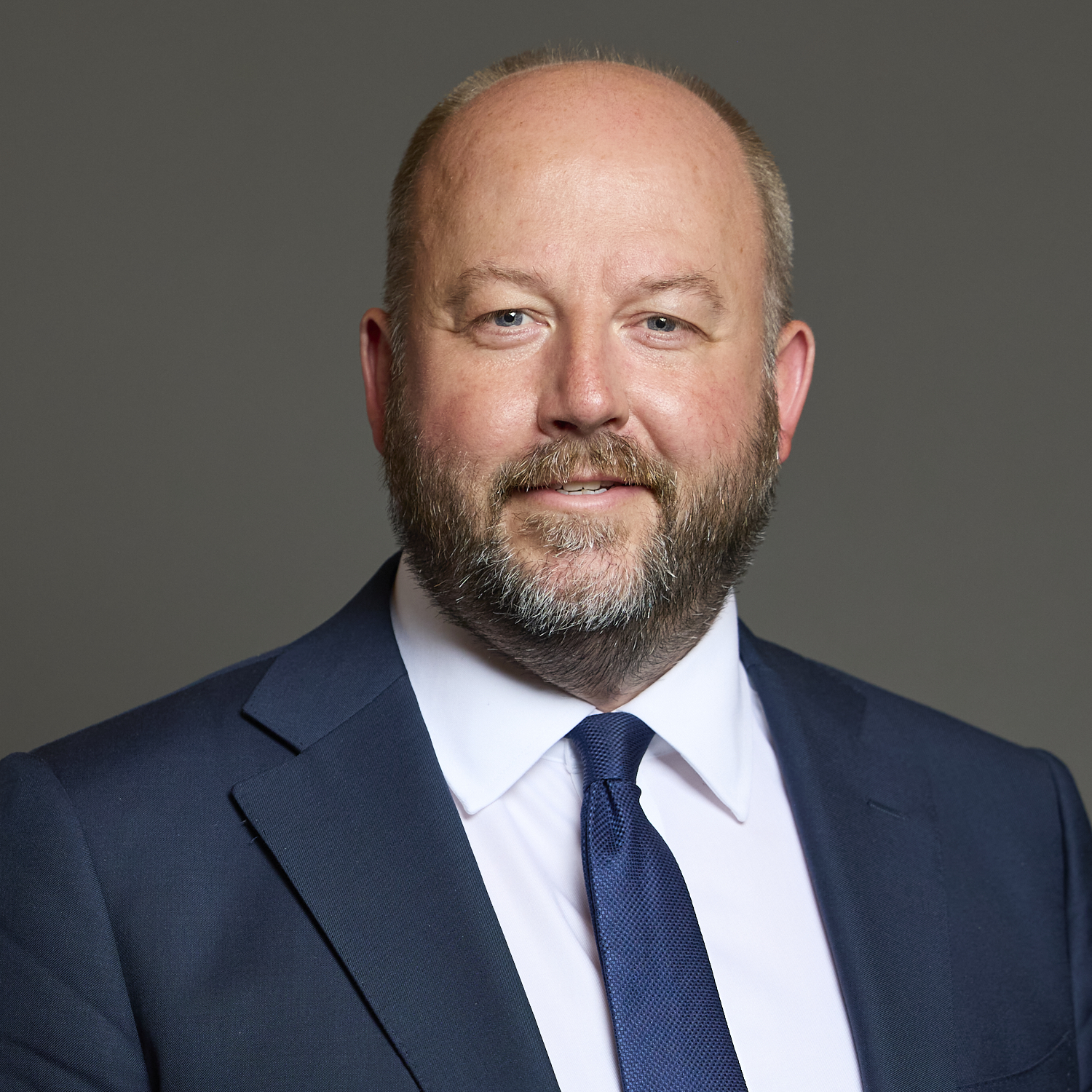
The speech made by Nick Timothy, the Shadow Secretary of State for Justice, in the House of Commons on 18 May 2026.
It is obvious that we are now in the legacy-hunting stage of this Government. Less a range of exhausted volcanoes, more a row of trampled molehills, Ministers are desperate to be remembered for something. This morning a word cloud was published by the pollsters at More in Common. The public were asked for the Prime Minister’s greatest achievement, and emblazoned across the page, in huge capital letters, was the sad word “Nothing.”
Today’s announcement, however, is a fitting tribute to the Justice Secretary and his predecessor, the right hon. Member for Birmingham Ladywood (Shabana Mahmood). So desperate are they to find the causes of crime that they sometimes forget that their job is to prevent and punish crime itself. The truth is that Labour just does not have it in its DNA to be tough on crime. The Government have let 60,000 criminals out of jail early, they are abolishing short-term sentences—so that almost all shoplifters and the majority of knife criminals will no longer be sent to prison—and they are pretending that they are doing these things because they have to, but they are doing them because they want to.
The Prisons Minister says that only a third of prisoners should be locked up. The Minister for Sentencing, the hon. Member for Rother Valley (Jake Richards), says that a pretty big chunk of the overall population should not be in prison, and today’s announcement is more of the same. So I have some specific questions for the Justice Secretary. He wants to increase the age of criminal responsibility to reflect a
“modern understanding of childhood, vulnerability and development”.
From smoking bans to voting rights, this Government have a confused view of childhood, so what should be the age of criminal responsibility?
With a wave of sexual and violent crime committed by illegal immigrants, many of whom pretend to be children, can the Justice Secretary guarantee that those people will not escape justice a second time by giving a fake age to the police? The Government say they will review the function and purpose of criminal courts for child defendants, but the purpose of a criminal court is obvious: to try criminals. Can the Justice Secretary rule out abolishing criminal trials for under-18s?
The Government also say that they want to end lifelong disclosure requirements for the under-18s. Can the Justice Secretary guarantee that those requirements will still apply to people guilty of violent crimes and to prolific offenders?
The Government say they will slash custodial remand for young offenders by a quarter, but remand should be used in response to need, not arbitrary targets. What is the Justice Secretary’s alternative? Will he just send criminals home? Will he stick to that target regardless of the level of violent crime and repeat offending?
The Government want more parenting orders, but this morning the Justice Secretary said that they are not used much at the moment because all judges can do to enforce them is issue a fine. He was unclear on this question. So will Ministers—[Interruption.] The right hon. Gentleman was asked on the radio this morning whether parents who do not comply will face custodial sentences. He fudged that question, so I am asking him to answer it now.
The figures show that young repeat offenders often start with theft and move on to drug offences and violence, yet the Government’s big idea is to stop punishing swathes of crimes committed by under-18s. The gangs who swarm shops to steal goods in places like Oxford Street, Ilford and Clapham do not need to be put on a course; instead, they need clear punishment, which can include prison.
The results of soft-touch liberalism are visible in towns and cities up and down the country, yet the changes that the Justice Secretary is announcing today risk amounting to more of the same. This is a big call. If youth crime goes up as a result, it will be on this Government.