Tag: Speeches

  • Robin Walker – 2022 Speech on Educational Assessments

    Robin Walker – 2022 Speech on Educational Assessments

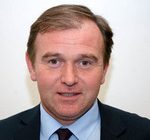
    The speech made by Robin Walker, the Minister for School Standards, in the House of Commons on 17 March 2022.

    I genuinely congratulate my hon. Friend the Member for Meon Valley (Mrs Drummond) on securing this debate and on the enthusiasm with which she has put her case. She has written extensively about examinations and assessment and she is a passionate advocate for children and young people.

    There is a great deal on which we can agree, such as understanding the importance of young people’s mental health, the importance of skills as well as academic rigour in the system, and the importance of balancing opportunities across vocational and academic routes. I entirely agree with my hon. Friend that we do not want schools to be teaching to the test and that we want pupils to be engaged in activities as well as learning from which they can benefit.

    I fear that we are fated to disagree, however, on exams and assessment reform. We stood on a manifesto that promised to ensure that

    “every pupil gets the qualifications they need for a prosperous future, while learning in an environment where they will be…fulfilled.”

    It is vital to me that qualifications align with our broader vision for education. The Government are clear that young people should be able to access a broad and balanced academically focused curriculum up until the age of 16. We believe that pupils should be introduced to the best that has been thought and said to familiarise them with the essential knowledge that they need to be educated citizens and to ensure that as many children as possible can lay claim to a rich intellectual inheritance.

    Key to that, of course, is ensuring that they have the numeracy and literacy skills to access that broad and balanced curriculum by the time they finish primary school. GCSEs provide the basis for an academically focused curriculum from 14 to 16 and it is our ambition that, by 2025, 90% of pupils will sit a core set of academic GCSEs known as the EBacc.

    We have taken steps to ensure that pupils have the opportunity to study high-quality vocational and technical qualifications alongside that core from 14 to 16. We have improved the quality of non-GCSE qualifications at key stage 4 by introducing a new approvals process for technical awards. Only those that meet our stretching requirements and are reviewed by Ofqual will be recognised in key stage 4 performance tables alongside academic qualifications.

    With that broad grounding, all students, regardless of background, are prepared to fulfil their aspirations post 16. Pupils can specialise by choosing from a range of high-quality academic and technical qualifications and routes that then become open to them. As my hon. Friend rightly pointed out, the academic route is not the only path to success, which is why it is important that a range of assessment types and pathways is available, drawn from our rigorous and evidence-informed blend of qualifications, to ensure that all students can achieve their full potential.

    Alongside A-levels, we have introduced T-levels. Our 10 new T-levels are being taught, including digital, construction, education and childcare, and healthcare science. More than 20 will be available from 2023 and they give students a clear path from their studies to their chosen career. We are also streamlining and improving the quality of post-16 qualifications at level 3 and below.

    Sir John Hayes (South Holland and The Deepings) (Con)

    The Minister is both diligent and thoughtful about these matters. The key thing is that many people’s tastes and talents take them down a practical route, yet we are still labouring under the illusion that the only way to gain accomplishment comes through academic prowess. The simple fact of the matter is that, as he suggested, we need to recognise that fewer people should be studying those degrees that confer neither intellectual rigour nor economic value. People should be studying practical, vocational, technical subjects for their own benefit and fulfilment and for the national interest.

    Mr Walker

    I do not disagree at all with my right hon. Friend, and he will see that some of the work our right hon. Friend the Minister for Higher and Further Education is doing with the university sector is about recognising precisely that, but I do not think that is an argument for removing GCSEs at the age of 16; it is an argument for ensuring that those vocational routes are available.

    As we all know, the past two summers have seen unprecedented disruption to the familiar routine of exams and assessments. Teachers and school and college leaders across the country have coped amazingly well with the pandemic and with its associated disruption to exams—and I want to take this opportunity to again thank them from the Dispatch Box for their herculean efforts—but we know that exams are the best and fairest way of judging students’ performance.

    Exams provide a shared understanding of what students know and can do—an even playing field with everyone being assessed on the same thing at the same time, independently. We know that exams and the preparation leading up to them can be motivating and lead to improved learning. Beyond that, exams provide students with an objective and accurate gauge of their progress and understanding of subject matter, which can inform their choices about where to go on to next. Exams are the most objective measure, which is why non-examined assessment and coursework is used only where knowledge, skills and understanding cannot be tested validly by an exam. Examples of this would include coursework in GCSE and A-level art and design. For all those reasons we are committed to exams continuing to play a crucial role in our education system, and we are firmly committed to their reintroduction this summer as we emerge from the effects of the pandemic.

    Over the course of the last 10 years our reforms to secondary and further education qualifications have created a gold-standard exam system that is respected around the world. Our qualifications exports in 2018 were worth £3.3 billion to the UK economy; this points to a model of success of which we should rightly be proud.

    My predecessors in the Department reformed and strengthened GCSEs from 2013 to address concerns from higher and further education institutions and employers that the previous qualification did not adequately prepare young people for the demands of the workplace and higher studies—points my hon. Friend the Member for Meon Valley made. Our reformed GCSEs rigorously assess knowledge acquired by pupils in key stage 4 and are in line with expected standards in countries with the highest-performing education systems.

    Our reforms strengthened GCSEs in a number of ways. Qualifications became linear, with exams sat at the end of a two-year course so that less time is spent preparing for modules and resits and more time is spent on teaching and learning. My hon. Friend raised the point about teaching for tests. I have frequently discussed that with Ofsted, which takes it very seriously; its new inspection framework encourages schools to keep a focus on the breadth of curriculum, particularly at key stage 3 and earlier, and discourages teaching to the test.

    Ofqual was formally established as the new independent regulator in 2010, with a statutory responsibility to maintain standards. It put in place robust arrangements to maintain standards, which led to year-on-year stability in grades over a long period. Ofqual also introduced a new grading scale, from 9 to 1, with 9 the highest and 1 the lowest grade, in place of A* to G, to signal that the standard of qualifications had changed and to allow greater differentiation of performance at the top end. In 2017 Ofqual also introduced a national reference test to capture improvements in attainment in English and maths so that these could be reflected in grading.

    GCSEs serve a critical function as a measure of attainment and a vehicle for progression, and they do so because they are recognised and trusted. They have strong public recognition, with support from 75% of those surveyed as part of Ofqual’s most recent public perceptions and confidence study. That trust stems from a long history in this country of assessment at age 16, which has existed since at least 1918 when the school certificate was introduced, through to the introduction of O-levels in 1951, CSEs in 1965 and GCSEs in 1988.

    Mrs Drummond

    That was fine when young people were leaving at 16 because they needed some qualifications to take into the workplace, but we are now expecting all young people to stay in education or training until 18, so does it not make more sense to shift that exam at 16 to 18?

    Mr Walker

    That training can of course include the workplace, such as through apprenticeships and the vocational route, so I have to disagree fundamentally. It is important that young people have those opportunities to continue studying in school or, for those who are not suited to school, to go on to a vocational route to pursue further study and development of their careers in the workplace.

    We know that half of students change institution at the age of 16, and it is because they have a shared and recognised qualification that they can transition easily post-16. GCSEs equip students to move directly into employment or apprenticeships at that age with a qualification in hand. GCSEs are long-standing, credible and well respected. At the same time, as I mentioned, we have worked with higher education providers and employers to reform A-levels to ensure that they better meet the needs of higher education. That includes decoupling the AS-level to reduce the assessment burden and enable A-level students to spend more time learning and developing their depth of understanding of subjects. Reformed GCSEs support reformed A-levels, and reformed A-levels support higher graduation rates in three-year degrees from our internationally recognised universities, with four British universities currently in the top 10 globally and 17 in the top 100.

    I turn to vocational and technical qualifications, which we all recognise are important. From our reforms to the way in which grades have been awarded in the context of the covid-19 pandemic, we have sought to ensure parity between those receiving vocational and technical qualifications and those receiving GCSEs and AS and A-levels. As I mentioned, the new T-levels have been developed in collaboration with employers so that students can get the specific training, knowledge and skills required for their chosen career. Not only that: they include a nine-week high quality placement in a relevant industry, giving students first-hand experience of work during their studies.

    Alongside the introduction of our T-levels, we are streamlining and strengthening the quality of all other post-16 qualifications at level 3, making the system easier to navigate and more responsive to employers’ needs. The changes that we are making will give students a clear route map to the high-quality technical and academic choices available—choices that they can trust to lead to rewarding careers.

    My hon. Friend mentioned the role of UTCs. The Government are committed to providing young people with technical skills and knowledge to progress into further and higher education, apprenticeships and employment. Indeed, strong university technical colleges such as the outstanding UTC in Portsmouth to which she referred are succeeding in equipping their students with those vital skills.

    I turn to the immediate arrangements for qualifications. We recognise that students taking exams this year will have experienced disruption caused by the covid pandemic, so we have rightly worked closely with Ofqual to put in place a package of measures to recognise that. The measures will include unprecedented support to ensure that students can fairly demonstrate what they know and can do. They offer the right balance to account for the disruption students faced while providing students, teachers, schools and colleges with the consistency and independence of assessment and familiarity that exams deliver. The package of measures this year includes advance information on the focus of exams in most subjects for GCSE and AS and A-level students; a choice of topic or content in some GCSE exams where advance information is not provided; exam aids for use during some GCSE exams; and a range of adaptations for students taking vocational and technical qualifications depending on the purpose of the qualification.

    In balancing public confidence in qualifications with fairness, Ofqual has also confirmed that 2022 will be a transition year to reflect the fact that we are in a pandemic recovery period and that students’ education has been disrupted. In 2022, the aim will be for grades to reflect a midway point between 2021 and 2019, with national results likely to be higher than pre-pandemic levels, providing a safety net for those of this year’s students who might otherwise have missed out on a grade. We are confident that those measures, alongside the direct investment of nearly £5 billion in education recovery, provide a pathway for a successful return to normal exams and assessments in the academic year 2022-23.

    My hon. Friend rightly mentioned the importance of mental health. Exams and other assessments are an essential part of ensuring that young people have acquired the knowledge and skills that they need to study. The Government are clear that education providers should encourage pupils and students to work hard, but not at the expense of their wellbeing. I recognise that exams, like other things in life including job interviews, moving house or having a first child, are by their nature stressful, but when pupils receive the right support, many find the level of stress from exams manageable—and actually a certain level of stress can be a motivating factor. Schools and colleges should be able to identify signs of exam-related stress whenever they emerge and be in a position to respond appropriately.

    Research shows that there is a clear difference between exam stress, which is not necessarily a bad thing, and anxiety, which is a cause for concern. Clearly, we do not want young people to be in a situation where pressure tips over into mental health problems. That is why we have provided schools with a wide range of training and resources to help them support pupils and students’ wellbeing. Our recent £15 million wellbeing for education recovery and wellbeing for education return programmes have provided free expert training, support and resources for education staff, helping to promote and support the wellbeing and mental health of pupils and students as they recover from the impacts of the covid pandemic. Ofqual has also issued guidance on coping with exam pressure. The information provides some techniques that students can use to help to alleviate or lessen anxiety they might have about exams, and it can be accessed through Ofqual’s website.

    My hon. Friend mentioned primary assessments. We think it is vital that primary assessments go forward this year, not least because we want to ensure that that data is available to look at the impact on learning from the pandemic and that we can work across the system. However, I can confirm to her that we will not be publishing comparative data between schools this year, which I know has been a concern for the sector. Recognising that school tests and assessments will be returning for the first time since 2019 without the adaptations we have in secondary, the results will not be published in league tables.

    Mrs Drummond

    If that is successful, will the Minister continue it in future years? One of the problems that make the stakes high is that schools are put in league tables. That is why they are teaching to the test, because, obviously, they want to appear higher up in the league tables. If it is a success this year, will it be carried on so that we do not have league tables anymore?

    Mr Walker

    The specific measures we are taking this year are in recognition of the pressures the sector has faced. We will, of course, review their impact as we go forward.

    I am grateful to have had the opportunity to debate this very important issue this evening. I must be clear that there are no plans for new wholesale reform of GCSEs and A-levels, which are internationally respected and enjoy high levels of public support. I am proud of the strides that this Government and previous Governments have taken to boost the quality of our technical and vocational qualifications. Our reforms since 2010 have already made a lasting improvement to qualifications, ensuring that they reflect the knowledge and skills pupils need to progress. Our GCSE and A-level reforms were substantial and designed to last, but some of the reforms to qualifications were quite new when the pandemic started. I am determined to continue the great work of my predecessors and embed them into our system. I am also acutely aware that schools, colleges and our brilliant teachers will benefit from a period of stability as we recover from the effects of the pandemic.

    As we gear up for the return of exams this summer, I will close with a reflection on what that will mean for students across the country who are preparing for them. For the first time in two years, students in my constituency of Worcester, as well as in my hon. Friend’s constituency of Meon Valley and along with those up and down the country, will have the chance to demonstrate what they have learned through public exams. I am pleased that through their hard work and the hard work of their teachers, they will have the opportunity to secure the valuable qualifications they need to progress to the next stage of their careers.

  • Flick Drummond – 2022 Speech on Educational Assessments

    Flick Drummond – 2022 Speech on Educational Assessments

    The speech made by Flick Drummond, the Conservative MP for Meon Valley, in the House of Commons on 17 March 2022.

    I thank Mr Speaker for allowing me to bring this important debate to the Chamber, and I thank the Minister for being here, particularly much later than expected, to respond.

    The Minister will be aware that I have been working on this important issue for some time. It is something that I am passionate about and wrote about in my One Nation paper in summer 2020. It is not just me: we now have five commissions reporting on the reform of educational assessment, so this is a good moment to debate the merits of reforming our present system.

    Even before covid, 21st century society was rapidly changing, but our education is still stuck in the 20th century. Even its original architect, Lord Baker, argues that it is due an overhaul. Covid has given us the chance to re-look at various policies, not least how we assess our children. We need to grasp that chance.

    As Professor Bill Lucas, co-founder of Rethinking Assessment, states:

    “Across the world assessment is not working. We are not evidencing the kinds of dispositions and capabilities that society increasingly wants. Educational jurisdictions are placing too much reliance on high-stakes, standardised testing. They are testing the wrong things in the wrong ways. High-stakes assessment is having a damaging impact on the health and wellbeing of students and it is not giving universities, colleges or employers the kind of information they want.”

    Let us unpick those words. What does society want from education? Our assessment system currently dominates our entire schooling, influencing what is taught and how it is taught. As Professor Lucas says, we have a system focused on performance in a narrow range of high-stakes academic standardised testing.

    It is important that I say that standards are vital, but increasingly employers do not understand the myriad qualifications and whether they are gold standard or not, especially when GCSEs are reduced to a milepost in a young person’s journey to 18, when they leave for university or work. The House of Lords’ Youth Unemployment Committee states:

    “Skills gaps and shortages are clearly a major driver of youth unemployment and damage labour market productivity”.

    The Times Education Commission’s interim report has been very focused on asking employers what they are looking for, and they agree that young people are not coming out with the life skills that would help in the workplace.

    We have a knowledge-based curriculum, but we also need to build skills into the curriculum. It does not have to be a binary choice of knowledge versus skills; we need to marry powerful knowledge with the skills and attributes needed to apply them to real life. Are we testing the wrong things in the wrong ways? The figures seem to show that we are. A third of all students every year do not get grade 4 and above, which is considered a pass. As 613,000 young people took GCSEs last year, a third of that means that some 200,000 young people did not make the grade—a huge number. They are leaving education without substantive qualifications because our system fails those learners, who are better served by practical, technical and vocational ways of learning and assessment.

    The Department for Education says that exams are the fairest way of everyone being tested the same. Really? Is that why girls do so much better? In 2019, 72% of girls received grade 4 or above GCSEs and only 63% of boys—a 9% difference that has not changed over a number of years. Are we saying that girls are much cleverer than boys, or is the reality that this is not a fair way of assessing everyone? We know that girls and boys learn differently.

    I became increasingly concerned about the failure of our assessment system when I was the MP for Portsmouth South. I heard how many young people at college were taking their maths and English GCSEs over and over again. That seems ridiculous. Surely there is a better way of engaging pupils in maths and English that makes sense to them and enables them to achieve a certain level, not necessarily through an exam—I stress that I am not against exams, but against what I consider to be unnecessary exams at 16 that are narrowly focused when we are expecting young people to stay in education or training until they are 18. It would make far more sense to assess young people at 18, especially when there is ample evidence that assessment at 16 does not work and is harming our children. Professor Lucas says exams at 16 cause

    “a damaging impact on the health and well-being of students”.

    Professor Sarah-Jayne Blakemore, professor of psychology and cognitive neuroscience at Cambridge University, has done a huge amount of research into how teenage brains develop. She spoke to us at a fringe event at the Conservative party conference in 2021. She says that high-stakes exams put huge pressure and stress on teenagers, reducing motivation during a critical time during their development. The yearly Children’s Society’s “Good Childhood Report” raises young people’s mental health as an issue. In 2018, children aged 15 in the UK had the greatest fear of failure and the lowest life satisfaction in school of children across 24 European countries. The 2021 report found that school, followed by friendships and appearance, continue to cause the greatest dissatisfaction in adolescence. In the Children’s Commissioner’s Big Ask survey, young people highlighted that stress related to high-stakes exams or assessment remains a significant concern to them.

    Not just young people but parents and teachers are concerned. Of course, we all have to cope with stress and deal with it throughout our lives, but not when it is going to have a big impact on the future of a young person. For the record, I do not accept that the term “snowflake” is fair in any way for this generation. It is simplistic and lazy, and makes no allowance for the complexity that young people face today.

    The last point in the quote is about education and employers not receiving the kind of information that they want. A YouGov poll commissioned by the Edge Foundation in 2020 found that 92% of teachers agree that the assessment system needs to recognise the full range of a young person’s strengths and skills through more than just written exams, especially as they place an emphasis on rote learning to the detriment of developing the skills and attitudes needed for work.

    The Times Education Commission has been very clear that employers would like to see skills as well as knowledge. We are talking about skills of how to tackle and deal with any challenges during a lifetime, as well as other softer skills, including the value of oracy and team work. For example, disadvantaged children’s spoken language development is significantly lower than that of their more advantaged peers, although spoken language is one of the strongest predictors of a child’s future. However, the concentration and time spent on written exams does not allow for this development. That cannot be right or fair. Employers say that personality is more important than qualifications, and those of us whose exams were a long time ago know there is absolute truth in that, so why is it designed out of our present assessment system?

    We are not just talking about exams at 16—it starts much younger in primary schools. SATs dominate year 6, and I am afraid there is teaching to the test to the exclusion of a wider curriculum. Pupils are reassessed when they get to secondary schools in any case. People say that SATs are needed as a measure of school accountability—really? We have Ofsted, and there are many ways of judging schools, such as quality of teaching and professional development of teachers for starters.

    Parents do not look primarily at results when they are choosing a school—in fact, that is at the bottom of their list. They want a school where their child will be happy, achieve their potential and enjoy learning at the same time, alongside a wide range of activities. That is why so many people decide to pay to send their children to independent schools when they can afford it, but this is ridiculous as it is possible for every state school to do all of this. That is important because the Government’s Industrial Strategy Council highlighted that, by 2030, 7 million additional workers could be under-skilled for their job requirements. The skills gap is costing UK companies £6.6 billion a year.

    Some people feel that education should be about inspiring young people through a knowledge-based curriculum only, or, as I would put it, learning information that they may never look at again. That is one argument, but it should be mixed with learning how to learn, learning skills that will make our children lifelong learners because it makes sense, learning because it interests and engages them and learning for the love of learning, rather than for a narrow set of exams. The Department for Education’s employer skills survey and findings from the CBI and other organisations, such as the World Economic Forum, all point to employers looking for skills such as problem solving, communication, self-management, team working, creativity, numeracy and digital skills. Those are not soft skills that come at the expense of knowledge. Knowledge is only useful where individuals have the skills to interpret and communicate it.

    So what is the answer? I know this is not going to happen overnight—certainly not under this Government, although we will hear what the Minister says—but we will need to move gradually to a new system to give teachers, parents, young people and employers confidence in the changes. I am not calling for some radical seismic shift, but we must recognise that there is substantial evidence that there is a better alternative and work towards it—one that is multi-disciplined, offers a broad and balanced portfolio of assessment and blends the best of knowledge and skills.

    The OECD and the programme for international student assessment, or PISA, are currently developing assessments to be used across the world, for example, in collaborative problem solving and creative thinking. The international baccalaureate model is used in 5,000 schools in more than 150 countries. There is good practice and systems out there that we can look at to design our own assessment at 18. We should have a 14-to-18 curriculum without a break for GCSEs which, as I have said, are no longer fit for purpose. We should have a broad and varied curriculum that enables young people to find their own path, whether that is academic or vocational with exams and/or assessment, be that a final assessment or continual assessment throughout those four years.

    We should have a portfolio of achievement that includes English and maths in a format that is relevant to what that student wants to do; taking part in the National Citizen Service or Duke of Edinburgh award scheme and other organisations that bring character and skills; and a transcript that shows what a young person is really like, not just their ability to pass or fail national exams. That is particularly important in terms of equality. Young people from deprived and lower-income backgrounds often require more time and resources to realise their potential, and a more diverse and expansive range of subjects than the narrow curriculum we impose at present. An extended school day would help with that, too.

    University technical colleges are already following the 14-to-18 model. They have been remarkably successful in identifying how an education can inspire and engage young people. I visited the Portsmouth UTC, which has been going for five years. Entry is by ballot and it has three applicants for every place. It gives young people the skills for the world of work, and those who do not go to university mostly go straight into higher-level apprenticeships. Time and again, it is a success story for those young people and it is in operation right now in this country.

    A good education has the power to change lives and open doors to greater employment and lifelong learning. It leads to better health choices and active citizenship. Good teaching inspires and, crucially, assessment reform must give power back to teachers so that they can do what they were trained to do—impart a love for their subject to the next generation, rather than teaching to the test. If we do not change, we will continue to fail millions of young people in this country, including many from disadvantaged backgrounds. We will continue to struggle against our international competitors because we will lack the 21st-century skills that we need to be global Britain.

    With the right focus and commitment, young people from all backgrounds, who are engaged and who know that the point of their assessment is to realise their ambitions, will flourish, but they need time to study the subjects in which they are interested—academic or vocational—in depth, over four years. That would set up many more of our children for a lifetime of work and learning. We need to start working on a system that works for them as we enter the second quarter of the 21st century and as young people face all the challenges of this complex world.

  • Robert Courts – 2022 Statement on P&O Ferries

    Robert Courts – 2022 Statement on P&O Ferries

    The statement made by Robert Courts, the Parliamentary Under-Secretary of State for Transport, in the House of Commons on 17 March 2022.

    With permission Mr Deputy Speaker, I would like to make a statement about the developing issue with P&O Ferries. I thank you, Mr Deputy Speaker, for having found time for me to make this important statement.

    Earlier today, P&O announced its decision to make around 800 seafarers redundant on several routes across the UK. Let me say right off the bat: the way that these workers were informed was completely unacceptable. I will say more on that in a moment or two. While this is fundamentally a commercial decision for the company, I wanted to come to the House today to inform Members about our latest understanding of the situation and what is now being done.

    In taking this decision to make seafarers redundant, P&O has also today informed us that it will be suspending services, for approximately a week to ten days, while it locates new crew. The affected routes are Dover to Calais, Larne to Cairnryan, Dublin to Liverpool and Hull to Rotterdam. I know right across the House will share my concern over the loss of these routes, but I should stress that P&O says they are only temporary and that alternative provision will be provided by other operators, to whom I am extremely grateful.

    Passengers will still be able to travel to and from the UK, including across the channel, with freight coming in and out of the country. I understand that DFDS is stepping in to provide alternative services for passengers with valid tickets, and I would like to thank DFDS for its swift action.

    However, I must warn travellers that they should expect some disruption over the coming days. I have asked my officials to liaise with the Kent Resilience Forum and the Cabinet Office to closely manage traffic in Kent over the coming days while P&O works to restore services. Today, the Dover TAP—the Dover traffic assessment project—has been activated, although as Members will know that is not all that uncommon, and there is some queuing on Jubilee Way, although the Port of Dover expects this to reduce over the afternoon. I have also asked officials to remain in close contact with other resilience forums around the country, as well as the devolved Administrations, in managing this issue.

    Mr Deputy Speaker, we of course have long planned contingencies for such situations and disruption, particularly around the channel, and I do not expect the supply of critical goods and services to be impacted as a result of this decision by P&O, although queues on the way to Dover are more likely to occur at times. Modelling suggests we have sufficient capacity to handle the temporary loss of these P&O ferries.

    Let me turn now to the issue of the seafarers. These are hard-working, dedicated staff who have given years in service to P&O. The way they have been treated today is wholly unacceptable and my thoughts are first and foremost with them. Reports of workers being given zero notice and escorted off their ships with immediate effect, while being told cheaper alternatives would take up their roles, shows the insensitive way in which P&O has approached this issue—a point I made crystal clear to P&O’s management when I spoke to them earlier this afternoon.

    As I told Peter Hebblethwaite, I am extremely concerned, and frankly angry, at the way workers have been treated today by P&O. As a matter of urgency I have asked my Department to liaise closely with counterparts in the Department for Work and Pensions to ensure that workers are being signposted to the most relevant support, and I am intending to call the trade unions immediately after this statement to discuss the situation with them.

    There can be no doubt that the pandemic has had a devastating impact on the finances of many travel companies, including P&O. But while their finances are matters for them, and them alone, I would have expected far better for the workers involved. We will continue to engage closely over the coming days, and I commend this statement to the House.

    Louise Haigh (Sheffield, Heeley) (Lab)

    The action taken by P&O Ferries today is a national scandal—a betrayal of the workers who have kept this country stocked throughout the pandemic. I have heard directly from the crew throughout the day: their lives upended, the jobs they depended on scrapped.

    Workers are now left wondering how on earth they will put food on their families’ tables. The management did not even have the decency to tell them face to face: they were told this life-changing news on a pre-recorded video. Images are circulating of what we are told are handcuff-trained security staff, some wearing balaclavas, marching British crew off their ships. This is not a corporate restructure and it is not the way we go about business in this country. It is beneath contempt: the action of thugs.

    It is quite simply a scandal that this Dubai-owned company, which received millions of pounds of taxpayers’ money during the pandemic has, without consultation or notice, upended the lives of 800 British workers, all while the profits of the owners, DP World, soared by 52% in the first half of 2021. We need a clear, unequivocal statement from the Government—no ifs, no buts. An overseas conglomerate cannot be given free rein to sack workers in secure jobs here in Britain at the click of a button and replace them with agency staff. The Government must not give the green light to this appalling practice. They must act now to secure the livelihoods of these workers, not signpost them to the Department for Work and Pensions.

    This cannot stand. Will the Minister review any and every contract and licence that the Government have with P&O or DP World, to maximise leverage and force them to do the right thing? DP World runs two of the Government’s freeport schemes. Will he consider terminating those contracts? Will he convene urgent talks with P&O and the unions to look immediately at what steps can be taken to safeguard these jobs? Will he confirm whether the Secretary of State received notification, as required under the Trade Union and Labour Relations (Consolidation) Act 1992? Given that neither the workers nor their unions received notification, this action is clearly illegal.

    Will the Minister act immediately and ensure that all those party to the decision are appropriately proceeded against? Will he join me in condemning Clyde Marine Recruitment and Interforce for the role that they have apparently played in today’s events and investigate any action that can be taken against them? Will he outline the full extent to which other operators will be able to cover this unacceptable disruption? It is impossible to conceive that we have sufficient capacity to cover a loss of 10 days. Finally, will the Minister look at clawing back every single penny of taxpayers’ money given to P&O over the course of the pandemic?

    This situation must be set in context. For far too long, the Government have sat on their hands and chosen to side with bad bosses by failing to take action to outlaw fire and rehire. This is the cruel consequence of a decade of attacks on workers’ rights. No more excuses: it is time for Ministers to keep the promises they have made, deliver workers’ rights and outlaw fire and rehire without delay.

    We are an island nation. British seafaring has been, and is, the envy of the world. We are rightly proud of the British sailors, ratings and officers, who make our fleet and whose name is known across the globe. What has happened is a straightforward assault on British seafaring. It cannot be allowed to stand. The Government must stand up, speak out and take action to protect the livelihoods of these proud workers.

    Robert Courts

    I thank the hon. Member for her comments. She is quite right: lives have been upended and jobs scrapped. My sympathy and thoughts are wholly with the people who had this terrible news this morning. She is absolutely right about the video, which I have seen. I agree. This is devastating news, and to be shown a video on a television screen rather than told the news face to face is not how we expect loyal, hard-working workers to be treated. She mentioned crews being marched off; I have heard the same reports. I expect people to be treated with dignity and respect at all times, throughout their employment.

    Employment laws apply, of course. It is difficult for me at the moment to comment in any detail on where that might be. I urge anyone affected to consider legal advice. Clearly that is something that they should do, but it is difficult for me to comment on that, particularly as this is a fast-moving situation.

    The hon. Member asked me to review contracts that may exist. I have asked my officials to do that. I apologise, but I cannot give her any details at the moment, although I will be able to provide information to the House in due course if required. Conversations about freeports would have to take place across Government, involving, in particular, the Treasury and the Department for Levelling Up, Housing and Communities. The hon. Lady asked me to convene urgent talks with the unions; I will speak to them this afternoon. It is possible that that will be an initial conversation and then there will be others, but I need no persuading that that will happen. She hon. Lady mentioned illegality. I ought not to go into that, but obviously the Government have a number of concerns, and I urge people to take the advice that they will need.

    The hon. Lady asked me to give details of the operations. As I have said, this is a fast-moving situation, but although I am assured that there is not likely to be an operations impact, I will be monitoring that closely. I will give the hon. Lady more details when I have them, and if there are any steps to be taken, I will consider what they should be.

    The hon. Lady spoke of setting this in context. I of course reject any suggestion that we have sided with bad bosses. I have made absolutely clear, today and on other occasions, that I expect people to be treated with respect at all times, and that is not the way in which these people have been treated. No one should be treated in the way in which they have been treated today.

    Finally, the hon. Lady asked about seafarers. We will continue to do everything we can to support British seafarers, and I hope to be able to give the House more details about that in due course.

    Mr Deputy Speaker (Mr Nigel Evans)

    I call the Chair of the Transport Committee.

    Huw Merriman (Bexhill and Battle) (Con)

    Thank you for allowing the statement, Mr Deputy Speaker. I also thank the Minister for delivering it so robustly.

    P&O, that once great flag carrier of the seas, has made an appalling error. If it does not reverse that error immediately, reinstate the employees and follow proper process, it is hard to see a way back for it commercially. The parent company, DP World, needs to understand that the British public will not do business with companies that treat their employees with such contempt. Will the Government do everything within their power and influence, including tabling emergency legislation if necessary, to ensure that this appalling employment transaction cannot be completed?

    Robert Courts

    I thank my hon. Friend for his comments. I repeat that this is a fast-moving situation, and we are reviewing it both as it develops and as it exists. I will certainly review what arrangements exist as we go forward, and I can certainly commit myself to working with all Government Departments to consider what relationships we have with P&O. I will also try to see whether there is anything I can do in the particular circumstances with which we are dealing, although commercial matters affecting a company are primarily a matter for the company itself, within the constraints of employment law. In this country we have high standards of employment law, and we expect those standards to be respected and upheld.

    Gavin Newlands (Paisley and Renfrewshire North) (SNP)

    I thank the Minister for advance sight of his statement. Let me add that I agreed with every word that was said by the shadow Secretary of State and the Chair of the Select Committee.

    Earlier today I said that the actions of P&O were deeply concerning, but as more information has emerged, it has become clear that those actions were shameful, insensitive and inhumane. The Government responded to the fire and rehire scandal with lip service and warm words, saying that fire and rehire was shameful but stubbornly refusing to back those words up with any legislative action. That inaction has had consequences. What P&O has done today in sacking 800 workers over Zoom with no notice or consultation, and dragging them from their place of work using handcuff-trained private security personnel, is well beyond even fire and rehire. Of course, our primary concern must be for the traumatised P&O staff and their families. People are now jobless, having gone to work as they would on any other day. Will the Minister support the staff who remain aboard P&O vessels, and call on P&O to end its attempts to forcibly remove staff members?

    The villain in all this is P&O and its parent company DP World, which is owned by anti-trade union oligarchs in Dubai who have a shockingly bad track record on employment relations. P&O’s plan is for entirely new crews to operate vessels with zero or little time for acclimatisation. Does the Minister not agree that P&O’s aim of resuming shipping with new staff almost immediately is reckless and unsafe? The Prime Minister visited the United Arab Emirates yesterday. Was there any discussion between him and the Dubai Government, the owners of DP World, about P&O?

    The Minister said that while this is a commercial decision

    “for them, and them alone, I would have expected far better for the workers involved.”

    I agree, but I would also expect far better protections for our workers from the Government of the day. Can the Minister tell us if there is anything—anything at all—that the Government can do to intervene and help these workers? If there is not, does that not demonstrate, yet again, just how broken UK employment law is?

    Robert Courts

    I hear the anger and anguish expressed by the hon. Gentleman, and I know that he speaks on behalf of constituents and others he represents. I would encourage all employers in any event to speak to their hard-working, loyal, long-serving employees. I would certainly urge them to engage with the unions, which I hope would have been spoken to in advance in any such incident that would cause distress to workers and certainly in one such as this. I urge them to do that. On safety matters, this is still an evolving situation and there are clearly safety regulations that have to be applied and complied with in any case, no matter who is crewing a vessel. I would expect that to be the case. Clearly there will be no shortcuts as far as safety is concerned. We will continue to look across Government and speak to colleagues, and to uphold the rights that are clear in law to protect workers.

    Mrs Natalie Elphicke (Dover) (Con)

    Does my hon. Friend agree that the way in which P&O Ferries and DP World have acted is shabby, disgraceful and utterly unacceptable? They have mistreated 600 loyal workers in Dover and in addition to this, they have brought traffic disruption and put at risk the economy and the trade routes through it. Will he meet me to discuss what more can be done to hold DP World and P&O Ferries to account for their disgraceful behaviour?

    Robert Courts

    I thank my hon. Friend for speaking out so powerfully and forcefully on behalf of her constituents, who will be anguished, hurt and distraught at the news they have been given today. She speaks for them and I thank her for doing so. I will of course meet her; I will meet any hon. or right hon. Member from anywhere across the House to discuss any concerns that they or their constituents might have. My hon. Friend asks me whether I agree that the way in which P&O has behaved is unacceptable? Yes, it is unacceptable.

    Rosie Duffield (Canterbury) (Lab)

    Does the Minister acknowledge that my constituency of Canterbury, and east Kent as a whole, will be particularly affected by today’s shocking news? What urgent support will the Government give to all those affected locally, including the hundreds of P&O workers who have been treated disgracefully, as we have just heard, and who are now facing no pay packet at all in the face of the soaring cost of living? They do not want a work coach; they just want their jobs back. That is not to mention the beleaguered residents of east Kent, who will yet again have to bear the brunt of serious disruption to our daily lives. I am glad to hear that the Minister will meet MPs across east Kent; that needs to be done urgently. Thank you.

    Robert Courts

    I thank the hon. Member for speaking out and making her constituents’ understandable anguish so clear in this place. That has been entirely heard by me and I share it. She speaks with anger, and I have expressed that anger in person to P&O today, because of the effect that this news will be having on people living in her constituency and elsewhere, particularly at a time that is already causing much uncertainty for many people. I would be delighted to meet her and any other Members who would like to meet me to discuss what we might be able to do. I referred earlier to some signposting within the DWP. That support is available, and if there are other things that would be helpful, I would be happy to hear from her. She also referred to disruption. There may be some disruption, but the only happy side of that is that we have good, well-rehearsed procedures in place to deal with that. I totally accept this situation will cause inconvenience to her constituents, but I hope that the well-practised routines we have in place will keep that to a minimum.

    Sir John Hayes (South Holland and The Deepings) (Con)

    When I was the shipping Minister, I oversaw the maritime growth study that built on the sector’s success. At its heart was the development of skills to build an even stronger merchant navy. This capricious, careless, callous decision by P&O flies in the face of all that.

    Will my hon. Friend work with my old friends in the maritime sector, the RMT and others to recover any moneys granted to P&O during the pandemic and to ensure it reverses its decision? I will not let anyone tell me this is the free market. The free market put little girls in factories and boys down mines, and it put both at risk on the high seas. We thought those dark days had gone. P&O is either too dim to see it or too dastardly to know it.

    Robert Courts

    My right hon. Friend is absolutely right about the skills that have been demonstrated by extraordinary British seafarers over many years. This is key to the Government’s vision of what we want to achieve, and it is particularly important to me personally. We remain committed to doing what we can to support seafarers, and all the strategies the House has heard me talk about, from Maritime 2050 onwards, remain the case. Our focus on maritime skills remains. The Government are still determined to do all we can to develop British seafarers and to continue as a maritime nation, as we have always been. He can be assured that determination remains undimmed.

    My right hon. Friend rightly speaks about employment rights, which are extensive in this country. They exist for good reason, they continue and the Government support them.

    Kim Johnson (Liverpool, Riverside) (Lab)

    As the MP for Liverpool, Riverside, I am disgusted by the actions of P&O today. Liverpool is one of the routes that will be affected by this action, and it is another example of fire and rehire by a despicable employer. Why have this Government stood by and ignored it? Actions speak louder than words, Minister, so let us take some decisive action against P&O.

    Robert Courts

    I entirely understand the hon. Lady’s anger on behalf of her constituents. I am acutely aware that they will be affected. I caution her that we do not know all the circumstances yet. We do not know whether this is a fire-and-rehire situation or something else.

    Kim Johnson

    They have fired 800 staff.

    Robert Courts

    The hon. Lady is right, and I have been absolutely clear about my view of how that has been done. I am merely making a point about the contractual arrangements that exist. We need to understand that, and I will continue to work with her and others to see what we can do to help.

    Peter Gibson (Darlington) (Con)

    I thank my hon. Friend for coming to the House so swiftly. We are all shocked, outraged and appalled by the treatment of P&O staff, and I welcome his condemnation of these dreadful employment practices. Will he continue to update the House on this unfolding situation?

    Robert Courts

    Yes. I am acutely conscious that there are some details I have not been able to give to the House today because the situation is evolving, and there are some things that we do not know and I do not know. As and when I do know, of course I will give the required information, either verbally or in some other way.

    Dame Diana Johnson (Kingston upon Hull North) (Lab)

    I speak on behalf of my hon. Friends the Members for Kingston upon Hull East (Karl Turner) and for Kingston upon Hull West and Hessle (Emma Hardy) and the people of Hull, who stand united tonight in our utter disgust at what has happened to the seafarers who have been sacked by P&O. It is simply a lie that P&O must sack 800 British workers to survive. P&O paid out £270 million to shareholders last year while taking furlough money from taxpayers.

    The Government have to be clear about whom they back. They cannot just say this is a commercial decision. This is a choice between predatory employers that are sacking workers on Zoom in their levelling-down race to the bottom and our loyal, hard-working UK workers who are fighting for their jobs. Will the Minister instruct Dubai-based DP World to stand down the replacement crews, send their security muscle home and reinstate immediately those who have been sacked?

    Robert Courts

    I thank the right hon. Lady for speaking on behalf of Hull and the hon. Members for Kingston upon Hull East (Karl Turner) and for Kingston upon Hull West and Hessle (Emma Hardy) to make their voices heard. Her question, of itself, shows the importance of the maritime sector to the entirety of our United Kingdom. There are hon. and right hon. Members from every corner of our United Kingdom expressing their anguish on behalf of their constituents and themselves, and she is right that furlough money will have been available to P&O. The Government have supported this company, as we supported the whole economy during the pandemic.

    The right hon. Member for Kingston upon Hull North (Dame Diana Johnson) asks whether we are on the side of levelling down and a race to the bottom. No, we are not. I have been clear today that we expect rights to be maintained and supported. She asks whether we are on the side of hard-working workers. Yes, we absolutely are.

    Mr Peter Bone (Wellingborough) (Con)

    My background is in the travel industry and this is not how the travel industry behaves. P&O is a great British company, but can the Minister make it clear that there is a difference between P&O Ferries and P&O Cruises? P&O Cruises has nothing to do with this disgraceful incident. If the parent company of P&O Ferries has made British workers redundant to replace them with agency workers and then in a week’s time expects to carry on as normal, the British public will not travel with it in any case, but surely the Minister should suspend its licences.

    Robert Courts

    I thank my hon. Friend for his expertise. He is absolutely right about the values of the wonderful travel industry that we have across the whole of the maritime, aviation, cruise and wider travel sector. His point about the distinction between P&O Ferries and P&O Cruises is accurate; they are separate entities and the two are not connected. He is right to make that absolutely clear and I thank him for doing so. I have made it clear that the behaviour we have seen today is absolutely unacceptable, and I will continue saying so. Not only that, but the British public will have noticed, as he rightly points out.

    Karin Smyth (Bristol South) (Lab)

    We hear a lot of anger and sympathy from the Minister, but he is from the Government and the clue is in the title—they need to govern and take some action. We have not heard about any action whatsoever. It would be helpful to hear more from him on that. We have just been discussing St Patrick’s Day and our relationships with Ireland. Has he had any discussions with the Irish Government or with Members in the Northern Ireland Assembly about the impact on both Northern Ireland and Irish trade?

    Robert Courts

    I understand the points that the hon. Lady makes. I am also keen to stress that I have come to the House as quickly as I can to make a statement, which means that I have not had that much time to act. I have already spoken to the management of P&O—I made sure I did that—and I have asked my officials to undertake a number of actions so that I understand the wider system that exists. I hope she will bear with me while that work takes place. I have not yet spoken to the Government of Ireland, but if that is helpful, I am happy to do so.

    Dr Matthew Offord (Hendon) (Con)

    This afternoon, I have heard people talk about British employment law and discussing this with other Governments overseas. However, the legislation that covers this area is simply the maritime labour convention, an international convention that applies not only to vessels ordinarily engaged in trade, but where a vessel is operating under the flag of a country that has ratified the MLC, which the UK has, or it is operating in the waters of a country that has ratified the MLC. That ensures that there are terms and conditions for seafarers, including those who may not be part of the navigation team on the ship; it applies to everyone, including on issues such as repatriation. Will P&O or indeed DP World be repatriating the crew and everyone on the ship? Will that be paid for by P&O? Alternatively, it can be paid for by the Maritime and Coastguard Agency. If it is, will the Minister ensure that that money is repaid back to the British taxpayer?

    Robert Courts

    My hon. Friend raises a number of important issues. There are different legal regimes applying here, and things depend on which one is applying. One is employment rights, which we have referred to, but he is right to say that there is also the MLC. This will depend upon what circumstance we are looking at. It is not entirely clear exactly what has happened. I will continue to look at that. I would expect that any ramifications that arise because of decisions taken by P&O would be ones that it would put right and not look to the Government to do so.

    Mike Amesbury (Weaver Vale) (Lab)

    P&O Ferries’ actions today, in sacking 800 workers via Zoom, are despicable and disgraceful, as has been said by Members from right across the Chamber. Of course we now need deeds, not just words. Some £270 million was paid in dividends and about £15 million paid in furlough. We need some teeth there. Those workers should be reinstated and that requires ministerial intervention. The hon. Member for Wellingborough (Mr Bone) referred to the arrangement with licences—well, let us get on with it and show solidarity with those in the RMT—National Union of Rail, Maritime and Transport Workers—and all their families.

    Robert Courts

    The hon. Member is right that the behaviour we have seen today is unacceptable. I will be meeting the RMT later to hear what it has to say, and I will work constructively with it to see whether there is anything that I can do in support. He asks us to think about those affected and their families, and I of course entirely agree. I will talk to colleagues across Government and speak to the unions and those affected to see whether there are any further steps that we can take.

    Dr Kieran Mullan (Crewe and Nantwich) (Con)

    I join other Members in saying that what has happened today is completely unacceptable. On the face of it, it also seems to me to be potentially unlawful, although I understand why the Minister will not want to say at this point whether he shares that view. I also understand that in the discussions that have already taken place today there has been doubt about what law applies, in relation not just to the individual workers but the company’s obligation to notify the Government when it comes to redundancies. When the Minister has a better understanding of the legal obligations to the workers and to the Government, will he update the House so that we can take an informed view as to whether the company has potentially broken the law?

    Robert Courts

    The important thing to understand is that maritime contracts can often be quite complicated. Different contracts can apply for different seafarers at different times. I do not want to be in a position where anybody is looking to me for legal advice from the Dispatch Box. That is not my role as a Minister. I urge everybody to obtain their own independent legal advice so that they can take any steps that are necessary. It is for lawyers to provide that assistance, not Ministers.

    Barry Gardiner (Brent North) (Lab)

    For how long are the Government prepared to allow companies such as P&O to treat loyal workers with contempt while they leach off the UK taxpayer? The Minister will know that there is a £146 million deficit in the pension fund for P&O retirees, yet P&O’s owners, DP World, just spent £147 million on sponsoring the European golf tour. After taking £10 million from taxpayers for furlough and demanding a further £150 million from the public purse to keep its operations going, the company paid out £270 million to shareholders in dividends and is now trying to fire 800 loyal workers. Does the Minister accept that P&O is taking him and the Treasury for fools? Does he regret the Government’s failure to back the measures in my private Member’s Bill that would have prevented these 800 seafarers from being treated so disgracefully?

    Robert Courts

    As I have said, we need to take stock of the situation as we understand it. The hon. Gentleman referred to fire and rehire; this may not be a fire and rehire situation—

    Barry Gardiner

    I said the measures in my Bill.

    Robert Courts

    I am happy to look at what the measures in his Bill were, but we need to understand exactly what has taken place. I agree with his wider points about the actions that P&O has taken at the same time as treating its workers this way. Treating long-serving, loyal, hard-working, skilled people in this way cannot be defended.

    Grahame Morris (Easington) (Lab)

    I thank the Minister for coming to the House to make this statement and compliment him on the tone with which he delivered it, but the Government clearly must do more to protect British workers. He mentioned 800 redundancies, but the jobs are not redundant: the reality is that those 800 British-based seafarers are going to be replaced with 800 overseas seafarers who will work for cheaper rates. It is an absolute and utter disgrace. People anticipate that the Minister and his Government will do something about this to prevent it from happening again in future. If they do not, other employers—such as Heathrow airport or anyone else—could go down a similar route. Did the Prime Minister discuss P&O Ferries’ plans with anyone from Dubai-based DP World during his recent trip?

    Robert Courts

    The hon. Member is quite right to draw attention to the fact that we have and will continue to have a need for seafarers. We are a maritime nation and we depend on such links for connections in respect of people as well as in respect of freight. The hon. Member is of course right about that. I am passionate about championing British seafarers, about their skills and about ensuring that more people have the ability to benefit from a fascinating, rewarding and enjoyable career. I will continue to work with my colleagues to see what more can be done on that.

    Christine Jardine (Edinburgh West) (LD)

    I, too, thank the Minister for coming to the House on this matter and for the tone that he has adopted. I am sure that we all share the feelings that this is completely despicable and unacceptable behaviour by the company. Rather than just signposting people to help, have the Government considered taking this company into public ownership, in the way that they have with previous companies, such as railway or aviation companies, to ensure that the jobs are protected and that our vital transport link with the continent is protected? Have the Government considered that and if not, why not?

    Robert Courts

    The hon. Lady is not drawing direct comparisons. As I understand it, this is not a company that is at risk of immediately ceasing operations, so the parallel she seeks to draw is not entirely accurate. I can be absolutely clear that, while commercial decisions have to be taken by companies, they should engage with people, they should consult, they should discuss things with them, and, at all times, they should treat them with the respect that they deserve.

    Navendu Mishra (Stockport) (Lab)

    The news today is terrible for the workers and their families, and I pay tribute to them and to the RMT union. I notice that the Minister did not answer the question of my good friend, the hon. Member for Easington (Grahame Morris), regarding the Prime Minister being on tour in west Asia and being in the United Arab Emirates—DP World is based in the United Arab Emirates. Has the Prime Minister had a discussion with DP World or any of the proprietors regarding the situation? If not, why not? Does he also agree that it was short-sighted and unreasonable of the Government to block the private Member’s Bill of my hon. Friend the Member for Brent North (Barry Gardiner) on banning fire and rehire?

    Robert Courts

    The hon. Member will have noticed that this announcement was made only this morning, so, clearly, this is something that has come as a shock to the entire House. I hope that that clears up that matter for him.

    Justin Madders (Ellesmere Port and Neston) (Lab)

    I think that we can all agree that being sacked over Zoom with no notice and no consultation is barbaric. It also shows how broken our employment laws are in this country, because these people are being told that they are being made redundant when there is a group of workers waiting to replace them standing by the dockside. It is the fact that these workers are already in place that shows how pre-prepared and cynical this was. P&O had clearly been working on this for some time, so can the Minister tell us when it first informed the Government of its intentions?

    Robert Courts

    The hon. Member is probably right that P&O had been considering this for some time. The Government was first informed of this yesterday evening.

    Clive Efford (Eltham) (Lab)

    Other trade unions will be looking on at this, thinking that it is P&O workers today, and, if this stands, it is their workers tomorrow. Some of us with long memories can remember other flashpoints in industrial relations, such as Grunwick and the miners’ strike, which became very big disputes indeed. We do not want that around our ports. The simple way to avoid that and to avoid seeing workers being forced aside for the police to allow people through so that P&O can continue business as usual is to take business away from P&O at our ports. Have the Government considered that?

    Robert Courts

    As I said when I answered the shadow Transport Secretary, I have asked my officials to understand what level of contractual engagement Government have with P&O. I do not yet have that information, but that is under way as we speak. None the less, the hon. Gentleman draws a wider point around the importance of engagement. We do not want to see disruption, and we do not want to see any difficulties with industrial relations that cause wider problems. I have been absolutely clear that the way that workers have been treated today is absolutely unacceptable. P&O should have spoken to the unions. I have told it that it should be speaking to the unions. I do not think that it has done so, but I will certainly be doing so later today.

    Rachael Maskell (York Central) (Lab/Co-op)

    Today DP World has inflicted the ultimate pain on workers by sacking them on the spot. They are safety-critical workers in a safety-critical industry; they cannot simply be replaced. Will the Minister ensure that no ship sails with agency staff crewing it in the future? Will he ensure that he works with Nautilus and the RMT so that our shipping industry is put in a safer space than it is in today?

    Robert Courts

    I thank the hon. Lady for rightly drawing attention to the critical importance of safety. As I said earlier, there are no two ways about safety: any ship sailing has to be safe. I have total confidence in those at the Maritime and Coastguard Agency who regulate maritime safety. That will continue to be the case and they will continue to ensure safety in the same way they always do. I have total confidence that that is the case, no matter who is crewing which vessel under which company at any one time. She asks whether I will work closely with the RMT and Nautilus. Yes—I am due to meet them after this statement, and I will listen to what they have to say, but of course at any time I will seek to work closely with the unions and all right hon. and hon. Members.

    Richard Burgon (Leeds East) (Lab)

    First, I express solidarity with the RMT and Nautilus workers refusing to leave their ships. Will the Minister properly and fully condemn the use of balaclava-wearing, handcuff-trained security in any forcible removal of workers? It is like going back to Victorian times. Secondly, will the Government use their full powers to prevent P&O ferries from using British waters at all until this matter is justly resolved?

    Robert Courts

    I have been absolutely clear about my view of the way that workers have been treated today. I cannot comment on specific circumstances until I have had them confirmed—I have seen things reported on social media, as has the hon. Gentleman—but I have been clear that the way workers have been treated is absolutely unacceptable.

  • Edward Argar – 2022 Statement on NHS Charging Exemption for Ukrainian Residents

    Edward Argar – 2022 Statement on NHS Charging Exemption for Ukrainian Residents

    The statement made by Edward Argar, the Minister for Health, in the House of Commons on 17 March 2022.

    I want to update the House about further measures this Government are taking to step up their response to Russia’s invasion of Ukraine, which continues to see hundreds of thousands of people who ordinarily live in Ukraine forced to flee their homes and seek safety and support in other countries.

    Today I want to announce new legislative measures in England to exempt Ukrainian residents from NHS charging so that they can access the NHS on broadly the same basis as someone who is ordinarily resident in the UK. We will apply these exemptions retrospectively from 24 February 2022 to further protect people.

    Current overseas visitor NHS charging legislation requires us to recover NHS secondary care treatment costs from anyone who does not ordinarily live in the UK, unless an exemption applies to them. Primary care and A&E services and certain types of treatment—including for most infectious diseases—remain free to all, regardless of a person’s home

    We have therefore now amended the charging regulations to allow everyone who is ordinarily resident in Ukraine, and their immediate family members, who are lawfully in the UK to access NHS care in England for free, including those who transfer here under official medevac routes.

    This will cover all potential treatment needs, except for assisted conception services, to align with the existing exemption for those whose immigration health surcharge fees have been waived. Those who will benefit from this additional exemption include:

    Anyone who uses an alternative temporary (less than six months) visa route outside of the family or sponsorship routes

    Anyone who chooses to extend their visit or seasonal worker visa temporarily, without going through the IHS system

    Anyone who is in the process of switching visas (which could take some time to process).

    We have applied a six-month review clause to this policy and it is our hope that this will help not only to provide security and peace of mind for the NHS and those in need, but to remain open to further developments.

    Ukrainian residents who are in the UK unlawfully are not covered by these measures but will remain within the scope of existing provisions within the charging regulations. This means that not only treatment needed immediately, but any treatment that cannot safely wait until the overseas visitor can be reasonably expected to leave the UK, must never be withheld or delayed, even when that overseas visitor has indicated that they cannot pay. Some NHS services will remain exempt from charge for all overseas visitors, such as primary care, A&E services and treatment of infectious diseases.

    This Government continue to stand shoulder to shoulder with our Ukrainian friends and we are proud to continue to offer support for Ukrainian residents in our country.

  • Nadine Dorries – 2022 Statement on Online Safety

    Nadine Dorries – 2022 Statement on Online Safety

    The statement made by Nadine Dorries, the Secretary of State for Digital, Culture, Media and Sport, in the House of Commons on 17 March 2022.

    Today the Government are introducing the Online Safety Bill. For most people, the internet has transformed relationships and working environments, but illegal and harmful content appearing online is a growing problem. This groundbreaking Bill will keep users safe while protecting freedom of expression and democratic debate online. Under the new laws, in-scope services will need to:

    Tackle criminal activity—There will be no safe space for criminal content online. Platforms will have to remove terrorist material or child sexual abuse and exploitation quickly, and will not be allowed to promote it in their algorithms.

    Protect children—The strongest protections in our new laws are for children and young people. They will be protected from harmful or inappropriate content such as grooming, bullying, pornography and the promotion of self-harm and eating disorders.

    Enforce their terms and conditions—The largest online platforms with the widest reach, including the most popular social media platforms (category 1 services) will need to set out clearly what harmful content accessed by adults is allowed on their sites, and enforce their terms of service consistently, while protecting freedom of expression and democratic debate.

    The strongest provisions in our legislation are for children. All companies in scope of this legislation will need to consider the risks that their sites could pose to the youngest members of society. This Bill will require companies to take steps to protect children from inappropriate content and harmful activity online, including from content such as pro-suicide material. The Bill will also require providers who publish or host pornographic content on their services to prevent children from accessing that content, including using age-verification technology where appropriate.

    Furthermore, this Bill will ensure companies take robust action against illegal content. We have included a new list of priority offences on the face of the Bill, reflecting the most serious and prevalent illegal content and activity, against which companies must take proactive measures. These will include, amongst others, revenge pornography, fraud, the sale of illegal drugs or weapons, the promotion or facilitation of suicide, people smuggling and the illegal sex trade. The Bill will also introduce a requirement on in-scope companies to report child sexual exploitation and abuse imagery detected on their platforms to the National Crime Agency. This will ensure companies provide law enforcement with the high-quality information they need to safeguard victims and investigate offenders. The updated Bill will also tackle scam adverts, by requiring the largest platforms to put in place proportionate systems and processes to prevent fraudulent adverts from being published or hosted on their service.

    This legislation will not prevent adults from accessing or posting legal content. Rather, the major platforms will need to be clear what content is acceptable on their services and enforce their terms and conditions consistently and effectively. We have refined the approach to defining content that is harmful to adults, so that all types of harmful content that category 1 services (the largest online platforms with the widest reach, including the most popular social media platforms) are required to address will be set out in regulations subject to approval by both Houses. This will provide clarity about the harms that services must address and will reduce the risk of category 1 services taking an overly broad approach to what is considered harmful. In addition, these companies will not be able to remove controversial viewpoints arbitrarily, and users will be able to seek redress if they feel content has been removed unfairly. Both Ofcom and in-scope companies will have duties relating to freedom of expression, for which they can be held to account. Category 1 services will also have duties for democratic and journalistic content. They will need to set in their terms and conditions how they will protect this content on their platforms explicitly. This will ensure that people in the UK can express themselves freely online and participate in pluralistic and robust debate.

    The Bill provides Ofcom with robust enforcement powers to take action when platforms do not comply. Options available to Ofcom include imposing substantial fines, requiring improvements and pursuing business disruption measures (including blocking). The Bill also includes criminal offences for senior managers who fail to ensure their company co-operates with Ofcom, and gives them the information they need to regulate effectively. The Government have also announced additional information-related offences, including ensuring employees do not give false information during interviews, which will further help ensure that companies give Ofcom full and accurate information. We will bring these criminal sanctions into force as soon as possible after Royal Assent (generally two months, in line with standard practice), to further promote strong compliance.

    The threat posed by harmful and illegal content and activity is a global one and the Government remain committed to building international consensus around shared approaches to improve internet safety. Under the UK’s presidency of the G7, the world’s leading democracies committed to a set of internet safety principles. This is significant as it is the first time that an approach to internet safety has been agreed in the G7. We will continue to collaborate with our international partners to develop common approaches to this shared challenge that uphold our democratic values and promote a free, open and secure internet.

    We are grateful for the extensive engagement and scrutiny of the Bill from the Joint Committee, DCMS Select Sub-committee and the Petitions Committee, which has helped us to create a framework that delivers for users and maintains the UK’s reputation as a tech leader. The Bill is sustainable, workable, and proportionate, and will create a significant step-change in the experience people have online.

    We are also publishing the response to the report of the Joint Committee on the draft Online Safety Bill alongside publication of the Bill, and we thank the Committee once again for its work and its recommendations.

  • Lucy Frazer – 2022 Statement on UK Suspension of Exchange of Tax Information with Russia and Belarus

    Lucy Frazer – 2022 Statement on UK Suspension of Exchange of Tax Information with Russia and Belarus

    The statement made by Lucy Frazer, the Financial Secretary to the Treasury, in the House of Commons on 17 March 2022.

    Today I am announcing that the UK is freezing tax co-operation with Russia and Belarus by suspending all exchange of tax information with them, as part of the UK’s wider response to the Russian invasion of Ukraine. The UK exchanges tax information with Russia under the convention on mutual administrative assistance in tax matters, and Russia and Belarus under bilateral double tax agreements. Tax information is exchanged as part of collaboration to address tax compliance risks.

    Suspending exchange of tax information means that Russia will not receive information under any of the UK’s exchange of information agreements: exchange of information on request (EoIR), common reporting standard (CRS) or country-by-country reporting (CBCR). Belarus is not signed up to the CRS or CBCR, so only EoIR information is being suspended.

    It is not appropriate that the UK undertake co-operation that would lead to the economic benefit of Russia, or Belarus, which has aided and abetted Russia. The suspension of tax information exchange will ensure the UK is not supplying Russia and Belarus with information that could lead to an increased tax benefit or yield for them. This action is not expected to materially impact the UK’s ability to address tax non-compliance as we continue to exchange tax information with our extensive treaty network.

  • Eddie Hughes – 2022 Housing Update Statement

    Eddie Hughes – 2022 Housing Update Statement

    The statement made by Eddie Hughes, the Minister for Housing, in the House of Commons on 17 March 2022.

    Supported housing plays a vital role in delivering better life outcomes and improved wellbeing and health for many vulnerable people.

    The Government are committed to ensuring that supported housing is good quality and meets the needs of its residents. In recognition of its importance, the Government are investing £11.5 billion in much needed supply through the affordable homes programme, which includes delivery of new supported housing for older, disabled and other vulnerable people.

    However, we are aware of a minority of landlords who charge high rents for poor quality accommodation and little or no support.

    I wish to inform the House of the Government’s intention to bring forward measures to put an end to unscrupulous landlords exploiting some of the most vulnerable in our society.

    We have no intention of penalising those providers who operate responsibly. We are clear that measures must be as targeted and proportionate as possible to protect supply of housing across the board.

    Our intention is to take forward a package of measures that will include:

    Minimum standards for the support provided to residents to ensure residents receive the good quality support they expect and deserve in order to live as independently as possible and achieve their personal goals;

    New powers for local authorities in England to better manage their local supported housing market and ensure that rogue landlords cannot exploit the system to the detriment of vulnerable residents and at the expense of taxpayers; and

    Changes to housing benefit regulations to seek to define care, support and supervision to improve quality and value for money across all specified supported housing provision.

    We will introduce any measures requiring legislation when parliamentary time allows.

    We will work closely with local government, sector representatives, providers and people with experience of supported housing as we develop these measures to ensure they are fit for purpose, deliverable and minimise unintended consequences for the providers of much needed, good quality supported housing.

    Alongside these proposed measures, today I am announcing that we will provide £20 million for a supported housing improvement programme. Funding for this three-year programme will be open to bids from all local authorities and build on the clear successes of the supported housing pilots. The pilot authorities were able to drive up the quality of accommodation and support to residents. They also improved value for money through enhanced scrutiny of housing benefit claims to verify that costs were legitimate and reasonable.

    The supported housing improvement programme will be vital to drive up quality in the sector in some of the worst affected areas immediately, while the Government develop and implement longer-term regulatory changes. The bidding prospectus for the programme will be published in due course.

    This package of proposed measures will tackle poor quality and poor value for money in supported housing and improve outcomes for individuals, while preserving good quality provision run by responsible providers.

  • David Lammy – 2022 Speech on Nazanin Zaghari-Ratcliffe and Anoosheh Ashoori

    David Lammy – 2022 Speech on Nazanin Zaghari-Ratcliffe and Anoosheh Ashoori

    The speech made by David Lammy, the Shadow Foreign Secretary, in the House of Commons on 16 March 2022.

    I thank the Foreign Secretary for giving me advance sight of the statement. For too long, the Iranian Government have been depriving British nationals of their liberty to use them as political bargaining chips. Nazanin Zaghari-Ratcliffe has been detained in Iran for almost six years. Anoosheh Ashoori has faced the same fate for almost five years. The suffering they have endured during those years is unimaginable. The moments of laughter, joy and hope that they and their families have lost are irretrievable The Iranian Government are entirely to blame for these acts of cruelty. The whole House will be overjoyed that their detention has now come to an end, and that Nazanin and Anoosheh can return to British soil to be reunited with their families and take the breath of freedom once again. We must pay tribute to their tireless families, who have shown extraordinary strength, resilience and courage in the face of an unimaginable ordeal.

    I also give credit to my hon. Friend the Member for Hampstead and Kilburn (Tulip Siddiq) for all her efforts over so many years, and to my hon. Friend the Member for Lewisham East (Janet Daby) for continuing to raise these issues. I give them credit for their tireless work in campaigning to secure the freedom of their constituents. We join the Government in thanking the Government of Oman for their help. I also give credit to the tireless work of British officials, as well as to the Foreign Secretary for her role in securing justice. She has shown more skills in diplomacy than her bungling boss, who appeared to do more damage than help while he held her current post.

    Serious lessons need to be learned from this appalling episode. We need stronger international measures to combat the use of arbitrary detention as a political tool and to end hostage diplomacy. We also need a review of these cases. We need to understand what could have been done by the British Government to secure these releases sooner. I note that the Foreign Secretary said that she had

    “stepped up these efforts over the last six months.”

    I give her credit for that and welcome it, but I want to ask her what efforts were not taken by her predecessors that could have been. A review must also consider whether comments made by Ministers contributed to the extended detention. It is also good news that Morad Tahbaz has been released on furlough. Can the Foreign Secretary elaborate on the next steps to support his case? We note that other British nationals are still in detention and seeking help from the British Government. Can she update the House on the latest number and on what efforts are in place to help them?

    We welcome the Government’s parallel announcement that the IMS debt has been repaid. We have long called for the Government to find a way to pay back that internationally recognised legitimate debt. What guarantees have the Government been given that this sum of money will be used only for humanitarian purposes? Today, though, let us focus on the main point of this statement. The whole House and the whole country can share in the triumph of welcoming Nazanin and Anoosheh home.

  • Liz Truss – 2022 Statement on Nazanin Zaghari-Ratcliffe and Anoosheh Ashoori

    Liz Truss – 2022 Statement on Nazanin Zaghari-Ratcliffe and Anoosheh Ashoori

    The statement made by Liz Truss, the Foreign Secretary, in the House of Commons on 16 March 2022.

    With permission, Mr Speaker, I would like to update the House on the release of British nationals from detention in Iran—and, in parallel, on the repayment of the International Military Services debt. After years of unfair and unjust detention by the Government of Iran, Nazanin Zaghari-Ratcliffe and Anoosheh Ashoori have, this afternoon, finally been allowed to board a plane and leave the country. They are on their way home. They will land in the UK later today and will be reunited with their families. Morad Tahbaz has also been released from prison on furlough. I know that the whole House and the whole country will rejoice at this news, and share in the relief that their horrendous ordeal is over.

    Nazanin was held in Iran for almost six years, and Anoosheh almost five. Morad has been in prison for four. Their release is the result of years of tenacious British diplomacy. I want to thank our Omani friends and Minister Badr for their help in bringing our nationals home. I pay tribute to the efforts of many in this House, particularly the hon. Members for Hampstead and Kilburn (Tulip Siddiq), and for Lewisham East (Janet Daby). I pay tribute, as well, to my predecessors, and my right hon. Friend the Prime Minister, who have all worked hard to resolve this issue. Most of all, I want to express my admiration for the incredible resolve and determination shown by Nazanin, Anoosheh, Morad and their families. I have been in contact with them throughout, as have our specialist consular teams. Their suffering has moved us all, and so does the prospect of their being reunited with their loved ones once again, after this long and cruel separation.

    We secured the release, and Morad’s furlough, through intense diplomatic and political engagement at every level. We stepped up these efforts over the last six months. On becoming Foreign Secretary in September, I made resolving the issues of the continued detention of British nationals and the IMS debt personal priorities. In my first week, I spoke to the families of the detainees and met my Iranian counterpart, Minister Amir-Abdollahian. This was the first in-person meeting of a UK and Iranian Foreign Minister in three years. We agreed to work together to resolve the two issues in parallel. I dispatched a team of Foreign Office negotiators to hold intensive discussions with senior Iranian officials, in order to secure the release of our detainees. Officials travelled to Tehran for negotiations in October and November. A final round of negotiations took place in Muscat in February, resulting in this agreement.

    Our ambassador in Tehran, Simon Shercliff, has also been in constant talks with Iranian Ministers and seniors officials. I spoke to Minister Amir-Abdollahian in October to progress the talks. In December, I met Minister Badr and secured Oman’s assistance in this important work. In February, I held discussions with Minister Amir-Abdollahian again, to drive the talks to a final conclusion. We will continue to push, with partners, to secure Morad’s permanent release and return home, which is long overdue. We will continue to support other British nationals in Iran who have asked for our help. We will work closely with our international partners to urge Iran to end its practice of unfair detention. It remains, and always has been, within Iran’s gift to release any British national who has been unfairly detained. The agonies endured by Nazanin, Anoosheh, Morad and their families must never happen again.

    Our efforts to settle the IMS debt have also reached their conclusion. After highly complex and exhaustive negotiations, the more than 40-year-old debt between International Military Services and the Ministry of Defence of Iran has now been settled. As the House is aware, this debt relates to contracts signed with the Iranian Ministry of Defence in the 1970s. Following the revolution of 1979, those contracts could not be fulfilled. I pushed officials to be as creative as possible in finding a way to resolve the situation, and they have worked round the clock to find a viable payment route. We have considered and exhausted many options in the process. I can tell the House that we have found a way to make the payment in full compliance with UK and international sanctions and with global counter-terrorism financing and anti-money laundering regulations. A sum of £393.8 million has now been paid, which will be available only for humanitarian purposes. The terms remain confidential to both parties. We have long said that we would find a solution to the IMS debt. Now, thanks to the tireless work of our officials, we have found a way to do so.

    The repayment of the debt, in parallel with the release of our nationals, reflects steps taken by both the UK and Iran to resolve issues of serious disagreement between our two countries. We will continue to stand up for our interests, for the freedom and security of our nationals wherever they are, and for an end to arbitrary detention. But for now, to Nazanin and Anoosheh, I am pleased that in just a few hours’ time we will be able to say: welcome home. I commend this statement to the House.

  • Stephen Kinnock – 2022 Speech on Refugees from Ukraine

    Stephen Kinnock – 2022 Speech on Refugees from Ukraine

    The speech made by Stephen Kinnock, the Labour MP for Aberavon, in the House of Commons on 16 March 2022.

    There are turning points in history when the constant struggle between freedom and tyranny comes down to one fight in one place. In 1940, that fight took place in the skies above Britain. Today, 82 years later, it is taking place in the forests, fields and war-torn towns and cities of Ukraine. Today we pay tribute to President Zelensky, who has stood strong and resolute in these dark times in the face of Vladimir Putin’s senseless war of choice.

    Volodymyr Zelensky is without doubt the leader of the free world, and the bravery, dignity and defiance of the Ukrainian people will never be forgotten. They have not yet won this war, but let us make no mistake: they will eventually triumph over the forces of darkness that have invaded their country. When they do, the United Kingdom and every other democracy across the world will be forever in debt to the heroes of the Ukrainian resistance.

    The courage and fortitude of the Ukrainian people stands in stark contrast to the mean-spirited and inept way in which the Home Secretary has responded to the crisis. We should not be surprised by that, however, as the utter shambles of the last few weeks is simply part of a pattern of behaviour. From the Windrush scandal to the small boats crisis, and from the Nationality and Borders Bill to the response to Putin’s barbaric assault on Ukraine, we are witnessing a Government Department whose approach is defined by a toxic combination of incompetence and indifference.

    We have had to endure the embarrassing spectacle of the Home Secretary contradicting her own Department’s announcement on the number of visas granted, and then compounding the confusion by claiming that an application centre for Ukrainians had been opened in Calais when that was patently not the case. While I commend the Immigration Minister for deleting the tweet in which he suggested that Ukrainians fleeing the horrors of war should apply for fruit picker visas, I nevertheless repeat my request that he apologise for that tweet, as it is clear that such an apology would go a long way to reassuring the public that the Government have grasped the horrific reality of the situation.

    A Government who fail to plan are a Government who plan to fail. Vladimir Putin has been showing the world for years that he is a war-mongering gangster who will stop at nothing in his relentless campaign to crush democracy and the rule of law. From the assassination of Alexander Litvinenko to the invasion of Georgia, and from butchery in Syria to the illegal annexation of Crimea and the state-sponsored hit on the Skripals, Mr Putin’s track record of murder and mayhem since he came to power is not exactly a state secret.

    Putin has been massing his troops on the Ukrainian border since October last year. That is five months that the Home Secretary could have used to put plans in place for every possible scenario, so that if an exodus were to be triggered by an invasion, we would have had a well-organised and effective response ready to roll out. Instead, we have seen the Government scrambling, making policy on the hoof and constantly being on the back foot.

    As a consequence of that basic failure to plan and prepare, we have witnessed the Government having to perform U-turns on an almost-daily basis. First, the Home Secretary said that the family reunion scheme would be open only to dependants, thus preventing Ukrainians in this country from bringing in their elderly parents, grandparents or extended family. We on the Opposition Benches protested, and the Home Office grudgingly extended it to parents and adult children. We protested again, and the Government finally relented, so thankfully all extended family members are now included in the scope of the family reunion route.

    Then the Home Secretary was insisting on Ukrainians with passports and family in the UK having to wait for days in visa application centres rather than applying online and doing the biometric checks here in the UK. Again we protested and again the Home Secretary was forced to U-turn. It took weeks of pressure to force the Government to set up a scheme for Ukrainians who do not have family connections in the UK.

    While I am on the subject of the Homes for Ukraine scheme, the fact that the Department for Levelling Up, Housing and Communities has been given responsibility for it speaks volumes, because it is a clear signal that the Prime Minister has completely lost confidence in the Home Secretary.

    Tom Pursglove

    Would the hon. Gentleman not find it odd if the Department responsible for housing were not responsible for trying to provide housing for vulnerable people?

    Stephen Kinnock

    The vast majority of the issues that need to be resolved around bringing Ukrainians into this country are clearly to do with immigration. The fact that this brief has been shifted is a clear indication that the Prime Minister has lost confidence in the Home Secretary.

    Liz Saville Roberts

    Does the hon. Gentleman share my confusion about that comment by the Minister, given that the Home Secretary was responsible for putting refugees in deeply unsuitable circumstances in Penally camp in Pembrokeshire, which has since had to be closed?

    Stephen Kinnock

    The right hon. Lady is absolutely right. Operation Warm Welcome, the scheme for Afghans, has completely stalled and thousands of Afghans are stuck in hotels. That was completely on the watch of this Home Secretary, so I will take no lectures on that from the Government Members.

    Mr Bone

    I say to the shadow Minister that the SNP has moved the motion sensibly, criticising the Government in a constructive way. The shadow Minister’s remarks are in danger of turning into a more party political attack. May I suggest that that is not what the House wants at the moment?

    Stephen Kinnock

    I remind the hon. Gentleman that what is going on in Ukraine is a fight for democracy. In this House we act on the basis of democracy; it is the Opposition’s duty to hold the Government to account and to scrutinise them. If I were saying these things in Russia right now, I would be carted out and sent to the gulag, so I will take no lectures from him on the purpose of this debate and on our purpose, as Her Majesty’s loyal Opposition, in a democracy. This House has lost confidence in the Home Secretary and, frankly, the entire country has too.

    I turn now to the day-to-day misery and chaos that Ukrainians seeking sanctuary in our country are experiencing. We are still hearing stories from Ukrainians who have made it to Poland, Hungary and other bordering countries that they are having to wait for days on end to be granted a UK visa. Given that we know that it takes only 10 minutes for a biometric test to be completed and only a matter of minutes to print a visa, why on earth are people having to wait for so long? As one Ukrainian refugee on the Polish border said, “It was hell”. Another called it “a humiliating process”.

    This incompetence is leaving a stain on our international reputation. Have these poor people not dealt with enough stress already? We have also heard that the visa centre in northern France was originally supposed to be in Calais, then Lille, and that now it will be in Arras, another 30 miles from Lille. If the Home Office cannot even decide where the visa centre will be, how on earth will the people on the ground know where to go?

    Let us not forget that the Home Secretary cited security concerns as the explanation for her refusal to set up a visa centre in Calais, while we have a Prime Minister who repeatedly overruled the advice of our security services in awarding a peerage to the son of a KGB agent. That tells us all we need to know about the priorities of this Government.

    I turn to the Homes for Ukraine scheme that was announced on Monday. As I mentioned earlier in my remarks, Labour managed to shame the Government into introducing a sponsorship scheme to allow those without family to come to our country. It is a matter of profound regret that the Government have not heeded our calls for a simple emergency visa scheme that would have avoided the huge amount of bureaucracy, uncertainty and red tape that they have chosen to introduce. Nevertheless, this scheme is better than nothing.

    However, on Monday the Secretary of State for Levelling Up, Housing and Communities stood at the Dispatch Box and bellowed at the top of his voice about being fed up with people saying that the British people are not generous. His histrionics were yet another example of the deeply disingenuous behaviour of Conservative Ministers who come to this Chamber and deliberately misrepresent the Opposition’s criticisms of their dismal performance. Nobody is criticising the public for lack of generosity; our criticisms are levelled directly at this Government who have utterly failed the Ukrainians who are fleeing the horrors of war. If Ministers were to spend half as much time actually getting on with their jobs as they do desperately deploying smoke and mirrors to conceal their failings, then we might all be in a better place.

    Mike Amesbury

    Is the visa application not still a fundamental flaw in the Homes for Ukraine scheme? The considerable bureaucracy of a 50-page form will still be required. That really needs to be dealt with, and soon.

    Stephen Kinnock

    My hon. Friend is absolutely right. The bureaucracy of a 50-page form could so easily be cut through if the Government were to heed our calls for an emergency visa scheme. The bureaucracy being imposed on these poor people who are feeling the horrors of war should shame us all.

    Arguably, the most serious design fault in the Homes for Ukraine scheme is that people who wish to support Ukrainians must track them down themselves. My hon. Friend the shadow Secretary of State for Levelling Up, Housing and Communities rightly described this as a “DIY asylum scheme” that risks leaving refugees without refuge. Are the Government seriously suggesting that Ukrainians fleeing the horrors of war should advertise themselves on social media or that Brits who are happy to offer their spare rooms should be searching on Instagram for Ukrainian families to sponsor? Will the Minister commit today to the Government’s implementing a pairing system to help sponsors find Ukrainian refugees who wish to come here?

    We can only speculate on why the Home Secretary has chosen to burden those fleeing the horrors of war with the confusion and chaos that we have seen. Is she simply incompetent or is she being driven by the hostile-environment ideology that has propelled her to the upper echelons of the Conservative party? Only the Home Secretary can answer that question, but whatever her motivations the shambolic consequences are plain to see.

    I began my speech by saying that there are moments in history when the great struggle between freedom and tyranny comes down to one fight, and I say today, without an iota of doubt, that freedom will win the day. Until that victory comes, we must do all we can to offer safe sanctuary to those Ukrainians who have made the perilous journey from their war-torn homeland.

    As we have all seen, the Ukrainians are a passionately patriotic people and they will be utterly focused on returning home to rebuild their lives and their country as soon as the enemy has been defeated and expelled. In the meantime, they need to be treated with dignity and respect, but instead the Home Secretary’s response has been mean spirited, short sighted and shambolic.

    Stuart C. McDonald

    I agree with much of what the shadow Minister has said, but can he be clear that Labour’s position is not to waive visa requirements altogether? How can he be so certain that the emergency visa he describes will resolve waiting times and bureaucracy? Why does he not join the SNP in calling for waiving visa requirements altogether?

    Stephen Kinnock

    The hon. Gentleman is right that we are not suggesting that security checks be waived. We are making it clear that those security checks should take place in the United Kingdom when people have got here. The emergency visa has a rapid application process. On that basis, people would come into the UK and the biometric checks would take place here.

    Alexander Stafford (Rother Valley) (Con)

    The hon. Gentleman is saying that Labour would have the checks in the UK. What would happen if somebody failed the checks when they were already in the UK? Would they be deported? How would they be dealt with if they failed those checks?

    Stephen Kinnock

    That is a matter for Border Force. They would take the action that they take with any individual who enters this country and does not pass the security checks. It would be exactly the same as any other person who fails security checks; it is very simple and not rocket science.

    Richard Graham (Gloucester) (Con) rose—

    Stephen Kinnock

    Traumatised people, whose lives have been turned upside down, are being pushed from pillar to post and having the door to our country slammed in their faces by this Home Secretary. This is a profoundly unserious Government who are led by profoundly unserious people; what a contrast with the bravery of the Ukrainians and the warmth and generosity of the British people. The British people have stepped up and now it is time for the Government to catch up.

    The Minister, hon. Members and right hon. Members from across this House are today calling on the Government to put people before paperwork. The British people are urging the Government to get a grip so that we can once again be confident in our proud record as a nation of sanctuary.