Tag: Speeches

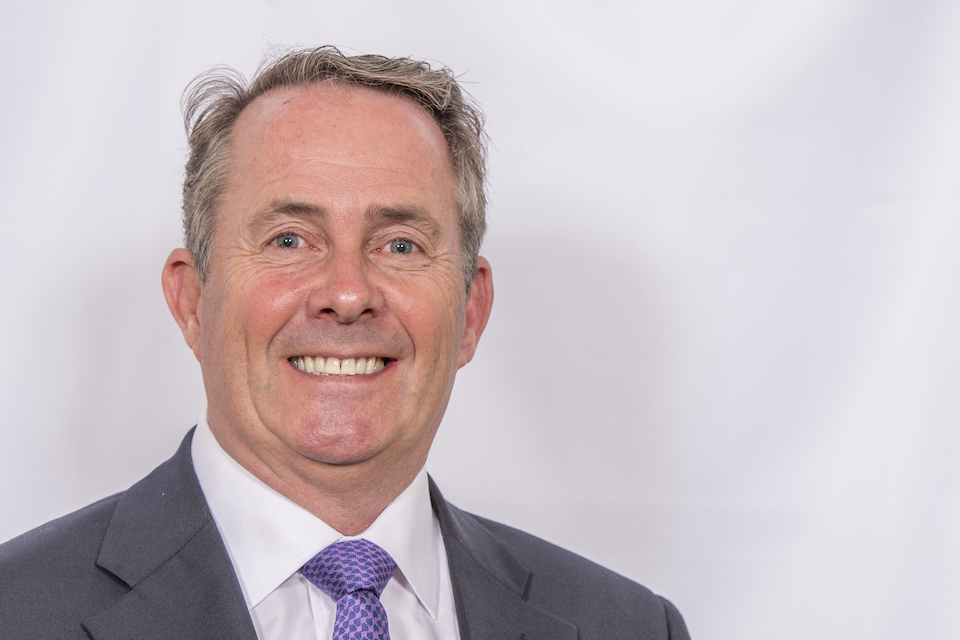
  • Sajid Javid – 2017 Speech on the Housing Market

    Below is the text of the speech made by Sajid Javid, the Secretary of State for Communities and Local Government, on 16 November 2017.

    Thank you, and good morning everyone.

    Half an hour ago, the official figures were published showing that the number of new homes in England increased by more than 217,000 last year.

    That represents the highest level of net additions since the depths of the recession, and it’s the first time in almost a decade that the 200,000 milestone has been reached.

    Yesterday, the Housing Minister Alok Sharma, he signed the papers that will allow housing associations to be reclassified as private sector organisations.

    Freed from the shackles of public sector bureaucracy, associations will be able to concentrate on their core, crucial mission – building homes.

    Later this morning, the Prime Minister will be in north London meeting with families living in new, high-quality social housing.

    They’re just some of the families to benefit from last year’s 27% rise in the number of new affordable homes.

    And they’ll soon be joined by many more thanks to the £9 billion that we’re investing in affordable housing.

    Now, all that is just the tip of the iceberg.

    Because this is a government that is getting things done.

    A government of deeds, not words.

    We’ve doubled the housing budget to deliver a million more homes, including hundreds of thousands of affordable ones.

    We have reformed planning rules, leading to record levels of planning permissions being granted.

    We have fought bureaucratic inertia and vested interests and we have freed up unprecedented levels of public sector land.

    We’re providing hundreds of millions of pounds of finance for small and innovative builders to accelerate construction speeds.

    And tens of thousands of derelict homes are being brought back into use…

    The list goes on and on.

    So yes, we’ve done a lot.

    Yet it is painfully obvious that there remains much, much more to be done.

    217,000 net additions means 217,000 more people or families with a roof over their heads.

    217,000 places where people can put down roots and build their life.

    But fixing the broken housing market will require a much larger effort.

    The figures that have been released today show that we have started turning things around.

    But they are only a small step in the right direction.

    What we need now is a giant leap.

    You wouldn’t know it if you listened to some people.

    Even today, I still hear from those who say that there isn’t a problem with housing in this country.

    That we don’t need to build more.

    That affordability is only a problem for Millennials that spend too much on nights out and smashed avocados.

    It’s nonsense.

    The people who tell me this – usually baby boomers who have long-since paid off their own mortgage – they are living in a different world.

    They’re not facing up to the reality of modern daily life and have no understanding of the modern market.

    The statistics are well-worn but they do bear repeating.

    Nationwide, the average house price is now 8 times the average income.

    The average age of a first-time buyer is now 32.

    People in their early 30s are half as likely as their parents were to own their home.

    A third of all men in their 30s are still living with their parents – a stat that will send a shiver down the spine of all mums and dads everywhere!

    Where once it would have taken an average couple 3 years to save for a deposit – 3 years – it will now take a quarter of a century. Assuming, of course, they can afford to save at all.

    And last year, the average first-time buyer in London needed a deposit – a deposit – of more than £90,000.

    £90,000!

    That’s a lot of avocados.

    Now, like some kind of noxious oil slick, the effects of our broken housing market are spreading slowly but steadily through all our communities and all demographics.

    And if we fail to take decisive action, the impact will be not just be felt by those who are directly touched by it.

    And that’s because your home is so much more than just the roof over your head.

    It’s not the backdrop to your life, it’s a fundamental part of it – and of society too.

    Our home is supposed to be our anchor, our little patch of certainty in an uncertain world.

    And once you have that certainty, that stability, then you can start to put down roots.

    Start making friends.

    Become part of your community.

    You can begin to play your role in those Burkean “little platoons” that have long been at the heart of much political thinking, for 2 centuries or more.

    So our homes are engines of society, and they’re also engines of social progress.

    In purely fiscal terms, yes, but in so many other ways.

    A safe place where children can do their homework, spend time with their parents.

    It’s much, much harder to get on life if you’re constantly forced to move from school to school, from place to place because your parents can not afford the rent.

    And homes are the rocks on which families and communities are built.

    If, like me, you believe in the importance of a strong, stable family unit, if you got into politics to help protect it, then you must also accept that homes should be made available.

    You simply must.

    At the heart of British life – is the idea that if you work hard you are free to enjoy the rewards.

    It’s an idea that has been articulated by countless politicians over many generations.

    But it’s an idea that is fundamentally undermined by our broken housing market.

    Because working hard no longer guarantees rewards.

    There is no guarantee that you will be able to afford a place of your own, to buy your own home, build your own life, pass something on to your children.

    With wages swallowed up by spiralling rents, there’s not even a guarantee that you’ll be free to spend your money on what you choose.

    Opportunity is increasingly limited not by your own talents but by your ability to make a withdrawal from the Bank of Mum and Dad.

    The generation crying out for help with housing is not over-entitled.

    They don’t want the world handed to them on a plate.

    They want simple fairness, moral justice, the opportunity to play by the same rules enjoyed by those who came before them.

    Without affordable, secure, safe housing we risk creating a rootless generation, drifting from one short-term tenancy to the next, never staying long enough to play a real role in their community.

    We risk creating a generation who, in maybe 40 or 50 years, reaches retirement with no property to call their own, and pension pots that have not been filled because so much of their income has gone on rent.

    A generation that, without any capital of its own, becomes resentful of capitalism and capitalists.

    And we risk creating a generation that turns its back on the politicians who failed them.

    A generation that believes we don’t care.

    We must fix the broken housing market, and we must fix it now.

    Tomorrow will be too late.

    February’s white paper, that set out our broad vision for doing so.

    It described the scale of the challenge and the need for action on many fronts.

    Since then we’ve been putting it into action, laying the foundations for hundreds of thousands of new homes.

    But I’m about as far from complacent as it’s possible to get.

    So I’m not about to let myself – or anyone – think that the battle is already won.

    I’m going to keep on pushing for much more change, keep on seeking answers to the questions that need to be asked.

    Can and should central government take a bigger, more active role in building homes?

    Our vision for Garden Villages and Garden Towns have been well received by planners and residents alike.

    But should we now be more bold, taking the concept to the next level and creating larger Garden Cities?

    How can we get more land into the system, freeing up more sites on which to build?

    Despite what some claim, our green and pleasant land not about to turn concrete grey.

    Twice a day, more of Britain gets covered by the incoming tide than is currently covered by buildings.

    England is the most developed part of the UK, yet less than 10% of its land is urban.

    Building the homes that we need does not mean ruining vast tracts of beautiful countryside. It doesn’t mean that at all.

    It just means working with local communities to make sensible, informed decisions about what needs to be built and where – and finding the right sites on which to do so.

    Many of those sites are already part of the urban landscape.

    Bristol was quick to sign up to the pilot scheme that we set up for a Brownfield Register.

    As a result, another 248 sites have been identified right across this city.

    And none of them require the loss of a single piece of greenfield land.

    But whether in cities or the countryside, the key to unlocking new sites is infrastructure.

    The right infrastructure can make private development viable.

    It can make new communities places where people actually want to live.

    And it can make development acceptable and attractive to existing communities.

    Tomorrow, the National Infrastructure Commission will publish its report on the opportunities on offer if we open up the Cambridge-Milton Keynes-Oxford corridor.

    I’m very much looking forward to what Lord Adonis has to say.

    That’s because infrastructure has to be at the heart of any major development. And as Secretary of State I will make sure make sure that it is.

    Too many commentators seem to think we have to choose one solution and stick with it, whether that’s planning reform, it’s infrastructure, it’s training or it’s investment.

    That couldn’t be further from the truth.

    There are many, many faults in our housing market, dating back many, many years.

    If you only fix one, yes you’ll make some progress, sure enough.

    But this is a big problem and we have to think big.

    We can’t allow ourselves to be pulled into one silo or another, and I don’t intend to let that happen.

    So there is much that central government can do.

    But, acting alone, we won’t be able to do anything.

    Fixing the broken market requires action on many fronts, and from many actors.

    That’s why we’re here today.

    I never need an excuse to come back to Bristol, the city where I grew up, my home town.

    Being here this morning means I can visit my mum’s in time for lunch!

    She makes the best lamb samosas this side of Lahore!

    But this city – and the site we’re on today, Temple Meads Quarter – is also a great example of how different agencies and different groups of people can work together to deliver the homes we need.

    When I was a kid, the Temple Meads area was a picture of decline – neglected, run-down, under-used.

    The sorting office building had stood empty and increasingly derelict since 1997.

    Today, the whole area is being reborn as a new urban hub, a modern and sustainable place to work, to learn, to play and to live.

    Appropriately enough, the list of business tenants includes HAB, the innovative housing start-up co-founded by Kevin McCloud.

    They’re just down the road at Temple Studios.

    We’re building homes for businesses, so that businesses can build homes for us!

    The transformation of Temple Meads has many parents, but at its core is a local authority that’s pro-development and a government agency – the Homes and Communities Agency – that’s willing to use all of the powers at its disposal.

    Now you couple that with a Local Enterprise Partnership that’s serious about building, a combined authority that’s committed to delivering the right infrastructure, can-do attitude from the superb West of England Mayor Tim Bowles, and a private sector that’s ready to meet the challenge… The results, they speak for themselves.

    This kind of collaboration brings results, and I want to see these kind of results replicated right across the country.

    And that means a huge range of different groups working together to tackle the many faces of the housing challenge.

    For starters, I want the Homes and Communities Agency to be less cautious, to be more aggressive, and to be more muscular.

    To take its foot off the brake and use all the tools we’ve created for it.

    The agency is taking that approach here at Temple Meads, and the results are clear for us to see.

    Now it’s time to repeat that success right across the country.

    The private sector developers must also play their part, building more homes more quickly.

    They’re great at securing planning permissions – but people can’t live in planning permissions.

    The government is actively removing barriers to build-out.

    As the white paper said, we’re tackling unnecessary delays caused by planning conditions.

    We’re making the process of dealing with protected species less painful.

    And we’re committed to tackling the skills shortage and boosting the construction workforce.

    We’re giving the industry the support that it needs, and I expect the industry to respond by getting shovels in the ground.

    That’s why the white paper also set out plans to increase transparency and accountability, so everyone can see if a developer is dragging its feet.

    Now, I’ve been very clear about the need for an end to unjustifiable land banking.

    But the sector should remember that it’s not just government that wants to see this happen.

    It’s a time of national shortage, and in this kind of time British people will not look kindly on anyone who hoards land and speculates on its value, rather than freeing it up for the homes our children and grandchildren need.

    Then there are the housing associations.

    I’ve talked before about my admiration for the work they do.

    They kept on building throughout the recession.

    They’re on course to deliver 65,000 new homes a year by next year.

    And many of those homes will go to be people who would otherwise be simply unable to afford them.

    Housing associations are run like big businesses – after all, they have assets worth about £140 billion.

    But they deliver an incredible social good, providing good quality homes for millions of people right across the country.

    They have such an important role to play in getting homes built, which is why this government has not hesitated to give them the resources they need to succeed.

    Just in the past month or so we’ve given them certainty over rental income and increased by £2 billion the fund from which they can bid for cash to build homes for social rent.

    And today, as I said at the start of this speech, we’re reclassifying housing associations, taking them out of the public sector and off the government’s balance sheet.

    I know it sounds like a piece of bureaucratic box-ticking.

    But the results will be far-reaching.

    Freed from the distractions of the public sector, housing associations will be able to concentrate on developing innovative ways of doing their business, which is what matters most: building more homes.

    Finally there is the most important cog in the housing and planning machine, local government.

    Some councils – most in fact – are doing very well.

    Where that’s the case, where councils are showing real drive and ambition, the government will back them every step of the way, including with the kind of housing deal we’re negotiating here in the West of England.

    And in the areas where supply and demand are most badly mismatched, where most homes are unaffordable to most people, I want to give local authorities the tools they need to build more – and that includes financial help.

    I want to help local authorities because most of them deserve that help.

    They’re recognising their responsibilities and they’re stepping up to meet them.

    But too many still leave much to be desired.

    It’s more than 13 years since our existing local plan process was first introduced, letting England’s 338 planning authorities set our how and where they expect to meet their residents’ needs for new homes.

    Yet, incredibly, more than 70 still haven’t managed to get a plan adopted.

    Of these, 15 are showing particular cause for concern.

    Deadlines have been missed, promises have been broken, progress has been unacceptably slow.

    No plan means no certainty for local people.

    It means piecemeal speculative development with no strategic direction, building on sites simply because they are there rather than because homes are needed on them.

    It means no coherent effort to invest in infrastructure.

    It means developers building the homes they want to sell rather than the homes communities actually need.

    And so on.

    It’s very simple: unplanned development will not fix our broken housing market.

    It will most likely make things worse.

    I do believe in localism above all else, which is why I’ve been willing to tolerate those who took their time to get the process moving.

    What mattered most was that they got there in the end.

    But today is the day that my patience has run out.

    Those 15 authorities have left me with no choice but to start the formal process of intervention that we set out in the white paper.

    By failing to plan, they have failed the people they are meant to serve.

    The people of this country who are crying out for good quality, well-planned housing in the right places, supported by the right infrastructure.

    They deserve better, and by stepping in now I’m doing all I can to ensure that they receive it.

    To the other authorities who are lagging behind, don’t think for one minute that you’ve got away with it.

    That you can ignore agreed deadlines or refuse to co-operate with your neighbours.

    Get your plan written.

    Get your plan adopted.

    I’ve shown today that I will take action if this doesn’t happen.

    I will not hesitate to do so again.

    I’ve talked a lot today about housing supply.

    After all, building more is the single biggest challenge that we face.

    But this government’s housing policy goes way beyond that.

    Our homes and our lives are completely intertwined, which is why we’re determined to make the housing market work better at every stage of your life.

    We’re building more houses so that you don’t have to spend your childhood crammed into the kind of overcrowded accommodation I grew up in.

    We’re making the rental market fairer, more transparent and more affordable, so that when the time is right and you can leave home you can get a place of your own without being ripped off.

    We’re introducing longer tenancies, so you can plan ahead, put down roots, and you can start saving for that deposit.

    We’re creating a supply of affordable, appropriate homes for first-time buyers so that, when you’re ready, you can get a foot on the housing ladder in the same way your parents did.

    And we’re helping you take the step up to buy your own home by putting billions of pounds into schemes like Help to Buy.

    We’re tackling rogue managing agents who hit leaseholders and tenants with unfair charges.

    And we’ve launched a crackdown on abuse of leasehold so that desperate young buyers don’t get stuck with a costly, unsellable asset.

    We’re reforming the whole process of buying and selling homes, so that as your family grows and your needs change you can move up the property ladder with the minimum of stress and expense.

    We’re making sure that developers offer a proper supply of suitable smaller homes so that you downsize once you get older.

    And we’re encouraging the construction of more sheltered and supported housing, so that the right kind of homes are there for you in your old age.

    Faced with the crisis of the Second World War, Churchill demanded “action this day” so the country could rise to the challenge.

    And, faced with an unprecedented housing crisis, that’s what you’re going to get from this government.

    Real action, day after day, week after week, to give this country a housing market that works for everyone.

    In next week’s Budget you’ll see just how seriously we take this challenge, just how hard we’re willing to fight to get Britain building.

    But, as I’ve said, central government can only do so much.

    If we’re going to fix our broken housing market, if we’re going to repair the damage that’s being done to our society and communities, if we’re going to make good on our promise to the next generation then, just like in Churchill’s day, we all have a role to play.

    We all have to roll up our sleeves and get to work.

    Most important of all, we all have to ask ourselves what kind of country we want this to be.

    Do we want this to be a nation where people who work hard can afford a place of their own?

    Where strong families are raised in stable, close-knit communities?

    Where ordinary working people can save for retirement and pass something on to their children?

    I know I do.

    That’s why I’m totally committed to building more of the right homes in the right places at the right prices.

    So is the Prime Minister.

    So is the Chancellor.

    So is this government.

    It’s a national crisis and it’s one we’re ready to meet.

    The question is, are you ready to join us?

  • Anne Milton – 2017 Speech to Association of Colleges Conference

    Below is the text of the speech made by Anne Milton, the Minister of State at the Department for Education for Apprenticeships and Skills, to the Association of Colleges Conference on 14 November 2017.

    Thank you to all of you for giving me the opportunity to speak here today.

    My professional background before I entered politics was in the NHS: I trained as a nurse and worked in the NHS for 25 years. But I have to say that it is hard to think of a group of professionals delivering a more important public service than the people in this hall today. A profession caring for young people and old people – changing lives.

    I would like to start by briefly sharing some of my memories from the WorldSkills competition which I attended a few weeks ago. I have to be honest, I was completely blown away by Team UK. They did fantastically well – competing on the world stage for skills and achieving great things. And I came away thinking that WorldSkills is probably one of our best kept secrets – and in all my time in politics there are few things that have impressed me so much, and on so many different levels.

    One story – but I could mention many that I heard while I was there – was about Ashley who nearly didn’t become an apprentice. At school, his teachers encouraged him to go to university – apprenticeships were never mentioned as an option. Ashley was fortunate that his dad employed apprentices so he could see the benefits of training on the job. He secured an apprenticeship with Redrow, one of the largest house builders in the country. And Ashley went on. He was named the world’s best young bricklayer at WorldSkills Leipzig in 2013. He went on to complete a degree in Construction Project Management at the University of Salford. And he is now senior site manager at Redrow, managing his own team of apprentices – as well as continuing to volunteer, training members of Team UK in bricklaying.

    It really matters to me that the young apprentices who did so well to get to Abu Dhabi are able to follow in Ashley’s footsteps, and become an inspiration to others.

    Ashley’s story, and those of others like him, are why this job matters to me on a very personal level. They are why I am here today, why we are all here today. Our commitment to a public service that transforms the lives and life chances of young people and adult learners. Our commitment to the sector, and a desire for it to get the recognition it rightly deserves.

    High quality, resilient and confident institutions with a clear mission and values, and outstanding leadership. Colleges embedded in our communities with excellent teachers that change the lives of others through learning, and give the country, business, industry and the public sector the skills that we need.

    But our aim is not just about great colleges. It’s about how those colleges – your colleges – can respond to the most critical social and economic challenges that we face as a country today: tackling disadvantage, and making a success of whatever changes and challenges our country needs. I am going to mention Brexit. You know, and I know, how powerful further education can be as an engine of social mobility. That is also at the heart of the DfE’s mission: extending opportunity, and unlocking ambition for everyone.

    For young people that have struggled at school, and who lacked access to the support and opportunities enjoyed by many of their peers. For those that want to take a high quality and challenging technical route. For those that want to get a degree in their local community. And for those whose path to learning has taken a different route, or who need to retrain to develop their careers.

    You know and I know that the work you do meets the needs of all those people. And I know, and you know, that further education is central to the challenge of delivering a prosperous future for this country after Brexit. Ensuring that we have an adaptable workforce with the skills and opportunities to thrive. Supporting the growth of innovative, productive business. And making the most of local strengths in communities right across the UK.

    The reform of technical education will be at the centre of our response to those challenges and we will be saying more about that later this month, including as part of the Government’s industrial strategy. Irrespective of Brexit, we also face a skills shortage. For the few of you who were there in Abu Dhabi, we are not alone – the world is suffering a skills shortage.

    For me, meeting the challenge of both making sure people are, and feel, they can change the direction of their lives – becoming socially mobile – and tackling those skills shortages are at the core of what I want to help you with.

    We all need to be focused on meeting those challenges – colleges, government, the wider FE sector, and indeed employers as well. You want to do that within your institutions, within your communities. I want to play my part within government, by acting as your champion. And I will always bang the FE sector drum. But having a shared purpose is not sufficient on its own. We will only succeed in meeting those challenges by working together.

    At the Skills Summit later this month we will be focusing on developing our partnership with employers. Today, I’d like to talk a little bit about our partnership with you.

    I know that words like “partnership” and “working together” come with historical baggage. There have been times in the past when our partnerships have been tested. I can understand that, given the changes that we have faced in recent years. And I can also see that the drive for freedom and autonomy has, on occasion, put too much distance between you and Government.

    Looking to the future, we need to build on what works well at present. But as we face new challenges, the way in which we work together will also need to change.

    I am not coming to you with a blueprint for how our partnership should work from now on. Instead, in a spirit of dialogue, I want to talk to you about what I think are the three emerging themes.

    The first of those is support: from Government, for the sector.

    We are, and will be, asking a lot of you over the next few years. It is only right to make sure that you get the support that you need.

    Wherever we can, we want to deliver that support by harnessing the capacity within the sector. Improvement through collaboration, rather than competition alone. That’s what we are doing with the National Leaders programme, and through the new Strategic College Improvement Fund.

    Where that capacity for support does not already exist within the sector, or needs to be strengthened, we will invest, strategically, in its development.

    You want more money – everyone wants more money. And my job is to be your advocate within Government, making the case for why colleges matter. Money is coming in, but I recognise the challenges you face.

    Second, I want Government to be playing an active role.

    To be clear, I don’t think that Government always knows best, or can do this on its own. But just as an active role for Government is central to our approach on the industrial strategy, we need to adopt the same mind set when thinking about how we achieve the world class FE provision that we need. “By the sector, for the sector” is not, on its own, always the best response to many of the biggest challenges we face together.

    As set out in the Government’s manifesto, we want to introduce a dedicated programme to help industry experts join the profession – building an ever closer link between business and education. Some colleges and employers are doing this already and it is good to hear about where that is working well. Because, when we come to develop the programme, we won’t be saying “we know how to get industry professionals into colleges, and this is what you must do”. We will be asking: “what can we do to help meet the very different needs of the sectors, employers and local economies that you work within?” And different areas have very different education and business communities – no one solution will work – you need to tell us what you want and what you need.

    There are also some issues where Government has a unique set of levers and resources that can help find solutions to shared problems. We can see that in the positive changes coming out of the area review programme, and support for restructuring. It is why Richard Atkins, the FE Commissioner, is working with more colleges to ensure that the right support for improvement is in place. I meet frequently with Richard and indeed many local MPs, to make sure I keep closely in touch with what’s going on.

    The third building block is looking at the whole system.

    We need a better co-ordinated approach, both within Government, and between the Government and the sector. I am looking to the new College Improvement Board, chaired by the FE Commissioner, to help deliver that in strengthening quality, for example.

    We need to ensure that targeted support for quality improvement works in tandem with wider support for FE teachers and leaders. We need to harness the insights from inspection by Ofsted to help identify improvement needs. We need to reform the accountability system to make it work better. And we need to ensure that our ambition is matched by providers who are financially resilient.

    Partnership is a much over-used word. But, if meant, if felt by both sides, if it is meaningful, genuine and balanced, it does work. It is not always easy – partnership is never easy – and we sometimes fear that partnership will dilute our own unique contributions, or that one side will subsume the other. But when it does work it can be a phenomenal force for good.

    This is a hugely exciting and challenging time for colleges and for FE, as it is for Government. You want more money and I will always lobby for that. But what I do know is that together, in that partnership, we have a shared ambition for all of our learners, for all of our communities and for our country.

    When the Prime Minister appointed me to this post, I don’t think she was fully aware of my heartfelt beliefs about further education. (And just as an aside, I am also Minister for Women, and as a self-proclaimed born again feminist – and that’s what politics does for you – I’m delighted to have that as well.) But somebody – and this is very personal – who has always said that university is not the right thing for everyone – irrespective of high grades it is still not always the right choice. And someone who probably didn’t do as well as I should have done at school, who believes that everyone whatever their age deserves a choice, a second chance. Ladies and gentlemen, I got mine.

    We together have a determination to meet the challenges and seize the opportunities that lie ahead.

    Together – in partnership – I know that we can make this happen.

  • Matt Hancock – 2017 Speech at Times Tech Summit

    Below is the text of the speech made by Matt Hancock, the Minister for Digital, at the Times Tech Summit on 15 November 2017.

    Thank you for inviting me to this Tech Summit.

    The word summit of course has two popular meanings. There’s a gathering such as this, and then there’s the peak – the zenith, the apex, the apogee – the highest point that can be reached.

    When it comes to tech, and to digital technology, we are very far from the summit of what can be achieved. Indeed, we are only beginning to even glimpse the potential of where digital technologies might take us, and how much they will transform our world.

    These are very much the foothills, and now we must be ready for the climb. Policy making is always as much about anticipating and preparing for the future as it is with addressing current issues.

    Our Digital Strategy, published in March of this year, set out how we intend to make the UK the best place to establish and grow a digital business and the safest place for citizens to be online. That means today, but also in the future, so we are ready for the changes ahead.

    It established seven pillars that underpin the changes we need to see and I’d like to update you now on the impressive progress that, just eight months in, we have already made.

    The first pillar, and central to everything, is infrastructure. In the Digital Strategy we committed to building a world-class digital infrastructure for the UK. That means ubiquitous coverage, so no one is left out, and with sufficient capacity not only for today’s needs but in readiness for tomorrow.

    We are on track to meet the target, set out in the Strategy, of superfast broadband coverage at 95% by the end of 2017. Then to reach the final 5%, we legislated in the Digital Economy Act, which received Royal Assent this year, for a Universal Service Obligation to deliver decent broadband to all. In the modern economy, broadband is essentially a utility, and I’m pleased it is increasingly delivered by a competitive market of providers.

    For mobile reception, each MNO is obliged to provide voice coverage to 90% of the UK by the end of this year. Meanwhile, 4G premises coverage rose from 29% in 2015 to 72% last year and in our Manifesto we set a target of 95% coverage of the UK landmass. People must be able to stay connected wherever they live, work, and travel.

    But at the same time as fixing the current technology, we must also look ahead the next generation, and that means 5G and full fibre.

    Our 5G strategy, released at Spring Budget 2017, outlined the necessary steps. As part of a £1.1 billion investment in digital infrastructure, we are funding a coordinated programme of integrated fibre and 5G trials to ensure the UK leads the world in 5G connectivity.

    Today, we’re launching a pilot scheme in Aberdeenshire, Bristol/Bath and North East Somerset, Coventry, Warwickshire, and West Yorkshire, which will see local companies offered vouchers by broadband suppliers to pay for gold-standard full-fibre gigabit connections. This should help revolutionise our digital infrastructure, and make it fit for the future, so we trust that take-up will be high.

    The second pillar of the digital strategy is skills. At every level, from getting people online for the first time, to attracting and training the world’s top coding talent, Britain needs stronger digital skills if we are to thrive in the years ahead.

    Government can’t address this shortfall alone. So when we launched the Digital Strategy in March, we committed to establish a new Digital Skills Partnership, between Government, businesses, charities and voluntary organisations. The aim was to bring greater coherence to the provision of digital skills training at a national level.

    And at the launch we promised to create more than four million digital training places. Just eight months in, we and our partners – including Barclays, Lloyds, Google, and many others – have impressively over-delivered, with more than two million places made available, in everything from basic online skills through to cybersecurity and coding. These skills will be crucial to our country’s future prosperity, so we intend to keep up the pace.

    The third pillar is to make the UK the best place in the world to start and grow a digital business.

    Make no mistake, Britain is already a global tech powerhouse, with more than 1.4 million people working in digital tech and new jobs being created at twice the rate of other sectors. In the first half 2017 there was a record £5.6 billion invested in tech in the UK – including from Microsoft, Amazon, Apple, IBM, and Google – and the sector has an annual turnover of £118 billion.

    All impressive figures, but we can still push further.

    So today we are unveiling a £21 million investment to create a new national network of regional tech hubs, across the country, from Belfast to Edinburgh, Cardiff to Birmingham. The funding will also help entrepreneurs in emerging technologies, such as Artificial Intelligence and FinTech, by connecting them to peers and potential investors in other hubs across the country, as well as by offering tailored development programmes.

    And, as the Chancellor has announced, Tech City UK and Tech North are to become a single national organisation, Tech Nation, to speed up the growth and reach of the UK’s innovative digital clusters. Companies that have already benefitted from Tech City UK’s input include Just Eat, Funding Circle and Zoopla, and they haven’t done too shabbily. So this is very welcome news.

    The fourth pillar of the Digital Strategy is that every UK business should be, to some extent, a digital business.

    In July we launched the Productivity Council, which was developed through discussions with UK business leaders, the Confederation of British Industry and the Institute of Directors, and designed to encourage and support UK businesses to go digital. Analysis suggests that only a modest improvement across a broad base of firms could unlock billions of Gross Value Added every year.

    The fifth pillar is to make the UK the safest place in the world to live and work online.

    Our Internet Safety Strategy, published last month, is a substantial step towards that goal. The Strategy sets out how we all must play our role in tackling online harms. We want to bring together groups from across our whole society and hear from people of all backgrounds – including technology firms, schools, the voluntary sector, and citizens young and old as we turn ambition into reality.

    We will bring in a statutory code of practice for social media companies, and are consulting on an industry levy to support educational programmes and technical solutions. We also want to see more transparency, to help inform future policy.

    Ensuring the internet is safe means cyber security too, and our National Cyber Security Strategy, funded to the tune of £1.9bn, sets out what we are doing to help improve Britain’s cyber security.

    One of the programme’s many aims is to find, finesse and fast-track tomorrow’s online security experts. Over 6000 young people – between 14 and 18 years old – are now being invited to test their skills in online cyber and problem solving challenges, via a £20 million training programme. They might then win a place on the Cyber Discovery scheme, where they can learn cutting-edge skills from cyber security experts.

    But keeping citizens safe online means more than protecting against cyber crime. It means ensuring that norms of behaviour online match those we have always valued offline.

    The Digital Strategy is now complemented by the Digital Charter, as introduced in the Manifesto. The Charter will reinforce the work we started with the Strategy but will further consider how we apply the liberal values we value offline to the online world, so we can seize the opportunities that unprecedented connectivity provides, while also mitigating the harms it creates.

    Throughout we will be guided by three core principles. First, what is considered unacceptable offline should not be accepted online. Secondly, all users should be empowered to manage their own online risks. Lastly, technology companies have a responsibility to their users to develop and protect safe online communities.

    And we are committed to bringing about a sustainable business model for high quality journalism. I welcome Google’s movement towards this, not least removing the one click free policy, but there is much more to do to ensure we find a genuinely sustainable business model for high quality journalism, as we have, for example, for the music industry that’s been through a similar radical disruption but found a way to a model that seems to be working.

    The sixth pillar of the Strategy is to digitise Government.

    Since the creation of Government Digital Services in 2011, Britain has been a world leader in such work.

    From applying for a passport, to applying for lasting power of attorney, dozens of Government services have been digitised. The massive project to make tax digital is proceeding carefully, and the feedback from those who use the new digitised service is encouraging. Our G-cloud procurement system is being copied around the world, as it allows and encourages contracts to go to small innovative companies, not the traditional main players. In February this year, we had 3,947 suppliers on the Digital Marketplace, of which 93% were SMEs. And as a result out GovTech market is booming.

    And so we arrive at the final pillar: data.

    The Digital Strategy has also committed to unlocking the power of data in the UK economy and improving public confidence in its use. Research shows that, currently, more than 80 per cent of people feel that they do not have complete control over their data online, and that is too high.

    So we are strengthening our data protection laws through the new Data Protection Bill, making UK law consistent with the EU’s GDPR. Under its proposals individuals will have more control over their data, through the right to be forgotten and to ask for their personal data to be erased. They will also be able to ask social media channels to delete information they posted in their childhood.

    We want to end the existing reliance on default opt-out or pre-selected ‘tick boxes’, to give consent for organisations to collect personal data. We all know these are largely ignored. The Data Protection Bill will make it simpler to withdraw consent for the use of personal data and require explicit consent to be necessary for processing sensitive personal data. It also expands the definition of ‘personal data’ to include IP addresses, internet cookies and DNA.

    New criminal offences will be created to deter organisations from creating situations – be it through pure recklessness or deliberate intent – where someone could be identified from anonymised data. The data protection regulator, the Information Commissioner’s Office, will be given more power to defend consumer interests and issue higher fines for the most serious data breaches.

    So there you have it. We may be in the foothills of this digital age but we are well equipped for the climb, and remain alert to any obstacles ahead. Much remains to do but I am confident the measures I’ve just outlined will continue to ensure our good progress.

  • Boris Johnson – 2017 Statement to Parliament on Zimbabwe

    Below is the text of the statement made by Boris Johnson, the Foreign Secretary, to the House of Commons on 15 November 2017.

    In the early hours of this morning, soldiers from the Zimbabwean army deployed in central Harare, taking control of state television, surrounding government ministries, and sealing off Robert Mugabe’s official and private residences.

    At 1:26am local time, a military officer appeared on state television and declared that the army was taking what he called “targeted action” against the “criminals” around Mugabe. Several government ministers – all of them political allies of Grace Mugabe – are reported to have been arrested.

    At 2:30am gunfire was heard in the northern suburb of Harare where Mugabe has a private mansion. Areas of the central business district have been sealed off by armoured personnel carriers.

    Our Embassy in Harare has been monitoring the situation carefully throughout the night, supported by staff in the Foreign Office. About 20,000 Britons live in Zimbabwe and I can reassure the House that so far we have received no reports of any British nationals being injured.

    We have updated our travel advice to recommend that any Britons in Harare should remain in their homes or other accommodation until the situation becomes clearer. All of our Zimbabwean and UK-based embassy staff and their families are accounted for.

    And I will say frankly to the House that we cannot tell how developments in Zimbabwe will play out in the days ahead – and we do not know if this marks the downfall of Mugabe or not. We call for calm and restraint.

    The events of the last 24 hours are the latest escalation of months of brutal infighting within the ruling ZANU-PF party, including the sacking of a vice-president, the purging of his followers and the apparent positioning of Grace Mugabe as a contender to replace her 93-year-old husband.

    Honourable Members on all sides of the House have taken a deep interest in Zimbabwe for many years – and I pay tribute to the courage and persistence of the Honourable Member for Vauxhall, who has tirelessly exposed the crimes of the Mugabe regime, visiting the country herself during some of its worst moments.

    And this country – under governments of all parties – has followed the same unwavering principles in our approach towards Zimbabwe.

    First and foremost, we will never forget our profound ties of history and friendship with that beautiful country, accurately described as the “jewel of Africa”.

    In that spirit, all that Britain has ever wanted is for Zimbabweans to be able to decide their own future in free and fair elections.

    Mugabe’s consuming ambition was always to deny them that choice. The House will remember the brutal litany of his 37 years in office: the elections he rigged and stole, the murder and torture of his opponents, the illegal seizure of land, leading to the worst hyperinflation in recorded history – measured in the billions of percentage points – and forcing the abolition of the Zimbabwean Dollar.

    And all the while, his followers were looting and plundering a richly-endowed country, so that Zimbabweans today are, per capita, poorer than they were at independence in 1980, leaving many dependent on the health care, education and food aid provided by DFID.

    Britain has always wanted the Zimbabwean people to be masters of their fate, and for any political change to be peaceful, lawful and constitutional.

    Authoritarian rule, whether in Zimbabwe or anywhere else, should have no place in Africa. There is only one rightful way for Zimbabwe to achieve a legitimate government and that is through free and fair elections, held in accordance with the country’s constitution.

    And these elections are due to be held in the first half of next year, and we will do all we can, with our international partners, to ensure this provides a genuine opportunity for all Zimbabweans to decide their own future. That is what we shall urge on all parties, and I will speak to the Deputy President of South Africa later today.

    Every Honourable Member will follow the scenes in Harare with goodwill and sympathy for Zimbabwe’s long-suffering people, and I undertake to keep the House updated as events unfold.

  • Theresa May – 2017 Speech to Tech Sector

    Below is the text of the speech made by Theresa May, the Prime Minister, in Downing Street in London on 15 November 2017.

    Thank you very much for coming here and it’s a great pleasure to welcome you all to No 10 Downing Street this evening to celebrate the tech sector – and the huge contribution you make to our economy, our society and our country.

    You are creating and developing the new technologies which are changing the world and improving lives and what you achieve is truly remarkable and inspiring.

    Just some raw numbers speak for themselves: £6.8 billion of inward investment last year alone, and £4.6 billion raised in funding outside London.

    In Britain, we have a long history of achievement in technology – and our country has been the home of the great innovators in this field.

    Charles Babbage – who designed the first general purpose computer in the 1830s.

    Ada Lovelace – whose portrait hangs in this very room, and whose ground-breaking work on algorithms made her the world’s first computer programmer.

    And of course, Alan Turing, the visionary mathematician who contributed so much to the development of artificial intelligence.

    What defines the tech sector today – your energy, your dynamism and your creativity – are in the finest traditions of those illustrious figures of the past.

    Your continuing success will be essential to our country’s success in the future.

    The people gathered in this room amply demonstrate the tremendous achievement and potential to be found in the tech sector today, right across the country.

    We have with us successful businesses from Belfast and Bristol, Cardiff and Cambridge, Manchester and Leeds. And next year, when Liverpool hosts the UK’s third International Business Festival, firms from across the UK will showcase their innovations to the world.

    The great city of Liverpool, which has always been a gateway for global trade and which today is integral to our vision of a thriving Northern Powerhouse, will play host to hundreds of delegations from right around the globe. I am delighted that Max Steinburg who I met earlier and Ian McCarthy have joined us today.

    There is so much to be proud of – and so much success to celebrate.

    Here today we have Oxbotica, who are developing systems to power the autonomous vehicles of the future and change the way we travel.

    We have Babylon, who are working with the NHS to deliver 21st century digital healthcare and help people live healthier lives.

    And we have Raspberry Pi, who are helping thousands of children learn to code and develop the skills to succeed in the economy of the future.

    But as we celebrate this success, we cannot take anything for granted. I know that Government has an important role to play in supporting you. And our industrial strategy is based on the belief that our economy does best when government and industry work together as partners.

    And that’s why we committed in our election manifesto to developing a Digital Charter – with a vision to make Britain the very best place in the world to start and run a digital business.

    I’m pleased that we have colleagues here tonight from across Government – Greg Clark who is responsible for the Industrial Strategy at BEIS, Liz Truss from the Treasury, Karen Bradley and Matthew Hancock from our department for Digital, Culture, Media and Sport and others – who share my determination to make that vision a reality.

    We’re already investing in infrastructure and skills, with £1 billion of investment in next-generation broadband and mobile networks, new digital apprenticeship standards, and new technical education qualifications in digital. And the announcements we’ve made today build on that: more visas for the best and brightest, more investment to support digital clusters outside London, and a new approach to getting innovative technology into the public sector.

    But this is just the start.

    The economy fit for the future which we will build as we leave the European Union, and forge a new role for ourselves in the world, must be one which leads the world in innovation and emerging technologies. We have all the ingredients of success: immense human talent, world-leading universities, and a thriving ecosystem of start-ups.

    We have serious, experienced investors. We have regulators who understand how to work with innovative companies. And the world’s largest technology companies are putting their faith in Britain: investing here, experimenting here, opening new offices, hiring more staff.

    So, we are going from strength to strength. Let’s build on that success together in the years ahead. Let’s work as partners – businesses, educators, innovators and government – to do all we can to make Britain the best place in the world to start and grow a digital business.

    Let’s make sure that when people look back on this time of great innovation and change, they see in Britain a country which seized the opportunities that were within in its grasp.

    A country which, inspired by its illustrious past, resolved to achieve even greater things in the future.

    We all have our part to play – let’s work together to achieve it.

  • Matt Hancock – 2017 Speech on Publishing

    Below is the text of the speech made by Matt Hancock, the Minister of State for Digital, at the London Book Fair on 13 November 2017.

    Good morning, and thank you for inviting me to speak at this important and timely conference.

    The UK publishing industry is unequivocally world-beating. Of the 9 books to have ever sold more than 100 million copies, 6 are by British authors. To top it off, the Nobel Prize for Literature this year was won by British author Kazuo Ishiguro.

    We are here to celebrate that success. And we are here to confront one of the biggest challenges facing publishing: diversity.

    From Harry Potter to Never Let Me Go, publishing is our shop window as a nation. That’s why, more than any other industry, it’s essential that publishing reflects the rich diversity of the British people.

    But diversity isn’t just a social responsibility, it’s an economic one: drawing on the largest possible talent pool makes business sense.

    New ideas come when ideas collide. Ideas collide when people of different perspectives collide. Let us set ourselves the goal so eloquently put by Idris Elba: of diversity of thought.

    There’s still much progress to be made. the most recent DCMS statistics show that only 11% of those working in the Creative Industries are BAME; though this is up 15% on 2015, an improvement more than 2 and half times that of the wider UK workforce.

    Meanwhile, recent events in the entertainment industry serve as a reminder of the importance of building a Creative Industries workplace where all are treated equally and with respect, and opportunities are genuinely equal.

    Significant strides towards diversity and inclusivity in publishing have been made in recent years: HarperCollins’s BAME Scheme, Penguin Pride, Little Brown’s new “inclusive” imprint Dialogue Books, to name just a few. These bold initiatives mark progress on diversity in the publishing industry, and I look forward to seeing their outcomes.

    But it will take more than individual initiatives to make profound and lasting change to the publishing industry.

    I’m delighted PA are bringing industry together around this new Action Plan. The plan addresses a number of potential stumbling blocks to diversity, from unconscious bias to a lack entry level opportunities and strong ambassadorship. Progress on diversity requires us all to do our part: I hope that the PA’s members will do theirs and commit to fully embracing this plan.

    Government is doing its part, too, whether that’s role modelling diversity within the Civil Service through our new Diversity and Inclusion Strategy, or by supporting the Creative Industries sector to diversify through the excellent work of the Creative Industries Council.

    Diversity is a particular priority for me: next year I plan to host the inaugural DCMS Diversity and Social Mobility Forum, scheduled for earlier this year but postponed due to the Westminster terror attack. At the Forum, heads of industry from sport to tech, media to museums will come together to share best practice on diversity. I hope some of you will join me there.

    British people are defined and united by our rich publishing history, of which you are the latest chapter. Yet only by understanding our differences can we truly celebrate what we have in common: our desire to make the UK publishing industry the best in the world.

    Let us take away this thought: we must be confident in that which binds us together, to give confidence to celebrate that which is unique in each person’s heart. Let us set that as our goal. And let us go forward, together.

  • Margot James – 2017 Speech at ScaleUp Institute Review

    Below is the text of the speech  made by Margot James, the Minister for Small Business, on 14 November 2017.

    Thank you all. It is great to be here. I would like to thank our hosts. And I would like to take the opportunity to acknowledge the work that the ScaleUp Institute has done.

    Irene Graham and Sherry Coutu are tireless advocates of scale up businesses, along with their partner organisations, many of which I can see here today.

    The institute undertakes important research, spreads best practice, and provides opportunities for both public and private organisations to come together and share ideas. All of this advances our understanding of how to build an environment where small businesses can become high growth businesses. And I welcome the publication of this review as another step forward for the Institute.

    Everyone in this room will know how important it is that we help people start up and grow their own businesses.

    High growth businesses are vital to the economy – so the more small businesses that can make that leap from start up, to scale up – the better for our economy. And we continue to implement measures that help to make setting up a business as easy as possible.

    We start from a strong position. There were a record 5.5 million private sector businesses at the start of 2016. This is an increase of nearly 100,000 since 2015 and over 1 million since 2010. This is record of success is one of the reasons that we rank third in the OECD for start-ups.

    We are determined to continue that success, just as we are determined to support those business which want to scale up. To this end, we have taken serious action since 2010. British Business Bank programmes are supporting almost £3.5 billion of finance to over 56,000 smaller businesses. We have invested an additional £400 million in the British Business Bank to catalyse later stage venture capital investments by the private sector, which will unlock £1 billion of equity funding in later stage venture capital. We will work with investors to further understand the obstacles firms face accessing capital outside London and the South East.

    We are supporting more companies to innovate through the UK’s R&D Tax Credits scheme. In 2014 to 2015 more than 20,000 companies, including over 18,000 SMEs, claimed nearly £2.45 billion of R&D support. We are working with high growth innovative businesses and new entrants into sectors and markets to help ensure the value these businesses bring is realised.

    We want to support businesses to thrive. High growth businesses in particular make a big contribution to growth and productivity. They also create around one third to a half of all net employment growth amongst established businesses. This is one of the reasons that we want to see more high growth businesses in the UK, but to realise that ambition there is more to do on scale ups.

    The OECD ranks the UK as 13th for scale ups, so we must nurture those businesses with the potential to be high growth, create an environment where they can thrive and, importantly, find them and help them at the right time.

    Soon, we are going to publish our Modern Industrial Strategy. We are facing tough challenges. Growth has not been even across the UK. Prospects for people and businesses vary too much. We have world-class businesses and sectors – but some are not yet achieving their full potential.

    However, great challenges offer great opportunities. Leaving the EU allows us to make fresh choices about how we shape our economy and presents an opportunity to deliver a bold, modern Industrial Strategy. One which builds on our strengths, provides certainty, and stands the test of time, creating a resilient economy ready for the future. Our strategy will enable the UK to work more productively and boost the earning power of people, businesses, places and the nation as a whole.

    Key to all of this is creating an environment in which business can thrive. The UK is already a great place to start and grow a business but we want to build on this. That’s why it is one of the pillars of our Industrial Strategy. We must ensure that businesses across the UK can access the finance and skills they need to grow and we must create the right conditions for companies to invest for the long term.

    As part of this, we want to help promising, growing companies to scale up. As the government’s Scale-Up Champion, I have set up a Scale-Up Task Force to look at the issues preventing businesses from taking action to grow and why those that do are not always achieving their full growth potential, whether in scale or speed.

    I am delighted to see that some of the members of the Task Force are here today. I would like to thank them for the energy, enthusiasm and innovative thinking that they have brought to our discussions so far. It has been a privilege to work with this group and it has given me a renewed appreciation of just how challenging it can be for people who want to transform their businesses.

    The next step will be the publication of Industrial Strategy white paper. A lot of thinking has gone into the development of this paper and not just the work of the Scale-Up Taskforce; people across the country have responded to the green paper consultation.

    There is also the Patient Capital Review, considering the barriers to accessing long term finance, and the Entrepreneurship Review into how we can support businesses to start well and grow. All this work will feed into the white paper, which will reaffirm our commitment to driving business growth and productivity.

    We are already a start-up nation; now, the opportunity is to become a scale-up nation. Let us continue to press on with this agenda. There is a wealth of ideas and support in this room.

    Thank you once again for inviting me and for listening to me. And I congratulate the ScaleUp Institute for the publication of this review.

  • Theresa May – 2017 Speech at Lord Mayor’s Banquet

    Below is the text of the speech made by Theresa May, the Prime Minister, at the Lord Mayor’s Banquet on 13 November 2017.

    My Lord Mayor, My Late Lord Mayor, Your Grace, My Lord Chancellor, Your Excellencies, My Lords, Aldermen, Sheriffs, Chief Commoner, ladies and gentlemen.

    As we meet here tonight, we are approaching a defining moment in the history of our nation and our place in the world.

    It is a period of great change and it will, of course, have its challenges.

    There will be ups and downs along the way. But I believe we should embrace this period with confidence and optimism.

    Not grounded in some article of faith, but with a clear understanding of our strengths as a nation.

    We are the fifth biggest economy in the world, the fifth largest exporter in the world and the top destination for inward investment in Europe. We have the second largest defence budget in NATO.

    We are one of the only countries to deliver our promise to spend 0.7% of Gross National Income on international development. We have the extraordinary reach of our global brands from the Premier League to the BBC World Service; the thought leadership of our outstanding universities, the global finance of this great City of London – and the best of British business in demand the world over.

    And perhaps above all we have that defining British spirit – and the fundamental values of fairness, justice and human rights – to use our influence in the world for good.

    And these same capabilities and values that we bring to the task of leaving the European Union, we will also bring to the wider challenges facing the world today.

    For we meet here at a moment when the international order as we know it – the rules based system that the United Kingdom helped to pioneer in the aftermath of the Second World War – is in danger of being eroded.

    A moment when some states are actively destabilising the world order to their own ends, claiming that the rules and standards we have built, and the values on which they rest, no longer apply.

    When regional instability is driving cross-border threats such as Islamist extremism and fuelling conflicts to which many ask whether the rules based order has an answer.

    A moment when the failure to translate the success of global trade into growth that benefits everyone is weakening support for the free markets and open economies that have driven global prosperity for generations.

    And when the rules of the game for this century are increasingly being shaped by emerging economies and powerhouses in the East.

    So as we reach out into the world and write this new chapter in our national history, the task of a global Britain is clear.

    To defend the rules based international order against irresponsible states that seek to erode it.

    To support our partners in regions of instability in repelling the threats they face and to back their vision for societies and economies that will prosper in the future and play a positive role in the world.

    To harness for a new generation the dynamism of open economies to deliver fair and equitable growth. And in doing so to build a new consensus in support of free markets and fair societies that may be the greatest long-term defence against division, tension and conflict.

    These are the issues I want to address tonight: how government and business working together can secure the future prosperity and security of our nation – and play our part in doing so for the world at large.

    Defending the global system

    Our starting point must be to strengthen the commitment, purpose and unity of those allies and partners with whom we have built this order.

    Central to this must be the enduring strength of our transatlantic partnership and our relationships with our European allies.

    The role of the United States in shaping the global order is as vital now as it has ever been.

    Of course we will not always agree on each and every course of action. But underpinning this relationship is an alliance of values and interests between our peoples which has been a force for good in the world for generations – and must continue to be so.

    The same is true of our relations with our European partners as we leave the EU. For we remain a European nation – our history marked by shared experience, our societies shaped by common values, our economies interdependent, and our security indivisible.

    As I said in my speech in Florence, the UK will remain unconditionally committed to maintaining Europe’s security.

    And the comprehensive new economic partnership we seek will underpin our shared commitment to open economies and free societies in the face of those who seek to undermine them.

    Chief among those today, of course, is Russia.

    In a recent speech President Putin said that while the interests of states do not always coincide, strategic gains cannot be made at the expense of others. When a state fails to observe universal rules of conduct and pursues its interests at any cost, it will provoke resistance and disputes will become unpredictable and dangerous.

    I say to President Putin, I agree. But it is Russia’s actions which threaten the international order on which we all depend.

    I want to be clear about the scale and nature of these actions.

    Russia’s illegal annexation of Crimea was the first time since the Second World War that one sovereign nation has forcibly taken territory from another in Europe. Since then, Russia has fomented conflict in the Donbas, repeatedly violated the national airspace of several European countries, and mounted a sustained campaign of cyber espionage and disruption. This has included meddling in elections, and hacking the Danish Ministry of Defence and the Bundestag, among many others.

    It is seeking to weaponise information. Deploying its state-run media organisations to plant fake stories and photo-shopped images in an attempt to sow discord in the West and undermine our institutions.

    So I have a very simple message for Russia.

    We know what you are doing. And you will not succeed. Because you underestimate the resilience of our democracies, the enduring attraction of free and open societies, and the commitment of Western nations to the alliances that bind us.

    The UK will do what is necessary to protect ourselves, and work with our allies to do likewise.

    That is why we are driving reform of NATO so this vital alliance is better able to deter and counter hostile Russian activity. It is why we have stepped up our military and economic support to Ukraine.

    It is why we are strengthening our cyber security and looking at how we tighten our financial regimes to ensure the profits of corruption cannot flow from Russia into the UK.

    So we will take the necessary actions to counter Russian activity. But this is not where we want to be – and not the relationship with Russia we want.

    We do not want to return to the Cold War, or to be in a state of perpetual confrontation.

    So whilst we must beware, we also want to engage – which is why in the coming months the Foreign Secretary will be visiting Moscow.

    For there is another way.

    Many of us here looked at a post-Soviet Russia with hope.

    Because we know that a strong and prosperous Russia which plays by the rules would be in the interests of the United Kingdom, Europe and the world.

    As a Permanent Member of the UN Security Council, Russia has the reach and the responsibility to play a vital role in promoting international stability.

    Russia can, and I hope one day will, choose this different path.

    But for as long as Russia does not, we will act together to protect our interests and the international order on which they depend.

    Addressing regional instability

    But the international order on which we depend faces other threats, including the challenge of regions where it is the absence of strong states that allows instability and conflict to threaten the global order.

    And nowhere is this clearer than in the Middle East.

    We see the spillover effects of this instability in the challenge of mass migration and humanitarian crises in countries like Yemen.

    And we see it most starkly of all with the threat from Daesh and Islamist terrorism.

    Britain is at the forefront of international efforts in the fight against this terrorism – from the battlefields in Syria and Iraq to tackling the ideologues who fuel the hatred of Islamist extremism. And we will defeat it.

    But the conflicts we see in the Middle East are rooted in a complex mix of economics, demographics, history and sectarian tension.

    In the past we have sought to remake countries or even entire regions at great cost to their people and ultimately to our own willingness to intervene when necessary.

    Of course we must never be paralysed by the myth that armed intervention is doomed to fail. And the UK is not and will not be afraid to deploy its hard power where necessary.

    Indeed this is happening around the world as I speak. From our world leading covert agencies to over a thousand troops deployed in Iraq and Afghanistan, to our Royal Air Force operating in the skies over Syria and Iraq, and our Royal Navy patrolling the waters of the Gulf.

    But as we look to the future it is the strength and stability of our partners that will define the trajectory of the region.

    So if we are to achieve enduring stability in the Middle East, we must make an offer which supports both the long-term security and prosperity of our key partners, and encourages them to be champions of the global order.

    As we are doing in countries from Saudi Arabia to Jordan, we will provide support to help them defend and protect their borders and their cities from external aggression – from terrorists to Iranian-backed proxies.

    We will step up our efforts – together with our European and American allies – to help them not just contain, but solve conflicts in the region. From seeking political solutions in Yemen and Libya, to bolstering a united Iraq and working towards a two-state solution in the Middle East Peace Process.

    As part of this, while we will stand firm in our support for the Iran nuclear deal, we are also determined to counter destabilising Iranian actions in the region and their ballistic missile proliferation, working with the US, France and Germany in particular.

    And drawing on the full capability of government and private sector, we make a long-term commitment to work with our partners as they seek to reform their own economies: from Jordan as it deals with the challenge of refugees from Syria, and which I will be visiting again later this month, to countries across the Gulf undertaking social and economic transformation. For these reforms can present far-reaching opportunities for the people of the region and the wider world.

    As part of these efforts, we will champion steps towards greater rights and openness – insistent on the direction of travel, working with our partners in the region and recognising that each country must find its own path.

    And this credible and coherent offer of support and partnership is a matter of urgency. As we see with the events of the last few weeks, from Lebanon to the GCC dispute, our partners see the threats they face as immediate and are straining for the means to tackle them.

    So it is in all of our interests to get this right: to bring long-term, long-sought stability to the Middle East, ensure these growing economies can play their full role in the global system, and reinforce a rules-based international order.

    Ensuring free markets work for everyone

    And at the same time as dealing with threats to the global order from state and regional instability, we must also step up to the challenge of ensuring that free markets and open economies deliver fair and equitable growth for all.

    As I argued at this Banquet last year, free market economies have delivered unprecedented levels of wealth and opportunity. But they are losing popular support because they are leaving far too many people behind.

    The answer cannot be to turn our backs on the free market economy which – with the right rules and behaviours – is the greatest agent of collective human progress ever created.

    For it is when countries make the transition from closed, restricted, centrally-planned economies to open, free market policies that we see life expectancy rise and infant mortality fall, incomes rise and poverty fall, access to education rise and illiteracy fall.

    Indeed it is open, free market economies which are the only sustainable means of increasing the living standards of everyone in a country.

    So our challenge is to ensure that is exactly what they do.

    That is why, here in Britain, we are building a modern industrial strategy that will help to bring the benefits of our trade to every part of our country.

    It is why we will act as a voice for free trade at the WTO. And also continue our efforts – including as I set out this year at the G20 – to reform the international trading system to ensure that trade is not just free but fair: fair between countries and fair for the poorest countries.

    But as we all know global economic growth is increasingly being driven by emerging economies and powerhouses in the East.

    And Africa’s population growth means its significance will also only increase in the decades ahead.

    So the West cannot write the rules of this century on its own. It is our partnership with the countries of Asia and Africa in particular that will define the course the world takes.

    That is why I have asked the new International Development Secretary to build on the work of her predecessor by making one of her first priorities a review of how the whole of government, together with the private sector, can best support African aspirations for trade and growth.

    It is why we will use our relationships with the Commonwealth, and the Summit here next year, to work with partners in Africa, Asia and beyond in building consensus and taking practical steps towards a global economy that works for everyone.

    And it is why I am also clear that we will continue to increase our investment in Asia.

    I am committed to maintaining the Golden Era of our relationship with China – not just as a vital trading partner but also as a fellow permanent member of the Security Council whose decisions together with ours will shape the world around us.

    And I am committed to deepening our partnerships with countries across Asia, where I believe that Britain’s global offer can have a hugely beneficial impact in ensuring that the region’s potential is fully realised.

    That includes tackling the problems in the region today – such as North Korea, where we have played a leading role in securing sanctions in response to the regime’s outrageous proliferation of nuclear weapons.

    And it includes continuing to step up our efforts to respond to the desperate plight of Rohingyas – brought home to us again on our TV screens so graphically today, with heart-breaking images of young children emaciated and pleading for help.

    This is a major humanitarian crisis which looks like ethnic cleansing. And it is something for which the Burmese authorities – and especially the military – must take full responsibility.

    The UK is already the largest donor in response to this crisis. And we will continue to play a leading role in bringing the international community together – working through the UN and with regional partners to do everything possible to stop this appalling and inhuman destruction of the Rohingya people.

    And beyond the immediate challenges of today, we must also invest now in longer-term security partnerships in Asia, such as those which I have launched with Japan and India over the last year; and which we will look to develop further with countries across the region.

    Role of business

    Lord Mayor, as we look to the future, one of the biggest assets of a global Britain will be our soft power – and crucially that includes British business.

    Where open markets thrive and the rule of law holds sway, British companies prosper. And they take in their DNA a way of doing business that brings not only commercial but wider benefits – of good governance, respect for the law, corporate and social responsibility.

    So as a Global Britain makes its offer to the world, we are also offering the certainty and the confidence of the high standards you set, the framework of rules you follow, the values you live by and the ethos and culture you create.

    You are the bearers of a certain idea of economic order upon which the last century of growth has been based – as I believe the next will be based.

    So you have a vital role to play: to honour the great tradition of your livery companies by meeting that profound responsibility not just to do business – but to advance the values, rules and standards on which good business and global security and prosperity depend.

    To champion the deepest trade links and open markets in Europe – and support a new economic partnership with the EU that will be in all of our interests to ensure Western strength.

    To seek out and secure new markets from the Gulf to East Asia, driving growth and productivity at home, embodying British dynamism and expertise aboard, and giving proof to our firmly held faith in open markets and fair competition as the best route to lasting stability, security and prosperity.

    And I am confident that you can do this.

    For while our partners around the world want our support as a global power, they want something else too.

    They want what you bring. They want expertise. They want reliable partners for the long-term. They want the legal services, the accountancy services and the finance in which this great City of London leads the world.

    Because your engagement and your investments are the ultimate kitemark of confidence – a signal to the world that a country is a credible partner and open for business.

    Conclusion

    So Lord Mayor, these are challenging times. But I am confident that a global Britain has the ability and, indeed, the responsibility to rise to the moment.

    To work together to secure the best possible Brexit deal; a deal that is not just good for Britain and good for the EU – but also strengthens the liberal values we hold dear.

    And to work together to adapt and defend the rules based order on which our security and prosperity depends.

    For this is fundamental to our success, to that of our partners and that of the world.

    So let us step up to the task. And let us do so together – with the confidence and conviction of a truly global Britain.

  • Boris Johnson – 2017 Statement on Nazanin Zaghari-Ratcliffe and Campaign Against Daesh

    Below is the text of the statement made by Boris Johnson, the Foreign Secretary, in the House of Commons on 7 November 2017.

    Mr Speaker, with your permission, I will make a statement updating the House on the campaign against Daesh in Iraq and Syria.

    But I should like to begin by informing the House that I called the Iranian Foreign Minister, Mr Zarif, this morning to discuss the case of Mrs Nazanin Zaghari-Ratcliffe. I expressed my anxiety about her suffering and the ordeal of her family and I repeated my hope for a swift solution.

    I also voiced my concern at the suggestion emanating from one branch of the Iranian judiciary that my remarks to the Foreign Affairs Select Committee last week had some bearing on Mrs Zaghari-Ratcliffe’s case.

    The UK government has no doubt that she was on holiday in Iran when she was arrested last year – and that was the sole purpose of her visit.

    My point was that I disagreed with the Iranian view that training journalists was a crime, not that I wanted to lend any credence to Iranian allegations that Mrs Zaghari-Ratcliffe had been engaged in such activity. I accept that my remarks could have been clearer in that respect and I’m glad to provide this clarification.

    I’m sure the House will join me in paying tribute to the tireless campaigning of Mr Ratcliffe on behalf of his wife and we will not relent in our efforts to help all our consular cases in Iran.

    Mr Zarif told me that any recent developments in the case had no link to my testimony last week and he would continue to seek a solution on humanitarian grounds. I will visit Iran in the coming weeks where I will discuss all our consular cases.

    I turn now to the campaign against Daesh.

    In the summer of 2014, Daesh swept down the Tigris and Euphrates valleys, occupying thousands of square miles of Iraqi territory, pillaging cities, massacring and enslaving minorities, and seeking to impose by pitiless violence a demented vision of an Islamist utopia.

    Daesh had gathered strength in eastern Syria, using the opportunity created by that country’s civil war to seize oilfields and carve out a base from which to launch their assault on Iraq. Today, I can tell the House that Daesh have been rolled back on every battlefront.

    Thanks to the courage and resolve of Iraq’s Security Forces, our partners in Syria, and the steadfast action of the 73 members of the Global Coalition, including this country,

    Daesh have lost 90% of the territory they once held in Iraq and Syria – including Raqqa, their erstwhile capital – and 6 million people have been freed from their rule.

    When my Rt Hon Friend the former Defence Secretary last updated the House in July, the biggest city in northern Iraq, Mosul, had just been liberated.

    Since then, Iraqi forces have broken Daesh’s grip on the towns of Tal Afar and Hawija and cleared the terrorists from all but a relatively small area near the Syrian border, demonstrating how the false and failed ‘caliphate’ is crumbling before our eyes.

    The House will join me in paying tribute to the men and women of the British armed forces, who have been vital to every step of the advance.

    Over 600 British soldiers are in Iraq where they have helped to train 50,000 members of the Iraqi Security Forces and the RAF has delivered 1,352 air strikes against Daesh in Iraq and 263 in Syria – more than any other air force apart from the United States. I turn now to Syria where, on 20 October, the Global Coalition confirmed the fall of Raqqa after 3 years of brutal occupation.

    The struggle was long and hard; I acknowledge the price that has been paid by the Coalition’s partner forces on the ground and, most especially, by the civilian population of Raqqa. Throughout the military operation, the Department for International Development has been working with partners in Raqqa Province to supply food, water, health care and shelter wherever possible.

    On 22 October, my Rt Hon Friend the International Development Secretary announced another £10 million of UK aid, in order to clear the landmines sown by Daesh, restock hospitals and mobile surgical units with essential medicines, and provide clean water for 15,000 people.

    The permanent defeat of Daesh in Syria – by which I mean removing the conditions that allowed them to seize large areas in the first place – will require a political settlement and that must include a transition away from the Asad regime that did so much to create the conditions for the rise of Daesh.

    How such a settlement is reached is, of course, a matter for Syrians themselves and we will continue to support the work of the United Nations Special Envoy, Staffan de Mistura, and the Geneva process.

    I am encouraged by how America and Russia have stayed in close contact over the future of Syria and we must continue to emphasise to the Kremlin that instead of blindly supporting a murderous regime – even after UN investigators have found its forces guilty of using sarin nerve gas, most recently at Khan Shaykoun in April – Russia should join the international community and support a negotiated settlement in Syria under the auspices of the UN.

    Turning to Iraq, more than 2 million people have returned to their homes in areas liberated from Daesh, including 265,000 who have gone back to Mosul. Britain is providing over £200 million of practical life-saving assistance for Iraqi civilians.

    We are helping to clear the explosives that were laid by Daesh, restore water supplies that the terrorists sabotaged, and give clean water to 200,000 people and health care to 115,000.

    Now that Daesh is close to defeat in Iraq, the country’s leaders must resolve the political tensions that – in part – paved the way for its advance in 2014.

    The Kurdistan Region held a unilateral referendum on independence on 25 September, a decision we did not support. Since then, Masoud Barzani has stepped down as President of the Kurdistan Regional Government and Iraqi forces have reasserted federal control over disputed territory, including the city of Kirkuk.

    We are working alongside our allies to reduce tensions in northern Iraq; rather than reopen old conflicts, the priority must be to restore the stability, prosperity and national unity that is the right of every Iraqi.

    A general election will take place in Iraq next May, creating an opportunity for parties to set out their respective visions of a country that overcomes sectarianism and serves every citizen, including Kurds.

    But national reconciliation will require justice, and justice demands that Daesh are held accountable for their atrocities in Iraq and elsewhere. That is why I acted over a year ago – in concert with the Government of Iraq – to launch the global campaign to bring Daesh to justice.

    In September, the Security Council unanimously adopted UN Resolution 2379, a British-drafted text – co-sponsored by 46 countries – that will establish a UN investigation to help gather and preserve the evidence of Daesh crimes in Iraq.

    Every square mile of territory that Daesh have lost is 1 square mile less for them to exploit and tax and plunder, and the impending destruction of the so-called ‘caliphate’ will reduce their ability to fund terrorism abroad and attract new recruits.

    Yet Daesh will still try to inspire attacks by spreading their hateful ideology in cyberspace even after they have lost every inch of their physical domain.

    That’s why Britain leads the Global Coalition’s efforts to counter Daesh propaganda, through a Communications Cell based here in London, and Daesh’s total propaganda output has fallen by half since 2015.

    But social media companies can and must do more, particularly to speed up the detection and removal of dangerous material and prevent it from being uploaded in the first place, hence my Rt Hon Friend the Prime Minister co-hosted an event at the UN General Assembly in September on how to stop terrorists from using the internet.

    The government has always made clear that any British nationals who join Daesh have chosen to make themselves legitimate targets for the Coalition. We expect that most foreign fighters will die in the terrorist domain they opted to serve but some may surrender or try to come home, including to the UK.

    As the government has previously said, anyone who returns to this country after taking part in the conflict in Syria or Iraq must expect to be investigated for reasons of national security. While foreign fighters face the consequences of their actions, the valour and sacrifice of the armed forces of many nations – including our own – has prevented a terrorist entity from taking root in the heart of the Middle East.

    I commend this statement to the House.

  • Andrea Leadsom – 2017 Speech on the UK Youth Parliament

    Andrea Leadsom

    Below is the text of the speech made by Andrea Leadsom, the Leader of the House of Commons, on 10 November 2017.

    Good morning everyone.

    I’m not sure about you, Mr Speaker, but I don’t think I’ve ever seen these benches looking quite so energetic as they do this morning!

    I’m delighted to open this year’s Youth Parliament – a fantastic opportunity for all of you, and I’m sure you will do your regions proud today.

    I would like to start by asking, who here has been told ‘young people don’t really understand politics’, or ‘you’re too young to be interested in politics’?

    Too often, young people are made to feel patronised, or worse still, excluded from politics.

    The Youth Parliament is one of the small ways we can demonstrate that the voices of young people belong in politics, and they belong in this Parliament.

    Mr Speaker has, over the years, been a great advocate for young people, and I feel just as passionately about removing barriers to politics.

    I was delighted that as Leader of the House, the motion on the order paper, which allows the Youth Parliament to sit, went down in my name, and commanded cross-party support.

    It’s that cross-party consensus that, in my role as Leader, I work hard to foster wherever possible.

    As Parliament’s representative in Government, it’s my job to communicate the goings-on of the chamber to the Prime Minister and her cabinet.

    That includes the various requests made or concerns raised by my opposite number and Shadow Leaders – and I’m pleased to say the cut and thrust of the debating chamber does not always reflect the very collegiate working relationship between many of us across parties.

    The second part of my role, representing government in Parliament, is focused on getting legislation through this House. In this session there is a big focus on our Brexit bills, but of course we are also working hard to get our domestic legislation through the House, too.

    My ambition for this Parliament, as Leader of the House, is to prove this is a ‘listening government’.

    I am determined to deliver on the will of the British people, in last year’s referendum, but I recognise that the best way to achieve that is by listening to the views of both parliamentarians and the public.

    The process of legislation for Brexit can be a positive one, that proves we are capable of working together and putting the country above all else.

    In many ways we could learn more from the Youth Parliament, than they can from us.

    Your green benches are more diverse than ours, with a better gender balance, and representatives from a wider range of ethnic and religious backgrounds.

    And we can learn so much from the priorities you have identified for today’s debate. They are not only issues that impact young people, but across society:

    – improving our transport systems
    – work experience hubs – a great idea, which I’m looking forward to hearing more about
    – continually striving to improve LGBT+ rights

    So, I really hope you get a lot out of today – I know we will.

    I’m looking forward to reading Hansard, and hearing your views on these important subjects.

    And finally, I hope you’ll carry on proving that young people aren’t just interested in politics, they are very much a part of politics.