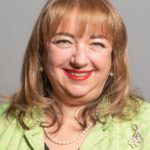
Tag: Sharon Hodgson

  • Sharon Hodgson – 2024 Speech on Planning, the Green Belt and Rural Affairs

    Sharon Hodgson – 2024 Speech on Planning, the Green Belt and Rural Affairs

    The speech made by Sharon Hodgson, the Labour MP for Washington and Gateshead South, in the House of Commons on 19 July 2024.

    It is a pleasure to follow the hon. Member for Gordon and Buchan (Harriet Cross), who made an excellent maiden speech, which I enjoyed. I also have to mention the excellent maiden speeches from my north-east colleagues, my hon. Friend the Member for Cramlington and Killingworth (Emma Foody)—she represents a new constituency—and my hon. Friend the Member for Bishop Auckland (Sam Rushworth). I look forward to hearing more from them in the weeks, months and years to come.

    Having entered the House 19 years ago, I am honoured to have once again been elected to serve my constituents in Washington and Gateshead South—another new constituency name. It is fantastic to see so many new faces around the estate, and my door is always open if new Members, or indeed old ones, want to pop in for a bit of advice, a cup of tea, or just to see a friendly face.

    This King’s Speech ushers in a new era of government—one based on service of the people, and focused on building back trust in politics, which is greatly needed, by, as stated in the King’s Speech, adhering to

    “the principles of security, fairness and opportunity for all.”

    We will start that process by bringing in legislation to transform the rights of every worker in this country. As a trade unionist, I believe that workers must have the right to access trade union representation, as well as the repeal of the disastrous minimum service levels legislation, which failed to protect public service users and workers alike.

    We will ban all exploitative zero-hours contracts that leave people in uncertain and unstable employment. We will definitively ban fire and rehire practices, which my hon. Friend the Member for Brent West (Barry Gardiner) led the way on tackling with his excellent private Member’s Bill, which sadly did not make it. We will protect workers’ wellbeing by ending short-notice shift cancellations, and we will introduce the right to switch off, so that workers can enjoy a healthier, structured work-life balance—I think we could do with a bit of that sometimes as well. Finally, we will establish rights such as paternity pay and the right to challenge unfair dismissal as rights from day one. The basic rights of a worker are not a reward earned after years of service; they are rights from day one.

    The Government have already got the ball rolling, building on the excellent work of former Labour Governments to truly deliver devolved power. It was excellent to see that, just days after moving in, the Prime Minister welcomed all Labour and Conservative metro mayors—thankfully, they were mostly Labour—to Downing Street to discuss how to kick-start growth in all parts of the country. Nine times out of 10, local knowledge is superior to departmental control, so it is only right that we bring power back to communities.

    Among the mayors invited to meet the Prime Minister was our excellent new Mayor of the North East, Kim McGuinness, who I have worked with in my long-running campaign to reopen the Leamside line and extend the metro to Washington. I am sure that Members have all heard me say this, but Washington is one of the largest towns in the UK without a direct rail link. [Interruption.] It is. We see wasted opportunities, with people unable to travel easily for work, school or university or even to see loved ones. To quote the former Conservative Member for Sedgefield, with whom I co-chaired the Leamside line all-party parliamentary group, “Without physical mobility, there can be no social mobility”—now that he is not here, I am going to nick that line. I am pleased that, with a Labour Government and a Labour mayor, that project will at long last become a reality.

    I grew up in a council house, and my family was totally reliant on social security. Free school meals were a lifeline for us, but I know that, in many ways, it is more important to have a warm, safe and secure house; that is what saved my family more than anything else. That is why, throughout this general election campaign and when I was listening to the King’s Speech, I was so pleased to see Labour’s commitment to building 1.5 million new homes—not just houses, but social and affordable housing—based on five key principles that will enable those houses to turn into secure homes, and those homes to turn into stable and thriving communities.

    We will also deliver for our children, with policies intended to tackle childhood health and obesity head-on. Our plans to deliver free breakfast clubs in every primary school in England will ensure that kids can start school with a meal in their bellies, ready to learn. But we know that child feeding does not start and end with the school day, so we will also tackle the crisis of youth nutrition outside school by restricting the advertisement of junk food and the sale of high-caffeine energy drinks to children—both things I long called for when I was shadow Minister for public health for four years, and shadow Minister for children and families for four years, and as the chair of the all-party parliamentary group on school food from 2010. I could not welcome these developments more fervently. We cannot shy away from protecting our children’s health, which is why I also welcome our tobacco and vapes Bill—carrying on the work of the former Government, I have to say—to phase out smoking. That will ensure that our children live a healthier future.

    As we look to the coming years of our Government, I am excited not only to see these policies, and more, come to fruition and deliver the change that this Government were elected to bring, but to work with Members across the House to deliver these things together, because we need them for the benefit of all our constituents.

  • Sharon Hodgson – 2015 Parliamentary Question to the Department of Health

    Sharon Hodgson – 2015 Parliamentary Question to the Department of Health

    The below Parliamentary question was asked by Sharon Hodgson on 2015-11-04.

    To ask the Secretary of State for Health, pursuant to the Answer of 19 October 2015 to Question 10790, who (a) the chair and (b) other members of the National Infant Feeding Steering Group are.

    Ben Gummer

    There is no fixed chair of the group. It rotates between the Department of Health, UNICEF and Public Health England (PHE).

    The members of the group are:

    Madeleine Percival – Department of Health

    Bridget Halnan – Institute of Health Visitors

    Dr Helen Duncan – PHE

    Kate Thurland – PHE

    Alison Burton – PHE

    Francesca Entwhistle – National Infant Feeding Network

    Sue Ashmore – UNICEF UK Baby Friendly Initiative

    Viv Bennett – PHE

    Sue Hatton – Health Education England (HEE)

    Lisa Bayliss Pratt – HEE

    There is also a representative on the group from the Royal College of Midwives.

  • Sharon Hodgson – 2015 Parliamentary Question to the Department of Health

    Sharon Hodgson – 2015 Parliamentary Question to the Department of Health

    The below Parliamentary question was asked by Sharon Hodgson on 2015-11-13.

    To ask the Secretary of State for Health, what the current average waiting time is for therapeutic services at each sexual assault referral centre for (a) adults and (b) children under 18.

    Jane Ellison

    NHS England has set out care pathways for adult and child Sexual Assault Referral Centre (SARC) services in its `Commissioning Framework for Adult and Paediatric Sexual Assault referral Centre (SARC) Services’, published in August 2015. Pathway services are wide-ranging, including safeguarding, social care, housing, other medical support and therapeutic counselling. The framework is now being rolled out across England and outlines the expected core service.

    Data on waiting times into care pathways or therapeutic services in SARCs or referred to by SARCs, is not collected centrally.

  • Sharon Hodgson – 2016 Parliamentary Question to the Department for Education

    Sharon Hodgson – 2016 Parliamentary Question to the Department for Education

    The below Parliamentary question was asked by Sharon Hodgson on 2016-01-20.

    To ask the Secretary of State for Education, what proportion of the Ofsted budget has been allocated for the purpose of carrying out local area inspections of provision for children with special educational needs and disability for each of the next three years.

    Edward Timpson

    Local authorities have made good progress complying with the statutory special educational needs duties in the Children and Families Act 2014 since they came into force in September 2014. We continue to monitor progress.

    All local authorities have published a Local Offer of the services and support available to children and young people in their area with special educational needs and disabilities (SEND). Responsibility for publishing and maintaining Local Offers lies with each local authority. The Department supports local authorities to help make sure they meet all statutory requirements for their Local Offer, and that the quality of services continues to improve.

    In summer 2014, the Department conducted a review of Education, Health and Care (EHC) plans and plan templates from half of local authorities. The majority of the EHC plan templates we reviewed were judged likely to meet the requirements in the SEND Code of Practice. Where changes were needed, this was often due to inaccurate labelling of the required sections. Feedback was provided to individual local authorities alongside information to all local authorities about the key areas for focus. Since September 2014, EHC plans have been continually monitored. Where individual EHC plans are considered not to be fully compliant, advice on improvement is provided to the local authority.

    Figures returned by local authorities and published in the Statements of SEN and EHC plans Statistical First Release[1] in May 2015 show that, of the 1,360 new EHC plans issued between 1 September 2014 and 15 January 2015, 64.3% were within the statutory 20 week time limit when excluding exception cases.

    The Department for Education is providing specific additional funding to Ofsted and the Care Quality Commission (CQC) to support their inspection of the effectiveness of local areas in fulfilling their new SEND duties. We are in the process of setting individual budgets as part of our internal business planning process.

    Ofsted and CQC conducted pilots as part of their wider consultation on their inspection proposals. These pilots explored different approaches to securing evidence in what is a complex area, involving a range of education, social care, and health providers at the local level. Ofsted and CQC will publish their response to the consultation on these new inspection arrangements in spring 2016. In addition, they will evaluate the impact of inspections, which will begin later in 2016.

    The Department draws on a wide range of evidence to determine whether the SEND provisions of the Children and Families Act have improved outcomes for children. Our intention is that a combination of local accountability measures; data and analysis; and independent inspection will show how the SEND system is performing and whether outcomes are improving for children and young people.

    The SEND inspections will evaluate local areas’ effectiveness in identifying and meeting the needs of children and young people. We will draw on a wide range of statistics[2], including information on educational attainment, absence and exclusions and research into families and young people’s experience of the new system.

    A summary of the available data on SEN and disability is available at

    https://www.gov.uk/government/uploads/system/uploads/attachment_data/file/472575/Special_educational_needs-_an_analysis_and_summary_of_data_sources.pdf

    [1] https://www.gov.uk/government/statistics/statements-of-sen-and-ehc-plans-england-2015

    [2] https://www.gov.uk/government/collections/statistics-special-educational-needs-sen

  • Sharon Hodgson – 2016 Parliamentary Question to the Department for Education

    Sharon Hodgson – 2016 Parliamentary Question to the Department for Education

    The below Parliamentary question was asked by Sharon Hodgson on 2016-02-29.

    To ask the Secretary of State for Education, what estimate she has made of the cost of including data by type of disability in the school census.

    Edward Timpson

    No estimate has been made of the cost of including data by type of disability in the school census. The Department is exploring if there are other ways of capturing details of pupils’ disability.

  • Sharon Hodgson – 2016 Parliamentary Question to the Department for Education

    Sharon Hodgson – 2016 Parliamentary Question to the Department for Education

    The below Parliamentary question was asked by Sharon Hodgson on 2016-04-25.

    To ask the Secretary of State for Education, how many pupils who had either a Statement of Special Educational Needs or an Education, Health and Care Plan were excluded from schools in England in each of the last five years.

    Edward Timpson

    The transition period from statements to Education, Health and Care plans (EHCPs) runs until April 2018. Every local authority has published an individual Local Transition Plan setting out the timings for transfers to the new system. We are monitoring local authority progress and published figures about transition up to January 2015, returned by local authorities, in the Special Educational Needs in England Statistical First Release of May 2015[1]. We will publish the figures up to January 2016 in May 2016.

    The Department does not collect information on the number of children who are home educated. Some local authorities choose to maintain registers so that parents can voluntarily register children being educated at home.

    The number and proportion of school pupils who had a Statement of Special Educational Needs or an EHCP in each of the last five years is as follows:

    x

    2011

    2012

    2013

    2014

    2015

    Pupils with statements or EHCPs

    224,210

    226,125

    229,390

    232,190

    236,165

    Pupils on roll

    8,123,865

    8,178,200

    8,249,810

    8,331,385

    8,438,145

    Incidence (%)

    2.8

    2.8

    2.8

    2.8

    2.8[2]

    The number of permanent and fixed period exclusions received by pupils with a Statement of Special Educational Needs in each of the last five years for which data is available is as follows:

    x

    2009/10

    2010/11

    2011/12

    2012/13

    2013/14

    Fixed period exclusions

    37,140

    36,740

    35,640

    32,210

    33,190

    Permanent exclusions

    420

    430

    380

    330

    330[3]

    [1] https://www.gov.uk/government/collections/statistics-special-educational-needs-sen

    [2] https://www.gov.uk/government/statistics/special-educational-needs-in-england-january-2015

    [3] https://www.gov.uk/government/collections/statistics-exclusions

  • Sharon Hodgson – 2015 Parliamentary Question to the Department for Culture, Media and Sport

    Sharon Hodgson – 2015 Parliamentary Question to the Department for Culture, Media and Sport

    The below Parliamentary question was asked by Sharon Hodgson on 2015-11-16.

    To ask the Secretary of State for Culture, Media and Sport, what steps he plans to take to ensure that high-speed broadband provision can meet the likely demand for such provision by 2020 of creative and digital companies in geographic clusters.

    Mr Edward Vaizey

    This Government recognises the need for creative and digital companies to have access to have access to high-speed broadband, wherever in the UK they are located. The Government’s Superfast Broadband Programme is on track to deliver superfast broadband coverage to 95 per cent of UK premises by the end of 2017.Inaddition we are supporting seven pilot projects to explore ways to extend superfast broadband beyond 95 per cent of UK homes and businesses. The Government will also launch a public consultation early next year in preparation for the implementation of a new broadband USO by 2020, with the ambition to give people the legal right to request a connection to broadband with speeds of 10 Mbps,nomatterwherein the countrytheylive.

  • Sharon Hodgson – 2015 Parliamentary Question to the Department for Business, Innovation and Skills

    Sharon Hodgson – 2015 Parliamentary Question to the Department for Business, Innovation and Skills

    The below Parliamentary question was asked by Sharon Hodgson on 2015-11-18.

    To ask the Secretary of State for Business, Innovation and Skills, pursuant to the Answer of 16 November 2015 to Question 15298, on Consumer Protection Measures in the Ticket Resale Market Review; who his Department contacted in Parliament; by what means they were contacted; and what response his Department received from Parliament.

    Nick Boles

    In relation to the Consumer Protection Measures in the Ticket Resale Market Review, the following Parliamentarians were contacted by my Department by letter and/or email on 30 March 2015. The draft Terms of Reference were attached to these letters:

    Baroness Hayter

    Baroness Heyhoe Flint

    Lord Addington

    Lord Borwick

    Lord Clement-Jones

    Lord Moynihan

    Lord Pendry

    Lord Stevenson

    Lord Stoneham

    Lord Younger

    I met with yourself, Nick Smith MP, Lord Moynihan, Lord Stevenson and Baroness Heyhoe-Flint to discuss secondary ticketing issues including Terms of Reference for the Review on 15 September. Subsequently, a detailed response on the Terms of Reference was received from Lord Moynihan.

    The following Parliamentarians were also contacted by email on 13 October regarding the Terms of Reference and Call for Evidence:

    Andrew Bingham MP

    David Morris MP

    Mark Garnier MP

    Mark Pritchard MP

    Nick Smith MP

    Nigel Adams MP

    Sharon Hodgson MP

    Stephen McPartland MP

    All the Peers listed above were also contacted on 13 October.

    Details of the Terms of Reference were also laid in the Libraries of both Houses on 13 October 2015.

  • Sharon Hodgson – 2016 Parliamentary Question to the Department for Education

    Sharon Hodgson – 2016 Parliamentary Question to the Department for Education

    The below Parliamentary question was asked by Sharon Hodgson on 2016-01-20.

    To ask the Secretary of State for Education, what plans she has to improve collection of data on the outcomes achieved by children who have a disability but not a special educational need.

    Edward Timpson

    Information regarding the attainment of students with special educational needs (SEN) in England is broken down by type of SEN and published in the “Phonics screening check and key stage 1 assessment: England 2015”[1], “National curriculum assessments at key stage 2: 2015”[2] and “GCSE and equivalent results in England: 2015”[3] statistical first releases.

    A wider summary of available SEN information is provided in “Special educational needs – an analysis and summary of data sources”[4]

    Information on the average points score of students with a hearing impairment or the number that achieve three A* to A grades or better at A level is not held by the Department. The Department also does not hold information on the number of students with a hearing impairment who have not achieved a level 2 qualification in English by the age of 19.

    Currently, there are no plans for the Department to publish A-level data split by type of special educational need or to collect additional data on the outcomes achieved by students who have a disability but not an identified special educational need, although this is reviewed every year as part of the collection process.

    [1] Phonics and KS1 assessments for 2014/15: https://www.gov.uk/government/statistics/phonics-screening-check-and-key-stage-1-assessments-england-2015

    [2] KS2 for 2014/15: https://www.gov.uk/government/statistics/national-curriculum-assessments-at-key-stage-2-2015-revised

    [3] KS4 for 2014/15: https://www.gov.uk/government/statistics/revised-gcse-and-equivalent-results-in-england-2014-to-2015

    [4] https://www.gov.uk/government/uploads/system/uploads/attachment_data/file/472575/Special_educational_needs-_an_analysis_and_summary_of_data_sources.pdf

  • Sharon Hodgson – 2016 Parliamentary Question to the Department for Education

    Sharon Hodgson – 2016 Parliamentary Question to the Department for Education

    The below Parliamentary question was asked by Sharon Hodgson on 2016-02-29.

    To ask the Secretary of State for Education, whether she plans to monitor local authority spending in 2016-17 on specialist education services for children with special educational needs and disabilities.

    Edward Timpson

    Local authorities’ (LAs) spending on education and children’s social care is monitored on a twice yearly basis. LAs are required under Section 251 (S251) of the Apprenticeships, Skills, Children and Learning Act 2009, to submit their planned (budget) and actual (outturn) expenditure to the Secretary of State, which includes spending in support of children with special educational needs and disabilities. The data collection began in early March 2016 for the 2016-17 budget statements, and the 2015-16 outturn statements are due to start being collected in early July 2016, with the 2016-17 outturn collection beginning in July 2017.

    The department publishes the data from these S251 financial collections on the GOV.UK website, usually in the following September for budget and in the following December for outturn. The department also requires LAs to provide us with an annual assurance statement from the Chief Finance Officer that confirms the funding given for the purpose of education has been spent in line with the regulations.