
Tag: 2022

  • Wes Streeting – 2022 Speech on Elective Treatment

    Wes Streeting – 2022 Speech on Elective Treatment

    The speech made by Wes Streeting, the Shadow Secretary of State for Health and Social Care, in the House of Commons on 8 February 2022.

    I thank the Secretary of State for advance sight of his statement, but it falls seriously short of the scale of the challenge facing the NHS and the misery that is affecting millions of people stuck on record high NHS waiting lists. We have been waiting some time for his plan to tackle NHS waiting times. We were told that it would arrive before Christmas; we were told that it would arrive yesterday; and it is not clear from his statement today that the delay was worth the wait. There is no plan to tackle the workforce crisis, no plan to deal with delayed discharges, and no hope of eliminating waits of more than a year before the general election in 2024. I wonder whether the Conservatives will be putting that on their election leaflets. The only big new idea seems to be a website that tells people that they are waiting for a long time, as if they did not already know.

    Perhaps the Secretary of State can tell us whether the plan itself contains two other measures that have been floated in the press: the cancellation of patients’ follow-up appointments, whether they need them or not, and an offer enabling people to seize the opportunity to travel hundreds of miles around the country, if they can find a hospital in England that does not already have a waiting list crisis of its own. What we did hear was a series of reannouncements, including some perfectly sensible proposals for community diagnostic and surgical hubs. We welcome those, but the Secretary of State cannot pretend that they meet the scale of the challenge.

    The Secretary of State reaffirmed the Prime Minister’s commitments on cancer, announced only yesterday. He announced a new target that no one should wait more than two months for cancer diagnosis, but there is already a target for the vast majority of cancer patients to be treated within two months of referral. Can he tell us which target he is aiming to meet? Is it the target that has not been hit since 2015, or the target announced yesterday, which seems to lower standards for patients because the Government consistently fail to meet them? The Prime Minister has also announced that three out of four patients should receive a cancer diagnosis within 28 days, but that is an existing target which was introduced in April and has never been met, and nothing that the Secretary of State has announced today gives me any confidence that it will be met in the future. Given that half a million patients with suspected cancer are not being seen in time, it seems that the Secretary of State declared a war on cancer after more than a decade of disarming the NHS, and is now sending the NHS into battle empty-handed.

    Indeed, it is hard to believe that this is the announcement that the Secretary of State wanted to make. One Government official briefed Robert Peston that the plan was being blocked by the Chancellor, who is, “reluctant to rescue the Prime Minister”. Putting to one side the appalling spectacle of the Tory leadership crisis impacting on life and death decision making in Government, it seems from the statement that the Chancellor has won the day. What other explanation can there be for a plan to recover the NHS and bring down waiting lists that does not contain a workforce plan? The single biggest challenge facing the NHS is the workforce challenge. There are 93,000 staffing vacancies in the NHS today. The NHS is understaffed, overworked and, if the Secretary of State is not careful, he will lose more people than he is able to recruit. This is not a new development, and it should not be news to him.

    In April, the NHS called for a national workforce plan. Polling from the Health Foundation found that the public want more staff with fewer workload pressures. The Secretary of State himself told the Health and Social Care Committee in November that his plan would include a strategy for the workforce crisis. We know the NHS wants a workforce plan and the public want a workforce plan. He promised a workforce plan, so where is it? There is not even a budget for Health Education England let alone a serious plan to recruit and retain the workforce that we need. Instead, he is proposing new NHS reservists. Who are they? Where are they coming from? How many does he imagine there will be? How does he imagine that they will make a dent in the 93,000 vacancies? It seems more “Dad’s Army” than SAS.

    Then there is the issue of wider NHS and social care pressures that impact directly on waiting lists and waiting times: the pressures on GP practices that see people ringing the surgery at the crack of dawn in the hope of getting through before the appointments have gone; the pressures on social care that lead to delayed discharges from hospital, as we saw in more than 400,000 cases in November alone; and the missed opportunities and the wasted money that comes from a failure to invest in community services that lead to people turning up at A&E at greater cost to patient health and at greater cost to the taxpayer.

    This plan falls well short of the challenge facing our country. Six million people are waiting for care. Cancer care is in crisis, with half a million patients with suspected cancer not seen in time. Heart and stroke victims are waiting more than two hours for an ambulance when every minute matters. It is clear from what the Secretary of State said today, from what his colleague, the Minister for Health, the hon. Member for Charnwood (Edward Argar), said yesterday, and no doubt what will be heard repeated in the Tory scripts in the days and weeks to come, that the Conservatives are hoping to blame the state of NHS waiting lists on the pandemic—the “covid waiting lists”, they called them. But this is not a covid backlog; it is a Tory backlog. After a decade of Tory mismanagement, the NHS had: record waiting lists of 4.5 million before the pandemic; staff shortages of 100,000 before the pandemic; 17,000 fewer beds before the pandemic; and 112,000 vacancies in social care before the pandemic.

    In conclusion, it is not just that the Government did not fix the roof while the sun was shining, they dismantled the roof and removed the floorboards. With the ceiling of their ambition that the Secretary of State outlined today being to go back to where we were before the pandemic, it is now clear that the longer that we give the Conservatives in office, the longer patients will wait.
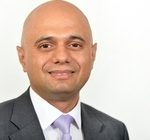

  • Sajid Javid – 2022 Statement on Elective Treatment

    Sajid Javid – 2022 Statement on Elective Treatment

    The statement made by Sajid Javid, the Secretary of State for Health and Social Care, in the House of Commons on 8 February 2022.

    With permission, Mr Speaker, I would like to make a statement on a new, ambitious elective recovery plan—the NHS’s delivery plan for tackling the covid-19 backlog of elective care.

    The NHS has responded with distinction during the country’s fight against the virus, caring for over 700,000 people with covid-19 in hospital in the UK and delivering a vaccination programme that is helping this country to learn to live with the virus, while at the same time doing so much to keep non-covid care going. Nobody—no institution—felt the burden of the pandemic more than the NHS. There have been 17 million cases of covid-19 and the NHS has had to respond to the original variant, the alpha wave, the delta wave and, most recently, of course, the omicron wave. Despite these pressures, we had one of the fastest vaccination programmes in the world, including one of the fastest booster programmes in the world.

    Sadly, as a result of focusing on urgent care, the NHS could not deal with non-urgent care as much as anyone would have liked. The British people have of course understood this. Despite those exceptional efforts, there is now a considerable covid backlog of elective care. About 1,600 people waited longer than a year for care before the pandemic. The latest data shows that this figure is now over 300,000. On top of this, the number of people waiting for elective care in England now stands at 6 million, up from 4.4 million before the pandemic. Sadly, that number will continue rising before it falls.

    A lot of people understandably stayed away from the NHS during the heights of the pandemic, and the most up-to-date estimate from the NHS is that that number is around 10 million. But I want these people to know that the NHS is open and, as Health Secretary, I want them to come forward for the care they need. We do not know how many will now come forward—we do not know whether it will be 30% or 80%—because no country has faced a situation like this ever before. So in developing this plan, the NHS has had to make a number of assumptions. Even if half of these people come forward, this is going to place huge demand on the NHS, and we are pulling out all the stops so that the NHS is there for them when they do. We have already announced that we are backing the NHS with an extra £2 billion of funding for elective recovery this year and £8 billion on top of that over the next three years. In addition, we are putting almost an additional £6 billion towards capital investment for new beds, equipment and technology.

    Today we are announcing the next steps, showing how we will help this country’s health and care system to recover from the disruption of the pandemic but also how we will make reforms that are so important for the long-term future. That will allow the NHS to perform at least 9 million extra tests, checks and procedures by 2025 and around 30% more elective activity each year in three years’ time than it was doing before the pandemic. This bold and radical vision has been developed with expert input from clinical leaders and patient groups. It will not just reset the NHS to where it was before covid but build on what we have learned over the past two years to transform elective services and make sure that they are fit for the future.

    This plan focuses on four key areas. The first is how we will increase capacity. On top of enormous levels of investment, we are doing everything in our power to make sure that we have even more clinicians on the frontline. We now have more doctors and nurses working in the NHS than ever before. We have a record number of students at medical school and a record number of students applying to train as nurses. The plan sets out what more we will be doing, including more healthcare support workers and the recruitment and deployment of NHS reservists. We will also be making greater use of the independent sector, which formed an important part of our contingency plans for covid-19, so that we can help patients to access the services they need at this time of high demand.

    Secondly, as we look at the backlog, we will not just strive to get numbers down but prioritise by clinical need and reduce the very longest waiting lists. Assuming that half the missing demand from the pandemic returns over the next three years, the NHS expects the waiting list to be reducing by March 2024. Addressing long waits is critical to the recovery of elective care, and we will be actively offering longer-waiting patients greater choice about their care to help to bring down these numbers.

    The plan sets the ambition of eliminating waits of longer than a year for elective care by March 2025. Within this, no one will wait longer than two years by July 2022, and the NHS aims to eliminate waits of over 18 months by April 2023 and of over 65 weeks by March 2024, which equates to 99% of patients waiting less than a year.

    I have heard the concerns that have rightly been raised, including by many hon. Members, about the pandemic’s impact on cancer care. On Friday, World Cancer Day, I launched a call for evidence that will drive a new 10-year cancer plan for England, a vision for how we can lead the world in cancer care. This elective recovery plan, too, places a big focus on restoring cancer services.

    The NHS has done sterling work to prioritise cancer treatment throughout the pandemic, and we have consistently seen record levels of referrals since March 2021, but waiting times have gone up and fewer people came forward with cancer symptoms during the pandemic. The plan shows how we will intensify our campaigns to encourage more people to come forward, focusing on areas where referrals have been slowest to recover such as lung cancer and prostate cancer. It also sets out some stretching ambitions for how we will recover and improve performance in cancer care: returning the number of people waiting more than 62 days following an urgent referral to pre-pandemic levels by March 2023; and ensuring that 75% of patients who have been urgently referred by their GP for suspected cancer are diagnosed or have cancer ruled out within 28 days by March 2024.

    I am determined that we tackle the disparities that exist in this backlog, just as I am determined to tackle disparities of any kind across this country. Analysis from the King’s Fund shows that, on average, a person is almost twice as likely to experience a wait of over a year if they live in a deprived area. As part of our recovery work, we are tasking the NHS with analysing its waiting list data according to factors such as age, deprivation and ethnicity to help to drive detailed plans to tackle these disparities.

    Thirdly, this new chapter for the NHS provides an opportunity to radically rethink and redesign how services are delivered, to bust the backlog and to deliver more flexible, personalised care for patients. The pandemic has shown beyond doubt the importance of diagnostics. Although over 96% of people needing a diagnostic test received it within six weeks prior to the pandemic, the latest data shows that has fallen to 75%. Our aim is to get back to 95% by March 2025.

    A major part of this will be expanding the use of community diagnostic centres, which have already had a huge impact. These one-stop shops for checks, scans and tests help people to get a quicker diagnosis and, therefore, the treatment they need much earlier. Sixty-nine community diagnostic centres are already up and running, and the plan shows our intention to have at least 100 in local communities and on high streets over the next three years.

    We will also keep expanding the use of surgical hubs, which will be dedicated to planned, elective surgeries. They will allow us to do more surgeries in a single day than can be carried out in out-patient settings, so that we can fast-track operations and ensure that patients are more likely to go home on the same day. We have already been piloting these hubs, and we will now be rolling them out across the country.

    Finally, we will improve the information and support for patients. I know the anxiety that patients feel when they are waiting for care, especially if they feel that they do not have certainty about where they sit in the queue, and I am determined to ensure that, as we enter this next phase, we will be open and transparent with patients. We will be launching a new online platform called My Planned Care, which will go live this month, offering patients and their carers tailored information ahead of their planned surgery. They will be able to see waiting times for their provider, so they can better understand their expected wait. A third of on-the-day cancellations are due to people not being clinically ready for treatment, and the new platform will also be able to link patients to the most appropriate personalised support before their surgery. This shows the approach that we will be taking in the years ahead, putting patients at the heart of their care and giving the support that they need to make informed decisions. We will also put in place a payment system that incentivises strong performance and delivers value for money for the public.

    Just as we came together to fight this virus, now we must come together on a new national mission to fight what the virus has brought with it. That will mean waiting lists falling by March 2024, strong action to reduce long waiting times, and stretching targets for early diagnosis and for cancer care. This vital document shows how we will not just recover, but reform and make sure that the NHS is there for all of us, no matter what lies ahead. I commend my statement to the House.

  • Chris Philp – 2022 Statement on Child Online Safety

    Chris Philp – 2022 Statement on Child Online Safety

    The statement made by Chris Philp, the Parliamentary Under-Secretary of State for Digital, Culture, Media and Sport, in the House of Commons on 8 February 2022.

    Protecting children online is a Government priority and the strongest protections in the draft Online Safety Bill are for children.

    The Online Safety Bill will establish new statutory duties requiring companies to take robust steps to improve safety online. The duties will cover user-to-user services—those that allow users to upload and share content that may be encountered by others—and search engines. All companies in scope will need to protect their users from illegal content and activity, and companies with services that are likely to be accessed by children will be required to protect children from legal but harmful content. While the Bill is technology neutral, we expect companies to use age verification technologies to prevent children from accessing services that pose the highest risk of harm to them, such as online pornography.

    The online safety regime covers many of the most visited pornography sites, social media, video sharing platforms, forums and search engines—thereby capturing many of the sites through which children access pornography. These companies will have to prevent children from accessing pornography or face enforcement action by Ofcom.

    The Government recognise the concern, raised by the Joint Committee during pre-legislative scrutiny of the Bill and by other child online safety stakeholders, that the Bill needs to go further to protect children from online pornography on services that do not currently fall within its scope.

    To strengthen protections for children further, we will make changes to the Bill to incorporate a stand-alone provision requiring providers who publish or place pornographic content on their services to prevent children from accessing that content. This addresses the concerns that have been raised about a gap in scope for non-user-generated pornography, and ensures that all services that would have been captured by part 3 of the Digital Economy Act, and all the user-to-user and search services covered by the Online Safety Bill, will be required to protect children from pornography. This new duty will be enforced by Ofcom with providers being subject to the same enforcement measures as other in-scope services.

    The Government are committed to bringing forward the most comprehensive approach possible to protecting children online. We will introduce the Online Safety Bill as soon as parliamentary time allows and will continue to engage with Members of Parliament in both Houses on the protections for children within the Bill.

  • Wendy Morton – 2022 Speech on Rail Connectivity in Leicester, Coventry and Nottingham

    Wendy Morton – 2022 Speech on Rail Connectivity in Leicester, Coventry and Nottingham

    The speech made by Wendy Morton, the Parliamentary Under-Secretary of State for Transport, in the House of Commons on 8 February 2022.

    I congratulate the hon. Member for Leicester East (Claudia Webbe) on securing this debate about rail connectivity between Leicester, Coventry and Nottingham. The cities of Leicester, Coventry and Nottingham lie at the heart of this country, serving as beacons of productivity and potential, and so understanding the needs of their communities, passengers and businesses is absolutely crucial in delivering a rail network that works for everyone. That is why the Department for Transport set up Midlands Connect to help to develop a pipeline of proposals for the region, informed by local people, businesses and councils that know what is best for their region.

    Midlands Connect is a partnership of local authorities, local enterprise partnerships, Network Rail, National Highways and the business community. It published its first transport strategy in 2017 and has spent the past 18 months refreshing its evidence base in order to produce a new strategic transport plan, which will be published in April. I eagerly await the plan, which will then set out Midland Connect’s investment priorities for the next decade.

    I am grateful to the hon. Member for her contribution this evening to that broad evidence-gathering effort. I know her advocacy of investment in the local rail network service serves as a valuable representation of the needs of her constituents. I am sure it will be understood that, given the constrained fiscal environment we find ourselves in, competition for funding is stronger than ever and not all proposals will receive funding. However, she is taking the right approach in advocating for rail investment in her region and, along with Midland Connect’s ongoing work to develop proposals, this work is vital in shaping the future of the rail network in the east midlands, even if funding availability proves limiting in the short term.

    Lilian Greenwood

    I appreciate that our region has to compete with others, but the Minister will know that the east midlands region has the lowest level of transport rail spending in the country and has had for some time. If she is serious about levelling up, do we not have to invest in transport links in the east midlands region? Nottingham and Coventry are 108 minutes apart. They are about the same distance apart as London and Reading, yet the journey times in the south-east are so much faster. Should she not be investing to make that difference?

    Wendy Morton

    I will come on to some of the investments we have been making, but let us not lose sight of the fact that we are investing a massive £96 billion in the midlands and the north through the integrated rail plan over the next 30 years, which is about delivering benefits for passengers.

    Taking a long-term approach to rail investment by developing a pipeline of deliverable proposals is the right way to ensure that the east midlands can receive investment as and when funding becomes available. Midlands Connect has produced a strategic outline business case setting out the case for connecting Coventry, Leicester and Nottingham by rail. This provides a useful overview of how rail connectivity between those three cities could be delivered and the benefits it could yield. Midlands Connect has made strong arguments for the proposal, describing a range of economic, social and environmental benefits that it expects to arise from the implementation of the scheme.

    I therefore appreciate the desire of the hon. Member for Leicester East to improve transport links between the three cities. My officials at the Department are currently evaluating the case and will report back to me in due course. It is important that I reiterate that, in the context of an unprecedented economic strain as a result of the covid-19 pandemic, not all proposals we would like to deliver can be funded, but each proposal will be evaluated on its merits and affordability.

    I also note that we are considering a number of other schemes proposed for the east midlands through the integrated rail plan. The IRP recommends improved connectivity between the east and west midlands via a new HS2 station at Curzon Street in central Birmingham and via existing stations at Nottingham and East Midlands Parkway. It also suggests that the Department works with Midlands Connect to develop connectivity to the east midlands and Coventry as part of the committed midlands rail hub programme. Although it is important to plan ahead and strive for more, I will take a moment to reflect on some of the excellent work that has already been done in recent years to improve rail transport for the east midlands.

    Tom Randall (Gedling) (Con)

    I congratulate the hon. Member for Leicester East (Claudia Webbe) on securing the debate. Does the Minister recollect, as I do, that the press described the east midlands as the big winners of the integrated rail plan? Connecting places such as central Nottingham with central Birmingham will massively improve journey times. It will not only improve connectivity between Nottingham, Derby and Birmingham, but open up other cities in the west midlands for onward connections.

    Wendy Morton

    My hon. Friend is another passionate advocate for rail and he is absolutely right. The IRP has committed a massive £96 billion for the midlands and the north over the next 30 years, which is the biggest investment.

    As I was saying, our work to electrify the midland main line represents the biggest improvement to the line since it was built in 1870. Along with the new timetable, the upgrade boosted the number of seats on services across the east midlands and cut travel time between London and Derby, Leicester, Sheffield and Nottingham. Meanwhile, the electric trains introduced between Corby and London are quieter and much better for the environment, because they produce nearly 80% less carbon. That means that people living near the railway will breathe cleaner air and experience less noise pollution.

    Additionally, Leicester City Council was recently awarded £17.8 million from the levelling-up fund to make improvements to the station building. Following the Government’s devolution deal with the West Midlands Combined Authority, which allows local authorities to deliver local priorities, Coventry City Council is undertaking an £82-million redevelopment of the city’s station. Working with Midlands Connect and others, the Department will continue to seek opportunities to improve rail transport in Leicester and in other towns and cities across the midlands.

    I will touch on a couple of specific questions that the hon. Lady raised. She sought some clarity on whether Coventry, Leicester and Nottingham are part of the midlands rail hub. The Department wants to work with Midlands Connect and other regional stakeholders to consider how we improve connectivity between the cities and towns of the midlands. The recommendations in the integrated rail plan, which will provide a direct high-speed link between Birmingham and Nottingham, will have an impact on the current MRH proposals. Those impacts will need to be considered fully. We look forward to receiving the updated Midlands Connect strategic plan and its recommendations on that area.

    The hon. Lady also raised the issue of funding for the next stage, which I believe is the outline business case.

    Claudia Webbe indicated assent.

    Wendy Morton

    The hon. Lady is nodding. The pipeline approach is designed to ensure that future rail projects are properly planned and scrutinised to deliver maximum value and benefit to rail users and taxpayers, and that the portfolio is balanced and affordable. It is important that projects continue to be assessed and prioritised based on their business cases and how they contribute to key Government priorities.

    The updated rail network enhancements pipeline is due to be published soon and we will set out our revised programme following the spending review. We will continue to work with stakeholders to develop proposals for future funding rounds should it not be possible to take forward particular proposals at this time.

    I want to conclude by thanking the hon. Member for Leicester East.

    Lilian Greenwood

    Will the Minister give way?

    Wendy Morton

    I will continue to conclude.

    I thank the hon. Member for Leicester East for securing this debate and shining a spotlight on rail connectivity between Leicester, Coventry and Nottingham. She should be assured that a lot of work is ongoing to understand the needs of the region and to plan a pipeline of work to deliver a better rail network for Leicester and the east midlands. I urge her to continue her work with the Department and with Midlands Connect to bolster our understanding of the transport needs of Leicester and the east midlands and to shape future rail investments for the good of her constituents and the wider region.

  • Claudia Webbe – 2022 Speech on Rail Connectivity in Leicester, Coventry and Nottingham

    Claudia Webbe – 2022 Speech on Rail Connectivity in Leicester, Coventry and Nottingham

    The speech made by Claudia Webbe, the Independent MP for Leicester East, in the House of Commons on 8 February 2022.

    I rise this evening to discuss rail connectivity between the east and west midlands, specifically the connection between my city of Leicester and Nottingham and Coventry. Currently, the public transport links between Leicester and Coventry, in particular, are woefully inadequate. Leicester has a strong and proud railway history. For a century, roughly from the 1850s to the 1950s, Leicester had seven railway stations within its city boundary. Today there is just one—London Road. That is why I am making the case for real investment into new links for my city and constituents.

    In response to my request, I am sure the Minister will talk about the integrated rail plan and the £96 billion investment into our railways. Of course, investment in public transport is welcome, especially during a climate emergency. Leicester did receive some support via plans to electrify the midland main line through Leicester, but more ambitious plans for unlocking capacity at the station were sadly overlooked.

    It is also worth noting that the electrification would have already been completed by now if a Conservative Government had not cancelled it in 2017. All the mentions related to Leicester in the 162-page integrated rail plan document are simply a repeated formulation of the electrification policy. Crucially, the long-awaited and long-delayed integrated rail plan was silent on the Coventry-Leicester-Nottingham project, apart from an opaque mention of Coventry and of improving links in the midlands rail hub. I would be grateful if the Minister informed the House whether that mention was indeed a nod to this critical scheme. I and many Leicester residents would welcome some real clarity on that point this evening.

    For the Minister’s ease, I will read the relevant sentence on page 16 of the Government’s integrated rail plan:

    “By redeveloping the Midlands Rail Hub business case it focuses on improving links to Hereford, Worcester, Coventry and regional links to South Wales and Bristol.”

    As the Minister is aware, the midlands rail hub includes a Coventry-Leicester-Nottingham project within its broadest scope. Will she please confirm whether the Government share the view that the Coventry-Leicester-Nottingham scheme is part of the midlands rail hub?

    Lilian Greenwood (Nottingham South) (Lab)

    Does my hon. Friend share my frustration at the delays that we constantly get from this Government? It has been almost a year since Midlands Connect developed the strategic outline business case for these improvements, but we have still not had any funding decisions. Does she agree that it is now time for the Government to bring this important scheme to its next stage so that our constituents start to feel the benefits sooner rather than later?

    Claudia Webbe

    I do indeed. My hon. Friend makes an excellent and important point.

    Will we be able to access funding via the rail enhancements pipeline as a result of the opaque mention in the integrated rail plan? The view that we should is held not just by me, but by Conservative Members and by Andy Street, Mayor of the West Midlands, who is regularly lauded from the Government Dispatch Box, so I would be grateful if the Minister cleared up the issue of scope for us this evening. That would put a lot of minds in the region at rest.

    A recent report by the sub-national transport body Midlands Connect set out plans to reinstate direct rail services between Coventry, Leicester and Nottingham for the first time in two decades, creating more than 2 million extra seats on the region’s rail network every year. The proposals would cut journey times by 30% between Coventry and Leicester and by 35% between Coventry and Nottingham.

    Taiwo Owatemi (Coventry North West) (Lab)

    My hon. Friend makes an excellent point about the need for fast connectivity. My constituents in Coventry North West need fast, frequent and reliable public transport in order to commute, stay connected and access vital services. It is therefore scandalous that railway journeys between Coventry and Leicester often take longer today than they did before the first world war. Does she agree that is further proof that investment in the vital east-west route is long overdue? If levelling up the west midlands is to be anything more than a slogan, the Government really need to get on with fulfilling their promises.

    Claudia Webbe

    My hon. Friend makes an excellent point. Indeed, it is hard to think of two UK cities that are as close as Coventry and Leicester yet so atrociously connected by rail. It can take up to an hour to travel less than 25 miles, and passengers have to change trains halfway. It is simply not good enough.

    No wonder 97% of trips on the route are made by road, compared with 30% of trips between Coventry and Birmingham, which enjoys a regular, fast and direct rail connection. Let me reiterate the point: only 3% of trips between two great midlands cities, Leicester and Coventry, are made by train. Surely, given all the Government’s words, pledges and legislation on carbon and climate change, this project is a no-brainer. It is good for the environment and it is good for passengers.

    I believe that by reintroducing faster, direct connections, we can encourage more people to travel sustainably, strengthen working relationships and increase productivity. We must now move ahead to create detailed plans for delivery, but that is possible only with the support of the Government. I should therefore be grateful if the Minister could tell me whether the next business case, the outline business case, will be funded, even in part, by the Department. Can she, this evening, give me that assurance? Let me stress that the outline business case would cost about £1 million. That, in the realm of rail projects, is a modest amount with which to explore the possibility of this regionally critical project. May I press the Minister to comment on the funding, as a real priority, in her response?

    Subject to funding, with costs likely to be in the region of £90 million to £100 million, the first direct trains could run as soon as 2025, bringing benefits of over £170 million to the local economy. About half that £170 million will consist of wider economic benefits, which means that nearly £80 million-worth of jobs, growth and trade will be created as businesses in Leicester trade with firms in Coventry and people move and spend in those two great places. The other half of the £170 million will cover journey time improvements as people can finally travel between our cities more quickly and easily. Fixing our links will therefore have a massive overall economic benefit.

    The project also has widespread public support. When more than 3,000 people in and around Coventry, Leicester and Nottingham were polled recently, 87% supported these improvements. Journey times along the route will be cut significantly, with trips from Coventry to Leicester falling from 54 minutes to 38, while those from Coventry to Nottingham will come down to 70 minutes from 108. Loughborough and East Midlands Parkway will also have direct and more frequent links to Coventry.

    To reach its target of becoming carbon neutral by 2050, the UK must reduce emissions by 100% compared with 1990 levels, but transport emissions have fallen by just 5% over the last 30 years. What is being proposed would significantly increase the number of inter-city journeys made by rail, which produce 80% less carbon than travelling by car. The scheme could also benefit the freight industry by allowing freight trains to run from the south of England to the east midlands, thus taking lorries off the roads, with the many environmental benefits that that brings.

    For too long, there has been a missing link between the east and west midlands, and this is our opportunity to re-forge it. The Government talk a great deal about “levelling up”. If they are truly genuine about addressing regional inequality, they will embrace this plan, which is supported by local people, supported by local councils, supported by our local Mayors, and supported by politicians of all parties. These rail plans will further open up Leicester and its jobs, leisure opportunities and universities to communities across the east and west midlands. At present, the midlands’ east-west rail connections are substandard, holding us back from a more productive and sustainable future. Turning these plans into reality is an essential step in boosting prosperity and public transport use across our region. On behalf of my constituents and residents across the midlands, I urge the Minister to embrace this crucial project.

  • Maggie Throup – 2022 Statement on the Local Authority Public Health Grants

    Maggie Throup – 2022 Statement on the Local Authority Public Health Grants

    The statement made by Maggie Throup, the Parliamentary Under-Secretary of State for Health and Social Care, in the House of Commons on 7 February 2022.

    Today I am publishing the public health grant allocations to local authorities in England for 2022-23.

    Funding for local government’s health responsibilities is an essential element of our commitment to invest in preventing ill health, promoting healthier lives and addressing health disparities and an important complement to our plans to invest strongly in both the NHS and social care.

    The 2021 spending review maintains the public health grant in real terms for the spending review period. This will enable local authorities to continue to invest in prevention of ill health and essential frontline services like child health visits, drug treatment and sexual health services.

    Through the public health grant and the pilot of 100% retained business rate funding which provides funding in lieu of the grant for local authorities in Greater Manchester, we are investing £3.417 billion in local authority public health in 2022-23, providing each local authority with a 2.81% cash terms increase.

    The public health grant to local authorities is part of a wider package of investment in improving the public’s health, including additional targeted investment over the spending review period of £300 million to tackle obesity; £170 million to improve the Start for Life offer available to families, including breastfeeding support and infant and parent mental health; and £560 million to support improvements in the quality and capacity of drug and alcohol treatment.

    The 2022-23 public health grant will continue to be subject to conditions, including a ring-fence requiring local authorities to use the grant exclusively for public health activity.

    Full details of the public health grant allocations to local authorities for 2022-23 can be found at: www.gov.uk. This information will be communicated to local authorities in a local authority circular.

  • Chris Philp – 2022 Statement on Changes to the Online Safety Bill

    Chris Philp – 2022 Statement on Changes to the Online Safety Bill

    The statement made by Chris Philp, the Parliamentary Under-Secretary of State for Digital, Culture, Media and Sport, in the House of Commons on 7 February 2022.

    I wish to inform the House that the Government will be making a change to the Online Safety Bill, to set out priority offences in primary legislation on the face of the Bill.

    This change responds to the calls for greater clarity about the criminal offences in scope of the new regulatory framework, and will increase the pace of implementation of the regulatory regime.

    Specifically, this change responds to calls from the Online Safety Bill Joint Committee and the Digital, Culture Media and Sport Committee’s Sub-Committee on Online Harms and Disinformation, which recommended that the most relevant criminal offences should be included in primary legislation. The Petitions Committee further specified a number of offences that it believes should be listed, including hate crime.

    We plan to include offences within the following categories on the face of the Bill:

    Encouraging or assisting suicide.

    Offences relating to sexual images, including revenge and extreme pornography.

    Incitement to and threats of violence.

    Hate crime.

    Public order offences, harassment and stalking.

    Drug-related offences.

    Weapons and firearms offences.

    Fraud and financial crime.

    Money laundering.

    Exploiting prostitutes for gain.

    Organised immigration offences.

    Offences relating to terrorism and child sexual abuse and exploitation are already listed in the Bill. The Secretary of State will have the ability to designate additional offences as priority by statutory instrument, which will be subject to parliamentary scrutiny.

    Priority offences represent the most serious and prevalent illegal content and activity online. Companies will need to take proactive steps to tackle such content. Companies will need to design and operate their services to be safe by design and prevent users encountering priority illegal content. This could include, for example, having effective systems in place to prevent banned users opening new accounts.

    Beyond the priority offences, all services will need to ensure that they have effective systems and processes in place to take down quickly other illegal content once it has been reported or they become aware of its presence.

    Listing the priority offences on the face of the Bill, instead of in secondary legislation, is an important step in strengthening this pioneering legislation designed to make the UK the safest place in the world to be online. This will mean that platforms do not need to wait for secondary legislation to start tackling the most serious illegal content.

    We will respond fully to all three Committees’ reports in due course alongside introduction of the Bill, and thank them for their recommendations.

  • Neil O’Brien – 2022 Statement on the Private Parking Code of Practice

    Neil O’Brien – 2022 Statement on the Private Parking Code of Practice

    The statement made by Neil O’Brien, the Parliamentary Under-Secretary of State for Levelling Up, Housing and Local Communities, in the House of Commons on 7 February 2022.

    I am informing the House that the Government are today publishing the Private Parking Code of Practice. This is a key milestone which takes forward the implementation of the Parking (Code of Practice) Act 2019, which was introduced by my right hon. Friend the Member for East Yorkshire (Sir Greg Knight) and supported by the Government.

    The code sets out the requirements that parking operators must follow when enforcing parking restrictions in England, Scotland and Wales. These include a compulsory 10-minute grace period to prevent operators issuing charges for being just a few minutes late, higher standards for signage and surface markings, and a crackdown on the use of aggressive and pseudo-legal language.

    These changes will bring much-needed consistency to the private parking sector, benefiting millions of motorists. It will boost our high streets and town centres by making it easier for people to park near their shops without being unfairly fined.

    Operators will need to make some changes to adhere to the new code. The code will come into force following an implementation period to give the industry time to adapt.

    Parking operators will be expected to fully adhere to the code before 2024, by which time we will have introduced a new single appeals service for motorists to challenge unfair private parking charges. The industry should update their processes and procedures as quickly as possible from today so that motorists can benefit from the new code immediately.

    The code has been produced through extensive consultation with key stakeholders, including consumer and industry representatives, which took place through a steering group appointed by the British Standards Institution. We have published a fuller account of this process in our Private Parking Code of Practice explanatory document, which accompanies the code. This document also explains the provisions of the new code in an accessible manner and assesses the impact of the changes on motorists and the parking industry.

    There were a number of issues relating to the code which the Government consulted on separately, in parallel with the BSI process. This included proposals to bring private parking charges into closer alignment with local authority penalty charge notices.

    Alongside the code, the Government have now also published their response to this further technical consultation on private parking charges, discount rates, debt collection fees and an appeals charter, which ran from July to August 2021.

    After a careful consideration of respondents’ views, the Government have decided to bring private parking charges into closer alignment with the system in local councils. This means that parking charges will be more proportionate to the level of harm caused.

    We are also prohibiting parking operators and debt recovery agencies from levying additional enforcement fees over and above the cost of parking charges.

    We will review these arrangements as part of a more general review of the code within two years of it coming into force.

    The code is part of a wider enforcement framework, which includes a new certification scheme for parking operators, the establishment of a scrutiny and oversight board to monitor the new system and the creation of a single independent appeals service.

    As per our commitment in the Government’s response to our previous Code Enforcement Framework consultation in March 2021, I can now update the House that we have begun a product discovery to inform the design and delivery of the single appeals service. We will finalise the certification scheme for operators and establish the scrutiny and oversight board this spring. In autumn of this year, the conformity assessment bodies will have received their accreditation and will begin to certify parking operators against the code’s new requirements.

    Spring 2022: certification scheme finalised, and scrutiny and oversight board appointed.

    Autumn 2022: conformity assessment bodies (CABs) accredited by United Kingdom Accreditation Service.

    From autumn 2022: all new car parks will conform to the new code.

    End of 2023: Single appeals service appointed and transition period ends. Parking operators must now follow the requirements of the new code of practice.

    We now welcome parliamentary scrutiny of the code of practice. I will return to update the House in future on the further implementation of the code, its wider framework and the single appeals service.

  • Michael Gove – 2022 Statement on Local Government Financing

    Michael Gove – 2022 Statement on Local Government Financing

    The statement made by Michael Gove, the Secretary of State for Levelling Up, in the House of Commons on 7 February 2022.

    Today, I am laying before the House “The Local Government Finance Report (England) 2022 to 2023” and “The Referendums Relating to Council Tax Increases (Principles) (England) Report 2022/23”, which together form the local government finance settlement for local authorities across England for 2022-23.

    Having considered representations made by stakeholders across the country on the provisional settlement announced on 16 December, I am pleased to put before the House a settlement that focuses on stability and certainty. Indeed, no council will see a reduction in core spending power in cash terms for 2022-23 compared to 2021-22. The consultation received 148 representations from organisations, individuals and businesses, which have been diligently considered before finalising the settlement.

    The settlement I have announced today:

    Makes available an additional £3.7 billion for councils, an increase in funding for councils of over 4.5% in real terms for 2022-23. It will ensure councils have the resources they need to continue delivering key services for their communities. Overall, this means up to £54.1 billion of funding will be available for core services;

    Provides a new, one-off grant to support all services delivered by councils worth £822 million;

    Makes available over £1 billion of additional funding specifically for social care; and

    Protects hard-working taxpayers from unfair hikes in rates, with a 2% core threshold and additional flexibilities for certain authorities, including 1% for councils responsible for adult social care services.

    2022/23 Services grant

    Over the spending review period, local government will have access to around £1.6 billion in additional grant per year for the next three years. This includes funding for supporting families and cyber resilience, which will be distributed outside of this settlement.

    I intend to proceed with the creation of a one-off 2022-23 services grant worth £822 million, distributed using the existing settlement funding assessment. This funding will be excluded from any proposed baseline for transitional support in future years.

    Adults and children’s social care

    I recognise that social care, for most councils, continues to be a key priority and therefore an area that incurs increased and sustained cost pressures. This Government remain committed to supporting local government in providing a good quality of care to the most vulnerable.

    This is why I intend to make available an additional £1 billion for social care in 2022-23. This includes putting £636 million more into the social care grant, which includes funding for equalisation against the 1% adult social care precept. The Government are committed to allocating funding in line with our assessment of where relative need is, and that is exactly what equalisation does. We are also providing a £63 million inflationary uplift to the improved Better Care Fund, which supports integrated working with the NHS.

    This, alongside deferred adult social care precept flexibilities of up to 3% from last year’s settlement, forms a package of additional resource, specifically for social care, potentially worth over £1 billion.

    On top of this funding, £162 million in adult social care reform funding will be allocated in 2022-23 to support local authorities as they prepare their markets for adult social care reform and to help move towards paying a fairer cost of care.

    Council tax

    This Government recognise the importance of high-quality local services and believe in empowering local decision makers to shape thriving communities. This includes ensuring they have the flexibility to generate their own income through council tax, while protecting residents from excessive increases.

    This settlement means: a core council tax referendum principle of up to 2%; an adult social care precept of 1% for all authorities responsible for ASC; a principle of up to 2% or £5 for shire district councils, whichever is higher; a referendum principle of £10 for police and crime commissioners; and a £5 referendum principle for the eight lowest-charging fire and rescue authorities. This settlement proposes no other council tax referendum principles for mayoral combined authorities or town and parish councils.

    The Mayor of London has requested flexibility to levy an additional £20 on band D to the Greater London Authority precept to provide extra funding for Transport for London. The Government have expressed ongoing concern about the management of TfL by this Mayor, and it is disappointing that London taxpayers are having to foot the bill for the GLA’s poor governance and decision making. While the Government will not oppose this request, any decision to increase the precept is solely one for the Mayor, who should take into account the pressures that Londoners are currently facing on living costs and his decision to raise council tax by 9.5% last year.

    The Government’s manifesto commits to continuing to protect local taxpayers from excessive council tax increases, and it is for the House of Commons to set an annual threshold at which a council tax referendum is triggered. This is an additional local democratic check and balance to avoid a repeat of what was seen under the last Labour Government when council tax more than doubled.

    This package of referendum principles strikes a fair balance. The council tax referendum provisions are not a cap, and nor do they force councils to set taxes at the threshold level.

    Councillors, mayors, police and crime commissioners, and local councils will rightly want to consider the financial needs of local residents at this challenging point in time, alongside the public’s support for action on keeping our streets safe and providing key services.

    Last week, the Government also confirmed a £150 non-repayable council tax rebate to households in England in bands A to D to help with rising costs. The rebate to bills will be made directly by local authorities to households from April. Local authorities will also have a share of the £144 million discretionary funding that can be used to target additional support at those most in need. Local authorities are best placed to do this, which is why the Government have given this flexibility.

    Stability of funding

    This is a settlement that is designed to provide stability to the sector by rolling over much of last year’s settlement. This includes:

    Increasing the revenue support grant in line with inflation, which means an increase of £70 million;

    Rolling over the current approach to the new homes bonus, worth £556 million;

    Rolling over the current approach to the rural services grant, worth £85 million;

    Maintaining the lower tier services grant, at £111 million, with an updated funding floor; and

    Continuing with the 100% retention authorities in the five devolution deal areas and 67% for Greater London overall.

    Looking ahead, the Government are committed to ensuring that funding allocations for councils are based on an up-to-date assessment of their needs and resources. My officials and I will work closely with local partners and take stock of the challenges and opportunities they face before consulting on any potential funding reform.

    Finally, in recognition of the unique circumstances facing the Isle of Wight Council and its physical separation from the mainland, we are providing an additional £1 million for 2022-23.

    Conclusion

    This settlement is one that makes available an additional £3.7 billion to councils. In total, core spending power is expected to rise from £50.4 billion in 2021-22 to up to £54.1 billion in 2022-23, which will enable local government to continue providing key services to their local residents.

    Councils are the frontline of public services within local communities and are the first port of call for so many people, from delivering critical social care services at every stage of people’s lives, to making sure we have efficient and effective waste services in place. This Government recognise the vital role they play in our society. This is a settlement that recognises that role.

  • Michael Gove – 2022 Comments on Funding Support for Councils

    Michael Gove – 2022 Comments on Funding Support for Councils

    The comments made by Michael Gove, the Secretary of State for Levelling Up, on 8 February 2022.

    Levelling up can only succeed if our local partners have the powers and resources they need to help transform their communities.

    Today’s £54.1 billion settlement represents a real terms increase of more than 4.5% from last year and will make sure councils can improve local services, protect vulnerable people and build back better from the pandemic.