Tag: 2022

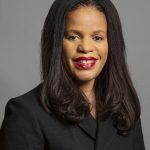
  • Colum Eastwood – 2022 Speech on Derry Addiction Centre

    Colum Eastwood – 2022 Speech on Derry Addiction Centre

    The speech made by Colum Eastwood, the SDLP MP for Foyle, in Westminster Hall on 2 November 2022.

    I beg to move,

    That this House has considered delivering on New Decade, New Approach commitments to a Derry addiction centre.

    It is a pleasure to serve under your chairmanship, Mr Gray. I will begin with a quote from a service user of the Northlands addiction centre in Derry, which has served the people of our city for almost 50 years. It reads:

    “My mother on one side of me, crying her heart out, my elder sister on the other side with a Kleenex in one hand and her head in another. I didn’t know how I felt. I didn’t know how to feel. I was numb. No tears, no emotions, just nothingness. All I could do was stare at a spot on the carpet and try not to look up and see the hurt and pain in my mum’s face.

    That was over two years ago, and thankfully, I haven’t had to lift a drink since I came in here. Today though, I can feel, I can cry, and I can see what my mother and my sister meant all that time ago. I can see for myself the hurt and the pain and the despair my drinking was causing to my family and myself. Today, the difference is, I can do something about it. I am learning about myself and this horrible disease every day of the week, and for today anyway I didn’t drink, and for me as an alcoholic, that’s a miracle. The treatment in Northlands along with the help of AA since then has given me my life back; it’s given me a life!”

    That is just one of many thousands of stories from people in the city of Derry and right across Northern Ireland who have been affected by the disease of alcoholism and drug addiction, and who have been helped by the wonderful volunteers and staff at the Northlands centre in Derry.

    Jim Shannon (Strangford) (DUP)

    I commend the hon. Gentleman for bringing this issue forward. I talked to him at the airport on Monday, and today as well. Unfortunately, what he is referring to in his constituency is replicated across Northern Ireland and in my own constituency, where there are addiction and drug issues, and where young people are committing suicide. I know that is replicated in the hon. Gentleman’s constituency, so I commend him for securing the debate.

    My understanding is that the Department of Health is holding the money up. Does the hon. Gentleman feel that, through this debate and through the Minister, we might be able to ensure that the money that was promised can be allocated to the maiden city, and to the hon. Gentleman’s constituents, to make things better for them? There seems to be a wee hold-up.

    Colum Eastwood

    The hon. Gentleman is absolutely right to say that the impact of the disease of addiction is felt keenly right across our constituencies. Of course, it is important to say that the Northlands centre, which is referred to in the New Decade, New Approach agreement, serves people from right across Northern Ireland. Every single constituency is affected by it.

    Now that I see the former Secretary of State, the right hon. Member for Skipton and Ripon (Julian Smith), in the Chamber, I might say a word about how we got to this point. For three long years, we did not have an Executive—it feels a bit like we are approaching that period again. During the long hours of torturous negotiation, there was a lot of publicity around a couple of issues, but some of us were focused on a lot more. We wanted to see an Executive back, but an Executive that actually worked on issues that matter to people.

    Late one Friday night, the right hon. Gentleman and I had a long discussion about what it would take to get us back into the Executive if we had a successful negotiation. People will understand that, for me, one of those things was the expansion of the Magee university campus. Another was the Northlands centre, which, after many decades of work, has a strong proposal for a world-class addiction centre in Derry. True to his word, as always, the former Secretary of State got that commitment into the New Decade, New Approach agreement. I was very grateful for it, as were the people of Derry.

    However, as we know in Northern Ireland, words on a page are not enough. What we need is money in a bank account and proper commitment. To be fair, we had that commitment from the previous Government in the form of New Decade, New Approach, and I have had support from the current Government. We now really need an Executive in Stormont to deliver that. Unfortunately, even when we had an Executive—and we had a Minister up until last Friday—we still could not get the money out.

    There are a number of things that I would like this Government to commit to now. What we need is an understanding of what happens if we do not have an Executive. I think all of us in the Chamber want to see an Executive as soon as possible. I would love to see all parties commit to get into government urgently—to get round the table and do the job that we were all elected to do. However, I want the Minister to answer a number of questions for me in the event that that does not happen.

    Are the British Government still committed to delivering on the Derry addiction centre aspect of NDNA? We hear an awful lot about all the commitments, but this is a very important commitment for many people. What is the impact of the political instability on this particular proposal, and how will this Government act if we do not have a functioning Executive? As much as we all will it and want it, if we do not get to the point of having a functioning Executive, will those people who rely on this world-class service, and those who do not even know that they are going to rely on it, be able to access it?

    Mhairi Black (Paisley and Renfrewshire South) (SNP)

    Last year and the year before, on average almost every day in Northern Ireland somebody died because of the way that they misused alcohol. Does the hon. Member agree that if that number of deaths were caused by any other issue, Government would absolutely be on top of it and we would have the Executive up and running and functioning? Does he agree that there is no excuse for the lack of clarity from Government?

    Colum Eastwood

    The hon. Member is absolutely right; one person every single week dies from alcohol-related disease in Northern Ireland. If we add in drug-related deaths, we are talking about 10 deaths a week. Imagine the outcry if that was happening in full public view; we would be rushing to deal with the issue at every level of Government. Frankly, there is no excuse any more for anybody to stand in the way of this commitment.

    New Decade, New Approach was an international agreement, signed off by two Governments and supported by five political parties. Some of us actually went into government on the basis of this and other commitments. Everybody in the Chamber knows about the cost of living crisis and the time it takes to access the health service. We should all know about the impact of drug addiction and alcoholism in our communities. We should be rushing to get this money out the door and spent.

    Northlands has a very proud record. I want to put on record just how grateful the people of our city, and the people of Northern Ireland, are to all the staff and volunteers at Northlands, as well as all the people who put their money in the boxes to support that wonderful service. Over the past five years alone there have been 1,186 weeks of treatment for hundreds of people attending the six-week residential programme at Northlands, and 12,886 non-residential counselling slots have been used. On average, over 35% of people for whom the data is available in that period are in recovery, with an average of under 10% in relapse management.

    Julian Smith (Skipton and Ripon) (Con)

    Will the hon. Member talk a little more about the team behind Northlands? I recall from my time as Secretary of State that it is not a commercial or money-making enterprise; it is local people who understand the specific issues with addictions in Derry and are passionate about those priorities. They are deeply impressive, and I think it would be useful for the Minister to hear a bit more about the people behind Northlands.

    Colum Eastwood

    I am grateful for the right hon. Member’s intervention and I want to put on record my gratitude to him for getting the commitment in writing in the agreement. He went to meet the people behind the Northlands centre—people like Denis Bradley and many others, who over many years gave of their time, expertise and love for the people of our city and the people who have been struggling with this disease. The House would not believe the number of people who are very grateful for the work they have done.

    It is also important to say that in our city and in other parts of Northern Ireland, we are faced with another problem: the grip of paramilitarism. Paramilitaries use drug addiction and abuse to coercively control communities in a way that needs to be tackled. In my view, the best way to tackle it—because we have tried everything else—is to deal with the root cause, which is addiction. Organisations such as the Northlands centre do that in a way that needs huge support. What better way to do that than to get this money into that organisation’s bank account and to get this project delivered?

    Before I finish, I ask again: will the Government continue to be committed to funding this service? What will happen if we do not see an Executive formed as a matter of urgency? Will this Government step in if we do not get a Health Minister at Stormont? I hope that we do, and I assume the Minister is going to talk about the need for an Executive. He has no bigger supporter in that call than me, but if we do not get an Executive, what are this Government going to do? Of course, it was this Government who committed to getting this money to Northlands and getting the project up and running. I am grateful to the Minister for being here, but I will be even more grateful if we can get this money spent, as has been committed to.
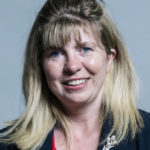

  • Maria Caulfield – 2022 Speech on Black Maternal Health Awareness Week

    Maria Caulfield – 2022 Speech on Black Maternal Health Awareness Week

    The speech made by Maria Caulfield, the Parliamentary Under-Secretary of State for Health and Social Care, in Westminster Hall on 2 November 2022.

    It is a pleasure to serve under your chairmanship, Mr Gray. I thank the hon. Member for Streatham (Bell Ribeiro-Addy) for securing this debate. As she highlighted, we had a similar debate recently. I hope that my comments reassure her that we are taking action and making progress in this area.

    I take the issue of maternal disparities very seriously; that is why when I was in post previously I set up the maternity disparities taskforce, which has brought together a range of specialists and campaigners. We have heard from groups such as Five X More and the Muslim Women’s Network to hear their views on what is going wrong right now, what systems we need to put in place to improve outcomes and also the experiences of black women in maternity services.

    The data shows the disparities in black maternal health. We have heard about them clearly this morning, and I do not think anyone is in any disagreement about the scale of the problem we are facing. As the hon. Member for Streatham said, it is harrowing to hear those figures. The MBRRACE annual surveillance report shows that women of black ethnicity are four times more likely to die from pregnancy and birth compared with white women. I do not think there is a dispute about that; we fully acknowledge it and we want to reverse that trend as quickly as possible.

    Caroline Nokes

    I want to make a quick point about MBRRACE and the data. Data collection remains tricky, with some hospitals not reporting women’s deaths—not necessarily maternal deaths—until up to 500 days after they have happened. Then there is a delay with the medical records and notes, which might indicate the reasons for that. What reassurance can the Minister give that she will work to reduce those times?

    Maria Caulfield

    My right hon. Friend is absolutely right. Although Five X More does its surveys about the experience of women, the data on outcomes is very delayed. When we put measures in place, we cannot see the difference they make until the data comes through, roughly 18 months to two years later, as my right hon. Friend said. That lag does not help us determine whether the measures we are putting in place are actually making a difference. Getting that on track is a key priority for me so that we can accurately measure what is happening.

    From the data that we do have, The Lancet series in April last year found that black women have an increased relative risk of 40% of miscarriage compared with white women, and the stillbirth rate in England for black babies is 6.3 per 1,000 births, compared with 3.2 per 1,000 births for white women. That is completely unacceptable, and as the hon. Member for Streatham said, we cannot come back here, debate after debate, without seeing those figures move. One potential cause for optimism is that we do not have up-to-date data on the benefits of the interventions that we have put in place, so it might be better than we think. However, we absolutely need that data, not only to measure what is happening, but to know whether we are heading in the right direction if we set targets in the future.

    To reassure Members, I want to clarify the point about not setting a target because the problem is too small. I do not agree that the problem is too small; it is a significant problem. Even if it is affecting one or two women, it is a significant problem, so that is not a reason not to set a target. As the hon. Member for Putney (Fleur Anderson) pointed out, there are multiple factors in why black women often face poorer outcomes in pregnancy and birth, and for their babies. It is a mix of personal, social, economic and environmental factors. Air quality, which the hon. Member touched on, also has an impact on overall health. The maternity disparities taskforce found that being in a lower socioeconomic group has a significant effect on maternal outcomes, and black and ethnic women are often in those groups and so face a double whammy in terms of their likely outcomes.

    We cannot just fix this in isolation at the Department of Health and Social Care. That is why I am pleased that in my role for women’s health—I am also the Minister for Women, across the board—I can bring in other Departments, because we need to take a cross-Government approach to this issue. Whether it is the Department for Environment, Food and Rural Affairs on air quality, the Department for Levelling Up, Housing and Communities on housing, or the Department for Work and Pensions on employment, we need to work together so that all the factors affecting black maternal health are addressed in tandem to address this issue.

    We know from a health perspective that pregnant black women are more likely to suffer from some chronic diseases that will affect their maternity outcomes, and in particular cause poorer mental health. There are health initiatives that we can put in place to ensure that we improve the outcomes for black women, but that cannot be done in isolation from the other factors that also negatively affect them.

    Given the risks that such conditions pose in pregnancy, there is a need for safe personalised care for black women and women from ethnic backgrounds, because the needs of women from each and every community are so different. Just nationally introducing blanket systems will not address some of the problems; there is no one single solution that will improve the statistics and improve the outcomes for women.

    The issue is not just the outcomes from maternity services. As we heard from the hon. Member for Streatham, the Five X More survey also reflects the general experience by black women of the healthcare system. Although black women are often at a more difficult point to start with, when they engage with health services they often have a very negative experience. We have seen that in the recent publication of the East Kent maternity report and in the Ockenden maternity review, which highlighted that there is racial discrimination present in some parts of the maternity services.

    We cannot allow that to continue, because if we want black women to come and engage with services and to come forward when they have concerns, if they feel that they are not being listened to or if they raise concerns and they are dismissed, why would we be surprised when they do not engage with services in the future? Regarding the East Kent report in particular, I will look at the calls for action on how we improve black women’s experience of the healthcare system and considering how we can address those issues as urgently as possible.

    When we consider the actions that we are putting in place, and I will touch on some of the ones that have already started, I am very much a supporter of Professor Marmot’s idea of proportionate universalism, whereby we introduce good services across the country but then we target those people who are most in need; in the case of black maternal health, that is clearly women from the black community. We need to go to them rather than expecting them to come to the health service: we have a universal offer, but ensure that it is targeted specifically at those who do not experience the best outcomes.

    On targets, as my right hon. Friend the Member for Romsey and Southampton North (Caroline Nokes) touched on earlier, we have an issue with data collection across the board in health services, including in maternity services. Black women often experience the worst outcomes, although some of the data that we are seeing is from 2020. For some of the initiatives that we have put in place in the last year or 18 months, we are not yet seeing the benefit of those initiatives in terms of outcomes. I am being very candid here: we have not got a handle on what is making a difference, or on which parts of the country are doing well—as was acknowledged by the hon. Member for Bolton South East (Yasmin Qureshi), the shadow Minister, there are some very good practices in place—and which parts of the country are still not supporting women in the way that women want.

    We are working with NHS England, the Office for National Statistics, MBRRACE-UK and the National Neonatal Research Database, because there are also multiple sources of data. We need to pull all the data together and get it as close to real-time data as we can, so that when we introduce interventions and measures we can know whether they work.

    As part of the maternity disparities taskforce, I am also keen to make sure that we include black women more in the national patient survey, because the shadow Minister was quite right that we had over 100,000 responses to the women’s health strategy but only a small percentage of those responses came from black and ethnic minority women. That illustrates the problem that we are talking about—that black women do not feel represented, or do not feel engaged with the process. So we have to change things and work is being done to address that situation.

    We are introducing some measures. First, we have set guidance that each local maternity system is now working in partnership with women and their families and their local areas to draw up equity and equality action plans. For each local maternity system’s local area, there has to be a plan in place about how to improve the outcomes for women. The plans are agreed by the local maternity systems and the new integrated care boards, which were set up in the summer. They were published last week, so I encourage hon. Members to look at their local action plans to see what they are putting forward and to challenge them if they feel that they are not meeting local community needs. That is why they are done on a local basis: what is appropriate in my constituency of Lewes may be different to what is needed in Streatham, Putney, Leicester East, or Romsey and Southampton North. It is really important that we look at those action plans to make sure that they address the problems that we are concerned about. Every plan is being reviewed by NHS England, which will identify areas of good practice and the support that is needed to drive them forward.

    In addition, we have also commissioned 14 maternal medicine networks covering the whole of England, which will ensure that women have access to specialist management. We know that black women are more at risk of high blood pressure, diabetes and sickle cell anaemia and yet many of those risk factors for their pregnancy and birth are not dealt with or managed. The maternal medicines network will bring in specialists so that, at an early stage of their pregnancy, those women can access those specialists to help them manage their pregnancy. They will also be offered pre-conception advice for further pregnancies. We have never done that before. We are targeting the risk factors of black women, and all women who are at risk, to make sure that they get the medical support and advice that they need during and after their pregnancy.

    The Department also launched the £7.6 million health and wellbeing fund last year, which is supporting 19 projects throughout England to try to generate best practice guidelines that we can introduce to help reduce disparities. These projects include supporting expectant young black fathers in child development and providing perinatal mental health support for black mothers. If we can get some evidence-based best practice, we can look to roll that out across the country in the coming months and years. There is a lot of work going on.

    I will touch on the issue of racial discrimination. It is clearly unacceptable that black, Asian and ethnic minority women feel that the health service is not accessible or not responsive to their needs. There is education and training for NHS staff on health disparities to eliminate bias and racism in obstetrics and gynaecology. The Royal College of Obstetricians and Gynaecologists’ race equality taskforce has developed e-learning cultural competencies. They now form part of the colleges’ members continuing professional development. The Nursing and Midwifery Council is also looking at how to promote and embed equality and respect in professional practice, so that they can create an environment where everyone feels that they can access the services they need. We will obviously continue to look at this with the maternity disparities taskforce, which is bringing in campaigners, experts and professionals to try to drive momentum on this issue.

    Data is the key. I can give a commitment here that has been highlighted already. We need that data. We cannot be working with data that is two years old to see if we are making a difference because, if we are, we will not know about it for two years and will not be able to roll out good practice in other parts of the country. In my brief as the Minister for Women, I am aiming to bring that across other Departments as well.

    I hope I have reassured hon. and right hon. Members in today’s debate that I am committed to continuing the work to tackle the disparities in outcomes to ensure that everyone has the opportunity to live a long and happy life. I am happy to work with the APPG on black maternal health, which is chaired by the hon. Member for Streatham, because it is only by working together to identify good practice and raising it when things are not working well that we can eliminate the disparity: it is unacceptable that black women are four times more likely to die during pregnancy simply because they are black women.

  • Yasmin Qureshi – 2022 Speech on Black Maternal Health Awareness Week

    Yasmin Qureshi – 2022 Speech on Black Maternal Health Awareness Week

    The speech made by Yasmin Qureshi, the Labour MP for Bolton South East, in Westminster Hall on 2 November 2022.

    It is a pleasure to serve under your chairmanship, Mr Gray. I thank my hon. Friend the Member for Streatham (Bell Ribeiro-Addy) for obtaining this debate, and for all the work she has been doing on this issue for many years. I also thank the incredible campaigners who continue to work tirelessly to end black maternal health inequalities.

    Maternal health inequalities exist throughout our country. It is very much a case of hit and miss: in some parts of the country the statistics are good, while in others they are not. However, black maternal health inequalities do seem to persist throughout our country. I also thank the right hon. Member for Romsey and Southampton North (Caroline Nokes), the Chair of the Women and Equalities Committee, who talked about the work that her Committee has done, but also noted that although this issue has been discussed for so many years, not much progress has been made on many of the concerns. My hon. Friend the Member for Putney (Fleur Anderson) spoke eloquently about the issues in Wandsworth and generally. In particular, she touched on bereavement services, the quality of which varies across the country as well. I thank the hon. Member for Leicester East (Claudia Webbe) for the very passionate speech she made. I agree with her: all mothers are superheroes. I do not think any debate would be complete without an intervention or speech from the hon. Member for Strangford (Jim Shannon), who is not in his place; I thank him for his intervention as well.

    As we have heard repeatedly in this debate, it is shameful that black women continue to be over four times as likely, and Asian women over twice as likely, to die in childbirth or pregnancy than white women. I am very grateful for the work of campaigners, obstetricians, midwives, and black and Asian women with lived experience of maternal health complications for sharing their experiences and expertise on the issue. They are clear that socioeconomic determinants and comorbidity only partially explain those disparities in treatment. Black and Asian women and their partners are not being listened to, they are not being respected and they are certainly not being cared for. When they voice pain or concern during pregnancy or childbirth, they are often branded as aggressive or angry, while dangerous stereotypes about the strong black woman mean that they are often not offered the same treatment as white women. Meanwhile, the lack of cultural competency in medical training in our country means that many complications are not spotted early enough.

    That structural inequality exists both inside and outside our health services. Many black, Asian and ethnic minority women experience it long before and long after pregnancy. However, the Government have done nothing to address this outrageous inequality. In fact, on their watch over the last 12 years, maternal mortality for black women has actually increased from 28 deaths per 100,000 in 2013 to 2015, to 34 per 100,000 in the years 2016 to 2018.

    Gynaecology wait times are very high. A survey from the charity Five X More found that 27% of women surveyed felt that they received a poor or very poor standard of care during pregnancy, labour and postnatal care. Also, 42% of women repeatedly felt discriminated against during their maternity care, with the most common reasons given being race, at 51%, ethnicity, at 18%, age, at 17%, and class, at 7% of respondents. More than half the women reported facing challenges with healthcare professionals during their maternity care, while over half the black women reported not receiving their preferred method of pain relief.

    Where is the Government’s action on this? In the last 18 months alone, we have seen their response to the Commission on Race and Ethnic Disparities fail to address black maternal inequality, as well as a women’s health strategy that completely fails to establish what concrete action the Government will take to protect the lives of black, Asian and ethnic minority mothers. It is hardly a surprise that the women’s health strategy has failed black, Asian and ethnic minority women, given that just 2% of the respondents who were surveyed were Asian and 3% were black. I am not trying to be party political here, but while the Government are busy crashing the economy and causing chaos at a time of national crisis, black, Asian and ethnic minority women continue to face the consequences of their inertia and ineptitude.

    Last year, in passing the Health and Care Act 2022, the Government had an opportunity to prioritise the health of black, Asian and ethnic minority women by voting for Labour’s amendment to mandate the Secretary of State to prepare and publish a report on disparities in the quality and safety of England’s maternal services, including maternal mortality rates. However, the Government chose to vote against it. It was a very simple measure that could have helped, but no, they voted against it. The Labour party has committed to setting a target to end the horrendous inequality faced by black, Asian and ethnic minority women as soon as we are in government.

    That will be part of our commitment to end structural inequality at the root, with a landmark race equality Act to be introduced by the next Labour Government. We are committed to pulling the NHS out of crisis so that it can deliver for everyone, including black, Asian and ethnic minority mothers. We will enact the biggest extension of medical school places in history. We will double the number of district nurses, train 5,000 new health visitors and, crucially for maternal health, introduce an extra 10,000 nursing and midwifery clinical placements each year. Our fully costed plan will be funded by ending the non-domicile tax status regime, which, it is estimated, would raise more than £3.2 billion every year. Growing the NHS will also grow the economy and eradicate these inequalities once and for all.

    I welcome the Minister to her new position. Like me, she has just recently joined this brief. While we wait for these changes, what is being done to address structural inequalities and build trust in maternity services for BME mothers, their partners and midwives from ethnic minority backgrounds? Additionally, what plan does the Minister have to improve cultural competency and unconscious bias training in medical schools and the health service?

    There is also the huge issue of the lack of available data, which has not been tackled in either the women’s health strategy or the Government’s response to the Commission on Race and Ethnic Disparities. As we have heard, accurate data disaggregated by ethnicity is central to closing the gap in maternal mortalities. Will the Minister commit to ensuring that all maternity services record the specific ethnicity of all mothers? Fatalities are just the tip of the iceberg, with many women speaking of near misses and poor treatment, so will the Minister commit to collecting and publishing that data?

    Some midwives also consider that the continuity of carer model could help to end these inequalities. A 2016 study found that women who see the same midwife throughout their pregnancy are 16% less likely to lose their baby. Despite that, the NHS has recently been forced to drop targets included in the NHS long-term plan to ensure continuity of carer for 75% of BME women by 2024 as a result of staffing shortages. It is clear that the Government are failing these women. What steps is the Minister taking to end the staffing shortages in maternity care so that those targets can be reintroduced and met by 2024?

    I have to say, it is scandalous that the Government have not yet even set a target to end this inequality. They have been in power for 12 years—that is a very long time in which to have comprehensively changed the system. Will they now commit to doing so immediately? We did it for stillbirths. Why has black maternity mortality not been a priority for the Government?

    This is an avoidable inequality. There are many steps we could be taking to end these awful disparities. Instead, the Government have done nothing while the issue has got worse. The Government must take action to address maternal health inequalities. We need a national strategy to tackle health inequality as a matter of urgency, which must include a commitment to eradicating the mortality gap between black, Asian and ethnic minority women and white women. Only Labour can deliver that strategy as part of our plan to tackle structural inequality at the root and lift the NHS out of crisis.

    I hope that the Minister will answer some of those questions today and commit to specific action that will be taken, because this cannot go on. These appalling statistics—the fact that black women have four times the mortality rates of others—are not acceptable in a decent, civilised society.

  • David Linden – 2022 Speech on Black Maternal Health Awareness Week

    David Linden – 2022 Speech on Black Maternal Health Awareness Week

    The speech made by David Linden, the SNP MP for Glasgow East, in Westminster Hall on 2 November 2022.

    It is a pleasure to serve under your chairmanship, Mr Gray. I, too, congratulate the hon. Member for Streatham (Bell Ribeiro-Addy) on securing the debate and on opening it so well.

    I was not due to speak in this debate on behalf of the Scottish National party; it was supposed to be my constituency neighbour and hon. Friend the Member for Glasgow North East (Anne McLaughlin), who has sadly been incapacitated and remains in Glasgow. I hope that those present will bear with me.

    I speak primarily from my position as chair of the all-party parliamentary group on premature and sick babies, because our APPG has looked into the issue of racial disparities in maternal healthcare, as well as inequalities more generally in maternal healthcare and neonatal services. These topics merit more attention from the Government. As hon. Members have said, there have been numerous debates, questions, early-day motions and all those kinds of things on this topic. The benchmark for whether the Government are getting this right is whether we will be back in this Chamber in 10 or 15 years’ time to have the same conversation. I certainly hope we will not.

    The Birthrights report, “Systemic racism, not broken bodies”, outlines the systematic racism in maternity services. That report confirms the devastating fact that black, Asian and mixed-ethnicity women are more likely to experience baby loss and illness, or to become seriously ill, and have worse experiences of care during pregnancy and throughout childbirth. I want to advocate for the report’s conclusion, which calls for a commitment to anti-racism by all maternity and neonatal services, and a commitment to ensuring that there are more black and brown women and birthing people decision makers in the wider maternity system. We have to look at the ticking time bomb in the neonatal and maternity workforce; that absolutely has to be in the mix. The report also calls for a safe and inclusive maternity and birthing experience for all parents, which I think we would all want to get behind.

    Healthcare is devolved in Scotland, which is largely why I do not want to impose too much in this debate. However, the SNP Scottish Government believe that there needs to be an open and honest conversation about race and institutional racism right across these islands—Scotland is not immune—in order to identify solutions that will lead to equality and positive outcomes for black and minority ethnic communities. Members have asked a number of questions of the Government; for the sake of brevity, and so as not to repeat what has been said, I will just say that I would like to hear the Minister respond to those, particularly the seven points made by the hon. Member for Putney (Fleur Anderson).

    I am very grateful to the hon. Member for Streatham for securing this debate and giving us an opportunity to focus on this issue. Most importantly, I am looking forward to hearing what the Government have to say, and to seeing what best practice can be rolled out in Scotland, because no part of these islands have a monopoly of wisdom or ideas.

  • Claudia Webbe – 2022 Speech on Black Maternal Health Awareness Week

    Claudia Webbe – 2022 Speech on Black Maternal Health Awareness Week

    The speech made by Claudia Webbe, the Independent MP for Leicester East, in the House of Commons on 2 November 2022.

    You are very kind, Mr Gray, and it is an honour to serve under your chairship. I thank the hon. Member for Streatham (Bell Ribeiro-Addy) for securing this vital debate.

    The health of our nation is reflected in the health of our mothers, and the shocking statistics paint a picture of nothing short of gross negligence. I thank Tinuke and Clo for producing the groundbreaking “Black Maternity Experience Report”. Their platform, Five X More, helped to spread information about the survey. I also thank the participants for sharing their powerful testimonies, and the all-party parliamentary group on black maternal health for demanding an urgent solution to the crisis.

    It is worth repeating that black mothers are four times more likely to lose their life during childbirth, and they are up to twice as likely to have severe pregnancy complications. Some 42% of women surveyed in the Five X More report felt that the standard of care they received during childbirth was poor or very poor. Successive Governments since at least the 1970s have systematically failed to address the shocking statistics on black maternal health, including on the standard of care they receive during childbirth. The “Black Maternity Experiences” report reveals that, even today, professionals still display racist and white supremacist attitudes and insensitivity towards black mothers without remorse. Black mothers suffer in silence through fear of reprisals, and fear that their care will become worse if they complain.

    If ever there was a need for the Government’s long-promised White Paper on health inequalities, it is now. Will the Minister urge for it to be put back on the agenda? Shelving the health disparities White Paper only compounds the suffering and pain of black mothers. Without it, any progress made by the newly appointed maternity disparities taskforce will be slowed.

    There is a crisis in midwifery up and down the country. Home birth teams are underfunded, delivery suites are closing, and the maternity workforce have seen management changes that prevent them from doing their jobs effectively. The disproportionate number of deaths of black mothers and their babies cannot simply be reduced to genetic or cultural factors. Equity in access to first-class healthcare is a must, and that means setting targets and specific funding for highly trained healthcare professionals, as outlined in the Five X More report. We know that black women are poorer, live in inadequate housing and suffer disproportionate environmental pollution, and that their educational chances and outcomes are disproportionately lower. Wealth inequalities are rampant.

    The fiscal shortfall of £35 billion that was recently announced by the new Chancellor will drive the Government’s tax-and-spend plans; the Government are looking at 101 ways to cut spending. This is the worst news possible for black maternal healthcare. It demonstrates a callous ideology that seeks to cut spending instead of taxing earth-shattering levels of idle wealth—an ideology that risks further harm to black women and other racialised groups by avoiding wholesale investment in healthcare.

    As we know, all mothers are superheroes who nurture babies, children and society, but black mothers have to overcome systemic barriers put in place by successive Governments, which result in black women’s wealth, health, education and environmental access not being equal to that of their counterparts. Alongside improving treatment and care, we have to start having frank conversations about the racialised distribution of wealth in the UK and what we need to do to tackle it and eradicate race inequalities in health outcomes. Mr Gray, I am sure you will agree that black mothers cannot wait any longer. The time for action is now.

  • PRESS RELEASE : The Iranian people will no longer tolerate violence and oppression [November 2022]

    PRESS RELEASE : The Iranian people will no longer tolerate violence and oppression [November 2022]

    The press release issued by the Foreign Office on 2 November 2022.

    Statement by Ambassador James Kariuki at the Security Council Arria meeting on protests in Iran.

    Thank you Chair. On behalf of the United Kingdom let me pay tribute to the powerful briefing we have heard today from our three briefers.

    The death of Mahsa “Jina” Amini was a tragedy. She was not the first young woman to die needlessly at the hands of the Iranian regime. Nor, sadly, will she be the last. But her death and the bravery of so many ordinary Iranians since then have changed Iran.

    What we have seen in the six weeks since Mahsa’s death has been extraordinary. Years of grief, fear and frustration at the hands of an oppressive regime have spilled into the streets.

    This is an authentic, grassroots call for change.

    People in Iran have had their rights and voices ignored for too long.

    We stand in solidarity and awe at their extraordinary bravery standing up to the authorities.

    Their message is clear: the Iranian people will no longer tolerate violence and oppression.

    The situation is entirely of the Iranian regime’s own making. Its human rights record has been dire for years.

    Iran’s brutal crackdown on protests has appalled the world. We have seen with our own eyes the footage of police violently beating protestors. We’ve seen numerous reports of authorities using live ammunition on crowds.

    The Iranian regime’s narrative around these incidents – that external actors are to blame for the unrest – is a flagrant attempt to distract the world.

    But the regime knows the truth.

    Its attempts to stifle the voices of its people by restricting internet access, blocking apps and jamming satellite broadcasts shows us that the regime is frightened of what ordinary Iranians think.

    A confident government does not cut off its people from basic services, accurate reporting and the vital ability to connect with one another.

    The Iranian regime has tried to blame everybody but themselves for what’s going on. It’s time they take responsibility and listen to their people.

    The people of Iran have been clear that the regime cannot continue as it has. It must now demonstrate real change.

    As my Foreign Secretary said on the 17th October, there is a place in the international community for a responsible Iran, one that respects the rights and freedoms of its citizens.

    For the sake of Iran’s peace and security – and its future standing in the world – it is time for the regime to make the right move.

  • PRESS RELEASE : Bosnia and Herzegovina has made progress since 1995, but its hard won peace remains fragile and under pressure [November 2022]

    PRESS RELEASE : Bosnia and Herzegovina has made progress since 1995, but its hard won peace remains fragile and under pressure [November 2022]

    The press release issued by the Foreign Office on 2 November 2022.

    Statement by Ambassador Barbara Woodward at the Security Council debate on Bosnia and Herzegovina.

    Thank you President, and first may I join others in welcoming the unanimous adoption of the resolution renewing the mandate of EUFOR Operation Althea. And I want to pay particular tribute and appreciation to Ireland’s role as penholder on the text. Bosnia and Herzegovina has made progress since 1995, but its hard won peace remains fragile and under pressure. EUFOR’s presence continues to play an indispensable role in ensuring a safe and secure environment.

    Second, we would like to thank High Representative Schmidt for his latest report, and we look forward to welcoming him in future meetings. He and his office continue to play a crucial role, and have the UK’s support, including for the use of his executive powers should the situation require it.

    We would like to congratulate all the people of Bosnia and Herzegovina on the 2 October elections. These were, overall, peaceful and democratic. But instances of fraud must be investigated and prosecuted. And we also regret further instances of dangerous, divisive and secessionist rhetoric. These must stop.

    But only half the work is done. We urge the relevant actors in Bosnia and Herzegovina to prioritise collaboration and cooperation over political obstructionism to ensure the election results are implemented swiftly and effectively.

    In this regard, we note the executive actions taken by the High Representative in the run up to and following the elections. It is clear from the report that these were tough decisions and that the High Representative did not take them lightly. We understand that in some quarters, these decisions were considered controversial. But it is clear that they were made to amend a dysfunctional status quo that benefitted few. His actions were designed to improve governance to benefit all in Bosnia and Herzegovina.

    Finally, I would like to reaffirm the UK’s commitment to the Dayton Peace Agreement and its structures. We welcome all work towards meeting the conditions set out for their closure, including the 5+2 Criteria. We remain an active member of the Peace Implementation Council in support of the territorial integrity and fundamental structure of Bosnia and Herzegovina as a single, sovereign state, comprising two entities.

    We urge all actors in Bosnia and Herzegovina to set aside narrow interests, and focus instead on improving the quality of life for all citizens, and making progress on the agreed aim of Euro-Atlantic integration. Thank you Mr President.

  • PRESS RELEASE : Russia’s allegations have no credible basis in fact [November 2022]

    PRESS RELEASE : Russia’s allegations have no credible basis in fact [November 2022]

    The press release issued by the Foreign Office on 2 November 2022.

    Explanation of vote by Ambassador Barbara Woodward at the UN Security Council meeting on Ukraine.

    President,

    The UK voted against this resolution in order to protect the integrity of the Biological and Toxin Weapons Convention and to avoid it being undermined by unfounded accusations.

    Russia claimed that the United States and Ukraine and their allies have failed to consider the evidence they have presented.

    This is completely false.

    Russia’s allegations of US and Ukrainian biological activities were given a full hearing in September, under Article 5 of the Convention.

    At that meeting Ukraine and the USA provided a comprehensive response to Russia’s allegations.

    The UK shared its own extensive technical analysis of the evidence Russia presented.

    Russia’s allegations have no credible basis in fact.

    President,

    Russia’s longstanding disinformation efforts undermine peaceful biological cooperation under Article 10, a vitally important aspect of the Convention.

    We must defend peaceful biological cooperation against unfounded, malicious allegations.

    The UK remains deeply committed to the Biological and Toxin Weapons Convention. We value Article 6 as an important mechanism for states parties to address real, valid concerns arising under the Convention.

    Thank you.

  • Fleur Anderson – 2022 Speech on Black Maternal Health Awareness Week

    Fleur Anderson – 2022 Speech on Black Maternal Health Awareness Week

    The speech made by Fleur Anderson, the Labour MP for Putney, in Westminster Hall on 2 November 2022.

    It is a pleasure to serve under your chairship, Mr Gray, and to be in this debate, although I hope that in future there will be no need for one, because we will have solved these issues, and women using maternity services can expect the same care and equal outcomes. That is why I was keen to be here, and I congratulate my hon. Friend the Member for Streatham (Bell Ribeiro-Addy) on bringing forward the debate and on pursuing this issue. I look forward to hearing the Minister’s response because it needs to be a priority.

    In Wandsworth, 30% of residents are from black and ethnic minority backgrounds, and black maternal health is a big issue for us in Putney. We have a group called Putney Black Lives Matter. We meet to discuss important local issues, and black maternal health was highlighted as an issue of major importance. We are few here today, but across the country it is a big issue for many people: last year’s petition to improve maternal mortality rates and healthcare for black women was signed by 187,520 people, of whom 200 were from Putney.

    I thank the campaign groups that have raised the issue so strongly: the Five X More campaign, Bliss, Sands, Birthrights, and the Royal College of Obstetricians and Gynaecologists. They have raised the issues of systemic racism and structural barriers, which lead to the appalling statistics read out by my hon. Friend the Member for Streatham. The statistics are worth reiterating, because they are at the heart of the issue. Black babies have a 50% increased risk of neonatal death and a 121% increased risk of stillbirth. Black women have a 43% higher risk of miscarriage, and are four times more likely to die during pregnancy or up to six weeks post-partum. Women of mixed heritage are three times more likely to die during pregnancy, and Asian women twice as likely. Those are horrendous statistics. Each loss of life is a tragedy, but it is also a gross injustice about which we should all care deeply. The statistics need to be understood, and need to change.

    It is important to place those awful statistics in the wider picture of health inequalities. Black women face disparities when it comes to stillbirth, cancer diagnosis and outcomes, and access to fertility treatment. That is entrenched and deep-rooted inequality, racism and sexism. It will be hard to turn that around. The Minister will need to come back to this again and again, and to knock heads together in different Departments across Government to change it. But it must be done.

    I have a lovely list of seven things on which I want to see action, and I hope that the Minister will respond to it. First, we need a whole-Government approach that recognises inequalities and their links to wider Government policies, as was mentioned by the Chair of the Women and Equalities Committee, the right hon. Member for Romsey and Southampton North (Caroline Nokes). We need the White Paper on health disparities, which will look across Departments. We need a new tobacco control plan for England, public health measures to address obesity, and a new air equality target for England, because those are all factors in increased black maternal mortality figures.

    Black communities in the UK have an increased risk of poorer maternal and perinatal outcomes, including stillbirth and miscarriage. There are also inequalities in exposure to air pollution; that is the link between air pollution and maternal health inequalities. We must commit to reaching the interim World Health Organisation targets by 2030, rather than 2040; we can speed that up. What gets counted counts, and if there is a target, people strain to reach it more strongly. Dangerous levels of air pollution, especially in our urban areas, must be addressed.

    The second issue is the continuity of carer. I pay tribute to the NHS South West London Clinical Commissioning Group—now the NHS South West London Integrated Care Board—and its chief nurse for what they do to tackle black maternal inequalities, especially in the area of continuity of carer. Women need the same team throughout pregnancy. I also pay tribute to our wonderful Emerald midwifery team from the St George’s University Hospitals NHS Foundation Trust. Where there is continuity of carer, women are 16% less likely to lose their babies. That is a major focus for change in south-west London. Local maternity systems across the country have been asked to implement equity and action plans, which include the target of 75% of women from black, Asian and mixed ethnic groups receiving continuity of carer by 2024. I hope that we can increase that figure. Progress is being made towards the target. However, we must look at the target, find out whether there is enough data to measure it, and ensure that across the country, no matter where people live, we strive towards it. Will the Minister comment on the status of the continuity of carer target?

    In their response to the Health and Social Care Committee report on the safety of maternity services in England, the Government accepted the recommendation on training for continuity of carer teams. It is essential that there be training across the board and implementation of continuity of carer teams, but obviously that relies on there being enough staff, which depends on the midwife workforce having enough funding.

    Thirdly, I would like an end to charging migrant women for maternity care. Charging for care deters many women from seeking vital antenatal care, and it is shocking that the MBRRACE-UK confidential inquiry on maternal death identified that three women who died may have been reluctant to seek care because of cost. It is shocking that that happens in this day and age, in our communities—that women may be afraid to seek care because of their immigration, asylum seeker or migrant status.

    My fourth point is about further evidence, research and data, which was mentioned by other hon. Members. Differences in outcomes and the reasons for them are unclear and under-researched, but we know that what gets counted counts. I join campaigners in calling for an annual maternity survey of black women, and increased research to identify the conditions that disproportionately affect black women. We should improve the ethnic coding of health records, and the system through which women submit feedback, so their voices are heard. It should be as easy as possible for them to provide feedback while they are still in hospital or under maternity care, so that we can hear those voices and they can feed into the survey data.

    My fifth point is about maternity bereavement services. As was highlighted last week during the debate on baby loss, there is a difference in bereavement services across the country. On whether there are adequate bereavement services for those women who, sadly, suffer bereavement, the figures are shocking. St George’s University Hospitals NHS Foundation Trust, of which Queen Mary’s Hospital in my constituency is part, now has two bereavement midwives, two specialist consultants and one part-time psychotherapist in the maternity bereavement team. There are dedicated places for those who have suffered bereavement in maternity services across the NHS South West London Integrated Care Board area, which is to be welcomed. However, is this happening across the whole country? That is questionable. That support is very important at the time of loss, but also during care in future pregnancies.

    Sixthly, I request, as others have, a White Paper on health disparities. That is important if we are to tackle the issue and look at the many other underlying reasons for the statistics. Seventhly, I ask for a target. In any ministerial meetings on this important issue, I hope that a target will be the Minister’s No.1 ask. We need one, followed by a concentrated effort to achieve it. I hope that will lead to the change we need.

    In conclusion, black women cannot afford to wait any longer for action. There needs to be a clear action plan, data, transparency and a target. I look forward to hearing the Minister’s response, but I look forward even more to action. I thank all the midwives, in maternity services throughout the country, who give extraordinary care, and who go above and beyond.

  • PRESS RELEASE : The Iranian people will no longer tolerate violence and oppression [November 2022]

    PRESS RELEASE : The Iranian people will no longer tolerate violence and oppression [November 2022]

    The press release issued by the Foreign Office on 2 November 2022.

    Statement by Ambassador James Kariuki at the Security Council Arria meeting on protests in Iran.

    Thank you Chair. On behalf of the United Kingdom let me pay tribute to the powerful briefing we have heard today from our three briefers.

    The death of Mahsa “Jina” Amini was a tragedy. She was not the first young woman to die needlessly at the hands of the Iranian regime. Nor, sadly, will she be the last. But her death and the bravery of so many ordinary Iranians since then have changed Iran.

    What we have seen in the six weeks since Mahsa’s death has been extraordinary. Years of grief, fear and frustration at the hands of an oppressive regime have spilled into the streets.

    This is an authentic, grassroots call for change.

    People in Iran have had their rights and voices ignored for too long.

    We stand in solidarity and awe at their extraordinary bravery standing up to the authorities.

    Their message is clear: the Iranian people will no longer tolerate violence and oppression.

    The situation is entirely of the Iranian regime’s own making. Its human rights record has been dire for years.

    Iran’s brutal crackdown on protests has appalled the world. We have seen with our own eyes the footage of police violently beating protestors. We’ve seen numerous reports of authorities using live ammunition on crowds.

    The Iranian regime’s narrative around these incidents – that external actors are to blame for the unrest – is a flagrant attempt to distract the world.

    But the regime knows the truth.

    Its attempts to stifle the voices of its people by restricting internet access, blocking apps and jamming satellite broadcasts shows us that the regime is frightened of what ordinary Iranians think.

    A confident government does not cut off its people from basic services, accurate reporting and the vital ability to connect with one another.

    The Iranian regime has tried to blame everybody but themselves for what’s going on. It’s time they take responsibility and listen to their people.

    The people of Iran have been clear that the regime cannot continue as it has. It must now demonstrate real change.

    As my Foreign Secretary said on the 17th October, there is a place in the international community for a responsible Iran, one that respects the rights and freedoms of its citizens.

    For the sake of Iran’s peace and security – and its future standing in the world – it is time for the regime to make the right move.