Tag: 2021

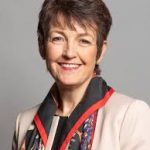
  • Wera Hobhouse – 2021 Speech on the Obesity Strategy

    Wera Hobhouse – 2021 Speech on the Obesity Strategy

    The speech made by Wera Hobhouse, the Liberal Democrat MP for Bath, in the House of Commons on 27 May 2021.

    I speak today as the chair of the all-party parliamentary group on eating disorders and I want to highlight the anxiety felt by many of those with an eating disorder about one specific aspect of the obesity strategy: calorie labelling on menus. Obesity causes serious health problems and there is no doubt that far too many people in this country do not have a healthy weight. I add my unequivocal support to the Government’s aim of addressing obesity, but obesity has to be considered as one side of our complex relationship with food. It is a form of disordered eating and therefore cannot be separated from other forms of disordered eating and cannot be dealt with in isolation. Calorie labelling on menus will not only be ineffective in tackling obesity, but will actively damage those with an eating disorder.

    Studies show that there is only a small body of low-quality evidence supporting the suggestion that calorie counts on menus lead to a reduction in calories purchased. While there is limited evidence that calorie labelling will support the public in losing weight, there is convincing evidence that it would harm people with an eating disorder. About 1.25 million people in the UK have an eating disorder, and the 2019 health survey found that 16% of all adults aged 16 or over screened positive for a possible eating disorder. Over the pandemic, the charity Beat has reported a 173% increase in demand for eating disorder support, and research shows that individuals with anorexia and bulimia are more likely to order food with significantly fewer calories when presented with a menu including calorie counts. Those with binge eating disorder are more likely to order food with significantly more calories.

    Many people with eating disorders also live with obesity. Up to 30% of people seeking weight management services would meet the diagnostic criteria for binge eating disorder. Clearly, a reductionist approach to nutrition means that the obesity strategy risks harming some of the very people it is designed to support.

    Mr Harper

    I am sympathetic to the point the hon. Lady is making, and she will know from my intervention that I think the evidence with respect to calories and out-of-home labelling is quite weak. Is labelling on products purchased in supermarkets also a problem for those with eating disorders? I ask that genuinely; I do not know the answer. Can she furnish that information?

    Wera Hobhouse

    I am particularly concerned about calorie labelling in restaurants. People who suffer from eating disorders are isolated and fearful of contact with others because they are thinking continuously about what they are going to eat or drink. Going out to a restaurant gets them through that step, and it is often a significant step towards recovery. As I say, my particular concern is labelling on restaurant menus.

    In response to the survey on calorie labelling conducted by Beat, one respondent said:

    “My eating disorder thrives off calorie counting and knowing all the calories in everything. I would feel compelled to look at calorie labels”

    in restaurants and

    “I would feel embarrassed asking for a different menu. Please don’t do it. Please.”

    The Mental Health Minister has been extremely generous with her time, listening to the all-party parliamentary group’s concerns about the plan to mandate calorie labelling on menus. The APPG is grateful for her interest in improving early access to eating disorder treatment. However, I must repeat my plea to the Government to look again at this element of the obesity strategy.

    Addressing obesity and tackling eating disorders should not be in competition. We must tackle them together. I look forward to working with the Minister to develop an obesity strategy that successfully addresses the obesity epidemic, but does not harm people with other forms of eating disorder.

  • Alun Cairns – 2021 Speech on the Obesity Strategy

    Alun Cairns – 2021 Speech on the Obesity Strategy

    The speech made by Alun Cairns, the Conservative MP for the Vale of Glamorgan, in the House of Commons on 27 May 2021.

    Thank you for inviting me to contribute to this extremely important debate, Mr Deputy Speaker. I pay tribute to my hon. Friend the Member for South West Bedfordshire (Andrew Selous) for securing the debate, and to the way in which the Minister and the Opposition spokesman have contributed so far. Obesity rates are too high, without question, and the long-term consequences include a range of diseases: covid, which has already been mentioned, dementia, cancer, diabetes, heart disease, liver disease and so many more. The need to tackle obesity therefore goes without saying.

    The challenge of obesity and its consequences among young children naturally has a very long tail. Introducing policies to meet the childhood obesity challenge naturally requires an understanding of the complexity of the causes if we are to have a real impact on the effect. Diet is obviously central to what we need influence, but it is not the full story. Contributing to the make-up of the diet there will be a series of complexities, and there needs to be clarity around the content of food products. I pay tribute to the work that the Government are doing and what they have committed to do in the Queen’s Speech, and to the work that has been done on labelling and on the sugar tax, which has contributed to a reduction in sugar in fizzy drinks and other products.

    Knowledge and skills are important, including, for example, on the availability of fresh vegetables. Fruit and vegetables are obviously important, as is knowing how to cook. Standards and approaches in schools are also difficult. We need education in schools and among parents, who are also central to tackling childhood obesity. Lifestyle is an issue. The slower lifestyle through the lockdown period has enabled many people to address their own weight, but others have not done so. All of these issues naturally have complexities associated with them. Exercise is clearly also an issue, as well as eating disorders, which have been highlighted. I am trying to highlight the complexity of all that we need to face.

    With these points in mind, I ask the Minister to consider the cause and effect directly, as well as the focus that has been given to the advertising industry and the marketing of food products, to establish whether it will have the desired impact. Whatever action we take, we must be sure that it will make a difference. There have been calls for many years for a television advertising ban. I can remember it being discussed in Cabinet and being resisted because the evidence was unconvincing. We need to consider that, although there is a call for a television advertising ban, habits have changed. Very few children these days watch television in the way that we might have done when we were younger, and that demonstrates the further complexity of the debate. Displacement is another issue. Advertising is more likely to move online, and I think all Governments recognise the challenge of tackling advertising online. Finding a solution is much more complicated when dealing with things online, as we have seen from the example of Governments struggling to tackle adult content online being accessed by children.

    In the very limited time I have, I want to ask the Minister to look at the consequences, both positive and negative, and to question whether one will outweigh the other. I ask her to engage with the industry to see whether a solution can be found in which the industry itself, including broadcasters and online advertisers, can support the Government’s aims.

  • Paul Blomfield – 2021 Speech on the Obesity Strategy

    Paul Blomfield – 2021 Speech on the Obesity Strategy

    The speech made by Paul Blomfield, the Labour MP for Sheffield Central, in the House of Commons on 27 May 2021.

    The Government are clearly right to say that this is one of the greatest long-term health challenges that we face, and it starts with our children. One in four enter primary school overweight or obese and, as the Minister pointed out, one in three leave in that position six years later. We have a shocking problem that gets worse during children’s primary years.

    Like any disease, there are two ways of tackling it: prevention and treatment. I broadly welcome the measures being proposed by the Government on prevention, although we should look carefully at the evidence and concerns around calorie labelling for those with eating disorders, but prevention is not enough in itself. We need proper treatment services for children, and currently we do not have them.

    Imagine for a moment that we were talking about another disease—say, cancer. Would we say, “We’ll invest in prevention, but I’m afraid we’ll not offer any treatment for children with the disease.” Of course we would not, but that is what we are saying for obesity currently. The Health and Social Care Committee highlighted the problem in its 2018 report, noting evidence from Public Health England that only 56% of local authorities

    “have a tier 2 weight management service for children”

    and that those services

    “are not intended to support individuals with complex needs. When looking at tier 3 and 4 services, service provision is bare.”

    It went on to recommend:

    “The Government must ensure there are robust systems in place not only to identify children who are overweight or obese, but to ensure that these children are offered effective help through a multidisciplinary, family-centric approach.”

    However, the Government’s obesity strategy does not acknowledge the issue. I have become aware of it through the work that I have done with Shine Health Academy in my constituency—a great local project providing the sort of tier 3 services that the Committee wanted. They take children on referral from GPs, teachers and social workers, and they have great outcomes, but they are funded mainly by charities, because neither clinical commissioning groups nor local authorities have responsibility for commissioning services.

    I know that the Minister recognises the problem because, together with the inspirational leader of Shine Health Academy Kath Sharman, I met her to discuss the issue about 18 months ago. There have been some positive initiatives by NHS England, and I welcome the work to establish complications related to excess weight clinics—CREW clinics—to support children and young people with severe obesity, but it is limited. As I understand it, the aim of such services is to manage the comorbidities associated with obesity rather than tackling the disease itself. There are just seven centres in the plan, each for 100 children. It is useful, but it is a very small step assessed against need, because the Obesity Health Alliance calculates that there are 450,000 children in the UK who, if they were adults, would be eligible for bariatric surgery. That is shocking, but it is the scale of the challenge.

    There are also worries about the CREW approach. Such clinics seem to place too much emphasis on the role of hospitals, and risk being about medical management rather than weight management. They definitely have a role to play and are fundamental to the treatment of comorbidities, but they should not be the only model of care. Above all, there is no certainty of future funding. In her summing up, I ask the Minister, who I know cares about this issue, to say whether it will finally be the Government’s intention to establish clear responsibility for commissioning tier 3 services for children as the Health and Social Care Committee recommended, because frankly nothing less will do.

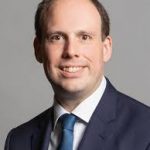
  • Greg Smith – 2021 Speech on the Obesity Strategy

    Greg Smith – 2021 Speech on the Obesity Strategy

    The speech made by Greg Smith, the Conservative MP for Buckingham, in the House of Commons on 27 May 2021.

    Obesity is clearly a huge challenge facing our country, and one that absolutely should not be ignored, but I do fear that the state is significantly overreaching in some of the proposals that have come forward as part of the obesity strategy. The approach to foods high in fat, sugar and salt encompasses a perversely broad range of products, including butter, granola, porridge oats, muesli and protein bars, none of which have any particular appeal to or indeed are marketed to children, yet all of which are treated as junk food.

    Breakfast cereals were previously heralded for high fibre but are now demonised. No distinction is made for naturally occurring sugars and fats from the dried fruits and nuts that are so often present in those products. If the state is really saying that breakfast cereals are bad, where does that naturally push people? A bacon sandwich? A full English? A pain au chocolat? All are things that I am particularly partial to but that I do not think the public health establishment will be keen to endorse. Perhaps people could have toast? But then we see that butter is on the HFSS naughty list.

    Many breakfast cereal producers pay farmers, including in my constituency, a premium for buying their oats, thereby paying for the environmental and wildlife schemes that I am sure we all value. Let us be in no doubt that any policy that reduces cereal-makers’ ability to sell wholegrain cereals will adversely impact on great British farmers.

    Mr Harper

    I was intrigued to listen to my hon. Friend’s list of products. Is not the issue that there is a focus on individual products when, actually, the important thing in getting to a healthy weight is not individual products but a person’s diet as a whole and the balance between individual products across their diet? To demonise individual products is not the way to go.

    Greg Smith

    I absolutely endorse and agree with everything that my right hon. Friend says. It must be about the promotion of a balanced, healthy diet. Some of the things that we all know are not particularly good for us can be part of that balanced, healthy diet, so I absolutely agree.

    The restrictions also undermine some alternatives to high-sugar sacks. For example, protein bars are used by many adults who lead highly active lifestyles. Surely the restriction contradicts the ultimate goal of the Government’s strategy: healthier living.

    Let me move on briefly to the question of TV advertising. Broadcasters and creative industries throughout the United Kingdom are estimated to be in line to lose some £200 million because of the proposals. With children spending far more time watching online content than traditional TV channels, it is essential, not least for our public service broadcasters, that there is an absolutely clear level playing field between TV broadcast and online. Anything less would be to let down our broadcasters, particularly, as I say, our public service broadcasters.

    I would also argue that the 9 pm watershed is equally destined to fail, as research shows that it will lower the calorie intake among children by just 1.7 calories a day, which is simply inconsequential. We need a more proportionate, less interventionist solution that ensures fairness for all. Obesity is a complex problem, but the solution cannot be nannying, ineffective policies.

    I certainly did not get into politics to tell people what they should and should not eat, because when people are free to make an informed choice about the way they live, without coercion or state interference, they are much more likely to keep those changes long term, to the benefit of the health of the nation. I urge the Government to rethink the proposals and strip out the nonsensical inclusion of products such as cereals and protein bars. Let us look once more to freedom, choice and personal responsibility.

  • Alison Thewliss – 2021 Speech on the Obesity Strategy

    Alison Thewliss – 2021 Speech on the Obesity Strategy

    The speech made by Alison Thewliss, the SNP MP for Glasgow Central, in the House of Commons on 27 May 2021.

    I want to start by echoing the sentiments of the Obesity Health Alliance; in this debate, weight stigma does not help people lose weight. The right support, evidence-based weight management, and fundamental changes to our obesogenic environment and food systems are all required to tackle this.

    The health harms caused by obesity are well known, but I initially wish to mention one particular aspect that does not get the attention it deserves: liver disease. On average 40 people die of liver disease every day. The Foundation for Liver Research and the British Liver Trust have sent a helpful briefing, but in truth I had already committed to mentioning it in this debate. My husband, Joe, was diagnosed with stage 2 non-alcohol related fatty liver disease in 2019, after wandering around complaining of a wee pain under his ribs for five years. Since his diagnosis, he has made difficult but necessary changes to his lifestyle; he has lost 22 kg, taken up hillwalking, and has been carefully monitoring his weight, and I am very proud of him.

    Some 90% of liver disease is preventable and, luckily for Joe, at stage 2 it can be reversed; however, as it can remain asymptomatic for up to 20 years, three quarters of people are diagnosed at a late stage when it is too late for lifestyle changes or interventions. Liver disease is the third leading cause of premature death in the UK, with deaths increasing by 400% over the past two generations; this is in stark contrast to other major diseases, such as heart disease and cancer, so I urge the UK Government, who have acknowledged liver disease in their obesity plan, to come up with actions, including doing all they can to spread information about this disease and the ways of preventing it.

    The disproportionate harm caused by covid 19 to older people, minority ethnic groups, the people living in greatest deprivation, and those with obesity, diabetes and respiratory and cardiovascular disease has highlighted new vulnerabilities and underscored existing health inequalities. While much focus has been put on the direct health impacts of covid, the SNP recognises that we must also work to shift our focus towards reducing those inequalities and preventing ill health. We want everyone to eat well, be a healthy weight and have equal access to care.

    The ambitious and wide-ranging actions to address this challenge are set out in the Scottish Government’s diet and healthy weight delivery plan. The plan, which has over 60 broad-ranging actions, has a strong focus on prevention, including population-level measures to make it easier for people to make healthier choices, as well as more targeted interventions. Alongside this, the SNP Scottish Government also published “A More Active Scotland: Scotland’s Physical Activity Delivery Plan”. This recognises the importance of physical activity in promoting and maintaining healthy weight. Progress towards the outcomes set out in this delivery plan is being monitored through a dedicated set of indicators linked to the active Scotland outcomes framework”. The SNP Scottish Government are continuing to provide £1.7 million in 2020-21 for improvements to weight management services for children and young people. Earlier this year, the SNP Scottish Government also published the refresh of their diabetes improvement plan, which strengthens the actions in the original plan to improve the prevention and treatment of diabetes and the care of all people in Scotland affected by it.

    The SNP has consistently pressed the UK Government to ban junk food advertising on television and online before the 9 pm watershed, and we welcome that this is finally coming to fruition. Online adverts on social media are an area the UK Government must tackle strongly, as other Members have mentioned, because they are pervasive. In our recent manifesto, the SNP renewed its commitment to halve childhood obesity by 2030 and to significantly reduce diet-related health inequalities by pledging to provide free school breakfasts and lunches to every primary school pupil in Scotland, all year round, and to all children in state-funded special schools in Scotland; and to pilot the provision of free nutritious school breakfasts in secondary schools and explore the feasibility of universal breakfast provision in secondary schools.

    We also want to make Active Schools programmes free for all children by the end of the Parliament, continue to improve nutritional standards of food and drink in schools, and bring forward legislation over the next Parliament to restrict the use of promotions on food and drink that is high in fat, sugar and salt. We will also aim to enshrine the fundamental right to food in law, as the cornerstone of being a good food nation. That will form part of the commitment to incorporate UN human rights charters into Scots law.

    Scotland has one of the world’s best natural larders, but we know that so many people do not eat well and that obesity remains a significant problem. Evidence shows that in less well-off communities it is more difficult to obtain good-quality, fresh food at a price people can afford. Community larder projects, such as the Govanhill People’s Pantry in my constituency, have been springing up all over the place and working hard to try to redress the balance, in this case by working with FareShare to provide access to food in the community.

    The overriding issue of poverty is, of course, key to tackling a lot of the issues; access to sufficient healthy food and the means to cook it is not there for everyone, not least because of policies such as the two-child limit, the upcoming removal of the £20 uplift to universal credit and tax credits, the UK Government’s neglect of people on legacy benefits, and the pretendy living wage. They all contribute to a situation where people cannot afford to eat healthily. If the UK Government want to tackle obesity, they cannot continue to ignore this reality.

    Investment in regenerating neighbourhoods, increasing access to walking and cycling, and improving parks is also significant in getting people out and about and moving. Just last night, alongside local councillors, I met mums and grans from the Calton Community Association, who are desperate to access the newly announced Scottish Government fund for parks so that their kids can benefit from outdoor play. An obesogenic environment, coupled with a culture that allows the insidious influence of food giants and their ultra-processed foods to be advertised not just to us but to our children, has proven to be a recipe for disaster. I am looking forward to watching the latest programme by campaigner Dr Chris van Tulleken, “What Are We Feeding Our Kids?” and urge the UK Government to tune in tonight. The supermarket aisles are heaving with unnecessary infant snack foods, and the new report by the First Steps Nutrition Trust should be essential reading for the Minister.

    One significant point of difference in the UK and Scottish strategies concerns our youngest citizens. Scotland’s healthy weight strategy specifically mentions the significance of breastfeeding, which can of course have a positive effect on maternal weight, as well as that of babies. The UK Government are committed to consulting

    “on our proposals to help parents of young children to make healthier choices through more honest marketing and labelling of infant foods.”

    Ministers could start by doing more to protect babies and pregnant mothers from the rapacious global formula industry, and, in this the 40th year of the World Health Organisation’s international code of marketing of breast milk substitutes, fully adopt the code. That used to be something the UK Government would blame the EU for their inability to do, but they have lost that excuse and must now act. The code sets out to protect all babies, however they are fed. As the chair of the all-party group on infant feeding and inequalities, I do not set this up as any kind of false pro-breastfeeding/anti-formula battle, because I know that for many formula is essential. Many mums want to breastfeed, but are failed by a UK Government who do not see breastfeeding as a priority and do not invest in support. Some years ago, Norway changed its approach and it now has one of the highest rates in the world. Norwegian mums do not have different breasts from us, but they do have a Government who made their needs a priority.

    The Minister said that if adverts did not influence people, they would not be used, and she is correct. Formula companies spend astronomical figures on marketing, a cost that gets passed on to consumers at the tills and makes it challenging for many families to afford formula, and on the promotion of follow-on and specialist formulas, which are not necessary, but exist largely as a means of cross-promotion. I hope the UK Government will also act on that, as they claim they intend to look at honest marketing and labelling. As an example of that marketing, I share the concerns raised by the UK’s Baby Feeding Law Group that the National Trust has formed a partnership with HiPP Organic, a company with many documented violations of the code over the years. We should be under no illusions: these kinds of partnerships exist to benefit the company and boost their brand, and I urge the National Trust to reconsider.

    I wish to touch briefly on the issue of calories on menus, on which I have received many emails, as I am sure other Members have. I can see what the UK Government intend, and I appreciate that for some people having calories listed on menus may be useful—I have certainly eaten fewer Danish pastries since coffee shops started to put calories on the display—but the policy is not about anecdotes and headlines and must be based on evidence. For those with a history of disordered eating, this is a deeply serious issue and such triggers can be very harmful indeed, so I urge Ministers to be cautious in what they are doing and to listen to and learn from the evidence from expert organisations such as Beat and from those affected.

    I commend the Government for taking action on a range of issues to do with obesity but urge them to look more widely at the factors that cause obesity and to follow the Scottish Government’s approach with a healthy weight strategy.

  • Andrew Selous – 2021 Speech on the Obesity Strategy

    Andrew Selous – 2021 Speech on the Obesity Strategy

    The speech made by Andrew Selous, the Conservative MP for South West Bedfordshire, in the House of Commons on 27 May 2021.

    Thank you very much, Mr Deputy Speaker.

    Although we should always talk about obesity with sensitivity and avoid stigma at all costs, we lack courage and fail in our duty if we do not address it. Fundamentally, it is about life chances and social justice, and we want life, and life to the full, for all our constituents.

    We are regularly asked to do more for the NHS, and rightly so. One crucial way we can help the NHS is to focus on the prevention of obesity. The 2019 paper by S. C. Davies produced by the Department of Health and Social Care calculated the medical cost and lost productivity cost of obesity at around 3% of gross domestic product, or £60 billion. As a country, we have the worst rates of obesity in Europe. There is absolutely no doubt that this matter is urgent and needs action now.

    I salute the young people of Bite Back 2030, with their #AdEnough campaign, for their stand against the 15 billion junk food adverts they are bombarded with online every year. One young man told us he had more of those than he had contact from his grandmother. It is excellent that the Government are taking action on that. We should also curtail junk food advertising on radio, outdoors and in cinemas, restrict junk food sponsorship of sports events and teams, and remove child-friendly characters from junk food packaging.

    There is, I am afraid, quite a lot more work to do on reformulation. The 20% reduction target is far from being achieved by this autumn, with only 3% achieved so far. I congratulate Tesco, Asda, Weetabix, Co-op and Aldi on big reductions either overall or in some categories. By contrast, Mondelēz International and Mars Wrigley saw the sales weighted average of sugar per 100g in their sweet confectionery increase. They need to get with the programme. We need to start flooding our supermarkets, schools and the out-of-home sector with healthy, nutritious, delicious and hopefully often home-grown food, and we need to make sure that healthy food is affordable; as the Food Foundation has pointed out, this is often the case in Europe but, bizarrely, not always the case in the United Kingdom. That is something we should concentrate on and we can change, and we need to take it very seriously indeed.

    It has always mystified me that the quality and outcomes framework in primary care does not reward GPs for collecting data on children’s body mass index and ensuring there is a first-class diet, exercise and cooking skills offer online and in person locally. Primary care must be at the front of this campaign to make sure we are a nation of people with healthy weights.

    Bite Back 2030 says that 60% of schools are not upholding school food standards even though it is the law to uphold them. We must strengthen the enforcement mechanism to make that happen, as school food is a great child health opportunity that we are not making the most of and that we need to act on urgently.

  • Alex Norris – 2021 Speech on the Obesity Strategy

    Alex Norris – 2021 Speech on the Obesity Strategy

    The speech made by Alex Norris, the Labour MP for Nottingham North, in the House of Commons on 27 May 2021.

    It is a pleasure to open this important debate on behalf of the Opposition.

    Obesity is a significant public health challenge in this country. It is a growing problem that compounds down the years in missed potential and accelerated poor health. I am glad the obesity strategy recognises that, as well as being a matter for individuals in their personal choices, there is a significant impact from our environment. As such, we have a responsibility in this place to do what we can to help people to maintain a healthy weight.

    Almost two thirds of adults are overweight or living with obesity—I am one of them—and we have heard that a staggering number of our children leave primary school overweight. This is an unequally distributed problem, with hospital admissions due to obesity nearly three times greater in poorer communities than they are in the best-off communities. At a population level, it is clear that excess weight brings with it increased risk of diseases such as diabetes, cancer, heart disease, liver disease and, of course, associated mental health conditions. In 2019-20—this is such as staggering figure—there were over 1 million hospital admissions for which obesity was either the primary or secondary cause. That was up 17% on the year before, and represents a 600% increase on the previous decade. That is an extraordinary changing picture and one that should kick us all into action. We have also seen in the last year that living with excess weight makes us more vulnerable when fighting the effects of covid. As the Minister says, it is one of the risk factors we can actually make a direct and swift impact on. It is clear that we need to act.

    I have said before when we have debated this topic that where the Government bring forward sensible proposals, we shall work with them to implement them in the national interest. Happily, the 2020 strategy contains many such proposals that we are very keen indeed to see implemented. The 9 pm watershed on unhealthy food adverts is prudent. Efforts to curb the promotions and prominent placements of things that we know are bad for us is a good idea, too. Sometimes, even when we are trying to make healthy choices it feels like we cannot escape reminders of those other options. An expansion of NHS weight management services is well overdue, and I hope we will empower such services to use all effective treatments and resource them to be able to do so, too. Traffic lighting is a valued and effective tool in understanding what our food comprises of. We will support proposals that strengthen and develop that system, and I hope we hear a little bit more about that later. A national-level publicity campaign is valuable and we will support its introduction. There is so much to agree with and I have consistently said so to the Minister. Indeed, the only addition I will contribute here is that we need to get on with it and that we do not have time to waste. There are elements, however, that I want to probe and seek reassurance on from the Minister.

    On the total online advertising ban, I do not think it is a secret that the Government do not do online policy very well. I think the ever-running saga of the online harms Bill shows that. Online advertising is complex and sophisticated and is changing all the time. I am conscious of concerted efforts by those in the advertising industry to seek to offer the Government a way of delivering on this goal that reflects their expertise in this area. I hope to get an assurance from the Minister that officials are at least talking to them about that and taking it seriously.

    On the restrictions on retailers, I hope that we will get a proper chance to understand and debate the qualifiers on square footage and staffing levels. I do not think we would want to be in a situation where this ends up affecting relatively few organisations, creating an unlevel playing field or promoting perverse outcomes, such as having fewer staff. I would be interested to hear from the Minister in that regard.

    Crucially, we heard from the hon. Member for Bath (Wera Hobhouse) about calories on menus. I know that that has public support, and support from many campaigners, but if we effect that, it really must be done correctly and properly. I strongly do not believe that before they sought to publicise that and press on the Government have given enough consideration to those with eating disorders who will be negatively impacted.

    Richard Fuller

    I am grateful to the hon. Gentleman for cantering through his support for the Government. I just want to take him up on his first principles and the rationale, from his philosophical point of view, for why he believes the Government have a right and a responsibility to manage what people eat and how they look. Does he put obesity on the same level as the tobacco industry of the past? Obviously, health measures were taken because of the harmful effect that tobacco could have on people. If he does not put it on that level, what level does he put it on? Does he put it on the same level as alcohol, which causes a lot of poor health? If not, does he believe that we ought to be doing more on alcohol?

    Alex Norris

    I thank the hon. Gentleman for that contribution. Philosophically, I believe that the state has a responsibility to act when we acknowledge evidence that we have an environment that promotes poor health in this way, so that it goes beyond our personal choices and the way in which we want to lead our lives to things that swamp us. I reject his characterisation of a hierarchy. I would consider the impact that it has on the public and, indeed, the pressures it creates. As for alcohol, I would absolutely support stronger alcohol strategy proposals from the Government, as I would an updated and refreshed version of the tobacco control plan, which we have been waiting on for many months. Again, I would not establish a hierarchy, but I think we can act in those areas and that we ought to.

    The hon. Gentleman recognised the support that I had given so far, but I am afraid that that is now about to change—it is not just because of him, I promise. On calories on menus, we have seen the instrument. The impact assessment is comprehensive—it has five different options, 235 paragraphs, four annexes—yet eating disorders are afforded one mention covering three paragraphs before being discarded in a fourth. I do not think that that is sufficient or that due regard has been paid, and I hope that the Minister will revisit it. Alongside my hon. Friend the Member for Tooting (Dr Allin-Khan), I am seeking to bring together stakeholders who reflect a full range of views on this topic to forge a solution that realises important health benefits for one group but is not injurious to another section of society. I hope that the Minister is still in listening mode on the matter and might seek to do something similar.

    That leads me to what I am saddest about with this strategy; the Minister knows about it, because I have raised it with her many times. Rather than having just an obesity strategy, we ought to have a healthy weight strategy. Eating disorders are increasingly common and can blight people for their whole lives, and their lives and voices are missing from the strategy. I have thought about this for a long time—since last July—and I think we can guess why that is: talking about eating disorders inevitably challenges us to talk about mental health services in this country, and of course, the Government are not keen to do that, as it would offer a reckoning of their leadership in this area over the previous decade. Access to high-quality mental health services of all kinds is too rare. People wait too long and the oft-repeated promises about a parity of esteem approach have not led to meaningful action. That gets worse when we talk about child and adolescent mental health services. The evidence is irrefutable that the root of challenging behaviours around food is at that time in life, but, as every right hon. and hon. Member knows, trying to get a young constituent into CAMHS treatment is simply too hard. We are failing a big and growing part of our population by not addressing that, too, so in that sense the strategy has missed a really important opportunity.

    I turn to public health. As I say, I am glad that these proposals have been brought forward. It has to be said, though, that they follow a decade of the Government’s cutting services that improve the public’s health. I know that it is a core strategy of the current Administration to act as a new Government and run as far away as possible from their record over the last 11 years—I would want to do that if I were them—but they cannot do so.

    The public health grant, even with the recent uplift relating to covid, is nearly a quarter lower in real terms than it was five years ago. I had responsibility for the public health grant in Nottingham for three years prior to entering this place. My experience was that, with the growing pressures for demand-driven services such as drug and alcohol services and sexual health services, added to the consistent cuts to local authorities, there just was not anything left for longer-term services such as those that deal with healthy weight. That has meant a withering of nutrition guidance, shared cooking programmes and specialist support. That has absolutely weakened our approach to taking healthy weight issues head-on in this country. These proposals should have included a commitment to reversing those cuts and, frankly, some humility for having imposed them in the first place. That point needs addressing.

    Of course—I will make this my final point—this is an issue about poverty in this country, too. If we eradicated much of the poverty, we would take a lot of the obesity with it. As I said, there is compelling evidence that obesity is much worse in poorer communities. Again, that makes it all the more mystifying that those massive and ongoing cuts to local authorities have been targeted at the poorest communities, especially in the big cities. That is an extraordinary public policy disconnect and, again, it is something that we ought to address in the strategy if we really want an all-services approach, at all levels of government, to taking on this national issue.

    This is a very important issue and it is right that the Government are seeking to act. We will support them to move at pace to implement evidence-based, effective interventions, but we will push them, too, to close the gaps in the strategy so that it becomes genuinely transformative. The stakes here are lofty, so our ambitions must be lofty too.

  • Jo Churchill – 2021 Statement on the Obesity Strategy

    Jo Churchill – 2021 Statement on the Obesity Strategy

    The statement made by Jo Churchill, the Parliamentary Under-Secretary of State for Health and Social Care, in the House of Commons on 27 May 2021.

    I beg to move,

    That this House has considered implementing the 2020 Obesity Strategy.

    I congratulate my hon. Friend the Member for South West Bedfordshire (Andrew Selous) on securing this important debate on something I know he is passionate about and about which I have met him on many occasions.

    Currently 64% of all adults and 30% of children are classified as overweight or living with obesity. This masks the fact that in some areas the figure is as high as three in four adults. It is a complex issue that has a huge cost not to only the health and wellbeing of the individual but to the NHS and the wider economy. It makes individuals susceptible to a plethora of illnesses. Indeed, my hon. Friend the Minister for Care, who was at the Dispatch Box for the previous debate, commented to me that if we could get the general weight of the population down we would help people with more exercise and a better diet, as well as the health trajectory of those who live with dementia.

    Covid has shone a light on why it is more important than ever that we need to get the nation healthy. Obesity is the only modifiable risk factor for covid-19 and a major modifiable risk factor for other diseases such as diabetes, cardiovascular, and some cancers—in point of fact, many. We are therefore at a teachable moment in which we can change attitudes, educate and influence drivers around less than healthy dietary and physical activity, and motivate behaviours so that they change. Helping people to achieve and maintain a healthy weight is one of the most important things we can do to improve our nation’s health, and we all have a role to play in meeting the challenge. It is complex. There is no silver bullet. There is no single source of responsibility. It will take action from all of us to work together to achieve our ambition—from the producer, to the processor, to the retailer, to the customer, with quite a dollop of influencing the environment through actions we in Government and in Parliament take and are taking.

    Our strategy to meet the challenge, published last July, is far-reaching in its ambition. It reflects the significant work undertaken over the past four years to halve childhood obesity. Currently two out of every five children who enter primary school are overweight or obese. That number rises in the six years they are at primary school to three out of every five children.

    Mr Mark Harper (Forest of Dean) (Con)

    On the Government’s ambition, the Minister said very clearly, and it says in the strategy, that we want to halve childhood obesity by 2030. The strategy also says,

    “reduce the number of adults living with obesity”,

    although I looked and could not find a specific target. Is she able to set out what the Government think that trajectory should look like? What I am concerned about—she will see this when I make my remarks later—is that there are lots of practical measures in the strategy, but I am struggling to see how the Government will actually deliver the result, which is fewer people being overweight or obese. Having some milestones on that journey, rather than just waiting until 2030, would be helpful so we can judge whether it is working and make some course corrections.

    Jo Churchill

    I understand why my right hon. Friend is calling for milestones but, although the problem is a national one, there are different numbers for the proportion of the population that is overweight or living with obesity in each area. We can set milestones, but a national mile- stone may mask whether we are achieving what we need to achieve in the areas—often the more deprived areas in our communities—where we need to help, encourage, support and educate people to get them further on this journey. I will listen attentively to his contribution, as I always do, and then I may come back to him in my closing speech.

    Three out of five children are overweight or obese by the time they leave primary school. We know that there is a direct correlation between the dietary habits picked up early in life and behaviour later on. We are working to create the right health environment to support people, and I will set out briefly some of the actions we are taking, starting with out-of-home calorie labelling. Restrictions laid in the House on 13 May will require large businesses in England with 250 or more employees, including restaurants, cafés and takeaways, to display calorie information for non-pre-packed food and soft drink items that they sell. Many have already gone some way in doing that. These regulations will support customers to make informed, healthier choices when eating out or purchasing a takeaway.

    As I said, many businesses have articulated to me that they understand fully the importance of providing information and being proactive in leading the way. They recognise the demand from their customers for more information so that they can pursue a healthier lifestyle. Smaller businesses currently do not fall within the scope of the regulations.

    We have also listened carefully throughout the consultation period to individuals and stakeholders who have the challenge of living with eating disorders. We feel we have been careful and sensitive and have put in reasonable adjustments to help that group. We have also exempted schools from the requirement to display calorie information, given the concern about children in school settings. We have included a provision in the regulations allowing business to provide a menu without calorie information on request.

    Wera Hobhouse (Bath) (LD)

    The Minister knows that I have had a number of conversations about calorie counting. What really concerns me is the evidence base for whether this will really reduce the number of people suffering from obesity. As she knows, I am very concerned about the effects on people suffering from an eating disorder, and so far there is no evidence that it will make a significant difference to those who suffer from obesity. Can she provide me with some numbers or assure me that there will be a constant watch on how this is actually affecting those with obesity?

    Jo Churchill

    If the hon. Lady allows, I will go through the rest of my contribution. I hope she will take away that this is about building blocks. As I said, it is a complex situation, and there is no silver bullet. We must look at the antecedents of both conditions, including the link to mental health for those who suffer from anorexia and certain other eating disorders, and at some of the broader challenges when we are looking at those who are overweight or living with obesity. They need to be taken in the round, but one cannot be cancelled out against the other.

    Mr Harper rose—

    Jo Churchill

    I am going to push on just a bit, and then I will of course come back to my right hon. Friend.

    We are also taking action to stop the promotion of less healthy products by volume and prominent locations online and in store. We want to support shoppers to purchase healthier options and shift the balance of promotions that way by maximising the availability of healthier products. We still need to eat, and we are not banning anything, but we are trying to educate, encourage and make people aware, so that they have the option of a healthier choice by default.

    Last December, we confirmed that we will legislate on the promotion of foods high in fat, salt and sugar in stores and online. This will apply to medium-sized and large businesses—those with more than 50 employees—in England, and it will come into force next year. I would like to congratulate and thank those large retailers that are already taking these steps, because the argument is often put forward that it is unaffordable for a business to do this, yet many of the large retailers are doing it.

    Richard Fuller (North East Bedfordshire) (Con)

    I am grateful to my hon. Friend for outlining some of the measures she is asking businesses to undertake. She will appreciate that the last year has been very difficult for all businesses. As a Health Minister, she perhaps has not been able to have as much engagement with business, so would she take up the opportunity, ahead of the implementation in June, to come and visit Jordans & Ryvita, a cereal manufacturer in my constituency—she may have some familiarity with it—so that she can listen to its points of concern about the proposals she is making?

    Jo Churchill

    My hon. Friend and I have spoken about Jordans. Indeed, my first job was selling Jordans Crunchy bars at county shows when I was—oh—several decades younger. I will of course be happy to talk to him after this, but I would also gently point out that I have British Sugar, which is also in this food group, in my constituency. I not only meet its representatives on a regular basis, but I also met as lately as yesterday representatives from the British Retail Consortium and the Food and Drink Federation.

    Mr Harper

    The intervention I was going to make when the Minister was dealing with the hon. Member for Bath (Wera Hobhouse) was on the impact assessment for the regulations she mentioned. I have looked very carefully at the evidence, and it seems to me that the best case for these regulations is that we will reduce the number of calories consumed by 80, which is an apple, and the worst case will reduce it by about eight, which is a 10th of an apple. It seems to me that the cost of these regulations simply is not justified by the outcomes.

    Because the Minister did not take my intervention at that time, she went on to talk about the legislation for promotions online, and I have looked at this. The Government’s goal for this legislation is that it reduces the calorie consumption by 8 billion calories. That sounds like a lot, but if we look at the number of children in the period that is spread over, it is equivalent to each child eating one fewer Smartie a day. Given that the children who have the most serious obesity problem are consuming up to 500 calories a day, reducing their calorie consumption by three calories a day simply does not do it.

    The Government’s ambition is correct, but I just have a real worry that these particular measures simply will not have the effect that the Government and all of us wish to happen.

    Jo Churchill

    I am very glad that my right hon. Friend is joining me in the ambition of wanting to get the weight of the nation down. I would gently push back, and say that I do not recognise those calorie figures. I am sure we can have a longer discussion over where that evidence base is drawn from, and about the fact that there is actually a much greater impact. As I have pointed out on two or three occasions, this is about the building blocks of all these different measures coming together, and they will be monitored and assessed as we go through.

    Another element of the environment is advertising. Currently, we are failing to protect children from over-exposure to high-fat, salt and sugar products via advertisements on both television and online platforms. I would gently say that if adverts did not influence people, they would not be used. Therefore, to help tackle the current situation, let us just see more advertising of healthy food. It always strikes me as quite interesting when watching a diet programme on the television that each ad break is often interspersed with adverts for high-fat, salt and sugar products. This does not affect the advertising industry’s revenue, because there is still a need to advertise and people still need to eat, but the foods advertised often do not reflect the balance that we need to enjoy a healthy life.

    Richard Fuller

    Will the Minister give way?

    Jo Churchill

    I am going to push on, I am afraid.

    The Queen’s Speech on 11 May confirmed our intention to take that measure forward through the health and care Bill, and the Government aim to publish the consultation response as soon as is practicable. Many people objected to the sugar drinks industry levy, saying that it would mean a decline in sales. Five years on, we have seen a decline of around 44% in sugar in soft drinks. Revenue raised has often been diverted into sports activities in schools and so on, and sales have risen to over 105% of what they were in the beginning.

    Information helps the consumer; it also helps manufacturers and retailers to look at diversifying their products, and much of the customer research, including the McKinsey report—I think it was put out by the Food and Drink Federation, but it might have been the British Retail Consortium—shows that this is the direction in which customers want retailers and manufacturers to go.

    We want to take this measure into alcohol labelling, as well. As we know, each year around 3.4 million adults consume an additional day’s worth of calories each week from alcohol, which is the equivalent of an additional two months’ worth of food a year. Despite that, the UK drinks industry is not required to provide any information on how many calories each drink contains, and up to 80% of adults have no knowledge at all.

    Action to ensure that people can make an informed, educated choice is what we want, and we will be publishing a consultation shortly on the introduction of mandatory calorie labelling on pre-packed alcohol and on alcohol sold in the on-trade sector. Once again, it is interesting to note that this labelling happens to a large degree with most low-alcohol content drinks and in many own brands, so the measure is merely about ensuring that customers can feel fully informed.

    Turning to weight management services, on 4 March, we announced £100 million of extra funding for healthy weight programmes to support children, adults and families to achieve and maintain a healthier weight. More than £70 million of that will be invested into weight management services made available through the NHS and local authorities, enabling some 700,000 adults to access the support that can help them lose weight. It includes digital apps, weight management groups, individual coaches and specialist clinical support.

    There has been a fantastic response from local authorities to the planned roll-out of these services. It shows the widespread need and support for helping people achieve a healthier weight and is an example of the importance of partnership in action. The remaining £30 million will go to: funding initiatives to help people maintain that weight, because we know that weight lost can often be quickly regained; giving access to the free NHS 12-week weight loss plan app; continuing the Better Health marketing campaign to motivate people to make healthier choices; improving services and tools to support healthy growth in early years and childhood; and helping up to 6,000 families and their children to grow, develop and have a healthier lifestyle and weight. In addition, we will invest in helping people access the weight management services and support they need through a range of referral routes across the health system.

    We are also looking at incentives and incentivising healthier behaviours. We have committed £6 million to developing a new approach to health incentives. The aim is to support people towards adopting healthier behaviours. That work will be supported by Sir Keith Mills, who pioneered reward programmes such as air miles and Nectar points. It will look at the best innovation to motivate people drawn from not only the public sector, but the private sector.

    Since it is critical that a child has the best start in life, we are also working to improve infant food and the information around it. We will consult shortly on proposals to address the marketing and labelling of commercial food and drink products for infants and young children—to reiterate what Dame Sally Davies has said, there is the halo effect, where we think what we are purchasing for our children is healthy, but potentially it is not—so that parents and carers can have clear and honest information that aligns with advice on the products that they feed their children and babies, giving every child the best start in life.

    We are not alone in working to address the challenges of obesity; it is pretty much a global problem. The effect of collaboration internationally is critical for us all to learn. The UK has established effective working partnerships with, for example, Mexico, Chile and Canada, as well as international organisations such as the World Health Organisation. I have had discussions with some of my counterparts across the world, including those leading on measures such as health incentives. Through partnerships we share best practice and ensure our interventions are based on experience and the evidence.

    Tackling obesity and helping people to maintain a healthy weight is, as I have said, an extremely complex issue, and that is reflected by the wide range of action we are taking. Of course, we would like to move more quickly and have a magic solution, and there is more that we want to do, but I recognise the scale of the policy we are bringing forward. It is a far-reaching and radical plan to reduce obesity in our society; I do not want us to carry on being second in a league table in which we should not be proud of being second.

    The high prevalence of obesity in adults and children has been decades in the making. It is going to take time to see results from our interventions, and we may want to go back and change some of them. There is no single fix and no single point of responsibility. We all have a part to play and it is vital for us all—Government, Parliament, industry, employers, the health service, the wider public sector and all of us as individuals—to work together. I am really looking forward to what I anticipate will be a very varied set of contributions this afternoon.

  • Chloe Smith – 2021 Statement on British Citizens Overseas and Voting

    Chloe Smith – 2021 Statement on British Citizens Overseas and Voting

    The statement made by Chloe Smith, the Minister for the Constitution and Devolution, in the House of Commons on 27 May 2021.

    As we move to the new chapter in our nation’s history and embrace the global opportunities it presents, we must ensure that the voices of our citizens across the world are heard. As committed to in the Government’s 2019 manifesto, we will be bringing forward measures in the upcoming Elections Bill to scrap the arbitrary 15-year limit on the voting rights of British expatriates and make it easier for more British citizens living overseas to vote in UK parliamentary elections.

    Delivering votes for life

    In an increasingly global and connected world, modern technology and accessible air travel have strengthened the ability of our expatriates to retain deep ties to the United Kingdom. Many still have family here, a lifetime of hard work in the UK behind them and some will have even fought for our country. What is more, decisions made in the UK Parliament on foreign policy, defence, immigration, pensions and trade deals directly affect British citizens who live overseas. It is therefore right that they have a say in general elections and are well supported to do so.

    Currently, to register as an overseas elector, British citizens need to have been registered to vote in UK parliamentary elections in the UK within the last 15 years. This arbitrary and anachronistic time limit will be removed in changes to be brought forward in the Elections Bill, enabling British citizens who were previously registered or resident in the UK to vote in UK parliamentary elections, no matter how long ago they left.

    Being previously registered to vote or having previous residence in the UK denotes a strong degree of connection to the UK and so this extension of voting rights sets a sensible boundary for the overseas franchise while maintaining consistency with the existing system.

    Improving participation for British citizens living overseas

    The registration period for overseas electors will be extended from one year to up to three years and changes will be made to enable electors to reapply or refresh their absent vote arrangements (as appropriate) at the same time as renewing their registration. This will make it easier for them to remain on the register with an absent vote arrangement in place ahead of elections.

    Improvements will also be made to the registration process. Changes to the current identity verification processes for overseas electors will bring this part of the registration process in line with the process for domestic electors and make it easier for overseas electors to have their identity verified. We will also put in place clear rules regarding the address under which an overseas elector may register, ensuring that the individual continues to have a demonstrable connection to a UK address. This will also have the advantage of maximising continuity with the existing registration system, which electors and administrators are familiar with.

    Together, these changes will help to ensure that overseas electors are able to participate in our democracy and provide extra assurance for them to have an appropriate absent vote arrangement in place ahead of elections.

    Ensuring British citizens can have their say

    The Government’s Elections Bill will place British citizens’ participation at the heart of our democracy, and its broad range of measures give voters the confidence to have their say in a truly global Britain—no matter how, or where, they choose to cast their votes.

    In addition to opening our democracy to British citizens living overseas, the Elections Bill will also: improve access to voting for electors with disabilities; tackle electoral fraud by post, proxy, in polling stations or through intimidation and undue influence; prevent foreign interference by hostile actors; and increase transparency and accountability within our elections.

  • Ben Wallace – 2021 Statement on Immigration Fees

    Ben Wallace – 2021 Statement on Immigration Fees

    The statement made by Ben Wallace, the Secretary of State for Defence, in the House of Commons on 26 May 2021.

    There is a long and proud tradition of non-UK service personnel serving in the British armed forces. Together with their British and Irish counterparts, they defend the UK at home and abroad. The British armed forces are renowned and respected around the world and applications from non-UK personnel are always welcome and of a high calibre. The Ministry of Defence is a modern employer and embraces recruiting talent from all elements of society and the advantages of continuing to have non-UK service personnel serving in the British armed forces and the diversity and skills they bring are hugely valued.

    Non-UK service personnel are exempt from immigration control during their regular service in the armed forces. Many of these brave men and women who serve our country may wish to stay in the UK after their service and use the skills they have gained during their service to contribute positively to our society. In order to do so they must regularise their immigration status, however, some are deterred from applying to regularise their immigration status because of the costs of doing so. In order to assist those who wish to remain in the UK after their discharge, the Ministry of Defence and the Home Office have already agreed to extend the period that non- UK citizens who are members of the British armed forces can apply for settlement in the UK from 10 weeks before their discharge to 18 weeks before their discharge.

    We are also announcing the launch of a public consultation on a draft policy proposal on the settlement fees which apply to non-UK service personnel on leaving the armed forces. The draft policy proposal allows for the Government to waive settlement fees for non-UK service personnel who meet certain criteria should they apply to remain in the UK at the end of their military service.

    Currently, the Home Office charges a fee on each individual who wishes to regularise their immigration status by applying for indefinite leave to remain in (or enter) the UK, more commonly known as settled status or settlement.

    Under the draft policy proposal, the UK Government would waive the fee charged by the Home Office when the non-UK service person applies for indefinite leave to remain (or enter), if they have served in the regular HM armed forces for at least 12 years and wish to settle in the UK following their service.

    We are seeking public opinion on whether the Government waiving settlement fees for service personnel is something which is right and appropriate to do, and also to invite input on the scope of the policy.

    The public consultation has been published today and will run for six weeks.