Tag: 2020

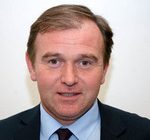
  • Emily Thornberry – 2020 Speech on Covid-19

    Emily Thornberry – 2020 Speech on Covid-19

    Below is the text of the speech made by Emily Thornberry, the Shadow Foreign Secretary, in the House of Commons on 17 March 2020.

    I thank the Secretary of State for advance sight of his statement. We hear what he says on freight, but could he give us any guidance on what is “essential travel” when it comes to people? Does it include people coming home? This is a time of immense concern for tens of thousands of British nationals stranded abroad; they are not just dealing with the stress of trying to get accurate information and make their way home, but doing so facing the ever-present fear of infection.

    I was contacted yesterday by Tom, one of the 65 British nationals in Cusco, Peru, which has announced a 15-day state of emergency, with its borders closed and the army enforcing a quarantine. Tom’s flight to Britain today has been cancelled and his calls to our embassy in Lima have not been answered. Why is that? Because the embassy itself has decided to close down for 15 days, just when its services were needed most. The Secretary of State said in his statement that our

    “consular teams are working around the clock to provide the best…information available to UK nationals”;

    well, I am afraid that that simply is not the case in Tom’s experience. He says:

    “We have received no advice or assistance…we are all extremely concerned at being stranded here.”

    Across the world, there are tens of thousands of British nationals in the same position as Thomas, and all have the same message for the British Government: “Help bring us home”. As far as they are concerned, their travel is essential and it is no use telling them to rely on advice from the Governments in the countries from which they are travelling when, inevitably, they will be the least of those countries’ concerns. Nor is it any use telling them to rely on the instructions of their travel operators, which, all too often in recent weeks, have been at odds with the official FCO travel advice and are driven by the fear of insurance claims and bankruptcy, not by the needs of our citizens.

    The Government cannot keep passing the buck to others, especially when it comes to repatriation. Yes, it is difficult, and yes, it is expensive, but that is the nature of the crisis that we face. In his response, can the Secretary of State directly address Tom and his compatriots in Peru and all the other British nationals around the world currently in the same position, and tell them what he is doing to help bring them home?

    Will the Secretary of State reassure us today that the Foreign Office will learn the lessons from this fiasco by asking itself some very basic questions? First, why were there no clear protocols in place for evacuation and repatriation in the event of an outbreak such as this? If those protocols were in place, why were they not followed? Secondly, why has official travel advice from the FCO been so slow to match what is happening on the ground? This weekend, we had tour operators going door to door in French ski resorts, telling British families to leave immediately, while the Foreign Office website said that there were no restrictions on travel. Thirdly and most basically, as Tom’s case in Peru illustrates, will the Foreign Secretary determine why the levels of consular support have been so out of step with the levels of global demand?

    When the dust settles on this crisis, as we all hope it eventually will, we will reflect on what has been a chronic failure of global leadership and co-ordination in which our own Government has sadly been a part. Instead of every country working together to agree best practice and apply common standards on testing, tracking, travel restrictions, quarantines, self-isolation and social distancing, we have instead seen a global free-for-all, with every country going it alone. Instead of the international community coming together to pool its experience and work together to develop a vaccine and a cure, we have again seen individual companies and countries working in silos. We have also seen a shameful attempt by Donald Trump to buy the German company that is in the lead when it comes to discovering a vaccine, not just to steal the glory of the vaccine for himself, but to hoard it for the Americans alone. The challenges posed by the coronavirus are fearful enough for the world without our leaders compounding them through their incompetence or their inaction. That is exactly what we have seen when it comes to this Government’s approach to repatriation, but it is part of a pattern that goes far beyond that one issue and far beyond our one country.

    Will the Secretary of State undertake today that, as well as fixing the immediate issues that we face with the coronavirus, not least around repatriations, Britain will lead the way in ensuring that these outbreaks will be better managed in future?
  • Dominic Raab – 2020 Statement on Covid-19

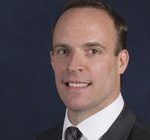
    Dominic Raab – 2020 Statement on Covid-19

    Below is the text of the statement made by Dominic Raab, the Foreign Secretary, in the House of Commons on 17 March 2020.

    As the Prime Minister has said, the coronavirus pandemic

    “is the worst public health crisis for a generation”.

    It is unsettling for families up and down the country, in all of our constituencies, so we need a united effort to tackle covid-19 effectively and come through this challenge, as I am confident we can and will. Following on from, and consistent with, the domestic measures announced by the Prime Minister yesterday, and based on the fast-changing international circumstances, today I am announcing changes to Foreign and Commonwealth Office travel advice. UK travellers abroad now face widespread international border restrictions, and lockdowns in various countries. The FCO always considers the safety and security of British nationals, so, with immediate effect, I have taken the decision to advise British nationals against non-essential travel globally, for an initial period of 30 days, and, of course, subject to ongoing review.

    I should emphasise that this decision has been taken based on the domestic measures introduced here in the UK, alongside the changes to border and a range of other restrictions that are now being taken by countries right around the world. The speed and range of those measures across other countries is unprecedented, and some of those decisions are being made without notice. In some cases, even in countries or particular areas where there have not yet been any reported cases of covid-19, local authorities are none the less imposing restrictions on movement, and, again, doing so with little or sometimes no notice whatsoever. In the light of those circumstances, we want to reduce the risk of leaving vulnerable British tourists and visitors stranded overseas. We will, of course, keep this advice under review and amend it as soon as the situation responsibly allows.

    The Government are, of course, keenly aware that international freight services, such as shipping and haulage, are vital for ensuring the continuity of the supply of essential food, goods and material to the UK. So we regard that kind of travel as essential, and we will work with industry to issue detailed advice that maintains the flow of goods, while protecting the wellbeing of staff working on those routes. The Department for Transport will be leading that work with the freight sector, with the objective of minimising disruption to those routes as far as is possible. At the same time, FCO consular teams are working around the clock to provide the best and most up-to-date information that we can possibly provide to UK nationals. By way of context, let me say that in the past week alone we made more than 430 changes to FCO travel advice, and we will continue to keep it under close and constant review.

    We are providing support to British nationals who have been impacted by coronavirus while travelling. During the initial outbreak, or containment phase, we arranged the repatriation of more than 200 vulnerable British nationals from China between 31 January and 9 February. We took that particular action to support British nationals and control the return of those possibly exposed to covid-19 at the earliest point in the crisis, when it appeared that the virus might be—might be—contained in China.

    In other cases, such as that of the British nationals affected by a covid-19 infection in a hotel in Tenerife, we worked with travel companies and airlines to ensure that those concerned were safely brought home. We also changed our travel advice to advise people over 70, or with underlying health conditions, against travelling on cruises, to protect those most at risk from coronavirus. We have arranged repatriation from cruise ships, including most recently the 131 UK nationals who returned from the Grand Princess, which was docked in California. They arrived home last Wednesday.

    Also on the issue of cruises, we have been working intensively with the Cuban authorities and Fred. Olsen Cruise Lines to ensure that all British nationals are able to return quickly and safely to the UK. That is of course in relation to the Braemar cruise liner. We are doing all we can to ensure that they return to the UK on flights from José Martí international airport in Havana within the next 48 hours. I spoke to the Cuban Foreign Minister twice over the weekend, and we are very grateful to the Cuban Government for swiftly enabling this operation and for their close co-operation to make sure that it could be successful.

    As well as those repatriations, UK consular teams are working with those who are affected by difficult quarantine conditions; by the closure of tourist resorts in, for example, Europe and North Africa; or, indeed, when new regulations are introduced in countries where UK nationals are visiting. We will do everything in our power to get those British nationals affected the care, support and practical advice that they need.

    We also need to be clear about our capacity to repatriate people from abroad, given the scale of the numbers. We have taken action where necessary, but no one should be under any illusions: it is costly and complicated to co-ordinate, so Government-supported repatriations have been undertaken only in exceptional circumstances. Ultimately, the primary responsibility for managing outbreaks of covid-19 and quarantine measures must rest with the country in which the outbreak has occurred. FCO teams around the world are working urgently to ensure that Governments have sensible plans to enable the return of British and other travellers, and, crucially, to keep borders open for a sufficient period to enable returns to take place on commercial flights, wherever that is possible.

    Following today’s change in travel advice, British nationals who decide that they still need to travel abroad should do so fully aware of the increased risks of doing so. That obviously includes the risk that they may not be able to get home if travel restrictions are subsequently put in place that they had not anticipated. So, we urge anyone still considering travel to be realistic about the level of disruption they are willing and able to endure, and to make decisions in the light of the unprecedented conditions that we face.

    Today’s travel guidance follows the domestic measures announced yesterday. It forms part of our national effort to meet the international challenge presented by coronavirus—a challenge that we will rise to as a Government and as a country. I commend this statement to the House.

  • Lindsay Hoyle – 2020 Statement on Rishi Sunak’s Behaviour

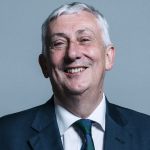
    Lindsay Hoyle – 2020 Statement on Rishi Sunak’s Behaviour

    Below is the text of the statement made by Lindsay Hoyle, the Speaker of the House of Commons, in the House on 17 March 2020.

    Before I call the Chancellor of the Exchequer to make his statement, I wish to make a few remarks. Ministers have the right to make statements immediately after questions and urgent questions in the normal way, but ministerial statements at other times require my permission. The Government asked my permission for the Chancellor to make a statement today at 7 pm. I agreed to that, but I made it clear that I did so only on the basis that the House would be the first to hear from him and that he would not first appear before the media. I turned down requests for urgent questions to the Chancellor that I would otherwise have granted. I wanted to ensure that elected Members had the first opportunity to question the Chancellor.

    I am deeply disappointed that what I understood to be a commitment has not been honoured. These are difficult and sobering times. I do not want to pick a quarrel with any Member. I do, though, want to make it crystal clear that my view is that Ministers have a duty to report first to this House when major policy changes are announced. The Chancellor has the chance to do the right thing in the future. I call upon him now to give the House an assurance that any future statements will be made to the House first, which is consistent with section 9.1 of the ministerial code.

  • Rishi Sunak – 2020 Statement on the Coronavirus

    Rishi Sunak – 2020 Statement on the Coronavirus

    Below is the text of the statement made by Rishi Sunak, the Chancellor of the Exchequer, on 17 March 2020.

    Good afternoon everyone.

    The coronavirus pandemic is a public health emergency. But it is also an economic emergency. We have never, in peacetime, faced an economic fight like this one.

    I know that people are deeply worried. I know that people’s anxiety about the disease itself is matched only by their anxiety about their livelihoods.

    Last week, I set out an initial economic response in the Budget.

    I promised to do whatever it takes to support our economy through this crisis – and that if the situation changed, I would not hesitate to take further action. That is what I want to begin doing today.

    This struggle will not be overcome by a single package of measures, or isolated interventions. It will be won through a collective national effort. Every one of us, doing all we can to protect families, neighbours, friends, jobs.

    This national effort will be underpinned by government interventions in the economy on a scale unimaginable only a few weeks ago. This is not a time for ideology and orthodoxy. This is a time to be bold. A time for courage.

    I want to reassure every British citizen, this government will give you all the tools you need to get through this.

    We will support jobs, we will support incomes, we will support businesses, and we will help you protect your loved ones. We will do whatever it takes.

    In the Budget last week, I set out the first stage of our economic response with a £30 billion package of support for people and businesses.

    But I also said in the Budget that as the situation evolves, we would take further action.

    And as the Prime Minister set out yesterday, we’re now approaching the fast growth part of the upwards curve. He has set out the next stage of our public health response.

    So I wanted to update everyone on the next stage of our economic response.

    First, the government will stand behind businesses small and large.

    I can announce today an unprecedented package of government-backed and guaranteed loans to support businesses to get through this.

    Today, I am making available an initial £330 billion of guarantees – equivalent to 15% of our GDP.

    That means any business who needs access to cash to pay their rent, the salaries, suppliers, or purchase stock, will be able to access a government-backed loan, on attractive terms.

    And if demand is greater than the initial £330 billion I’m making available today, I will go further and provide as much capacity as required.

    I said whatever it takes –and I meant it.

    That support will be delivered through two main schemes:

    to support liquidity amongst larger firms, I have today agreed a new lending facility with the Governor of the Bank of England to provide low cost, easily accessible commercial paper

    to support lending to small and medium sized businesses, I am extending the new Business Interruption Loan Scheme I announced at the Budget last week, so that rather than loans of £1.2 million, it will now provide loans of up to £5 million, with no interest due for the first six months

    Both of these schemes will be up and running by the start of next week.

    And I am also taking a new legal power in the Covid Bill to offer whatever further financial support I decide is necessary.

    Some sectors are facing particularly acute challenges. In the coming days, my colleague the Secretary of State for Transport and I will discuss a potential support package for specifically airlines and airports.

    And yesterday, I asked my Cabinet colleagues to urgently convene meetings over the coming days with business leaders and representatives in the most affected sectors, to identify other specific opportunities to support them and their industries, including possible regulatory forbearance.

    I repeat: we will do whatever it takes.

    Second, as well as access to finance, businesses need support with their cashflow and fixed costs.

    Following the changed medical advice yesterday, there are concerns about the impact on pubs, clubs, theatres and other hospitality, leisure and retail venues.

    Let me confirm that, for those businesses which do have a policy that covers pandemics, the government’s action is sufficient and will allow businesses to make an insurance claim against their policy.

    But many of those businesses don’t have insurance – so we will go further.

    I announced last week that for businesses in the retail, hospitality and leisure sectors, with a rateable value of less than £51,000, they will pay no business rates this year.

    Today, I can go further and provide those businesses with an additional cash grant of up to £25,000 per business – to help bridge through this period.

    Additionally, I also am today extending the business rates holiday to all businesses in those sectors, irrespective of their rateable value.

    That means every single shop, pub, theatre, music venue, restaurant – and any other business in the retail, hospitality or leisure sector – will pay no business rates whatsoever for 12 months, and if they have a rateable value of less than £51,000, they can now get a cash grant as well.

    I also announced last week that we would be providing £3,000 cash grants to the 700,000 of our smallest businesses.

    In light of the new circumstances, and to support their cash flow, today I can increase those grants to £10,000.

    Taken together, on top of the unlimited lending capacity I have already announced, this is a package of tax cuts and grants, in this financial year, worth more than £20 billion.

    That comes on top of the existing multi-billion-pound package I set out at Budget, which included reimbursing small and medium sized companies for the cost of statutory sick pay.

    Local authorities in England will be fully compensated for the costs of these measures, and the devolved administrations will receive at least £3.5 billion in additional funding as a result to provide support to businesses in Scotland, Wales and Northern Ireland.

    I repeat again: we will do whatever it takes.

    Third, I will strengthen our support for peoples and individuals.

    At Budget last week, I committed £1 billion to support the financial security of vulnerable people, through a half billion boost to the welfare system, and a half billion pound Hardship Fund for Local Authorities.

    Following discussions with industry today, I can announce that for those in difficulty due to coronavirus, mortgage lenders will offer at least a three month mortgage holiday – so that people will not have to pay a penny towards their mortgage while they get back on their feet.

    And in the coming days, I will go much further to support people’s financial security. In particular, I will work with trade unions and business groups to urgently develop new forms of employment support to help protect people’s jobs and incomes through this period.

    As I said last week, this is first and foremost a public health emergency. And I reiterate today our commitment that whatever resources the NHS needs, it will get.

    Let no one doubt our resolve. When I said in the Budget that we will do everything we can to keep this country, and our people, healthy and financially secure – I meant it.

    The measures I have announced today are part of a comprehensive, coordinated and coherent response to what is a serious and evolving economic situation.

    These are only the first steps – I will set out the next stage of our response in the coming days.

    We have never faced an economic fight like this one. But we are well prepared. We will get through this. And we will do whatever it takes.

    Thank you.

  • Boris Johnson – 2020 Statement on the Coronavirus

    Boris Johnson – 2020 Statement on the Coronavirus

    Below is the text of the statement made by Boris Johnson, the Prime Minister, on 17 March 2020.

    I want to go through our overall plan for beating this new coronavirus.

    First, we must stop the disease spreading to a point where it overwhelms our NHS. Every country in the world has the same problem.

    This is a disease that is so dangerous and so infectious that without drastic measures to check its progress it would overwhelm any health system in the world.

    I have used the Italian health system, it is excellent, and the problem is not the health system, it’s the numbers of sufferance.

    That is why we announced the steps yesterday that we did – advising against all unnecessary contact – steps that are unprecedented since World War 2.

    They will have an effect on the spread of the disease.

    The shielding of vulnerable groups will also reduce suffering, and I want to thank everybody at this stage for what we’re all doing to follow this advice.

    I stress that although the measures announced are already extreme, we may well have to go further and faster in the coming days to protect lives and the NHS.

    Secondly, we are doing all we can and as quickly as we can to increase the capacity of the NHS. That means more testing, more beds, more ventilators and more trained staff. It means greater support for NHS and other staff. And it means much better data and much better technology.

    Third, we must do all we can to boost science and research. We must study this disease, test drugs that already exist and have been through medical trials to see what helps treat severe cases, and search for a vaccine. Fourth, we must act like any wartime government and do whatever it takes to support our economy. That’s the main purpose of this press conference this afternoon.

    We must support millions of businesses and tens of millions of families and individuals through the coming months. And to do that the government machine must and will respond with a profound sense of urgency. Thousands of brilliant officials are already working round the clock but we must do more and faster. The Chancellor will be saying much more about this in a moment, with further announcements in the coming days.

    Fifth, we will need to strengthen other public services that will be under great pressure from the direct and indirect effects of the disease, such as the effects of staff shortages, and from the economic pressures. All institutions will be under great pressure and we will therefore invest hugely in the people that we all rely on, and again I want to thank all our public servants for what they are already doing.

    Ultimately, to beat this crisis we will need a combination of better science, technology, medicine, data, government operations, economic support, learning from other countries and social support. As time goes on we will learn more and more about the disease and the effects of our actions. And while we need national unity, we also need international cooperation. And although we now need to impose physical distance between ourselves, we must at the same time have closer social support for each other.

    Yes this enemy can be deadly, but it is also beatable – and we know how to beat it and we know that if as a country we follow the scientific advice that is now being given we know that we will beat it.

    And however tough the months ahead we have the resolve and the resources to win the fight.

    And, to repeat, this government will do whatever it takes.

    I will now handover for more on that to Rishi Sunak, the Chancellor of the Exchequer.

  • Alex Cunningham – 2020 Speech in Response to the Budget

    Below is the text of the speech made by Alex Cunningham, the Labour MP for Stockton North, in the House of Commons on 16 March 2020.

    This Budget is slightly different from others we have seen over the years. Suddenly, spending billions on industrial investment is not being mocked by the Conservatives, as it was when Labour pledged to do it just four months ago. So let me start with what is good about this Budget: hundreds of millions for carbon capture and storage and an indication that Teesside may well be one of the centres for a project. It would, however, be good for the Government to come forward with a statement confirming that Teesside will get a project. After all, it is better placed and more ready than anywhere else to help the Government to deliver the kind of project that can be world leading.

    Members may know that I set up, and have been the chair of, the all-party group on carbon capture and storage for the past six years. I have met with Ministers. I think they were all convinced of the case, but nobody could get through to the Treasury. I have tabled questions, written letters, organised events, made interventions, given speeches and secured debates urging successive Governments to invest in carbon capture technology and sites. I have campaigned vigorously for carbon capture to be taken seriously by politicians. Like those in the industry, I was devastated when, in 2015, the then Chancellor, George Osborne—without warning—pulled more than £900 million of funding, halting at a stroke two major projects instantaneously. It was a bad day for the industry and there is some way to go to make up that lost time. I only hope the funding this time will see the cash actually spent before the Chancellor thinks it would be easy pickings for a future cut.

    I am really grateful that we are now seeing progress and it appears that we may even be seeing some infrastructure benefits for the Tees valley too, but some of the announcements by the Tees Mayor seem a little wide of the mark. After the Budget, he claimed to have delivered a free port for the Tees, yet there is no mention of it in the Red Book and, as I understand it, there has been no announcement from the Government. Perhaps the Minister can confirm the Mayor’s claim. The same Mayor has also claimed that he secured £80 million for Darlington station. Perhaps the Minister can tell me where I can find that cash in the Red Book or even in the rail network enhancement programme. It is simply not there, so will the Government confirm that the £80 million is actually ready to spend in Darlington?

    After 10 years of austerity and a severe lack of ambition, the Budget comes nowhere near to making up for past cuts. The Chancellor was throwing money around like confetti, but, with no real tax increases and a downturn in the economy, it begs the question: where is the cash coming from? Perhaps he has not had time to cost it yet; we always cost our Budgets.

    The Budget has done nothing for the chemical industries on Teesside, where companies are still nervous, as there is no provision for the increased costs these firms will face due to the uncertainty over the REACH regulations. I appreciate Ministers taking the time to meet me and organisations concerned about future regulations, but it ​is now time for them to step up and take the action the chemical industries are asking them to take to secure the future of their businesses.

    It is not just industry that is worried and under pressure; our public services are, too. I hope that this country pulls through this crisis and that the Government start to truly recognise the impact that health cuts can have because, by the time the crisis comes around, it is too late to restore what has been cut overnight. Perhaps the shortage of ventilators is one of the best examples of the resources in the NHS falling short, and it is in the lives of people that we will pay the price. It is in areas such as mine, where some wards are among those with the lowest life expectancy in the country, that people will be most vulnerable to the coronavirus. As I said in my intervention, I was grateful to the Minister for Health for listening to the case for a new hospital in Stockton—a 21st-century hospital—to address the huge health issues in my community. Since the new hospital was cancelled by the then Tory-Lib Dem coalition in 2010, I have spoken about the need for it in every single Budget debate since. I am pleased that at last we have taken even a tiny step forward, so I thank the Minister.

    However, it is not just about hospitals; as others have said, this Budget has also failed to deliver on social care. In the context of our current situation, in which covid-19 is more dangerous for older people, this seems to be an even more severe mistake. What is happening when careworkers come down ill, are self-isolating, at best, and older people in need of those carers are left alone? How are the Government prepared for this particular part of the crisis? Simply put, what the Budget has done is to highlight the inadequacy of our welfare state. It has proven that our safety net is not fit for purpose. We should not simply do and be better now that we are facing a crisis. If we can make procedures and processes more quickly and streamline now, there is no reason why that could not have happened before.

    I continue to be concerned about the lack of action this Government have taken for those on lower incomes. I agree with the Union of Shop, Distributive and Allied Workers when it says that the Budget does not address working family poverty. This was the year by which child poverty was due to have been eradicated, and the lack of mention of that in the Budget speech just proves that it is not on the Chancellor’s radar. According to the North East Child Poverty Commission, almost 210,000 children in the north-east are growing up poor. The Budget did nothing for them. I also back the call from USDAW—I am not a member of the trade union—for the two-child limit to be scrapped and the five-week wait period for universal credit to be shortened. That has been echoed by Macmillan Cancer Support. Many people with cancer have to give up work directly because of their illness and it is unacceptable that they have to wait five weeks for their initial payment. It is inhumane and it should never have been part of Government policy.

    Inequality in our country continues to grow, yet we see no real intent from the Government to close the gap and it is the people in areas such as mine that will lose out once again. That is why our new hospital is so important. I do not feel that the Budget is fit to address the problems we face as a society, and certainly not on Teesside.

  • Damian Collins – 2020 Speech in Response to the Budget

    Below is the text of the speech made by Damian Collins, the Conservative MP for Folkestone and Hythe, in the House of Commons on 16 March 2020.

    Following the statement that we just heard from my right hon. Friend the Health Secretary, I would like to start my remarks on the resumption of the Budget debate by expressing my gratitude to the Chancellor for making it clear last week that the Government will make available whatever resources are needed to meet the coronavirus threat to our country. It was mostly addressed in terms of making funds available for the health service to ensure that it has the staff and equipment that it needs.

    In response to the statement, I am among a number of Members who are concerned about the impact on businesses in our constituencies. I represent a coastal constituency. As we move into the Easter and early summer season, the ability of a visitor economy to make money from hotel trade, hospitality and events—let alone bars, restaurants and cafés—is incredibly important. The Folkestone Harbour Arm is a major seasonal visitor attraction. If the official public health advice is that these centres of social interaction should be avoided for the foreseeable future, there is a legitimate question about how those businesses will be compensated for their loss of earnings, otherwise we may see a great number of those businesses close, with no option to remain open. I understand that the Secretary of State has just made an important statement, and there are many further questions to be asked, but I echo the questions raised by a number of Members.

    Some Members referenced the airline industry. I would also reference other key industries. Saga is a major business in my constituency—I see the Minister for Health, my hon. Friend the Member for Charnwood (Edward Argar), nodding; as an old boy of the Harvey Grammar School in Folkestone, he knows well the importance of Saga to the local economy. Saga has many strings to its bow as a business, but cruises and servicing the over-50s economy are a major part of its business. If areas of the economy such as this will effectively be closed down for an indefinite period, businesses need to ensure that they can communicate with their staff and make plans effectively. As the Chancellor set out in his statement last week, we want to ensure that viable businesses can ride through this extraordinary event; that is so important.

    As I said in my question to the Secretary of State, we should look at the information that the public have access to. They need clear, accurate and reliable information, and people who seek to use social media to spread malicious disinformation with the particular purpose of undermining public health should be in a position where they have committed an offence. Under the emergency powers in the Bill that the Government will publish later this week, we should make it an offence to spread misinformation about coronavirus with the intention of undermining public health. In Australia, similar laws were introduced in response to the Christchurch terrorist attack last year. Spain has looked at a similar response to disinformation and misinformation about coronavirus, and we should do the same.

    I want to briefly touch on a couple of other important aspects of the Budget that are not directly related to coronavirus. I particularly want to mention ​the Government’s commitment to support affordable housing, both to rent and buy. In my constituency, we have a major new garden town scheme, which is being driven forward by Folkestone and Hythe District Council and supported by Homes England. The council owns much of the land that has been put into the scheme. This garden town proposal could deliver 8,000 new homes for my constituency over the next 30 years. Folkestone College is a centre of excellence for construction industry skills, so local people can be trained in the jobs that will be made available as a consequence of building those homes.

    I welcome the money that the Government have pledged to support the construction and provision of more affordable homes through Homes England. I ask the Government to do all they can to work with local authorities that are supporting and taking forward garden town proposals. My district council tells me that the planning process is still very long, even when there is an early indication of support for the scheme from the local authority. There is an urgent need to get these homes built as quickly as possible and to support whatever infrastructure is needed to make these communities viable and attractive to developers, so that they get involved in the schemes. I appreciate that the Secretary of State for Housing, Communities and Local Government is not on the Treasury Bench, but I ask him to look at what extra housing infrastructure support and investment could be made available, in particular for the Otterpool Park scheme in Kent at junction 11 of the M20.

    I welcome the additional money the Chancellor has made available to support rough sleeping initiatives. We have already seen some of that money on the frontline in Folkestone, supporting charities that work with homeless people. I would like to see more support for the Housing First scheme that is being piloted by various local authorities in Kent, which looks to get the most vulnerable people into accommodation first and then to identify and resolve the other needs they may have. That has proved a more effective strategy, but it does require more upfront investment. I hope the extra money the Government have brought forward can provide that.

    I also welcome the additional money the Government have committed to creating 5G equivalent broadband for the UK. This is an essential technology for the future. When we look back at the support over the last decade for Broadband Delivery UK’s roll-out of superfast broadband, we see that it was a good initiative and got more homes connected quickly, but it was also probably the wrong technology. Fibre-based technology will be future-proof. Few of us could have predicted in 2010 what would be the ordinary data requirements of people using information technology and the internet in their homes today and to run their businesses. Therefore, we should back a technology that is similarly future-proof, and fibre equivalent and fibre to homes is that. It gives us the opportunity to roll out at speed 5G equivalent broadband, particularly in rural areas. It is right that the Government prioritise areas of delivery that are the hardest to reach and where the market is least likely to deliver. As was discussed in the House last week, it is particularly important that we look at alternative providers to Huawei and at companies that are not considered to ​be high-risk providers of future technology infrastructure, which is going to be so important for running all our economy.

  • George Eustice – 2020 Statement on Independent Reservoirs

    George Eustice – 2020 Statement on Independent Reservoirs

    Below is the text of the statement made by George Eustice, the Secretary of State for the Environment, Food and Rural Affairs, in the House of Commons on 16 March 2020.

    On 3 September 2019 the then Secretary of State, my right hon. Friend the Member for Chipping Barnet (Teresa Villiers), commissioned an independent review following the Toddbrook reservoir incident (31 July-1 August 2019) where part of the spillway collapsed following significant heavy rainfall. The damage did not breach the reservoir dam itself, but as a precaution, some 1,500 people in Whaley Bridge were temporarily evacuated while the dam was made safe. The review has been led by Professor David Balmforth, supported with technical expertise from Dr Peter Mason and Dr Paul Tedd. The review panel has provided me with a comprehensive report. This sets out their findings into what might have led to the damage and whether there was anything that could have prevented or predicted it, and identifies lessons for wider reservoir safety. (Full terms of reference for the review are on gov.uk: https://www.gov.uk/government/publications/toddbrook-reservoir-incident-2019-independent-review)

    I would like to thank the review panel for their detailed investigation of what led to this incident.

    Report findings

    This report explores the causes of the spillway failure at Toddbrook and concludes that a combination of factors led to the partial collapse last August. It has identified that the original design of the auxiliary spillway was

    “inadequate and not fit for purpose” and that this was “exacerbated by intermittent maintenance over the years”

    which when combined with the level and force of flow over the spillway at the end of July ultimately led to the partial collapse on 1 August. It has not been possible to determine which factor was the primary cause of failure on the day, and the report finds that:

    “ With consistent good quality maintenance over the years leading up to the event, the spillway might not have failed during this event. However, it would have been unlikely to survive the probable maximum flood which is many times greater than the flood in which it failed”.

    The report identifies that there may be a lack of understanding of the risks to spillways within the reservoir community, and has made recommendations to address these. For example, the design concerns had not been identified previously, including at inspections prior to 2018, and the report notes that

    “had the drawings been reviewed at the time of the 2010 inspection, the deficiencies in the spillway design might have been identified then and remedial action taken”.

    Good practice examples have been highlighted, and used to inform recommendations for the whole reservoir community—this includes the provision of a package of historical information to inspectors, such as the original design drawings that were provided by the Canal and River Trust’s (CRT) supervising engineer for the 2018 inspection. These were used by the inspector to identify ​potential concerns relating to the spillways longer term viability leading to a requirement under a measure in the interests of safety (MIOS)1 for CRT to investigate further.

    The review also found that communication between those involved could be improved and strengthened for the avoidance of doubt in the future. The inspection report

    “was written in a style often found in inspection reports”,

    but this

    “did not convey any sense of urgency or require any precautionary measures”

    which the CRT then relied on to determine their work programme. It further identified that although the inspector provided initial feedback on the need for a robust maintenance programme to CRT engineers at the time of the inspection, “it would appear that this had not been completed some eight months later when the incident occurred”. It was not until the CRT received the final inspection report in April 2019, combined with internal arrangements to communicate earlier, that full consideration was given to any of the required actions. The review panel find that

    “Given the significance and credibility of risks to the reservoir, our view is that more could have been done to communicate the urgency of the MIOS and statutory maintenance to the owner at an earlier stage”.

    As a result of his review, Professor Balmforth reports that compliance with the current legislation is good:

    “Overall there is 97% compliance, so reservoirs are believed to be safe”, but have concluded “… as the incident at Toddbrook so aptly demonstrates, a compliant reservoir might not necessarily be safe”

    and

    “There is clearly a need to close the gap between compliance and safety”.

    Report recommendations

    Professor Balmforth has made 22 recommendations in his report for application across the reservoir network and community. These include:

    Eight recommendations covering the inspection of reservoirs covering improved guidance, detailed inspections of spillways and the wording and timing of reporting to owners.

    Two recommendations on the supervision of reservoirs covering the reporting of condition by supervising engineers and the actions needed by the responsible person(s) for safety within the owning organisations.

    Four recommendations proposing further work is done to consider the implementation of or changes to the current legislative framework.

    Five recommendations for improved operations and maintenance, including the responsibilities of the owners and greater powers for the regulator to enforce statutory maintenance requirements.

    Three immediate actions to be taken as a result of the spillway design concerns identified at Toddbrook, which are already in hand.

    The Government have accepted all the recommendations.

    A full list of the recommendations and the Government response to each one is in table 1 in the attachment. The report will be published today on gov.uk: https://www.gov. uk/government/publications/toddbrook-reservoir-incident-2019-independent-review.

    Incidents such as that at Toddbrook are very rare and this report confirms that we have a strong record of reservoir safety and that compliance, including by the Canal and River Trust, with our safety regulations is good. We should not, however, be complacent and need ​to ensure our approach continues to be fit for purpose, so I will be asking Professor Balmforth to lead a second stage review, which will undertake a wider assessment of reservoir safety legislation and its implementation.

    Reservoir safety work already underway

    DEFRA and the Environment Agency have contacted all large raised reservoir undertakers to identify any which may have similar design concerns to those found at Toddbrook. Any identified will be expected to have an urgent inspection/investigation to ascertain what remedial work may be needed. The Government will also consult on making a requirement for all large raised reservoirs to have an emergency contingency plan in place.

    DEFRA commissioned a research study into small raised reservoirs in 2017, which has recently been completed. The report will be published shortly and includes evidence about the number of small raised reservoirs and the risks they pose. This evidence will be used to assess any need for possible changes to the legal framework in determining if there is a case to extend current regulations to reservoirs between 10,000 cubic metres and 25,000 cubic metres capacity. The research also considered options for risk designation and my officials will review the findings and engage with stakeholders in assessing whether changes are needed.

    1 Under the Act and to an engineer MIOS actually means that if certain work is not carried out within certain timescales then the reservoir could become unsafe.

    The attachment can be viewed online at: http://www. parliament.uk/business/publications/written-questions-answers-statements/written-statement/Commons/2020-03-16/HCWS162/.

  • Lindsay Hoyle – 2020 Speaker’s Statement on the Coronavirus

    Lindsay Hoyle – 2020 Speaker’s Statement on the Coronavirus

    Below is the text of the statement made by Lindsay Hoyle, the Speaker of the House of Commons, in the House on 16 March 2020.

    I wish to make a further statement about the arrangements in Parliament in the light of the announcements made this evening by the Prime Minister and the Health Secretary on coronavirus. As the Prime Minister stated, we are now involved in a national fightback against coronavirus, which means that we need to restrict certain aspects of everyday life to prevent risk of exposure. In addition to the measures that I announced earlier, we will also be putting the following measures in place.

    Parliament will stop all non-essential access from tomorrow in both Houses. All Members who have underlying health conditions, may be pregnant or are over 70 should pay particular attention to the advice of Public Health England. There will be no access to the Public Gallery, and use of the Side Galleries will be restricted to Members of both Houses. Members’ tours for constituents will be stopped. The education centre will close, and educational and school visits will cease from tomorrow. Finally, there will be a reduction in the catering facilities open across the estate. The closure of certain outlets will be announced.

    I have taken these decisions, which are consistent with the latest Government advice, with the Lord Speaker, and in consultation with Public Health England. These further steps are necessary to allow Parliament to continue to fulfil its constitutional duties, and will be kept under constant review.

    I also wish to put on record my thanks to everyone on the parliamentary estate who is keeping this House running, and without whom we could not do so.

  • Boris Johnson – 2020 Statement on the Coronavirus

    Boris Johnson – 2020 Statement on the Coronavirus

    Below is the text of the statement made by Boris Johnson, the Prime Minister, on 16 March 2020.

    Good afternoon everybody, thank you very much for coming. I wanted to bring everyone up to date with the national fight back against the new coronavirus and the decisions that we’ve just taken in COBR for the whole of the UK.

    As we said last week, our objective is to delay and flatten the peak of the epidemic by bringing forward the right measures at the right time, so that we minimise suffering and save lives. And everything we do is based scrupulously on the best scientific advice.

    Last week we asked everyone to stay at home if you had one of two key symptoms: a high temperature or a new and continuous cough.

    Today, we need to go further, because according to SAGE [the Scientific Advisory Group for Emergencies] it looks as though we’re now approaching the fast growth part of the upward curve.

    And without drastic action, cases could double every 5 or 6 days.

    So, first, we need to ask you to ensure that if you or anyone in your household has one of those two symptoms, then you should stay at home for fourteen days.

    That means that if possible you should not go out even to buy food or essentials, other than for exercise, and in that case at a safe distance from others. If necessary, you should ask for help from others for your daily necessities. And if that is not possible, then you should do what you can to limit your social contact when you leave the house to get supplies.

    And even if you don’t have symptoms and if no one in your household has symptoms, there is more that we need you to do now.

    So, second, now is the time for everyone to stop non-essential contact with others and to stop all unnecessary travel.

    We need people to start working from home where they possibly can. And you should avoid pubs, clubs, theatres and other such social venues.

    It goes without saying, we should all only use the NHS when we really need to. And please go online rather than ringing NHS 111.

    Now, this advice about avoiding all unnecessary social contact, is particularly important for people over 70, for pregnant women and for those with some health conditions.

    And if you ask, why are we doing this now, why now, why not earlier, or later? Why bring in this very draconian measure?

    The answer is that we are asking people to do something that is difficult and disruptive of their lives.

    And the right moment, as we’ve always said, is to do it when it is most effective, when we think it can make the biggest difference to slowing the spread of the disease, reducing the number of victims, reducing the number of fatalities.

    And as we take these steps we should be focusing on the most vulnerable.

    So third, in a few days’ time – by this coming weekend – it will be necessary to go further and to ensure that those with the most serious health conditions are largely shielded from social contact for around 12 weeks.

    And again the reason for doing this in the next few days, rather than earlier or later, is that this is going to be very disruptive for people who have such conditions, and difficult for them, but, I believe, it’s now necessary.

    And we want to ensure that this period of shielding, this period of maximum protection coincides with the peak of the disease.

    And it’s now clear that the peak of the epidemic is coming faster in some parts of the country than in others.

    And it looks as though London is now a few weeks ahead.

    So, to relieve the pressure on the London health system and to slow the spread in London, it’s important that Londoners now pay special attention to what we are saying about avoiding non-essential contact, and to take particularly seriously the advice about working from home, and avoiding confined spaces such as pubs and restaurants.

    Lastly, it remains true as we have said in the last few weeks that risks of transmission of the disease at mass gatherings such as sporting events are relatively low.

    But obviously, logically as we advise against unnecessary social contact of all kinds, it is right that we should extend this advice to mass gatherings as well.

    And so we’ve also got to ensure that we have the critical workers we need, that might otherwise be deployed at those gatherings, to deal with this emergency.

    So from tomorrow, we will no longer be supporting mass gatherings with emergency workers in the way that we normally do. So mass gatherings, we are now moving emphatically away from.

    And I know that many people – including millions of fit and active people over 70 – may feel, listening to what I have just said, that there is something excessive about these measures.

    But I have to say, I believe that they are overwhelmingly worth it to slow the spread of the disease, to reduce the peak, to save life, minimise suffering and to give our NHS the chance to cope.

    Over the last few days, I have been comparing notes and talking to leaders around the world and I can tell you that the UK is now leading a growing global campaign amongst all our friends and allies, whether in the G7, the G20, the UN, the IMF – all those bodies in which we play a significant role.

    We’re leading a campaign to fight back against this disease.

    To keep the economy growing, to make sure that humanity has access to the drugs and the treatments that we all need, and the UK is also at the front of the effort to back business, to back our economy, to make sure that we get through it.

    I know that today we are asking a lot of everybody. It is far more now than just washing your hands – though clearly washing your hands remains important.

    But I can tell you that across this country, people and businesses in my experience are responding with amazing energy and creativity to the challenge that we face, and I want to thank everybody for the part that you are playing and are going to play.