Blog

  • PRESS RELEASE : Keir Starmer call with President of Finland [February 2025]

    PRESS RELEASE : Keir Starmer call with President of Finland [February 2025]

    The press release issued by 10 Downing Street on 22 February 2025.

    The Prime Minister spoke to the President of Finland Alexander Stubb this afternoon.

    The Prime Minister began by reiterating the need to secure enduring peace for Ukraine and bring an end to Russia’s illegal war.

    The leaders agreed the need for Europe to step up support to achieve this, and the Prime Minister said the UK is ready to play a role in future security guarantees.

    They agreed to stay in close contact.

  • PRESS RELEASE : Keir Starmer call with President of the European Commission [February 2025]

    PRESS RELEASE : Keir Starmer call with President of the European Commission [February 2025]

    The press release issued by 10 Downing Street on 22 February 2025.

    The Prime Minister spoke to President of the European Commission Ursula von der Leyen this morning.

    Ahead of the three-year anniversary of Russia’s barbaric illegal war, they discussed the need to secure a just and enduring peace in Ukraine, and agreed that Europe must step up for the good of collective European security.

    The Prime Minister said he would continue to have these important discussions in coming days and weeks, including during his visit to Washington D.C.

    The leaders agreed to stay in close contact.

  • PRESS RELEASE : Child criminal exploitation and cuckooing to be criminal offences [February 2025]

    PRESS RELEASE : Child criminal exploitation and cuckooing to be criminal offences [February 2025]

    The press release issued by the Home Office on 22 February 2025.

    Two new offences in the government’s flagship Crime and Policing Bill will make child criminal exploitation and ‘cuckooing’ illegal.

    Children and vulnerable people who are exploited by gangs for criminal purposes will receive greater protection, with two new criminal offences set to be introduced by the government next week.

    Landmark legislation will be brought forward to ban cuckooing, a highly exploitative practice where criminals seize control of a vulnerable person’s home without consent to conduct illegal activities like drug dealing.

    Another new offence will be created against adults who use a child to commit criminal activity. Both of these measures will be part of the government’s landmark Crime and Policing Bill, which is set to be introduced in Parliament next week and forms a key part of the government’s Plan for Change.

    Current estimates show that approximately 14,500 children were identified as at risk or involved in child criminal exploitation (CCE) in 2023 to 2024, although this is likely an underestimate as many exploited children will not be known to authorities.

    However, under current legislation, only a small number of individuals have been charged for using children in criminal activity.

    This standalone CCE offence will therefore look to target those adults who unscrupulously groom and exploit children into criminal activity, such as county lines drug running or organised robbery, as well as increasing the opportunities for children to be identified.

    Those convicted of committing a CCE offence could face a maximum of 10 years in prison, sending a clear message that this form of child exploitation will never be tolerated.

    Home Secretary, Yvette Cooper, said:

    The exploitation of children and vulnerable people for criminal gain is sickening and it is vital we do everything in our power to eradicate it from our streets.

    As part of our Plan for Change, we are introducing these two offences to properly punish those who prey on them, ensure victims are properly protected and prevent these often-hidden crimes from occurring in the first place.

    These steps are vital in our efforts to stop the grooming and exploitation of children into criminal gangs, deliver on our pledge to halve knife crime in the next decade and work towards our overall mission to make our streets safer.

    The new legislation also includes the creation of new CCE prevention orders, which may be issued at the end of criminal proceedings or upon application by police.

    These bespoke orders will ensure that courts can impose restrictions and requirements on individuals who pose a risk of exploiting a child for criminal purposes, such as limiting their ability to work with children, contact specific people or go to a certain area.

    This will help manage the risk of offending, or reoffending, and breach of these orders (or failure to comply with any relevant notification requirements) will also be a criminal offence, with a maximum penalty of five years in prison.

    Baroness Anne Longfield, Executive Chair of the Centre for Young Lives, said:

    The ruthless criminal exploitation of vulnerable children has been a brutal and lucrative business model for organised criminals for too long.

    It has had tragic consequences for thousands of young lives and has devastated families and communities.

    This change in the law is long overdue, very welcome, and will save lives.

    Mark Russell, Chief Executive at The Children’s Society said:

    This new offence is a vital step forward that we have been campaigning for over the years. A standalone crime of child criminal exploitation (CCE) will finally shift the focus onto perpetrators, not victims. For too long, adults who groom children into criminal activity – forcing them to hold drugs or launder money or commit theft – have evaded accountability. Charges such as drug possession ignore the core truth; these are child abusers exploiting vulnerable young people.

    To protect the 14,500 children identified at risk last year – and the thousands more unseen – these measures must be backed by three pillars; strong enforcement, training for safeguarding professionals and a statutory definition of CCE to help end the postcode lottery in victim support.

    This is how we break cycles of harm: punish the exploiters, prioritise the victims, and put child safety first.

    In further measures to better protect vulnerable people, a new offence making cuckooing illegal will also be introduced.

    Dame Rachel de Souza, The Children’s Commissioner, said:

    As Children’s Commissioner, I know the criminal exploitation of children is a complex type of abuse that causes harm to victims in a way that has for too long been undercounted and poorly understood.

    Many children targeted by adult criminals themselves face punishment instead of support. Like too many child victims, they are often ignored and overlooked. Their voices and experiences must be listened to, if we are to create a child-centric justice system that puts safeguarding at its heart.

    Introducing this new offence and new prevention orders will help create that much needed clarity that exploited children are victims. I hope this will enable professionals to intervene at far earlier stages of intervention, backed by plans to create a unique identifying number for every child that helps services identify those in need of support.

    These measures will be introduced in the Crime and Policing Bill alongside the new CCE offence.

    It is commonly associated with drug supply, serious violence and antisocial behaviour, seeing people often with disabilities or those with substance misuse issues targeted by criminals for their own personal gain.

    The introduction of this new offence will target individuals who take over the homes of vulnerable people for criminal purposes and punish them for the harm caused. It will carry a maximum penalty of 5 years in prison.

  • PRESS RELEASE : This resolution makes clear that M23 must withdraw from Goma and Bukavu – UK statement at the UN Security Council [February 2025]

    PRESS RELEASE : This resolution makes clear that M23 must withdraw from Goma and Bukavu – UK statement at the UN Security Council [February 2025]

    The press release issued by the Foreign Office on 21 February 2025.

    Explanation of vote by Ambassador James Kariuki, UK Deputy Permanent Representative to the UN, following the vote on the UN Security Council resolution on Democratic Republic of the Congo.

    The United Kingdom is grateful for the efforts of France, as penholder, and the engagement of all Council members to enable the adoption today of this important resolution.

    The United Kingdom welcomes and fully supports this text. We hope it makes a positive contribution to the diplomatic leadership in the region, especially the recent EAC-SADC summit, and helps bring an end to the conflict.

    UK ministers are engaging intensively to support a diplomatic end to the conflict because there is no military solution.

    President, the violations we have seen in recent weeks in eastern DRC are wholly unacceptable. Today’s resolution sends a clear message that these violations must stop and the parties to return to the African-led political processes.

    It makes clear that there needs to be a ceasefire and the withdrawal of M23 from Goma and Bukavu. We strongly urge M23 to immediately cease hostilities. No Member States should impede this.

    It also makes clear that international humanitarian law must be respected, as must MONUSCO’s mandate.

    And critically, it makes clear that DRC’s sovereignty, territorial integrity, as well as the UN Charter must be respected. The UK supports this resolution’s call for all Rwandan Defence Forces to withdraw from Congolese territory.

    We urge the parties to fully abide by this resolution. Otherwise this Council will need to consider further action.

    Thank you.

  • PRESS RELEASE : Early years reform to cut costs and deliver on Plan for Change [February 2025]

    PRESS RELEASE : Early years reform to cut costs and deliver on Plan for Change [February 2025]

    The press release issued by the Department for Education on 21 February 2025.

    Parents are set to save money on childcare thanks to new protections from additional charges on top of the government’s funded childcare offer, increasing access to high-quality early education and putting cash back into working families’ pockets.

    To ensure no family is priced out of the support they need, the government has published updated guidance today that puts transparency at the heart of how the funded hours should be delivered, supporting local authorities to ensure providers make all additional charges – whether for nappies, wipes or lunch – clear and upfront to parents, and setting out that these charges must not be included as a condition for parents accessing their hours.

    Giving every child the best start in life is central to the government’s mission to break the unfair link between background and success, and its Plan for Change to get tens of thousands more children a year school-ready by aged five.

    As part of this, the government is committed to delivering on the promises made to working parents, so they can save up to £7,500 on average from using the full 30 hours a week of government funded childcare support, compared to paying for it themselves.

    Education Secretary Bridget Phillipson said:

    Giving every child the best start in life is my top priority, and integral to our mission to ensure tens of thousands more children are school ready every year.

    That’s why despite the inherited challenges we face, we are pressing ahead with the investment and leadership needed to support families and make sure that every child, regardless of background, can access the high-quality early education they deserve.

    Today marks an important step towards an early years system that is accessible for parents, sustainable for providers, and better serves children’s development.

    This comes as the government has announced a targeted approach to its next tranche of early years funding to support the sector to deliver the new places needed for parents of children from nine months old looking to take up the entitlements for the first time.

    Despite having to take tough decisions to fix the foundations of the economy, the government is increasing investment in early years to over £8 billion next year.

    This includes a dedicated £75 million expansion grant, which will be targeted to providers supporting delivery of the expanded 30 hours of government-funded childcare in September, helping parents with children from nine months back into work and boosting household finances.

    This means that private and voluntary providers, including childminders, are expected to see significant impact from a share of an average of around £500,000 in local areas. Funding allocations will vary between local authorities, reflecting local circumstances, with some of the largest areas seeing up to £2.1 million.

    £75m is equivalent, on average, to an additional £80 per two-year old, and £110 per child under-two, though final amounts of funding reaching providers will depend on local circumstances.

    The government also continues to make quick progress towards its Plan for Change milestone, with thousands of early years educators continuing to benefit from support networks and early maths training this year.

    The Stronger Practice Hubs programme, which supports early years settings to deliver high-quality education by sharing knowledge and evidence-based approaches via 18 regional Hubs, has been funded for a further year.

    On top of this, as part of wider work to deliver on the government’s commitment to boost early maths support for children, the Maths Champions programme delivery also launches this month – with up to 800 early years settings to benefit from the training this year.

    Delivered in partnership with the National Day Nurseries Association and Education Endowment Foundation, an evaluation of the programme showed children in settings receiving the Maths Champions programme can make an average of three months’ additional progress in maths compared to their peers.

    Educators in this year’s first cohort of 156 settings will take up the training this month, with spaces still available for sign-ups from March to June.

    These programmes form part of wider vital work to drive high and rising standards across early education, offering improved early learning support and the training that educators need to prepare children for school.

    The government will continue to work closely with parents and providers to deliver its ambitious reforms so that tens of thousands more children have the invaluable skills needed from communication and maths to personal, physical and social development to have the best possible life chances.

    Lydia Hodges, head of Coram Family and Childcare, said:

    We welcome the clarification in this update, which is something we have been calling for to address the high level of variation in childcare costs to parents. Our research shows that additional charges can be a major barrier to families – particularly disadvantaged families – taking up their funded early education entitlements.

    Supporting childcare providers through these changes will be essential, to ensure the sector remains stable, but this updated guidance is an important step towards a transparent system that allows parents to make informed choices about their childcare options and enables all children to access their entitlements, particularly those who stand to benefit the most from high quality early education.

    Emily Yeomans, Co-CEO of The Education Endowment Foundation, said:

    Our independent evaluations of the Maths Champions programme have consistently shown its potential in establishing solid foundations in maths for young children. Crucially, this potential is even greater for children from socio-economically disadvantaged backgrounds.

    A strong grounding in early maths is so important for setting up children for later success, acting as a fundamental enabler of later opportunity. So I’m delighted that we’re able to offer hundreds of early years settings access to the programme this year so that many more children can benefit.

  • PRESS RELEASE : First domestic abuse specialists embedded in 999 control rooms [February 2025]

    PRESS RELEASE : First domestic abuse specialists embedded in 999 control rooms [February 2025]

    The press release issued by the Home Office on 21 February 2025.

    Raneem’s Law has launched to embed the first domestic abuse specialists in 999 control rooms across five forces and ensure victims receive specialist support.

    Delivering on a manifesto commitment, today (Friday 21 February), Raneem’s Law has been launched to embed the first domestic abuse specialists in 999 control rooms across five forces to ensure that victims of domestic abuse receive more specialist support.

    West Midlands, Northumbria, Northamptonshire, Bedfordshire and Humberside Police are all pioneering this new approach to improve the police response to victims of domestic abuse.

    This is part of the government’s mission – underpinned by our Plan for Change – to better protect victims, pursue perpetrators and halve violence against women and girls in a decade.

    These domestic abuse specialists will ensure that calls for help are properly assessed, managed and responded to. Specifically, their duties can include:

    • providing advice to officers responding to incidents on the ground
    • reviewing incoming domestic abuse cases and their risk assessments
    • listening in to live calls and providing feedback to call handlers on victim engagement
    • facilitating training sessions on domestic abuse for force control room staff
    • ensuring victims are referred to specialist support services
    • using expertise and understanding to manually check over the decisions made by 999 call handlers and identifying any missed opportunities to safeguard victims
    • supporting the use of innovative technology such as responding to victims via videocall

    The government will work closely with these first forces to gain insight and understanding into how this new approach is working, to inform a national roll-out across all 43 forces and new statutory guidance for Raneem’s Law as soon as possible.

    Home Secretary Yvette Cooper said:

    Every 30 seconds, someone calls the police about domestic abuse – over 100 people every hour seeking urgent help.

    That’s why we are determined to overhaul the police emergency response to domestic abuse, making sure that victims get the specialist support and protection they need. That must be Raneem and Khaola’s legacy.

    West Midlands has been determined to learn the lessons from the way Raneem and her mother were so badly failed and it is welcome that they, Bedfordshire, Humberside, Northumbria and Northamptonshire are all pioneering this ambitious approach to deliver the best possible response to victims at the worst time of their lives.

    We need to change the future for others, where we couldn’t for Raneem, as part of our mission to halve violence against women and girls in a decade.

    For too long, crimes disproportionately impacting women and girls have not been met with the specialist response they require.

    Domestic abuse affects more than 2 million people every year, with the police receiving a call about it every 30 seconds on average. Yet only 1 in 5 victims are estimated to report incidents to the police.

    Raneem’s Law was established in memory of Raneem Oudeh and her mother Khaola Saleem, who were murdered by Raneem’s ex-husband in August 2018. There were 13 reports made to the police about concerns for Raneem’s safety, but no arrests were made. On the night she was killed, she rang 999 four times but the police did not respond in time.

    To deliver a step-change in approach to tackling this appalling crime, the government are providing £2.2 million to fund the first stages of Raneem’s Law over the next financial year.

    Nour Norris, lead campaigner, aunt and sister of Raneem Oudeh and Khaola Saleem, said:

    Raneem called for help, and today, the system finally answered.

    I can’t express enough how deeply emotional and significant this moment is. After six relentless years of campaigning for justice, I am returning to the force that failed my sister, Khaola, and my niece, Raneem. West Midlands Police had the chance to save them. Raneem called 999, desperate for help, but the system did not listen. It did not act. And because of that failure, we lost them.

    I refuse to point fingers or place blame. I believed in change, and I believed in people wanting that to happen. Working alongside the government and the police, especially West Midlands Police has been a journey of change. Raneem’s Law is now being implemented, and with it, a fundamental shift in how victims of domestic abuse are supported.

    Raneem deserved the help she needed, my sister, Khaola, who broke my heart because she was caught in all of this, deserved to live around her children. This is not just about saving lives; it is also about ensuring that victims who survive have the chance to truly live, free from fear and harm. They deserve safety, dignity, and a future.

    This moment proves that change only happens when we refuse to accept failure. We cannot wait for another tragedy. We must build the safeguards that should have been there all along. And while nothing will bring Khaola and Raneem back, their voices, struggles, and sacrifices have led to a law that will save lives. Their legacy will live forever.

    Because the scale of violence against women and girls is a national emergency, earlier this month we announced a new intelligence-led national policing centre for England and Wales. Backed by £13 million, the centre will bring together around 100 officers to focus on tackling crimes such as domestic abuse, stalking, rape and sexual offences and ensure that victims are protected.

    Minister for Safeguarding and Violence Against Women and Girls Jess Phillips said:

    Raneem’s death showed us the devastating cost of missed opportunities.

    Behind every 999 call is someone’s daughter, mother, sister or friend in fear. That’s why getting the response right the first time, every time, is absolutely crucial. Embedding specialism and expertise into 999 control rooms will ensure that when victims make that brave call for help, they get the expert response they need.

    Working alongside Nour has shown me the true meaning of courage and determination. Her fight for Raneem’s Law, to change things for victims of domestic abuse before it is too late, will save lives. We are determined to halve violence against women and girls in a decade and won’t stop until every victim, up and down the country, gets the protection they deserve.

    Under our Plan for Change, we are taking the serious action needed to drive change across the country. Launching Raneem’s Law is another part of our effort to ensure that government and law enforcement can effectively tackle these unacceptable crimes.

    National Police Chiefs’ Council lead for Domestic Abuse, Assistant Commissioner Louisa Rolfe, said:

    When a victim reports domestic abuse, they must have confidence that they will be protected from harm, which is why it’s so important that we get our response right from the moment we are called.

    Forces work hard every day to ensure victims receive the right response and support, and embedding expertise and victim advocacy at the earliest opportunity is vital.

    It’s important that we are both evidence and victim-led in our approach, and I would like to thank the victims and survivors, families and support organisations that continue to work with us to improve policing’s response to domestic abuse.

  • NEWS STORY : Lord Willetts Appointed to Lead the Regulatory Innovation Office

    NEWS STORY : Lord Willetts Appointed to Lead the Regulatory Innovation Office

    STORY

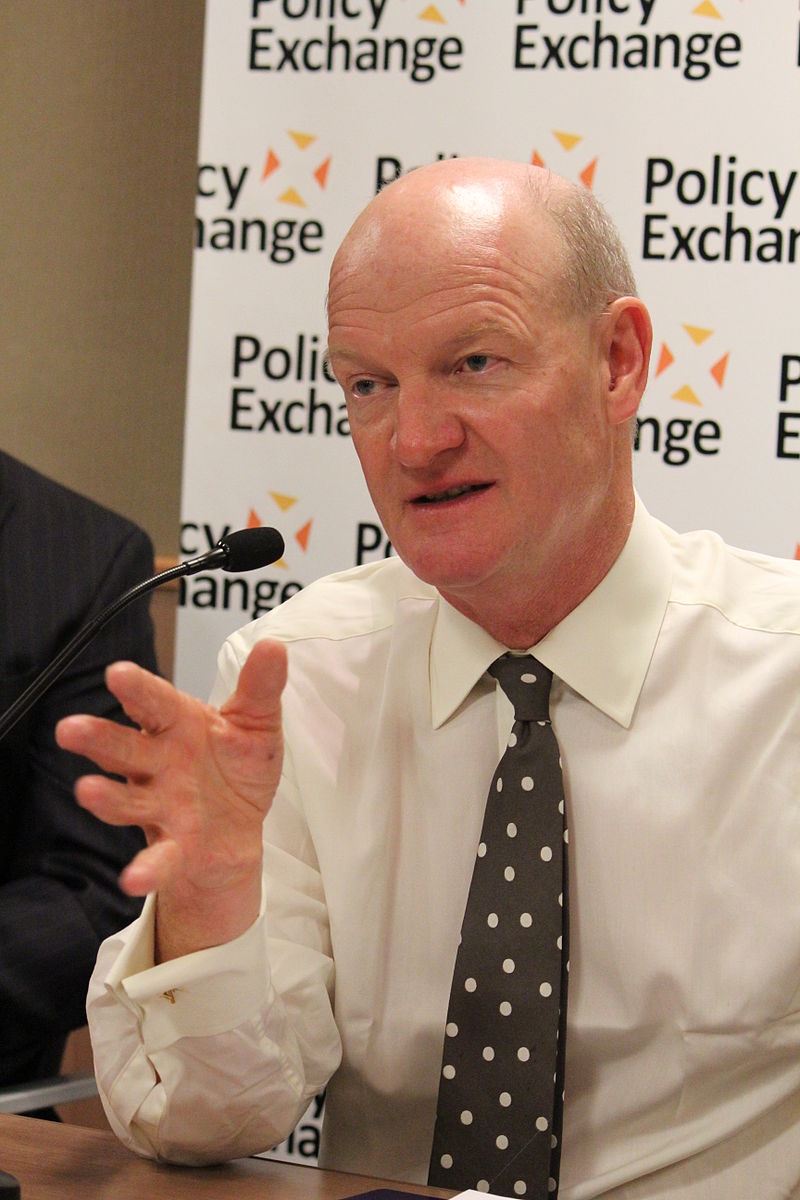
    The UK government has appointed Lord Willetts to lead the Regulatory Innovation Office (RIO), aiming to accelerate the safe and rapid introduction of high-growth technologies like AI in healthcare and engineering biology to the market. This initiative is crucial to the government’s “Plan for Change” growth mission. Lord Willetts, alongside Science Minister Lord Vallance, observed the successful use of drones for delivering urgent blood samples at Guy’s Hospital, demonstrating how technology can improve NHS efficiency. The government is also launching new funding to streamline regulations for cell-cultivated products, such as lab-grown meat. The RIO will focus on removing regulatory barriers that hinder innovation, supporting areas like autonomous vehicles, space, and AI in healthcare. 1 This effort aims to foster a pro-innovation environment, enabling the UK to capitalise on technological advancements for economic growth and improved public services.

  • NEWS STORY : Government States it Will Take a ‘Test and Learn’ Approach to AI

    NEWS STORY : Government States it Will Take a ‘Test and Learn’ Approach to AI

    STORY

    The UK government is set to revolutionise its approach to funding digital and AI projects within the public sector, aiming to inject a “start-up” mentality into its operations. A recent review highlighted that existing funding procedures are excessively intricate, causing delays and stifling innovation, particularly in experimental technologies like AI. To address this, the government plans to simplify funding approvals and implement a staged funding model, where projects begin with small budgets and scale based on proven success.

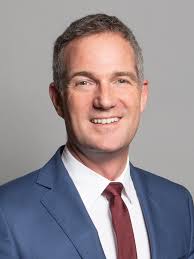
    This overhaul, scheduled to begin in April, will test four new funding approaches, drawing inspiration from the success of the GOV.UK Chat chatbot. The initiative seeks to replace outdated technology, enhance public services, and reduce taxpayer waste by prioritising efficiency and innovation. Furthermore, the government will introduce new outcome metrics and evaluation plans to ensure projects deliver value for money. Technology Secretary Peter Kyle emphasised the need to move away from “decades old” processes that have encouraged short-sighted thinking and outdated technology. Chief Secretary to the Treasury, Darren Jones, highlighted the urgency of digital transformation, citing research that revealed a significant portion of government digital systems are outdated, leading to increased costs and security risks.

  • NEWS STORY : Rupert Lowe Alleges Senior Reform Party Figure has Claimed he has Dementia

    NEWS STORY : Rupert Lowe Alleges Senior Reform Party Figure has Claimed he has Dementia

    STORY

    Rupert Lowe, the MP for Great Yarmouth who has been suspended from Reform following a series of allegations made against him, has claimed that senior Reform Party figures have made allegations that he has dementia. Lowe, who denies the allegations made against him, posted on Facebook:

    “I have been informed by a reliable source that ‘senior Reform figures’ have been briefing journalists that I have dementia. In politics, there is rough and tumble. I get that. But this is sick. What they are doing to me is disgusting.”

    Ann Widdecombe, a former Conservative Party Minister, and now spokesperson for Reform denied that the arguments would cause long-term issues for the party, adding “the fact is all parties have these eruptions from time to time.”

  • NEWS STORY : Reform Party Suspend Rupert Lowe Following Serious Allegations

    NEWS STORY : Reform Party Suspend Rupert Lowe Following Serious Allegations

    STORY

    The Reform Party has confirmed that they have suspended Rupert Lowe, the MP for Great Yarmouth, following a series of allegations made against him. Lowe has fiercely denied the allegations and said that he is considering legal action against Reform for libel. Reform also confirmed that the allegations had been referred to the police, with the Metropolitan Police saying in a statement:

    “On Thursday 6 March we received an allegation of verbal threats made by a 67-year-old man on Friday 13 December 2024. Officers are carrying out an assessment of the allegations to determine what further action may be required.”

    A spokesperson for Reform added:

    “In addition to these allegations of a disturbing pattern of behaviour, Mr Lowe has on at least two occasions made threats of physical violence against our party chairman. Accordingly, this matter is with the police.”