Blog

  • Peter Aldous – 2023 Speech on the Independent Review of Net Zero

    Peter Aldous – 2023 Speech on the Independent Review of Net Zero

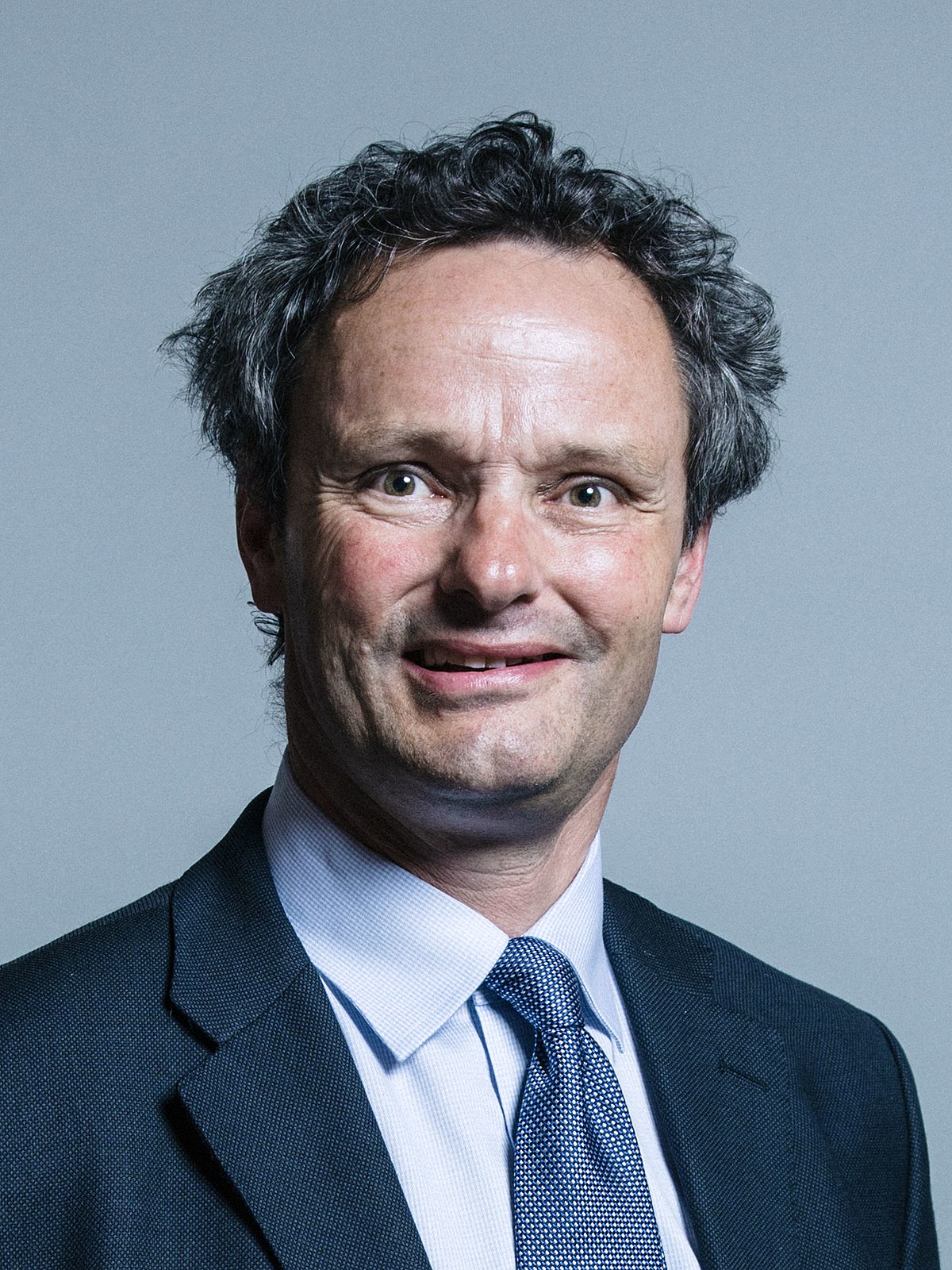
    The speech made by Peter Aldous, the Conservative MP for Waveney, in the House of Commons on 9 February 2023.

    My right hon. Friend the Member for Kingswood (Chris Skidmore) and his team are to be congratulated on carrying out the herculean and timely task of reviewing the UK’s legal commitment to net zero greenhouse gas emissions by 2050. Generally, I agree with his findings and recommendations, and I urge the Government to consider them carefully and to respond to them proactively. This must not be a document that gathers dust on a bookshelf, or to which occasional reference is made in preparation for debates such as this. Instead, it must mark a sea change in how we set about ensuring that the UK realises the full potential of the growth opportunities that net zero presents.

    My right hon. Friend’s review calls for action on the “key 25 for 2025 recommendations”. Each of these proposals warrants a debate of its own, but what I shall briefly do is home in on one subject that is not only very important to delivering net zero, but already bringing significant job opportunities to areas such as Waveney and Lowestoft and, with the right policy framework, can deliver even more. What I am talking about is the offshore wind industry.

    Offshore wind has come a long way in the past decade. At the outset, 10 years ago, there were many Doubting Thomases questioning whether the industry had a future, saying that, as a technology, it was way too expensive. However, the industry, working with Government, has proved them wrong. It is now an undoubted British success story, with everyone wanting a slice of the action. As a result, the Government have set very ambitious targets for 2030 and 2050 for the amount of electricity that offshore wind will generate.

    The industry has brought significant benefits to East Anglia, with half of the nation’s offshore wind fleet anchored off the Suffolk and Norfolk coast. Its construction is being project managed from ports such as Lowestoft, where ScottishPower Renewables and SSE Renewables also have their operations and maintenance bases, and where Associated British Ports has obtained planning permission and is designing its Lowestoft Eastern Energy facility.

    This success can be attributed to a combination of the ingenuity of business and the foresight of Government, who, in the Energy Act 2013, set down a policy framework that has been an undoubted success. However, times change. In many respects, offshore wind is a victim of its own success. The scale of the Government’s vision for the future of the industry means that a more strategic approach to its future development is now required. The Russian invasion of Ukraine and the ensuing global gas crisis mean that other nations, in particular the US with its Inflation Reduction Act 2022, are upping their game in developing their own renewable energy strategies. All of a sudden, the UK, which is still the No. 1 world leader in offshore wind, is at risk of being an also-ran. Energy is a globally footloose industry, and it is vital that we respond to ensure that the UK retains its pole and premier position.

    I shall briefly outline how I believe this can be done. First, there is a need to streamline the planning process. A more co-ordinated and efficient planning system is required if we are to achieve the 50 GW 2030 target. The establishment of the offshore wind acceleration taskforce will help achieve that, but its reforming work does need to take place at a greater pace.

    Secondly, and in the same vein, we need to speed up the development of the grid system, so that offshore wind projects can be delivered more rapidly. We require a new model of grid development where critical investments are accelerated by Ofgem and the transmission owners. To deliver this step change in grid development, the Government should reform the remit of Ofgem through an amendment to the Energy Bill, as recommended by my right hon. Friend the Member for Kingswood and his team.

    Thirdly, there is a need for a stable and attractive fiscal framework that enables businesses to make what are enormous investment decisions with confidence. It would be wrong to get into a bidding war with the US, the EU and other nations, but we do need a taxation regime that encourages investment through a compelling range of capital allowances. I urge my right hon. Friend the Chancellor to introduce these in the forthcoming spring statement.

    Fourthly, although the framework set down in the Energy Act 2013 has served us very well, it does need considered reform to take account of the harsh new global economic reality. Due to inflation and supply chain constraints, it is necessary for Government to adjust the parameters for future contracts for difference auctions, both with regard to their overall budget and the strike prices that are set. In the longer term, it is necessary to reform the contracts for difference allocation process so as to better balance price and supply chain considerations. In doing so, we will be able to maximise the opportunities that offshore wind presents for economic regeneration and job creation in places such as Lowestoft.

    Wera Hobhouse

    Does the hon. Member agree that one of the biggest problems that we encounter is not so much the CfDs, but the delay that is caused by grid access? The National Grid cannot develop new grid infra- structure until projects have come on board.

    Peter Aldous

    I agree with the hon. Lady. The industry faces a whole range of challenges. The contracts for difference one is very important at the moment, with developers putting forward their bids, but the grid is an important issue. As I have said, the industry has been a victim of its own success. The point-to-point approach to making connections into the grid, which we have had up until now, is, I fear, no longer sustainable and we need to move on to that more strategic approach.

    My fifth and final point is that it is important that the Government act as a catalyst for investment in key infrastructure, particularly in ports. That is vital in order not to deflect investment overseas. Such leveraging could include revenue guarantee support for investors for a limited period, to overcome the risk gap at the time of final investment decisions, and looking to see what the UK Infrastructure Bank can do to crowd in private investment.

    In conclusion, as I mentioned at the outset, offshore wind has come a long way over the past decade. In many respects it is now the UK’s star player in mission zero. It provides hope and opportunity for communities all around the UK. The existing partnership between business and Government, which culminated in the sector deal signed in Lowestoft nearly four years ago, has served us well. However, the regulatory and policy frameworks now urgently need reviewing if the UK industry is to retain its premier position. If we do not do that—my apologies for this metaphor, Madam Deputy Speaker—there is a risk that we will have blown it.

  • Wera Hobhouse – 2023 Speech on the Independent Review of Net Zero

    Wera Hobhouse – 2023 Speech on the Independent Review of Net Zero

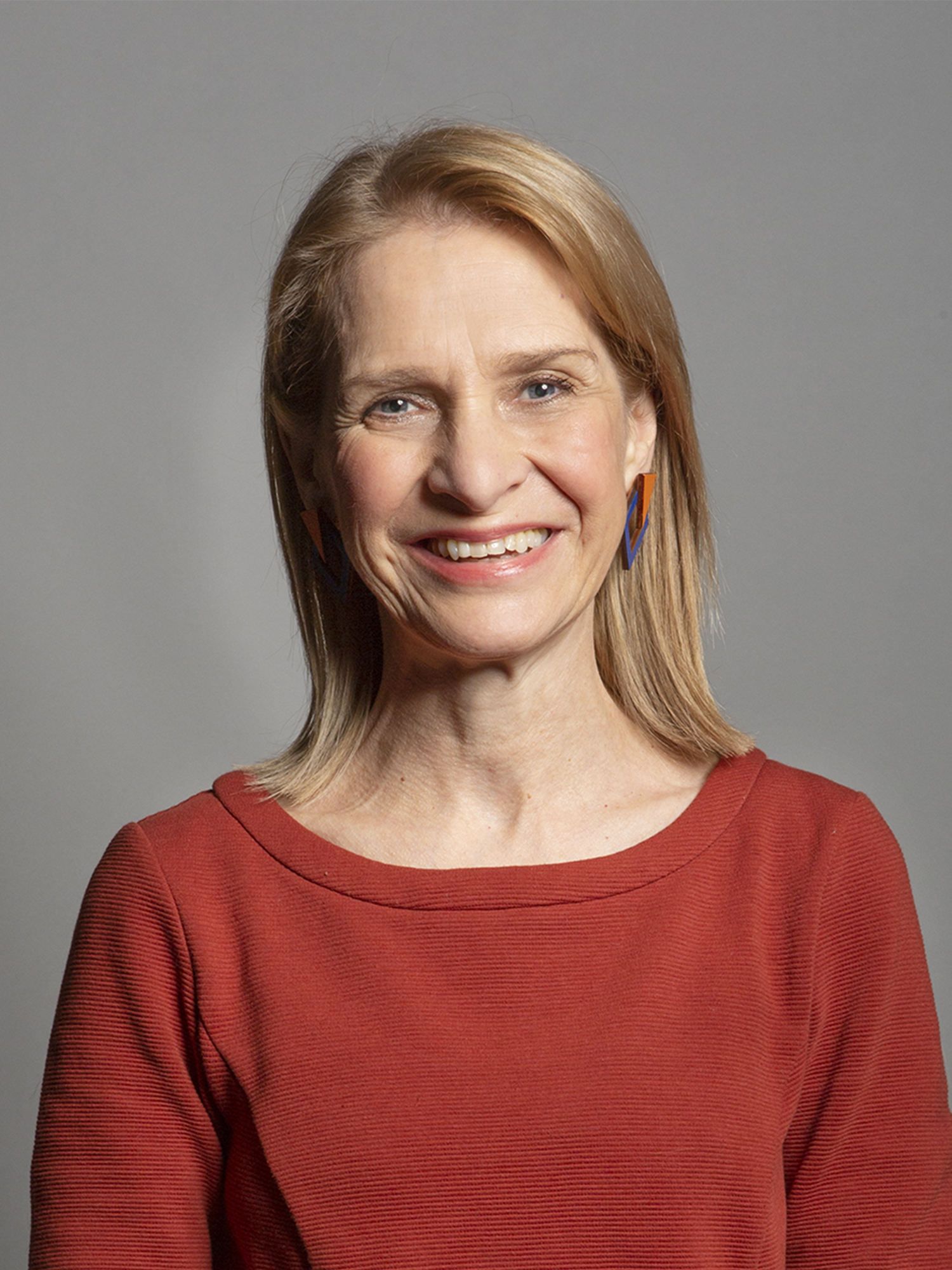
    The speech made by Wera Hobhouse, the Liberal Democrat MP for Bath, in the House of Commons on 9 February 2023.

    It is a pleasure to follow the right hon. Member for Gainsborough (Sir Edward Leigh), because it is important to hear where people’s concerns are. The report sets out the fact that we must overcome our concerns because we have no option: we need to reach net zero. The House knows how passionate I am about making sure that this country reaches its net zero targets.

    While recent news has overwhelmed us with the tragedies of war and natural disasters, the climate emergency continues to threaten our global future. We have to act together, in solidarity. I welcome the independent review of net zero. It is uncompromising in its demand that the Government get a grip and actually deliver on the targets they have set themselves. Last year, the Climate Change Committee made a similar point: tangible progress now lags badly behind the country’s net zero ambitions.

    We are on course to overshoot our target level of greenhouse gas emissions twofold. The CCC had previously set the Government several targets for 2022 to stay on course for net zero by 2050; only a fifth of them have been achieved. This is an unforgivable underperformance and shows that the Conservative Government’s commitment to net zero is lukewarm at best. We need to do a lot more persuasion. It is about winning hearts and minds, not just in this House but in our local communities, to persuade people that we need to get to net zero. The commitment has to be more than lukewarm: it has to be hot and passionate. We want to get to net zero.

    Too many people still treat our net zero targets like a bus that we can miss and then catch another. We must understand that there will be no next time if we do not reach net zero by 2050—and that means net zero globally. Climate change is already leading to chaotic consequences in our societies. Since 1950, the global number of floods has increased by a factor of 15 and wildfires have increased by a factor of seven. We have seen droughts and famine across east Africa, floods in Pakistan and a heatwave in the UK. The dangers of missing net zero are staring us right in the face. The difference in limiting global warming to 1.5°C instead of 2° would save around 420 million people from exposure to extreme heatwaves.

    Our Government should be leading by example—I say that for the third time now. We are an advanced economy. We cannot tell economies that are less advanced that they have to get to net zero but our contribution is so tiny that it does not matter. It matters that we lead by example. I am so glad we have a report that says that net zero is not only good for the planet but makes sense economically. We will miss out hugely if we do not really get to grips with this and deliver on the targets. We must set ourselves ambitious targets and be very passionate and hot about them, not just lukewarm. What message does it send to the rest of the world when our advanced economy does not meet its obligations in the global fight to keep temperature rises below 1.5°?

    The independent review recognises that the Government’s tepid approach to net zero means the UK is losing out on green investment. This concern is shared by the Confederation of British Industry and many renewable energy companies, such as Equinor, SSE and Vattenfall. The USA and the EU are developing huge financial packages to encourage green investment, and China is currently the biggest investor in renewable energy, while our Government are still playing to the tune of the oil and gas giants. The UK lags behind all but one of its G7 counterparts in investment in green infrastructure and jobs. It is a massive missed opportunity.

    We are in a cost of living crisis because of our reliance on gas and oil. The Government fail to recognise that the fastest and cheapest way to guarantee energy security is to phase out oil and gas rather than invest in more exploration and extraction. I welcome the fact that we now have the new Department for Energy Security and Net Zero—that the two have been put together—because so much of energy security depends on our getting to net zero and phasing out our reliance on gas and oil.

    I am pleased that the net zero review recommends that the Government support the Local Electricity Bill. The lack of growth in community energy in the past seven years is a significant missed opportunity. Its major strength is its connection to people and places. It engages people in energy systems and makes that important connection so that we win hearts and minds and people see the advantages of changing. I absolutely agree that change is difficult and we need to get people behind the net zero agenda.

    In my Bath constituency, Bath and West Community Energy has installed enough renewable energy to power nearly 4,500 homes. Many of the projects are installed in local school and community buildings. The energy is net zero and far cheaper than gas and oil, but the huge potential for more community energy cannot be realised because current energy market and licensing rules mean that community energy schemes face high grid-access costs.

    The Local Electricity Bill would reform the energy market to empower community-owned and run schemes to sell local renewable energy directly to households and businesses. It would make new community energy businesses viable, and those businesses would keep significant additional value within local economies by bypassing large utilities. It is incomprehensible to me why the Government are dragging their feet on enacting this vital change to help an industry that has so much potential not only in reaching net zero but in doing exactly as we are doing with this debate—aiming to win hearts and minds and make people and politicians aware of how important net zero is and how deliverable and advantageous for our society it will ultimately be.

    The transition to net zero must be at the heart of every Government policy if we are to hit our targets. The Climate Change Committee has criticised the lack of joined-up thinking on net zero in the Government. Last year, I spoke to a group of sub-national transport bodies that noted the lack of synergy between the Department for Transport and the Department for Levelling Up, Housing and Communities in the development of sustainable land planning principles. That is just one example of siloed thinking in the Government.

    I agree with the review that there needs to be a group with actual power that can work across Government to ensure that net zero is considered in every policy decision. A net zero delivery authority, as outlined in a recent Policy Connect paper, could do exactly that. Such a public body should be placed on a statutory footing and operate at arm’s length from the Government to provide assurance to business and people about its longevity and clout. It would be tasked with monitoring and accelerating the delivery of key net zero strategies.

    The Government would set the authority’s objectives, rules and principles of operation and the authority would then be responsible for delivery within that framework. I am glad that we have already discussed that this afternoon. [Interruption.] I hope the Minister is listening, because he might be involved in setting up such an authority. I am looking forward to progress with that.

    A net zero delivery authority would co-ordinate the delivery of Government strategies between local and national Government. That, too, is incredibly important and has already been mentioned. The delivery of many of our net zero targets should be devolved to local areas, because local people know best, and the delivery of net zero can be so much better achieved through local authorities. The authority would gather information and understanding about local delivery from local government and businesses to inform the national strategy. It would work with partner organisations and national bodies to inform both national and local delivery strategies for decarbonisation.

    However, a net zero delivery authority is not enough, which is why we, as Liberal Democrats, are proposing a net zero action plan, backed by a £150 billion public investment programme to fire up progress to net zero and help the UK become a global leader in future technologies. What a net zero delivery authority could do is avoid policy inconsistency and ensure total focus within Government on the climate emergency.

    The net zero transition will impact every aspect of our lives. The evidence is clear that the costs of combating the climate emergency are dwarfed by the consequences of inaction. We must all work together to deliver the net zero transition as efficiently and sustainably as possible. If we do not do so, we risk losing the battle to preserve our climate, the future of our country and the wellbeing of our people.

  • NEWS STORY : Bridget Phillipson Criticises Jeremy Corbyn’s “Staggering Lack of Self Reflection”

    NEWS STORY : Bridget Phillipson Criticises Jeremy Corbyn’s “Staggering Lack of Self Reflection”

    STORY

    Bridget Phillipson, the Shadow Education Secretary, has said on The News Agents Podcast that Jeremy Corbyn, the former Labour leader, has shown “a staggering lack of self reflection”. When asked if he might be allowed to rejoin the Parliamentary Labour Party she added:

    “I don’t think Jeremy Corbyn has ever fully acknowledged what happened or his responsibilities. He isn’t reflecting on what took place. He again is looking to blame others or to make excuses and I don’t think that’s good enough”.

    Keir Starmer, the Labour leader, said in 2020 on Corbyn’s response to a critical EHRC report on the level of anti-semitism in the Labour party that “I was very disappointed in Jeremy Corbyn’s statement and appropriate action has been taken, which I fully support”.

    RESOURCES

    Bridget Phillipson’s Comments

    EXTERNAL NEWS LINKS

    The News Agents Podcast

    EHRC Report into Anti-Semitism in the Labour Party

    BBC News Story – Jeremy Corbyn Suspended

  • Bridget Phillipson – 2023 Comments on Whether Jeremy Corbyn Should be Allowed to Be a Labour MP

    Bridget Phillipson – 2023 Comments on Whether Jeremy Corbyn Should be Allowed to Be a Labour MP

    The comments made by Bridget Phillipson, the Shadow Secretary of State for Education, on The News Agents podcast on 10 February 2023.

    [Bridget Phillipson was asked by Jon Sobel if Jeremy Corbyn should be allowed to return to the Parliamentary Labour Party]

    BRIDGET PHILLIPSON

    I think for someone who has had ample time to reflect on what took place, under his leadership, not least the outcome of the Equality and Human Rights Commission’s investigation into the actions of the party under his leadership, he shows a staggering lack of self reflection and has never apologised really for what took place under his leadership. You know, I think Jeremy Corbyn has known for a long time that there was a responsibility on him to apologise for what took place under his leadership.

    [Jon Sobel mentioned that Corbyn has apologised for some things]

    BRIDGET PHILLIPSON

    Our party was absolutely scarred by the horrific instances of anti-semitism that took place and I don’t think Jeremy Corbyn has ever fully acknowledged what happened or his responsibilities. He isn’t reflecting on what took place. He again is looking to blame others or to make excuses and I don’t think that’s good enough. Over the period of time since Keir Starmer has been Labour leader we’ve rebuilt relationships with Jewish communities in our country and Keir Starmer set out his personal apology for what took place in the Labour Party. And that’s right. I just, I do not understand why Jeremy has not reflected on what took place and why he has still failed to offer an apology on that.

  • NEWS FROM 100 YEARS AGO : 11 February 1923

    NEWS FROM 100 YEARS AGO : 11 February 1923

    11 FEBRUARY 1923

    Belfast police announced that they had arrested the ringleaders, including two brothers, of a campaign to destroy every civic and Government office in the city.

    Discussions continued for a loan from the Bank of England to Austria to assist them in their current financial turbulence. The loan would be guaranteed equally by the French, British, Italian and Czech Governments.

    The French occupation of the Ruhr was causing severe shortages of coal across Germany, despite the import of coal from the UK. A number of schools were closed and plans were drawn up to produce a rationing system for members of the public.

  • NEWS STORY : Violent Disorder Breaks Out Near Asylum Hotel in Knowsley

    NEWS STORY : Violent Disorder Breaks Out Near Asylum Hotel in Knowsley

    STORY

    A protest has taken place yesterday evening outside an asylum-seeker hotel in Knowsley, Merseyside, England which turned violent. A police van was set on fire and destroyed, with three people being arrested on suspicion of violent disorder.

    Clare Moseley, the founder of refugee charity Care4Calais, was among the people from pro-migrant groups who went to the Suites Hotel in Knowsley to oppose the anti-migrant protesters who were gathering. She said that the situation became like a war zone, with residents at the hotel having come from extreme conditions overseas and being terrified by what was taking place. There is a suggestion that the demonstration was triggered by a rumour that had been shared on social media. The local police condemned the incident, with Paul White, the Assistant Chief Constable of Merseyside Police, saying:

    “We will always respect the right to protest when these are peaceful, but the scenes tonight were completely unacceptable, putting those present, our officers and the wider community in danger. Thankfully we have not had any serious injuries reported up to this point, but for officers and police vehicles to be damaged in the course of their duty protecting the public is disgraceful”.

    George Howarth, the local Labour MP, said:

    “The people of Knowsley are not bigots and are welcoming to people escaping from some of the most dangerous places in the world in search of a place of safety”.

    RESOURCES

    Statement by George Howarth

    Statement by Merseyside Police

    George Howarth

  • PRESS RELEASE : Three arrested during violent disorder in Prescot, Knowsley [February 2023]

    PRESS RELEASE : Three arrested during violent disorder in Prescot, Knowsley [February 2023]

    The press release issued by Merseyside Police on 10 February 2023.

    We can confirm that three people have been arrested following incidents of disorder in Prescot this evening, Friday 10 February.

    At around 6.30pm, officers were facilitating an initially peaceful protest and counter protest on Ribblers Lane.

    During the evening, missiles have been thrown towards officers and damage caused to a police vehicle. No injuries have been reported at this time.

    A total of three people have been arrested on suspicion of violent disorder and taken to police stations to be questioned.

    Additional officers are in the area to deal with these incidents and ensure the safety of those in the area. We are also taking measures to record the actions of those present to gather further evidence.

    Road closures remain in place so continue to avoid the area where possible.

    Assistant Chief Constable Paul White said: “We will always respect the right to protest when these are peaceful, but the scenes tonight were completely unacceptable, putting those present, our officers and the wider community in danger. Thankfully we have not had any serious injuries reported up to this point, but for officers and police vehicles to be damaged in the course of their duty protecting the public is disgraceful.

    “We have arrested some of those suspects and will continue without hesitation to review all and any evidence which comes in, through CCTV, images or other information you may have.

    “I would also like to strongly remind not to post comments, footage or information on our channels but instead to pass it directly to officers via our social media desk @MerPolCC on Twitter or ‘Merseyside Police Contact Centre’ on Facebook with reference 1149. We will act swiftly upon all information given to identify any further offences and put those involved before the courts.”

    You can also pass information anonymously via Crimestoppers on 0800 555 111.

  • George Howarth – 2023 Statement on Violent Disorder in Knowsley

    George Howarth – 2023 Statement on Violent Disorder in Knowsley

    The statement made by George Howarth, the Labour MP for Knowsley, on 10 February 2023.

    I have referred an alleged incident posted on social media, which has triggered a demonstration outside the Suites Hotel, to Merseyside Police and Knowsley Council. Until the Police have investigated the matter, it is too soon to jump to conclusions and the effort on the part of some to inflame the situation is emphatically wrong. If an offence has been committed, the police should deal with it appropriately through due process.

    In addition, the misinformation about refugees being feather- bedded is untrue and intended to paint a picture that does not at all represent the facts.

    The people of Knowsley are not bigots and are welcoming to people escaping from some of the most dangerous places in the world in search of a place of safety.

    Those demonstrating against refugees at this protest tonight do not represent this community. We are not like that and overwhelmingly behave with sympathy and kindness to others regardless of where they come from.

  • PRESS RELEASE : Pioneering nature projects launched to test carbon capture methods in fight against climate change [February 2023]

    PRESS RELEASE : Pioneering nature projects launched to test carbon capture methods in fight against climate change [February 2023]

    The press release issued by the Environment Agency on 11 February 2023.

    Six projects will receive funding to research how nature-rich woodlands, grasslands, wetlands and urban habitats take up carbon.

    Six pioneering nature projects across England receive major funding award to trial the most effective ways to capture carbon and mitigate the impacts of climate change, Natural England has announced today (11 February).

    Operating at a landscape scale of over 500 hectares each, the six projects will restore landscapes across England – from Plymouth to Northumberland – and assess how carbon is captured and stored across different habitats such as grasslands, forests, wetlands and hedgerows.

    The £4.3 million of funding will support:

    • Wild Exmoor Carbon Sequestration Project: The National Trust has been awarded almost £1 million to deliver targeted nature-based solutions and carbon capture across its 670-hectare Watersmeet estate. The charity will create a wetter and wilder landscape by restoring and protecting coastal woodland, heathland habitats, species rich grassland and wood pasture.
    • Wansbeck Restoration for Climate Change (WRCC): Almost £600,000 has been awarded to the project managed by Groundwork NE & Cumbria which will assess how nature-based solutions can thrive in a farmed landscape. The project will restore mixed habitats – grasslands, peaty pockets and woodlands – and demonstrate how landowners can work together to reduce greenhouse gas emissions and promote carbon sequestration. Working across 10 sites, the work will restore over 144 hectares and will contribute to the wider restoration of the River Wansbeck catchment in Northumberland.
    • Plymouth’s Natural Grid Nature Based Solutions for Climate Change at the Landscape Scale project: Approximately £1 million will support Plymouth City Council, working in collaboration with the National Trust, to restore natural habitats and create local solutions to climate change in the urban environment through wood pasture, species rich grassland and woodland creation, salt marsh restoration and floodplain mosaic habitat creation.
    • Derwent Forest Landscape Recovery Project, part of the Derwent Connections Programme: Derbyshire Wildlife Trust has been awarded £645,000 for its Derwent Forest Landscape Recovery partnership-led pilot project. This project aims to create connected woody habitats between the Northern and National Forests to allow movement of species in response to climate change. It will also develop an economically viable programme to support landowners to create and expand dynamic and resilient ecosystems.
    • The Oxfordshire–Buckinghamshire Freshwater Network: This programme, run by the Freshwater Habitats Trust, has been awarded over £780,000 to focus on the role played by smaller, peat-dominated wetlands, floodplains, wet grasslands and waters in sequestering carbon in the landscape. These habitats are of exceptional importance for freshwater biodiversity, which is in rapid decline. The project will help to better understand the role that these habitats can play in carbon sequestration. It will also help Freshwater Habitats Trust build the Freshwater Network – a national network of wilder, wetter, cleaner and connected freshwaters.
    • Severn Solutions for Nature’s Recovery (SSNR): Gloucestershire Wildlife Trust has been awarded over £417,000 to work with Hasfield Court Estate to restore a 500-hectare estate in the Severn Vale. The partnership’s vision is to demonstrate and provide evidence of how the restoration of native habitats can provide nature-based solutions that help adapt to climate change and tackle the ecological emergency. Following a baseline survey of the estate, options have been tailored to maximise landscape connectivity between existing priority habitats, and will involve the creation of wood pasture, traditional orchards and species rich grassland. These actions will create habitats for important pollinator species, nesting opportunities for farmland birds and foraging networks for protected bat species.

    Tony Juniper, Chair of Natural England said:

    Many of the solutions to climate change are all around us in the natural world. From trees, hedges and grasslands that absorb carbon from the air to the peat-rich soils that hold it in the ground, there are huge opportunities to catch carbon while achieving other benefits at the same time, including increasing our ability to adapt to climate change impacts. The simple fact is that when it comes to our net zero ambitions Nature is our biggest ally and more we can do to restore it the better.

    Getting the scale of benefits we need requires working together collaboratively across entire landscapes. This is only going to be possible if we forge broad partnerships and this is increasingly the case as different sectors see that they are all part of the solution to the climate and Nature challenges that the world and this country are setting out to meet”.

    Alan Lovell, Chair of the Environment Agency, said:

    In the face of increasing climate extremes, using nature-based solutions that restore and work with natural processes is a powerful tool that can help protect us from the devastating impact of drought, floods and wildfires.

    The collective ambition to restore nature at a landscape scale, alongside the right financial incentives, will create a more resilient approach which is needed to address the urgent challenges of nature loss and climate change”.

    Richard Stanford, Chief Executive at the Forestry Commission, said:

    Resilient forests, woods and trees are vital for capturing carbon in the fight against climate change and improving biodiversity to aid nature recovery.

    We are working with project partners on the creation and management of woodlands across these landscapes to help treble tree planting to 7,500 hectares per year by the end of this parliament with a goal of reaching 16.5% tree cover by 2050.

    Through this programme we will gain new insights into the factors that affect how trees capture carbon, over the short and long term, in a variety of different habitats and sites. This will build on the excellent work by Forest Research and other organisations on the subject”.

    Ed Ikin, Director of Wakehurst, Kew’s wild botanic garden said:

    We at Kew are delighted to be part of this transformative landscape research investment.

    We hope our innovative research at Wakehurst will provide vital and valuable data for both the government and our new partner sites, offering essential scientific evidence for the ability of biodiverse landscapes to sequester carbon above and belowground to benefit people and the economy.

    Nature-based solutions – which tackle societal challenges in ways that benefit both people and nature – can remove CO2 from the atmosphere and halt emissions from degraded natural sites and agricultural land. Testing the effectiveness of different landscapes in acting as carbon sinks will be crucial in meeting the UK’s climate goals.

    Analysis and information from the pilot sites will be used to better inform habitat creation and contribute to tackling climate change.  Each project will also look how best to blend public and private sources of funding to support further delivery of their landscape-scale plans for improving the natural environment.

    Nature Based Solutions for Climate Change at the Landscape Scale is a partnership led by Natural England with the Environment Agency, the Forestry Commission and Royal Botanic Gardens Kew at Wakehurst, Kew’s wild botanic garden in Sussex. It demonstrates the power of collaborative working to understand the value of nature-based solutions in tackling climate change and will deliver against the government’s Environmental Improvement Plan.

    The organisations will work alongside project partners to expand scientific evidence on greenhouse gas emissions, create sustainable funding opportunities for landscape scale projects, and provide additional data to inform the development of robust carbon standards, such as the Woodland Carbon Code and the Peatland Code.

    The Nature Based Solutions for Climate Change Programme is a £12.5 million programme first established in 2021 which is funded by the Treasury’s Shared Outcomes Fund, and cosponsored by Defra and the Department for Energy Security and Net Zero. The fund seeks to increase cross-government collaboration and address society’s most challenging problems including biodiversity loss, climate change and land use change.

    In addition to establishing the partner sites, the funding is enabling Natural England, the Environment Agency, the Forestry Commission and Kew to undertake further scientific research into the value of nature-based solutions and green finance models.

    Researchers at Kew’s wild botanic garden, Wakehurst will research the value of broadleaf, coppiced and coniferous woodlands in building resilience to climate change. Using drones, they will measure plant biomass alongside greenhouse gas flux, and undertake soil fungal research to consider how different biodiverse habitats sequester carbon.

    Natural England scientists are also assessing carbon and biodiversity both on the new habitats and assessing the carbon and biodiversity benefits of earlier habitat creation and restoration projects.

    The Programme will run until March 2024.

  • PRESS RELEASE : More women to be supported back into STEM jobs in Government-backed training [February 2023]

    PRESS RELEASE : More women to be supported back into STEM jobs in Government-backed training [February 2023]

    The press release issued by the Cabinet Office on 11 February 2023.

    More women will be helped back into the workplace following the launch of a Government-backed training programme.

    • Women facing work barriers due to caring to be helped back to careers
    • Minister for Women and Equalities invests in pilot to get returners into STEM
    • 43% of STEM vacancies are hard to fill; women make up 29.4% of the STEM workforce; 75,000 STEM returners want to get back to work

    Today on the International Day of Women and Girls in Science the Minister for Women and Equalities, Kemi Badenoch, has launched a new initiative to help people back into science, technology, engineering and maths (STEM) based careers.

    The scheme – backed by £150,000 of Government funding – will be run by Women Returners and STEM Returners and will target those who have taken lengthy career breaks to care for others, giving them the skills they need to succeed in the workplace.

    Minister for Women and Equalities, and Secretary of State for Business and Trade, Kemi Badenoch MP, said:

    “I learned how to code at the age of seven and trained as an engineer, so I know the importance of science to our economy.

    “In the last decade we have seen more girls studying STEM subjects at school and university, but we know that too many women later drop out of those careers because they need to care for children or elderly relatives.

    “We are investing in returners so we can plug the STEM gap, increase workplace equality, and boost our economy. That’s good business sense.”

    Between 2009 and 2020 there was an almost 30% increase in girls starting STEM A-levels in England, and between 2011 and 2020, the number of women accepted to full-time STEM undergraduate courses increased by 50.1% in the UK. But in 2020 women only made up 29.4% of the STEM workforce in the UK.

    According to the UK Commission’s Employer Skills Survey 2013, 43% of science, technology, engineering and maths (STEM) vacancies are hard to fill. But there were approximately 75,000 people who were economically inactive due to caring responsibilities, had not worked for at least 12 months, had a STEM occupation immediately before their career break, and would like to return to work in the future. The majority of these potential returners are women.

    Minister for Women, Maria Caulfield MP, said:

    “STEM jobs make up a large proportion of our economy, but there is a shortage in STEM employees and 75,000 STEM returners who want to get back to work. We know there are women across the country who have left their jobs to care for elderly relatives or children, and want to return to work.

    “This pilot will help organisations to recruit those who are too often overlooked because of a gap on their CV.”

    Women Returners, experts in return to work consulting, coaching and networking, will support parents and carers back into the workplace through personalised employability support, sector-specific refresh training, and work opportunities.

    The STEM ReCharge pilot will provide support and training to technology and engineering returners in the Midlands and the North of England. It will also provide support and training for STEM employers on supportive returner hiring and inclusive recruitment practices.

    Julianne Miles, CEO of Women Returners, said:

    “We are thrilled to be partnering with the Government Equality Hub and STEM Returners to launch the innovative STEM ReCharge programme in the Midlands and the North of England. There is a pressing need in these regions to provide this job-readiness support tailored to parents and carers returning to STEM, together with training for STEM employers to create more supported routes back to work for career returners. We’re confident that this comprehensive programme of support will help to accelerate the removal of the career break penalty in the UK.”

    Natalie Desty, Director of STEM Returners, said:

    “We are delighted to be supporting the Government Equality Hub in increasing the opportunity for Returners in STEM and lowering the barriers they face when they try to resume their careers. This programme will allow us to continue our mission to help create a diverse, inclusive and equitable STEM sector. We are especially delighted to be collaborating on this project with Women Returners, as working together we can achieve more.”

    The Government has already funded 25 returner programmes across the private and public sectors. This includes providing a £1.5 million grant fund to support projects in the private sector, as well as targeting key professions in the public sector, such as social workers and health professionals. Guidance for employers on how to support returners, and a toolkit for those on their return to work journey, is also available via the GOV.UK website.