Blog

  • Wes Streeting – 2025 Speech at Unison’s Annual Conference

    Wes Streeting – 2025 Speech at Unison’s Annual Conference

    The speech made by Wes Streeting, the Secretary of State for Health and Social Care, in Liverpool on 9 April 2025.

    Good morning conference.

    Let’s start on a point of agreement.

    The killing of 15 health and rescue workers in Gaza was an appalling and intolerable tragedy.

    Healthcare workers in any context, in any part of the world, should never be a target.

    The international community, or indeed any actors in any conflict, all have a responsibility to protect health and humanitarian aid workers and also to protect innocent civilians.

    And it’s clear that in Gaza, as well as in other conflict zones around the world at the moment, the international community is failing and failing badly.

    So I want to say, as a Unison member, I strongly support the sentiments expressed by our Healthcare Executive.

    But on behalf of our government, we want to see a return to an immediate ceasefire.

    We want to see aid in, people out of harm’s way, an end to this bloody conflict and a state of Palestine alongside a state of Israel, and the just and lasting peace that Israelis and Palestinians deserve.

    I also have to say, having been to the West Bank with Medical Aid for Palestinians and seen first hand the work that they do supporting the health needs of Palestinians across the occupied Palestinian territories, they do brilliant work.

    And I would fully endorse the sentiment of the motion in supporting them, and each of us putting our hands in our pockets to do that.

    I’m proud to be here today as the first Health and Social Care Secretary to address a UNISON conference since Andy Burnham did 15 years ago—and proud to do so as a UNISON member.

    My first ever parliamentary debate in 2015 was with UNISON, opposing the abolition of the NHS bursary. Since then, I’ve spoken on countless UNISON platforms across my time as Shadow Schools Minister, Shadow Child Poverty Minister, and Shadow Health & Social Care Secretary.

    But today is different. This is the first time I speak to UNISON not as someone discussing what a Labour government should do, but what we are doing—delivering real change to transform society and improve working people’s lives.

    Last July was historic. Labour returned to power with a thumping majority—only the fourth time in our history. It was a result made possible by UNISON’s support for Keir Starmer: helping to change the party, change the government, and now change the country. That victory brought 74 new UNISON MPs into Parliament, including Katrina Murray, Melanie Onn, Mark Ferguson, and my own PPS, Deirdre Costigan. Three UNISON MPs are now in the Department of Health and Social Care: Stephen Kinnock, Karin Smyth, and me.

    We’re delivering the change people voted for. It’s not easy—and I know you’ll have questions and challenges. But we’re ready to engage. UNISON has always been a critical friend to Labour. The “critical” part is just as important as the “friend” part.

    In the past nine months, nothing has shaken my conviction that we will get the NHS back on its feet and build a National Care Service worthy of the name.

    Take Southport, for example. On July 29th, a senseless, mindless attack left children and adults bleeding, some dying, in a community centre. NHS staff responded with extraordinary courage—from paramedics and porters to receptionists and surgeons. But what happened next filled me with rage. Racist thugs attacked Filipino nurses, a Nigerian care worker’s car was torched, and GP surgeries had to close. These are people who came here to care for us. They represent the best of Britain.

    Violence against NHS staff must end. One in seven NHS workers have suffered abuse. That shames us all. So today, I’m announcing mandatory national recording of incidents, data analysis to protect the most at-risk, and requirements for NHS trust boards to report on progress. Zero tolerance. Campaigned for by UNISON. Denied by the Tories. Delivered by Labour.

    Too often, NHS staff are trained at great public expense, only to be driven out by poor treatment. Some end up working in Canada or Australia. We must retain talent and respect staff—through training, flexible working, and fair pay. That’s why we’re implementing a new digital system to fairly apply the Job Evaluation Scheme. A fair day’s work for a fair day’s pay. Campaigned for by UNISON. Denied by the Tories. Delivered by Labour.

    I owe my life to NHS staff who treated me for kidney cancer. I’ll never be able to repay that debt, but I’ll try. You were there for me—I’ll be there for you.

    We have a ten-year plan. The Conservatives left us with record waiting times and low satisfaction. Our mission: get the NHS treating patients on time, and reform it for the future.

    We’ve engaged more than a million people in the biggest NHS consultation ever, including 3,000 staff meetings. The result, to be published this spring, will outline three goals:

    • Shift care out of hospitals and into the community;

    • Modernise the NHS with digital tools and technology;

    • Build a preventative health service to tackle major killers.

    This isn’t the staff’s fault. But we can’t fix it without you. I know how hard it is to fight a broken system. But help is coming. My message: stay and help us rescue it. We’re turning it around.

    In nine months, we’ve already:

    • Given NHS staff an above-inflation pay rise;

    • Ended the resident doctors’ strikes;

    • Invested £26 billion in health and care;

    • Made the largest investment in hospices in a generation;

    • Agreed the GP contract with £889 million in new funding;

    • Reversed a decade of pharmacy cuts;

    • Delivered 2 million extra appointments—seven months early;

    • Diagnosed 80,000 suspected cancer cases early;

    • Cut waiting lists for five months in a row.

    On social care, we’ve delivered the biggest-ever increase to carers allowance—£2,300 extra a year—and introduced fair pay agreements as part of Labour’s Employment Rights Bill. That’s the first step in building a National Care Service.

    And today, I can announce the first universal career structure in adult social care: four new job roles and millions in training investment.

    Keir Starmer said his ambition is for his sister, a care worker, to be treated with the same respect as her brother, the Prime Minister. With Labour, she will be.

    But we carry a huge responsibility—not just to NHS users, but to prove that the NHS can still deliver. On its 75th anniversary, most Britons were proud of the NHS. But 70% thought “free at the point of use” won’t survive the next decade.

    Right-wing figures like Kemi Badenoch and Nigel Farage want to change that. Farage wants insurance-based models and to charge patients. Over my dead body.

    We will always defend the NHS as a public service—free when you need it, no matter who you are.

    Tories and Reform are willing us to fail. But the future of our party and our health service are bound together. The stakes are high. But the prize is huge: an NHS where workers are respected and patients get the care they deserve.

    We can look back one day and say: we were the generation that rescued the NHS from its worst crisis and made it fit for the future.

    Change has begun—and the best is still to come.

  • PRESS RELEASE : One million NHS staff to benefit from new support measures [April 2025]

    PRESS RELEASE : One million NHS staff to benefit from new support measures [April 2025]

    The press release issued by the Department for Health and Social Care on 9 April 2025.

    Government delivers on promise to support frontline staff with new action to tackle violence, improve working lives and enhance career progression.

    • Measures include improved reporting and prevention of violence and aggression in the workplace as incidents against healthcare workers reach alarming levels
    • New measures will make sure staff are paid correctly for the work they are asked to deliver

    Health and Social Care Secretary, Wes Streeting, will today announce a comprehensive support package to tackle violence and improve the working lives of NHS staff.

    The measures are part of a range of recommendations accepted by the government under the Agenda for Change contract – which covers over a million frontline NHS workers – following the agreement of the 2023 pay deal.

    Violence against healthcare workers has become a critical issue, with the 2024 NHS Staff Survey revealing that one in seven experienced physical violence from patients, their relatives or other members of the public.

    A quarter of NHS staff experienced at least one incident of harassment, bullying or abuse in the last 12 months. Many incidents currently go unreported, hampering efforts to address the problem systematically.

    New measures will be put in place to encourage staff to report incidents of violence or aggression towards them, and to ensure this information is collected at national level. Data will also be analysed to better understand if certain staff groups – whether by race, gender, disability status, or role – face disproportionate risks, allowing trusts to protect the most vulnerable workers.

    In a keynote speech to UNISON’s National Health Care Service Group Conference in Liverpool, Secretary of State for Health and Social Care, Wes Streeting, said:

    No one should go to work fearing violence. Yet one in every seven people employed by the NHS have suffered violence at the hands of patients, their relatives, or other members of the public.

    Protecting staff from violence is not an optional extra. Zero tolerance for violence and harassment of NHS staff. It’s a commitment to make sure healthcare workers can focus on saving lives without fear for their own safety.

    I owe my life to the NHS staff who cared for me through kidney cancer. I owe a debt of gratitude that I will never be able to repay, but I certainly intend to try. You were there for me, and I’ll be there for you.

    The package of measures will also address longstanding issues around ensuring staff are paid correctly for the work they deliver. Staff being routinely required to work beyond their job description with no compensation has led to a number of local disputes, such as those relating to clinical support worker roles in the Midlands at Kettering General Hospital and University Hospitals of Leicester.

    The Department of Health and Social Care is working closely with NHS England, NHS Employers and the Staff Council to implement a national digital system to support the fair and consistent application of the Job Evaluation Scheme.

    This will ensure staff are placed in the appropriate pay band recognising the skills and knowledge required for the role.

    Further measures include:

    • enhanced career progression support for nurses such as more learning and development, leadership training and career coaching for managers
    • new guidance for employers on how to recognise overseas experience on appointment into the NHS and share best practice on recruitment and selection processes
    • steps to reduce reliance on expensive agency workers by making it easier for NHS staff to take up flexible working and developing good practice guidance on working patterns for existing staff
    • encouraging six-month career reviews tailored specifically for ethnic minority nurses to identify progression pathways and provide targeted interview preparation support

    In total, 36 recommendations have been accepted by ministers. These measures are expected to have a considerable and positive impact on the NHS workforce, improve staff morale and enhance recruitment and retention.

  • NEWS STORY : Angela Rayner Calls for Resolution to Prolonged Birmingham Bin Strike

    NEWS STORY : Angela Rayner Calls for Resolution to Prolonged Birmingham Bin Strike

    STORY

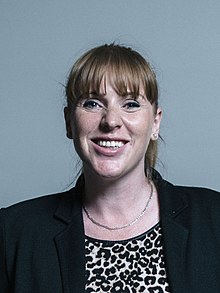
    Deputy Prime Minister Angela Rayner has urged striking bin workers in Birmingham to accept a “significantly improved” pay offer to end the ongoing industrial action that has left the city’s streets overflowing with uncollected waste.The strike, initiated by members of the Unite union on 11 March 2025, has resulted in over 21,000 tonnes of rubbish accumulating across Birmingham, raising serious public health concerns.

    During a visit to Birmingham on April 10, Rayner, accompanied by Local Government Minister Jim McMahon, met with council leader John Cotton and volunteers working to clear the waste backlog. She emphasised the need to prioritise residents’ well-being, stating, “This dispute is causing misery and disruption to residents, and the backlog must be dealt with quickly to address public health risks.”

    Rayner highlighted the government’s efforts to support Birmingham City Council in resolving the crisis, including deploying additional vehicles and crews from neighbouring authorities and providing logistical assistance. She called on Unite to suspend the strike and accept the council’s latest offer, asserting, “There is a significantly improved offer on the table for the workers, and I’m urging Unite to suspend their action and to accept that offer.”

    The dispute centres on the council’s decision to eliminate the Waste Recycling and Collection Officer role, a move aimed at addressing equal pay liabilities. Unite contends that this change could lead to pay cuts of up to £8,000 for some workers. Despite the council’s revised proposal, Unite’s general secretary, Sharon Graham, expressed reservations, stating that the offer lacks sufficient pay protection and could result in significant financial losses for affected employees.

    Residents have voiced frustration over the prolonged strike, reporting increased sightings of vermin and concerns about potential health risks. The accumulation of waste has led to reports of rats “the size of cats” and fears of diseases such as Leptospirosis. As the strike approaches its fifth week, the situation remains tense. Unite has scheduled a ballot for its members to vote on the council’s latest offer, with results expected soon. The outcome will determine whether the industrial action continues or if steps toward resolution can commence.

  • NEWS STORY : Paul Brummell Appointed as UK High Commissioner to Mauritius

    NEWS STORY : Paul Brummell Appointed as UK High Commissioner to Mauritius

    STORY

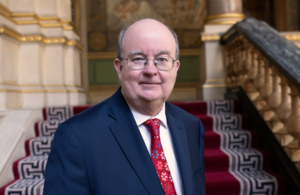
    The UK Foreign, Commonwealth & Development Office has announced the appointment of Mr. Paul Brummell CMG as the new British High Commissioner to the Republic of Mauritius. He will assume the position in July 2025, succeeding Ms. Charlotte Pierre, who is transitioning to another diplomatic role.

    Mr. Brummell brings extensive diplomatic experience to his new role. Since 2021, he has served as His Majesty’s Ambassador to Latvia. Prior to that, he led the Soft Power and External Affairs Department at the FCDO from 2018 to 2021. His previous postings include Ambassador to Romania (2014–2018), High Commissioner to the Eastern Caribbean (2009–2013), and Ambassador to Kazakhstan and Turkmenistan.

    Having joined the Foreign and Commonwealth Office in 1987, Mr. Brummell has held various positions, including roles in Islamabad, Rome, New York, and Ashgabat. His extensive background in international relations and diplomacy positions him well to strengthen the UK’s ties with Mauritius.

    The appointment comes at a time of ongoing collaboration between the UK and Mauritius on issues such as climate change, trade, and regional security. Mr. Brummell’s leadership is expected to further enhance these bilateral relations.

  • PRESS RELEASE : Change of British High Commissioner to Mauritius – Paul Brummell [April 2025]

    PRESS RELEASE : Change of British High Commissioner to Mauritius – Paul Brummell [April 2025]

    The press release issued by the Foreign Office on 9 April 2025.

    Mr Paul Brummell CMG has been appointed British High Commissioner to the Republic of Mauritius in succession to Ms Charlotte Pierre who will be transferring to another Diplomatic Service appointment.  Mr Brummell will take up his appointment during July 2025.

    Curriculum vitae

    Full name: Paul Brummell

    Year Role
    2021 to present Riga, His Majesty’s Ambassador
    2018 to 2021 FCDO, Head of Soft Power and External Affairs Department
    2014 to 2018 Bucharest, Her Majesty’s Ambassador
    2013 to 2014 Pre-posting training (including Romanian language training)
    2009 to 2013 Bridgetown, British High Commissioner to the Eastern Caribbean
    2005 to 2009 Astana, Her Majesty’s Ambassador
    2002 to 2005 Ashgabat, Her Majesty’s Ambassador
    2001 FCO, Afghanistan Emergency Unit
    2000 to 2001 FCO, Deputy Head of Eastern Department
    1995 to 2000 Rome, First Secretary (Political, Press and Public Affairs)
    1993 to 1994 FCO, Environment, Science and Energy Department
    1992 New York, Conference Support Officer, UK Mission to the United Nations
    1989 to 1992 Islamabad, Third later Second Secretary (Political)
    1988 to 1989 FCO, South America Department
    1988 FCO, Research Department
    1987 Joined FCO
  • PRESS RELEASE : Museums can now apply for £20 million of funding to invest in their future [April 2025]

    PRESS RELEASE : Museums can now apply for £20 million of funding to invest in their future [April 2025]

    The press release issued by the Department for Culture, Media and Sport on 9 April 2025.

    Treasured civic museums supported with new £20 million grant to help safeguard access to local culture and secure their futures.

    • Funding will ensure museums can continue to serve communities, care for and share collections, and tell our national story at a local level
    • Support will boost access to culture, delivering the government’s Plan for Change by increasing opportunities for all

    Museums across England can now apply for a share of £20 million to safeguard community access to their collections and invest in upgrading their services.

    The new £20 million Museum Renewal Fund, which is now open to applications, is designed to support valued regional museums, with a local authority link. It will improve public access to collections and buildings, as well as community and educational programmes which will help ensure they are fit for the future.

    These museums help keep memories alive across generations through their broad, diverse public collections. As well as being a crucial resource for schools, they help communities to connect with their local story by highlighting an area’s distinctive industrial, archaeological, natural and artistic heritage.

    The money will boost community programmes, support and grow schools activities, driving more visitors to museums. It will also enhance revenue generation, investing in organisational change and IT upgrades, whilst also supporting jobs in the local community.

    This follows the announcement from the Culture Secretary last month of the £270 million Arts Everywhere Fund, delivering on the Government’s Plan for Change to boost economic growth and increase opportunities for people across the country.

    Arts Minister Sir Chris Bryant said:

    Our local and civic museums are the storytellers of our nation’s history, with a shared mission to educate, inspire and entertain.

    They are key to preserving our national heritage at a local level through their collections and creative programmes, which draw in thousands of people from across the country, driving the growth and opportunity central to our Plan for Change. I am delighted that we have been able to provide this support, helping them to continue to flourish.

    The programme will be delivered by Arts Council England and will run from April 2025 until March 2026. It will be open to regional and local museums, with a funding or governance link to a local authority, across England to support them to safeguard access and services and invest in resilience measures.

    The government is committed to working in partnership with local councils and leaders, as co-investors in culture.

    Sir Nicholas Serota, Chair, Arts Council England, commented:

    Regional museums make a vitally important contribution to the way people engage with culture where they live and gain a deeper understanding of their communities and place. It is therefore vital that access to their collections is protected for generations to come. The Museum Renewal Fund will help these cherished institutions address immediate pressures and enable them to look ahead and plan a sustainable future serving their communities.

    Notes to editors:

    • In February, Culture Secretary, Lisa Nandy announced more than £270 million in funding for arts venues, museums, libraries and the heritage sector in a major boost for growth.
    • The online portal to apply for the Museum Renewal Fund will open at 10am on 9 April 2025. Full guidance, including eligibility criteria and details of how to apply can be found on the Arts Council England website.
    • This Fund is intended to safeguard public access to nationally and regionally significant collections at risk, as set out in the eligibility criteria. Museum Renewal grantees will be expected to undertake additional work to boost business and financial sustainability beyond 31 March 2026.
  • PRESS RELEASE : Overhaul of local audit will restore trust in broken system [April 2025]

    PRESS RELEASE : Overhaul of local audit will restore trust in broken system [April 2025]

    The press release issued by the Ministry of Housing, Communities and Local Government on 9 April 2025.

    • Road to recovery outlined in new commitments for local audit reform to streamline and fix the fragmented and broken system
    • Reform will ensure local authorities get their books in order to restore transparency, provide better value for taxpayers and create effective public early warning system
    • And up to £49 million in funding announced to support local authorities in clearing the backlog as part of the Plan for Change

    New reforms to repair the ‘broken’ local audit system will boost taxpayers’ confidence  in council spending and streamline the sector so it’s fit-for-purpose, legal and decent.

    Today, 16 commitments have been set out to achieve this, including simplifying financial reporting requirements and increasing capacity to avoid reliance on a small number of auditors.

    The reforms will be backed by up to £49 million of support to help councils clear their backlogs and cover the additional cost of restoring audit assurance. Releasing funds to councils will be reliant on compliance with statutory backstops and linked to the publication of audited accounts and audit fees being paid.

    In addition, a further £15m of grant was paid to local bodies in March 2025 as part of an existing package to help meet the wider costs of meeting audit requirements and fees.

    Minister of State for Local Government and English Devolution, Jim McMahon OBE said:

    We inherited a broken local audit system, not fit for purpose, inefficient, fragmented and with a massive backlog.

    Taxpayers’ expect and deserve to have confidence in the way their money is being spent locally.  A functioning local audit system is the bedrock of local transparency and accountability so we are fixing the foundations of local government as part of our Plan for Change.

    We are working in lock-step with local bodies to clear the backlog and move towards a simplified streamlined system.

    The 16 new measures follow an open consultation on the local audit strategy, which attracted hundreds of responses.

    The measures build on an existing commitment to set up the Local Audit Office as an independent and unified body, which will stop fragmentation in the system by co-ordinating functions spread across different organisations including the Public Sector Audit Appointments Ltd, the National Audit Office and the Financial Reporting Council.

    These reforms will be crucial to fixing the foundations and bringing long-term stability to local government as committed in the Plan for Change.

    Further information:

    • Up to £49 million in funding for clearing the local audit backlog will be paid in two stages during 2025/26,  in the form of a non-ring-fenced grant. Allocations will be based on the size of bodies’ audit fees and the number of modified audit opinions received.   Allocations will be reviewed before the second stage of payments in 2025/26 to take into account revised cost estimates.
    • Funding of £15 million for 2024/25 was paid on 31 March  to eligible local government bodies towards the rise in audit fee expenditure. This includes allocations to 537 eligible bodies allocated as a proportion of Public Sector Audit Appointment fee scales.
    • The full government response to the local audit reform strategy consultation can be found on Gov.uk here.
    • Following the 13 December 2024 backstop, the system has taken a significant step forward. The vast majority of bodies (approximately 95%) published audited accounts for all years up to and including financial year 2022/23.
    • While the government has been clear the broken system requires fundamental long-term fixes that cannot happen overnight, decisive and immediate action has already begun. In July, we announced a series of backstop dates to clear the backlog of hundreds of missing and overdue accounts which resulted in 95% of audited accounts being published.
  • NEWS STORY : Professor Anjali Goswami Appointed as Defra’s New Chief Scientific Adviser

    NEWS STORY : Professor Anjali Goswami Appointed as Defra’s New Chief Scientific Adviser

    STORY

    The UK government has confirmed the appointment of Professor Anjali Goswami as the new Chief Scientific Adviser at the Department for Environment, Food and Rural Affairs (Defra). Professor Goswami, a renowned evolutionary biologist and Research Leader at the Natural History Museum, will assume her role on 1 July 2025, succeeding Professor Gideon Henderson after his six-year tenure.

    Professor Goswami brings a wealth of experience to Defra, having served as President of the Linnean Society of London and being a Fellow of the Royal Society. Her accolades include the Zoological Society of London Scientific Medal, the Palaeontological Association President’s Medal, and the Humanists UK Darwin Day Medal. Beyond academia, she has authored a children’s book on palaeontology, reflecting her commitment to science communication.

    Expressing her enthusiasm for the new role, Professor Goswami stated, “I am delighted to be joining Defra at this critical time for the UK and the planet. The UK public is rightly concerned about the impacts of environmental degradation and climate change, which are increasingly evident in our everyday lives. Fortunately, there is immense scientific innovation that can support Defra’s mission, from cleaning our waterways and restoring nature to improving the resilience of our rural communities and our food supply to global change. I look forward to joining the Defra team and ensuring that the most cutting-edge scientific understanding is being harnessed to meet the complex challenges we face and deliver for the UK public.”

    Defra’s Permanent Secretary, Tamara Finkelstein, welcomed the appointment, highlighting Professor Goswami’s extensive expertise and her anticipated contributions to the department’s leadership. Secretary of State for Environment, Food and Rural Affairs, Steve Reed, also expressed his support, emphasising the crucial role of scientific advice in addressing key environmental challenges.

  • PRESS RELEASE : New Chief Scientific Adviser appointed [April 2025]

    PRESS RELEASE : New Chief Scientific Adviser appointed [April 2025]

    The press release issued by the Department for Environment, Food and Rural Affairs on 9 April 2025.

    Professor Anjali Goswami has been appointed as the new Chief Scientific Adviser at the Department for Environment, Food and Rural Affairs.

    Professor Goswami, who is currently a Research Leader in Evolutionary Biology at the Natural History Museum, will join the department from 1 July 2025. She will succeed Professor Gideon Henderson, who is leaving Defra after six years in the role.

    Professor Goswami is a celebrated scientist who has served as President of the Linnean Society of London and is a Fellow of the Royal Society. In addition to her academic achievements, she has authored a children’s book on palaeontology and received numerous prestigious awards, including the Zoological Society of London Scientific Medal, the Palaeontological Association President’s Medal, and the Humanists UK Darwin Day Medal.

    Defra Permanent Secretary, Tamara Finkelstein said:

    “World-leading science is fundamental to the research and development which underpins this department’s diverse responsibilities. I offer my sincere thanks to Gideon for his dedication and drive throughout his time at Defra for his scientific leadership and his wider leadership of the department.  He has been an inspiring colleague bringing his values and commitment to innovation to bear to the benefit of citizens.

    “Professor Goswami brings a wealth of knowledge and expertise from her career in academia and at the Natural History Museum. I am delighted to have her as part of the Defra leadership team, providing her science expertise both in Defra and the wider government scientific community.”

    Secretary of State for Environment, Food and Rural Affairs, Steve Reed said:

    “I would like to thank Professor Henderson for his exceptional leadership and expert insight as Chief Scientific Adviser.

    “Supporting nature’s recovery, protecting people and animals from disease outbreaks, strengthening food security – all our key areas of focus rely on the world-class advice of our scientists. I welcome Professor Goswami and look forward to working with her as this government secures Britain’s future under the Plan for Change.”

    Professor Anjali Goswami said:

    “I am delighted to be joining Defra at this critical time for the UK and the planet.

    “The UK public is rightly concerned about the impacts of environmental degradation and climate change, which are increasingly evident in our everyday lives.  Fortunately, there is immense scientific innovation that can support Defra’s mission, from cleaning our waterways and restoring nature to improving the resilience of our rural communities and our food supply to global change.

    “I look forward to joining the Defra team and ensuring that the most cutting-edge scientific understanding is being harnessed to meet the complex challenges we face and deliver for the UK public.”

    Current Defra Chief Scientific Adviser, Professor Gideon Henderson said:

    “It’s been a challenging but hugely enjoyable privilege to be the Chief Scientific Advisor at Defra for the last six years.

    “The department can be proud of the way it values science and scientists as it cares for the air, water, food and natural environment that we all rely on.  I will miss working with passionate colleagues who make sure Defra’s wide range work is always informed by up-to-date and accurate science and analysis.

    “I am pleased to hand over to Anjali who will be a great leader of Defra’s scientific community.  She will bring a wealth of knowledge and insight and I’m confident will continue to put science and analysis at the heart of Defra’s work.”

    Professor Anjali Goswami Biography

    • Professor Anjali Goswami is a Research Leader in Evolutionary Biology at the Natural History Museum and President of the Linnean Society of London. Her previous roles include Dean of Postgraduate Education at the Natural History Museum and Professor of Palaeobiology at UCL.
    • Her research focuses on vertebrate evolution and development, with a focus on using mathematical approaches to understand the impact of life history and environmental change on biodiversity.
    • Professor Goswami was elected to the fellowship of the Royal Society of London in 2024 and has been awarded the Linnean Society Bicentenary Medal, the Zoological Society of London Scientific Medal, the Hind Rattan Award, the Society of Vertebrate Paleontology Robert L. Carroll award, the Palaeontological Association President’s Medal, and the Humanists UK Darwin Day Medal.

    Notes to editors

    • The Defra Chief Scientific Adviser is responsible for overseeing the quality of evidence that the Department relies on for policy decisions, providing ministers with scientific advice and setting the priorities for scientific research and evidence-gathering.
  • NEWS STORY : Government Decides Against Separate Pay Structure for NHS Nurses

    NEWS STORY : Government Decides Against Separate Pay Structure for NHS Nurses

    STORY

    The UK government has announced it will not proceed with establishing a separate pay spine for nursing staff within the National Health Service (NHS). This decision follows a comprehensive call for evidence initiated in January 2024, aimed at evaluating the potential benefits and challenges of such a move.

    The initiative to consider a distinct pay scale for nurses emerged from concerns regarding career progression and professional development under the existing Agenda for Change (AfC) pay system. However, after analysing feedback from various stakeholders, including healthcare professionals and organisations, the government concluded that the issues faced by nurses are not unique to their profession but are shared across other NHS roles. Consequently, the evidence did not substantiate the need to separate nursing pay from the broader AfC framework.

    Additionally, significant legal implications associated with creating a separate pay structure were identified, further influencing the government’s decision to maintain the current unified pay system.

    In response to the concerns raised during the consultation, the government has committed to alternative measures aimed at enhancing career progression and professional development for nurses and other NHS staff. These measures include investing in improved local job evaluation practices and empowering the NHS Staff Council to refine the existing pay structure.

    The Royal College of Midwives (RCM) had previously expressed opposition to the idea of a separate pay spine for nurses, labelling it as “divisive and unfair.” The RCM argued that such a move could erode morale and foster resentment among different healthcare professions working collaboratively within the NHS.

    While the government has decided against implementing a distinct pay scale for nurses, it acknowledges the necessity of addressing the broader challenges within the NHS pay structure. The focus will now shift to collaborative efforts with relevant stakeholders to develop solutions that support the career advancement and professional growth of all NHS staff.