Blog

  • Louise Haigh – 2026 Statement on Rewiring the State

    Louise Haigh – 2026 Statement on Rewiring the State

    The statement made by Louise Haigh, the First Secretary of State, in the House of Commons on 3 September 2026.

    With your permission, Mr Speaker, I would like to make a statement on the work of the newly formed Office of the Prime Minister and Cabinet and the change it will bring.

    On the steps of Downing Street six weeks ago, the Prime Minister set out the priorities that will guide this Government. He was clear that 40 years of overly centralised decision making and over-privatisation have stripped power and resources away from communities in every nation and region of this country; that public control over the things that matter so much to people’s lives has been systematically eroded and become a barrier to businesses wanting to start and grow; and that a broken economic and political model has cost good jobs and opportunities in many parts of the country, while delivering sky-high prices in exchange for poorer customer services.

    The Prime Minister was clear that this Government will be the circuit breaker that our country needs: a Government who will take power from Westminster and Whitehall, and put it in the hands of the communities who are best placed to use it; who will rewire Britain, so that our politics and our economy work for every person and every place. On a bedrock of fiscal discipline, we will build a pro-business culture and an innovation-led economy that delivers good growth in every postcode.

    We have wasted no time in delivering on that commitment. In the newly formed Office of the Prime Minister and Cabinet, we are rewiring the machinery of government so that the Prime Minister has the resources and levers he needs to deliver on his priorities. By stripping out many of the bureaucratic functions of the office, we have created a stronger, more focused Department that is capable of driving forward the Prime Minister’s agenda. This Government recognise that for far too long there has been a disconnect between the Cabinet Office and No. 10, and it is that lack of joined-up thinking that has hampered the ability of successive Prime Ministers to drive forward their own agendas across Government.

    We have had a dichotomy at the heart of Government: the most centralised state in the G20, with one of the most underpowered centres. In the newly established OPMC, we are ensuring that the Prime Minister has the support and resources he needs to deliver the change that the public are impatient to see. From that office, we will drive forward work across Government to put the essentials, such as water, transport, energy and housing, under greater public control, in order to regenerate our communities, breathe new life into our high streets and give people more room to breathe through action on the cost of living.

    That work of change has begun. Working closely with the Prime Minister and the Cabinet Secretary, we have begun the work of shifting power and resources away from Whitehall. Through our devolution blueprint and the establishment of No. 10 North, we have created a new engine of regional economic growth that will empower places that have been overlooked by Westminster for too long. We are granting new powers to strategic authorities to take more control over the future of their regions: a greater share of locally generated revenues, beginning with business rates; and more control over housing, public transport and infrastructure. For the first time, local leaders will have the power and resources they need to invest in the things that matter most to their communities.

    This Government are filling in the map to bring an end to the system of two-tier devolution, so that by the end of 2028 we are able to extend to all parts of England the same offer that the rest have enjoyed for many years. This is how we can empower communities, drive local economic growth, create new jobs and deliver maximum benefit to the people who live there. This is devolution by design and devolution by default, and by working across Government we will build a new economic model that begins to put life’s essentials back under stronger public control and make them affordable for people again.

    Working with my right hon. Friend the Secretary of State for Housing, Communities and Local Government and the Under-Secretary of State for Housing, Communities and Local Government, my hon. Friend the Member for Doncaster Central (Sally Jameson)—and building on the strong foundations laid down by my predecessor, my right hon. Friend the Member for Bristol North West (Darren Jones), whom I thank for his work—we are delivering a once-in-a-generation rebalancing of power in this country. This is what a rewired state looks like: one that is relentlessly focused on delivering for the people of this country, with empowered communities and good growth in every postcode. These are the tests against which our decisions will be measured and the metrics by which our actions will be judged.

    Last month, the Chancellor and I announced reforms to public procurement that will cut red tape and unleash a new wave of British job creation. Too often, small and medium-sized businesses have struggled to navigate complicated procurement processes that seem to prioritise everything. When we prioritise everything, we prioritise nothing, so we are making the process simpler and doing things differently. From next year, businesses seeking to win a share of £90 billion in central Government contracts will be left in no doubt about what we want from them: creating good jobs and giving young people the skills they need for the future. These new rules will ensure that the £90 billion spent each year through Government contracts supports British jobs, skills and people in every postcode.

    We are going further in our reforms to public procurement to ensure that taxpayers’ money is delivering more for our communities. For the first time since 2020, we are removing the defence exemption from social value. That means billions of pounds of defence contracts will soon give weighting to jobs and skills for young people across Britain. This is how we back businesses in every part of the country. In my ministerial colleagues, Parliamentary Secretaries to the Cabinet Office my hon. Friends the Members for Gateshead Central and Whickham (Mark Ferguson) and for Chipping Barnet (Dan Tomlinson), businesses looking to build and grow here in Britain—creating those good jobs and driving that good growth—will have strong advocates in this Government.

    The work of my Department in strengthening our national resilience and co-ordinating the Government’s response to emergencies remains central. Over the summer, we saw communities across the country impacted by unprecedented wildfires precipitated by one of the hottest and driest summers on record—a reminder of the very real and present threats to the UK posed by climate change. During the third week of August, four major incidents were declared across south Wales, Hampshire, Cambridgeshire and the west midlands. By 13 August, fire and rescue services were tackling 47 wildfire incidents, and 79 separate requests for additional equipment and resources were made by fire and rescue services. In south Wales alone, more than 200 military personnel were deployed to tackle 14 separate incidents.

    Such was the extent of support provided across the country that almost every service was impacted or involved in the response, and some of the most stretched services faced the prospect of having to deprioritise certain call-outs due to the pressures on the system. The day before the national alert was issued, close to 12,000 999 calls were recorded in a single day, which is six times the average call volume. Many services were stretched to breaking point, but continued to work around the clock to protect lives, communities and properties. I am sure everyone in the House will join me in thanking our emergency services and military personnel, who put themselves in harm’s way to keep us safe.

    On 14 August, when the Government received direct requests from fire and rescue services for urgent Government intervention, we took decisive action. A national emergency alert was issued to provide the public with clear guidance on the steps they should take to avoid inadvertently contributing to an already dangerous situation. It should come as no surprise that the British public did their bit. Within 48 hours, there was a 42% decrease in the number of 999 calls, falling from 12,000 to 5,200, and by Monday morning the number of live wildfire incidents had fallen from 47 to 27. This gave our fire and rescue services the breathing space they needed to tackle existing fires and keep us all safe.

    Over the coming weeks, I will continue to work closely with Cabinet colleagues to ensure the Government’s response meets the scale of the challenges we face. I will also be working closely with my right hon. Friend the Minister for Security in ensuring that this Government take a long-term and strategic approach to the country’s preparedness. The Government will continue to work closely with our frontline services and local resilience forums to mitigate the risks posed by extreme weather and drought, including a £100 million increase in funding for the fire services and a £65 million boost in support of our farmers.

    In the interests of brevity, I will touch briefly on the work that is happening elsewhere in my Department. I have been delighted to welcome my right hon. Friend the Member for Vale of Glamorgan (Kanishka Narayan) not only to his role as the Minister for Artificial Intelligence, but to join us around the Cabinet table. The Prime Minister has been clear that he sees harnessing the potential of artificial intelligence as a central part of our country’s future, and the elevation of this role reflects the ambition this Government have to make Britain a world leader in these advanced technologies.

    I am also pleased to welcome the Minister for Intergovernmental Relations and European Relations to his role. My right hon. Friend the Member for Lincoln (Mr Falconer) has wasted no time in the vital work of building stronger ties with our closest neighbours and allies. I was very grateful to him for interrupting his honeymoon to come home and be appointed to the post.

    My Department is also bringing forward a programme to modernise the operation of the state. We are taking public control of the way Government work—cutting out the unnecessary processes and needless reviews that slow decision making and stifle innovation. At the heart of this agenda will be the restoration of Ministers’ responsibility and agency to deliver the change they promise, with increased accountability to Parliament and the public for the direction they set and the decisions they take. We will bring forward new methods of public deliberation in policy development and do away with box-ticking consultation with the usual suspects. Fewer decisions will be delegated to unelected bodies, and the way decisions are made will be scrutinised in Parliament, not in the courts, ending the warm bath of constructive ambiguity that politics has been too happy to soak in for far too long.

    I am aware—I am deeply honoured—that I am the first woman to hold the role of First Secretary of State since the late, great Barbara Castle. I am confident that if I can channel even a fraction of the energy and determination that she brought to this role, collectively we can change our country for the better. For too long, too many places have been written out of our national story; their contribution ignored and their potential overlooked. People feel like the system just does not work for them. That is why in 2024 they voted for change. This Government are on a mission to ensure we can deliver on the Prime Minister’s and the public’s priorities. This is a collective endeavour, and together we will deliver the lasting change that people deserve. I commend this statement to the House.

  • NEWS STORY : PAVA Spray Use Extended at Three Young Offender Institutions

    NEWS STORY : PAVA Spray Use Extended at Three Young Offender Institutions

    STORY

    The Government has extended the authorisation of PAVA incapacitant spray at three public sector Young Offender Institutions for a further 12 months. Specially selected and trained staff at HMYOI Feltham A, HMYOI Werrington and HMYOI Wetherby will continue to be permitted to carry the spray when responding to serious violence.

    Justice Minister Jake Richards said PAVA would remain a measure of last resort and could be used only where it was necessary, proportionate and appropriate to prevent serious harm to staff or children in custody. The original 12 month authorisation was introduced in April 2025 to give staff a distance based option for intervening in the most dangerous incidents.

    Every incident in which PAVA is drawn or used will continue to be reviewed, including any disproportionate effects upon children with protected characteristics or other vulnerabilities. The Independent Restraint Review Panel and an independent expert will oversee the arrangements, while NHS England evidence will be incorporated into the Government’s assessment of possible physical, emotional and behavioural effects. Ministers said their longer term aim remained a significant reduction in the use of force across the youth secure estate.

  • NEWS STORY : Immigration Rules Changed to Protect Modern Slavery Victims and Support Erasmus+

    NEWS STORY : Immigration Rules Changed to Protect Modern Slavery Victims and Support Erasmus+

    STORY

    The Government has announced changes to the Immigration Rules which will allow Skilled Worker visa holders who are recognised as victims of modern slavery to take employment in any occupation for the remainder of their existing visa. Migration and Citizenship Minister Jo White said the measure was intended to prevent victims remaining dependent upon employers who had exploited them and encourage people to report abuse. She told Parliament that UK Visas and Immigration had revoked more than 7,500 sponsor licences, including 1,800 in the care sector.

    Further changes will prepare the immigration system for the UK’s return to the Erasmus+ programme. State funded schools and academies will be permitted to host Erasmus+ participants for study placements lasting up to six months, while visitors will be able to attend workshops, debates and skills competitions. Erasmus+ participants will also be permitted to undertake courses, training, traineeships and coaching assignments at eligible organisations.

    The Student route will be amended to accommodate Erasmus+ courses which do not lead to an approved qualification and to provide greater flexibility for programmes containing work placements. State funded schools and academies will be able to obtain sponsor licences for incoming Erasmus+ students, while a new Government Authorised Exchange scheme will support eligible placements and internships. The modern slavery and Erasmus+ provisions are due to take effect on 8 October 2026, with other changes in the wider package being introduced on later dates.

  • NEWS STORY : Reform UK and French National Rally Sign Small Boats Agreement

    NEWS STORY : Reform UK and French National Rally Sign Small Boats Agreement

    STORY

    Reform UK and France’s National Rally have signed an agreement intended to allow the UK to return people arriving in small boats to France if both parties enter Government. Nigel Farage and National Rally president Jordan Bardella signed the memorandum at Reform UK’s conference in Birmingham.

    Under the proposal, people reaching Britain from France would be detained and returned to French territory before being repatriated to their countries of origin. The two countries would also establish a mechanism for sharing the cost of border security operations.

    The agreement would depend upon Reform UK winning power in Britain and National Rally taking control in France. The present French Government has rejected Reform UK’s earlier proposals for unilateral returns, arguing that sending people back without French agreement would breach the country’s sovereignty.

  • NEWS STORY : UK Government Reaffirms Support for Falkland Islanders

    NEWS STORY : UK Government Reaffirms Support for Falkland Islanders

    STORY

    The UK Government has reaffirmed its commitment to the Falkland Islands after Argentinian President Javier Milei claimed that international opinion was moving in favour of Argentina’s sovereignty claim. Milei said the “winds of change” were blowing around the world and argued that Argentina should continue its efforts to secure control of the islands.

    Foreign Secretary Ed Miliband said the UK’s position remained unwavering and that the right of Falkland Islanders to determine their own future was paramount. Defence Secretary Wes Streeting said the islands were British because their inhabitants had chosen to remain British, describing the Government’s commitment to them as absolute.

    The exchange followed comments from US President Donald Trump questioning whether Britain remained prepared to defend the territory. Milei also warned that companies developing oil near the islands without Argentinian approval would be prevented from operating in Argentina. British and Argentinian forces fought over the islands in 1982.

  • NEWS STORY : Government clears Paramount takeover of Warner Bros Discovery after securing safeguards

    NEWS STORY : Government clears Paramount takeover of Warner Bros Discovery after securing safeguards

    STORY

    The Government has confirmed that it will not intervene in Paramount Skydance’s proposed acquisition of Warner Bros Discovery after accepting legally binding commitments intended to protect media plurality and editorial independence in the UK. Culture Secretary Lisa Nandy said the assurances provided sufficient protection for the continued availability and separate identities of broadcasting, streaming and news services.

    Paramount has undertaken to retain the distinct editorial identities of its television channels and streaming services. Nickelodeon and Cartoon Network will remain editorially separate and continue commissioning and acquiring original British children’s programmes. Channel 5 News will remain independent from CBS News and CNN International, while CNN International will continue to be available in the UK. Channel 5 will also retain its public service broadcasting role and maintain a UK focused commissioning strategy.

    Most of the commitments will apply for five years after the acquisition is completed, although those concerning Channel 5 will remain in force until the end of its current broadcasting licence in December 2034. Paramount must provide annual statements showing its compliance and the Department for Digital, Culture, Media and Sport has said it will monitor implementation. The Competition and Markets Authority has separately cleared the transaction, while Nandy said there were no reasonable grounds at present for intervention under the foreign state influence regime.

  • NEWS STORY : UK Summons Russian Diplomat Over Alleged Leipzig Airport Attack

    NEWS STORY : UK Summons Russian Diplomat Over Alleged Leipzig Airport Attack

    STORY

    The Foreign Office has summoned Russia’s chargé d’affaires following an alleged attempted drone attack on Leipzig Halle Airport in Germany. The diplomatic action followed a statement from the German Government attributing the incident to Russia.

    A UK Government spokesperson expressed solidarity with Germany and described the alleged attack as egregious and reckless. Ministers said the incident formed part of a broader pattern of Russian activity intended to undermine European security and weaken the unity of countries supporting Ukraine.

    Russia denied involvement and described the allegations as fabricated. Its embassy in London accused Britain and other European countries of pursuing a coordinated provocation and warned that further action would receive what it called a proportionate response. The dispute adds to already strained relations between London and Moscow over the war in Ukraine and security threats across Europe.

  • NEWS STORY : Two Reform UK Officials Step Down After Political Funding Allegations

    NEWS STORY : Two Reform UK Officials Step Down After Political Funding Allegations

    STORY


    Two senior Reform UK officials have stepped down while the party investigates allegations concerning the funding of opinion polling. James Orr, the party’s head of policy, and Dan Jukes, a longstanding aide to Nigel Farage, were named in an undercover investigation broadcast by Channel 4 News.

    The programme alleged that three polls costing £32,500 were paid for by a United States company after discussions involving people whom the officials believed represented a wealthy American donor. Reform UK said it had been targeted by a hoax and denied wrongdoing. Orr said no money had reached the party and described the polling as public work arranged by an independent individual who paid an independent pollster.

    Reform UK said Orr and Jukes had stepped down to allow an independent and impartial internal inquiry to proceed. The allegations have also been reported to the police. The Electoral Commission said that information about any potential attempt to evade controls on political donations was a matter for the police to consider. No regulator, prosecuting authority or court has made a finding of wrongdoing against the party or the individuals involved.

  • NEWS STORY : Burnham and Macron discuss migration, Ukraine and European security

    NEWS STORY : Burnham and Macron discuss migration, Ukraine and European security

    STORY

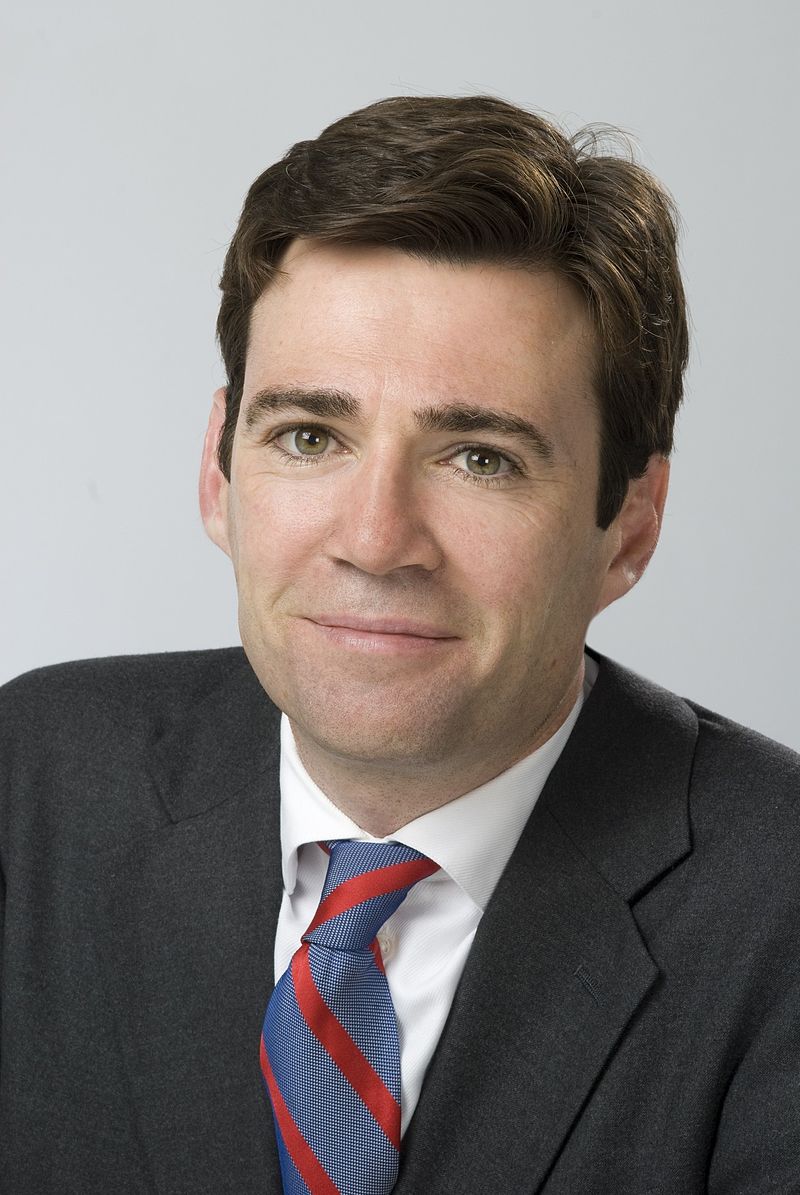
    Prime Minister Andy Burnham has held talks with French President Emmanuel Macron at Downing Street, with migration across the English Channel, support for Ukraine and European security among the principal subjects. Macron is the first European Union leader to meet Burnham at Downing Street since he became Prime Minister.

    The two leaders discussed cooperation intended to reduce small boat crossings and agreed that measures which had proved successful in the Channel should be expanded through wider European collaboration. Defence, energy security and continued assistance for Ukraine were also included in the discussions.

    The meeting represented an early opportunity for Burnham to establish his approach to relations with European partners. Macron said Britain and France shared responsibility for the continent’s future and would continue working towards what he called a stronger, safer and more sovereign Europe.

  • NEWS STORY : Conservatives propose £10 billion annual increase in defence spending

    NEWS STORY : Conservatives propose £10 billion annual increase in defence spending

    STORY

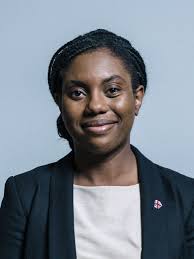
    The Conservative Party has proposed increasing annual defence expenditure by £10 billion as part of a plan to spend 3% of gross domestic product on defence by the end of the decade. Kemi Badenoch said the additional resources were needed in response to a growing threat from Russia and wider international instability.

    The Conservatives said the increase would be financed principally through reductions in welfare spending. Badenoch argued that defence had to take priority in a more dangerous international environment and said the Armed Forces required firm financial commitments rather than expressions of support.

    Labour disputed the Conservatives’ costings and accused the party of relying on savings which could not be delivered as claimed. The dispute leaves defence and welfare spending at the centre of a broader argument about the choices facing the Government as it prepares its future fiscal plans.