Blog

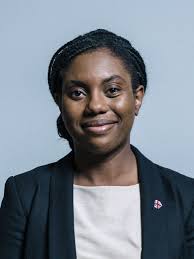
  • Kemi Badenoch – 2023 Speech at the Launch of the Legatum Institute’s Prosperity Index

    Kemi Badenoch – 2023 Speech at the Launch of the Legatum Institute’s Prosperity Index

    The speech made by Kemi Badenoch, the Secretary of State for Business and International Trade, in London on 28 February 2023.

    It’s a pleasure to be here at Legatum and launching this year’s Prosperity Index.

    The Index was created, as we have just seen, to help decision-makers across the world think about domestic growth and development, seeking policy solutions to drive improvements in prosperity.

    When I received the invitation to speak tonight it was as the Secretary of State for International Trade.

    Now, I am the Secretary of State for Business and International Trade, and my newly formed Department for Business and International Trade will enable me to achieve a lot more.

    As much as I enjoyed the trade brief, I lacked some of the levers to really drive forward the growth advantages of international free trade on a domestic market.

    There is so much to look forward to now that I’m looking after this brief.

    However, today we are here to discuss global prosperity. So I will be speaking about my five priorities on trade, where the focus is on global rather than just on domestic prosperity.

    My first priority is removing barriers that stop businesses succeeding.

    Domestically, this means not about taking away any safety nets. It’s about ensuring that we have a modern, dynamic, nimble economy where the regulations are fit for purpose and actually help businesses to start up, grow and export.

    Internationally, we want to remove barriers to trade, in particular remove barriers to our exporters.

    Leaving the EU was not an end itself, now it is incumbent upon us to realise the opportunities that Brexit has enabled.

    One of the things that we can now do with our independent trading policy is make sure that the global trade rules work for the UK, not just the UK and 27 other countries.

    So we identify the blockers faced by UK businesses in getting their goods and services into other countries, and we get rid of them.

    That’s meant, for example, getting Welsh lamb back on US dining tables for the first time in 20 years. And also opening up China’s huge beauty industry to cruelty-free UK cosmetics.

    So we’ve identified, in my department, over 100 key barriers to trade, and we are taking them down one by one.

    I know that this is something that Legatum cares very much about so I thought you would be pleased that was the first priority.

    The second priority is increasing our exports every year until we hit £1 trillion by 2030.

    Exports are a huge driver of economic growth, but, historically, we have fallen behind some of our competitors.

    And this is because compared to smaller countries like Sweden, we already have a large domestic market, which means many businesses don’t feel the need to export the way that their comparative businesses would do in smaller countries.

    We should be doing better. Not least because English is the international language of business and we aren’t capitalising on it as much as we should do.

    So, our job is twofold. At one end, it’s encouraging smaller businesses and showing them that there are markets for their products and services overseas.

    At the other, it’s about supporting our world-leading companies. Just as we did with Airbus and Rolls Royce this month in landing the biggest aircraft export deal in the history of global aviation.

    In removing market barriers, we make exporting more efficient. So my top two priorities work hand-in-hand.

    Thirdly, I want to make the UK the top investment destination in Europe.

    And this is important for many reasons.

    Without investment, businesses cannot grow. And, without growth, they will not export.

    So, in building a business-friendly environment in the UK, we need to keep barriers to investment under constant review.

    There are so many reasons why companies, and in fact other countries, want to invest in the UK (our position in the Prosperity Index is one of them, by the way, which is why we need to make sure that we keep doing well).

    These reasons come together in the unique offer we have, which is a strong rule of law and stable economic environment; world class institutions and a highly skilled labour force; and our history of innovation and creativity.

    There is so much about the UK that will ensure we have a prosperous future, but we don’t shout enough about it.

    When I was at the World Economic Forum last month, I was struck by how other countries played as a team and pitched their strengths across public and private sector.

    By contrast, UK ministers were alone in trumpeting the immense value of the UK, while our business groups and former politicians were complaining about the country and trying to relitigate Brexit.

    So I’ll give you an example. We are constantly being told that our exports are falling. And yet the opposite is true. We’ve just broken the £800bn mark for the first time and are well on the path to our £1tn export ambition.

    So some will tell you that all is doom and gloom and we are in decline.

    This is nonsense.

    Britain remains the unicorn capital of Europe – with more privately held start-up companies worth over a billion pounds more than France and Germany combined.

    Of the major economies, we are the per-capita Nobel Prize champions of the world.

    Domestic investment was up nearly 10% last year. And inward international investment stock broke the £2tn mark for the first time. So there is a lot to be happy about and a lot to be proud of.

    My fourth priority is signing high-quality trade deals.

    At the moment I’m currently negotiating our accession into the Trans-Pacific Partnership – this is one of the largest free trade areas in the world, it spans the Asia-Pacific and the Americas, and includes some of the world’s biggest current and future economies.

    So, the UK’s membership will add another like-minded partner and strong voice to this powerful alliance, and takes the trade bloc’s GDP to £11 trillion.

    But it’s not just about exporting goods or even services. The Trans-Pacific Partnership is also about the geostrategic shift to the Indo-Pacific as set out in the government’s Integrated Review and this really matters for our long-term security.

    It also matters for our long-term growth – this is where the global middle class of the future will come from and we need to be a player.

    That’s also why we’re pursuing a great trade deal with India. A deal to cut tariffs and open opportunities for UK services, making it easier for British businesses to sell to an economy set to be the world’s third largest by 2050. There are other trade deals in the pipeline – Israel and Switzerland, like us, services superpowers with complementary economic strengths. The Gulf countries too, and many others to follow.

    So, you may wonder why trade deals are my fourth priority and not my first. And, I’m going to repeat an analogy I’m sure some of you have heard me use before.

    Trade deals are like motorways. They are only useful if there are cars to drive on them, and the cars are exports and investments. That’s what trade is really, and that’s my main focus.

    So we are not just the department for getting deals, taking pictures, signing bits of paper. And that will become even more key as I flesh out our role as the Department for Business and International Trade.

    And my fifth and final priority is probably the one that is most relevant to all of you here at Legatum this evening.

    Free and fair trade is what global prosperity and security are based on. And it is not an empty platitude.

    Too often people of think of fair trade as just giving money to poor countries. Fair trade, for me, means ensuring that the rules-based trading system continues to thrive and does not collapse in the face of protectionism.

    Trade means treating companies and countries equally and making sure that the rules are abided by. That is what’s going to work for the UK and for the rest of the world.

    You will, I’m sure, have heard about the US Inflation Reduction Act. I made my opinions on this clear. We should not have a global subsidies arms race.

    Interventions like the IR Act may look good in the short term. But, in the long term, it runs the risk of becoming self-defeating, not least by creating a single point of failure on supply chains.

    We won’t deal with the economic challenge that we face from China by acting alone. There are many countries with similar views, not just the UK, the EU, Japan, South Korea or Australia.

    The countries who believe in free trade will be stronger acting together. And we have been promoting this as the UK for 70 years since the General Agreement on Tariffs and Trade was agreed.

    And I will carry on speaking out on the world stage to promote free trade.

    So, my priorities will contribute not just to UK prosperity, but global prosperity.

    If we deliver on these, the Department for Business and International Trade will actually become the Office for Economic Growth, which I’ve always wanted us to be. And we will ensure that British values are promoted, perhaps even adopted, across the world, and that will deliver for the people of the United Kingdom.
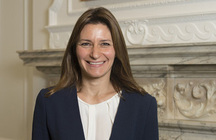
  • Lucy Frazer – 2023 Speech at the Creative Coalition Festival

    Lucy Frazer – 2023 Speech at the Creative Coalition Festival

    The speech made by Lucy Frazer, the Secretary of State for Culture, Media and Sport, on 28 February 2023.

    I’m absolutely delighted to be here – and I want to thank Caroline and Creative UK for inviting me to speak at today’s event.

    As you might have realised, it’s been a whirlwind few weeks in government and during that time we’ve seen departments being broken up, and new ones created.

    But I think those changes have left my department, DCMS, in really a strong position.

    We can now dedicate all of our energy on the sectors at the heart of our portfolio – particularly the creative industries.

    They are a key priority for the Prime Minister.

    They are a priority for the Chancellor, who has highlighted the creative industries as one of his key growth sectors for the UK economy.

    And they are a priority for me as Culture Secretary.

    In my first few weeks in the role, I’ve been lucky enough to go on a whistlestop tour of Britain’s creative landscape.

    I’ve been up to the Corrie set, and to the Brits.

    I’ve sat on the front row at London Fashion Week, and cheered on UK filmmaking at the BAFTAs.

    And during those last few weeks I’ve seen with my own eyes just how much talent we have in this country:

    the writers, the musicians,

    the lighting and sound technicians, the designers and the producers.

    But those people aren’t just making nice things.

    They are the workforce powering our country – pumping £116 billion into the national purse every year.

    The creative industries enrich our lives in every sense of the word.

    When they thrive, the country thrives.

    And while I’m new to DCMS, as a minister in other departments, I’ve seen just how much the arts can affect lives.

    As prisons minister I saw firsthand how pivotal drama and art can be to rehabilitation,

    in helping people find purpose, meaning and hope, and improve their skills for life outside their four walls.

    As the housing minister, we constantly talked about the importance of “place”…

    …how the quality of the buildings we inhabit and the beauty of the architecture around us affects the way we feel about our home towns and cities.

    And at the Treasury I saw how we can support companies to grow, expand and recruit.

    I am going to bring that experience to bear in this role, to push the creative industries to a new level of growth in the coming years.

    Now, it’s worth noting the huge level of support that the government is already giving to the creative industries.

    We are currently spending:

    Over £21 million through the UK Global Screen Fund, to promote the independent screen sector.

    Over £8 million to support new video games businesses to develop new products and talent through the UK Games Fund.

    £17 million to boost creative investment in six regions across England.

    Over £100 million in funding from UK Research and Innovation, to help us become world leaders in virtual production, and support smaller businesses to experiment and innovate.

    And today I can announce that we are spending another £2.5 million to support R&D in the creative industries in different places across the UK.

    Those are the things we are already doing to get the sector firing on all cylinders.

    But to push things to the next level, I’m going to focus on at least two things:

    People.

    Places.

    On people, I know that a key challenge for the sector is skills.

    Our film and TV industries, for instance, are booming.

    They’re creating thousands of jobs. Now we need people to fill them.

    Yet a recent survey of young people by the BFI and careers app ERIC found only 6 per cent believed a career in the screen industries, for example, was achievable.

    So we need to work together to give people the right skills and awareness from a young age, so that they can join these booming industries and enjoy fulfilling, well-paid jobs.

    On places, I want to use the creative industries to drive growth in every corner of the UK.

    Right now, more than half of creative jobs are in London and the South East.

    And we can do so much more.

    This is one of our strongest industries, and we need the entire country to feel its benefits.

    And there’s a clear route to doing that.

    Right now, there are certain hotspots outside London and the South East where creativity is absolutely booming.

    Where certain creative industries form natural “clusters”.

    So Leamington Spa, for instance, has become one of the video game capitals of the UK,

    While Belfast is a hub for film and TV production.

    I’m very interested in how we can boost those clusters,

    And a need to work across government so that we build homes and train stations in areas where our creative industries are thriving.

    I’m interested in how we can give businesses in those areas even more opportunities to innovate, to access investment, and to export the best of British creativity abroad.

    And finally, I want to understand how the tax system can best support the creative economy, and how it can encourage people all over the country to start and expand their own creative businesses.

    And I will set out how I intend to deliver them through the upcoming Creative Industries Sector Vision.

    DCMS has worked very closely with industry on the Sector Vision, and last week I met with some of the leading voices of the sector to discuss that project,

    during the first face-to-face meeting of the Creative Industries Council since before the pandemic.

    And when the Sector Vision is published, it will kickstart a whole new round of engagement together.

    It will outline how we will continue to work together, both government and industry, on a range of issues affecting creative businesses.

    It will give us the framework to partner up with the new Department for Science, Innovation and Technology on research and development…

    …and to work with the Department for Education on building a highly skilled and innovative workforce.

    And it will lay out how we intend to capitalise on this really exciting era for the creative industries…

    …An era where film and TV alone are now worth more than the entire car industry in the UK.

    This is where the jobs are, this is where growth is.

    So I want to capitalise on that moment, and use it to drive the sector to new heights, for the benefit of the entire country.

    So look out for its publication.

    And in the meantime, I want to thank everyone in this room for all the dedication and passion you bring to your work every single day.

    I know creative work can be a real labour of love.

    And it’s one of the reasons why I’m looking forward to working with all of you in the coming months.

  • PRESS RELEASE : The people of Syria deserve a sustainable, inclusive and just peace [February 2023]

    The press release issued by the Foreign Office on 28 February 2023.

    Statement by Ambassador Barbara Woodward at the Security Council briefing on Syria.

    Thank you President, and let me join others in thanking SRSG Pedersen and USG Griffiths for their briefings. Ms Muhrez, can I start by offering condolences on the tragic loss of your cousins, but also thank you for your valuable insights and your powerful testimony in describing in particular the impact of the earthquake on children and their families.

    I again want to express the UK’s deepest condolences to all those impacted by the deadly earthquakes that hit Turkiye and Syria this month. The UK acted immediately, providing additional funding to first responders in North-West Syria. Announcing a further $30 million in emergency relief to the UN and humanitarian partners across Syria and Turkiye, and in issuing a general license exempting further aid from sanctions. This has provided much needed assistance, including shelter to thousands in freezing conditions.

    We welcome the UN’s urgent efforts to scale up the humanitarian response, and the opening of crossings at Bab Al Salam and Al Rai. This latest tragedy has brought into sharp focus the importance of unhindered and predictable access, without conditions, into North-West Syria. This Council must continue to monitor this closely in the light of ongoing concerns that the regime continues to divert and interfere with aid deliveries.

    President, colleagues, even before the earthquake hit, needs were already at their highest levels ever after more than a decade of conflict, during which the Assad regime has acted with complete disregard for the wellbeing of Syria and its people. We cannot allow the regime to use this latest tragedy to avoid taking responsibility for their actions.

    Just this month, this Council heard further evidence of the regime’s criminal use of chemical weapons against the civilian population in Douma in 2018. Thousands of families are left without answers about loved ones who have been disappeared into Assad’s prison system.

    At the same time, the regime continues to project instability to the region, including through the production and smuggling of captagon. This illegal narcotic industry, worth tens of billions of dollars, funds a luxury lifestyle for a regime whose people, as Martin Griffiths said, are packed into tents in freezing conditions.

    President, the people of Syria’s immediate need is for humanitarian support. But they deserve a need more than that. They deserve a sustainable, inclusive and just peace. As Ms Muhrez said we owe that to them.

    The UN’s political process set out in UNSCR 2254 remains the only viable route to deliver this. We welcome meaningful efforts to progress this, including important efforts in the region. We urge the regime to engage immediately and in good faith.

    Thank you.

  • PRESS RELEASE : Baroness Nicholson of Winterbourne visits Kazakhstan to progress bilateral trade [February 2023]

    PRESS RELEASE : Baroness Nicholson of Winterbourne visits Kazakhstan to progress bilateral trade [February 2023]

    The press release issued by the Foreign Office on 28 February 2023.

    The UK Prime Minister’s Trade Envoy to Kazakhstan, Baroness Nicholson, arrived in Kazakhstan on 28 February for a 4 day visit. She will visit Astana, Almaty and North Kazakhstan. The visit aims to strengthen relationships between the UK and Kazakhstan and further consolidate progress on bilateral trade issues.

    In Astana, Baroness Nicholson’s programme will start with a series of ministerial meetings to discuss the UK-Kazakhstan trade priorities. She will also meet CEOs of national welfare fund Samryk Kazyna and the national Chamber of Entrepreneurs Atameken.

    Baroness gave an opening address at the Alumni Awards, an annual event in partnership with UK universities, to recognise the huge importance the alumni from Kazakhstan hold, as future leaders across society.

    In North Kazakhstan, a region famous for its agricultural industry, Baroness Nicholson will visit Eurasia Group, exclusive dealers of British manufacturer JCB’s agricultural machinery to see the launch of JCBs latest project. She will also travel to KazBeef Farm and meet with the Kazakhstan Republican Angus Chamber to discuss cooperation between UK and Kazakh farmers.

    In Almaty, Baroness Nicholson will meet major domestic investors in the education sector and visit De Montfort University, one of the UK’s greatest recent success stories, for a roundtable on education standards. She will also meet British businesses operating in Kazakhstan to see the range of opportunities that await international investors in the Kazakh market.

    Speaking about the visit, Baroness Nicholson said:

    I am delighted to visit Kazakhstan, which is an important bilateral trading partner for the United Kingdom. Since my last visit in 2019, we have seen British business activity in Kazakhstan grow to new heights, supporting investment, training, and jobs for the local economy. In particular I’m excited to see the UK contribution to the agriculture and education sectors here – 2 areas where British expertise and technology is truly world-leading.

  • PRESS RELEASE : Businesses urged to get ready for reforms to cut packaging waste [February 2023]

    PRESS RELEASE : Businesses urged to get ready for reforms to cut packaging waste [February 2023]

    The press release issued by the Department for Environment, Food and Rural Affairs on 28 February 2023.

    Reporting requirements for the Extended Producer Responsibility scheme for packaging come into force today.

    Plans to make it easier for consumers to recycle packaging waste move a step closer today, as reporting requirements for Extended Producer Responsibility (EPR) come into force.

    Extended Producer Responsibility for Packaging (pEPR) will make firms that supply household packaging responsible for the costs of dealing with packaging waste, moving costs away councils and council taxpayers.

    Producers will be required to pay for the collection and disposal costs of household packaging they supply when it becomes waste. This will encourage producers to reduce the amount of packaging they place on the market, and to improve the recyclability of their packaging – in turn ensuring less waste ends up in the natural environment.

    From today, all obligated packaging producers in England, Northern Ireland and Scotland must collect information on the amount and type of packaging they have supplied during 2023. Wales will follow shortly.

    Producers with a turnover of greater than £2 million and who handle more than 50 tonnes of packaging each year must also report this information to the Environment Agency twice a year.

    The first reports must be submitted from 1 October 2023.

    Environment Minister Rebecca Pow said:

    We need to stem the flow of packaging which goes unrecycled and instead is lost forever to landfill and incineration.

    As set out in our Environmental Improvement Plan, these reforms will encourage businesses to increase their use of recyclable materials, shifting costs away from the taxpayer and supporting our work to protect the environment from the scourge of waste.

    Deep Sagar, chair of the Advisory Committee on Packaging, said:

    Packaging materials that are not recycled back into new packaging harm our natural environment. Councils have to spend more managing that waste and the public cannot enjoy spaces such as parks and high streets as they should.

    Extended Producer Responsibility will reduce that waste. It will make goods producers pay for collection of all packaging waste encouraging them to reduce or recycle more packaging. I look forward to supporting government and industry in making this smart policy work for the public and improving the environment.

    Claire Shrewsbury, Director of Insights and Innovation at the Waste and Resources Action Programme, said:

    The introduction of an EPR for packaging could be a game-changer. If done effectively, it could reduce the impact packaging has on the environment by regulating material use and increasing recycling.

    For EPR to work it must serve all – producers, local and central government, recyclers, and the public. We’ve been working with these key groups since 2018 to help collaboration on pEPR.

    In 2020, 12 million tonnes of packaging was placed on the UK market, some of which contains plastics that are hard to recycle. Incentivising producers to use better, more recyclable materials will help to stem this tide of waste.

    Producers will be required to pay an EPR fee towards the costs of collecting and managing household packaging waste, currently borne by local authorities. This shift of cost is estimated to be around £1.2 billion per year across all local authorities, once EPR is fully operational.

    Before decisions are made about the final shape of the scheme, we need to gather information from businesses that will be affected. This data will provide the basis for establishing the packaging waste management fees individual producers will pay in 2024, when pEPR comes into force.

    We are engaging with businesses and local authorities to shape the future vision of waste reforms through industry-wide sprint events, deep dive sessions and fortnightly forums. This will help ensure business readiness for our planned reforms from 2024, ensuring industry are involved in shaping the long-term future of EPR.

    These plans build on our wider efforts to eliminate avoidable plastic waste. Earlier this year we announced that a ban on single-use plastic plates, trays, bowls, cutlery, balloon sticks, expanded and extruded polystyrene food and drinks containers, including cups, will be introduced in England from October 2023.

    We have also announced further details on the implementation of our Deposit Return Scheme for drinks containers to boost recycling and clamp down on plastic pollution and litter.

    We have already introduced a ban on microbeads in rinse-off personal care products, restrictions on the supply of single-use plastic straws, drink stirrers and cotton buds, and our world-leading Plastic Packaging Tax introduced last year.

    Meanwhile, our single-use plastic carrier bag charge has successfully cut sales by over 97% in the main supermarkets.

    For further information, please see our specific guidance on collecting data for packaging EPR, along with our wider guidance for industry on GOV.UK.

  • PRESS RELEASE : New cultural exchange scheme opens to young talent in the UK and India [February 2023]

    PRESS RELEASE : New cultural exchange scheme opens to young talent in the UK and India [February 2023]

    The press release issued by the Home Office on 28 February 2023.

    The Young Professionals Scheme is now open to eligible young Indian and UK professionals.

    From today (28 February), young professionals from India and the UK can apply to live, study, travel and work for up to two years in each other’s country, the UK government has announced.

    The first of its kind, the reciprocal Young Professionals Scheme is a new opportunity granting Indian and UK nationals a chance to benefit from new cultural experiences and inject expertise into both economies.

    Indian nationals eligible for the scheme can now enter a 48 hour ballot free of charge from which 2,400 randomly selected applicants will then be invited to submit their visa applications. Those eligible to apply must be between 18 and 30, be an Indian national and hold a degree. A further ballot will be held later in the year.

    Interested eligible British nationals do not need to apply through a ballot process and are welcome to apply to the Young Professionals Scheme at any time.

    The UK encourages young professionals from both countries to experience each other’s nations and participate in this cultural exchange.

    Immigration Minister Robert Jenrick said:

    The Young Professionals Scheme is a unique opportunity for British and Indian graduates to experience the richness of a new culture and way of life while building their professional experience and expertise. This new scheme illustrates the importance of our relationship with India and will bring great benefits to both countries.

    I encourage young professionals from India and the UK who want to share their skills and talents to apply.

    The Young Professionals Scheme highlights the strength of the UK-India economic and cultural relationship and is a key part of the UK-India Mobility and Migration Partnership, which was signed in May 2021.

    As well as the Young Professionals Scheme, the Partnership includes a range of commitments to enhance arrangements on migration issues such as measures to strengthen our ability to remove immigration offenders and ensure greater co-operation around organised immigration crime.

  • PRESS RELEASE : Thames Water fined £2m for “foreseeable and avoidable” pollution [February 2023]

    PRESS RELEASE : Thames Water fined £2m for “foreseeable and avoidable” pollution [February 2023]

    The press release issued by the Department for Environment, Food and Rural Affairs on 28 February 2023.

    Oxfordshire water contamination “reckless failure” – judge.

    Thames Water has been fined £2million after raw sewage polluted two Oxfordshire streams, killing almost 150 fish. The sewage also flooded a nearby garden.

    Judge Peter Ross, at Oxford Crown Court on 21 December, ruled the incident in 2015 as a high-end, category three harm offence.

    Numerous failures in the management of a sewage pumping station operated by the company led to sewage created by two villages emptying into two brooks leading to the River Evenlode, a tributary of the River Thames, for up to 24 hours.

    Judge Ross found Thames Water were “reckless” in polluting Idbury and Littlestock brooks at Milton-under-Wychwood, near Chipping Norton, on 8 and 9 August 2015.

    Environment Agency officers were quickly on site, discovering the entire local population of almost 150 bullhead fish had been killed by the toxic waste along a 50-metre stretch of water.

    A member of the public reported dead fish in Idbury brook to the Environment Agency. A backlog of raw sewage was forced into the water from a sewer pipe that couldn’t hold it. Sewage also escaped from a manhole and onto a residential front garden.

    The court heard Thames Water disregarded more than 800 high-priority alarms needing attention within four hours in the six weeks before the incident. Another 300 alarms were not properly investigated, all of which would have pointed out failures with the pumping station. One alarm was deliberately deactivated during a night shift.

    Investigations by the Environment Agency revealed Thames Water was aware the pumping station failed several times in the 12 months up to and including the incident in August 2015.

    Robert Davis, who led the investigation for the Environment Agency, said:

    This incident was foreseeable and avoidable. Thames Water didn’t recognise the increased risk to the environment, ignoring or failing to respond adequately to more than 1,000 alarms.

    These streams are normally a haven for kingfishers, grey herons, brown trout and other fish and invertebrates. Sewage poured into the water for 24 hours, having a terrible impact, killing fish and other water life.

    We hope this prosecution sends a loud and clear message that the Environment Agency will not accept poor operation, management and maintenance of sewage pumping stations. Where we have evidence of offending and serious pollution incidents like here, we will take appropriate action to bring polluters to justice.

    Judge Ross said Thames Water was ‘reckless’ by taking an unacceptable level of risk with the environment. It allowed the sewage pumping station to operate with no automatically available standby pump for around 10 months in the year prior to the pollution.

    Environment Agency officers discovered other information and data highlighting repeated problems with the pumping station in the year before the pollution, which Thames Water failed to report to the Environment Agency.

    Judge Ross ordered Thames Water to pay full costs of £79,991.57. The company pleaded guilty at an earlier hearing to two charges of breaching environmental law.

    N.B. In the days following the hearing in 2018, judge Ross reduced the £2m fine to £1.8m after directing Thames Water to pay the remaining £200,000 to three local charities, the Berkshire, Buckinghamshire and Oxfordshire Wildlife Trust, the Evenlode Catchment Partnership and the Wychwood Project.

  • PRESS RELEASE : Highly Protected Marine Areas to be designated in English waters [February 2023]

    PRESS RELEASE : Highly Protected Marine Areas to be designated in English waters [February 2023]

    The press release issued by the Department for Environment, Food and Rural Affairs on 28 February 2023.

    Government today announces three Highly Protected Marine Areas will be designated by July 2023.

    Marine habitats and wildlife are set to receive the highest levels of protection as the Environment Secretary today (28 February) announces the Government will designate the first three Highly Protected Marine Areas in English waters.

    Delivering on the commitments set out in the Environmental Improvement Plan, Highly Protected Marine Areas will enable nature to fully recover by removing all harmful activities including fishing, construction and dredging, increasing marine biodiversity and supporting climate-resilient ecosystems to thrive.

    From safeguarding ‘blue carbon’ habitats to help tackle climate change; protecting the feeding and nursery grounds of commercially important fish species such as cod and herring; through to reversing the impacts of human activity on degraded marine ecosystems, the first three Highly Protected Marine Areas were chosen due to the ecological importance of nature recovery in the sites.

    The three sites being taken forward will be designated before 6 July 2023 and are Allonby Bay (Irish Sea), Dolphin Head (Eastern Channel) and North East of Farnes Deep (Northern North Sea).

    Environment Secretary Thérèse Coffey said:

    Our comprehensive Environment Improvement Plan sets us on a path to deliver an improved marine environment and halt the decline in biodiversity which benefits us all.

    Highly Protected Marine Areas are a vital step forward in enabling our ecosystems to thrive, increasing climate resilience and ensuring we have a healthy and productive marine environment for generations to come.

    The first three Highly Protected Marine Areas include inshore and offshore sites and will complement the existing network of Marine Protected Areas covering 40% of English waters. Their introduction follows recommendations in the Benyon Review to help achieve clean, healthy, safe, productive, and biologically diverse ocean and seas, and drives forward the Government’s commitment to protect at least 30% of the global ocean by 2030.

    Marine Minister Lord Benyon said:

    This is a crucial next step to aid marine ecosystem recovery in our waters and I’m delighted to see my recommendations become a reality today.

    Not only will the first of these Highly Protected Marine Areas protect important species and habitats, but they will propel the UK forward in our mission to protect at least 30% of the global ocean by 2030.

    Allonby Bay contains ‘blue carbon’ habitats that capture and store carbon. The site also contains honeycomb reefs and blue mussel beds which can provide water purification and important protection from coastal erosion. Nursery and spawning habitats for a range of commercial species including cod, plaice, sole and herring will also be protected.

    Dolphin Head has been degraded following impacts of human activity so the Highly Protected Marine Area presents an opportunity to fully recover habitats and species. It will help protect the feeding and nursery grounds of many important commercial fish species such as cod, herring, plaice as well as ecologically important habitats such as ross worm reefs.

    North East of Farnes Deep has high levels of biodiversity. The large areas of muddy habitats are important for the storage of carbon as well as for a range of species including birds, marine mammals and fish. This includes spawning and nursery habitats for up to ten commercially important species such as angler fish, surmullet, whiting and haddock.

    Natural England Chair Tony Juniper said:

    The long term sustainability of our ocean and its ability to provide the essential ecosystem services that will help us meet the challenge of climate change, protect food security and sustain the coastal and marine economy is in part dependent on having the right protections in place.

    The designation of the first three Highly Protected Marine Areas moves us towards this goal. I welcome this as a first step towards greater protection of our marine wildlife. I also look forward to working with government to identify additional areas where important marine habitats and species can benefit from the highest levels of protection.

    The Government consulted on five pilot sites last year to gather a wide range of views and additional evidence to help inform which Highly Protected Marine Areas would be designated, receiving over 900 responses. After listening to the responses, and with further consideration of socio-economic impacts, two sites – Lindisfarne and Inner Silver Pit South – will not be taken forward to designation. Additional sites will now be explored and any future options will also be subject to consultation.

  • PRESS RELEASE : FTSE 350 hits boardroom gender balance target three years early [February 2023]

    PRESS RELEASE : FTSE 350 hits boardroom gender balance target three years early [February 2023]

    The press release issued by the Department for Business, Energy and Industrial Strategy on 28 February 2023.

    FTSE 350 companies have met target of 40% Women on Boards three years ahead of 2025 deadline.

    • UK on the podium in the world again for women’s representation on top company boards
    • British business on-track to meet target of 40% Women in Leadership teams by end of 2025, with UK’s 50 largest private companies keeping pace

    The UK has cemented itself as a world-leader for women’s representation on top company boards, with new data released today (28 February) revealing that 40.2% of FTSE 350 Board positions are now held by women.

    The findings come as part of the latest report by the government-backed FTSE Women Leaders Review, sponsored by Lloyds Banking Group and KPMG, which was launched today in Canary Wharf. The report tracks the progress being made in breaking down barriers to progression of talented women into directorships and senior executive roles across business.

    Today’s findings demonstrate steady progress in getting women leaders to the top table of business in the UK, with women’s board representation increasing by nearly 3% in 2022 across the FTSE 350 (40.2%). FTSE 350 Leadership positions below the board for women are now at 33.5% and at 34.3% for the 50 of the UK’s largest private companies, published for the first time this year.

    Women now hold a third of all Leadership roles in FTSE 350 Companies too, a huge milestone that shows the continuing progress that is ongoing throughout businesses. The next critical goal for business is to achieve a target of 40% women in FTSE 350 Leadership teams before 2025 – which UK business is on-track to meet.

    Business and Trade Secretary and Women & Equalities Minister Kemi Badenoch said:

    I’m pleased to see that FTSE 350 companies have surpassed this target, showing that change doesn’t always require top-down interventions but can occur when everyone is pushing in the same direction.

    This progress is very welcome, and I’d urge business to keep up this momentum to achieve better balance in leadership positions as well as in boardrooms.

    Just over a decade ago, 152 of the FTSE 350 Boards had no women on them at all – this is truly a thing of the past now, with the presence of women on every board of the FTSE 350 and the vast majority of the 350 companies now having 3 or more women on their board.

    With businesses hitting the 40% target for Women on Boards well ahead of schedule, it is clear that momentum is on their side and a sea change is still coming.

    Today’s results secure the UK in second place when compared internationally to other countries driving for more women on top public listed boards.

    This is especially notable, as the scope of the UK achievement is across 350 public listed companies, and progress has been achieved on an entirely voluntary basis, rather than by a mandatory quota system that is enforced on businesses in many countries.

    The UK’s unique business-led approach has paid dividends, with companies stepping forward to report their numbers, with high levels of success.

    Minister for Women Maria Caulfield said:

    Making sure the right people are in the top roles is not just morally right, it makes good business sense. I’m delighted to see this huge progress, years ahead of when we expected it.

    By working together, industry and government can make sure inequality is a thing of the past – which is good for individuals, for businesses, and for our country.

    Nimesh Patel and Penny James, Co-Chairs, FTSE Women Leaders Review, said:

    Achieving 40 per cent representation for Women on Boards is a defining moment and is testament to the power of the voluntary approach and the collective efforts of many businesses and individuals over the last decade.

    By extending the Review to include for the first time 50 of the largest UK private companies, our work now tracks progress of women in 30,000 leadership roles across all of big British business.

    Businesses across the country have changed direction over the past decade, with companies such as Greggs Plc, Severn Trent Plc and Vodafone Plc leading the way with more women than men on their boards. When it comes to Women in Leadership roles, companies such J Sainsburys Plc continue to perform well, following several years of strong increases.

    Haleon Plc are further proof that change is already being instilled into British business, having only newly demerged from GlaxoSmithKline this year and already leading the way in the FTSE rankings.

    Denise Wilson, Chief Executive, FTSE Women Leaders Review said:

    The celebration this year is for achieving the 40% target three years ahead of the deadline, but it goes way beyond that as celebration of the entirely voluntary nature of this achievement and the combined and unstinting efforts of all the men and women in British business who over the decade have joined together to deliver real and unprecedented change.

  • James Bevan – 2023 Speech on How To Get An Organisation To Net Zero

    James Bevan – 2023 Speech on How To Get An Organisation To Net Zero

    The speech made by Sir James Bevan, the Chief Executive of the Environment Agency, at Chapter Zero in London on 28 February 2023.

    Introduction

    Most of the really useful lessons in life I’ve learned from getting things wrong. I have often only found how to do something successfully by failing to do it the first time. And sometimes the second and third as well. But I have always learned from those mistakes – eventually.

    This is one of those stories. It is a story of a work in progress, because while I and the organisation I lead, the Environment Agency, want this story to have a happy ending and are confident that it eventually will, we are still finding out what works and what doesn’t as we seek to get there and we don’t have all the answers yet: in fact, nobody does. But what I’m going to tell you is still, I hope, news you can use. And it’s possibly the most useful news there is, because it’s about how to tackle the biggest challenge of our time: the climate emergency.

    What we decided to do

    In 2019 we committed the Environment Agency to be net zero for carbon by 2030: that is, we would become an organisation that was no longer a net emitter of carbon and thus would no longer be contributing to climate change.

    We did that for three main reasons.

    We did it because the EA is a major player in helping the country as a whole get to Net Zero – for example by regulating down most of the greenhouse gas emissions that cause climate change and advising on how to mitigate its extent and adapt to its effects – and we did not think we could credibly tell others what to do if we were not doing it ourselves.

    We did it because much of what we do ourselves – building flood defences, tackling drought risk, helping design and create more resilient places – is all about tackling the impacts of climate change, and since we are trying to solve that core problem we did not want to be contributing to it ourselves.

    But we mainly did it because it was the right thing to do. Climate change is the biggest of all threats to our world, and everyone needs to play their part in tackling it.

    How we are seeking to do it

    When we made that commitment we also took some important decisions about how we were going to achieve it. We would aim to do it through the classic twin-track approach: by cutting all our own carbon emissions as far as possible – and we set ourselves a target for that of cutting them by at least 45% by 2030 – and by offsetting the rest of our emissions through tree planting, habitat creation and other measures that take carbon out of the atmosphere and lock it up safely so it doesn’t drive any more climate change.

    We also decided to adopt what was at the time the most comprehensive and scientifically sound definition of net zero. That meant we included in our target not just all the carbon the EA produces itself in its own operations, which is a lot – we pump a lot of water around the country to manage drought risk and alleviate flooding, pour a lot of concrete in our flood defence schemes, have a big vehicle fleet, hundreds of offices and over 12,000 employees, whose commuting we also included – but also all the carbon produced by our supply chain as well, which was considerably more.

    Other definitions of successful Net Zero were then and are now available, most of which at the time would have given us a much lower carbon target and made our task a lot easier. But we like a challenge in the EA. And we wanted the outcome to be as ambitious and impactful as possible.

    There was one further challenge element in all this, which was that there was no additional money to do it. We are funded mostly by government grant and the charge income we receive from those for whom we provide services, and neither of those income streams was going up. So we’d have to fund this from within our existing budgets.

    How it felt

    We have a saying in my executive team: “Everybody must be heard. We don’t all have to agree. But we do have to make a decision.” And on this decision everyone was indeed heard, we didn’t all agree, but we did eventually make a decision.

    There was little debate over the principle of whether we should aspire to be a Net Zero organisation: everyone thought that was right. But there were two main areas where views differed.

    The first was over the impact on our operations if we made that commitment. The EA exists to protect people and wildlife, and nobody wanted to compromise our ability to do that by chasing a net zero target that might undermine our ability to carry on pumping water out of homes or building flood defences, or all the other things we do to protect lives and livelihoods and create a better place. We settled that debate by agreeing that our commitment would be to do both things at the same time: we would aim to get to Net Zero by 2030 while continuing to deliver all the outcomes we exist to deliver for all the people and places we serve: reducing flood risk, regulating industry, preventing pollution, enhancing nature and so on. So there would be no stopping doing any of these things: instead we’d need to do at least some of them differently, sometimes radically so.

    The second debate was a more philosophical one, which was this: at the time of the decision, we didn’t actually know whether or indeed how we could reach our proposed 2030 target. So was it right to make a commitment to do something without knowing precisely how to do it? That is exactly the sort of clear-eyed practical question you’d expect from an organisation like the EA which always wants to operate on an evidence-based basis, and when it sets out to do something always wants to be sure it will achieve it. For the EA, committing to do something we didn’t know exactly how to do – which meant we were taking a big leap in the dark – was very counter-cultural.

    In the end we were inspired by something that many have called humanity’s greatest ever achievement: the US Apollo Programme. In September 1962 President Kennedy publicly committed the United States to putting a man on the Moon by the end of that decade and bringing him safely home again: a SMART target if ever there was one – specific, measurable and time-bound.

    When NASA heard about this pledge – which they did at the same time as everyone else listening to the speech – they were incredulous. They had no idea how that would be done, and even if they had known, very few of them thought it could be done in the seven years that the President had promised. And yet we all know how that story ended: with Neil Armstrong stepping onto the lunar surface in July 1969. We thought that if the US could put a man on the Moon inside seven years without initially knowing how to do it, the Environment Agency could probably get itself to Net Zero in eleven years on the same basis.

    The EA Board readily and unanimously endorsed that decision. They were then, and remain now, our biggest supporters and champions as we seek to deliver it.

    How we set about it

    Which was the next challenge. Once the decision in principle to make the EA Net Zero in 2030 had been made, there remained the small matter of how we were going to do it.

    At Harvard Business School they drill into every aspiring CEO the same message: the main thing is to make sure that the main thing really is the main thing. So we made the climate emergency the Main Thing for the EA. We put it at the heart of everything we did and now do.

    At the strategic level we made it the centrepiece of our Five Year Action Plan that drives what the whole organisation does. We put it at the heart of our new Flood Strategy, which among other things dictates how we spend most of our money. And we ensured that every time our executive leadership took a decision on any big issue, one of the questions we always asked before that decision was: how will this help us tackle the climate emergency?

    At the operational level we put in place governance arrangements to monitor and oversee delivery of our new Net Zero goal. We established Senior Responsible Officers for the key elements of it. But – critically – we made achieving that goal the business of every single EA employee. We helped our people understand what the goal involved and why we were aiming for it, including by putting everyone through training at our online Climate Academy. And we encouraged all our teams to think for themselves and identify ways in which they could change what they did and how they did it in order to help us get there. Then we stood back and waited to see what would happen.

    What happened was astonishing. President Kennedy’s commitment to an audacious but inspiring goal triggered a massive upwelling of enthusiasm and innovation from staff all across NASA. Exactly the same thing happened in the EA in relation to Net Zero. While some of the measures we put in place to get us there were necessarily driven from the top down – such as the decision that we would use low carbon concrete or alternative materials wherever they were available for all our construction – many of the things that happened came from the bottom up: initiatives invented by our local teams to cut, absorb or avoid carbon while delivering the day job.

    Progress to date

    I said this was a work in progress. We are now four years into our eleven year sprint to 2030, with seven still to go. How are we doing?

    Not bad: in 2019/20 (our zero baseline year) our direct operational carbon emissions totaled 31, 284 tonnes, mostly from pumping water to reduce flood or drought risk and pouring concrete to build flood defences. By the end of last year (2021/22) we had got that figure down to 20,485 tonnes, a cut of more than a third. We report on these figures publicly every quarter – another incentive to keep improving.

    We are finding new ways to do what we do. Example: using natural flood management techniques that don’t emit and actually absorb carbon such as planting trees, restoring rivers to their natural curves, creating hollows to store rainwater, all to absorb water and slow the flow which could otherwise cause flooding. We are also looking at more advanced technology like electric plant and vehicles, and hydrogen fuel cells.

    Meanwhile we are starting to offset our remaining emissions. We have built a pipeline of potential projects to absorb and offset as much as we can, using land we own ourselves as well as potential partnerships with others. These UK- and nature-based projects will include tree planting, creating wetlands and other new habitat like salt marsh. Example: The Lower Otter restoration project in Devon, which will not only reduce flood risk to the local community, but will also create 55 hectares of intertidal saltmarsh, providing habitat for wildlife and sequestering carbon.

    Will we get there?

    Will we get there by 2030? Honest answer: I don’t know. As we’ve gone further it’s got harder. As we have improved our data we’ve found that we were emitting more carbon than we thought we were when we made the 2019 decision, which means we have more to do to get to Net Zero in 2030 than we originally understood. We are finding it a lot more difficult than we thought it would be to secure credible offsetting measures for the remainder of our carbon output: there are a lot of fake or doubtful “offset” schemes, and we only want to invest in the ones that are real. Our preferred approach to offsetting is for nature-based solutions and it will take time for those to have effect: however innovative we are, we can’t change the fact that trees take a long time to grow.

    So right now I simply don’t know whether we can hit our original 2030 target. On our current emissions track and what we know we can currently offset, we won’t. Personally, I think we will. But that depends on several questions to which we don’t yet know the answer: on whether we can make deeper reductions in our own carbon footprint than originally planned, which in turn depends on technology not yet mainstream, affordable or even invented; on whether we can quickly find more offsetting arrangements that make a real difference; and on whether we can secure the funding we need to invest in that new technology and those offsets.

    But seven years away from their goal, NASA also thought they weren’t going to make it. And EA staff are just as clever, innovative and dedicated as those who put Neil Armstrong on the Moon. So we are going to carry on driving towards that target, do what we can, use what we have, and see where we get to.

    And while I would love to hit our 2030 target, not least since I have a big personal stake in doing so, if we don’t make it exactly on time it doesn’t mean that this isn’t something that’s worth doing. What matters is outcomes: driving down our emissions and locking up the rest as fast as possible. And to achieve that the most important thing is that we keep the goal in sight, that we get there as soon as we can, and that we continue to think differently about what we do and how we do it. Because if we are to tackle the climate emergency successfully – and I think we can and we will –– our thinking needs to change faster than the climate.

    What I’ve learned

    What have I learned from all this?

    I’ve learned that getting to Net Zero is easy to say but difficult to do, and a good deal harder than I thought it would be. There are technical challenges: there are, for example, currently no ultra low emission options for some of the heavy plant we need to do what we do. There are resource challenges: we haven’t been able to fund things like electric charge points for all our offices and depots or convert our whole vehicle fleet to low or no emissions. And there are still cultural challenges: getting everyone in the organisation and all our supply chain partners to Think Carbon and put as much emphasis on reducing or avoiding it as they do on meeting their other operational targets.

    But I’ve also learned that the decision to make ourselves a Net Zero organisation was the right thing to do, not least because it is giving us a whole set of benefits that I didn’t anticipate.

    Not only did the decision unlock a massive amount of enthusiasm, experimentation and innovation from many of our staff, but it is also changing the EA culture for the better, making us more entrepreneurial, readier to experiment and innovate, and less risk-averse. That will stand us in good stead in the future for everything else we want to do. And the fact that the EA is visibly and explicitly committed to tackling the climate emergency, symbolised most powerfully by our 2030 commitment, has played a significant role in helping us recruit the talented staff we need at a time when the employment market is very tight and we cannot compete with the private sector on pay. That too will stand us in good stead in the future.

    I promised you News You Can Use. How would I distill my advice to other leaders who want to get their own organisations to Net Zero? Here are my Top Ten tips.

    1. It’s all about leadership. Organisations behave like their leaders. So if you are serious about getting yours to Net Zero, show it and mean it. Your Board and your executive leadership team need to be united behind the goal and visibly committed to reaching it. Staff are very quick to identify when their leaders do and don’t mean what they say.
    2. The main thing is to make sure the main thing really is the Main Thing. If you want your organisation to get to Net Zero, you need to put it at the heart of your day to day business as an essential outcome that everyone is responsible for delivering, not treat it as a nice-to-have add-on or the responsibility of a few people in a Net Zero unit.
    3. Too much communication is never enough. Talk regularly to your own staff about the goal, why it matters, and where you are making progress: nothing succeeds like success.
    4. What gets measured gets done. Have a Net Zero metric as one of your Key Performance Indicators, review progress regularly, and intervene if you are off course.
    5. Reinforce the behaviour you want: recognise and reward those who are helping get there and tackle those who aren’t.
    6. Governance matters: work out how you are going to oversee delivery of your target, be clear who is responsible for what and hold them to account.
    7. Experiment. Be prepared to take a risk that something won’t work: at the very least you’ll learn how not to do it.
    8. Learn from others. Look at what other organisations are doing, share your own successful ideas and adopt theirs: none of us is as good as all of us.
    9. Don’t be afraid of stretching targets. You will come under regular pressure to adjust or dilute the targets or the deadline or both to make them easier to achieve. Don’t, unless you think it will lead to better outcomes. Unless your organisation is really stretched by the targets, you won’t garner the momentum you need to get there.
    10. The journey is as important as the destination. Even if you don’t hit your deadline, it’s still worth the effort: you will energise your organisation, stimulate innovation, attract more talent, and learn things you didn’t even know you didn’t know.

    Conclusion

    Since I’ve been channelling President Kennedy, let me end with another quotation from him. This is for anyone considering whether to commit themselves or their organisation to tackling the climate emergency and setting a Net Zero target: “If not us, who? And if not now, when?”