Blog

  • Dave Doogan – 2023 Speech on Sudan

    Dave Doogan – 2023 Speech on Sudan

    The speech made by Dave Doogan, the SNP MP for Angus, in the House of Commons on 24 April 2023.

    It is very welcome to have our civil servants evacuated, and all credit goes to the men and women in uniform who delivered that operation, but the political decision to evacuate an embassy in these circumstances should be neither complex nor lengthy, so the Government might wish to cease congratulating themselves on that, especially as, in terms of deploying our military professionals to support ordinary citizens trapped in Sudan, the UK is trailing as usual, just as it did at the start of the covid crisis. When other nations stepped up to repatriate their people, as is expected in such circumstances, the UK dithered and mithered.

    Can the Minister explain to the House the root cause of this unfathomable inertia? Is there a tension between the Foreign Office and the Ministry of Defence? If so, is the Foreign Office saying go and the MOD saying no, or is it the other way around? The official UK Government advice is that a ceasefire is the answer to this crisis, but what comfort is that to the thousands of UK nationals still on the ground? We might as well tell them to hold their breath while they wait for the food and water to run out.

    Meanwhile, this weekend France evacuated 388 citizens, including Dutch citizens; Germany airlifted 101 citizens to Jordan; Italy and Spain have evacuated their citizens and those of Argentina, Colombia, Portugal, Poland, Mexico, Venezuela and Sudan; Turkey has evacuated 640, including people from Azerbaijan, Japan, China, Mexico and Yemen; and Ireland, without a tactical airlifter to its name, has evacuated Irish nationals and is evacuating 140 more today. What it is to have friends in the world. On Radio 4 this morning, the Minister said that UK nationals in Sudan would be frustrated. They are terrified, not frustrated. He also said no fewer than three times that if UK nationals chose to flee independently, they would do so at their own risk, which rather exposes Foreign Office priorities in this crisis. The risk assessment taken by Ministers advises UK nationals to stay put. Did they factor in any assessment of access to food and water, of failing sanitation or of escalating violence making future evacuations even harder?

    Mr Mitchell

    I do not agree with the early part of the hon. Gentleman’s comments. This was done because diplomats were specifically being targeted. He will have seen that the European Union representative was held up at gunpoint, and I have already mentioned that the British embassy was caught between the two sides in this. This was extremely dangerous, and I have already mentioned what happened to the French. It was the decision that our diplomats were in extreme jeopardy that led to the operation I have described.

    As I said earlier, we of course have a duty of care to all our citizens. That is why we are doing everything possible, within the art of the possible, to bring them home, but we have a specific duty of care to our staff and our diplomats. Because of the extreme danger they were in, the Prime Minister took the decision to launch the operation that was fortunately so successful.

  • Alicia Kearns – 2023 Speech on Sudan

    Alicia Kearns – 2023 Speech on Sudan

    The speech made by Alicia Kearns, the Chair of the Foreign Affairs Committee, in the House of Commons on 24 April 2023.

    I echo the thanks that have been expressed to the staff from the Foreign Office and the Ministry of Defence who evacuated our diplomats and their families.

    The central tenet of the contract between British nationals and their Government, or indeed the nation state, is trust, and at this point trust is being stretched: trust that we will evacuate those people and convey them to a place of safety when they are in need. I recognise the complexity and risk, I recognise that we have thousands of nationals in Sudan while others have just hundreds, and I recognise there is reportedly a military reconnaissance team on the ground—perhaps the Minister can confirm that—but I urge my right hon. Friend, who is very honourable, to get our people home, because that is what the Foreign Office and the Ministry of Defence train our people to do.

    If, however, we are following the United States policy of non-evacuation or limited evacuation, we must have the moral courage to tell our British nationals that that is the case, because they are running out of food, water, electricity and internet signal, and some are killing their pets because they know that they can no longer feed them. We have a duty to empower them with the information that they need in order to make the right decisions for themselves and their families, but I urge the Minister to accept that time is running out and we need to do the evacuation now.

    Mr Mitchell

    I thank the Chair of the Select Committee for her comments, and I am grateful to her for thanking the crisis centre, which is working night and day. I can assure her that while the United States made it clear that it was taking its diplomats out in the early operation that both it and we conducted, it has also made it clear that, as things stand, it is not planning to take any of its citizens out. We have not made that clear. Indeed, we made it clear that we are working at all levels to try to ensure that we can do so. We are looking at every single conceivable option, and we will—as my hon. Friend has suggested—do everything we possibly can to help in every way we can.

  • Lyn Brown – 2023 Speech on Sudan

    Lyn Brown – 2023 Speech on Sudan

    The speech made by Lyn Brown, the Shadow Foreign Minister, in the House of Commons on 24 April 2023.

    I thank the Minister for advance sight of his statement and for keeping me informed over the weekend. The shadow Foreign Secretary, my right hon. Friend the Member for Tottenham (Mr Lammy), is returning from Kenya this evening; he continues to discuss developments with African leaders there.

    I join the Minister in paying tribute to the bravery and professionalism of our armed forces involved in the operation to evacuate British diplomats and their families from Sudan. On behalf of the Labour party, I thank the 1,200 UK personnel involved in that very difficult mission, including those from 16 Air Assault Brigade, the Royal Marines and the RAF.

    Our relief at the success of the mission does not alleviate our concern for the several thousand British nationals who are still trapped in Sudan amid growing violence. Many will be frightened and desperate to leave, but uncertain of their next move and of the assistance that the Government will be able to offer. What they need to hear is a clear plan for how and when the Government will support those who are still in danger and communicate with them.

    While we maintain the unified international pressure for a permanent ceasefire, we are clear that the Government should be evacuating as many British nationals as possible, as quickly as possible. None of us is any doubt as to the complexity of the task or the difficulty of the situation on the ground, yet we know that our partner countries have evacuated significant numbers of their nationals already: 700 have been evacuated by France and Germany, 500 by Indonesia, 350 by Jordan, 150 each by Italy and Saudi Arabia, and 100 by Spain. African partners, including Nigeria, Ghana and Kenya, are also planning action, and France included UK nationals in its airlift. We thank it for that, but it raises some serious questions.

    Can the Minister address why partner countries have been able to evacuate sizeable numbers of their nationals so far, as well as diplomats and their dependants, but the UK has not? Can he confirm whether the Government have evacuated any UK nationals who were not employees of the embassy or their dependants? Can he confirm how many UK nationals have been evacuated by our international partners? Were the embassy staff able to complete a full and proper shutdown, including dealing with any sensitive material? Given the communication difficulties, how can we effectively co-ordinate a second phase of the evacuation?

    Naturally, questions will be asked about whether the Government have learned the lessons of the chaotic Afghanistan withdrawal. We need to understand why the international community and the UK Government as Security Council penholder were seemingly wrong-footed by a conflict that we know was a clear and recognised risk. Can the Government give us a current assessment of Wagner’s role in supporting the RSF?

    The immediate priority, however, must be to give our nationals a way to escape violence that is not of their making. We should remember that this conflict is not of the Sudanese people’s making, either; the responsibility for it lies squarely with a few generals who are putting personal interests and ambition above the lives of fellow citizens. The resistance committees are organising mutual aid despite terrible risks. People fleeing Khartoum by road are being sheltered and supported in the villages they pass. People who only want peace, justice and democracy are showing again their solidarity and extraordinary resilience.

    Will the Minister detail the steps that the UK will be taking with partners to address the looming humanitarian crisis that this conflict is driving? The international community, including all our partners, needs to send a clear and united message. The generals cannot secure any future that they would want through violence. The fighting needs to stop, and it needs to stop now.

    Mr Mitchell

    I thank the hon. Lady very much for her comments, particularly about the work of the armed forces. She is entirely right about the bravery with which they executed this operation so well, and about its incredible difficulty.

    The hon. Lady asked about the British nationals who are trapped in Khartoum and in Sudan more widely, and I can tell her that we are looking at every single possible option for extracting them. She acknowledged that this had been a complex area, and I can only say to her that it certainly was.

    The hon. Lady referred to our partner countries. As we know, when the French were seeking to evacuate their diplomats and some people from the wider French Government platform, to whom she referred, they were shot at as they came out through the embassy gateway, and I understand that a member of their special forces is gravely ill.

    The hon. Lady asked why the UK diplomats were evacuated. That was because we believed they were in extreme danger. Fighting was taking place on both sides of the embassy, which was why the Government decided that it was essential to bring them out. We have a duty to all British citizens, of course, but we have a particular duty of care to our own staff and diplomats.

    The hon. Lady asked about the destruction of material, and I can tell her that there was time for all the normal procedures to be adopted in that respect. She asked about our role as the penholder at the United Nations. As she will know, we have already called a meeting and will call further meetings as appropriate, and we are discharging our duties as penholder in every possible way.

    The hon. Lady mentioned the comparison with Afghanistan, and asked whether we had learned lessons. We most certainly have learned lessons from Afghanistan, but the position in Sudan is completely different. First, in Afghanistan there were British troops on the ground; there are no British troops on the ground in Khartoum, or in Sudan as a whole. Secondly, in Afghanistan the airport was open and working, whereas the airport in Khartoum is entirely out of action. Thirdly, there was a permissive environment in Afghanistan. We had the permission of the Taliban to take people out. There is no such permissive environment in Sudan and its capital city.

    Finally, the hon. Lady asked about the humanitarian crisis. She is right: humanitarian workers have been shot at, five of them have been killed, and, prudently, those involved in the humanitarian effort are withdrawing their people. This is a total and absolute nightmare of a crisis, in which 60 million people are already short of food and support, and—as the hon. Lady implied—it will only get worse unless there is a ceasefire and the generals lay down their arms and ensure that their troops go back to barracks.

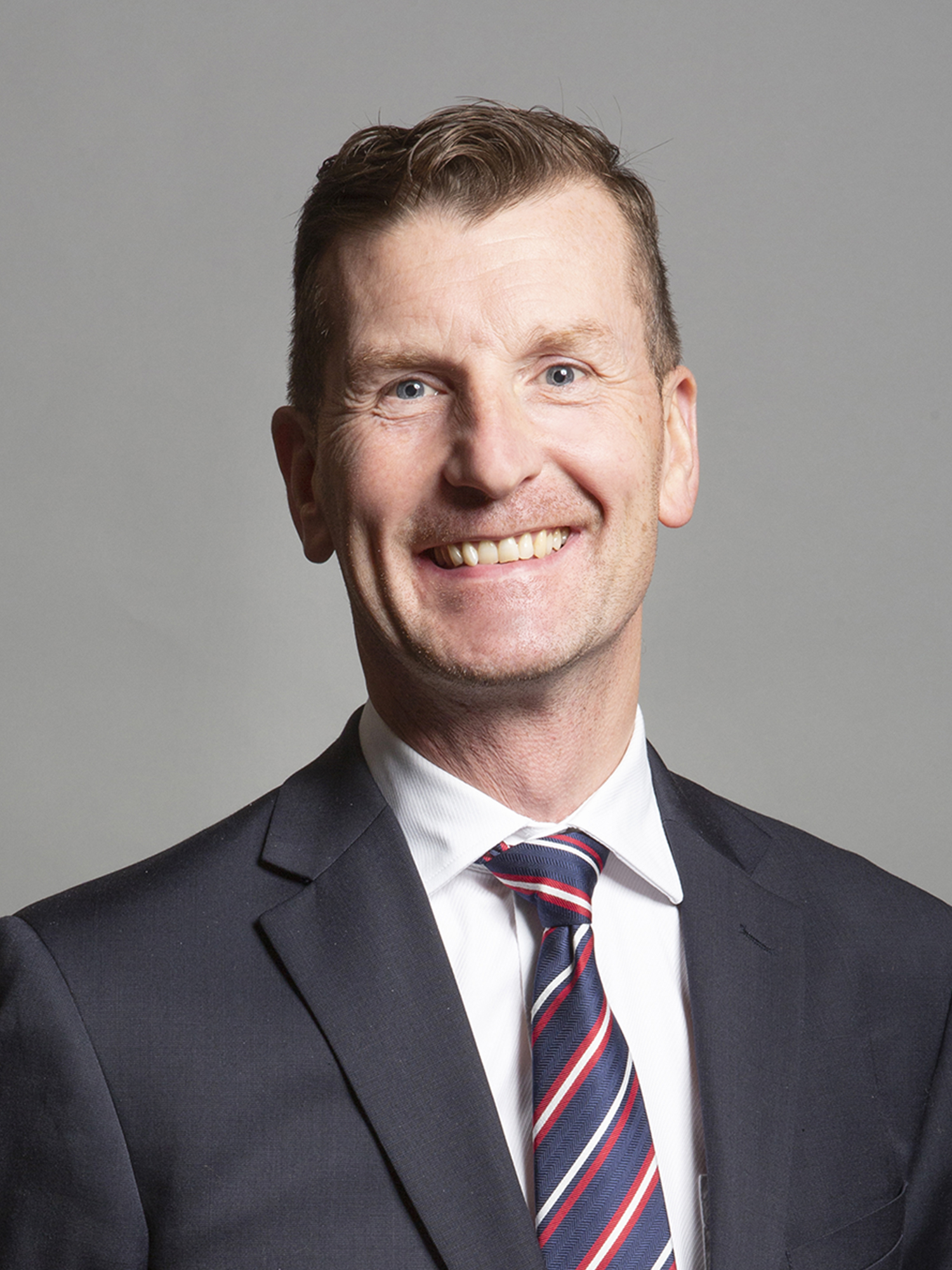
  • Andrew Mitchell – 2023 Statement on Sudan

    Andrew Mitchell – 2023 Statement on Sudan

    The statement made by Andrew Mitchell, the Minister of State at the Foreign Office, in the House of Commons on 24 April 2023.

    With your permission, Madam Deputy Speaker, I will make this further statement to the House about the situation in Sudan on behalf of the Government and the Foreign Secretary, who is attending the funeral of a close family member.

    Ten days ago, fierce fighting broke out in Khartoum. It has since spread to Omdurman, Darfur and other Sudanese cities. As Members of the House will know, a violent power struggle is ongoing between the Sudanese army and the paramilitary Rapid Support Forces.

    The situation in Sudan is extremely grave. More than 427 people have been killed, including five aid workers, and over 3,700 people have been injured. Before this violence began, the humanitarian situation in Sudan was already deteriorating. We now estimate that approximately 16 million people—a third of the Sudanese population—are in need of humanitarian assistance. These numbers, I regret to inform the House, are likely to rise significantly.

    Although the paramilitary Rapid Support Forces announced a 72-hour ceasefire from 0500 hours London time on 21 April to the mark the holy festival of Eid, it did not hold. Given the rapidly deteriorating security situation, the Government took the difficult decision to evacuate all British embassy staff and their dependants to fulfil our duty as their employer to protect our staff. This highly complex operation was completed yesterday. The operation involved more than 1,200 personnel from 16 Air Assault Brigade, the Royal Marines and the Royal Air Force. I know the House will join me in commending the brilliant work of our colleagues in the Ministry of Defence, as well as the bravery of our servicemen and women for completing the operation successfully, in extremely dangerous circumstances.

    I also pay tribute to our international partners for their ongoing co-operation in aligning our rescue responses, and I express my admiration for the work of the crisis centre in the Foreign, Commonwealth and Development Office, where more than 200 officials are working 24/7 and seamlessly across Government to co-ordinate the UK response.

    The safety and security of British nationals continues to be our utmost priority. Our ability to support British nationals has not been impacted by the relocation of British embassy staff. The evacuated team will continue to operate from a neighbouring country, alongside the Foreign Office in London, which is working throughout the day and night to support British nationals and push for a ceasefire in Sudan.

    We are asking all British nationals in Sudan to register their presence with us. The roughly 2,000 British nationals registered with us already are being sent, sometimes with great difficulty, at least daily updates by text and email. This step helps enable us to remain in contact with them while we find a safe passage from Sudan. Movement around the capital remains extremely dangerous and no evacuation option comes without grave risk to life. Khartoum airport is out of action. Energy supplies are disrupted. Food and water are becoming increasingly scarce. Internet and telephone networks are becoming difficult to access. We continue to advise all British nationals in Sudan to stay indoors wherever possible. We recognise that circumstances will vary in different locations across Sudan, so we are now asking British nationals to exercise their own judgment about their circumstances, including whether to relocate, but they do so at their own risk.

    Ending the violence is the single most important action we can take to guarantee the safety of British nationals and everyone in Sudan. The Prime Minister, the Foreign Secretary, the Secretary of State for Defence and I have been in continuous contact with allies and key regional partners since the outbreak of violence to agree a joint approach to both evacuation and de-escalation of violence. Over the weekend, the Prime Minister spoke to his counterparts, including Egyptian President Sisi and the President of Djibouti. The Foreign Secretary was in contact with the Kenyan President, the US Secretary of State and the Foreign Ministers of France, Germany, the United Arab Emirates, Saudi Arabia, Djibouti, Sweden, Turkey, Cyprus and the European Union High Representative for Foreign and Security Policy. The Defence Secretary engaged with counterparts in Djibouti, the United States, France and Egypt. I have spoken to the African Union and the Prime Minister in exile of Sudan, upon whom so many hopes rested. Further escalation of this conflict, particularly if it spills over into neighbouring countries, would be disastrous. As we continue to make clear, there must be a genuine and lasting ceasefire.

    We undertake to keep the House informed as the situation develops. Today, all MPs will receive a second “Dear colleague” letter from the Foreign Secretary and me. This will hopefully help to answer a number of frequently asked questions to assist right hon. and hon. Members in supporting their constituents.

    I will continue to be in close contact with the House and provide updates where possible in the coming days. I commend this statement to the House.

  • NEWS STORY : Government Launches Evacuation Flights from Sudan

    NEWS STORY : Government Launches Evacuation Flights from Sudan

    STORY

    The Government has launched evacuation flights from Sudan in an attempt to get British nationals to safety following the outbreak of civil war in the country. The Foreign Office said in a statement:

    “UK military flights are due to depart from an airfield outside Khartoum, supported by senior diplomats from the Foreign, Commonwealth and Development Office. Flights will be open to those with British passports and priority will be given to family groups with children and/or the elderly or individuals with medical conditions.”

    Andrew Mitchell, the Development Minister at the Foreign Office, told the House of Commons:

    “The situation in Sudan is extremely grave. More than 427 people have been killed, including 5 aid workers. Over 3,700 people have been injured. Before this violence began, the humanitarian situation in Sudan was already deteriorating. We now estimate that approximately 16 million people – a third of the Sudanese population – are in need of humanitarian assistance. These numbers, I regret to inform the House, are likely to rise significantly.”

    RESOURCES

    Foreign Office Press Release on Evacuation

    Andrew Mitchell’s Statement in the House of Commons

    UK Government Statement on Situation in Sudan

  • PRESS RELEASE : New study launched to assess levels of antimicrobial resistance in healthy people [April 2023]

    PRESS RELEASE : New study launched to assess levels of antimicrobial resistance in healthy people [April 2023]

    The press release issued by the UK Health Security Agency on 25 April 2023.

    The study aims to learn about antimicrobial resistance in healthy people to inform better ways of tackling antimicrobial resistant infections in different populations.

    The UK Health Security Agency (UKHSA) has launched surveillance to assess the extent of antimicrobial resistance (AMR) in healthy people across the country.

    Up to 2,000 people will be invited to submit stool samples and nose and throat swabs for the study, which will help scientists understand more about the factors influencing bacteria in our body. By understanding more about the drivers of AMR in the community, we will better be able to design ways to reduce antimicrobial resistant infections.

    A large part of AMR understanding is based on bloodstream infections in hospitalised patients – infections at the most severe end of the spectrum. However, everyone has bacteria in their bodies and some of these bacteria may be antibiotic resistant. Often these bacteria won’t cause any harm, unless they get into a part of the body they shouldn’t be – like the urinary tract or lungs, or if they spread to other people.

    Through the surveillance study, UKHSA scientists seek to understand more about the levels of antibiotic resistant bacteria found in the general population, including carbapenem-producing Enterobacteriaceae (CPE), extended-spectrum beta-lactamase (ESBLs), and methicillin-resistant Staphylococcus aureus (MRSA) amongst others, in humans across England.

    The study will also explore the prevalence of the fungus Candida auris in the community. The surveillance will also enable UKHSA to compare the change in prevalence of AMR in the population compared to a previous study in 2014 focused on ESBLs.

    The work builds on UKHSA’s extensive AMR surveillance programme and aims to further the understanding of how AMR impacts different segments of society, to enable the design of better ways to tackle AMR, tailored to different populations if needed.

    The study will look at age, sex, ethnicity, and geographical location to understand if there are any key differences between different demographics. It will also consider different risk factors for AMR, including:

    • travel
    • diet
    • healthcare contact
    • household transmission

    Dr Russell Hope, Deputy Director, AMR Division at UKHSA, said:

    Antibiotic resistant bacteria can cause very severe and difficult to treat infections – killing thousands of people every year in this country and globally, as well as having a huge economic impact. However, very little is known about how commonly antibiotic resistant bacteria are found in the general ‘healthy’ population – mixed in with the ‘good’ and ‘bad’ bacteria that live in our guts.

    By understanding more about the burden of AMR in healthy people in the general population and the factors that mean someone is more likely to be carrying a resistant organism, we will be able to design better ways to tackle AMR in different populations.

    We can all take action to reduce antibiotic resistance. Please trust your healthcare professional and take antibiotics only as prescribed, never share with others and don’t save for later. Taking antibiotics when you don’t need them puts you and your loved ones at risk of having an untreatable infection in future.

    Antibiotic resistance occurs naturally, but inappropriate usage and overuse of antibiotics can accelerate this process. Antibiotic resistant bacteria are less likely to respond to treatment, causing serious complications, including bloodstream infections, sepsis and hospitalisation, so it is important to take antibiotics only when they are prescribed and necessary for the condition.

    Health Minister Maria Caulfield said:

    AMR is a silent killer that costs over a million lives across the world per year.

    The UK is a global leader in tackling this threat and we launched a vital Call for Evidence last year to help us shape our next 5-year National Action Plan on AMR.

    This new study will build the evidence base so we can better understand what causes AMR to help us ramp up our efforts to tackle this deadly issue.

  • PRESS RELEASE : Have your say on proposed change to permit conditions at Hinkley Point C [April 2023]

    PRESS RELEASE : Have your say on proposed change to permit conditions at Hinkley Point C [April 2023]

    The press release issued by the Environment Agency on 25 April 2023.

    The Environment Agency is launching today a second 4-week consultation on a proposed change to discharge water at Hinkley Point C nuclear power station near Bridgwater.

    Our proposed decision is that we should grant the permit variation for the water discharge activity. The limits and conditions attached to the permit will make sure that people and the environment are protected from water discharge under normal operation.

    To reach our proposed decision, we considered relevant legislation, policy and guidance alongside responses to our initial consultation on the application.

    Assessments were also carried out on habitats, sites of special scientific interest and the Water Framework Directive (WFD).

    The existing permit regulates the operational water discharge activities from Hinkley Point C. These are discharges of non-radioactive liquid effluents and include:

    • returned cooling water from the turbine condensers
    • trade process effluents from the various plant systems (including those that maintain water purity and chemistry to keep the best operating conditions and maximise efficiency)
    • treated sewage effluent (from staff welfare facilities)

    The draft varied permit will also now regulate returned seawater through a fish recovery and return system.

    As a result of our assessment on the impact of the fish recovery and return system discharge, we propose including limits on volume, rate and the total biomass discharged from the fish recovery and return system outlet.

    We propose removing all conditions (or parts of conditions) relating to the acoustic fish deterrent (AFD).

    We have concluded that there would be no adverse effect on the integrity of the relevant European sites (in relation to pollution from regulated discharges to waters) if there is no AFD in place. This includes those sites functionally linked to the Severn Estuary.

    We have also concluded that the proposed permit variation will not cause the current status of the  water bodies to deteriorate, nor prevent them from achieving their objectives.

    The draft varied permit includes the requirement to use an additional operating technique and an improvement condition. It also includes two pre-operational conditions which need Environment Agency approval before the proposed power station can be commissioned or begin to operate.

    This is to make sure that NNB Generation Company (Hinkley Point C) Limited builds and operates the proposed power station according to the commitments made in its permit application.

    We intend to publish our final decision in summer 2023.

  • PRESS RELEASE : Appointment of 2 members to the Prison Service Pay Review Body [April 2023]

    PRESS RELEASE : Appointment of 2 members to the Prison Service Pay Review Body [April 2023]

    The press release issued by the Ministry of Justice on 25 April 2023.

    The Secretary of State for Justice has announced the appointments of Roy Grant and Nigel Cotgrove as members to the Prison Service Pay Review Body (PSPRB). Both appointments will be for a tenure of five years and will commence on 1 August 2023 until 31 July 2028.

    The PSPRB provides the government with independent advice on the remuneration of operational prison staff in England, Wales and Northern Ireland, as set out in The Prison Service (Pay Review Body) Regulations 2001 (SI 2001 No. 1161).

    Appointments and re-appointments to the PSPRB are regulated by the Commissioner for Public Appointments. These appointments have been made in line with the Commissioner’s Code of Practice for Ministerial Appointments to Public Bodies.

    Public appointments to the PSPRB are made by the Prime Minister.

    Roy Grant biography

    Roy Grant was recently a Non-Executive Director for RCNi for 9 years until 2022 and a Member of the Royal College of Nursing Remuneration Committee. He has worked on industrial relations programmes, strategy development, financial stability, governance and audit and risk. From 2015 to 2021 he was chair of the remuneration committee for Your Housing Group, a social housing organisation across the Midlands and North West. Prior to 2013 he had a long career as an HR director across multiple sectors.

    Nigel Cotgrove biography

    Nigel Cotgrove is currently a Trustee Director of the BT Pension Scheme, where he has been in post since 2020. He has also been part of the Members’ Panel at the National Employment Savings Trust (NEST) since 2016. Nigel worked for the Communication Workers’ Union (CWU) for 31 years until 2020. He served as a National Officer for over 20 years representing workers in the telecoms, IT and financial services sectors. Prior to that, he worked as a CWU Research Officer.

  • PRESS RELEASE : Prepayment meter customers urged to claim £160 million in energy bill support [April 2023]

    PRESS RELEASE : Prepayment meter customers urged to claim £160 million in energy bill support [April 2023]

    The press release issued by the Department for Energy Security and Net Zero on 25 April 2023.

    Government calls on prepayment meter users to claim bills support by redeeming their Energy Bills Support Scheme vouchers.

    • £780 million in energy bill support delivered to customers on traditional prepayment meters, with £160 million still to be claimed.
    • customers can still claim savings of up to £400 off their energy bills under the scheme
    • just over a month for off-gas-grid households to apply for energy discounts, in final push for support

    Households on traditional prepayment meters are being urged by the government to redeem their energy bill support vouchers, with £160 million remaining to be claimed.

    Prepayment meter customers have so far claimed £620 million under the government’s Energy Bills Support Scheme (EBSS).

    New figures published today show that more than £780 million in EBSS vouchers have been sent to households, with nearly 80% redeemed by customers.

    These vouchers allow eligible customers, often in low-income homes, to access vital discounts of up to £400 on their energy costs, which direct debit customers will have automatically received this winter.

    Consumer Energy Minister Amanda Solloway has urged anyone who has not yet redeemed their prepayment meter vouchers to do so now, with the scheme remaining open until 30 June. Customers can redeem the 2.4 million outstanding vouchers at their local Post Office or PayPoint.

    The EBSS, together with the cap on energy prices, saw the government cover half of a typical household energy bill over the winter – driving forward the government’s priority to halve inflation. Last month the government also announced an extension to the Energy Price Guarantee, meaning by the end of June a typical household will have saved £1,500 on their energy bill – while wholesale prices continue to fall.

    Minister for Energy Consumers and Affordability Amanda Solloway said:

    Putin’s illegal war on Ukraine had a massive impact on global energy prices and with it, people’s bills.

    The government stepped in to provide vital support to households across the country, with £780 million in support delivered to prepayment meter customers. But there’s still £160 million of that yet to claim which will make a huge difference.

    Even as the warmer weather sets in I urge anyone on a traditional prepayment meter to act now if they haven’t redeemed their voucher.

    Nick Read, Chief Executive of the Post Office said:

    We’re urging people not to miss out on this vital support from the government before the Energy Bills Support Scheme closes at the end of June. Claiming your voucher at the Post Office is really simple, just bring your voucher, your energy pre-payment key or card and the ID specified in your voucher letter and we will redeem the voucher for you at the counter. It’s important to check any post you have at home to ensure you haven’t missed any vouchers. They are valid for 3 months but if you have expired vouchers you should contact your electricity supplier and ask for a new one to be sent out.

    Under the Energy Bills Support Scheme more than £11.4 billion went to 28 million households across the UK to keep costs down over the winter – the equivalent of £500,000 a day.

    Households who do not have a direct relationship with an energy supplier or use alternative fuels – such as heating oil, LPG and biomass – to heat their homes are also being urged to take full advantage of government support, as a number of schemes close on 31 May, meaning from Monday they’ll have just a month to claim.

    Customers in these households can apply for:

    • the Energy Bills Support Scheme Alternative Funding which provides equivalent £400 payments to households who do not have a domestic electricity supply and were not eligible to receive the Energy Bills Support Scheme automatically. Eligible applicants include partially or wholly self-funded care homes residents and residents of park homes. These households must apply either via GOV.UK or the contact centre helpline by 31 May 2023
    • the Alternative Fuel Payment Alternative Funding scheme which supports households that use fuels such as heating oil, LPG and biomass as their main heating source but did not automatically receive £200 of support from an electricity supplier. Eligible applicants must apply via GOV.UK or the contact centre helpline by 31 May 2023

    Today’s figures on EBSS vouchers show that for the fifth month in a row London had the lowest redemption rate, with a third of vouchers still unused at the end of February. Around 26% of vouchers in both Scotland and the South East of England are also yet to be used.

    The government has urged suppliers and consumer groups to continue to make the most of this data and pinpoint help to where it is most needed, with some going door-to-door to get information out to these households.

    Londoners also benefitted from government pop-up events to help explain how they can access the support, held in partnership with Citizens Advice and the Post Office. This came as part of a targeted government information campaign, which saw adverts run on community radio, social media, national magazine titles, as well as roaming billboard vans that have been popping up in towns and cities across the country.

  • NEWS FROM 100 YEARS AGO : 25 April 1923

    NEWS FROM 100 YEARS AGO : 25 April 1923

    25 APRIL 1923

    Warren Harding, the President of the United States, announced that he thought the United States should participate in the Court of International Justice.

    Neville Chamberlain, the Minister of Health, spoke in the House of Commons to support the Government’s Housing Bill. He said that it was the “starting apparatus” for letting private enterprise build properties for the working class and help people of moderate means to own their own homes.